
When you approach a private label dress factory, the information you provide affects how accurately your designs can be reviewed, quoted, and developed. As a clothing manufacturer, we receive inquiries from brands with complete tech packs as well as designers who only have sketches or reference garments. Both are workable starting points, but unclear fabric requirements, order quantities, or construction details can lead to unnecessary revisions and unexpected costs later.
1. Define the Dress Styles for Your Collection
Before requesting a quotation, identify the dress styles you want to manufacture and the market you are developing them for. A collection of casual jersey dresses involves different materials and sewing processes from structured corset dresses, formalwear, or embellished evening dresses.
You do not need every design finalized. However, the factory should understand the general direction of your collection, including the intended customer, retail positioning, and the features that make each style distinct.
For example, a fitted evening dress may require attention to bust support, waist shaping, neckline construction, and skirt balance. A loose summer dress may place more emphasis on fabric drape, opacity, and garment length.
When reviewing new inquiries, we first look at the main design features that affect pattern development and sewing. A dress with several panels, gathered sections, or complicated draping requires a different approach from a relatively simple shift dress.
If you are still working on your collection, select a few reference styles and explain what you want to retain from each one. Mark the neckline, sleeve shape, waist position, or other details that should not change.
Also identify where adjustments are acceptable. This is particularly useful when the original design uses a fabric or construction method that may not be practical for your intended order quantity.
2. Prepare Design References and a Tech Pack
A complete tech pack makes communication easier, but you do not have to finish one before making your first inquiry.
If you are at the early development stage, send the information already available:
- Front and back sketches or technical flats
- Reference photos showing important design details
- Existing measurements or a size chart
- Fabric specifications or a physical swatch
- Notes on lining, closures, trims, and finishing
- Logo artwork and private label requirements
Once your design enters sampling, the tech pack becomes more important. Your pattern maker needs clear information about garment measurements, seam construction, closure positions, and other details that cannot be determined reliably from an inspiration photograph.
One situation we encounter during dress development is that the reference image shows the appearance of a garment but not how it is constructed.
For instance, a fitted bodice may look smooth from the outside, but the photograph does not reveal whether it uses separate cups, boning, interfacing, or additional lining support. These decisions affect the pattern and sewing process.
The same problem occurs with draped skirts, asymmetric necklines, and fitted sleeves. If you have a particular construction detail in mind, explain it rather than leaving the factory to guess.
If you have an existing sample from another supplier, provide it as a reference where possible. Its measurements and construction can help the pattern maker understand your expectations, although the factory still needs to check whether the materials and sewing methods are suitable for the new production order.
3. Confirm Your Fabric Preferences
Fabric should be discussed before the first sample is developed. A dress pattern that works with one material may need adjustments when a different fabric is used.
You may already have a preferred composition, fabric weight, or supplier. If not, describe the appearance and performance you expect from the finished garment.
For example, satin used for a fluid evening dress needs different characteristics from a heavier satin intended to hold a structured shape. A stretch jersey dress also needs fabric with suitable recovery so that the garment does not lose its fit after wearing.
If you have a swatch, send it with any available information about composition, weight, and stretch. If you only have photographs, explain the material qualities you are trying to achieve.
There are a few decisions worth making before sourcing begins:
- Is the fiber composition fixed, or can alternatives be considered?
- Does the fabric need to match a particular color or Pantone reference?
- How important are drape, thickness, and surface texture?
- Can the factory suggest an alternative if the original material is unavailable?
- Are there specific requirements for shrinkage or stretch recovery?
We also need to know which properties are essential and which are preferences. A substitute fabric may look similar in a photograph but behave differently during cutting, sewing, and fitting.
For a small initial order, stock fabrics can sometimes be a practical alternative to custom dyeing. However, the material still needs to be checked against the design requirements. Saving on fabric cost is not useful if the substitute changes the silhouette or makes the finished dress less comfortable to wear.
4. Give a Realistic Quantity Estimate
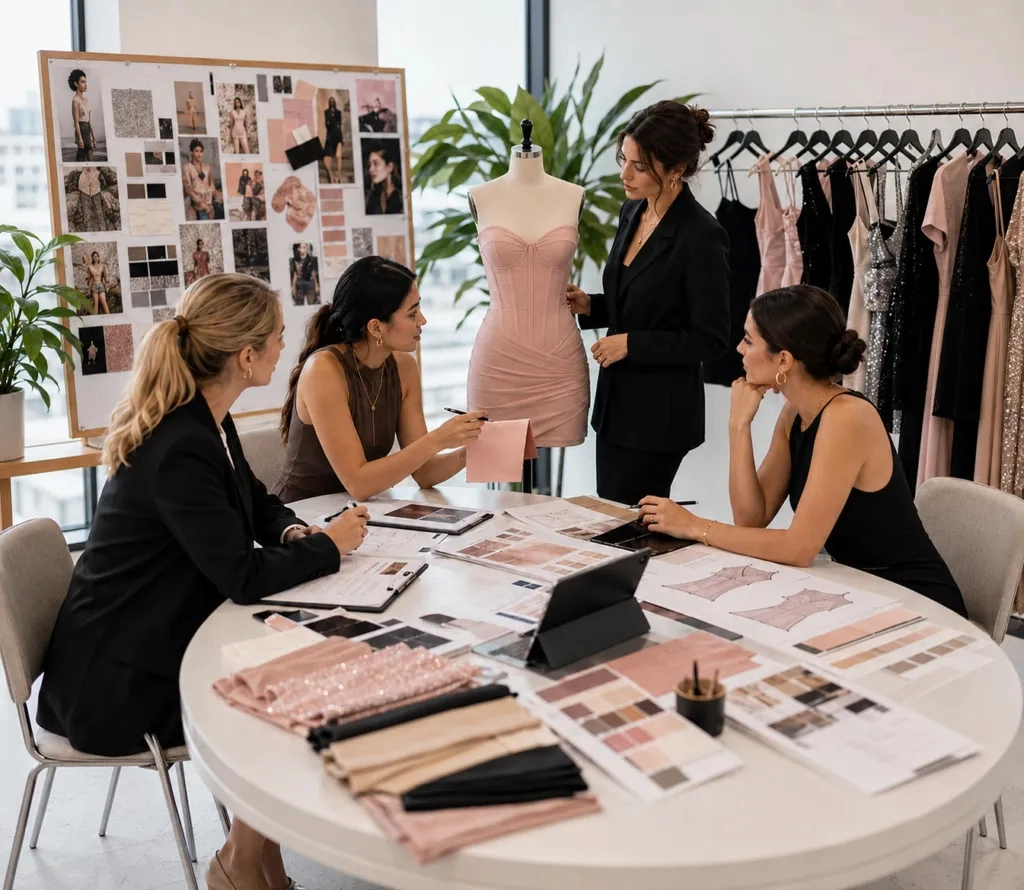
Your order quantity affects more than the garment’s unit price. It can influence fabric sourcing, material minimums, cutting arrangements, and production scheduling.
When contacting a factory, provide an estimated quantity for each style and color rather than giving only the total number of dresses in your collection.
For example, 600 pieces divided across six styles and several colors create a different sourcing and production arrangement from 600 pieces of one style in a single color.
Prepare an initial breakdown covering:
- Number of dress styles
- Colorways for each style
- Estimated pieces per style and color
- Required size range
- Size ratio, if available
- Expected repeat order volume
If you are launching a new fashion brand, you may want to begin with a smaller order to test customer demand. Before proceeding, check whether the factory’s MOQ applies per style or per color.
There is another cost consideration that buyers sometimes overlook: fabric and trim suppliers have their own minimum quantities.
Custom-dyed fabrics, printed materials, special buttons, and embellishments may require minimum purchasing volumes that do not match your garment order. This can create additional material costs even when the factory accepts a smaller garment quantity.
Ask about these requirements separately. If your first collection has limited quantities, discuss stock fabrics and standard trims before committing to custom materials.
5. Establish Your Target Manufacturing Cost
Your target cost helps the factory understand what kind of construction and material options are commercially realistic for your collection.
Start with your intended retail price and work backward. Allow for freight, import duties, packaging, fulfillment, marketing, and the profit margin your business needs.
When requesting quotations, make sure you are comparing the same product specifications. Two factories may quote different prices for what appears to be the same dress because their assumptions about materials and construction are different.
For example, one quotation may include a full lining, concealed zipper, custom labels, and detailed finishing, while another may be based on a simpler construction.
Ask the supplier to clarify what is included:
- Main fabric and lining
- Zippers, buttons, and other trims
- Embroidery or special embellishments
- Sample development
- Private label and packaging materials
- Additional construction or finishing processes
If the quotation exceeds your budget, ask which parts contribute most to the cost.
A custom-dyed fabric may be replaced with an available stock option. Some decorative details may be simplified. However, removing boning, support components, or essential lining from a structured dress can change how the garment fits and wears.
The goal is to understand where adjustments are possible without losing the features that define your product. A useful quotation should make these differences clear rather than presenting a unit price without explaining the specifications behind it.
6. Prepare Your Private Label and Packaging Specifications
Your branding requirements should be discussed before the bulk order reaches the packing stage.
Depending on your sales channel, you may need main labels, size labels, care labels, hangtags, barcodes, branded polybags, or carton markings.
If your artwork is ready, provide the logo files, label dimensions, color references, and placement instructions. If some details are still being designed, tell the factory which items are pending.
Your packaging requirements may differ depending on how you sell your dresses. An online fashion brand may need individual SKU labels and branded polybags, while a wholesale buyer may have specific carton markings, folding instructions, and size-ratio requirements.
Garment construction also affects packing. Dresses with structured cups, delicate beadwork, sequins, or other embellishments may require more careful folding and protection during transportation.
One detail worth checking is whether your labels and packaging materials need to be produced separately. Custom branding components often have their own approval and purchasing lead times.
Finalizing these requirements early gives your supplier time to arrange the materials alongside fabric and trim sourcing, rather than holding up packing because a label design has not been approved.
7. Set a Practical Production and Delivery Schedule
Before giving a factory your required delivery date, clarify what that date actually means. Do you need the garments completed at the factory, ready for shipment, or delivered to your warehouse?
These milestones are not interchangeable.
A custom dress order may involve quotation, pattern development, sample sewing, fit corrections, fabric confirmation, pre-production approval, bulk cutting, sewing, finishing, inspection, packing, and shipping.
The bulk production schedule depends on more than the sewing process. Fabric availability, sample revisions, custom trims, and packaging preparation can all affect the start date.
For example, a dress using readily available stock fabric may be ready for sampling sooner than one requiring custom printing or specialized embellishments.
When discussing the delivery schedule, ask the factory which materials and approvals must be completed before bulk cutting can begin.
You should also account for the time needed to review samples and provide feedback. If your collection contains several styles, try to establish separate approval milestones instead of assuming every sample will be ready at the same time.
A delayed fabric approval or unresolved fit issue can affect the production schedule even when the factory has available sewing capacity.

8. Clarify What Development Support You Need
Not every brand approaches a manufacturer with the same level of preparation. Some buyers have complete tech packs and approved materials, while others need assistance with pattern development, fabric sourcing, measurements, and construction details.
Before sampling starts, explain which tasks your team will handle and which ones you expect the factory to undertake.
For example, if you provide a finished tech pack but need the factory to source a suitable fabric, the quotation should reflect that sourcing work. If you only have reference photos and need pattern development from the beginning, the scope of development will be different.
Clarify the following before proceeding:
- Who provides the initial design specifications?
- Who sources and approves the materials?
- Who confirms changes to the original design?
- How are sample revisions handled and charged?
- Who gives final approval before bulk production?
- Which technical files and records will be supplied?
Communication becomes particularly important when your designer, buyer, and production contact are different people.
If your designer requests a tighter waist while your purchasing manager wants to reduce material costs, the factory needs one agreed set of instructions. Conflicting feedback can lead to repeated sample corrections.
When sending revisions, identify the garment area, describe the required result, and attach measurements or annotated photographs. Confirm the changes in writing so the pattern maker and sample room are working from the same instructions.
9. Check the Approved Sample Before Bulk Production
A sample is the reference for bulk production, so approval should cover more than its overall appearance.
Before signing off, compare the garment against the agreed measurements, fabric, color, construction, trims, and finishing requirements. Try it on the intended wearer or fit model and check how it behaves when worn.
For fitted dresses, pay attention to bust fit, waist position, zipper alignment, and seam tension. For dresses with flowing skirts, check the hem balance, lining length, and how the fabric falls when the wearer moves.
Also review the smaller details that can become noticeable across a production run:
- Neckline symmetry and strap placement
- Stitching quality and seam puckering
- Lining tension and attachment
- Zipper and closure operation
- Hem finishing and garment balance
- Embellishment placement and security
If your order includes several sizes, check the grading rather than assuming that increasing the measurements will preserve the original fit. A fitted bodice, for example, may need more careful adjustments around the bust, waist, and armhole.
Once the sample is approved, keep the supporting specifications together. The final measurement chart, pattern version, fabric reference, trim details, and construction notes should all match the approved garment.
During bulk sewing, in-line QC should check important measurements and workmanship while corrections can still be made. The approved sample and production records then provide a reference for final inspection.
Any changes made after sample approval should be recorded and passed to the production team before the affected garments are made.
Frequently Asked Questions
1. Should I sign an NDA before sharing my dress designs?
If your collection includes original designs or commercially sensitive information, discuss confidentiality before sending the complete design package. Make sure the agreement identifies the information covered, how it can be used, and which parties are responsible for protecting it.
2. Who owns the patterns developed for my dress collection?
Pattern ownership should be agreed upon before development begins. Ask whether the pattern-making fee includes ownership or whether the factory retains the files. If you may transfer production later, clarify whether paper patterns or digital pattern files can be supplied.
3. What payment terms should I negotiate with a dress factory?
Confirm the sample fee, bulk deposit, balance payment milestone, accepted currency, and payment method before placing an order. Also ask whether development costs are separate from production costs and whether any sample fees can be credited toward a confirmed bulk order.
4. How should quality disputes be handled after receiving the order?
Agree on inspection standards and measurement tolerances before bulk production. If a problem occurs, document the affected pieces, measurements, and workmanship issues with photographs. A written inspection record makes it easier for both parties to assess the problem and agree on corrective action.
5. Can I manufacture the same dress collection with different suppliers?
You can discuss transferring production, but first check your agreement regarding pattern ownership, technical files, and material specifications. Having the approved sample, measurement chart, and construction records available makes it easier for another factory to assess the styles and reproduce the intended requirements.
Conclusion
Preparing your design references, fabric preferences, order quantities, and target costs gives a private label dress factory a clearer starting point for quotation and development. You do not need every detail finalized, but your confirmed requirements should be separated from decisions still under discussion. At Xiuyu Apparel, we approach each project from a manufacturing perspective, helping fashion brands review their requirements before working with an experienced dress manufacturer.