

Many brands underestimate silk dress production because silk looks simple but behaves very differently from regular fabrics. During development, problems often appear in pattern adjustment, fabric cutting, and finishing rather than in the original design idea.
With 18+ years of apparel manufacturing experience, Xiuyu Apparel has worked with fashion brands, boutiques, retailers, and private label companies to develop silk dresses for different markets and collections.
For fashion brands, choosing the right silk dress manufacturer is not only about production capacity. Fabric handling, pattern accuracy, and quality control directly influence the final product performance during bulk manufacturing.
What Is a Silk Dress?
A silk dress is a garment made from silk or silk-blend fabrics, valued for its natural shine, soft touch, breathable comfort, and elegant movement. For fashion brands, the challenge is not only choosing silk fabric but also turning a design concept into a stable production product.
However, producing a commercial-quality silk dress requires much more than sewing fabric together. The final result depends on:
- Silk fabric quality and weight
- Pattern accuracy
- Fabric cutting precision
- Sewing techniques
- Lining construction
- Pressing methods
- Quality inspection standards
- Production experience with delicate fabrics
When developing custom collections, our product development team works with clients to turn design concepts into production-ready silk dresses.
Why Silk Dress Manufacturing Requires Professional Experience
Compared with many common apparel fabrics, silk requires more control during cutting, sewing, and finishing. Its lightweight structure, smooth surface, and natural drape create a premium appearance but also bring production challenges.
During manufacturing, silk can easily move during cutting, create seam puckering during sewing, or develop surface marks if handled incorrectly. Even small mistakes in machine tension, pressing temperature, or fabric preparation can affect the final garment quality.
This is why brands producing silk collections usually prefer manufacturers that understand fabric behavior, rather than suppliers who only arrange production. A specialized factory understands how to control silk behavior throughout the entire production process.
Complete Silk Dress Manufacturing Process
Our silk dress manufacturing process usually includes:
- Design review and technical development
- Pattern making
- Silk fabric sourcing and testing
- Sample development
- Sample approval
- Bulk fabric preparation
- Cutting and sewing production
- Quality control inspection
- Packing and shipment preparation
In bulk production, small issues that are acceptable in one sample can become a quality problem across hundreds of pieces.
Step 1: From Design Review to Sample Development
Before production starts, the manufacturer reviews your design requirements, including:
- Design sketches
- Reference samples
- Tech packs
- Fabric requirements
- Size specifications
- Color options
- Labels and packaging requirements
For OEM and private label projects, many brands may only provide a concept image or basic idea. Our development team evaluates whether the design can be produced efficiently, which silk fabric is suitable, and how to achieve the required silhouette.
Reviewing these details before sampling reduces unnecessary changes after production begins.
Step 2: Pattern Development for Silk Dresses
Pattern development is one of the most important steps in silk dress production.
The pattern determines:
- How the dress fits
- How the silk fabric falls
- Where seams are positioned
- How comfortable the garment feels
- How the dress moves when worn
In our production experience, silk dress patterns usually require more adjustments than cotton garments because the fabric has less natural structure and reacts differently during wearing.
During our 18+ years of silk and fashion garment production, we have developed different constructions, including bias-cut slip dresses, lined satin dresses, and lightweight chiffon styles. These projects helped our pattern team understand how different silk fabrics behave during production.
Our pattern makers usually review silk designs based on fabric behavior before sampling, because the same silhouette can perform differently depending on whether the fabric is silk satin, chiffon, or charmeuse.
Seam Construction
Silk shows every construction detail. Clean finishing methods such as French seams, rolled hems, and precise edge finishing help maintain a luxury appearance.
Bias Cutting and Drape Control
Many silk dresses use bias-cut designs because they create a natural flowing silhouette. Accurate grainline control is essential to prevent twisting and uneven drape.
Lining Structure
Many silk dresses require lining to improve comfort, opacity, and garment shape. The lining pattern must match the outer silk layer to prevent pulling or distortion.
Step 3: Silk Fabric Selection and Testing
In actual production, fabric selection is usually the first factor our team evaluates because silk with the same composition can perform differently during cutting, sewing, and final finishing.
At Xiuyu Apparel, our technicians check silk weight, shrinkage behavior, color stability, and cutting performance before bulk production.
For example, silk satin with a higher momme weight usually requires different cutting settings compared with lightweight chiffon because fabric movement and pressing sensitivity are different.
- Silk grade
- Momme weight
- Fabric weave
- Drape
- Hand feel
- Shrinkage
- Color fastness
- Sewing performance
Common silk weights include: 12 momme, 16 momme, 19 momme, 22 momme, and 30 momme silk fabrics depending on dress style, durability requirements, and customer preference.
Common silk fabrics include:
Mulberry Silk:Mulberry silk is widely used for premium collections because of its smooth surface, natural shine, and excellent durability.
Silk Satin:Silk satin creates a luxurious glossy appearance and is commonly used for evening dresses and occasion wear.
Silk Chiffon:Silk chiffon offers a lightweight and flowing feel, making it suitable for summer collections, resort wear, and elegant layered designs.
Common Silk Dress Fabric Options
- Silk Satin Dress
- Silk Chiffon Dress
- Silk Charmeuse Dress
- Silk Crepe Dress
- Silk Organza Dress
At Xiuyu Apparel, we normally confirm silk fabric performance through pre-production testing before approving bulk orders.
Step 4: Silk Dress Sample Development
Sampling allows brands and manufacturers to confirm the design before mass production.
A complete sample process usually includes:
First Prototype Sample
The manufacturer checks the overall design interpretation, including:
- Dress shape
- Neckline
- Sleeve structure
- Length
- Skirt movement
Fit Sample
The team evaluates:
- Body fitting
- Comfort
- Wearing movement
- Balance of front and back appearance
Final Approval Sample
The approved sample becomes the production standard for bulk manufacturing.
It confirms:
- Final fabric
- Color
- Measurements
- Construction details
- Labels
- Packaging requirements
Step 5: Bulk Silk Dress Production
After sample approval, bulk production begins.
Fabric Inspection
Before cutting, silk fabric is checked for:
- Color consistency
- Surface defects
- Fabric width
- Weight accuracy
Fabric Cutting
Silk requires careful cutting because the slippery surface can cause fabric layers to shift.
Our technicians control:
- Pattern placement
- Grain direction
- Cutting accuracy
- Panel matching
Sewing and Assembly
The sewing process includes:
- Joining garment panels
- Sewing seams
- Installing zippers
- Adding lining
- Finishing neckline and hems
During production, quality teams monitor stitching, measurements, and construction details to maintain consistency.
Step 6: Quality Control Before Shipment
Quality control is essential for brands that need reliable bulk production. For silk dresses, our QC team pays special attention to seam appearance, pressing marks, and measurement consistency because these details directly influence the premium look of the finished garment.
As a professional clothing manufacturer in China, we inspect products throughout production, including:
- Fabric inspection
- Cutting inspection
- Sewing inspection
- Finished garment inspection
- Packing inspection
Final inspection checks:
- Measurements
- Stitch quality
- Fabric appearance
- Color consistency
- Zipper function
- Labels
- Packaging
Before shipment, our QC team compares finished garments with the approved sample to check whether bulk production meets the confirmed standard. In our factory, silk dresses are checked during cutting, sewing, pressing, and final packing stages.
Step 7: Our Experience Working With Silk Fabrics
Silk fabrics behave differently from common apparel materials.
During production, our team adjusts cutting methods, sewing settings, and pressing temperatures according to fabric characteristics.
For lightweight silk chiffon, controlling fabric movement during cutting is critical.
For silk satin and charmeuse, surface protection during handling and pressing is especially important because marks can easily affect the final appearance.

How Xiuyu Apparel Manufactures Silk Dresses
Before bulk cutting starts, we develop a pre-production sample for every new style to confirm design details, fitting accuracy, and manufacturing requirements, ensuring efficient production and consistent quality.
Our real silk dress manufacturing process at Xiuyu Apparel factory covers fabric inspection, cutting, sewing, pressing, final inspection, and packing. Each stage is monitored by our production and quality teams before shipment.
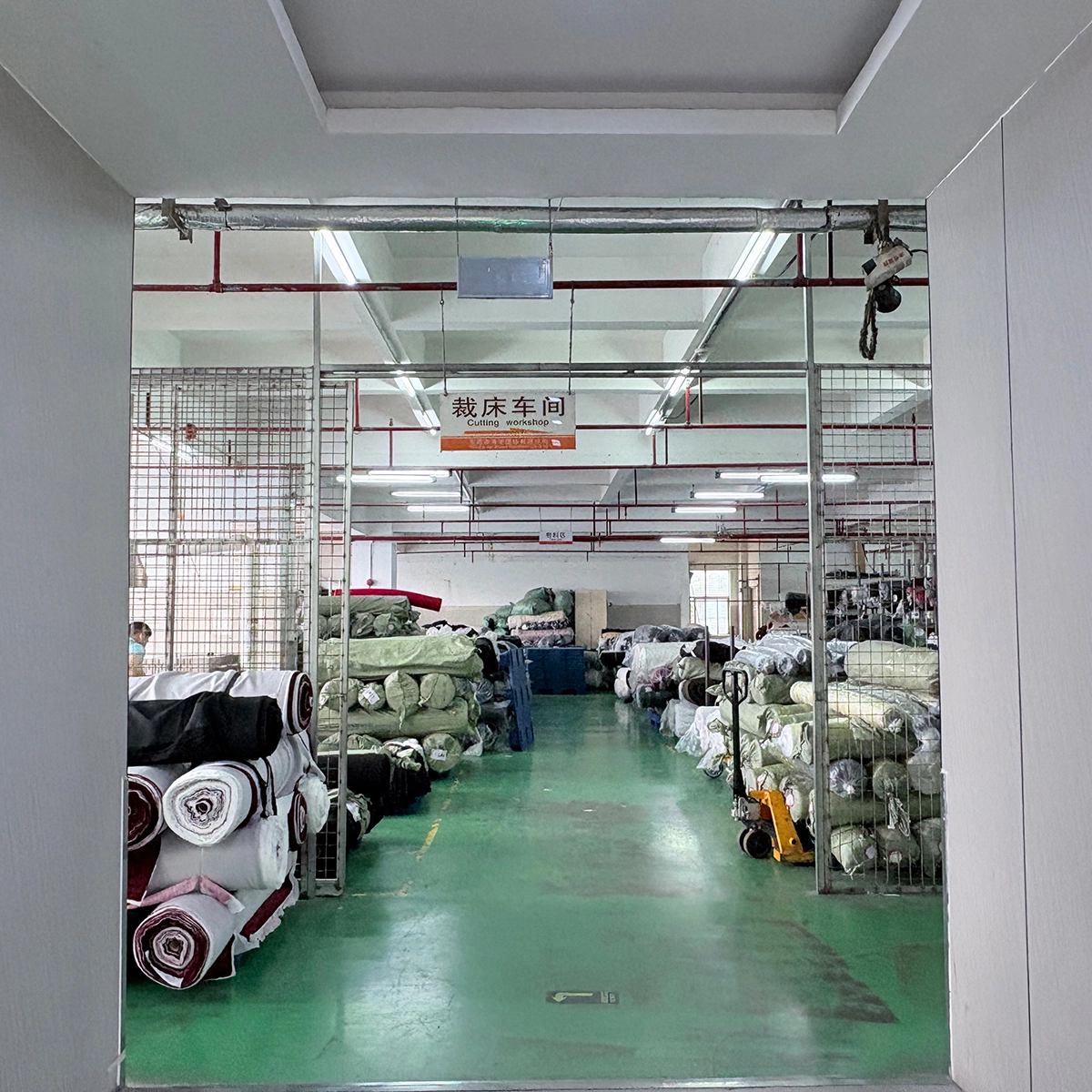
Fabric Warehouse
Before cutting, our team checks each fabric roll and records the material details. Batch information is added to each roll so we can track fabrics during production. This helps prevent color differences and material problems in bulk orders.
↓
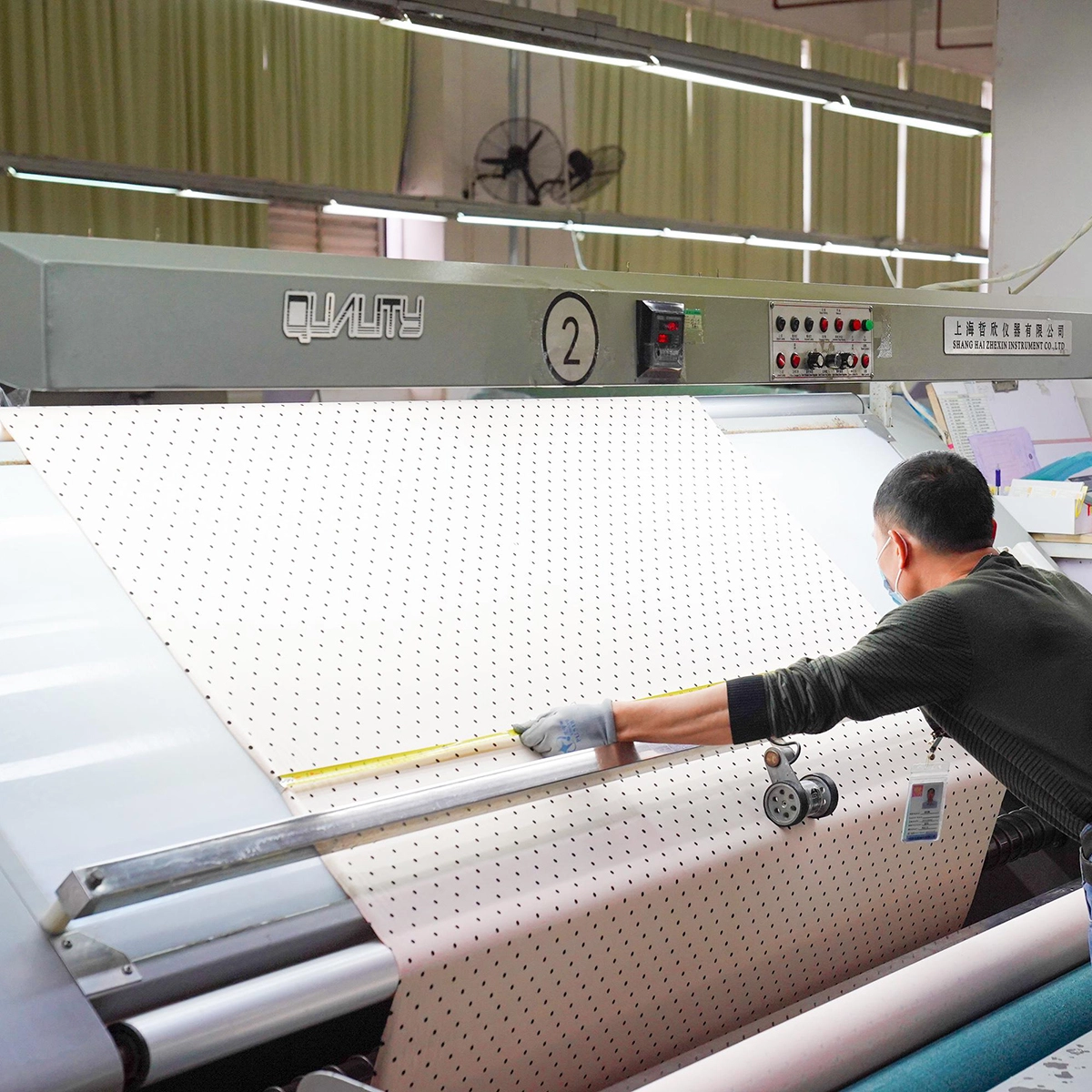
Fabric Inspection
Before cutting, every fabric roll is inspected by our QC team using a Four-Point Fabric Inspection System. We check color differences, fabric condition, and visible defects to make sure the materials meet production needs. This process helps prevent fabric problems and keeps OEM and ODM garment production running smoothly. This step is especially important for fabrics with satin, silk, or delicate surfaces, where small defects can affect the final appearance of the garment. Our QC inspectors record fabric rolls, shade numbers, and inspection results before cutting.
↓
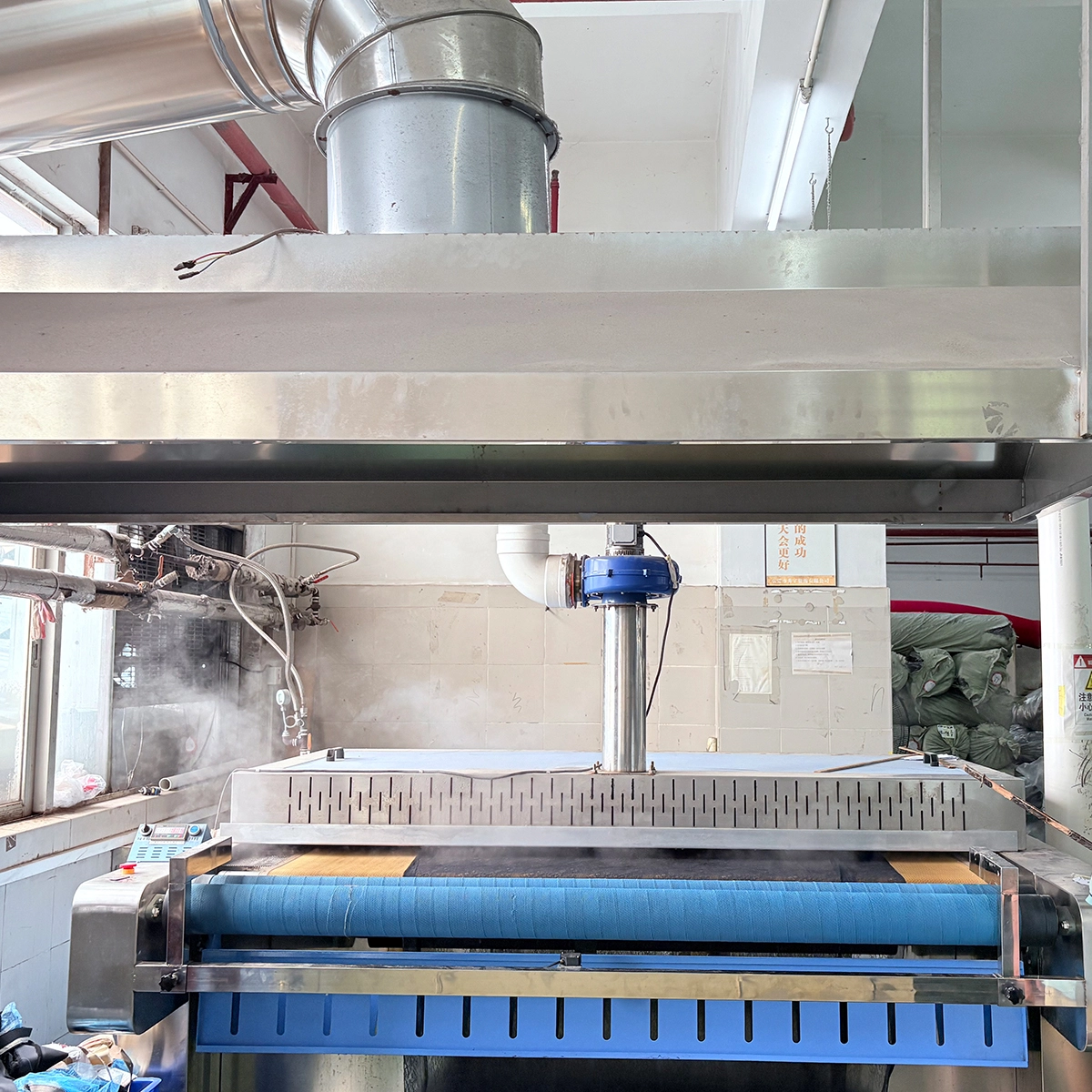
Fabric Pre-shrinking
After fabric inspection, approved materials are pre-shrunk before cutting to reduce shrinkage risks during washing. This process helps keep garment sizing consistent and improves accuracy across bulk OEM & ODM orders.
↓
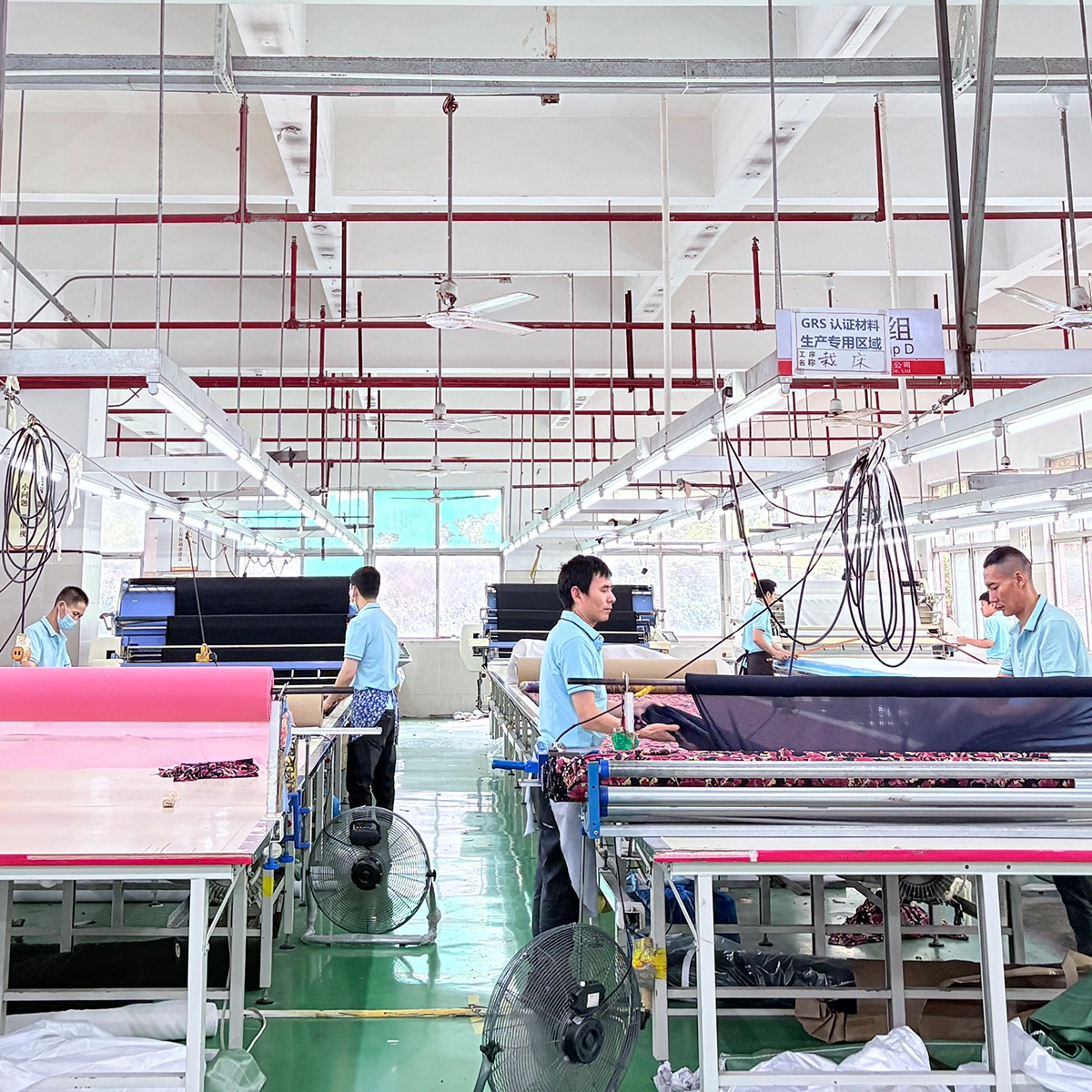
Automatic Cutting
We use computerized automatic cutting machines to achieve accurate pattern cutting and consistent fabric panels across bulk production. This helps maintain garment measurement accuracy, reduce fabric waste, and improve cutting efficiency for OEM & ODM orders.
↓
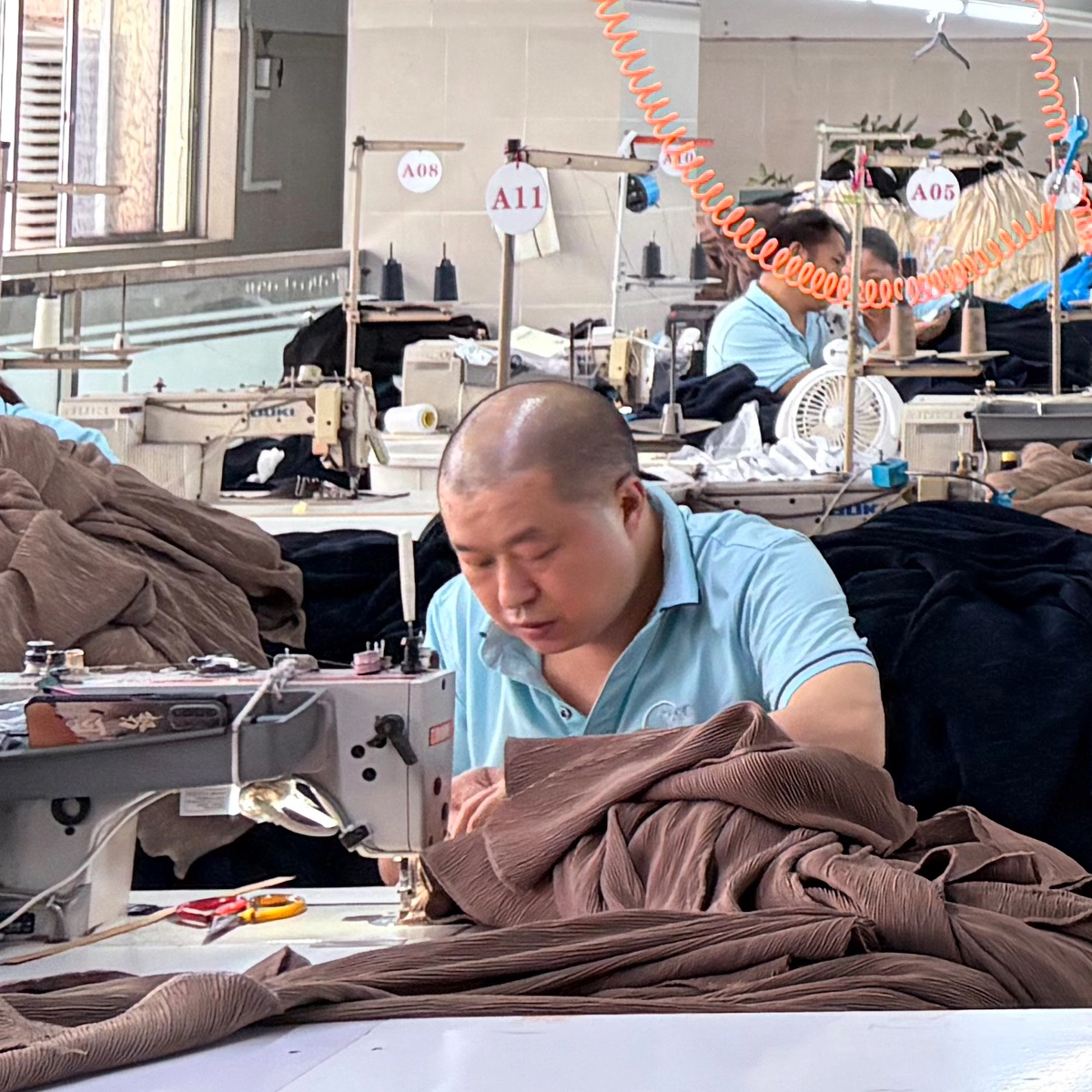
Bulk production Sewing
Skilled sewing operators follow approved patterns, measurements, and production instructions to ensure accurate garment assembly. In-line checks help control stitching quality and construction details throughout bulk OEM & ODM production.
↓
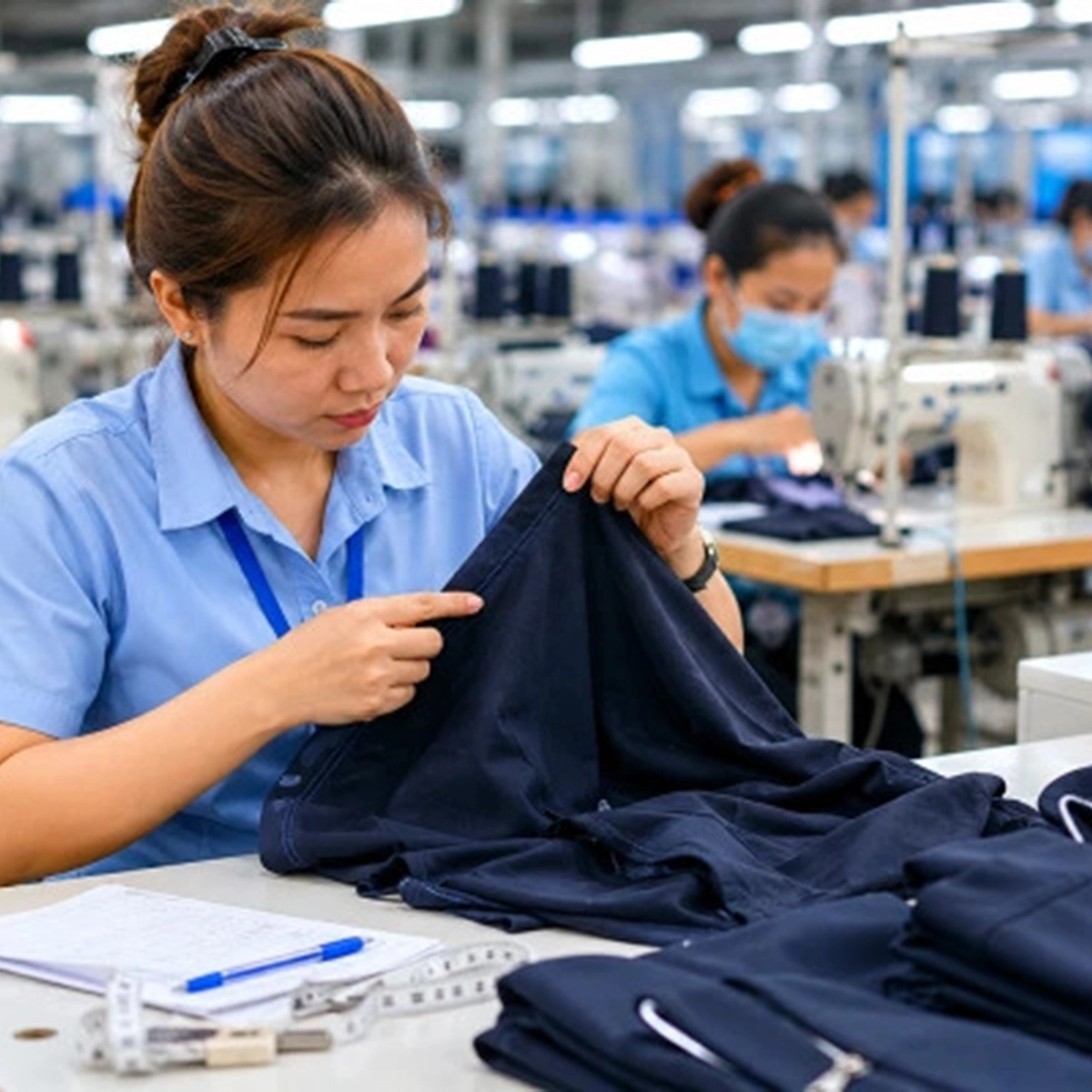
In-line Inspection
During production, our QC team checks stitching quality, garment measurements, and construction details at different stages. Any issues found are reviewed and corrected promptly to maintain consistent quality across OEM & ODM bulk orders.
↓
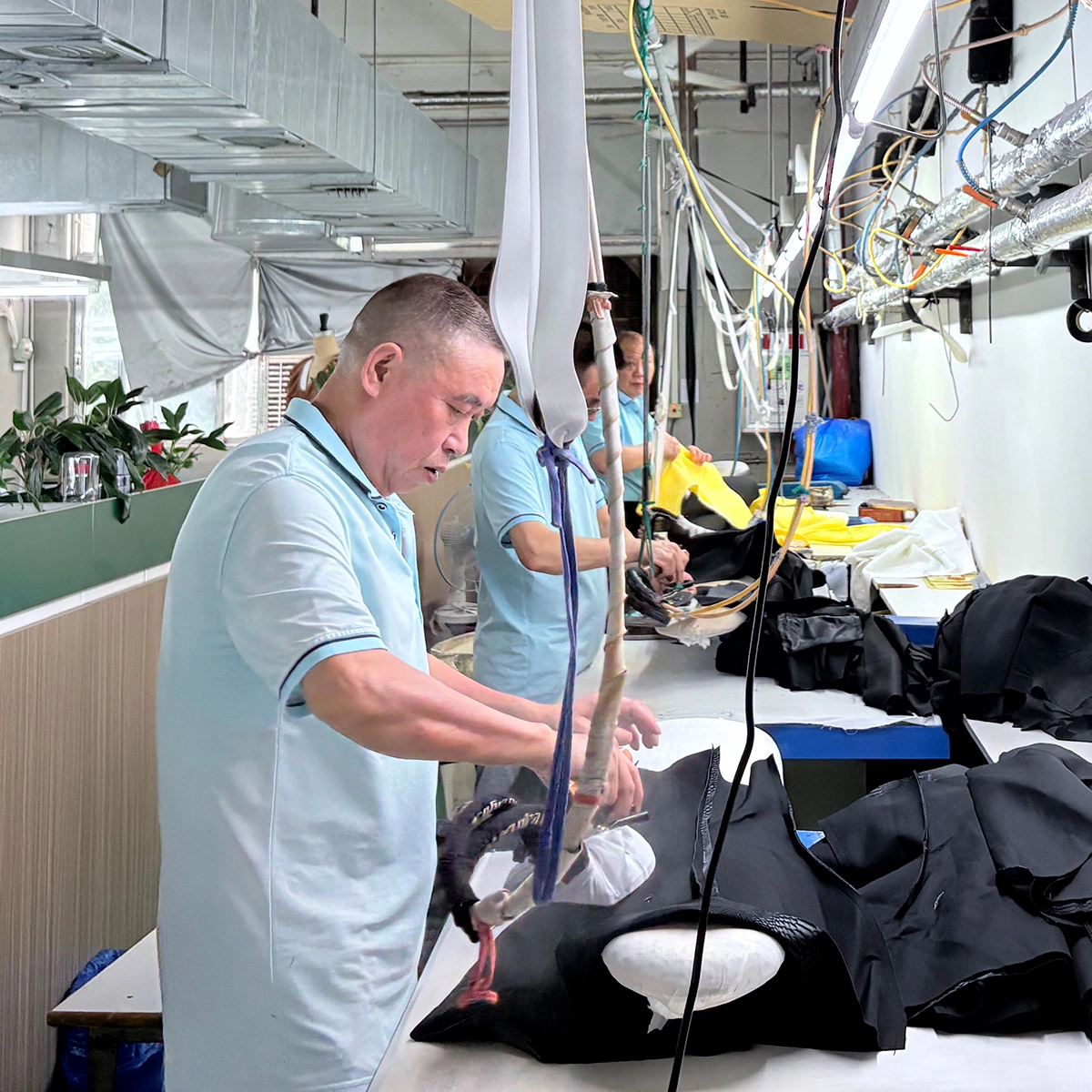
In-line Pressing
After sewing, garments go through in-line pressing to improve shape, smooth seams, and prepare pieces for the next inspection stage. This process helps refine garment appearance and maintain consistent workmanship during OEM & ODM bulk production.
↓
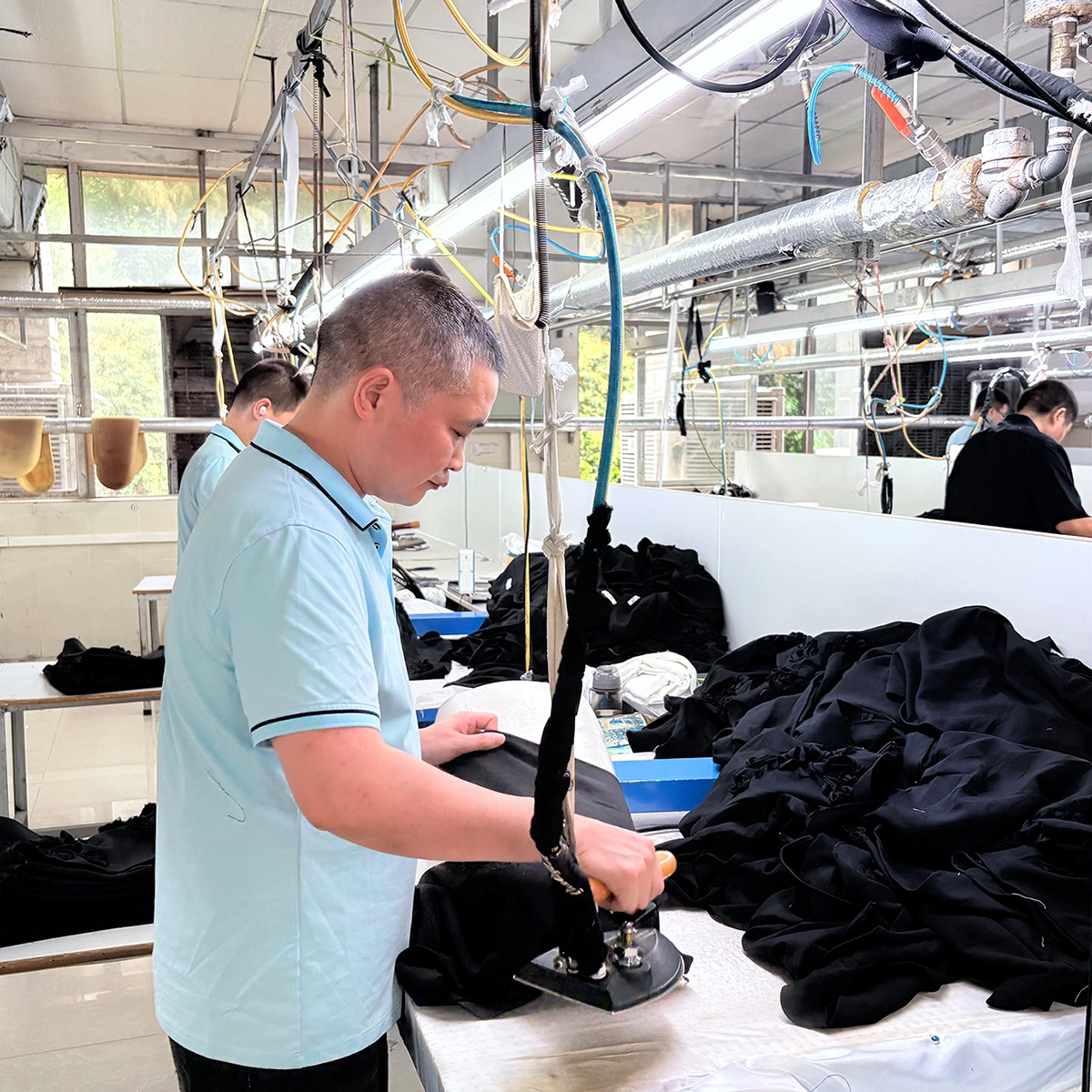
Final Pressing
After production, garments are pressed one last time to smooth seams, adjust key areas, and improve the final look. Once pressing is completed, the team checks appearance and workmanship before packing and shipment.
↓
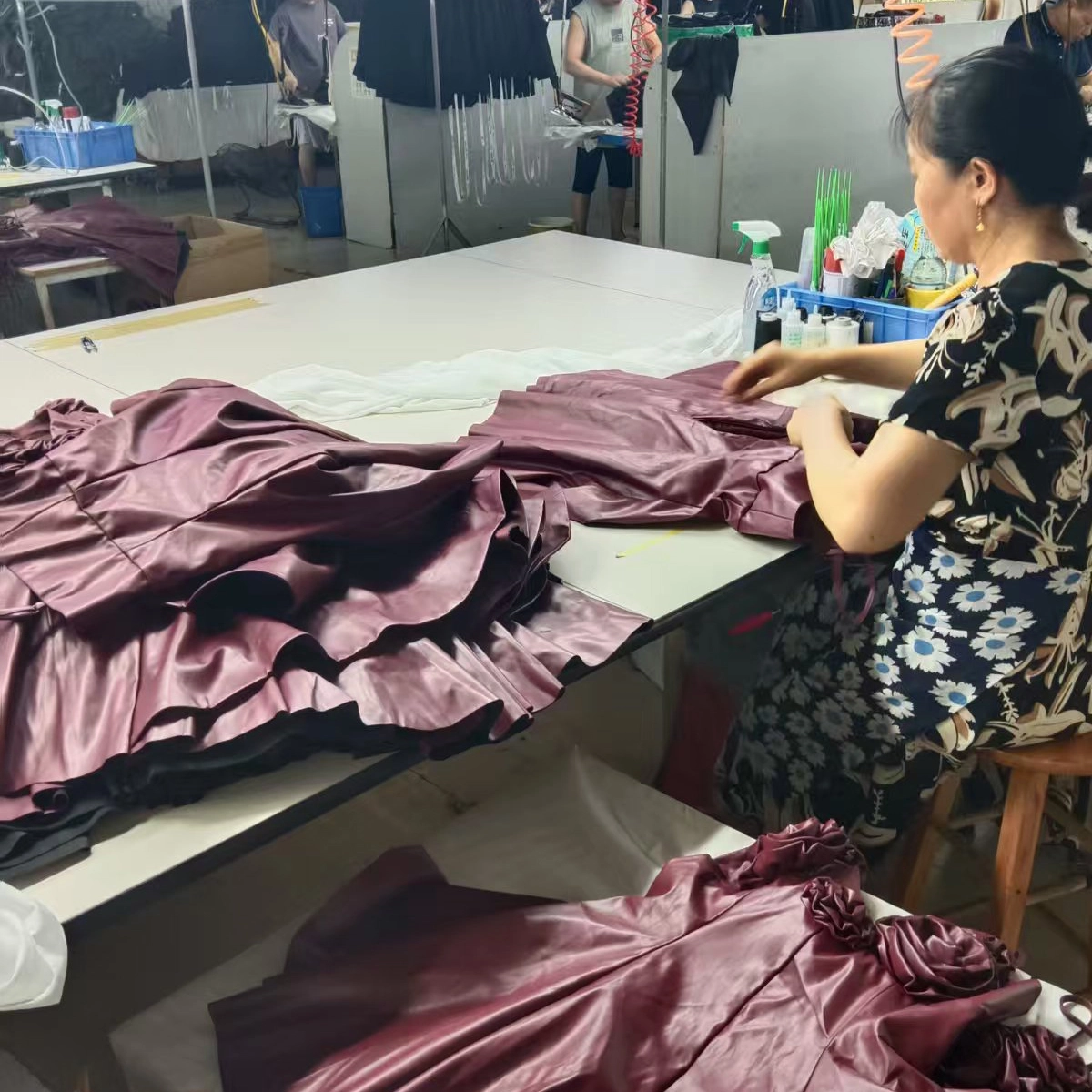
Final Inspection
During final inspection, our QC team checks measurements, stitch quality, fabric appearance, color consistency, zipper function, labels, and packaging details before shipment.
↓
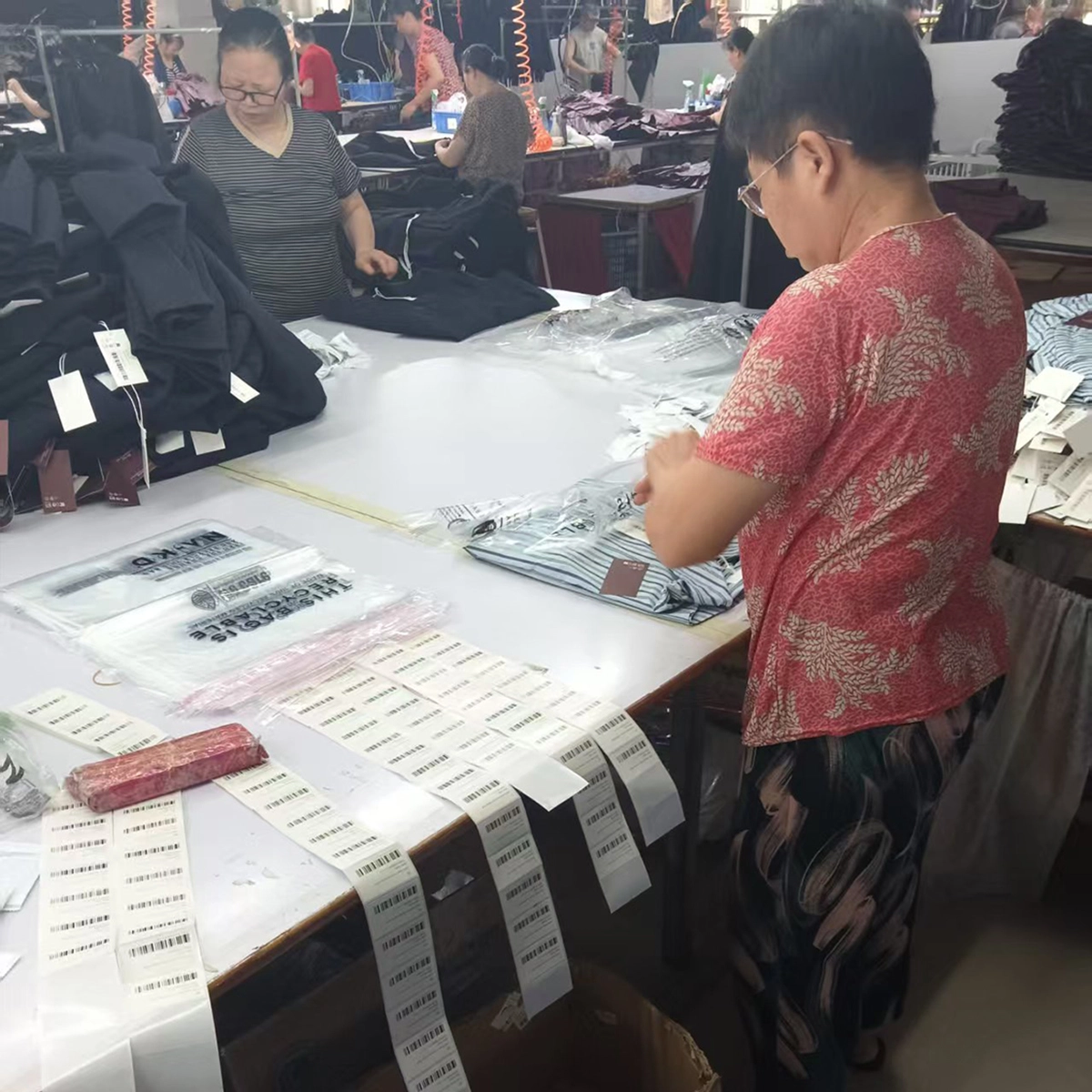
Garment Packing
After inspection, finished garments are folded and packed by our team following each order’s packing requirements. Labels, tags, barcodes, and packaging details are checked before cartons are prepared for shipment.
↓
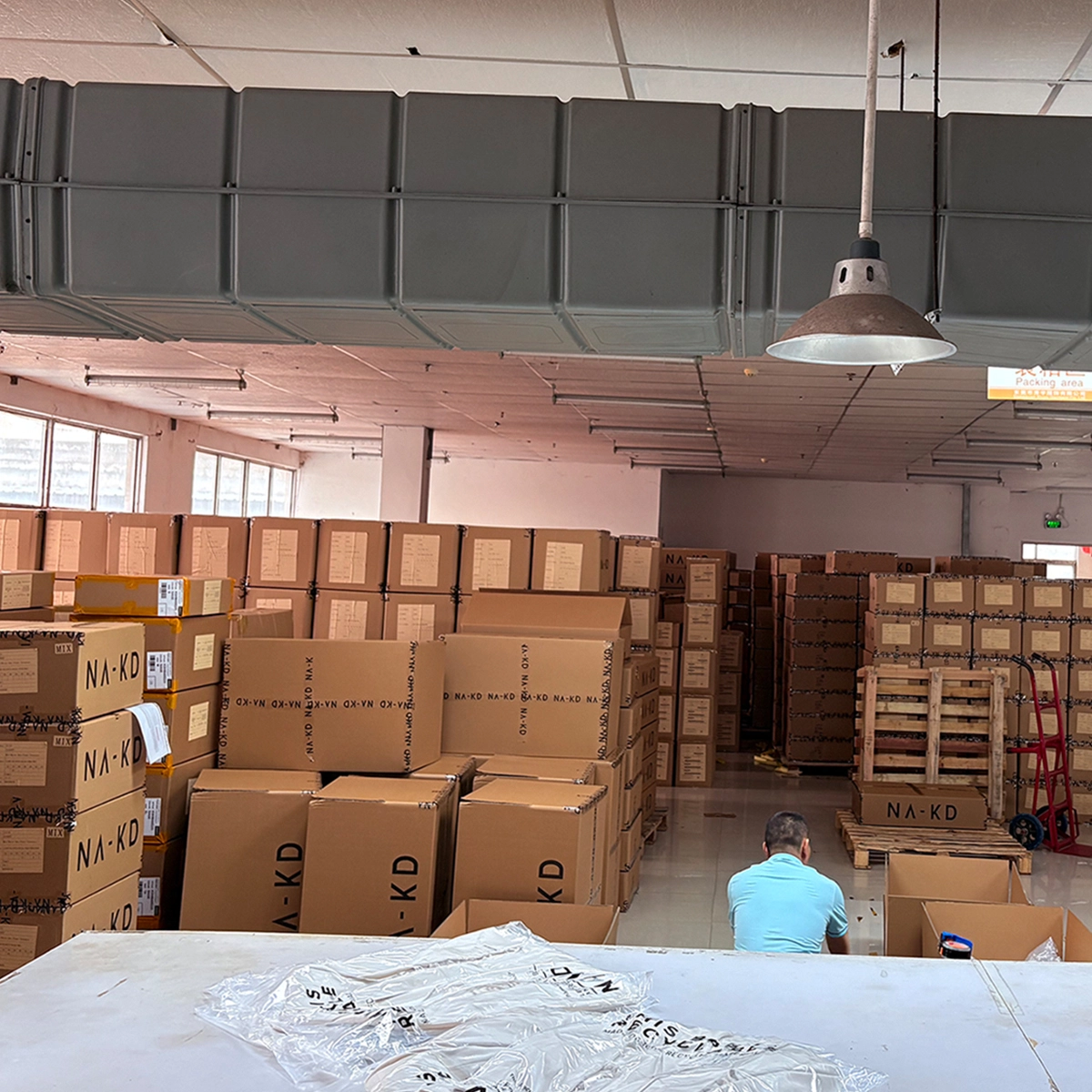
Finished Products
Before loading, our warehouse team reviews finished garments by style, color, and size. Carton quantities, labels, and packing details are checked carefully to avoid shipment errors.
Common Silk Dress Manufacturing Problems and How Manufacturers Solve Them
Seam Puckering
Problem:
Incorrect thread tension, needle selection, or sewing settings can create uneven seams.
Solution:
Our technicians adjust sewing parameters, use suitable needles, and train operators for delicate silk materials.
Fabric Slippage
Problem:
Silk layers can move during cutting and sewing.
Solution:
Factories use proper handling methods, experienced operators, and suitable production tools.
Color Difference Between Batches
Problem:
Different dye lots may create visible color variation.
Solution:
Manufacturers control dye lots and inspect color consistency before production.
Surface Damage
Problem:
Improper pressing or handling can create shine marks or scratches.
Solution:
Controlled pressing temperatures and careful finishing protect the silk surface.
Incorrect Size Consistency
Problem:
Different production batches may have measurement variation.
Solution:
Use approved size charts and inline measurement inspection.
Wrong Fabric Selection
Problem:
Low-quality silk blends may affect final appearance.
Solution:
Factory test fabric performance before production.
How to Choose the Experienced Silk Garment Manufacturer
A professional silk dress manufacturer should be involved before bulk production begins. Besides manufacturing, the factory should help brands evaluate fabric selection, fitting adjustments, sampling results, and production feasibility.
When selecting a supplier, consider:
Questions To Ask Before Choosing a Silk Dress Factory
- Do you manufacture silk dresses in-house?
- Can you provide custom patterns?
- What is your MOQ?
- How do you control silk quality?
- Can you support private label production?
- Can you provide silk fabric sourcing?
- Do you support small batch production?
- Can you handle private label packaging?
Silk Manufacturing Experience
A factory experienced with silk production understands how different fabrics react during cutting, sewing, pressing, and finishing.
OEM and ODM Capability
For brands requiring custom silk dresses, OEM and ODM capability allows smoother communication from design development to bulk production.
Flexible MOQ Support
For emerging brands, a Low MOQ Clothing Manufacturer can help test new designs before investing in large inventory.
Startup-Friendly Production Support
A clothing manufacturer for startups should provide development guidance, transparent communication, and flexible production solutions.
Quality Management System
Our quality system includes fabric inspection, in-line checking, and final garment inspection to maintain consistent standards across bulk orders.
Example: Developing a Custom Silk Slip Dress Collection
A fashion brand approached us to develop a silk slip dress collection with a soft drape and premium appearance. During sampling, we adjusted the bias direction and lining construction because the original pattern caused slight twisting after fitting. After several adjustments, the final sample achieved better balance between comfort and appearance before moving into bulk production.
Why Choose Xiuyu Apparel as Your Silk Dress Manufacturer
With more than 18 years of apparel manufacturing experience, Xiuyu Apparel works with global fashion brands with silk dress development, sampling, and bulk production.
From fabric sourcing and pattern development to final inspection and packaging, our team provides complete OEM and ODM solutions for brands seeking an experienced silk dress manufacturing partner.
- 18+ Years Silk Dress Manufacturing Experience
- 150,000+ Pieces Monthly Production Capacity
- 750+ Skilled Garment Workers
- 500+ Advanced Sewing Machines
- OEM & ODM Development Support
- Low MOQ Starting From 50–100 Pieces
- 97.9% On-Time Delivery
- Global Export Experience
Xiuyu Apparel provides custom silk dress development and bulk production solutions to help brands:
- Develop unique collections
- Reduce product development risks
- Improve production consistency
- Control manufacturing costs
- Build long-term supply relationships
For wholesalers, retailers, and private label brands, the right factory is not only a production supplier but also a partner that supports product growth. We support wholesale silk dress production for boutiques, retailers, and fashion brands worldwide.
Silk Dress Manufacturing Capability
Our silk dress manufacturing capabilities cover the complete production process, from fabric sourcing and pattern development to sampling, bulk production, quality inspection, and final delivery. With advanced equipment, skilled workers, and flexible OEM & ODM services, we help brands create silk dress collections with consistent quality, short lead times, and scalable production capacity.
Ready to Develop Your Silk Dress Collection?
Silk Dress Manufacturing FAQ
Q1: What is the MOQ for custom silk dresses?
MOQ depends on fabric availability, design complexity, and production requirements. Many manufacturers provide flexible MOQ options for startup brands, while larger quantities are suitable for established retailers. For custom silk dresses, MOQ usually starts from 50–100 pieces per style depending on fabric choice and construction requirements.
Q2: How long does it take to manufacture silk dresses?
Production time depends on sampling, fabric preparation, order quantity, and customization requirements. For most silk dress projects, sample development usually takes around 5–7 days. After sample approval, bulk production usually takes around 25–30 days depending on order quantity, fabric availability, and construction requirements.
Q3: Can I customize silk fabric, color, and design?
Yes. Most OEM manufacturers can customize silk type, color, print, length, neckline, sleeves, labels, and packaging according to your brand requirements.
Q4: Can a manufacturer produce private label silk dresses?
Yes. Xiuyu Apparel, as a China silk dress manufacturer, supports private label services including custom labels, hangtags, packaging, and brand-specific production requirements.
Q5: What information should I provide before requesting a quote?
You should provide design references, tech packs, fabric requirements, quantity, size range, colors, branding requirements, and delivery location. Detailed information helps manufacturers provide more accurate pricing.
Q6: How can I reduce silk dress production costs?
Production costs are usually affected by fabric choice, order quantity, design complexity, and finishing requirements. For example, choosing a stable silk satin fabric and simplifying complex construction details can help brands control costs without reducing overall appearance quality.
Q7: How does a manufacturer ensure silk dress quality?
At Xiuyu Apparel, quality control starts from fabric inspection and continues through cutting, sewing, pressing, and final packing. For silk dresses, we pay special attention to seam appearance, fabric surface protection, and measurement accuracy.
Q8: What is the difference between a silk dress supplier and a silk dress manufacturer?
A supplier may focus mainly on sourcing or trading, while a manufacturer manages product development, production, quality control, and customization directly.
Conclusion
Start Your Custom Silk Dress Manufacturing Project
Whether you are launching your first silk collection or expanding an existing fashion line, our team can support development from initial sampling to bulk production.
✓ Custom design development
✓ Premium fabric sourcing
✓ Low MOQ production
✓ Private label solutions
✓ Quality-controlled bulk manufacturing
Explore More Dress Manufacturing Solutions