
Cocktail dresses are one of the occasionwear categories we have produced for boutiques, private labels, and fashion brands for many years. In daily production, cocktail dress quality depends heavily on fabric behavior, fitting accuracy, and construction details. We handle cocktail dress development from initial sampling through bulk production, including fabric selection, fitting adjustments, and production follow-up. Based on our manufacturing experience, we pay close attention to fabric performance, fit adjustments, and production details, so the bulk production can stay consistent with the approved samples. Over the past 18 years, we have produced cocktail dresses for boutiques, private label brands, and fashion companies across different markets.
What Are Cocktail Dresses?
When developing cocktail dresses, style selection involves more than appearance. Fabric performance, fitting requirements, and production feasibility also affect the final result.
A cocktail dress usually sits between casual dresses and formal evening gowns. It is designed for semi-formal occasions such as weddings, parties, business events, celebrations, and evening gatherings. buyers usually focus on three key factors when developing cocktail dresses:
- Silhouette: A-line, bodycon, sheath, wrap, and other shapes create different customer preferences.
- Fabric selection: Satin, silk, crepe, lace, velvet, and chiffon affect the final appearance and production cost.
- Construction details: Necklines, sleeves, lining, embroidery, and finishing determine the overall quality.
When developing cocktail dress collections, style selection needs to consider more than appearance. Fabric choice, pattern structure, and production requirements all influence the final result. In production, styles that have clear market demand and practical construction requirements are usually easier to develop and produce consistently.
Popular Types of Cocktail Dresses and Production Details
A-line Mini Cocktail Dress
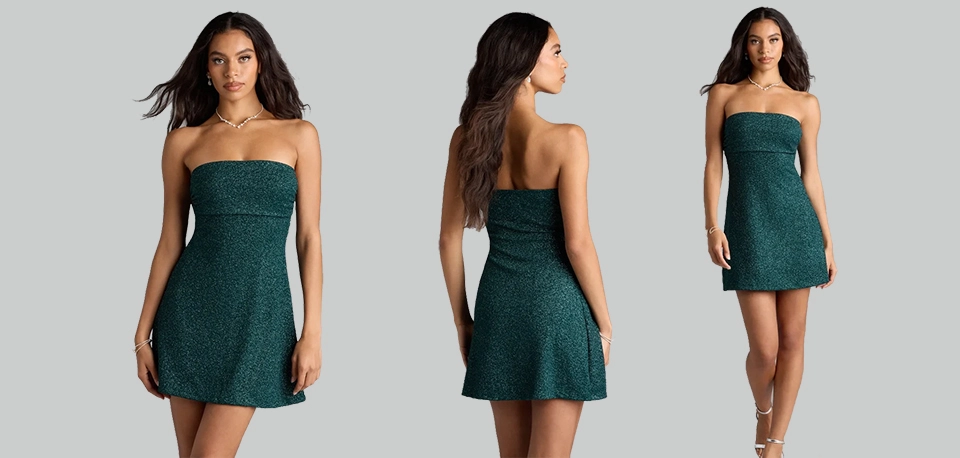
The a-line mini cocktail dress is one of the most widely accepted styles for commercial collections. It features a fitted upper body with a skirt that gradually opens from the waist, creating a flattering shape without restricting movement.
This style is commonly used across different markets because the silhouette is easy to adapt. Many boutiques choose the A-line mini for wedding guest collections, partywear lines, and seasonal promotions.
A-line dresses are usually easier to adjust because the skirt structure gives more tolerance during fitting. In production, satin is often selected for a premium appearance, while chiffon and lace are commonly used for softer or more romantic designs.
Most adjustments usually focus on neckline shape, body fit, and length, making it a practical choice when developing new cocktail dress styles.
We often see boutique buyers choose this style for first collections because the skirt construction is easier to grade into multiple sizes.
Midi Cocktail Dress
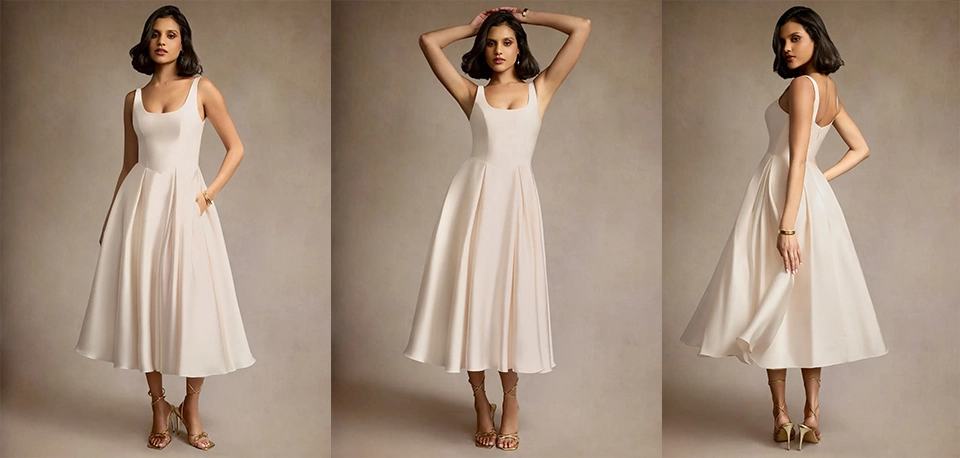
The midi cocktail dress combines a fitted silhouette with a more elegant length. Compared with mini versions, midi designs provide a more premium and sophisticated feeling, making them suitable for collections targeting business events, evening occasions, and premium occasionwear.
This style is often developed with higher-end fabrics and refined construction details to create a more premium appearance. For midi lengths, we usually check the balance between hem weight and fabric drape because heavier fabrics can change how the skirt falls.
During the production stage, the key challenges usually include maintaining smooth fitting around the waist, hips, and neckline. A professional clothing factory helps control these details through pattern adjustment and sample fitting.
Sheath Cocktail Dress
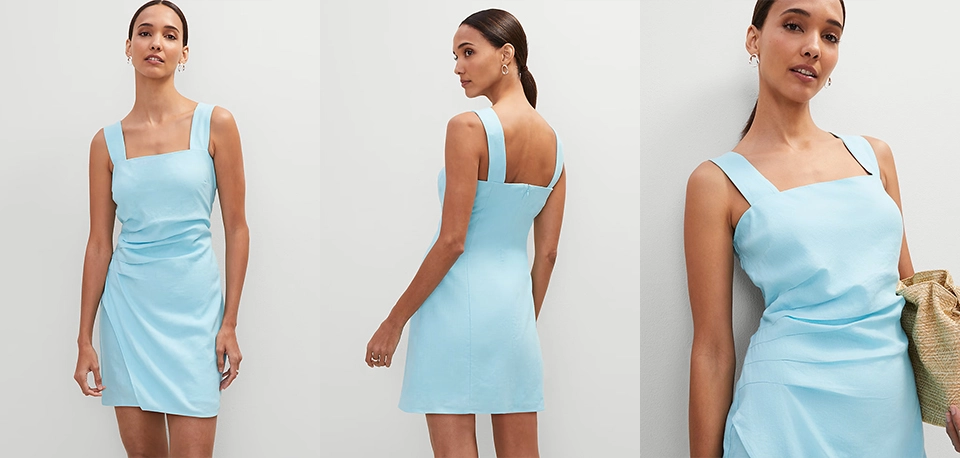
The sheath cocktail dress is known for its clean lines and tailored appearance. Unlike bodycon styles that strongly emphasize curves, sheath dresses create a polished silhouette by following the natural body shape.
Many professional women’s fashion brands choose this style because it works well for corporate events, networking occasions, and elegant evening collections.
Working with a dress manufacturer, sheath dresses require accurate pattern making because small fitting differences can directly affect the final appearance.
We usually pay close attention to shoulder, waist shaping, seam placement, and fabric structure during development to achieve a premium finish.
Wrap Cocktail Dress
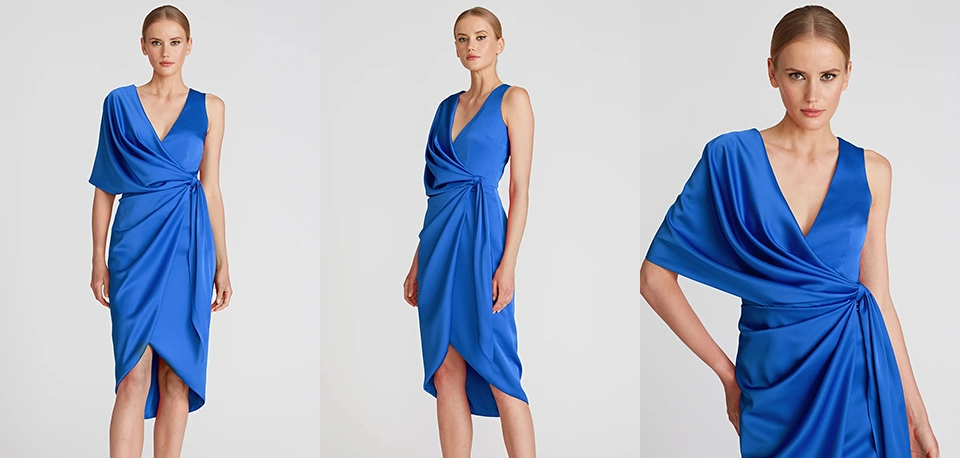
Wrap cocktail dresses are relatively flexible in terms of pattern development and fitting. The front overlap design helps create a defined waist shape, while the waist tie allows some adjustment during wear. In actual production, we pay closer attention to the wrap construction and waist placement, as these two areas directly affect the fit and overall wearing experience.
In our experience, many buyers select wrap dresses when they need a style that works across different body shapes and markets. This style has wide market acceptance across different customer groups. During the development process, variations are often made through fabric selection, sleeve adjustments, print options, and length changes to achieve different styles and market needs.
Wrap cocktail dresses are popular because the construction works well with different fabrics and styling directions. Satin, silk blends, chiffon, and crepe are commonly used for this style. We have found that pattern adjustment, waist shaping, and fabric drape often determine the final fit and look of the dress. Even small changes in these areas can affect how the garment sits on the body.
When you work with an experienced clothing manufacturer, details like neckline support, waist tie attachment, and fabric drape are carefully adjusted because they can affect the overall fit of the dress. We usually review these points during the sample stage and continue checking them when moving into bulk production.
Spaghetti Strap Cocktail Dress
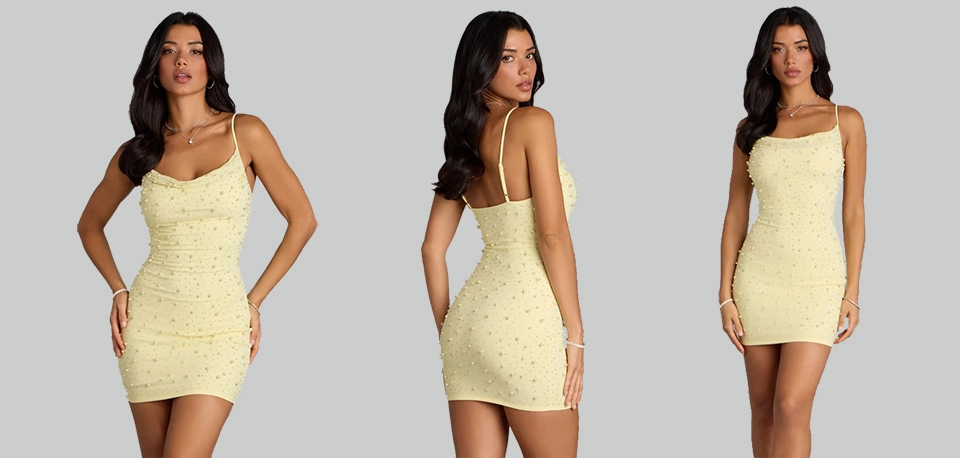
Spaghetti strap cocktail dresses look simple, but the construction requires careful control. The thin shoulder straps create an elegant neckline, but they also require accurate fitting and suitable fabric support. In production, strap attachment, neckline stability, and fabric drape are the areas we check carefully during sample development.
For boutique owners and fashion startups, this style works well for spring and summer collections. In production, fabric selection usually depends on the desired look and wearing experience. Satin works well for a luxury finish, chiffon creates a lighter flowing shape, and velvet is often used for premium evening collections.
During manufacturing, spaghetti strap designs require careful attention to strap strength, neckline support, and inner construction. A beautiful sample may look perfect, but without proper reinforcement, problems can appear during bulk production.
As an OEM clothing manufacturer, we usually review strap width, lining structure, and sewing techniques during the sampling stage to make sure the final product meets customer expectations.
Halter Neck Cocktail Dress
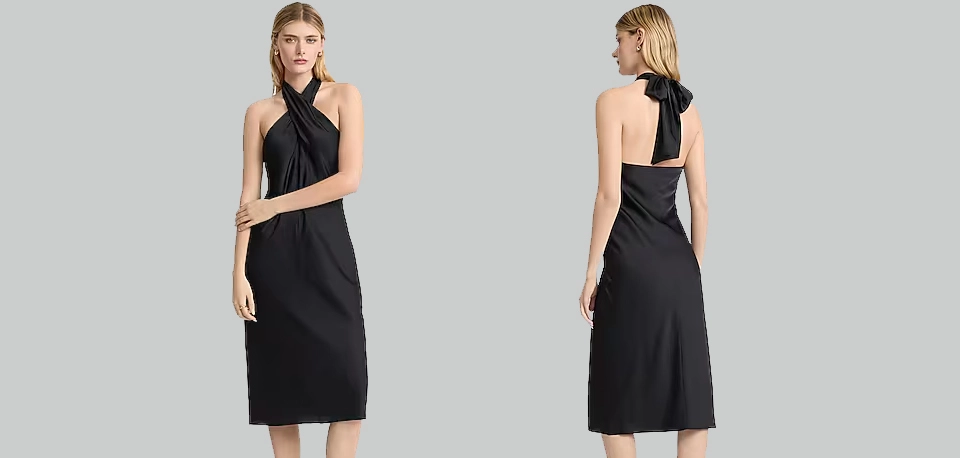
The halter neck cocktail dress creates a distinctive look through its neckline, shoulder design, and open-back structure. It is often selected by brands targeting customers who prefer elegant yet distinctive partywear.
For your collection planning, halter neck designs offer many possibilities. During dress development, fitted silhouettes are often selected for evening events, while softer flowing styles are preferred for resort-inspired collections. Satin, silk, and embellished fabrics are commonly used when creating more premium cocktail dress designs.
The neckline structure is the key challenge. Proper pattern adjustment is necessary to ensure comfort, support, and a balanced appearance. One common issue we see with halter styles is uneven weight distribution around the neckline, especially when using heavier fabrics or decorative details.
Our experience as a private label clothing manufacturer shows that halter neck dresses often require more sample adjustments compared with basic silhouettes, especially when brands request custom neckline shapes or special back details.
One-Shoulder Cocktail Dress
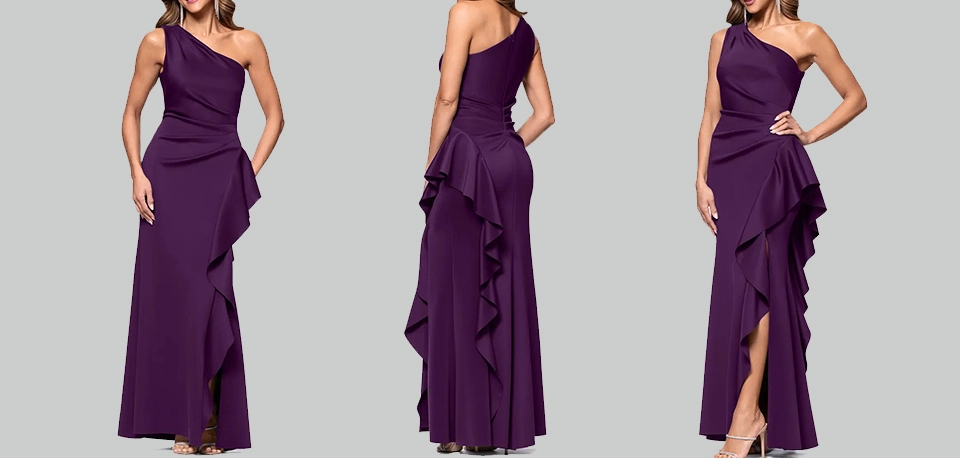
The One-Shoulder Cocktail Dress creates a strong visual effect with its asymmetric neckline and balanced silhouette.
In the development process, details such as sleeve volume, draping, fabric selection, and decoration are adjusted to create different looks. A satin one-shoulder dress with a clean structure gives a modern luxury feel, while ruffles or pleats are often added to create a softer and more feminine style.
Asymmetric cocktail dresses require extra attention during pattern development and fitting. The uneven shoulder design can easily affect the balance of the garment, so we usually adjust the shoulder position, neckline shape, and overall fit during sampling before moving into bulk production. Asymmetric designs often need extra fitting rounds because the garment balance can change after fabric selection.
As a professional custom dress manufacturer, we focus on sample fitting, shoulder construction, and finishing details before moving into bulk production.
Off-Shoulder Cocktail Dress
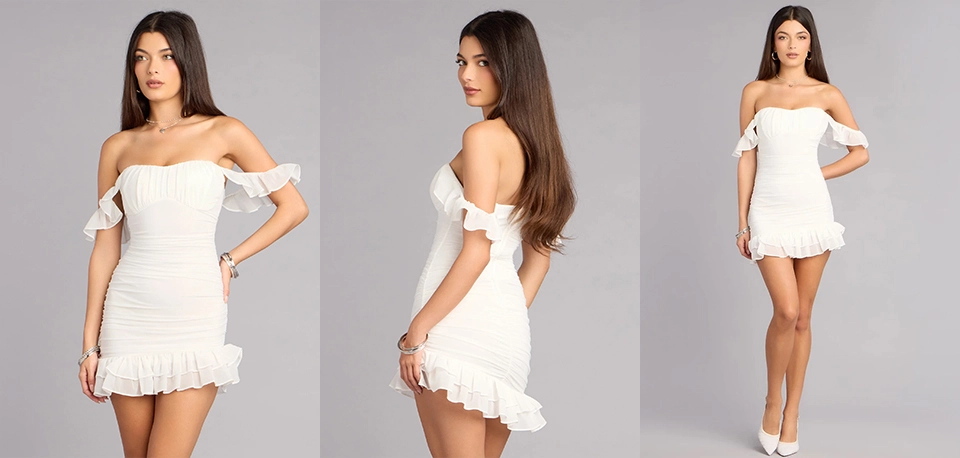
The Off-Shoulder Cocktail Dress is recognized for its open neckline and flexible sleeve variations. The exposed shoulder design highlights the neckline while allowing different sleeve variations, including puff sleeves, long sleeves, and ruffle details.
For boutique collections, this style offers excellent customization opportunities. Brands often adjust this style through fabric choice, sleeve design, and neckline construction to create different market positions.
During off-shoulder dress production, we usually focus on three areas that can easily affect the final fit: elastic tension, neckline shape, and sleeve attachment. If these parts are not adjusted properly, the dress may shift when worn or lose its intended shape after repeated use.
A low MOQ clothing manufacturer can help smaller brands develop different off-shoulder styles with lower initial production quantities.
V-neck Cocktail Dress
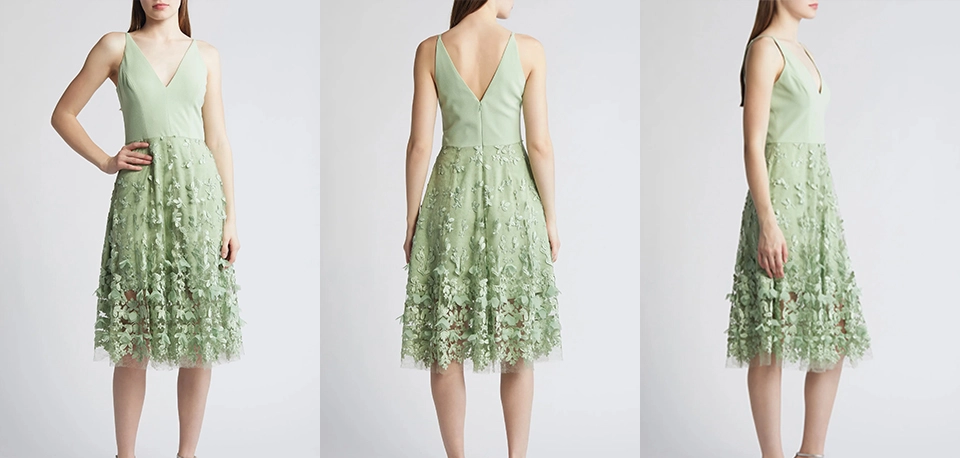
V-neck cocktail dresses are among the styles we frequently develop for different customer markets because it works across different markets and customer groups. The neckline visually elongates the upper body and can create either an elegant or bold appearance depending on the depth and construction.
V-neck dresses are highly adaptable. This neckline is commonly combined with A-line, bodycon, sheath, and wrap silhouettes to create different collection directions.
For V-neck designs, neckline construction directly affects comfort and appearance. The depth, support, and finishing quality directly influence customer comfort and garment appearance.
As an experienced dress manufacturing partner, we help brands adjust neckline proportions, fabric choices, and lining options during sample development.
Backless Cocktail Dress
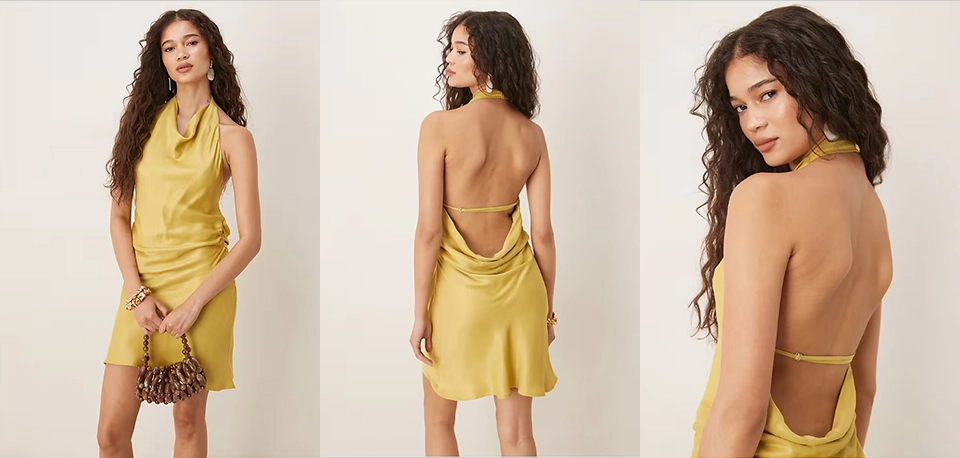
Backless cocktail dresses are often chosen for their elegant and eye-catching design. However, the open-back construction requires accurate pattern making and fitting adjustments to keep the dress secure and comfortable when worn. During production, details such as back support, fabric stretch, and seam finishing play an important role in achieving the right silhouette.
For fashion buyers, backless designs can increase collection diversity because they attract customers searching for special occasion dresses rather than everyday styles.
However, production requires experience. Support solutions, hidden closures, back straps, and lining placement must be carefully developed to maintain both beauty and wearability. The challenge is usually finding the right balance between an open-back appearance and enough support for comfortable wearing.
We work with brands to balance creative designs with practical production requirements, ensuring the final bulk order maintains the same quality as the approved sample.
Long Sleeve Cocktail Dress
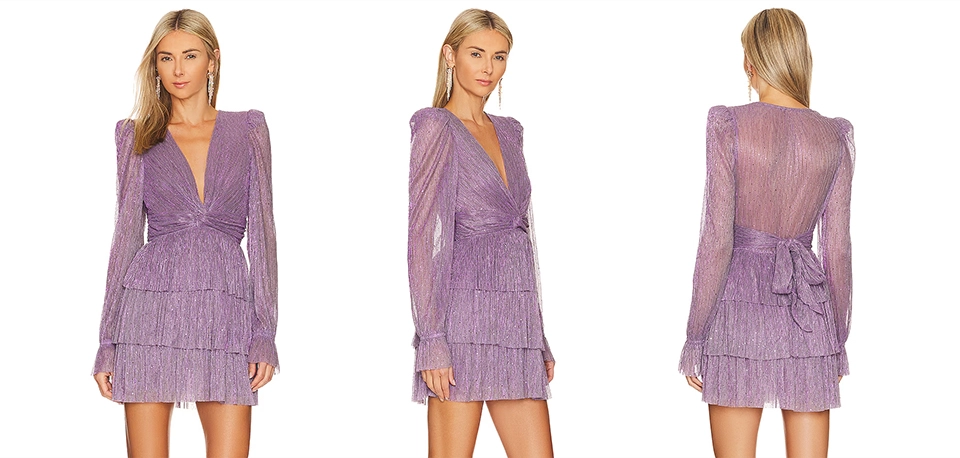
Long sleeve cocktail dresses offer more coverage while keeping a refined and elegant appearance. They are commonly chosen for autumn, winter, business events, and formal occasions. Sleeve fitting and fabric choice are important details that affect the final comfort and silhouette of the dress.
Long sleeve styles are often adjusted through sleeve shapes, fabric selection, and overall silhouette. Lace sleeves add a romantic touch, velvet creates a more luxurious feel, while chiffon sleeves give the dress a softer and lighter appearance.
From manufacturing experience, sleeve construction requires careful pattern control because poor fitting can affect movement and comfort.
When developing a custom cocktail dress collection, working with an experienced clothing manufacturer can help reduce common production problems. As a custom cocktail dress manufacturer, we usually confirm key details such as sleeve measurements, fabric stretch, pattern adjustments, and finishing requirements before sampling to make sure the final garment meets the expected fit and construction.
How to Choose the Right Cocktail Dress Styles for Your Brand
Choosing cocktail dress styles is not only about following trends. You need to consider your customer positioning, target price range, production quantity, and long-term collection strategy.
A growing fashion brand may start with commercially proven silhouettes such as A-line, wrap, and sheath dresses. More established brands may add statement designs such as backless, one-shoulder, or halter styles.
For startups looking for flexibility, partnering with a garment factory can help you test new designs while reducing inventory pressure.
Why Fashion Brands Choose Xiuyu Apparel for Cocktail Dress Manufacturing
We have learned that producing cocktail dresses is not only about making a beautiful sample. The real challenge comes during production — choosing the right fabric, controlling fitting consistency, managing small order requirements, and making sure every piece meets the approved standard.
We work with boutique brands, fashion startups, and private label companies that need support from development to bulk production.
18+ Years of Apparel Manufacturing Experience
With years of experience in dress manufacturing, we understand the details that affect the final quality of cocktail dresses, including fabric behavior, pattern adjustment, sewing techniques, and finishing requirements. From simple cocktail styles to more structured designs with special details, we help brands avoid common production issues before bulk manufacturing begins.
Flexible OEM & ODM Support
Some clients come to us with complete tech packs, while others only have design references or inspiration images. We can support both OEM and ODM projects, including style development, pattern making, fabric selection, sample adjustments, and production preparation.
This allows different customers to choose the development process that fits their current stage, whether they need a complete production solution or support with selected steps.
Low MOQ Support for Growing Brands
Many emerging brands do not want to commit to large quantities before testing the market. We provide flexible MOQ options to help startups and small fashion labels launch new designs with lower inventory pressure.
Our experience with smaller production runs also helps brands evaluate customer feedback before scaling styles into larger orders.
Fabric Sourcing Based on Design Requirements
The right fabric can completely change the appearance and performance of a cocktail dress. Through long-term cooperation with fabric suppliers, we assist clients in selecting suitable materials based on design, price range, and target customer expectations.
Whether it is satin for an elegant look, chiffon for a lightweight style, velvet for an evening collection, or custom fabrics for a unique design, we focus on finding materials that work well in actual production.
Sample Development Before Mass Production
A sample is where many production problems are discovered and solved. Before bulk orders, our sample team checks important details such as measurements, fitting, fabric performance, sewing quality, and finishing.
We communicate with clients during sample revisions to make sure the final approved version is ready for efficient bulk production.
Reliable Bulk Production & Quality Control
After the sample is approved, the focus shifts to keeping the same fit and workmanship across the entire order. During bulk production, we check fabric condition, cutting precision, sewing details, pressing results, and final measurements to reduce differences between individual pieces.
Quality checks are carried out throughout production instead of only checking finished products at the end. This helps reduce defects and ensures each cocktail dress delivered to customers matches the approved sample standard.
This production approach helps our clients reduce fitting problems and avoid unnecessary rework during bulk production. Our goal is to keep the final garments consistent with the approved sample from the first production piece to final shipment.
Manufacturing Notes From Xiuyu Clothing Factory: Common Cocktail Dress Production Challenges
After more than 18 years in apparel manufacturing, we have learned that the biggest production issues are often not visible when reviewing the first sample. A cocktail dress may look perfect as a single piece, but small problems can appear when hundreds of pieces move into bulk production.
Based on our factory experience, these are some common challenges we pay close attention to during production:
1. Fabric Shrinkage After Cutting
We have seen lightweight satin and silk blend fabrics change slightly after pressing, especially when production moves from one sample piece to hundreds of garments. If the fabric is not properly checked before production, measurements may change and affect the final fit. We usually confirm fabric behavior and handle necessary preparation before cutting begins.
2. Incorrect Neckline
The neckline is one of the most sensitive areas of a cocktail dress. A small adjustment in pattern or sewing tension can change how the dress sits on the body. During sample development, we check neckline shape, shoulder, and fitting details before moving into bulk production.
3. Uneven Seam Tension
Cocktail dresses usually involve delicate fabrics and closer-fitting designs, so small sewing issues can quickly affect the final look. During production, our sewing team pays attention to seam tension, fabric feeding, and panel alignment to avoid problems such as puckering, twisting, or uneven fitting between pieces. These details are checked throughout the sewing process to keep each garment consistent from the first piece to the bulk order.
4. Poor Lining Attachment
Many cocktail dresses include lining for comfort, structure, and better finishing. Incorrect lining attachment may lead to pulling, wrinkles, or uneven drape. We check the connection between outer fabric and lining during production to ensure the final garment maintains the intended shape.
In bulk production, these small details are often the difference between an approved sample and a rejected shipment. We try to find these problems during development instead of discovering them after bulk production starts.
5. Zipper and Closure Problems
Hidden zippers are commonly used in cocktail dresses, but poor installation can affect the back shape and wearing comfort. During production, we check zipper alignment, sewing tension, and closure strength before final inspection.
A Real Clothing Factory At Xiuyu Apparel
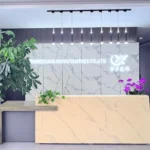
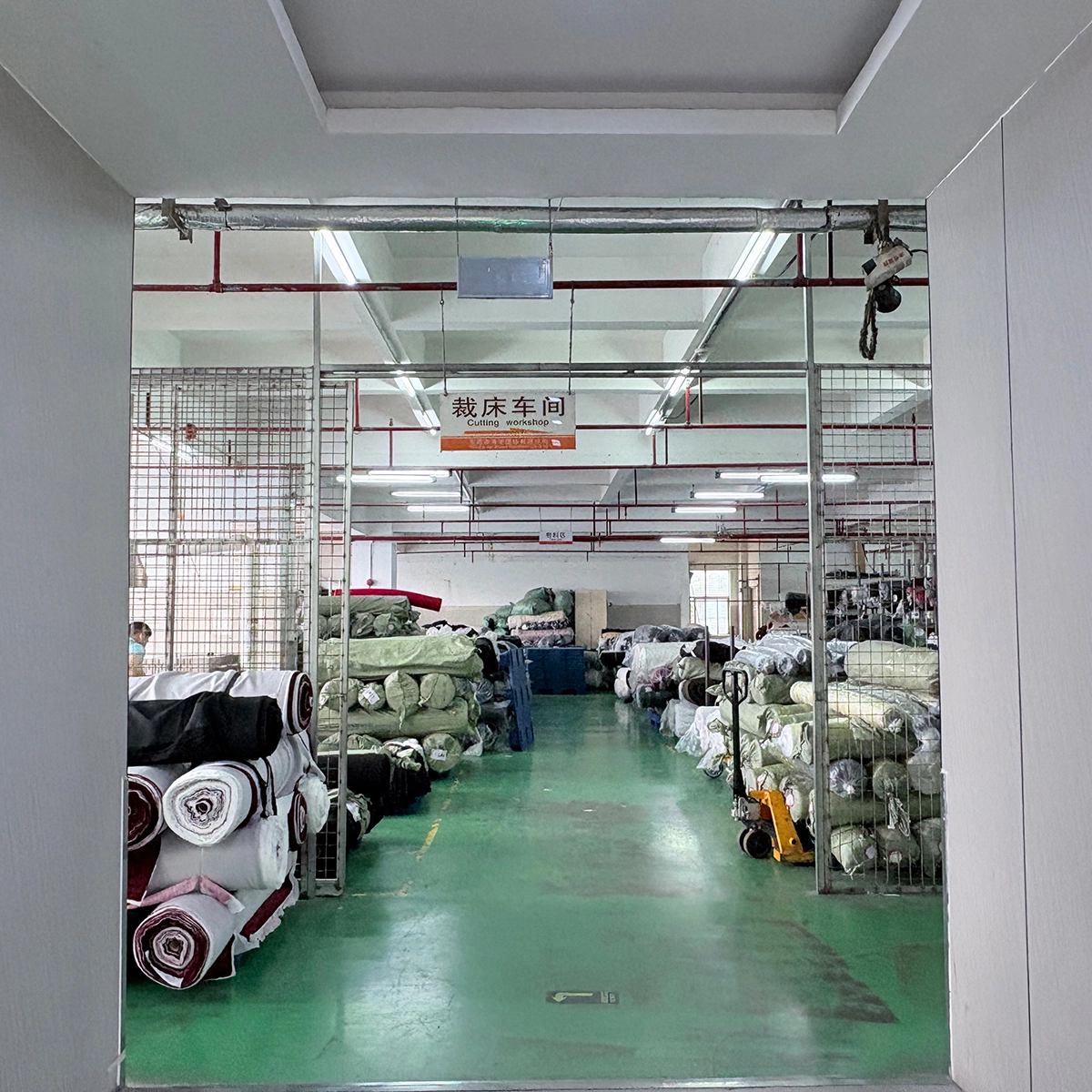
Fabric Warehouse
Our team records the batch details and confirms the fabric color, quantity, and condition. This preparation helps reduce fabric-related problems during garment production. The fabric team records incoming materials before production scheduling begins, including fabric composition, supplier information, color batch, and incoming quantity.
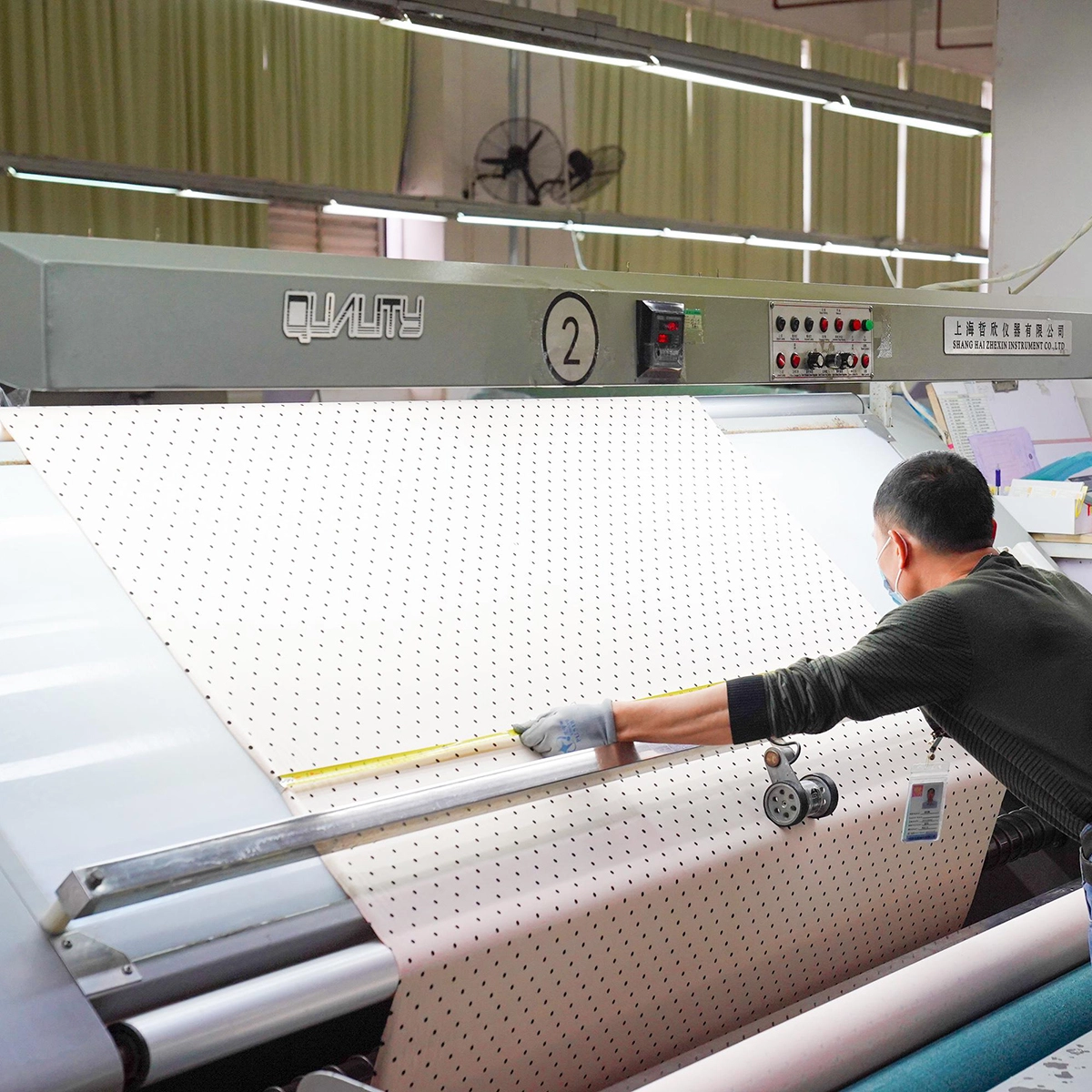
Fabric Inspection
Each fabric roll is inspected by our QC team before cutting. Using the Four-Point Fabric Inspection System, we check color accuracy, fabric condition, and visible defects to find potential issues before production starts. This step is especially important for fabrics with satin, silk, or delicate surfaces, where small defects can affect the final appearance of the garment.
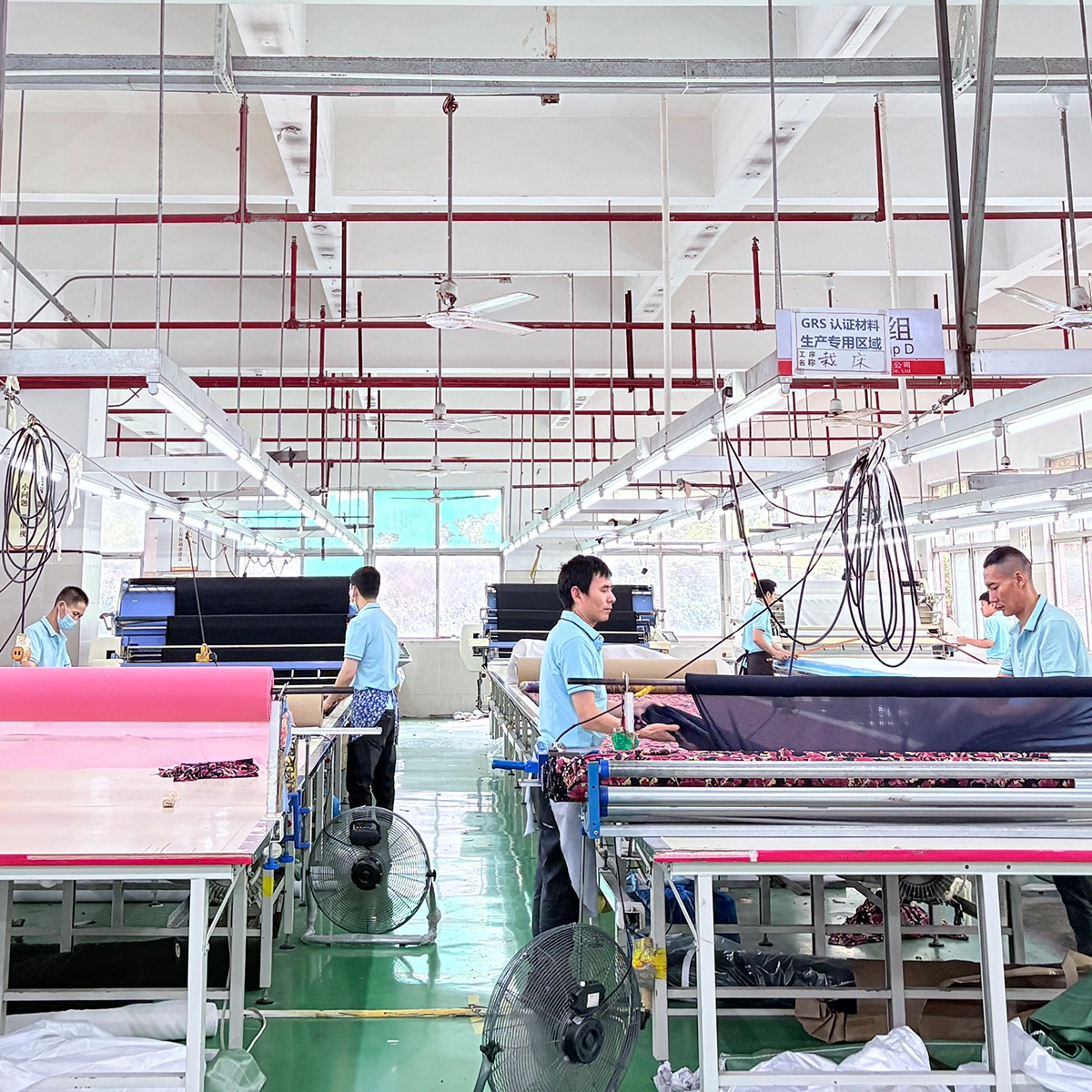
Cutting Process
Our cutting team uses computerized cutting equipment to keep panel shapes consistent during bulk production and reduce unnecessary fabric waste.
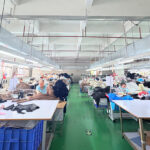
Sewing Line
Skilled sewing operators follow approved samples, patterns, and production instructions during garment assembly. Regular checks on stitching and construction details help maintain consistent quality across OEM & ODM bulk orders.
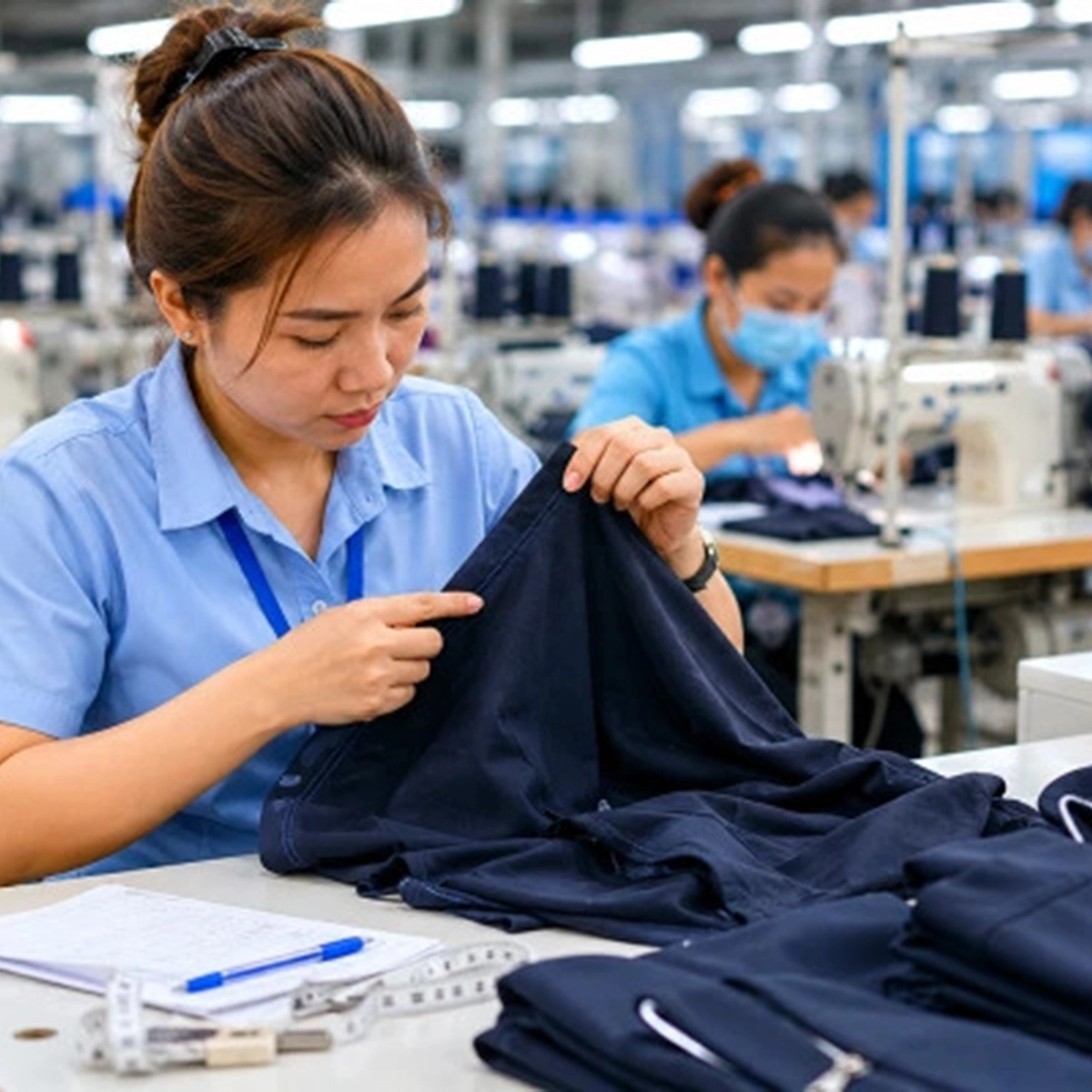
In-line Inspection
Our QC team monitors key steps from sewing to finishing, checking garment measurements, stitching details, and workmanship during production. Early checks help reduce rework and maintain consistent quality for bulk manufacturing.
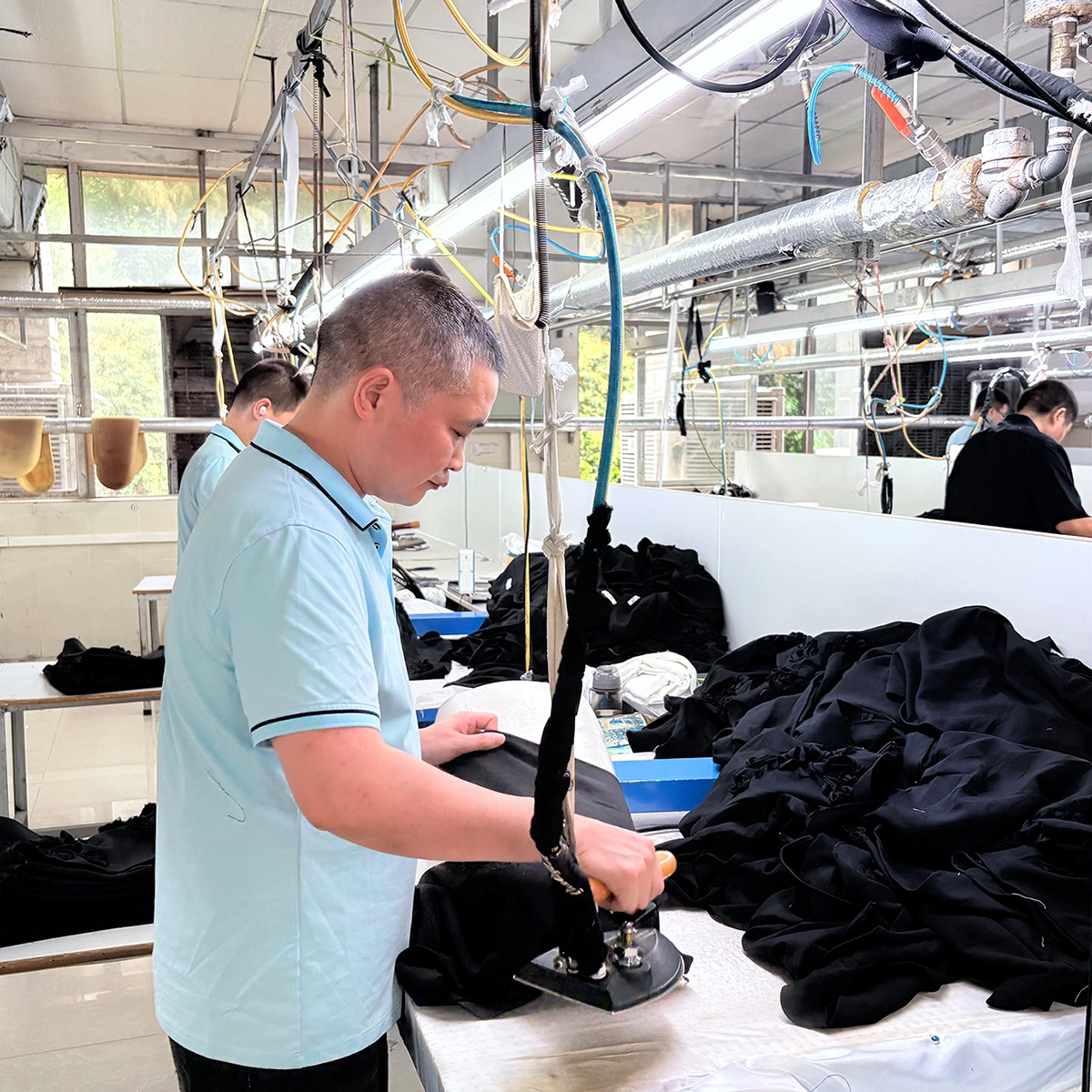
Final Pressing
Before packing, garments are pressed one last time to smooth seams, adjust key areas, and improve the final look. After pressing, our team checks garment appearance and workmanship before shipment.
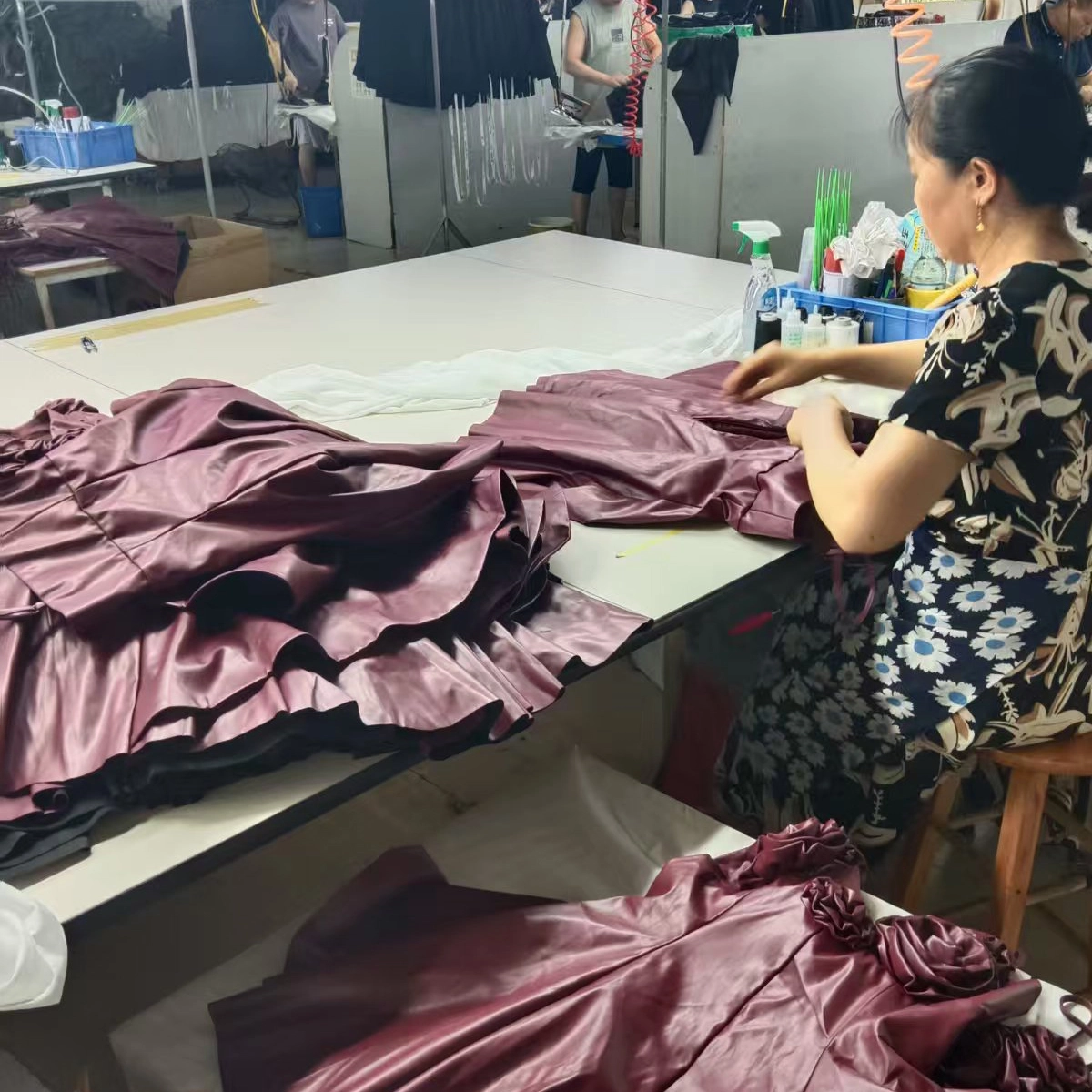
Final Inspection
Before loading, our QC team inspects finished garments for size, stitching, appearance, and packing condition. After final checks are completed, orders are prepared for shipment.
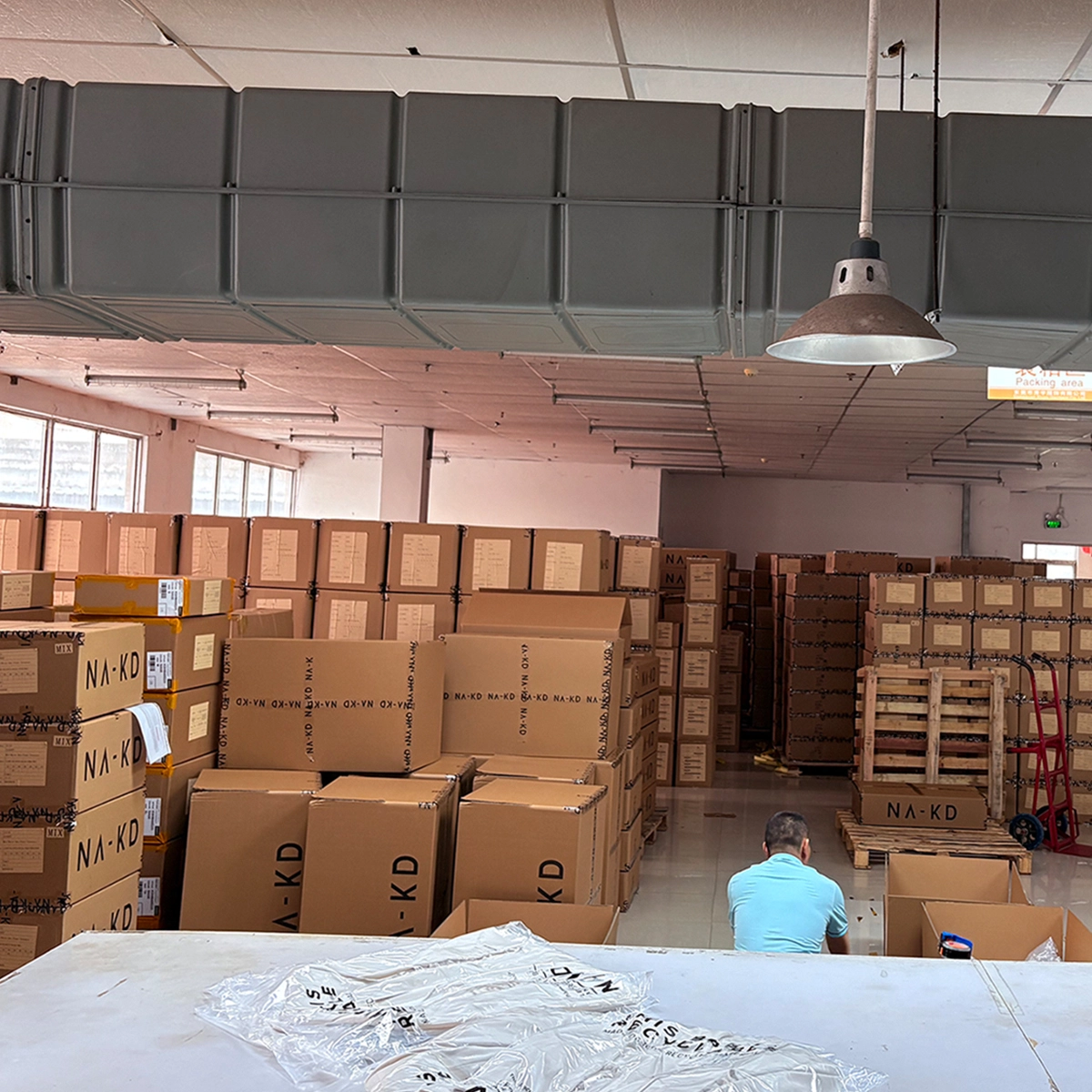
Finished Products
Finished garments are arranged by style, color, and size before shipment. Our team reviews quantities, labels, and packaging details to confirm the order matches the approved requirements before dispatch.
Our Cocktail Dress Manufacturing Capability
After more than 18 years in apparel manufacturing, we have worked with fashion brands, wholesalers, and retailers on different types of garment projects, from initial sampling to bulk production. Our team handles fabric selection, pattern adjustments, sample development, and production follow-up to help clients turn design ideas into finished garments. With experienced operators and established production processes, we are able to support both small-batch orders and larger volume manufacturing.
- 150,000+ Pieces Monthly Capacity
- 750+ Skilled Workers
- 500+ Sewing Machines
- Low MOQ Starting From 50–100 Pieces
Our production system is designed to support different brand stages, from small-batch development for startups to larger repeat orders for established retailers. We have worked with customers from Europe, North America, Australia, and other international markets, supporting both emerging brands and established fashion companies.
Frequently Asked Questions About Cocktail Dress Manufacturing
1. What types of cocktail dresses can you manufacture?
Our factory produces different cocktail dress styles, including A-line, bodycon, sheath, wrap, backless, one-shoulder, halter neck, and long sleeve designs. For custom projects, we can develop both existing styles and custom designs based on your sketches, references, or market requirements.
2. Can you customize cocktail dresses with my own design and brand label?
Yes. We work with both complete tech packs and simple design ideas. Some clients provide detailed measurements, while others only share reference images. Our team can help develop patterns, select fabrics, create samples, and prepare the final production version.
3. What is the minimum order quantity (MOQ) for custom cocktail dresses?
Our MOQ depends on the design, fabric, and production requirements. For new brands and startups, we can support smaller quantities to test the market. After confirming the style details, we will suggest a suitable MOQ based on the production process.
4. How long does it take to develop and produce cocktail dresses?
The timeline depends on the design complexity, fabric availability, and order quantity. Normally, sample development takes around 5–7 days after confirming details. Bulk production usually requires about 20–30 days after sample approval and final production confirmation.
5. What information do you need before starting a custom cocktail dress project?
Before starting a custom cocktail dress project, we usually need details about your design ideas, reference images, measurements, fabric preferences, target quantity, and delivery requirements. If you only have a concept, we can also help develop the style from the beginning.
6. How do you control quality during cocktail dress production?
Before bulk production starts, we first confirm the approved sample, fabric details, measurements, and construction requirements. We check fabrics, review samples, monitor sewing processes, and inspect finished garments before shipment. For cocktail dresses, we pay special attention to fitting, stitching, lining, zipper quality, and finishing details.
7. Do you provide OEM and ODM cocktail dress manufacturing services?
Yes. Our OEM service supports companies that already have their own designs, while ODM service helps develop new styles from concept to production. We can join the process from the early idea stage, including fabric suggestions, pattern development, sample revisions, and bulk production preparation.
8. Can you help us develop a cocktail dress collection instead of only producing one style?
Yes. We support full collection development, not only single-style production. Many brands work with us to develop seasonal cocktail dress collections, including style planning, fabric selection, sample development, and production coordination to keep the whole collection consistent.
Conclusion
In cocktail dress production, many issues can be avoided before bulk manufacturing when the factory understands the design requirements and communicates clearly during development. Details such as fabric selection, pattern adjustments, fitting feedback, and production planning all influence the final result.
As a dress manufacturer, Xiuyu Apparel works with fashion brands, boutiques, retailers, and private label companies with custom development and bulk production. During the process from sample making to mass production, we focus on fabric performance, fit adjustments, and production details to make sure the final garments stay consistent with the approved samples.
Want to explore more cocktail dress styles? In Part 2, we will look at additional designs, fabric options, and production considerations to help you better understand how different cocktail dress styles are developed.
Explore More Dress Manufacturing Solutions
– Silk Dress Manufacturer
– Evening Dress Manufacturer
– Maxi Dress Manufacturer
– Mini Dress Manufacturer
– Velvet Dress Manufacturer
– Bridesmaid Dress Manufacturer