

When planning a cocktail dress collection, you need to look beyond the design itself. Fabric use, sewing operations, and fitting work all affect the cost of each style. A ruffled skirt may require extra gathering work, while a sequin bodice can need changes to the seam allowance and lining. These details are easy to miss when costing a design from a reference photo. Review the construction before requesting a quotation, particularly for styles with heavy embellishment, layered skirts, or fitted sections.
In Part 1, we covered classic silhouettes such as A-line, wrap, sheath, and halter designs. This part covers 15 additional cocktail dress styles and design directions, from decorative details such as beading and ruffles to fabric-focused options such as satin, velvet, and printed dresses. The production considerations differ from one style to another, so we will look at the details that can affect sampling, material use, and bulk sewing.
1. Ruffle Cocktail Dresses
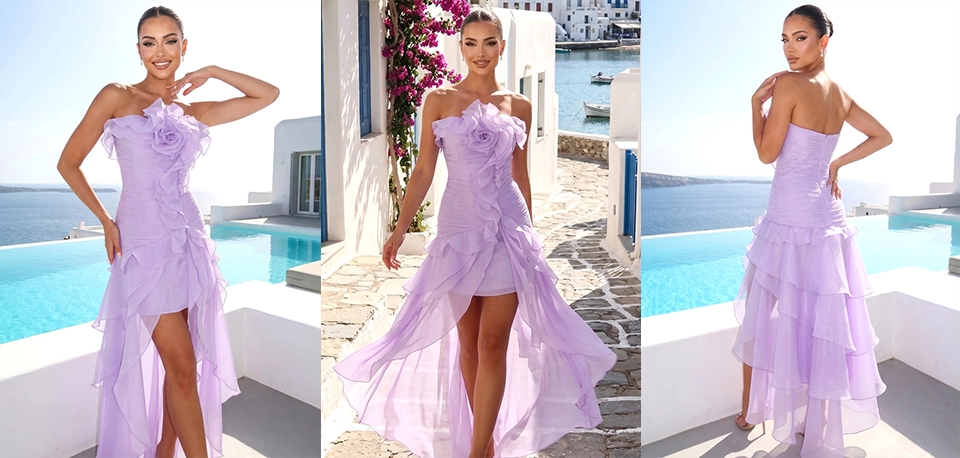
Ruffles can be added around the neckline, shoulders, sleeves, waist, or skirt. A ruffle at the hem uses fabric differently from one running across the bodice or sleeves. A wider ruffle needs more fabric, while tighter gathering creates a fuller edge and adds sewing work.
Chiffon and tulle create soft, flowing layers, while organza and taffeta hold a more defined shape. Satin can also be used when you want fuller ruffles with a smoother surface.
| Ruffle Position | Design Effect | Production Consideration |
|---|---|---|
| Hem ruffle | Adds skirt movement | Gathering ratio and hem alignment |
| Shoulder ruffle | Creates upper-body volume | Shoulder support |
| Sleeve ruffle | Adds decorative detail | Seam bulk and finishing |
| Layered skirt | Creates a fuller silhouette | Fabric consumption and weight |
Uneven gathering is easy to notice on a wide ruffle, particularly when it runs across the front of a dress. The fabric may bunch up in one area and look flat in another. Set the gathering ratio during sampling and check the finished width on both sides before approving the pattern.
2. Mermaid Cocktail Dresses
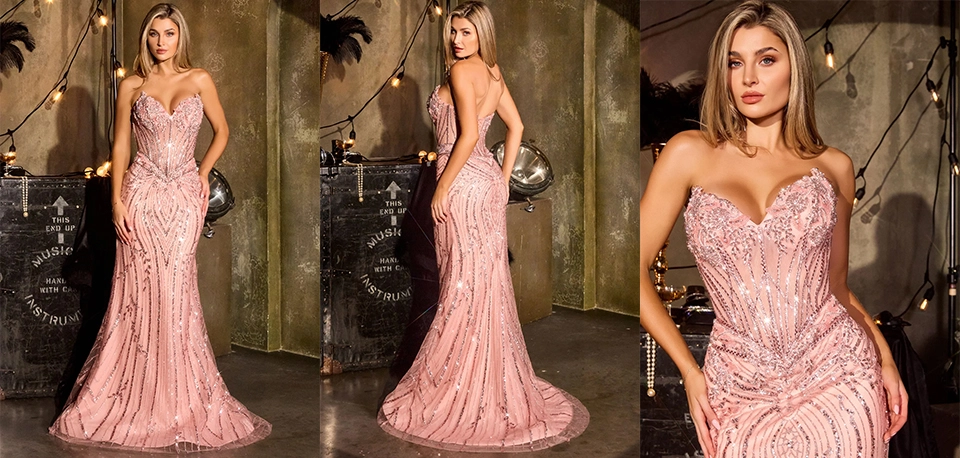
A mermaid cocktail dress fits closely through the bodice, waist, and hips before opening into a flared skirt. The position where the flare begins has a strong influence on the finished silhouette.
Check the skirt width around the knees and lower legs before approving the sample. A very narrow flare can restrict walking and make sitting uncomfortable, even when the dress looks balanced on a mannequin.
Satin and stretch crepe are common options. Velvet and lace can also work, although their weight and flexibility need to match the pattern.
Check the hip area with the wearer standing and walking. Pull lines around the hips, a zipper that waves, or a flare that twists to one side can indicate that the pattern needs adjustment. Stretch fabrics also need a recovery check. After the material is pulled during fitting, see whether it returns to its original shape.
3. High-Low Cocktail Dresses
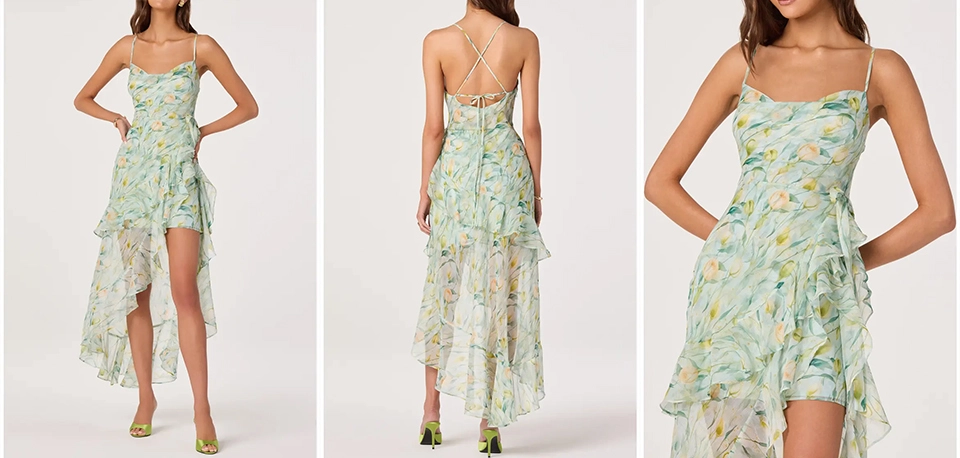
High-low dresses have a shorter front hem and a longer back section. They offer an alternative to standard mini and midi lengths, particularly for wedding guest and seasonal occasionwear collections.
The side of the skirt is where an uneven high-low hem often becomes noticeable. If the curve changes too sharply, the transition from the shorter front to the longer back can look awkward. The back panel must also hang freely without dragging the side seams backward.
Chiffon creates softer movement, while satin gives the hem a cleaner outline. Tulle can be added when more volume is required.
After sewing, let the sample hang before checking the hem. Then try it on and compare the front, side, and back lengths. Lightweight fabric may drop after hanging, so marking the hem too early can leave the finished skirt uneven. A lightweight back panel may drop lower than expected, while a heavier fabric can pull the side seams out of position. Adjust the hem only after the fabric has settled.
4. Sequin Cocktail Dresses
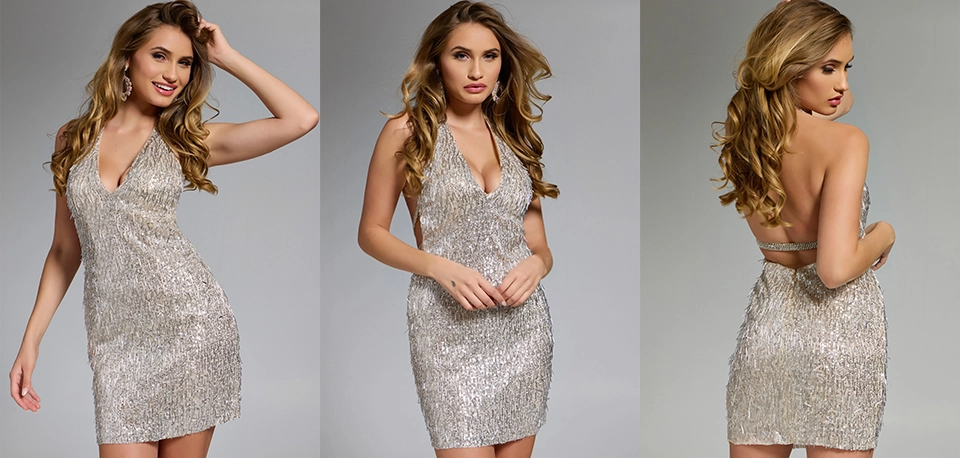
Sequin cocktail dresses are commonly developed for holiday collections, evening parties, and statement partywear. However, the decorative surface adds work during cutting, sewing, and finishing.
Sequin fabrics vary considerably in weight and flexibility. A dense sequin surface can make a fitted bodice feel stiff, particularly when the base fabric has little stretch. Check the weight and flexibility of the fabric before finalizing the pattern.
Sequins caught inside a zipper seam can make the closure difficult to sew and leave a bulky finish. The sewing team may need to remove sequins from the seam allowance first, then check that the exposed base fabric is wide enough for a secure seam.
Turn the sample inside out and check the lining around the armholes, side seams, and waist. Sequin edges should not be left rubbing against the skin. On a heavily decorated bodice, the lining and inner construction need to carry the extra weight without pulling away from the outer fabric.
5. Lace Cocktail Dresses
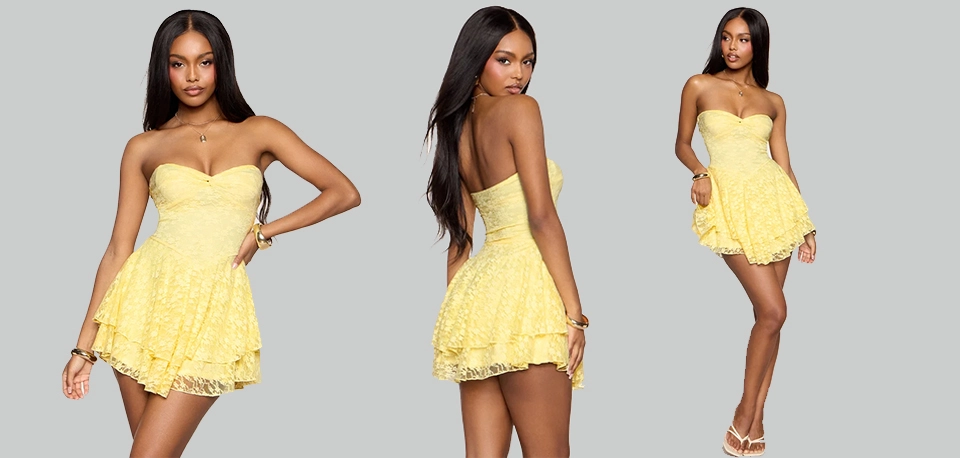
Lace can cover an entire cocktail dress or appear as a smaller detail on the bodice, sleeves, neckline, and skirt. A soft stretch lace, a firm guipure lace, and an embroidered lace fabric behave differently on the cutting table and during sewing. The lace type affects how the panels are joined, how much the fabric can stretch, and whether the motifs need to be matched.
| Lace Type | Common Application | Production Consideration |
|---|---|---|
| Floral lace | Bodices and overlays | Motif placement |
| Guipure lace | Decorative panels | Seam thickness |
| Stretch lace | Fitted sections | Stretch recovery |
| Embroidered lace | Premium occasionwear | Embroidery alignment |
One common issue is interrupted lace patterns at visible seams. If the floral motifs do not line up properly, the finished garment can look poorly assembled even when the stitching itself is neat.
For a large floral lace, the cutting layout should leave enough room to position each motif correctly. This can increase fabric consumption, particularly when the pattern needs to match across the center front or back. Matching large floral motifs may leave more unused fabric between pattern pieces, so the marker layout should be reviewed before the order is costed.
6. Satin Cocktail Dresses
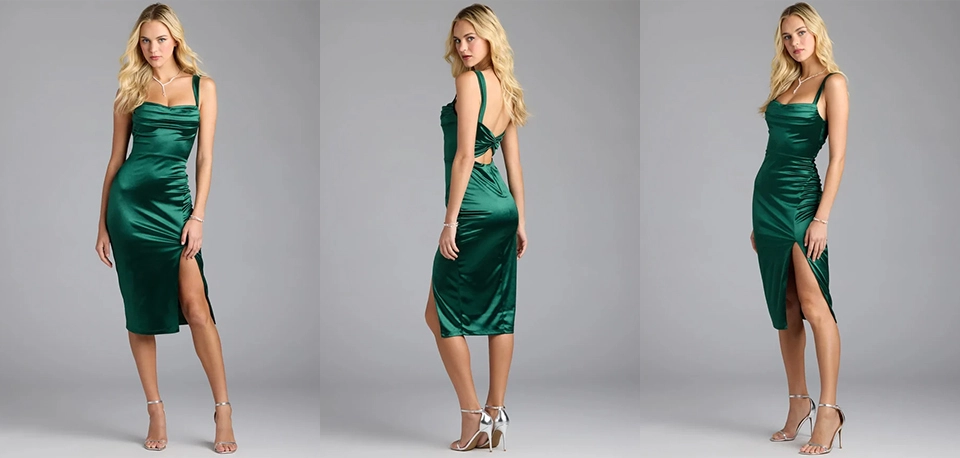
Satin is widely used for slip dresses, draped cocktail dresses, fitted styles, and structured bodices. Its smooth surface gives the garment a polished appearance, but it also makes sewing and finishing defects easier to notice.
Puckering around the waist seam or zipper is easy to spot on a satin surface, especially under bright lighting. Incorrect pressing can leave shiny patches, while repeated stitching may leave visible needle marks.
Satin panels need accurate cutting and controlled sewing tension. At the waist and side seams, even slight feeding differences can cause one layer to stretch more than the other, leaving the seam wavy. Pressing temperature also needs to suit the fabric composition.
For a draped satin dress, check where the folds sit on the body and whether they stay in place when the wearer moves. A heavier satin may create deeper folds, while a lighter one may collapse around the waist or hip.
7. Tulle Cocktail Dresses
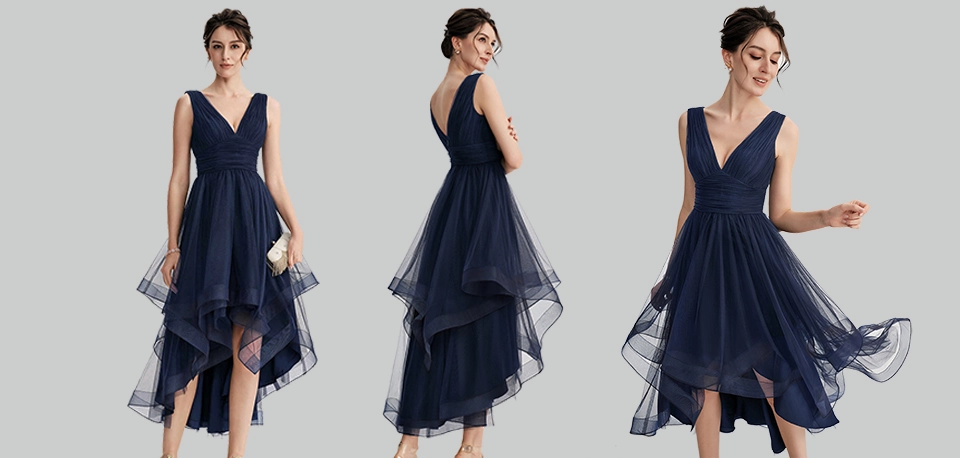
Tulle is often used for layered skirts, sheer sleeves, overlays, and decorative sections. Several layers of tulle can give a skirt volume while keeping the outer layers relatively light.
Decide the layer count from the shape you want to achieve. A fuller skirt may need several layers, but adding more tulle can also make the waist bulky and increase the time needed to join and finish the layers.
For your design, consider the stiffness of the tulle, the lining underneath, and the finished skirt weight. A very soft tulle may collapse without enough support, while a stiff variety can feel uncomfortable when several layers are joined together.
Lay the skirt flat and compare the length of each layer before finishing the hem. If one layer is longer or gathered more tightly, it may show below the others when the wearer walks.
8. Beaded Cocktail Dresses
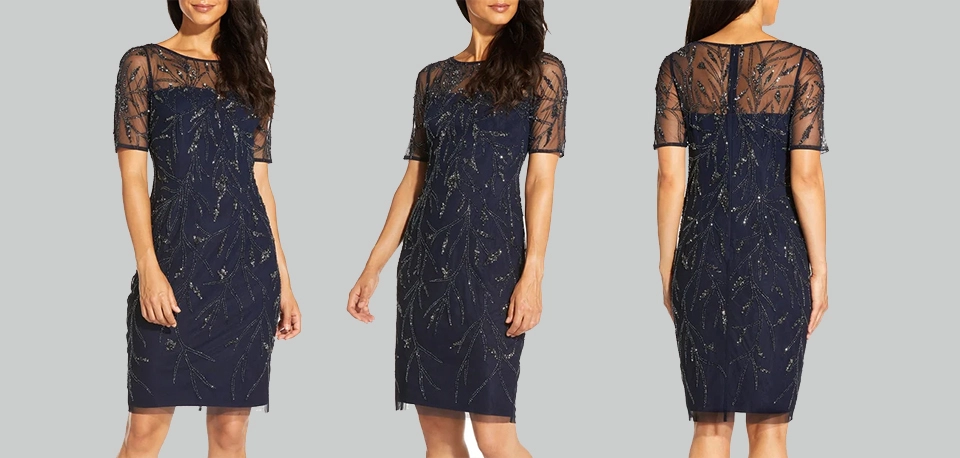
Beads may form a small neckline detail, a pattern across the bodice, or dense decoration over most of the dress. Each arrangement requires a different amount of handwork.
The quotation should account for how the beads are attached, how closely they are placed, and whether any sections need to be finished by hand. A dress with a small beaded neckline should not be costed in the same way as one with extensive decoration across the bodice and skirt.
You should also consider where the beads are positioned. Heavy decoration near the waist or bust may affect the way the garment hangs.
On the sample, gently test the decorated areas for loose beads and inspect the stitching used to secure them. Heavy decoration can pull on the base fabric, especially around the neckline and waist. Any weak attachment should be corrected before the same method is used in bulk production.
9. Black Cocktail Dresses
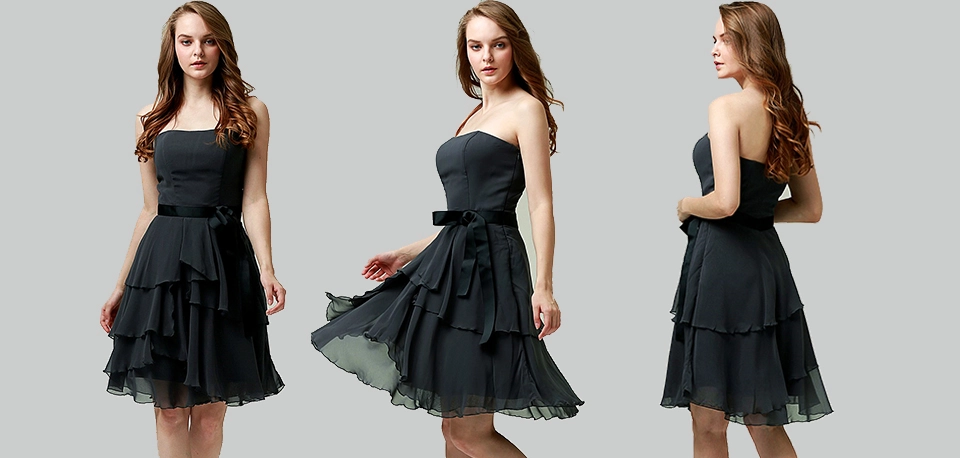
Black cocktail dresses can share the same color direction while using very different fabrics and construction methods. A satin slip dress, a lace overlay, and a sequin party dress may all be black, but their fabric handling and finishing requirements are not the same.
The fabric and surface finish can give each black style a different look:
- Satin for a clean, refined appearance.
- Lace for texture and decorative coverage.
- Velvet for autumn and winter collections.
- Sequins for party and holiday styles.
If you are ordering several black styles in different fabrics, do not assume that every black will look the same under store lighting. Two black fabrics may look similar under normal lighting but show different shades under stronger showroom or photography lighting.
When a style needs fabric from more than one dye lot, compare the shades under the same lighting before cutting. On black satin and some synthetic fabrics, pressing can also leave shiny areas that are difficult to remove.
10. Printed Cocktail Dresses
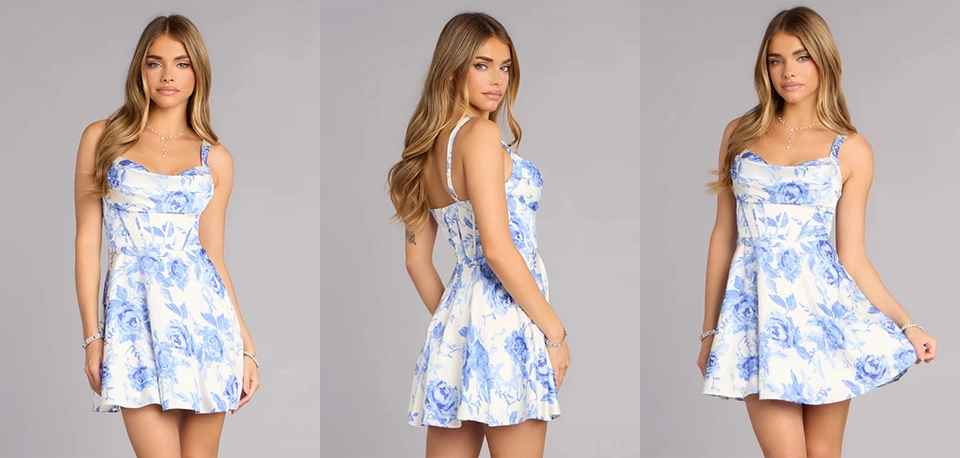
Printed fabrics let you add seasonal artwork without changing the basic dress silhouette. Floral, geometric, and abstract patterns can be developed on suitable materials, provided the printing method matches the fabric composition.
Digital printing is often chosen for detailed artwork or designs with several colors. Screen printing may be more suitable for simpler artwork produced in larger quantities. Sublimation is mainly used on compatible polyester fabrics, so check the fabric composition before selecting the method.
If the artwork has large flowers, stripes, or other directional elements, check how the print will meet at the center front and side seams. Matching large motifs can increase fabric waste, particularly when the pattern has a clear direction.
Approve the print on a fabric strike-off or sample panel before releasing the bulk order. Then check the printed fabric against the approved artwork for color, scale, and placement. A design that looks correct on screen may print differently on the selected material.
11. Puff Sleeve Cocktail Dresses
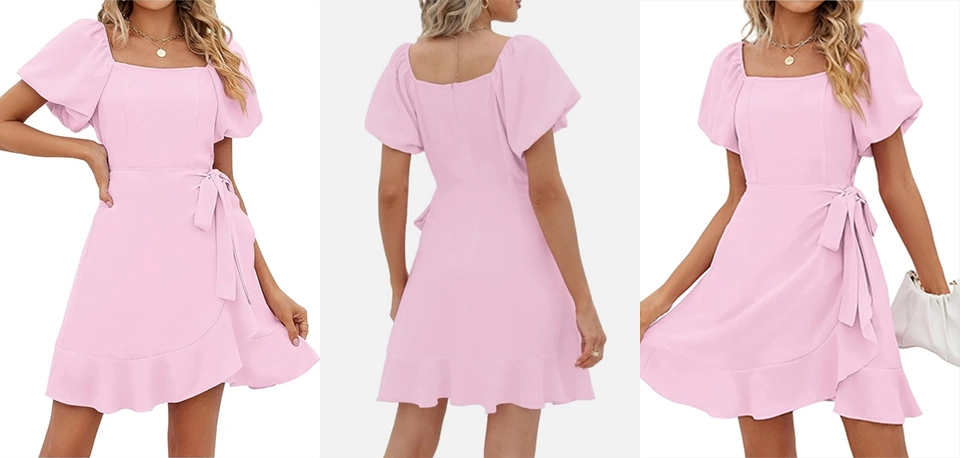
Puff sleeves can be gathered at the shoulder, around the upper arm, or near the cuff. The position of the fullness changes the sleeve shape and affects how much room is needed in the pattern.
Organza and taffeta keep a puff sleeve more structured, while chiffon produces softer volume that may need additional support. Organza and taffeta hold more volume, while chiffon creates a softer appearance.
The sleeve cap must fit the armhole without creating excess bulk at the shoulder seam. If the gathering is too dense, the seam can become thick and difficult to press. Too little fullness, on the other hand, may not produce the intended puff shape.
After pressing, check whether the sleeve still holds its intended shape. Then ask the wearer to raise and lower their arms. A sleeve may look full enough when the arms are down but pull across the underarm when the wearer moves.
12. Cut-Out Cocktail Dresses
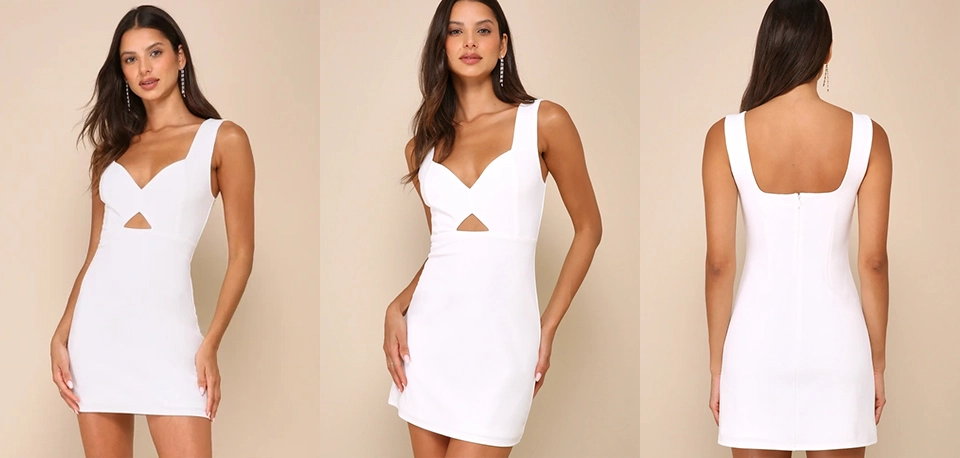
Cut-outs are commonly placed at the waist, back, shoulders, or sides. Their position affects both the amount of skin exposed and the support needed around the opening.
Mark the exact width, height, and position of each cut-out in the tech pack. A difference of even a few centimeters can change how much coverage the finished dress provides. Mark the opening measurements clearly in the tech pack rather than leaving the shape to interpretation during pattern development.
On stretch fabric, the opening may need narrow elastic or binding to stop the edge from stretching out during wear. With woven fabric, the edge needs a stable finish so it does not fray or lose its shape.
Ask the wearer to sit, stand, and move their arms during fitting. The cut-out should stay in place without exposing more than intended, and the seams around it should not pull or twist.
13. Lace Insert Cocktail Dresses
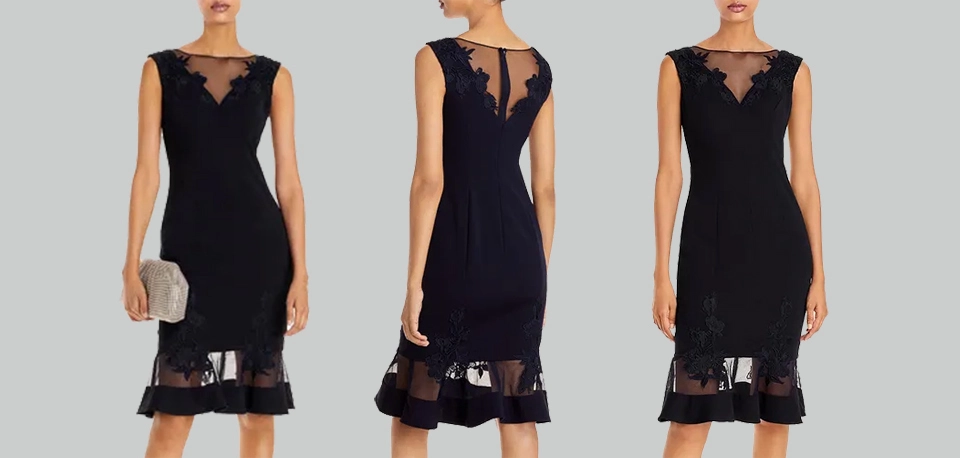
Lace inserts are often used at the waist, back, neckline, or sleeves while the rest of the dress remains in a solid fabric. This gives the design a sheer detail without requiring a full lace overlay.
It is also a practical way to control lace usage when you only want transparency in selected areas.
The lace insert must fit the opening in the main fabric without stretching or puckering. If the two fabrics behave differently, the seam may pull after sewing, particularly around curved waist or neckline sections.
Curved inserts around the waist and neckline need a pattern that follows the body without stretching the lace out of shape. If the lace is too open or soft, a backing layer may be needed to keep the area covered and stable.
14. Tiered Cocktail Dresses
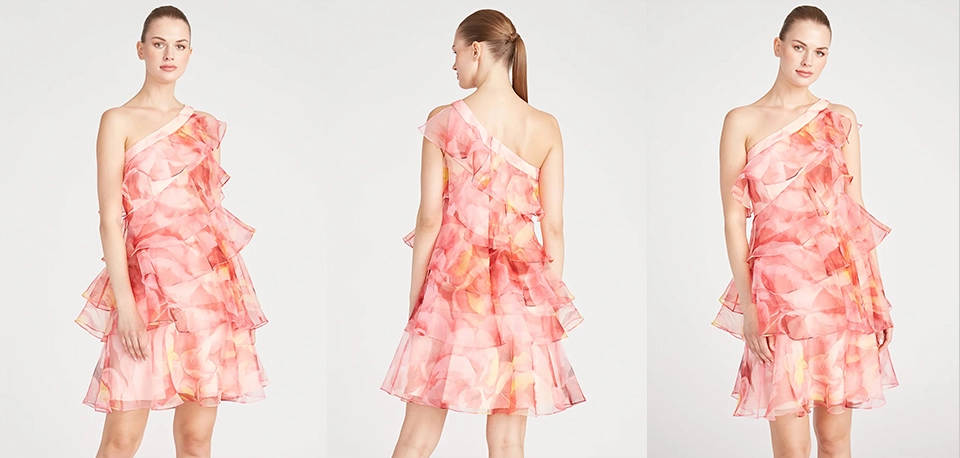
A tiered skirt is made by joining several horizontal sections, usually with each lower tier wider than the one above. The design can create a fuller skirt without using a single large circular pattern.
Each tier needs enough width to create the intended fullness, but excessive gathering can make the waist and joining seams bulky. Adding tiers also increases the number of seams that need to be sewn and finished.
Lightweight chiffon works well for soft, flowing tiers. With heavier satin, several gathered sections can create a thick seam around the waist, so the tier width and gathering ratio need to be controlled.
Check the waist seam after all tiers have been attached. If too much fabric is concentrated at one point, the waist can look bulky and the skirt may hang unevenly.
15. Velvet Cocktail Dresses
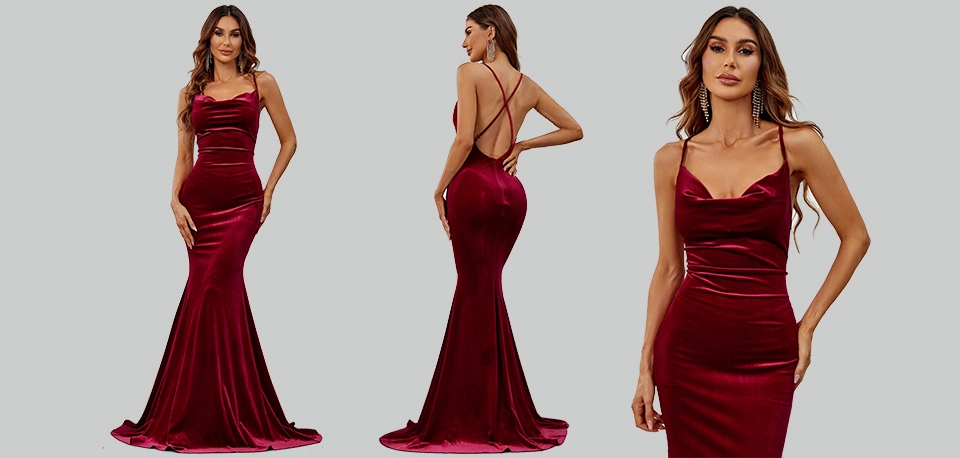
Velvet is commonly used in autumn and winter cocktail collections, particularly for fitted dresses and styles with long sleeves or simple skirt shapes.
Velvet has a directional pile, so the surface can look lighter or darker when the fabric is turned in a different direction. If pattern pieces are cut in opposite directions, panels may appear to have different shades even when they come from the same roll.
All pattern pieces should be laid in the same nap direction before cutting. During pressing, use suitable heat and pressure; a flattened pile may leave visible marks that are difficult to restore.
Inspect the velvet surface after pressing and avoid packing methods that leave deep folds or pressure marks. These marks may remain visible when the garments are unpacked.
What Happens During Cocktail Dress Bulk Production?
Once the PP sample, fabric, trims, and construction details are approved, the order can be released for bulk production. For cocktail dresses, the main checks often involve fabric shade, panel alignment, seam quality, and the way decorative details are secured.
Fabric Receiving and Inspection
Before cutting, fabric rolls should be checked for holes, stains, weaving defects, and shade variation. A Four-Point Fabric Inspection System helps record fabric defects and identify rolls that need to be separated or reviewed.
On satin and silk-blend fabrics, even a small snag or stain may remain visible after sewing. Printed fabrics also need shade and pattern checks before the cutting markers are prepared.
Pattern Review and Cutting
The cutting department works from the approved pattern and marker plan. Any shrinkage allowance should already be included, while printed fabrics need their motif positions checked before the fabric is spread and cut. Velvet and other directional materials must also be laid in a consistent direction.
Lace matching and large print repeats can leave more unused fabric between pattern pieces. Calculate this extra consumption before confirming the final fabric order.
Sewing and Assembly
During sewing, the operator follows the approved construction details for each style. Beaded sections may need to be kept away from the needle path, while a mermaid dress needs accurate joining at the hip and flare seams to prevent twisting or uneven shaping.
In-Line Inspection
In-line inspectors check the garment while it is still on the sewing line. Inspectors can catch skipped stitches, uneven seam allowances, measurement deviations, and off-center zippers while the garment is still on the sewing line. Correcting these issues at this stage is easier than reopening a finished dress.
Final Pressing and Inspection
After sewing, each dress goes through pressing and final inspection. The inspector checks the finished measurements, seam appearance, zipper operation, labels, and visible fabric marks. Garments that pass inspection are counted and packed according to the buyer’s packing instructions.
Sample Development Before Bulk Production
A sketch can show the intended silhouette, but it cannot show exactly how the fabric will drape, where seams may pull, or whether the finished dress will fit as expected. These points become clearer when the first sample is made.
Tech Pack Review
Include the measurement chart, fabric composition, lining details, trim specifications, closure type, and any special sewing or finishing instructions in your tech pack. If you do not have a complete tech pack, send clear front, back, and close-up reference photos. A physical sample can also help the pattern team identify details that are difficult to explain in a sketch.
Pattern Development
The pattern team prepares the first pattern from your measurements, sketch, and construction notes. The pattern also needs to suit the selected fabric. A satin dress may need adjustments for drape and bias movement, while a stretch dress needs enough allowance to fit the body without becoming loose after wear.
First Sample and Fit Review
Try the first sample on a fit model and photograph it from the front, side, and back. Compare the bust, waist, and hip measurements with the size chart, then check whether the neckline, sleeves, and hem sit in the intended positions.
On a fitted cocktail dress, a small difference at the waist or hip can cause visible pulling across the body or change where the skirt flare begins.
Fit Correction
Mark the problem area directly on the sample photos and include the measurement you want changed. Instead of writing “the waist feels uncomfortable,” specify whether the waistline sits too high, the waist measurement is too small, or the side seam pulls toward the front.
Specific comments help the pattern team make the correction without guessing what you mean.
Pre-Production Sample Approval
After corrections, approve the final pre-production sample. Keep the approved PP sample as the bulk production reference. The factory should follow its confirmed measurements, fabric, trims, stitching, and finishing details when producing the order.
Planning Your Cocktail Dress Order
Before asking for a quote, send enough information for the factory to estimate fabric use, sewing operations, and sample development costs.
- Design sketches, reference photographs, or tech packs.
- Fabric type, composition, weight, and preferred sourcing option.
- Quantity for each style and color.
- Size range and size breakdown.
- Lining, trims, embellishments, and closures.
- Custom labels, hangtags, and packaging.
- Target delivery date and target unit price.
A collection with beading, lace matching, structured bodices, or layered skirts may not follow the same development schedule as a group of simple satin dresses. Discuss the sample sequence and bulk delivery date with the factory before confirming your launch plan.
For repeat orders, keep the approved sample, fabric details, color references, and trim specifications. The factory can compare new materials with the original order before confirming whether the same fabric and color can be used again.
Frequently Asked Questions About Cocktail Dress Manufacturing
1. Can I combine different cocktail dress styles in one order?
Yes. Send the quantity for each style and color separately. A factory may accept several designs in one order, but the MOQ can still vary if the styles use different fabrics, colors, or sewing processes. Do not combine all quantities into one total when requesting a quote.
2. Why should I provide a target unit price when requesting a quotation?
It helps the factory understand the cost range you are working toward. If the first quotation is above your target, the factory can review fabric weight, lining, embellishment, or construction details with you before sampling. A target price is a reference, not a guaranteed production cost.
3. Can I use my own fabric supplier for cocktail dress production?
Yes. Send a fabric swatch and the supplier’s composition, width, and weight details before sample development. Confirm who will arrange the fabric testing and how much material is available. You should reserve enough yardage for sampling, corrections, and bulk production.
4. How many sample revisions should I expect before approving a dress?
It depends on the first sample and how complete the original specifications are. A simple dress may only need a measurement adjustment, while a fitted bodice or complicated neckline may need several corrections. Agree on the revised details before asking the factory to make another sample.
5. What should I confirm about labels and packaging before production?
Send the artwork and specifications for your main labels, care labels, hangtags, and barcodes before bulk production. Also confirm whether each dress needs an individual polybag, size sticker, or special folding method. Late packaging instructions can hold up an order after sewing is finished.
Conclusion
A cocktail dress that looks simple in a design image may involve extra work once fabric, fit, and sewing details are confirmed. Sorting out these details before sampling can reduce avoidable pattern changes, material waste, and delays later in production. If you are preparing a cocktail dress collection, you can contact Xiuyu Apparel to discuss your designs, fabric requirements, and OEM production needs. As a dress manufacturer, we work with brands and buyers on custom dress development from sampling through bulk production.

