

A garment can look good in a showroom or on a product page and still develop problems after a few washes. Loose seams, fabric shrinkage, twisted side seams, and stretched necklines are often easier to spot after the garment has been worn. These details matter when choosing a clothing manufacturer, not just when comparing quotations. Uniqlo, H&M, and Zara offer useful examples of how different product positions influence fabric selection, construction, and quality expectations.
1. How Does Uniqlo’s Fabric and Stitching Quality Compare to H&M and Zara?
Although all three brands sell everyday clothing, their collections are not built around exactly the same priorities. This affects the fabrics, garment details, and price points used across their product ranges.
Uniqlo’s range includes everyday basics such as T-shirts, shirts, knitwear, and trousers. Comfort, fabric performance, and suitability for regular wear are important parts of its LifeWear positioning.
H&M sells clothing across a wide range of categories and price points. Material choices and construction standards can therefore vary considerably between its basic products and more detailed collections.
Zara’s collections change frequently, with greater visibility given to seasonal silhouettes and fashion-led designs. Its products range from simple separates to structured dresses that require more attention to pattern shape and garment finishing.
From a manufacturing perspective, you should not judge these brands by one garment alone. A cotton T-shirt, a knitted sweater, and a structured evening dress require different fabric standards and sewing methods.
When comparing garment quality, pay attention to five areas:
- Fabric composition, weight, and surface quality.
- Stitch density and seam construction.
- Pattern accuracy and measurement consistency.
- Finishing details and workmanship.
- Performance after washing and repeated wear.
Before requesting a quotation, give the factory something more specific to work with. A T-shirt may need a defined fabric weight and neckline recovery, while a fitted dress may require tighter control over measurements, lining, and seam construction. The quality requirements should be written around the garment rather than described with a general term such as good quality.
2. Fabric Selection: Why Does Material Choice Affect the Final Garment?
A fabric swatch can look attractive and still cause problems once production starts. Before approving a material, we need to consider how it behaves during spreading, cutting, sewing, and finishing, not just how it looks in a small sample.
A fabric that looks attractive on a swatch may behave differently during cutting, sewing, and finishing. A lightweight satin, for example, may shift during cutting, while a stretch jersey can lose its intended fit if the fabric does not recover properly after being pulled. Shrinkage can also change the finished measurements after washing.
The differences are easier to understand when you look at the products rather than the brand names alone. An everyday cotton T-shirt, a stretch knit top, and a structured fashion dress have different material requirements. Their fabric choices should be judged against the intended fit, wearing conditions, and construction.
For your own collection, the fabric should match both the design and the intended customer experience.
Consider these examples:
Cotton: A T-shirt requires suitable softness, dimensional stability, and neckline recovery. A fabric that stretches easily but does not recover can leave the neckline looking loose after several washes.
Satin: A satin dress needs a smooth surface and controlled drape. Because the fabric can move during spreading and cutting, extra handling control may be necessary.
Viscose: A viscose dress may have attractive movement, but fabric shrinkage and distortion need attention before the final pattern is approved.
Knitted fabrics: Stretch percentage and recovery influence garment fit. If the fabric stretches more than expected, the finished garment may not maintain the intended silhouette.
On one satin dress order, the cutting team noticed that the fabric layers were shifting during spreading. If left uncorrected, the panels could come out slightly different in size, affecting how the seams and hem matched during sewing. We adjusted the spreading process and checked the fabric alignment before releasing the remaining layers for cutting.
Before confirming bulk fabric, ask the factory to check the usable width, shrinkage, colorfastness, and suitability for the planned sewing operations. A lower fabric price can quickly lose its advantage if more material is wasted during cutting or finished garments need extensive repair.
A cheaper fabric is not necessarily a better purchasing decision if it creates more cutting waste, sewing problems, or rejected garments.
3. Does Uniqlo Offer Better Durability Than H&M and Zara?
A thick fabric is not automatically more durable than a lightweight one. Fiber composition, yarn structure, fabric finishing, and the way a garment is sewn all influence how it performs after regular use.
Durability cannot be judged by comparing the three brand names alone. A basic cotton T-shirt, a knitted top, and a fashion dress are exposed to different types of wear. The useful comparison is whether each garment’s material and construction hold up under the conditions it was designed for.
However, a basic garment from one brand may last longer than a more complicated garment from the same brand. The material, construction, care instructions, and frequency of wear all matter.
For your own products, durability should be tested according to the intended use.
In one development project, a fabric weighing around 120gsm lost some of its shape during repeated washing tests. We asked the supplier to provide a 160gsm alternative and made another sample with an adjusted pattern. The heavier fabric performed better in the test, although the change also affected the garment’s drape and overall feel.
This is why we prefer to test fabric options in the finished garment rather than approve them by weight alone.
If you are developing everyday basics, pay particular attention to shape retention and seam strength. For occasionwear, fabric appearance, lining compatibility, and construction stability may be equally important.
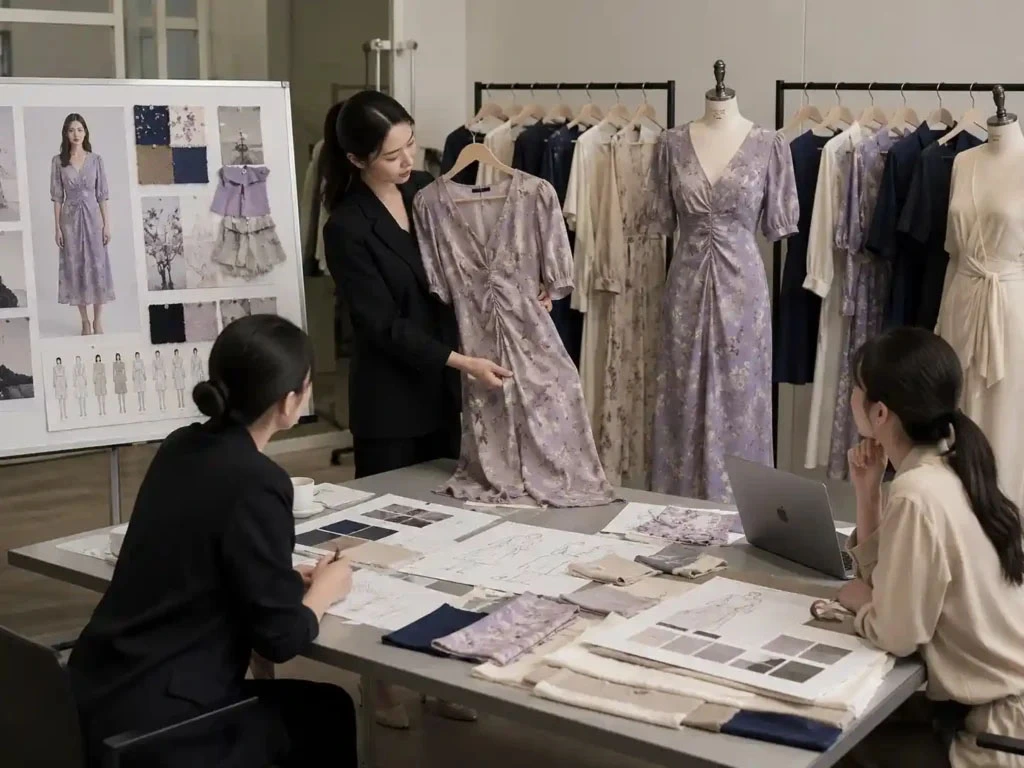
4. What Should You Look for When Checking Clothing Stitching Quality?
Fabric quality is only part of what you see in a finished garment. Uneven seams, poorly attached linings, and badly installed zippers can make an otherwise good material look poorly made.
When you inspect a sample, do not stop at checking whether the stitches look straight. You also need to examine seam strength, stitch density, seam allowance, thread selection, and how the garment behaves when worn.
On a T-shirt, uneven shoulder seams or loose neckline stitching can become more noticeable after washing. A fitted dress needs closer attention around the waist seam, zipper, armholes, side seams, and lining attachment, where small construction differences can affect both fit and appearance.
The sewing requirements also change with fabric type.
Lightweight chiffon requires careful tension control. Excessive tension can cause puckering, while unsuitable seam finishing may make the fabric appear bulky. Stretch jersey needs stitches that can move with the fabric rather than break when the garment is pulled on.
When reviewing a supplier’s sample, check:
- Whether the stitches are even and consistent.
- Whether seams remain secure during normal movement.
- Whether neckline and hem finishing are neat.
- Whether zippers and closures are correctly installed.
- Whether left and right garment panels match.
- Whether decorative details are securely attached.
If you have a reference garment, photograph details such as the neckline, zipper attachment, hem, and inside seams. Add the required stitch type and finishing method to the tech pack so the sample room can follow the same construction during development.
5. How Does Washing Performance Affect Clothing Quality?
Washing tests can reveal problems that are difficult to notice on an unwashed sample. A dress may lose length, side seams may twist, or a neckline may stretch after laundering. These changes can affect the garment’s fit even when the original sample passed a visual inspection.
Common washing-related issues include:
- Fabric shrinkage and length changes.
- Color fading or color transfer.
- Pilling on frequently rubbed areas.
- Twisted side seams.
- Stretched necklines and cuffs.
- Uneven hems after washing.
You should not rely entirely on fabric swatch testing when developing a finished garment.
On a lined dress, the outer fabric and lining need to be checked together. If one shrinks more than the other, the lining can start pulling against the shell fabric, or the hem may no longer hang evenly. Testing the fabrics separately may not reveal this problem.
Before bulk production, confirm the washing method and test the complete garment where appropriate.
For cotton and knitted products, check dimensional changes and recovery. For printed garments, review colorfastness. For delicate dresses, pay attention to whether the fabric surface, seams, and decorative details remain in good condition.
You should also establish acceptable measurement tolerances after washing, especially for fitted styles where a small change in length or waist measurement can affect the fit.
6. Why Are Simple Clothes Sometimes More Difficult to Manufacture?
Minimalist garments leave very little room for construction mistakes. On a plain T-shirt or simple dress, customers can easily notice an uneven neckline, a twisted side seam, or a poorly balanced hem.
Consider a simple T-shirt. There are no complicated decorations to distract the customer from the fabric and fit. If the neckline is too wide, the shoulder drops incorrectly, or the side seams twist, these problems become immediately visible.
The same applies to minimalist dresses, shirts, and trousers.
In our production work, basic styles often require careful fitting adjustments because there are fewer design elements to hide small construction differences.
Four areas deserve particular attention:
Pattern adjustments need to be checked carefully, particularly around the shoulder, armhole, sleeve, and garment length. Changes in fabric stretch or shrinkage can also alter the fit, even when the original pattern remains unchanged.
During sewing, pay close attention to the neckline, joining seams, and hem. On a simple design, uneven pressing or inconsistent seam finishing can be just as noticeable as a measurement error.
If your brand plans to reorder a successful basic style, keep the approved pattern and original specifications. Otherwise, a small change in fabric or construction can make the next batch look noticeably different.
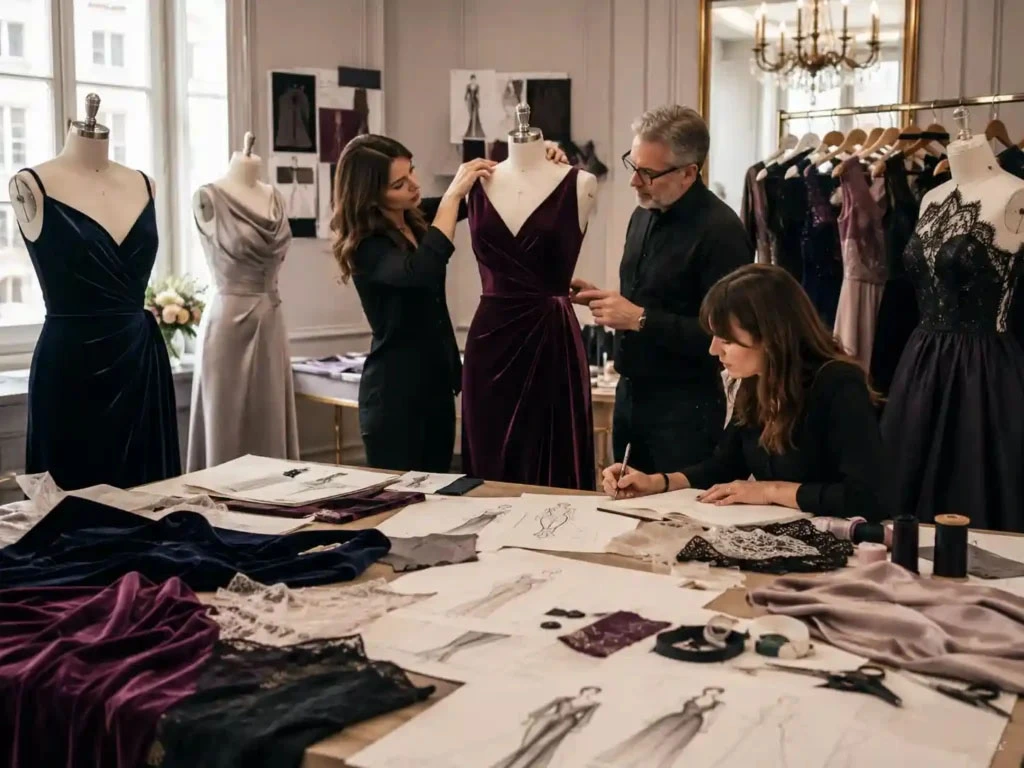
7. How Do Style and Product Positioning Influence Perceived Quality?
A garment can be well made and still miss its target market. A structured occasion dress and an affordable everyday top do not need the same material budget or finishing details. The production specification should reflect the price point and the expectations of the customers who will wear the product.
A well-constructed dress may still perform poorly in the market if its design does not match customer expectations.
Uniqlo appeals to customers looking for practical everyday clothing. Zara attracts shoppers interested in seasonal silhouettes and fashion-led designs. H&M covers several market segments through its different collections and price levels.
For your own brand, product positioning should guide the production standard.
For occasionwear, you may need to budget for structured fabrics, lining, fit adjustments, and more detailed finishing. For an entry-level seasonal collection, material availability and efficient sewing operations may have a greater influence on the final cost.
Before development starts, ask yourself:
- What retail price are you targeting?
- How frequently will customers wear the product?
- Does the design require special fabric or construction?
- What finishing standard will your customers expect?
- Will you need to reproduce the style in future seasons?
These decisions help you avoid spending money on unnecessary details or selecting materials that cannot support the final selling price.
8. How Can You Keep Bulk Production Consistent With the Approved Sample?
The approved sample represents one garment. In bulk production, the same style has to be reproduced across multiple fabric rolls, cutting batches, and sewing lines. A measurement or construction mistake that seems minor on one piece can affect an entire batch if it is not caught early.
This is why the approved sample, measurement chart, and construction details need to be available to the production team before bulk cutting starts.
We focus on checking potential problems before they spread through the production line.
Fabric Inspection Before Cutting
Before spreading, inspect the fabric for visible defects and shade differences. Check the usable width and confirm shrinkage results so the cutting team can work from the correct measurements. When several fabric rolls are involved, confirm that their colors and surface characteristics are consistent.
Pattern and Measurement Confirmation
Compare the bulk pattern with the approved sample and measurement chart before cutting. Check key points such as body length, shoulder width, sleeve shape, and waist position rather than relying on the pattern file alone. Pay particular attention to garment length, shoulder width, sleeve shape, waist position, and other critical fit points.
Approved Sample and Construction Reference
Keep an approved sample for the production team to follow. Confirm fabric, trims, labels, sewing methods, and finishing requirements before production starts.
First-Piece Inspection
Inspect the first pieces coming off the sewing line. If the neckline, measurements, or seam construction differ from the approved sample, correct the operation before the same mistake reaches more garments. This gives you an opportunity to correct measurement or construction problems before they affect a large quantity.
Inline Quality Checks
During sewing, check seam alignment, stitch formation, measurements, and the attachment of trims or linings. Problems are easier to correct while the garment is still on the production line than after finishing. Early correction is generally less costly than repairing finished garments.
Final Inspection
Before shipment, compare finished garments against the approved sample and buyer specifications. Check measurements, appearance, workmanship, labels, and packaging.
For repeat orders, keep records of approved specifications and any changes made during production. This makes it easier to reproduce the same style months later without starting the development process again.
9. How Should You Compare Clothing Manufacturers Beyond Unit Price?
Two clothing manufacturers may quote different prices for what appears to be the same garment. Before comparing the figures, check whether both quotations cover the same fabric, trims, sampling work, packaging, and inspection requirements.
For example, one quotation may include pattern development and sample corrections, while another lists these as separate charges. Fabric inspection, labels, packaging, and final QC can also be treated differently between suppliers.
Before choosing a manufacturer, clarify what the quotation actually covers.
Here are several questions worth asking:
- What is included in the sample fee?
- Does the factory handle fabric sourcing?
- How many sample revisions are included?
- Is the MOQ calculated per style or per color?
- When does the bulk production lead time begin?
- What inspection standard will be followed?
- How are production discrepancies handled?
- Can the supplier support repeat orders?
For startups and smaller fashion brands, these details are particularly important. A clear quotation helps you understand the actual development and production costs before committing to an order.
For a startup placing its first order, unclear charges can make the original budget difficult to manage. Ask each factory to confirm the development fees, production scope, lead time, and inspection arrangements in writing before you compare the final quotations.
FAQ About Uniqlo, H&M, Zara Quality and Clothing Manufacturing
1. Is expensive fabric always better for clothing production?
Not necessarily. The right fabric depends on the garment’s construction and intended use. A reasonably priced knit with good recovery may work better for a fitted top than a more expensive material that stretches out during wear. Test the fabric in the actual garment before making a final decision.
2. How many sample revisions should you allow when developing a new style?
There is no fixed number for every garment. A straightforward top may need fewer adjustments, while a fitted dress with a structured bodice can require several rounds. Agree on the development scope and sample revision costs with your manufacturer before placing the order.
3. What should you do if your supplier cannot source the approved fabric again?
Ask the supplier to provide alternative swatches with composition, weight, and finish information. Do not approve a replacement based on color alone. Check the new material against the original sample and request a revised garment sample if the fabric changes the fit or drape.
4. How can you reduce the risk of delays when launching a new collection?
Work backward from your planned delivery date. Allow time for fabric sourcing, sample review, fit corrections, and PP sample approval before counting the bulk production period. Custom dyeing and special trims can take longer to arrange, so confirm their availability before fixing the launch schedule.
5. Should a startup brand develop several styles with one manufacturer or use different factories?
For a small first collection, working with one suitable manufacturer can make communication and production follow-up easier. However, the factory must have experience with your garment categories. If one supplier cannot handle your construction requirements, splitting production may be more practical.
Conclusion
The differences between Uniqlo, H&M, and Zara are not simply about which brand uses better fabric or stronger stitching. Their products serve different customers, price points, and wearing needs. For fashion brands developing their own collections, the more useful lesson is to define fabric, fit, construction, and inspection requirements before bulk production begins.
At Xiuyu Apparel , we work with brands on dress development, sample making, and bulk production. If you are preparing a new dress collection, you can share your reference designs and quantity requirements with our team to discuss the manufacturing process.

