

When you develop a mesh dress, zipper waves can show up even when the zipper itself is straight. The mesh may stretch during sewing, the zipper area may lack support, or the pattern can put uneven tension on the opening. For brands and buyers, the useful time to deal with this problem is during sampling. Once the pattern is released and bulk cutting starts, even a small zipper correction can mean changes to the pattern, sewing method, or already-cut pieces.
Why Do Zippers Wave on Mesh Dresses?
The zipper is often blamed first, but it is not always the cause.
Mesh can stretch while it is being cut, handled, or sewn. After sewing, the fabric may recover while the zipper tape stays in place. That difference in movement can leave small waves along the zipper.
You will notice the problem more easily on a fitted dress. When the garment is close to the body, the back or side seam is already under some tension. Adding a zipper to that area gives the fabric another point where movement needs to be controlled.
We also see cases where the zipper looks acceptable when the garment is lying flat but becomes wavy when it is hanging or wornmesh may need only limited support, while a softer str
. When that happens, we check the fabric, pattern, and zipper construction before changing the zipper itself.
Check the Mesh Fabric Before You Finalize the Construction
Before finalizing the zipper construction, check how the mesh behaves during sewing and fitting.
You can have two fabrics with a similar appearance but very different stretch and recovery. One may stay relatively stable around the zipper, while another may keep pulling after it has been sewn.
When we check a mesh for a new style, these are the points we look at first:
- Stretch percentage
- Recovery after stretching
- Fabric weight
- Stretch direction
- Mesh structure
- Whether the fabric distorts when handled
- Whether a lining is being used
This matters when you are moving an existing design into a new fabric. If you change from a stable mesh to a softer, more elastic version, you cannot assume that the original zipper construction will work unchanged.
A fabric swatch can tell you how the mesh looks and feels, but it does not show how the finished zipper area will behave. We prefer to check that on the sample.
Give the Zipper Seam Enough Support
The zipper tape is much more stable than some lightweight stretch meshes.
If you sew the zipper directly into a lightweight stretch mesh without enough control around the opening, the fabric can move more than the zipper tape. That difference is one of the common causes of waviness.
Depending on the fabric and garment construction, the zipper area may need additional support such as:
- Stay tape
- A narrow reinforcing layer
- Suitable interfacing
- Lining support
- A more stable seam construction
You do not want to reinforce the entire area heavily just to make the zipper flat. On a sheer mesh dress, excessive reinforcement can become visible from the outside or make the zipper area feel noticeably harder than the rest of the garment.
Choose the Zipper Together With the Fabric
A zipper that works well on one mesh dress may not behave the same way on another.
For example, a lightweight mesh dress can be affected by a zipper that is relatively heavy or stiff. The zipper may pull on the surrounding fabric, particularly when the dress has a close fit.
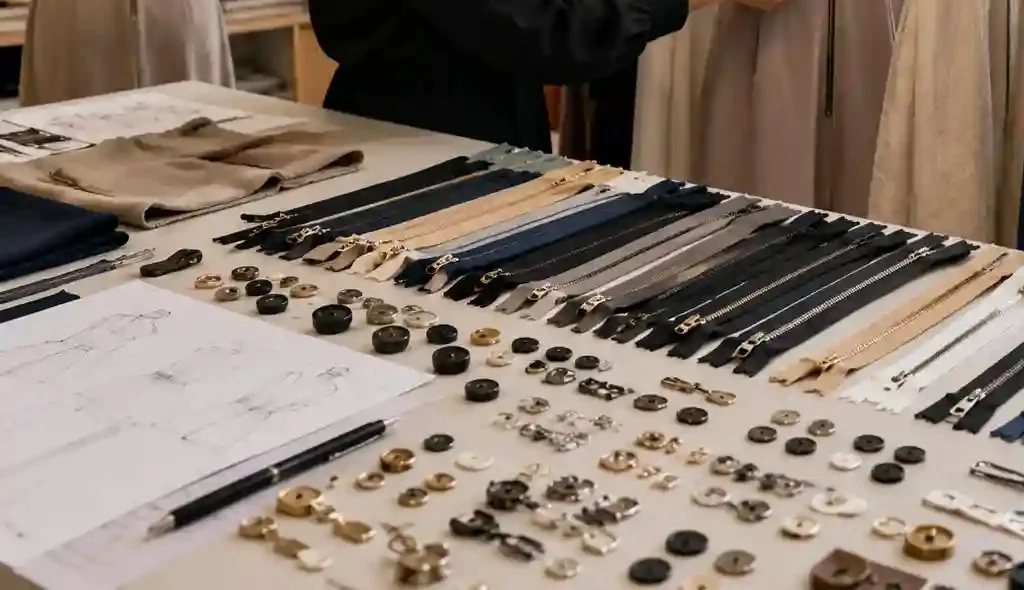
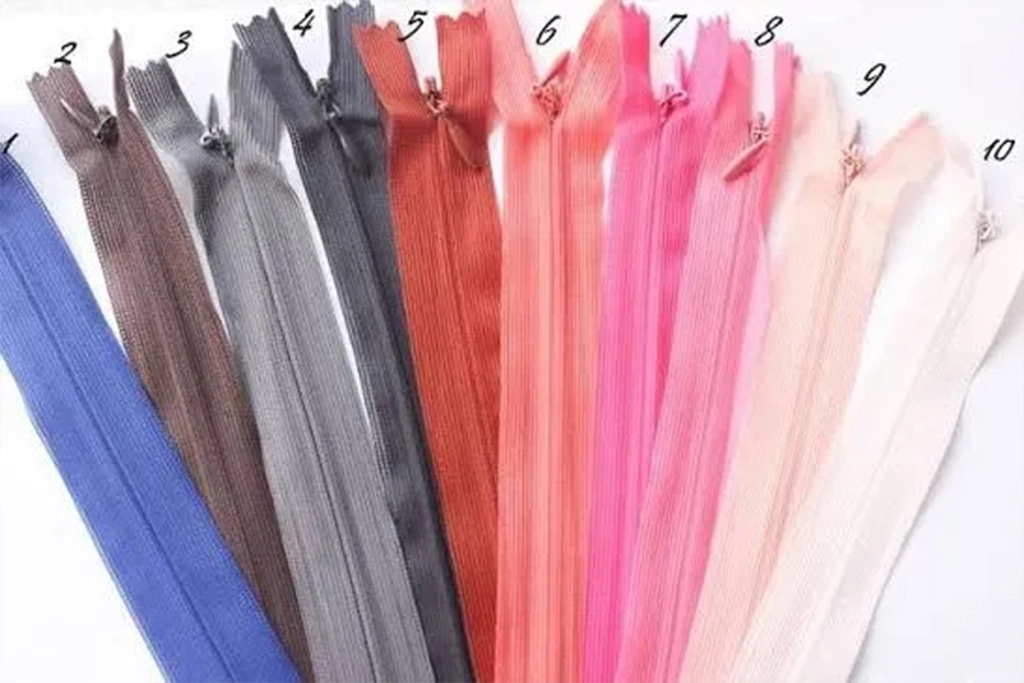
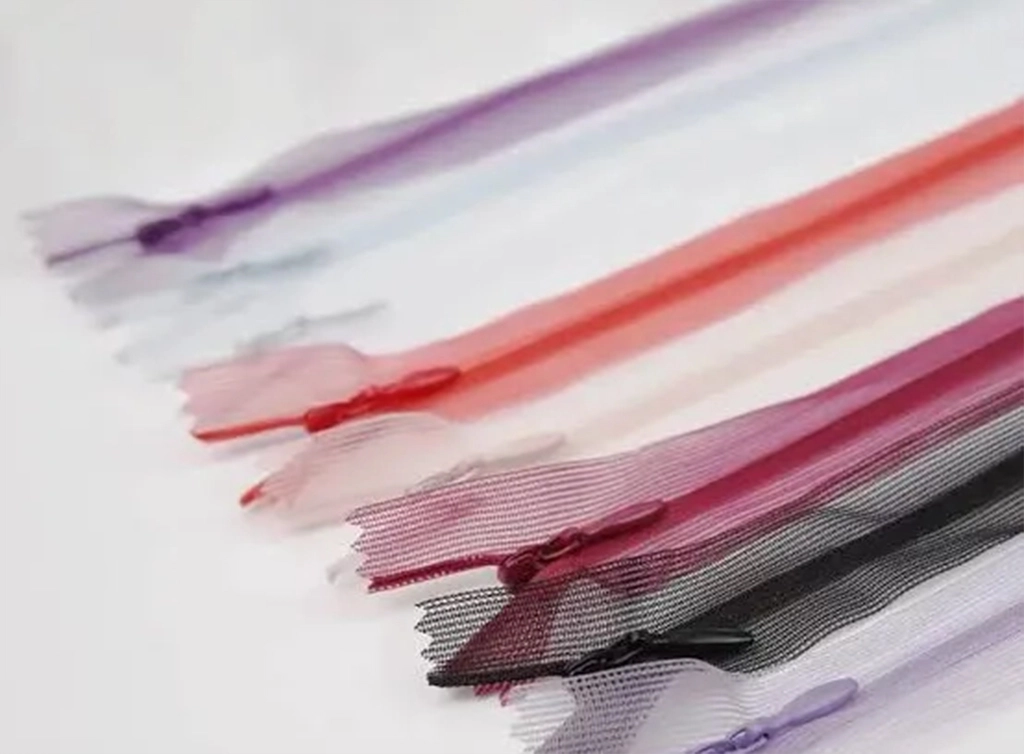
An invisible zipper is commonly used when you want the closure to blend into the seam, but the choice still needs to consider:
- Zipper length
- Zipper tape
- Zipper weight
- Flexibility
- Placement
- Fabric stretch
- Garment fit
When a new style is being sampled, we check the zipper with the fabric and pattern rather than approving the trim separately. Changing the fabric later can change the behavior of the whole zipper opening.
Control the Fabric During Sewing
Even with a suitable zipper and pattern, the sewing operation can create waves.
Stretch mesh should not be pulled through the machine simply to keep the edges aligned. If the operator stretches the fabric while attaching the zipper, the mesh can contract afterward and pull the seam.
Machine settings matter too. Thread tension, fabric feeding, sewing speed, and seam allowance all affect the result. If one of these changes on the line, the zipper area may start looking different from piece to piece.
During production, the zipper seam should be checked for:
- Consistent seam allowance
- Straight zipper placement
- Even fabric feeding
- Stable stitch formation
- Consistent tension
- Distortion along both sides of the zipper
If the same waviness appears repeatedly on multiple pieces, do not keep fixing individual garments by pressing. At that point, we would stop treating it as a pressing issue and check the sewing method and construction instead.
Check the Pattern Before Changing the Zipper
Sometimes the zipper is simply following a pattern problem.
A fitted mesh dress can have considerable shaping around the back, waist, or side seam. If the zipper opening does not work well with that shape, the fabric can carry more tension on one side.
If you are developing the style with a dress manufacturer, the pattern should be checked together with the zipper construction during sample development.
During sample development, check whether:
- Both sides of the zipper opening are balanced
- The zipper follows the intended seam line
- The seam allowance is consistent
- The top and bottom of the opening sit correctly
- The garment remains balanced when worn
This is where the first sample tells you something a flat pattern cannot.
If the fabric and zipper are both correct but the finished sample still pulls, the pattern may need adjustment before the style moves forward.
Use the First Sample to Find the Cause
When you receive the first sample, do not only look at the zipper while the dress is lying on a table.
Check it hanging, then check it on the body. A zipper that looks fine on a table can behave differently once the dress is fitted, so look at the seam both from a normal viewing distance and up close.
Look closely for:
- Small waves beside the zipper
- Puckering
- Twisting
- Uneven zipper height
- Uneven tension between the two sides
- Difficulty opening or closing the zipper
- Pulling when the garment is worn
It is also worth checking the garment after pressing. A slight surface irregularity may improve with proper pressing, but pressing cannot correct a pattern or construction problem that is causing the fabric to pull.
Do Not Approve the Sample Too Early
The sample approval stage is the right time to settle the zipper construction.
If the zipper is slightly wavy but the rest of the dress looks good, it can be tempting to approve the sample and assume the production team will improve it later.
It is better to fix it at the sample stage. After the pattern is released for bulk cutting, a zipper change may also mean changing the pattern, reinforcement, or sewing operation.
It is much easier to make that decision while you are still working on the sample.
What Should You Check Before Bulk Production?
Before bulk production starts, compare the production specifications with the approved sample. If you are working with a clothing manufacturer, these details should match the version approved during sampling.
| Item | What to Check |
|---|---|
| Mesh fabric | Fabric type, stretch and recovery |
| Zipper | Type, length, weight and specification |
| Pattern | Zipper opening and seam balance |
| Seam | Allowance and construction |
| Reinforcement | Position and width |
| Lining | Whether it supports or changes the zipper area |
| Sewing | Machine method and handling |
| Pressing | Final appearance and shape |
If any of these details change after approval, check the zipper area again before bulk production.
This is particularly important when a brand changes fabric because of availability or cost. A substitute mesh may look close to the approved fabric but behave differently around the zipper.
Common Mesh Dress Zipper Problems and Possible Causes
| Problem | Possible Cause |
|---|---|
| Zipper waves after sewing | Mesh stretch or uneven feeding |
| Puckering beside the zipper | Thread tension or seam contraction |
| One side pulls more than the other | Pattern or seam imbalance |
| Zipper pulls the dress | Zipper is too heavy or the area lacks support |
| Zipper area looks stiff | Too much reinforcement |
| Zipper twists near the top | Placement or pattern issue |
| Problem appears only when worn | Garment fit is putting tension on the opening |
Do not change the zipper based on appearance alone. Check the fabric, pattern, seam, and zipper together first.
How Can You Reduce Zipper Problems in Bulk Production?
By the time the order reaches the sewing line, the zipper construction should already be settled.
By bulk production, the factory should have a clear reference: approved fabric, zipper specification, pattern, construction details, and the approved sample.
If you are working with a private label dress manufacturer, make sure any changes to the fabric, zipper or measurements are communicated before bulk cutting.
For fitted mesh dresses, a small construction difference can become visible across a large quantity. Catching it during sampling gives you much more room to adjust without creating unnecessary rework.
FAQ
Can a zipper problem be caused by changing the fabric after sampling?
Yes. A replacement mesh may look almost identical but behave differently once it is sewn. Stretch, recovery and weight can all change the zipper area. If the fabric changes after approval, we would treat the zipper construction as something to recheck, not simply carry over.
What happens if the zipper waves appear only on some pieces in bulk?
Start by putting a few affected pieces next to pieces that look correct. Check the fabric, seam allowance, zipper feeding, and sewing tension side by side. If the pattern and materials are the same, the difference is often coming from the sewing operation.
Does a fitted silhouette make zipper problems more likely?
Yes, especially on close-fitting styles. When the dress is worn, the zipper opening is already under tension from the body fit. A small difference in pattern balance or seam construction can therefore become much more visible than it is on a loose dress.
Can zipper waves increase the amount of fabric used?
The zipper itself normally has little effect on fabric consumption. Pattern changes can. If the zipper opening needs a wider seam allowance, extra reinforcement, or a different panel shape, the fabric requirement may change. Check this before placing a large fabric order.
When should a zipper issue be reported to the factory?
Report it as soon as it appears in sampling. Send photos of the full zipper area rather than only a close-up, and note whether the wave appears when the dress is flat, hanging, or worn. That information helps the factory trace the problem faster.
Conclusion
Check the zipper during sampling, not after bulk sewing has started. Look at the mesh, zipper, pattern, seam support, and sewing method together. For a new style, the approved sample should show the zipper construction clearly enough for the production team to follow. Catching the problem at this stage is much easier than correcting it after cutting and sewing have started.
Related Dress Manufacturing Services
If you are developing a new dress and need support with fabric selection, internal construction, sampling, and bulk production, an experienced clothing manufacturer can help you deal with these decisions before they become production problems.
At Xiuyu Apparel, we work with fashion brands, startups, designers, and private label companies from sample development through bulk production.
- Party Dress Manufacturer
- Slip Dress Manufacturer
- Chiffon Dress Manufacturer
- Midi Dress Manufacturer
- A Line Dress Manufacturer
Get a Clothing Manufacturing Quote Based on Your Design
If you already have a garment design, send us the product photo, tech pack, or reference sample together with your target quantity.
As a dress manufacturer, we can review the fabric, lining, construction, trims, workmanship, and finishing requirements before preparing a quotation based on the actual garment rather than a general price range.

