

When you approve a garment sample, the pattern used to make it should not be confused with the original block. In our factory, pattern development involves more than changing a few measurements. Your design, fabric, fit comments and construction details all affect the final pattern. If these changes are not carried through before bulk cutting, the finished garments may differ from the sample you approved.
What Is a Block Pattern?
A block pattern is a basic garment pattern that serves as a foundation for developing new styles. It usually represents an established fit and set of proportions for a particular garment type and base size.
A factory may have separate blocks for bodices, skirts, sleeves and dresses. For example, when you send a fitted dress design, the pattern maker may start with an existing bodice and skirt block rather than drafting every section from the beginning.
The advantage is that some basic proportions have already been established. The pattern maker can concentrate on the changes needed for your design.
However, a block does not automatically match your garment specifications.
A standard dress block, for instance, may have a conventional neckline, waist position and skirt shape. Your design might require a deeper neckline, a lower waist seam, a shaped back and a closer-fitting skirt. Those details need to be developed before the pattern is ready for sampling.
Why Do Clothing Manufacturers Use Block Patterns?
Starting from an established block can reduce unnecessary pattern work, especially when you are developing several styles with related silhouettes.
Imagine your brand is preparing three fitted dresses: one with a square neckline, another with a sweetheart neckline and a third with a cowl neckline. The factory may be able to start with a related bodice block, then adjust each design separately.
This does not mean all three dresses will have identical patterns. Neckline shape, bust construction, support and fabric behavior can change how the bodice needs to be developed.
A suitable block saves time at the beginning, but the pattern still needs to be checked against your design and target fit.
What Is a Production Pattern?
A production pattern is the finalized pattern set prepared for manufacturing a specific garment. It contains the pattern pieces and technical information needed to reproduce the approved design.
Depending on the garment and factory’s production method, this may include:
- Front, back, sleeve and other individual pattern pieces
- Final pattern dimensions and measurements
- Seam allowances and notches
- Darts, pleats and shaped seams
- Pocket and closure positions
- Grainlines and cutting direction
- Matching points between connected pieces
- Piece identification and cutting quantities
The production pattern should reflect the changes made during sample development.
For example, if you requested a 2 cm adjustment to the waist seam, the revised pattern needs to show that change. If the adjustment affects both the bodice and skirt, the connected pieces must be corrected together.
This is where the production pattern becomes important to your order. The cutting team needs one confirmed version to work from, rather than an earlier pattern with some of the fitting changes still missing.
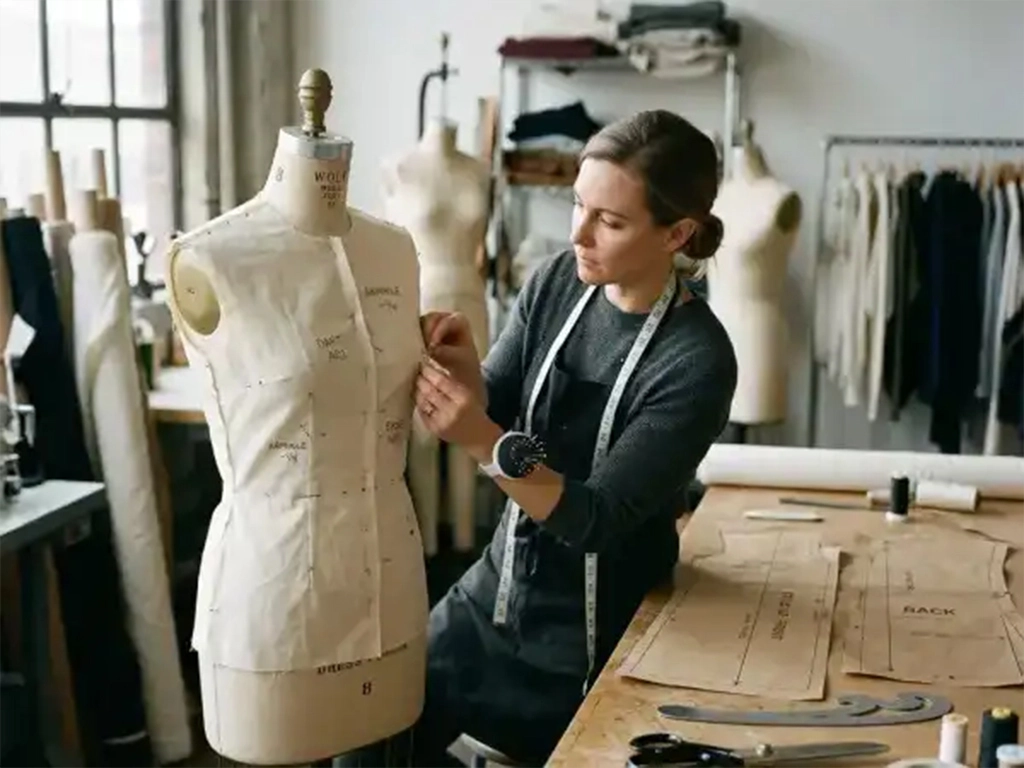
Block Pattern vs Production Pattern: Key Differences
The difference is not simply that one is basic and the other is detailed. They serve different purposes at different stages of garment development.
| Comparison | Block Pattern | Production Pattern |
|---|---|---|
| Main purpose | Foundation for developing a style | Pattern set for manufacturing |
| Design details | Basic garment shape | Specific approved design |
| Fit | Established base fit | Adjusted for the target garment |
| Measurements | Base measurements and proportions | Confirmed garment specifications |
| Pattern pieces | Basic sections | Complete pieces for the style |
| Construction | Limited design information | Required construction details |
| Grading | May be available or not | Prepared for the required size range |
| Bulk cutting | Usually not the final cutting version | Used for production cutting |
One detail worth checking is seam allowance. Some blocks already include seam allowances, while others are prepared without them. Do not assume every factory uses the same block format. Ask how the pattern is prepared and which version is intended for cutting.
For your brand, the important distinction is whether the pattern contains the confirmed details needed to reproduce your approved garment.
How Does a Block Pattern Become a Production Pattern?
The development process generally follows this order:
Design Review → Initial Pattern → First Sample → Fit Review → Pattern Revision → Revised Sample → Approval → Production Pattern → Grading → Bulk Cutting
The number of revisions depends on the design. A relaxed dress with straightforward construction may need only a few changes. A fitted dress with a structured bodice, curved panels or complicated draping can require more work.
1. Your Design Is Translated Into Pattern Pieces
You may send a tech pack, sketch, reference garment or product photos. The pattern maker reviews the information and works out how the garment should be divided into individual pieces.
A drawing can show the overall silhouette, but some construction decisions are not obvious from the front and back views.
For example, a fitted waist may look simple in a sketch. The pattern maker still needs to determine the seam position, shaping, joining points and how the bodice connects to the skirt.
If your design includes lining, boning, gathering or special closures, these details also need to be considered during pattern development.
2. The First Sample Reveals Fit Problems
The first sample gives you something physical to assess. Measurements on a tech pack cannot show every aspect of how a garment sits and moves on the body.
During fitting, you may find that the bust pulls when the wearer moves, the armhole feels restrictive or the skirt hangs unevenly. A neckline may also look different from what you expected once the fabric is sewn.
These observations need to be turned into specific pattern adjustments.
We usually find that clear fitting instructions save more time than sending a long list of general comments. If the waist seam needs to move, state how far and from which reference point. If the sleeve feels tight, identify whether the problem is around the bicep, armhole or sleeve opening.
3. Pattern Revisions Must Follow the Construction
A pattern adjustment does not always affect just one piece.
Take a dress with a waist seam. If you lower the seam by 2 cm, the bodice and skirt sections need to be adjusted so their joining lines still match. If only one side is changed, the sewing team may have difficulty joining the pieces correctly.
The same applies to princess seams, curved panels, sleeve attachments and lining.
After making a revision, the pattern maker should check the connected seam lengths and matching points. This helps prevent problems such as uneven seams, puckering or pieces that do not fit together during sewing.
4. The Approved Sample Sets the Production Reference
Once you are satisfied with the fit and appearance, the sample can be approved.
The manufacturer then needs to align the production pattern with the approved version. This includes checking the measurement chart, construction notes and any changes made during fitting.
If your team sends another adjustment after approval, make sure the factory confirms whether the existing pattern needs to be revised. A comment in an email or messaging app should not be assumed to have been transferred automatically into the cutting pattern.
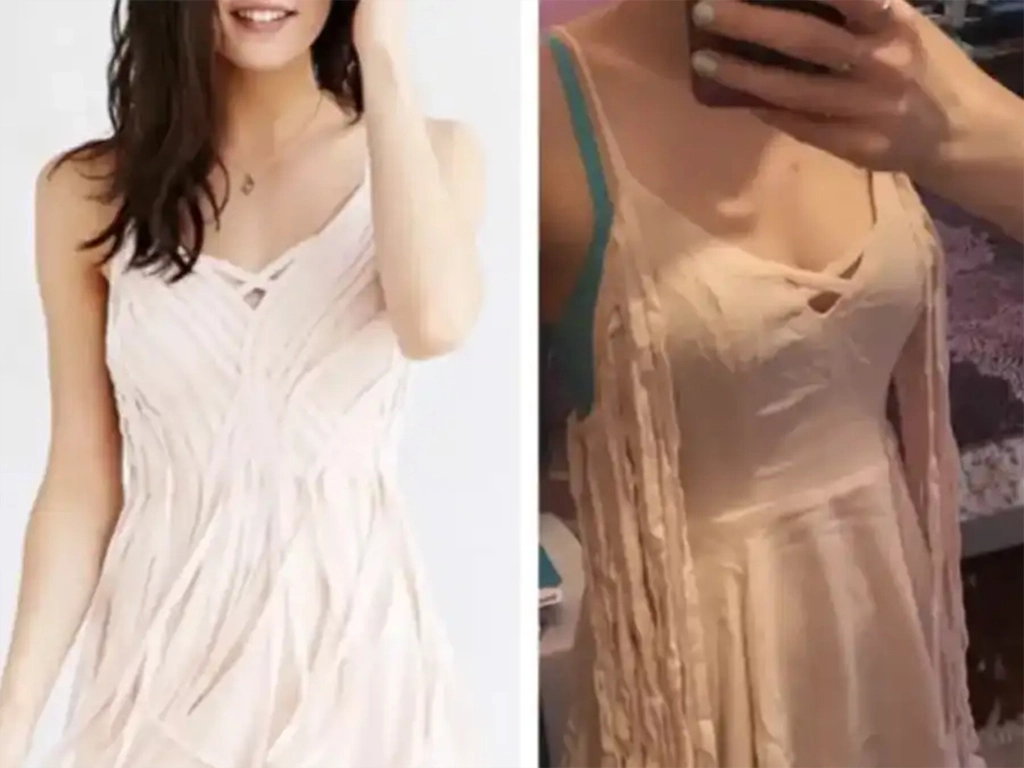
How Can Fabric Changes Affect the Pattern?
Fabric is one of the reasons a pattern that works during initial development may need another review before production.
Two materials can have similar weights but behave differently once they are sewn into the same silhouette.
Stretch and recovery
A fitted dress made from stretch jersey needs to account for the fabric’s stretch and recovery. If you switch to a woven material with little or no stretch, the original pattern may feel too tight.
The amount of ease, bust shaping and movement allowance may need to change.
Drape and weight
A lightweight rayon dress and a heavier woven dress can hang differently even when their pattern shapes are similar. Fabric weight affects how the skirt falls, while drape influences the appearance of gathers, pleats and curved sections.
Fabric width and cutting layout
Changing fabric width can affect marker planning and fabric consumption. This is particularly relevant for maxi dresses, full skirts and styles with large or directional pattern pieces.
Before confirming bulk production, your manufacturer should check that the selected fabric works with the approved pattern. If the material changes after sampling, ask whether another sample or fit check is needed.
From the factory side, we pay attention to this before bulk cutting because a fabric substitution can affect more than the material cost. It can change the fit, sewing process and final appearance of the garment.
What Happens After the Production Pattern Is Finalized?
If your order includes several sizes, the approved base pattern needs to be graded.
Pattern Grading for Your Size Range
Pattern grading creates additional sizes from the approved base size. The aim is to maintain the intended fit and proportions across the size range.
It is not simply a matter of adding the same amount to every measurement.
Bust, waist, hip, shoulder, armhole and length follow different grading requirements. A fitted dress, for example, may need particular attention around the armhole and waist because these areas can change the overall balance of the garment.
When you provide your size chart, make sure it is clear whether the measurements refer to body measurements or finished garment measurements. These are not interchangeable.
If your brand has its own sizing standards, send the complete chart before grading begins. Otherwise, the factory may work from assumptions that do not match your target customer.
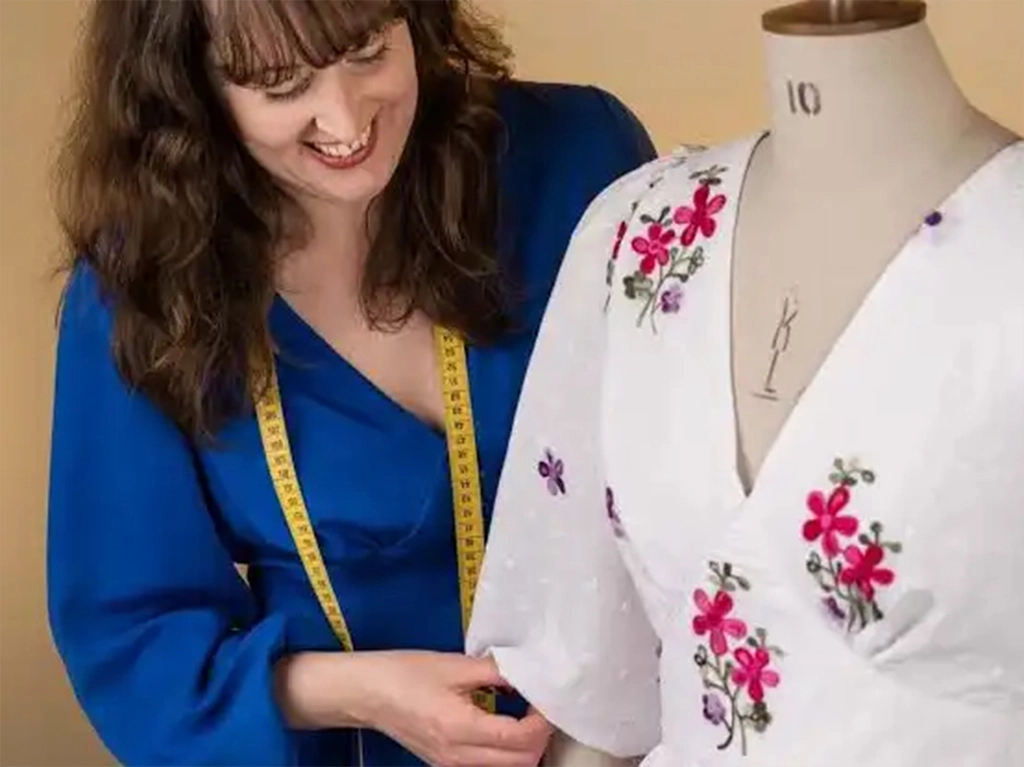
What Should You Send to Your Clothing Manufacturer?
You do not need to prepare a finished production pattern before contacting a manufacturer. Your design can begin with a sketch or reference garment, but the more information you provide, the fewer decisions need to be guessed during development.
For a new dress style, prepare the following where possible:
- Design reference: Sketches, front and back views or reference photos.
- Tech pack: Measurements, construction notes and design specifications.
- Size chart: Base size, size range and finished garment measurements.
- Fabric preference: Composition, weight, stretch and preferred fabric type.
- Construction details: Lining, closures, pockets, seams and finishing.
- Order requirements: Estimated quantity, colorways and target delivery date.
If you have a physical sample of a garment with the fit you want, it can be useful for pattern development. The factory can examine its proportions and construction rather than relying entirely on photographs.
You do not need every detail finalized before making an inquiry. However, identify the points that are still undecided, especially fabric, measurements and construction. These are often the details that affect the first sample and quotation.

Pattern Checks Before Bulk Cutting
Before the cutting team starts, several details should be checked against the approved specifications.
Pattern measurements
The finished garment measurements should agree with the approved measurement chart. Pay particular attention to areas that changed during fitting.
Matching pattern pieces
Connected pieces need to fit together correctly along their joining seams. Check the waist seam, side seams, sleeve attachments and other areas where pattern revisions have been made.
Grading accuracy
If you are ordering multiple sizes, check the graded measurement chart rather than assuming that a correctly fitted base size guarantees a good fit throughout the range.
Fabric and marker compatibility
The marker should be prepared using the confirmed fabric width and cutting requirements. Directional prints, nap and fabric patterns may also affect how pieces are arranged.
Pattern version
The cutting department should receive the latest approved production pattern. Earlier development patterns should not be mixed with the final version.
These checks are particularly important when several people are involved in product development, purchasing and factory production. Everyone needs to work from the same confirmed specifications.
FAQ
1. Does my brand need to pay for pattern development separately?
That depends on the manufacturer’s sampling terms. Some factories include basic pattern work in the sample charge, while more complicated designs may involve additional development fees. Before confirming an order, ask whether pattern adjustments, grading and digital pattern files are included.
2. Can I keep the production pattern for future collections?
You should clarify this before development starts. If you plan to reorder the same style or develop similar designs in future seasons, ask whether the factory can retain the pattern and whether you can receive a copy. Ownership and access should be agreed in writing.
3. What if my designer and the factory use different measurement methods?
This can cause unnecessary fitting disagreements. Confirm the point of measurement (POM), measuring position and method before sampling. For example, bust width measured flat is different from a full bust circumference. Both sides should use the same measurement instructions.
4. Should I approve a size set before placing a large order?
For fitted garments or collections covering a wide size range, checking samples in additional sizes can help identify grading problems. It may not be necessary for every simple style, but it is worth discussing when fit consistency across sizes is important to your customers.
5. Can I change a design detail after the production pattern is completed?
Yes, but the factory needs to review the effect on the existing pattern and construction. Changing a pocket position is different from changing a neckline or bodice structure. Ask whether the revision requires another sample before authorizing bulk cutting.
Conclusion
A block pattern gives your manufacturer a starting point, but the production pattern needs to reflect the garment you have actually approved. Before bulk cutting, make sure the measurements, fabric, construction and pattern revisions are consistent. If you are preparing a new dress collection, Xiuyu Apparel can support your development from initial sampling to bulk manufacturing as an experienced dress manufacturer.

