

When you source women’s clothing, price is usually one of the first things you compare between factories. However, production results are often affected by how well the supplier understands your product, manages sample development, and controls quality during bulk production. From a manufacturer’s perspective, we see many production problems start before an order is placed, usually because the factory’s experience, development ability, and production process do not match the brand’s requirements. Reviewing these points before cooperation helps you avoid common problems during sampling and bulk production.
Check Whether the Factory Has Experience With Your Product Category
When brands first contact women’s clothing manufacturers, price and MOQ are often the first topics discussed. However, experienced sourcing managers often look at whether the factory has produced similar products before.
A factory familiar with your product category can usually identify production issues earlier, such as fitting problems, fabric limitations, or construction details that may affect the final garment.
For example, different women’s clothing styles require different production experience:
- Structured dresses need accurate pattern development and fitting adjustments.
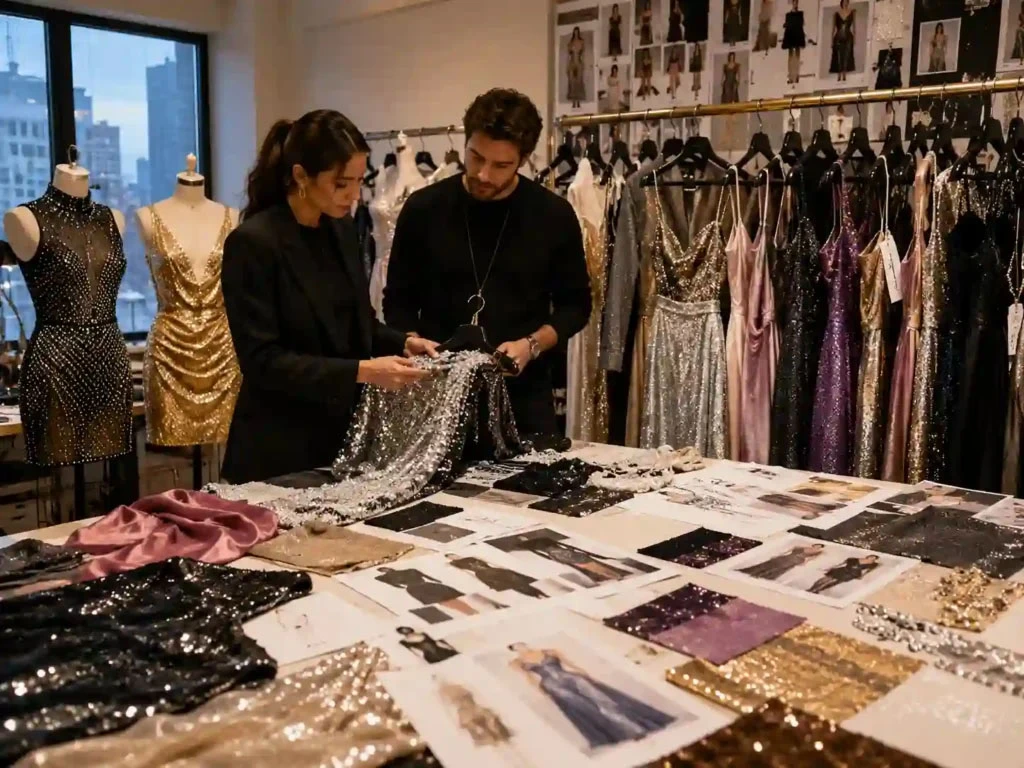
- Evening dresses may involve embroidery, beading, lining, and delicate finishing.
- Casual dresses require stable fabric handling and consistent bulk production.
You need to check whether the manufacturer has experience with similar fabrics, construction methods, and finishing details.
From our production experience, many sampling problems are not caused by poor workmanship. They often happen because the factory does not fully understand the product requirements at the beginning.
Look Closely at the Sampling Process
A sample is the first step to check whether your design can be translated into a production-ready garment.
Before choosing a supplier, you need to understand how they manage sample development:
- How do they review your design information?
- Who handles pattern adjustments?
- How are fitting comments communicated?
- How many revision rounds are normally needed?
In real production, a first sample rarely becomes the final version immediately. Small adjustments to neckline shape, fit, length, or construction details are common.
A factory with an organized sample development process can identify problems earlier and make revisions more efficiently before bulk production starts.
Find a Factory That Fits Your Brand’s Production Stage
Different brands need different levels of involvement from their manufacturing partners during development and production.
A startup fashion brand may need a supplier that can support:
- Smaller initial quantities
- Flexible development
- More guidance during sampling
A retailer or established brand may focus more on:
- Stable production capacity
- Repeat order consistency
- Delivery management
When evaluating a women’s clothing factory, you should check whether their sampling process, production capacity, and order management match your current stage.
A factory with large production capacity is not always the best choice if your business requires more flexibility. The key is whether the supplier can handle your product requirements, order quantity, and production timeline consistently.
For example, a startup preparing its first collection may need more support during sampling, while a retailer repeating proven styles may focus more on delivery consistency.
Understand How Quality Is Controlled During Production
Quality problems are usually easier to solve during production than after the garments are finished.
When sourcing managers evaluate factories, they usually need to understand how quality is managed throughout the process.
A practical production quality process often includes:
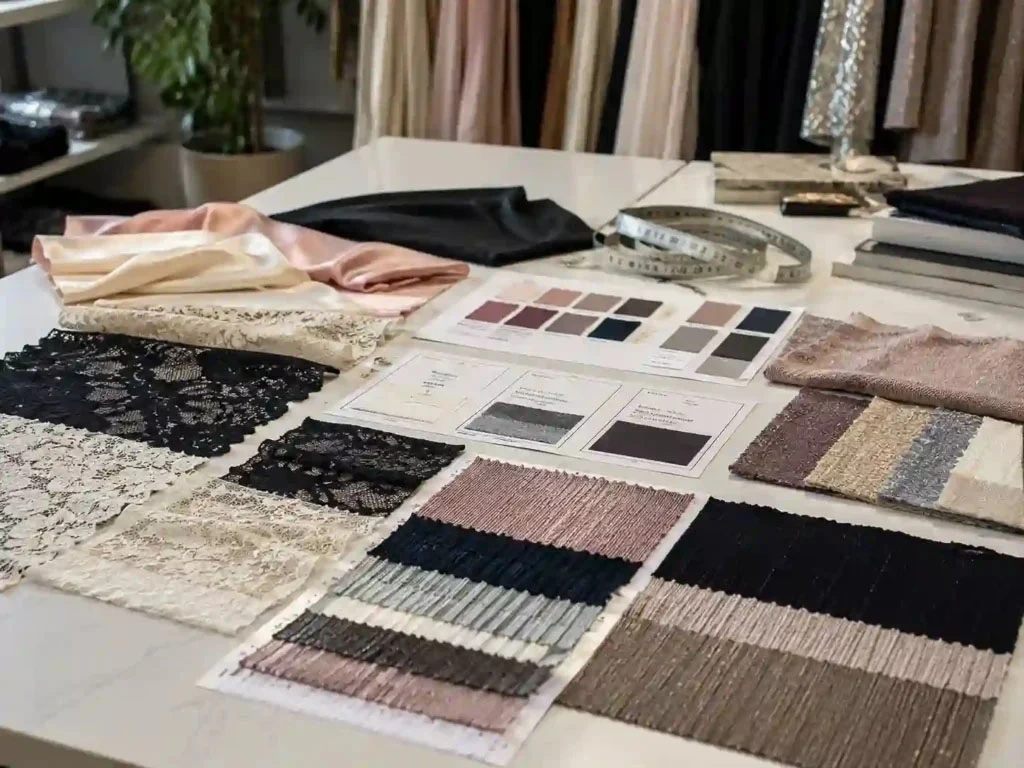
Fabric Checking Before Cutting
The factory checks fabric condition, color consistency, and possible issues that may affect production.
Inline Inspection During Sewing
Production teams monitor measurements, workmanship, and construction details while garments are being made.
Final Inspection Before Packing
Finished garments are checked against approved samples, specifications, and customer requirements.
From the factory side, solving problems early is always easier than correcting hundreds of finished pieces later. A clear QC process helps both the manufacturer and the buyer avoid unnecessary losses.
Review Communication During Development and Production
Many production delays are not caused by manufacturing problems. They come from unclear information.
Before cooperation, you should understand how the factory communicates about:
- Design changes
- Sample feedback
- Material confirmation
- Production progress
- Delivery schedules
For example, if a buyer changes measurements after bulk cutting has started, it can affect the entire production plan.
Effective production communication means confirming important details before they affect sampling, cutting, or bulk production.
Check MOQ, Lead Time, and Customization Capability
Before placing an order, you should confirm whether the factory’s MOQ, lead time, and customization options match your current needs.
Important points include:
- Minimum order quantity
- Sample development time
- Bulk production timeline
- Label and packaging options
- Custom fabric or color requirements
For new brands, MOQ can affect inventory risk. For larger buyers, production stability and repeat orders may matter more.
A reliable supplier should explain how the order will move from sampling to bulk production, not only send a price sheet.
Consider the Factory’s Ability for Repeat Production
This becomes especially important when you develop new collections, repeat best-selling styles, or make adjustments based on customer feedback.
When you evaluate suppliers, consider whether they can support future development:
- New styles
- Seasonal collections
- Repeat production
- Product improvements
Many brands start with a few designs and gradually expand their collections. A manufacturer who understands your products and production standards can make future orders easier to manage.
Questions Sourcing Managers Should Ask Before Selecting a Women’s Clothing Factory
Have you produced similar styles or constructions before?
Reviewing previous production experience helps you understand whether the factory is familiar with your garment category, fabric types, and construction requirements before starting development.
What information do you need before making a sample?
Factories usually need details such as sketches, measurements, reference samples, fabrics, or technical information. Clear information at the beginning helps avoid unnecessary sample revisions.
How do you handle changes after sample review?
Ask how the factory manages fitting comments and design adjustments. A clear revision process helps both sides track changes and prevents misunderstandings before bulk production.
How do you maintain quality during bulk production?
The factory should be able to explain where quality checks happen during production, such as fabric checking, sewing inspection, measurement control, and final inspection.
Can you support repeat orders and future collections?
If you plan to build a long-term brand, you need a supplier who can understand your product standards and maintain consistency when producing new styles or repeat orders.
Conclusion
Choosing a women’s clothing factory is a decision about production compatibility, not only pricing. A supplier with the right product experience, development process, and quality management system can help you move from first samples to repeat production with fewer issues.

