

When you develop a dress for bulk production, approving the fabric swatch and lab dip is only part of the process. The production fabric can still arrive with shade differences, reduced usable width or a different hand feel. As a clothing manufacturer, we check these details before cutting because a material problem found after cutting can affect fabric consumption, garment consistency and delivery schedules.
Fabric Swatch vs Lab Dip vs Bulk Fabric Approval
Although all three stages involve fabric approval, they answer different questions.
| Approval Stage | Main Purpose | What You Need to Confirm |
|---|---|---|
| Fabric Swatch | Select the right material | Composition, GSM, hand feel, drape and construction |
| Lab Dip | Confirm the requested color | Shade, depth and undertone |
| Bulk Fabric Approval | Check the production material | Shade, width, weight, finishing and consistency |
For your order, these approvals should be treated as separate checkpoints. A fabric can pass the initial selection but fail during bulk inspection. Similarly, a lab dip can match your color reference while the finished production fabric has a different hand feel or surface appearance.
Keep the approved physical samples for comparison. A color name, supplier code or photograph is not always enough to settle a disagreement once bulk fabric arrives.
What Is a Fabric Swatch?
A fabric swatch is the material sample you review before confirming which fabric will be used for your dress.
At this stage, you are mainly deciding whether the material suits the design, target price and intended market. Look beyond the color and consider:
- Fiber composition
- Fabric weight and GSM
- Hand feel and surface texture
- Drape and stiffness
- Stretch and recovery
- Fabric construction
- Basic color appearance
The pattern and fabric need to work together. A soft satin may give you the drape you want for a loose dress, but it may not provide enough body for a structured bodice. A heavier satin can hold its shape better, although the finished skirt may look less fluid.
Fabric width is another detail worth checking early. If the selected material is narrower than the pattern requires, the cutting layout may need to change and fabric consumption may increase.
We also consider the sewing process during fabric selection. Lightweight slippery fabrics, loosely knitted materials and delicate lace can require different handling from stable woven fabrics. Choosing a material based only on how it looks on a small swatch can create problems when the full garment is developed.
A swatch approval confirms that the material is a suitable choice for sampling and further development. It does not confirm that the production lot has passed inspection.
What Is a Lab Dip?
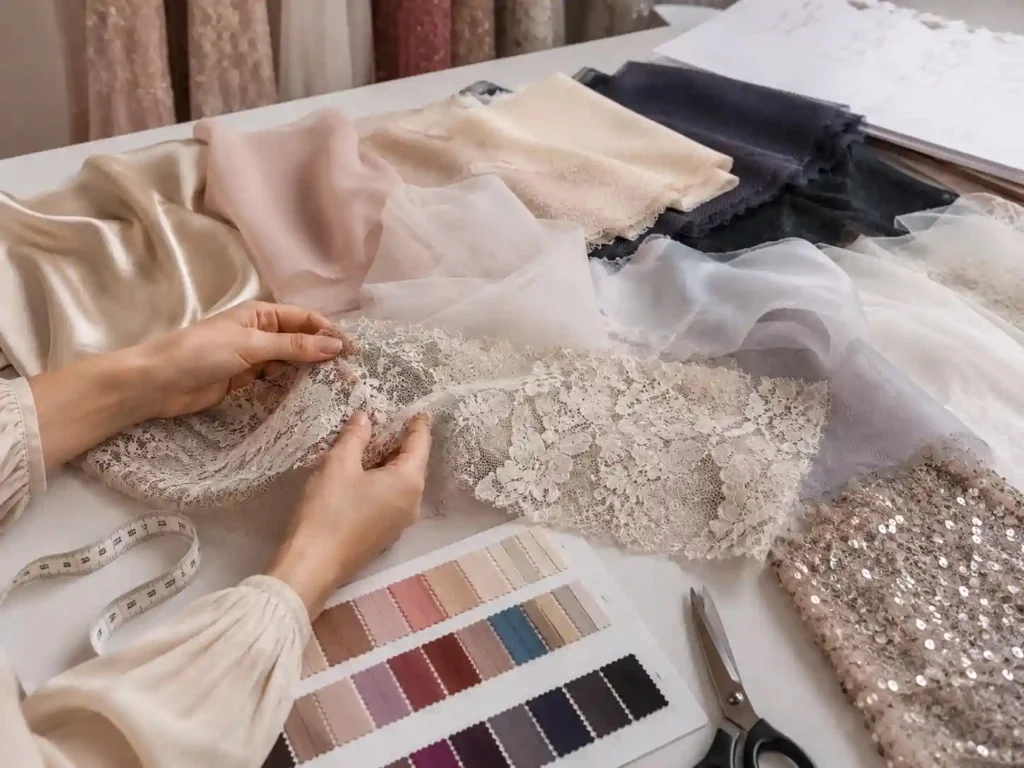
A lab dip is a small dyed fabric sample prepared by a dye house to match your requested color.
You normally need one when your design requires a custom color rather than an existing stock shade.
When reviewing a lab dip, compare it with your actual color reference. Do not rely on descriptions such as ivory, champagne, dusty pink or sage green. These names can mean different shades to different suppliers.
Pay attention to three things:
- Shade: Is the color lighter or darker than your reference?
- Undertone: Does it look warmer, cooler, more yellow or more grey?
- Surface appearance: Does the color look different when light reflects from the fabric?
Lighting can make the comparison difficult. A lab dip viewed under warm indoor lighting may look different from one viewed near a window. When you compare several submissions, place them together under the same lighting conditions.
The fabric itself also affects the result. A matte cotton fabric and a shiny satin may not appear identical even when they use a similar dye color.
If the first lab dip is not right, send clear comments to the dye house rather than simply requesting a darker or lighter version. Specific feedback makes the next adjustment easier to understand.
Once you approve the lab dip, keep the physical sample and record which version was accepted. It becomes the color reference for the production order.
What Is Bulk Fabric Approval?
Bulk fabric approval takes place after the production material has been prepared and delivered to the factory, but before it is released for cutting.
This is where you check whether the actual material supplied for your order meets the agreed requirements.
The inspection may cover:
- Color and shade consistency
- Usable fabric width
- Weight and GSM
- Hand feel
- Surface finish
- Fabric construction
- Shrinkage
- Stretch and recovery
- Differences between dye lots
- Visible defects
The inspection points depend on the material and garment design. For example, stretch recovery is particularly important for a fitted jersey dress, while usable width and motif placement deserve more attention when working with lace.
One issue we pay attention to is the difference between the approved sample and the production roll. A small fabric cutting may look acceptable, but several rolls laid side by side can reveal shade variation that was not obvious before.
The same applies to hand feel and finishing. A production lot may have the correct composition and color but still feel stiffer or softer than the material used during sampling.
Bulk fabric approval gives the buyer and factory an opportunity to identify these differences before the material is turned into garment panels.
Why Lab Dip Approval Does Not Mean Bulk Fabric Is Approved
This is an important distinction when you are placing a custom dress order.
A lab dip confirms the requested color on a small fabric sample. It does not confirm the quality or consistency of the entire production lot.
During bulk dyeing and finishing, variations may appear between batches or rolls. The shade may shift slightly, the surface may look different, or the fabric may come out with a different hand feel.
Consider an order for 500 satin dresses in one color. The approved lab dip looks correct, but the bulk fabric arrives in several rolls with slight shade differences. If those rolls are mixed during cutting, the finished dresses may not have a consistent appearance.
This becomes more difficult when the order includes several sizes or multiple production batches.
The factory needs to identify the differences before cutting and decide whether the material can be used together, should be separated by dye lot or needs further discussion with the supplier.
A lab dip is your color approval reference. It should never be treated as a substitute for inspecting the actual production fabric.
When Should You Approve Each Stage?
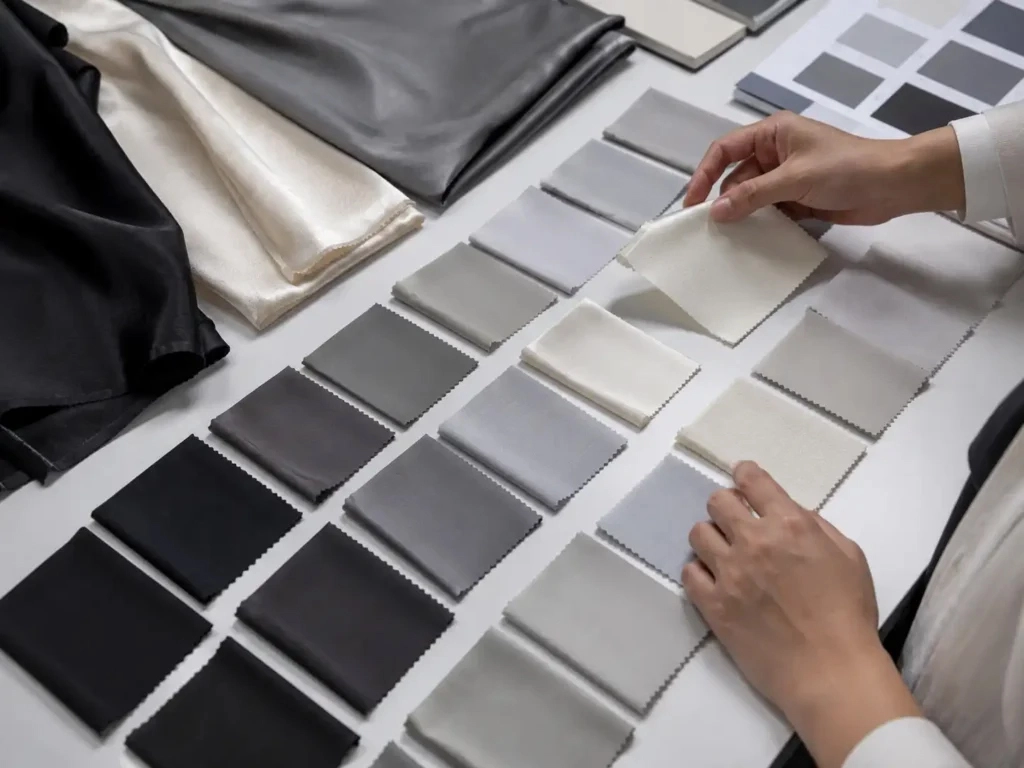
For most custom dress orders, the approvals follow the development and production sequence below.
1. Fabric Selection Before Sampling
Review the swatch against your design requirements. Confirm the material, weight, drape and construction before the pattern and sample development move too far forward.
If you change the fabric after sampling, the original fit and appearance may no longer represent the finished garment.
2. Color Approval During Fabric Development
If you need a custom shade, the dye house prepares a lab dip for review.
Compare it with the agreed color standard and confirm the accepted version. If you are developing several colors, keep each approval clearly identified by fabric and color code.
3. Bulk Fabric Inspection After Delivery
Once the production fabric reaches the factory, check the rolls against the approved specification and physical references.
Identify different dye lots and look for variations that could affect the finished dresses. Technical checks such as width, weight and shrinkage should also be completed where required.
4. Cutting Release Before Bulk Production
Resolve any material issues before the cutting department starts work.
The cutting team should know which rolls have been accepted and whether any fabric needs to be separated. This prevents unapproved material from entering the same production batch.
What Should You Check on Bulk Fabric Before Cutting?
Not every fabric requires an identical inspection. The following points cover the material characteristics that can have a direct effect on your dress order.
Color and Shade
Compare the production rolls with the approved lab dip under consistent lighting.
For orders with several rolls, check whether the shade is consistent across the material. Do not assume that rolls supplied under the same color code will automatically match.
If you find a difference, identify the affected rolls before deciding how to arrange the cutting.
Usable Fabric Width
Check the actual usable width rather than relying only on the nominal width on the supplier’s specification.
This is particularly important for maxi dresses, wide skirt panels, bias-cut designs and patterns that leave little room for marker adjustments.
A reduction of a few centimeters may change how many garment pieces fit across the fabric. Across a large order, that can affect total consumption and material cost.
Weight and Hand Feel
Compare the production fabric with the approved swatch.
If the material feels noticeably heavier, thinner, stiffer or softer, check whether the difference will affect the finished design.
For example, a softer fabric may not support the same bodice construction, while a heavier material may change the drape of a loose skirt.
Shrinkage and Dimensional Stability
If the fabric requires pre-shrinking, washing or other preparation, test the production material before cutting.
This is particularly relevant when your design has close-fitting measurements, set garment lengths or matching pieces that need to maintain their dimensions.
Use the test result when confirming the fabric preparation and cutting requirements.
Surface Finish and Construction
Check for differences in sheen, texture, density and surface appearance.
For knitted or stretch fabrics, also pay attention to extension and recovery. A material that stretches more easily than the approved sample may affect the fit and stability of the finished dress.
Correct fiber composition alone does not guarantee identical fabric behavior.
What Happens When a Fabric Problem Is Found Before Cutting?
Finding a material issue before cutting gives the factory more options.
For example, if two dye lots have different shades, the rolls can be identified and separated. The buyer and production team can then discuss whether each lot can be used for separate garment batches or whether the supplier needs to provide replacement material.
If the usable width is lower than expected, the cutting layout and consumption may need to be reviewed before the order proceeds.
The situation changes once the material has been cut.
Garment panels may already be bundled by size, color or production order. Some pieces may have moved into sewing, making it harder to replace the affected fabric without repeating earlier work.
A material issue can then lead to additional cutting, sewing rework and changes to the delivery schedule.
For this reason, fabric inspection needs to be completed before bulk cutting rather than treated as a final quality check after garments have been assembled.
How a Factory Organizes Fabric Inspection Before Cutting
In a garment factory, fabric approval needs to connect the buyer’s approved specifications with the material received for production.
A typical sequence is:
Approved fabric reference → Bulk fabric arrival → Roll inspection → Dye lot identification → Technical checks → Cutting release
The fabric code, color and supplier information are checked against the production order. Rolls are then reviewed for the characteristics relevant to the design.
When an order contains multiple colors or dye lots, the material needs to remain identifiable. Mixing rolls without checking their shade can create differences between finished garments.
The inspection findings should also be available to the cutting team. If certain rolls have been separated or require special handling, that information needs to reach the people preparing the marker and cutting the fabric.
This connection between material inspection and cutting is easy to overlook when several styles are running at the same time, but it is important for keeping the order consistent.
What Should You Keep in Your Fabric Approval Record?
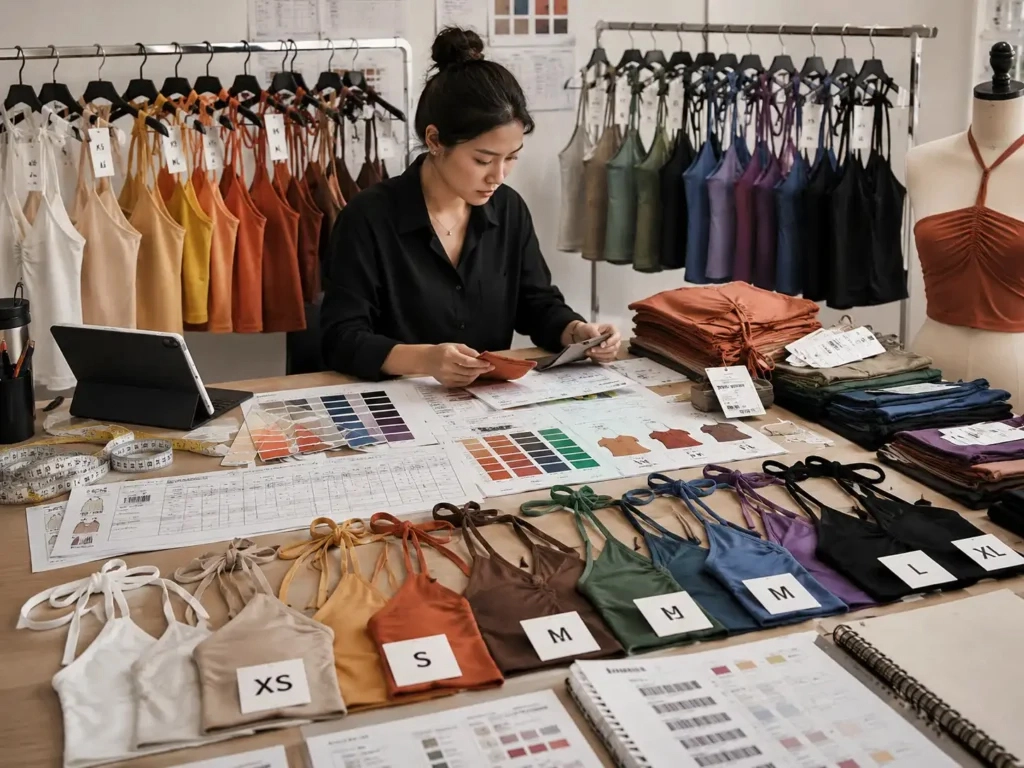
For fashion brands and private label companies developing several styles at once, keeping approval records organized can save time when repeat orders or material questions come up.
Your records should include:
- Fabric composition and fabric code
- Supplier or mill reference
- Approved GSM or weight range
- Usable fabric width
- Color standard and approved lab dip
- Approved physical fabric swatch
- Dye lot identification
- Shrinkage results, where applicable
- Stretch and recovery information, where applicable
- Approval date
- Buyer comments and confirmation
Keep the physical fabric references with the corresponding specification. If you reorder the same material several months later, compare the new production lot with the previous approved sample.
A supplier may continue using the same fabric name and color code even when the finishing or production batch changes. Your original reference gives both sides a clearer basis for comparison.
Frequently Asked Questions
1. Can a buyer reject bulk fabric after the production material has arrived?
Yes, if the material does not meet the agreed specification or differs unacceptably from the approved reference. The important point is to document the issue before cutting. Buyers and factories should agree in advance on who handles supplier communication and any additional costs.
2. Should fabric approval be completed before the final order quantity is confirmed?
Ideally, you should confirm the fabric specification and availability before locking the production plan. If the selected material has limited stock or requires custom dyeing, the available quantity may affect how many garments can be produced in each color.
3. Can the factory approve fabric on behalf of a buyer?
The factory can inspect the material against the agreed specification and report the results. However, major changes to color, composition, weight or appearance should not be accepted as buyer-approved without authorization. Agreeing on approval responsibilities at the beginning avoids later disputes.
4. What information should you send when reporting a fabric quality problem?
Provide the fabric code, affected roll numbers, clear photographs, inspection findings and the original approved reference. If the problem involves shrinkage or stretch, include the test results. Specific information helps the supplier understand the issue instead of relying on a general complaint.
5. Can fabric inspection affect the delivery date of a dress order?
Yes. If the bulk material needs replacement, re-dyeing or further testing, cutting may have to wait. When planning your launch date, leave time between fabric delivery and bulk cutting for inspection and any necessary buyer confirmation.
Conclusion
Fabric swatch, lab dip and bulk fabric approval are three separate decisions in dress production. One confirms your material choice, another confirms the color, and the last checks whether the actual production fabric is ready for cutting. Keeping these references and approvals organized helps reduce material disputes and unnecessary rework. At Xiuyu Apparel, we approach these checks as part of our work as a dress manufacturer, before fabric moves into bulk production.

