

When brands develop a new dress collection, the design idea is usually only the first step. During production, details such as fabric behavior, pattern construction, and sewing methods often determine whether the final dress matches the expected design direction. As a clothing manufacturer, we often see brands come with clear concepts but limited production details. Understanding the OEM process helps brands prepare better information and reduce unnecessary sample revisions.
What Does an OEM Dress Manufacturer Mean?
An OEM dress manufacturer develops and produces dresses based on your designs, measurements, materials, and brand requirements. The factory is responsible for turning your product idea into a garment that can be sampled and produced in bulk.
In actual dress production, a sketch is only the starting point. The factory still needs to define many technical details before sampling begins.
- Pattern development
- Fabric, lining, and trim confirmation
- Size measurements and grading
- Sewing construction
- Finishing and quality requirements
For example, a sketch may show a fitted silhouette, but the manufacturer still needs to confirm how the dress achieves that shape through fabric choice, seam placement, boning, lining, or other construction methods.
For original dress collections, these production details directly affect fit, appearance, cost, and delivery schedule.
How Does OEM Dress Manufacturing Work?
Each dress project has different requirements, but most OEM developments move through design review, sampling, approval, and bulk production.
1. Design Review Before Sampling
The first step is reviewing your design information.
You may provide:
- Sketches
- Tech packs
- Reference garments
- Measurement charts
- Fabric requirements
Pattern makers may also review measurements and construction details before creating the first pattern.
During development, we often find that some design ideas need further discussion before sampling. For example, a certain neckline, sleeve structure, or fabric choice may require adjustments to achieve the intended look while keeping production practical.
Confirming these points before pattern making can reduce sample revisions and avoid delays caused by missing information.
2. Pattern Making and Sample Development
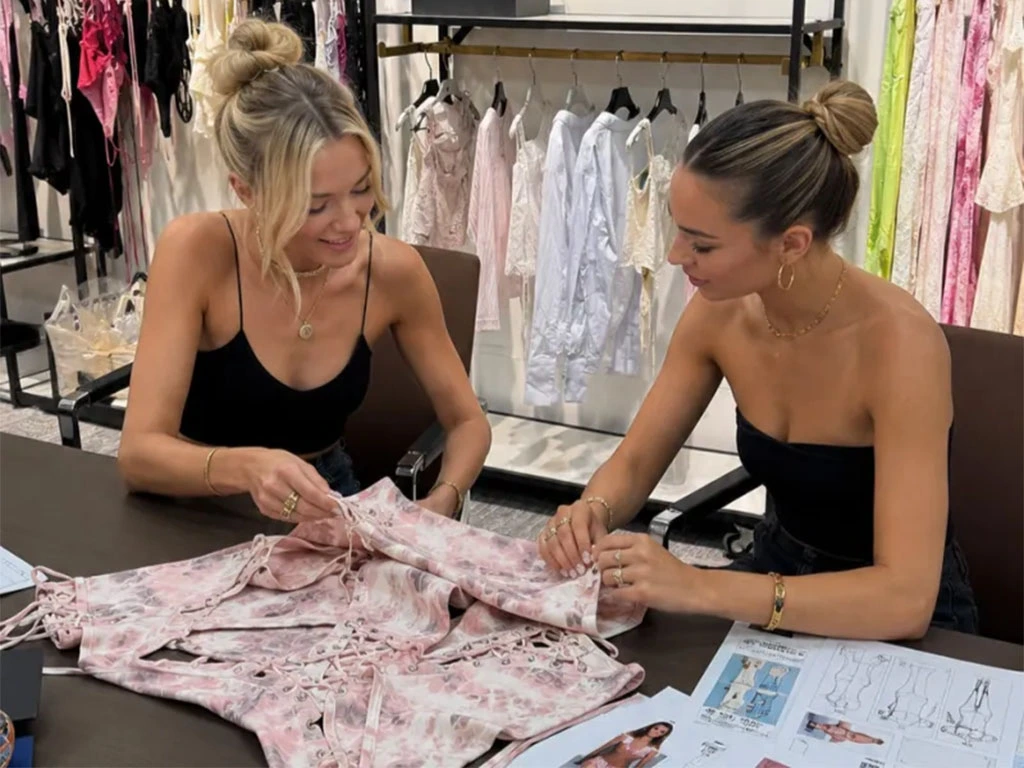
After confirming the production details, the factory creates patterns and develops the first sample.
A sample is not only used to check whether the dress looks correct. It also helps evaluate:
- Fit
- Proportion
- Fabric performance
- Construction details
- Sewing quality
For dresses with special designs, such as corset bodices, layered skirts, beading, or complex sleeves, several sample adjustments may be needed before bulk approval.
From a production perspective, sample development is where factories usually identify issues with fit, construction, and fabric performance before bulk manufacturing begins.
3. Sample Approval and Bulk Production
After sample approval, the confirmed version becomes the production reference for bulk manufacturing.
Before bulk production starts, important details should be confirmed, including:
- Approved sample
- Final measurements
- Fabric specifications
- Color standards
- Trims and accessories
- Packaging requirements
During bulk production, the factory follows the confirmed specifications through processes such as fabric inspection, cutting, sewing, finishing, and quality checking.
Once production starts, the approved sample becomes the reference for cutting, sewing, and final inspection.
What Services Does an OEM Dress Manufacturer Provide?
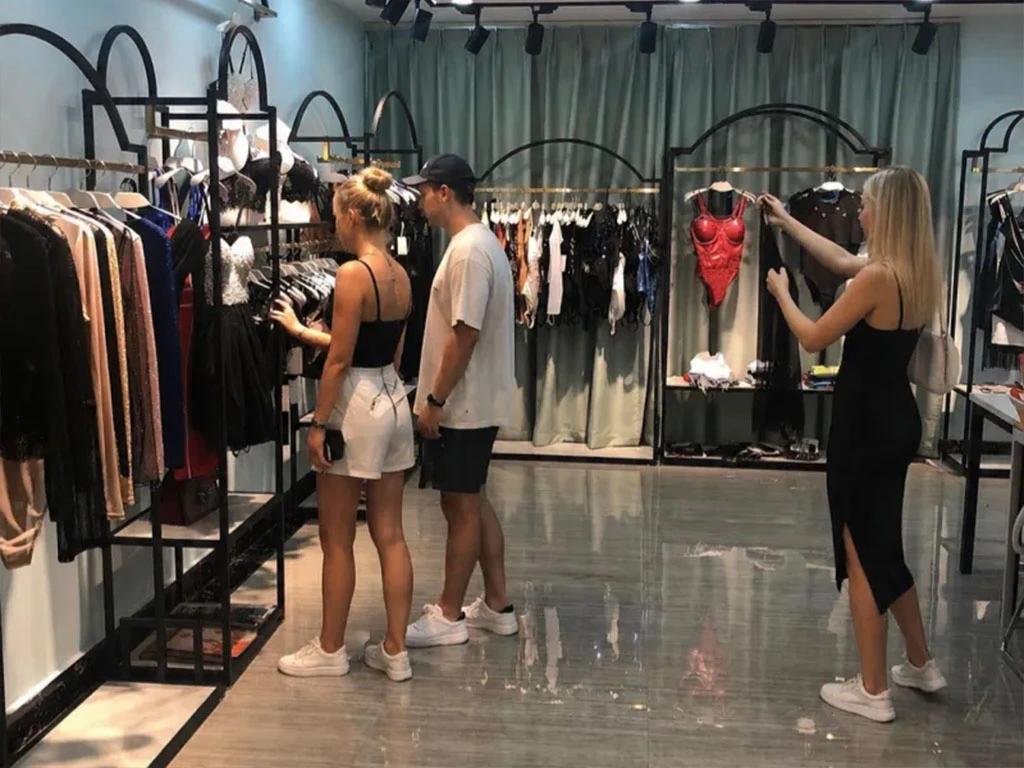
OEM production involves more than sewing garments. A factory may also be involved in product development, material preparation, sample making, and production control before bulk orders begin.
Product Development Support
If you only have a design concept, the factory can help develop the technical details needed for sampling and production.
This may include:
- Reviewing construction details
- Creating patterns
- Suggesting workable production methods
- Developing samples
This stage is especially useful for brands that have creative direction but need technical support to move from design ideas to finished garments.
Fabric and Material Sourcing
Fabric choice can significantly affect the final dress.
The manufacturer may help evaluate:
- Fabric weight
- Stretch level
- Lining requirements
- Shrinkage risks
- Sewing difficulty
A fabric that looks suitable in a photo may behave differently during cutting and sewing, especially for fitted dresses, structured styles, or garments with detailed construction.
Custom Label and Packaging Support
Many brands using OEM production also require their own branding elements.
These may include:
- Woven labels
- Care labels
- Hangtags
- Packaging requirements
These details are usually confirmed during development because they affect material preparation and production planning.
OEM vs ODM vs Private Label Dress Manufacturing
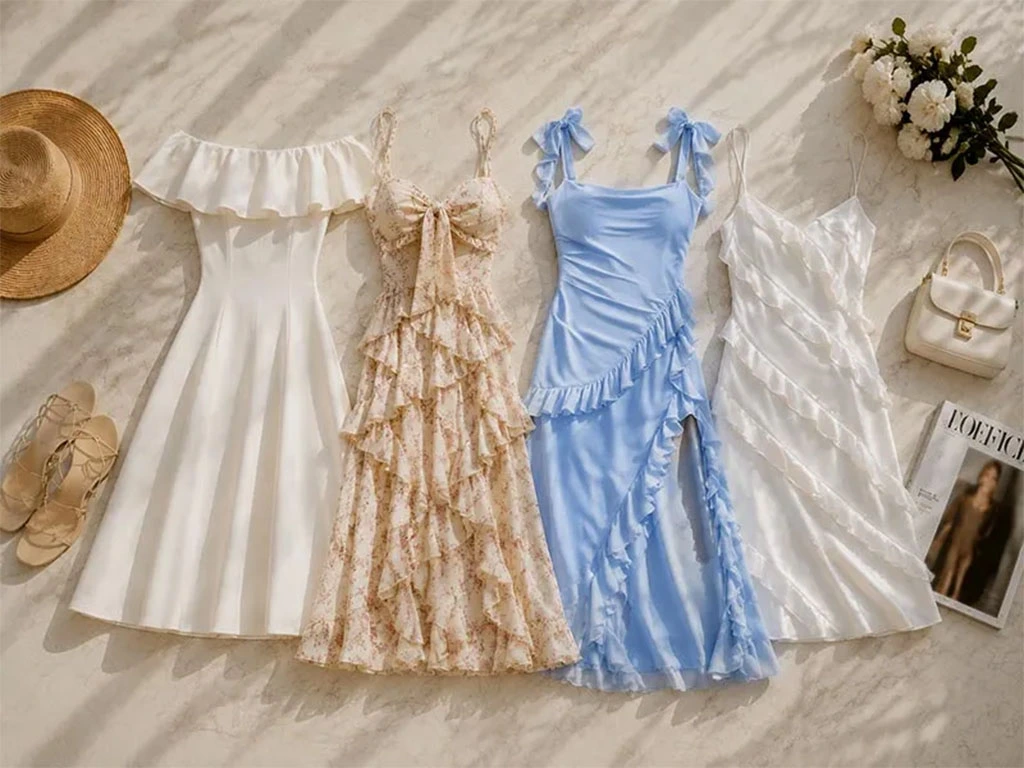
When searching for clothing suppliers, many buyers compare OEM, ODM, and private label manufacturing. The main difference is who provides the initial product concept and how much development support the manufacturer provides.
| Type | Design Source | Manufacturer Role |
|---|---|---|
| OEM | Your own design | Develop and produce your garments |
| ODM | Shared concept or direction | Help develop designs and manufacture products |
| Private Label | Existing or modified styles | Produce garments under your brand name |
OEM is commonly chosen by fashion brands that already have their own designs and want a manufacturer to handle technical development and production.
For example, if you create a dress collection with your own silhouettes and details, an OEM manufacturer helps turn those concepts into samples and finished garments.
Who Usually Works With an OEM Dress Manufacturer?
OEM production is commonly used by businesses that need custom products instead of standard wholesale styles.
Fashion Startups
New fashion brands often choose OEM production because they want original designs without investing in their own pattern, sampling, and production teams.
Designers
Designers often use OEM factories when they need support with pattern making, sampling, and production without building their own technical team.
Boutiques and Retailers
Boutiques and retailers may use OEM production to develop smaller collections with their own designs, fabrics, and branding requirements.
Private Label Companies
Private label businesses often work with manufacturers that can handle custom branding, specifications, and production requirements.
What Should You Prepare Before Contacting an OEM Dress Manufacturer?
Before contacting a manufacturer, preparing basic project information can make the first discussion more efficient.
Helpful information includes:
- Design sketches or reference images
- Target quantity
- Expected delivery schedule
- Fabric preferences
- Size requirements
- Branding requirements
A complete tech pack can make communication easier, but it is not always required at the beginning. Many projects start from a simple design idea and gradually develop more details during the sampling process.
From the factory side, the clearer the product expectations are, the easier it is to evaluate production methods and possible challenges.
How to Evaluate an OEM Dress Manufacturer?
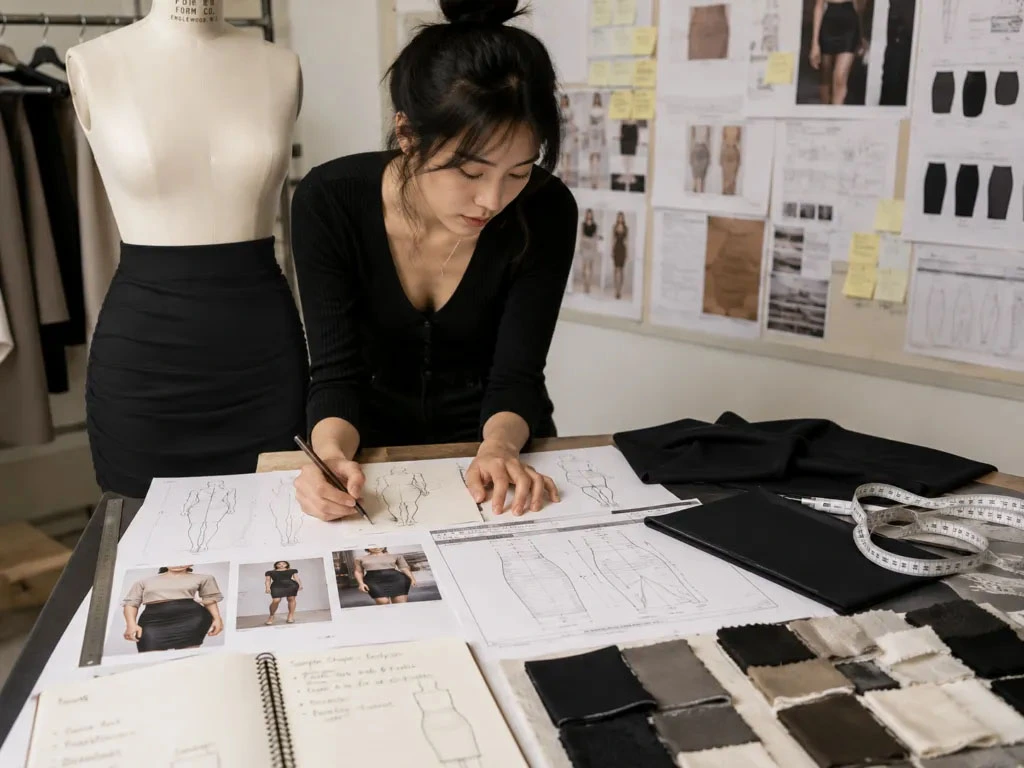
Price is only one factor when selecting an OEM partner. Production experience, sample capability, and communication during development often affect the final result.
Important factors include:
Experience With Similar Dress Categories
A manufacturer familiar with your dress category will usually understand common construction challenges faster.
Sample Development Capability
A strong sample development process helps identify issues before bulk production.
Production Management
Understanding how the factory manages fabric inspection, production control, and quality checks can help you evaluate consistency.
Communication During Development
Many production issues come from unclear information rather than manufacturing ability. A manufacturer that can discuss details clearly helps reduce misunderstandings.
FAQ About OEM Dress Manufacturing
1. Is OEM dress manufacturing suitable for small fashion brands?
OEM production is commonly used by small fashion brands because it allows them to develop original products without setting up their own factory. The key is preparing clear product information and choosing a manufacturer that can support development from samples to bulk orders.
2. Can an OEM dress manufacturer help improve my design before production?
During development, an OEM manufacturer can provide feedback based on fabric behavior, construction methods, and sewing experience. This may include suggestions on pattern adjustments, material choices, or production methods to make the design more suitable for manufacturing.
3. What happens if my first dress sample does not match my design?
Sample revisions are a normal part of garment development. The manufacturer usually reviews the differences, adjusts patterns or construction details, and creates updated samples until the product meets the confirmed requirements.
4. How early should I contact an OEM dress manufacturer before launching a collection?
It is better to contact manufacturers during the planning stage rather than shortly before your launch date. Sampling, fabric preparation, revisions, and bulk production all require time, especially for new dress collections.
5. What information helps an OEM manufacturer quote a dress project accurately?
Manufacturers usually need details such as design references, fabric information, quantity, size range, construction requirements, and special trims. The more complete the information, the easier it is to estimate production requirements.
Conclusion
Working with an OEM dress manufacturer means your design idea goes through several production stages, including pattern development, sample approval, and bulk manufacturing. Accurate product information at the beginning can reduce unnecessary revisions during development and make communication between the brand and factory more efficient. For fashion brands, preparing clear product information and understanding the manufacturing process can reduce communication problems and improve development efficiency. Good communication between the brand and factory helps keep development and production moving smoothly.
Related Dress Manufacturing Services
If your project involves a specific dress fabric or construction, you can also review our related manufacturing pages:
- Sequin Dress Manufacturer
- Ruffle Dress Manufacturer
- One Shoulder Dress Manufacturer
- Mermaid Dress Manufacturer
- Cocktail Dress Manufacturer
Get a Quote for an Existing Dress Style
If you are transferring an existing dress style to a new manufacturer, send us the latest approved sample, tech pack, product photos, or measurement chart together with your target quantity.
As a dress manufacturer, we can review the construction, fabric, trims, measurements, and current production status with you before confirming the sampling requirements.

