

As a clothing manufacturer, we often work with brands that already have their dress designs but are still comparing suppliers and trying to find a factory that can handle their product requirements. Many suppliers may offer similar prices at the quotation stage, but differences usually become clear during sampling, production, and quality checking. Knowing what to evaluate before cooperation can help you avoid costly changes later.
1. Look Beyond the Manufacturer’s Product Photos
When you search for a dress manufacturer, product images are usually the first thing you see. However, finished photos only show the final appearance. They cannot show how the garment was developed, how the pattern was made, or whether the factory can handle similar production requirements.
In dress production, experience with similar styles can make a big difference, especially when fabrics, silhouettes, and construction details become more complicated. A manufacturer familiar with dresses understands how different fabrics affect fit, how lining should be constructed, and how details such as pleats, draping, embroidery, or embellishments influence sewing methods.
When we review a new dress project, these are some points we normally discuss:
- What types of dresses the factory produces regularly
- Whether they develop patterns and samples in-house
- Whether they have experience with similar fabrics and construction methods
From our experience, many sampling issues come from choosing a supplier based only on pictures instead of understanding their actual production capability.
2. Understand How the Factory Handles Product Development
A reliable dress manufacturer should be able to explain what happens after receiving your design, from pattern development and sampling to bulk production.
Your design may start with a sketch, reference garment, or tech pack, but production requires more details before cutting fabric. Measurements, fabric characteristics, trims, and construction methods all influence the final result.
One simple way to judge a manufacturer is to look at the questions they ask before sampling starts.
Before making samples, an experienced factory will normally confirm details such as:
- Fabric selection
- Target price range
- Fit requirements
- Construction details
- Expected production quantity
These questions are often a sign that the factory is checking possible production issues before making the sample.
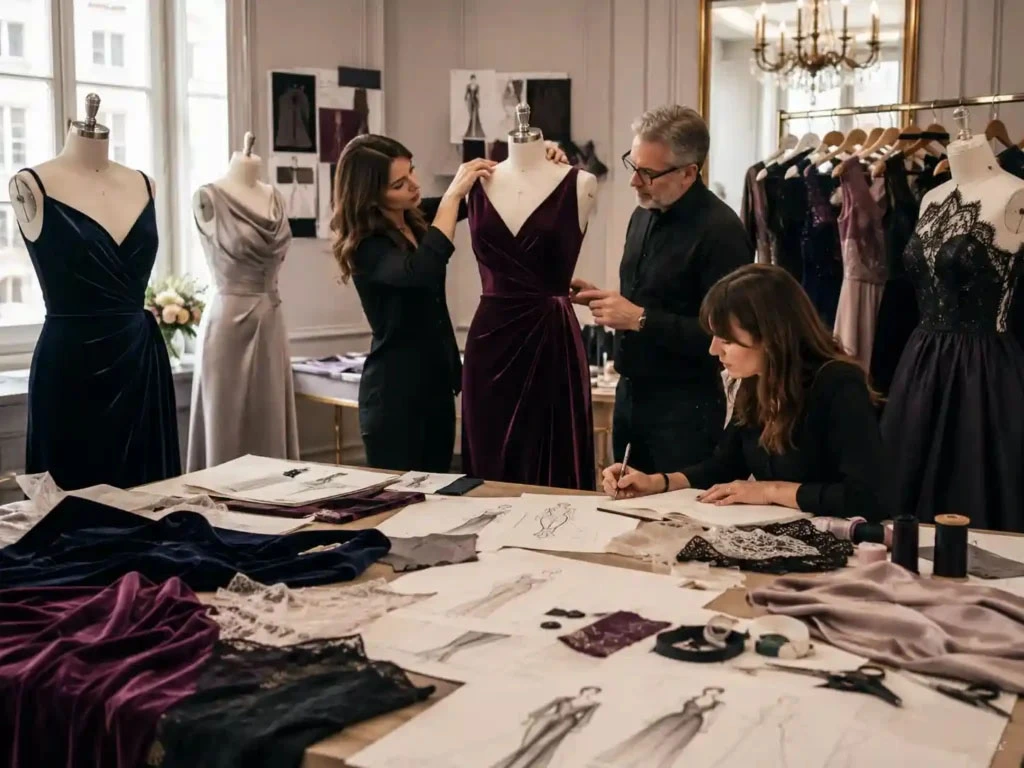
3. Review the Sampling Process Before Placing a Bulk Order
For fashion brands and private label companies, the sample stage is where many production decisions are confirmed.
A good manufacturer should be able to explain:
- How patterns are developed
- How the first sample is reviewed
- How fitting adjustments are handled
- How the approved sample guides bulk production
In actual production, the first sample is mainly used to check fit, construction, and details. For new designs, sample development often requires communication between the brand and factory.
This stage also shows whether the manufacturer can understand your requirements and handle adjustments efficiently.
4. Check How the Factory Handles Production Communication
Communication problems are one of the most common reasons production projects become difficult.
You are not only looking for fast replies. More importantly, the factory should understand your requirements and explain production issues in a way that helps you make decisions.
For example, a factory should be able to tell you when:
- A fabric choice may affect the fit
- A design detail may increase production difficulty
- A construction change may affect the cost
- A timeline needs adjustment
In dress manufacturing, small changes can create unexpected results. Clear communication helps both sides solve these issues before they affect sampling or bulk production.
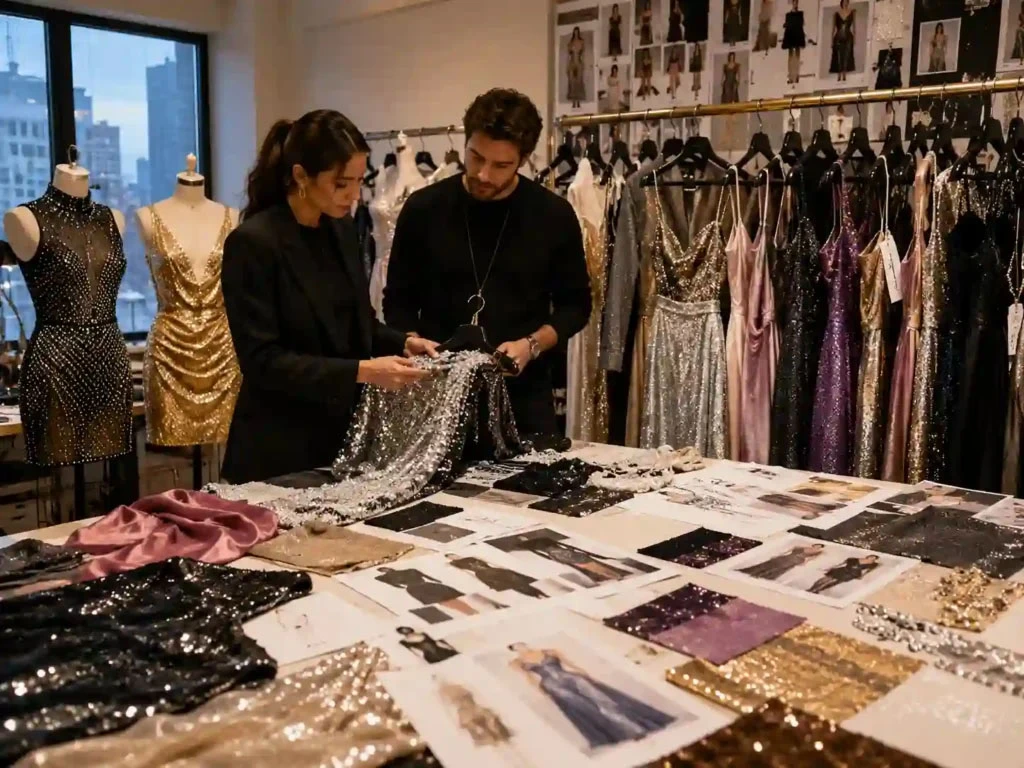
5. Evaluate Quality Control During the Production Process
Quality control should not only happen at the end of production.
Before choosing a manufacturer, check where quality inspections happen during development and bulk production.
Important points include:
Fabric and Material Check
The factory should confirm fabric specifications, colors, trims, and other materials before production starts.
Production Inspection
During sewing, quality checks help identify issues with stitching, measurements, construction, and workmanship.
Final Inspection
Before shipment, finished garments should be checked against approved samples and production requirements.
A reliable manufacturer should be able to explain where quality checks happen during production instead of only using general statements about inspection.
6. Compare Manufacturers Beyond Quotation Price
Price is important, especially for new brands, but it should not be the only deciding factor.
A lower quotation may look attractive at the beginning, but production problems can create additional costs through:
- Repeated sample revisions
- Delayed delivery
- Quality corrections
- Material changes
When comparing manufacturers, consider:
- MOQ requirements
- Sample development support
- Production lead time
- Fabric sourcing ability
- Communication efficiency
The best choice is usually the factory whose experience, capacity, and production method match your product needs.
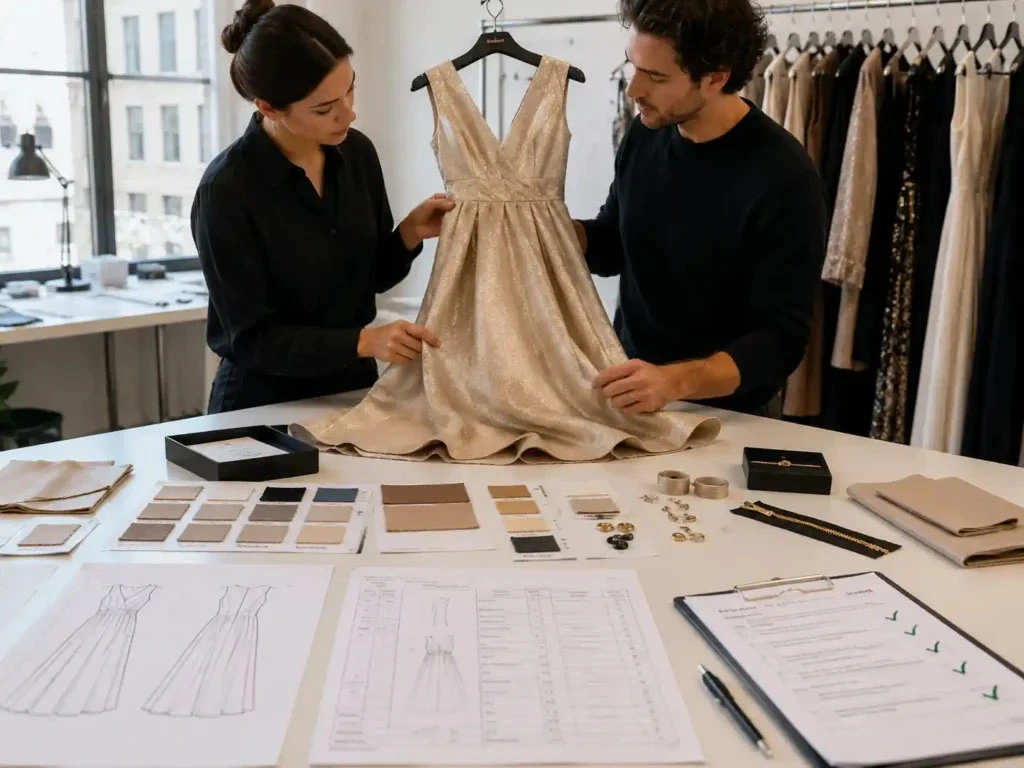
7. Confirm Their Ability to Support Your Growth
Many brands start with small orders but plan to increase production after testing the market.
A manufacturer suitable for long-term cooperation should be able to support different stages of your business, from initial sampling to repeat production.
You can evaluate this by understanding:
- Whether they can maintain consistent quality
- Whether they can handle increasing order quantities
- Whether they keep production records and approved samples
- Whether they understand your product standards
For brands planning repeat orders, maintaining the same quality standard across production batches is usually more important than completing one successful order.
Questions to Ask Before Choosing a Dress Manufacturer
1. How can you tell if a manufacturer is experienced with your dress category?
Look at whether they have produced similar styles, fabrics, and construction methods before. A factory with similar production experience can often identify possible issues earlier during sampling.
2. What details should you confirm before starting sample development?
Before sampling begins, confirm measurements, fabric information, trims, construction requirements, target quantity, and finishing details. Missing information at this stage can lead to additional revisions and longer development time.
3. Why is the cheapest manufacturer not always the best option?
A lower price may come from different materials, limited development support, or fewer quality checks. Production cost is not only the quotation price. Additional sample revisions, delays, and quality corrections can also affect your final cost.
4. What should you prepare when contacting a dress manufacturer for the first time?
Prepare any available product information, including sketches, reference images, tech packs, measurements, fabric preferences, and estimated order quantity. Even incomplete information helps the manufacturer understand your project direction.
5. How important is a factory’s sample process when choosing a supplier?
The sample process shows how the manufacturer turns your design idea into a physical garment. It also reflects their pattern ability, fitting adjustment experience, communication, and attention to product details.
Conclusion
Choosing a reliable dress manufacturer is not only about finding a supplier with a suitable price. A suitable manufacturer should be able to support the whole journey from sample development to bulk delivery, while maintaining consistent quality and clear communication. A capable manufacturer can help reduce unexpected issues and make the production process easier to manage from sampling to bulk delivery.
Related Dress Manufacturing Services
If your project involves a specific dress fabric or construction, you can also review our related manufacturing pages:
- Mini Dress Manufacturer
- Mesh Dress Manufacturer
- Floral Dress Manufacturer
- Evening Dress Manufacturer
- Velvet Dress Manufacturer
Get a Quote for an Existing Dress Style
If you are transferring an existing dress style to a new manufacturer, send us the latest approved sample, tech pack, product photos, or measurement chart together with your target quantity.
As a dress manufacturer, we can review the construction, fabric, trims, measurements, and current production status with you before confirming the sampling requirements.

