

When you are choosing a dress manufacturer in China, a low quotation can look attractive at first, but it tells you very little about how the order will actually run. In production, the bigger differences often appear during fabric sourcing, sampling, revisions, bulk cutting, and quality checks. If you are building a new fashion brand, boutique collection, or private label line, these are the details worth checking before you commit to a bulk order. Problems found at this stage are usually easier to deal with than problems found after cutting has started.
Look at What the Factory Actually Makes
Start with the dresses you actually want to make. A factory’s general clothing category tells you much less than its recent work.
A factory may describe itself as a clothing manufacturer, but that does not necessarily mean it is experienced with the type of dresses you are developing.
A fitted bodycon dress, for example, needs different pattern control from a loose maxi dress. Satin can expose seam and pressing problems very easily. Chiffon may require different handling around hems and multiple layers. Sequin and lace styles bring another set of construction details.
Before you contact a manufacturer, make a simple list of the styles you expect to produce:
- Mini dresses
- Midi dresses
- Maxi dresses
- Bodycon dresses
- Slip dresses
- Halter dresses
- Satin dresses
- Chiffon dresses
- Sequin dresses
- Beach and vacation dresses
- Party and occasion dresses
Then compare that list with the factory’s actual dress work.
If most of its previous work is basic T-shirts and casual knitwear, for example, you may want to ask more questions before sending over a complicated evening dress.
What matters more is whether its production team has handled the construction issues your collection is likely to involve.
Pay Attention to the First Sample
The first sample is often more useful than a factory introduction or a long capability list.
Suppose the waist is too loose, the neckline sits incorrectly, or the skirt does not fall like your reference. A useful manufacturer should be able to explain what may be causing the problem rather than simply making the same sample again.
Common causes include:
- Pattern measurements
- Fabric stretch
- Fabric weight
- Seam allowance
- Gathering
- Lining
- Ease
- Construction sequence
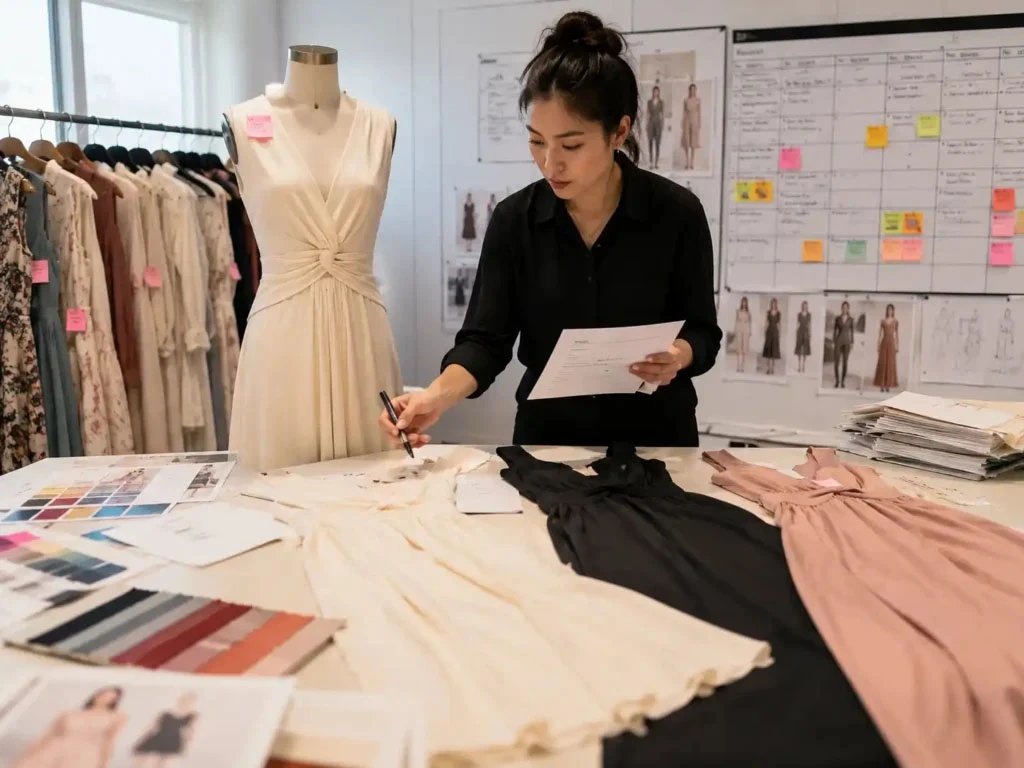
When we work through a new dress style, the first sample is not treated as the final garment. It gives the pattern and production teams something to inspect and adjust.
If you have a tech pack, the factory can work from your measurements and construction instructions. If you only have a sketch, reference photograph, existing garment, or physical sample, the manufacturer may need to develop more of the pattern from the beginning.
This can affect both the sample cost and the time needed to develop the style.
Ask Where the Fabric Comes From
Fabric is one of the easiest areas to overlook when comparing manufacturers.
Two factories can both quote a “polyester satin dress,” but the finished garments can feel completely different.
Ask the factory to specify the fabric being quoted.
At quotation stage, the fabric should be clear enough to compare. Check:
- Fiber composition
- GSM
- Fabric width
- Hand feel
- Stretch and recovery
- Drape
- Shrinkage
- Color
- Surface finish
- Lining
If the factory is sourcing the fabric, ask whether you can review a swatch or fabric sample before the garment sample is made.
Fabric choice can also change how the dress needs to be developed. A lightweight chiffon, for example, may need lining or additional layers. A stretch fabric may require different measurements from a non-stretch woven fabric. A fabric with poor recovery can change the fit of a bodycon style after wear.
From the production side, we prefer to settle the fabric direction before too much pattern work is done. Changing the material late in development can mean revisiting measurements and construction.
Do Not Treat MOQ as a Single Number
MOQ is often one of the first questions from new brands:
“What’s your MOQ?”
The answer alone does not tell you enough.
You need to know what the MOQ refers to.
It may be calculated per:
- Style
- Color
- Fabric
- Order
- Production run
Imagine you want to launch ten dress styles in three colors each. A factory quoting “100 pieces MOQ” sounds manageable until you discover that the requirement is 100 pieces for every style and color.
Your first production quantity may end up much higher than you planned.
For a startup or boutique, this can affect how you structure the first collection. Instead of spreading a small budget across too many colors, you may decide to test fewer colors on each style and increase quantities after seeing which products sell.
Also ask about repeat orders. The quantity that makes sense for your first production run may not be the same quantity you need six months later.
Compare Quotations on the Same Specification
A price comparison only works when the factories are quoting the same product.
One quotation from a private label clothing manufacturer may include lining, labels and packaging while another does not.
Before comparing prices, check:
| Cost Item | What to Confirm |
|---|---|
| Fabric | Composition, weight, width and quality |
| Lining | Included or separate |
| Trims | Zippers, buttons, elastic, etc. |
| Labels | Main, size and care labels |
| Decoration | Printing, embroidery, beading or appliqué |
| Packaging | Polybags, cartons, boxes or custom packaging |
| Sampling | Sample fee and revision requirements |
| Production | Quantity and agreed specifications |
A dress with several layers, gathers, boning, delicate fabric or hand-applied details can take considerably more production time than its appearance suggests.
If one factory is cheaper, check what is different in the specification before comparing the prices.
Find Out What Happens Before Bulk Cutting
Once a sample is approved, there should be a clear point where the production team knows exactly what it is making.
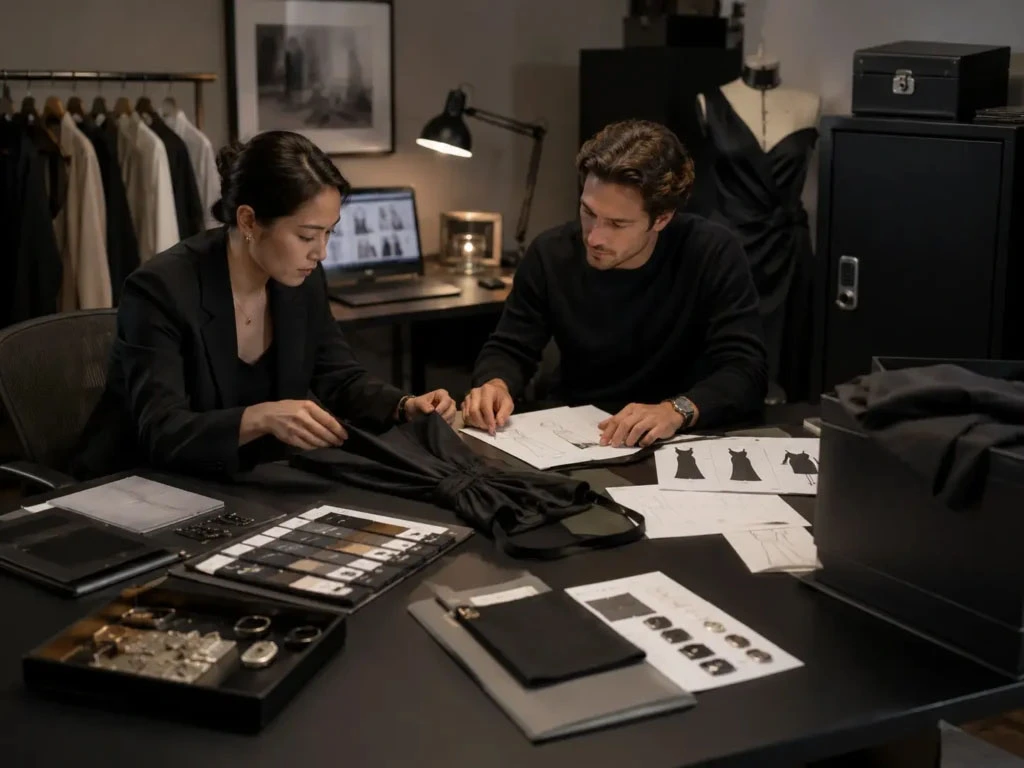
For a dress manufacturer, this is where the approved sample, pattern, fabric and production information need to line up before bulk cutting begins.
This is where the PP sample becomes useful.
Before bulk production, you want the final specifications, approved sample, fabric and production details to agree with each other.
The production sequence may include:
Approved design → pattern confirmation → fabric preparation → PP sample → bulk cutting → sewing → finishing → final inspection
The workflow changes with the product, but once a style has gone through sampling, production should work from the latest approved information rather than the buyer’s original sketch.
If the neckline changed during sampling, for example, that change needs to reach the pattern and sewing teams. If the fabric changed, the effect on fit and construction may also need to be checked.
Clear production information leaves less room for guesswork on the sewing line.
Ask How Quality Is Checked During Production
Do not wait until the finished garments are packed to ask about QC.
Quality problems can start much earlier.
Fabric should be checked before cutting. Measurements and construction should be monitored during sewing. Finishing and appearance need attention before packing.
For a dress order, useful checkpoints can include:
- Fabric inspection
- Measurement checks
- Pattern confirmation
- Cutting accuracy
- In-line sewing inspection
- Seam and finishing checks
- Pressing
- Final inspection
- Packing inspection
The approved sample should remain the reference point.
For example, if the approved dress has a particular hem length, neckline depth, gathering ratio or print position, those details need to be checked during production rather than assumed to remain correct.
This becomes especially important when you reorder a successful style. A repeat order may use the same pattern, but fabric lots, trims, colors, and production conditions can still introduce differences.
See How the Factory Handles Changes
Dress development rarely ends with the first sample.
You may change the fabric after seeing the first sample. Your designer may adjust the neckline. A buyer may request a different length. Your sales forecast may also change the final quantity.
Instead of asking only:
“Can you make changes?”
Ask what happens after a change is made.
For example:
Who updates the pattern?
Who confirms the new measurement?
Does another sample need to be made?
Does the price change?
Does the production date move?
Which version becomes the approved standard?
Version control is practical on the production floor.
If the buyer is working from version three while production is still using version two, the problem is not necessarily a sewing mistake. The information reaching the sewing line was wrong.
Keeping revised specifications, sample comments and approvals organized can prevent this kind of problem.
Check Private Label Details Before Production
For a private label brand, the dress itself is only part of the finished product.
For a private label order, the dress is only part of the finished product. The order may also include:
- Woven labels
- Printed labels
- Size labels
- Care labels
- Hangtags
- Barcodes
- Polybags
- Cartons
- Custom boxes
Confirm these items when the order is being prepared, not when the cartons are already waiting for packing.
For example, confirm where the main label is positioned, whether the care label needs specific information, how hangtags are attached, and whether each style requires different packaging.
If you are supplying your own labels, confirm quantities and delivery timing. If the factory is sourcing them, approve the artwork and sample before bulk production.
Packaging materials can also affect the production schedule. If labels, hangtags or cartons arrive late, finished garments may have to wait before packing.
Think About Your Next Order, Not Only the First One
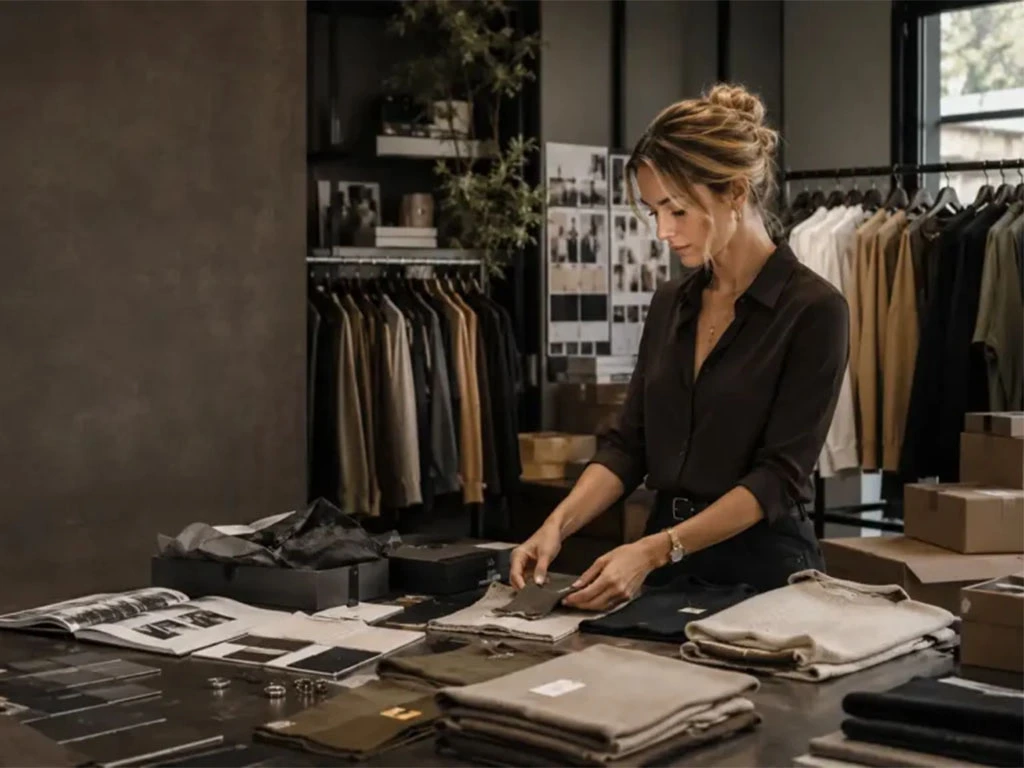
A factory that can handle your first 100 pieces may not necessarily be the right partner when one style grows to 1,000 or more pieces.
You do not need to choose the biggest manufacturer simply because it has the largest production capacity.
The more useful question is what happens if one of those styles starts selling.
You may start with:
- Small initial quantities
- A few dress styles
- Limited colors
- Market testing
Later, you may need:
- Larger repeat orders
- More colorways
- Additional styles
- Faster production
- More stable fabric supply
- Consistent reorders
Ask the manufacturer how repeat orders are handled and whether approved patterns, fabrics and specifications can be retained for future production.
Once a style starts selling, consistency between the first order and repeat orders becomes important.
Test the Working Relationship With a Small Project
You do not have to hand over your entire collection to a new factory.
A small project can tell you more than a factory presentation.
Choose one or two styles that represent the type of dresses you actually plan to sell. Then pay attention to what happens from quotation to sample to production.
Look at:
- How clearly questions are answered
- Whether missing information is identified
- How sample comments are handled
- Whether fabric matches the agreed reference
- How production updates are communicated
- Whether the bulk garments match the approved sample
- Whether packing follows the agreed instructions
A very simple test style may not reveal much. If your main collection includes fitted dresses, layered chiffon, satin or detailed embellishment, use a representative style for the test.
This gives you a clearer view of how the factory handles development, production and communication.
Prepare Your Information Before Requesting a Quote
The more product information you can give the factory, the easier it is to get a useful quotation.
A complete tech pack is ideal, but it is not required for every first inquiry. You may be working from a sketch, a few reference photos, an existing garment, or an early sample.
Try to include whatever is already confirmed:
- Design drawings or reference images
- Tech pack, if available
- Measurements or size chart
- Fabric preference
- Color requirements
- Estimated quantity
- Branding requirements
- Packaging requirements
- Target delivery date
If some details are still open, say so. For example, you may be comparing two fabrics or still deciding between two constructions. That is useful information for the factory because it shows which parts of the quotation are fixed and which may change.
The clearer this information is at the beginning, the fewer assumptions the factory has to make when working out the sample and bulk price.
Look at Communication During the First Few Discussions
You can also assess a factory before paying for the first sample.
Pay attention to the questions you receive.
If you send a reference photo for a complicated dress and the response is only a price, there may be details that have not been considered yet.
The discussion should cover fabric, measurements, lining, construction, quantity, packaging, sampling and delivery.
In our production work, some of the most useful discussions happen before an order is confirmed. A question raised early can be solved with a pattern change or fabric adjustment. The same question raised after bulk cutting can become much more expensive.
Fast replies are useful, but they are only part of the process. What matters on the production side is whether the product information stays clear from development through bulk production.
A Simple Checklist Before You Place the Order
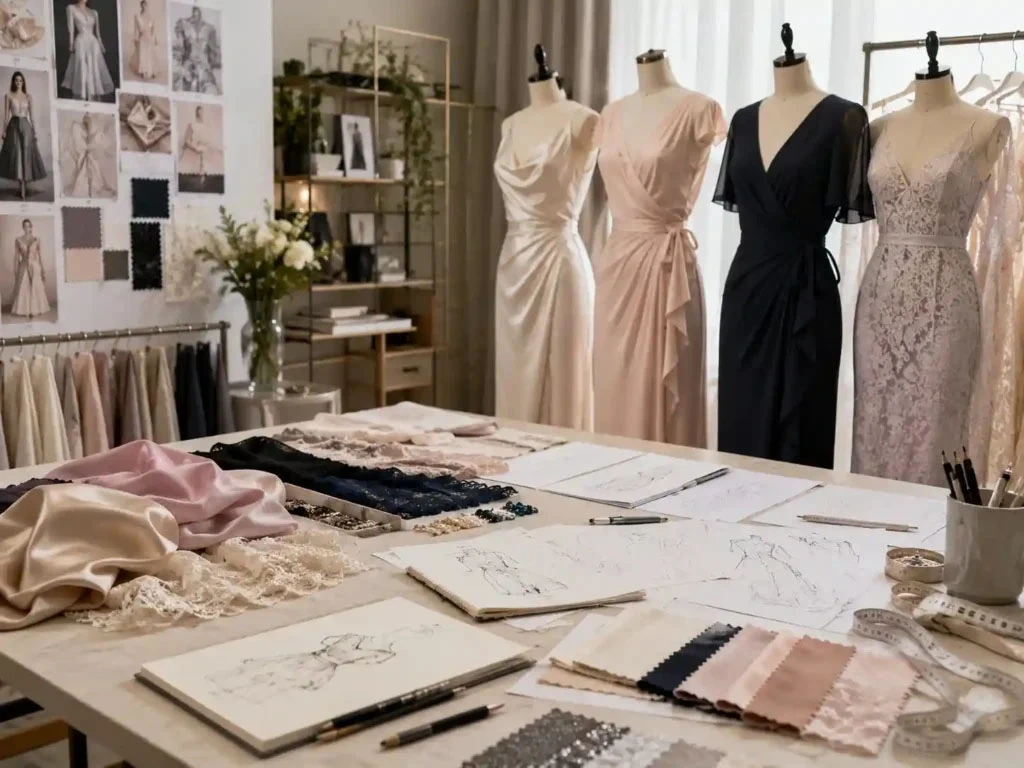
Before sending the bulk order into production, check the details below against the approved sample and quotation.
Product
- Style and construction
- Measurements
- Size range
- Fabric
- Lining
- Colors
- Trims
- Decoration
Sampling
- First sample
- Fit comments
- Revisions
- Approved sample
- PP sample
Production
- MOQ
- Quantity by style and color
- Production schedule
- Quality checkpoints
- Final inspection
- Packing
Branding
- Main labels
- Size and care labels
- Hangtags
- Barcodes
- Packaging
Commercial
- Unit price
- Sample charges
- Additional development costs
- Payment terms
- Shipping arrangements
You do not need a complicated supplier evaluation system. The important thing is that both sides are working from the same product information before production starts.
FAQ
What if you do not have a complete tech pack yet?
You can still contact manufacturers with sketches, reference photos, an existing garment, or a physical sample. Just separate confirmed details from ideas that are still open. This helps the factory understand what needs pattern development or discussion before a sample can be made.
What should you do when several factories give very different quotes?
Ask each factory to confirm the main cost assumptions instead of comparing the final numbers alone. Check fabric, lining, construction, trims, packaging, quantity and sampling requirements. A large price difference often becomes easier to understand once the specifications behind each quotation are compared.
How can you tell whether a factory understands your design?
Use a representative style and see what questions come back. A manufacturer with relevant experience will often ask about fabric behavior, measurements, lining, closures, construction or finishing when those details affect production. The questions themselves can reveal how closely the factory has reviewed your product.
What is a sensible way to start with a new manufacturer?
Start with a limited project that reflects your actual product range rather than choosing the easiest garment you have. Go through sampling and, if appropriate, a small production run. This gives you a chance to see how the factory handles revisions, communication, quality and delivery before committing more styles.
When should you start discussing repeat production?
It is useful to discuss it before the first order is finished, especially if you expect successful styles to be reordered. Confirm whether the approved pattern, fabric reference, specifications and packaging details can be retained. This makes the next order easier to compare with the first production.
Conclusion
Choosing a dress manufacturer in China takes more than comparing the first quotation.
The first sample shows how the factory handles your design. The fabric discussion shows how carefully the specifications are being checked. The PP sample, production inspections and packing process show whether those specifications are actually carried through to bulk production.
For a new fashion brand, you do not have to start with a large collection. One or two representative styles can give you a practical look at the factory’s sampling, communication, quality control and production process before you move more styles into production.
Related Dress Manufacturing Services
If you are developing a specific dress construction or fabric, these related manufacturing pages may also be useful:
- Halter Dress Manufacturer
- Corset Dress Manufacturer
- Silk Dress Manufacturer
- Off Shoulder Dress Manufacturer
- Formal Dress Manufacturer
Get a Quote for an Existing Dress Style
If you are transferring an existing dress style to a new manufacturer, send us the latest approved sample, tech pack, product photos, or measurement chart together with your target quantity.
As a dress manufacturer, we can review the construction, fabric, trims, measurements, and current production status with you before confirming the sampling requirements.

