

When you develop a dress for production with a clothing manufacturer, zipper length is easy to overlook until the first sample is made. A zipper that is too short can make the garment difficult to put on, while one that is too long can interfere with the construction. The zipper is sized around the opening in the pattern, the fit of the dress and the fabric being used—not simply the overall dress length.
What Determines Zipper Length on a Dress?
The first measurement to check is the finished opening on the pattern.
For example, if you are developing a fitted dress with a center-back zipper, the zipper needs to provide enough opening for the wearer to get into the garment without putting excessive strain on the seams.
You also need to consider:
- Where the zipper is positioned
- How long the finished opening is
- The dress silhouette
- The amount of ease in the garment
- Fabric weight and stretch
- Lining construction
- Seam allowance
- Zipper type
- How the top and bottom of the zipper will be finished
The overall dress length does not tell you how long the zipper needs to be. A loose maxi dress may only need a short back opening. A fitted midi can need a much longer one because the garment has to pass over the body.
How Long Should a Zipper Be for Different Dress Types?
Zipper length varies from one dress style to another. The pattern and the way the garment is put on are more useful references than the overall skirt length.
| Dress type | Main zipper consideration |
|---|---|
| Mini dress | Check whether the opening provides enough room through the bust and hip. |
| Midi dress | The zipper length depends on the opening and garment fit rather than the skirt length. |
| Maxi dress | A longer opening may be needed for fitted silhouettes, while loose styles may need less. |
| Bodycon dress | A close fit can place more stress on the zipper and surrounding seam. |
| Satin dress | Slippery fabric needs careful handling around the zipper opening. |
| Chiffon dress | Lightweight fabric may require better support around the zipper area. |
| Evening dress | The zipper has to work with the lining, structure and overall fit. |
The way the wearer puts the dress on also affects the opening you need.
A wide neckline can reduce the amount of opening needed, while a fitted skirt may need more room than an A-line skirt of the same overall length.
How Do You Measure Zipper Length for a Dress?
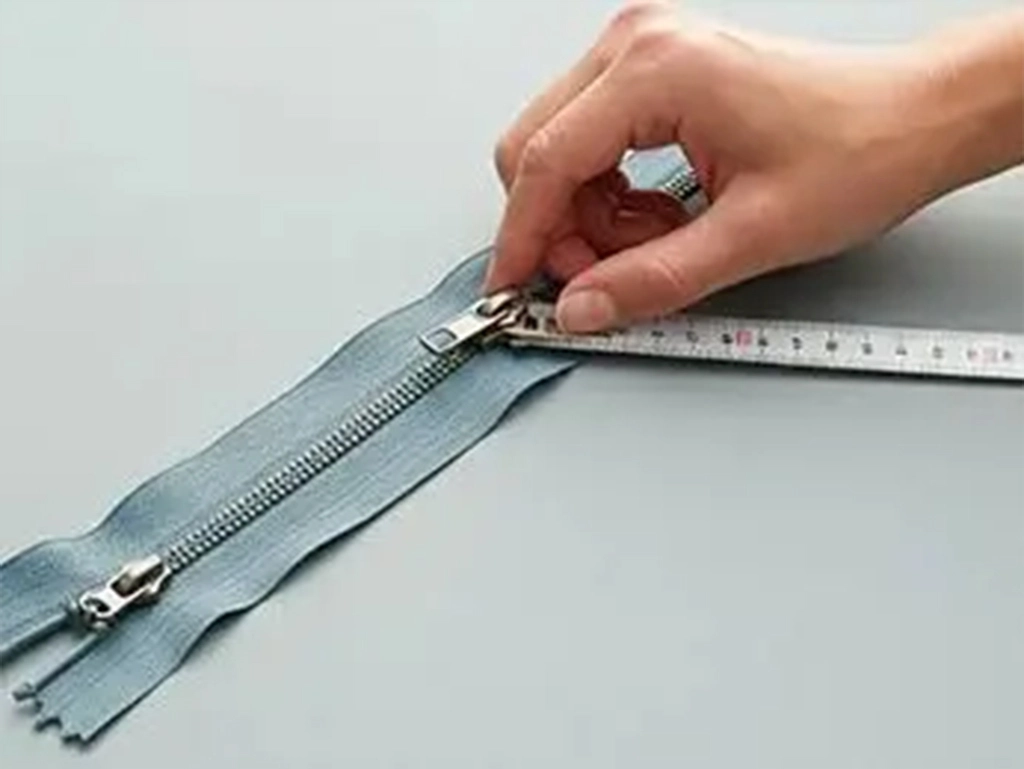
Measure the finished zipper opening, not simply the seam from one end to another.
If your pattern has a center-back opening, the measurement should follow the finished construction shown on the pattern. The point where the zipper starts and stops matters.
Keep these terms separate:
- Finished zipper opening
- Zipper length
- Zipper tape length
- Seam allowance
- Zipper stop position
For a tech pack, it is useful to state the measurement reference clearly. For example:
Zipper: Invisible zipper
Finished length: 18 in
Position: Center back
Color: Match main fabric
Measurement reference: Finished zipper opening
That gives the pattern and production teams a clear measurement reference instead of simply listing “18-inch zipper.”
If the pattern is still changing, leave the zipper specification open for confirmation. Finalize it after the opening has been approved.
Does Zipper Type Affect the Length?
Yes.
An invisible zipper, regular coil zipper and other zipper constructions can require different handling at the top and bottom of the opening.
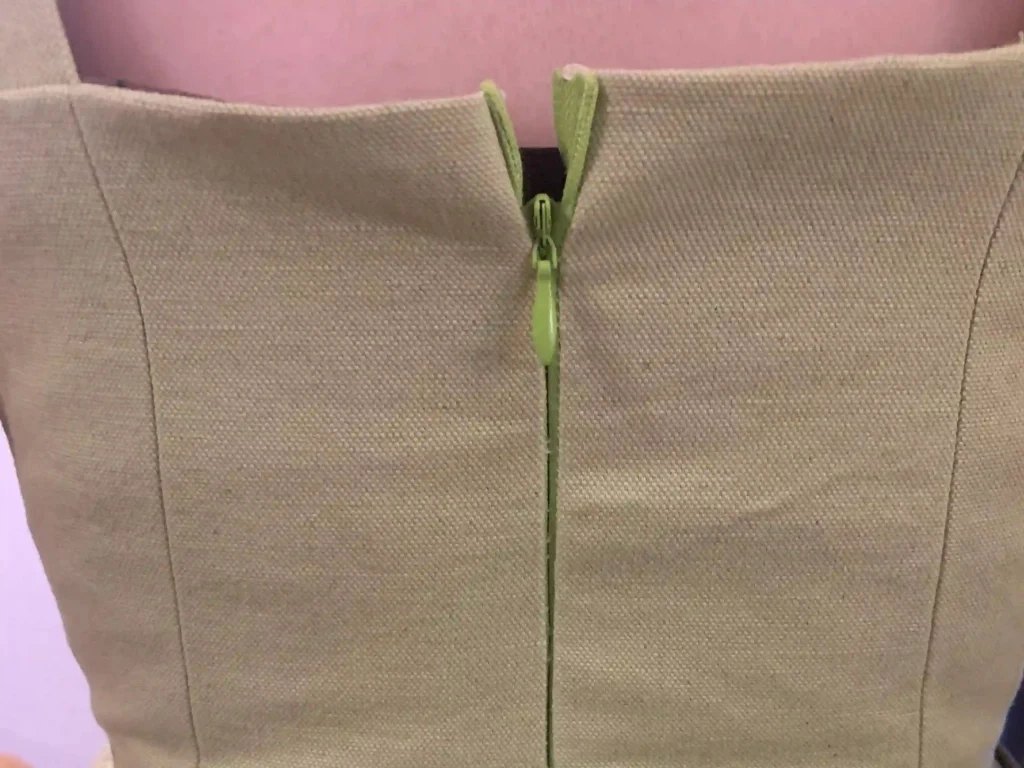
For many dresses, an invisible zipper is selected because it can sit neatly inside the seam. But the zipper type should still be considered together with the fabric and garment construction.
On a lightweight chiffon dress, the zipper area often needs extra support during sewing. With satin, the fabric can shift during sewing, so zipper alignment becomes more sensitive.
How Does the Pattern Affect Zipper Length?
The zipper specification should follow the latest approved pattern.
During pattern development, check the opening against the actual garment measurements and construction.
Garment fit
A fitted dress needs enough opening to pass over the body. When the opening is too short, people tend to pull harder on the zipper, putting extra stress on the zipper seam.
Zipper position
A center-back zipper, side-seam zipper and front zipper can have different construction requirements.
Neckline
If the zipper starts close to the neckline, the neckline finish and zipper top stop need to work together.
Lining
The lining should follow the zipper construction without pulling, twisting or creating unnecessary bulk.
Seam allowance
The seam allowance needs to match the zipper installation method. If this changes during pattern development, the zipper area may need to be reviewed again.
Once the pattern and sample are approved, record the zipper measurement in the production specification.
What Happens If the Zipper Is Too Short?
A short zipper is most noticeable when the dress has a close fit.
You may find that the finished garment fits correctly once it is on the model, but getting into the dress is difficult because the opening does not provide enough room.
The surrounding seam can also experience more stress when the garment is pulled over the body.
If the problem appears during fitting, simply changing the zipper may not be enough. The pattern opening itself may need to be extended.
A zipper can look fine when the dress is lying flat but feel very different when the garment is worn. Check the opening during fitting, not only when the dress is lying flat.
What Happens If the Zipper Is Too Long?
A zipper that extends beyond the planned opening can create finishing problems.
It may interfere with the hem, waist seam or another construction point. Depending on the zipper type, it may be possible to shorten it, but the bottom end still needs to be secured correctly.
Simply cutting the zipper to the required length does not always solve the problem.
Before bulk production, check how the zipper will be finished after shortening and whether the result matches the approved sample.
For repeat orders, keep the approved zipper specification in the style file so production does not have to rely on the old sample alone.
Should Zipper Length Be Included in a Dress Tech Pack?
Yes, if the zipper has already been confirmed.
The tech pack should identify the zipper clearly enough for the factory to match the correct component during sampling and production.
Useful details can include:
- Zipper type
- Finished length
- Position
- Color
- Puller specification
- Supplier or brand, if required
- Construction drawing or reference image
- Measurement reference
Not every detail has to be finalized before the first sample. If you are still testing the opening, mark the zipper specification for confirmation during sampling.
What matters is that the final approved information is recorded before bulk production.
This is particularly important when several people are involved in your product development. A designer may work from the sketch, a pattern maker from the pattern, and a purchasing manager from the BOM. The zipper specification needs to remain consistent between them.
How Is Zipper Length Confirmed During Sampling?
The zipper should be checked at several points rather than only at final inspection.
1. Pattern development
The opening is established according to the design, fit and construction.
2. First sample
The zipper is installed according to the pattern and checked for length, position and appearance.
3. Fitting
The dress is worn and checked. This is where you can see whether the opening is actually large enough and whether the zipper creates tension.
4. Pattern adjustment
If the opening changes, the zipper specification should be updated as well.
5. PP sample
The approved production sample should reflect the final zipper type, length and construction.
6. Bulk production
The confirmed specification is then used for cutting, sewing and in-line inspection.
At the factory, we check the zipper during sampling because a change to the opening can affect the pattern, seam construction and finished fit. When you work with a dress manufacturer, this check is also a useful point to confirm that the approved pattern, zipper specification and sample construction are all working together before bulk cutting.
What Should You Confirm With Your Clothing Manufacturer?
If you are developing a new dress for a fashion brand, boutique, retail collection or private label line, confirm the following before bulk production:
1. Zipper position
The zipper position should be clear on the pattern or construction drawing.
2. Finished opening
Use the finished opening measurement rather than a general zipper length.
3. Zipper type
Specify whether the style requires an invisible zipper or another construction.
4. Fabric compatibility
Check the zipper on the actual production fabric, particularly for slippery, lightweight or stretch materials.
5. Pattern consistency
The zipper specification should match the latest approved pattern.
6. Sample approval
Check the zipper when the dress is worn, not only when it is laid flat.
7. PP sample
Confirm that the approved zipper specification is carried into the production sample.
Common Mistakes When Choosing a Dress Zipper Length
Choosing by the Overall Dress Length
A longer dress does not automatically need a longer zipper. The garment opening determines the required length.
Copying Another Style
An old zipper specification may not work for a new fabric, silhouette or fit.
Measuring the Wrong Part
Zipper length, tape length and finished opening are not necessarily interchangeable measurements.
Finalizing Too Early
If the pattern is still changing, the zipper measurement may change with it.
Checking Only When the Dress Is Flat
Check the zipper while the dress is being worn. Body movement can put different tension on the opening than you see when the garment is lying flat.
Forgetting the Lining
The outer fabric may look correct while the lining pulls or bunches around the zipper. Both layers need to be checked.
FAQ
Can the same zipper specification be used for a repeat order?
It can, provided the fabric, pattern and construction have not changed. If you change the fabric supplier, fabric weight, lining or fit, do not assume the previous zipper specification will behave identically. It is worth checking the first sample from the new production setup before releasing the full order.
What should you do if the zipper supplier has a different measurement system?
Ask the supplier to confirm exactly how the stated length is measured. Some suppliers may refer to the zipper itself while your tech pack refers to the finished opening. Confirm the supplier’s measurement method before ordering. The quotation, tech pack and factory order should all refer to the same zipper measurement.
Can the wrong zipper length cause quality problems?
Yes, particularly on fitted dresses. If the opening is difficult to use, customers may pull harder on the zipper or surrounding seam. For retail orders, this can become a wear or construction complaint.
When should you order zippers for bulk production?
Do not base the bulk order only on the first sample if the zipper specification is still being adjusted. Once the pattern and PP sample are approved, you can release the final zipper quantity and specification for bulk production.
What information should a buyer keep for future reorders?
Keep the approved zipper type, finished length, color, position, supplier information and construction reference with the style records. When you reorder several months later, these details give the factory a clear starting point instead of relying on memory or an old physical sample.
Conclusion
The zipper length should be confirmed from the finished opening and latest approved pattern, then checked during fitting and the PP sample. Once approved, keep the same specification for bulk production and future repeat orders.
Related Dress Manufacturing Services
If you are developing a new dress and need support with fabric selection, internal construction, sampling, and bulk production, an experienced clothing manufacturer can help you deal with these decisions before they become production problems.
At Xiuyu Apparel, we work with fashion brands, startups, designers, and private label companies from sample development through bulk production.
- Mini Dress Manufacturer
- Corset Dress Manufacturer
- Mermaid Dress Manufacturer
- One Shoulder Dress Manufacturer
- Mesh Dress Manufacturer
Get a Clothing Manufacturing Quote Based on Your Design
If you already have a garment design, send us the product photo, tech pack, or reference sample together with your target quantity.
As a dress manufacturer, we can review the fabric, lining, construction, trims, workmanship, and finishing requirements before preparing a quotation based on the actual garment rather than a general price range.

