

When you develop a new garment with a clothing manufacturer, the first pattern is rarely the one used for bulk cutting. A block gives the pattern maker a starting shape, while the production pattern is adjusted around your actual design, measurements, fabric and construction. Knowing the difference helps you understand why a sample may need several pattern changes before you approve it for production.
What Is a Block Pattern?
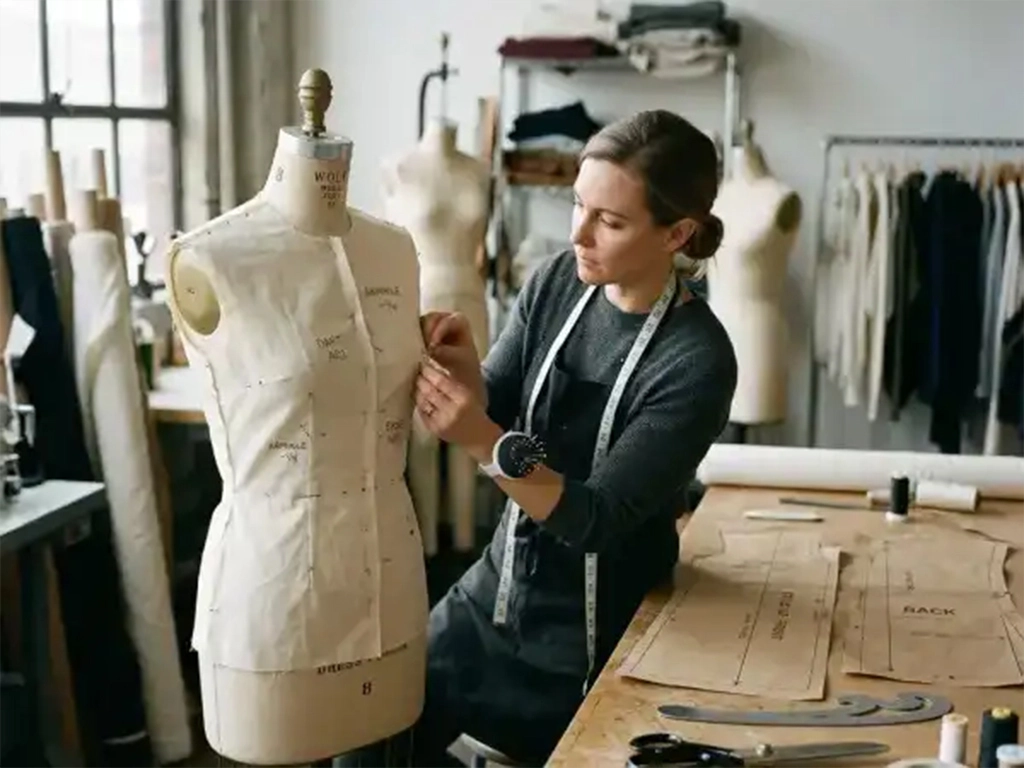
A block pattern is a basic pattern that gives the pattern maker a starting point for a garment. It may be based on a bodice, skirt, sleeve or another basic garment shape, with key measurements and proportions already established.
For example, a basic dress block may already have the bust, waist, hip, shoulder, armhole and length worked out. The pattern maker can then modify those areas to match the style you are developing.
The block is only the starting point, though. It is not necessarily the pattern that will be used for bulk cutting.
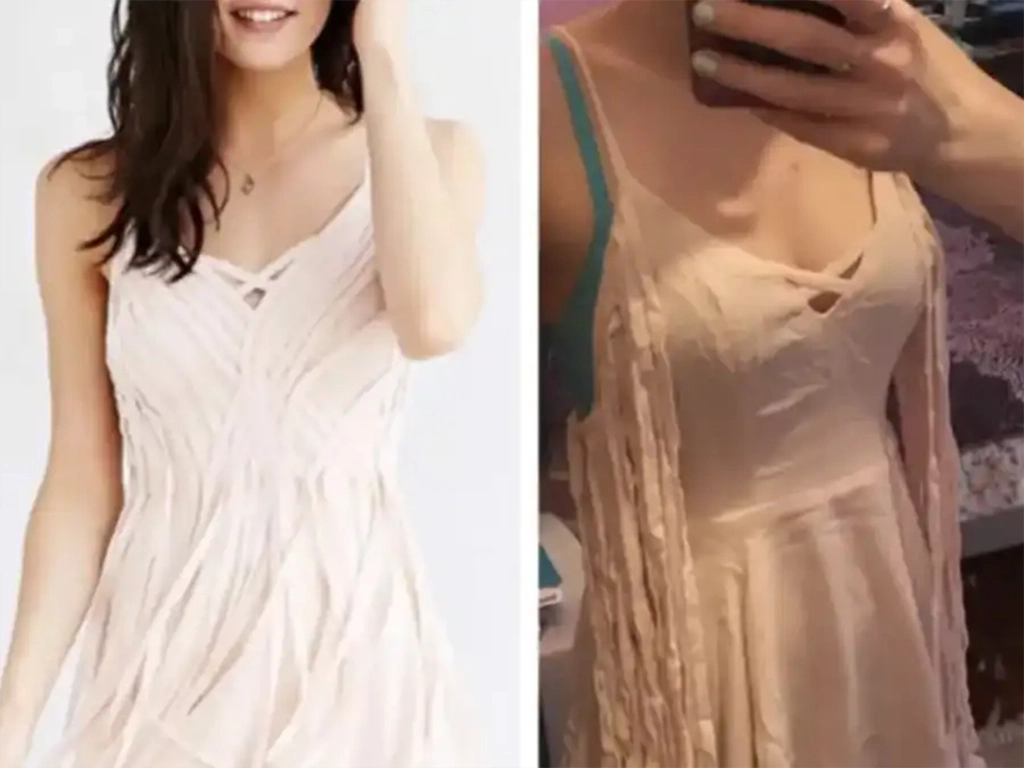
If you are developing a fitted dress, the final pattern may need changes to the neckline, waist position, bust shape, seam lines, sleeve and skirt connection before the sample is approved.
Why Do Manufacturers Start With a Block?
A suitable block saves the pattern maker from rebuilding the basic garment shape every time.
Take a simple A-line dress. If the basic bodice and skirt proportions are already available, the pattern maker can spend more time working on the details that are specific to your design.
That does not mean the block can be used as it is. Your size chart, intended fit, fabric and design details still need to be checked before the first sample is made.
What Is a Production Pattern?
A production pattern is the developed pattern for the specific style you are preparing to manufacture.
By this stage, the pattern should reflect the measurements, design details and construction that have been confirmed during sample development. It is no longer just a basic starting shape.
The production pattern can include:
- Final measurements
- Pattern piece shapes
- Seam allowances
- Darts and pleats
- Design seams
- Pockets
- Sleeve construction
- Neckline details
- Closure positions
- Notches
- Matching points
- Grain direction
- Other cutting information
If your style has gone through sample fitting, the production pattern should also reflect the changes agreed during that process.
The pattern used for bulk cutting needs to match the garment you approved.
If the sample fits correctly but the pattern still contains an earlier measurement, that old measurement can be repeated across the whole production order.
Block Pattern vs Production Pattern: What Is the Difference?
The difference mainly comes down to where the pattern is in the development process. A block gives the pattern maker a starting shape; the production pattern has been developed around the specific style and approved specifications.
| Block Pattern | Production Pattern | |
|---|---|---|
| Purpose | Starting point for development | Used to produce the approved style |
| Design details | Basic | Specific to the garment |
| Measurements | Basic proportions | Final approved measurements |
| Fit | Starting fit | Adjusted through sample development |
| Seam allowance | May not be finalized | Added according to production requirements |
| Construction | Limited | Reflects the garment construction |
| Grading | Not necessarily prepared | Graded when required |
| Bulk cutting | Normally not the final cutting pattern | Used for production cutting |
So if you receive a block pattern at the beginning of development, you should not expect it to contain every detail of your finished garment.
The production pattern needs to carry those final details.
How Does a Block Pattern Become a Production Pattern?
For a new style, the development may look like this:
Design → Pattern Development → First Sample → Fit Review → Pattern Changes → Revised Sample → Approval → Production Pattern → Grading → Bulk Cutting
Some styles are settled after one or two rounds of fitting, while others take more work.
A simple loose dress may need very little adjustment. A fitted dress with unusual proportions, draping, a structured bodice or complicated construction can require considerably more pattern work. This is one reason it helps to discuss the pattern with your dress manufacturer before sampling.
1. Your Design Becomes a Pattern
You may send a tech pack, sketch, reference photo, existing garment or several of these together.
The pattern maker looks at the design and works out how the garment needs to be divided into pattern pieces.
A drawing can show the overall appearance, but it does not always explain how the garment should be constructed.
For example, a sketch may show a fitted waist and curved seam, but the pattern maker still needs to determine where that seam should sit, how the pieces connect and how the shape will work on the body.
2. The First Sample Tests the Pattern
The first sample is where you find out whether the pattern actually works on the garment.
You may notice that:
- The bust is too tight
- The waist sits too high
- The shoulder is too wide
- The skirt does not fall as expected
- The sleeve restricts movement
- The neckline needs to move
- The garment length needs changing
These are not necessarily production defects. They are often part of developing a new style.
Those fitting comments are then used to revise the pattern.
3. Pattern Changes Follow the Sample
Suppose you ask to move a waist seam 2 cm lower.
That change should be reflected in the pattern.
The same applies when you change:
- Bust measurement
- Waist measurement
- Hip ease
- Sleeve length
- Neckline depth
- Skirt length
- Pocket position
- Panel shape
Clear sample comments make the revision easier to follow.
Instead of:
The waist looks a little high.”
A comment such as:
“Move the waist seam down 2 cm from the current sample.”
gives the pattern maker something measurable to work with.
A 1–2 cm change can affect more than one pattern piece. If a waist seam is moved, the connected bodice and skirt pieces may both need to be updated so the seams still match during sewing.
4. The Approved Sample Becomes the Reference
After the fitting changes are completed, you approve the sample.
After approval, the manufacturer needs to make sure the production pattern reflects the approved version.
The pattern, measurement chart, fabric and construction details should all match the approved sample.
Why Can’t You Just Use the Block Pattern for Production?
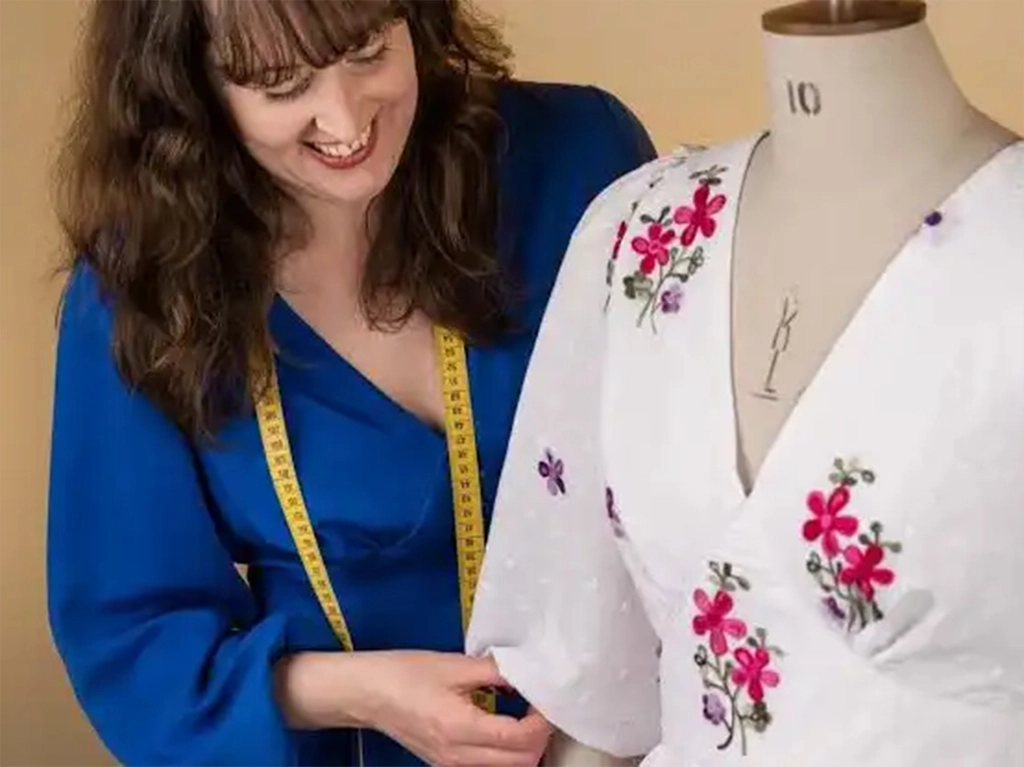
A block is only a starting shape. It has not been developed around the final garment, fabric and construction.
For example, a fitted mini dress may start from a basic block but require a square neckline, curved waist seam, shaped back, fitted skirt and a specific hem length.
Those changes have to be reflected in the pattern before the style goes into bulk production.
Using the original block would leave the sample, approved measurements and cutting pattern out of sync.
Fabric Changes Can Affect the Pattern
Fabric selection can change how a pattern needs to be handled.
A pattern developed for one fabric may not give the same fit or shape when the fabric changes.
Stretch can make a noticeable difference.
A fitted dress made from stretch fabric may need different ease from the same silhouette made from a non-stretch woven fabric.
Drape also matters.
A pattern that works well in one fabric may need adjustment when you switch to another fabric, even if the silhouette stays the same. Stretch, drape, fabric width and weight can all change how the garment sits on the body.
If the fabric changes, the existing pattern may need to be checked again.
From the factory side, we check the fabric together with the pattern because a change in material can affect cutting, sewing and the final shape. Before bulk cutting, the fabric also needs to go through the required inspection and preparation.
If the fabric width changes, the marker and fabric consumption may also need to be checked again, especially for larger pattern pieces or styles with directional fabric.
After Sample Approval: Grading the Pattern
Sample approval is not the end of the pattern process.
If your order covers several sizes, the approved base pattern needs to be graded.
Pattern Grading
Grading creates the other sizes from the approved base size while keeping the intended proportions of the garment.
Grading is not simply adding the same amount to every measurement. Bust, waist, hip, shoulder and armhole each follow their own grading points.
Fitted garments make this more noticeable. A base size may fit well, but the armhole, waist or overall length can look quite different in another size if the grading is not handled properly.
The approved measurement chart should stay connected to the production pattern throughout grading.
What Should You Send to a Clothing Manufacturer?
You do not need a finished pattern to contact a clothing manufacturer. A sketch, reference images or an existing garment can be enough to start development.
Useful information includes:
- Tech pack
- Design sketch
- Reference photos
- Existing garment
- Target measurements
- Size range
- Fabric preference
- Construction details
- Estimated order quantity
An existing garment can be particularly useful when the fit is important. It gives the pattern maker something physical to examine rather than relying only on a drawing.
If you have a complete tech pack, the development process can be more straightforward because measurements and construction requirements are already documented.
If you do not have one, the manufacturer may need to clarify more details before the first sample is made.
Pattern Problems That Can Affect Bulk Production
Pattern problems are much easier to fix during sample development than after bulk cutting.
A few common problems are:
Measurement mismatch
The production pattern does not match the approved measurement chart.
Fit changes between sizes
The base size fits well, but other sizes lose the intended proportions after grading.
Pattern pieces do not match
Adjacent pieces may not line up correctly during sewing, affecting seams or garment shape.
Higher fabric consumption
An inefficient marker or pattern layout can increase fabric waste, especially with large or irregular pieces.
Bulk garments do not match the approved sample
This needs to be checked before cutting starts. The bulk order should be made from the approved production version, not an earlier development pattern.

What Should You Check Before Bulk Cutting?
Before bulk cutting, the factory should be working from one confirmed set of specifications.
You should confirm:
- Approved sample
- Final measurement chart
- Production pattern
- Fabric and fabric width
- Size range
- Construction details
- Trims and closures
- Labels and other required components
What matters before cutting is that the factory team is working from the same approved version.
Once bulk cutting starts, a pattern mistake is no longer limited to one sample. The approved pattern is carried into the cutting process and then through sewing and inspection.
Block Pattern vs Production Pattern: Which One Matters More?
The block gets the style started. Once fitting and sample approval are complete, the production pattern becomes the version that controls manufacturing.
For a brand or buyer, the key point is keeping the versions connected: your sample comments should be reflected in the pattern, the approved measurements should match the pattern, and the production pattern should be the one used for grading and bulk cutting.
From a Clothing Manufacturer’s Perspective
When we develop a new style, we do not check the pattern by itself. We compare it with the approved sample, measurement chart, fabric and construction details.
For example, if the waist was moved down during fitting, that change needs to appear in the pattern. If the fabric changes after sampling, we check the fit and construction again before bulk cutting.
Version control matters here. The pattern used for production should match the sample and specifications that were approved. An earlier pattern or measurement can cause problems once the pieces are cut in bulk.
FAQ
Can a block pattern be customized for a new clothing style?
Yes. A block can be modified for a new silhouette, but the amount of pattern work varies a lot between styles. A loose dress may need only a few changes, while a fitted or structured design can require several rounds of adjustment.
Does a production pattern include seam allowances?
Yes, it can. The exact setup depends on how the factory prepares the pattern for cutting and sewing. Seam allowances, notches and other cutting information need to be defined clearly enough for the cutting and sewing teams to work from the same specifications.
Can a manufacturer develop a production pattern from a reference garment?
Yes. A physical garment can give the pattern maker useful information about fit, proportions and construction. The factory may still need your target measurements, fabric information, size range and other requirements before preparing the production pattern.
What happens if I change the measurements after approving the sample?
The change needs to be checked against the production pattern before bulk cutting. Some changes may require a pattern adjustment and another sample check. The earlier the change is made, the easier it is to update the pattern and sample before bulk cutting.
Is the production pattern the same as the pattern used for the sample?
Not necessarily. The first sample may be made from an earlier pattern version. After fitting comments and revisions, the production pattern should be updated to match the final approved sample and measurement requirements.
Conclusion
A block pattern gives the pattern maker a starting point. After fitting, sample approval and final specification checks, the production pattern becomes the version used for bulk cutting.
Before cutting starts, make sure the approved sample, measurement chart and production pattern all match.
Related Dress Manufacturing Services
If you are developing a new dress and need support with fabric selection, internal construction, sampling, and bulk production, an experienced clothing manufacturer can help you deal with these decisions before they become production problems.
At Xiuyu Apparel, we work with fashion brands, startups, designers, and private label companies from sample development through bulk production.
- Off Shoulder Dress Manufacturer
- Cocktail Dress Manufacturer
- Bridesmaid Dress Manufacturer
- Prom Dress Manufacturer
- Ruffle Dress Manufacturer
Get a Clothing Manufacturing Quote Based on Your Design
If you already have a garment design, send us the product photo, tech pack, or reference sample together with your target quantity.
As a dress manufacturer, we can review the fabric, lining, construction, trims, workmanship, and finishing requirements before preparing a quotation based on the actual garment rather than a general price range.

