

When a brand starts developing a new dress collection, the first challenge is often not the design itself, but deciding how that design will be developed and produced.
In our experience working with fashion startups, designers, retailers, and private label brands, many production problems happen because the manufacturing model does not match the brand’s current stage. Working with an experienced clothing manufacturer from the beginning can help brands avoid unnecessary development issues before moving into sampling and bulk production.
OEM, ODM and Private Label: Understanding the Differences
Before choosing a manufacturing partner, you need to understand how each production model works.
Different brands have different needs. A designer brand may want complete control over every detail, while a startup may need more support during product development. Retailers and boutiques may prefer a faster way to build collections without developing every style from the beginning.
| Model | Best For | Brand Responsibility | Factory Role |
|---|---|---|---|
| OEM | Brands with their own designs | High | Manufacturing based on your specifications |
| ODM | Brands needing development support | Medium | Style development and production guidance |
| Private Label | Brands creating products under their own name | Medium to High | Product customization and brand support |
OEM Dress Manufacturing: When You Already Have Your Own Designs
OEM is usually the preferred option when a brand already has a clear product concept and wants the factory to focus on turning that concept into a finished garment.
Typical OEM projects usually start with:
- Technical drawings
- Product specifications
- Existing samples
- Fabric requirements
- Detailed measurements
In this model, you control the product direction, and the manufacturer focuses on production execution.
From the factory side, the biggest difference between a smooth OEM project and a difficult one often comes down to the information provided before sampling. A missing measurement, unclear construction detail, or wrong fabric expectation can create extra sample rounds later.
For example, a fitted evening dress with boning, corset panels, stretch fabric, or heavy embellishment requires much more production planning than a simple loose silhouette. Pattern adjustment, fabric behavior, and sewing sequence all need to be considered before bulk production.
OEM is often suitable for established brands, designers, and companies that already have a clear product identity. These brands usually look for an experienced OEM dress manufacturer that can follow their specifications and maintain consistency during bulk production.
ODM Dress Manufacturing: Developing Products With Factory Support
Many new fashion brands come to the factory with a clear market idea, but without a complete technical package.
Many ODM projects begin with simple references, such as mood boards, competitor products, trend directions, or inspiration images. The challenge is turning these references into a garment that can actually be produced.
but you may not have a complete product development team.
With ODM production, the factory becomes involved earlier in the development process, helping brands work with an experienced dress manufacturer to translate ideas into production-ready garments.
Common ODM adjustments include:
- Fabric changes
- Color development
- Length modification
- Sleeve or neckline changes
- Embellishment updates
- Fit adjustments
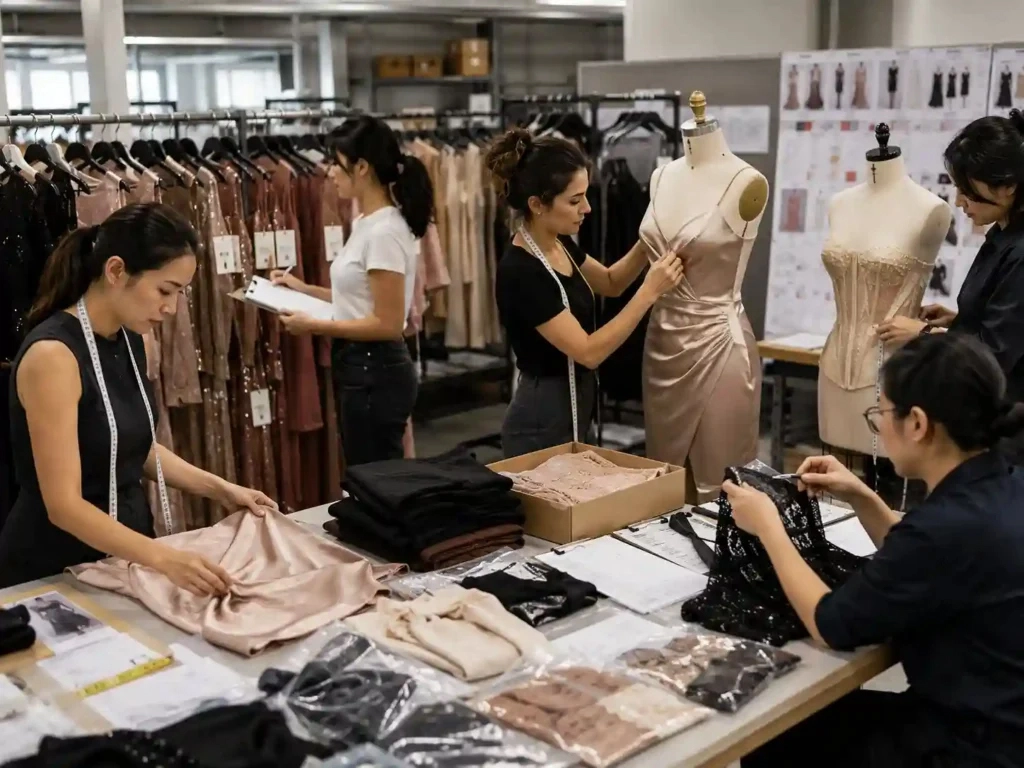
One thing we often notice during development is that a design that looks simple in an image may require more production consideration. Fabric weight, stretch, lining, and construction methods can all affect the final garment.
ODM can help brands reduce early development pressure while still creating products that match their market position.
Private Label Dress Manufacturing: Creating Your Own Branded Collection
Private label manufacturing is commonly used by boutiques, online fashion brands, retailers, and wholesalers that want to sell products under their own brand name.
Unlike buying ready-made wholesale products, private label manufacturing gives brands more control over how the final product represents their identity.
Depending on the project, you may customize:
- Brand labels
- Packaging
- Product colors
- Fabric options
- Size ranges
- Selected design details
Many growing brands choose private label because it provides a balance between customization and production efficiency.
You do not always need to develop every pattern from the beginning. In many cases, starting from an existing production foundation and making targeted adjustments can reduce development time while keeping the collection consistent.
OEM vs ODM vs Private Label: Which One Fits Your Brand?
The right production model depends on where your brand is today and how much control you want during product development.
OEM may be suitable if you:
- Already have complete designs
- Need full control over product details
- Have clear technical requirements
For example, when developing a satin evening dress, the factory needs to consider fabric weight, lining structure, seam allowance, and how the fabric behaves after pressing. These details are often invisible in a design drawing but directly affect the final garment.
ODM may be suitable if you:
- Are launching your first collection
- Need support during product development
- Want to test products faster
Private label may be suitable if you:
- Want your own branded collection
- Need customization without developing everything from scratch
- Are building a boutique or retail product line
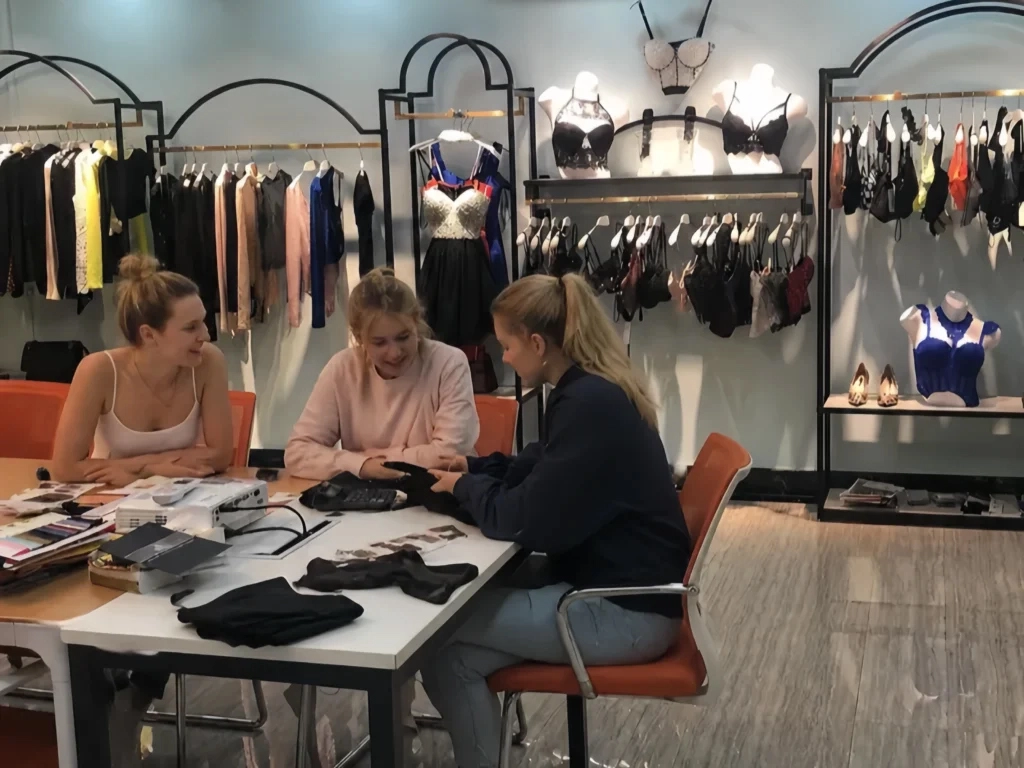
Before choosing a model, consider your design capability, expected order quantity, product positioning, and long-term business plan.
Production Factors You Should Consider Before Choosing a Manufacturer
In real production, many problems do not come from the design itself. They usually appear during sampling, material confirmation, fitting adjustments, or bulk production preparation.
Sampling Process
A sample is not only a product check. It is the stage where the factory and the brand confirm whether the design can be produced consistently at bulk scale.
During sampling, you should review:
- Fit and measurements
- Fabric performance
- Construction details
- Finishing quality
MOQ Requirements
MOQ should match your sales plan, budget, and testing strategy.
New brands often need smaller production quantities to test the market, while established companies may focus more on production efficiency and repeat orders.
Communication During Development
Many production issues happen because details are unclear before sampling.
Good communication about materials, measurements, timelines, and expectations helps reduce unnecessary revisions.
Quality Control
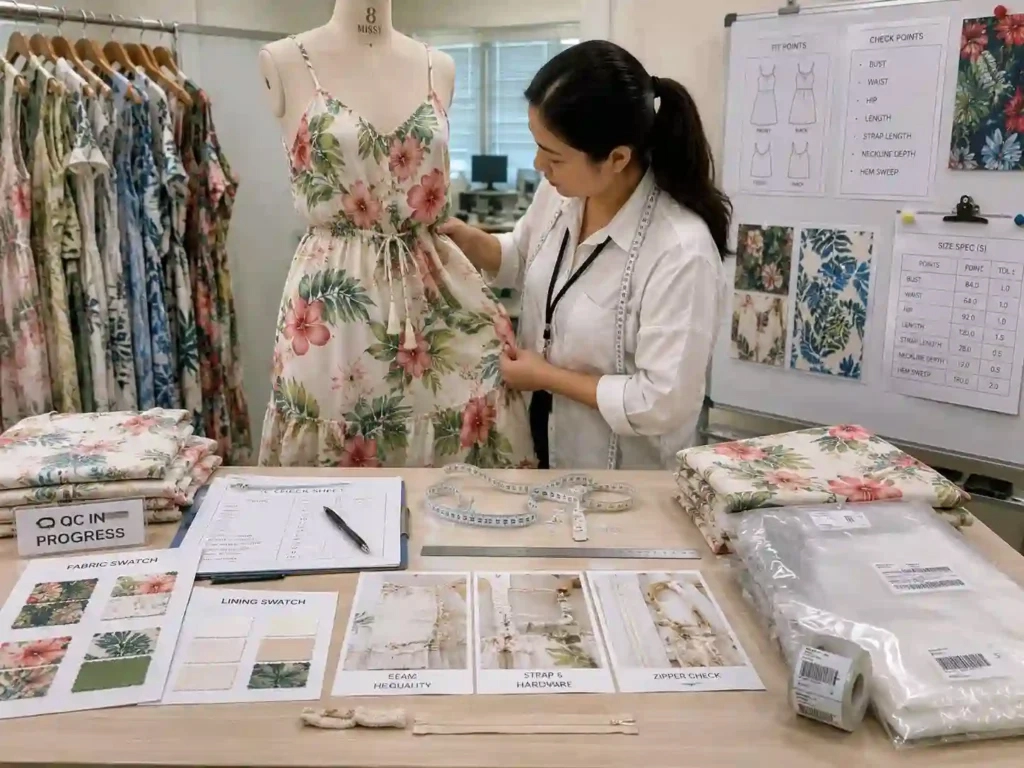
At our factory, quality control starts from fabric inspection and continues through cutting, sewing, finishing, and final inspection before packing.
Common Mistakes When Choosing OEM, ODM or Private Label Production
Many brands focus mainly on the unit price when comparing manufacturers.
However, production success depends on more than price.
Common mistakes include:
- Choosing OEM without enough product information
- Expecting ODM to require no design decisions
- Treating private label as simple stock purchasing
- Skipping sample approval before bulk production
- Selecting a manufacturer only based on the lowest unit price
A suitable manufacturing model should match your resources and business goals.
OEM, ODM and Private Label Dress Production With Xiuyu Apparel
At Xiuyu Apparel, we support different types of fashion brands with OEM, ODM, and private label dress production. Some customers come with complete tech packs, while others start from a simple concept or reference image.
Our team helps manage sampling, fabric selection, pattern development, production, and quality control to turn ideas into finished garments.
FAQ About OEM, ODM and Private Label Dress Manufacturing
1. Can a small fashion brand work with an OEM dress manufacturer?
Yes. Small brands can work with OEM manufacturers, especially when they already have reference samples, tech packs, or clear construction requirements. However, incomplete information usually leads to more sample adjustments and longer development time.
2. Does ODM manufacturing mean the products are not unique?
Not necessarily. ODM products can usually be adjusted through fabric selection, colors, construction details, and styling changes. The level of uniqueness depends on how much customization you require during the development process.
3. What should you check before selecting a private label manufacturer?
You should check whether the manufacturer can support your expected customization level, quality requirements, and future reorder needs. A supplier that only provides finished products may not meet the needs of a growing brand.
4. How can you reduce problems during dress product development?
Prepare clear information before sampling, including target customers, reference styles, fabric expectations, and fitting requirements. Early communication allows the manufacturer to identify possible issues before production moves forward.
5. Should a new brand start with OEM, ODM, or private label?
It depends on your available resources. Brands with strong design capability may choose OEM, while startups often prefer ODM or private label because they need more development support during the early product launch stage.
Conclusion
Choosing the right manufacturing model at the beginning can save brands time, reduce unnecessary sample revisions, and create a smoother path from first idea to bulk production. A good manufacturing partner should not only produce garments but also help identify production risks before they become costly problems.
Explore More Dress Manufacturing Services
If you are developing a new dress and need support with fabric selection, internal construction, sampling, and bulk production, an experienced clothing manufacturer can help you deal with these decisions before they become production problems.
At Xiuyu Apparel, we work with fashion brands, startups, designers, and private label companies from sample development through bulk production.
- Chiffon Dress Manufacturer
- Mermaid Dress Manufacturer
- One Shoulder Dress Manufacturer
- Mesh Dress Manufacturer
- Silk Dress Manufacturer
- Party Dress Manufacturer
- Evening Dress Manufacturer
Get a Clothing Manufacturing Quote Based on Your Design
If you already have a garment design, send us the product photo, tech pack, or reference sample together with your target quantity.
As a dress manufacturer, we can review the fabric, lining, construction, trims, workmanship, and finishing requirements before preparing a quotation based on the actual garment rather than a general price range.

