

Garment Sampling Process: From First Fit Sample to Golden Sample Before Bulk Production
In garment manufacturing, a design is not ready for bulk production just because the sketch and tech pack are approved. Working with an experienced clothing manufacturer helps brands check whether the design can actually be produced with the expected fit, fabric performance, and workmanship during the sampling stage.
For fashion brands, designers, retailers, wholesalers, and private label companies, understanding each sample stage helps you communicate clearly with your factory and avoid unnecessary changes after production starts.
What Is the Garment Sampling Process?
The garment sampling process is the development stage where a manufacturer turns your design information into a production-ready garment.
During product development, manufacturers prepare different samples at different stages because each sample has a specific role in the approval process. A fit sample is mainly for checking shape and measurements, while a PP sample is used to confirm the final production standard.
Depending on the product complexity, you may go through several stages:
- Development sample
- First fit sample
- Revised fit sample
- Photo sample
- Salesman sample
- PP sample
- Golden sample
Simple garments may require fewer rounds, while fitted dresses, structured styles, or detailed garments often need more adjustments before production approval.
Garment Sampling Process Overview
The exact sampling process depends on your design and production requirements, but most clothing development follows a similar workflow:
Design / Tech Pack Review
↓
Pattern Development
↓
First Fit Sample
↓
Sample Adjustment
↓
Photo or Salesman Sample
↓
PP Sample Approval
↓
Golden Sample Confirmation
↓
Bulk Production
Each stage answers a different manufacturing question: Does the pattern fit correctly? Are the materials approved? Can the factory reproduce the same quality in bulk production?
The first samples focus on whether the garment can be made correctly. Later samples focus on whether the approved standard can be maintained during bulk production.
What Is a First Fit Sample?
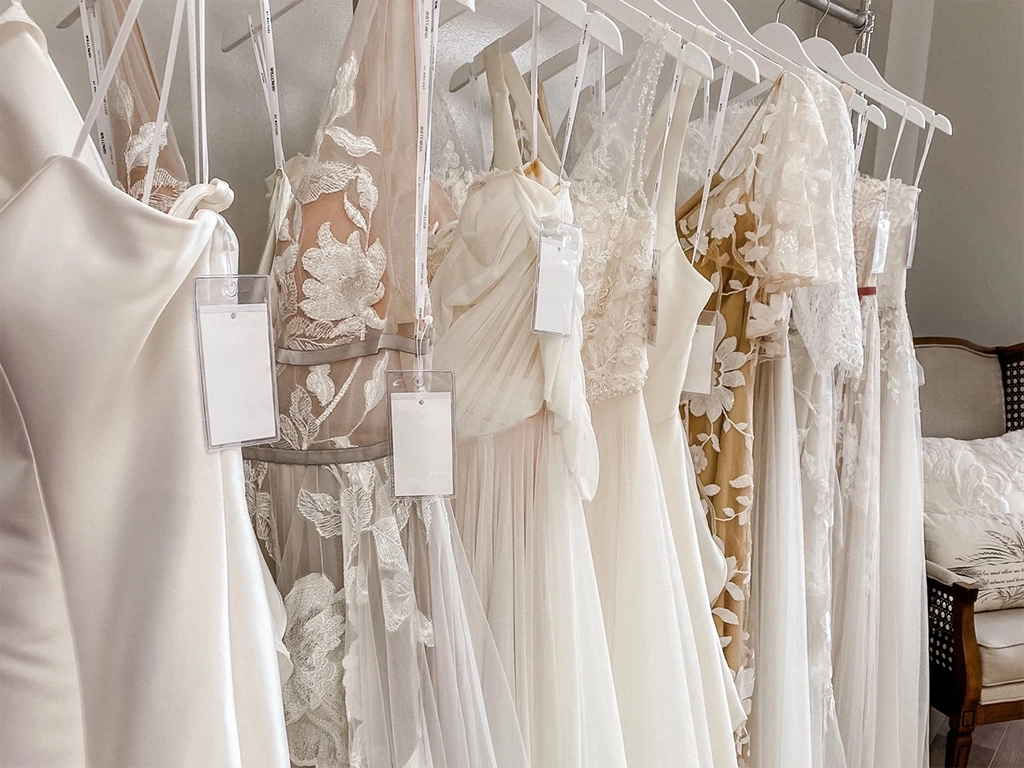
A First Fit Sample is usually the first complete garment sample made after pattern development.
The main purpose of the first fit sample is to check whether the pattern and garment shape work correctly on the body.
At this stage, you normally review:
- Overall silhouette
- Body measurements
- Shoulder and neckline position
- Waist and hip fitting
- Length and proportion
For example, a mini dress may look correct on a drawing, but the actual fitting can change because of fabric stretch, lining, or construction methods.
For fitted dresses, we usually pay close attention to areas such as bust shaping, waist balance, and fabric tension because these details directly affect the final wearing effect. This is especially important when developing styles with a complex silhouette through a professional dress manufacturer.
What Is a Photo Sample?
A Photo Sample is prepared mainly for product photography, marketing, and collection presentation.
You may use this sample for:
- Website images
- Online store launch
- Social media content
- Brand catalogues
A photo sample should be close enough to the final product for customers or buyers to understand the design direction, but it may still require production adjustments.
Some brands request photo samples before bulk approval because they need to prepare their website, campaign images, or buyer presentations. In this case, we normally make sure the sample represents the approved design direction while keeping production adjustments separate.
Some details may still need confirmation, especially:
- Fabric color
- Trim placement
- Embroidery or embellishment position
- Final measurements
What Is a Sales Sample in Garment Manufacturing?
A Sales Sample (also known as a Salesman Sample in some markets) is commonly used when brands need to present upcoming collections to buyers or wholesale customers.
Unlike a fitting sample, a sales sample focuses more on presentation. Buyers use it to understand the collection direction, styling, and overall product potential before placing orders.
Sales samples are often used for:
- Buyer meetings
- Showroom presentations
- Wholesale order discussions
- Seasonal collection reviews
For brands selling through boutiques or retailers, these samples can be useful for collecting early market feedback.
What Is a PP Sample in Garment Manufacturing?
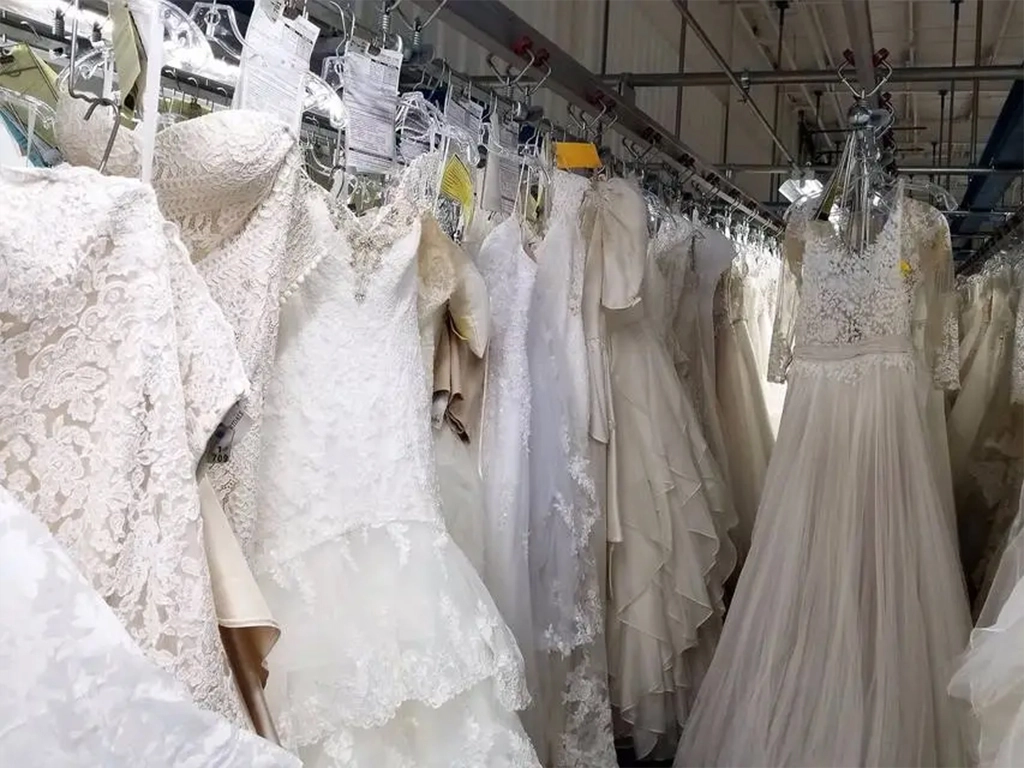
A PP Sample (Pre-Production Sample) is the final sample made before bulk production starts.
This sample is used to confirm the production standard.
Before approving the PP sample, brands normally review every production detail with the manufacturer, including:
- Final fabric
- Approved color
- Measurements
- Sewing construction
- Labels and trims
- Packaging requirements
Once the PP sample is approved, our production team keeps it together with the tech pack and measurement sheet as the bulk production reference. This approval process is commonly used by brands working with an OEM clothing manufacturer to maintain consistency during bulk production.
This step is especially important when producing larger quantities because small differences repeated across hundreds of pieces can create bigger quality problems.
What Is a Golden Sample?
A Golden Sample is the approved reference sample kept for production and quality control.
It represents the final agreed version of the garment, including:
- Appearance
- Workmanship
- Measurements
- Construction details
- Finishing quality
During bulk production, the QC team uses the golden sample to compare workmanship, measurements, and finishing details before shipment.
First Fit Sample vs PP Sample vs Golden Sample
| Sample Type | Main Purpose | When It Is Used |
|---|---|---|
| First Fit Sample | Check fitting and pattern accuracy | Early development stage |
| Photo Sample | Prepare marketing materials | Before product launch |
| Salesman Sample | Present products to buyers | Wholesale development |
| PP Sample | Confirm production standard | Before bulk production |
| Golden Sample | Maintain quality reference | During production |
Understanding these differences helps you know when to review, approve, or request changes during garment development.
Common Problems During Garment Sampling
A Design Looks Correct on Paper but Fits Differently on the Body
Fabric shrinkage is another reason why sampling is important. Some fabrics may change after washing, pressing, or finishing. Testing these details during sampling helps avoid unexpected measurement differences during bulk production.
This is something we see often during dress sampling. A technical drawing can show measurements and design lines, but it cannot fully show how silk, satin, stretch fabrics, or structured materials behave after sewing. This is especially important for products such as silk dresses, where fabric drape and finishing quality directly influence the final silhouette.
Factors such as:
- Fabric weight
- Stretch level
- Lining
- Sewing construction
- Garment structure
can affect the final appearance.
This is why physical samples are necessary before production.
Too Many Changes After Production Begins
Late changes are usually more expensive because they affect materials, patterns, and production schedules.
Before approving your PP sample, you should confirm:
- Measurements
- Fabric
- Colors
- Accessories
- Construction details
A clear approval process reduces confusion between your brand and manufacturer.
Bulk Production Does Not Match the Approved Sample
This is one of the main concerns for fashion brands.
A detailed PP sample and golden sample provide a clear production reference.
Without an approved standard, different production teams may interpret details differently, especially for complicated styles.
How Many Samples Are Needed Before Bulk Production?
There is no standard number of samples for every order. A simple T-shirt may move forward after a few sample stages, while a fitted evening dress with embroidery or special fabric may require several revisions.
More samples are usually needed when the design includes:
- Fitted silhouettes
- Special fabrics
- Embroidery
- Beading
- Complex construction
or example, sequin dresses usually need additional fitting checks because embellishment weight can affect the garment balance. Brands developing party dresses with sequins or detailed embellishment usually require additional sampling attention before bulk production.
Additional sample rounds are only needed when there are design, fitting, or material issues that need to be solved before production.
Why Garment Sampling Matters for Private Label Brands
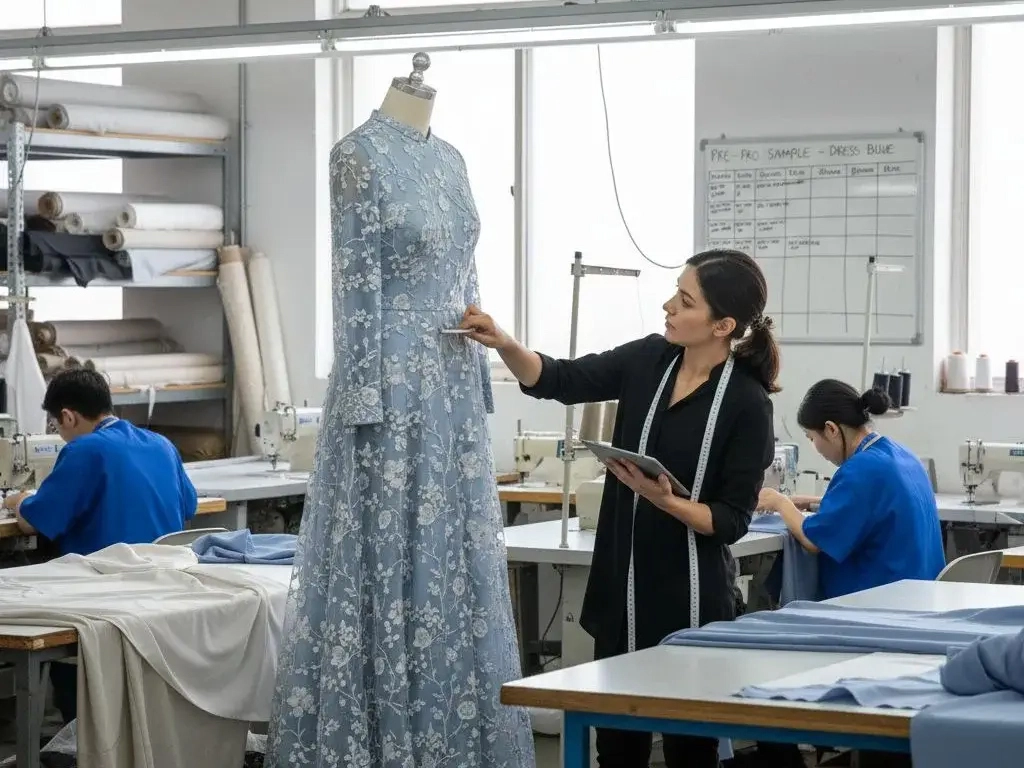
For private label companies and emerging fashion brands, sampling is where your product standards are established. This is especially important for startups ordering their first production run, because sampling creates the quality benchmark before they invest in bulk inventory.
Before investing in bulk production, you need to confirm that the garment matches your expectations in terms of:
- Fit
- Quality
- Appearance
- Customer expectations
A well-managed sampling process creates a clearer production path and reduces surprises when your collection moves into manufacturing.
FAQ About Garment Sampling Process
What files does a clothing manufacturer need before making samples?
Most manufacturers need basic product information such as tech packs, sketches, measurement charts, fabric requirements, and reference images. The more production details you provide, the easier it is to develop a sample that matches your expected design direction.
How should a brand review a garment sample?
You should review more than appearance. Check measurements, fitting, fabric behavior, construction details, trims, and finishing. Taking notes during sample review helps your manufacturer understand exact changes instead of making general adjustments.
Can the same sample be used for both photos and bulk production approval?
Sometimes, but not always. A photo sample is mainly for presentation, while a PP sample confirms production requirements. For complicated styles, separating these stages can prevent marketing needs from affecting production accuracy.
What happens if a brand rejects the PP sample?
If the PP sample does not meet requirements, the manufacturer usually reviews the issues and makes corrections before production starts. It is better to solve problems at this stage rather than after bulk manufacturing has begun.
Why do some garments need multiple sample rounds?
Multiple rounds are usually related to design complexity, fitting requirements, or material behavior. Dresses with special silhouettes, delicate fabrics, or detailed workmanship often need more adjustments because small changes can affect the final appearance.
Conclusion
For clothing brands, the sampling stage is where production expectations become clear. Once the fit, materials, workmanship, and construction details are approved, bulk production becomes much easier to control.
Understanding the purpose of each sample, from First Fit Sample to Golden Sample, helps you communicate better with your clothing manufacturer and reduce production risks. A clear sampling process allows your brand to develop products with better consistency before entering full-scale manufacturing.
As a clothing manufacturer, we usually recommend completing sample approval before starting bulk production, especially for dresses with fitted silhouettes, special fabrics, or detailed workmanship. Our team can review your tech pack, suggest suitable materials, and guide you from sample development through bulk production as your trusted clothing manufacturer.
Explore More Dress Manufacturing Services
If you are developing a new dress and need support with fabric selection, internal construction, sampling, and bulk production, an experienced clothing manufacturer can help you deal with these decisions before they become production problems.
At Xiuyu Apparel, we work with fashion brands, startups, designers, and private label companies from sample development through bulk production.
- Off Shoulder Dress Manufacturer
- Wrap Dress Manufacturer
- Ruffle Dress Manufacturer
- Formal Dress Manufacturer
Get a Clothing Manufacturing Quote Based on Your Design
If you already have a garment design, send us the product photo, tech pack, or reference sample together with your target quantity.
As a dress manufacturer, we can review the fabric, lining, construction, trims, workmanship, and finishing requirements before preparing a quotation based on the actual garment rather than a general price range.

