

In Part 1, we introduced classic cocktail dress silhouettes including A-line, wrap, sheath, and other popular designs. In this section, we continue to explore more cocktail dress styles that fashion brands, boutiques, and private label companies often develop for occasionwear collections. From ruffle and mermaid designs to sequin, lace, velvet, and embellished styles, each design requires different fabric choices, construction techniques, and production considerations.
1. Ruffle Cocktail Dresses
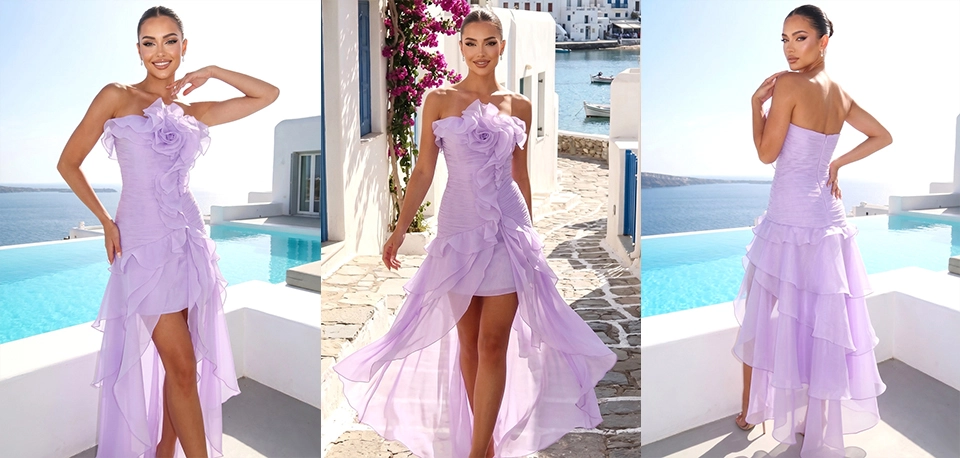
Ruffle Construction and Production Considerations
Ruffle cocktail dresses add movement and feminine details through layered fabric construction. Compared with clean silhouettes, ruffle styles rely more on fabric volume and gathering techniques around the neckline, sleeves, waist, or skirt.
From a manufacturing perspective, ruffle placement and fabric selection directly impact the final appearance. Lightweight fabrics such as chiffon and tulle create soft flowing movement, while structured fabrics like satin or taffeta help maintain a more defined shape.
Different Ruffle Placements Create Different Effects
| Ruffle Position | Visual Effect | Production Consideration |
|---|---|---|
| Hem ruffle | Adds movement and volume | Requires accurate gathering ratio |
| Shoulder ruffle | Creates feminine upper-body focus | Needs stable shoulder construction |
| Sleeve ruffle | Adds softness and detail | Requires careful seam finishing |
| Layered ruffle skirt | Creates dramatic volume | Fabric weight must be controlled |
Fabric Options for Ruffle Cocktail Dresses
- Chiffon: Lightweight and suitable for flowing layered designs
- Tulle: Creates volume and romantic appearance
- Satin: Provides elegant structure with smooth surface
- Organza: Adds crisp shape and fashion-forward feeling
Why Brands Choose Ruffle Cocktail Dresses
In our production experience, ruffle cocktail dresses are often developed for wedding guest collections and feminine occasionwear lines because the layered details help create a stronger visual effect without changing the basic silhouette. The style offers strong visual appeal while allowing customization through fabric, length, and ruffle construction.
2. Mermaid Cocktail Dresses
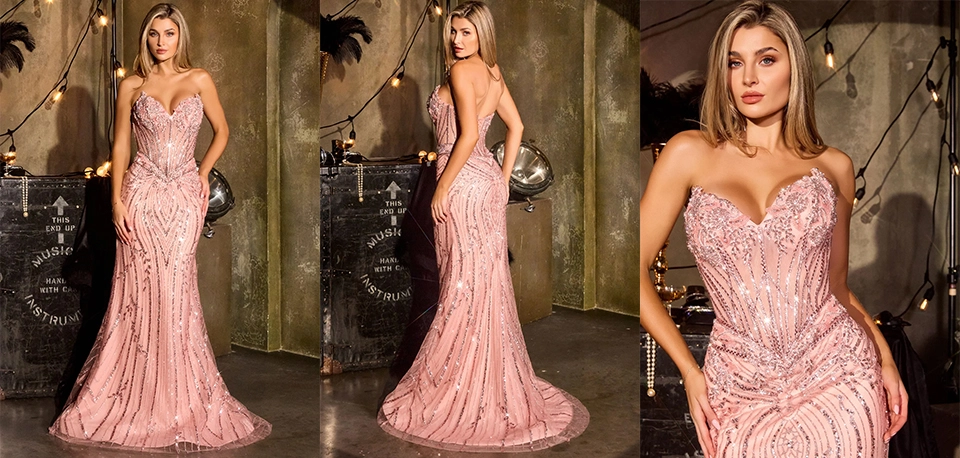
Mermaid Cocktail Dress Fitting Challenges During Production
The mermaid cocktail dress is recognized for its fitted silhouette through the body and dramatic flare near the hem. We usually see this style developed for evening collections that focus on a closer fit and stronger body shape.
For production, the challenge is maintaining the balance between body shaping and wearing comfort. Accurate pattern adjustment around the waist, hips, and flare area is important because small fitting differences can affect the final silhouette.
Key Design Features
- Close-fitting bodice construction
- Defined waist shaping
- Flared skirt extension
- Optional boning or structured support
Common Fabrics
| Fabric | Effect |
|---|---|
| Satin | Smooth luxury appearance |
| Velvet | Rich evening feeling |
| Stretch crepe | Better movement and comfort |
| Lace | Romantic premium look |
Manufacturing Notes
Mermaid styles usually require more fitting adjustments compared with relaxed silhouettes. During sampling, we normally review hip fitting, flare balance, zipper placement, and fabric recovery before bulk production. For some stretch fabrics, the flare area may lose shape after repeated fitting tests, so we usually adjust the pattern and fabric support before approval.
3. High-Low Cocktail Dresses
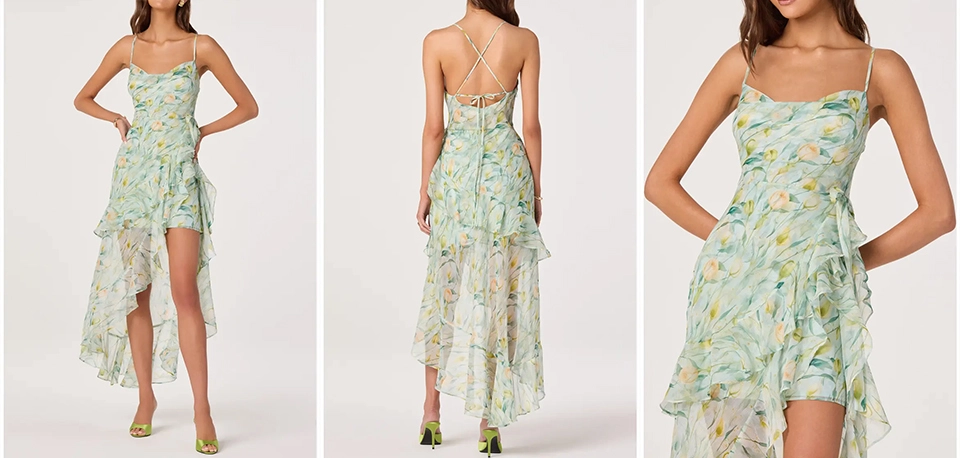
High-Low Hem Balance and Production Control
High-low cocktail dresses combine a shorter front hem with a longer back silhouette, creating both movement and elegance. This style is popular for outdoor weddings, summer events, and modern occasionwear collections.
High-Low Hem Design and Production Considerations
The main challenge is maintaining a balanced hem shape. The front and back length ratio, fabric weight, and drape all influence how the dress moves.
Suitable Fabrics
- Chiffon for flowing movement
- Tulle for layered volume
- Satin for a cleaner structured effect
Why Brands Develop This Style
Compared with full-length gowns, high-low styles are easier to wear and are often selected for outdoor events and seasonal collections.
4. Sequin Cocktail Dresses
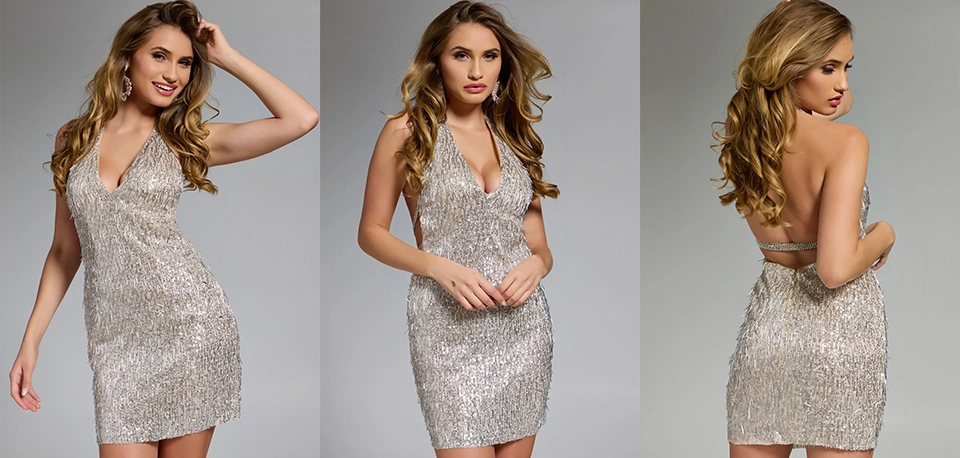
Sequin Cocktail Dress Features and Design Details
Sequin cocktail dresses create strong visual impact through reflective surface details. They are commonly used for holiday collections, nightlife fashion, and premium partywear.
What We Check During Sequin Dress Production
In bulk production, sequin dresses need additional checks because the decoration changes the garment weight. We usually confirm the lining construction and sewing method during sampling, especially around zipper areas and seams where sequins may affect the stitching process.
Heavy embellishments require closer inspection during sampling because they can influence garment weight, sewing difficulty, and wearing comfort.
5. Lace Cocktail Dresses
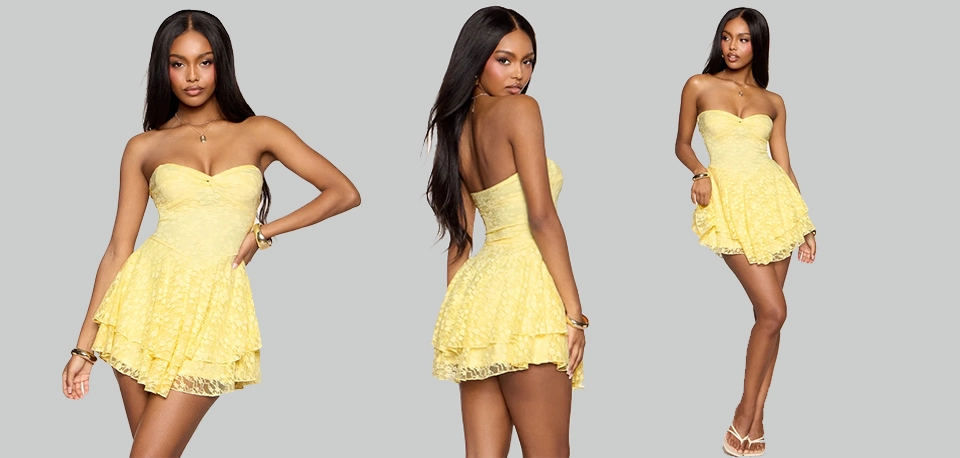
Managing Lace Placement and Sewing Accuracy
Lace cocktail dresses combine feminine texture with elegant appearance. Lace can be used as the main fabric or applied as decorative panels, sleeves, and neckline details.
Manufacturing Details
During production, we focus on:
- Lace pattern matching
- Seam finishing
- Lining attachment
- Stretch control
Different lace types create different results:
| Lace Type | Appearance |
|---|---|
| Floral lace | Romantic |
| Guipure lace | Structured |
| Stretch lace | Comfortable fitting |
| Embroidered lace | Premium detail |
6. Satin Cocktail Dresses
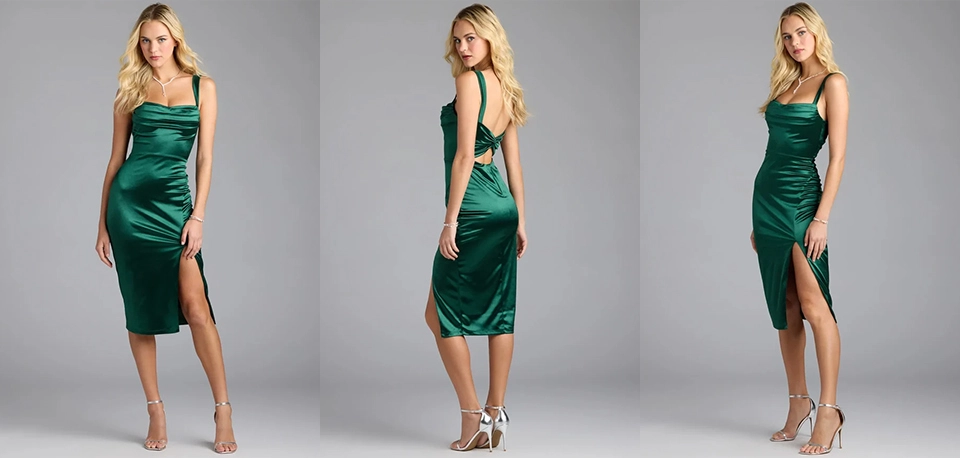
Satin Cocktail Dresses: Fabric Performance and Production Notes
Satin remains one of the most popular fabrics for cocktail dresses because of its smooth surface and elegant shine.
For manufacturers, satin requires careful handling because fabric tension, pressing temperature, and cutting direction can influence the final appearance.
Common Satin Styles
- Satin slip cocktail dress
- Satin draped dress
- Satin one-shoulder dress
- Satin bodycon cocktail dress
For satin styles, we often adjust the cutting direction after checking the fabric surface under factory lighting.
7. Tulle Cocktail Dresses
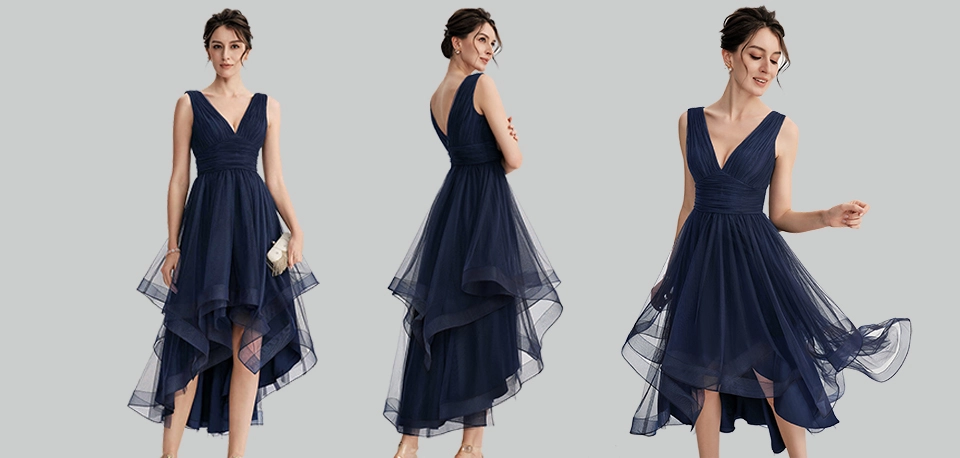
How We Control Tulle Layers During Production
Tulle creates lightweight volume and a romantic appearance. It is often used for layered skirts, overlays, sleeves, and decorative details.
Manufacturing Focus
Tulle production requires:
- Layer control
- Seam reinforcement
- Proper lining
- Careful pressing
Fabric behavior
Tulle layers need proper control during cutting and sewing because excessive layers can affect garment weight and movement. During sampling, we normally check the balance between volume and comfort, especially for multi-layer skirts.
8. Beaded Cocktail Dresses
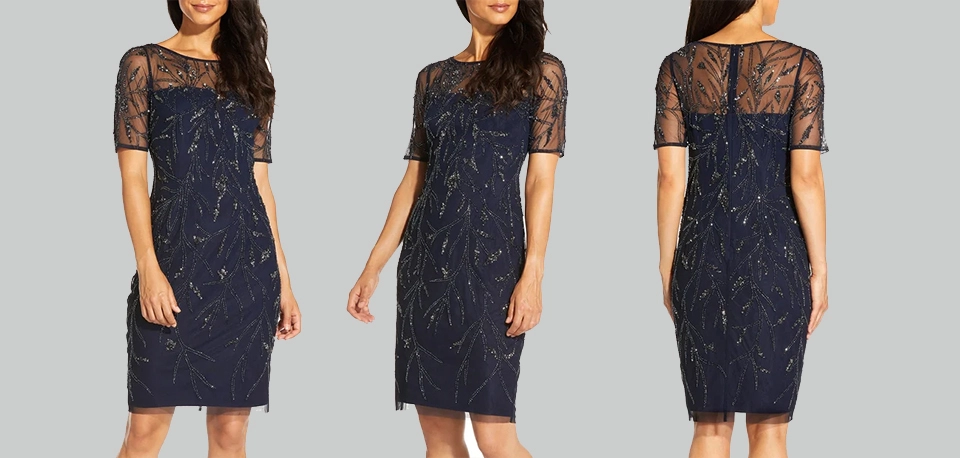
Beaded Details and Production Requirements
Beaded cocktail dresses rely on craftsmanship and decorative details. Beading can transform a simple silhouette into a luxury occasionwear piece. Adding beads changes not only the appearance but also the production process, because the extra weight and handwork need to be considered during development.
Production Considerations
During beaded dress production, we usually check bead attachment strength, because loose embellishment can create quality issues during transportation or customer wear.
For heavily beaded styles, we usually confirm the garment weight before bulk production because additional decoration can affect hanging shape and customer comfort.
9. Black Cocktail Dresses
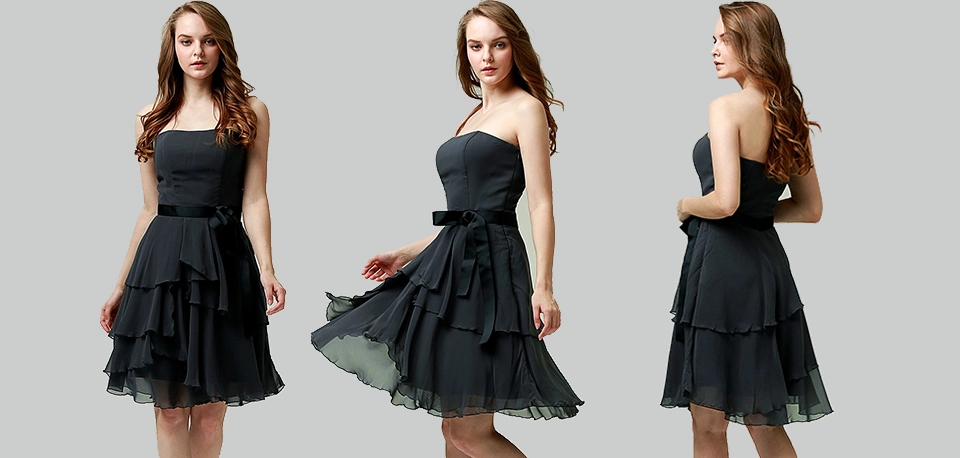
Black Cocktail Dresses in Commercial Occasionwear Collections
Black cocktail dresses are often included in basic occasionwear collections because they have wider market acceptance.
From a production perspective, black fabrics require attention to shade consistency, especially when different fabric batches are used for the same collection.
Satin creates a luxury appearance, velvet works well for winter collections, while lace details add a softer feminine direction.
Brands often develop black dresses using different fabrics and details:
- Satin for luxury
- Lace for romance
- Velvet for winter collections
- Sequins for partywear
10. Printed Cocktail Dresses
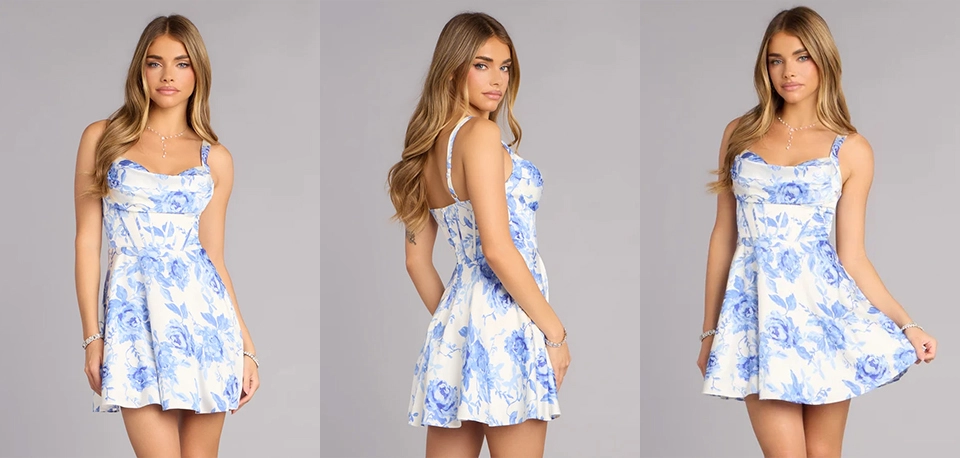
Printed Cocktail Dresses: Pattern Placement and Production Notes
Printed designs allow brands to create seasonal collections with stronger visual identity.
Production depends on:
- Print accuracy
- Pattern placement
- Fabric compatibility
- Color consistency
Common printing methods:
- Digital printing
- Screen printing
- Sublimation printing
11. Puff Sleeve Cocktail Dresses
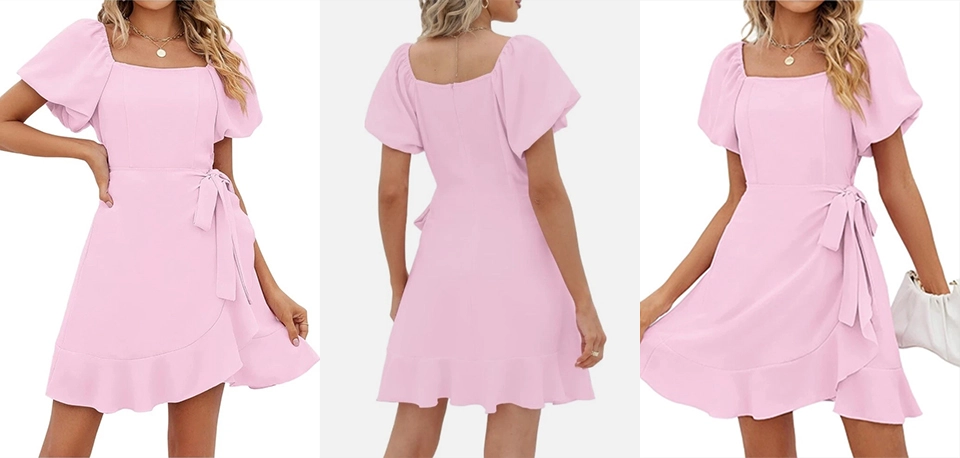
Puff Sleeve Construction Notes From Our Production Experience
Puff sleeve cocktail dresses require careful balance between volume and comfort. During development, we check sleeve proportion, arm movement, and fabric support because excessive volume may affect wearing comfort. Fabrics with more structure can hold the sleeve shape better, while softer fabrics create a more relaxed appearance.
The sleeve shape depends on:
- Sleeve pattern
- Fabric stiffness
- Gathering ratio
- Shoulder support
For larger puff sleeves, we normally check whether the sleeve can keep volume after pressing and packing.
12. Cut-Out Cocktail Dresses
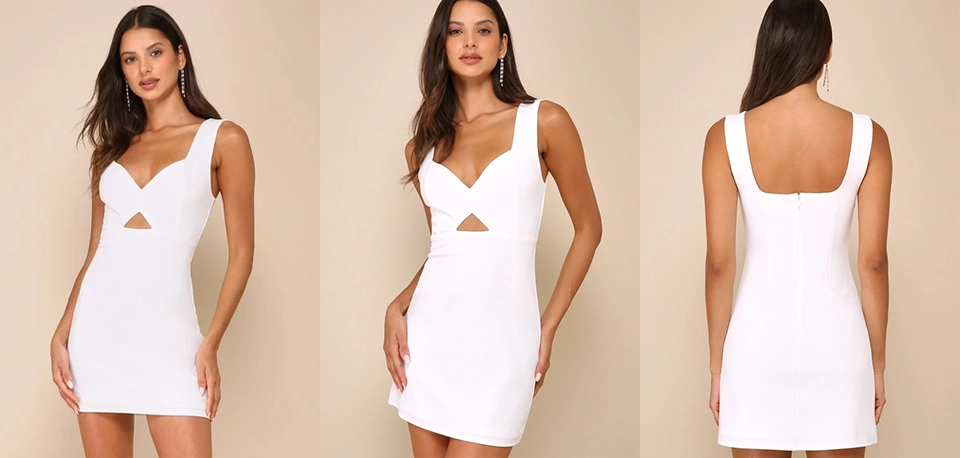
Key Production Points for Cut-Out Cocktail Dresses
Cut-out styles require careful consideration of support and garment stability. During development, we check whether the cut-out area can maintain the intended shape while providing enough comfort. For fabrics with stretch, reinforcement methods and lining structure are reviewed during sampling to avoid deformation during wear.
Common placements:
- Waist cut-outs
- Back cut-outs
- Shoulder cut-outs
- Side cut-outs
During production, we check:
- Support structure
- Seam reinforcement
- Lining placement
13. Lace Insert Cocktail Dresses
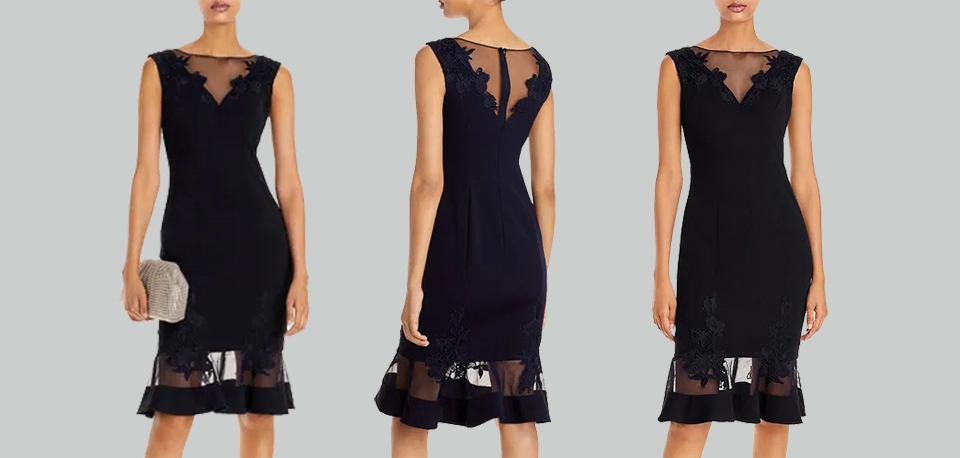
Lace Matching and Sewing Details
Lace insert designs offer controlled transparency and decorative detail without using full lace construction.
Common applications:
- Waist panels
- Sleeve inserts
- Back details
- Neckline accents
14. Tiered Cocktail Dresses
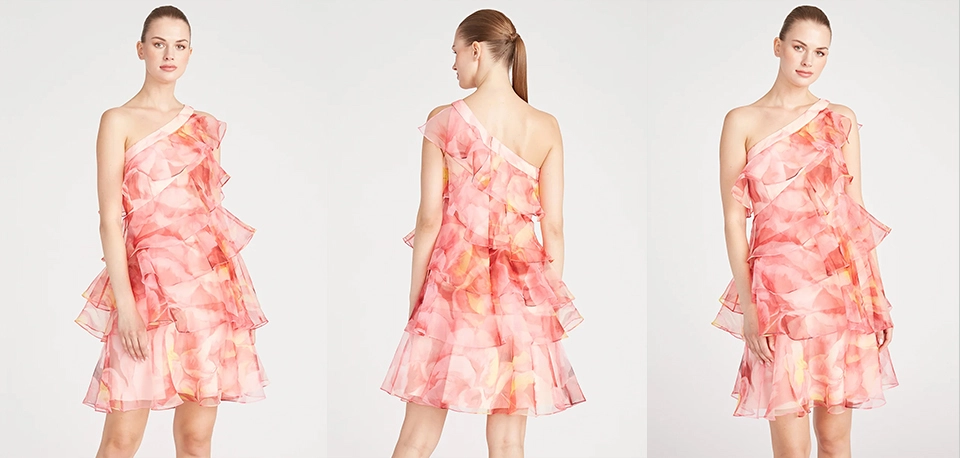
Tiered Cocktail Dress Features and Design Details
Tiered dresses create movement through multiple fabric layers. We often see brands develop for romantic, feminine, and seasonal collections.
Production depends on:
- Tier proportion
- Fabric weight
- Gathering control
- Layer balance
Multi-layer skirts require careful fabric calculation because each additional tier changes fabric consumption and sewing time.
15. Velvet Cocktail Dresses
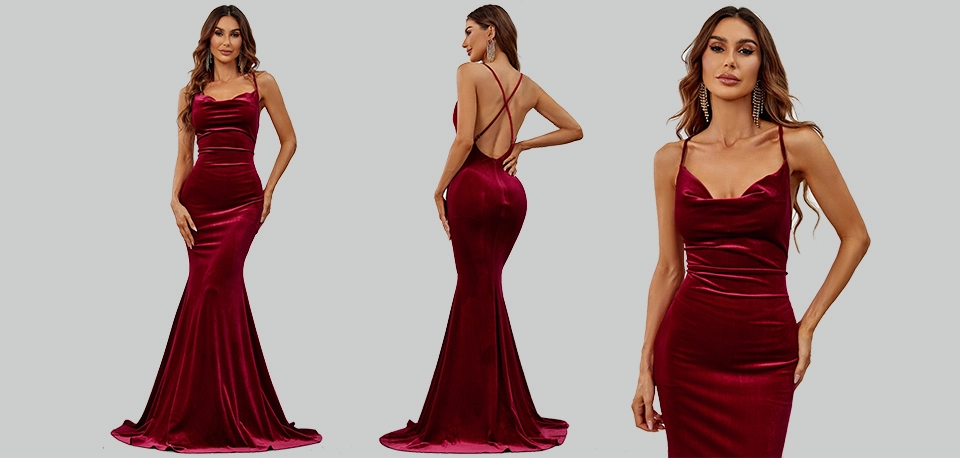
Velvet Cocktail Dresses: Managing Fabric Direction and Appearance
Velvet cocktail dresses create a luxurious appearance through their soft texture and rich color depth.
Popular colors:
- Emerald green
- Burgundy
- Navy
- Black
Why Velvet Requires More Production Control
In velvet production, our operators need to control the cutting direction carefully. Since velvet has a visible nap, reversing fabric direction between panels may create different shades under light.
How We Produce Cocktail Dresses for Fashion Brands

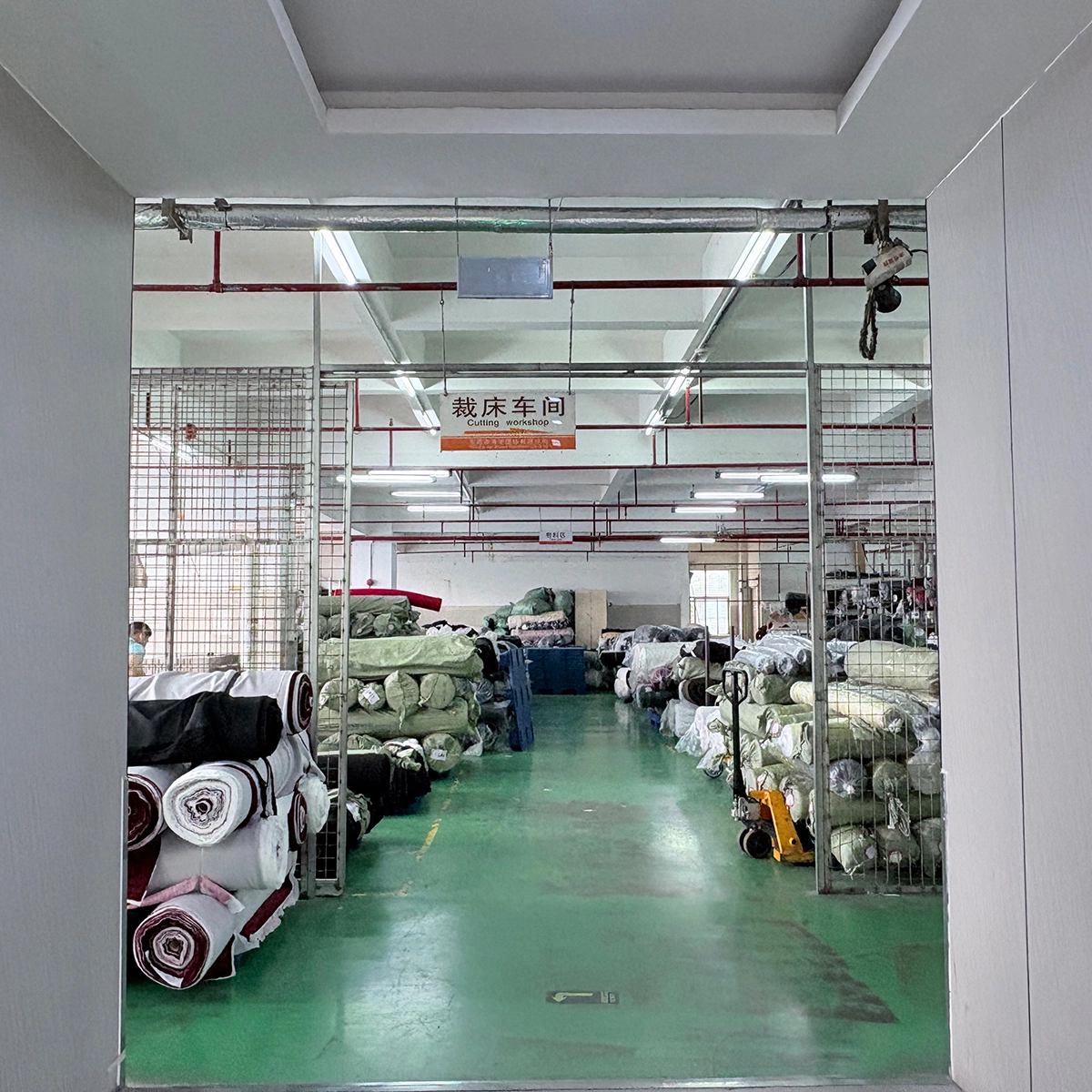
Fabric Warehouse
Before production starts, our team checks each fabric roll and records the material details. We confirm the fabric condition, color, and batch information to make sure the materials are ready for OEM and ODM orders. The fabric team records incoming materials before production scheduling begins.
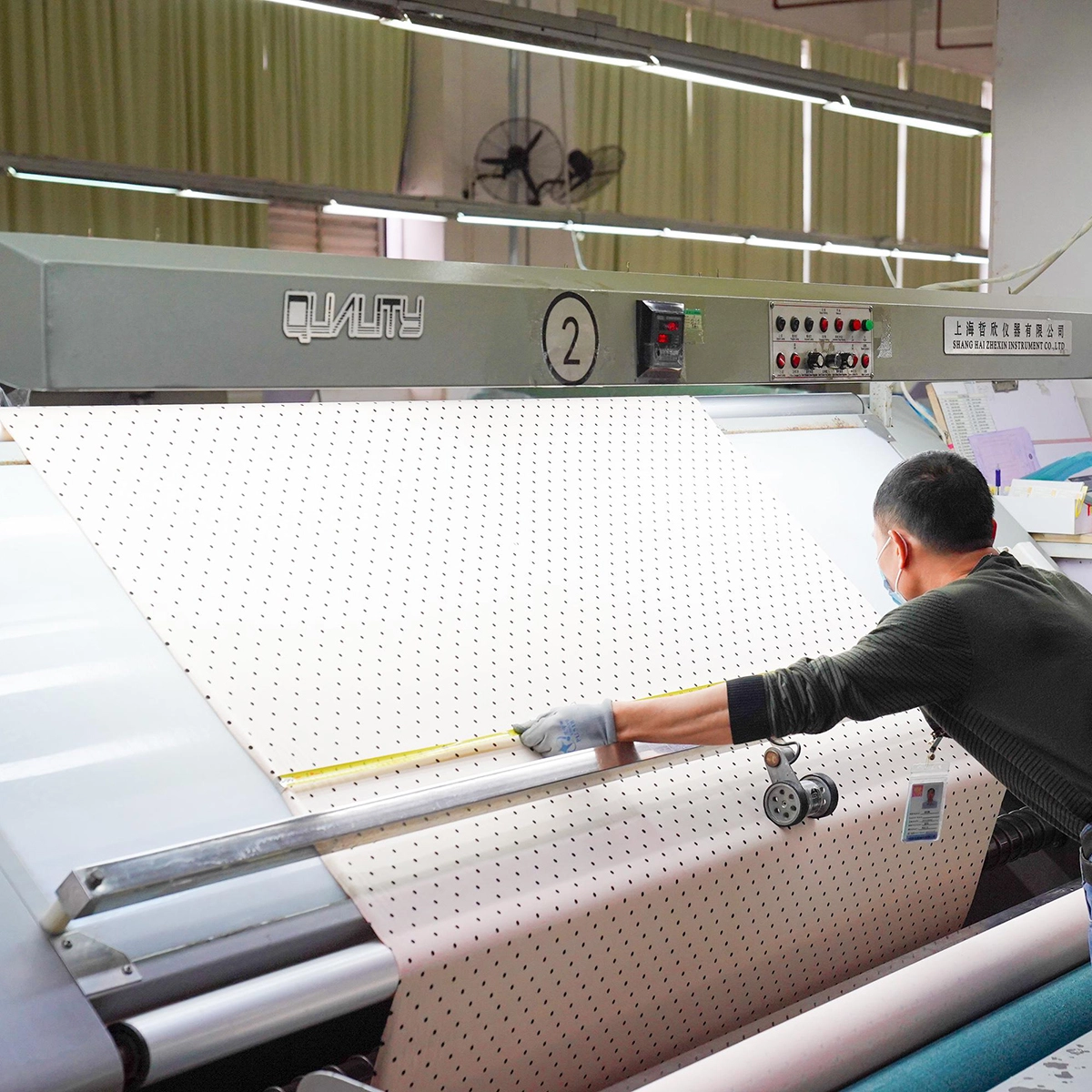
Fabric Inspection
Before cutting begins, our QC team inspects every fabric roll using the Four-Point Fabric Inspection System. We check shade differences, fabric condition, and surface issues to make sure materials are ready for production. This step is especially important for fabrics with satin, silk, or delicate surfaces, where small defects can affect the final appearance of the garment.
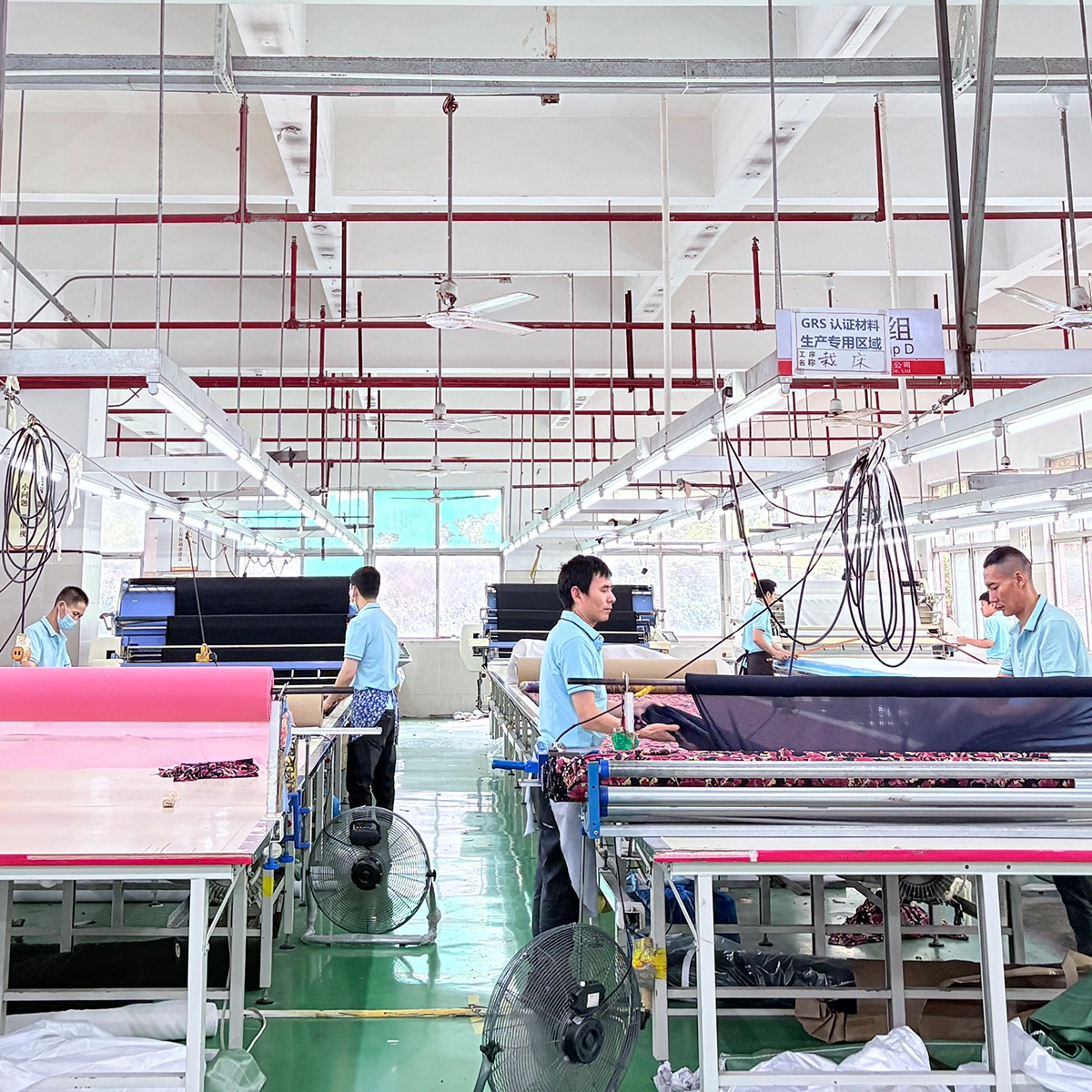
Cutting Process
Before cutting, our team checks the approved pattern, fabric shrinkage information, and marker layout. For satin and delicate fabrics, small cutting differences can affect the final fitting and appearance.
Sewing Line
Skilled sewing operators assemble garments according to approved samples, patterns, and production requirements. Quality checks during the sewing process help control stitching details and maintain consistent workmanship across bulk production.
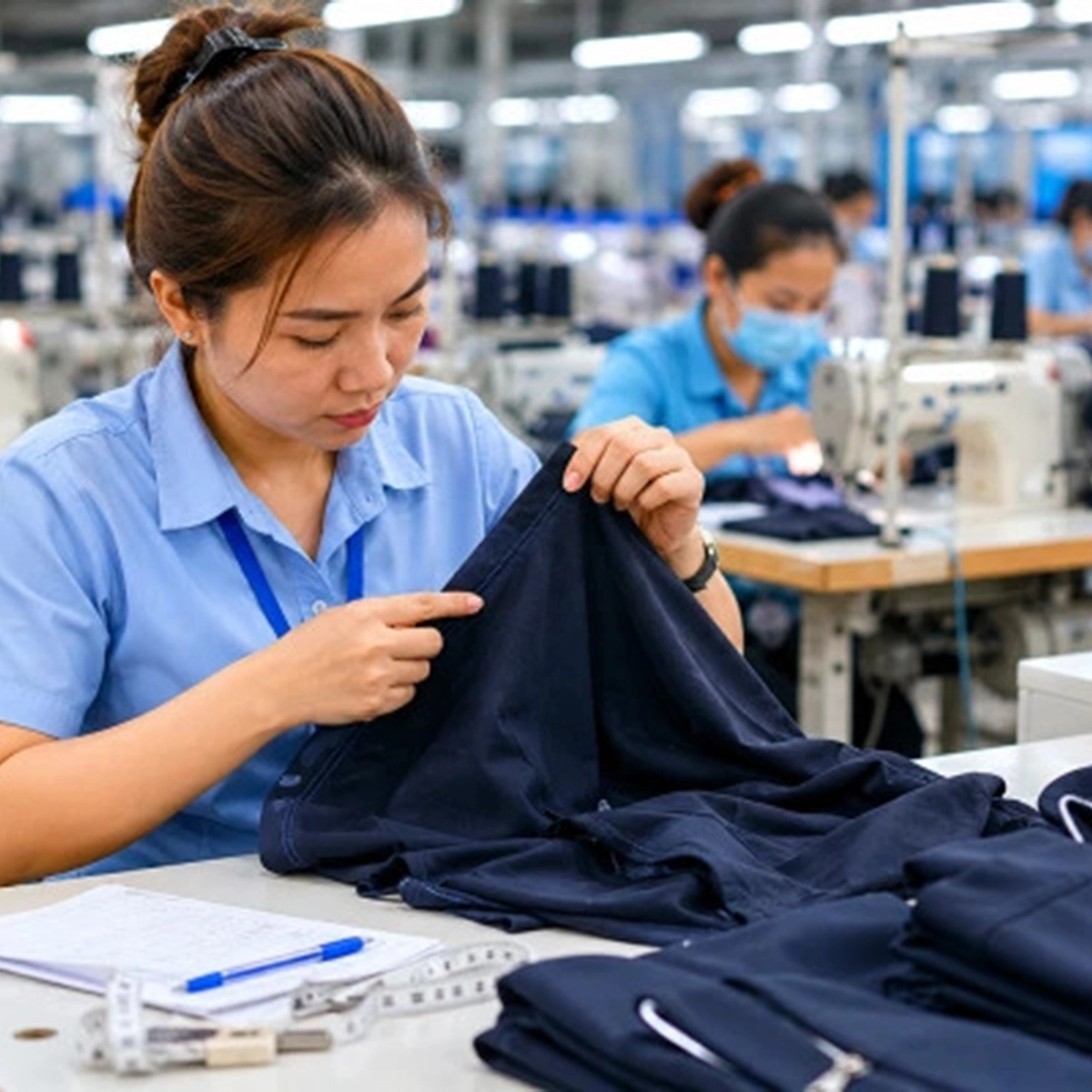
In-line Inspection
From sewing to finishing, our QC team checks garment details, measurements, and workmanship during production. These inspections help reduce rework and maintain stable quality throughout bulk manufacturing.
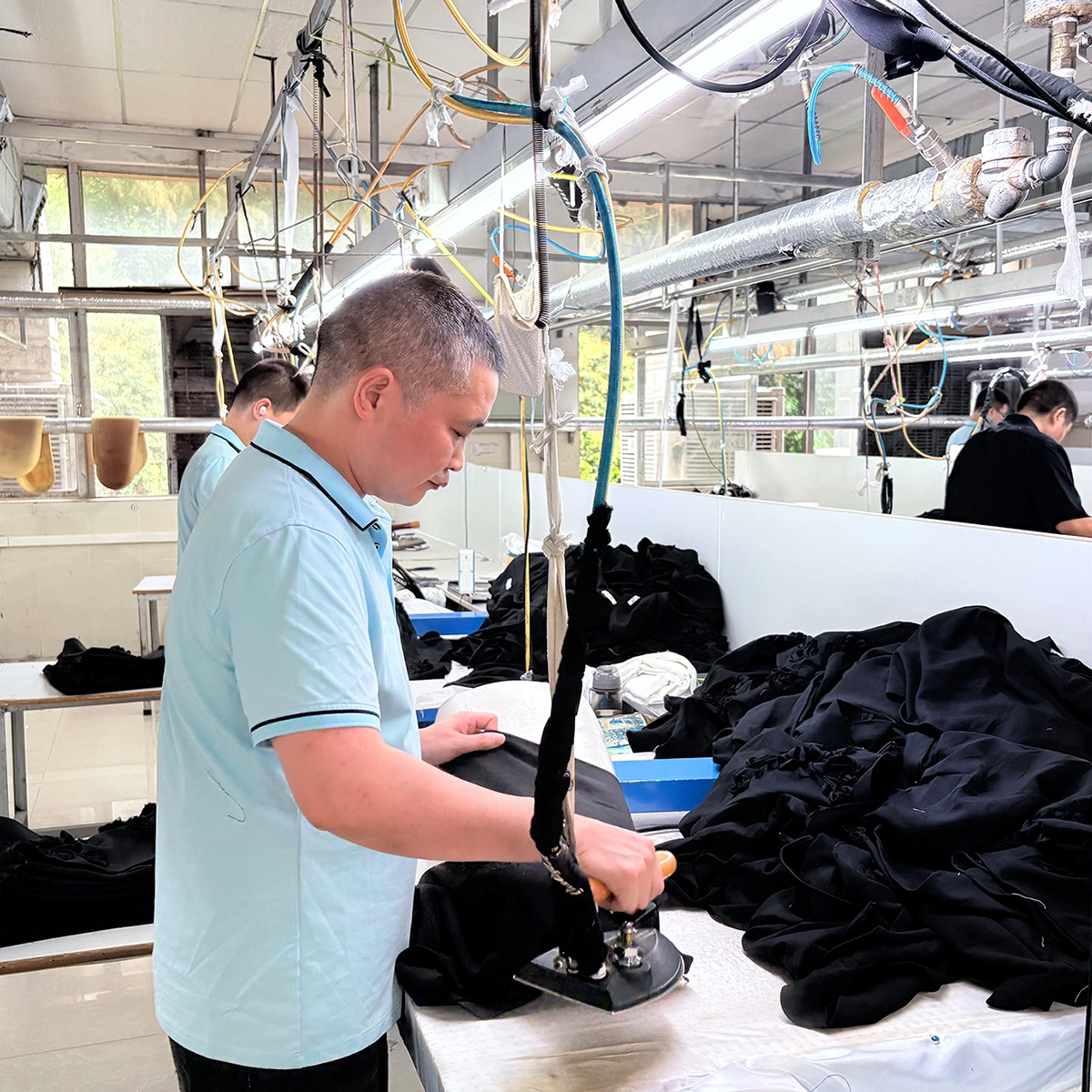
Final Pressing
After production, garments receive a final pressing to smooth seams, adjust key areas, and improve the final look. The team then checks garment details before packing and shipment.
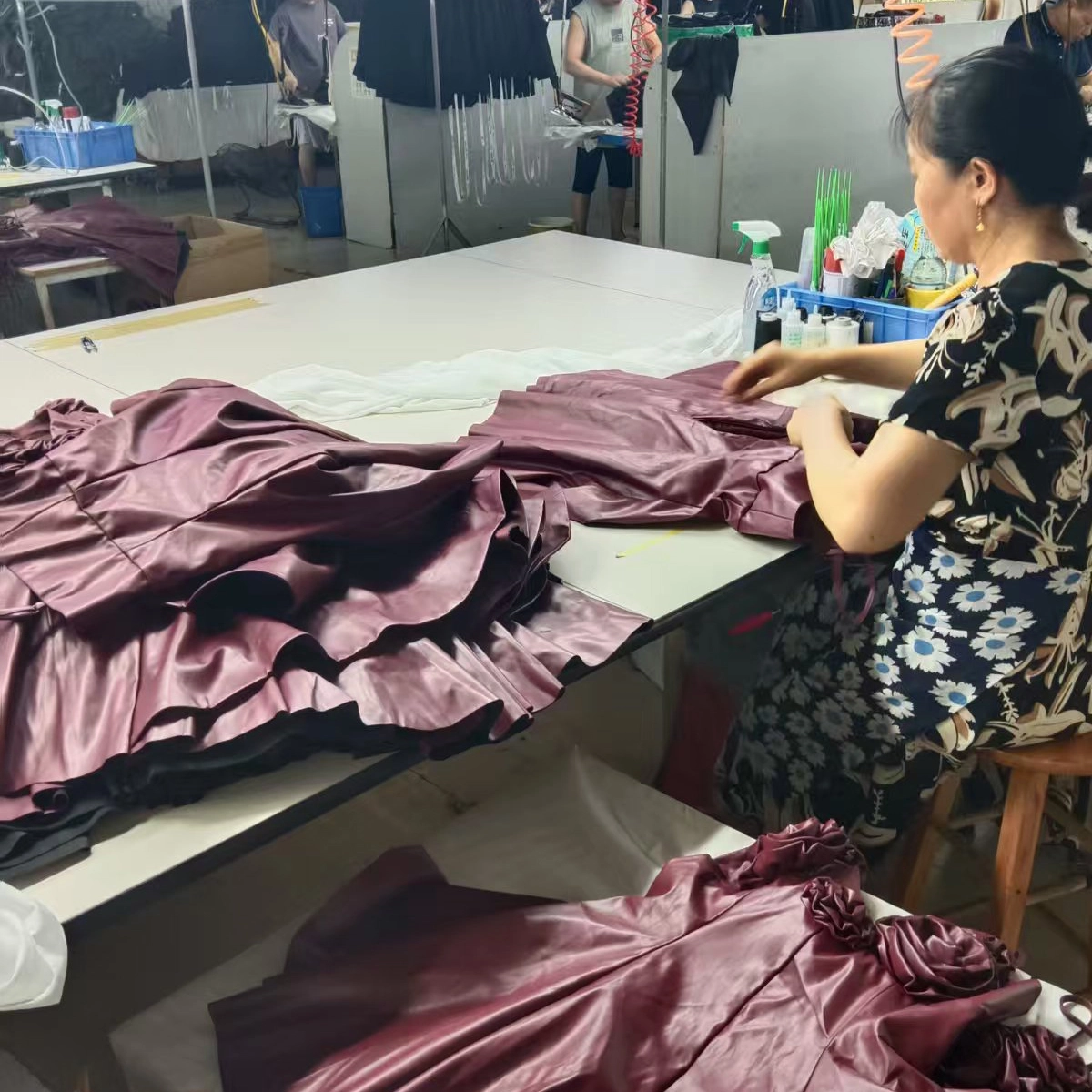
Final Inspection
Before loading, our QC team checks finished garments for size, stitching quality, finishing details, labels, and packing condition. Any issues found during inspection are corrected before shipment.
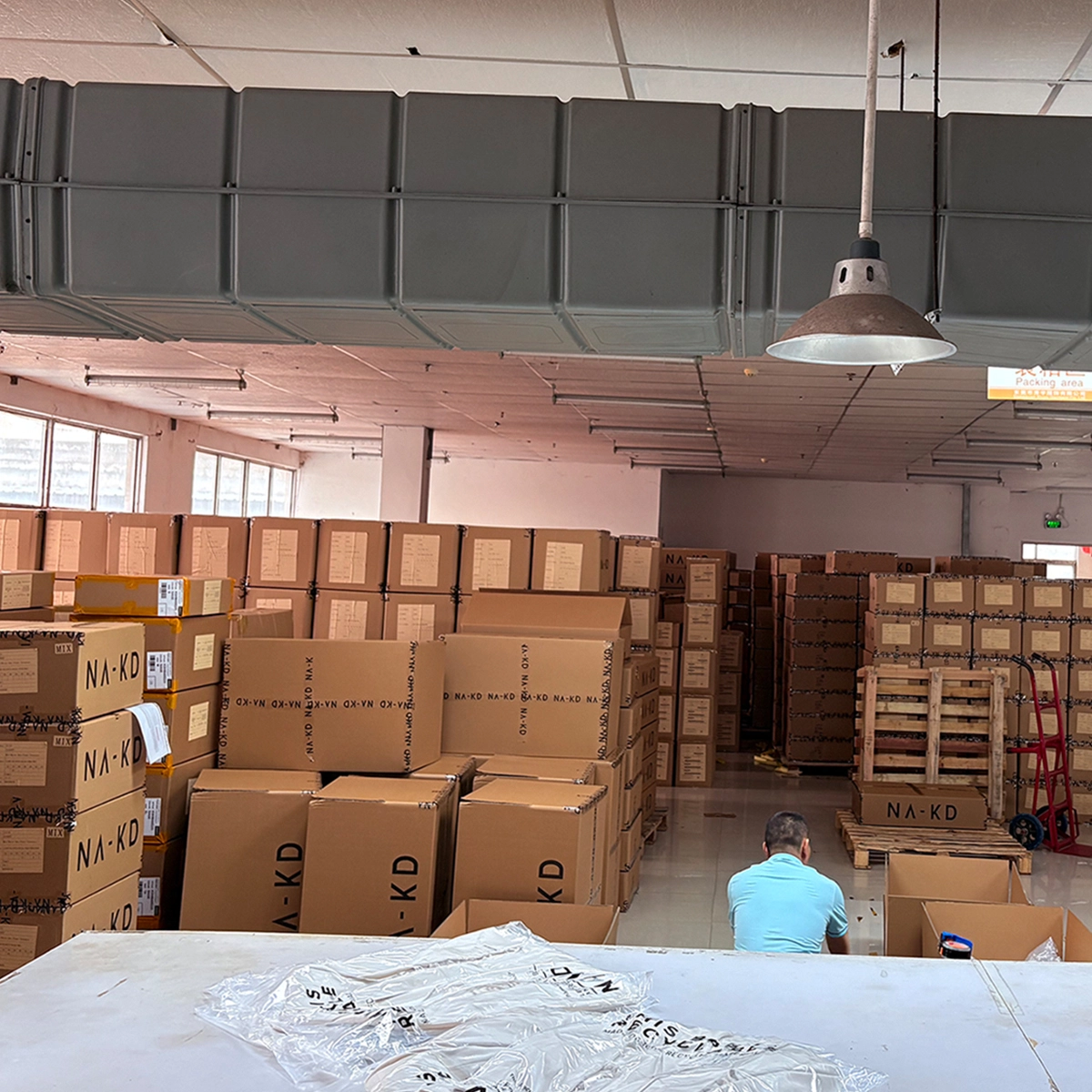
Finished Products
Finished garments are sorted and counted before shipment according to the approved order details. Our team checks quantities, labels, and packing details to make sure each shipment matches customer requirements.
Sample Development Before Bulk Production
Before moving into bulk production, sample development is an important stage for reviewing the design, construction, and production feasibility of a cocktail dress. In many cases, the first design idea needs adjustments after checking fabric behavior, garment structure, and fitting results. Our team works with brands during the sampling stage to review details and solve potential issues before production starts. For brands working with a cocktail dress manufacturer, sample accuracy is critical before bulk production.
Tech Pack Review
Before making the first sample, our pattern and production teams review the tech pack carefully, including measurements, construction details, fabric information, trims, and finishing requirements.
For cocktail dresses with special details such as ruffles, draping, lace panels, or structured silhouettes, we check whether the design can be achieved with the selected materials and whether any adjustments are needed for production.
Pattern Adjustment
Based on the design requirements and fabric characteristics, our pattern team develops and adjusts the garment pattern before sampling.
Different fabrics require different pattern considerations. For example, satin needs attention to drape and cutting direction, while stretch fabrics require control of fitting and recovery. Small pattern changes during this stage can help avoid fitting problems during bulk production.
First Sample Development
The first sample is developed based on the approved design information and selected materials. During this stage, we check the overall silhouette, construction details, sewing methods, and fabric performance.
For cocktail dresses, details such as neckline shape, waist position, skirt volume, sleeve structure, and decoration placement are reviewed carefully because they directly affect the final appearance.
Fit Correction
After the first sample is completed, fitting feedback is collected and necessary adjustments are made.
Our team usually checks key areas including bust fitting, waist position, hip shape, length, and overall balance. For fitted styles such as mermaid or bodycon cocktail dresses, even small measurement changes can influence the final silhouette.
Pre-Production Sample Approval
Before bulk manufacturing begins, the pre-production sample is reviewed and approved as the production reference.
The approved sample helps the production team follow the confirmed details, including fabric, measurements, workmanship, and finishing standards. This step reduces unnecessary changes during bulk production and helps maintain consistency between samples and final orders.
Our Cocktail Dress Manufacturing Capability
With over 18 years of experience in dress manufacturing, we have developed a complete production process from fabric preparation and sample development to bulk production and shipment. During each project, our team works closely with clients to review fabric performance, adjust patterns, confirm samples, and solve production issues before moving into larger quantities.
Many new brands start with one or two styles before expanding into larger collections after market feedback. After the style and fitting are confirmed, repeat orders can be arranged based on sales performance. During the development stage, our team can also assist with fabric sourcing, pattern adjustment, and sample refinement based on the brand’s target market.
- 150,000+ Pieces Monthly Production Capacity
- 750+ Skilled Workers
- 500+ Sewing Machines
- Low MOQ Support Starting From 50–100 Pieces
Over the years, we have produced garments for customers in Europe, North America, Australia, and other international markets. Whether a client comes with a complete tech pack or only an initial design idea, we help manage the development process and develop designs into garments ready for bulk production with consistent workmanship.
Conclusion
In Part 1, we introduced classic cocktail dress silhouettes including A-line, wrap, sheath, and other popular designs. Together, these two articles provide a complete overview of cocktail dress styles and production considerations.
In this article, we covered additional cocktail dress styles including ruffle, mermaid, sequin, lace, satin, velvet, and embellished designs. Each style requires different approaches in fabric selection, pattern development, and production control.
As an experienced cocktail dress manufacturer, Xiuyu Apparel works with fashion brands, boutiques, and private label companies from initial development to bulk production. Our team helps manage fabric selection, fitting adjustments, sample development, production, and final inspection throughout the manufacturing process.
Explore More Dress Manufacturing Solutions