

What Are the Biggest Dress Trends for 2027?
If you are planning a 2027 dress collection, the hard part is not finding a list of trends. It is deciding which ones make sense for your customers, target price and production setup.
From a clothing manufacturer’s side, a trend also has to work beyond the sketch. The fabric, pattern, construction and sampling process all affect whether a style can move into repeat production without creating avoidable problems.
2027 Dress Trends Worth Watching
| Dress Trend | Where It Fits | Fabric Direction | What Needs Attention |
|---|---|---|---|
| Structured Bodycon | Party, clubwear, going-out | Stretch jersey, ponte, stretch satin | Fit and recovery |
| Puff Sleeves | Boutique, party, occasionwear | Poplin, cotton, chiffon, satin | Volume and gathering |
| Halter Dresses | Party, evening, resort | Satin, crepe, chiffon | Neckline and back fit |
| Corset Details | Party, formal, occasionwear | Satin, taffeta, structured fabrics | Panels and internal support |
| Sheer Layers | Party, evening, fashion collections | Mesh, chiffon, organza | Transparency and lining |
| Satin Dresses | Evening, cocktail, party | Satin, silk blends | Slippage and pressing |
| Draped and Ruched Dresses | Cocktail, evening | Jersey, crepe, satin | Fabric direction and gathering |
| Statement Sleeves | Boutique and fashion-led collections | Chiffon, organza, cotton | Weight and shape retention |
You do not need every trend in your collection. The more useful approach is to identify the styles that fit your customer and then check whether the production requirements make sense before you commit to them.
1. Bodycon Dresses Are Moving Toward More Controlled Fits
Bodycon is already a familiar category, so simply making a dress tighter does not give you much room to differentiate.
For 2027 collections, you can create more interest through panel lines, shaped waists, asymmetric necklines, longer lengths or more controlled fabric recovery. The silhouette still feels fitted, but the construction does more of the work.
When developing this type of dress, start with the fabric rather than the finished measurements. A fabric can have plenty of stretch during cutting and still lose recovery after wear. If that happens, the finished waist or hip measurement may change more than expected.
The pattern also needs to be developed around the actual fabric rather than a generic size chart. Bust, waist and hip areas may require different treatment depending on the fabric’s stretch and weight.
For the first sample, pay particular attention to:
- Stretch and recovery
- Bust and hip fit
- Waist shaping
- Seam placement
- Fabric thickness
- Lining
- Closure construction
A fitted dress leaves little room for construction errors. A slight problem at the side seam or hip can be much more visible than it would be on a loose silhouette.
Related: Bodycon Dress Manufacturer
2. Puff Sleeves Give Familiar Silhouettes a New Direction
Puff sleeves are useful when you want to change the appearance of a dress without creating an entirely new body pattern.
The same sleeve can change the look of an A-line, mini, midi or fitted dress without changing the whole collection concept. For a smaller brand, this can also make it easier to build several related styles from a similar base.
The finished volume depends heavily on the fabric, gathering ratio and sleeve-head construction.
Chiffon will give the sleeve a softer fall, while poplin or cotton will hold more volume. Satin needs a little more care because its weight, surface and drape can change how the gathers settle after sewing.
The sleeve pattern needs to be considered together with the armhole. If you add too much volume without adjusting the rest of the construction, the sleeve can pull on the bodice or feel heavy when worn.
During sampling, check:
- Gathering ratio
- Sleeve-head shape
- Armhole fit
- Cuff opening
- Fabric weight
- Sleeve length
- Balance between sleeve and bodice
One mistake is to judge a puff sleeve from the sketch alone. A sleeve that looks structured on paper may become softer in chiffon or much fuller in poplin, even with a similar pattern. The fabric weight and gathering ratio need to be checked during sampling.
Related: Puff Sleeve Dress Manufacturer
3. Halter Dresses Put More Work Into the Upper Body
A halter neckline can change the character of a dress without requiring a complicated skirt. That makes it useful for partywear, eveningwear and resort collections.
But the neckline has to work when the wearer moves.
Fit becomes more difficult once the wearer starts moving. A narrow strap may not give enough support, while a deep back opening can make the fit harder to control. Tie-back construction gives you some adjustment, but it also changes how the dress sits on different body shapes.
Halter styles can be developed with different strap and back constructions:
- Fixed straps
- Tie-back necklines
- Wide halter bands
- Deep V shapes
- Open backs
- Adjustable closures
- Decorative hardware
Fabric choice also changes how the finished halter sits and moves. Satin gives the style a fluid look, while crepe has more body. Lightweight chiffon may need extra lining or support around the neckline and bust.
During sampling, check the neckline on a person rather than relying only on a mannequin or flat table. Strap length, bust coverage and back position can change noticeably once the wearer moves, sits or raises her arms.
Related: Halter Dress Manufacturer
4. Corset Details Are Being Used Beyond Traditional Corset Dresses
Corset construction can now be used as a detail rather than the entire identity of the dress.
Shaped panels, visible seam lines, boning and structured bodices can be worked into mini dresses, evening dresses, party styles and fitted occasionwear.
Boning, cups and internal support need to be built into the pattern from the start. They affect the panel shape, seam allowance and lining, so adding them after the outer pattern has been finalized can create fit and construction problems.
Before sampling, define:
- Panel placement
- Boning position
- Cup construction
- Lining
- Closure
- Bust and waist measurements
- Seam allowances
The outside of a corset dress can look quite simple. Inside, there may be considerably more work than a standard fitted bodice.
The grading becomes more difficult when the style moves into multiple sizes. A structured bodice needs to be graded carefully because increasing every measurement by the same amount does not necessarily preserve the original fit.
Related: Corset Dress Manufacturer
5. Sheer Layers Are Becoming More Intentional
Sheer fabrics are not limited to fully transparent dresses. Mesh, chiffon and organza can be used for sleeves, overlays, panels and selected areas of a dress when full transparency is not the goal.
The amount of transparency needs to be decided at the pattern and lining stage, particularly around the bust, skirt and high-friction areas. Lining color can also change the appearance considerably, particularly with pale or bright fabrics.
A sheer dress may require:
- Partial lining
- Full lining
- Double layers
- Matching or contrast lining
- Clean edge finishing
- Reinforced seams
- Controlled fabric placement
Fabric consumption can also increase when you use several layers or need to match specific sections.
One thing we check during development is how the fabric looks after it is layered and placed on the garment, rather than judging transparency from a loose swatch or light-colored sample board. Lining color, the number of layers and tension around the body can all change the finished appearance.
Related: Chiffon Dress Manufacturer
6. Satin Remains Important for Evening and Party Dresses
Satin continues to work across several dress categories because the same fabric can support very different silhouettes.
It works across slip dresses, halter dresses, draped styles, bodycon dresses and simple evening silhouettes, although each construction handles the fabric differently.
The problem is that satin also shows production mistakes easily.
A slippery fabric can shift during cutting. Poor handling during pressing can leave marks. Seams may pucker, and a zipper can create visible waves if the surrounding construction is not stable.
When comparing satin fabrics, color and surface appearance are only the starting point. We would also look at:
- Fabric weight
- Drape
- Slippage
- Shrinkage
- Surface marks
- Seam behavior
- Pressing response
- Lining requirements
Silk satin and polyester satin should not be treated as interchangeable simply because they look similar in photographs. Their behavior during cutting, sewing and pressing can be quite different.
Related: Satin Dress Manufacturer
7. Draping and Ruching Add Shape Without Heavy Embellishment
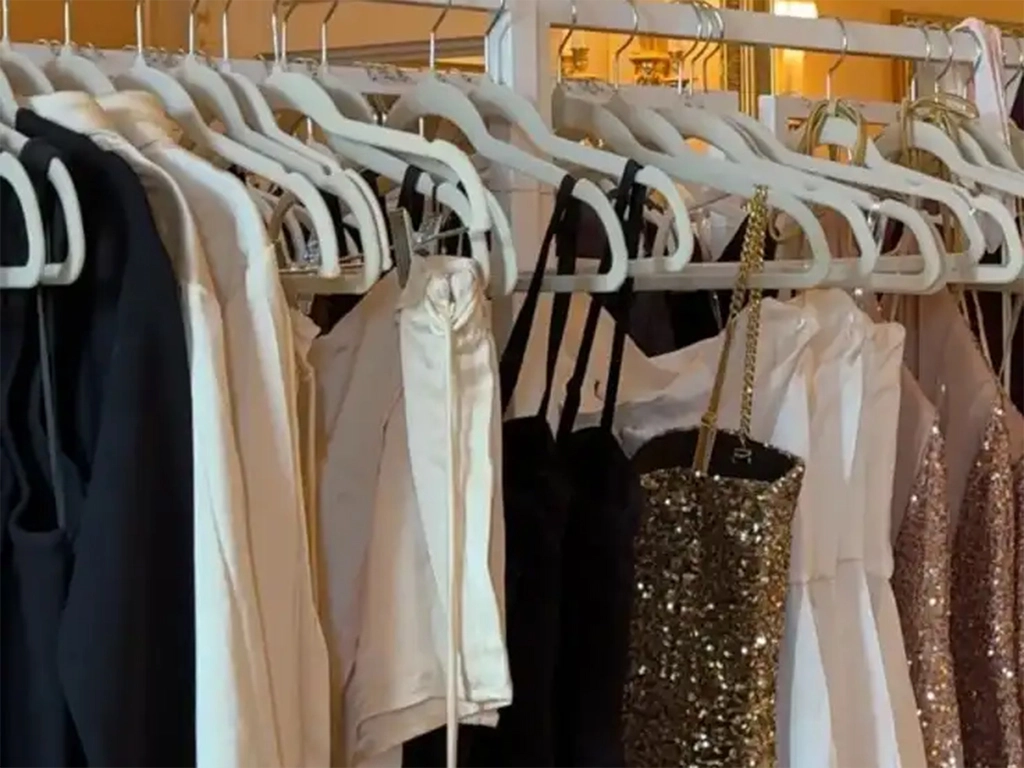
Draping and ruching give you another way to create visual interest without adding embroidery, sequins or complicated surface decoration.
Ruching can sit at the waist, side seam, bust or hip, with each placement changing how the fabric gathers around the body.
Fabric direction has a direct effect on how the gathers sit and how much bulk appears around the body.
The amount of gathering needs to match the fabric and the intended fit. Too much can add bulk around the body, while too little may not give the ruching enough visual definition. Stretch recovery also affects how the gathers look after wear.
During development, check:
- Grain direction
- Gathering amount
- Fabric recovery
- Seam position
- Finished length
- Pattern balance
- Internal support where needed
Jersey, satin and chiffon will handle the same ruching pattern differently. The fabric has to be considered together with the pattern and construction, not chosen separately.
8. Statement Sleeves Can Refresh Commercial Dress Shapes
A statement sleeve can make a familiar dress look new without changing the whole silhouette.
A similar bodice can support several sleeve variations through changes in volume, length, cuffs, openings and gathering. This gives you more flexibility when building a collection around a small number of base silhouettes.
Sleeve weight becomes a bigger concern as the volume increases, especially when the fabric has little natural movement.
A large sleeve made from a heavy fabric can pull against the shoulder. A lightweight fabric may need additional volume to achieve the same visual effect.
The sample should be checked for sleeve weight, armhole depth, shoulder balance, cuff opening and ease of movement. Fabric recovery also matters when the sleeve is gathered or expected to hold a particular shape.
More volume is not always better. The sample needs to hold the intended shape while remaining comfortable to wear and practical to reproduce in bulk.
How Should You Choose the Right Dress Trends for Your Brand?
Start with the customer and target price rather than the trend itself. A style that works for an occasionwear brand may not make sense for a lower-priced boutique collection, even if the silhouette is currently popular.
For occasionwear, structured corsets, halters and draped dresses may fit the collection better than casual silhouettes. A boutique may need a mix of familiar commercial shapes and a few stronger statement styles.
Cost needs to be considered at the same stage. Additional panels, lining, hardware and hand-applied details add production time. If the retail price is already fixed, those construction choices need to be checked before the design is approved.
A practical collection can be divided into three groups:
Core Styles
These are the silhouettes customers already understand and are more likely to reorder.
Trend-Led Styles
These introduce stronger details such as puff sleeves, corset panels, cut-outs or unusual necklines.
Test Styles
These are less proven ideas that can be tested in limited colors or quantities before taking a larger production position.
What Should You Check Before Developing a 2027 Dress Trend?
A trend photograph does not tell you how the garment will behave in production.
Before you move a design into sampling, check the following.
Fabric and Repeat Production
If you expect a style to become a repeat order, check whether the fabric and key trims can be sourced consistently. A sample may work well with one fabric lot, but the production plan becomes harder if the material is difficult to replace or changes significantly between orders.
Target Cost
Look at the construction before changing materials simply to reduce cost. The number of panels, lining, trims and sewing operations can all affect the final price.
Pattern Complexity
Cut-outs, corset panels, asymmetric shapes and heavy draping can require more development work than they appear to from a finished photograph.
Size Grading
The first sample may look good in one size while creating problems in larger or smaller sizes. Fitted and structured dresses need particular attention during grading.

How Do You Turn a Trend Into a Production-Ready Dress?
You do not need a complete tech pack before discussing a new product with a dress manufacturer.
A sketch, reference garment, product photo, fabric swatch or early design idea can be enough to start. The missing details can be worked out as the sample develops, particularly once the fabric, construction and fit can be evaluated on the actual garment.
A typical development path looks like this:
Design Direction → Fabric Selection → Pattern Development → First Sample → Fit Review → Pattern Adjustment → PP Sample → Bulk Production
The first sample often reveals things that are difficult to see in a drawing.
A neckline may need more support. A fabric may not hold the intended shape. A sleeve may feel too heavy. A skirt may need more fabric than expected. A decorative detail may add more sewing time than the target cost allows.
These issues are easier to solve at the sample stage than after bulk cutting has started.
Fabric behavior, fit and construction may all need adjustment before the PP sample is approved.
What Are the Most Important Dress Trends for Different Product Categories?
The most useful trend depends on what you are selling.
| Your Product Focus | Trends Worth Testing |
|---|---|
| Party Dresses | Bodycon, halter, corset, satin |
| Evening Dresses | Draping, satin, one shoulder, sheer layers |
| Boutique Dresses | Puff sleeves, statement sleeves, ruching |
| Clubwear | Bodycon, cut-outs, halter, sheer |
| Occasionwear | Corset, draping, halter, structured silhouettes |
| Commercial Dresses | A-line, bodycon, slip, simple statement details |
You can also combine trends rather than treating them as separate products.
For example, a satin halter dress combines a fabric direction with a neckline trend. A puff sleeve mini combines silhouette, sleeve volume and length. A corset bodycon dress combines fit and internal structure.
Those combinations are often more useful for product development than chasing one trend in isolation.
FAQ
1. How many new trend styles should a small fashion brand develop at once?
For a smaller brand, it is often easier to manage a collection with a few proven silhouettes and a limited number of trend-led styles. You can then test customer response without putting too much fabric, color and inventory into one untested direction.
2. What if you have a design idea but no complete tech pack?
You can still start the discussion with a sketch, reference image, existing garment or product photo. What matters is explaining the parts that cannot be seen clearly, such as intended fit, fabric preference, target size range and important construction details. The missing specifications can be worked out during development.
3. How early should you think about packaging and private label requirements?
Earlier than many first-time buyers expect. Labels, hangtags, barcodes, individual packaging and carton requirements can affect production and packing. If you already know your branding requirements, include them when the product is being developed rather than adding them after bulk production is scheduled.
4. What happens if the first sample looks right but does not fit correctly?
Do not treat the first sample as the final production pattern. Fit problems are usually easier to correct before the PP sample is approved. Mark the problem areas clearly, such as bust, waist, armhole or length, then adjust the pattern and make another fitting sample when necessary.
5. How can you reduce inventory risk when testing a new trend?
Keep the first order focused. Limiting colors or testing a smaller quantity, where the order structure allows it, can reduce the risk of holding too much inventory. You can also build related styles from the same fabric or base pattern, rather than putting the whole collection behind one untested trend.
Conclusion
The 2027 dress trends that matter commercially are not necessarily the most dramatic ones. A bodycon, halter, puff sleeve or corset style still has to work with the fabric, fit, target cost and production process.
Before approving a trend, look at the sample and the construction behind it. If the style fits your customer, can be reproduced consistently and makes sense for repeat production, it is more useful to your collection than a trend that only looks good in a forecast.
Related Dress Manufacturing Services
If you are developing a new dress and need support with fabric selection, internal construction, sampling, and bulk production, an experienced clothing manufacturer can help you deal with these decisions before they become production problems.
At Xiuyu Apparel, we work with fashion brands, startups, designers, and private label companies from sample development through bulk production.
- Evening Dress Manufacturer
- Silk Dress Manufacturer
- Lace Dress Manufacturer
- Off Shoulder Dress Manufacturer
Get a Clothing Manufacturing Quote Based on Your Design
If you already have a garment design, send us the product photo, tech pack, or reference sample together with your target quantity.
As a dress manufacturer, we can review the fabric, lining, construction, trims, workmanship, and finishing requirements before preparing a quotation based on the actual garment rather than a general price range.

