
When a new dress collection reaches our team, we look beyond the sketches. We review the intended fit, fabric choices, estimated quantities, and launch schedule before deciding what each style needs for development. If the fabric, measurements, or order quantities are not yet confirmed, mark them as provisional. We can begin the review, but the quotation and sampling plan may need to be updated once those details are settled.
1. Give the Factory a Picture of the Whole Collection
Before opening a separate development file for each dress, we review the range as a whole. We check how many patterns are needed, which styles may share fabrics or construction details, and where separate sample work will be required.
You should start with a simple overview covering the number of styles, intended selling season, target customer, estimated order quantities, and expected launch date. If you are developing a private label collection, it is also useful to explain whether the range is built around everyday dresses, occasionwear, evening dresses, or a mixture of categories.
Six styles can involve very different amounts of development work. A collection of simple summer dresses may share fabrics and basic construction methods. A range that combines fitted satin dresses, layered chiffon styles, and structured occasionwear usually requires more varied pattern, lining, and sample-room work.
If you are a new brand, some styles or quantities may still be undecided. Mark estimated quantities clearly and label each design as confirmed, under development, or still under consideration. This gives the pattern team a clearer starting point without treating early ideas as final specifications.
2. Send Design References That Explain the Important Details
A reference photo may show the silhouette clearly, but it usually leaves questions about the back construction, seam placement, closures, and finishing.
When you send your designs, include front and back views where possible. Add close-up images for details such as the neckline, waist, sleeves, closures, slit, pleats, and decorative finishes. Technical flats, sketches, an existing garment, or a previous sample can also help explain what you want.
Identify the details that must not change, such as the neckline shape, back opening, waist position, or skirt proportions.
For example, a low-back satin dress may look straightforward in a photograph. Before the pattern is finalised, our pattern team would check the back opening depth, strap attachment points, and lining coverage. If the dress has little back support, we also need to assess how it will stay in place during wear.
Tell us which details are fixed and which can be adjusted. For example, the neckline and back opening may need to match your approved design, while the closure or lining material could be open to discussion. If a construction change would alter the appearance, we can raise that before revising the sample.
You do not need to prepare a perfect technical drawing for every early idea. Clear references and a short list of non-negotiable details are a useful starting point.
3. Explain What You Know About the Fabric
Fabric choice affects both pattern development and the finished fit. Satin, chiffon, and jersey each present different questions around drape, opacity, stretch, and recovery.
If you have selected a fabric, share its composition, weight, supplier information, or a physical swatch where available. If you have not selected one, describe the result you want: a soft drape, a crisp shape, a certain level of stretch, a matte surface, or enough opacity to work without a full lining.
These details give us a starting point for fabric selection. Before approving the sample, we still need to check the chosen fabric’s weight, drape, stretch, and opacity against the design requirements.
Trims matter as well. Zippers, buttons, elastic, hooks, decorative stones, and embroidery should be identified if they are essential to the design. If you are open to alternatives, say so rather than specifying a component you have not yet sourced.
Before approving the sample, check the silhouette, seam behavior, lining, and overall appearance against the agreed design and fabric specifications.
4. Make Your Fit Expectations Clear Before Sampling
A sketch shows the intended proportions, but the pattern team still needs a reference size and agreed measurements. Ease at the bust and hip, armhole depth, and finished length can all change the fit of the sample.
You should also explain your fit preference. A fitted dress intended to sit close to the body needs different ease from a relaxed shirt dress. A maxi dress may require careful attention to finished length and hem balance, while a strapless style needs its support and fit considered together.
If you have an existing garment that fits the way you want, a physical reference can be helpful. It gives the pattern team something more concrete to examine than a description such as “slightly loose” or “a flattering fit.”
Send the measurement chart, intended sample size, and planned size range together. If the chart is still being developed, agree on the reference size before pattern work begins. Otherwise, comments on a size M sample may be difficult to apply if your team is reviewing measurements from a size S chart.
You may still change measurements after the first fitting. The goal at this stage is to give the factory a clear starting point, not to pretend that every fit decision has already been made.
5. Break Down the Quantity by Style and Color
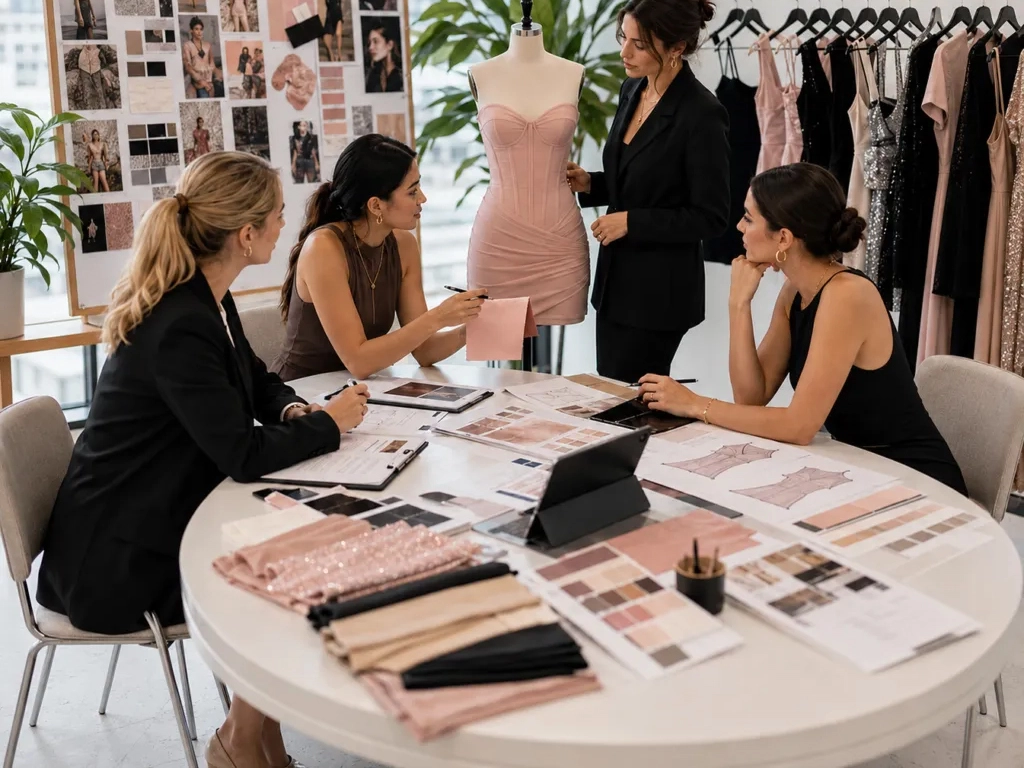
If you plan to order 600 dresses across six styles and three colors, break the quantity down by style and color first. The size ratio is also needed to estimate fabric requirements and prepare the cutting plan.
Before requesting a quotation, prepare an estimated quantity for each style and color. Include your planned size range and size ratio if you have one. If you are still testing demand, explain that the figures are forecasts rather than confirmed quantities.
For a first collection, you may want to test several designs with limited quantities. Prepare a preliminary breakdown for each style and colour, then ask the factory which fabrics and order quantities are practical for the first run.
Do not assume that the same MOQ will work for every fabric or construction. A style using an available stock fabric may have different purchasing conditions from one requiring a custom print, special dye lot, or substantial handwork.
If you expect to reorder successful styles, mention that as well. Fabric availability and repeat-order conditions are worth discussing before you commit to a design that depends on a particular material.
6. Tell Us Your Target Cost and Required Delivery Date
Share your target unit cost and garment requirements before requesting a quotation. If the estimate exceeds your budget, we can review fabric consumption, lining, trims, sewing operations, decorative work, and cutting waste to identify which adjustments are practical without compromising the defining features of the design.
The target should reflect the garment you intend to sell, including its fabric, lining, and decorative details. A lower-cost construction may be possible, but any change needs to be checked against the design requirements.
Your delivery date needs the same level of attention. Tell the factory when you need to review samples, when the collection must be ready for sale, and whether the final shipping date is fixed.
The schedule needs to account for fabric lead time, sample revisions, PP sample approval, and the time required for bulk cutting, sewing, inspection, and packing. If fabric confirmation or sample approval runs late, the remaining production window becomes shorter.
If your launch date is tied to a buying season or retail event, make that clear at the beginning. It is better to discuss a realistic schedule early than to discover after sampling that the remaining production time is too short.
7. Decide Which Dresses Need Attention First
You can develop the collection in stages rather than sampling every style at once. Start with the styles that carry the most commercial importance or involve unresolved fabric and fit questions, then use those results to plan the remaining samples.
Start by comparing the silhouettes, fabrics, and construction details. Two dresses with different necklines may share some pattern features, while two visually similar dresses may require very different internal construction. Looking at the range together makes those differences easier to identify.
Next, consider the role of each style. A core product that you expect to carry forward may deserve early development because you want time to refine the fit and confirm material availability. A trend-led design that you are testing may be better kept as a smaller initial commitment.
The most technically complicated style is not automatically the one you should sample first. Your decision should also reflect the importance of the design to the collection and how much time is available.
When discussing the sampling order, ask which styles are most likely to require fitting changes, which materials need to be tested, and whether any decisions affect several designs at once.
If three styles rely on the same custom fabric, check its availability and lead time before setting their sample dates. Styles with unresolved fit or internal construction issues may also need extra time for sample revisions.
8. Separate Confirmed Specifications From Open Questions
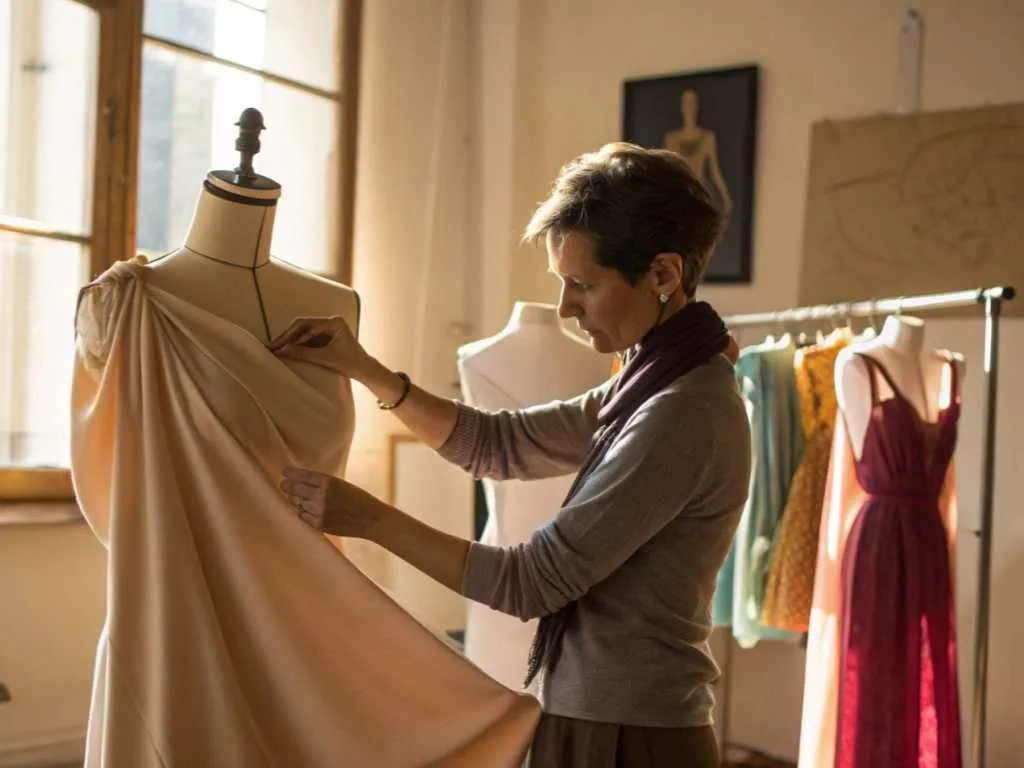
You can approach a manufacturer before every specification is final. Record the confirmed details separately from pending decisions, such as fabric selection, lining, or final measurements.
A simple collection review sheet can record the current position of each style:
| Item | What to record |
|---|---|
| Design | Sketch, reference photos, or sample garment |
| Fit | Sample size, key measurements, and fit preference |
| Fabric | Confirmed material or preferred characteristics |
| Construction | Essential details and possible alternatives |
| Quantity | Estimated units by style, color, and size |
| Cost | Target price or acceptable range |
| Timeline | Sample review date and required delivery date |
| Open decisions | Details awaiting approval or further testing |
Use this sheet for the first collection discussion, then transfer confirmed measurements, construction details, fabric information, and revision notes into the relevant tech pack before sample approval.
For example, record the confirmed silhouette and color even if the lining is still under consideration. This allows the factory to review the available information and identify which outstanding decisions may affect costing or sampling.
Keep the information consistent across sketches, measurement charts, and comments. If the drawing shows a lined dress but your notes say unlined, clarify which version you want reviewed. If the target delivery date is fixed but the fabric has not been selected, flag that issue rather than treating the schedule as settled.
Clear records also help later, when fitting comments and construction changes need to be carried into the next sample or the approved pre-production version.
9. What Happens After the Initial Collection Review?
Once we review the collection, we can identify which styles are ready for quotation and sampling and which still need decisions on fabric, measurements, or construction.
If the style is straightforward and the main specifications are clear, the discussion may move toward quotation and sample development. If important details remain unresolved, the factory may first need to clarify the fabric, measurements, construction, or expected order quantity.
The pattern team works from the agreed reference, while the sample room checks the finished garment. The neckline may fall too low, the fabric may create unwanted folds, or the armhole may restrict movement. Record each issue against the relevant measurement or construction detail rather than using a general comment such as “improve the fit.”
Once the sample is approved, the final specifications, materials, workmanship, and production requirements need to be aligned before bulk production begins. This is where a clear record of decisions made during the earlier review becomes valuable.
The initial review should establish a workable starting point for development. Clear specifications, recorded open questions, and agreed approval dates give both your team and the factory a better basis for moving from the first sample to bulk production.
FAQ
Can I ask a dress manufacturer to review my collection before every style is finalised?
Yes. A manufacturer can review preliminary sketches, reference photos, and estimated quantities before every detail is final. The review can flag construction questions and material choices that need to be settled before sampling, although the quotation may need updating as specifications change.
How should I handle a disagreement between the designer and the buyer?
Ask the designer and buyer to agree on the change before sending the next revision request. For example, if reducing the lining lowers the cost but changes the way the skirt hangs, the team should confirm which requirement takes priority.
What if the collection contains several styles with different levels of complexity?
Start with the styles that have the tightest launch deadlines or the most unresolved technical details. If several dresses share a fabric or trim, check that material’s availability before fixing the sample schedule for all of them.
Should I include packaging and branding requirements in the first collection review?
Custom labels and hangtags can be confirmed during development, while printed packaging or special retail presentation may need separate sourcing and approval. Include these requirements in the quotation discussion if they must be ready with the bulk order.
How can I make sure the approved sample is followed during bulk production?
Use the approved sample together with the final measurement chart, fabric and trim specifications, and recorded construction changes. If a detail was corrected during fitting but never added to the production notes, the sewing team may still follow the earlier version.
Conclusion
Before sending your collection to a clothing manufacturer, prepare the design references, fabric preferences, sample measurements, estimated quantities by style and colour, target cost, and launch date. Mark confirmed specifications separately from decisions that are still open, especially those affecting fit, construction, or material sourcing.
If you need support with pattern development, sampling, fabric sourcing, or bulk production, contact Xiuyu Apparel to discuss your collection. You can also learn more about our dress manufacturer services.