

Over the past 18 years, we have worked with fashion brands, boutiques, and private label companies to develop dress collections for different markets. Mini dresses are one of the categories we frequently produce because they combine strong visual appeal with many production possibilities.
In production, mini dresses are usually more technical than they appear. Small differences in fabric behavior, pattern balance, or sewing control can directly affect the final result. A style that looks attractive in a fashion photo still needs to be practical for bulk manufacturing.
In this guide, we share our experience developing different mini dress styles and explain the production considerations brands should understand before starting a collection.
How Fashion Brands Choose Mini Dress Styles for Production
In actual development projects, we often find that brands choose mini dress styles based on appearance first. However, once fabric sourcing and sample development begin, some designs need adjustments because of cost, fitting, or production limitations.
For emerging fashion brands, the right mini dress style can help test the market with lower inventory risk. For established retailers, combining commercial silhouettes with trend-driven designs can create a stronger seasonal collection.
As an experienced clothing manufacturer,, we work with emerging fashion brands, boutique owners, and established retailers that come with different development needs. Some provide complete tech packs, while others start from reference samples or market ideas. In production, appearance is only the starting point. Whether a mini dress performs well in the market usually depends on fabric choice, fitting accuracy, and how stable the design remains during bulk manufacturing.
Bodycon Mini Dress
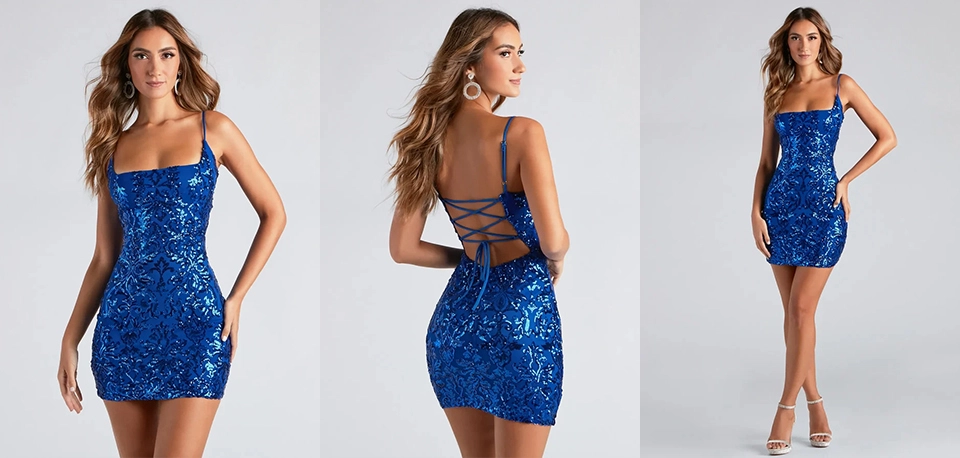
Bodycon mini dresses are among the styles we produce most frequently for fashion brands because they create a strong silhouette without requiring extremely complicated construction. Unlike loose-fitting styles, bodycon designs are created to follow the natural curves of the body, which makes fabric performance, pattern accuracy, and fitting control especially important at the sampling stage.
For example, fabrics with insufficient recovery may create a loose appearance after repeated wear, while fabrics with excessive compression can affect customer comfort. Experienced manufacturers usually test fabric behavior and fitting results before confirming bulk production.
One of our US customers came to us with a bodycon mini dress idea using high-stretch jersey. During sample fitting, we noticed the waist area became slightly loose after repeated stretching. Instead of changing the whole pattern, we adjusted the fabric selection and moved to a ponte blend with better recovery.
A-Line Mini Dress
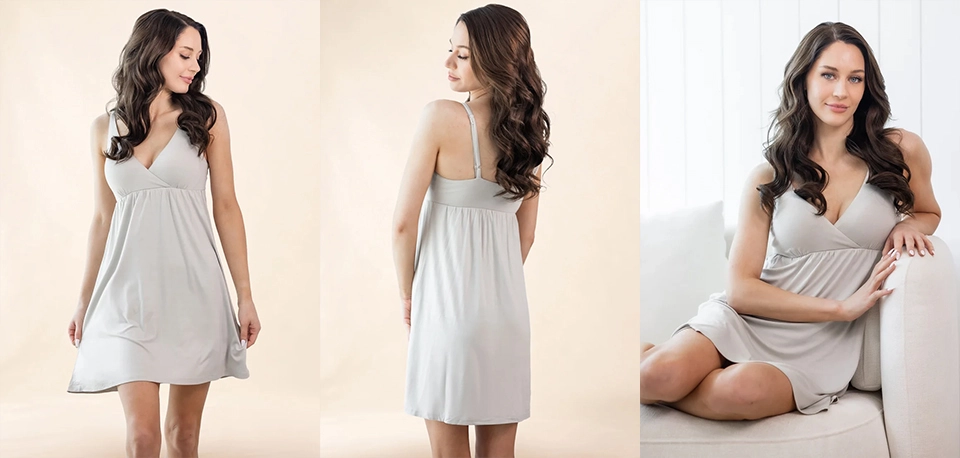
The A-Line Mini Dress remains one of the most reliable silhouettes for commercial fashion collections. Its balanced shape, featuring a fitted upper body with a gradually wider skirt, makes it suitable for a broad range of customers and different market positions.
Compared with highly fitted styles, A-line mini dresses usually provide more flexibility in sizing and wearing comfort. This is one reason why many boutiques, retailers, and emerging fashion brands choose A-line designs when developing their first dress collections.
For startups launching private label collections, A-line mini dresses can serve as a stable foundation style. Brands can later develop variations through sleeve changes, neckline adjustments, prints, embroidery, or fabric upgrades.
Wrap Mini Dress
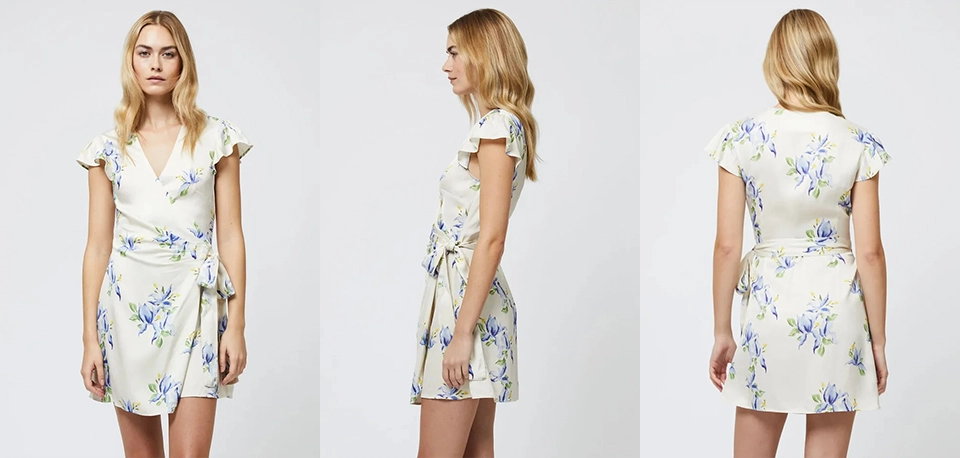
The Wrap Mini Dress is a timeless silhouette that combines feminine styling with practical wearability. Its defining feature is the overlapping front construction and adjustable waist tie, which creates a more flexible fit compared with many fixed-shape dress designs.
For many of our customers, wrap mini dresses remain commercially attractive because they can appeal to different customer groups. The adjustable waist structure makes the style easier to adapt across different body shapes, while design changes such as sleeve variations, prints, and fabric choices allow brands to create completely different collection identities.
Compared with highly structured dresses, wrap styles offer a good balance between visual appeal and production flexibility. They can be developed into casual daywear collections, vacation lines, feminine boutique styles, and even premium evening pieces.
The key challenge of a wrap mini dress is controlling the front overlap and overall garment balance. The wrap opening needs to provide enough coverage while maintaining the intended silhouette during movement.
One production issue brands often experience is that the wrap shape looks correct in the sample but changes during bulk production due to fabric behavior or inconsistent pattern control. Proper sample fitting and measurement checks are important before moving into larger quantities.
Common customization options include:
- Long sleeve or short sleeve designs
- Floral prints
- Ruffle details
- Lace decoration
- Satin evening versions
- Adjustable waist constructions
One UK boutique brand came to us with a 3-color chiffon wrap mini dress collection. During sample fitting, we found the original fabric had insufficient weight around the neckline, which affected coverage when walking. Instead of adding unnecessary lining, our pattern team adjusted the front overlap and recommended a slightly heavier chiffon blend.
Slip Mini Dress
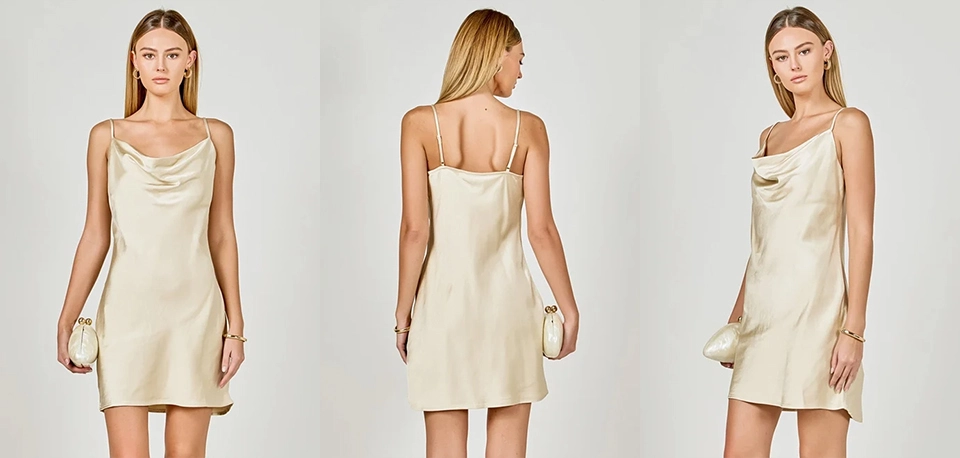
Among the mini dress styles we manufacture, slip dresses usually require the most attention during fabric selection because the final look depends heavily on drape and movement. Characterized by thin straps, a lightweight silhouette, and a natural draping effect, this style is widely used in luxury collections, eveningwear, resort fashion, and modern minimalist brands.
For premium fashion brands, fabric material is usually the first consideration when developing slip mini dresses. In our production experience, jersey fabrics with the same composition can still perform differently because of knitting density and finishing methods. This is why we normally test fabric recovery before confirming the final sample. Materials with good drape and a smooth surface are preferred because they help create the effortless flowing effect associated with this style.
The bias-cut construction used in many slip dresses creates a natural fit around the body. Cutting direction, fabric grain, and shrinkage control all influence the final fit.
One issue brands often encounter with slip dresses is that the garment looks beautiful on a mannequin but does not achieve the same effect during customer wear. Proper fitting adjustments and sample testing are important to ensure the final product maintains elegance while remaining comfortable.
A US eveningwear brand initially selected polyester satin for a slip mini dress collection because of the target price. After testing the first sample, we found the fabric created too much static and did not fall naturally. We suggested switching to a viscose blend, which improved drape while keeping the cost under control.
Off-Shoulder Mini Dress
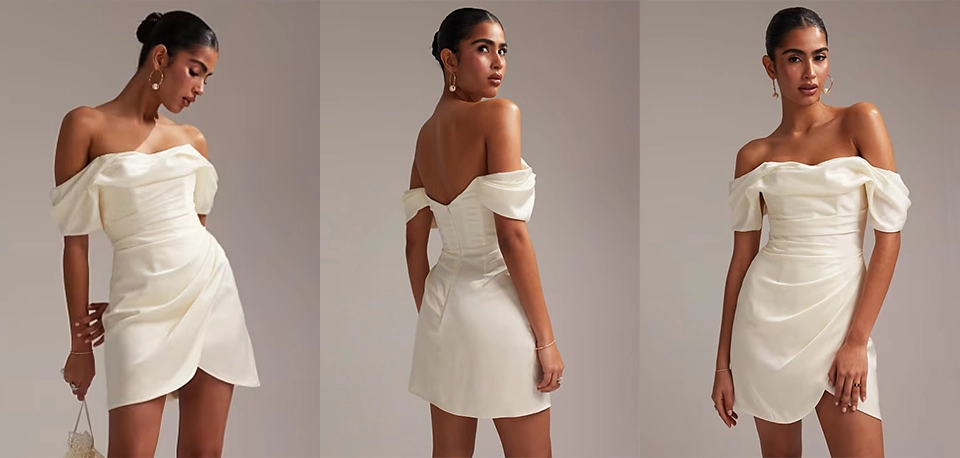
From our production experience, off-shoulder mini dresses are usually more challenging than they look. The main issue is not the neckline design itself, but how to keep the dress stable when customers move or wear it for several hours.
During product development, off-shoulder mini dresses are commonly developed for summer collections, resort wear, partywear, and romantic boutique lines. During development, brands normally adjust this style through sleeve shape, fabric weight, and neckline construction to match different markets.
Although the design appears simple, the off-shoulder structure requires careful production control. Unlike standard shoulder designs, the garment needs to stay in the correct position while customers move, sit, and wear the dress for extended periods.
If the neckline structure is too loose, the dress may shift during wearing. If the elastic or support structure is too tight, it can reduce comfort and affect the customer experience.
Off-shoulder mini dresses can be customized through:
- Puff sleeves
- Ruffle details
- Lace overlays
- Smocked waist designs
- Different neckline shapes
- Adjustable shoulder constructions
Halter Neck Mini Dress
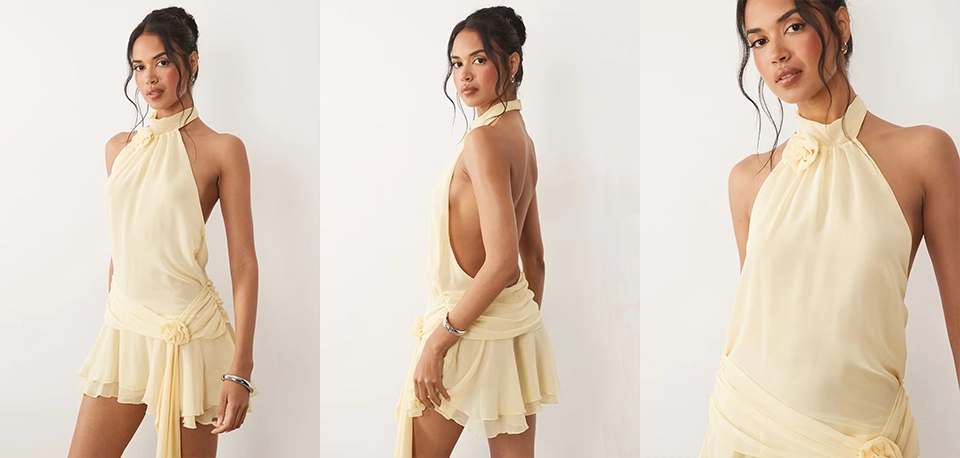
The Halter Neck Mini Dress is a distinctive silhouette that creates a strong fashion statement through its open shoulder and neckline structure. We usually see halter mini dresses developed for resort collections, summer launches, and occasionwear lines. The final construction depends heavily on how much support and movement the brand wants to achieve.
Because halter styles do not rely on shoulder seams for support, fitting issues usually appear around the neckline, bust area, and back opening.
When buyers develop collections, halter neck mini dresses offer strong customization potential. The same basic silhouette can be transformed into different market positions through fabric choice and design details.
A poorly developed halter neckline may create pressure around the neck area or affect the stability of the dress during movement.
For premium collections, brands may require additional construction elements such as:
- Built-in cups
- Inner support panels
- Adjustable straps
- Double-layer construction
Ruffle Mini Dress
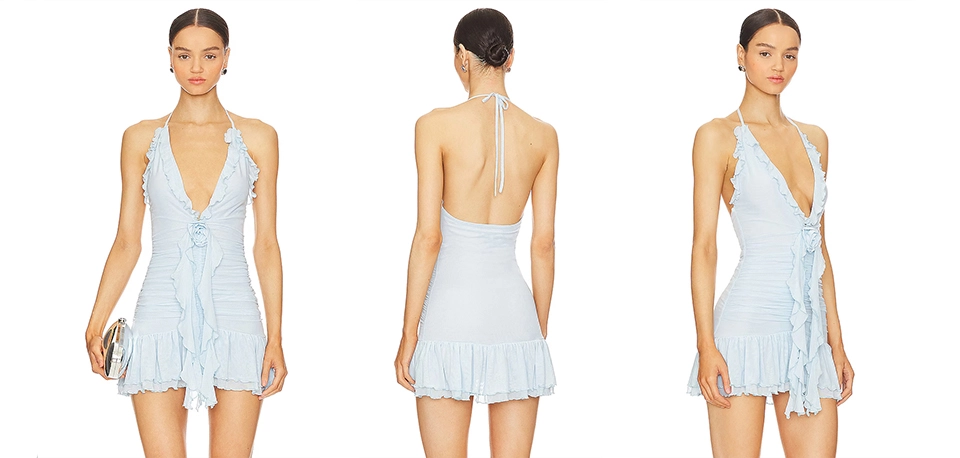
The Ruffle Mini Dress uses layered fabric details to create movement, volume, and a more decorative appearance. Depending on the design direction, ruffles can be added to the neckline, sleeves, skirt, waist, or throughout the entire garment.
However, ruffle designs require careful control during production. The beauty of this style depends on achieving the correct relationship between fabric volume, placement, and garment balance.
Too much fabric can make the dress appear heavy, while insufficient gathering may fail to create the intended design effect.
Private label brands can customize ruffle mini dresses through:
- Tiered skirts
- Shoulder ruffles
- Asymmetric layers
- Removable details
- Mixed fabric combinations
Shirt Mini Dress
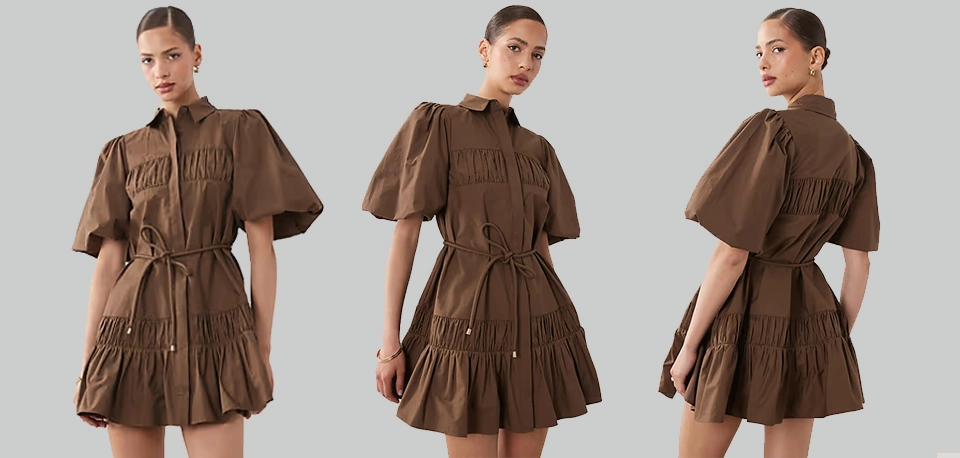
The Shirt Mini Dress combines classic shirt construction with a shorter dress silhouette. Featuring elements such as collars, button fronts, cuffs, and structured panels, this style offers a balance between casual wear and polished fashion.
Shirt mini dresses are attractive because they can fit multiple market positions. The same basic design can be developed into office-inspired collections, vacation styles, casual everyday products, or premium fashion pieces.
When developing shirt mini dresses, we usually customize the following areas based on each brand’s requirements:
- Oversized silhouettes
- Waist belts
- Special sleeves
- Contrast fabrics
- Custom buttons
- Embroidery details
Lace Mini Dress
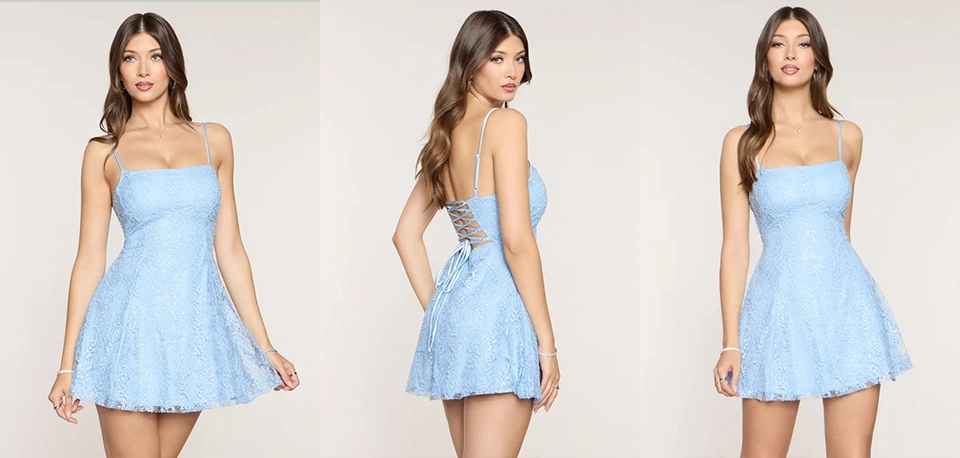
The Lace Mini Dress is a premium-looking style that uses fabric texture as one of the main design elements. Unlike dresses that rely mainly on silhouette changes, lace designs create visual value through material selection, surface pattern, and delicate finishing.
However, lace is also one of the more sensitive materials to handle during manufacturing. Because the fabric structure is delicate, cutting accuracy, seam finishing, and lining selection directly influence the final quality.
Lace is one of the fabrics where production experience matters most. Unlike regular woven fabrics, lace placement and cutting direction can directly affect the final appearance.
Different lace types create different market positions:
- Floral lace creates a romantic style
- Stretch lace improves comfort for fitted designs
- Embroidered lace creates a luxury appearance
- Sheer lace panels create a modern fashion feeling
One common challenge with lace dresses is balancing transparency and comfort. Customers expect the delicate appearance of lace, but the garment still needs appropriate coverage and durability.
Before confirming the order, brands may consider:
- Nude or matching lining
- Partial lace panels
- Full lace construction
- Lace and satin combinations
- Decorative sleeve details
Sequin Mini Dress
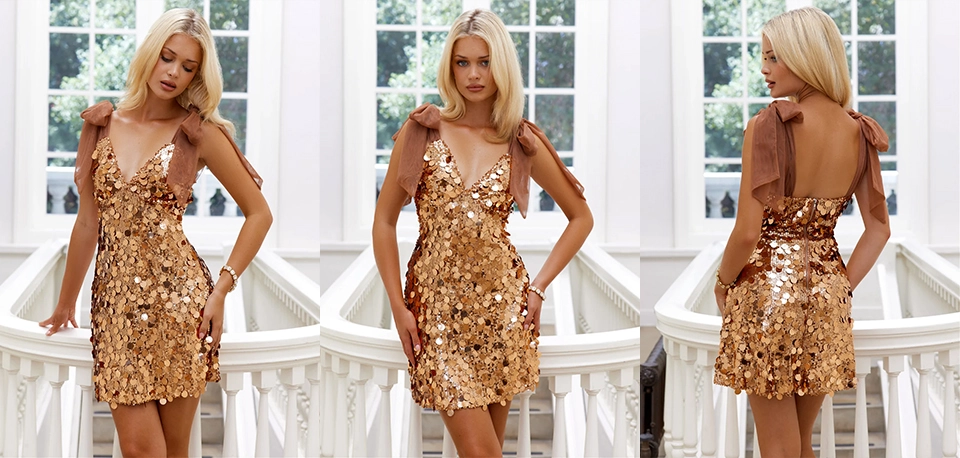
The Sequin Mini Dress is designed for brands looking to create high-impact fashion pieces. With its reflective surface and decorative appearance, this style is commonly developed for partywear, evening collections, celebrations, and special occasion markets.
Heavy embellishment can affect the natural movement of the dress if the base fabric and construction method are not properly selected.
Different sequin designs create different product directions:
- Full sequin evening dresses
- Sequin panel designs
- Minimal sequin decoration
- Satin and sequin combinations
- Mesh-based embellished styles
Sampling is especially important for sequin mini dresses because the final appearance can change depending on fabric choice, lining method, and decorative density.
At the sampling stage, brands usually need to confirm:
- Sequin durability
- Garment weight
- Comfort against skin
- Final fitting result
Corset Mini Dress
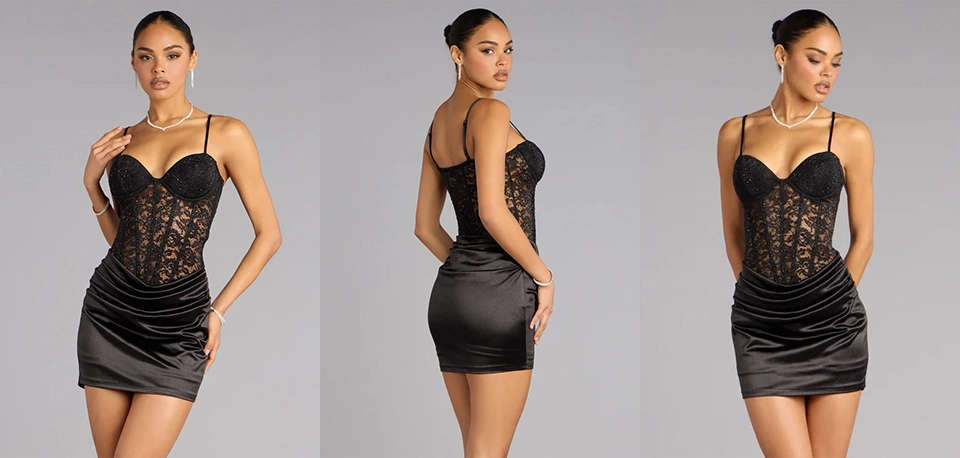
The Corset Mini Dress combines structured tailoring with modern feminine fashion. Featuring elements such as fitted bodices, waist shaping, boning, and panel construction, this style is often selected by brands creating statement collections with a strong silhouette.
Corset mini dresses require careful attention to pattern engineering and internal construction. The bodice must provide enough support to create the desired shape while allowing customers to move comfortably.
During development, manufacturers usually focus on:
- Boning placement
- Bust support structure
- Panel shaping
- Waist fitting
- Inner lining construction
- Seam reinforcement
Material selection also determines how well the corset structure can be maintained during wear. Structured fabrics such as satin, velvet, jacquard, and heavier woven materials are commonly selected because they help maintain the architectural shape of the garment.
Private label brands can customize corset mini dresses through:
- Lace-up backs
- Different neckline shapes
- Embroidery details
- Satin or velvet fabrics
- Removable straps
- Decorative panels
Puff Sleeve Mini Dress
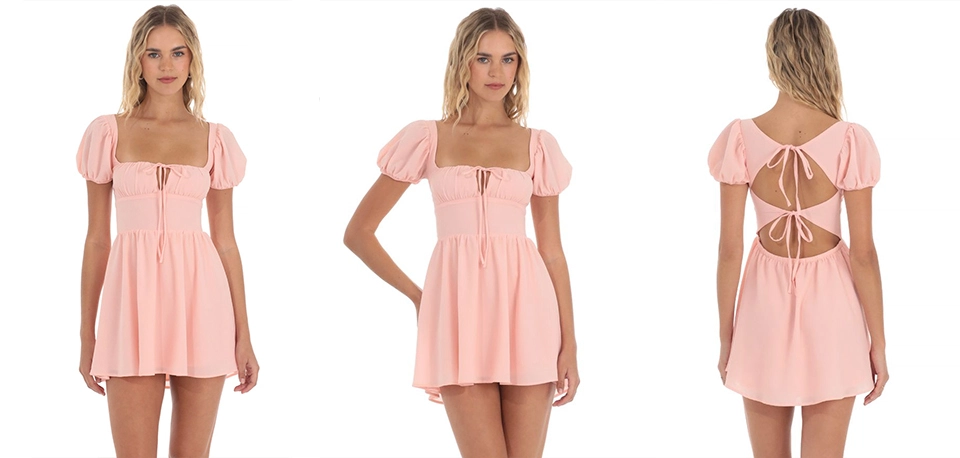
The Puff Sleeve Mini Dress has become a popular choice for brands looking to create a romantic and visually distinctive collection. The exaggerated sleeve volume creates a strong fashion statement while allowing designers to transform a relatively simple dress silhouette into a recognizable product.
This style is widely used in boutique collections, feminine fashion brands, seasonal launches, and occasionwear categories. For many brands, puff sleeves provide an opportunity to create a signature design element without requiring complicated garment structures.
However, the visual appeal of puff sleeve mini dresses depends heavily on construction accuracy. The sleeve needs enough volume to maintain its shape while remaining comfortable and wearable for customers.
Sleeve proportion is one of the most important development considerations. A sleeve that is too large may affect movement and garment balance, while insufficient volume may fail to achieve the intended design effect.
For private label collections, puff sleeve mini dresses provide many customization options, including:
- Short puff sleeves
- Long statement sleeves
- Sheer sleeve panels
- Embroidered sleeves
- Ruffle sleeve combinations
- Elastic shoulder constructions
Many new fashion brands use puff sleeve dresses to create collection highlights. From fabric choice to sleeve structure, our team works with brands to develop designs that look distinctive while meeting production and cost requirements.
How To Choose The Right Mini Dress Styles For Your Brand
Many brands choose mini dress styles based on appearance first. However, during production, some designs that look attractive in photos may create unexpected challenges in fitting, fabric cost, or bulk consistency. For our customers, designers, and buyers, every style decision affects production cost, customer demand, inventory risk, and brand positioning.
When you plan a mini dress collection, you should consider several factors:
Understand Your Target Customer
Different customers prefer different mini dress silhouettes.
For example:
- Young fashion customers often prefer bodycon, cut-out, sequin, and corset mini dresses.
- Boutique customers may look for romantic styles such as lace, ruffle, puff sleeve, and wrap mini dresses.
- Everyday fashion retailers usually prefer practical styles like T-shirt, shirt, denim, and A-line mini dresses.
Understanding your customer group helps you avoid developing products that may look attractive but have limited market potential.
Consider Fabric and Design Requirements
Each mini dress style has different manufacturing requirements.
A bodycon mini dress depends heavily on stretch fabric performance. A slip mini dress requires accurate bias cutting. A corset mini dress needs stronger internal construction. A puff sleeve mini dress requires careful volume control.
When you select styles, you should also consider:
- Fabric availability
- Target retail price
- Production complexity
- Expected order quantity
Our factory can help you evaluate whether your design idea is suitable for efficient production.
Balance Trend Styles With Commercial Styles
From the collections we have developed, we have noticed that brands usually get better results when they combine reliable commercial styles with a few trend-focused designs.
Commercial styles such as A-line, wrap, and shirt mini dresses usually provide broader customer acceptance.
For growing fashion companies, combining both categories can reduce inventory pressure while keeping collections attractive.
Work With A Flexible Manufacturing Partner
For startups and emerging brands, production flexibility is often more important than large-scale capacity.
A flexible manufacturing partner helps smaller brands test new styles without committing to large production quantities too early.
At Xiuyu Apparel, we support brands from concept development to bulk production, including fabric sourcing, pattern adjustment, sampling, and manufacturing coordination.
Production Issues We Often Solve During Mini Dress Development
Developing a mini dress collection looks simple from the outside, but production involves many details that can affect the final result. During the sampling and bulk manufacturing stages, we often see brands face challenges that are not obvious at the design stage. Small differences in fabric, pattern adjustment, or sewing techniques can change the overall fit and appearance of the finished garment.
Based on our experience working with fashion brands, startups, and private label clients, the following are some of the most common production issues we help solve during mini dress manufacturing.
1. Fit Problems After Sample Approval
One of the most common challenges is that a sample may look perfect during the approval stage, but the fit changes slightly when moving into bulk production.
This usually happens because the approved sample is made from a limited amount of fabric, while bulk production involves larger fabric batches that may have different stretch, weight, or shrinkage behavior. For fitted mini dresses, especially bodycon, satin, or structured styles, even a small difference in fabric tension can affect the waist position, bust fit, or skirt shape.
We often see issues such as:
- The waist feels tighter than the approved sample
- The skirt length changes after washing or pressing
- The neckline shape does not sit correctly on the body
- The sleeve opening or shoulder position looks different from the sample
To reduce these problems, we usually check fabric performance before bulk cutting, including shrinkage rate, stretch recovery, and fabric relaxation. For styles with close-fitting silhouettes, we also recommend a pre-production sample or size-set sample before starting full production.
This additional step helps identify fitting problems early, before they become costly bulk production issues.
2. Fabric Behavior Changes During Bulk Production
Fabric is one of the biggest factors that influences mini dress quality. A design that works well with a small sample quantity may require additional adjustments when produced in larger volumes.
During bulk production, we sometimes find differences in:
- Fabric softness and hand feel between batches
- Color consistency after dyeing
- Stretch level and recovery
- Fabric shrinkage after pressing
- How the fabric falls and moves on the body
For example, satin mini dresses can show visible differences in drape if the fabric weight changes slightly. A lightweight satin may create a softer, flowing silhouette, while a heavier satin can make the same pattern look more structured.
3. Decoration Quality Control
Mini dresses often rely on details such as sequins, beads, embroidery, lace panels, bows, or other decorative elements to create a premium appearance. However, decorative styles usually require more production control compared with basic designs.
Common issues we see include:
- Uneven sequin placement
- Loose beads after sewing
- Different decoration positions between pieces
- Damage to delicate fabrics during embroidery or embellishment
- Decoration affecting the original garment shape
For example, a heavily embellished mini dress may look balanced on the sample, but during bulk production, small placement differences can become noticeable when hundreds of pieces are produced.
Our production team normally checks decoration placement during the sewing process instead of waiting until final inspection. This allows workers to correct issues immediately and maintain consistency across the entire order.
How We Reduce Mini Dress Production Risks Before Bulk Manufacturing
Most mini dress production issues are not caused by major mistakes. They usually come from small differences between design expectations and manufacturing reality.
A private label clothing manufacturing partner helps identify these risks earlier through fabric testing, pattern adjustment, production monitoring, and quality checks throughout the process. This is especially important for brands that need consistent quality across multiple styles, colors, and production batches.
Mini Dress Manufacturing Capabilities
From design development to bulk production, we provide complete mini dress manufacturing solutions for fashion brands, boutiques, and private label customers. Our team supports flexible customization, reliable sourcing, and strict quality control to ensure every mini dress meets your market requirements.
| Item | Details |
|---|---|
| Experience | 18+ Years |
| MOQ | Start from 50-100 pcs/style |
| Sample Time | 5-7 Days |
| Bulk Production | 25-30 Days |
| Monthly Capacity | 150,000 pcs |
| Markets | USA, UK, Europe, Australia |
Why Fashion Brands Work With Xiuyu Apparel For Custom Mini Dresses
Developing mini dresses requires more than producing a finished garment. The real challenge is maintaining design accuracy, fabric performance, and quality consistency when moving from samples into bulk orders.
As a professional dress manufacturer, we work with fashion brands, boutiques, retailers, wholesalers, and private label companies to develop different mini dress collections.
18+ Years Developing Dresses For Global Fashion Brands
Over the years, we have produced different categories of dresses and worked with international customers across various markets.
Through production experience, we understand how different design elements influence manufacturing results:
- Fabric behavior
- Pattern accuracy
- Sewing techniques
- Fitting adjustments
- Finishing requirements
A design may look simple in a fashion photo, but turning it into a repeatable bulk product requires careful control of fabric, pattern, and workmanship.
Our team helps brands identify potential issues during the sampling stage instead of discovering problems after bulk production begins.
OEM And ODM Mini Dress Development Support
Every customer starts with a different level of preparation. Some provide complete tech packs, while others only have reference images.
As an OEM clothing manufacturer, we can support:
- Custom pattern development
- Fabric sourcing
- Sample production
- Design modification
- Bulk manufacturing
Low MOQ Support For Growing Brands
Many fashion startups want to test new collections before placing large production orders.
We understand that early-stage brands need flexibility.
Our Low MOQ production support helps customers develop new mini dress styles with lower inventory pressure.
Depending on the design, fabric, and construction requirements, we can discuss suitable order quantities for different projects.
This allows emerging brands to test customer response before expanding successful styles into larger production runs.
Fabric Sourcing Based On Design Requirements
In bulk production, fabric problems usually appear after cutting or sewing. A satin that looks similar during supplier review may create different results after pressing because of weight, finishing, or shrinkage differences.
A slip mini dress requires fabrics with good drape. A bodycon mini dress needs stretch recovery. A blazer mini dress requires stronger structure.
Through cooperation with experienced fabric suppliers, we help brands select materials based on target price, garment structure, and wearing experience, fabric selection is normally decided by three factors: target price, garment structure, and expected wearing experience.
- Design requirements
- Target market
- Retail positioning
- Production feasibility
Common fabric options include:
- Satin
- Silk blends
- Chiffon
- Lace
- Velvet
- Jersey
- Cotton
- Structured woven fabrics
Sample Development Before Bulk Production
A successful mini dress collection usually starts with a well-developed sample.
Before bulk manufacturing, we review:
- Measurements
- Fabric performance
- Construction details
- Fitting results
- Finishing quality
Sample adjustments allow brands to confirm the final product before committing to larger quantities.
This step allows us to identify problems before production moves forward.
Quality Control During Mini Dress Production
Mini dresses often include detailed construction elements such as fitted shapes, delicate fabrics, decorative trims, and special neckline designs.
During production, we check:
- Fabric condition
- Cutting accuracy
- Sewing quality
- Measurement consistency
- Final garment appearance
Quality control is carried out throughout the production process instead of only checking finished products at the end.
Custom Mini Dress Manufacturer For Fashion Brands
As a custom clothing manufacturer, we help fashion brands develop custom mini dresses from initial ideas to bulk production. Whether you need wholesale mini dresses, private label collections, or complete factory support, our team focuses on fabric sourcing, pattern accuracy, and consistent production quality.
How Xiuyu Apparel Manufactures Custom Mini Dresses
Before bulk cutting starts, we develop a pre-production sample for every new style to confirm design details, fitting accuracy, and manufacturing requirements, ensuring efficient production and consistent quality.
At Xiuyu Apparel, mini dress production normally follows a controlled process from fabric checking to final packing. Each stage is reviewed by our production and QC teams before shipment. Each stage is monitored by our production and quality teams before shipment.
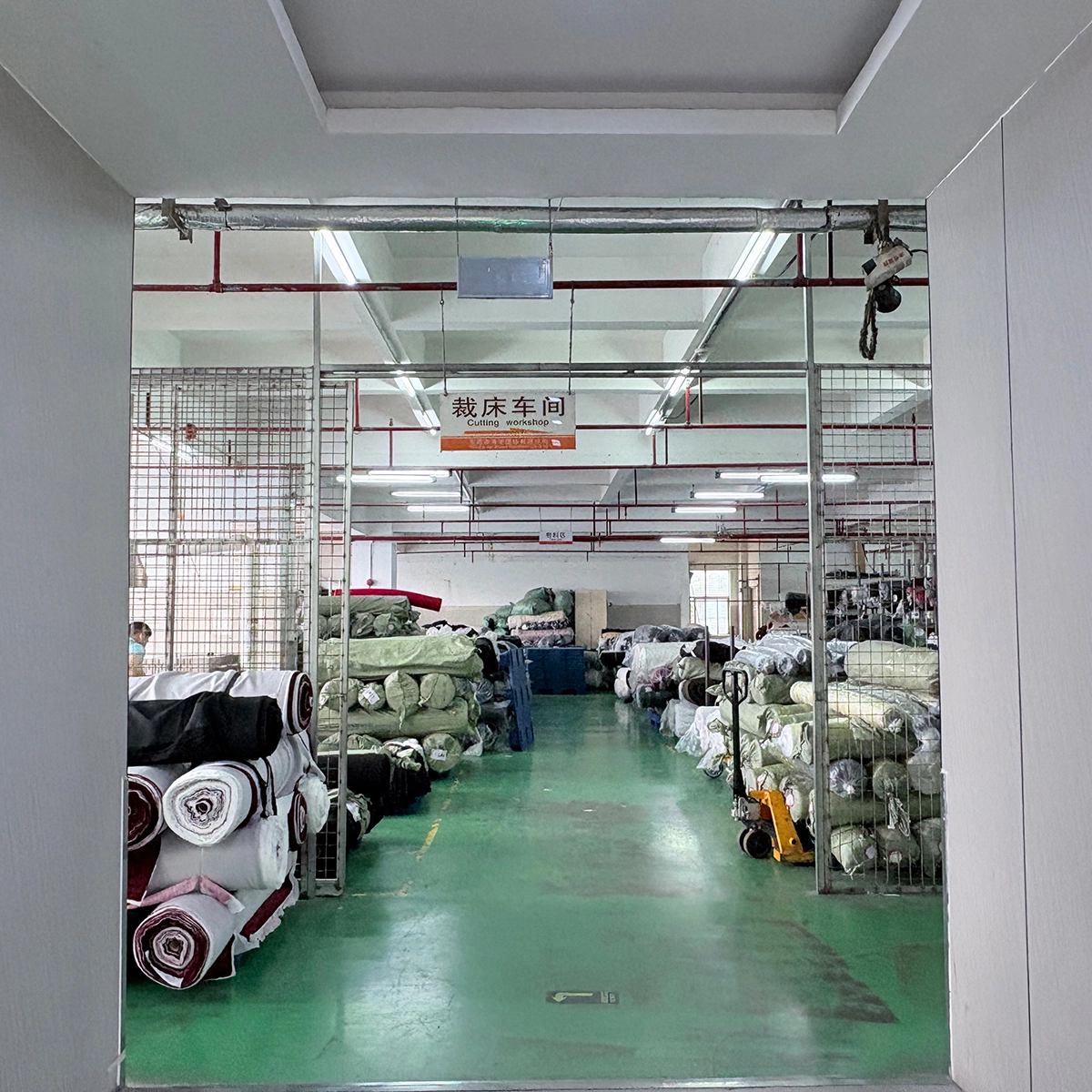
Fabric Warehouse
Before fabric enters production, our warehouse team checks the roll quantity, shade number, and supplier information. For repeat orders, we also compare the new fabric batch with previous production records to reduce color differences. This allows us to find potential material issues early and keep bulk production on schedule. The fabric team records incoming materials before production scheduling begins.
↓
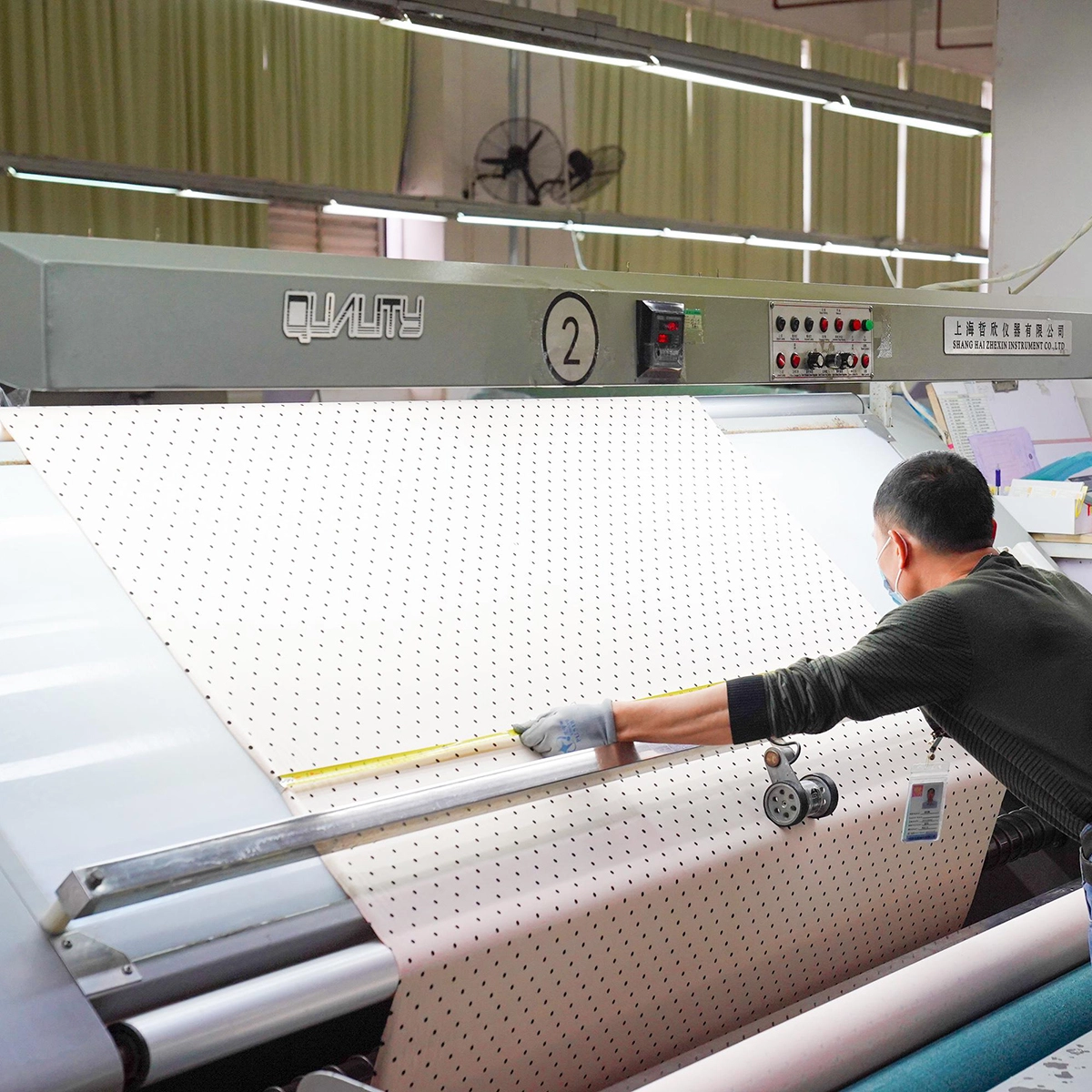
Fabric Inspection
For satin and silk-based mini dresses, we normally check shade consistency under different lighting conditions because slight color variation can become visible after garment assembly. We use standard fabric inspection methods to check defects, shade differences, and surface quality before cutting. This helps our production team prevent material-related issues and keep bulk orders consistent. This step is especially important for fabrics with satin, silk, or delicate surfaces, where small defects can affect the final appearance of the garment. For stretch bodycon styles, we normally check fabric recovery after 30 minutes relaxation because some knitted fabrics appear tighter immediately after cutting.
↓
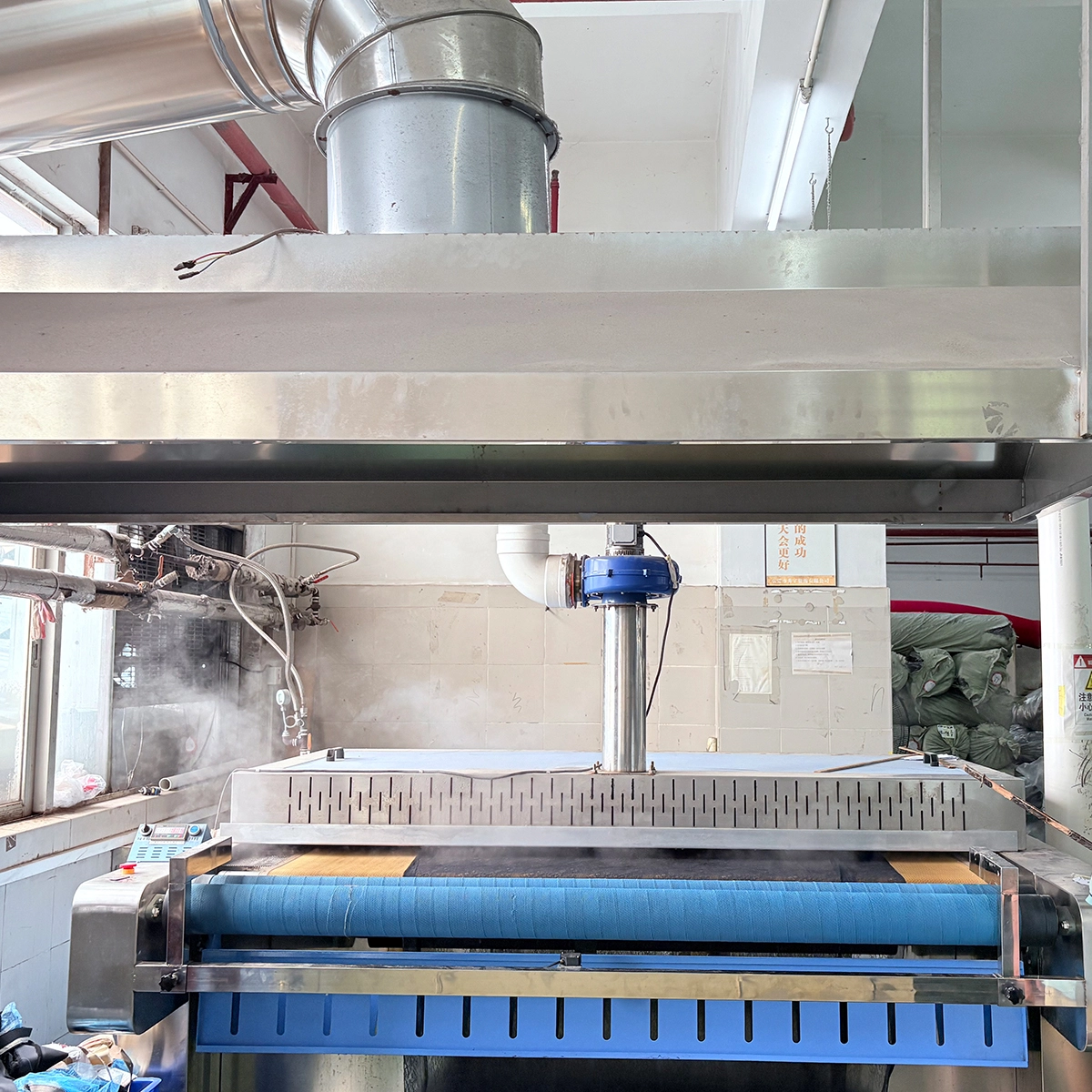
Fabric Pre-shrinking
After fabric inspection, selected fabrics are pre-shrunk before cutting to control shrinkage and improve measurement accuracy. After pre-shrinking, the fabric is more stable during cutting, which reduces measurement differences between sample approval and bulk production.
↓
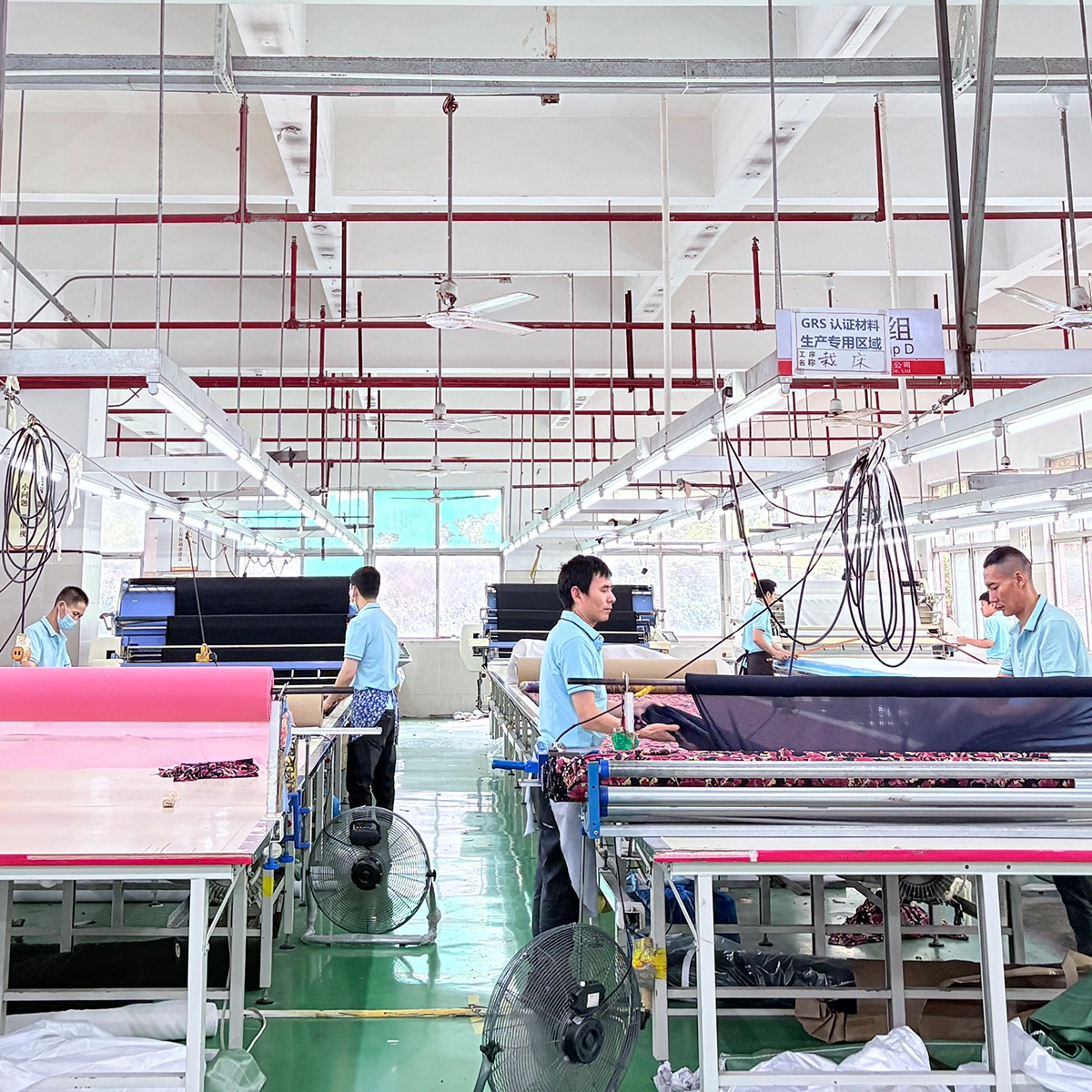
Automatic Cutting
Before cutting, the pattern team checks fabric width, shrinkage rate, and marker efficiency. For fitted mini dresses, even a small cutting deviation can affect the final measurement after sewing. Our automated cutting process uses digital patterns to guide fabric cutting and maintain consistent measurements across bulk production. This step helps keep measurements consistent across different production batches.
↓
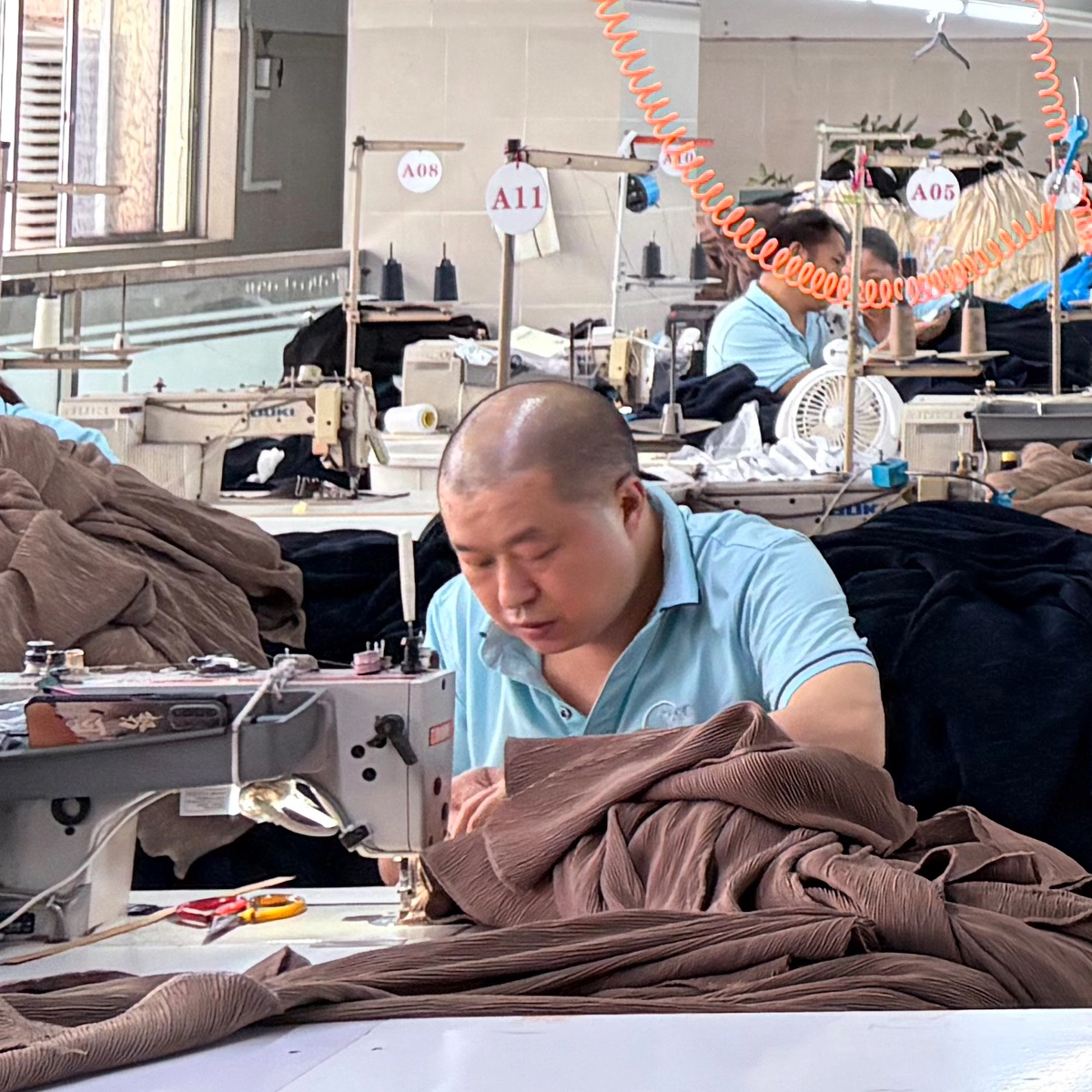
Sewing Line
During sewing, For fitted mini dresses, sewing tension is monitored carefully around side seams and waist areas because these positions carry more stress during wearing, our QC team pays special attention to seam tension, zipper installation, and measurement control because these details directly affect the final wearing experience.
↓
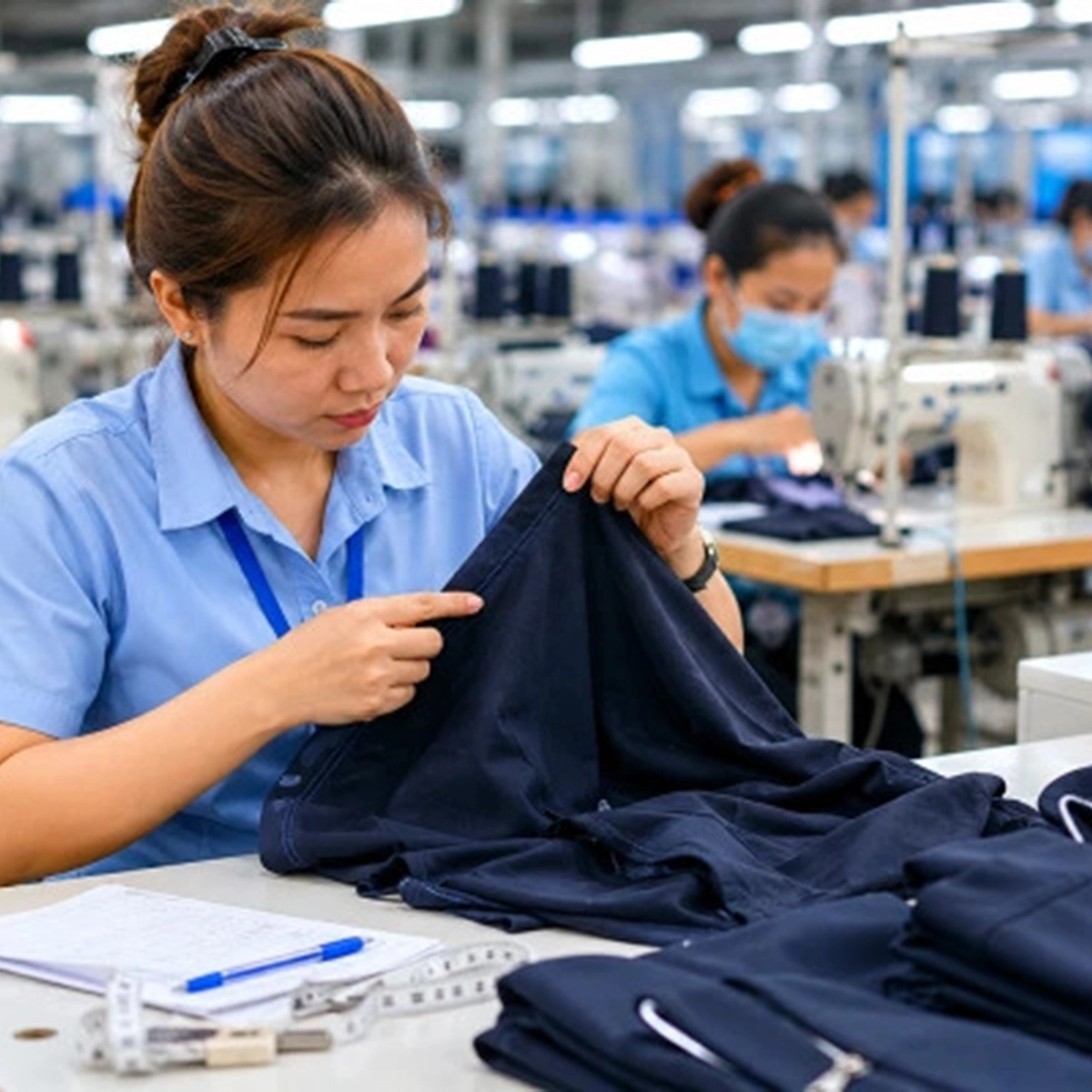
In-line Inspection
From sewing to finishing, our QC team monitors garment details, measurements, and workmanship during production. Early inspections help reduce rework and maintain stable quality throughout bulk manufacturing.
↓
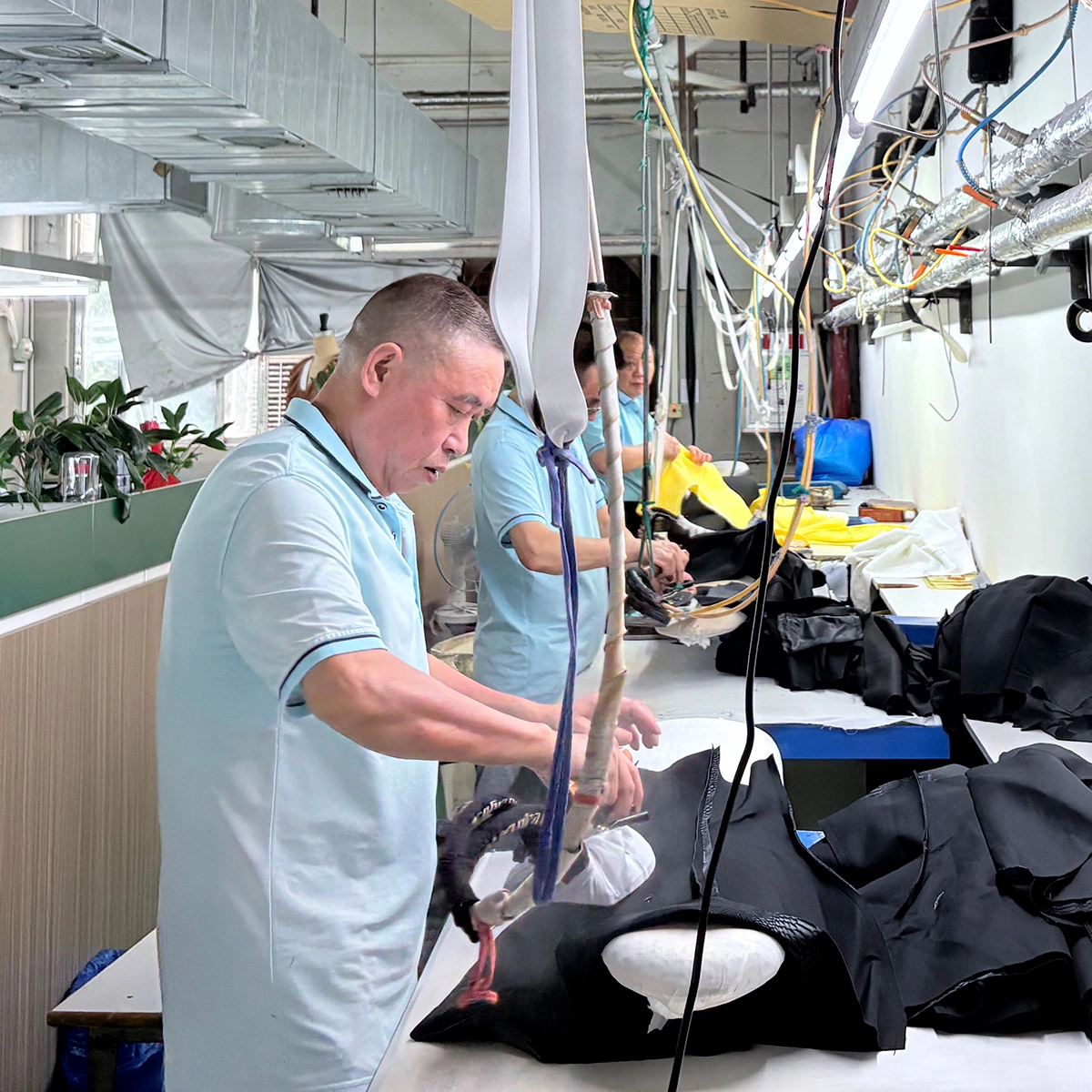
In-line Pressing
After garment assembly, each piece is pressed during production to remove wrinkles, shape key areas, and improve seam finishing. The pressing stage helps garments meet appearance requirements before final inspection and packing.
↓
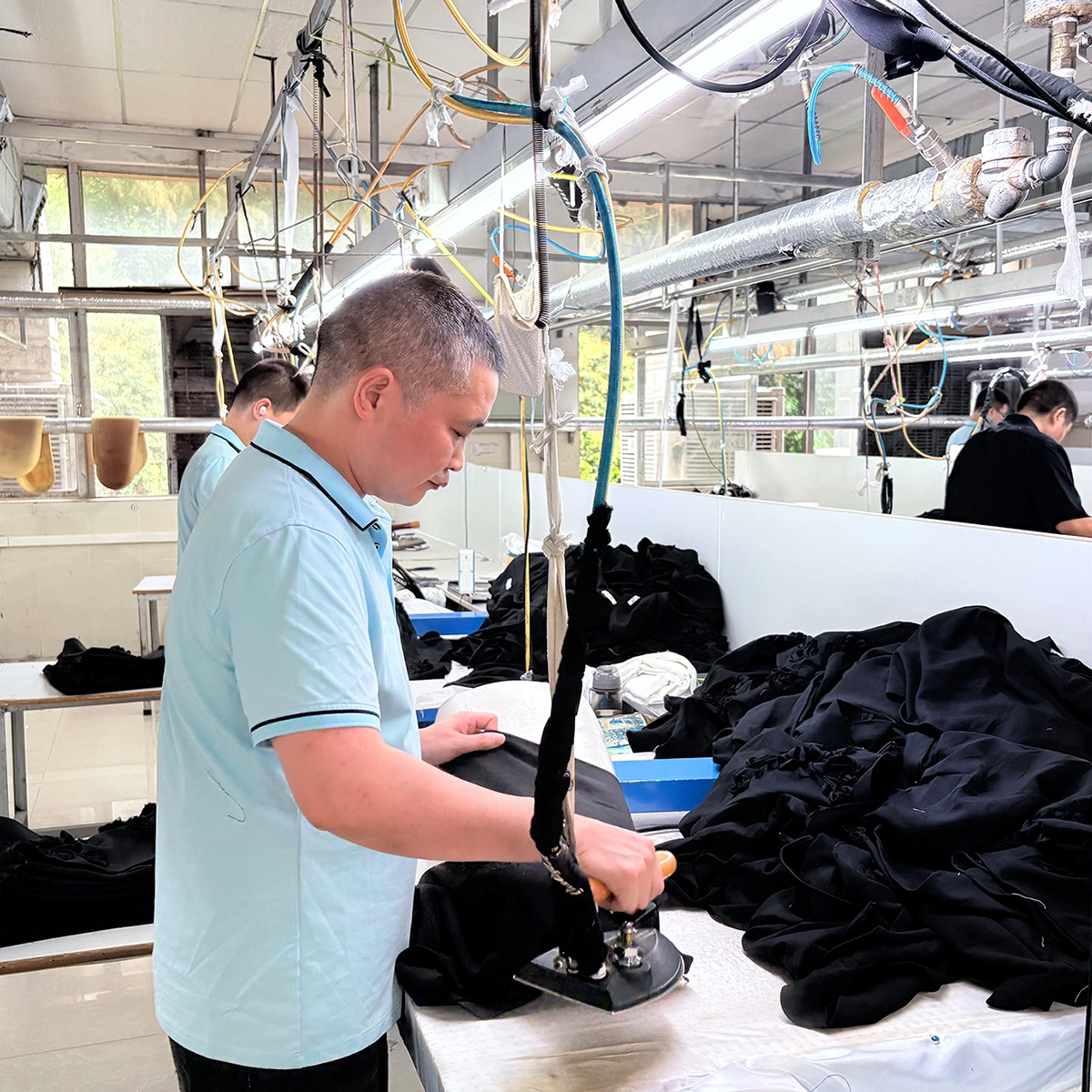
Final Pressing
After production is completed, garments are pressed one last time to remove wrinkles, shape key areas, and improve the final look. The team then checks garment details before packing and shipment.
↓
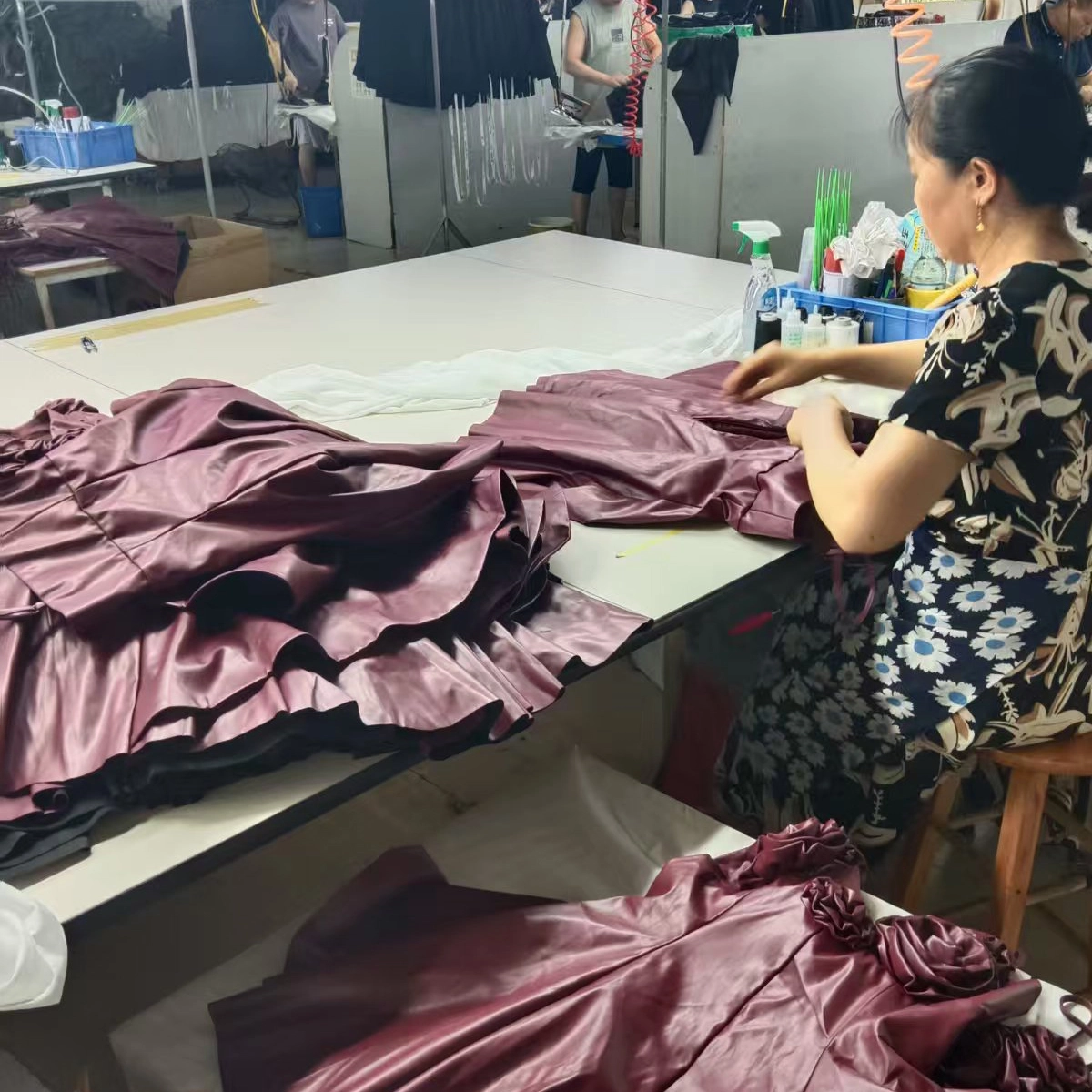
Final Inspection
Before loading, our QC team inspects finished garments for size, stitching, appearance, labels, and packing condition. After final checks are completed, orders are prepared for shipment.
↓
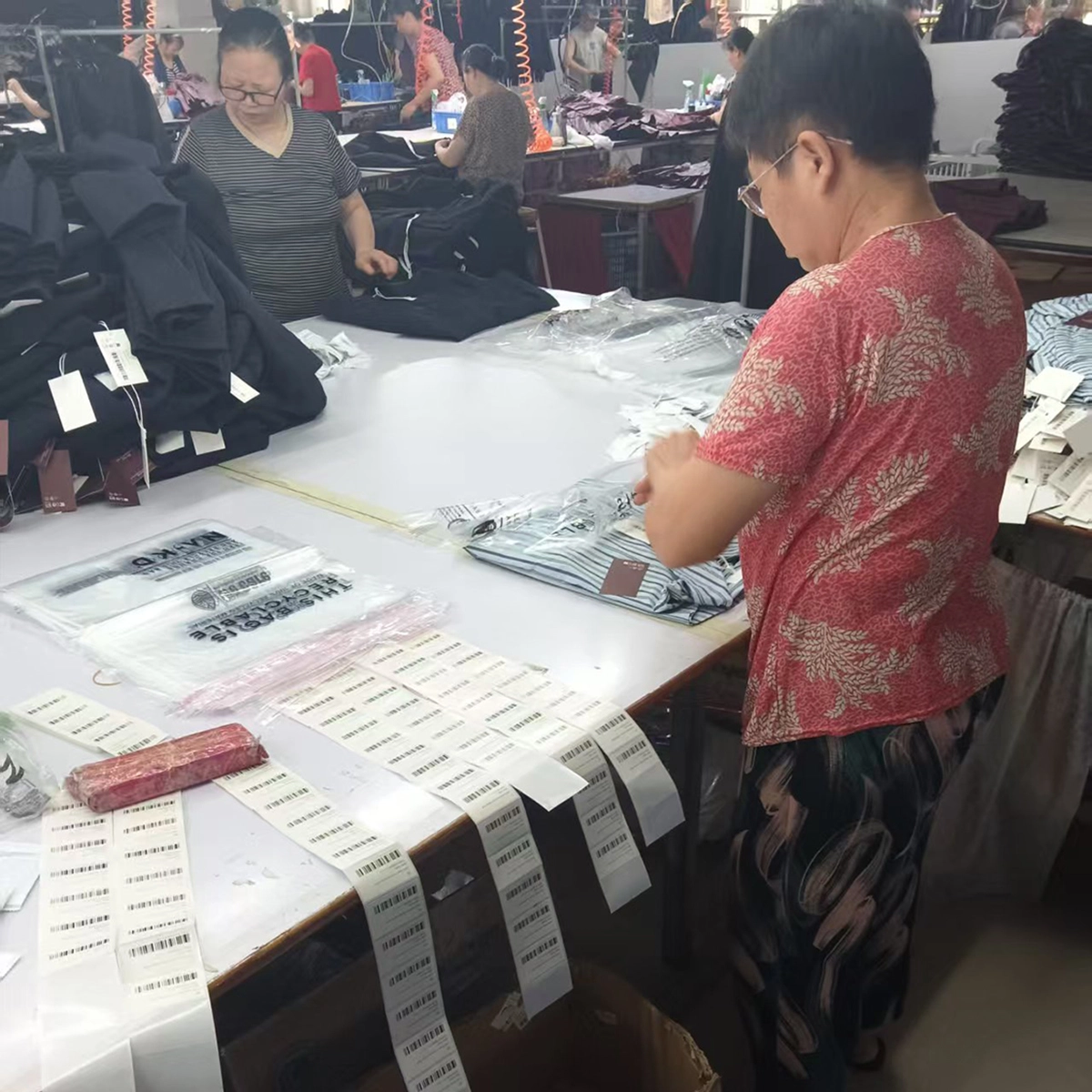
Garment Packing
After final inspection, our packing team prepares garments for shipment by folding, labeling, and packing each order according to the provided instructions. Labels, barcodes, and carton details are checked before sealing and loading.
↓
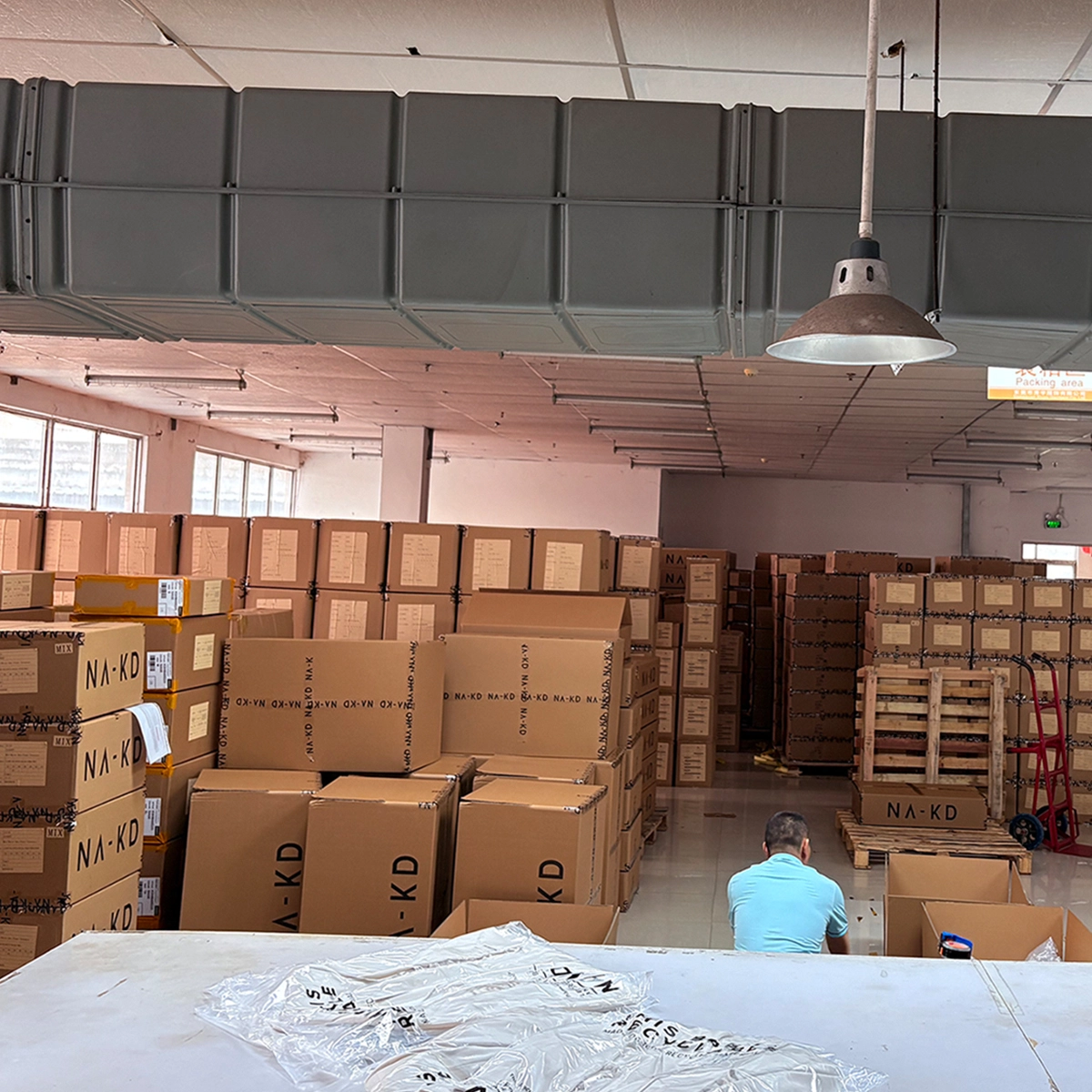
Finished Products
Before loading, our warehouse team checks finished garments by style, color, and size. Carton quantities, labels, and packing details are confirmed before orders leave the factory.
Frequently Asked Questions About Mini Dress Manufacturing
1. Can you develop mini dresses from reference images?
Yes. Many of our customers start with only reference images from Instagram, Pinterest, or competitor products. Our team reviews the silhouette, fabric possibility, and construction details first, then creates a sample based on the target market and price level.
2. Can you customize mini dresses with our own brand label?
Private label is one of the common projects we handle. Brands can customize labels, packaging, measurements, colors, and construction details according to their collection requirements.
3. What is the MOQ for custom mini dresses?
MOQ depends on fabric, construction, and design requirements. For simple jersey mini dresses, the quantity requirement is usually easier to control. Styles involving silk, lace, embroidery, or special construction may require different production planning.
4. How long does it take to produce custom mini dresses?
Production time depends on the design complexity, fabric availability, and order quantity. Normally, samples can be completed within 5–7 days, while bulk production usually takes around 25–30 days after sample approval and material confirmation. We will provide a clear timeline before starting production.
5. Do you support small quantity production for new brands?
Yes, we support small quantity production for new and growing fashion brands. We understand that many brands need to test designs before larger orders. Our team can help with sample development, fabric selection, and small batch production while maintaining consistent quality.
6. Do you provide fabric sourcing for mini dress production?
Fabric sourcing is part of our normal development process. Based on the design direction, target price, and production requirements, we help customers select suitable materials.
7. Can you source fabrics based on our target retail price?
Yes, we can help source suitable fabrics based on your target retail price and product positioning. Our team will consider fabric quality, garment construction, and production cost together to recommend options that balance the final price with the expected market standard. We also provide different fabric choices for comparison before production.
8.What information do you need before quoting?
Conclusion
After working on different mini dress projects, we have found that most production problems can be avoided during the early development stage. Fabric confirmation, fitting adjustment, and clear communication before bulk cutting usually make the biggest difference. In our experience, most problems are easier to solve before cutting starts. Once fabric, measurements, and construction details are confirmed, bulk production becomes much more predictable.
Whether you are preparing your first mini dress collection or adding new styles to an existing line, our team can support the process from fabric selection and sampling to bulk production. Xiuyu Apparel helps brands develop mini dresses from concept to bulk production with OEM, ODM, and private label support. We focus on practical manufacturing solutions, quality consistency, and helping customers bring creative designs into real products.
Want to explore more mini dress styles? In Part 2, we will look at additional designs, fabric options, and production considerations to help you better understand how different cocktail dress styles are developed.
Explore More Dress Manufacturing Solutions