
Over the years producing dresses for different brands, we have seen many return issues that were actually created before production even started.
In many cases, the problem was not the customer’s expectation. It started earlier during fabric selection, pattern development, sample approval, or production planning. A small decision at this stage, such as choosing the wrong fabric or approving a sample too quickly, can create problems that are difficult to solve after production begins.
What Fashion Brands Can Learn From Zara’s Product Development Approach
We do not work with Zara’s supply chain model, and most small brands cannot operate at that scale. However, one principle is practical for every brand: problems are cheaper to solve before production than after products reach customers.
From a manufacturer’s perspective, the lesson is not about copying Zara’s speed. Most small brands will never operate like Zara, and that is normal. They do not need hundreds of designers, factories, and distribution centers. What they can learn is how Zara reduces unnecessary mistakes through faster feedback between design and production.
From Our Factory Experience: Why Return Problems Usually Start Before Production
After producing dresses for fashion brands and private label companies, we have noticed one common pattern:
In many cases, the problem is not one obvious production error. It is usually the result of several small decisions made during development.
- choosing a fabric without testing shrinkage
- approving samples without checking real fitting
- changing materials during bulk production
- skipping detailed measurement confirmation
We try to catch these issues while the order is still at the sample stage.
What Causes Clothing Returns For Fashion Brands?
1. Poor Fit and Incorrect Sizing
From our production experience, fit issues are one of the most common reasons brands receive complaints after launching a new style.
When you launch a new collection, accurate measurements and professional pattern development are essential. Small differences in shoulder width, waist measurement, or garment length can affect how customers feel about the product.
Working with an experienced dress manufacturer helps you improve fitting accuracy through professional pattern making, sample adjustments, and production checks before bulk manufacturing.
During garment development, many fitting problems can be avoided if brands involve manufacturers earlier instead of only providing final designs.
2. Fabric Selection Does Not Match Customer Expectations
A garment may look perfect in photos but disappoint customers if the fabric does not meet expectations.
For example, customers may expect a soft and premium feeling but receive a fabric with different thickness, stretch, or texture.
When you develop products, you need to consider not only appearance but also fabric performance, comfort, and customer usage.
An experienced manufacturing partner can help you compare fabric options, understand production limitations, and select materials that fit your target market and price positioning.
3. Inconsistent Production Quality
Even a good design can receive negative feedback if production quality is unstable.
Common issues include:
- Uneven stitching
- Poor finishing
- Incorrect measurements
- Damaged accessories
- Color differences between batches
When you work with a reliable clothing manufacturer, quality control should happen throughout the production process, not only after finished garments are completed.
In our experience, many problems are easier to fix when they are found during production instead of after delivery. Once garments have been shipped, even a small issue can become a return, a complaint, or a delay for the brand.
4. Product Images Do Not Match Customer Expectations
Online customers cannot touch fabrics before buying. If photos make a garment look heavier, softer, or more structured than the actual product, disappointment can lead to returns.
A Small Production Detail Can Create A Big Return Problem
We once worked on a summer dress order for a growing private label brand developing its first summer dress collection. During the first bulk production check, our team noticed that the waist seam was around 2cm higher than the approved sample. The change happened because the sewing team adjusted the seam position based on the production instruction, but the updated detail was not reflected clearly in the bulk production notes. Although the difference looked small on the production table, it changed the balance of the silhouette when the dress was worn.
Instead of continuing production, we adjusted the pattern and corrected the sewing instructions before moving forward. This small change helped the brand avoid a larger problem after delivery. If those garments had reached customers, the issue could have resulted in more size complaints, negative feedback, and unnecessary returns.
In many cases, clothing return problems do not come from obvious defects. They often come from small details that are overlooked during sampling, communication, or bulk production. Careful checking before mass production is one of the most effective ways to protect fashion brand product quality.
What We Check Before Bulk Production To Avoid Return Issues
From the factory side, many return issues can be traced back to decisions made before bulk production starts. A dress may look right in a design file but fit differently after production, or a fabric may feel different from what the buyer expected. These small differences may only become visible after customers receive the garments.
In our daily production work, we prefer to solve these problems during sampling because changes are still easier and cheaper at that stage.
In many cases, we need to understand more than the tech pack. We also need to understand how the brand expects the dress to fit, who the customer is, and what quality level they are targeting.
Our team usually checks four areas that can create problems later:
- whether the fabric matches the design expectation
- whether the sample fits correctly after wearing
- whether construction details are realistic for production
- whether the bulk team follows the approved sample
This support is especially important for startups and growing brands that do not have their own production teams.
1. Checking Fit Before Bulk Production
Fit is one of the most common reasons customers return clothing. During sampling, we check measurements, proportions, ease, sleeve length, neckline, waist position, and overall silhouette. If a sample does not fit as expected, we adjust the pattern before bulk cutting.
This is why we always recommend brands spend more time on fitting before bulk production. Spending 2-3 extra days adjusting samples is usually much cheaper than dealing with hundreds of pieces that need customer service support after launch. For a small fashion brand, one incorrect bulk order can affect cash flow, inventory planning, and customer trust.
2. Testing Fabric Behavior Before Cutting
Fabric can change the final fit and appearance of a garment. We have seen this happen with lightweight fabrics. A fabric that looks suitable on a swatch may behave differently after cutting, sewing, and pressing. Shrinkage, stretch, drape, weight, color variation, and surface feel all need to be considered before production.
For example, a lightweight fabric may become more transparent than expected, while a fabric with more stretch can change the fit around the bust or waist. We check these characteristics during the apparel product development process so that fabric-related problems can be addressed before bulk production.
3. Controlling Quality During Production
Quality control is not only a final inspection. By the time a problem is discovered at the packing stage, correcting it may already require significant rework.
Our quality control process includes checking fabric, cutting accuracy, sewing quality, measurements, pressing, and finished garments at different production stages. We pay particular attention to areas that can affect how the customer experiences the product, such as uneven seams, incorrect measurements, loose threads, broken stitching, and finishing problems. For dresses, we usually pay closer attention to neckline shape, zipper installation, waist seam position, and pressing results because customers notice these areas immediately after opening the package.
During production, we usually pay attention to details that customers notice quickly:
– zipper operation
– seam consistency
– neckline shape after pressing
– loose threads
– measurement changes after finishing
Consistent inspection helps protect fashion brand product quality before the garments leave the factory.
These details may look small during production, but they are often the first things customers notice after receiving a garment.
4. Catching Private Label Production Mistakes Early
For new brands, small production details can easily become expensive mistakes. Incorrect labels, wrong trims, inconsistent measurements, unsuitable fabric substitutions, or unclear construction instructions may not seem serious individually, but they can create problems across an entire order.
We review these details during sampling and pre-production. Catching private label clothing production mistakes before bulk manufacturing gives the brand an opportunity to make changes while the quantity is still small.
5. Matching the Sample With Bulk Production
Another issue we see is the difference between an approved sample and the final bulk garments. Changes in fabric lots, production settings, sewing operators, or construction details can sometimes create noticeable differences.
For this reason, production teams need to use the approved sample, measurement specifications, fabric information, and construction details as references throughout bulk production. Keeping these details consistent is one of the practical ways manufacturers can help brands maintain product quality and reduce clothing returns.
In our experience, reducing returns is not about one inspection point. It requires control throughout the whole process, from fabric selection and pattern development to sampling, production, inspection, and final packing. When manufacturers and fashion brands communicate clearly at each stage, many clothing return problems can be prevented before the garments reach the customer.
How We Control Quality From Fabric Inspection to Final Inspection

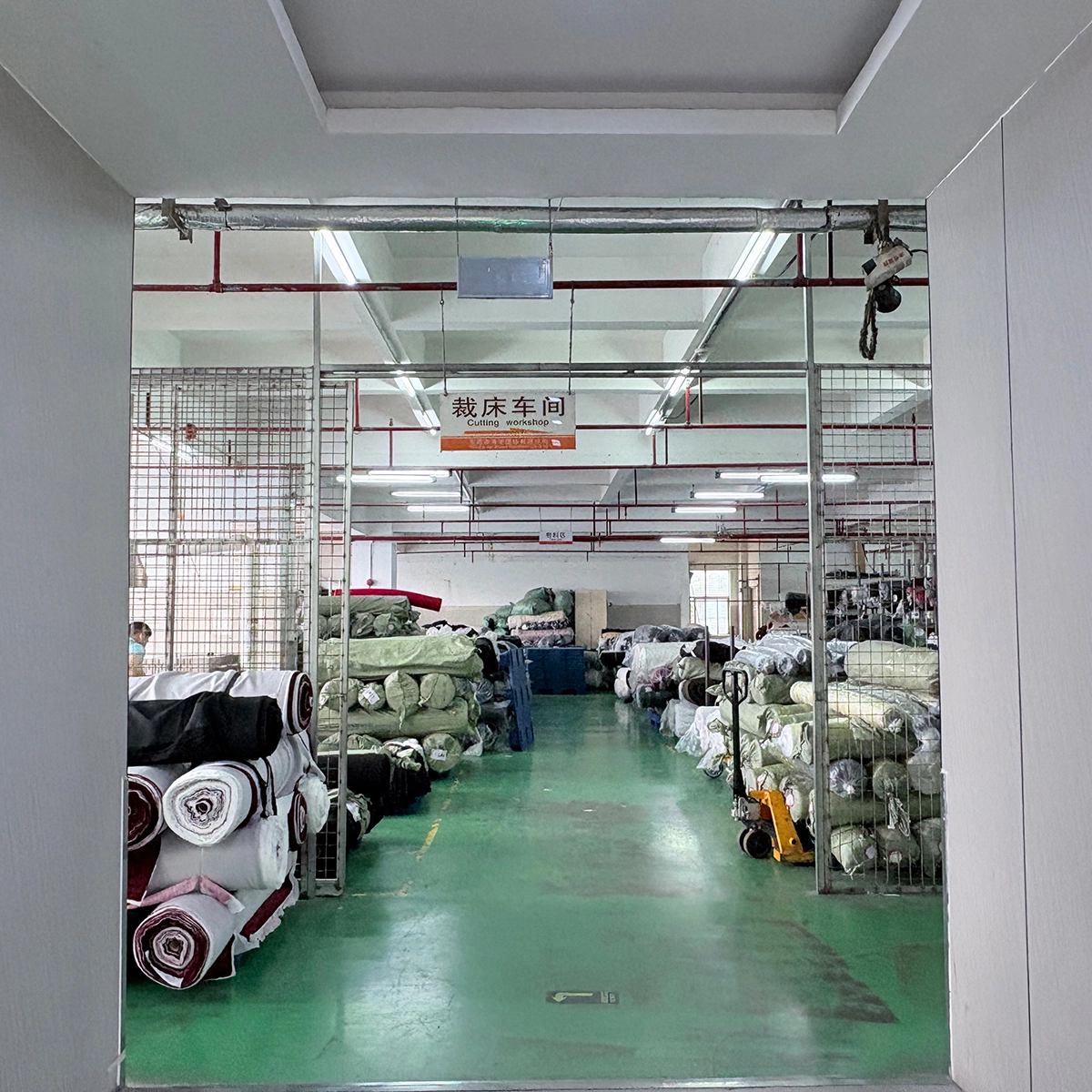
Fabric Warehouse
Before production starts, our fabric team checks incoming materials and prepares them according to style, color, and production schedule. Each fabric roll is reviewed for quantity, shade, and condition before cutting to ensure the correct materials are available for bulk garment production.
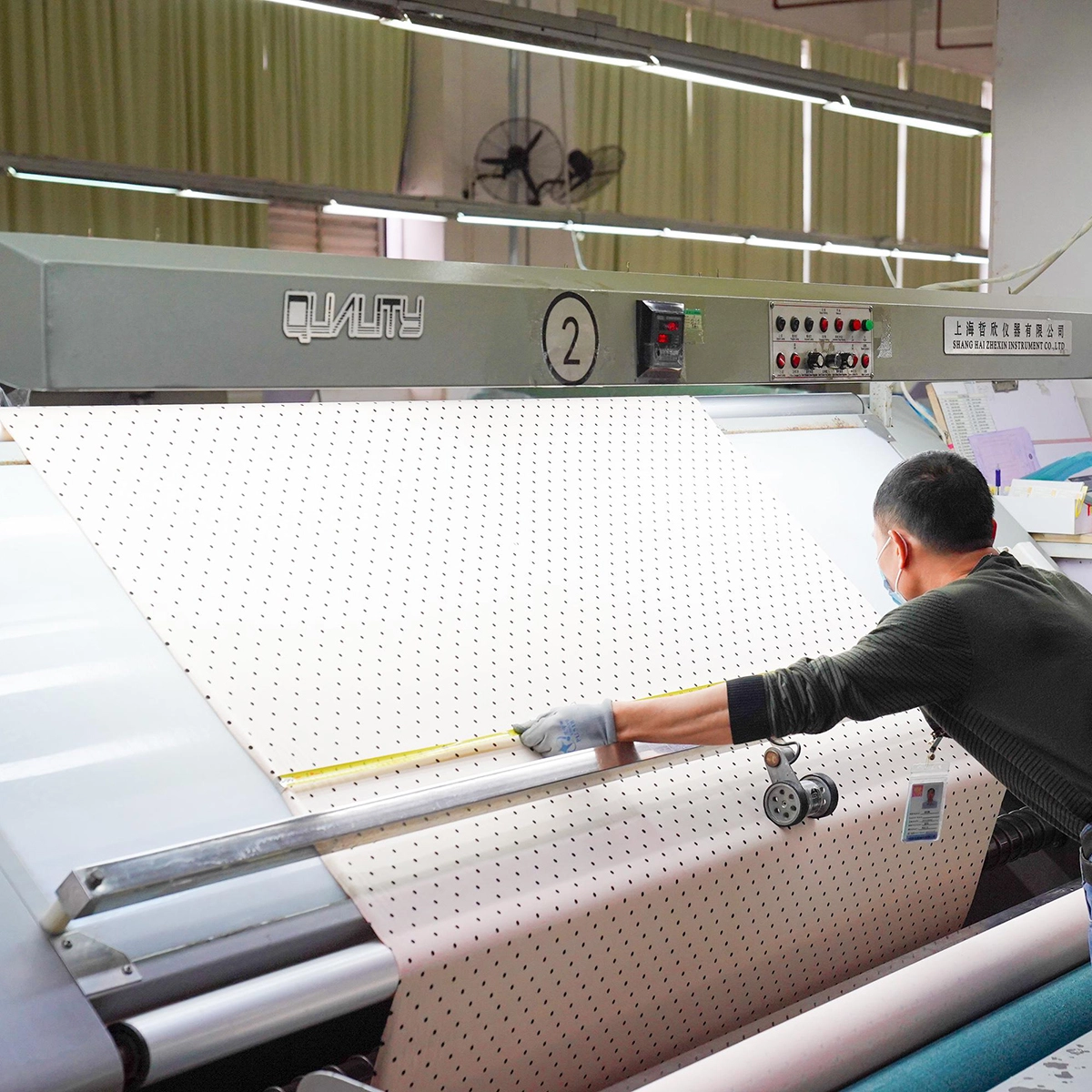
Fabric Inspection
One problem we often see is that fabric issues are discovered too late. Before cutting, we check fabric width, shade consistency, surface defects, and possible shrinkage. A small shade difference between rolls may look acceptable before cutting, but it can become obvious when several finished dresses are placed together.
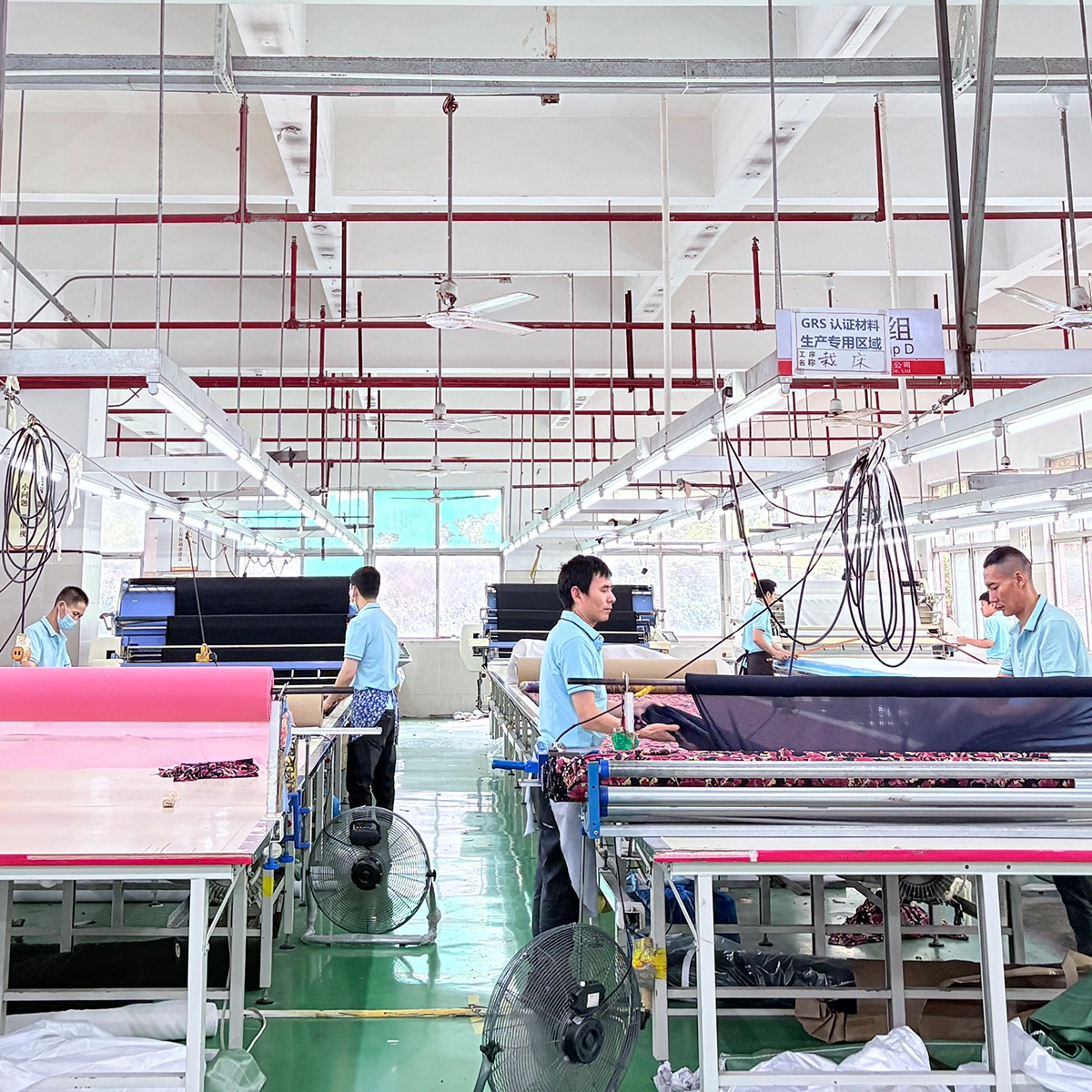
Cutting Process
Before cutting, our cutting team checks marker layouts to make sure fabric usage is optimized and panel accuracy meets the approved pattern. Approved patterns are transferred to our computerized cutting machines to ensure accurate fabric cutting and consistent panel shapes during production. This process helps reduce material waste and improve efficiency. For brands, better cutting accuracy also helps keep measurements consistent across hundreds of garments.
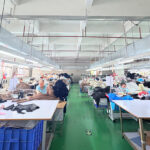
Sewing Line
On the sewing line, operators follow the approved sample, construction details, and production instructions. Our production team also checks key areas during sewing, because problems found after finishing usually require more time and cost to correct.
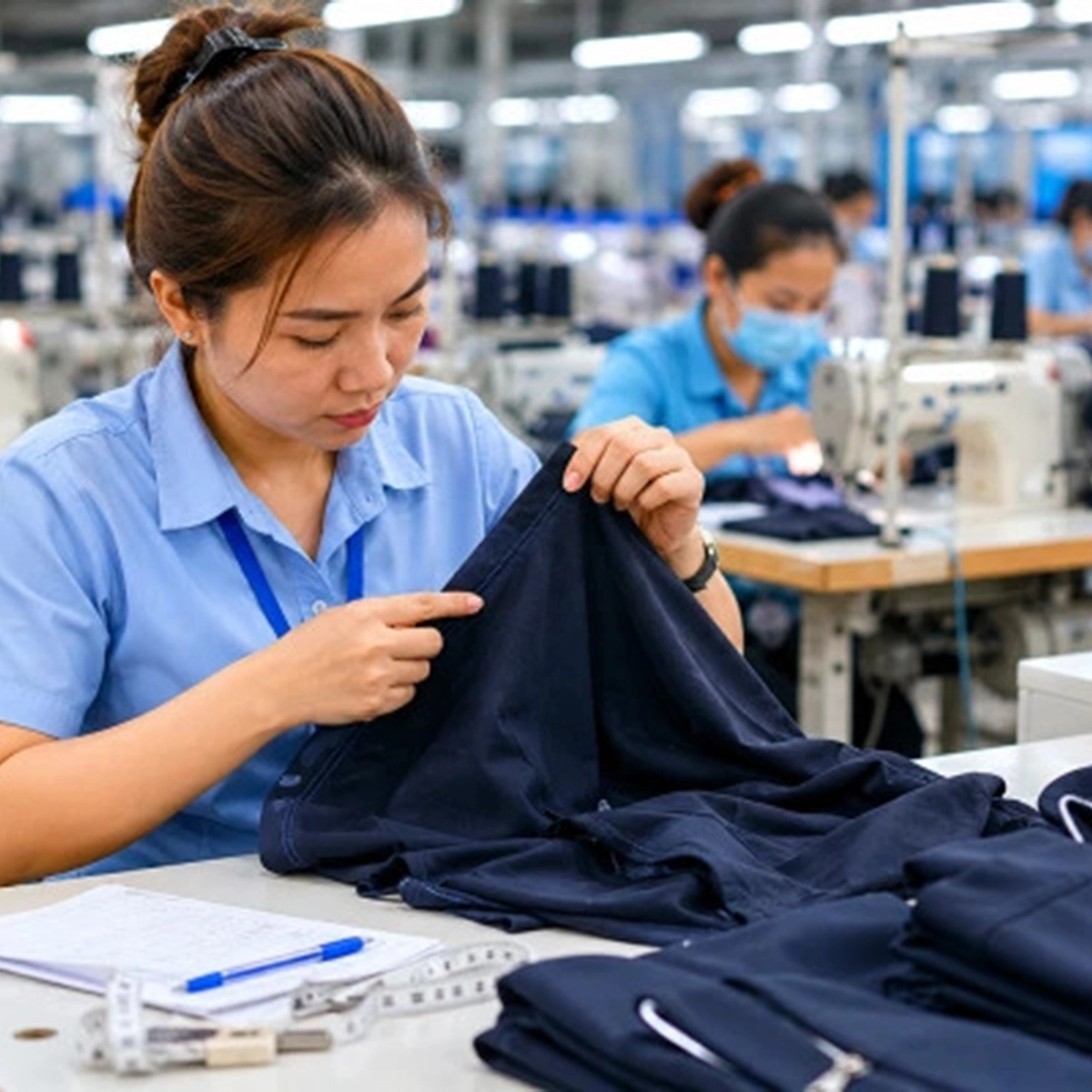
In-line Inspection
From sewing to finishing, our QC team checks garment details, measurements, and workmanship during production. These inspections help reduce rework and maintain stable quality throughout bulk manufacturing.
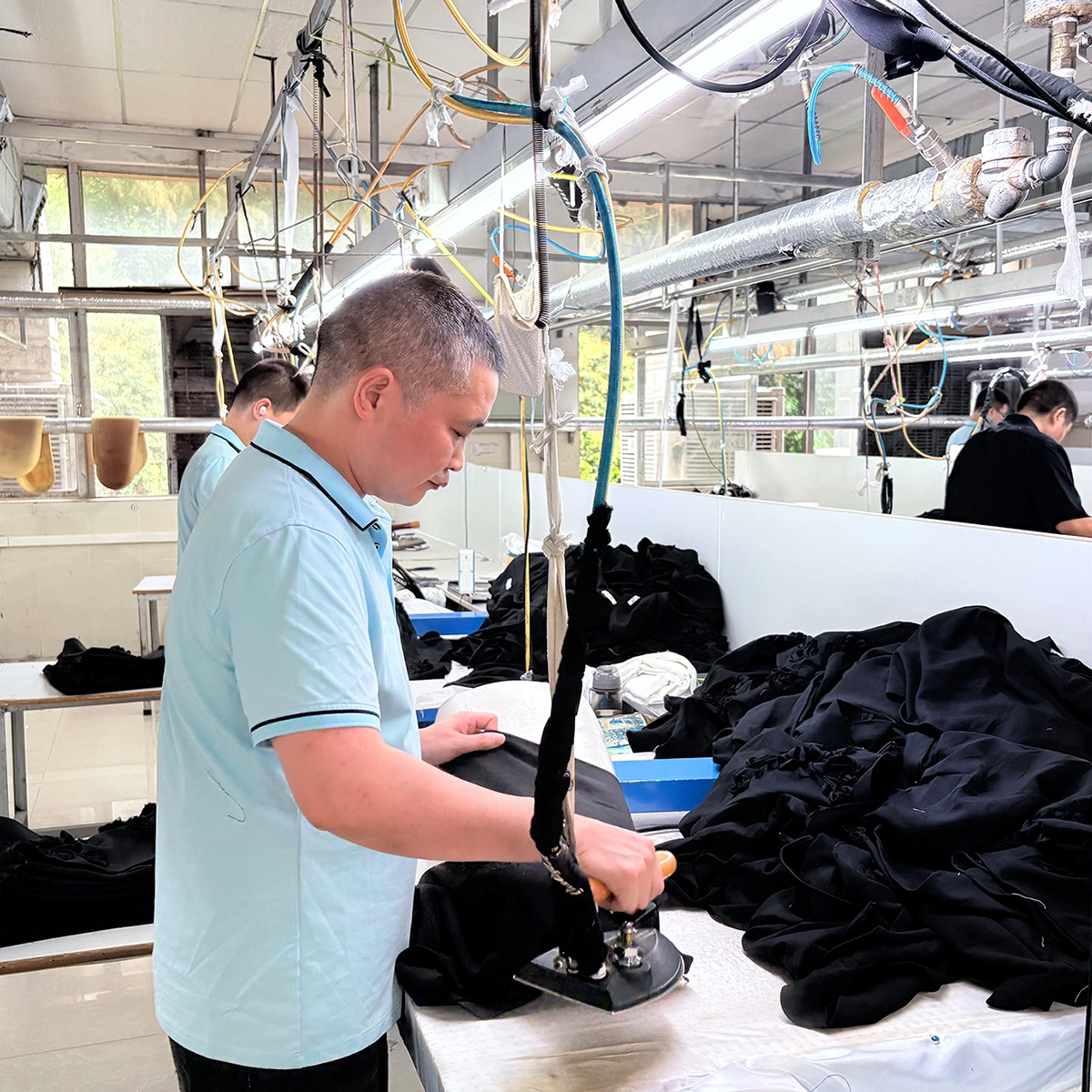
Final Pressing
After production, each batch of garments receives final pressing to remove wrinkles, shape key areas, and improve the final look. Once pressing is completed, the team checks garment details before packing and shipment.
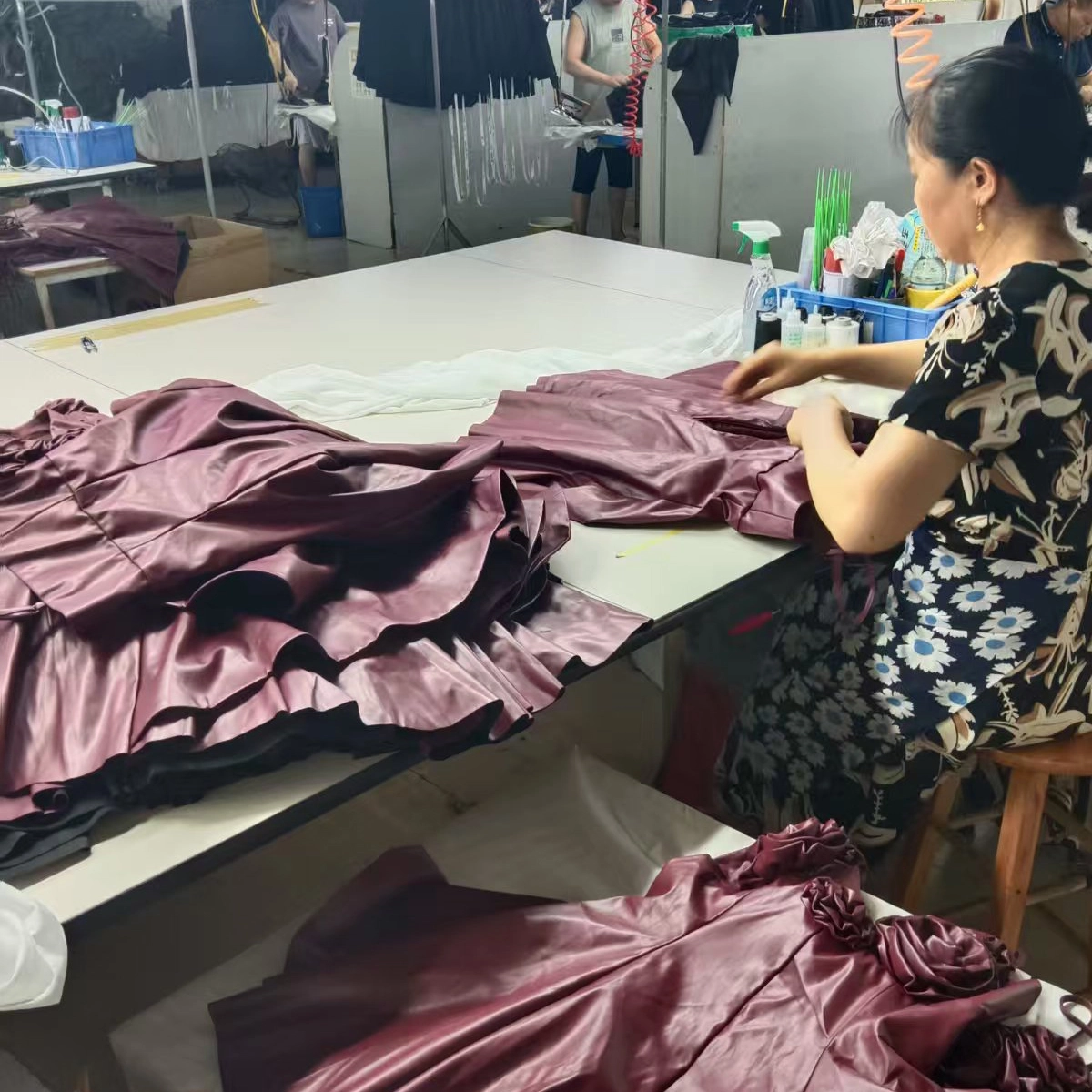
Final Inspection
Before loading, our QC team checks finished garments for measurements, sewing quality, appearance, labels, and packing condition. Any issues found during the final inspection are corrected before shipment.
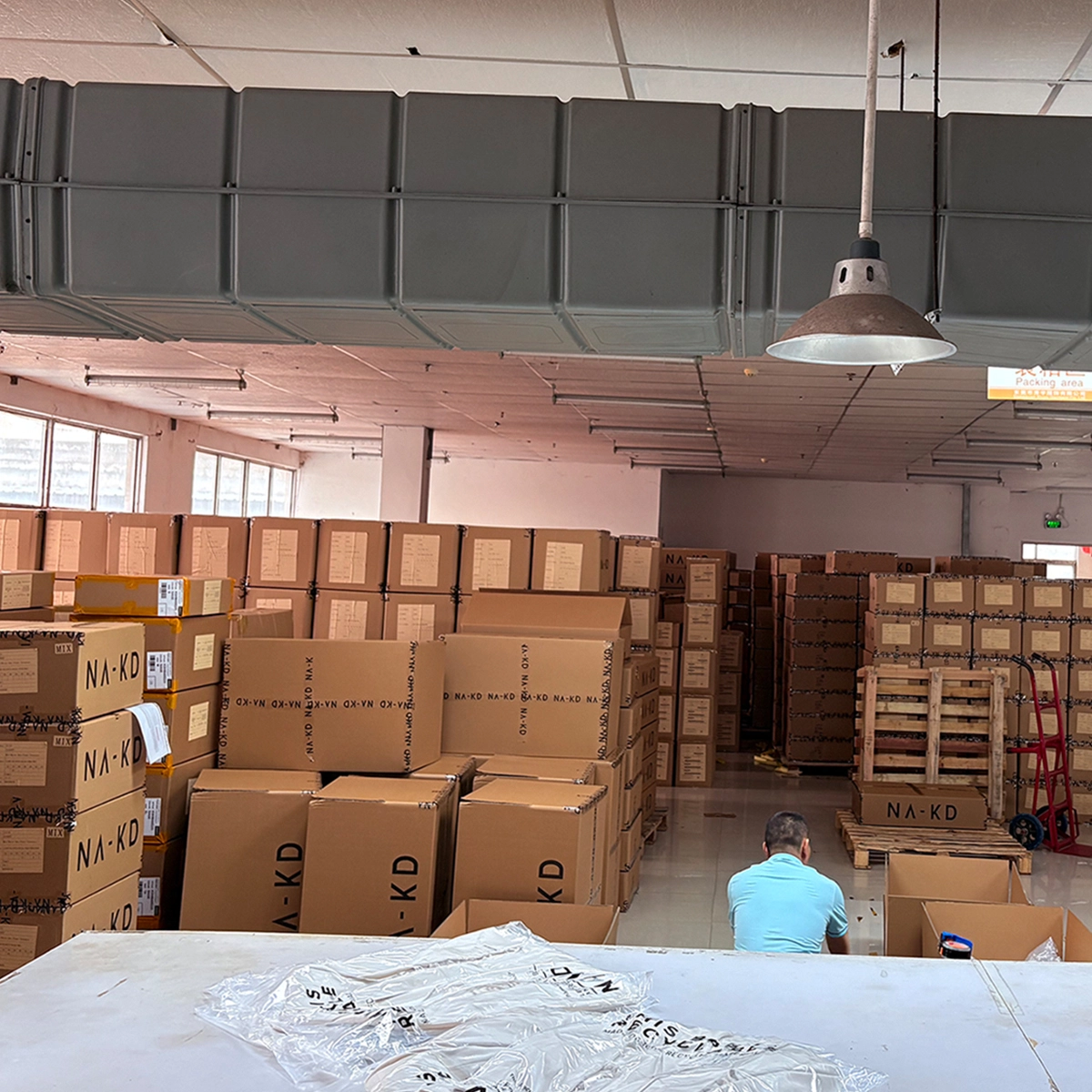
Finished Products
Before loading, our warehouse team checks finished garments by style, color, and size. Quantities, carton labels, and packing details are reviewed before shipment to avoid errors during delivery.
FAQ About Clothing Returns and Manufacturing Quality
1. Why do fashion brands receive clothing returns?
In many cases, customers may write “wrong size” or “not as expected” as the reason for a return. However, when we review the production side, the cause often goes back to fitting, fabric selection, or unclear product requirements. Many of these issues can already be seen during sampling.
2. How can a clothing manufacturer help reduce return rates?
A good manufacturer should question problems before production starts, not simply follow the drawing. If the pattern, fabric, or construction detail creates a production problem, it is better to find it during sampling than after bulk production. For example, if a fabric stretches more than expected or a neckline shape changes after pressing, it is much easier to correct these issues during sampling than after thousands of pieces are produced.
3. How can a small fashion brand avoid quality problems?
Being a small brand is not usually the problem. Many new brands focus heavily on design and marketing but underestimate production details. Without a clear tech pack, measurement approval, and sample confirmation, small mistakes can become expensive after bulk production starts.
4. What should brands check before starting bulk production?
Brands should confirm the final sample, fabric quality, measurements, trims, labels, and production details with the manufacturer. From our experience, most costly mistakes happen because small details are missed before cutting begins. Once cutting starts, changes become much more expensive and can affect delivery schedules.
5. How does fabric choice affect customer satisfaction?
Fabric choice directly affects how customers feel about a garment after purchase. The wrong fabric can cause issues like poor fit, discomfort, transparency, shrinkage, or different appearance from expectations. In our production process, fabric testing before bulk manufacturing helps avoid many unnecessary problems.
6. Why is sample approval important before bulk clothing production?
Sample approval is usually the easiest stage for brands to make changes. Once bulk production starts, even a small modification may affect fabric usage, production time, and delivery plans.
Conclusion
In garment production, many return issues can be traced back to decisions made before bulk manufacturing starts. The quality of a garment is already decided during fabric selection, pattern making, and sample development. Most return problems can be avoided before production begins. A clear sample approval process, suitable fabric selection, and close communication between brands and manufacturers can prevent many issues before they reach customers. For brands building their first collections, having a manufacturing partner involved early can help identify problems before they become expensive production issues.
Explore More Dress Manufacturing Solutions
Start Developing Better Quality Dresses With Xiuyu Apparel
If you are developing dresses, private label collections, or seasonal fashion lines, our team supports fashion brands from fabric sourcing and sample development to MOQ planning, quality control and bulk production.
Whether you are launching your first collection or expanding an existing fashion brand, Xiuyu Apparel provides practical manufacturing support from development to delivery.