Many new fashion founders start with a strong design idea, but turning that idea into a successful clothing collection requires much more than creativity. Fabric decisions, sampling accuracy, production planning, and quality control all affect the final result.
During our 18+ years in apparel manufacturing, we have worked with startups, boutique brands, retailers, and private label companies from different markets. Through hundreds of sampling and production projects, we have seen that many production problems do not come from the original idea, but from small details that are overlooked during product development.
This guide shares practical steps for building a clothing brand, from the first concept to bulk manufacturing, based on real production experience at Xiuyu Apparel.
1. Define Your Brand Position Before Production
Before producing your first collection, you need to clearly define your brand positioning. A clear brand position helps you avoid developing products without a defined customer and market direction.
You should first understand:
- Who are your target customers?
- What price range will your products focus on?
- What styles or categories will define your brand?
- What makes your clothing different from competitors?
For example, a boutique focusing on premium evening wear will have completely different requirements compared with a casual streetwear startup. Your target market will influence fabric materials, production methods, packaging, and your choice of manufacturing partner.
We work with brands throughout the product development process, starting from fabric selection and pattern making to sample approval and bulk production. Our team follows each project closely to make sure the final garments meet the approved requirements.
An experienced manufacturer can help review fabric choices, construction details, and estimated costs before you move into bulk production.
2. Create Your First Clothing Collection Plan
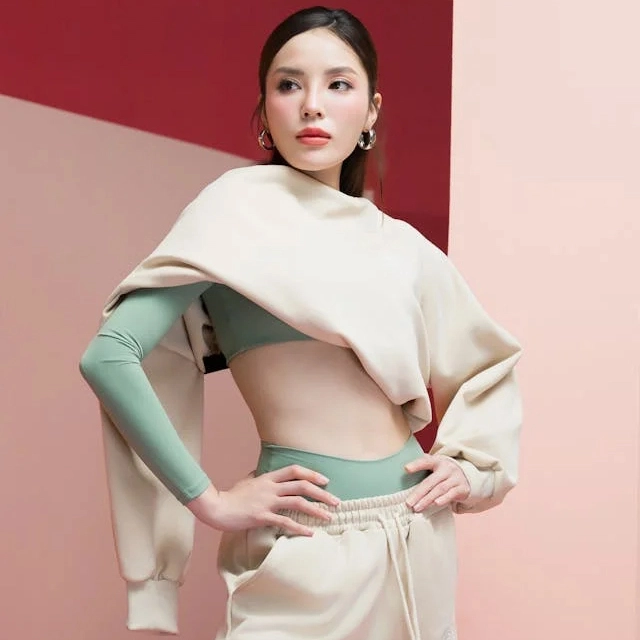
A strong business plan helps you avoid expensive mistakes during the early stages of building your fashion brand.
Your clothing business plan should include:
Brand Positioning
Define your brand identity, including:
- Fashion style
- Customer group
- Product categories
- Brand values
- Market positioning
For example:
A premium women’s clothing brand may focus on silk dresses, luxury fabrics, and elegant designs.
A startup fashion brand may focus on small collections with flexible production quantities.
Product Strategy
Decide:
- Which products you want to launch first
- How many styles you need
- Which fabrics you will use
- Your expected selling price
We have seen many new brands invest heavily in inventory before confirming product demand. Starting with a smaller capsule collection allows brands to test market response before committing to larger production runs. A better approach is to begin with a focused capsule collection of 3-8 styles, test customer response, and scale production gradually. Starting with a focused collection allows you to test the market and control inventory risk.
A Private Label Clothing Manufacturer can help you develop exclusive collections with your own labels, designs, packaging, and brand identity.
3. Find A Clothing Factory That Fits Your Business
After working with different fashion brands, we often see new founders spend a lot of time developing designs but pay less attention to production details. Fabric selection, sample approval, sizing, and manufacturing preparation are all important steps before moving into bulk production.
Some brands come with strong creative ideas but lack a clear fabric plan, size specification, or target cost. These details often become challenges during sampling and may affect the production schedule if they are not confirmed early. In some cases, the first sample looks different from the original idea simply because the fabric weight or construction method was not considered during development.
The wrong supplier can create problems such as:
- Poor quality control
- Delayed delivery
- Communication issues
- Unexpected costs
- Inconsistent production results
Before choosing a manufacturing partner, most brands usually look at several key factors:
Production Experience
Look for manufacturers with experience producing similar products.
For example:
- Dress manufacturers should understand different silhouettes and fabrics.
- Luxury brands need experience with premium materials.
- Startup brands need flexible MOQ solutions.
For startups, choosing a clothing manufacturer with flexible MOQ options can reduce early production pressure. A manufacturer with flexible MOQ options can provide lower-risk production solutions, helping new brands develop samples, test designs, and gradually scale production.
Ask potential suppliers:
- How many pieces can you produce monthly?
- What categories do you specialize in?
- Can you support OEM and ODM?
- Do you provide quality inspection?
For startups, the biggest value of working with an experienced manufacturer is not only production capacity. It is having someone who can identify problems early, recommend suitable fabrics, improve samples, and prevent costly mistakes before bulk production begins.
With more than 18 years of apparel manufacturing experience, we provide one-stop service solutions for fashion startups, boutique brands, retailers, and wholesalers worldwide.
| Manufacturing Capability | Details |
|---|---|
| Experience | Over 18 Years Apparel Manufacturing |
| Monthly Capacity | 150,000 Pieces |
| Workforce | 750+ Skilled Workers |
| Equipment | 500+ Sewing Machines |
| MOQ | Starting from 50-100 pcs/style |
| Sample Time | 3-7 Days |
| Bulk Production | 25-30 Days |
| Export Market | 40+ Countries |
Start Your Clothing Project
4. Develop Samples And Test Your Products
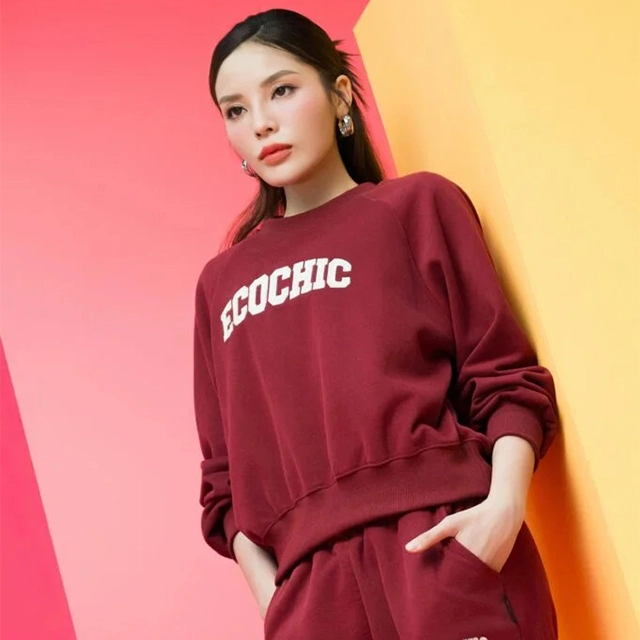
After selecting your product direction and manufacturing partner, the next step is turning your ideas into physical samples.
The development process usually includes:
Design Concept
You provide:
- Sketches
- Reference images
- Technical drawings
- Fabric requirements
Fabric Quality
Fabric quality directly affects:
- Product appearance
- Customer experience
- Brand reputation
Select suitable fabrics based on your target price and market positioning.
Pattern Making
Experienced pattern makers adjust measurements and create sample patterns.
Sample Development
Samples allow you to check:
- Fit
- Fabric performance
- Sewing quality
- Design details
Many of the brands we work with start with samples or small production runs before moving into larger orders.. Through sample development and small-batch production, brands can review fit, fabric, and workmanship before moving into bulk manufacturing.
Small batch production reduces inventory pressure while giving brands flexibility to improve designs based on market feedback.
5. Understand MOQ, Pricing And Production Costs
Minimum Order Quantity (MOQ) is one of the biggest concerns for new fashion brands.
Many startups worry that manufacturers require thousands of pieces per style, creating financial pressure.
However, modern manufacturing solutions provide more flexible options.
A Low MOQ Clothing Manufacturer can support smaller brands by offering production quantities suitable for market testing, boutique collections, and new product launches.
When calculating clothing production costs, consider:
Fabric Cost
Fabric materials are usually one of the largest cost factors.
Premium fabrics such as silk, linen, and specialty materials will increase production costs.
Manufacturing Cost
This includes:
- Cutting
- Sewing
- Finishing
- Quality inspection
- Packaging
Additional Costs
Remember to include:
- Sample fees
- Shipping costs
- Labels
- Packaging
- Custom accessories
Working with a clothing factories help you understand the complete cost structure and avoid unexpected expenses.

6. Inside A Real Clothing Factory: From Fabric To Shipment
Each clothing production project begins with detailed fabric inspection to verify material quality, color consistency, and performance. Before bulk cutting starts, we develop a pre-production sample for every new style to confirm design details, fitting accuracy, and manufacturing requirements, ensuring efficient production and consistent quality.
The real clothing manufacturing process at Xiuyu Apparel covers fabric inspection, cutting, sewing, pressing, final inspection, and packing. Each stage is monitored by our production and quality teams before shipment.
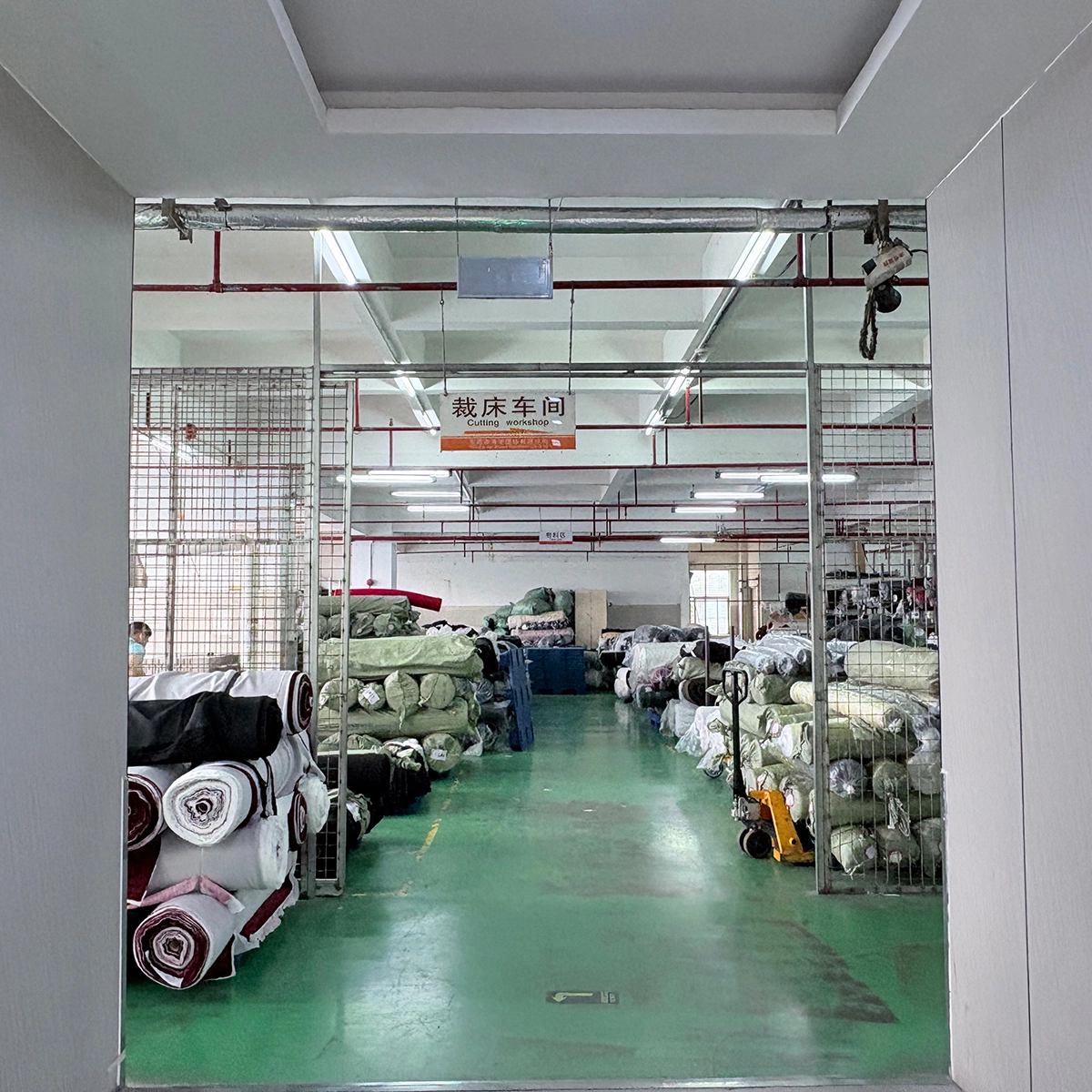
Fabric Warehouse
Fabric preparation starts before production. Our team checks each fabric roll for color, quantity, and fabric condition, then labels it with batch information for tracking. This helps us identify material problems early and avoid delays during custom clothing production. The fabric team records incoming materials before production scheduling begins.
↓
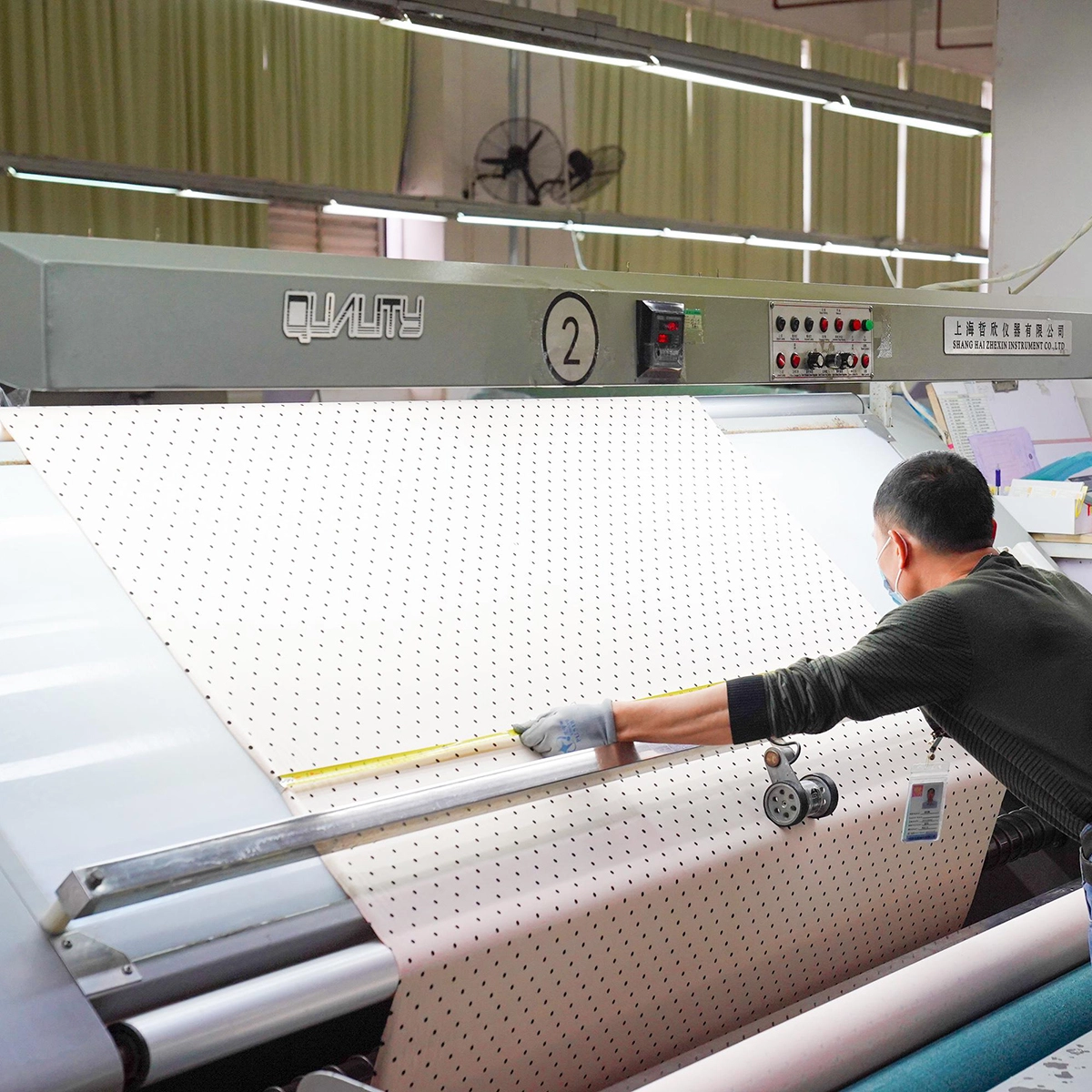
Fabric Inspection
Before cutting begins, every fabric roll is inspected by our QC team using the 4-Point Fabric Inspection System. We check color variation, weaving quality, stains, and other visible defects to make sure the materials are ready for production. This helps prevent fabric problems and reduce waste during garment manufacturing. This step is especially important for fabrics with satin, silk, or delicate surfaces, where small defects can affect the final appearance of the garment. Each fabric roll is recorded with inspection results before entering production.
↓
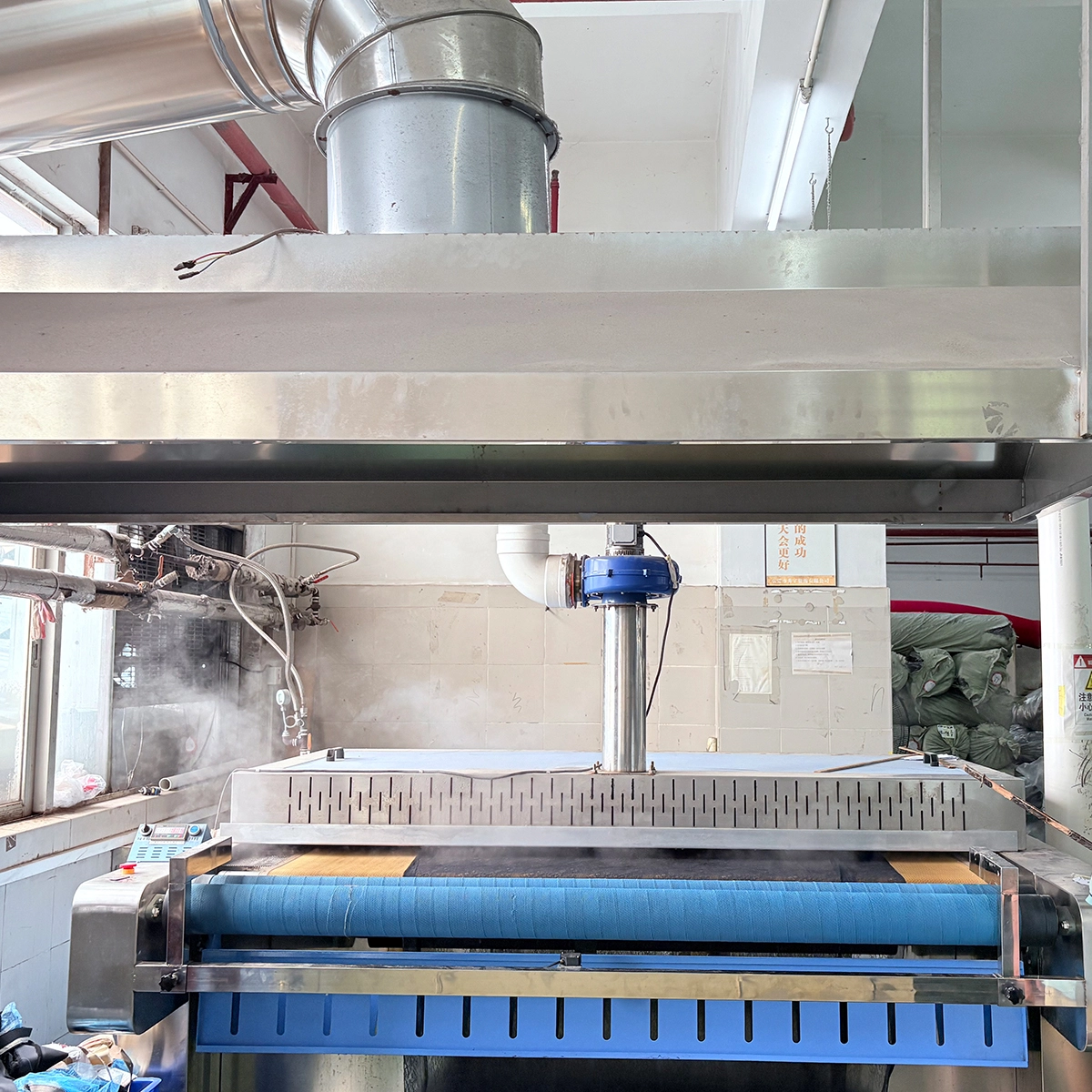
Fabric Pre-shrinking
After fabric inspection, selected materials are pre-shrunk before cutting to reduce shrinkage risks during washing and wearing. This process helps keep garment sizing more consistent across bulk OEM & ODM orders.
↓
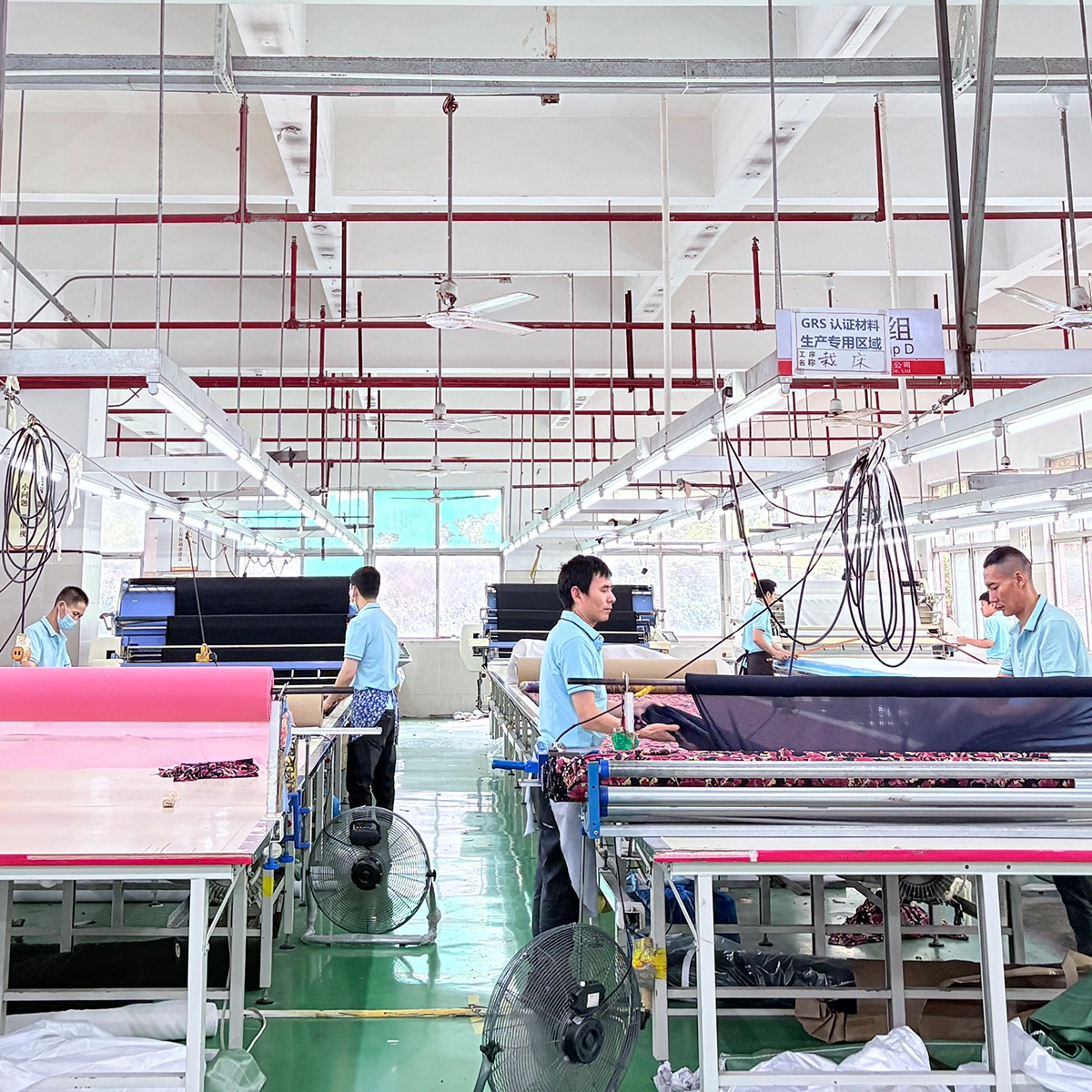
Automatic Cutting
We use automatic cutting machines to improve cutting accuracy and maintain consistent patterns across bulk production. The system helps reduce fabric waste, improve material usage, and ensure accurate garment measurements for OEM & ODM orders.
↓
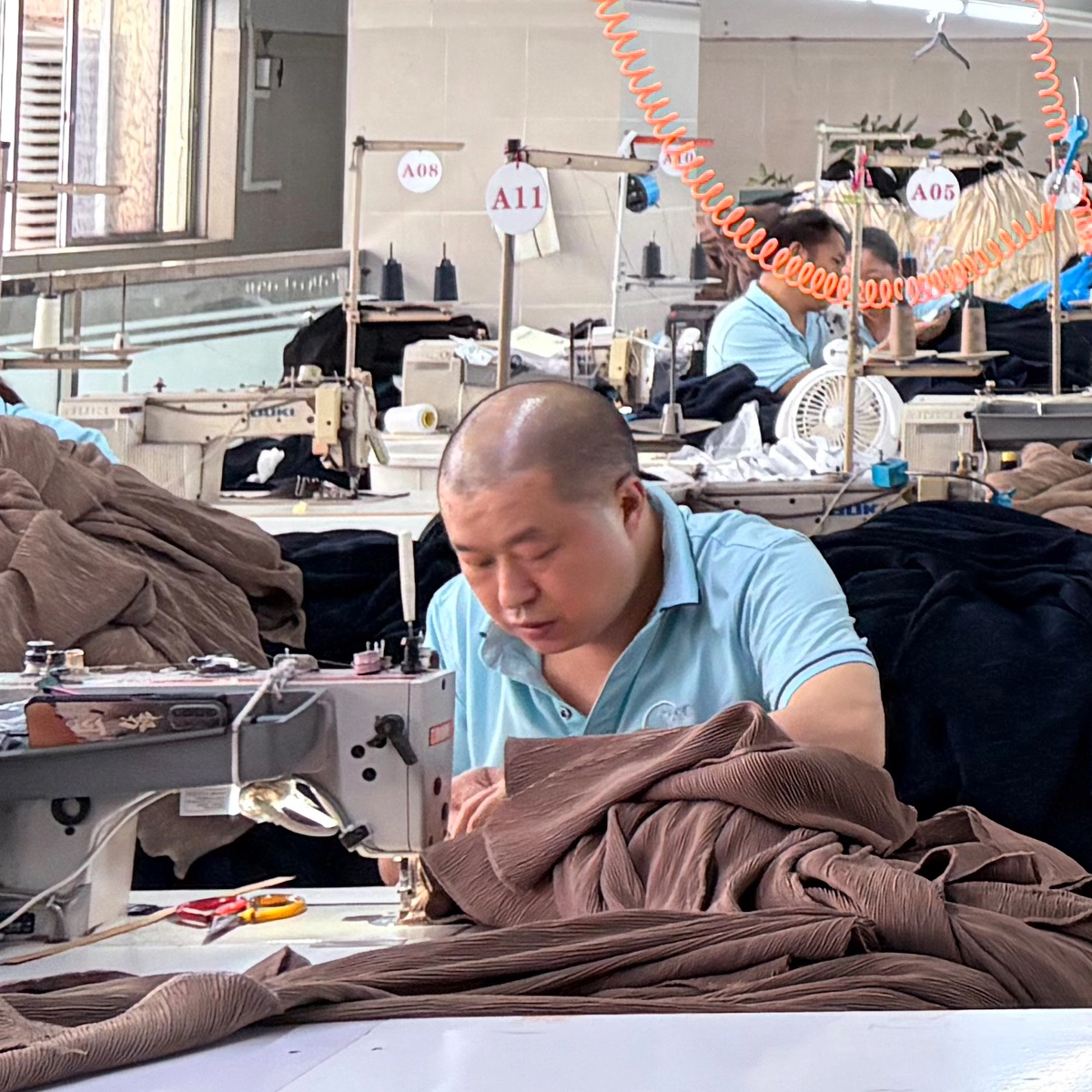
Bulk production Sewing
Skilled sewing operators follow approved patterns, measurements, and production instructions to ensure accurate garment assembly. Regular process checks help maintain consistent stitching quality and construction during bulk production. Production supervisors check workmanship during the sewing process and communicate adjustments with the sewing team when needed.
↓
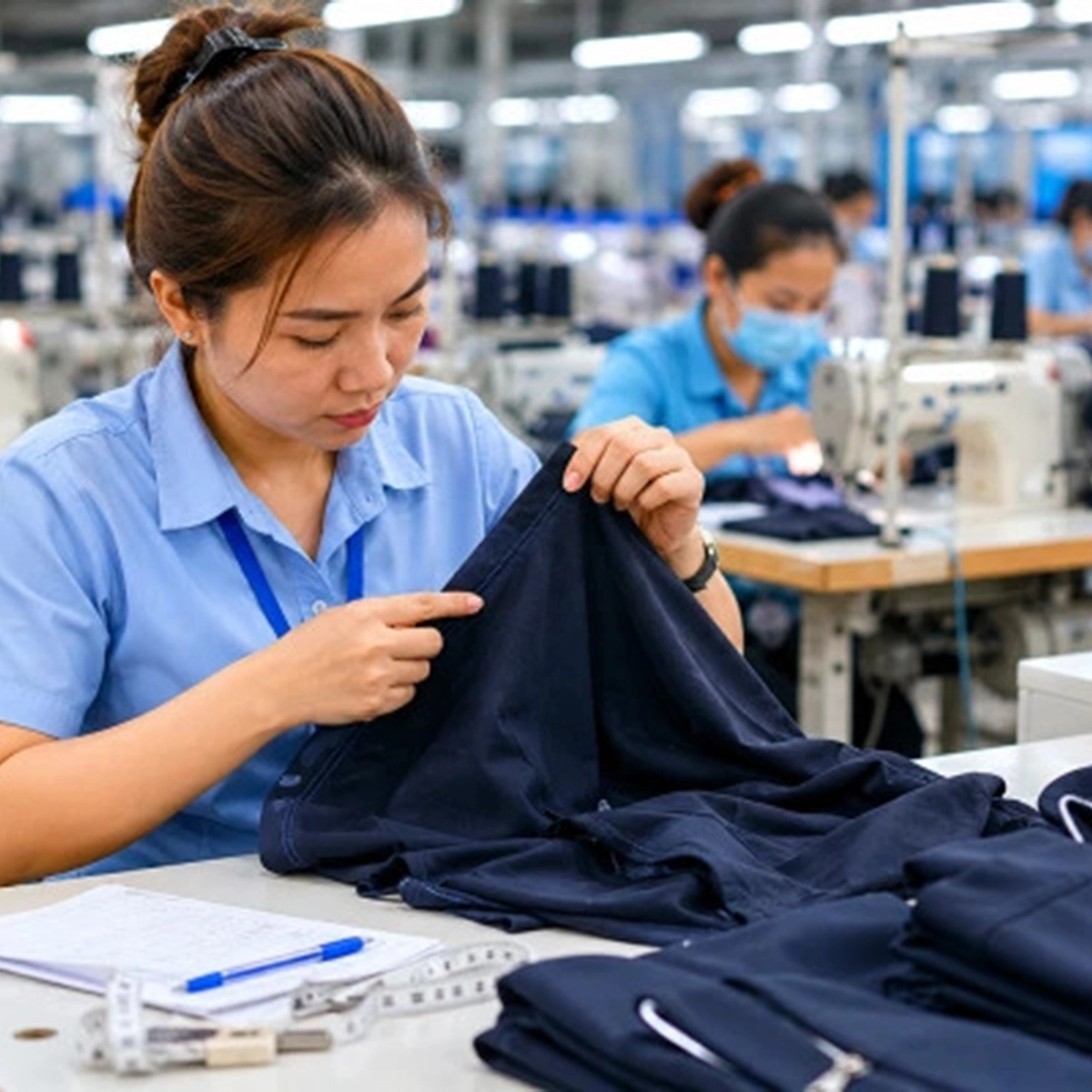
In-line Inspection
During production, our QC team checks stitching, garment measurements, and construction details at different stages. Early detection of problems helps reduce rework and maintain consistent quality throughout bulk manufacturing.
↓
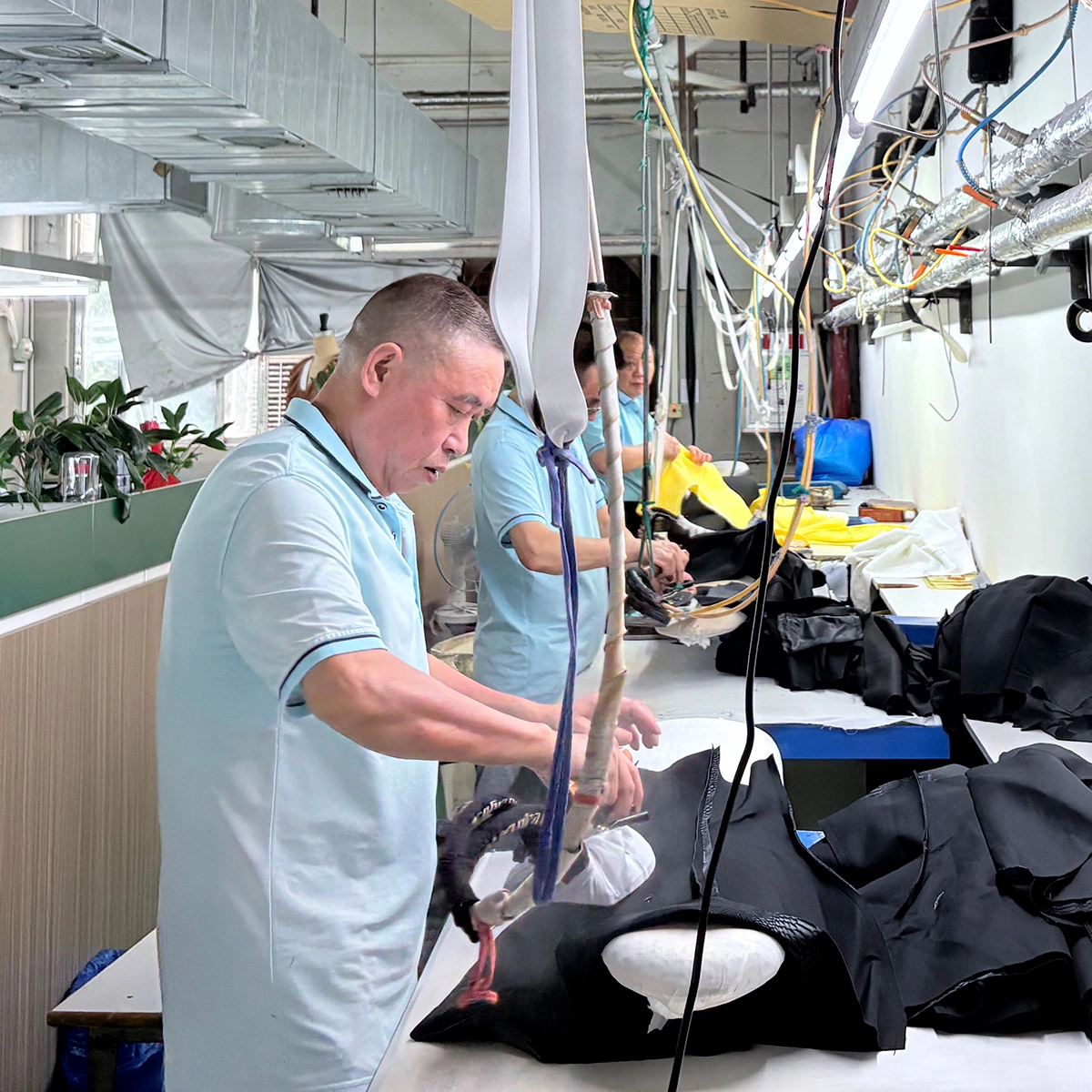
In-line Pressing
After sewing, garments go through in-line pressing to shape panels, refine seam details, and remove wrinkles before the next inspection stage. Careful pressing helps improve the final look and maintain stable quality during bulk manufacturing.
↓
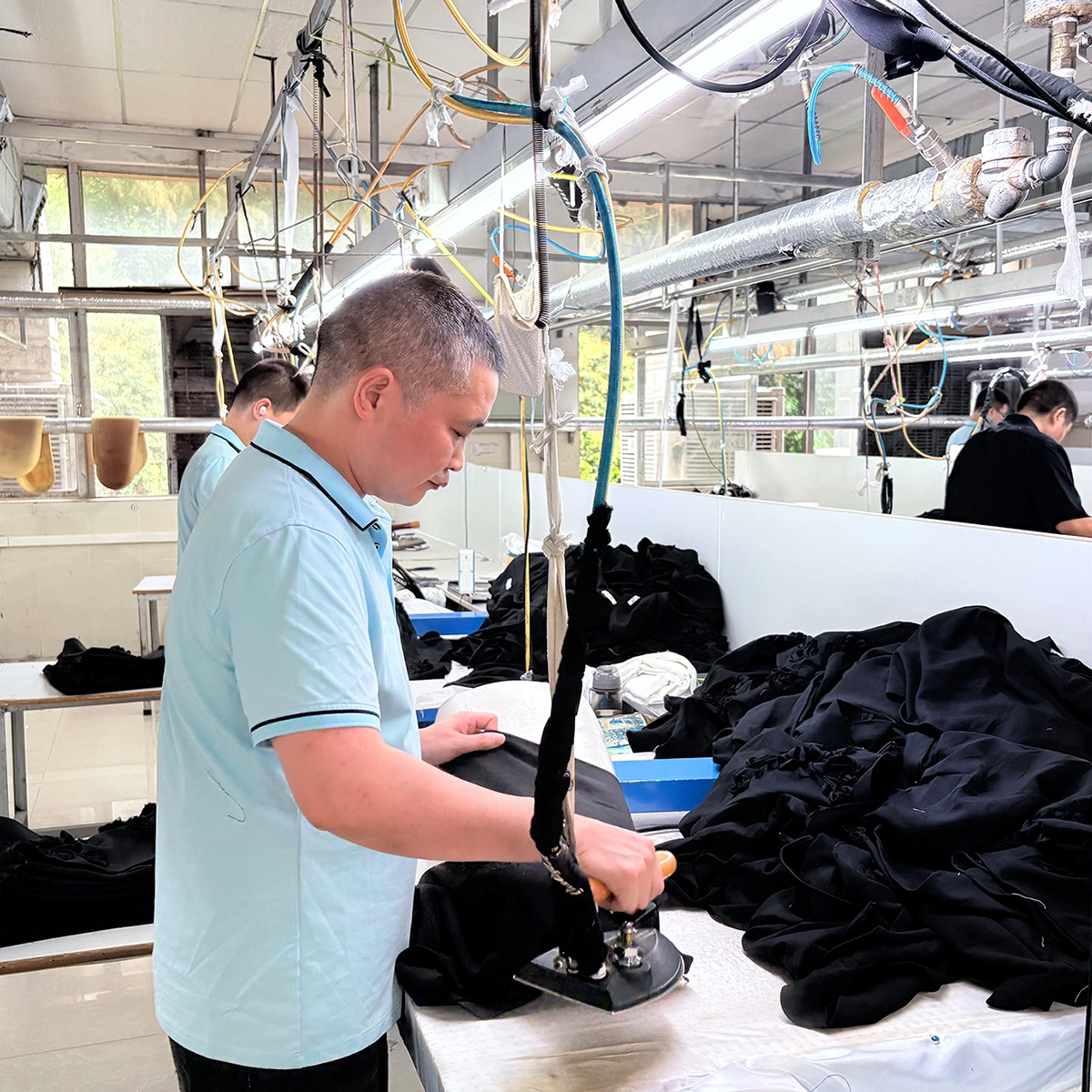
Final Pressing
Before packing, finished garments are pressed one last time to adjust shape, smooth seams, and improve the final look. After pressing, the team checks details such as appearance and workmanship before shipment.
↓
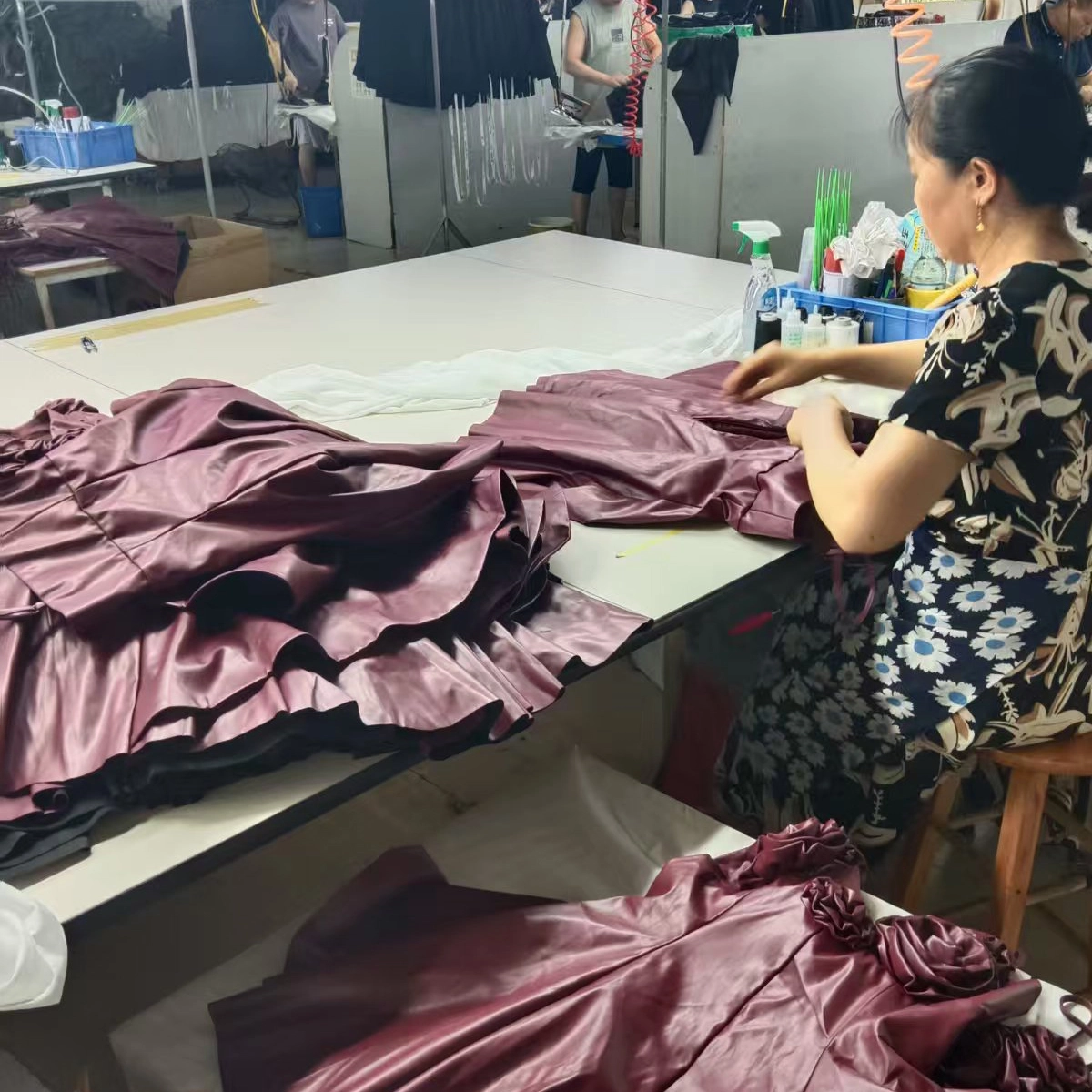
Final Inspection
Before loading, our QC team checks finished garments for measurements, sewing quality, appearance, labels, and packing condition. Any issues found during the final inspection are corrected before shipment.
↓
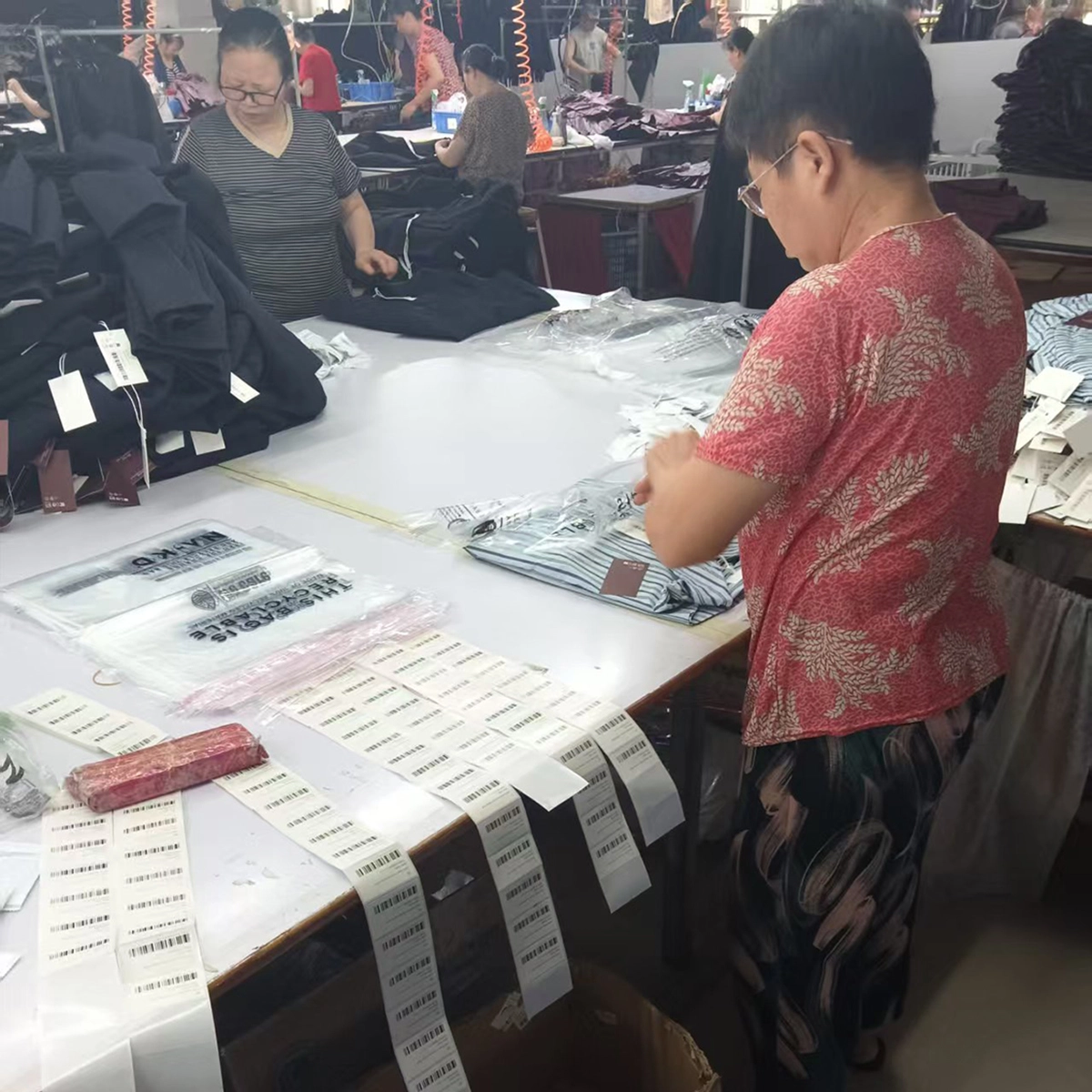
Garment Packing
After inspection, finished garments are folded and packed according to approved packing instructions. Our team handles labeling, barcode application, and customized packaging details before orders are shipped.
↓
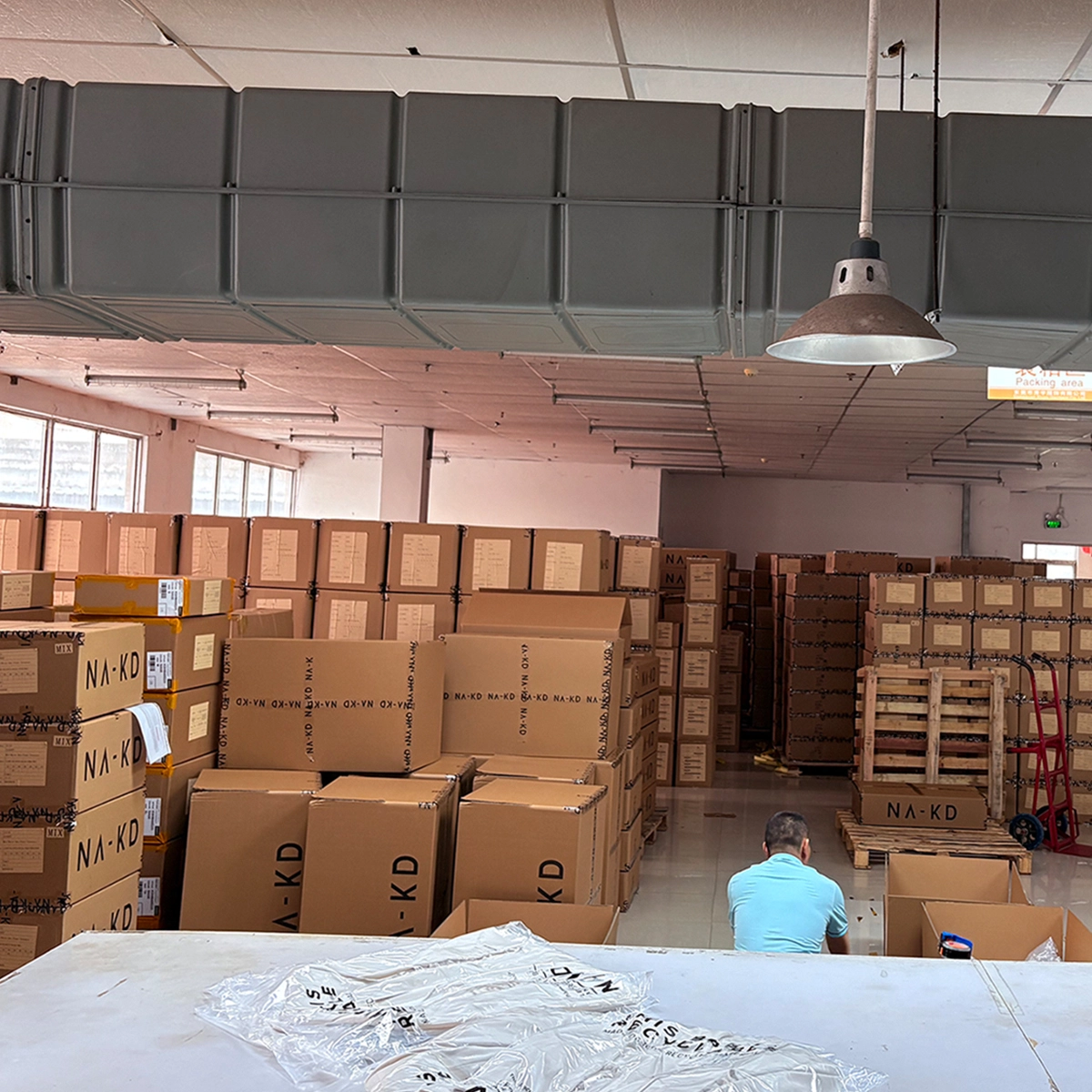
Finished Products
Before loading, our warehouse team checks finished garments by style, color, and size. Quantities, carton labels, and packing details are reviewed before shipment to avoid errors during delivery.
7. Build Your Brand Identity And Marketing Channels
You also need a strong brand identity and marketing strategy to attract customers and create long-term growth.
Your brand identity includes:
- Brand name
- Logo design
- Packaging style
- Product photography
- Website presentation
- Social media content
- Customer experience
For fashion brand companies, your brand image should clearly communicate your value. Retail buyers, boutiques, and wholesalers usually look for suppliers that can provide not only quality products but also reliable business support. A good clothing factory can help you create products that match your brand positioning while maintaining consistent quality across different collections.
Your marketing strategy including:
Build A Professional Website
A website is essential for modern fashion brands because it helps customers understand:
- Your product collections
- Your brand story
- Your manufacturing capabilities
- Your wholesale opportunities
For brands working with manufacturers, showing production capability, materials, and quality standards helps build trust with buyers.
Use Content Marketing And SEO
Fashion brands can attract organic traffic by creating valuable content around:
- Product trends
- Manufacturing knowledge
- Fabric guides
- Styling inspiration
- Production processes
SEO content can help your brand reach customers who are actively searching for products and suppliers.
8. Choose Private Label Or OEM Production
Different fashion businesses require different production approaches.
Understanding your production model helps you control investment and growth.
Private Label Production
Private label allows you to sell clothing products under your own brand name.
You can customize:
- Labels
- Packaging
- Colors
- Fabrics
- Designs
Many brands work with private label apparel manufacturers because they need production support without setting up their own factory. Our team helps manage fabrics, samples, production, and packaging to bring approved designs into finished garments.
This model is popular among:
- Fashion startups
- Online clothing brands
- Boutiques
- Retail companies
9. Scale Your Clothing Brand With A Reliable Supply Chain
Many fashion founders start with a strong design idea, but turning that idea into a sellable collection requires much more than creativity. Fabric, trims, production planning, and final AQL inspection all determine whether a new clothing brand can grow successfully.
The type of support a brand needs usually changes as the business grows.
Startup Stage
You may need:
- Small quantities
- Flexible MOQ
- Sample development
- Product testing
Growth Stage
You may require:
- More production capacity
- Better cost control
- More product categories
Established Brand Stage
You may need:
- Stable supply chain
- Faster production
- Global shipping support
- Stable suppliers
- Accurate production schedules
- Efficient inventory management
As order volumes increase, a stable production partner helps brands maintain consistent quality across different collections.
We work closely with brands to understand their designs, fabrics, production schedules, and quality standards. This allows our team to provide practical support from sampling through bulk production.
Why Choose An Apparel Manufacturer In China?
Many overseas fashion startups choose Chinese factories because China offers:
✓ Complete apparel supply chain
✓ Experienced garment workers
✓ Flexible OEM production
✓ Competitive manufacturing costs
✓ Fabric sourcing
✓ Export support
10. Case Study: How A European Boutique Brand Developed A Custom Occasion Wear Pants Collection
1. Client Overview
Client: European Boutique Fashion Brand
Industry: Women’s Fashion / Occasion Wear
Project: Custom Occasion Wear Pants Collection
Requirements:
- Custom design development
- Premium fabric sourcing
- Private label
- Small batch production
2. Project Requirements
The client needed a manufacturing partner capable of delivering:
- High-quality fabric sourcing
- Custom pants development based on design concepts
- Customized silhouettes, colors, and garment details
- Private label manufacturing services with branded labels and packaging
- Accurate pattern development and consistent sizing
- Competitive production costs without compromising craftsmanship
3. Xiuyu Apparel’s Manufacturing Solution
As a good OEM clothing production factory, we provided a complete end-to-end production solution, covering the entire process from concept development to final delivery.
Our team supported the project through:
Fabric Sourcing
We recommended suitable fabrics based on the brand’s positioning, make L/D for approval.
Custom Pattern Development
Our technical team developed patterns according to the client’s design specifications, ensuring:
- Accurate garment structure
- Proper fitting
- Balanced proportions
- Production-ready patterns
Sample Development & Fit Approval
We created initial samples within 7 days and worked closely with the client to complete:
- Sample review
- Fit adjustments
- Design modifications
- Final production approval
Private Label Manufacturing
To help the brand establish its own identity, we provided:
- Custom woven labels
- Branded hangtags
- Customized packaging solutions
Bulk Production & Quality Control
After sample approval, our production team completed bulk manufacturing with strict quality management, including:
- Sewing production
- In-line quality inspection
- Final garment inspection
- Packing and shipment preparation
4. Production Details
| Project Details | Information |
|---|---|
| Product | Custom pants as sketches and measurement |
| Client Location | European Boutique Fashion Brand |
| Order Quantity | 300 Pieces |
| Fabric | suit fabric for pants |
| Customization | Colors, Silhouettes, Labels, Packaging, Size Specifications |
| Sample Development | 7 Days |
| Bulk Production | 25 Days |
| Manufacturing Service | OEM + Private Label + Quality Inspection |
5. Manufacturing Results
Through close cooperation and after final quality inspection, Xiuyu Apparel helped the client complete its customized pants.
Production Challenge
The client needed a boutique-level finish while keeping the order quantity at 300 pieces. Our team focused on fabric selection, pattern adjustment, and sample approval before bulk production.
6. Why The Brand Chose Xiuyu Apparel
For emerging fashion brands and boutique retailers, finding the right manufacturing partner is essential.
We provided:
✔ Flexible MOQ Production
Supporting boutique brands with smaller collection development and market testing.
✔ Complete OEM Solutions
From fabric sourcing and sampling to bulk production and shipment.
✔ Quality-Focused Manufacturing
Strict inspection processes ensure every garment meets brand expectations.
✔ Long-Term Partnership Support
Helping fashion brands continuously develop new collections and scale their business.
Why Fashion Startups Choose Xiuyu Apparel
For new brands, choosing a manufacturer is often a balance between flexibility, quality control, and production capability. Our production model is designed to support both emerging brands testing their first collection and established companies expanding product lines.
- 18+ years manufacturing experience
- 750+ workers
- 150,000 pcs/month capacity
- 40+ export countries
- OEM/ODM
- Low MOQ 50-100 pcs
Frequently Asked Questions About Starting A Clothing Brand
1. How much money do I need to start a clothing brand?
The budget depends on your product category, fabric choice, order quantity, and how much customization you need. The initial cost usually depends on your garment styles, fabric choices, sample requirements, customization level, and order quantity.
We often work with new fashion brands that start with a small collection and lower production quantities. This approach allows them to review samples, check product quality, understand customer response, and make adjustments before moving into larger orders. Choosing a low MOQ clothing manufacturer can help reduce inventory pressure and allow brands to improve their products step by step before moving into larger production runs.
2. How do I find a reliable clothing factory?
Choosing the right clothing factory requires more than comparing production prices. Before starting a partnership, check the factory’s production experience, sample quality, communication process, and ability to handle your specific garment requirements.
When working with a clothing factory, clear communication about fabrics, samples, production schedules, and quality requirements is essential. Before starting bulk production, brands should review and approve samples to confirm the fit, workmanship, and finishing details meet their expectations.
Do not choose a supplier only because of the lowest price. Poor workmanship, delays, or inconsistent quality can affect customer satisfaction and damage your brand reputation.
3. What MOQ should I expect when starting a clothing brand?
MOQ (Minimum Order Quantity) varies depending on the garment style, fabric selection, customization details, and production requirements. Simple designs with available fabrics usually have lower MOQs, while custom fabrics, special colors, or complex constructions may require higher quantities.
We often work with brands that begin with smaller quantities when launching new styles. After reviewing samples and checking details such as fabric, fit, and finishing, they can make improvements before increasing production. Flexible MOQ options give brands more room to develop products and manage inventory during the early stages.
4. Can I start a clothing brand without fashion design experience?
Yes, many new brands start without a full fashion design background. Working with an experienced clothing manufacturer can help you turn ideas into workable garment designs through professional development support.
Our team often helps brands with fabric selection, pattern adjustments, sample reviews, and production recommendations during the development stage. While a clear product idea is important, you do not need to handle every technical detail by yourself. A reliable manufacturing partner can guide you through sampling, fit improvements, and production preparation to help bring your collection into reality.
5. How can I ensure clothing quality before bulk production?
Quality control should begin before bulk manufacturing starts. Approving a final sample is an important step because it confirms the fabric, fit, measurements, construction, and finishing details before production.
At our factory, we check key areas throughout the production process, including fabric inspection, size measurement, sewing quality, in-line inspections, and final garment checks. These steps help identify potential issues early and keep production aligned with the approved sample and specifications.
Choosing an experienced clothing manufacturer with a clear quality control process can help brands achieve more stable results during bulk orders.
6. Can a clothing factory help with private labeling and packaging?
Yes, many clothing manufacturers support private label production and customized packaging for fashion brands. These services usually include custom labels, hang tags, care labels, packaging bags, barcode stickers, and other branding details required for product delivery.
During production, our team works with brands to confirm label placement, packaging requirements, and finishing details before bulk manufacturing begins. This helps ensure the final garments match the brand’s specifications and are ready for retail or distribution.
Choosing a factory with private label experience can make the product development process smoother, especially for brands building their own collections.
7. Why should fashion brands work with a third-party clothing factory instead of producing themselves?
Building an in-house production facility requires much more than purchasing sewing machines. Brands also need to manage skilled workers, production planning, quality control, fabric sourcing, and daily factory operations. These costs and responsibilities can be challenging, especially for growing fashion companies.
By working with an experienced clothing manufacturer, brands can focus more on design, marketing, sales, and customer relationships while the factory handles sampling, production, and quality management. Many fashion brands choose this model because it gives them access to professional manufacturing resources without the need to build and manage their own production system.
8. How much does it cost to manufacture clothing?
Clothing manufacturing costs vary depending on the garment style, fabric choice, design details, order quantity, and production requirements. Before starting production, brands usually need to consider fabric costs, labor, sampling fees, MOQ, packaging, and shipping expenses.
For most clothing projects, the final cost depends on the garment details and production requirements. Styles with standard fabrics and simpler construction are usually more straightforward, while custom fabrics, special finishes, or complex designs need more sampling, adjustments, and production preparation. Many startups begin with smaller quantities, such as 50–100 pieces per style, to test products before increasing production.
A clear cost breakdown helps brands plan pricing, inventory, and production decisions more effectively.
9. Can I start a clothing brand with a small budget?
Yes, many new fashion brands begin with a limited budget by starting with a smaller collection and controlled production quantities. From our experience working with startups, the biggest challenge is usually not the idea itself, but managing sampling costs, fabric choices, MOQ, and inventory before sales begin.
Many brands start with a few key styles, develop professional samples, and use low MOQ production to test customer feedback before expanding. Choosing a manufacturer that understands startup needs can help avoid unnecessary production costs and improve the development process.
A practical production plan allows new brands to build their collections step by step while preparing for future growth.
About Xiuyu Apparel
Founded with more than 18 years of apparel manufacturing experience, we specializes in OEM and private label clothing production for fashion brands, boutiques, retailers, and wholesalers worldwide. Located in Dongguan, China, Xiuyu Apparel works with local fabric suppliers and production partners to support apparel development from sampling to bulk manufacturing.
From fabric sourcing and sample development to bulk production and shipment, our team manages each stage with production experience gained from thousands of garments developed for different markets.
Conclusion
Building a clothing brand is not only about creating designs. Product development, manufacturing decisions, and supplier management all influence the final collection. From design development and sampling to bulk production and quality control, every step affects your brand’s success. Working with the right manufacturer helps brands avoid unnecessary production problems and create a more stable development process.
With over 18 years of apparel production experience, Xiuyu Apparel supports fashion brands, boutiques, retailers, wholesalers, and private label companies with OEM/ODM clothing manufacturing solutions.
Ready to develop your clothing collection? Contact us to discuss your designs, production requirements, MOQ, and manufacturing plan.
Explore More Dress Manufacturing Solutions