

When you prepare a new dress collection, the difficult part is often deciding what to do with each design after the sketches are finished. Some styles may be ready for sampling, while others need more work on fit, fabric, or construction before they can move forward.
As a clothing manufacturer, we often review a collection before pattern development starts. Looking at the styles together can help identify repeated silhouettes, production challenges, and which designs deserve more attention during sampling.
Why You Should Plan Your Collection Before Sampling
Many fashion brands start a collection with sketches, trend references, or customer feedback. The production side can look quite different once those designs are reviewed together.
Some dresses may use almost the same base silhouette with small changes to the neckline or sleeves. Others may look simple but require more work because of the fabric, lining, fit, or sewing construction.
Before sampling begins, review:
- Which styles represent your brand direction
- Which designs could become repeat products
- Which styles need more development work
- Which designs are better tested in smaller quantities
From a manufacturer’s perspective, this review can help reduce unnecessary sample revisions. A 20-style collection does not necessarily need all 20 designs to enter development at the same time. Each style can be given a priority based on its role in the collection and the work required to produce it.
What Are Core Styles?
Core styles form the main structure of a dress collection. They are usually easier for customers to understand and can stay in the range across more than one season.
Typical examples include:
- Slip dresses
- Midi dresses
- A-line dresses
- Simple fitted silhouettes
A core style can still involve quite a lot of production work. Fabric behavior, fit, seam construction, and finishing all need to be checked during sampling.
For example, a satin slip dress may have a relatively simple shape, but satin can show wrinkles, needle marks, and uneven seams more easily than some other fabrics. During fitting, the pattern, finished length, and fabric drape need to be checked together.
When planning core styles, also consider whether the same design can be developed in different colors, fabrics, or seasonal versions. This can give a successful style more room for future orders without creating an entirely new pattern each time.
What Are Fashion Styles?
Core styles are usually the dresses a brand expects to keep selling beyond one season. They give the collection a base that can be repeated in different colors, fabrics, or seasonal updates.
They may include:
- Statement sleeves
- Corset structures
- Draped details
- Embroidery
- Beading
- Special neckline designs
These designs can make a collection more distinctive, but they may also take longer to develop.
A corset dress, for example, may need several fitting rounds to adjust the shaping and support. Beading or embroidery can affect panel construction, lining, seam placement, and production time. A neckline change that looks small on a sketch can also require changes to the pattern.
For these styles, it is useful for the designer and manufacturer to discuss the construction before the sample is made. This gives the pattern department a clearer starting point and can reduce avoidable changes later.
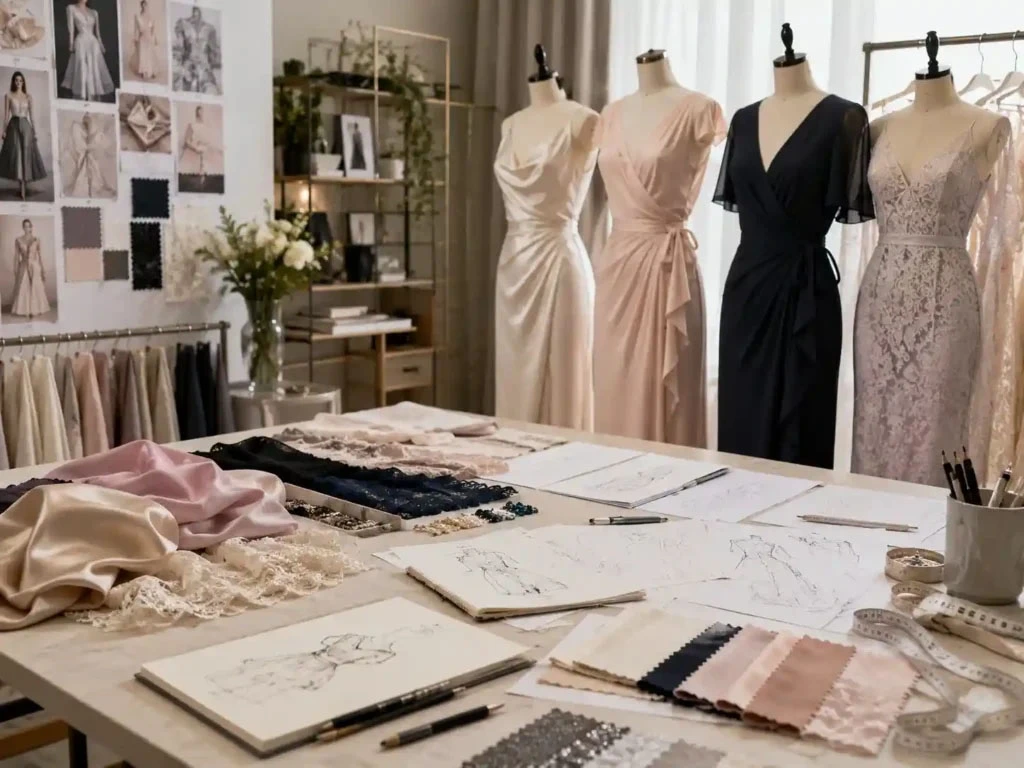
Core Styles vs Fashion Styles: How to Balance Your Collection
A practical collection usually includes both core styles and fashion styles.
Core styles are usually easier to plan for repeat production, while fashion styles often need more testing before you know how they will perform.
Most collections need a mix of both. The important part is knowing which styles are expected to carry the collection and which ones are being tested for a new look or customer response.
| Core Styles | Fashion Styles | |
|---|---|---|
| Main role | Build the collection foundation | Add newness and visual impact |
| Customer response | Often easier to compare with existing products | Can be more affected by trends and styling |
| Development | Often more straightforward | May require additional fitting or construction work |
| Quantity planning | Can be considered for larger initial quantities | Often better tested with controlled quantities |
When you review your collection, you should ask:
- Does this style attract customers?
- Does it match your brand positioning?
- Is the production difficulty reasonable?
- Does it add something different from other styles?
How a Manufacturer Reviews a Dress Collection Before Development
Before pattern development starts, a manufacturer will usually look at the collection as a group rather than reviewing every sketch separately.
1. Check Similar Styles Within the Collection
Look at the silhouettes together first.
For example, you may have several bodycon dresses with different necklines, sleeve shapes, or back details. The variations may all be useful, but it is worth checking whether they are different enough to justify separate sampling.
If three styles use a similar base pattern, some development work may be shared. This can make the sampling plan more practical and helps you see where the collection may have too much repetition.
2. Review Fabric and Construction Requirements
The same design can behave very differently in different fabrics.
A chiffon dress may need more attention to lining, transparency, seam finishing, and fabric movement.
A satin dress can show wrinkles or sewing marks easily, so cutting and sewing need closer control.
A structured dress with boning or shaping panels may require several fitting adjustments before the sample is approved.
These details are worth checking before sampling because they affect the pattern, sample workload, and sometimes the final cost.
3. Decide Sampling Priority
You do not always need every style in the first sampling round.
A practical starting point may include:
- Key core styles
- Important brand signature pieces
- Designs with clear customer or market demand
Once these samples are fitted, the results can be used to adjust other styles. You may find that a fabric needs to be changed, a neckline needs more support, or a similar silhouette can share part of the development work.
This gives you actual sample results to work from before deciding how the rest of the collection should move forward.
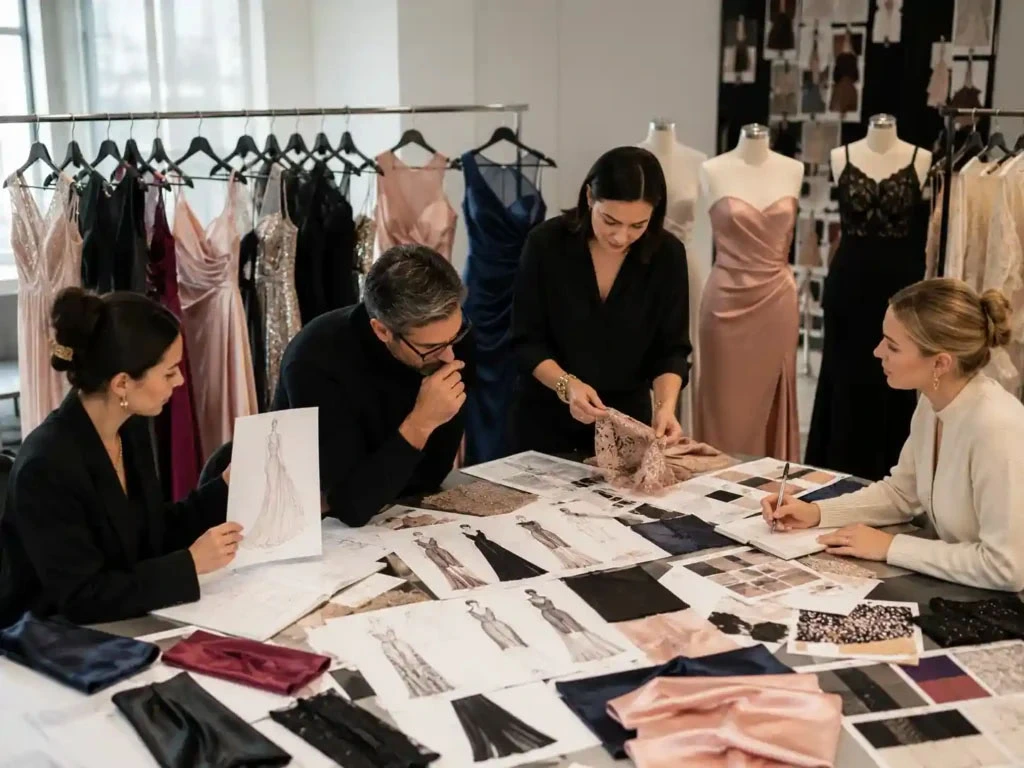
How to Decide Which Styles Need More Investment
Not every style needs the same amount of development time or the same production quantity.
Styles that may deserve more attention include those that:
- Represent your brand identity
- Can be offered in several colors or fabrics
- Have potential for repeat orders
- Fit the buying habits of your target customers
Other styles may need a more cautious approach when they:
- Depend heavily on a short-term trend
- Use complicated construction
- Require expensive materials or handwork
- Have not been tested with your target customers
For a new collection, this does not mean removing creative styles. It means deciding where to spend sampling time and where to keep the first production quantity under control.
- Slip dresses
- Midi dresses
- Classic A-line shapes
These styles can form the main part of the range and may have more potential for repeat colors or fabric updates.
Supporting Styles — About 7 Styles
These can add variety without changing the overall direction of the collection. For example:
- Different fabrics
- Prints
- Sleeve variations
- Updated neckline or waist details
Some of these designs may use related base patterns, which can make development more efficient.
Fashion Styles — About 5 Styles
These could be the more experimental pieces, such as:
- Beaded dresses
- Corset dresses
- Statement designs
Because these styles may require more fitting, handwork, or construction discussion, you may choose to sample them carefully before committing to larger quantities.
This 8/7/5 split is only an example. A startup testing a small customer base may use a different mix, while an established brand with repeat sales data may put more styles into the core group.
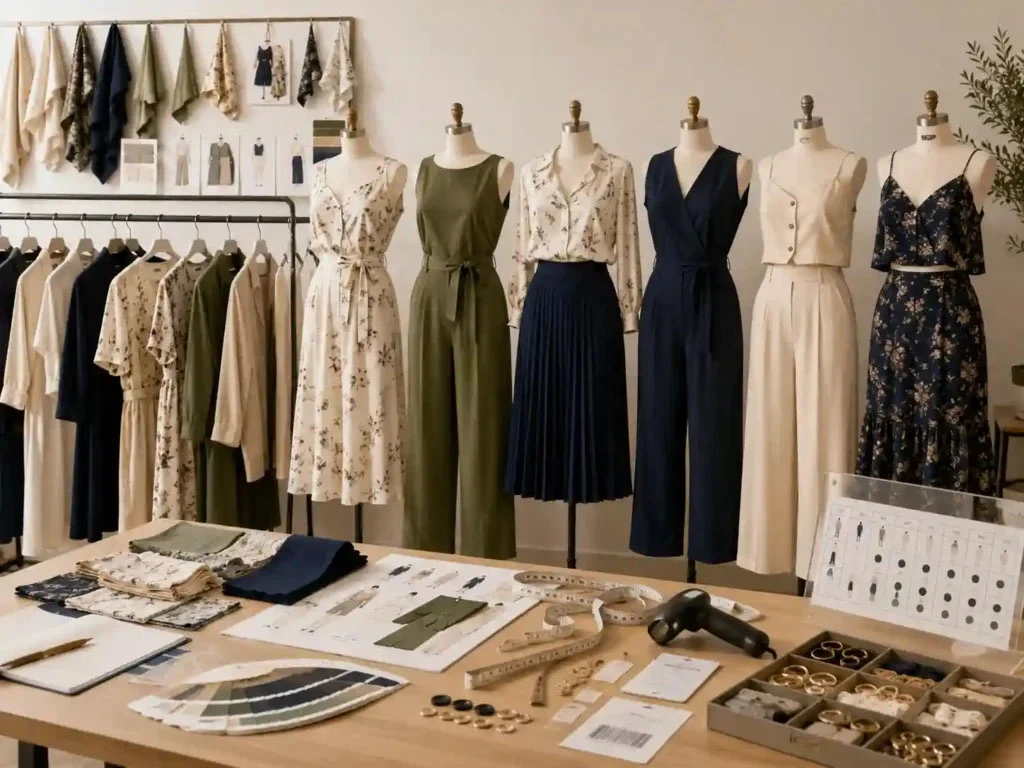
From Collection Planning to Dress Production
Once the role of each style is clear, you can prepare the production information for the manufacturer.
This may include:
- Tech pack
- Design sketches
- Reference samples
- Fabric details
- Measurement requirements
The pattern department can then review the construction and begin pattern development. After the first sample is made, fitting adjustments can be completed before the PP sample is approved for bulk production.
At this stage, the collection plan becomes a production plan: which styles move forward first, which ones need another round of development, and which quantities make sense for the first order.
FAQ
1. How should a startup fashion brand decide the number of styles for a new collection?
Start with the number of styles you can realistically sample, produce, and sell. A smaller collection can be easier to manage when your customer base is still developing. You can expand the range after seeing which silhouettes, fabrics, and price points receive stronger customer response.
2. Can a fashion style become a core product later?
Yes. A fashion style can become a core product when it continues to sell and can be repeated without major changes. For example, the same silhouette may be carried forward in new colors, fabrics, prints, or seasonal details.
3. Should brands produce the same quantity for every style?
Not necessarily. Quantity can be different from one style to another. Core styles with repeat potential may justify a larger first order, while a new or complicated fashion style can be tested with a more controlled quantity.
4. What causes delays when developing a new dress collection?
Common causes include incomplete design information, fabric availability, repeated fitting changes, and complicated construction. Delays can also happen when important details are changed after the sample has already been made.
5. When should a brand involve a manufacturer during collection planning?
Ideally, involve the manufacturer before all designs are completely finalized. Early discussion can identify fabric, construction, pattern, and sampling issues while changes are still easier to make.
Conclusion
A dress collection does not need every style to follow the same development path.
Some designs may become repeatable core products, while others are there to introduce new shapes, details, or craftsmanship. Looking at these roles before sampling helps you decide where to spend development time and where to keep the first production quantity controlled.
Once the collection priorities are clear, the next step is to turn the selected designs into production-ready information for pattern development, sampling, fitting, and PP approval.
Related Dress Manufacturing Services
If your project involves a specific dress fabric or construction, you can also review our related manufacturing pages:
- Off Shoulder Dress Manufacturer
- Corset Dress Manufacturer
- Mini Dress Manufacturer
- Slip Dress Manufacturer
- Wrap Dress Manufacturer
Get a Quote for an Existing Dress Style
If you are transferring an existing dress style to a new manufacturer, send us the latest approved sample, tech pack, product photos, or measurement chart together with your target quantity.
As a dress manufacturer, we can review the construction, fabric, trims, measurements, and current production status with you before confirming the sampling requirements.

