

When you develop maxi dresses for your brand, the design idea is only the first step. The real work starts when the style needs to be turned into a production-ready garment that can be repeated consistently in bulk. As a clothing manufacturer, we work through many details before bulk production starts, including fabric selection, pattern development, sample approval, and production control. Knowing these production steps also makes it easier to discuss details with your factory before sampling and bulk production.
1. Design Review Before Maxi Dress Production
Every maxi dress starts with a design idea, but a factory needs clear production information before development can begin.
You may provide a sketch, tech pack, reference garment, product photo, or an existing style. The factory reviews the design details, then evaluates the fabric, pattern structure, and sewing methods needed to make the style.
During this stage, you need to confirm details such as:
- Fabric type and weight
- Size range and measurements
- Construction details
- Special trims or decorations
- Target production quantity
From our production experience, many problems happen when design details are not clearly discussed before sampling. A small change in neckline, skirt shape, or fabric choice can affect the entire production process.
2. Fabric Selection and Preparation
The fabric selected for a maxi dress influences not only the appearance but also the cutting, sewing, and finishing process.
A flowing maxi dress may require fabric with good drape and movement, while a structured style may need materials with more body and stability. The same pattern can produce different results when the fabric changes.
Before production begins, the factory usually checks:
- Fabric quality and consistency
- Fabric shrinkage after washing or steaming
- Color shade differences between rolls
- Surface defects
- Fabric performance during cutting and sewing
Some fabrics may require pre-shrinking or additional preparation before bulk cutting. Confirming fabric details early helps reduce unexpected changes after production starts.
3. Pattern Making and Maxi Dress Sample Development
After the design and fabric are confirmed, the pattern team develops the garment structure.
Pattern making decides how the design is translated into an actual garment, including panel shape, fitting points, and the final silhouette.
The first sample is usually created to check:
- Overall fitting
- Dress length
- Neckline and sleeve shape
- Skirt volume
- Construction details
A sample is not only for approval photos. It is used to find problems before bulk production.
You may need several adjustments before reaching the final version. Changes in measurements, fabric behavior, or construction details are common during this stage.
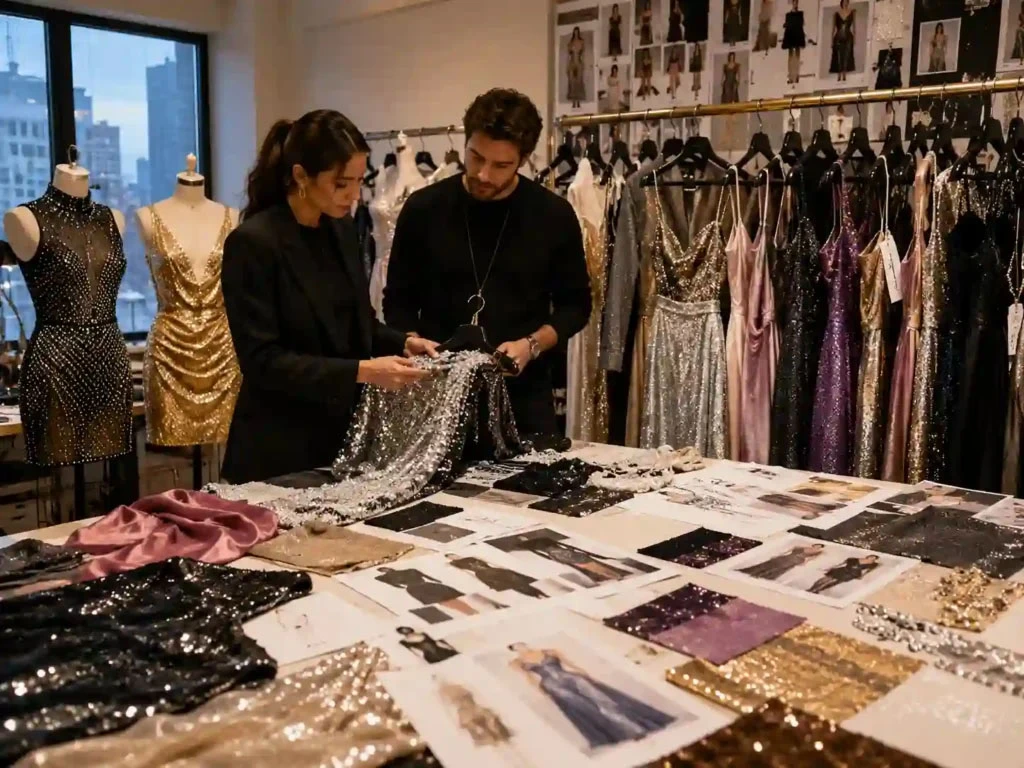
4. Sample Revision and PP Sample Approval
After reviewing the first sample, you can provide feedback based on your target customers and product expectations.
The revision process may involve:
- Adjusting measurements
- Changing construction details
- Modifying trims
- Improving fitting
- Confirming fabric performance
Once the final sample is approved, the PP sample (Pre-Production Sample) becomes the production reference.
The production team uses this approved sample as the reference during bulk manufacturing. It provides a clear standard for cutting, sewing, finishing, and final inspection.
5. Bulk Cutting Process
After sample approval, production moves into bulk cutting.
The cutting department prepares fabric layers and follows the confirmed patterns. Maxi dresses usually require more attention during cutting because long lengths, flowing shapes, and multiple panels leave less room for mistakes.
Before sewing starts, cut pieces are checked for:
- Correct quantities
- Measurement accuracy
- Fabric direction
- Production requirements
Mistakes during cutting can affect the whole order, so this stage requires careful preparation.
6. Sewing and Maxi Dress Assembly
After cutting, the garment enters the sewing line, where different panels are joined together and the dress gradually takes its final shape.
The production steps depend on the design but may include:
- Joining bodice sections
- Attaching skirts
- Installing zippers
- Adding lining
- Applying decorative details
For brands, one common concern is whether bulk production will match the approved sample.
The approved sample, measurement sheet, and sewing instructions help operators follow the same construction details and reduce differences between pieces. The approved sample, sewing instructions, and production checks work together to maintain consistency.
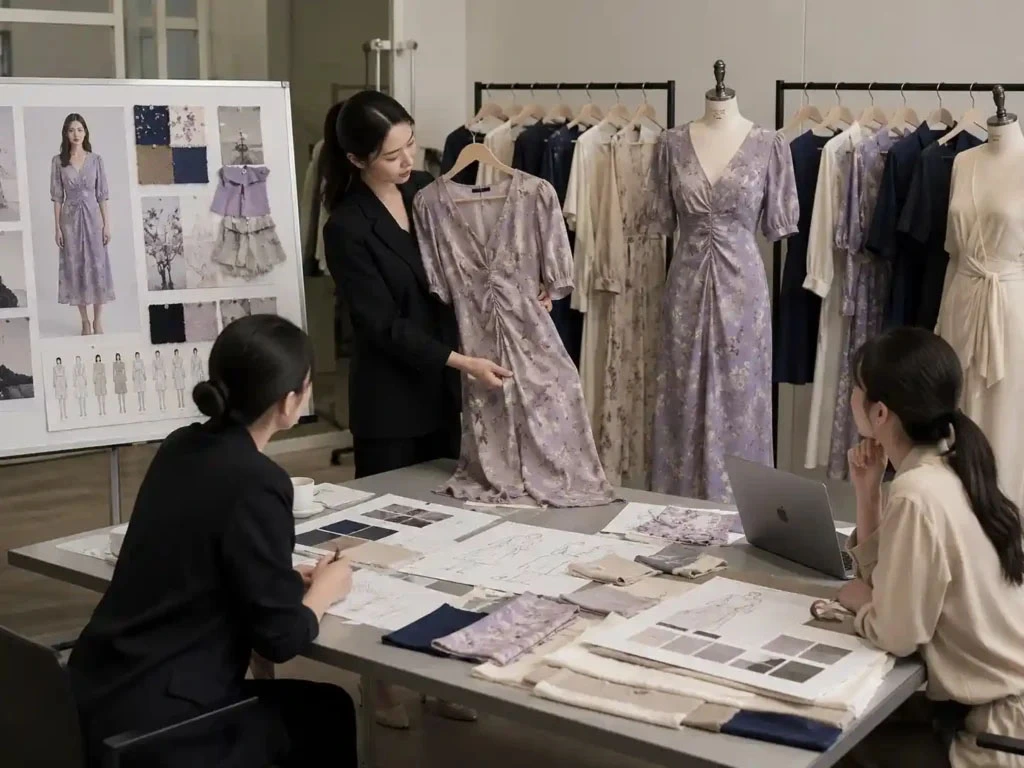
7. Quality Control During Bulk Production
Quality control is not only a final inspection step.
In a factory, quality checks happen at several points instead of waiting until the final inspection.
For example:
Before sewing
- Check cut panels and fabric condition
During sewing
- Check stitching, construction, and measurements
After finishing
- Check appearance, pressing, labels, and packing condition
For long dresses, areas such as hems, seams, zippers, and overall shape often require additional attention because small issues are easier to notice on longer silhouettes.
8. Finishing, Packing, and Shipment Preparation
After production and inspection are completed, the maxi dresses move into the finishing stage.
This includes:
- Thread trimming
- Pressing
- Label attachment
- Tag application
- Folding
- Packing
If you are developing a private label collection, packaging details should be confirmed before production, including labels, hangtags, size information, and packing requirements.
Confirming these details before packing helps prevent last-minute changes before shipment.
What Should You Prepare Before Working With a Maxi Dress Manufacturer?
Before contacting a manufacturer, preparing basic product information can make communication more efficient.
You can provide:
- Design sketches or reference images
- Product measurements
- Fabric preferences
- Estimated order quantity
- Target market information
- Branding requirements
You do not always need a complete tech pack at the beginning. Many brands start with an idea, image, or sample and develop the details together with the factory.
The clearer the product direction is, the easier it is to evaluate production requirements and create an accurate sample.
FAQ About Maxi Dress Manufacturing
1. Can a factory manufacture a maxi dress from a reference image?
Yes. Many brands start with a reference image, existing garment, or simple design idea. The factory can review the style, suggest workable construction methods, and develop a sample based on the target look.
2. What affects the production cost of maxi dresses?
The quotation is usually based on the fabric, construction, decoration, order quantity, and packing requirements. For example, a simple chiffon maxi dress and a heavily embellished evening style may require very different production time and workmanship.
3. How should brands prepare before requesting a maxi dress sample?
You should prepare as much information as possible, including design references, measurements, fabric direction, and expected quantities. Clear information helps the factory understand your requirements before pattern development begins.
4. Why can bulk production look different from the first sample?
Differences may happen because bulk production involves larger quantities, different fabric batches, and multiple production steps. Using an approved PP sample and clear production specifications helps keep the final garments closer to the confirmed version.
5. What should brands check before placing a bulk maxi dress order?
Before bulk production, you should confirm the final sample, measurements, fabric details, production timeline, and packaging requirements. Clear confirmation at this stage reduces communication issues once production begins.
Conclusion
A successful maxi dress order depends on clear communication between the brand and factory from the first sample discussion to final shipment. From the first design discussion to bulk production, each decision can affect the final garment quality, cost, and delivery timeline. When you understand how each stage works, you can communicate more effectively with your manufacturer and make better decisions before placing larger orders.
Related Dress Manufacturing Services
If your project involves a specific dress fabric or construction, you can also review our related manufacturing pages:
- One Shoulder Dress Manufacturer
- Satin Dress Manufacturer
- Midi Dress Manufacturer
- Formal Dress Manufacturer
- Mermaid Dress Manufacturer
Get a Quote for an Existing Dress Style
If you are transferring an existing dress style to a new manufacturer, send us the latest approved sample, tech pack, product photos, or measurement chart together with your target quantity.
As a dress manufacturer, we can review the construction, fabric, trims, measurements, and current production status with you before confirming the sampling requirements.

