

If you are choosing between China and Vietnam for your next dress collection, the factory quotation is only the starting point. The bigger differences usually show up when you discuss fabric, sampling, revisions, MOQ and bulk production.
From our side as a clothing manufacturer, we see buyers make this comparison quite often. A lower sewing price does not always mean a lower total production cost. The right choice depends on your designs, order volume, materials and how much development support you need from the factory.
China vs Vietnam Dress Manufacturing: A Practical Comparison
There is no single answer for every fashion brand. Your production model matters more than the country name.
| FactorChinaVietnam | ||
|---|---|---|
| Fabric sourcing | Very broad supplier network | Good, depending on the factory |
| Dress development | Strong for varied and complex styles | Stronger when specifications are already established |
| Small-batch orders | Often more flexible | Depends more on factory and order size |
| Complex dress construction | Wide range of manufacturing experience | Good when matched with the right factory |
| Material options | Very extensive | Good, with some materials sourced externally |
| Sampling and revisions | Often flexible | Depends on the factory’s development team |
| Multi-style collections | Generally flexible | Easier when production is planned around stable styles |
| Best fit | Brands needing material and development flexibility | Brands with more established and repeatable production |
These are broad differences, not guarantees. You can find excellent factories in both countries. What matters is whether the factory you choose can handle your particular dresses without creating extra work later.
1. Don’t Compare Factory Prices Before Comparing Specifications
One of the first mistakes we see in dress sourcing is comparing the unit price before checking the specifications.
You may receive one quotation from China and another from Vietnam and immediately compare the unit prices. But if the two factories are using different fabrics, lining, trims, or fabric consumption, the comparison is not meaningful.
Before comparing prices, put the same specifications beside both quotations:
- Fabric composition
- Fabric weight or GSM
- Fabric consumption
- Order quantity
- Color quantity
- Lining
- Zippers and trims
- Labels
- Packaging
- Printing or embroidery
- Quality requirements
A $10 dress and a $13 dress are not necessarily different by $3 in manufacturing efficiency.
The cheaper quotation may use lighter fabric, less lining, different trims, or a lower production specification. This is particularly common when the first quotation is based on a photo rather than a complete tech pack.
For purchasing, the better approach is to compare the two quotations line by line. Once the fabric, lining, trims, quantity and workmanship are the same, the price difference becomes much easier to understand.
2. Look at the Total Production Cost, Not Just Labor
Vietnam can be attractive when labor cost is a major part of the production calculation, especially for larger, stable orders.
But labor is only one part of dress manufacturing.
Your total cost may also include:
- Fabric
- Trims
- Sampling
- Pattern development
- Fabric waste
- Rework
- Packaging
- Quality inspection
- Material transportation
- Production delays
The difference can be significant for smaller brands. If you need several sample rounds, different fabrics or frequent design changes, a lower sewing cost may not save you much once the other development costs are included.
For example, a small change to a lining, pocket, seam, trim, or cutting method can sometimes save more production cost than switching to a much cheaper fabric.
That is why experienced buyers usually compare the complete specification before deciding which quotation is better.
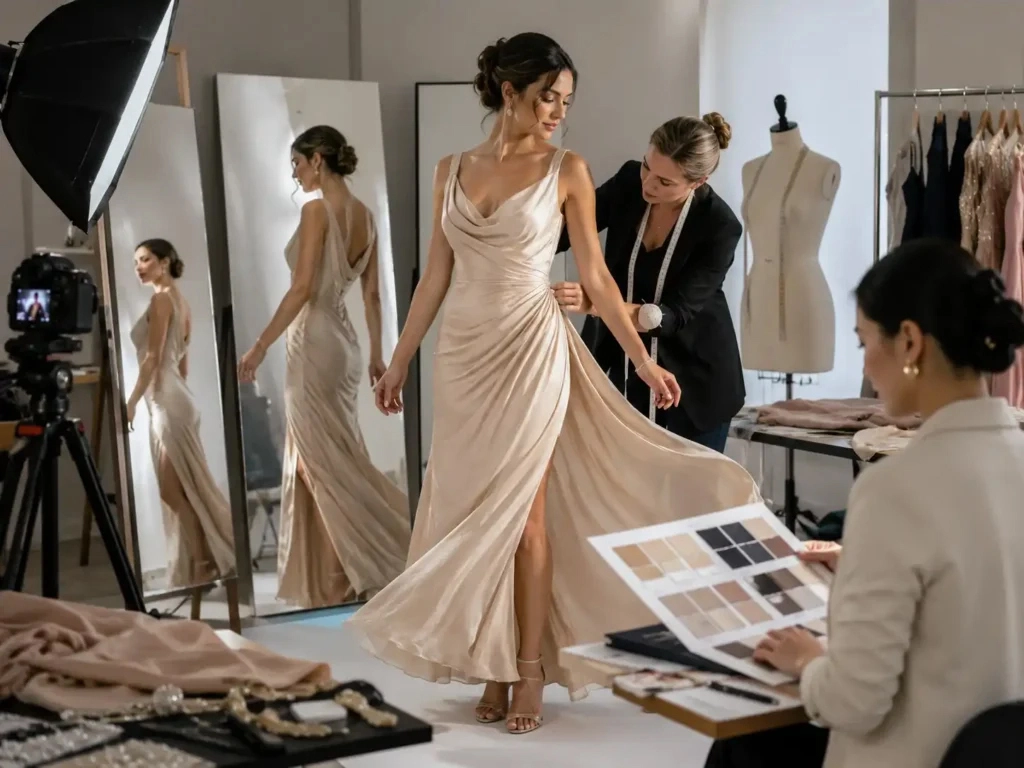
3. Fabric Sourcing Can Be More Important Than Sewing Cost
In dress production, fabric affects more than the appearance of the finished garment. It can also change cutting, sewing, pressing and even fabric consumption.
You may be working with:
- Silk
- Silk satin
- Chiffon
- Velvet
- Lace
- Mesh
- Crepe
- Stretch fabrics
- Sequined fabrics
- Cotton blends
China has a very large network of fabric, dyeing, trimming and garment suppliers. This can be useful when you are developing a new collection and need to compare several materials before confirming the final fabric.
Vietnam also has an established textile and apparel industry, but the availability of a particular fabric depends heavily on the factory and its supplier network.
Before placing an order, ask the factory where the fabric will come from, whether it is in stock, what the fabric MOQ is and whether your required color can be developed.
A factory that can coordinate materials efficiently can sometimes reduce your overall development time even if its sewing price is not the lowest.
4. Sampling Matters When Your Collection Is Still Changing
If your collection is already fully developed, production can be relatively straightforward.
New fashion brands usually do not work that way.
You may send a sketch, reference garment or tech pack and then discover that the first sample needs changes.
The bust may be too tight.
The waist may sit too high.
The skirt may not fall correctly.
The fabric may be too stiff.
The zipper may affect the fit.
The neckline may need additional support.
None of these problems are unusual during sampling.
When comparing factories in China and Vietnam, ask how they handle revisions instead of only asking how quickly they can make the first sample.
You should understand:
- Who makes the pattern?
- Who checks measurements?
- How are revisions recorded?
- Can the factory work from a tech pack?
- Can it develop a pattern from a physical sample?
- How is the final PP sample approved?
From the factory side, unclear sample comments are one of the easiest ways to lose time. If a buyer sends several changes without marking the measurements or construction points clearly, the pattern team may need to clarify the same issue more than once.
A marked-up tech pack, measurement sheet and one approved sample reference usually make the next round much faster.
5. MOQ Can Change the Best Choice for a New Brand
Your ideal manufacturing country may change as your order volume grows.
If you are launching a new label, you may want to test five or ten dress styles instead of putting most of your budget into one style.
That means your factory needs to handle smaller quantities without making the production process unnecessarily complicated.
When checking MOQ, do not stop at the number shown on the factory quotation. Ask whether the MOQ applies per style, per color or per fabric. Custom dyeing can have its own minimum quantity, and the requirement may be different again for a repeat order.
For a startup, it is worth asking whether several styles can be combined into one production order. That flexibility can be more useful than saving a small amount on the unit price.
A factory may advertise a low MOQ but have a much higher MOQ for custom fabric or special colors. You need to check both the garment MOQ and material MOQ.
Once your best-selling styles become predictable and your order volumes increase, the calculation can change.
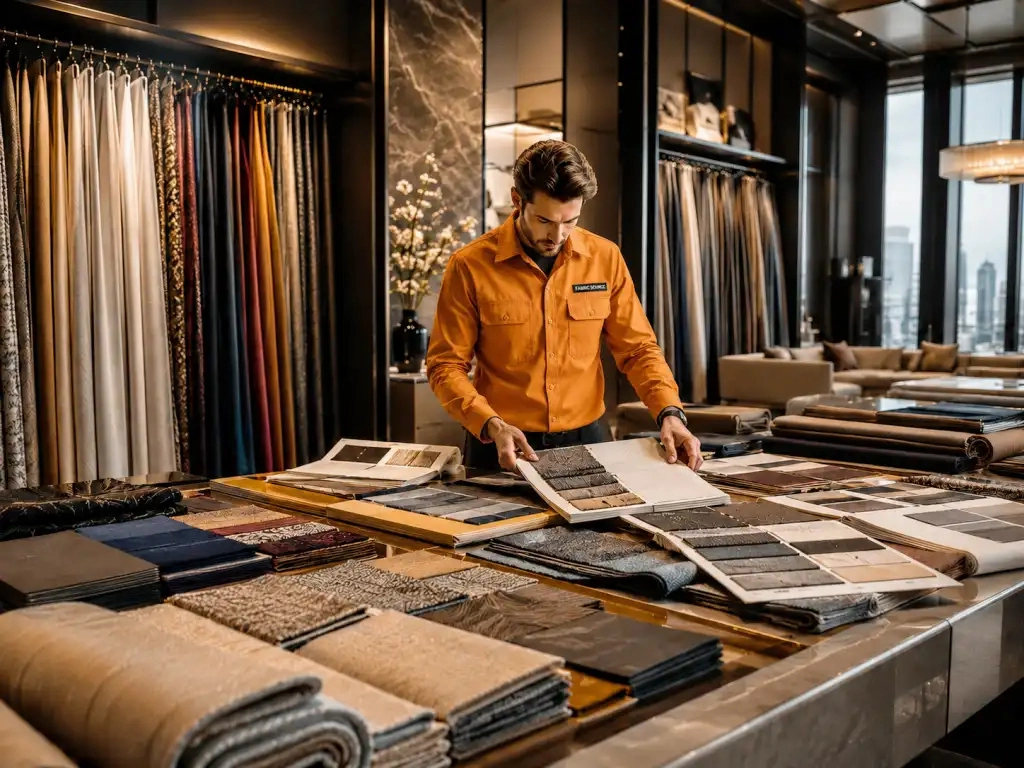
6. Complex Dresses Are Different From Basic Garments
Country-level labor costs tell you very little about how difficult a particular dress will be to produce.
A simple slip dress and a structured evening dress may both count as “dresses,” but the production work can be completely different.
A complex style may involve:
- Boning
- Structured cups
- Corset construction
- Pleating
- Draping
- Multiple layers
- Lace placement
- Sequins
- Bias cutting
- Special finishing
- Detailed pressing
Take a bias-cut silk dress as an example.
The challenge is not simply sewing the seams. Fabric behavior, grain direction, cutting accuracy and pressing can all change the finished shape. With bias-cut styles, even a small cutting or handling problem can show up clearly once the garment is on the body.
The same applies to structured dresses. If the pattern is not correct, the sewing line cannot solve every fitting problem.
If your collection includes complicated styles, ask a dress manufacturer to show you similar construction it has produced before. Experience with the actual garment construction is usually more useful than choosing a factory simply because labor costs are lower.
7. Quality Control Should Start Before Bulk Sewing
A final inspection cannot fix every production problem.
If a fabric problem is discovered after cutting, the material may already be wasted.
If a measurement problem is found after thousands of pieces have been sewn, correcting it becomes much more expensive.
A practical quality process should therefore cover several stages:
Fabric inspection → Pre-production sample → Cutting → Sewing → Inline inspection → Finishing → Final inspection
During production, buyers normally need to watch the points that affect the finished dress:
- Measurements
- Fabric defects
- Color consistency
- Seam quality
- Stitching
- Zippers
- Lining
- Trims
- Pressing
- Overall appearance
Keep the approved sample as the production reference.
Final inspection is important, but by that point some problems are already expensive to fix. Checking fabric before cutting and measurements during sewing gives the factory a chance to correct issues before hundreds or thousands of pieces are completed.
8. Lead Time Depends on More Than Sewing Capacity
A factory may tell you that bulk production takes 20 or 30 days. That number does not necessarily represent the time from your first confirmation to finished goods.
Your real timeline may look more like:
Fabric sourcing → Material approval → Pattern development → Sampling → Revisions → PP sample approval → Bulk cutting → Sewing → QC → Finishing → Packing
If your fabric is not available, sewing capacity does not help.
If the pattern still needs changes, the production line cannot simply start.
If the PP sample is not approved, bulk production should not move forward.
So when a factory quotes 20–30 days for bulk production, ask what that period actually covers. Does it start after PP sample approval? Does it include fabric sourcing? When does cutting begin?
Those details make the quoted lead time much easier to compare.
For a fashion startup, a predictable timeline is usually more useful than an aggressive lead-time promise that leaves no room for material or sample issues.
9. China vs Vietnam for Fashion Startups
If you are launching a new brand, your production requirements may be different from those of an established retailer.
You may need:
- Smaller initial quantities
- More sampling
- More design changes
- Several fabrics
- Different dress styles
- Flexible packaging
- Private labels
- Repeat orders based on sales results
For a startup, flexibility can be more important than labor cost. You may start with several styles, test smaller quantities and change fabrics or measurements after seeing the first samples.
This is easier when the factory already works with several fabric suppliers and is used to developing different dress styles.
Vietnam can still be a good choice, particularly when the styles, quantities and specifications are already well established.
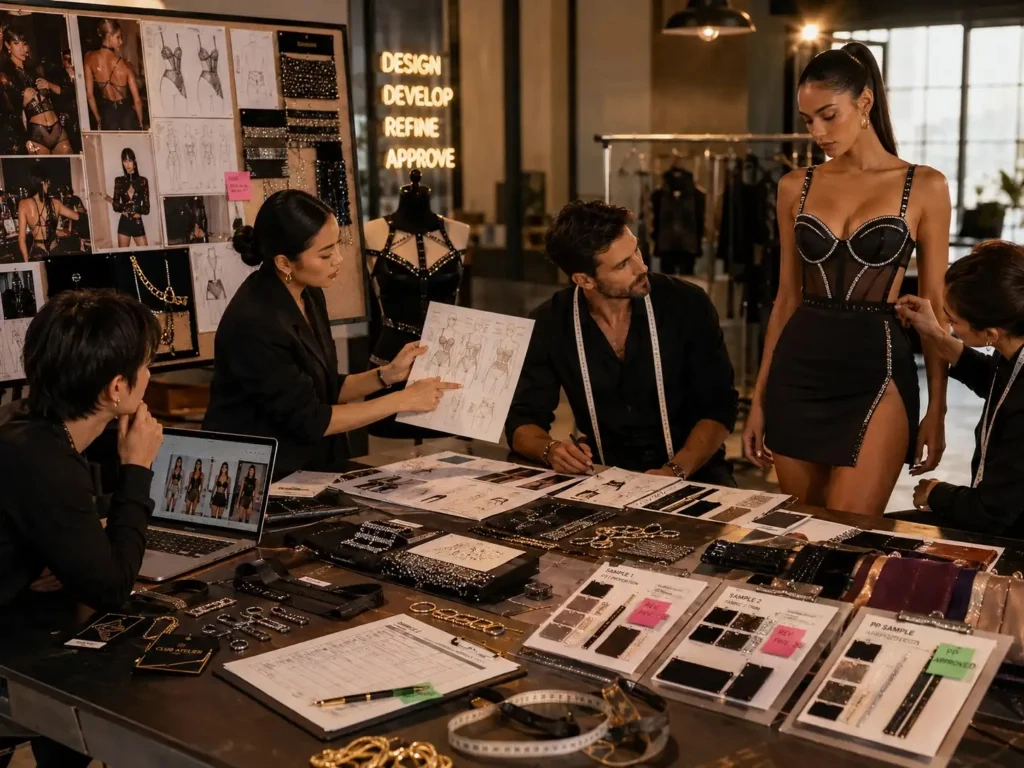
10. China vs Vietnam for Established Fashion Brands
Your priorities may be different once your brand has regular sales.
At this stage, the factory’s ability to repeat an approved style accurately becomes more important. Fabric consistency, pattern control, production capacity and delivery performance can have a direct effect on your next season’s orders.
If you are still developing new styles every season, however, material sourcing and sample development remain important.
11. Which Is Better for Your Dress Collection?
China may make more sense when your collection involves:
- Several different dress styles
- Frequent sample changes
- Silk, velvet, lace, mesh or other specialized fabrics
- Smaller or mixed-style orders
- Complex construction
- More hands-on product development
- Different trims or material requirements
Vietnam may make more sense when:
- Your styles are already approved
- Quantities are relatively predictable
- Fewer changes are expected after sampling
- Production planning is stable
- Labor cost is an important part of your cost calculation
Before choosing, ask each factory for examples of similar dresses it has actually produced. That will tell you more than the country name alone.
12. What Should You Ask Before Choosing a Manufacturer?
Before you make a decision, send the same information to both factories.
Ideally, provide:
- Tech pack
- Reference images
- Fabric composition
- Measurements
- Estimated quantity
- Color requirements
- Label requirements
- Packaging requirements
- Quality expectations
- Target delivery date
Then compare the answers, not only the prices.
Look at how clearly each factory responds.
Can they identify missing information?
Do they ask about fabric weight?
Do they notice construction details?
Do they explain MOQ correctly?
Can they tell you what may affect the lead time?
Pay attention to the questions the factory asks before giving you a final quotation.
If they ask about fabric weight, lining, construction, measurements or finishing, that usually means they are looking at the garment as a production job rather than quoting from a reference photo alone.
The questions they ask before production can tell you quite a bit about what working with them will be like later.
Frequently Asked Questions
1. Should a fashion startup choose a factory based on the lowest MOQ?
A low MOQ sounds attractive, but it does not tell you the whole story. Ask what the MOQ actually covers. A factory may accept 50 pieces per style but require a much larger quantity for custom fabric or special dyeing. Sample fees, setup costs and repeat-order conditions should also be included in your comparison.
2. Is it easier to communicate with a Chinese or Vietnamese dress factory?
In practice, the individual factory team matters more. During sampling, pay attention to whether the team understands measurements, fabric behavior and construction comments. A factory that asks the right technical questions early is usually easier to work with than one that simply replies quickly.
3. Can you use one factory for several different dress styles?
You can, but check what the factory actually produces. A supplier experienced with basic woven dresses may not have the same experience with corsets, sequins, structured bodices or bias-cut silk. If several styles are important to your collection, ask for examples of similar work before placing the full order.
4. Should you manufacture the whole collection in one country?
It depends on how different the products are. Some brands use different suppliers for different product categories or construction types. The trade-off is more communication, QC and shipping coordination. For a smaller collection, keeping production with one capable factory may be easier to manage.
5. What is the biggest mistake when comparing China and Vietnam?
Comparing the factory price before confirming the product specification is a common one. If two factories are quoting different fabrics, workmanship or quantities, the numbers do not tell you much. Send both factories the same tech pack and production requirements first, then compare their quotations.
Conclusion
China and Vietnam are both capable of producing dresses, but the better choice becomes clearer once you compare the actual production requirements.
Send the same tech pack, fabric specification, quantity and quality requirements to both factories. Then compare not only the quotation, but also the MOQ, material sourcing, sampling process, production capacity and lead time.
If your collection includes several styles, changing fabrics or more complicated construction, factory flexibility can matter more than a small difference in sewing cost. If your products are already established and orders are predictable, repeat-production efficiency and cost control may matter more.
Before choosing, ask each factory about similar styles it has produced and how it handles sampling, revisions and bulk QC. That will give you a much better idea of what the production relationship will actually be like.
Explore More Dress Manufacturing Services
If you are developing a new dress and need support with fabric selection, internal construction, sampling, and bulk production, an experienced clothing manufacturer can help you deal with these decisions before they become production problems.
At Xiuyu Apparel, we work with fashion brands, startups, designers, and private label companies from sample development through bulk production.
- Evening Dress Manufacturer
- A Line Dress Manufacturer
- Mini Dress Manufacturer
- Off Shoulder Dress Manufacturer
- Wrap Dress Manufacturer
Get a Clothing Manufacturing Quote Based on Your Design
If you already have a garment design, send us the product photo, tech pack, or reference sample together with your target quantity.
As a dress manufacturer, we can review the fabric, lining, construction, trims, workmanship, and finishing requirements before preparing a quotation based on the actual garment rather than a general price range.

