

When you develop a dress collection, chiffon and georgette may look almost identical in a supplier’s fabric book. Choosing the wrong one can affect the finished silhouette, lining requirements and material costs. As a clothing manufacturer, we look beyond the fabric name. What matters is how the material works with your pattern, how it behaves during sewing and whether it can deliver the appearance your customers expect.
Chiffon vs Georgette: What Is the Difference?
Chiffon is a lightweight, sheer fabric with a smooth surface and soft movement. You will often see it used for flowing skirts, sheer sleeves, layered dresses and ruffles. Its light weight makes it suitable for designs where you want the fabric to move freely without adding much bulk.
Georgette has a slightly grainy surface created by its crepe-like construction. It also has a soft drape, but many qualities feel a little more substantial than lightweight chiffon. You can use it when the design needs movement but should not look quite as delicate.
Here is a practical comparison for dress development:
| Feature | Chiffon | Georgette |
|---|---|---|
| Surface | Smooth and lightweight | Slightly grainy or textured |
| Drape | Soft and fluid | Fluid with a little more body |
| Transparency | Generally more sheer | Often slightly less sheer |
| Hand feel | Light and delicate | Soft with a crepe-like texture |
| Appearance | Airy and floating | Soft with more substance |
| Common applications | Layered skirts, sleeves, ruffles | Occasion dresses, maxi dresses, gathered details |
| Production concerns | Fabric movement during cutting and sewing | Weight, texture and construction |
These differences are general rather than fixed. A heavier chiffon may have more body than a lightweight georgette. Fiber composition, yarn construction, fabric finishing and GSM can all change the way the material behaves.
When you compare supplier quotations, check the actual fabric specifications rather than relying on the name. Two suppliers may both describe their material as georgette, yet the finished dresses may look quite different.
How Chiffon Behaves During Dress Production
If your design calls for a lightweight skirt that moves with the wearer, chiffon is often a good starting point. It works particularly well for flowing maxi dresses, gathered panels, soft sleeves and layered designs.
The difficulty usually appears during cutting and sewing.
Lightweight chiffon can move when fabric is spread across the cutting table. Long panels and curved pattern pieces need careful handling because even a small shift can affect the finished measurements. If the fabric stretches during sewing, necklines and narrow openings may also lose their intended shape.
For your first sample, pay attention to the shoulder seams, neckline and side seams. Check whether the panels hang evenly and whether the garment keeps its shape after pressing.
The cutting layout deserves attention too. A full skirt with several gathered panels can use considerably more fabric than a simple straight silhouette. If the usable width is limited, the pattern pieces may not fit together as efficiently as expected.
This is where the original fabric quotation can become misleading. A fabric with a lower price per meter may still produce a higher garment cost if the pattern requires more material or additional layers.
Before confirming the bulk quantity, make sure the estimated consumption is based on the actual pattern and usable fabric width.
How Georgette Behaves During Dress Production
Georgette is worth considering when you want a flowing dress with a little more texture and body.
For example, a loose occasion dress may benefit from georgette if you want the skirt to move without looking extremely lightweight. It can also work for gathered sleeves, soft ruffles and flowing bodices.
However, georgette covers several different fabric qualities. Lightweight georgette, heavier georgette and stretch georgette should not be treated as interchangeable materials.
If you are developing a fitted dress, check stretch and recovery before approving the fabric. A material that stretches during fitting but does not recover properly may affect the waist, hip or bodice measurements.
For loose styles, weight and drape are usually more important considerations. For fitted sections, recovery and dimensional stability deserve closer attention.
Your sample should use the intended bulk fabric whenever possible. A substitute that looks similar on the supplier’s table may behave differently after cutting, sewing and pressing.
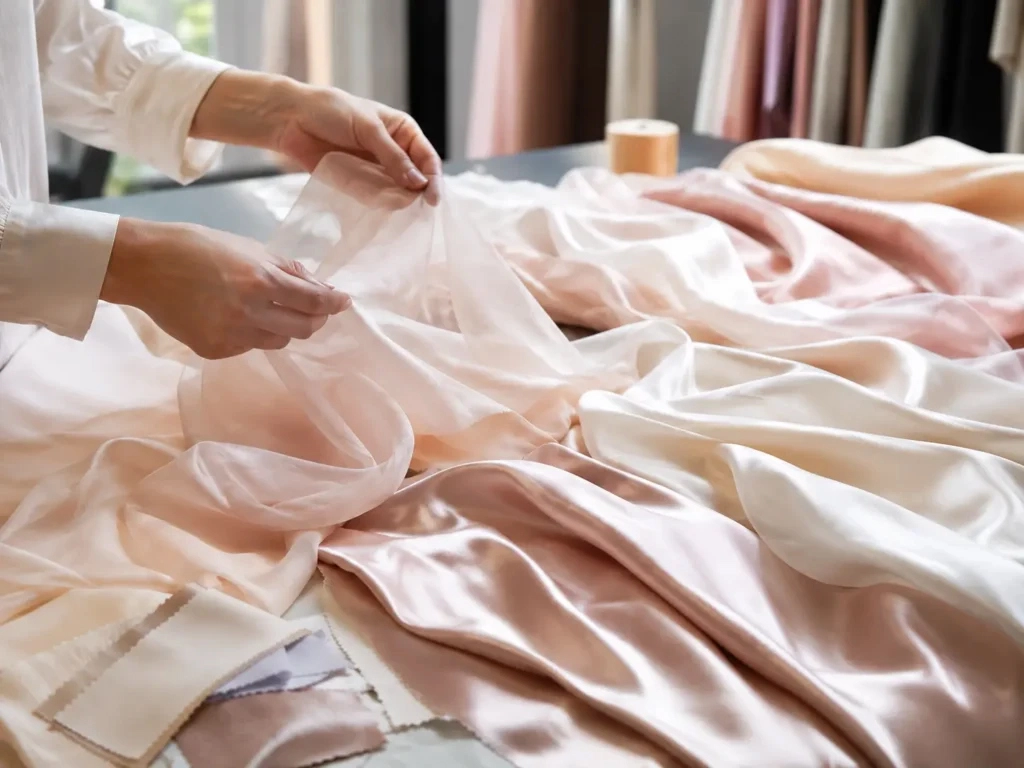
Which Has Better Drape: Chiffon or Georgette?
The answer depends on the silhouette you want to achieve.
Chiffon is generally more suitable when you want a very light, floating effect. Georgette can be a better option when you want the same general movement with a little more body.
If both fabrics look suitable, compare them using the same pattern. Making two samples is more useful than judging separate swatches because the pattern reveals how each material behaves around the waist, seams, gathers and hem.
Look at the skirt when the garment is worn, not only when it hangs on a mannequin. Does it fall close to the body? Does it move freely when walking? Do the gathers keep their shape?
The hem is worth checking separately. A lightweight skirt may hang unevenly after sewing, particularly when it has a large circumference or several panels.
Allow the sample to hang before finalizing the hem length. This gives the team a chance to identify uneven areas before the construction is approved for bulk production.
Which Is More Sheer: Chiffon or Georgette?
Chiffon is generally the more transparent choice, especially in lightweight qualities. This makes it useful for summer dresses, sheer sleeves and layered eveningwear.
Georgette often provides slightly more coverage, although the actual result depends on its weight, color and construction.
If your target market expects a dress with good coverage, test the material in the intended production color. A white or neutral swatch may not give you a realistic idea of how a pale pink, cream or pastel dress will look.
The lining decision should also be made during development. You may need a fully lined bodice but prefer to keep the sleeves sheer. For some designs, a double-layer skirt provides enough coverage without making the garment unnecessarily heavy.
When you approve the sample, check the dress under normal indoor lighting as well as natural light. This helps avoid complaints about unexpected transparency after delivery.
Chiffon or Georgette for Maxi Dresses?
For a maxi dress with a soft, floating skirt, chiffon is often a suitable choice. It keeps the overall garment light and works well for flowing summer and occasion styles.
Georgette may be more suitable if you want the skirt to have a little more body or a less delicate appearance.
Fabric consumption is one of the main points to consider when developing either option.
A wide maxi skirt can require considerably more material than the finished dress length suggests. If your design includes a full hem, multiple panels or gathered sections, the pattern may use more fabric than you initially expect.
Usable fabric width can make a significant difference. A supplier may quote a nominal width that includes selvedges, but the cutting team needs to work with the width that is actually available for pattern placement.
If you are developing several colorways, calculate the consumption before confirming the total fabric order. This gives you a more realistic view of material requirements and helps prevent shortages during bulk cutting.
For a collection with a fixed retail price, compare the estimated cost per finished garment rather than choosing the fabric with the lowest meter price.
Which Fabric Works Better for Ruffles and Gathered Details?
Chiffon is commonly used for ruffles because its lightweight construction allows you to create fullness without adding too much weight.
Georgette can also work well when you want the ruffles to have a little more substance.
The gathering ratio needs to be tested on the actual material. A ratio that works for chiffon may create too much bulk when applied to a heavier georgette.
If your design includes several layers of ruffles, inspect the attachment seams carefully. Too much material gathered into a narrow seam can make the area bulky. Uneven gathering can also become obvious across the finished skirt.
Before bulk production, confirm the ruffle width, gathering ratio and seam construction. These details should be consistent across the approved sample and production specifications.
Does GSM Matter When Choosing Chiffon or Georgette?
Yes, but GSM should not be the only measurement used to approve either fabric.
GSM tells you the weight per square meter. It does not explain how easily the material falls, how transparent it looks or how it behaves during sewing.
Two fabrics with similar GSM can produce different results because of their fiber composition, yarn construction and finishing.
When comparing supplier options, ask for:
- Fiber composition
- GSM or fabric weight
- Nominal and usable fabric width
- Stretch and recovery, where applicable
- Shrinkage after the required treatment
- Surface finish and color reference
For purchasing teams, fabric width deserves particular attention. A small difference in usable width can change the marker layout, especially for wide skirts and large pattern pieces.
Before ordering bulk fabric, have the consumption checked against the approved pattern. This is more reliable than estimating the requirement from the garment length or the supplier’s general fabric description.
Does Lining Change the Final Result?
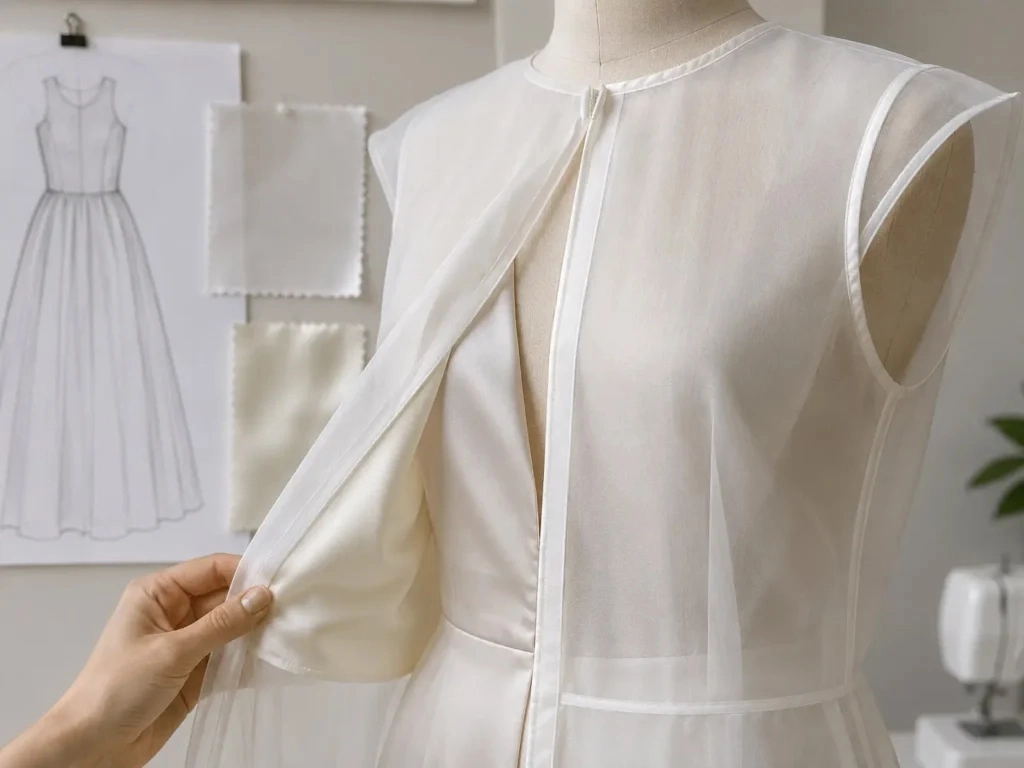
Lining can change the weight, movement and overall appearance of a chiffon or georgette dress.
A lightweight outer fabric paired with a heavy lining may lose some of its intended movement. On the other hand, a lining that is too light may not provide the coverage required by your target market.
When reviewing your sample, check how the two layers work together.
Look at the neckline and armholes after pressing. Check whether the lining twists inside the skirt or becomes visible when the wearer moves. The outer fabric and lining should also hang properly together rather than pulling against each other.
If your design has sheer sleeves, an open back or a layered bodice, the lining layout needs to follow the actual construction.
Changing the lining after sample approval is not always a minor adjustment. It can affect garment weight, measurements, sewing operations and material cost. It is better to settle the lining specification before bulk production begins.
How Should You Test Chiffon or Georgette Before Bulk Production?
A fabric swatch helps you shortlist materials, but it cannot show every issue that may appear in a finished dress.
Before approving the fabric, check these points during sample development:
Drape: Does the finished garment have the intended shape and movement?
Transparency: Is the coverage acceptable in the actual production color?
Shrinkage: Do the measurements remain within the agreed tolerance after the required treatment?
Usable width: Can the pattern pieces fit efficiently within the available cutting width?
Seam behavior: Are the seams clean without unwanted puckering or stretching?
Hem: Does the skirt hang evenly after sewing and pressing?
Color: Does the material match the approved color reference?
Consumption: Is the estimated fabric usage based on the actual cutting layout?
For your PP sample, use the fabric quality intended for bulk production. If the supplier cannot provide the final material in time, record the difference and avoid treating the substitute as automatic approval for the bulk fabric.
What Happens If Your Approved Fabric Is Replaced?
Fabric availability can become a problem when you are preparing a seasonal collection or placing repeat orders.
If your supplier cannot provide the original chiffon or georgette, do not accept another quality simply because it has the same composition and GSM.
Check its width, finish, color, surface and hand feel against the approved reference. A replacement may also behave differently during cutting or require changes to the original construction.
If the difference is noticeable, request another sample before releasing the bulk cutting order.
For repeat collections, keep an approved physical swatch together with the supplier’s fabric specifications and order details. This makes it easier to compare new deliveries with the material used for the original production run.
It also helps when several people are involved in purchasing, product development and production approval. Everyone should be working from the same fabric reference.
How Does Fabric Choice Affect Dress Cost?
When you compare chiffon and georgette for a new collection, the fabric price is only one part of the costing.
Your finished garment cost can also include:
- Actual fabric consumption and cutting waste
- Usable fabric width
- Number of fabric layers
- Lining material and construction
- Additional sewing operations
- Hem finishing and pressing requirements
For example, a cheaper chiffon may require an additional lining layer or a more complicated cutting layout. A georgette with a higher meter price may produce a more efficient pattern arrangement.
If your target selling price is fixed, compare the two materials using the same garment specification. Ask your factory to calculate the estimated consumption and construction cost for each option.
This gives you a better basis for deciding which fabric works for your collection, rather than comparing supplier quotations without considering the finished garment.
FAQ
1. What should you do if your fabric supplier cannot guarantee enough stock for the full order?
Ask the supplier to confirm the available quantity, replenishment schedule and whether additional material will come from the same dye lot. If the supply is uncertain, discuss alternatives before placing your production order. Changing fabric halfway through production can create unnecessary delays and additional sample costs.
2. Can you split a dress order across different fabric suppliers?
Yes, but make sure the fabrics meet the same approved specifications. Different suppliers may use slightly different constructions, finishes or dyeing processes even when the composition and GSM are similar. Request samples from both sources before confirming the production arrangement.
3. What should you do if the bulk fabric has minor defects?
Ask the factory to inspect the fabric before cutting and identify the affected areas. Minor defects may be avoidable through marker adjustment, but extensive defects can reduce usable material and affect delivery quantities. Agree on the inspection and replacement arrangements with your supplier before production.
4. How can you manage fabric purchasing when a collection has several colorways?
Calculate the material requirement for each color separately rather than combining the total garment quantity into one estimate. Different colors may have different minimum dyeing quantities and stock availability. Confirm these details before finalizing the purchase schedule to avoid delays with individual colorways.
5. What should you include in a repeat-order specification?
Keep the original approved fabric swatch, composition, GSM, usable width, color reference and supplier details. Include the approved garment sample and any construction changes made during the first production run. This gives your factory a clear reference when reproducing the style and helps reduce differences between orders.
Conclusion
Chiffon and georgette can both work well for dress collections, but the right choice depends on your silhouette, construction and target cost. Compare the fabrics on the actual pattern before approving bulk production, particularly for gathered skirts and layered designs. At Xiuyu Apparel, an experienced dress manufacturer can help assess fabric suitability, sampling requirements and production details before your order moves to the cutting room.

