

When brands look for a dress manufacturer or clothing manufacturer for their collections, quotation is usually the first thing they compare. However, during dress development and bulk production, we often see that price alone does not decide whether the production process will meet expectations. Sampling ability, production experience, communication, and quality control usually have a bigger impact on the final result.
1. Start With the Manufacturer’s Experience in Your Product Category
One of the first things brands should check is whether the factory has experience with their product category.
A manufacturer may produce dresses, but that does not always mean they are suitable for every type of dress project. Different dress styles create different production requirements. A satin evening dress, chiffon bridesmaid dress, or beaded style requires different fabric handling, pattern development, and sewing techniques.
Before placing an order, brands can review the manufacturer’s previous styles and ask whether they have produced similar designs.
In actual production, many issues can be identified earlier when the factory understands the construction details before sampling. Previous experience with similar styles also helps the team review possible risks before bulk production.
2. Look Closely at the Sample Development Process
For many fashion brands, the first sample is the first time they can check whether the original design works in a real garment. This stage shows whether the manufacturer can translate your design requirements into an actual garment.
A good sampling process is not only about making a garment based on a sketch. The process usually includes measurement checking, pattern adjustment, construction review, and discussions about fabric performance.
For example, a design may look simple in a drawing, but the actual fabric may affect the drape, fit, neckline shape, or skirt volume.
When you evaluate a manufacturer, pay attention to how they communicate during sampling. A factory that asks questions and provides production feedback can often help you achieve a production-ready version of the original design.
3. Check Whether the Manufacturer Can Handle Your Production Plan
Large fashion brands usually manage multiple styles, colors, and seasonal collections at the same time. Their suppliers need production systems that can handle different styles, quantities, and delivery schedules at the same time.
When choosing a dress manufacturer, you should understand:
- How the factory manages multiple styles
- Whether the production timeline matches your launch schedule
- How they handle different fabrics and trims
- Whether they can support your expected order volume
For smaller brands and growing fashion companies, production flexibility is also important. Experience with small collections and repeat orders can be valuable because production requirements often change as the business grows.
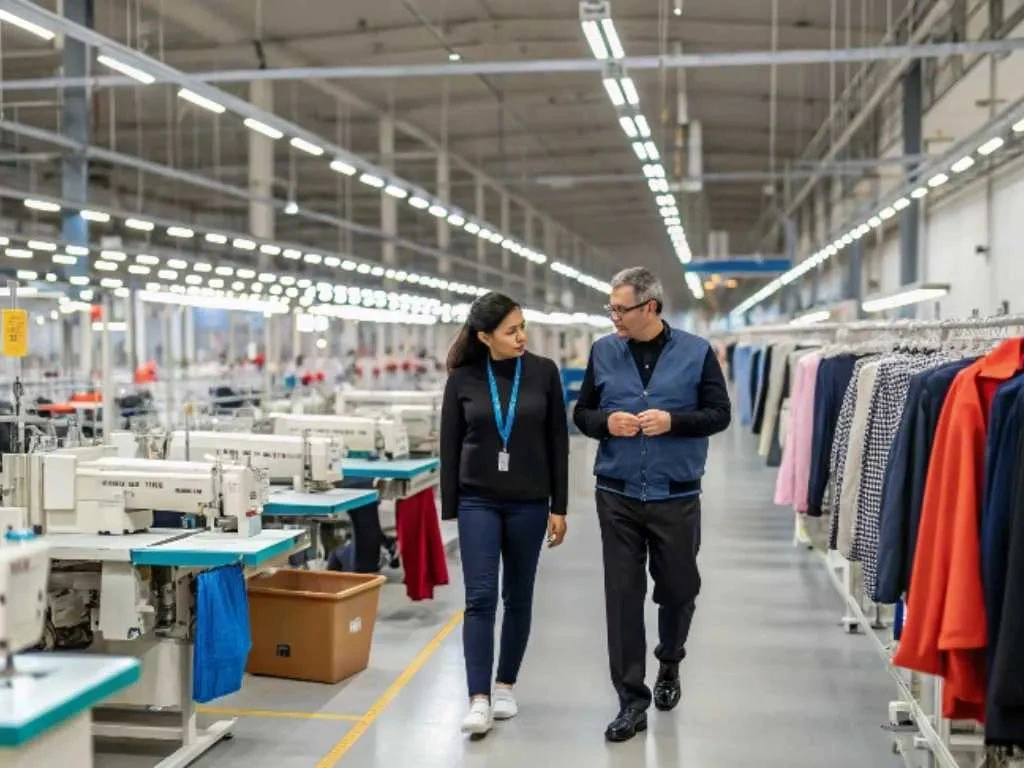
4. Understand How Quality Is Controlled During Production
Most quality issues are not created during final inspection. They usually come from earlier stages, such as unclear specifications, incorrect cutting, or inconsistent workmanship.
Before production starts, important information should be confirmed, including:
- Approved sample
- Measurement specifications
- Fabric details
- Construction requirements
- Finishing expectations
During production, quality control normally involves checking fabric, cutting accuracy, sewing workmanship, measurements, and final garment condition.
When you compare manufacturers, understanding their production process can help you judge whether they focus on preventing problems or only checking products at the end.
5. Evaluate Communication During Product Development
Custom dress production often requires more discussion than standard products because many details cannot be confirmed from drawings alone.
Even with a complete tech pack, some production decisions still require discussion. A manufacturer may need to confirm details about fabric behavior, seam construction, trims, or finishing methods.
You can evaluate a supplier by the questions they ask before sampling.
For example, if a factory notices that a fabric may not achieve the expected shape or that a construction method may affect production efficiency, this feedback can help you make better decisions before bulk production.
Production decisions are usually easier to control when brands and manufacturers discuss potential issues before production starts.
6. Compare the Overall Production Value, Not Only the Price
Price is important when selecting a manufacturer, but experienced buyers usually consider the complete production process.
A lower quotation may look attractive at the beginning, but additional costs can appear later through:
- Multiple sample revisions
- Production delays
- Quality corrections
- Communication problems
When comparing suppliers, you can look at the balance between cost, production control, development support, and delivery performance.
After quotation, the differences between suppliers usually appear during sampling, production scheduling, quality control, and problem solving.

7. Consider Whether the Manufacturer Can Support Future Collections
Many fashion brands start with a small collection and gradually increase their production needs.
As your business grows, you may require more styles, different fabrics, updated designs, or additional private label requirements.
Before selecting a supplier, consider whether the manufacturer can support future development, not only your current order.
Long-term cooperation also allows the factory team to better understand your quality standards, preferred construction methods, and production requirements.
Questions to Ask Before Choosing a Dress Manufacturer
1. What should a fashion brand prepare before contacting a dress manufacturer?
Before contacting a manufacturer, prepare basic product information such as design sketches, tech packs, reference samples, target quantity, and expected delivery dates. Clear information allows the factory to check feasibility, estimate costs, and identify possible production issues earlier.
2. How many samples should you develop before bulk production?
The number of samples depends on the design complexity and required adjustments. Simple styles may need fewer revisions, while dresses involving special fabrics, complex structures, or detailed workmanship often require more fitting and development checks.
3. How can you judge whether a manufacturer understands your design?
A manufacturer should not only repeat your requirements but also discuss possible production challenges. These discussions show whether the manufacturer understands the practical steps required to turn a design into production.
4. What information affects dress production costs?
Production costs are influenced by many details, including fabric choice, garment construction, trims, workmanship, order quantity, and packaging requirements. Providing complete product information helps manufacturers calculate costs more accurately.
5. When should a fashion brand start communicating with a manufacturer?
Many brands start discussions with manufacturers before every detail is finalized. Early discussions can help you understand production possibilities, adjust unrealistic ideas, and avoid changes that may affect sampling or bulk production later.
Conclusion
In dress production, the quotation is only the starting point. The real difference between suppliers usually appears during sampling, production, and quality control. Fashion brands need to consider product experience, sample development, production control, and communication ability. Choosing a manufacturer with the right production experience can reduce unexpected changes during development and help brands move from design concept to finished garments with clearer expectations.
Related Dress Manufacturing Services
If your project involves a specific dress fabric or construction, you can also review our related manufacturing pages:
- Cocktail Dress Manufacturer
- Bridesmaid Dress Manufacturer
- Slip Dress Manufacturer
- Wrap Dress Manufacturer
- Chiffon Dress Manufacturer
Get a Quote for an Existing Dress Style
If you are transferring an existing dress style to a new manufacturer, send us the latest approved sample, tech pack, product photos, or measurement chart together with your target quantity.
As a dress manufacturer, we can review the construction, fabric, trims, measurements, and current production status with you before confirming the sampling requirements.

