

When brands develop a new dress collection, the design idea is usually the starting point. The harder part is deciding which styles are suitable for production and worth investing in. During dress development, we have seen many samples require major adjustments because important decisions about fabric, construction, or target customers were made too late. Planning these details before sampling can help you avoid unnecessary sample rounds and make better decisions before bulk production starts.
Start With Your Collection Purpose and Target Customer
Before creating dress designs, you need to understand what role this collection will play for your brand. A startup brand may use its first collection to test customer response, while an established retailer may already know which categories and price points perform better.
Your target customer, price positioning, and sales channel will affect many production decisions. A boutique collection may require more unique details and limited quantities, while a wholesale collection usually needs styles that are easier to reproduce and scale.
In many development projects, the design idea is usually clear, but the collection purpose is sometimes not defined clearly enough before sampling begins. Understanding who will buy the dresses helps you make better decisions before sampling starts.
Select Styles That Balance Brand Identity and Sales Potential
One of the most common challenges during collection development is deciding how many styles to create. More designs do not always mean a stronger collection. Each new style requires pattern development, fabric preparation, sample making, fitting adjustments, and production evaluation.
For new brands, developing too many styles at once can increase development costs and make it difficult to identify which products have real market potential.
In many collection planning projects, styles are usually divided into three groups:
- Brand statement styles: Designs that define your collection direction and create a clear brand impression.
- Core selling styles: Dresses with wider appeal and stronger sales potential.
- Repeat styles: Products that can be updated with different fabrics, colors, or seasonal changes.
A stronger collection usually combines creative designs with styles that are easier to produce, price, and reorder.
Check Production Requirements Before Sampling
A design sketch shows the idea, but the final garment depends on many production details. Before moving into sampling, you should review whether the design works with your selected fabric, construction method, and expected order quantity. For example, a fitted dress with stretch fabric may require different pattern adjustments compared with a woven dress. A heavily embellished style may also need more handwork time and a different production schedule.
Important factors include:
- Fabric availability and fabric MOQ
- Lining and finishing structure
- Sewing processes and production difficulty
- Special techniques such as embroidery, beading, or appliqué
- Required production lead time
For example, a dress with complex draping or multiple layers may require more pattern adjustments and sewing control than a simple silhouette. These details do not mean a design cannot be produced, but they should be considered before sampling.
Early discussions about construction details can help avoid repeated sample revisions later, especially for dresses with complex structures.
Plan Fabrics Carefully Across Your Collection
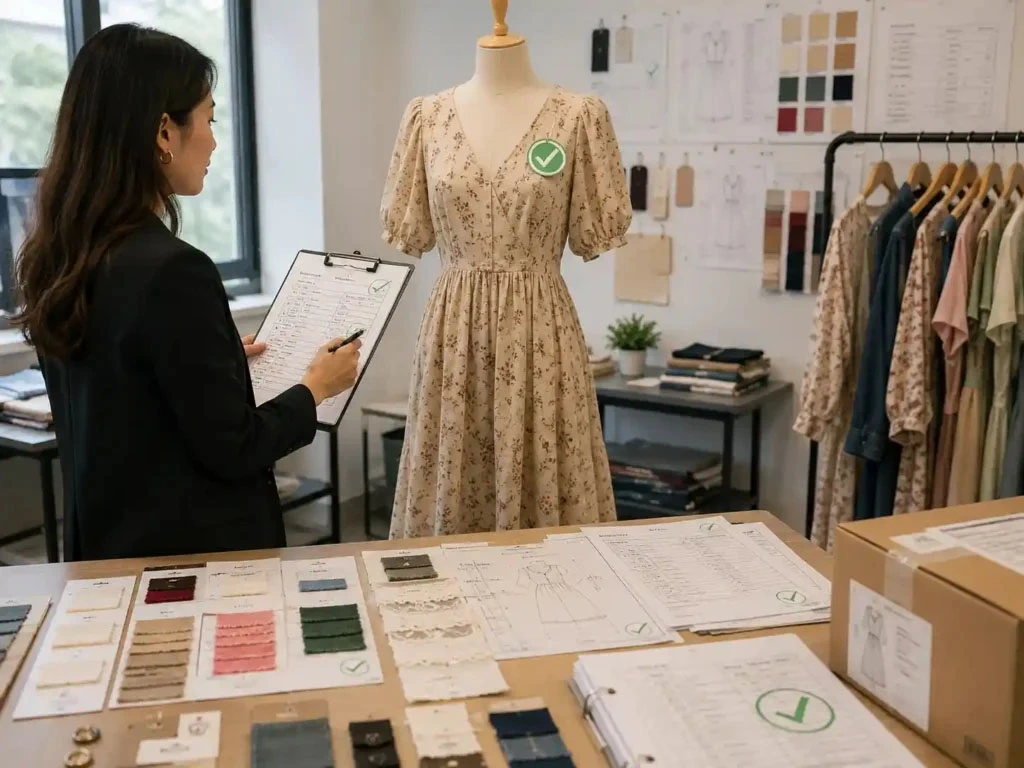
Fabric planning is often overlooked when brands focus mainly on design ideas. However, the choice of fabric affects the appearance, fitting, production process, and final cost of a dress.
When planning your collection, you should consider whether different styles can share similar fabric groups or production methods. This approach can reduce unnecessary fabric sourcing work and make production planning more manageable.
For example, using related fabrics across several styles may allow you to create a stronger collection story while making fabric sourcing and production management easier.
A manufacturer can review whether the selected fabric works with the dress structure before pattern making and sampling begin.
Prepare Complete Information Before Working on Samples
Clear communication is important before a manufacturer starts making samples. The more details you can provide, the easier it is to turn your design idea into a finished garment.
Useful information includes:
- Design sketches or reference images
- Measurement requirements
- Fabric preferences
- Lining details
- Trim information
- Logo and labeling requirements
- Special construction instructions
A detailed tech pack is helpful, but it does not always need to be perfect at the beginning. If some details are still under discussion, you can review possible solutions with the manufacturer during the development stage.
Making decisions before sampling is usually more efficient than correcting major issues after the first sample is completed.
Plan Sampling Around Your Launch Timeline
Sampling is the stage where your design idea is checked through an actual garment. You should leave enough time for pattern development, first samples, fitting comments, and final approval.
A typical dress development process includes:
- Design and production review
- Fabric and trim confirmation
- Pattern making and first sample
- Fit checking and sample adjustment
- Final approval before bulk production
Many brands focus heavily on the launch date but underestimate the time needed for sample revisions. Planning the timeline early gives you more flexibility if adjustments are needed.
Review Your Collection Before Bulk Production
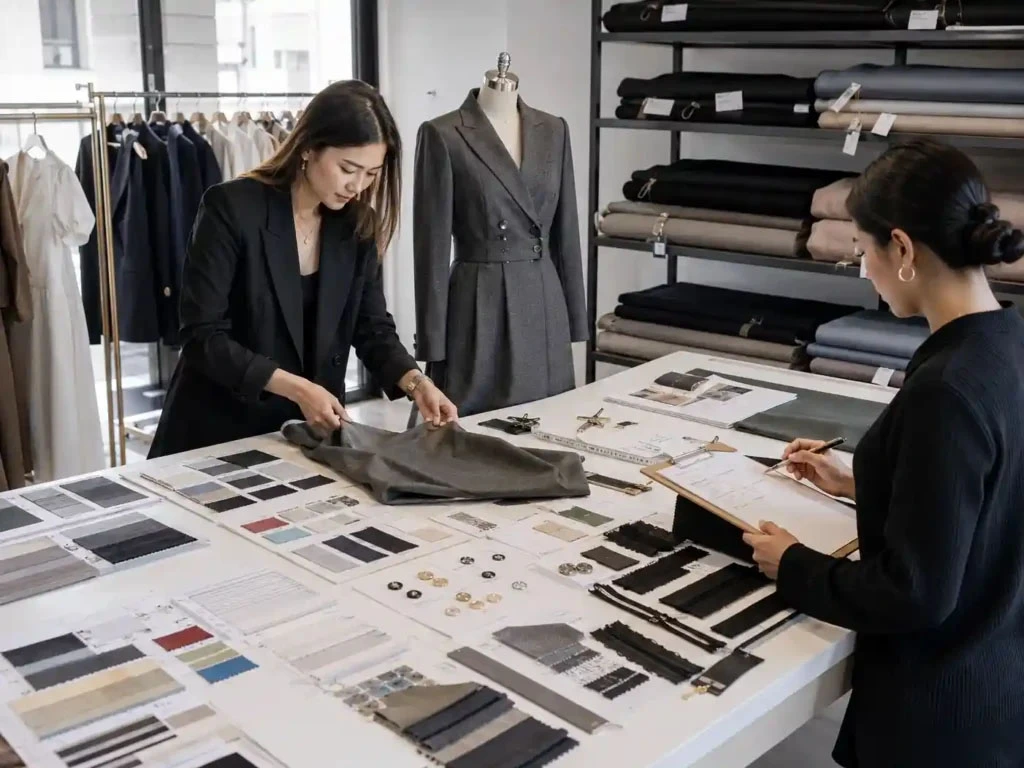
Before confirming bulk production, review each style from both a design and business perspective.
A dress may look attractive on a sketch or mood board, but you should also consider:
- Does it match your target customer?
- Is the expected selling price realistic?
- Can the style be produced consistently?
- Does it have potential for future updates or repeat orders?
This review helps you identify which styles are worth moving into production and which ones may need changes before bulk orders.
For many brands, the strongest collections are not built from the largest number of designs, but from carefully selected styles that combine creative designs with styles that customers want and factories can produce consistently.
FAQ
1. How early should a brand start planning a dress collection?
Collection planning usually starts before final designs are completed. This gives brands time to review fabrics, construction details, sampling requirements, and production schedules before too many styles enter development.
2. What information should a brand prepare before contacting a dress manufacturer?
Before contacting a manufacturer, brands normally prepare available information such as sketches, reference garments, measurements, fabric ideas, and special details. Clear information helps manufacturers evaluate the project more accurately and suggest practical solutions.
3. Why do some dress samples require multiple revisions?
Sample revisions usually happen when the original design idea changes after it becomes a physical garment. Fabric behavior, fit, sewing methods, and finishing details can all affect the final result. For example, a neckline or sleeve shape may need adjustment after the first fitting because the fabric does not fall as expected.
4. How can a small fashion brand plan a collection with a limited budget?
For brands with a limited budget, developing fewer but better-selected styles is often more practical than creating a large collection. Prioritizing key styles, using suitable fabrics, and reducing unnecessary sample changes can help control development costs.
5. Should every style in a collection use different fabrics?
Not necessarily. Using too many unrelated fabrics can increase sourcing complexity and production management. Many brands create stronger collections by combining different designs with carefully selected fabric groups.
Conclusion
A successful dress collection needs both a clear design direction and practical production planning. Before sampling begins, you need to consider style selection, fabric choices, construction details, and market needs. Careful planning before sampling can reduce unnecessary revisions, improve communication with manufacturers, and make the transition into bulk production easier.
Related Dress Manufacturing Services
If your project involves a specific dress fabric or construction, you can also review our related manufacturing pages:
- Slip Dress Manufacturer
- Velvet Dress Manufacturer
- Bodycon Dress Manufacturer
- Wrap Dress Manufacturer
- Formal Dress Manufacturer
Get a Quote for an Existing Dress Style
If you are transferring an existing dress style to a new manufacturer, send us the latest approved sample, tech pack, product photos, or measurement chart together with your target quantity.
As a dress manufacturer, we can review the construction, fabric, trims, measurements, and current production status with you before confirming the sampling requirements.

