

When you develop a maxi dress for your collection, the sketch rarely tells the whole production story. Fabric width, skirt volume, pattern balance, and construction details all affect the final cost and fit. As a clothing manufacturer, we review these points before sampling so you can avoid unexpected fabric costs, fitting issues, and inconsistencies when your order moves into bulk production.
What Should You Prepare Before Manufacturing a Maxi Dress?
Before a maxi dress goes into sampling, you need to give the factory enough information to understand how the garment should look and be constructed.
A tech pack is helpful, but you can also start with a design sketch, reference photos, an existing garment, or a physical sample.
The main details to prepare include:
- Dress silhouette and finished length
- Fabric composition, weight, and preferred quality
- Neckline, sleeve, and waist construction
- Skirt shape and desired volume
- Lining and closure requirements
- Size range and measurement chart
- Slits, pockets, pleats, or decorative details
- Labels, hangtags, and packaging instructions
These specifications affect one another. Increasing the skirt sweep changes fabric consumption, while switching from a stable woven fabric to a lightweight material can affect the pattern and lining requirements.
If you already have a target retail price or production budget, share it during the initial discussion. It gives the factory a better starting point when reviewing fabric and construction options.
How Are Maxi Dresses Manufactured?
A typical maxi dress moves through several production stages:
Design Review → Fabric Preparation → Pattern Making → Sample Development → Cutting → Sewing → Finishing → Quality Inspection → Packing
The workload is not the same for every style. A straight cotton maxi dress has relatively straightforward construction, while a tiered chiffon dress or bias-cut satin design requires more attention to fabric handling, pattern balance, and sewing.
1. Design Review and Technical Preparation
The first step is to turn your design into a workable production specification.
A fashion sketch usually communicates the overall appearance, but it may leave important construction details unclear. For example, the factory still needs to understand how the waist is joined, how the skirt panels are arranged, where the zipper sits, and whether the bodice requires full or partial lining.
We also review details that may affect fabric consumption and sewing time.
A wide circular skirt can use considerably more fabric than a straight skirt of the same length. Multiple tiers require additional joining seams, while a deep side slit may need reinforcement to prevent the opening from stretching during wear.
These details should be discussed before sampling. Otherwise, the first sample may look different from your expectations simply because the original design information was incomplete.
At this stage, the factory can also identify construction choices that may push the garment beyond your target production cost.
2. Fabric Selection and Inspection
Fabric has a direct influence on the appearance, fit, and manufacturing cost of a maxi dress.
Common choices include:
- Satin: Suitable for flowing occasionwear, although surface marks and seam puckering need attention.
- Chiffon: Lightweight and suitable for layered or gathered skirts, but difficult to control during cutting and sewing.
- Viscose: Offers a soft drape, making it suitable for relaxed silhouettes and flowing skirts.
- Cotton: Works well for everyday maxi dresses and structured casual styles.
- Silk: Provides a fluid appearance but requires careful handling and a closer review of fabric cost.
Do not choose a fabric based on composition alone. Two viscose fabrics, for example, can behave very differently because of differences in weight, weave, finish, and drape.
For production, we pay particular attention to fabric weight, usable width, shrinkage, opacity, color consistency, surface defects, and stretch recovery where relevant.
Fabric width deserves special attention when you develop a maxi dress with a full skirt. A narrower fabric may require additional panels or a different marker layout, increasing consumption and cutting waste.
Before bulk cutting, the production fabric should also be checked against the approved sample quality. A difference in weight or finish can change how the skirt hangs, even when the fabric composition is identical.
3. Pattern Making and Size Grading
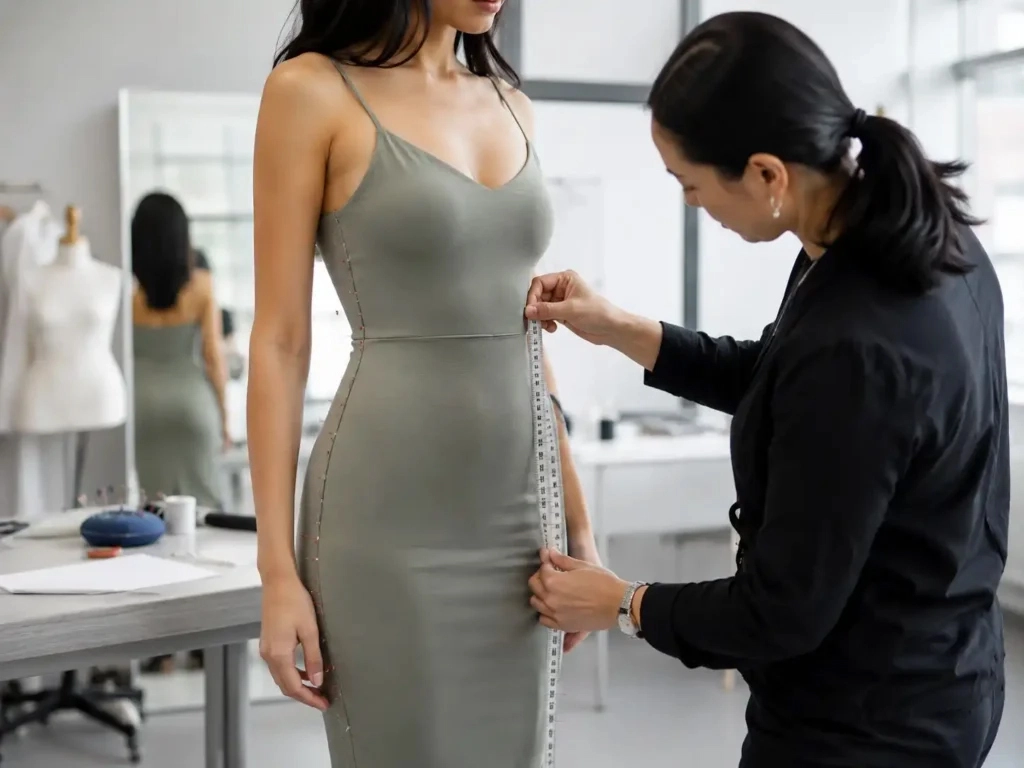
Once the design and fabric have been confirmed, the pattern maker develops the garment pattern.
A maxi dress pattern may include:
- Front and back bodice
- Sleeves and cuffs
- Waist sections
- Front and back skirt panels
- Lining and facings
- Pockets and other construction pieces
The pattern needs to account for the actual fabric behavior.
For example, a bias-cut satin skirt requires a different approach from a straight-grain cotton skirt. A lightweight fabric may also need additional control around the waist and seams to maintain the intended shape.
Length and balance are especially important. The front, back, and side sections need to hang correctly, and the waistline should remain level when the garment is worn.
After the base size is approved, the pattern can be graded into your required size range.
However, grading is not simply adding the same amount to every measurement. Bust, waist, hip, shoulder, and skirt proportions need to remain balanced across different sizes.
4. Sample Development and Fit Approval
The first sample is where your design is tested against the actual fabric and construction method.
During fitting, you should check more than the bust and waist measurements.
Pay attention to:
- Overall dress length
- Waistline position
- Bust and hip fit
- Skirt volume and movement
- Shoulder and sleeve balance
- Neckline shape
- Slit position
- Lining coverage
- Zipper placement
- Hem appearance
A common issue with maxi dresses is that the garment looks correct on a flat sketch but hangs differently when worn.
For example, a soft fabric may pull the skirt downward, while a heavier lining can affect the movement of the outer layer. If the hem looks uneven, the cause may be fabric behavior or pattern balance rather than an incorrect sewing operation.
When fitting issues appear, the pattern maker needs to identify the cause before changing the measurements. Otherwise, one correction can create another problem elsewhere.
Once the fit and construction are approved, the final sample becomes the physical reference for bulk production.
5. Fabric Relaxation, Spreading, and Cutting
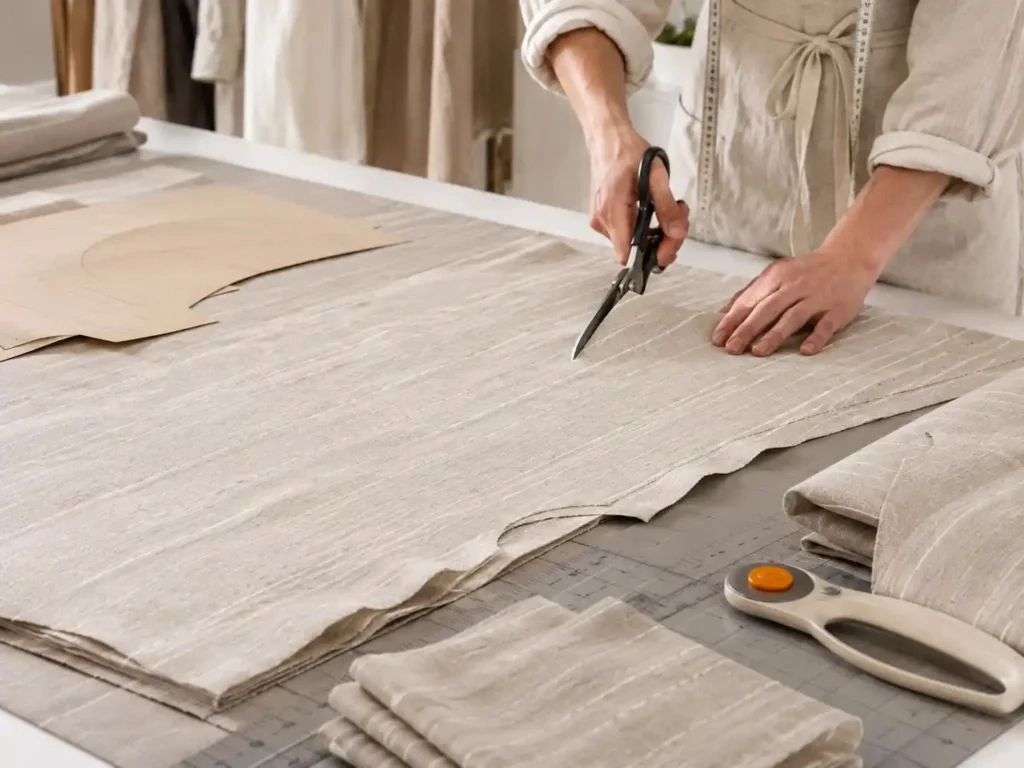
Before bulk cutting, fabric preparation needs to be completed according to the material.
Some knitted and woven fabrics require relaxation after being unrolled. This allows the material to settle before cutting and helps reduce measurement changes later.
The cutting team then prepares the marker and fabric layers, considering:
- Usable fabric width
- Grain direction
- Pattern placement
- Print and stripe matching
- Fabric defects
- Cutting allowances
- Material utilization
Maxi dresses can consume a considerable amount of fabric because of their length and skirt shape.
A full-circle skirt, tiered design, or wide A-line silhouette may require significantly more material than a straight maxi dress. Printed fabrics can also create additional waste when the design requires pattern matching.
This is why fabric consumption should be calculated from the actual pattern rather than estimated from the garment length alone.
For brands placing larger orders, reviewing the marker layout before bulk cutting can help identify unnecessary material waste.
6. Sewing and Garment Assembly
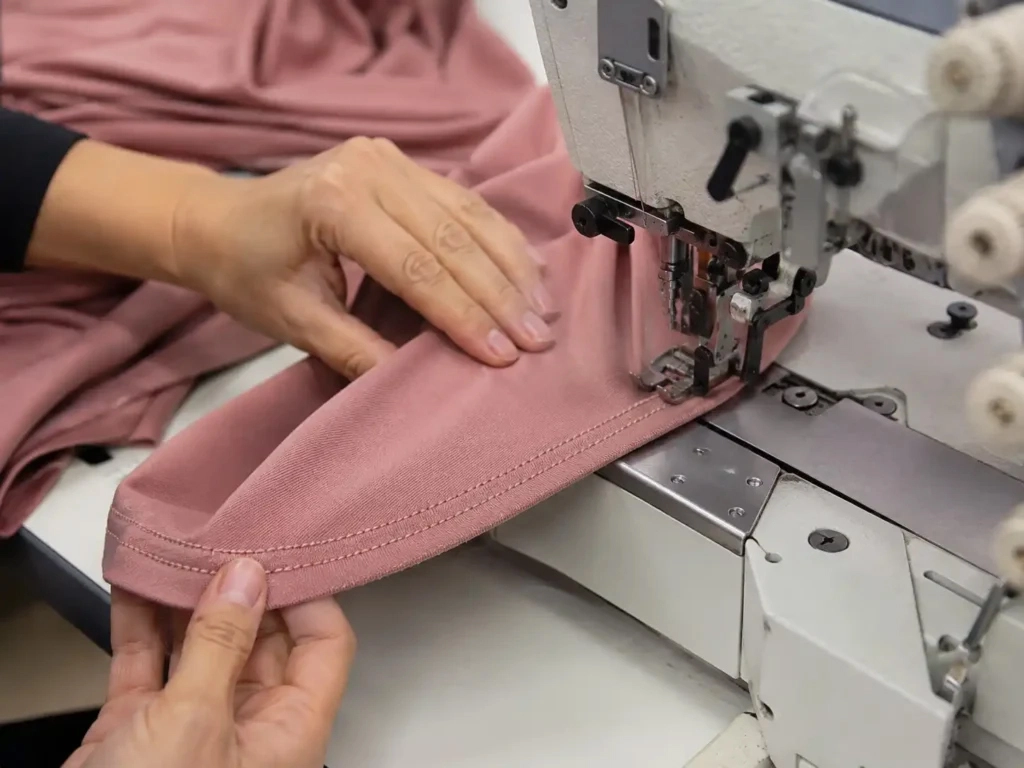
After cutting, the fabric pieces move to the sewing floor.
The operation sequence depends on the design, but a typical maxi dress may involve:
- Bodice assembly
- Shoulder and side seam joining
- Sleeve attachment
- Skirt panel joining
- Waist seam construction
- Lining attachment
- Zipper or closure installation
- Pocket and slit construction
- Hem finishing
Different fabrics require different sewing approaches.
Satin can show needle marks and puckering, so machine settings and handling need to be controlled. Chiffon can shift easily during sewing, particularly around curved seams and multiple skirt layers.
For stretch maxi dresses, the seam needs enough elasticity to move with the fabric without breaking or becoming wavy.
The approved sample and construction specifications should be available to the sewing team. This gives operators a clear reference for seam positions, measurements, and finishing details instead of relying on memory or a sketch.
7. Pressing and Garment Finishing
Finishing is not simply about making a dress look neat. It also affects the final shape and drape.
The pressing temperature and pressure should match the fabric. Excessive heat can damage delicate materials, while incorrect pressing can flatten pleats or leave unwanted marks on satin.
The finishing stage generally covers:
- Thread trimming
- Seam cleaning
- Hem checking
- Label and trim attachment
- Button and zipper checking
- Loose-thread removal
- Final pressing
The hem deserves particular attention on a maxi dress. Because of its length and circumference, small differences can become obvious when the garment is worn or laid flat.
For tiered styles, each joining seam and hem section should also be checked to make sure the layers fall evenly.
8. In-Line Quality Control
Quality inspection should take place during production, not just after the last garment has been sewn.
In-line QC helps identify problems while the sewing team can still correct them without affecting the entire order.
Typical inspection points include:
- Key garment measurements
- Seam strength and stitch appearance
- Fabric defects
- Color consistency
- Zipper and closure function
- Lining attachment
- Slit and hem construction
- Label position
If the first few pieces show repeated measurement or sewing problems, the production team can review the operation before more garments are completed.
For buyers, this matters because a problem found after the entire order is finished is much harder and more expensive to correct.
9. Final Inspection and Packing
After sewing and finishing, the garments move through final inspection.
The inspection should follow the quality requirements agreed during development and production.
This normally includes measurements, workmanship, garment appearance, fabric condition, trims, labels, quantity, and packaging.
If you are placing a private label order, make sure your packaging specifications are confirmed early.
Hangtags, care labels, barcode stickers, polybags, folding methods, and carton markings should be included in the production instructions. Leaving these details until the packing stage can delay shipment.
What Are the Most Common Production Challenges With Maxi Dresses?
Some issues are more common in maxi dress manufacturing because of the garment’s length, fabric consumption, and skirt construction.
Uneven hem length
A long hem makes small differences easier to notice. Fabric relaxation, pattern balance, cutting accuracy, and the way the dress is handled can all contribute to the problem.
Unexpected fabric consumption
A wider skirt, extra tiers, directional prints, or additional panels can increase consumption. This may cause a noticeable difference between the initial estimate and the final material requirement.
Different drape in bulk production
If the bulk fabric has a different weight, finish, or hand feel from the approved sample, the finished dress may not hang as expected.
Fit changes after fabric substitution
Changing fabric can affect shrinkage, stretch, recovery, and garment weight. The original pattern may no longer produce the same fit.
Variation between sample and bulk garments
A well-made sample does not automatically guarantee consistent bulk production. Clear specifications, production references, and in-line inspection are needed to keep the order on track.
How Does Fabric Choice Affect Maxi Dress Manufacturing Cost?
Fabric is often one of the largest cost components, but the quoted unit price involves more than the price per yard or meter.
The main cost factors include:
- Fabric price and consumption
- Usable fabric width
- Skirt volume and pattern layout
- Lining and interlining
- Number of sewing operations
- Construction complexity
- Trims and accessories
- Finishing requirements
- Order quantity
Consider two fabrics with different prices. The cheaper option may have a narrower usable width, requiring more material for a wide skirt. The more expensive fabric may actually produce a more efficient cutting layout.
Construction also affects labor cost. A simple straight maxi dress is generally less demanding than a multi-tier design with gathering, lining, decorative details, and concealed closures.
If you have a fixed target price, discuss the fabric and construction together. A factory can then review whether adjustments to the material, skirt volume, or finishing method would help bring the garment closer to your budget without changing its overall design direction.
How Long Does Maxi Dress Manufacturing Take?
The timeline depends on fabric availability, design complexity, sample revisions, order quantity, and factory scheduling.
For planning purposes, you should separate sample development from bulk production.
A typical development process includes design review, fabric sourcing, pattern making, sample production, fitting adjustments, and final sample approval.
After the PP sample and bulk fabric are confirmed, bulk production can move into cutting, sewing, finishing, inspection, and packing.
A simple design may move through these stages relatively quickly. A maxi dress with several skirt layers, special fabric, embroidery, or complicated construction needs more development and production time.
If you are preparing for a seasonal launch, work backward from your required delivery date. Include time for sample approval, fabric confirmation, production, final inspection, and shipping. Do not calculate your schedule using sewing days alone.
What Should You Check Before Placing a Maxi Dress Order?
Before choosing a manufacturer, look beyond the initial quotation. You need to understand how the factory handles development, production changes, and order requirements.
Here are some useful questions to discuss:
- Can the factory develop patterns from your reference photos or tech pack?
- Can you review fabric options before sampling?
- How are sample revisions documented?
- Is the MOQ calculated by style, color, or size?
- Are sample charges separate from bulk production costs?
- What happens if the selected fabric becomes unavailable?
- Can the factory maintain the same specifications for repeat orders?
- What payment and production milestones are required?
These questions help you understand the working arrangement before committing to an order.
For new brands, clarity on MOQ, sample charges, and payment terms is particularly important when managing a limited development budget. For established retailers and wholesalers, repeat-order consistency and material availability may carry more weight.
Frequently Asked Questions
1. What information should you send to get an accurate maxi dress quotation?
Send the design reference or tech pack, fabric preference, size range, estimated quantity, colorways, and required delivery date. If you have a target price, include that as well. A quotation based only on a product photo is usually preliminary because important construction and material details may still be missing.
2. Is the sample fee refundable when you place a bulk order?
This depends on the manufacturer’s sampling policy. Some factories deduct part or all of the sample charge from the bulk order, while others treat development as a separate service. Ask about the policy before sampling, particularly if you plan to develop several styles in the same collection.
3. Can you order different maxi dress designs in one production order?
You can discuss combining several designs, but the factory will normally review each style separately. Different fabrics, patterns, colors, and sewing operations create different production requirements. Ask whether the MOQ can be arranged by style or whether certain quantities need to be met for each colorway.
4. What should you do if your preferred fabric is out of stock?
Ask the manufacturer to check whether the same fabric quality is available from another supplier or whether a comparable alternative can be sourced. Do not approve a replacement based on composition alone. Request a fabric swatch or revised sample first, especially if the original material determines the dress’s drape and fit.
5. How can you manage repeat maxi dress orders across different seasons?
Keep the approved sample, measurement chart, fabric specifications, color references, and construction details from the original order. When you reorder, check whether the supplier can still source the same fabric quality. Even a small material change can affect the finished garment, so it is worth reviewing before confirming production.
Conclusion
Maxi dress manufacturing involves more than getting the length and silhouette right. Fabric consumption, pattern balance, construction, and bulk consistency all affect the final result. When you settle these details before production, you have better control over cost, fit, and delivery. If you are developing a new collection, Xiuyu Apparel can be a starting point for exploring dress manufacturer services and understanding how your design can move from sampling to bulk production.

