

When you order dresses in bulk, the fabric approved for your sample may not match every roll delivered for production. Even fabric ordered under the same color reference can show slight shade differences between dye lots. As a clothing manufacturer, we check these differences before cutting because mixing incompatible rolls can leave visible color changes between garment panels. Catching the problem at the fabric stage helps you avoid rejected garments, extra material costs, and delays to your delivery schedule.
Why Does Fabric Shade Variation Happen?
Fabric shade variation can occur even when the supplier follows the same color specification. The reason is that fabric goes through several processing stages, and small changes during production can affect the final appearance.
For buyers ordering several hundred or several thousand dresses, the risk is higher when the fabric needs to be supplied in multiple dye lots.
Different Dye Lots Produce Slight Color Differences
A supplier may need to divide a large fabric order into several dyeing batches. Each batch is processed separately, so the finished shades may not be completely identical.
You might receive one roll that looks slightly warmer and another that appears cooler or darker. The difference can be subtle when the fabric is inspected separately, but much easier to see when two panels are joined together.
We pay close attention to this when a dress uses large pieces of one solid-color fabric. A difference between the front and back panels, for example, can be difficult to overlook after sewing.
Sample Fabric and Bulk Fabric May Come From Different Lots
The fabric used for your development sample may come from the supplier’s available stock. When you place the bulk order, the supplier may need to arrange a new dyeing batch.
This means your approved sample and bulk fabric can have slightly different shades even when the fabric composition, weight, and color reference are unchanged.
For your first order, keep the approved physical swatch with the sample records. When the bulk material arrives, compare it with that reference before releasing the fabric for cutting.
For repeat orders, the previous production swatch is also useful. A color name alone is not enough to establish that two separate fabric deliveries will look the same.
Finishing Can Change the Final Appearance
Dyeing does not determine the entire appearance of a fabric.
Washing, softening, brushing, coating, and calendaring can change the surface. A fabric with a smooth finish may reflect more light, while a brushed surface can make the color look softer or deeper.
You may notice this more on satin, silk, and velvet. Two rolls can have similar dye shades but still look different because their surface finishes are not quite the same.
Lighting Can Make Shade Differences Harder to Judge
A fabric inspected under warehouse lighting may look different near a window or under commercial lighting.
The same problem occurs when buyers compare supplier photographs with physical samples. Camera settings, screen brightness, and image processing can all affect the displayed color.
When a color decision affects a bulk order, use a physical fabric reference and compare the materials under consistent lighting.
Where Does Shade Variation Become a Problem in Dress Production?
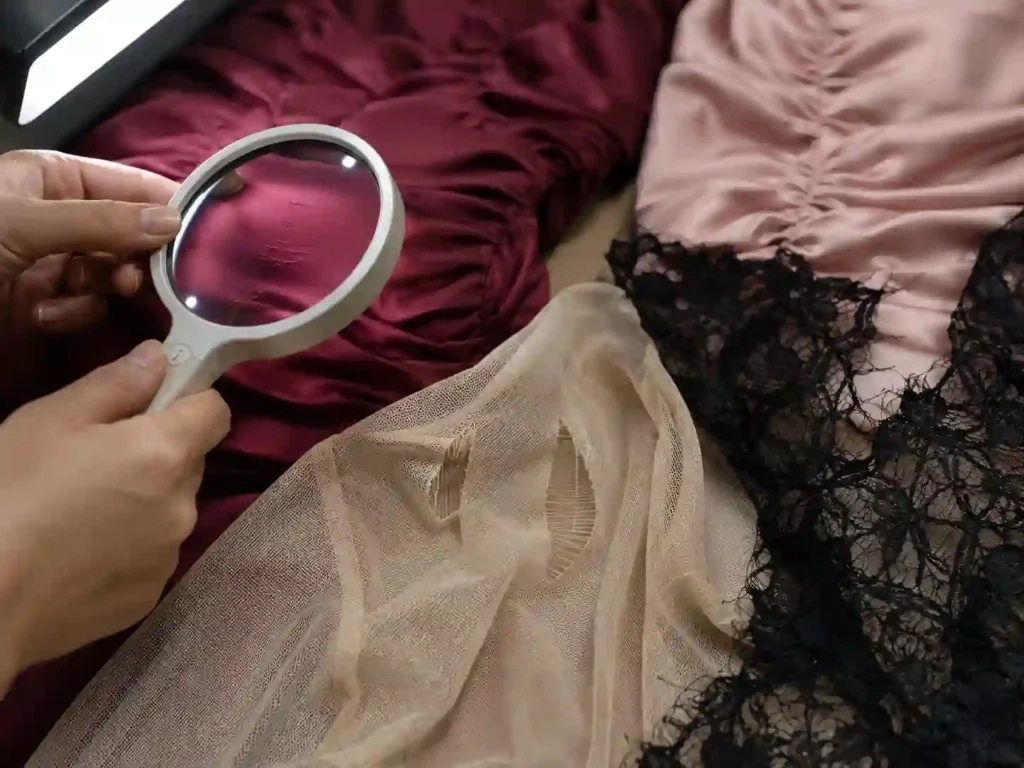
A slight difference between fabric rolls does not always cause a visible problem. It becomes more serious when different shades are used in areas that sit next to each other.
Consider a plain maxi dress with a fitted bodice and a full skirt. If the bodice is cut from one shade group and the skirt from another, the change may be visible along the waist seam.
The risk is higher on:
- Satin evening dresses with large smooth panels
- Plain slip dresses with minimal detailing
- Maxi dresses with wide skirts
- Simple A-line dresses
- Floor-length gowns with long trains
Printed fabrics and heavily embellished styles may have other visual elements, but that does not mean shade differences can be ignored.
Avoid Mixing Different Shades Within One Garment
During cutting, we need to know which rolls can be used together.
For example, if a dress requires a front bodice, back bodice, two sleeves, and a large skirt, these pieces should ideally come from compatible shade groups.
If the cutting team takes fabric from different rolls without checking their shade, the finished garment may show a color change between the bodice and sleeves or across the skirt.
This is why roll identification and cutting allocation need to be settled before production starts.
Check the Outer Fabric and Lining Together
Sheer materials require another level of checking.
Lace, mesh, and chiffon can look quite different after they are placed over a lining. A white lace fabric over an ivory lining, for example, will not have the same overall appearance as the same lace over a bright white lining.
When you approve a sheer dress, check the actual combination of outer fabric and lining. If the design has different lining arrangements between the bodice and skirt, check both areas separately.
How to Check Fabric Shade Before Bulk Cutting
Fabric inspection should take place before the cutting plan is released. At this stage, rolls can still be separated, replaced, or reassigned without having to deal with hundreds of cut panels.
1. Compare Bulk Fabric With the Approved Swatch
Keep a physical swatch from the approved development fabric.
When bulk fabric arrives, place the new material beside the approved reference and compare the overall shade. Do not rely on the color name or Pantone number alone.
Pantone references are useful when communicating your target color to a supplier, but fabric composition, dyeing, and finishing can affect the final result.
If the color is especially important to your collection, agree on the shade acceptance standard before bulk fabric is ordered.
2. Check Roll Labels and Dye Lot Numbers
Before fabric enters the cutting area, record the information on each roll.
The inspection record should include:
- Fabric reference and composition
- Dye lot or batch number
- Individual roll number
- Fabric width
- Shade identification
- Visible fabric defects
This information helps the factory trace which material was used for each production batch.
If a shade difference is discovered later, you can identify the affected rolls instead of checking the entire order again.
3. Lay Different Rolls Side by Side
Checking one roll at a time is not enough when an order contains several rolls of the same color.
Open the fabric and compare the rolls side by side under consistent lighting. For larger orders, a shade comparison should cover enough fabric to make the difference visible rather than relying on a small section.
Also pay attention to surface direction. Satin and velvet should be positioned consistently during comparison, otherwise reflection can make the shade assessment misleading.
4. Separate Rolls Into Shade Groups
Once the comparison is complete, separate rolls that show visible differences.
For example, rolls with a slightly warmer tone can be placed in one group, while rolls with a cooler tone are kept separately.
The purpose is not to reject every roll that differs slightly from the approved swatch. It is to prevent incompatible shades from being mixed within the same garment or production batch.
Whether a shade group can be accepted should be agreed with the buyer, especially when the garments will be sold together as one collection.
5. Prepare the Cutting Allocation
After shade grouping, the cutting team needs clear instructions about which rolls can be used together.
For a dress with large front and back panels, the fabric allocation should be planned around the complete garment rather than individual pattern pieces.
We also need to check whether each shade group has enough usable fabric for the required number of garments.
If there is not enough material to complete a style within one shade group, cutting should be held until the buyer and production team agree on the next step.
How Different Fabrics Show Shade Variation
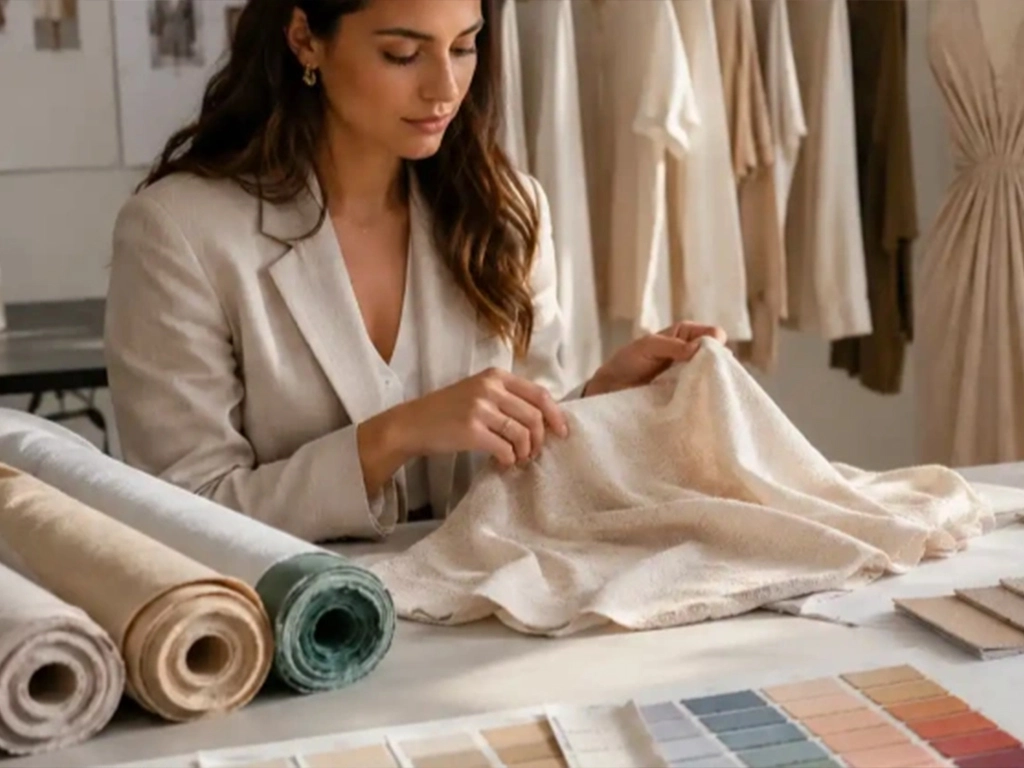
The same shade difference can look minor on one fabric and much more obvious on another. Surface reflection, transparency, and pile direction all affect what you see on the finished dress.
Satin
Satin is sensitive to both shade differences and fabric direction.
Its smooth surface reflects light, so two panels can look different when the grain or surface direction is inconsistent. A genuine dye lot difference can make the contrast even more noticeable.
For satin dresses, check roll shades and cutting direction together. This is especially relevant for large skirts and fitted evening dresses.
Silk
Silk can show subtle changes in tone, particularly on smooth silk satin.
For silk dress development, compare the bulk material with the approved sample under consistent lighting. Check the lining as well if it affects the finished appearance.
Lace
Lace should be inspected over the intended lining rather than by itself.
The open areas of the lace allow the lining color to show through, so even a small lining shade change can affect the overall appearance.
For bridal-inspired and formal lace dresses, approving the complete fabric combination is more useful than approving each material separately.
Chiffon
Chiffon is lightweight and often translucent.
The final appearance depends on the lining, number of layers, and fabric underneath. A single-layer swatch may look quite different from a finished skirt made with two or three layers.
Mesh
Mesh is also affected by the material underneath it.
Nude, white, and pastel mesh can show noticeable changes when the lining color or skin-tone reference changes. If your design uses mesh inserts, compare the material over the intended backing before approving the final shade.
Velvet
Velvet has a directional pile that changes how light is reflected.
The same roll can look darker or lighter when turned in the opposite direction. Keep the pile direction consistent when comparing fabric and preparing cutting layouts.
What Should You Do If Bulk Fabric Does Not Match the Approved Shade?
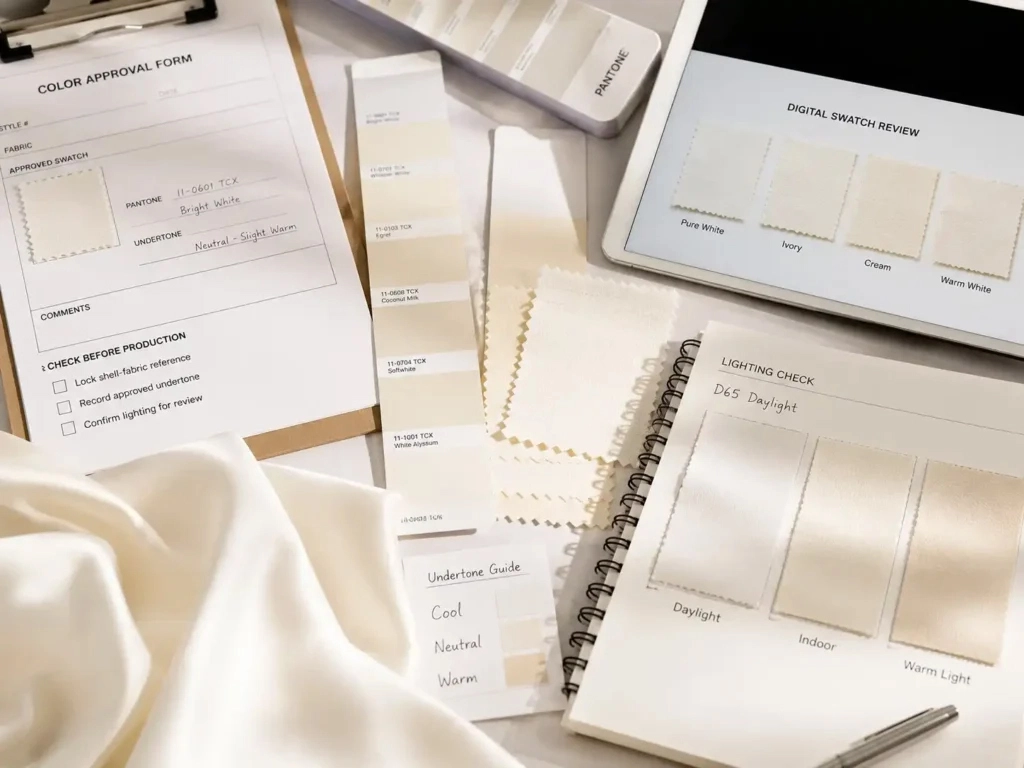
If the bulk fabric shows a visible difference, do not release it for cutting until the issue has been assessed.
The next step depends on how large the difference is, how much fabric is affected, and whether the order can be divided into separate production batches.
Separate the Fabric Into Different Batches
If the shade difference is minor and acceptable to the buyer, the rolls can be allocated to separate batches.
Each finished garment should still use compatible fabric for its visible panels. Do not assume that separating rolls automatically makes every combination acceptable.
Ask the Supplier About Replacement Fabric
If the difference is outside the agreed acceptance range, contact the fabric supplier before using the material.
Ask whether replacement fabric can be supplied from a more suitable dye lot and confirm the additional lead time.
For your order, the important detail is not only the replacement date but also whether the new fabric can arrive in time for cutting and sewing.
Request Buyer Approval Before Proceeding
When the shade difference is borderline, send the buyer a physical comparison or clear photographs showing the affected materials under the same lighting.
Record the decision before cutting continues. A verbal agreement that is not passed to the production team can easily lead to different people making different decisions on the cutting floor.
How Shade Problems Affect Bulk Production and Delivery
A shade problem found before cutting is mainly a material allocation issue. The same problem discovered after sewing can become a much larger production issue.
The factory may need to replace cut panels, arrange additional fabric, separate completed garments, or wait for a buyer’s decision.
This can interrupt the sewing schedule, especially when several dress styles share the same production resources.
If your collection has a fixed launch date, include fabric shade inspection in the pre-production schedule. Waiting until the garments are nearly finished leaves much less room to correct the problem.
How to Keep Repeat Orders Consistent
Repeat orders need a clear physical reference because the original dye lot may no longer be available.
Even when you reorder the same fabric from the same supplier, the new batch may not look exactly like the previous production.
For ongoing styles, keep the following information:
- Approved fabric swatch from the original order
- Fabric composition, weight, and supplier reference
- Previous dye lot and roll records
- Approved lining and trim references
- Buyer-approved shade differences
When you reorder, compare the new fabric with the previous approved reference before cutting. If the shade is different, discuss whether the change is acceptable for the next delivery rather than assuming the original approval still applies.
This is particularly important if the new garments will be sold alongside stock from the previous production run.
FAQ
1. Can I specify a maximum shade difference when placing a bulk fabric order?
Yes. You can discuss an acceptable shade tolerance with your fabric supplier and production partner before ordering. The agreement should identify the physical reference and how borderline fabric will be assessed. This gives both sides a clearer basis for accepting or rejecting the material.
2. What happens if the supplier cannot provide replacement fabric in time?
First, check whether the available material can be separated into acceptable production batches. If replacement is unavoidable, ask for a revised fabric arrival date and have the factory review the cutting and sewing schedule. Do not promise a revised delivery date until the replacement material is confirmed.
3. Can garments from different dye lots be sold in the same collection?
They can be, but you should consider how the garments will be displayed and whether customers may compare them side by side. For coordinated sets or styles sold as matching colors, even a small difference can affect the overall collection appearance. Approve the grouping before production.
4. Should I approve shade differences through photographs or physical samples?
For a minor issue, photographs can help you understand the situation, but they should not be the only basis for a final color decision. Lighting and camera settings can distort the appearance. When the difference may affect a large order, request physical fabric pieces for approval.
5. How can I reduce the risk of color inconsistency when ordering several dress styles together?
Confirm whether the styles share the same fabric supplier, color reference, and dye lot before production. If different styles use separate fabric batches, ask the factory to compare them together. This is useful when your collection includes dresses that need to match in color across different silhouettes.
Conclusion
Fabric shade variation is best handled before cutting, not after garments reach the sewing line. Keep your approved fabric reference, check incoming rolls, and agree on how different shade groups will be used. These checks help protect your collection from visible color differences and unnecessary production delays. At Xiuyu Apparel, an experienced dress manufacturer can review fabric, lining, and cutting requirements with you before bulk production begins.

