

When you are developing a dress with a sheer skirt, puff sleeves or multiple layers, choosing between organza and tulle can affect the finished silhouette and production cost. A fabric that looks suitable on a swatch may become too stiff after gathering or fail to provide enough volume once sewn. As a clothing manufacturer, we look at fabric behavior, pattern construction and material consumption together before approving either option.
Organza vs Tulle: Key Differences at a Glance
Organza and tulle are both lightweight sheer fabrics, but their constructions create different results in a finished garment. Organza has a woven structure and a relatively smooth surface, while tulle has an open net construction.
| Feature | Organza | Tulle |
|---|---|---|
| Fabric construction | Lightweight woven fabric | Fine net fabric |
| Surface | Smooth and slightly crisp | Open mesh texture |
| Hand feel | Usually crisp or firm | Soft to stiff |
| Drape | Holds its own shape | Varies with fabric stiffness |
| Volume | Created largely by fabric structure | Built through layering |
| Transparency | Smooth, sheer appearance | Visible mesh openings |
| Common applications | Structured skirts, sleeves, bows | Layered skirts, underskirts, overlays |
| Main production concerns | Fraying, seam bulk, pressing | Snagging, shifting, uneven layers |
These are general characteristics rather than fixed rules. A soft organza may behave quite differently from a crisp quality, just as soft bridal tulle and firm decorative tulle produce different results.
When you are selecting fabric for a new collection, the specific quality matters more than the name printed on the supplier’s material list.
What Is Organza Fabric?
Organza is a lightweight woven fabric with a relatively crisp hand and smooth surface. Its structure allows it to maintain a defined shape while remaining sheer.
For dress production, this makes it useful when your design needs volume without relying entirely on multiple fabric layers. You will often see organza in structured skirts, puff sleeves, bows, ruffles and sheer overlays.
One thing to consider is how the fabric behaves around seams.
When a crisp organza is gathered into a waistband, the fabric can create more bulk than expected. The same problem may appear around a puff sleeve or curved neckline, where several seam allowances meet.
Organza can also show needle marks and raw edges more clearly than opaque fabrics. Since its cut edges can fray, the seam finish needs to be considered during pattern development.
If you are developing a dress with a clean, minimal silhouette, pay attention to the seam allowance and finishing method. A bulky seam can remain visible through the outer layer, even when the stitching itself is accurate.
What Is Tulle Fabric?
Tulle is a lightweight net fabric with a visible mesh structure. It comes in different levels of softness and stiffness, so the finished result depends heavily on the quality you select.
Soft tulle is often used for floating overlays, lightweight skirts and delicate sleeve details. Firmer tulle is more suitable when the design requires additional volume or support.
For a layered skirt, you can combine different qualities to control the shape. A softer outer layer can create a lighter appearance, while firmer inner layers help maintain fullness.
However, adding more layers also creates additional production work.
Each layer needs to be positioned and gathered correctly. If the fabric shifts during cutting or the gathering is uneven, the skirt may look fuller on one side than the other. Fine tulle can also snag during handling, so the condition of the cutting table and sewing equipment matters.
For a large production order, the method used to handle and join the layers should be established during sampling rather than left to individual operators.
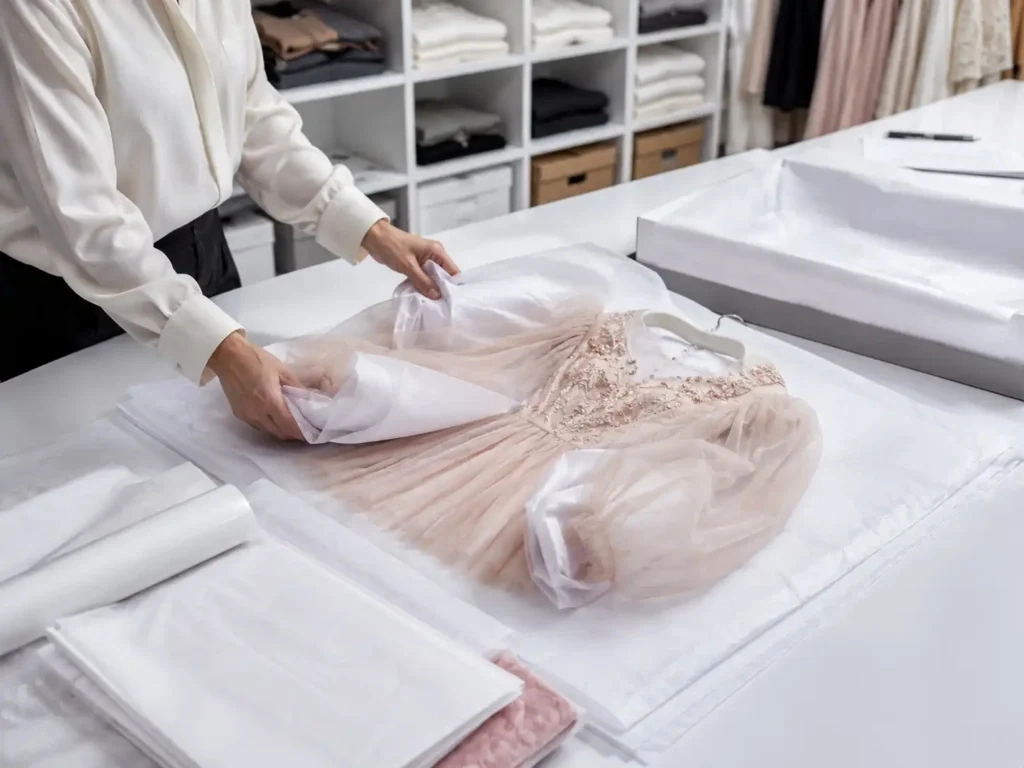
Organza vs Tulle: 6 Differences That Matter in Dress Manufacturing
1. Structure and Shape Retention
Organza generally provides more structure from a single layer. This is useful when you want a skirt panel, sleeve or decorative detail to maintain a defined outline.
Tulle works differently. Its volume depends on the stiffness of the mesh and how the layers are arranged.
For example, if your design has a puff sleeve that needs to stand away from the arm, organza may be a suitable starting point. If you want a softer sleeve with a lighter appearance, soft tulle may be worth sampling.
The important point is to consider the finished shape rather than choosing the fabric based on its appearance when held flat.
2. Drape and Movement
The difference becomes more noticeable once the fabric is attached to a dress.
Organza tends to hold its folds and create a more defined outline. It does not naturally fall as closely against the body as softer fabrics.
Tulle has a wider range of movement. Soft qualities can follow the shape of the garment more easily, while firmer qualities retain more volume.
If you are developing an evening dress with a fitted bodice and sheer skirt, compare both fabrics over the same base garment. This helps you see whether the outer layer moves naturally or creates unwanted stiffness around the waist and hem.
3. Layering and Finished Weight
Layer count is one of the details that can easily be underestimated during dress development.
With organza, each additional layer contributes more noticeable stiffness. Several gathered layers can make the waistband bulky and affect how the skirt sits on the body.
Tulle usually offers more flexibility when you want to build volume gradually. You can change the number of layers or combine different stiffness levels without making every layer equally firm.
However, a fuller skirt still adds weight and material consumption. The waistband and internal construction must support the finished skirt rather than just the outer appearance.
When preparing your tech pack, specify the number of layers and their intended positions. A description such as “full layered skirt” leaves too much room for interpretation.
4. Transparency and Color Appearance
Both fabrics are sheer, but their surfaces create different visual effects.
Organza has a smoother woven appearance. Tulle allows the mesh structure to remain visible, particularly when several layers overlap.
For light-colored dresses, the lining can change the final appearance considerably. An ivory outer layer over a bright white lining may look different from the same fabric over an ivory lining.
Color matching also needs attention when the dress combines both materials. Two fabrics listed under the same color name may not match under natural light.
For a new collection, approve the actual fabric combination rather than relying on separate color swatches.
5. Comfort and Skin Contact
A fabric may look attractive in a product photograph but feel uncomfortable when worn.
Crisp organza can feel firm around the neckline, armhole and sleeve opening. Some tulle qualities have a rougher mesh surface, which may irritate the skin if the edge or seam is exposed.
For dresses with sheer sleeves or open necklines, check the fabric during fitting. Pay attention to the areas where the material touches the skin repeatedly.
You may need a different facing, lining or edge finish to make the garment more comfortable without changing the overall design.
6. Sewing and Finishing Requirements
Organza and tulle should not automatically share the same sewing method.
Organza can fray along cut edges, and its transparency makes seam allowances more visible. The needle, stitch tension and seam finish all affect the final appearance.
Tulle requires attention to fabric positioning. Fine mesh can move during sewing, and a small snag may remain visible on the finished garment.
For gathered sections, curved seams and multiple layers joining at one point, make a test sample before confirming the construction.
A sewing method that works well on a single layer may not produce the same result when three or four layers are joined together.
Which Fabric Is Better for Different Dress Styles?
A-Line Dresses
For an A-line dress with a clean, defined skirt, organza is worth considering. It can help maintain the outline without requiring too many additional layers.
Tulle is more suitable when you want softer fullness or a lighter outer appearance.
If the skirt has a fitted waistband, compare how much bulk each option creates at the waist. This can affect both comfort and the finished proportions.
Ball Gowns
Tulle is commonly used for ball gowns because the volume can be adjusted through layering and fabric stiffness.
The main production concern is keeping the skirt balanced. If the front, back and side sections have different gathering amounts, the finished gown may not hang evenly.
Organza can also be used for structured overskirts or decorative panels when the design needs a more defined shape.
Evening Dresses
For eveningwear, your choice depends on the intended effect.
Organza is useful for crisp overlays, structured details and defined folds. Soft tulle works well when you want a lighter, more delicate appearance.
For a fitted evening dress with a sheer outer layer, check how the fabric behaves around the hip, waist and hem. Excessive stiffness in these areas can change the way the dress moves.
Puff Sleeve Dresses
Organza is a common starting point for puff sleeves that need to hold their shape.
Tulle can work when the sleeve should look softer and less structured.
During fitting, pay attention to the sleeve cap and armhole. The sleeve may have enough volume when the arm is relaxed but become uncomfortable when the wearer lifts or bends the arm.
Layered Dresses
Tulle is often easier to adjust when the design depends on several lightweight layers.
You can change the fullness through layer count, gathering and fabric stiffness. Organza is more useful when you want the layers themselves to contribute visible structure.
For either fabric, confirm the finished length of each layer. Uneven layer lengths can affect the hem appearance, especially when the skirt moves.
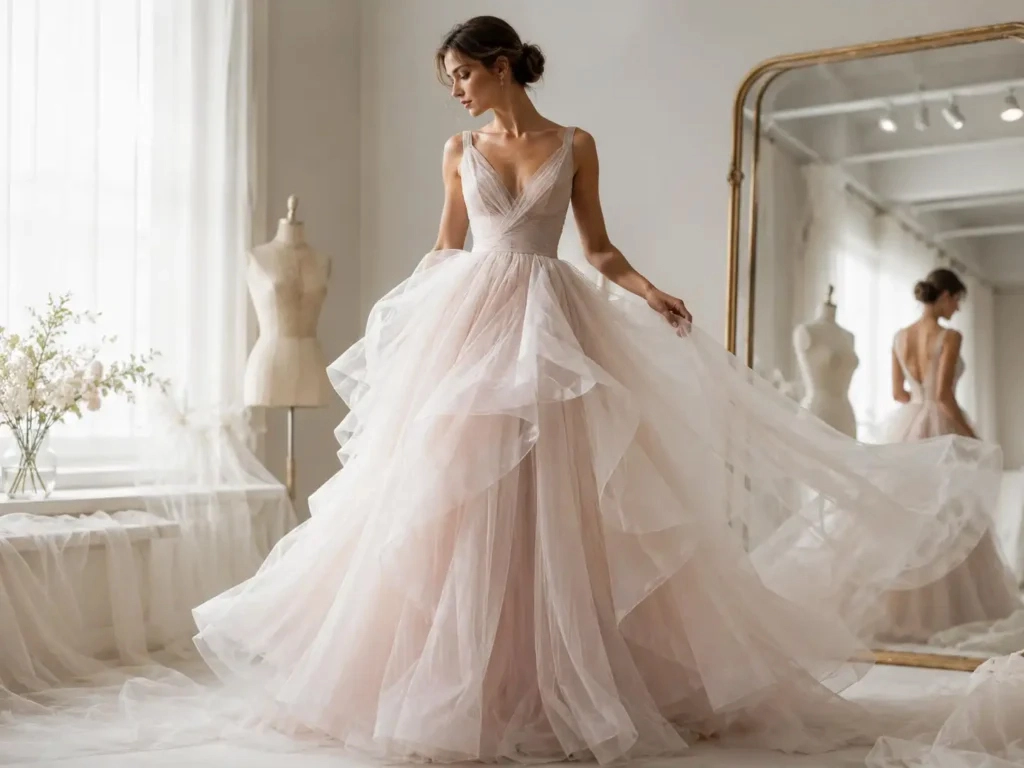
What Should You Check Before Approving the Fabric for Bulk Production?
Fabric Specifications and Supplier Consistency
Do not rely on the fabric name or fiber composition alone.
For each selected quality, record:
- Fiber composition
- Fabric width
- Weight
- Color reference
- Hand feel and stiffness
- Transparency
- Surface finish
- Supplier and fabric reference
These details help when you need to reorder the same material or compare a replacement quality.
A supplier may offer another fabric under the same name, but the hand feel, width and finishing can still be different. Keep a physical approved swatch with the sample record whenever possible.
Actual Pattern Consumption
Fabric consumption should be calculated from the pattern and planned construction.
A full skirt with several tulle layers can use considerably more material than a simple A-line dress. Organza may also require additional allowance for wide panels, bows or structured details.
Usable fabric width is particularly important. If the width is smaller than expected, the pattern layout may need additional panels or more fabric.
When you are working toward a target FOB price, confirm consumption before approving the final quotation. Otherwise, the difference may only become clear when the production order is being prepared.
Cutting and Sewing Trials
Before bulk cutting, pay attention to how the material behaves in the actual production setup.
For tulle, check whether the layers shift or stretch when placed on the cutting table. For organza, inspect the cut edges and make sure the pattern pieces remain accurate.
During sewing, review gathered seams, waistbands, sleeve openings and areas where several layers meet.
These are usually more useful inspection points than checking a large flat piece of fabric that has not yet been constructed.
Pressing and Final Appearance
Pressing can change the appearance of both fabrics.
Organza may show unwanted marks or lose its intended shape if too much heat or pressure is applied. Tulle can lose some of its texture or volume under unsuitable heat.
Test the finishing method on a fabric piece before applying it to the complete garment.
The finished sample should be inspected after pressing, not just immediately after sewing. This is the appearance that should be used as the reference for bulk production.
Sample-to-Bulk Fabric Matching
One issue that deserves attention is fabric replacement after sample approval.
If the original organza or tulle is unavailable, a supplier may suggest another quality with similar color and composition. However, differences in stiffness, width or finish can change the silhouette.
Before accepting the replacement, compare it with the approved swatch and check it in the garment construction. If the difference is noticeable, a revised sample is safer than discovering the problem after bulk production has started.
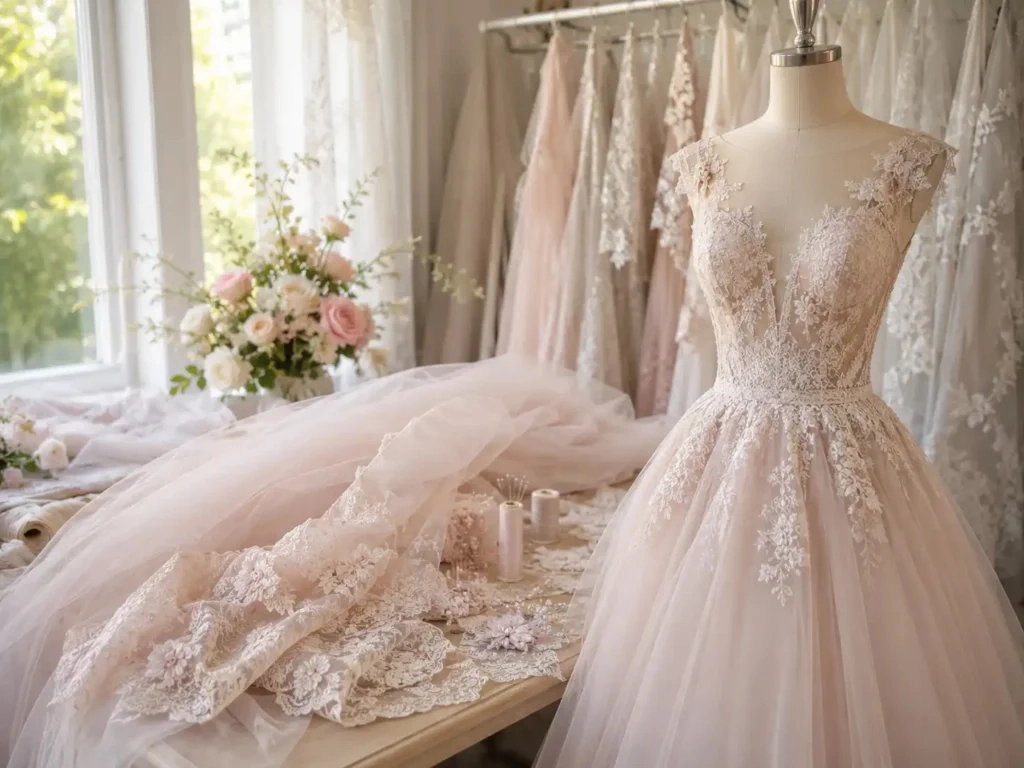
Common Mistakes When Choosing Between Organza and Tulle
1. Selecting fabric from photographs alone
Online photographs cannot show the actual stiffness, surface feel or movement. Request a physical swatch before making a final decision, particularly when the fabric determines the silhouette.
2. Treating all tulle or organza as the same quality
The names describe fabric types, not one fixed specification. Always identify the actual quality used in development.
3. Leaving layer details out of the tech pack
The factory needs to know how many layers are required and where they are placed. Otherwise, fabric consumption and the finished volume may differ from your expectations.
4. Ignoring the cost of construction
Fabric price is only one part of the garment cost. Cutting time, gathering, additional seams, lining and finishing can all affect the quotation.
5. Approving a replacement without a new check
A similar-looking fabric is not necessarily a suitable replacement. Any change that affects the hand feel or structure should be reviewed before bulk production.
Organza vs Tulle: Which One Should You Choose?
| Your Design Requirement | Fabric to Consider |
|---|---|
| Defined skirt shape | Organza |
| Soft, airy skirt volume | Tulle |
| Structured puff sleeves | Organza |
| Multiple lightweight layers | Tulle |
| Smooth sheer surface | Organza |
| Visible mesh texture | Tulle |
| Sculptural bows and ruffles | Organza |
| Adjustable fullness | Tulle |
| Crisp folds | Organza |
| Soft outer overlay | Soft tulle |
Use these recommendations as a starting point rather than fixed rules. The final result still depends on the individual fabric quality, pattern and construction.
FAQ
1. Can a factory source organza and tulle if I do not have a fabric supplier?
Yes. You can provide a reference garment, fabric photograph or physical swatch for sourcing. The factory can then check available qualities and send options for review. Confirm fabric availability and supplier minimums before finalizing your production schedule.
2. Can I use two different tulle qualities in the same dress?
Yes, and this is sometimes useful when the outer layer needs a softer appearance while the inner layers provide more volume. Make sure the color and transparency work together. Different qualities should be approved as a complete combination.
3. How can I reduce the risk of color differences between fabric orders?
Keep the approved fabric swatch and record its supplier reference and color standard. For repeat orders, ask the supplier to confirm the dye lot before cutting. A color name alone is not enough to guarantee that two deliveries will match.
4. Does adding embroidery or beading change the fabric selection?
It can. Fine tulle may need additional support in areas carrying heavier embellishment, while organza can show needle marks or added weight around decorated sections. Test the embellished area on the actual fabric before confirming the final construction.
5. Can I request a quotation if my design is not fully developed?
Yes. A reference image, estimated quantity and basic garment measurements are enough to begin an initial discussion. However, the quotation may need revision once fabric quality, lining, layer count and construction details are confirmed.
Conclusion
Organza and tulle can create very different results, even when both are used for sheer dress designs. Organza is a useful option for defined shapes, while tulle offers flexibility for layered volume. Before approving either fabric, consider the pattern, construction, material consumption and finished sample together. If you are developing a new collection, Xiuyu Apparel can review your requirements as an experienced dress manufacturer and help assess fabric and production feasibility.

