

After working with fashion brands, boutiques, and private label companies for years, we have seen many buyers focus only on fabric prices when calculating costs. In actual production, factors such as cutting efficiency, order quantity, sewing complexity, and production planning often have a bigger impact on the final garment cost.
When you build your fashion brand, understanding these details helps you avoid unnecessary expenses before bulk production. Uniqlo’s pricing strategy gives smaller fashion brands a useful lesson: better planning before production often creates better cost control later.
Why Can Uniqlo Sell Clothes at Lower Prices?
Many startup brands and boutique owners we work with often ask how large companies like Uniqlo maintain competitive pricing. From a manufacturing perspective, the difference usually comes from how a company manages sourcing, production planning, and supply chain efficiency before products reach customers.
When you develop your own collection, your production cost depends on many factors, including fabric selection, order quantity, pattern efficiency, production planning, and factory experience.
After supporting international fashion brands with sampling and bulk production, we have found that lower costs usually come from improving the production process rather than simply choosing the cheapest supplier.
1. Large Production Volume Helps Reduce Manufacturing Costs
One important reason Uniqlo can maintain competitive prices is its large-scale production model.
When you place larger orders with a professional manufacturer, you can usually achieve better fabric pricing, lower production setup costs, and more efficient use of factory resources. Larger quantities also allow factories to plan production lines more efficiently, which can reduce setup time and improve labor efficiency. However, production efficiency is not only about large quantities. For smaller brands, choosing suitable MOQ and improving production planning can also create better cost control.
For emerging brands, this does not mean you must immediately produce thousands of pieces. You can work with an experienced clothing manufacturing partner that understands how to balance MOQ, cost, and product quality during the early stages.
For example, producing 300–500 pieces of one style often allows better fabric utilization and production efficiency compared with very small trial quantities. However, small brands should not simply chase high quantities. The right production volume depends on your sales plan and market testing stage.
For smaller brands, the lesson is not to copy Uniqlo’s production volume, but to improve production planning based on your own sales stage.
2. Stable Designs Improve Production Efficiency
Uniqlo focuses on timeless styles and repeatable products. This allows factories to optimize patterns, sewing processes, and quality control procedures.
- basic styles
- repeat orders
- fewer complicated constructions
When you create a new collection, choosing practical designs can also help reduce unnecessary production difficulties. From a factory perspective, repeatable designs are easier to control because patterns, sewing methods, and quality standards become more stable after several production runs. This is why many brands start with core products and improve them over several seasons.
As a professional dress manufacturer, we often advise brands to consider fabric behavior, construction methods, and production feasibility before finalizing designs. A beautiful design still needs to be suitable for efficient bulk manufacturing.
3. Supplier Relationships Control Fabric Costs
In our daily production, fabric consumption is often one of the first areas we check when helping brands control costs. Small changes in pattern layout, fabric width, or garment construction can affect the total material usage of a style. For some styles, optimizing fabric layout during cutting can reduce fabric waste without changing the appearance of the garment. For example, improving marker efficiency during cutting can sometimes reduce fabric waste without changing the garment design.
For your fashion brand, working with a reliable OEM clothing manufacturer can help you access suitable fabric options, understand cost differences, and avoid expensive mistakes during product development.
In some projects, we have seen a small fabric adjustment change the final cost more than expected. For example, adjusting fabric width or changing a construction method can reduce material waste while keeping the original design appearance. A different fabric width, slightly better marker layout, or a more suitable material option can sometimes save more than negotiating a lower sewing price. This is why we usually review fabric options and construction details before final sampling.
4. Efficient Manufacturing Process Improves Cost Control
Behind every affordable garment is a well-organized production system.
From fabric inspection and cutting to sewing, quality control, and final packing, every step affects production efficiency.
When you cooperate with a professional clothing manufacturer, you are not only buying production capacity. You are also working with a team that understands production details, helping reduce waste, improve quality consistency, and shorten development time. For more practical ideas, you can learn more about how fashion brands reduce manufacturing costs.
5. How Fashion Startups Can Learn From Uniqlo’s Strategy
You do not need the same scale as Uniqlo to apply similar principles.
If you are launching a fashion brand, you can control costs by:
- Developing focused product collections
- Selecting suitable fabrics
- Working with experienced manufacturers
- Planning production quantities carefully
- Avoiding unnecessary design complexity
Many successful brands start small but build their foundation with the right manufacturing partner. You can also learn how H&M uses supply chain efficiency to maintain competitive pricing.
A reliable private label clothing manufacturer can help you turn your ideas into products while controlling production risks, especially when you are building your first collection.
How Can A Clothing Manufacturer Help Your Brand Reduce Costs?
When you work with our factory, we focus on the details that influence your final product price:
- Fabric sourcing support
- Pattern optimization
- Production planning
- Sample development
- Quality inspection
- Bulk production management
A good manufacturing partner should help you make practical production decisions before bulk manufacturing starts, from fabric selection and pattern adjustments to quality control and delivery planning.
Production Decisions That Have The Biggest Impact On Clothing Costs
Many brands assume that lower clothing costs mainly come from finding cheaper fabrics or choosing a lower-cost manufacturer. However, understanding a complete clothing manufacturer cost breakdown helps brands identify where money is actually spent during production.
A well-designed product with efficient production planning can often achieve a better cost structure without sacrificing quality. In our daily manufacturing work, the biggest cost differences usually come from five areas:
- Fabric Utilization: Small Improvements Can Create Big Savings
- Pattern Optimization: A Better Pattern Means Lower Production Cost
- Production Quantity: Order Volume Directly Affects Unit Cost
- Production Planning: Good Scheduling Helps Control Hidden Costs
- Communication Before Sampling: Clear Details Prevent Expensive Changes
The Real Way to Reduce Clothing Costs
In actual production, reducing clothing costs is not about simply choosing the cheapest materials or the lowest-priced supplier. The biggest savings usually come from better product development, efficient production methods, and careful planning before manufacturing begins.
For fashion brands, working with an experienced clothing manufacturer means having a partner who can identify cost-saving opportunities while maintaining the quality and design intention of the product.
How Xiuyu Apparel Controls Clothing Costs Through Real Factory Production Processes

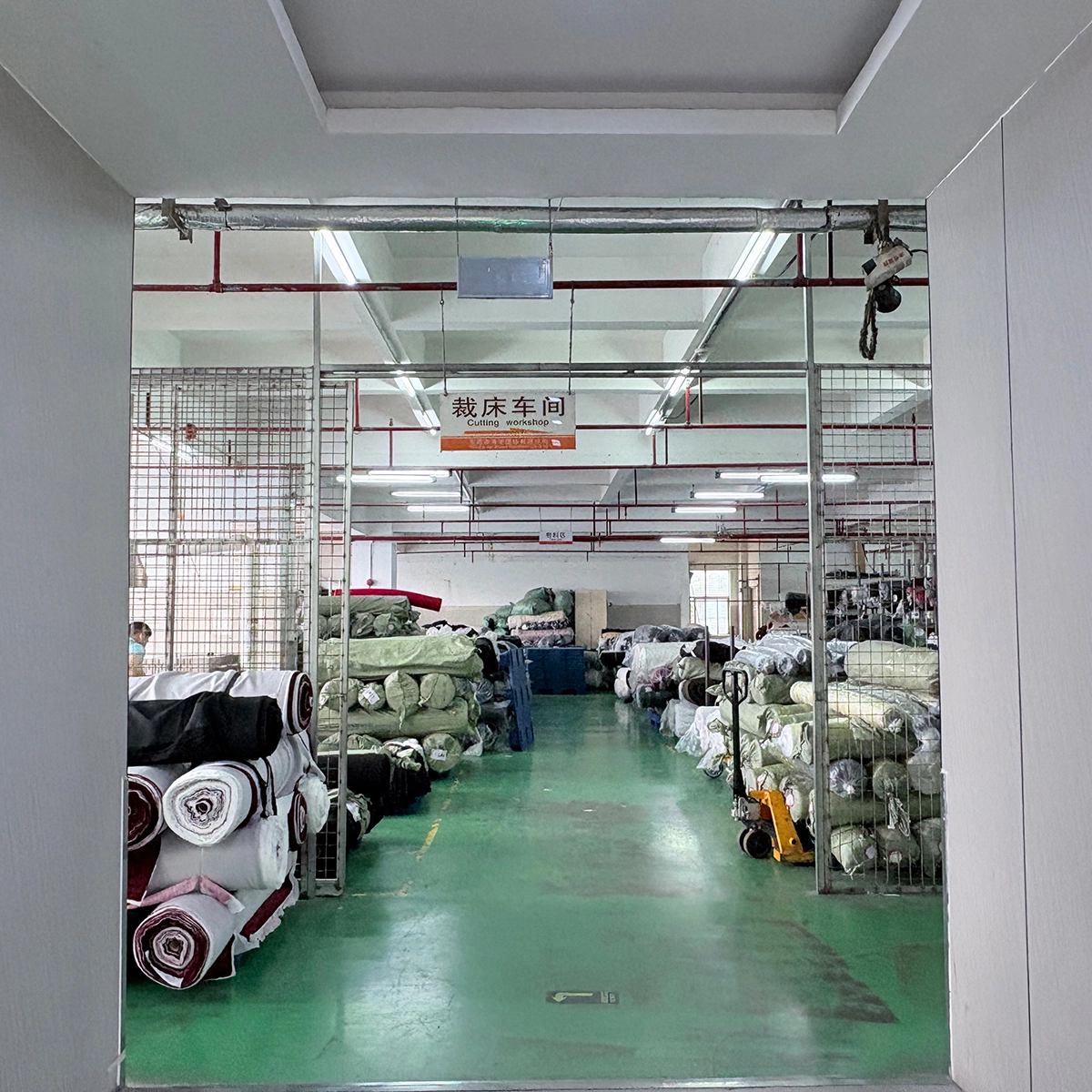
Fabric Warehouse
Before production starts, our fabric team checks incoming materials and prepares them according to style, color, and production schedule. Each fabric roll is reviewed for quantity, shade, and condition before cutting to ensure the correct materials are available for bulk garment production.
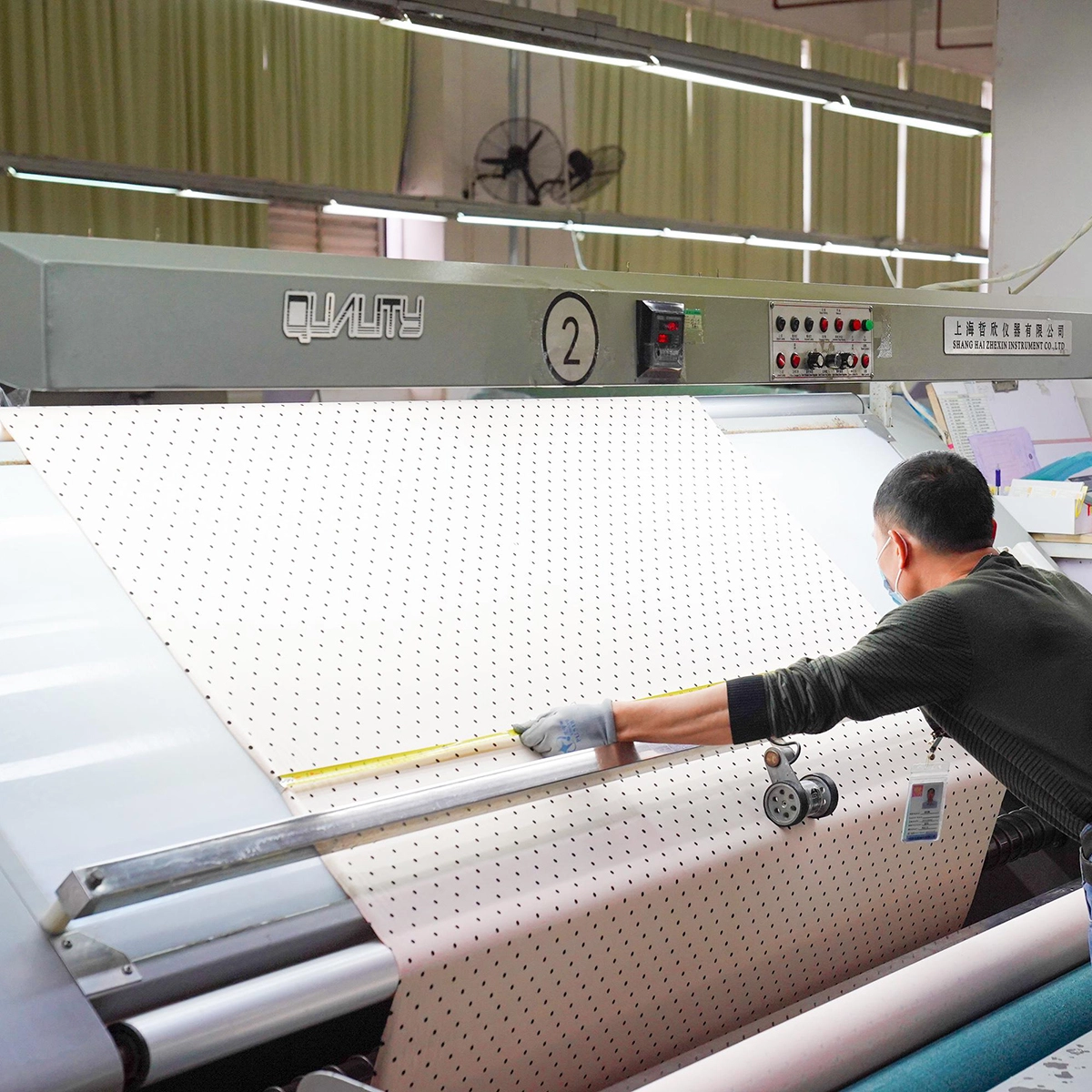
Fabric Inspection
Before production starts, each fabric roll is inspected by our QC team through the four-point fabric inspection method. We check fabric appearance, color shade, and surface defects to catch material issues early and avoid problems during cutting and sewing for OEM & ODM orders. This step is especially important for fabrics with satin, silk, or delicate surfaces, where small defects can affect the final appearance of the garment. Catching fabric issues before cutting helps avoid wasted materials and production delays, which directly affects manufacturing costs.
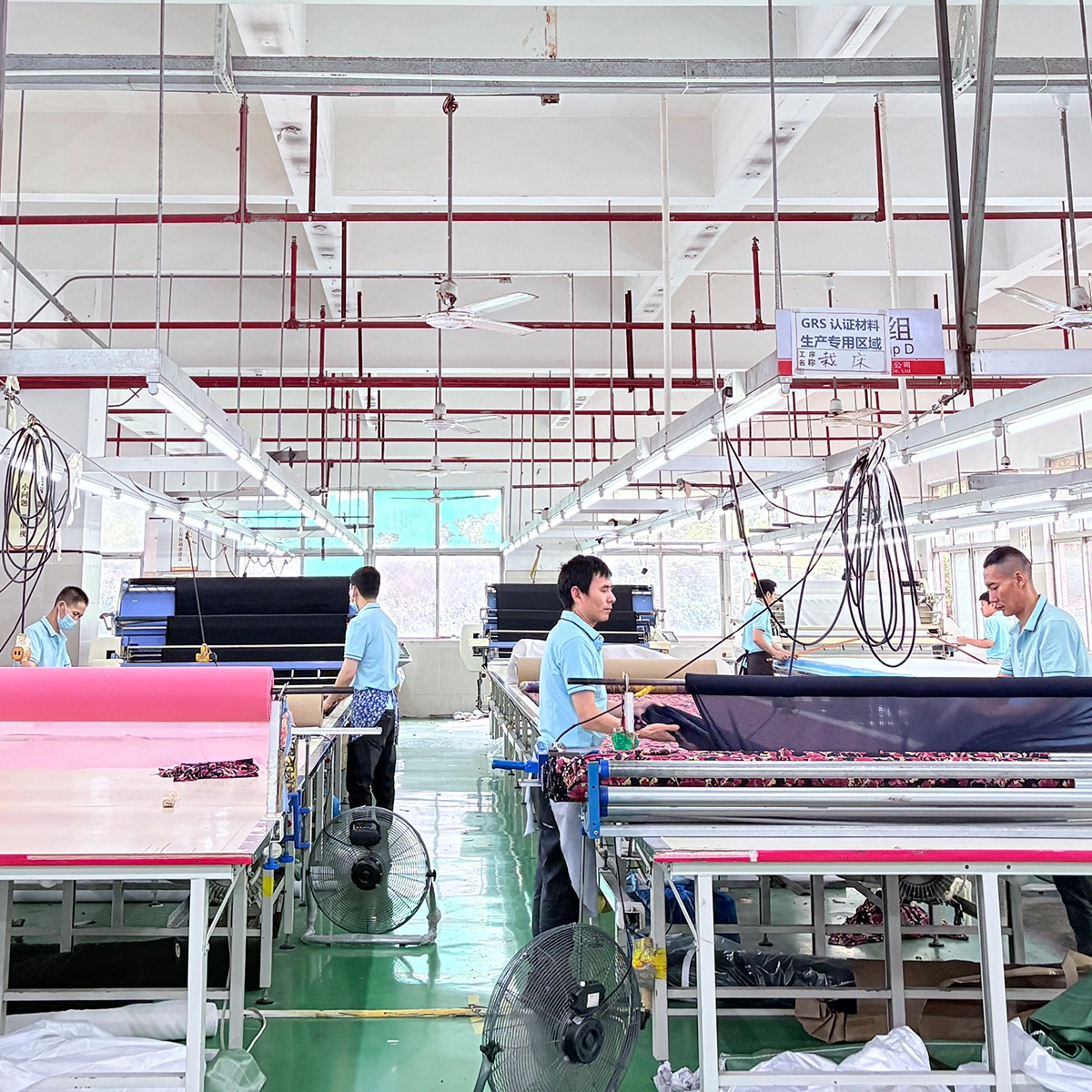
Cutting Process
Before cutting, markers are checked to improve fabric utilization and reduce unnecessary waste. Approved patterns are transferred to our computerized cutting machines to ensure accurate fabric cutting and consistent panel shapes during production. This process helps reduce material waste and improve efficiency across bulk OEM & ODM manufacturing.
Sewing Line
Skilled sewing operators assemble garments according to approved samples, patterns, and production requirements. Regular checks during the sewing process help maintain consistent stitching quality and accurate garment construction for OEM & ODM orders.
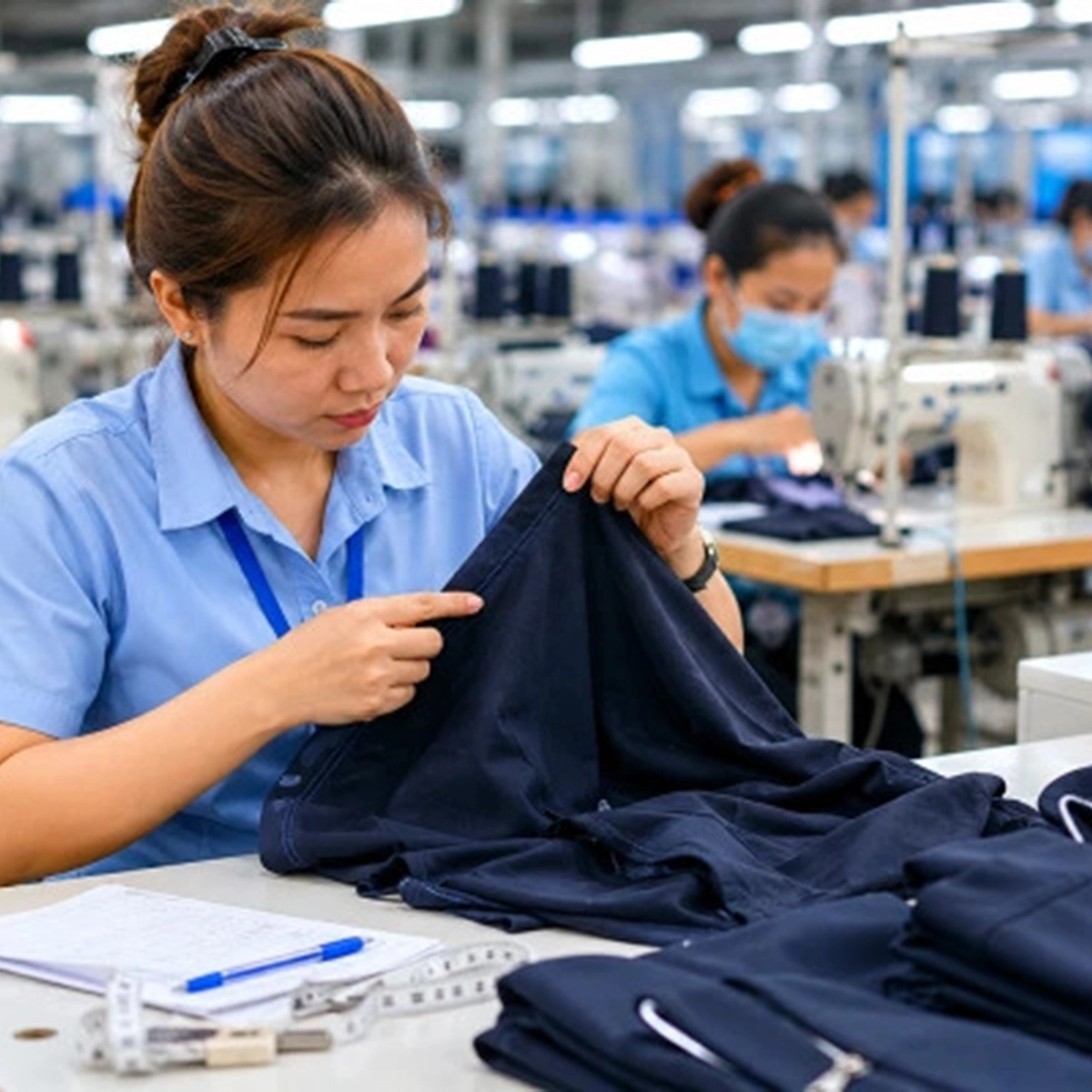
In-line Inspection
From sewing to finishing, our QC team checks garment details, measurements, and workmanship during production. These inspections help reduce rework and maintain stable quality throughout bulk manufacturing.
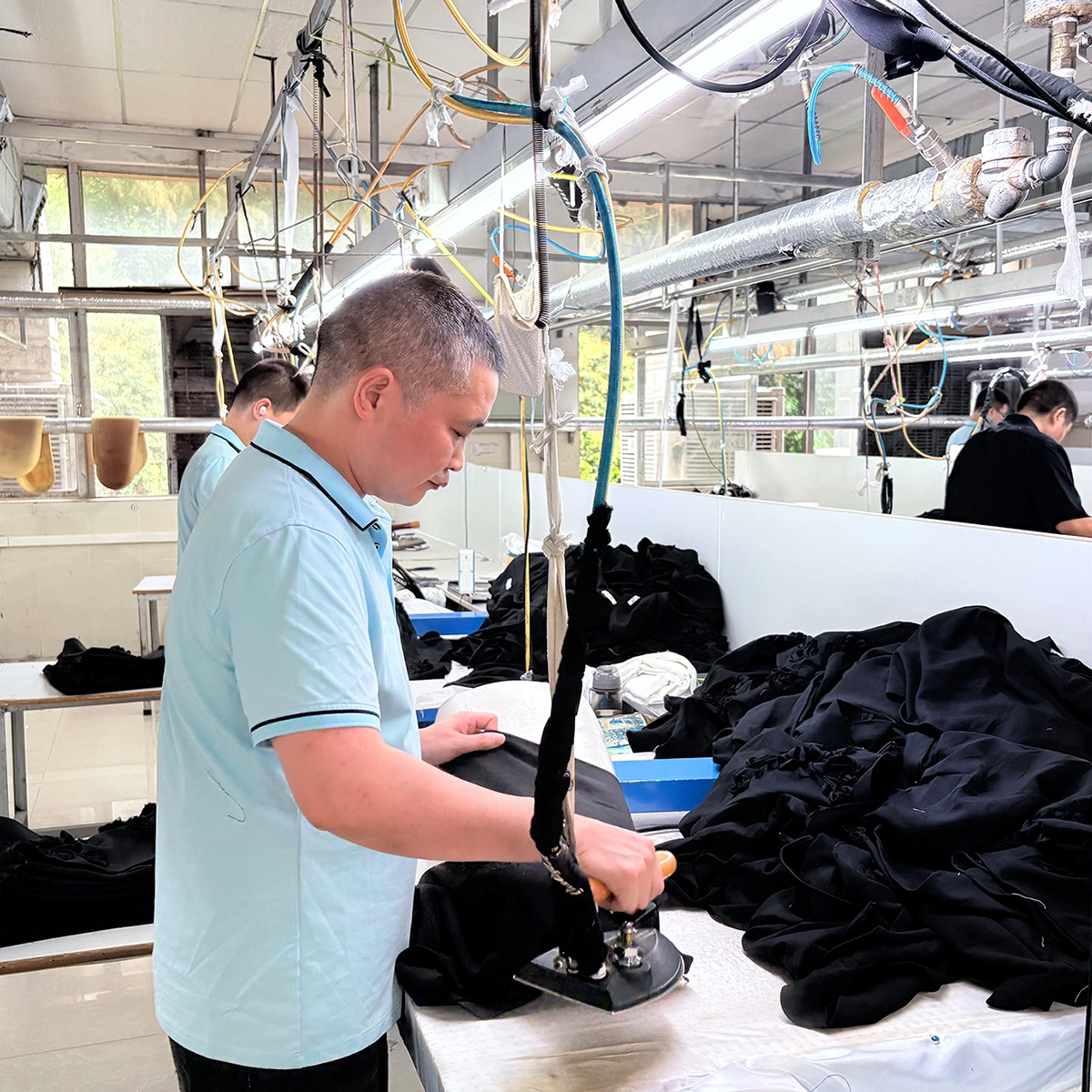
Final Pressing
After production, each batch of garments receives final pressing to remove wrinkles, shape key areas, and improve the final look. Once pressing is completed, the team checks garment details before packing and shipment.
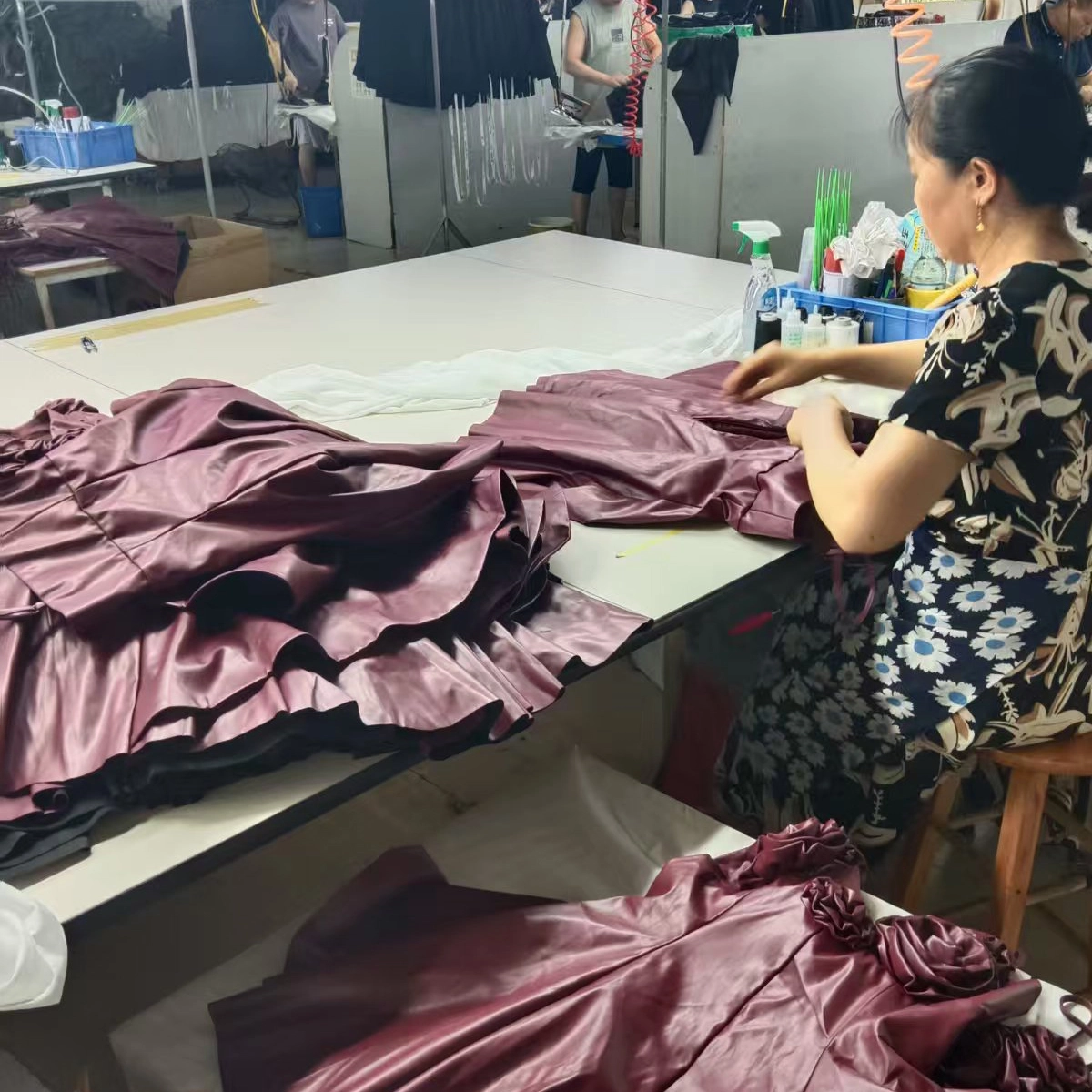
Final Inspection
Before loading, our QC team checks finished garments for measurements, sewing quality, appearance, labels, and packing condition. Any issues found during the final inspection are corrected before shipment.
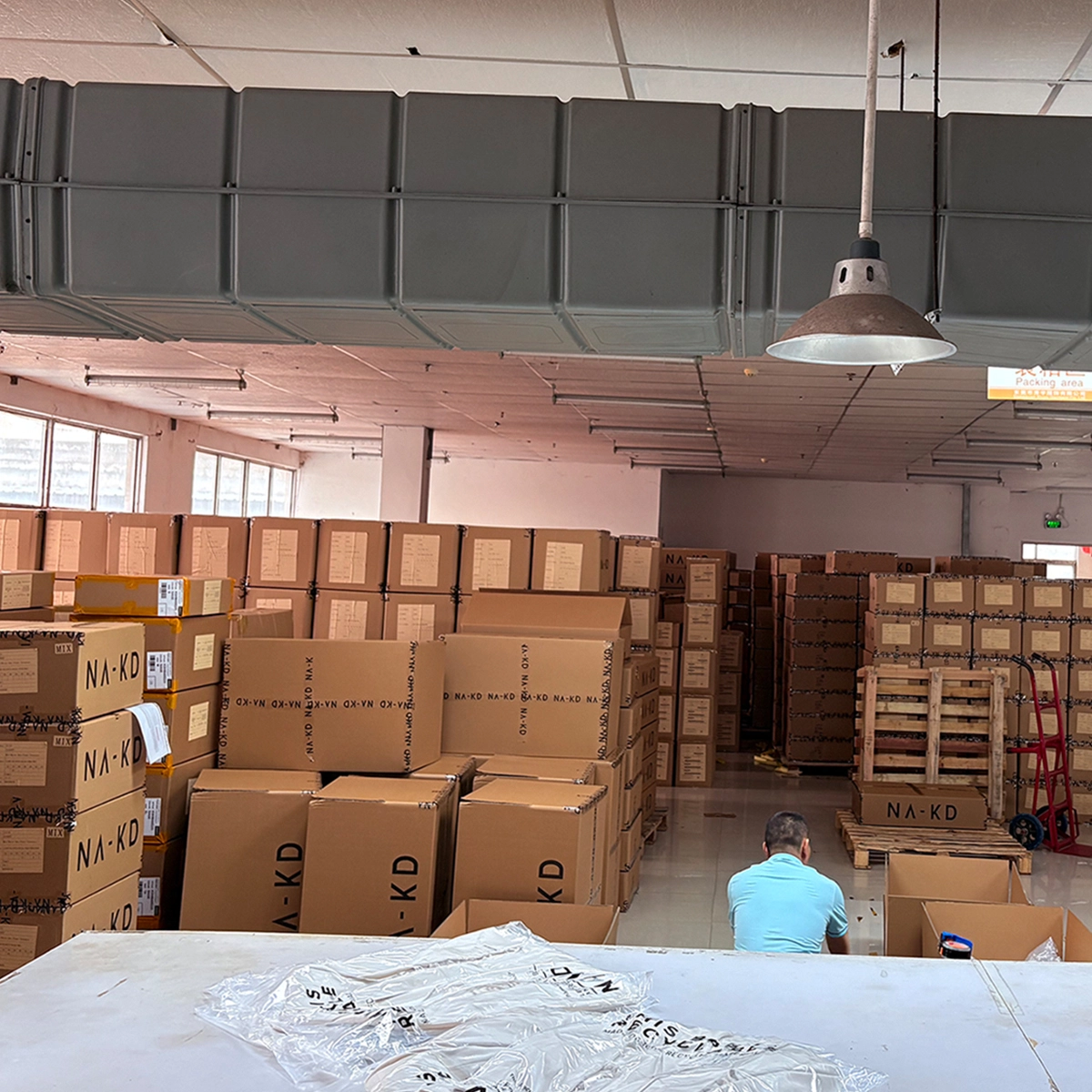
Finished Products
Before loading, our warehouse team checks finished garments by style, color, and size. Quantities, carton labels, and packing details are reviewed before shipment to avoid errors during delivery.
FAQ About Uniqlo Manufacturing Strategy & Clothing Production
1. Does Uniqlo make clothes in its own factories?
Like many global fashion brands, Uniqlo works with experienced manufacturing partners instead of operating every factory directly. In our experience, this production model is common among global fashion companies because it allows brands to use specialized factories without building their own production system.
2. How can a small fashion startup reduce clothing production costs?
Many startups come to us looking for the lowest production price, but cost control usually starts earlier. During your early collections, reducing costs often starts with choosing suitable fabrics, simplifying production processes, planning quantities carefully, and confirming details before sampling to avoid costly changes later.
3. What is the difference between a cheap clothing manufacturer and a reliable manufacturer?
4. Can a private label clothing manufacturer help new brands start with small quantities?
Yes, many private label manufacturers support startups with flexible MOQ options. First-time brands often start with smaller quantities because they want to test customer response before investing in larger production. A good manufacturer can support sampling, adjustments, and production planning during the early stages.
5. How does fabric selection affect clothing manufacturing costs?
Fabric selection affects more than just the material price. Different fabrics can change cutting efficiency, sewing difficulty, production time, and final garment quality. We often help brands compare fabric options to find the right balance between cost, appearance, and customer expectations.
6. How can I find the right clothing manufacturer for my fashion brand?
In our experience working with fashion brands, the right manufacturer is not always the one offering the lowest price. You should check production experience, communication, quality control, MOQ flexibility, and whether the factory understands your product category. A good partner helps you solve problems throughout development and bulk production.
Conclusion
Similar lessons can also be found from other global fashion companies, including Zara and H&M, where supply chain efficiency plays an important role in controlling clothing prices.
From a manufacturer’s perspective, Uniqlo’s pricing strategy shows that cost control comes from many small production decisions working together. When you build your fashion brand, choosing the right manufacturing partner can help you control costs, maintain quality, and avoid expensive mistakes before bulk production. You do not need Uniqlo’s scale, but you can apply similar principles to create better products with fewer production risks.
Explore More Dress Manufacturing Solutions
Start Your Clothing Production With Xiuyu Apparel
If you are developing a new fashion collection, our team can help you evaluate fabric options, production methods, MOQ, and manufacturing costs before bulk production.
Contact Xiuyu Apparel to discuss your next clothing project.