

When you start a private label clothing collection, the difficult part is not simply finding a factory. You need to make sure your designs can be produced at the right cost, fit your target customers, and maintain consistent quality across the order. As a clothing manufacturer, we work through these issues during fabric sourcing, pattern development, and sampling, before they turn into expensive problems during bulk production.
What Is Private Label Clothing Manufacturing?
Private label clothing manufacturing means having garments produced by a factory and selling them under your own brand name. You decide how the products should look, what materials to use, and how they should be presented to your customers, while the manufacturer handles the agreed production work.
The level of development support depends on your requirements. You may already have complete technical drawings, or you may need help turning a sketch or reference garment into a production-ready style.
For example, if you are developing a women’s dress collection, your manufacturer may help with fabric selection, pattern making, fit adjustments, sample development, and bulk production. You can also specify labels, hangtags, and packaging to match your brand.
This arrangement is useful when you want control over your products without setting up your own manufacturing facility. It also gives established brands another production resource when their existing capacity is limited.
How Does Private Label Clothing Manufacturing Work?
A clothing design is not automatically ready for production once the factory receives a picture or tech pack. The material, measurements, construction, and target price all need to be reviewed together.
When a new order comes into our factory, we first look at what the customer wants to make and whether the proposed materials and construction are suitable for the order. Some details can be confirmed immediately; others need to be tested during sampling.
1. Design Review and Production Assessment
You can start with a tech pack, sketch, reference photograph, or physical garment. The more production information you provide, the easier it is for the factory to understand your requirements.
For a complete tech pack, include:
- Garment measurements and size specifications
- Fabric composition and preferred weight
- Construction and stitching details
- Color references and print placement
- Trims, closures, and accessories
- Label and packaging requirements
If you only have a reference image, explain which details are important to keep. A photograph may show the overall silhouette, but it rarely tells the factory the exact seam construction, lining method, or fabric composition.
We often need to clarify these details before preparing the first sample. For instance, a dress with a fitted waist and gathered skirt requires more than matching the measurements shown in a picture. The fabric weight and gathering ratio also affect how the finished garment hangs.
2. Fabric Selection and Sourcing
Fabric selection can change the entire production plan. A material may have the right color and appearance but still be unsuitable for the design or difficult to source in the required quantity.
Before confirming a fabric, consider its composition, weight, drape, stretch, recovery, shrinkage, and availability.
A few examples:
- A lightweight woven fabric may need more careful handling during cutting.
- Stretch jersey requires attention to recovery and pattern measurements.
- Satin can show sewing marks and uneven tension more easily.
- Structured fabrics may need suitable interfacing to maintain the intended shape.
We once worked on a dress sample using a lightweight material selected mainly for its appearance. During cutting and sewing, the fabric shifted easily and the finished shape was difficult to control. Rather than continuing with the same material, we discussed an alternative with a similar appearance but better stability. The revised sample was easier to handle and provided a more suitable basis for bulk production.
You should also check fabric availability before deciding your order quantity. Custom dyeing, printing, and specially developed materials can have their own minimum requirements. A garment MOQ of 50 pieces does not necessarily mean the fabric supplier will accept an order for only 50 pieces of material.
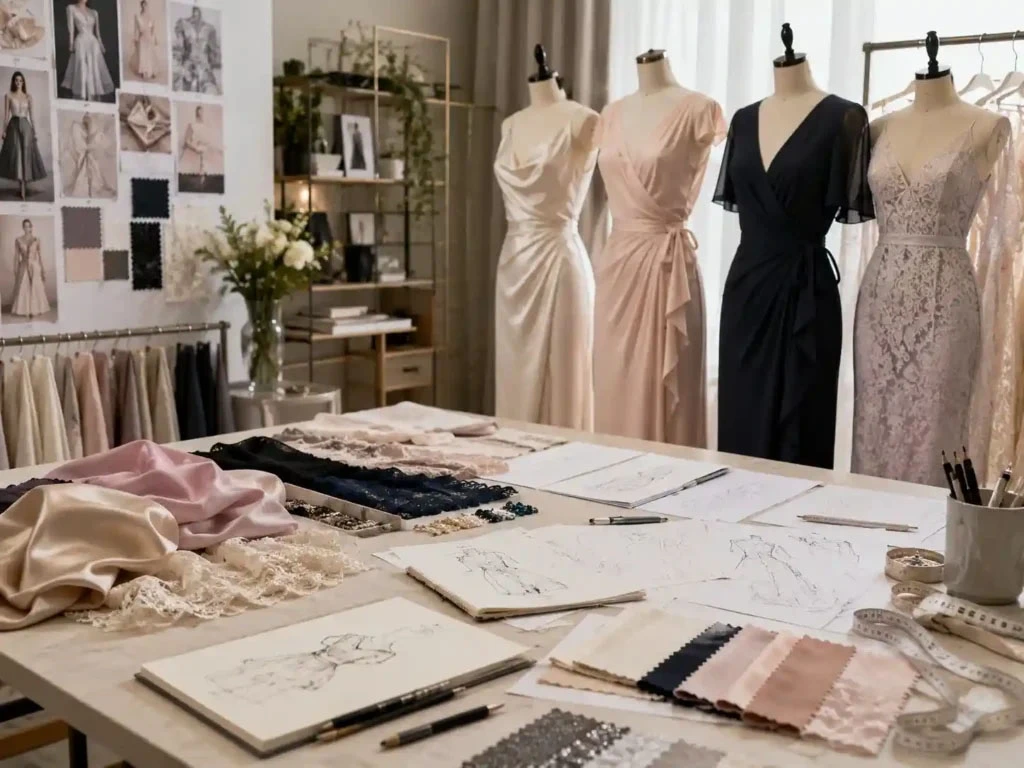
3. Pattern Making and Sample Development
After the design and fabric are confirmed, the pattern maker develops the garment pattern and the sample room prepares the first sample.
The pattern needs to work with the actual fabric, not just the measurements on paper. This is particularly important for fitted garments, dresses with shaped waistlines, and styles with complicated necklines or sleeves.
During the first sample, pay attention to:
- Bust, waist, hip, and length measurements
- Shoulder position and armhole shape
- Neckline depth and width
- Fabric drape and garment balance
- Lining, seams, and closure details
A common issue is that a garment meets individual measurements but still does not fit correctly when worn. For example, adjusting the bust measurement without checking the armhole and waist can affect the overall balance.
Our pattern makers usually review the garment as a whole during fitting. If one area is changed, related measurements and construction details may need to be checked again.
4. Sample Review and Pre-Production Approval
The first sample is a working version, not necessarily the garment that should go directly into bulk production.
You need to check the sample against your original design and measurement requirements. If possible, arrange a fitting on a model with measurements close to your intended size specifications.
When requesting revisions, give the factory specific feedback. Instead of saying the dress looks too loose, identify whether the issue is around the bust, waist, hip, or shoulder. Photos with marked adjustment points are also useful.
Before approving the pre-production (PP) sample, confirm:
- Final measurements and tolerances
- Fabric, color, and lining
- Trims and accessories
- Stitching and finishing
- Labels and packaging
Once approved, the PP sample becomes the main reference for bulk production. If you change the fabric, measurements, or construction afterward, the factory needs to review the impact before proceeding.
5. Bulk Production and Quality Inspection
Bulk manufacturing begins after the approved sample and required materials are ready.
The production process normally includes fabric inspection, marker making, cutting, sewing, finishing, final inspection, and packing.
Fabric inspection is important because defects may not be obvious when material is folded or rolled. Problems such as shade differences, weaving defects, and stains should be identified before cutting wherever possible.
During sewing, in-line inspection helps catch issues before they appear across a large quantity of garments. This is particularly important for styles with multiple panels, lining, decorative details, or delicate fabrics.
Final inspection should cover garment measurements, workmanship, appearance, and packaging requirements. Your factory should follow the inspection standards agreed before production, rather than relying only on a general visual check.
What Can You Customize With Private Label Clothing Manufacturing?
Private label production gives you control over more than the brand label. You can develop product details around your target market, price range, and collection requirements.
Clothing Design and Construction
You can submit original designs or modify existing styles. Common changes include garment length, neckline, sleeve shape, waist position, pockets, closures, lining, and decorative details.
If you are developing several styles together, consider whether they can share certain fabrics, trims, or construction methods. This can simplify sourcing and reduce the number of separate materials you need to manage.
Fabric, Color, and Prints
You can select from available fabrics or request sourcing based on your requirements.
Common options include cotton, linen, silk, viscose, polyester blends, jersey, and other woven or knitted materials.
For custom colors and prints, confirm the color standard, printing method, material MOQ, and development time before placing your order. A color that looks correct on a digital screen may appear different on the actual fabric, so a physical fabric swatch or approved lab dip is useful.
Labels, Hangtags, and Packaging
Your branding can be added through:
- Main brand labels
- Care and composition labels
- Custom hangtags
- Size labels and barcode stickers
- Branded packaging
- Custom accessories
Prepare your artwork and labeling instructions before bulk production. Missing information or late artwork changes can hold up packing even when the garments are finished.
Private Label Clothing MOQ: How Many Pieces Do You Need?
MOQ is an important consideration when you are launching a new collection, especially if you need to manage cash flow and avoid holding too much inventory.
For many clothing orders, MOQ is influenced by both garment production and material sourcing. Available stock fabrics and standard trims are generally easier to use for smaller orders. Custom dyeing, printing, and specially developed materials may require larger commitments.
Our usual MOQ is around 50–100 pieces per style per color, subject to the fabric, design, and production requirements.
If you are starting with a limited budget, it is worth considering a few practical adjustments:
- Develop fewer styles in the first collection.
- Choose suitable fabrics that are already available.
- Avoid unnecessary custom trims and complicated construction.
- Confirm material requirements before deciding the garment quantity.
- Compare the cost of a small order with the additional inventory risk of a larger one.
Do not judge a manufacturer’s flexibility by the garment MOQ alone. Ask how much fabric needs to be purchased, whether sampling charges are separate, and whether the supplier can support repeat orders when your products sell well.
How Much Does Private Label Clothing Manufacturing Cost?
A manufacturing quotation is based on the actual product requirements, not just the type of garment. Two dresses with a similar silhouette can have different prices because one uses more fabric, requires lining, or takes longer to sew.
The main cost factors include:
Fabric and Consumption
The fabric price per meter matters, but so does the amount required for each garment. A full skirt, multiple layers, or large pattern pieces can increase material consumption.
Construction and Labor
Pleats, gathers, embroidery, beading, lining, and structured details add production operations. The more time and handling a style requires, the more this can affect the unit price.
Order Quantity
Larger orders can improve production efficiency and reduce average unit costs. However, a lower unit price is not helpful if you end up with unsold stock.
Sampling and Pattern Development
Pattern making, sample development, and revision rounds may involve separate charges. Confirm what is included before starting, particularly if your design is still changing.
Branding and Packaging
Custom labels, hangtags, special accessories, and individual packaging should be included in the quotation if you want an accurate final cost.
When comparing quotations, make sure the factories are pricing the same fabric, measurements, construction, and finishing requirements. Otherwise, a cheaper quotation may simply reflect a different product specification.
Private Label Clothing Manufacturer vs. OEM Clothing Manufacturer
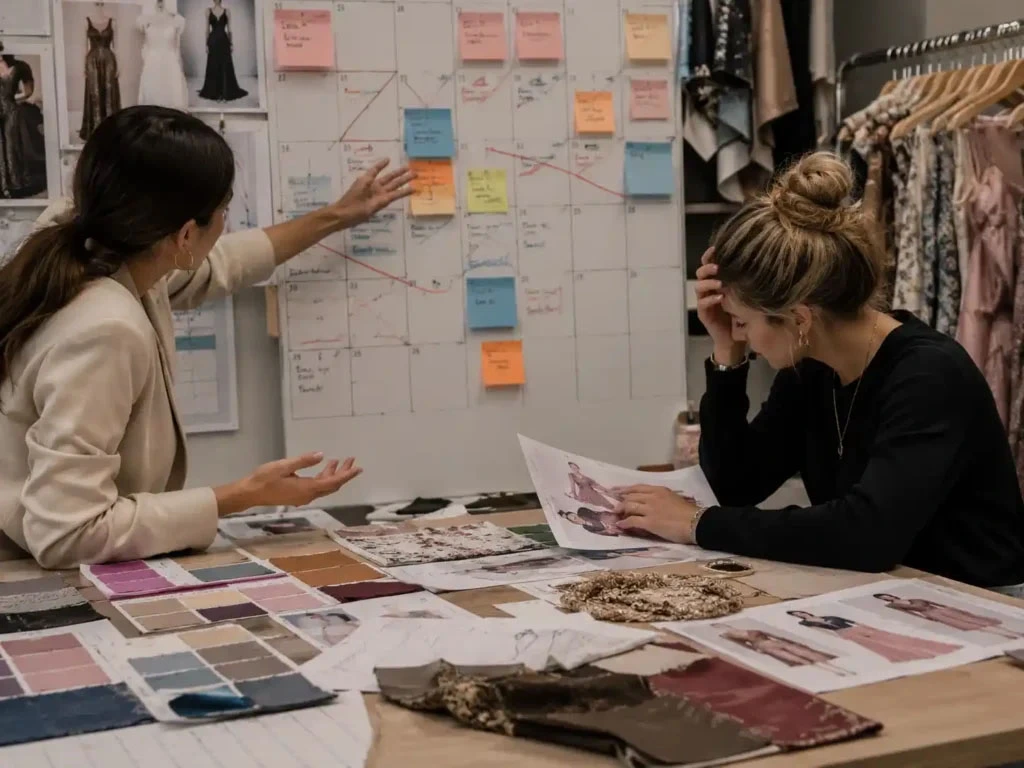
Private label and OEM manufacturing are related, but they describe different parts of the business arrangement.
Private label focuses on selling products under your own brand name. OEM focuses on producing garments according to the buyer’s specifications.
| Comparison | Private Label | OEM |
|---|---|---|
| Main purpose | Products under your own brand | Production to buyer specifications |
| Design source | Buyer or joint development | Usually buyer-provided |
| Fabric selection | May include factory assistance | Based on agreed specifications |
| Branding | Custom labels and packaging | According to buyer requirements |
| Development support | Can include design and sampling | Depends on the agreement |
If you are a startup without a complete tech pack, you may need a manufacturer that can assist with fabric sourcing, patterns, and sample development.
If you already have approved designs, patterns, and detailed specifications, OEM production may be more suitable.
The two arrangements can overlap. What matters is confirming who is responsible for design development, material sourcing, sample approval, and production quality.
How to Choose the Right Private Label Clothing Manufacturer
A low quotation does not tell you whether a factory can produce your garments correctly. Before placing an order, look at its experience, production setup, sample quality, and ability to follow your specifications.
1. Check Experience With Your Product Category
A factory producing basic T-shirts may not have the same experience as one handling structured dresses, eveningwear, or delicate fabrics.
Ask for examples of similar garments and discuss the specific construction details involved in your designs.
2. Understand the Production Setup
Find out whether pattern making, sampling, cutting, sewing, finishing, and inspection are handled in-house or outsourced.
This helps you understand how information moves between teams and who is responsible when a sample needs revision.
3. Evaluate Sample Quality
Look at measurements, fabric handling, seam construction, finishing, and overall fit. A visually attractive sample is not enough if the measurements or construction do not match your requirements.
4. Confirm the Production Schedule
Ask when the quoted production time begins. Fabric sourcing, custom dyeing, and PP sample approval may happen before bulk production starts.
A realistic schedule should account for these steps instead of counting only sewing time.
5. Agree on Quality Standards
Discuss measurement tolerances, workmanship, fabric defects, labeling, and packaging before the order begins. Written specifications and an approved PP sample give both parties a clear reference during production.
Frequently Asked Questions About Private Label Clothing Manufacturing
1. Can I protect my clothing designs when working with an overseas factory?
Discuss design ownership and confidentiality before sharing technical files. A written agreement should clarify ownership of patterns, artwork, and original designs, as well as whether the factory can reproduce your styles for other customers. Consider local legal advice for important intellectual property arrangements.
2. Can I request a factory audit before placing an order?
Yes. You can request a factory visit, a live video walkthrough, or an independent third-party audit. Check the production floor, sampling facilities, equipment, and quality procedures rather than relying only on factory photographs or a company profile.
3. Can I receive a sample before paying for bulk production?
Yes. Most custom clothing projects involve sample development before bulk manufacturing. Confirm the sample fee, shipping cost, revision charges, and payment terms in advance. You should also clarify whether sample costs can be credited against a later bulk order.
4. What payment terms should I agree on with a clothing manufacturer?
Agree on the deposit, balance payment, payment milestones, and accepted payment methods before production starts. For your first order, make sure the payment schedule is documented and linked to clearly defined production and inspection requirements.
5. Can I reorder the same clothing style after the first production run?
Yes, provided the original specifications and materials can be reproduced. Keep the approved sample, fabric details, measurement chart, color references, and trim information. If the original fabric is discontinued, ask the factory to confirm an alternative before repeating the order.
Conclusion
Private label clothing manufacturing gives you a way to develop your own collection without operating a factory. The important decisions happen before bulk production: choosing suitable fabrics, getting the fit right, confirming costs, and setting clear quality standards. At Xiuyu Apparel, we support brands with garment development and OEM production. For women’s clothing collections, explore our dress manufacturer services.

