

In Part 1 of our mini dress guide, we introduced some popular mini dress styles. In this section, we continue to explore more mini dress styles that fashion brands, boutiques, and private label companies often develop for occasionwear collections. Mini dresses are not limited to one silhouette. With different construction techniques, fabrics, and design elements, mini dresses can create completely different looks. In our daily production work, we see that mini dresses are rarely developed from the same pattern base. A smocked summer dress, a structured bandeau dress, and a bubble mini dress may all be short-length styles, but they require different pattern adjustments, fabric handling methods, and sewing processes.
For fashion brands and retailers, choosing the right mini dress style is also an important decision when developing a collection. Factors such as fabric performance, sewing techniques, fit balance, and production difficulty all affect the final product quality.
Below are some popular types of mini dresses commonly used in women’s fashion collections.
1. Smocked Mini Dress
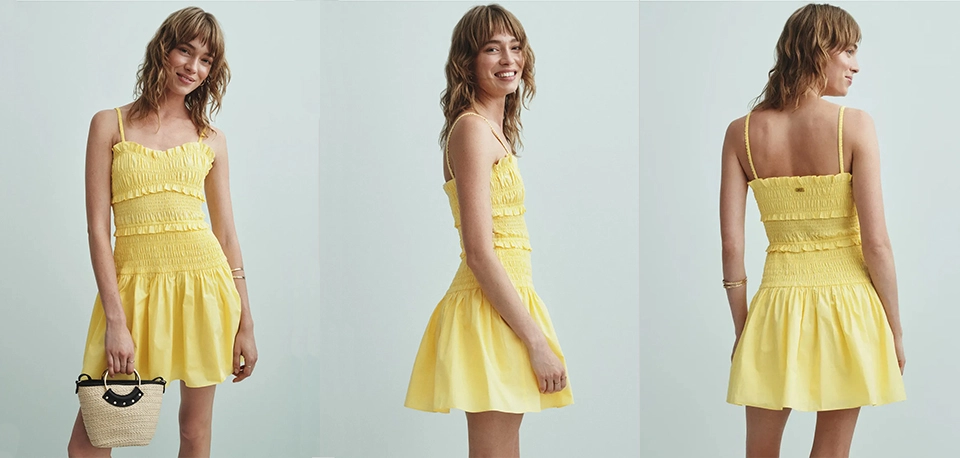
A smocked mini dress features elasticated gathered fabric created through smocking techniques. The stretchy bodice allows the dress to fit comfortably while creating a textured and feminine appearance.
Smocked mini dresses are commonly developed for spring and summer collections because the elastic bodice works well with lightweight fabrics and relaxed silhouettes.
Design Features
- Elastic smocked bodice
- Relaxed waist construction
- Lightweight fabrics such as cotton, chiffon, and rayon
- Often combined with puff sleeves, ruffles, or tiered skirts
Why Brands Choose Smocked Mini Dresses
From a production perspective, smocking helps improve fit flexibility and reduces strict body measurement requirements. It works well for casual collections, resort wear, and boutique brands looking for easy-to-wear designs.
Suitable Occasions
- Summer vacations
- Beach holidays
- Casual outings
- Weekend wear
Factory Production Notes
In bulk production, the main challenge is not the smocking itself, but controlling the fabric recovery after elastic stitching. Some rayon fabrics look perfect in samples but lose shape after repeated stretching, so we usually confirm elasticity and shrinkage before cutting. Different fabrics react differently after elastic gathering, especially lightweight rayon, chiffon, and cotton fabrics. Before production, we usually confirm shrinkage, elasticity recovery, and finished measurements through sample testing.
2. Peplum Mini Dress
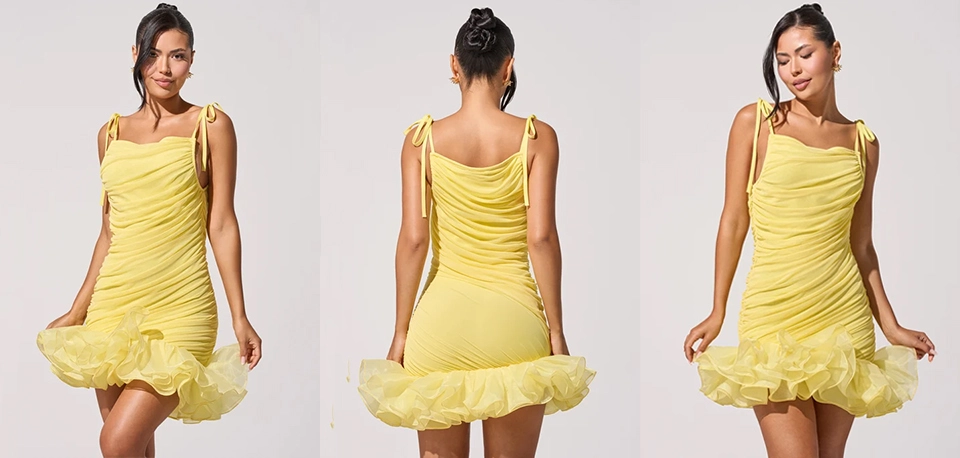
A peplum mini dress includes an additional flared fabric section attached around the waistline. This design creates a defined waist shape and adds volume to the skirt area.
Design Features
- Fitted upper body
- Flared waist detail
- Structured silhouette
- Suitable for woven fabrics
Manufacturing Considerations
The peplum section requires accurate pattern cutting to maintain symmetry and shape. Fabric selection is also important because lightweight fabrics create movement, while structured fabrics create a sharper silhouette.
Suitable Occasions
- Cocktail parties
- Dinner events
- Fashion-forward casual wear
3. Tiered Mini Dress
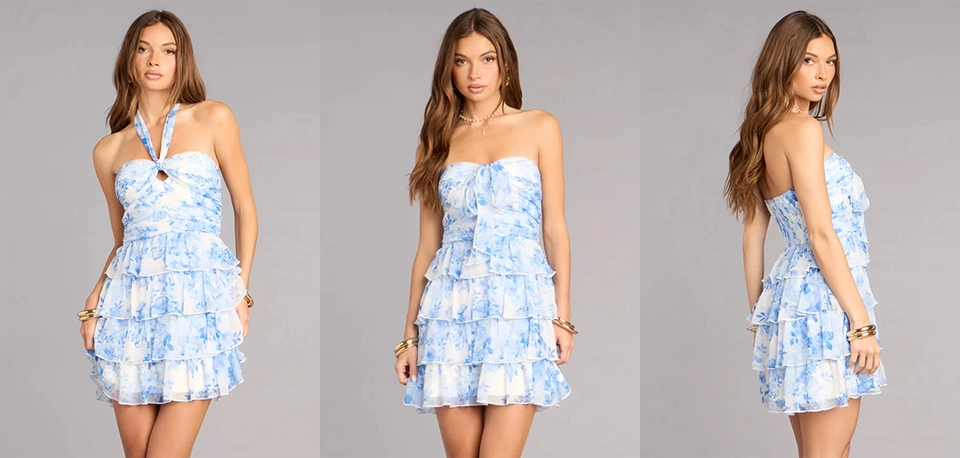
A tiered mini dress is designed with multiple horizontal layers of fabric that create volume and movement.
Design Features
- Multi-layer skirt construction
- Relaxed fit
- Feminine and playful appearance
- Often combined with floral prints
Production Notes
Tiered designs require careful fabric calculation because additional layers increase fabric consumption. Proper gathering control is necessary to ensure the skirt maintains a balanced shape.
Suitable Occasions
- Resort collections
- Summer fashion
- Casual events
4. Bubble Mini Dress
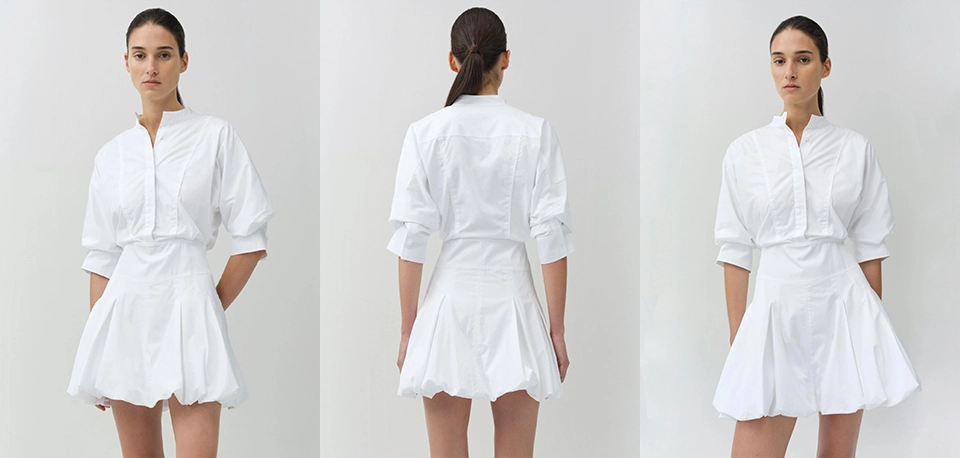
A bubble mini dress features a rounded, voluminous skirt created by gathering extra fabric and securing the hem inward.
Design Features
- Balloon-shaped silhouette
- Added skirt volume
- Statement fashion appearance
Manufacturing Challenges
Bubble silhouettes require precise construction because uneven gathering can affect the overall shape. Fabric weight and lining structure play an important role in maintaining the desired volume.
Suitable Occasions
- Partywear
- Trend collections
- Fashion editorial styles
5. Bandeau Mini Dress
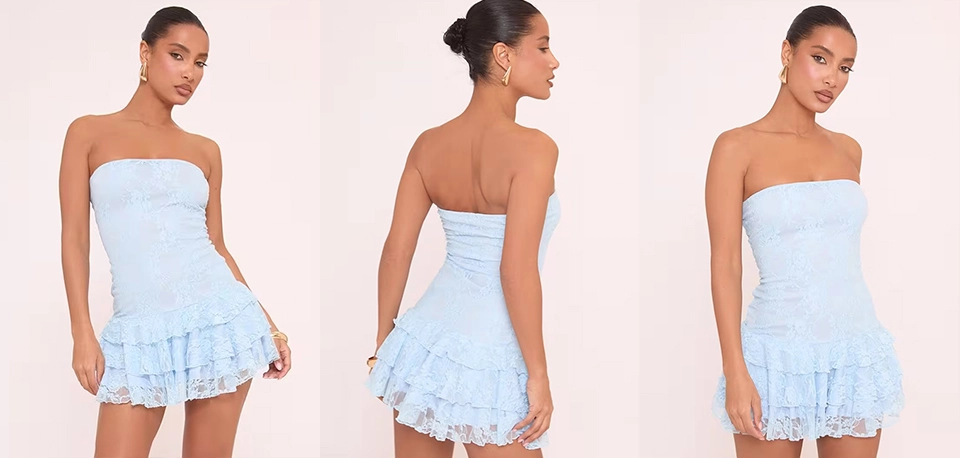
A bandeau mini dress is a strapless style featuring a straight neckline across the chest. It creates a clean and minimal appearance.
Design Features
- Strapless neckline
- Body-focused silhouette
- Modern and youthful style
Production Focus
Support structures such as elastic bands, boning, or inner lining may be added to improve wearing comfort and stability.
Suitable Occasions
- Summer parties
- Clubwear
- Evening events
6. Asymmetric Mini Dress
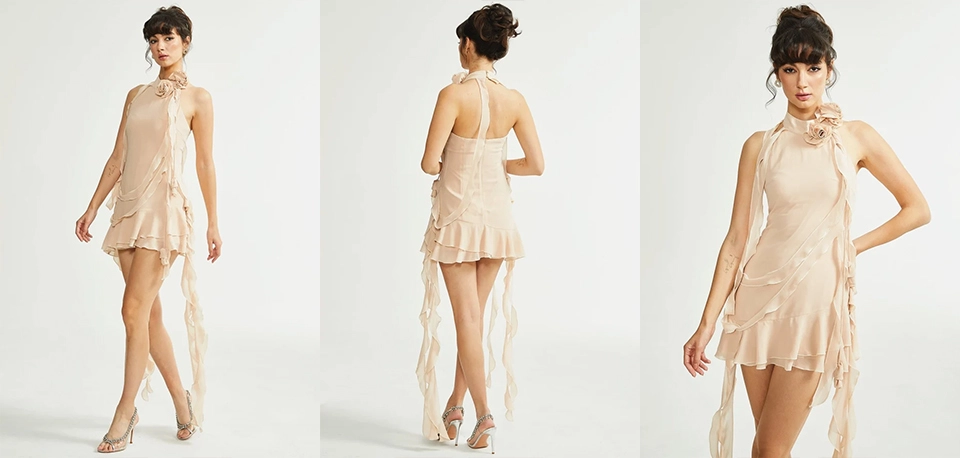
An asymmetric mini dress uses uneven design elements such as one-shoulder necklines, diagonal hems, or irregular draping.
Design Features
- Unique silhouette
- Fashion-forward appearance
- Strong visual impact
Why It Works for Brands
For online-focused brands, asymmetric mini dresses are often used as seasonal highlight styles because the irregular silhouette creates stronger visual impact in product photography.
Suitable Occasions
- Evening wear
- Party collections
- Contemporary fashion lines
7. Empire Waist Mini Dress
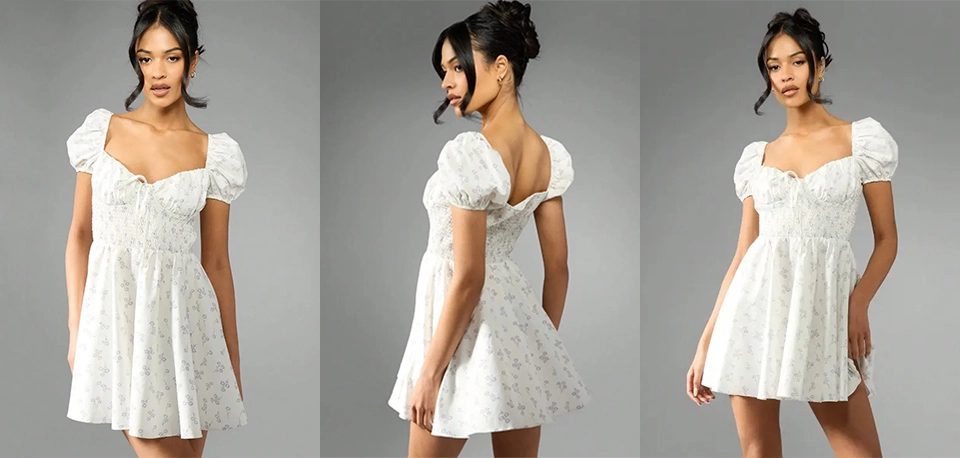
An empire waist mini dress features a raised waistline positioned below the bust, allowing the skirt to flow naturally.
Design Features
- High waist placement
- Relaxed lower body
- Comfortable fit
Manufacturing Advantages
This construction can provide more fitting flexibility and works well with flowing fabrics such as chiffon and silk blends.
Suitable Occasions
- Summer dresses
- Romantic collections
- Casual events
8. Tunic Mini Dress
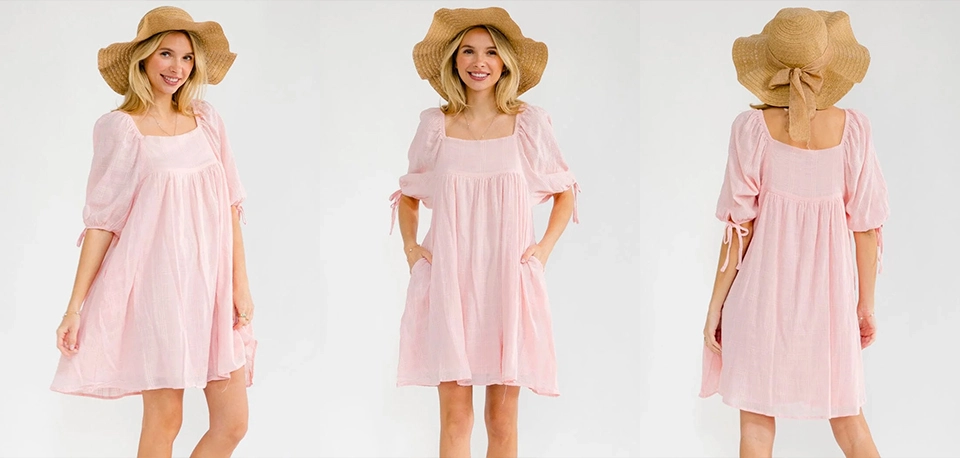
A tunic mini dress has a loose and relaxed shape inspired by traditional tunic silhouettes.
Design Features
- Loose fit
- Comfortable movement
- Minimal construction
Suitable Occasions
- Daily wear
- Resort collections
- Casual fashion
Manufacturing Considerations
From a manufacturing perspective, tunic mini dresses are relatively flexible because the relaxed silhouette allows more tolerance during fitting. However, fabric drape is important because soft fabrics create a better flowing effect.
9. Pleated Mini Dress
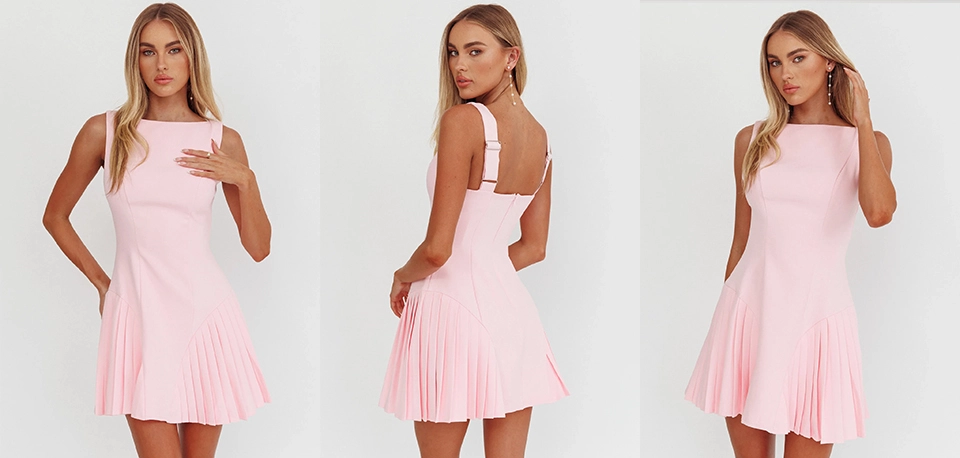
A pleated mini dress uses folded fabric details to create texture and movement.
Design Features
- Permanent or temporary pleats
- Elegant surface texture
- Lightweight appearance
Production Considerations
Pleated fabrics require careful handling during cutting and sewing to maintain consistent patterns.
Suitable Occasions
- Formal events
- Partywear
- Premium collections
10. Tank Mini Dress
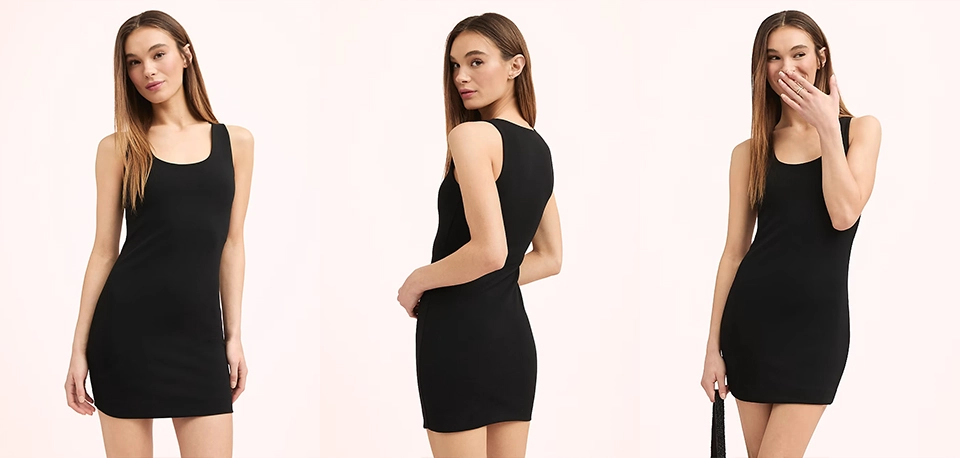
A tank mini dress features a sleeveless design similar to a tank top combined with a short dress silhouette. From a production perspective, tank mini dresses are usually easier to develop compared with structured styles, but fabric stretch, neckline finishing, and armhole fitting still need to be controlled carefully during sampling.
Design Features
- Sleeveless construction
- Casual appearance
- Comfortable fit
Suitable Occasions
- Everyday wear
- Summer collections
- Street fashion
11. Belted Mini Dress
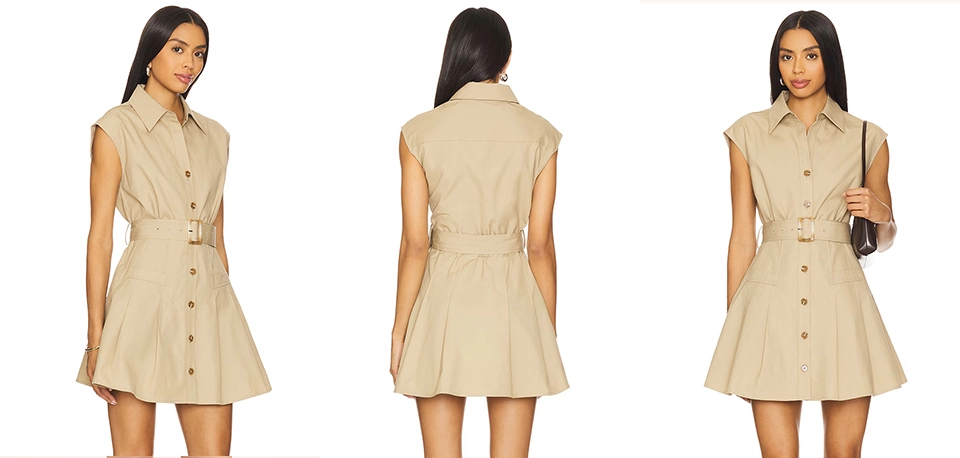
A belted mini dress includes a waist belt or tie detail that helps define the body shape.
Design Features
- Adjustable waist
- More structured silhouette
- Easy styling
Suitable Occasions
- Office casual
- Daily fashion
- Boutique collections
During production, belt construction requires attention to attachment strength and positioning because the belt directly affects the waist shape and overall garment balance.
12. Printed Mini Dress
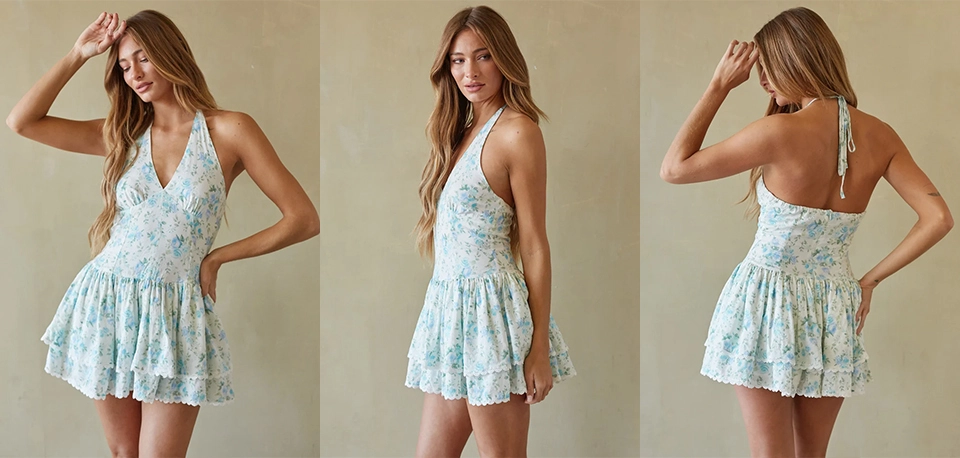
A printed mini dress uses patterns, graphics, or textile designs to create visual interest.
Popular options include:
- Floral prints
- Animal prints
- Abstract patterns
- Geometric designs
Manufacturing Considerations
Print placement is important during production. Brands need to consider pattern matching, fabric shrinkage, and color consistency during bulk manufacturing.
Suitable Occasions
- Summer collections
- Resort wear
- Boutique fashion
For custom printed styles, brands usually need to confirm artwork placement and color approval before bulk production to avoid differences between samples and final garments.
Mini Dress Manufacturing Process From Fabric to Finished Product
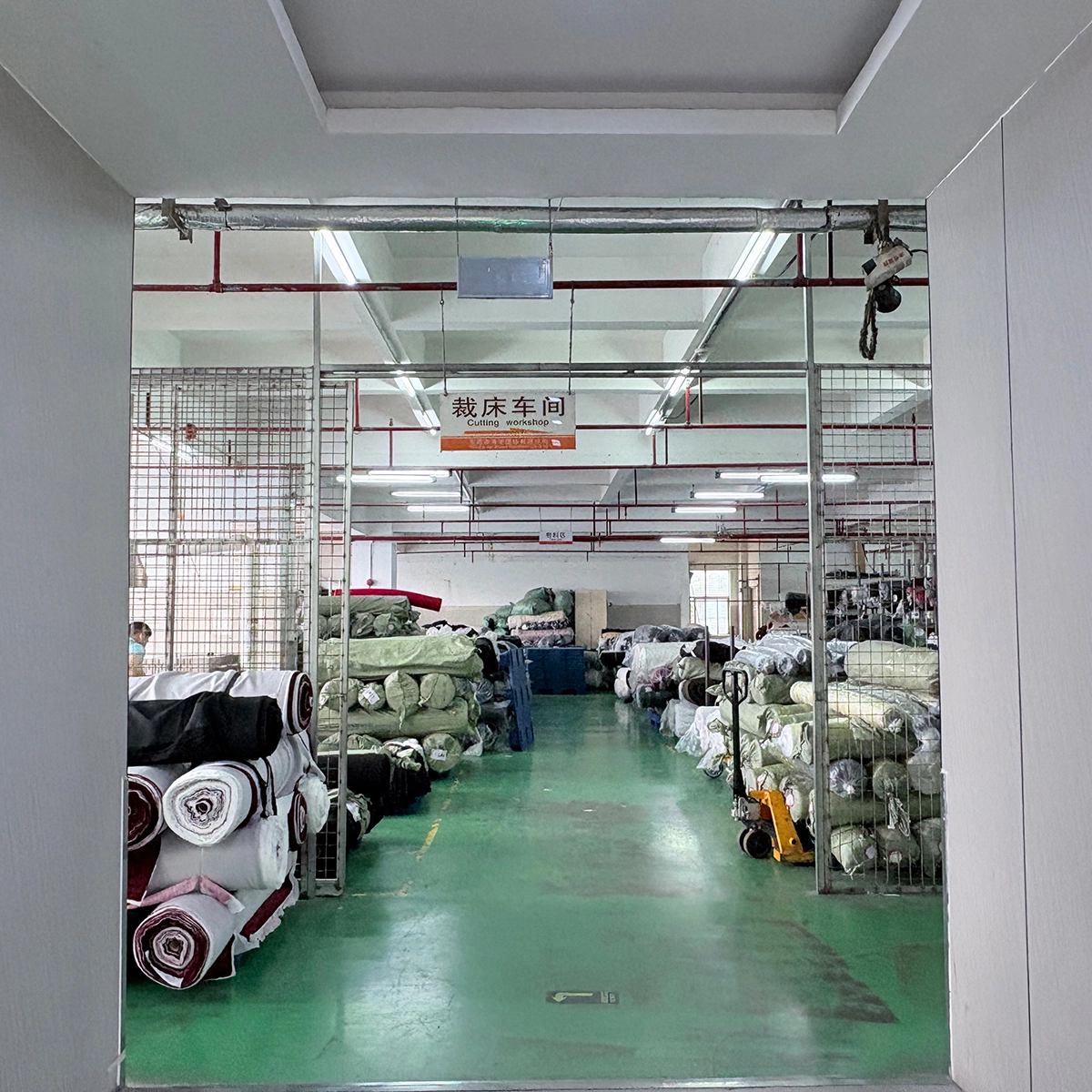
Fabric Warehouse
Before production starts, our team checks each fabric roll and records the material details. We confirm the fabric condition, color, and batch information to make sure the materials are ready for OEM and ODM orders. The fabric team records incoming materials before production scheduling begins.
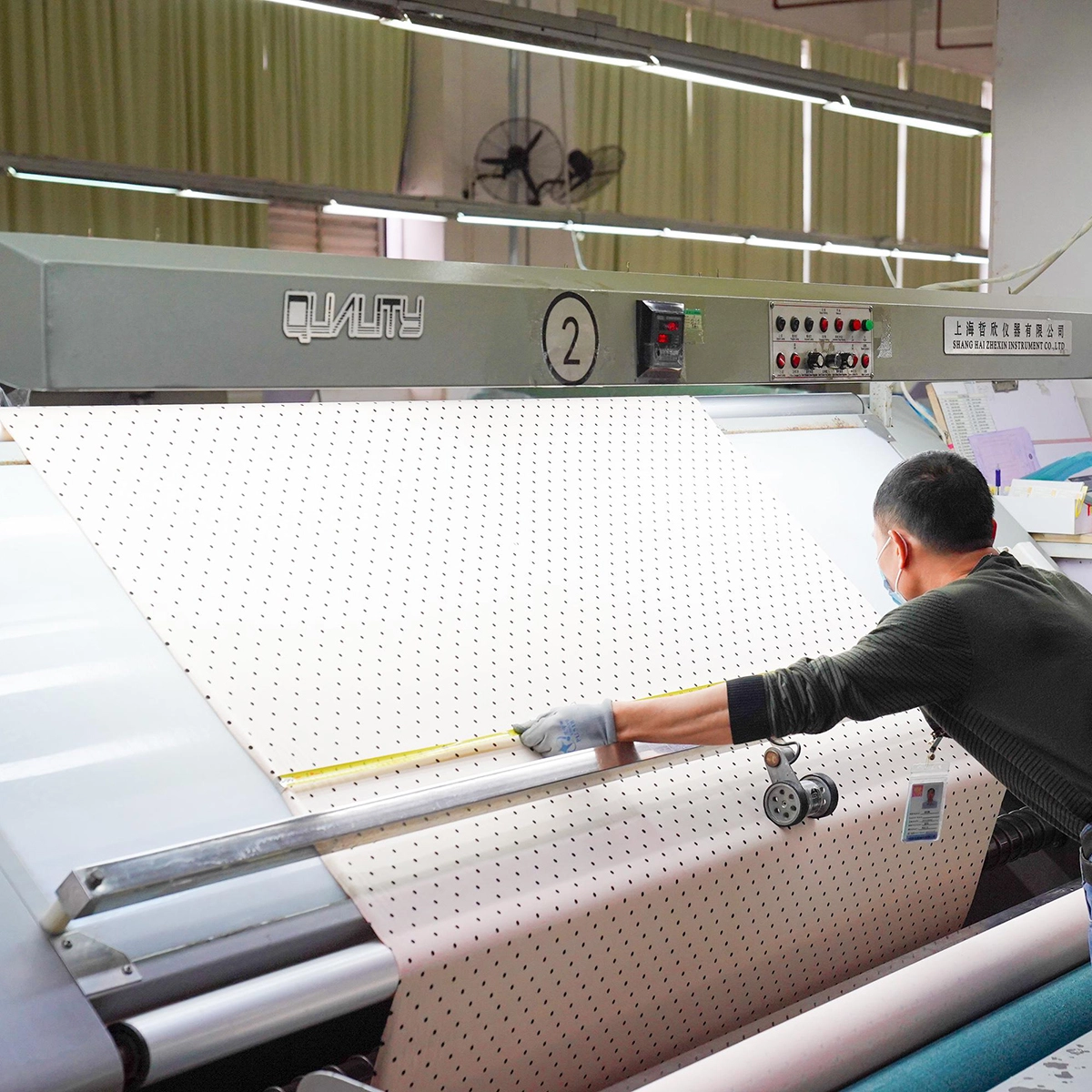
Fabric Inspection
Before cutting begins, our QC team inspects every fabric roll using the Four-Point Fabric Inspection System. We check shade differences, fabric condition, and surface issues to make sure materials are ready for production. This step is especially important for fabrics with satin, silk, or delicate surfaces, where small defects can affect the final appearance of the garment.
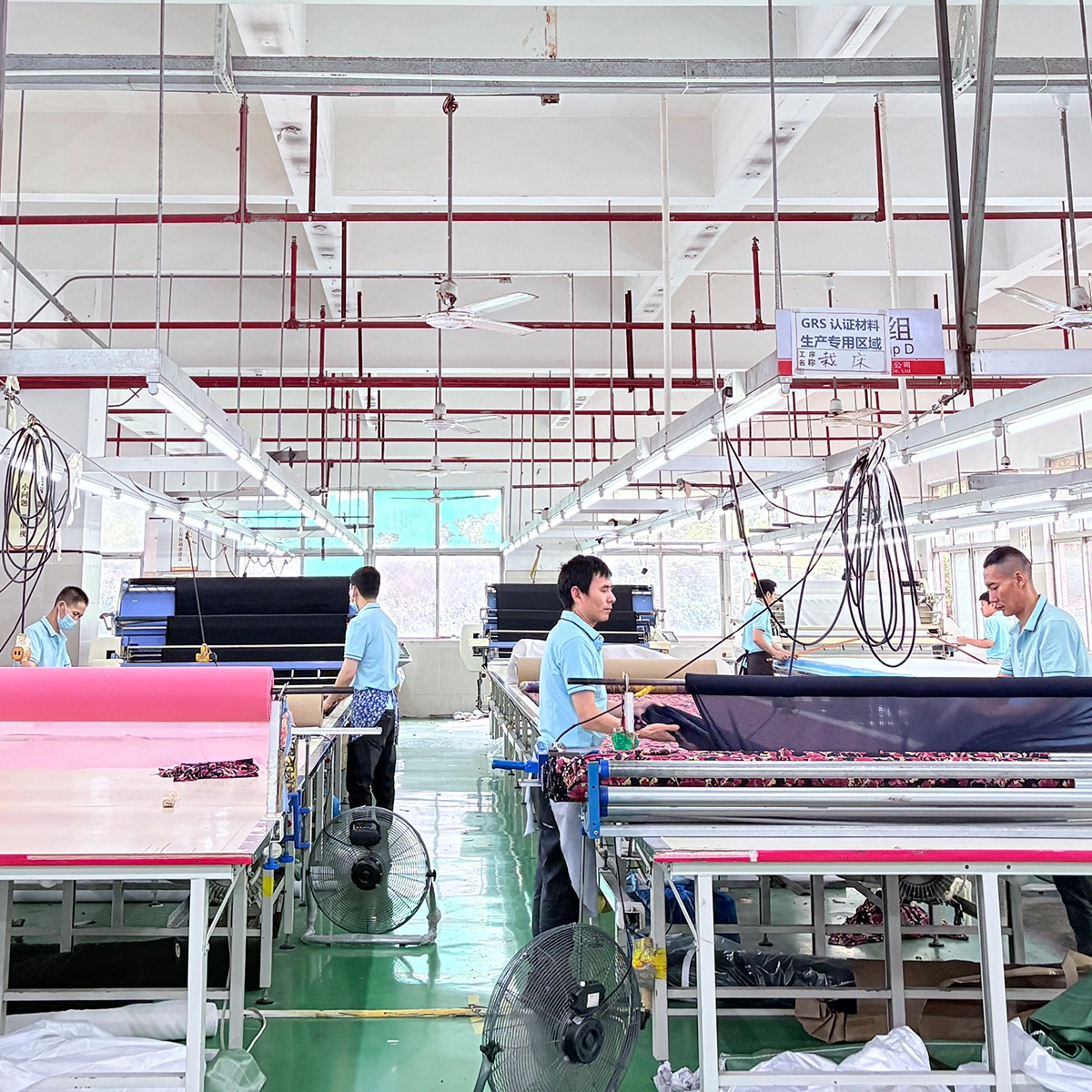
Cutting Process
Before cutting, our team checks the approved pattern, fabric shrinkage information, and marker layout. For mini dresses with fitted silhouettes or special details such as asymmetric hems and pleated panels, cutting accuracy directly affects the final balance of the garment. Short dresses usually leave less room for fitting mistakes because small measurement differences are easier to notice. Sleeve opening, waist position, and skirt volume need to be checked carefully during sample approval.
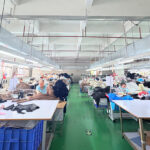
Sewing Line
Skilled sewing operators assemble garments according to approved samples, patterns, and production requirements. Quality checks during the sewing process help control stitching details and maintain consistent workmanship across bulk production.
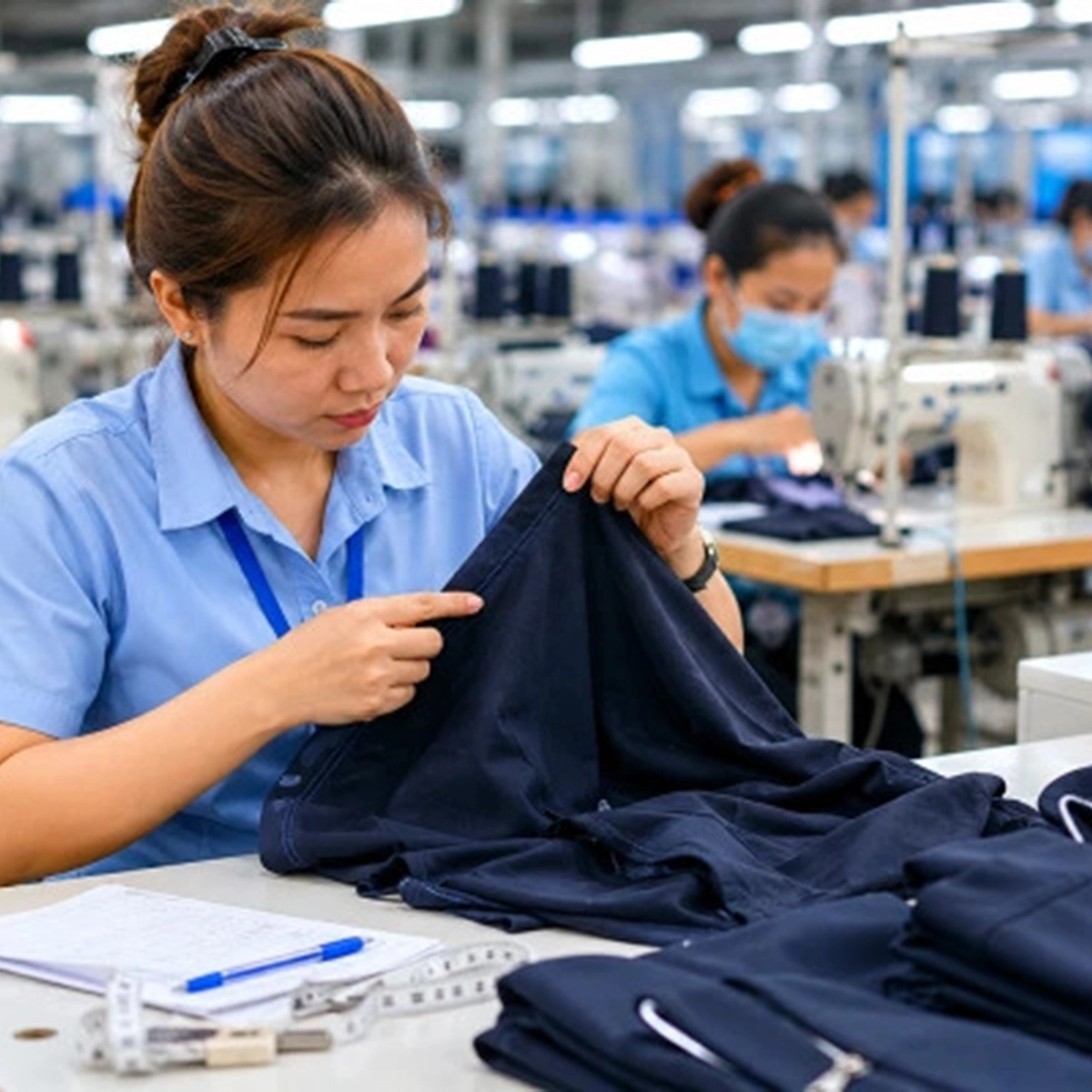
In-line Inspection
From sewing to finishing, our QC team checks garment details, measurements, and workmanship during production. These inspections help reduce rework and maintain stable quality throughout bulk manufacturing.
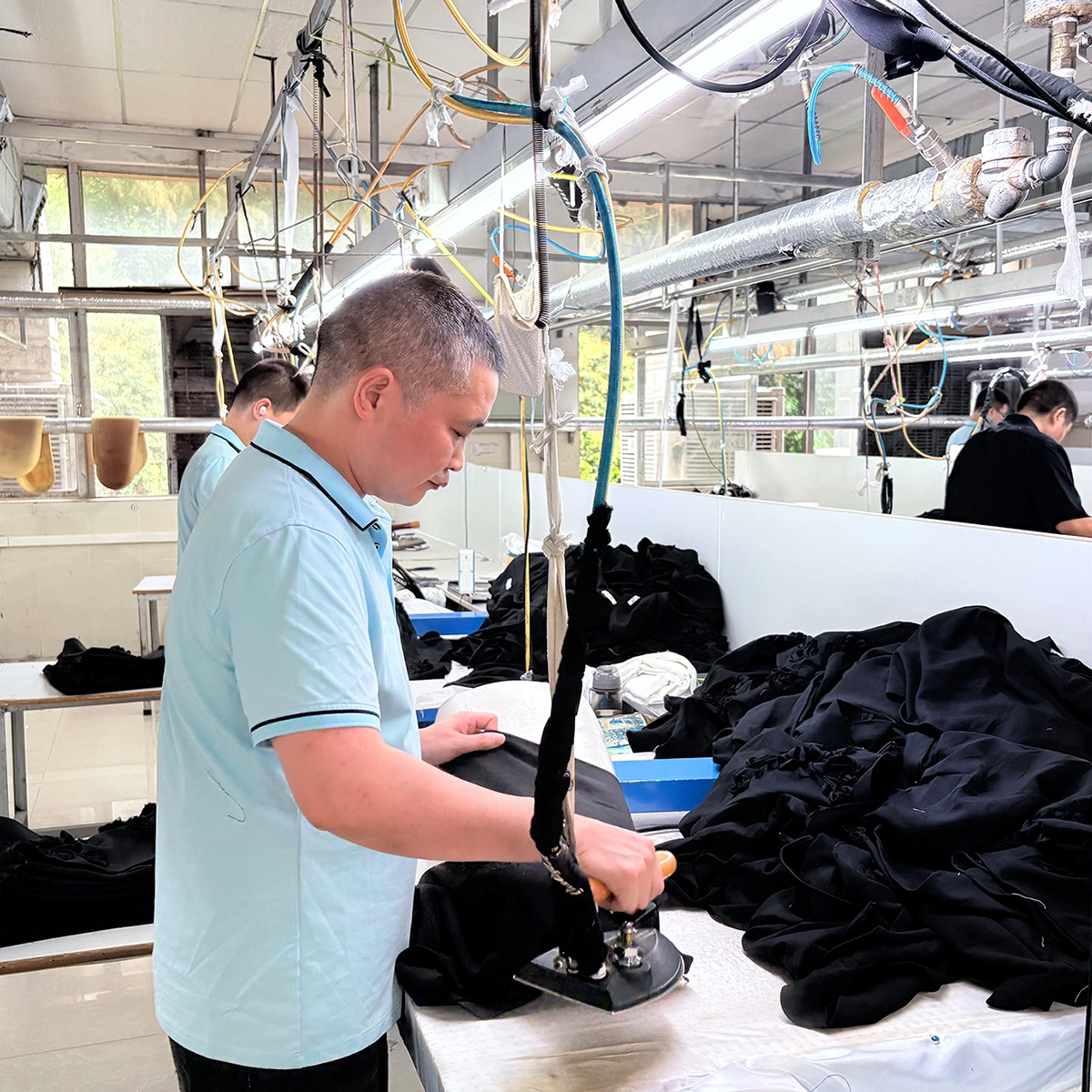
Final Pressing
After production, garments receive a final pressing to smooth seams, adjust key areas, and improve the final look. The team then checks garment details before packing and shipment.
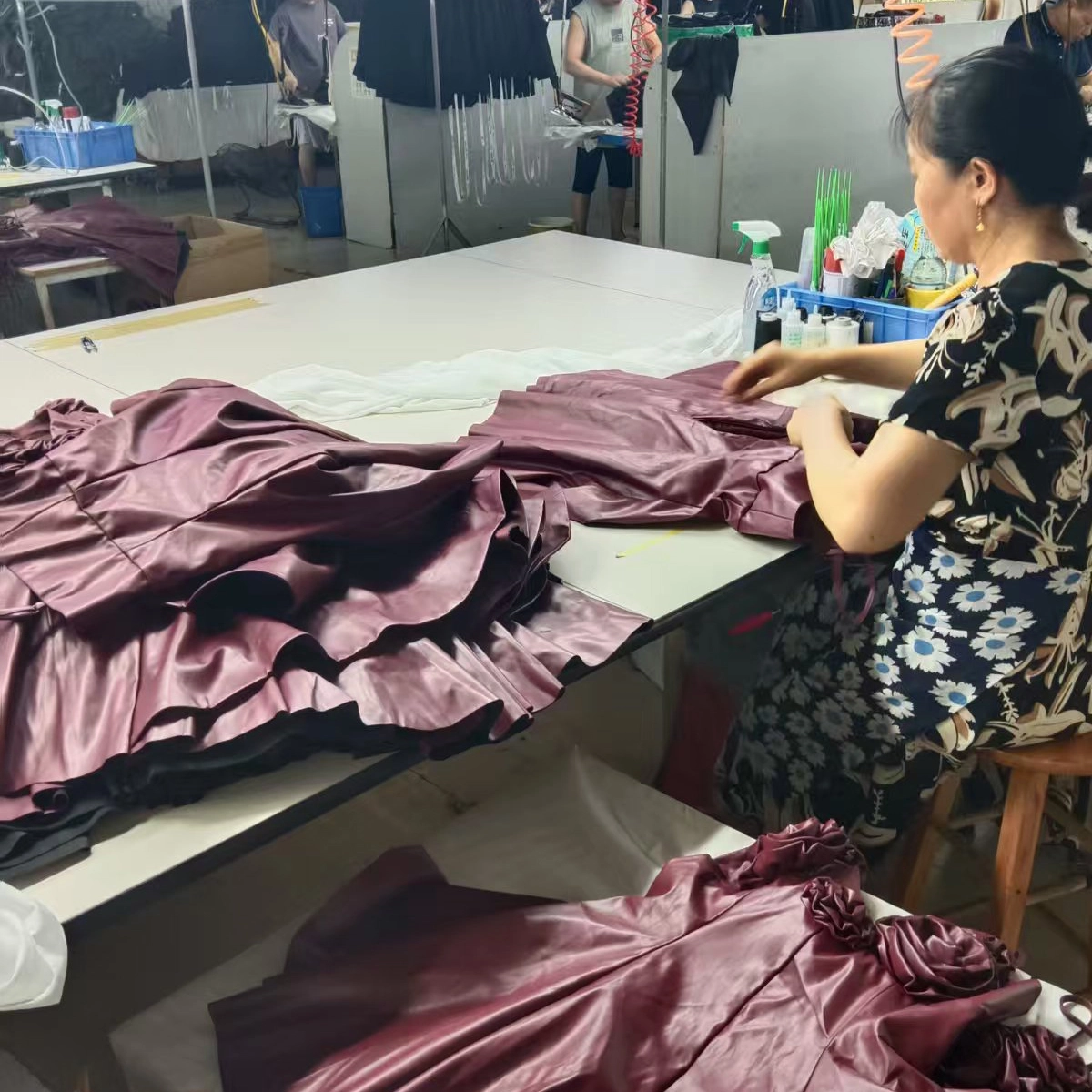
Final Inspection
Before loading, our QC team checks finished garments for size, stitching quality, finishing details, labels, and packing condition. Any issues found during inspection are corrected before shipment.
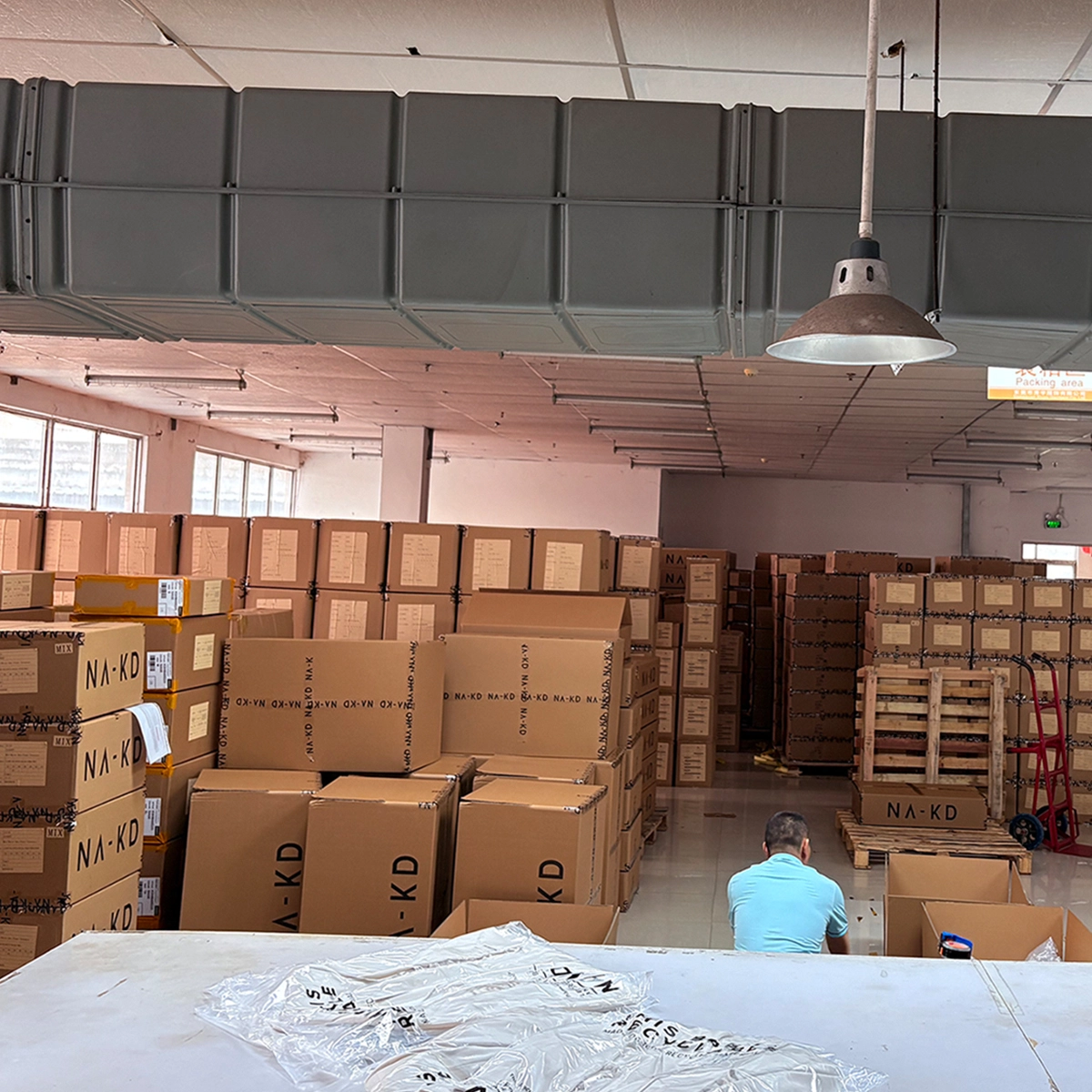
Finished Products
Finished garments are sorted and counted before shipment according to the approved order details. Our team checks quantities, labels, and packing details to make sure each shipment matches customer requirements.
Custom Mini Dress Manufacturer for Fashion Brands
At Xiuyu Apparel, we help fashion brands, boutiques, and private label companies develop custom mini dresses from concept to bulk production.
With 18+ years of garment manufacturing experience, we provide:
- Custom mini dress development
- Private label mini dresses
- OEM & ODM production
- Fabric sourcing
- Low MOQ production
- Bulk manufacturing support
From smocked summer mini dresses to structured party styles, our team helps brands evaluate fabrics, refine samples, and prepare designs for reliable bulk production.
Our Mini Dress Manufacturing Capability
With over 18 years of experience in dress manufacturing, we have developed a complete production process from fabric preparation and sample development to bulk production and shipment. During each project, our team works closely with clients to review fabric performance, adjust patterns, confirm samples, and solve production issues before moving into larger quantities.
Many emerging brands do not start with a large order. They usually test several mini dress styles first, review customer feedback, and then expand successful designs into larger production runs. Our team supports this process by adjusting patterns, fabrics, and production details between each stage. After the style and fitting are confirmed, repeat orders can be arranged based on sales performance. During the development stage, our team can also assist with fabric sourcing, pattern adjustment, and sample refinement based on the brand’s target market.
- 150,000+ Pieces Monthly Production Capacity
- 750+ Skilled Workers
- 500+ Sewing Machines
- Low MOQ Support Starting From 50–100 Pieces
Our customers include emerging fashion labels starting with small collections, as well as established brands requiring repeat bulk production. Different projects may require different levels of support, from fabric sourcing and sample development to production scheduling and quality control.
FAQ About Custom Mini Dress Manufacturing
What is the MOQ for custom mini dresses?
For new brands and boutique collections, we usually support small quantity production starting from 50–100 pieces per style, depending on fabric choice, construction details, and production requirements.
How long does mini dress production take?
Production time depends on the design complexity, fabric availability, and order quantity. Normally, samples can be completed within 5–7 days, while bulk production usually takes around 25–30 days after sample approval and material confirmation. We will provide a clear timeline before starting production.
Can you produce custom mini dresses from my own designs?
Yes. Brands can provide tech packs, sketches, reference samples, or basic ideas. Our team can assist with pattern development, fabric selection, sampling, and bulk production.
What fabrics can be used for custom mini dresses?
Common options include cotton, chiffon, satin, silk blends, rayon, and other woven fabrics depending on the design requirements.
Conclusion
If you are exploring more mini dress silhouettes, you can also read our previous guide: Types of Mini Dresses (part 1).
As an experienced dress manufacturer with over 18 years of production experience, Xiuyu Apparel partners with fashion brands, boutiques, and private label companies to develop mini dress collections from concept development and sampling to bulk production.
Our team supports every stage of the manufacturing process, including fabric selection, pattern adjustments, sample development, production management, and final quality inspection. Creating a successful mini dress collection is not only about selecting attractive designs. Fabric performance, fitting accuracy, and production control all play an important role in ensuring consistent quality when moving from the first sample to large-scale production.
Explore More Dress Manufacturing Solutions