

When brands start developing a skater dress collection, the design is often only the first step. The more difficult part is making sure the finished garments keep the same shape, fit, and details after moving from sample development into bulk production.
During our years producing dresses for overseas brands, we have found that many production issues happen during development rather than sewing itself. Fabric selection, fitting adjustments, and unclear sample approval standards are common reasons that affect final bulk production.
What Makes Skater Dress Manufacturing Different?
Compared with many basic dress styles, skater dresses require more attention during development because the fitted bodice and flared skirt need to work together. A small change in fabric weight, waist position, or skirt panel cutting can change the final silhouette.
In production, we usually pay close attention to:
- how the fabric falls after cutting
- whether the bodice keeps the correct fit
- whether the waistline sits in the right position
- whether the skirt panels create the expected volume
- whether sewing remains consistent during bulk production
When you develop this style for your fashion brand, you are not only producing a dress. You are creating a product that needs to maintain the same appearance across hundreds or thousands of pieces.
Design Review Before Skater Dress Production
Before making patterns, your manufacturer needs to review the complete design information.
For development, brands normally provide:
- Design sketches or reference images
- Measurement requirements
- Fabric expectations
- Color options
- Special construction details
During this stage, production feasibility is checked. Some designs may look good visually but require adjustments before manufacturing.
For example, a very full skirt may require different fabric consumption, while a lightweight fabric may need additional support to keep the desired shape.
From our production experience, early communication at this stage can prevent many unnecessary changes later.
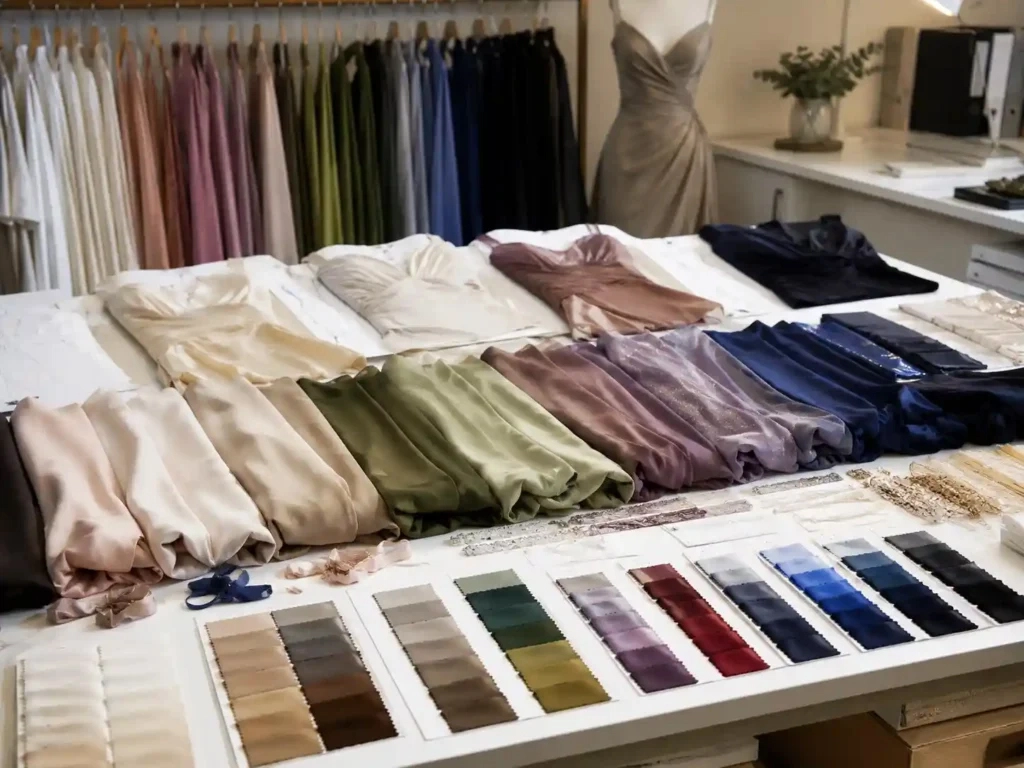
Choosing the Right Fabric for Skater Dress Development
Fabric choice directly affects how a skater dress moves and fits.
Fabric selection is not only about visual appearance. The fabric also needs to support the structure, movement, and fitting requirements of the design.
Common factors include:
- Thickness
- Stretch level
- Shrinkage
- Softness
- Surface appearance
For example, we often check fabric shrinkage before cutting because even a small dimensional change can affect the waist fitting and skirt length after production.
Before bulk production, fabric testing helps you avoid problems such as uneven fitting, color differences, or unexpected shape changes.
Turning the Design Into a Production Pattern
Pattern development is where your design becomes a garment that can actually be produced.
During development, we normally adjust:
- Body measurements
- Skirt flare proportions
- Seam positions
- Sleeve structure
- Construction methods
A production pattern needs to balance appearance and manufacturing efficiency. For skater dresses, we also pay attention to the balance between the fitted upper body and the skirt volume. If the waist position is slightly incorrect, the whole silhouette can look different from the original design.
A common mistake for new brands is focusing only on the sample appearance while ignoring whether the style can remain consistent during bulk production.
A well-developed pattern creates a stronger foundation for repeat orders.
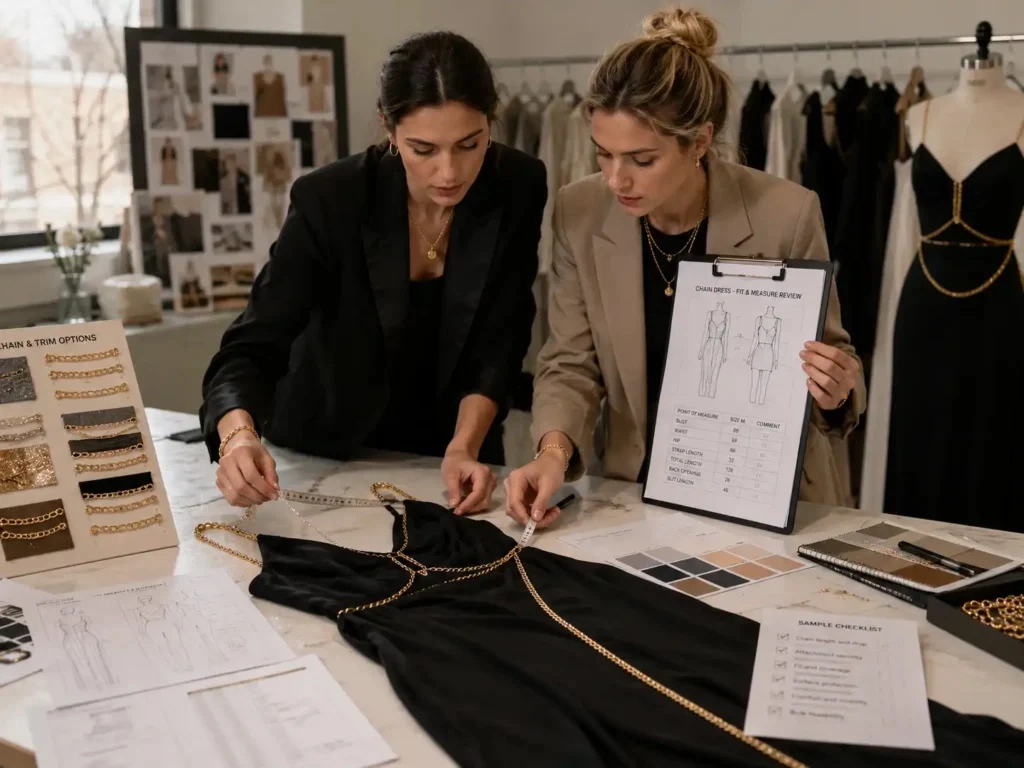
Skater Dress Sampling and Fit Approval
The sample stage allows you to check whether the physical garment matches your expectations.
During sample approval, brands usually check:
- Overall silhouette
- Fit around the waist and chest
- Skirt movement
- Fabric performance
- Finishing details
Most custom skater dresses require some adjustments before bulk production. In many cases, the first sample is not the final production version. We may adjust the neckline balance, waist fitting, skirt volume, or sewing method before approving the final production sample.
When you provide comments with measurements or reference images, our technical team can identify the issue faster and prepare the next sample more accurately.
After approval, this sample becomes the reference used by our team during bulk production, including measurements, construction details, and finishing standards.
Fabric Preparation and Cutting
After sample approval, bulk production begins with material preparation.
At this stage, our production team checks:
- Fabric quality
- Color consistency
- Fabric quantity
- Cutting requirements
For skater dresses, cutting accuracy is especially important because the skirt shape depends on the correct proportion of each panel.
Small cutting differences can affect:
- Hemline balance
- Skirt fullness
- Overall fitting
This is why experienced factories usually prepare production instructions before bulk cutting starts.
In our daily production, cutting is one of the stages where experience makes a difference. A skater dress may contain multiple skirt panels, and incorrect cutting direction or panel matching can affect the final drape after sewing.
Sewing and Dress Assembly
During sewing production, each component is assembled according to the approved sample.
The process may include:
- Bodice assembly
- Sleeve attachment
- Zipper installation
- Lining attachment
- Hem finishing
Different fabrics require different handling methods.
For example, lightweight fabrics need careful sewing tension control, while stretch fabrics require attention to recovery and seam stability.
Production experience matters because small sewing adjustments can affect the final appearance of the whole collection.
Quality Control During Production
For fashion brands, quality consistency is usually more important than producing one perfect sample.
During bulk manufacturing, you need quality checks at different stages:
Fabric inspection
Check material issues before production begins.
Inline inspection
Monitor sewing quality during production.
Final inspection
Confirm measurements, appearance, and packaging before shipment.
In actual production, most quality issues are not caused by one major mistake. They usually come from small details being missed during different stages, such as measurement deviation, uneven stitching, or incorrect finishing.
For many dress styles, we also compare key measurements during production, especially areas such as waist, bust, and skirt length, because small deviations can affect the overall silhouette.
Final Inspection and Shipment Preparation
Before your order leaves the factory, finished skater dresses need a final review.
The inspection normally covers:
- Size measurement
- Appearance checking
- Label placement
- Packaging requirements
- Order quantity
Clear packing instructions are also important, especially when your products are shipped to warehouses, boutiques, or retail stores in different markets.
Common Production Challenges When Developing Skater Dresses
Fabric Performance Does Not Match Expectations
A fabric may look suitable during selection but behave differently after cutting and sewing.
Fabric performance is normally confirmed before bulk production.
Sample and Bulk Production Look Different
One of the biggest concerns for fashion brands is receiving bulk goods that do not match the approved sample.
This usually happens because of unclear production standards or insufficient quality control.
Maintaining Consistency for Repeat Orders
If you plan to reorder successful styles, production records are essential.
Keeping approved samples, measurements, fabric details, and production notes helps maintain the same quality for future collections.
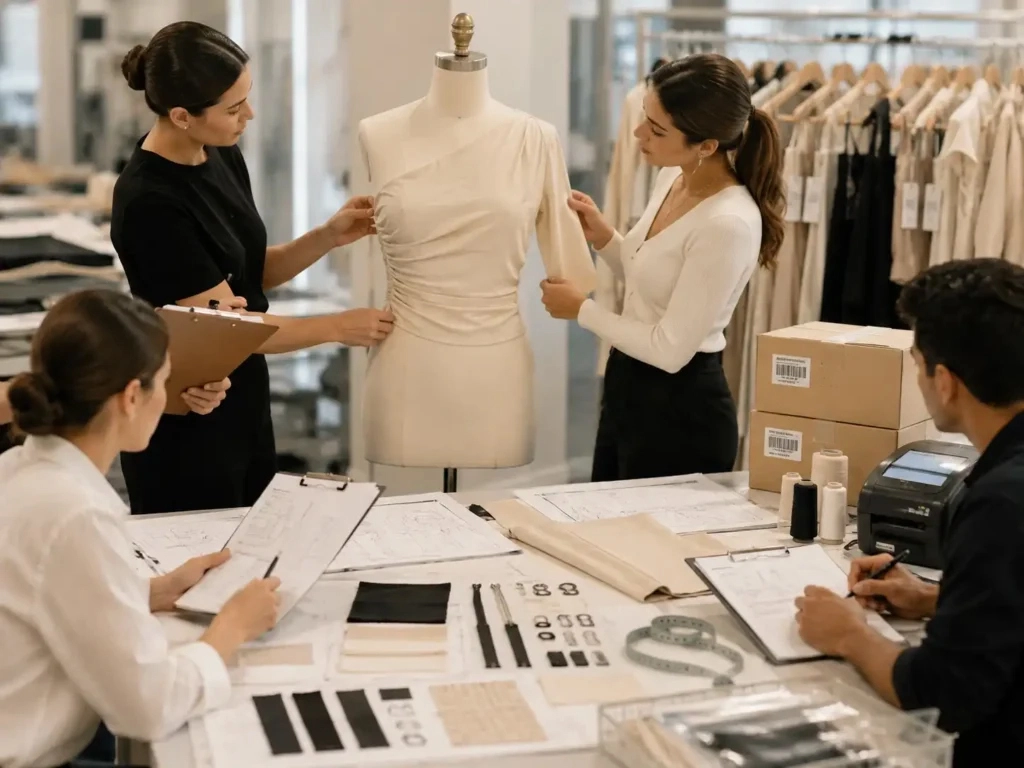
How To Choose a Skater Dress Manufacturer for Your Brand
When you search for a skater dress manufacturer, you should evaluate more than price. Working with an experienced dress manufacturer can help brands reduce development risks, improve communication efficiency, and maintain consistent quality during bulk production.
Price is only one part of the decision. Before starting cooperation, many brands also evaluate:
- Whether the factory has experience with similar dress structures
- Whether the team can support pattern adjustment
- Whether communication during sampling is efficient
- Whether bulk quality can remain stable for repeat orders
A supplier who understands your product requirements can help you avoid costly mistakes during development and scaling. This is especially important when working with a clothing manufacturer that supports different dress categories, production methods, and private label requirements.
We support custom skater dress production for fashion brands, including private label development, fabric sourcing, sampling, and bulk manufacturing.
FAQ About Skater Dress Manufacturing
1. What should you prepare before contacting a skater dress manufacturer?
You should prepare basic design information, including reference images, measurements, expected quantity, fabric preferences, and target market requirements. The clearer your initial information is, the easier it becomes for the manufacturer to evaluate production methods and provide accurate development suggestions.
2. How many sample adjustments are usually needed before bulk production?
There is no fixed number of sample revisions. Simple styles may be approved after one or two rounds, while more complicated designs involving special fabrics, fitted bodices, or structural details usually require more testing.
3. How can you avoid quality problems during skater dress production?
You can reduce risks by confirming fabric standards, approving a correct production sample, maintaining clear specifications, and working with manufacturers that have inspection procedures. Most quality problems happen before sewing starts. Clear measurement sheets, approved samples, and production instructions help the factory and brand stay aligned during bulk manufacturing.
4. Can you produce private label skater dresses with your own designs?
Yes, private label production usually starts from your design concept, technical information, or reference samples. You can customize fabrics, colors, labels, packaging, and construction details based on your brand requirements and target customers.
5. What factors affect the cost of custom skater dress production?
Production cost depends on several factors, including fabric choice, design complexity, quantity, trims, finishing methods, and packaging requirements. Planning these details early helps you control the budget while maintaining the quality level your customers expect.
Conclusion
A successful skater dress collection depends on how well the original design is transferred from the first sample into repeatable bulk production. Clear specifications, proper sampling, and production communication help brands maintain consistency when scaling their collections.With clear specifications, proper sampling, and production communication, brands can reduce unnecessary revisions and build a more stable supply process with their manufacturing partners.
Explore More Dress Manufacturing Services
If you are developing a new dress and need support with fabric selection, internal construction, sampling, and bulk production, an experienced clothing manufacturer can help you deal with these decisions before they become production problems.
At Xiuyu Apparel, we work with fashion brands, startups, designers, and private label companies from sample development through bulk production.
Get a Clothing Manufacturing Quote Based on Your Design
If you already have a garment design, send us the product photo, tech pack, or reference sample together with your target quantity.
As a dress manufacturer, we can review the fabric, lining, construction, trims, workmanship, and finishing requirements before preparing a quotation based on the actual garment rather than a general price range.

