

When you are developing custom dresses for a brand, the factory you choose affects more than the sewing itself. The pattern, fabric, sample revisions, quality checks, and production schedule all need to work together before a style is ready for bulk production.
From the factory side, this is often where the differences between manufacturers become clear. A factory may be able to sew a dress, but that does not necessarily mean it has the pattern, sampling, and production setup your collection requires.
Check the Factory’s Experience With Similar Dress Styles
Start with the manufacturer’s production experience rather than its general product list.
A factory may show hundreds of dress photos, but check whether it has made dresses with construction similar to yours.
A fitted satin dress has different production requirements from a loose cotton dress. A corset dress may require more attention to internal structure, while a beaded style brings additional work around embellishment placement and handling. Printed dresses can have another set of issues, particularly around print placement, cutting, and color consistency.
When reviewing a manufacturer, look for examples close to your own product. Ask what part of the work is handled in-house and what is sent to outside suppliers.
This also helps when your collection contains several different styles. A factory experienced with one simple dress does not automatically have the same experience with every type of construction.
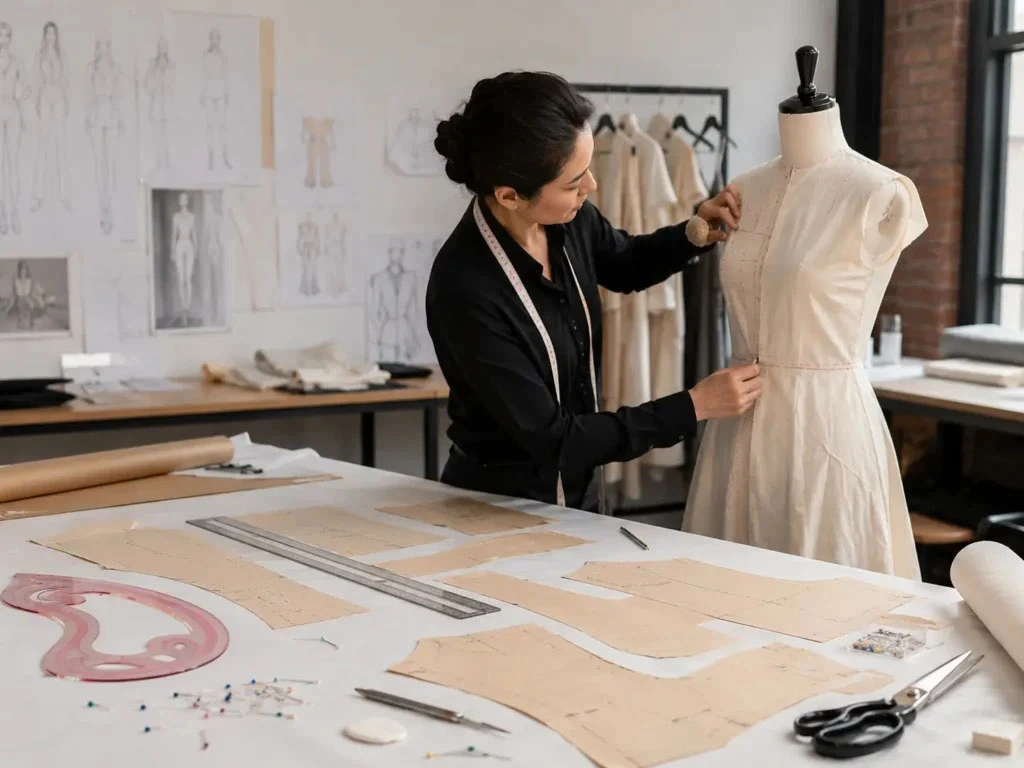
Find Out Who Develops the Pattern
If you are supplying a tech pack, sketch, reference garment, or existing sample, ask what happens after the information reaches the factory.
Ask who handles this work and how changes are made after the first sample.
For example, if the bust is too tight or the armhole is too deep, the useful correction is not simply to alter one finished garment. The corresponding pattern pieces need to be revised so that the change can carry into the next sample and eventually into bulk production.
We see this quite often with new styles. A sketch may look straightforward, but once the first pattern is made, the construction can reveal problems that were not obvious on paper.
A product gallery shows what a factory has made. The sample process shows how it works with your design.
Pay Attention to What Happens Between the First and Second Sample
Do not judge a manufacturer only by the first sample.
The first sample is often where construction, proportion, and fit problems become visible. The next question is how the factory responds to those problems.
Your comments may include measurement changes, neckline adjustments, sleeve changes, different lining, revised closures, or changes to the fabric. A manufacturer should be able to work from those comments without losing the details that were already approved.
It helps to keep your comments specific. Instead of saying that the dress “doesn’t fit correctly,” mark the measurement or construction point that needs attention.
You can also ask the factory how sample revisions are recorded. When several styles are being developed at the same time, written comments and updated specifications make it easier to keep each version separate.
Keeping the sample comments and revised specifications together also helps when the same style is reordered later.
Check How Fabric Is Sourced and Approved
Fabric is one of the areas where a small difference can become a production problem.
You may approve a sample because the fabric has the right drape and appearance, but the bulk fabric can still require checking before cutting.
Check the fabric composition, weight, width, color, stretch, shrinkage, and surface finish before bulk cutting. A small change in any of these can affect the fit or appearance of the finished dress.
For example, a fabric with slightly different weight can change the way a gathered skirt falls. A change in stretch can affect a fitted bodice. Shrinkage can alter measurements after washing or finishing.
Ask whether the manufacturer sources the fabric, whether you can nominate a supplier, and what happens when the bulk fabric arrives.
Fabric problems are much easier to deal with before cutting than after hundreds of pieces have entered production.
For colored garments, shade consistency is another point worth discussing. If different fabric lots are involved, the factory may need to manage them separately during cutting and production.
Ask How Size Grading Is Handled
Your approved sample is usually only one size, but your production order may contain several.
You can ask how the manufacturer converts the base pattern into your required size range and whether the grading follows your own measurement chart.
The measurements do not always increase or decrease at the same rate across sizes, especially on fitted dresses.
Bust, waist, hip, shoulder, armhole, sleeve, and garment length can behave differently as the size changes.
Before bulk production, compare the graded measurements with the size chart you have approved. If something looks unusual, it is easier to address it before cutting rather than after the garments are completed.
Understand Where Quality Checks Take Place
When comparing factories, asking “Do you have QC?” does not tell you very much.
A better question is where inspection happens during the production process.
Fabric can be checked before cutting. Cut panels can be checked before sewing. Sewing quality can be monitored while production is running, followed by inspection during finishing and before packing.
Problems can be caught at different points before the garments reach packing.
A measurement issue found during sewing can often be corrected while the line is still working on the style. A similar problem found after finishing hundreds of garments may require sorting and rework.
For a dress, checks may include measurements, seams, zipper operation, lining, pressing, loose threads, stains, labels, and overall appearance. The exact points depend on the garment.
We generally prefer to identify production problems as early as possible. Once an issue reaches the finished-garment stage, the amount of rework can increase quickly.
MOQ and Your Collection Size
MOQ is often one of the first numbers buyers ask about, but the number itself needs some context.
Find out whether the MOQ is calculated per style, color, or another unit. Then compare it with your actual collection plan.
For example, you might be developing eight styles with two colors each rather than ordering one style in a large quantity. The factory’s MOQ may work differently across those two situations.
Custom fabrics, printing, embroidery, special trims, and other materials can also have their own minimum order requirements.
If you are a new brand, discuss the full collection with the factory instead of looking only for the lowest MOQ. Once the factory knows the styles, colors, and estimated quantities, it can tell you how the MOQ would work across the order.
Production Scheduling and Factory Capacity
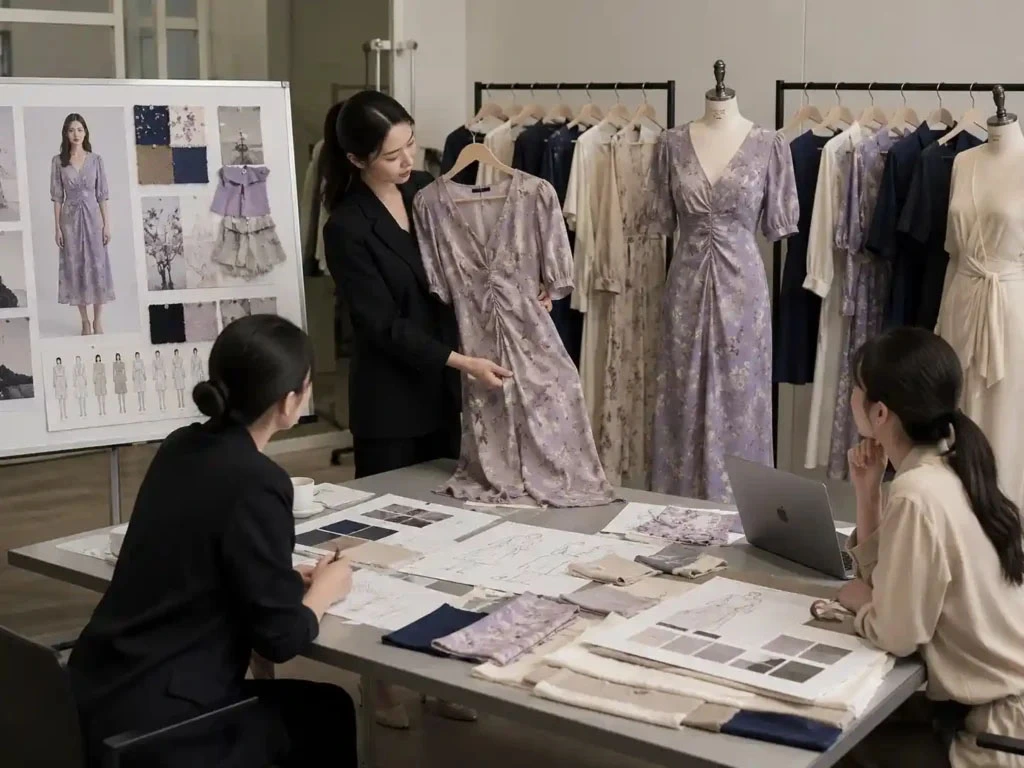
A manufacturer’s stated monthly capacity does not tell you exactly when your order will be finished.
Production capacity is affected by the type of garments being made, the number of styles, sewing operations, fabric availability, and the factory’s current production schedule.
Ten simple dresses and ten heavily constructed dresses can require very different amounts of production time.
Ask what needs to be completed before your order enters bulk production. This may include final sample approval, fabric confirmation, trims, labels, artwork, or other production information.
It is also worth knowing whether your order will remain in one production facility or involve outside processes. If part of the work is subcontracted, clarify who controls the specifications and quality at that stage.
A monthly capacity figure only gives you a general idea. The more useful question is how much of that capacity is available for your order and when your styles can enter production.
Confirm When the Bulk Production Clock Actually Starts
Lead time is another number that can be misleading when the starting point is unclear.
A quoted “25-day production time,” for example, may refer only to sewing and finishing after all materials and approvals are ready.
Before placing an order, ask what event starts the production timeline.
For most custom projects, several things may need to be confirmed first:
- PP sample approval
- Bulk fabric confirmation
- Trim availability
- Label and packaging details
- Final measurements
- Production specifications
Fabric production or special processes such as printing, embroidery, washing, or beading may require additional time before the sewing line can start.
Ask the factory to confirm these starting conditions in the quotation or order details.
Check Whether the Approved Specifications Can Be Carried Into Bulk
A good sample does not guarantee a good bulk order if the production reference is unclear.
Before bulk cutting, the manufacturer should have access to the final approved information. This normally includes the approved sample, measurement chart, fabric details, construction requirements, trims, labels, and other confirmed specifications.
This becomes especially important when changes have been made during sampling.
For example, if the first sample used one neckline construction and the second sample changed it, the final production information needs to reflect the second version. Otherwise, an old specification can remain in the production file.
Small gaps in the production file can cause problems once cutting and sewing have started. Keeping the approved details together gives the pattern department, cutting team, sewing line, and QC team the same reference.
For repeat orders, this record also gives the factory a much clearer starting point.
Private Label Labels and Packaging
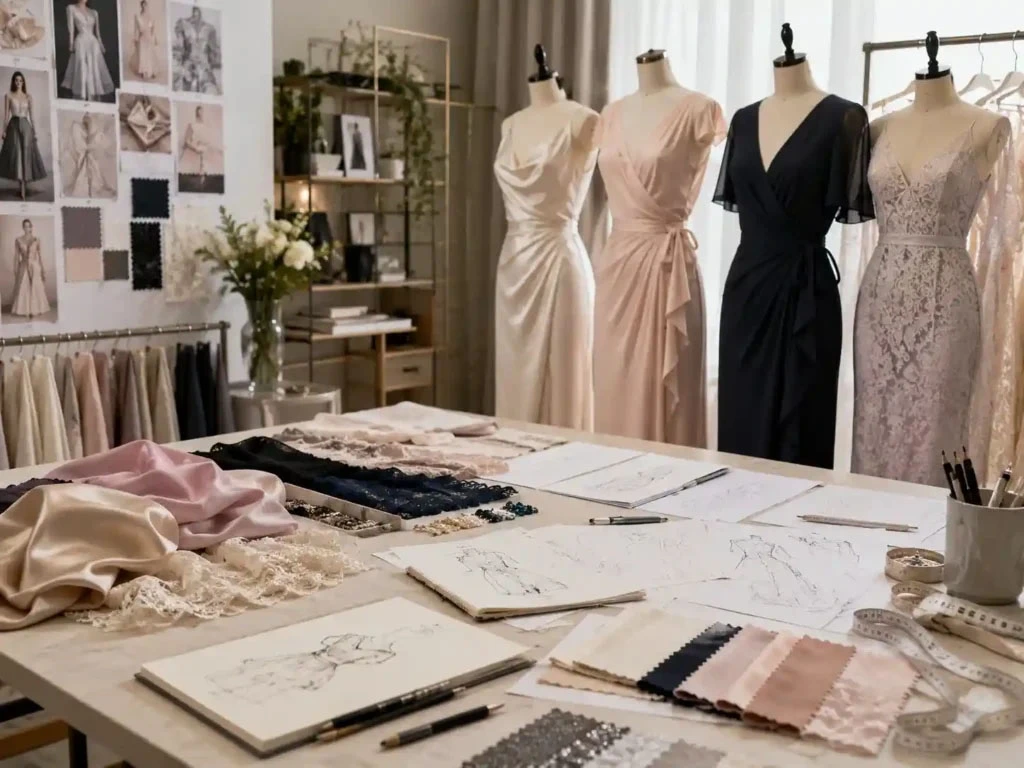
If you are ordering for your own brand, the garment is only one part of the finished product.
You may need woven labels, printed labels, size labels, care labels, hangtags, barcodes, stickers, custom polybags, or specific carton markings.
These details should be discussed before production rather than added during final packing.
Label position is worth checking during sampling as well. A label placed near a neckline, seam, or lining can affect the construction or appearance of the garment.
Packaging can create similar problems. If each garment needs a specific folding method, barcode position, assortment, or polybag size, the packing team needs those instructions before the order reaches the finishing stage.
If the factory handles labels and packaging together with production, you have fewer separate items to coordinate before packing.
How the Factory Handles Missing Information
You can learn a lot from the questions a manufacturer asks you.
If your tech pack is missing a measurement, does the factory point it out? If the fabric specification is unclear, does someone ask for clarification before sampling? If a construction detail may cause a production problem, is it discussed before the garment reaches the sewing line?
These questions may seem minor, but they can prevent problems before sampling or production starts.
From a production perspective, asking a question early is usually easier than correcting a misunderstanding after cutting.
You should also know who is responsible for confirming changes. If your designer, buyer, and production contact are all communicating separately with the factory, make sure there is one confirmed version of the specifications.
Good communication is mainly about confirming the right information and recording important decisions before the next production step.
Compare Quotations on the Same Specifications
Price is naturally part of the decision, but comparing two unit prices without checking what is included can give you the wrong picture.
Put the quotations side by side and check the assumptions behind each one.
Look at:
- Fabric composition and weight
- Quantity per style and color
- Construction
- Lining and trims
- Printing or embroidery
- Labels and hangtags
- Packaging
- Sampling
- Inspection requirements
- Production lead time
- Shipping terms
A lower garment price may not remain lower if important items are excluded from the quotation.
For a new brand, development cost also matters. Extra sample rounds, fabric changes, or corrections can affect the real cost of getting a style ready for production.
Compare the quotes against the same finished-product requirements. Otherwise, the lowest unit price may not represent the lower total cost.
Custom Dress Manufacturer Evaluation Checklist
Before you make a final decision, it helps to put the information from each factory into one place.
| Area | What to Check |
|---|---|
| Product experience | Similar dress styles and construction |
| Pattern | In-house pattern development and revisions |
| Sampling | First sample, comments, and revision process |
| Fabric | Sourcing, approval, and inspection |
| Fit | Measurement control and size grading |
| QC | Inspection points during production |
| MOQ | MOQ by style, color, or material |
| Capacity | Production schedule for your order |
| Lead time | Actual starting point of bulk production |
| Specifications | Approved sample and final production details |
| Private label | Labels, hangtags, and other branding items |
| Packaging | Folding, polybags, barcodes, and cartons |
| Communication | Who confirms technical changes |
| Quotation | Whether different suppliers are quoting the same scope |
What to Send a Manufacturer Before Requesting a Quote
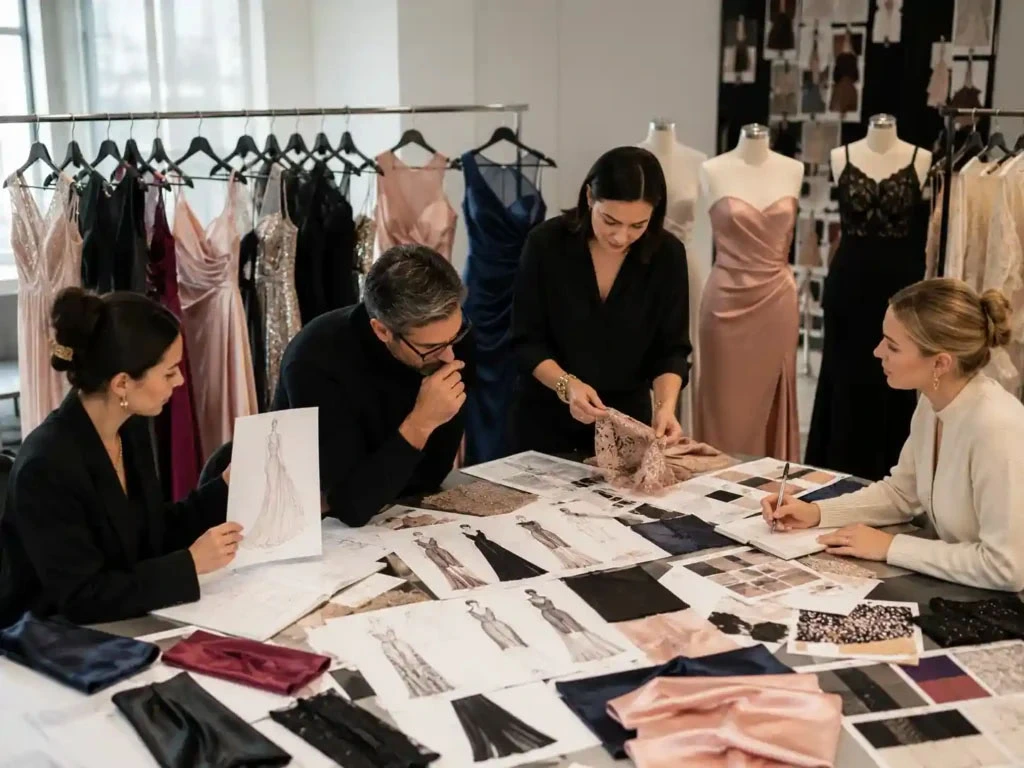
A factory can quote more accurately when it has enough information about the dress.
Depending on the stage of your project, this can include:
- Tech pack
- Sketch or design drawing
- Reference photos
- Existing garment or physical sample
- Fabric preference
- Color requirements
- Size range
- Estimated order quantity
- Label requirements
- Packaging requirements
- Special construction or decoration details
You do not need to have every detail finalized before contacting a factory.
If the collection is still at an early stage, explain what has already been decided and what still needs development. A manufacturer can then identify the missing information before sample making or pricing.
FAQ
Can a manufacturer develop a dress from an existing garment?
Yes, many clothing manufacturers can use an existing garment as a reference for pattern development. Before making the pattern, the factory may check the garment’s measurements, construction, seams, fabric, and finishing details. If the original garment is not intended to be copied exactly, clearly mark which details should be changed.
What happens if the fabric I want is difficult to source?
Ask the manufacturer to suggest fabrics with similar weight, drape, composition, or appearance rather than replacing the material without discussion. For a new fabric option, request a swatch first and compare it with your approved requirements before using it for another sample.
Can I develop several dress styles at the same time?
Yes, but provide a clear style list and identify which designs are ready for sampling. If several styles share the same fabric or construction, the manufacturer may be able to coordinate the development more efficiently. Keeping each style’s specifications separate helps prevent details from being mixed between samples.
What should I do if a sample looks different from my original design?
First identify whether the difference comes from the pattern, fabric, construction, or finishing. Mark the specific changes and send them back with the sample comments. Photos with measurements or marked-up areas are often more useful than general comments about the appearance.
When should I discuss shipping requirements with the factory?
Discuss them before the final quotation is confirmed, especially if you have a required delivery method, destination, carton specification, or shipping term. The production schedule and final cost can be affected by how the finished goods need to be packed and delivered.
Conclusion
When you compare custom dress manufacturers, look beyond the product photos and unit price. Check how the factory handles pattern making, sample revisions, fabric approval, grading, QC, production scheduling, and your final specifications.
Before you place a bulk order, make sure both sides are working from the same approved sample and production information. This should cover the final measurements, fabric, construction, labels, packaging, and other confirmed details.
Related Dress Manufacturing Services
If your project involves a specific dress fabric or construction, you can also review our related manufacturing pages:
- Floral Dress Manufacturer
- Sequin Dress Manufacturer
- Maxi Dress Manufacturer
- Skater Dress Manufacturer
- Silk Dress Manufacturer
Get a Quote for an Existing Dress Style
If you are transferring an existing dress style to a new manufacturer, send us the latest approved sample, tech pack, product photos, or measurement chart together with your target quantity.
As a dress manufacturer, we can review the construction, fabric, trims, measurements, and current production status with you before confirming the sampling requirements.

