

When brands start working with a dress manufacturer, the main challenge is often turning a design concept into a garment that can be produced consistently at bulk quantities. Before sampling begins, the manufacturer needs to understand the garment construction, fabric characteristics, fitting requirements, and production details behind the design.
A structured development process allows manufacturers and brands to identify and adjust potential issues before they affect sampling schedules or bulk production.
Share Complete Product Information Before Development Starts
At the beginning of a project, manufacturers review the information provided by the brand to understand the design requirements, construction complexity, and manufacturing expectations.
Many brands start with a design image or reference photo. This can show the overall look of the dress, but it usually does not explain construction methods, measurements, or production details required by a clothing manufacturer during development.
For development, you may need to provide:
- Design sketches or reference images
- Tech pack with measurements and construction details
- Existing garments or samples
- Fabric requirements
- Color references
- Size range
- Special details such as embroidery, printing, beading, or trims
These details help the development team select suitable construction methods, materials, and sampling approaches before creating the first sample.
For example, a satin dress and a chiffon dress may share a similar silhouette, but the production approach can be different from the beginning. Satin may require more attention to pressing marks, seam appearance, and fabric handling, while chiffon often requires careful cutting and edge finishing.
How a Dress Manufacturer Reviews Your Design
After reviewing the design information, the manufacturer evaluates whether the design is ready for sampling based on the provided specifications and production requirements.
During this stage, the factory usually checks:
Garment Construction
The team checks seam positions, closures, lining construction, support areas, and finishing methods to determine how the garment should be assembled.
Fabric Performance
Fabric choice directly affects pattern adjustment, cutting accuracy, sewing methods, and final appearance. For example, slippery satin may require different handling from stable woven fabrics during cutting and sewing.
Production Feasibility
A draped neckline, corset structure, or hand-applied embellishment may require additional development time compared with a basic construction.
In dress manufacturing, many fitting and construction issues are easier to solve during development than after the first sample has already been made.
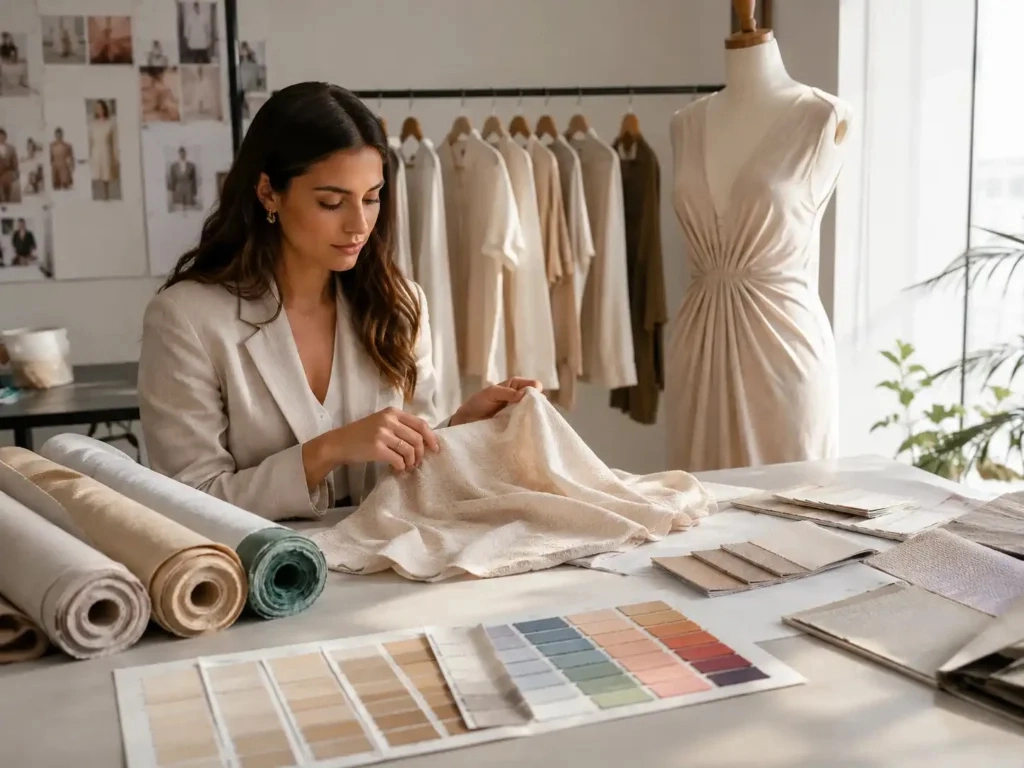
From Pattern Development to Dress Sampling
Once the design direction is finalized, the factory starts developing the garment structure.
The pattern team of a professional dress manufacturer converts your design into actual garment pieces based on measurements, construction requirements, and fitting expectations.
The sampling process normally includes:
Pattern Development
The pattern team develops the garment pattern based on measurements, construction requirements, and the confirmed design details. Even small changes at this stage can affect the final fit, especially for fitted silhouettes, structured designs, or garments made with delicate fabrics.
First Sample
The first sample allows you to review:
- Overall silhouette
- Fit and measurements
- Fabric behavior
- Construction details
- Balance and proportion
Sample Revision
After reviewing the sample, you can provide comments for adjustment. Specific feedback helps the factory identify the required adjustments.
For better results, comments should focus on specific areas rather than general feedback. For example, “the waist needs adjustment” is more useful than “the fitting feels wrong.”
Confirm the PP Sample Before Bulk Production
Before starting bulk production, the PP sample is an important approval point.
The approved PP sample becomes the reference for production. At this stage, you should confirm:
- Final measurements
- Fabric and color
- Construction details
- Labels and packaging
- Overall garment appearance
Starting bulk manufacturing while details are still changing can create inconsistencies. Once the PP sample is approved, the factory uses it as the production reference for the entire order.
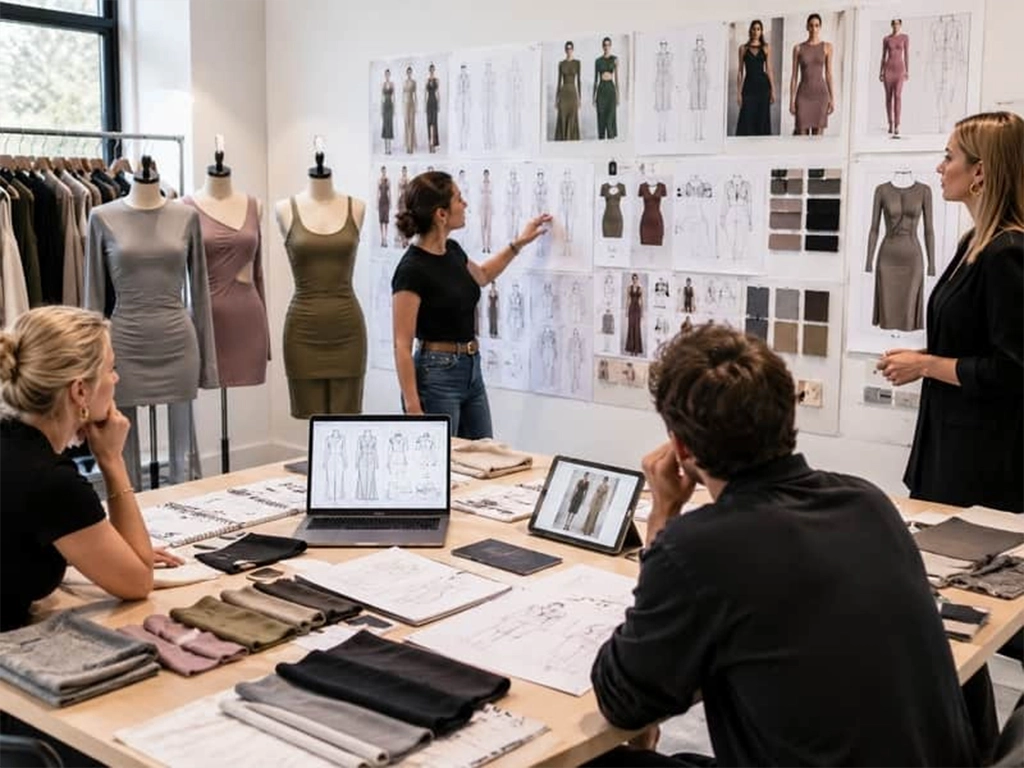
How Dress Production Moves From Cutting to Finished Garments
After the sample is approved and production details are confirmed, the order moves into bulk manufacturing.
A typical production flow includes:
Fabric Inspection
Fabric inspection is completed before cutting to check shade variation, defects, shrinkage risks, and whether the fabric matches the approved color, quality, and testing requirements.
Cutting
Fabric is cut according to the approved patterns. Cutting accuracy directly affects panel matching, fitting, and sewing efficiency. For fabrics with prints, patterns, or special surface effects, cutting accuracy is especially important.
Sewing Production
Sewing operators follow the approved sample, construction sheet, and production instructions to keep each piece consistent. In-line quality checks are performed during sewing to catch issues before they move to the next production stage.
Final Inspection and Packing
Finished dresses are checked before packing according to order requirements.
Understanding this process helps you communicate better with your clothing manufacturer and know where decisions need to be confirmed.
Communication Between Brands and Dress Manufacturers
Many production delays start during the development stage, especially when design changes or fitting comments are not communicated accurately.
When reviewing samples, brands should separate fitting comments, measurement changes, construction adjustments, and appearance requests.
For example, if a neckline does not sit correctly, the issue may come from the pattern, fabric stretch, or construction method. Detailed comments help the factory identify the actual cause instead of adjusting the wrong area.
In actual production, projects usually move more smoothly when brands and manufacturers discuss solutions based on garment construction and production experience.
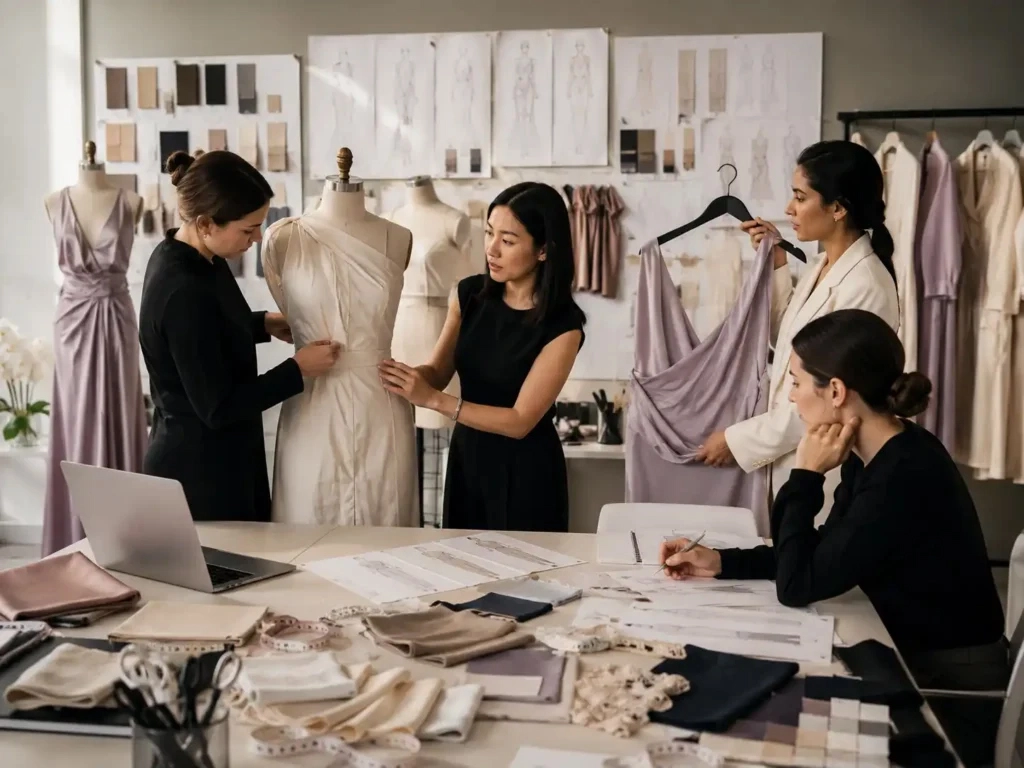
Common Problems During Dress Development
Many production problems can be traced back to the development stage before bulk manufacturing begins.
Some common problems include:
- Incomplete product information
- Unclear size specifications
- Fabric selected without considering garment structure
- Too many design changes after sampling
- Missing details for labels or packaging
A dress cannot be developed based only on appearance. The factory also needs to consider construction, materials, measurements, and production methods. Confirming production requirements earlier gives both sides better control over development time and bulk manufacturing results.
FAQ About Working With a Dress Manufacturer
1. How early should I contact a dress manufacturer before my launch date?
Most brands contact manufacturers several months before their planned launch date. This allows time for design review, sample development, revisions, material preparation, and bulk production scheduling.
2. What happens if I only have a dress image without a tech pack?
A factory can still review the project, but more details may need to be confirmed during development. The manufacturer may need to discuss measurements, construction, materials, and finishing details before creating an accurate sample.
3. Can I change my dress design after receiving the first sample?
Yes, sample revisions are a normal part of development. However, larger changes after the design direction has been approved may affect the timeline and cost because they can require pattern adjustments, new materials, or another sampling stage.
4. What details should be finalized before bulk dress production?
Before production begins, you should confirm the approved sample, measurements, fabric, colors, trims, labels, and packaging requirements. These details create the production standard that the factory follows during bulk manufacturing.
5. How can brands reduce communication problems with a manufacturer?
Proper documentation helps reduce misunderstandings. Brands can improve production communication by keeping updated tech packs, sample comments, and final requirements in one place.
Conclusion
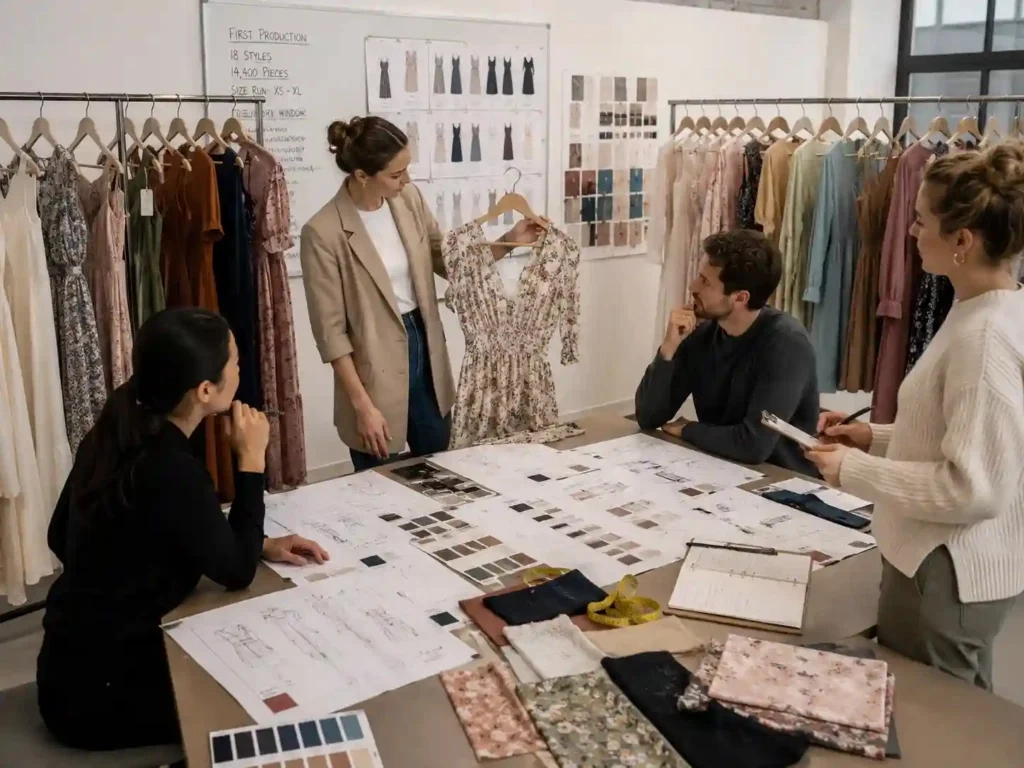
The final garment result is influenced by every stage, from initial design review and sample approval to bulk production control. The final garment quality depends on every stage, from initial design review and sample approval to bulk production control. When brands provide complete information, review samples carefully, and finalize production requirements before bulk manufacturing, they can reduce unnecessary revisions and move from an initial concept to finished garments with better production control.
Related Dress Manufacturing Services
If you are developing a new dress and need support with fabric selection, internal construction, sampling, and bulk production, an experienced clothing manufacturer can help you deal with these decisions before they become production problems.
At Xiuyu Apparel, we work with fashion brands, startups, designers, and private label companies from sample development through bulk production.
- Mermaid Dress Manufacturer
- Midi Dress Manufacturer
- Corset Dress Manufacturer
- Evening Dress Manufacturer
Get a Clothing Manufacturing Quote Based on Your Design
If you already have a garment design, send us the product photo, tech pack, or reference sample together with your target quantity.
As a dress manufacturer, we can review the fabric, lining, construction, trims, workmanship, and finishing requirements before preparing a quotation based on the actual garment rather than a general price range.

