

Silk fabric can look smooth and stable on a swatch, but its behavior often changes during cutting and sewing. In dress production, we pay close attention to problems such as twisted side seams, uneven hems, puckered stitching and linings that pull against the outer fabric. These issues are particularly noticeable in lightweight and bias-cut styles, where small differences in fabric handling can affect the finished shape.
What Makes Silk Dress Manufacturing Different?
Lightweight silk satin, charmeuse and chiffon require careful handling during dress production. They can shift during cutting, show needle marks after sewing or develop surface shine during pressing. These problems should be checked during sample development, using the confirmed fabric rather than relying on general material specifications.
Before approving a silk dress design, review the following production details:
- Fabric weight and drape
- Pattern construction and grain direction
- Seam finishing and stitch appearance
- Lining compatibility
- Pressing temperature
- Measurement consistency between samples and bulk orders
Silk refers to a natural fiber, while satin describes a weave and chiffon describes a lightweight fabric construction. A satin fabric can be made from silk or polyester, so the fabric name alone does not confirm its fiber composition.
Before choosing a fabric, make sure its composition and performance match your product positioning.
1. Choosing the Right Silk Fabric for Your Dress Design
Fabric selection starts with the dress construction. A soft charmeuse may work well for a loose slip dress, while a more structured design may need a heavier silk fabric or additional support inside the garment. The fabric choice also affects material cost and the amount of construction work required.
Common Silk Fabrics Used in Dress Production
Mulberry Silk
Mulberry silk is a natural silk fiber commonly used in dress fabrics such as satin, charmeuse and crepe. Its softness and smooth surface make it suitable for slip dresses, occasionwear and lightweight everyday garments.
Silk Satin
Silk satin has a smooth face and glossy surface. It works well for evening dresses, bias-cut slip dresses, and occasionwear. Because the surface shows marks easily, fabric handling and pressing need extra care.
Silk Chiffon
Silk chiffon is lightweight and semi-transparent. You can use it for layered skirts, sleeves, overlays, and flowing summer dresses. Its delicate structure makes seam finishing particularly important.
Silk Charmeuse
Charmeuse has a fluid drape, a glossy face, and a softer reverse. It is commonly used for slip dresses and garments that follow the body’s shape without heavy structure.
Silk Crepe
Silk crepe has a slightly textured surface and a softer, less reflective appearance. It is suitable when you want a flowing dress without the strong shine of satin.
How to Confirm the Fabric Before Ordering
Do not select silk based on photographs alone. Ask for fabric swatches and compare them under similar lighting.
When reviewing the swatches, compare:
- Fiber composition
- Fabric weight and usable width
- Surface texture and transparency
- Drape and dimensional stability
- Shrinkage after the intended care process
- Colorfastness
- Fabric defects and weaving consistency
Silk fabric is often specified by momme weight, with options such as 12, 16, 19, 22 or 30 momme. A higher momme indicates a heavier silk fabric, but it does not automatically make the material more suitable for your dress. The right weight depends on the desired coverage, drape and garment structure.
If several styles are planned for the same collection, check whether one fabric specification can work across all of them. Even when the color looks similar, differences in fabric weight, finish or dye lot may cause the finished dresses to look inconsistent.
2. Pattern Development: Why Silk Dresses Need More Than a Standard Pattern
A silk dress pattern needs to be checked against the way the selected fabric hangs, not just the measurements on the pattern paper. This is particularly important for bias-cut skirts, fitted bodices and styles with uneven hems, where fabric movement can affect the finished measurements and silhouette.
For example, a bias-cut slip dress relies on the fabric’s natural stretch and drape. If the grainline is not positioned correctly, the garment may twist at the side seams or hang unevenly after wearing.
Grainline and Bias Direction
Grain direction needs to be marked and checked on every pattern panel. With bias-cut skirts, even a small placement difference can affect how the fabric stretches. One side may drop lower than the other, or the side seams may no longer hang in their intended position.
Bust and Waist Fit
Silk often follows the body closely. Small fitting errors around the bust, waist, and hip can become more visible once the garment is worn.
Neckline and Armhole Shape
Lightweight silk does not always hold its shape around curved edges. The pattern and finishing method need to work together to prevent gaping or pulling.
Lining Measurements
A lining that is too tight can pull the outer fabric, while an overly loose lining may show through the hem or move independently when the dress is worn.
For bias-cut designs, do not finalize the hem immediately after sewing. Allow the garment to hang before making the final adjustment, then check the hem while the dress is positioned naturally. This helps account for uneven stretching along the bias direction, particularly on longer skirts.
3. Sewing Techniques and Finishing Details
Before sewing the silk sample, test the needle, thread tension and stitch length on the selected fabric. Lightweight silk can show skipped stitches, needle holes or puckering when the machine settings are not suitable. Presser-foot pressure also needs attention because the fabric can shift during stitching.
Seam Construction
French seams are often used on lightweight silk because they enclose raw edges and leave a clean interior finish. However, they are not suitable for every fabric weight or construction area. Test the seam on the confirmed material first, especially around thicker sections where several layers meet.
Needle and Thread
A needle that is too large can leave visible holes, while excessive thread tension may cause puckering on lightweight silk. Use the sample sewing test to confirm the needle size, thread and machine settings before applying them to the bulk order.
Hem Finishing
A narrow rolled hem is often used for silk chiffon and lightweight flowing skirts. Heavier silk fabrics may require a different hem construction. The hem finish should be tested on the sample to check whether it creates unwanted stiffness, bulk or waviness along the skirt edge.
Pressing
Silk can develop unwanted shine or surface marks when exposed to excessive heat and pressure. Test pressing settings on a fabric offcut first. Use suitable pressing cloths and avoid assuming that all silk varieties can tolerate the same temperature.
4. Silk Dress Sample Development Before Production
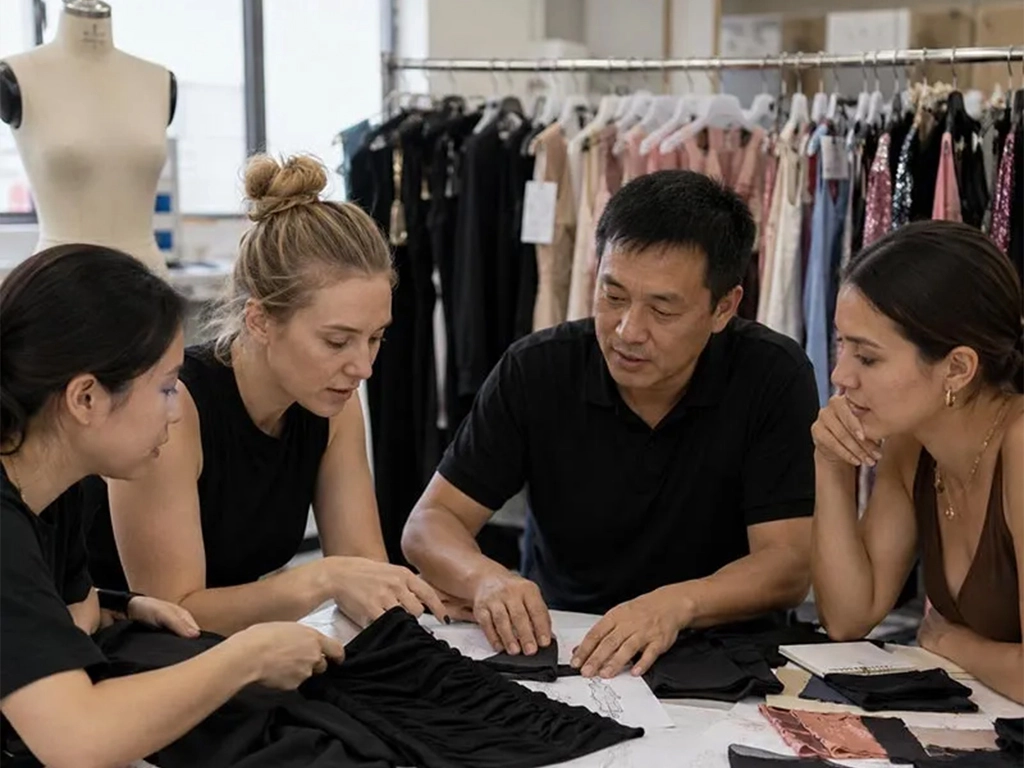
During sample fitting, check the garment on a fit model rather than relying only on measurements taken on the table. Pay attention to how the neckline, bust, waist and hip areas sit on the body, and whether the fabric pulls when the wearer moves.
When reviewing your first sample, check:
- Overall silhouette and garment length
- Bust, waist, and hip measurements
- Neckline and armhole positioning
- Side seam alignment
- Fabric movement when walking
- Lining behavior
- Zipper and closure performance
- Hem balance
On a bias-cut sample, record the final hem measurements after the garment has settled. These measurements should be included in the approved sample specifications for bulk reference.
A typical development process may include:
Initial sample: Checks the design interpretation and basic construction.
Fit sample: Identifies measurement and proportion adjustments.
Revised sample: Confirms the agreed changes, if further sampling is needed.
PP sample: Establishes the final reference for bulk production.
Your approved PP sample should match the confirmed fabric, color, measurements, stitching, lining, and finishing details. Keep the sample and measurement chart as references for the production team.
5. From Fabric Inspection to Bulk Silk Dress Production
Before bulk cutting starts, the production team should have the approved PP sample, confirmed fabric details and final measurement specifications. Cutting and sewing teams can then work from the same reference instead of relying on separate or outdated instructions.
Fabric Inspection
Inspect each fabric roll for stains, weaving faults, shade variation and usable width before cutting.
For colored silk, keep dye lots identified. Mixing rolls from different dye batches can result in visible shade differences between garment panels.
Fabric Preparation and Cutting
Before bulk cutting, confirm whether the selected silk requires relaxation or another preparation method. Follow the fabric test results and care requirements rather than applying the same treatment to every silk material.
During cutting, control fabric movement and grain direction. If the design includes matching prints or directional details, check the pattern placement before cutting to avoid unnecessary fabric waste.
Sewing and Assembly
During bulk sewing, compare the first completed garments with the PP sample. Check seam appearance, lining attachment, zipper installation and measurements before the sewing line continues with the full batch.
For delicate silk, operators should avoid pulling the fabric while sewing. Even slight stretching can affect the shape of a panel.
Pressing and Finishing
Use the pressing settings confirmed during sampling. Check for shine marks, wrinkles, loose threads, uneven hems, and other surface defects before garments move to final inspection.
6. Quality Control: What to Check Before Shipping
A silk dress may meet the measurement specifications but still have appearance defects. Final inspection should cover fabric surface marks, seam puckering, lining attachment, hem balance and overall garment appearance.
The inspection team should cover the following stages:
| Inspection stage | Main checks |
|---|---|
| Fabric inspection | Shade, defects, width, fabric condition |
| Cutting inspection | Grainline, panel dimensions, placement |
| In-line inspection | Stitching, seams, lining, measurements |
| Final inspection | Appearance, fit, closures, labels, packing |
Before shipment, compare finished garments with the approved PP sample.
Pay particular attention to:
- Uneven hems on bias-cut styles
- Twisted side seams
- Puckered stitching
- Visible needle holes
- Pressing marks
- Lining that pulls or hangs below the outer layer
- Color variation between garments
- Incorrect labels or packing details
For orders with multiple colors and sizes, inspection should cover the relevant production groups according to the agreed sampling plan. Checking only one garment is not sufficient to assess the whole order.
7. Common Silk Dress Production Problems
Not every silk dress problem appears during the first inspection. Twisting, lining movement and uneven hems may become more noticeable after the garment has been worn or left hanging. These issues should be checked during sample development, before the same construction is repeated across the bulk order.
Twisted Side Seams
Twisting is often associated with uneven stretching along bias panels or inaccurate grainline placement. During sampling, check whether both side seams hang naturally and whether the skirt needs additional settling time before hemming.
Puckered Seams
Puckering may appear when the needle, thread tension or presser-foot pressure is unsuitable for the fabric. Run a sewing test on the confirmed silk before setting the machine for bulk production.
Lining Pulling the Outer Fabric
If the lining is shorter or tighter than the outer fabric, it can pull the dress around the waist or side seams. Check the lining length, ease and attachment points during sample fitting.
Visible Pressing Marks
Excessive heat or pressure can affect the silk surface. Test pressing methods on offcuts and use appropriate protection.
Color Differences
Fabric rolls from different dye lots may not match exactly. Confirm shade consistency and keep batch records before bulk cutting.
8. How to Choose a Silk Dress Manufacturer
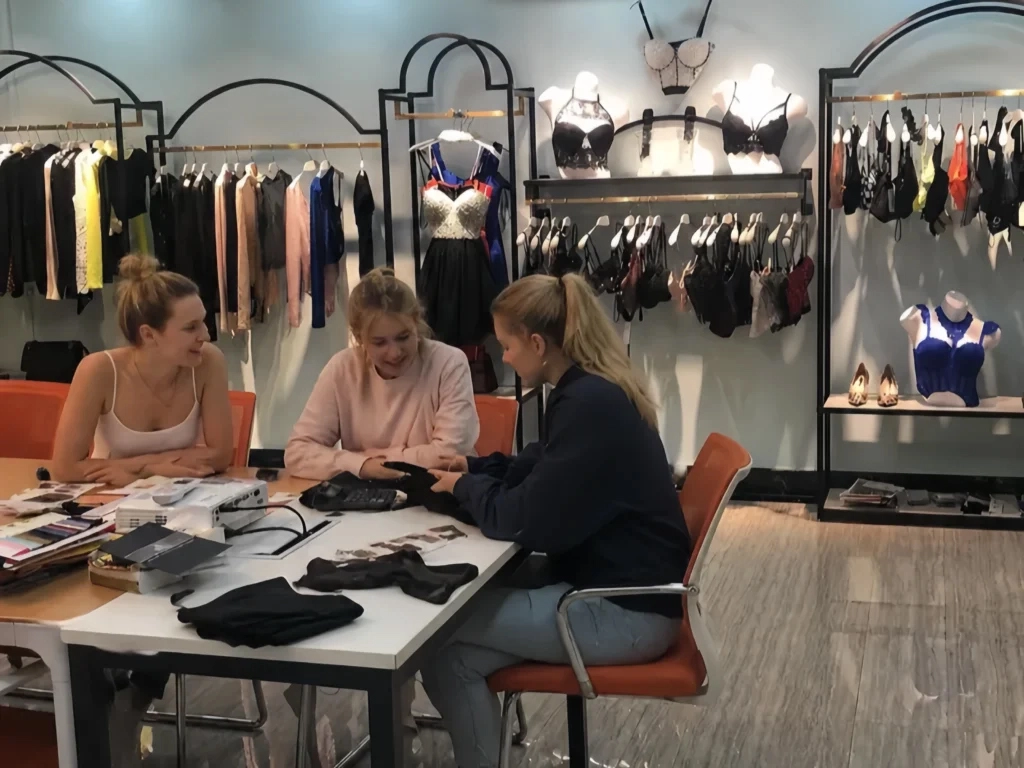
When reviewing a silk dress factory, ask who handles fabric testing, who adjusts the pattern and how sample corrections are recorded. If these responsibilities are unclear before production, fabric or fit problems may not be resolved until bulk cutting or sewing has already started.
Before choosing a supplier, ask:
Can the factory develop patterns in-house?
You need a team that can adjust fit and construction rather than simply reproduce a reference photograph.
Can it source and evaluate silk fabrics?
Ask for fabric composition, weight, swatches, and information about available colors.
Does it understand delicate fabric construction?
Discuss bias cutting, French seams, lining, rolled hems, and pressing methods.
How is bulk quality controlled?
Ask how fabric defects, measurement differences, and sewing problems are identified during production.
Can it support your branding requirements?
Confirm whether custom labels, hangtags, barcodes, and packaging can be included in your order.
For a startup brand, ask the factory to record each sample revision, including measurement changes, fabric substitutions and construction adjustments. This gives both sides a clear reference before the PP sample is approved.
9. What to Prepare Before Requesting a Silk Dress Quotation
You can start an inquiry with a sketch, reference photograph or existing garment. A more detailed tech pack will make it easier for the factory to review the construction, fabric requirements and estimated production cost.
Prepare:
- Design sketches or reference photographs
- A physical sample, if available
- Preferred silk composition and fabric weight
- Estimated quantity per style and color
- Size range and measurement requirements
- Color and print details
- Lining and construction requirements
- Label and packaging specifications
- Target delivery date and destination
- Target price, if available
If the fabric has not been finalized, send the design reference and explain the look and drape you want. The factory can then suggest suitable silk options for sampling, with the fabric weight and composition confirmed before the sample is made.
Silk Dress Manufacturing FAQ
Q1: Can I request a silk dress sample before confirming a bulk order?
Yes. Sampling is normally completed before bulk production. You can review the fabric, fit, workmanship, and finishing first. Confirm sample charges, revision arrangements, and whether the approved sample will be used as the production reference.
Q2: Will changing the fabric after sample approval affect the production cost?
It can. Different silk weights, compositions, and fabric widths affect material consumption and sewing requirements. A fabric change may also require pattern or construction adjustments, so request a revised quotation and sample confirmation before proceeding.
Q3: Who is responsible if the finished bulk order does not match the approved sample?
This should be covered by your agreed quality specifications and purchase terms. Keep an approved PP sample, measurement chart, fabric confirmation, and written construction requirements. These records give both sides a clear basis for reviewing production differences.
Q4: Can I combine different silk dress designs in one order?
Usually, yes, but each style may have its own MOQ and development requirements. Different fabrics, colors, and construction details can affect production planning. Ask the factory to quote each style separately before calculating the total order.
Q5: What should I confirm about shipping before placing a silk dress order?
Confirm the delivery destination, shipping method, carton requirements, shipping terms, and estimated dispatch date. Also check whether garments require individual protective packaging to reduce friction, wrinkles, and surface damage during transportation.
Q6: What is the MOQ for custom silk dresses?
Our usual MOQ for custom dress orders is around 50–100 pieces per style or color. For silk dresses, the final quantity may also depend on fabric availability, color selection and material supplier requirements. Contact our team with your design and estimated quantity to confirm the order arrangement.
Q7: How long does silk dress sampling and bulk production take?
Sample development usually takes 3–7 days, depending on the design and construction details. Bulk production generally takes 25–30 days after PP sample approval and fabric confirmation. Special silk sourcing, delicate finishing or additional sample revisions may affect the schedule.
Conclusion: Develop Your Silk Dress Collection
Silk dress production needs to be checked at several stages, from fabric selection and pattern development to sample approval and bulk inspection. If you are preparing a silk collection, send us your design references, estimated quantities and fabric preferences. As an experienced dress manufacturer, Xiuyu Apparel provides OEM, ODM and private label clothing manufacturing support for fashion brands, boutiques, retailers and wholesalers. Our team can review your requirements and discuss fabric selection, sample development and production arrangements.

