

Organic Cotton Clothing Manufacturers – One of Sustainable Materials for Your Brand
We believe that sustainable fashion begins with responsible choices of materials. As a global manufacturer of organic cotton clothing, we assist brands, retailers, and distributors in creating clothing products that combine quality, comfort, and environmental awareness. Our organic cotton collection is designed to meet sustainable development standards as well as your business needs.
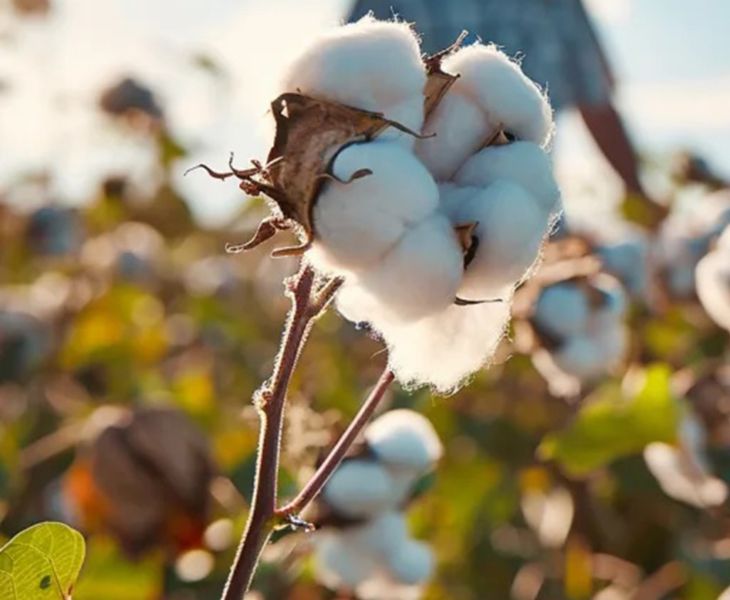
Sustainable Clothing Manufacturers = Ethical Clothing Manufacturers
In order to be sustainable, the factory you are collaborating with must be a clothing manufacturer that adheres to ethical standards. Please remember, sustainable clothing manufacturers = ethical clothing manufacturers.
As a sustainable fashion brand, the company should possess noble moral integrity and formulate excellent ethical guidelines. Those clothing manufacturers who uphold moral standards and focus on sustainability are also of crucial importance.
The responsibility of choosing a manufacturer that adheres to ethical standards lies with the clothing brand itself. When you choose us, the ethical clothing manufacturer, as the producer of your clothing, you can rest assured that the partner you are working with is a clothing manufacturer that upholds ethical standards and is committed to sustainability.
- All of our employees can enjoy fair and generous salary packages.
- All of our employees are adults (there is no child labor), and they have freely chosen their job.
- Our employees work within the standard working hours, respecting the USA, EU legislation.
- We provide all our employees with good working conditions
- All our employees are given adequate breaks and mealtimes
- All of our employees can seek assistance if needed (including medical or other types of help)
Our Fibers of Materials
Sustainable fibers refer to those materials that have the least environmental impact during production. They can be made from recycled materials and renewable resources.
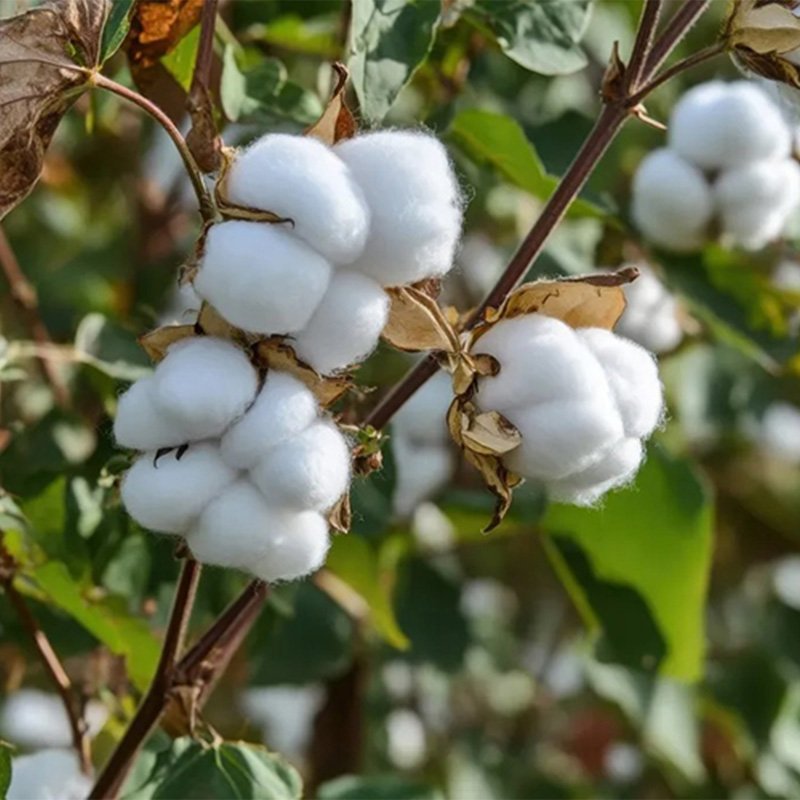 Organic Cotton
This type of cotton is grown purely naturally without the use of synthetic fertilizers, pesticides or insecticides. It does not contain genetically modified components and is non-toxic. It is beneficial for biodiversity and the improvement of soil fertility.
 Recycled Cotton
It is made from the leftover scraps and discarded clothes. They are sorted by color and no dyeing treatment is required. The production process consumes less water and energy, and also frees up land for growing food crops.
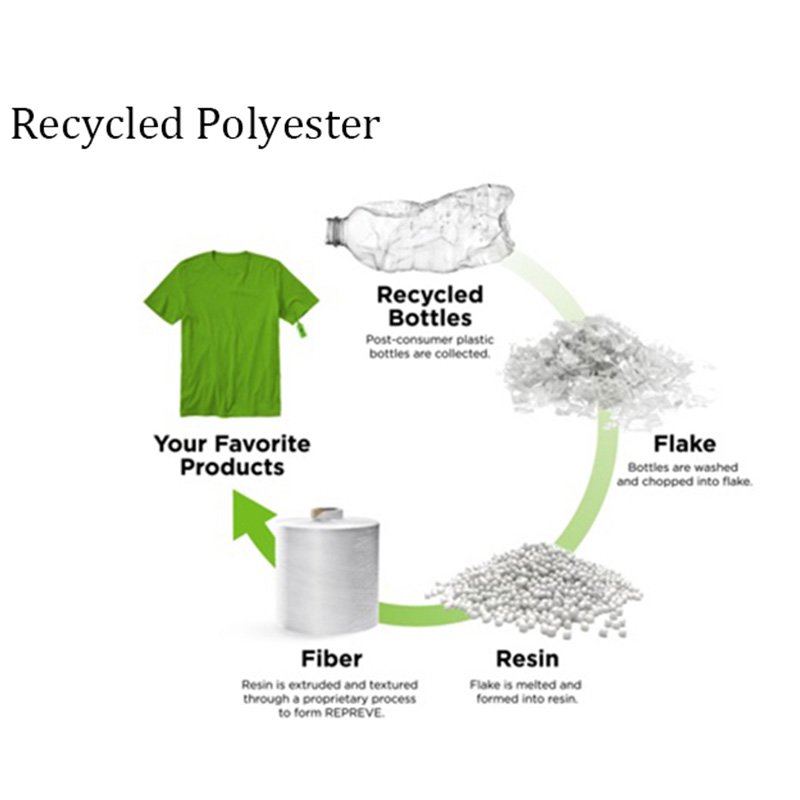 Recycled Polyester
It is made from waste products such as plastic bags and water bottles. The production process can save an average of 30% of energy. It helps to remove millions of pounds of waste from landfills.
Co-Create With US in Sustainable Product
Six P’s 6-step formula to build an ethical clothing product, a One-stop shop clothing factory, helps you to grow your clothing business.

Choose your fabric materials for your design styles, Organic cotton, linen, recycled polyester, bamboo, etc.

Choose fabric dyeing or yarn dyeing in natural dyes method

Based on your requirements for fabric composition, color, texture and thickness, we will create a fabric sample and carry out the weaving process.

Clothing sample made by sending your tech pack of apparel

Approve your sample, then move to bulk production, make sure on time delivery

Shipment to location of your choice
Certifications - Sustainable Clothing Manufacturers
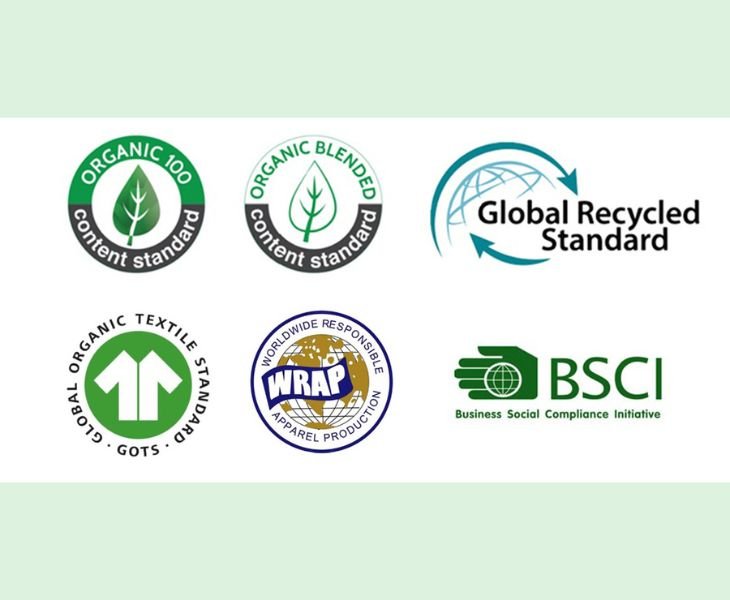
As a sustainable and ethical clothing manufacturer, we hold numerous certificates related to sustainability, as well as numerous certifications related to the ethical standards of clothing production, including Organic Content Standard, Global Organic Textile, Global Recycled Standard, Wrap, BSCI, BCI, etc.
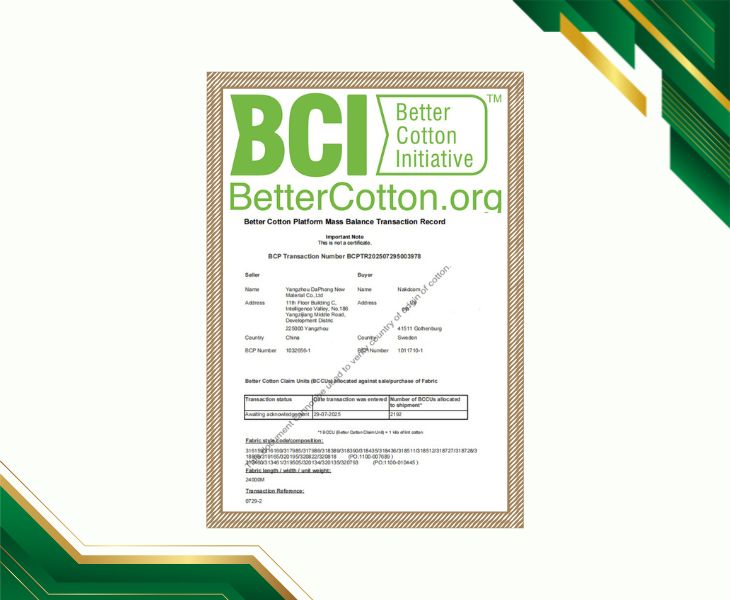
BCI – Better Cotton Initiative
Better Cotton is the world’s leading sustainable development program for cotton. Our mission is to assist cotton-producing regions in achieving survival and development, while also protecting and restoring the environment. See our certificate image for your easy reference.
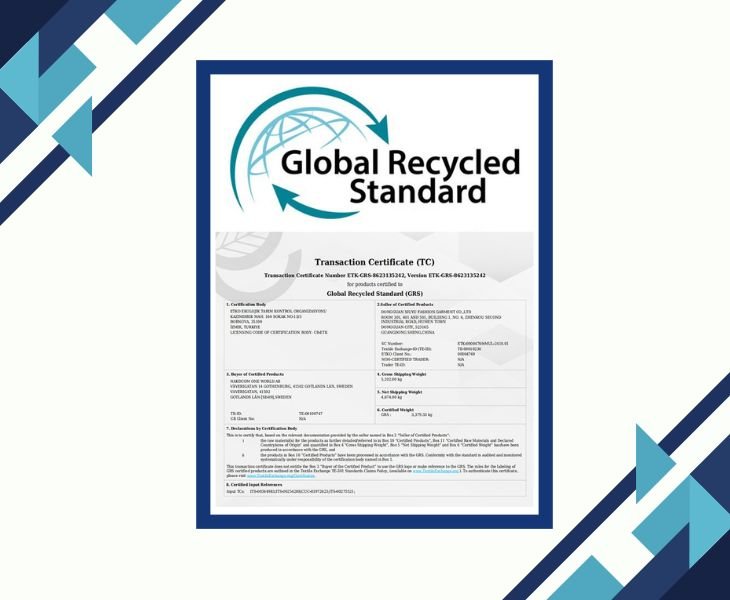
Grs - Global Recycled Standard
The Global Recycling Standard (GRS) is a voluntary product standard designed to track and verify the content of recycled materials in final products. This standard is applicable throughout the entire supply chain and covers aspects such as traceability, environmental principles, social requirements, chemical composition, and labeling. GRS applies to all products that use at least 20% recycled materials, including their processing, manufacturing, packaging, labeling, trading, and distribution stages. Additionally, it stipulates third-party certification requirements regarding recycled material content, supply chain management, social and environmental practices, and chemical restrictions. See our certificate image for your easy reference.
The supply of this type of material is relatively limited, and it usually requires specialized production. Therefore, compared to traditional materials, you need to be prepared because the minimum purchase quantity will be higher.
We can provide certificates for these fabrics, such as the BCI certificate or the GRS certificate. This way, you can confirm the source of these materials.
Many factories in mainland China rely on nuclear energy for power supply. As the energy supply operates under national-level planning, most factories cannot truly control the source of their energy. From our perspective, material manufacturing is the most crucial aspect for sustainable apparel production
We can provide certificates such as BCI or GRS to enable you to verify whether the material suppliers have made every effort to provide materials that are more beneficial to the environment. As for the treatment of workers during the cutting and sewing process, we can offer BSCI certificates to prove whether the sewing factories have established effective policies to take care of the employees.
Finding a sustainable clothing manufacturer can help enhance the image of a fashion brand, but how to find such a manufacturer is a question that needs to be considered in advance. What specific issues should be taken into account? Usually, in the factory’s equipment and facilities, one can see its production process and sequence. During the factory’s production, natural fiber raw materials such as cotton, linen and silk, recyclable materials and recycled materials are used. During the production and dyeing of fabrics, natural dyes and plant dyes are used, and auxiliary materials are also natural materials or derived from natural components. Usually, large supermarkets and clothing brands require factories to obtain various third-party social responsibility certifications, etc.
The simplest way is to check their certification certificates. The most sustainable manufacturers usually possess any of the following qualifications:
- GOTS (Global Organic Textile Standard)
- BCI (Better Cotton)
- GRS (Global Recycled Standard)
These certificates all indicate that the suppliers can carry out clothing production in a sustainable manner. As for whether they actually can achieve this, it needs to be confirmed through inspection. However, a sustainable manufacturer must allow you to visit them without prior notice being required or with very little notice. In this way, you can understand whether they are still following the production methods that earned them these certificates.