
Why Fashion Brands Work With Xiuyu Apparel for Satin Dress Manufacturing
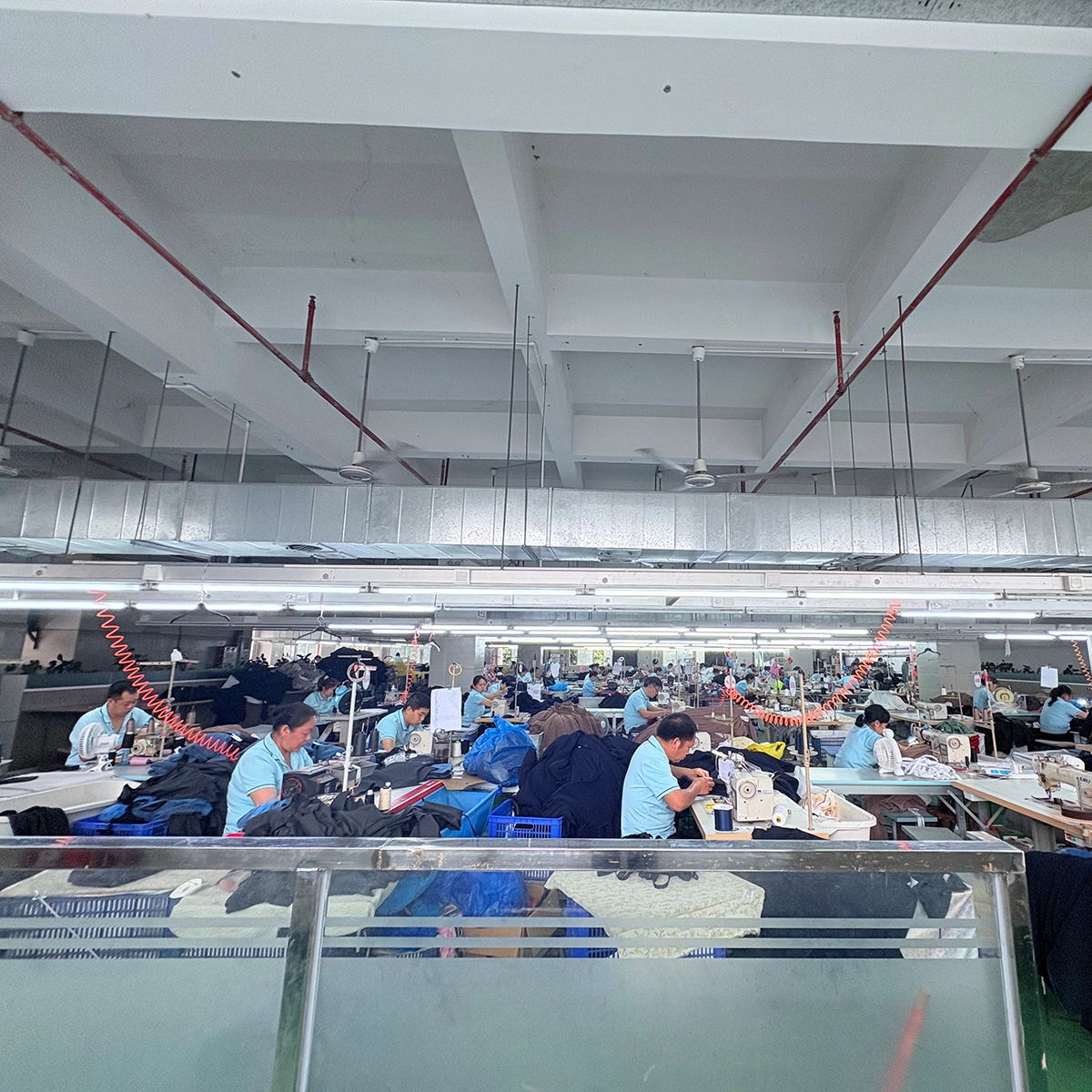
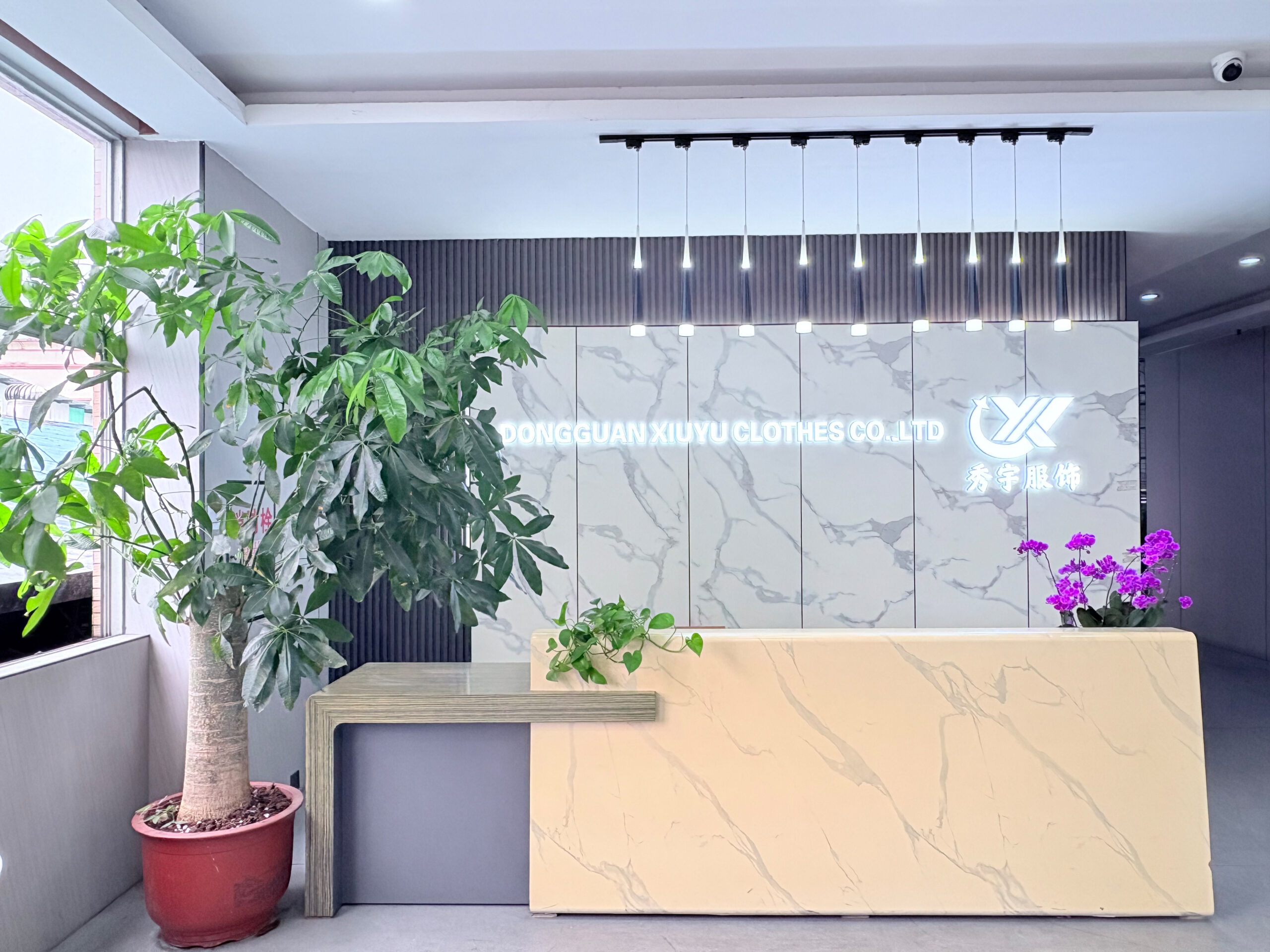
We have been making dresses for more than 18 years. Our work covers fabric sourcing, pattern development, sampling, sewing, inspection and packing. As a clothing manufacturer, we also support brands that need production beyond dresses, including private label and custom apparel projects.
Our production facility includes:
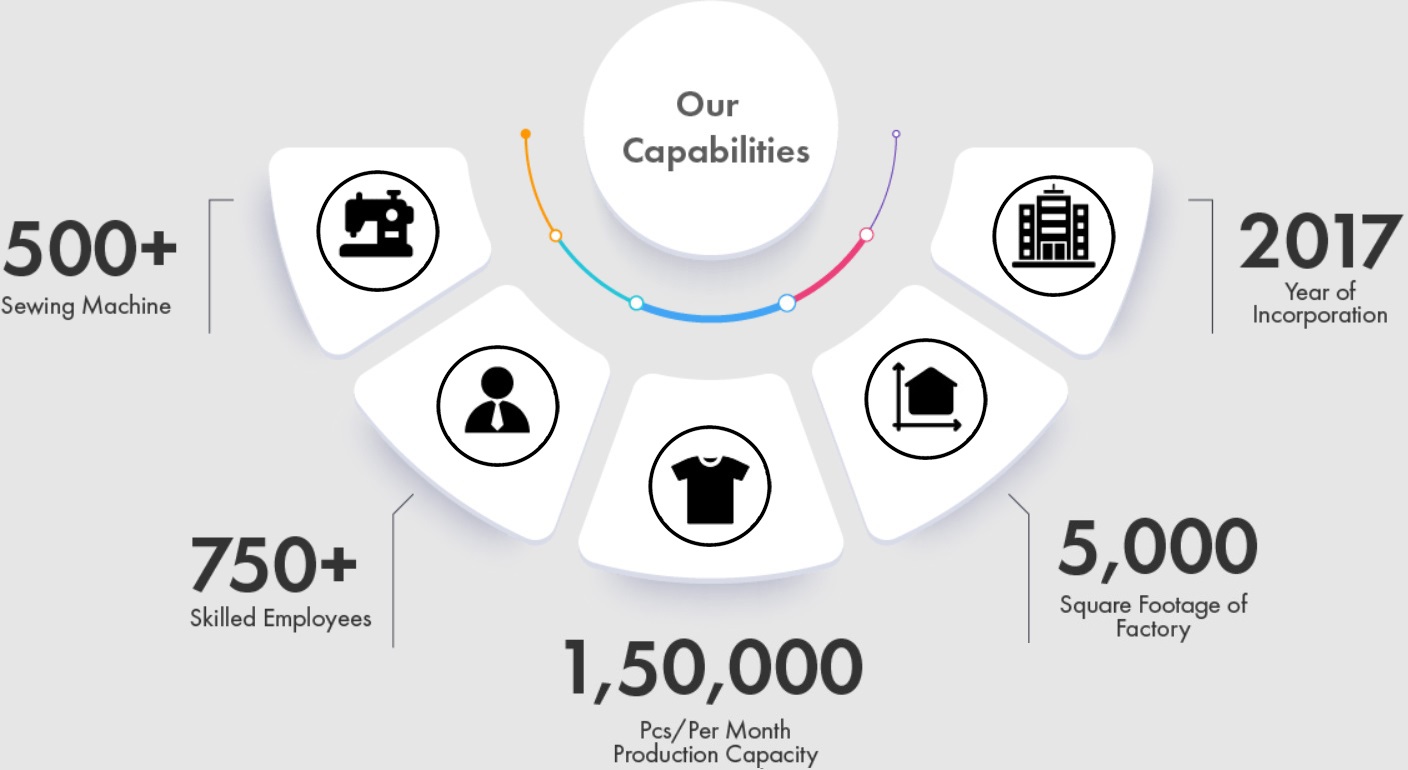
- 5,000㎡ production facility
- 500+ sewing machines
- 750+ production workers
- Around 150,000 pieces monthly capacity
- OEM / ODM production
- Private label services
- Custom packaging
The factory size is only one part of the job. The harder part is keeping the approved sample consistent when the style goes into bulk production.
Satin Evening Dress Manufacturer for Your Next Collection
A satin evening dress can look right in a sketch and still change quite a bit when it is made as a garment. The bigger challenge is keeping the approved sample consistent when the order moves into bulk production.
With satin, small production details can change the finished dress quite noticeably. The surface may reflect light differently when the panels are cut in different directions. Fabric weight also affects how the skirt falls. On fitted styles, the lining can change the way the dress sits and feels when worn.
You can send us a reference photo, sketch, tech pack or an existing sample. We will check the construction with you and work through the fabric, pattern, lining and finishing details before bulk cutting. If we see a detail that may cause problems in production, we would rather deal with it while making the sample than discover it after bulk cutting.
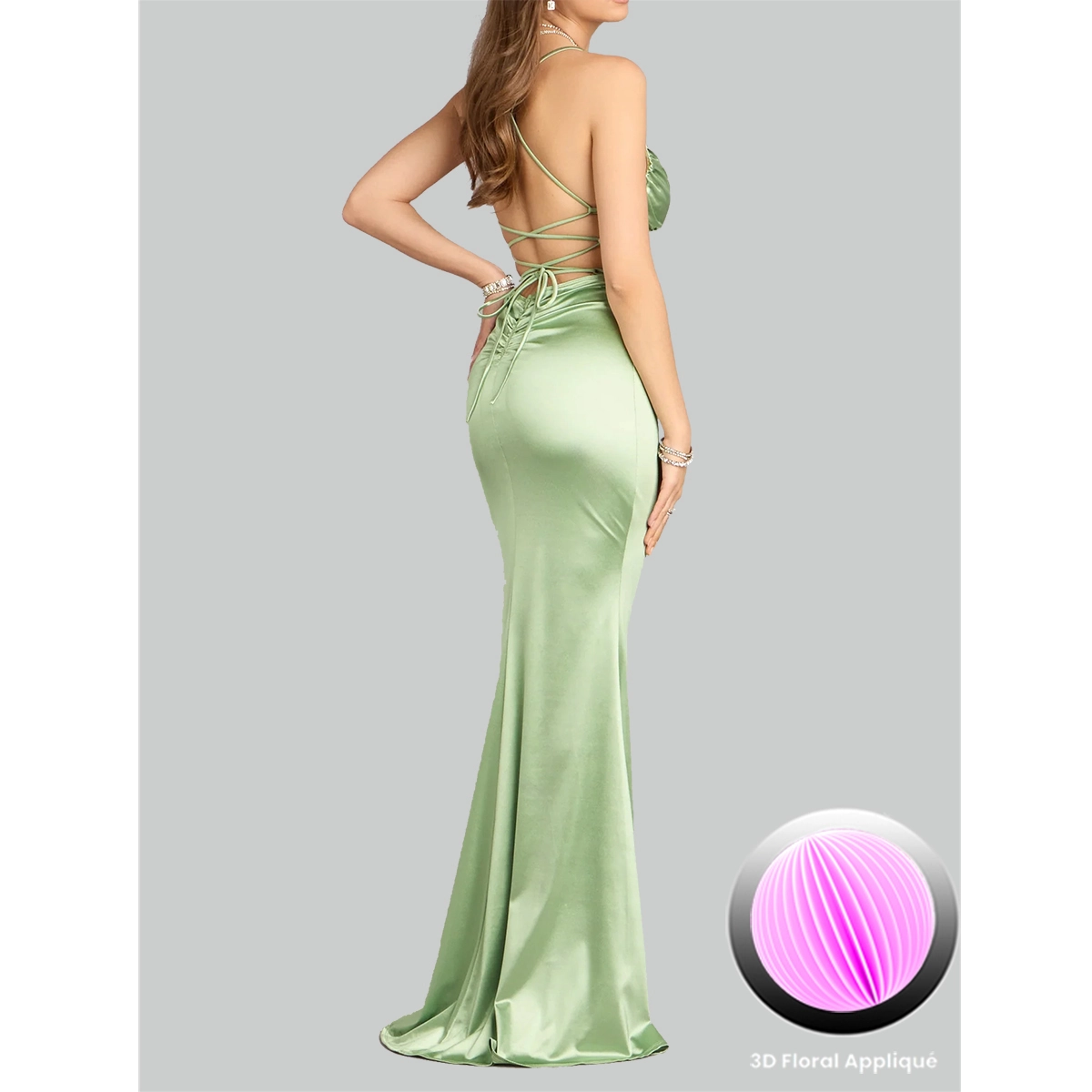
We produce satin evening dresses for fashion startups, designers, boutique owners, retailers, wholesalers and private label brands. Depending on your design, we can adjust the satin weight, color, measurements, lining, neckline, skirt shape and other construction details. Your own labels, hangtags and packaging can also be added for private label production.
Product Specifications
| Manufacturing Detail | Information |
|---|---|
| Product Type | Satin Evening Dress |
| Category | Evening Dress / Formal Dress / Occasionwear |
| Silhouette | Mermaid, A-Line, Slip, Column & Custom |
| Fabric Options | Satin, Stretch Satin, Silk Satin, Silk Blend Satin & Custom Fabrics |
| Neckline | V-Neck, Cowl Neck, Halter, Strapless, One Shoulder & Custom |
| Length | Mini, Midi, Maxi & Floor Length |
| Back Detail | Open Back, Lace-Up, Zipper, Low Back & Custom |
| Skirt Detail | Slit, Draped, Ruched, Flared & Custom |
| Lining | Custom Lining Options |
| Color | Stock Colors / Custom Dye / Pantone Matching |
| Branding | Private Label, Woven Labels, Hangtags & Custom Packaging |
| Production | OEM / ODM / Private Label |
| MOQ | From 50–100 pcs per style/color |
| Sample Lead Time | 3–7 Days |
| Bulk Lead Time | 25–30 Days |
Satin Evening Dress Styles We Can Manufacture
Satin works across many evening dress silhouettes, but the same fabric does not behave the same way in every design. A mermaid dress, for example, puts more pressure on the hip and flare, while a slip dress may need more attention to drape and hem balance.
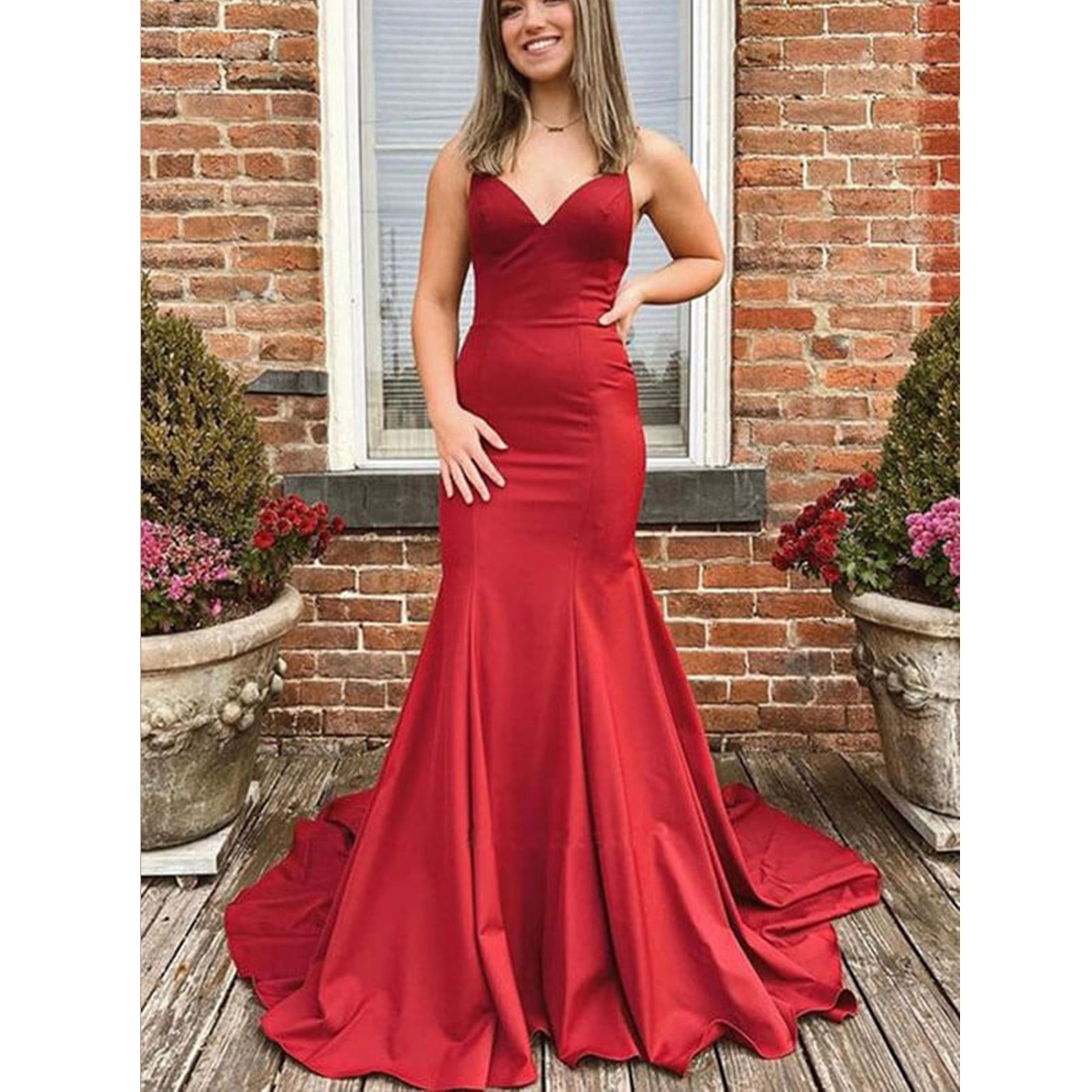
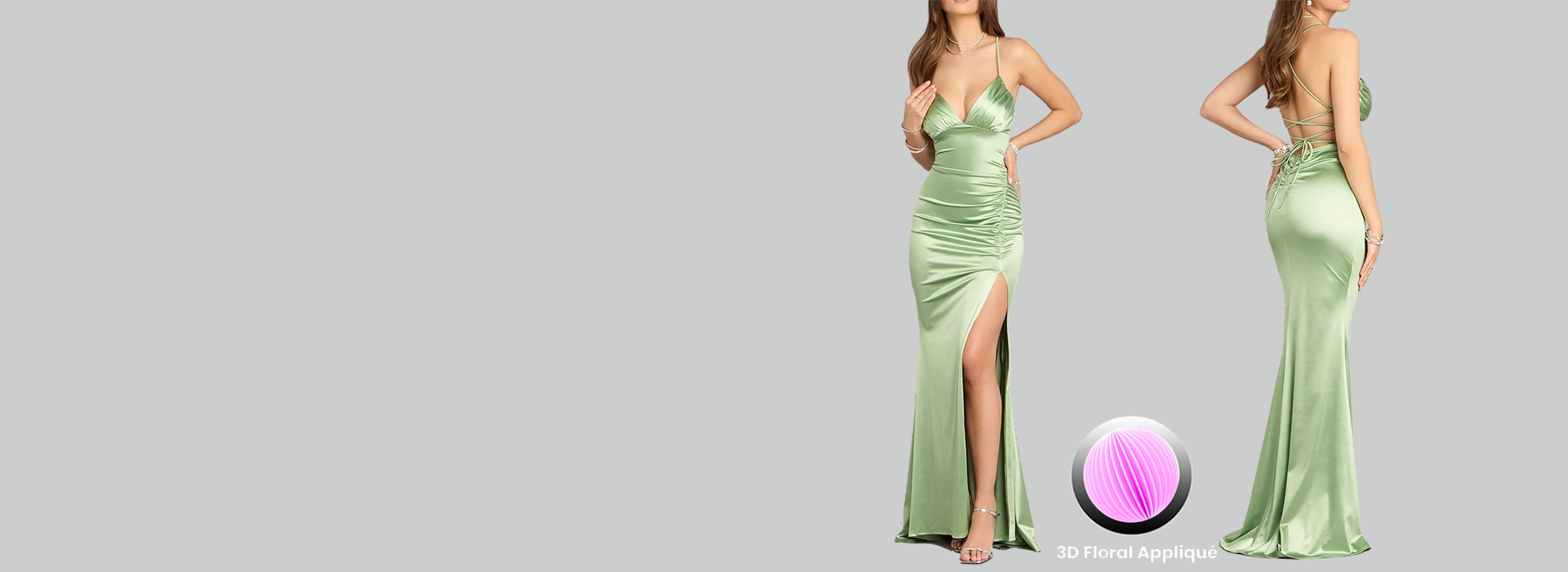
Satin Mermaid Evening Dress
The fitted hip and the start of the flare are usually the areas we look at most closely.
The position of the flare affects how heavy or light the mermaid shape looks. Too much restriction through the hip can also make walking uncomfortable. We adjust these areas in the pattern before confirming the final shape.
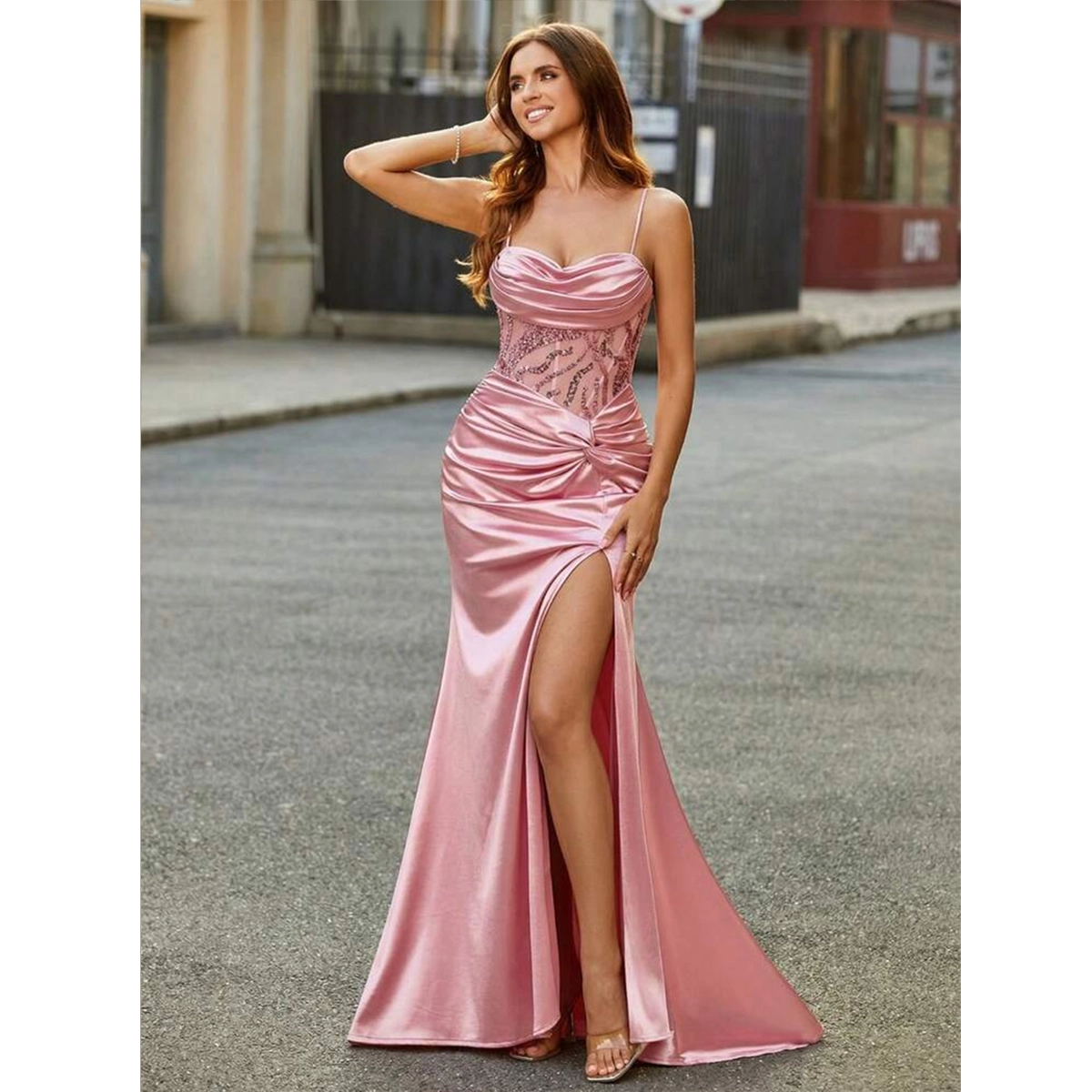
Satin Slip Evening Dress
With a slip dress, there is nowhere to hide poor fabric behavior. The construction is simple, so the drape of the satin becomes much more visible.
For bias-cut styles, we normally allow the sample to hang before checking the hem. This helps us see whether the fabric has dropped and whether the finished length needs adjustment.
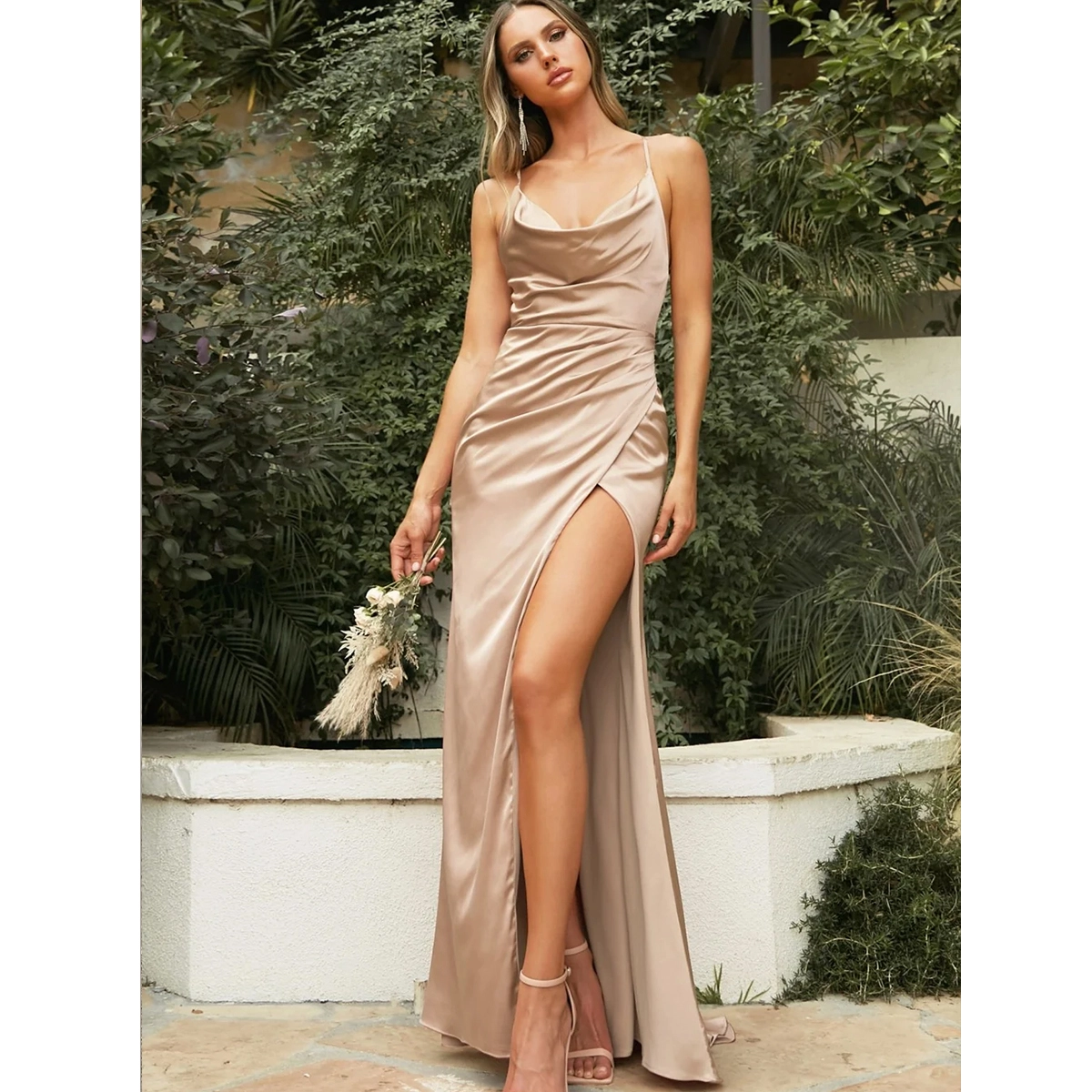
Satin Cowl Neck Evening Dress
The same cowl pattern can look quite different in different satin fabrics. A firmer satin usually gives a smaller, cleaner fold. Softer satin creates a deeper cowl. During sampling, we can change the neckline depth or the amount of fabric in the cowl if the first version does not fall as expected.
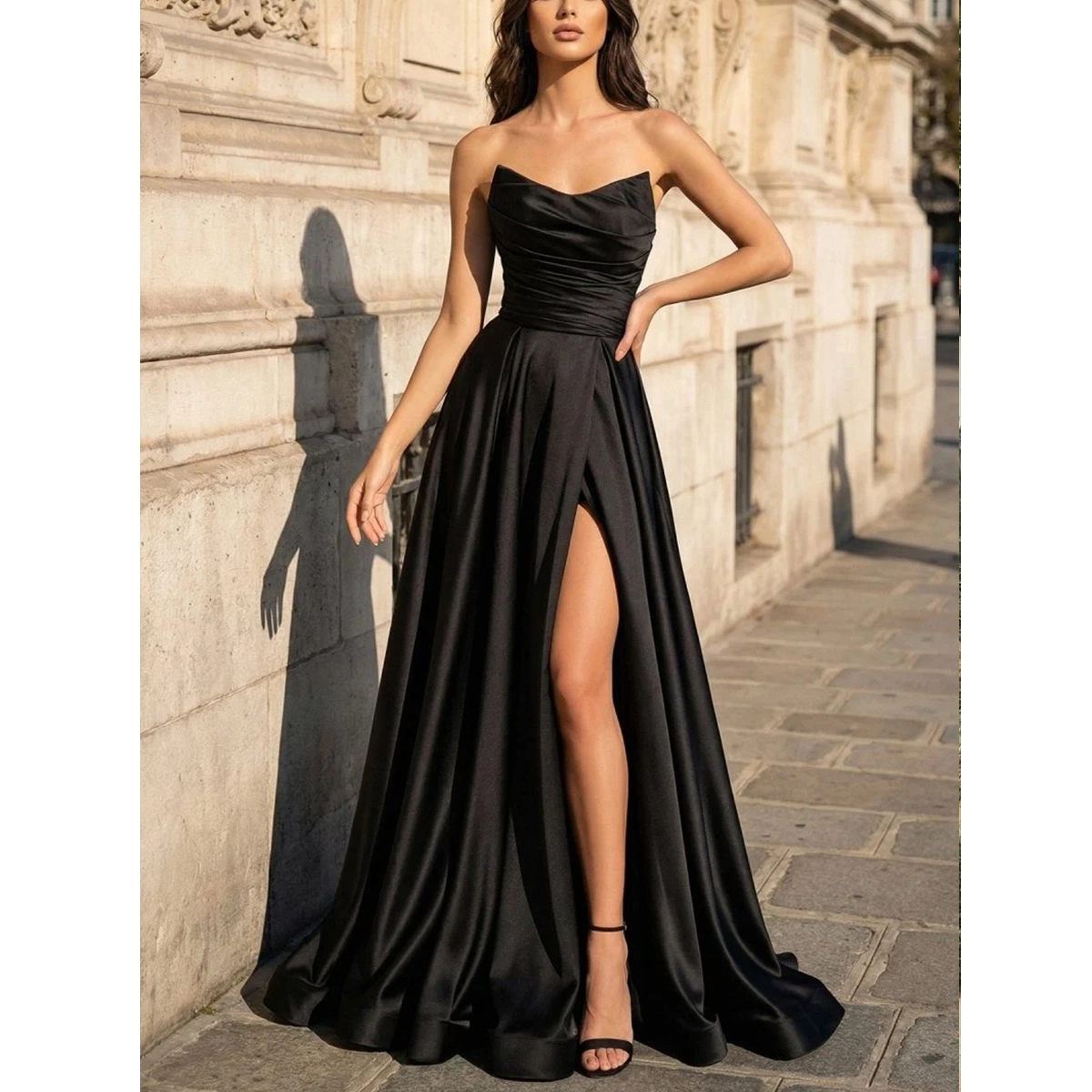
Satin High-Slit Evening Dress
The slit is checked on the fitting model while walking and sitting, not only when standing. We look at the opening height, pulling around the seam and reinforcement before the pattern is released.
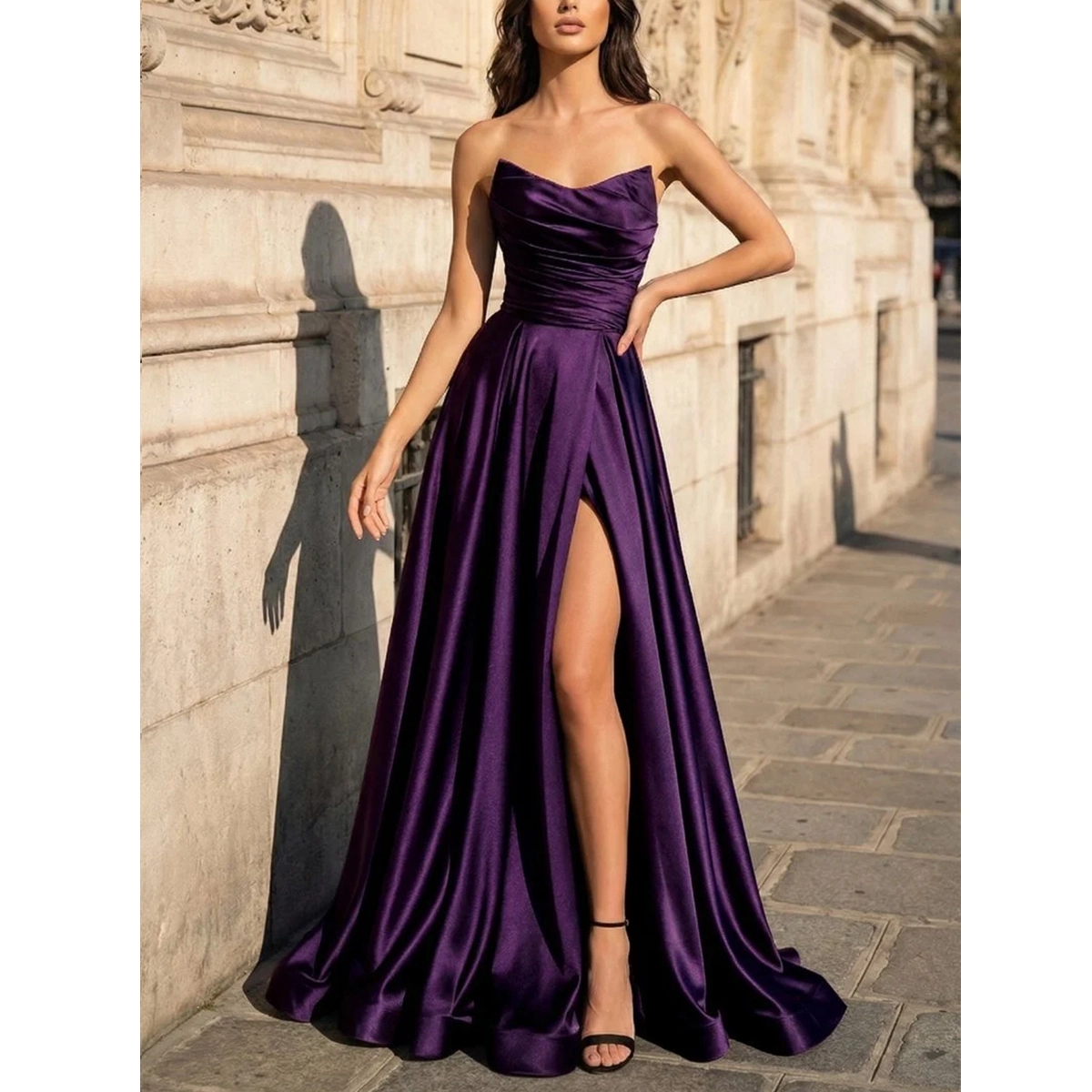
Satin Strapless Evening Dress
For a strapless style, keeping the dress in position is just as important as getting the neckline shape right.
The lining, internal support and fit around the bust and waist all have a role here. A dress can look correct on the outside but still need changes inside if it moves when the wearer walks or sits.
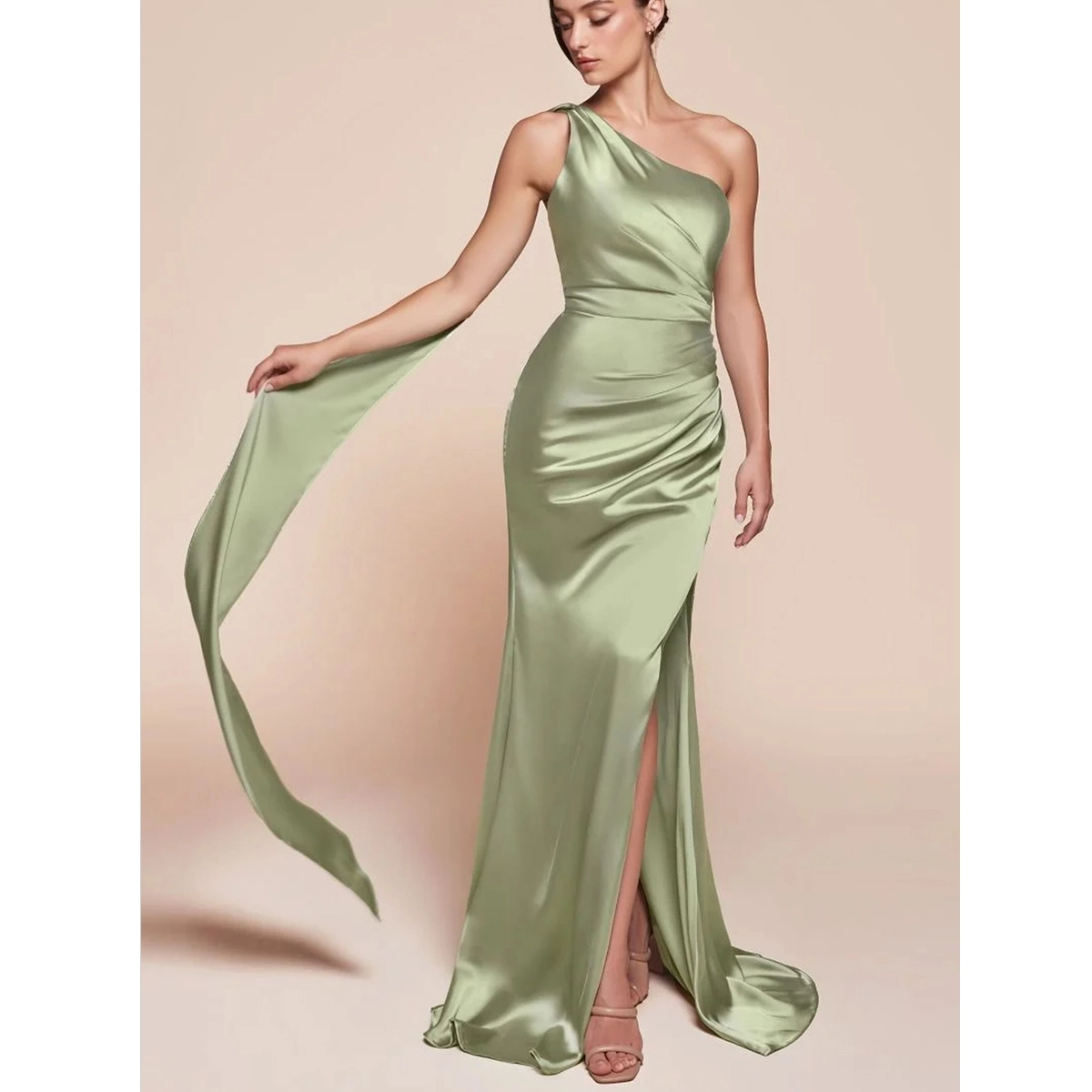
Satin One-Shoulder Evening Dress
One-shoulder styles need a little more attention during fitting because the weight of the dress is not distributed evenly.
At fitting, we pay attention to the shoulder position, neckline stability and how the open side moves. If the style is closely fitted, the waist and hip area are checked at the same time rather than separately.
From One Satin Dress Sample to a Full Collection
You do not need to develop every satin dress as a completely new project.
If your first sample is a satin mermaid evening dress, we can use the approved fit, fabric, lining and construction as a starting point for the next styles.
You might then develop:
- Satin Slip Dress
- Satin Cowl Neck Dress
- Satin Halter Dress
- Satin One-Shoulder Dress
- Satin A-Line Dress
- Satin High-Slit Dress
- Satin Backless Dress
- Satin Strapless Dress
The pattern and construction will still need to be adjusted for each silhouette. A cowl neck, for example, needs different support from a strapless dress, while a high slit needs to be checked for both movement and seam strength.
Once the fabric, basic fit and construction are approved, we can use them as a reference for the next styles instead of starting from zero each time.
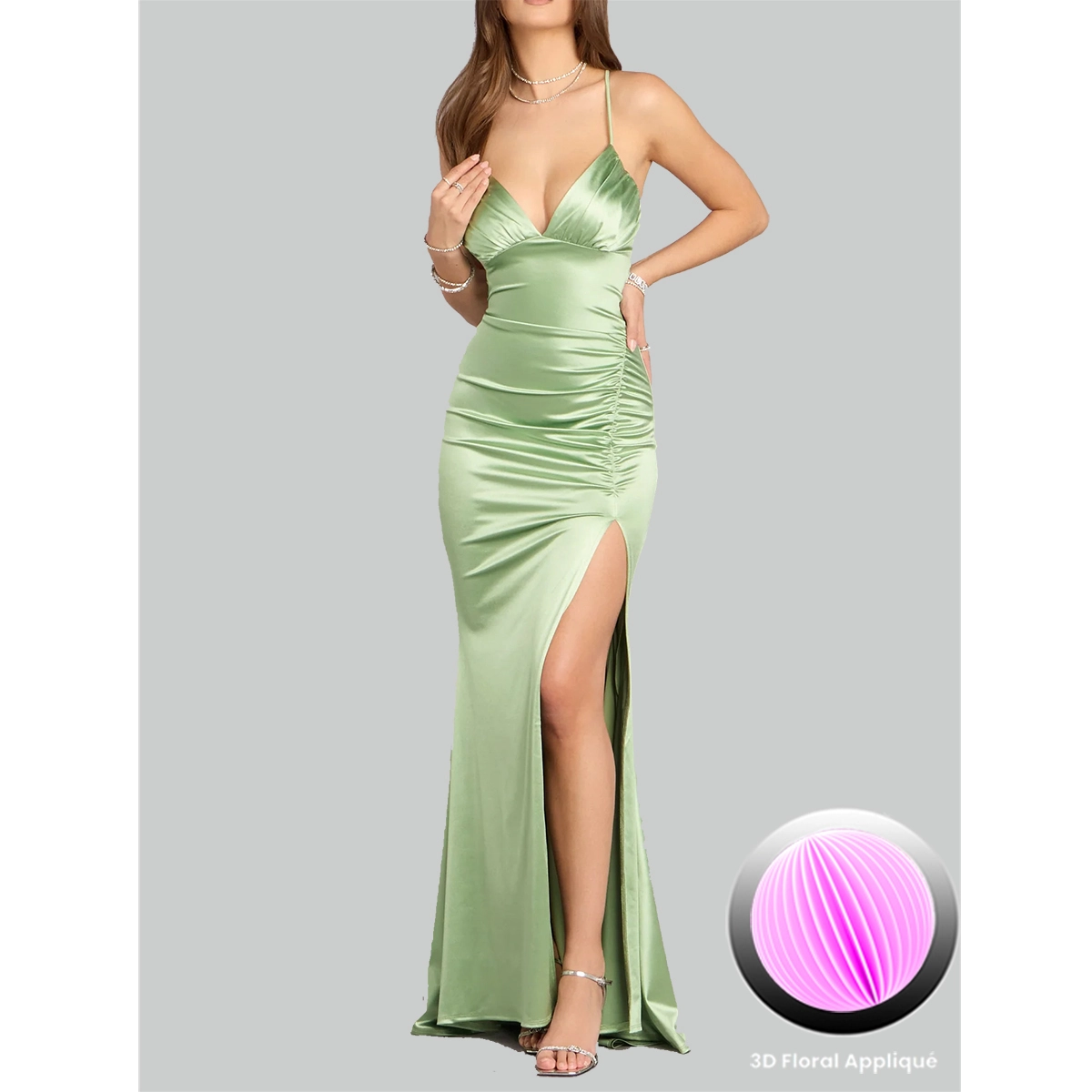
Satin Evening Dress MOQ for Startups and Growing Brands
For a new eveningwear collection, many brands prefer to test several styles before committing to larger quantities.
Our standard MOQ for many custom dress projects starts from 50–100 pieces per style/color.
The actual MOQ can vary depending on the fabric, custom dyeing, decoration, construction and production requirements.
If you are developing several satin styles, it makes more sense to look at the quantities, colors and fabric requirements together. The MOQ for one style does not always tell you what the full collection will require.
How We Manufacture Satin Evening Dresses
1. Design Review Before Sampling
Send us your reference image, sketch, tech pack or an existing garment. If you have a sample from another supplier, that can also be useful.
Before pattern making starts, we go through the design and check the parts that may cause problems later, such as fit, fabric usage, construction and finishing.
For satin evening dresses, we usually pay close attention to the silhouette, grain direction, lining, neckline, closures, skirt construction and any areas that need special finishing.
If a detail in the reference is difficult to understand, we clarify it with you first rather than making assumptions during sampling.
2. Fabric and Trim Sourcing
If you already have a fabric specification, we can source satin to match it.
If you only have a reference photo or a certain look in mind, we can compare different options by weight, composition, hand feel, stretch, drape and cost.
Two satin fabrics may look similar on screen but behave differently once they are cut, sewn and fitted. A fabric that looks right may be too heavy, too soft or not suitable for the construction of the dress.
3. Pattern Development
After the main measurements and materials are confirmed, the pattern is developed according to the approved design.
For fitted evening dresses, we look at the bust, waist and hip together rather than adjusting each measurement separately. A small change at the waist, for example, can change the balance through the hip.
Bias-cut satin needs extra attention. The fabric can drop and move differently once the garment is hanging on the body, so the pattern cannot be judged only from the flat measurements.
4. Sample Making
The first sample tells us whether the design works as a garment. Some issues simply do not show up in a sketch or flat pattern. This sample development stage is also part of the wider process we use as a custom dress manufacturer when developing new styles for brands.
Depending on the style, we check:
- Fabric hand feel and drape
- Finished measurements
- Neckline and strap position
- Waist placement
- Skirt shape
- Slit height and position
- Back construction
- Zipper and closure
- Lining
- Overall fit
If the fit or construction needs changing, you can send us your comments and we adjust the sample before moving into bulk production.
Our usual sample time is around 3–7 days, although more complicated construction or special fabrics may take longer.
5. Fit Adjustment
Most fitting changes at this stage are fairly small. The pattern may only need a waist adjustment, a different neckline depth or a change to the skirt length.
For example, you may want the waist moved slightly higher, the skirt extended, the neckline made less open or the slit lowered.
We update the relevant pattern pieces and construction details according to your fitting comments.
With fitted satin dresses, we prefer the sample to be checked on a suitable fit model. Some issues are not obvious when the garment is lying flat. They become noticeable when the wearer sits, walks or moves.
6. Cutting and Bulk Sewing
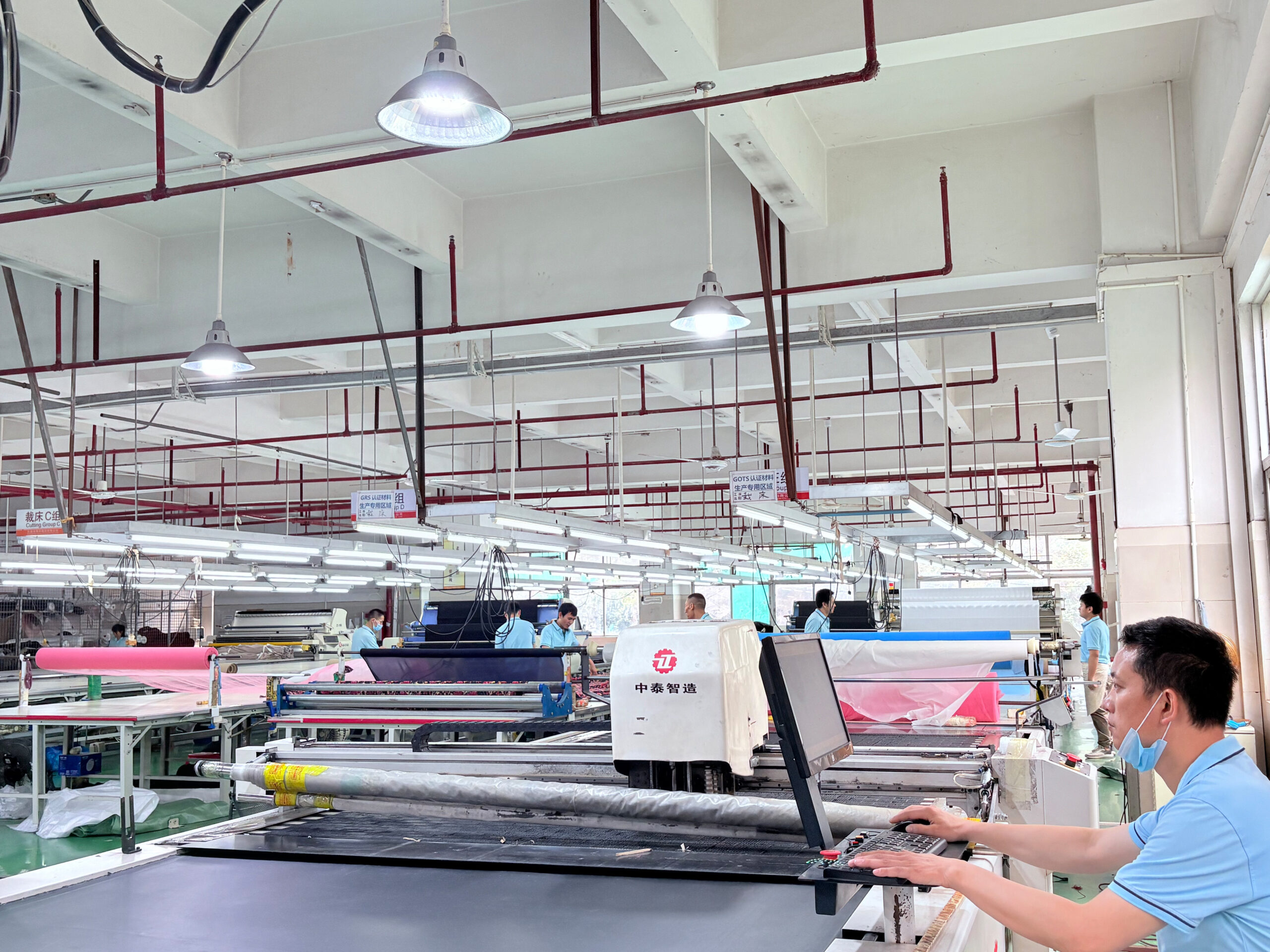
Once the PP sample is approved, the final pattern, measurements and construction details are passed to the production team.
Before cutting, the fabric direction and panel placement are checked. This is particularly important for satin because the surface can reflect light differently if panels are cut or assembled in the wrong direction.
During sewing, the team works from the approved sample and production specifications. Seams, zippers, straps, lining, slits and other construction details are checked as the garments move through production.
7. In-Line Quality Inspection
We do not wait until the order is finished to look for problems.
QC checks are carried out during production, including measurements, stitching, construction and overall appearance. If an issue is found on the line, it can be corrected before a larger quantity is affected.
Satin also needs attention during production because marks, scratches, oil spots or handling issues can be much easier to see under strong lighting.
8. Final Inspection and Packing
After production is completed, the finished dresses are checked against the approved sample and specifications.
The inspection covers measurements, workmanship, appearance, labels and packing requirements. Any loose threads, construction issues or visible defects are dealt with before the garments are packed.
Once the final check is completed, the dresses are folded or packed according to your requirements, cartons are sealed and the order is prepared for shipment.
Related Dress Manufacturing Categories
Beyond evening dresses, Xiuyu Apparel develops and manufactures different types of occasionwear and fashion dresses for brands, retailers, and private label companies.
If you are comparing different silhouettes for your collection, you can also explore our main dress manufacturer page and the related production pages below:
- Evening Dress Manufacturer
- Slip Dress Manufacturer
- Mermaid Dress Manufacturer
- Satin Dress Manufacturer
- Formal Dress Manufacturer
- A-Line Dress Manufacturer
These related categories allow you to develop different dress styles through the same OEM/ODM production system.
Production Considerations for Satin Evening Dresses
Satin Cutting
Satin needs more attention during cutting because the surface can look different when the fabric direction changes.
For larger panels, especially floor-length skirts, inconsistent direction can create a noticeable difference between adjacent pieces.
We therefore consider the surface direction when preparing the marker and cutting the fabric.
Mermaid Skirt Balance
A mermaid silhouette is not only about making the hip area tight.
The flare needs to start at the right position and provide enough room for movement.
During fitting, we check where the skirt begins to open and how the garment behaves when walking.
High Slit Construction
A high slit receives more tension than a closed skirt seam.
The height, seam reinforcement and finishing around the opening all need to be considered.
We test the slit on the fitting model before releasing the pattern for bulk production. This lets us check the opening while walking and sitting.
Backless and Lace-Up Construction
With an open-back style, some of the support normally provided by the back construction is removed. The surrounding seams, zipper or lace-up area therefore need to be checked carefully during fitting.
If the style includes a lace-up section, zipper or low back, we check the surrounding seams and internal construction so the garment remains stable when worn.
Strap Attachment
Thin straps are small components, but they carry tension when the garment is worn.
The attachment points and strap position are checked during sampling, especially on fitted or low-back styles.
Lining and Internal Support
For certain satin evening dresses, lining and internal support can determine whether the garment feels secure.
Depending on the design, you can specify full lining, partial lining, bust support, padding or other internal finishing.

About Xiuyu Apparel
Our customers include fashion brands, designers, retailers, wholesalers and private label companies ordering custom dresses from small runs to larger production quantities. Xiuyu Apparel supports these projects from fabric sourcing and sample development through bulk production, inspection and packing.
We have been making dresses for more than 18 years. Our team handles the main production work in-house, including pattern making, fabric and trim sourcing, sample development, cutting, sewing, inspection, finishing and packing.
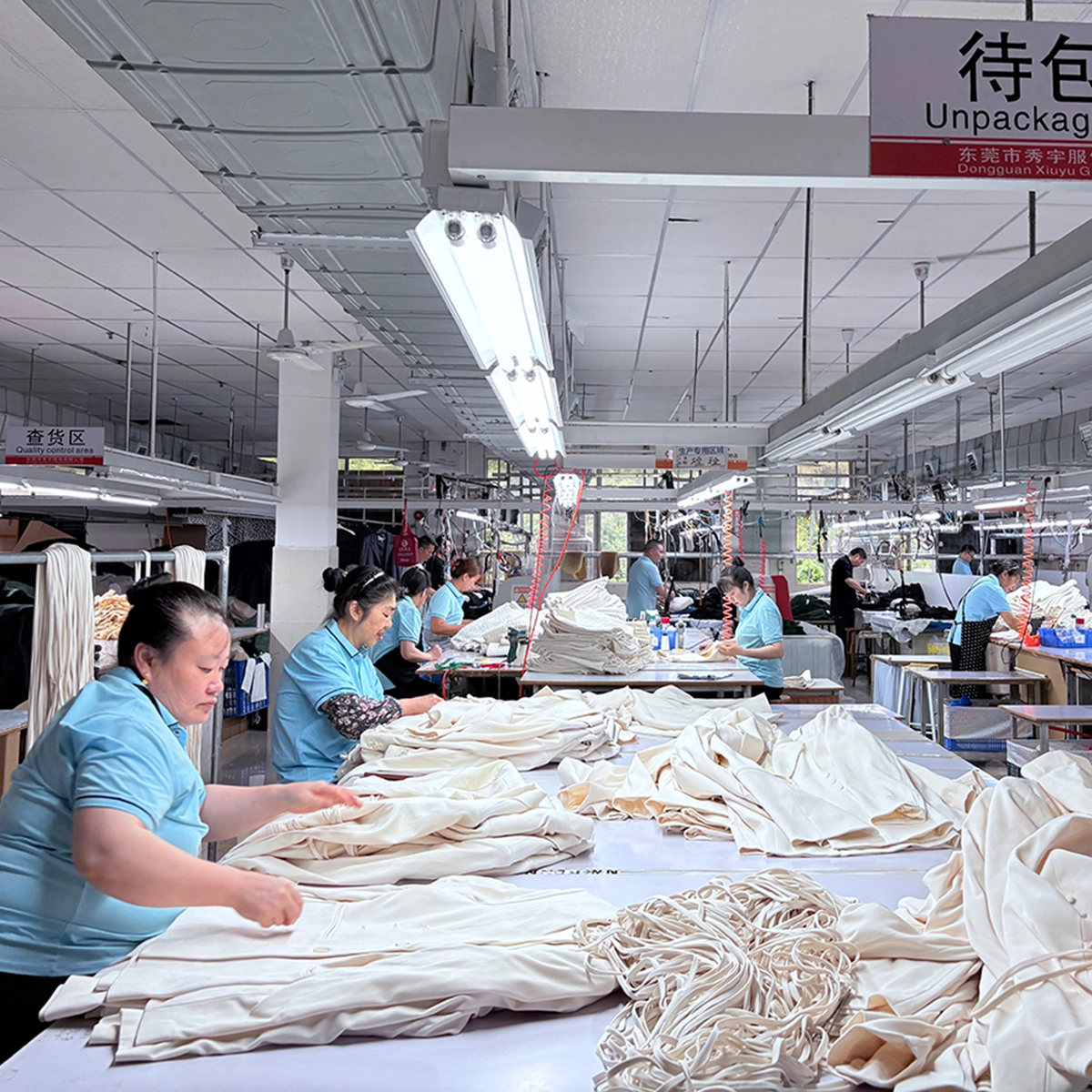
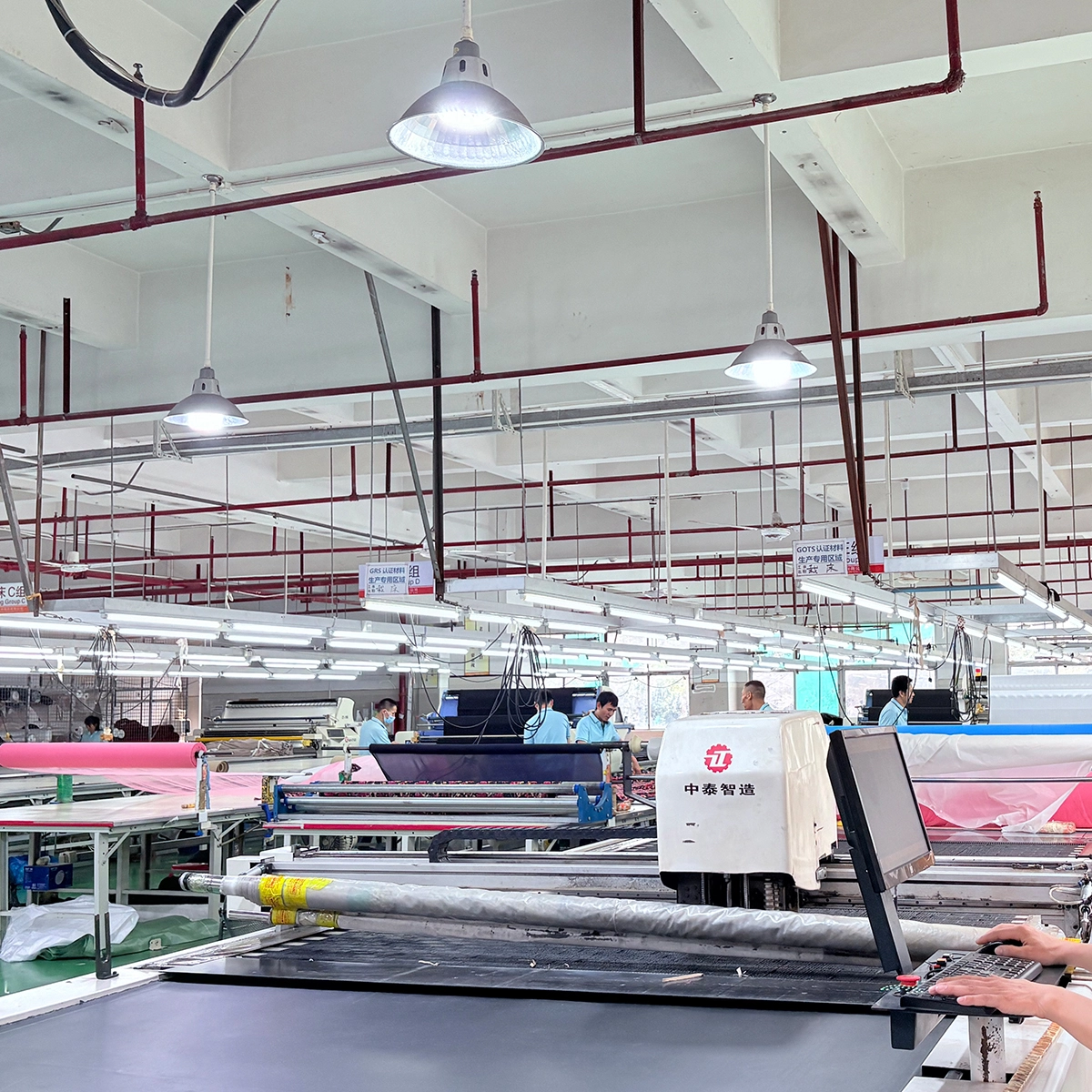
- Inside Our Dress Manufacturing Factory
- Factory Picture
- Our Capabilities
- One-Stop Services
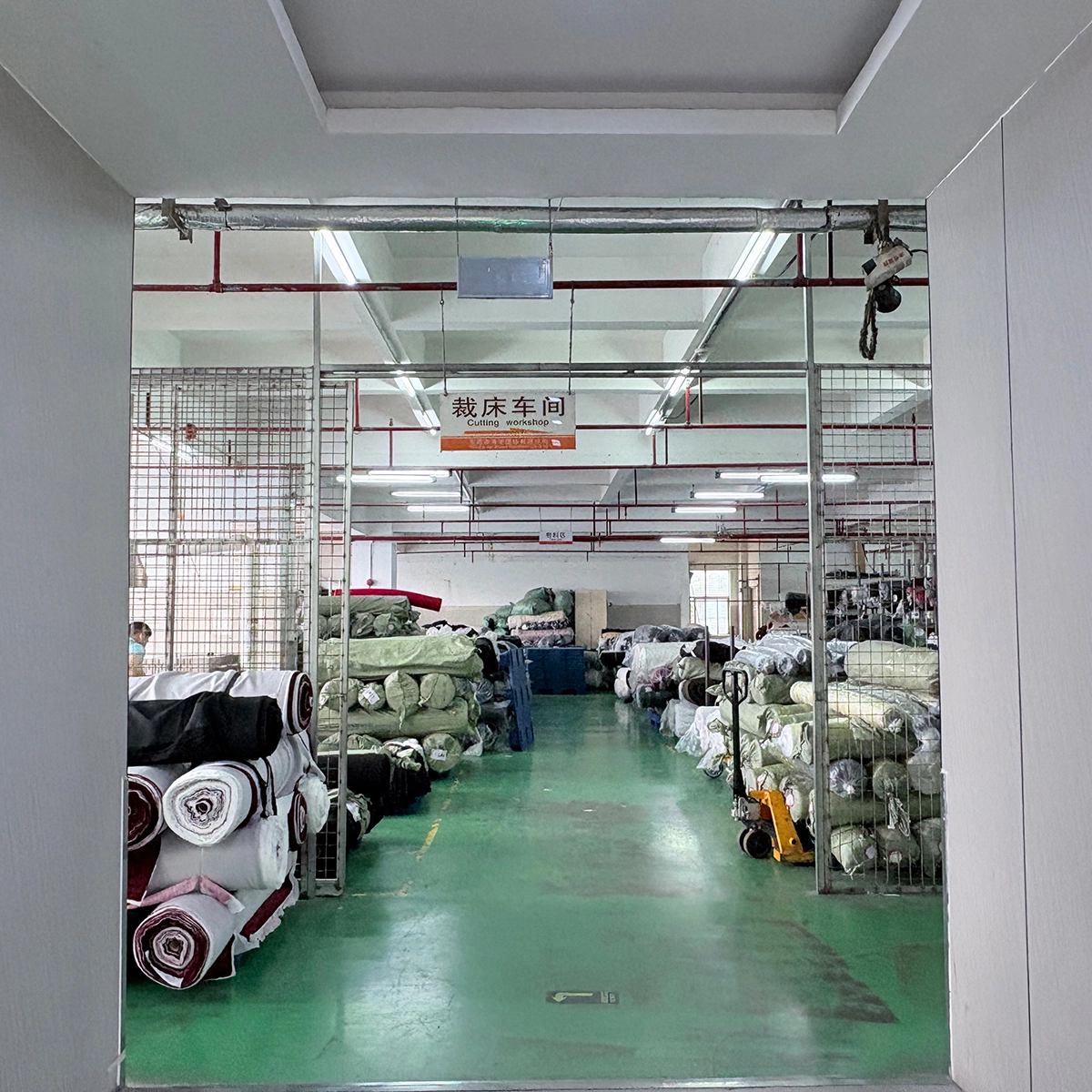
The following shows the main factory-floor stages once materials are ready for production.
Fabric Warehouse
↓
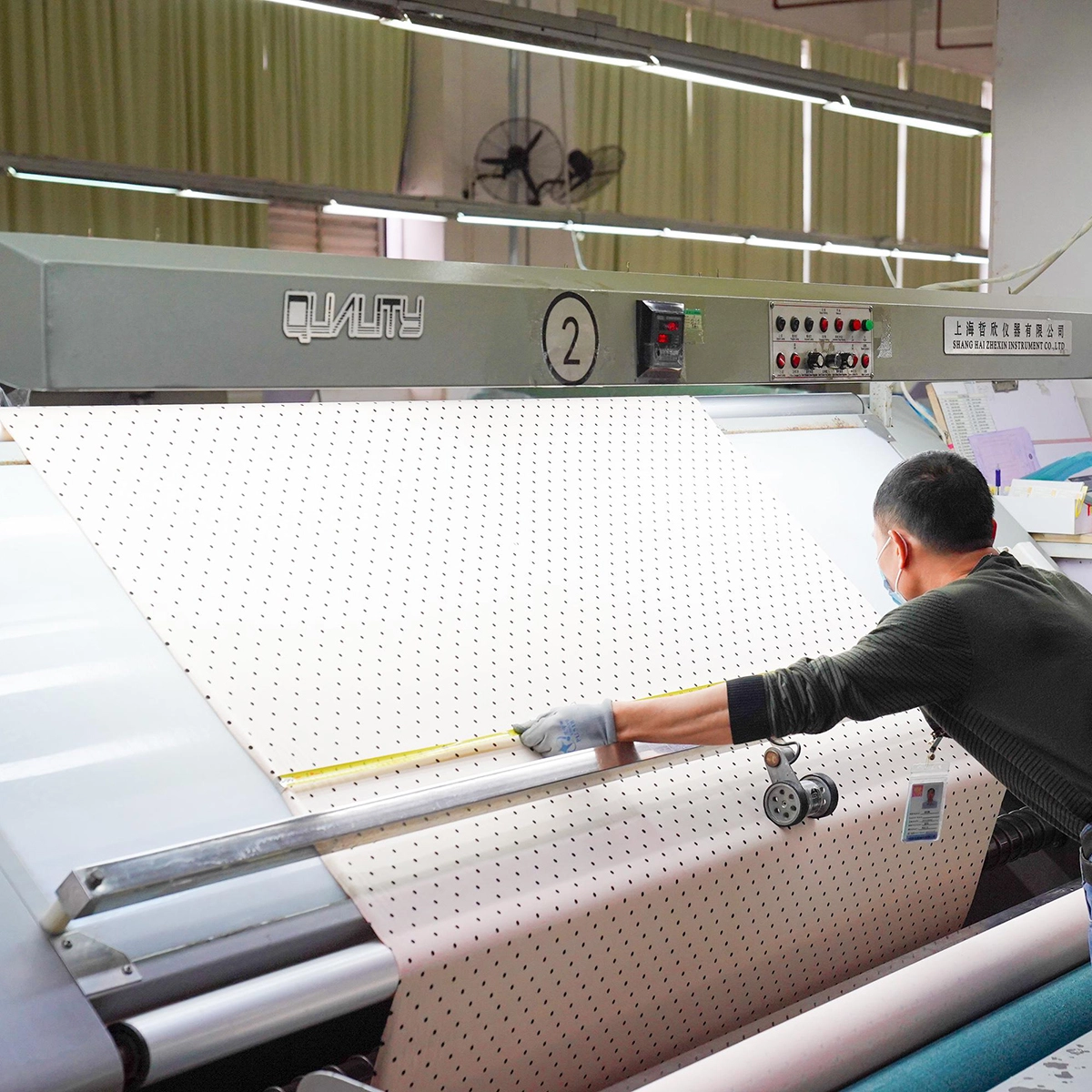
Fabric Inspection
↓
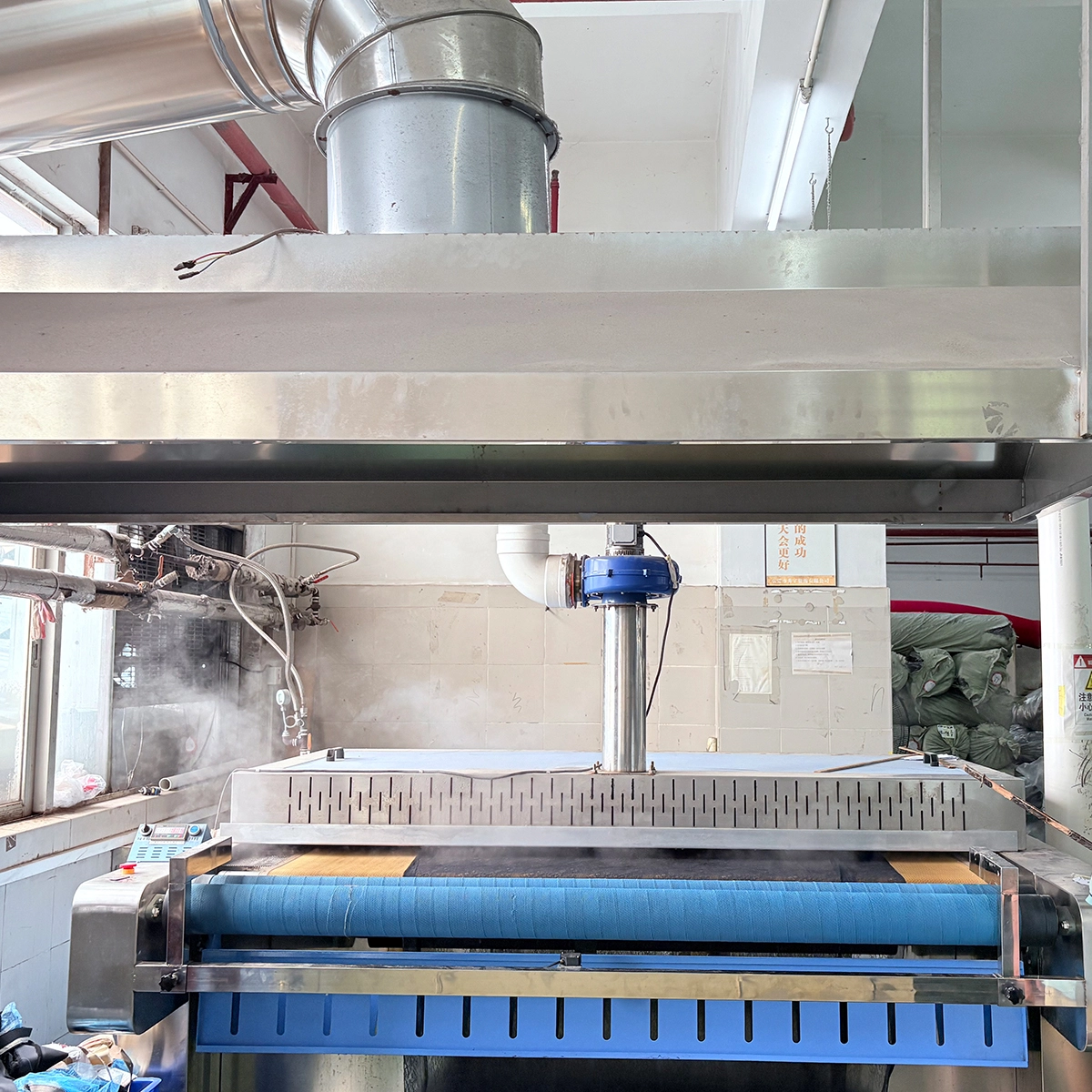
Fabric Pre-shrinking
↓
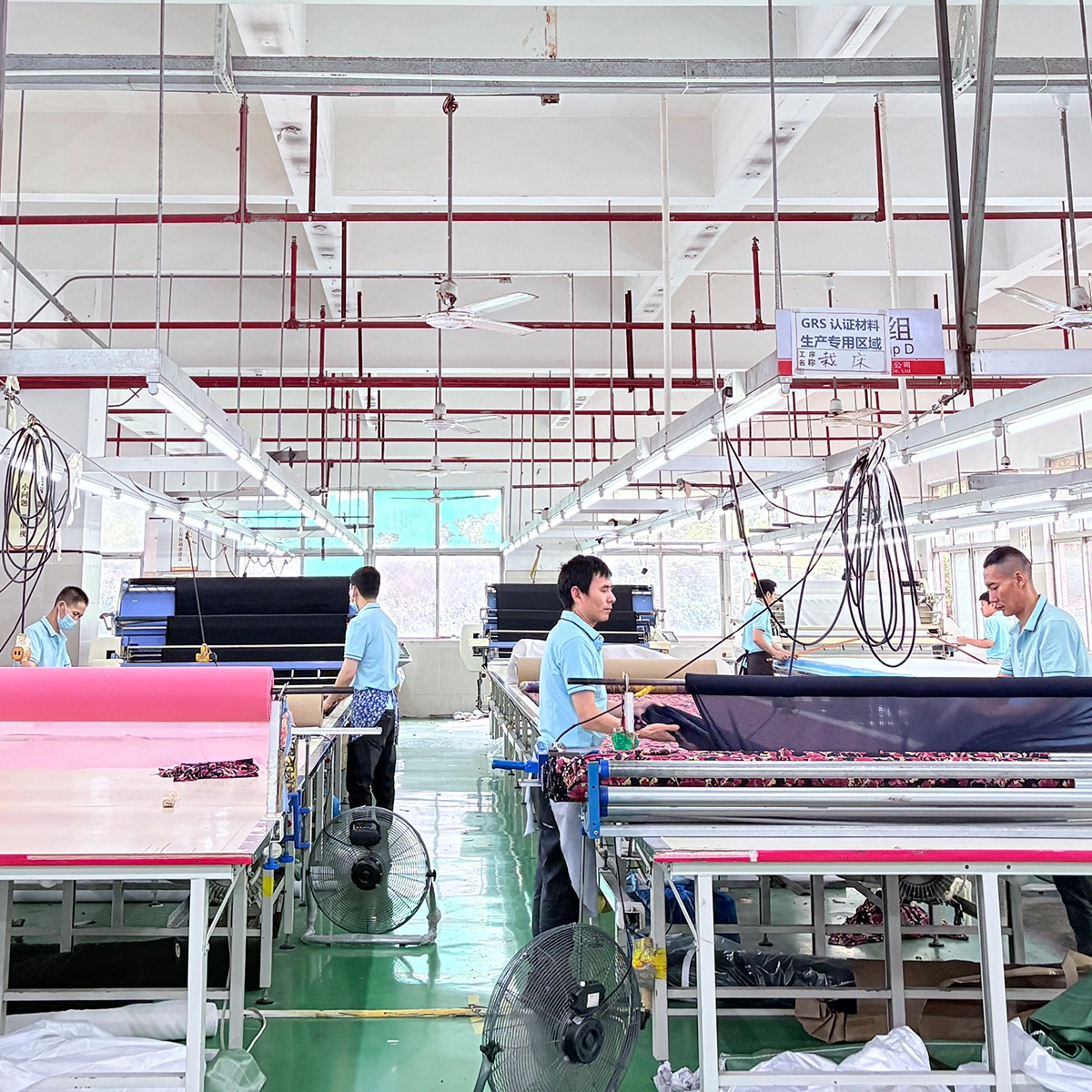
Cutting
↓
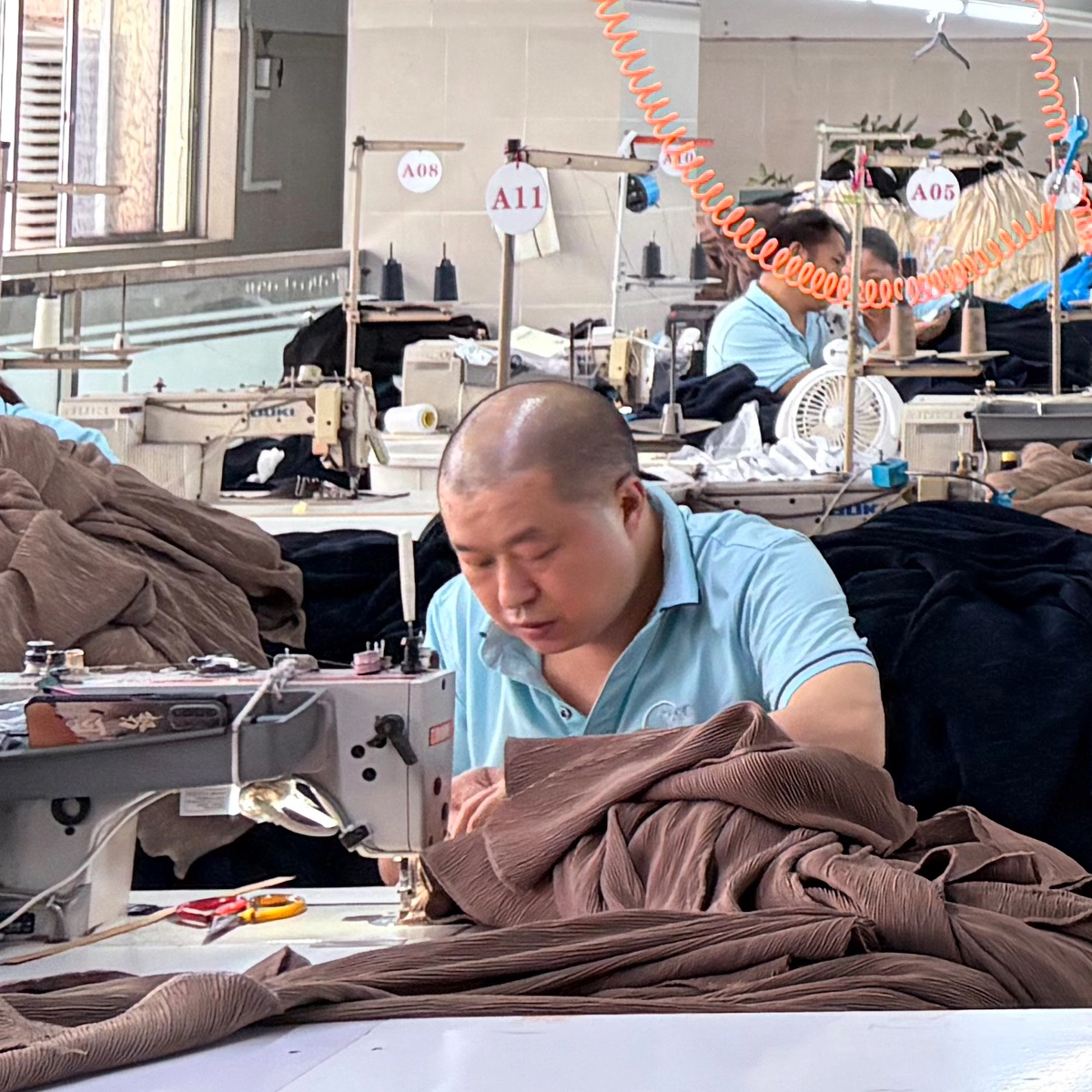
Sewing Workshop
↓
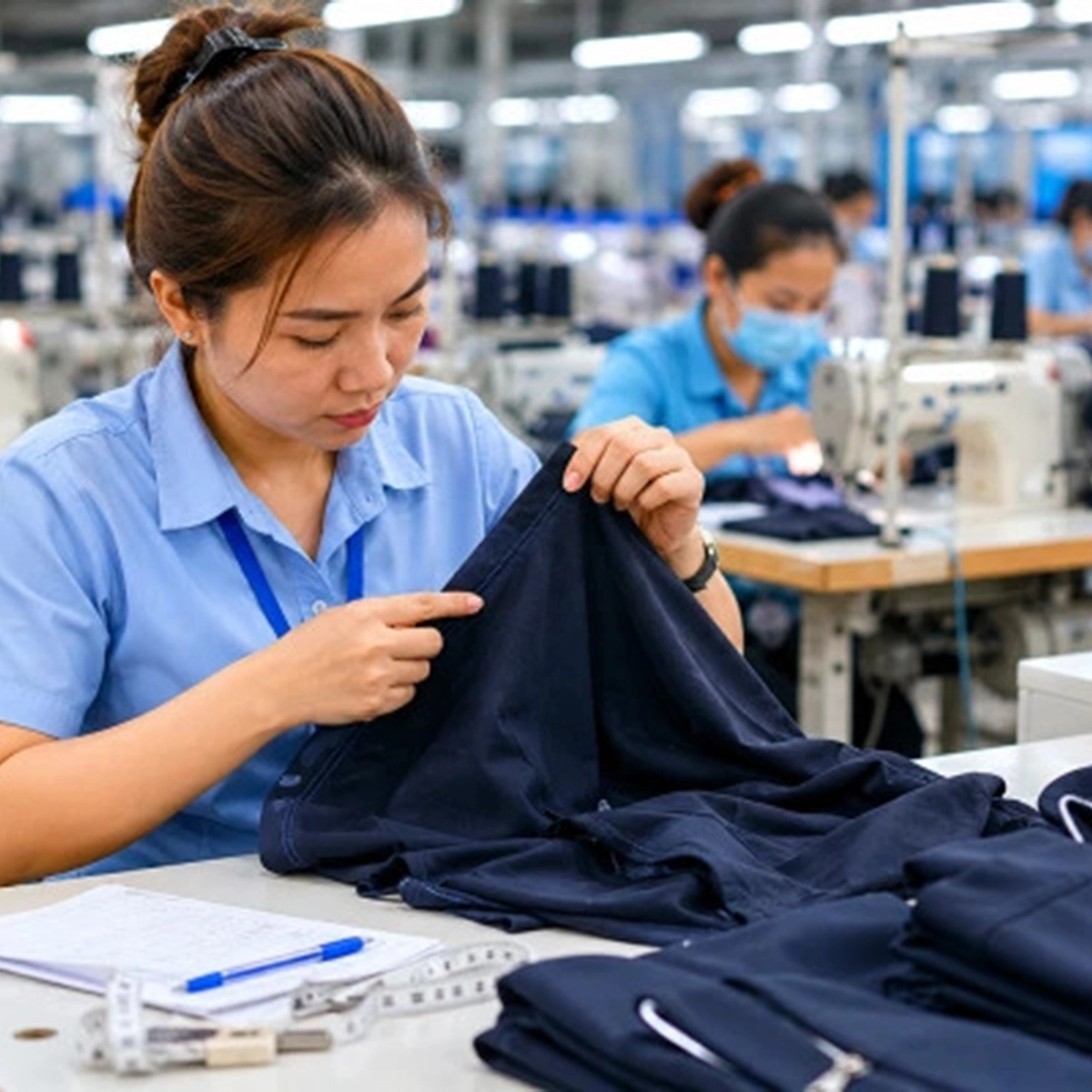
In-line Inspection
↓
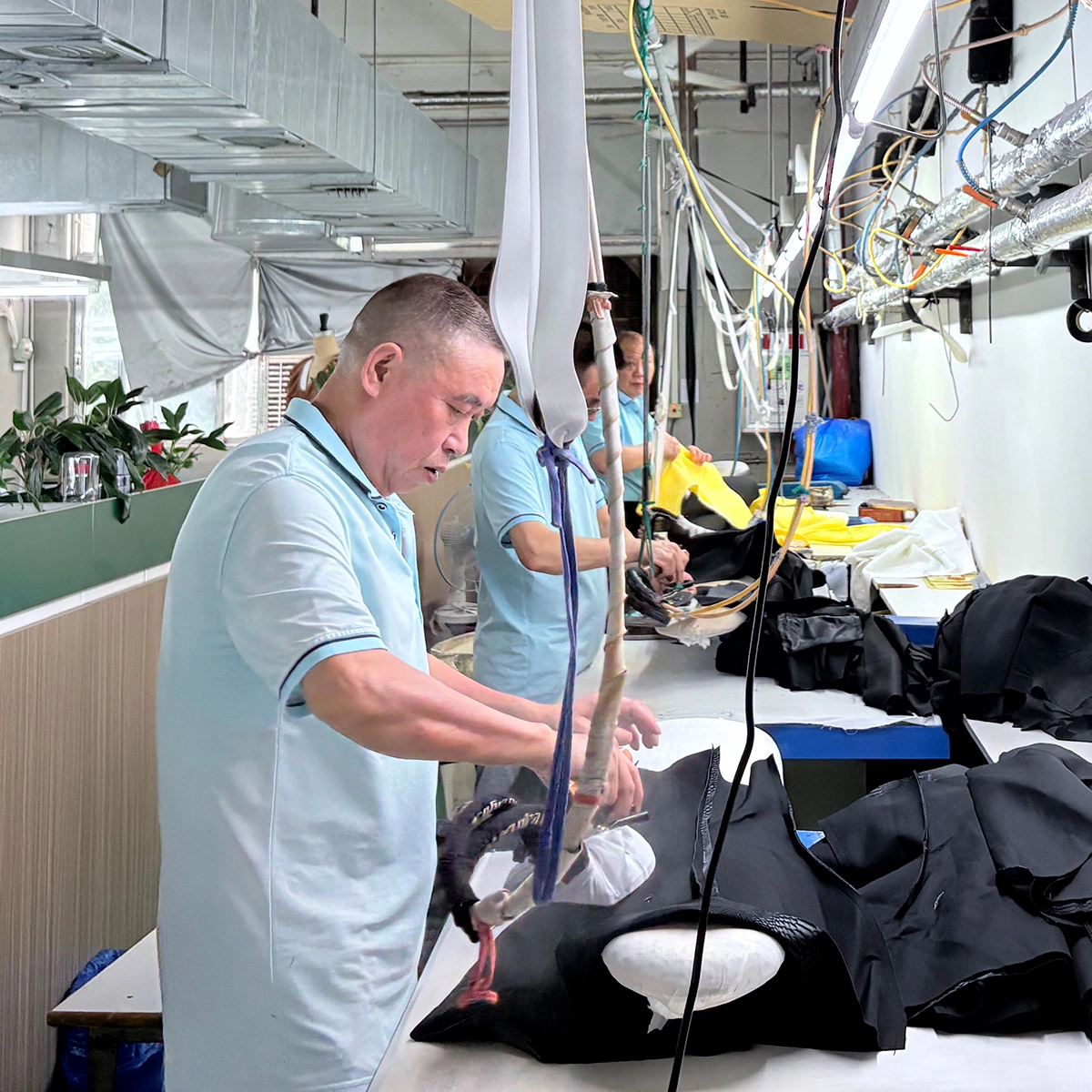
In-line Pressing
↓
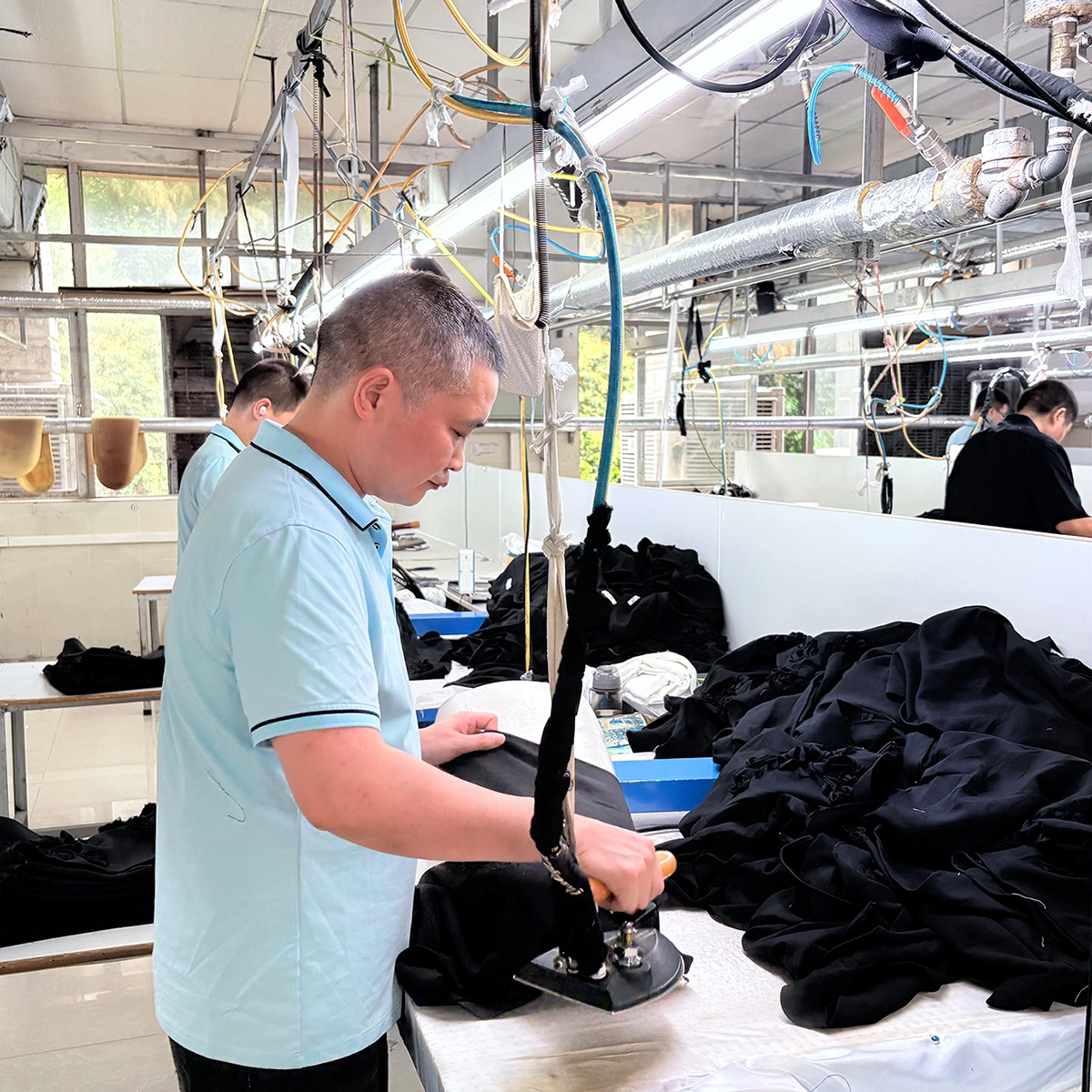
Final Pressing
↓
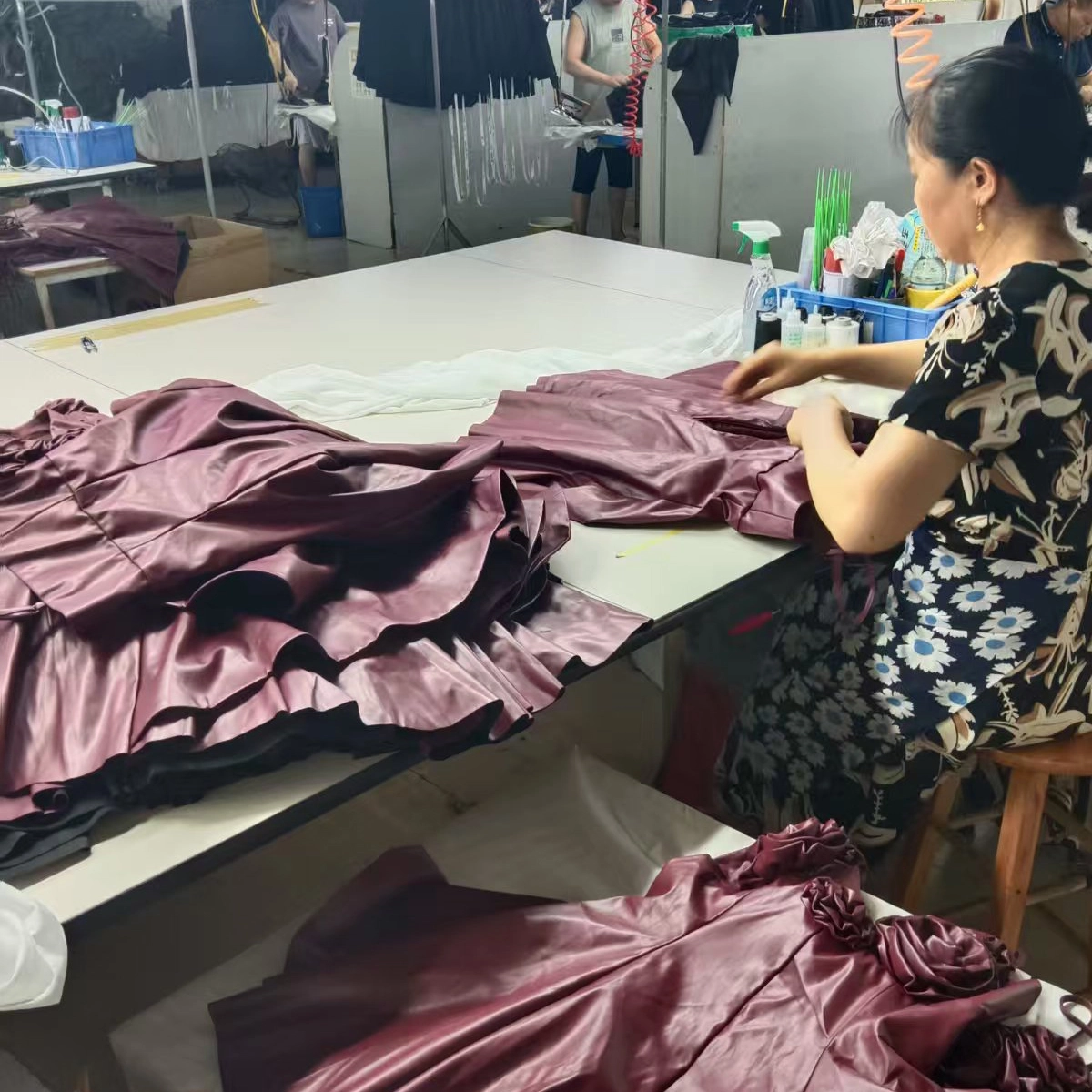
Final Inspection
↓
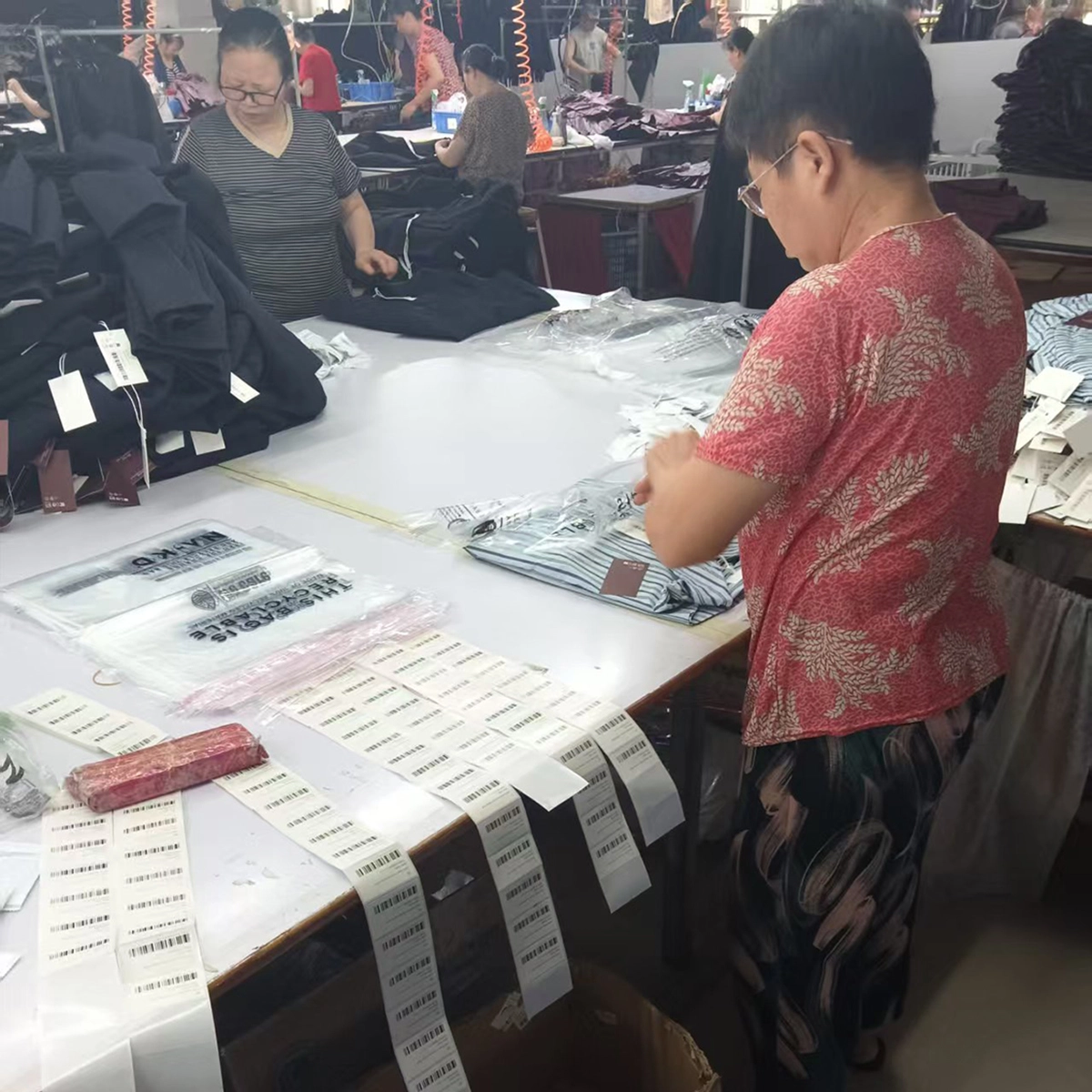
Garment Packing
↓
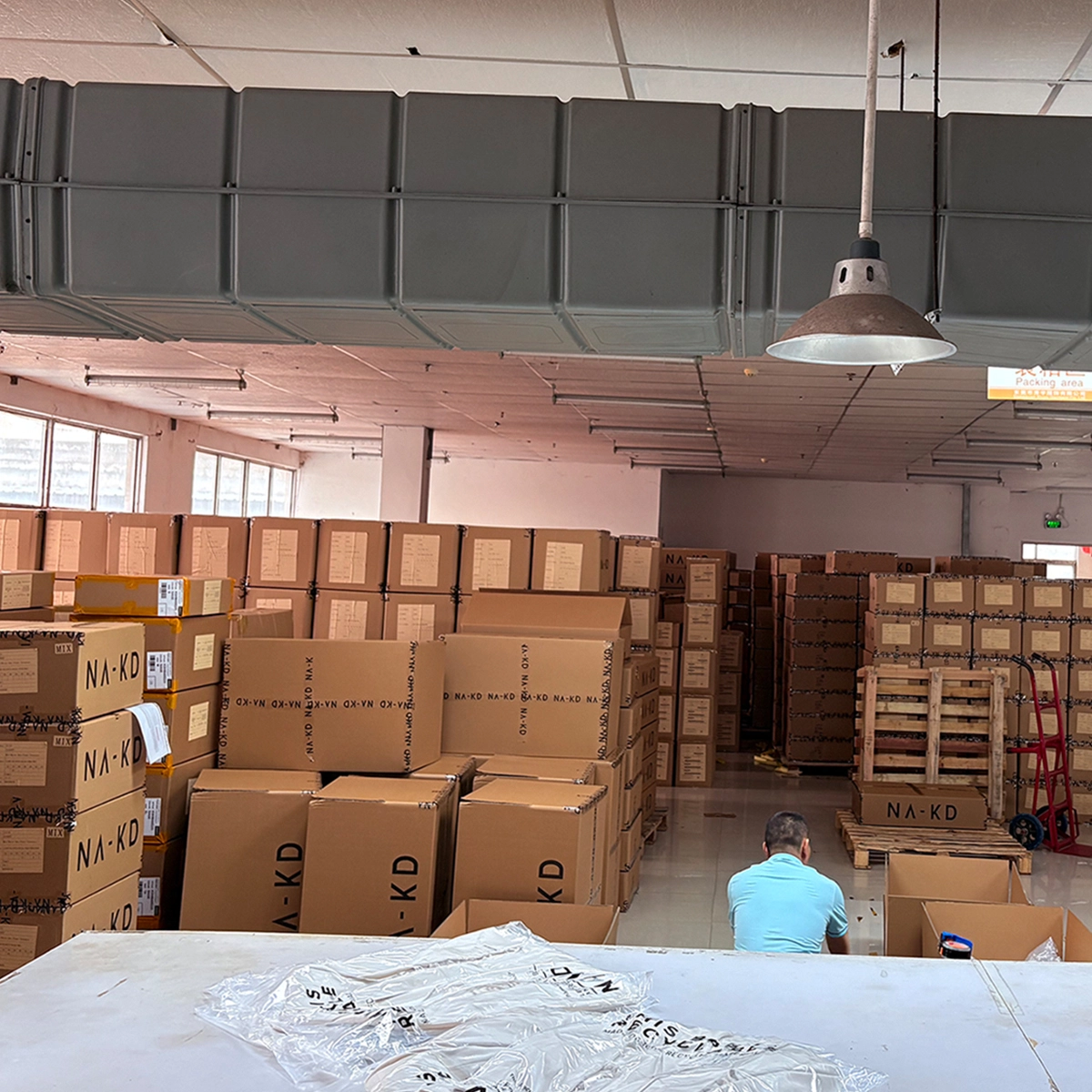
Finished Products
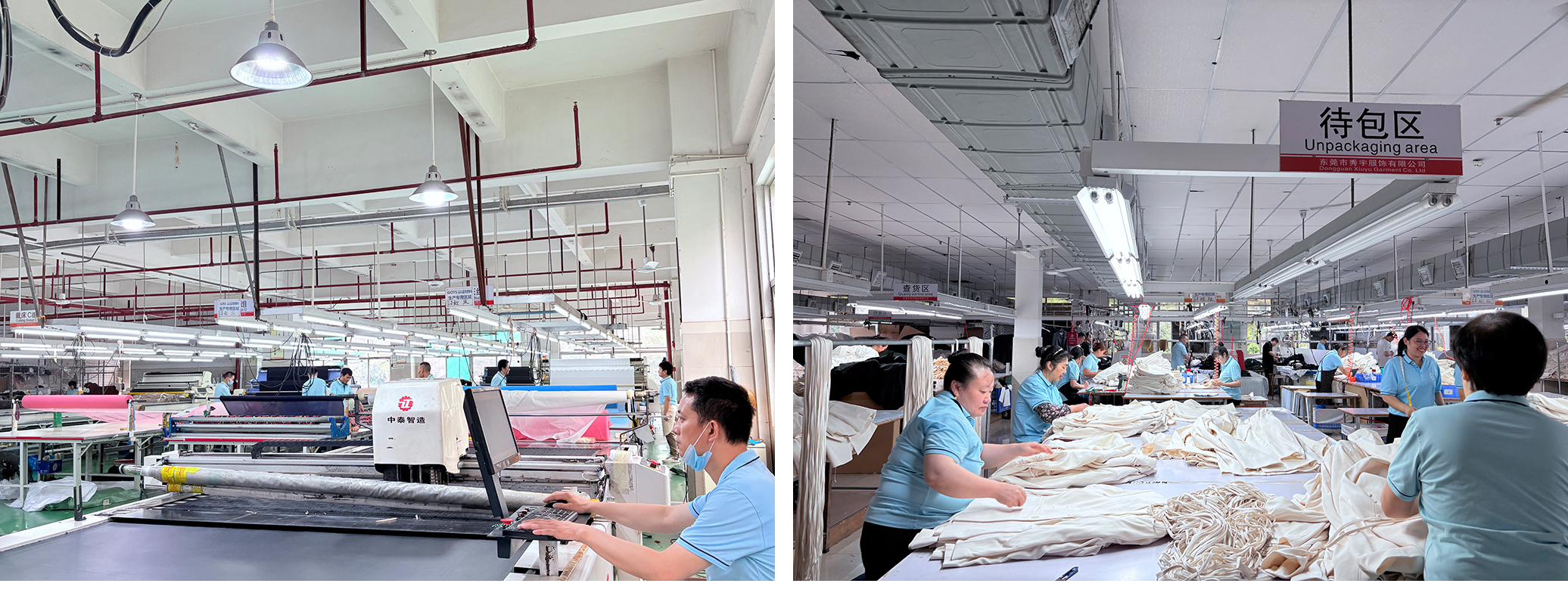 Cutting room & QC inspection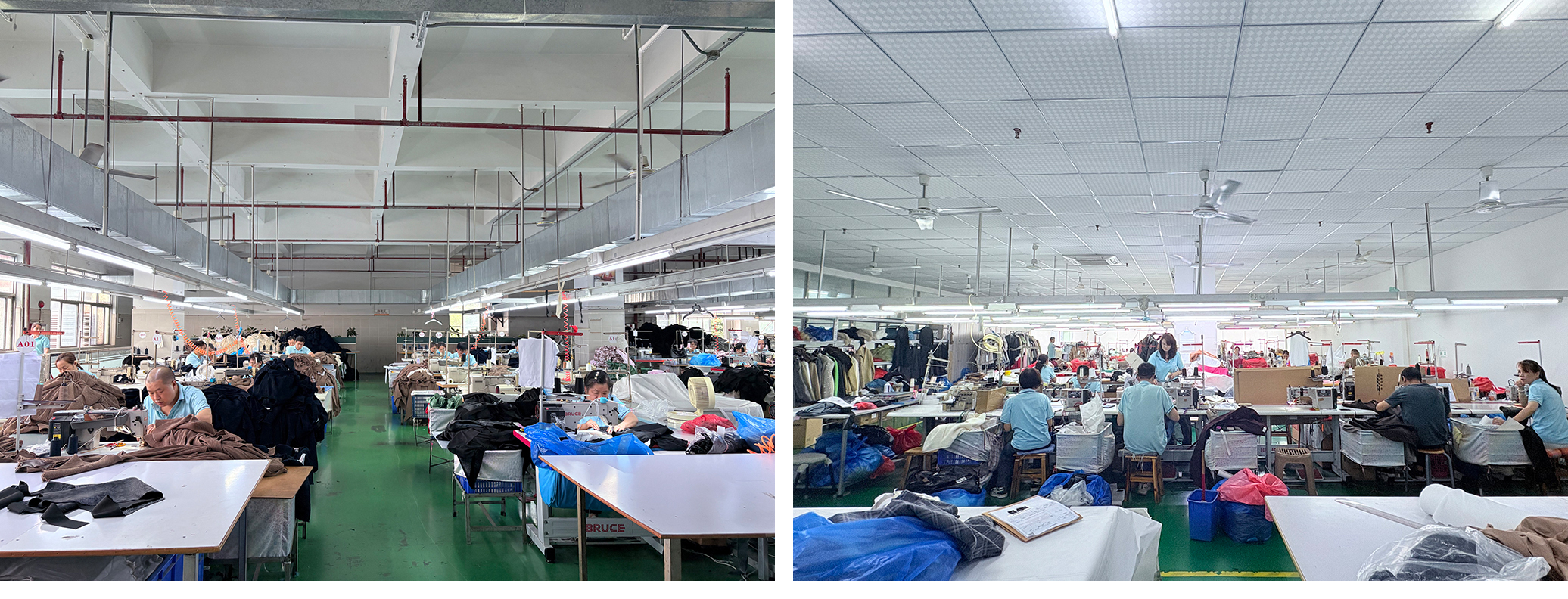
Sewing workshop
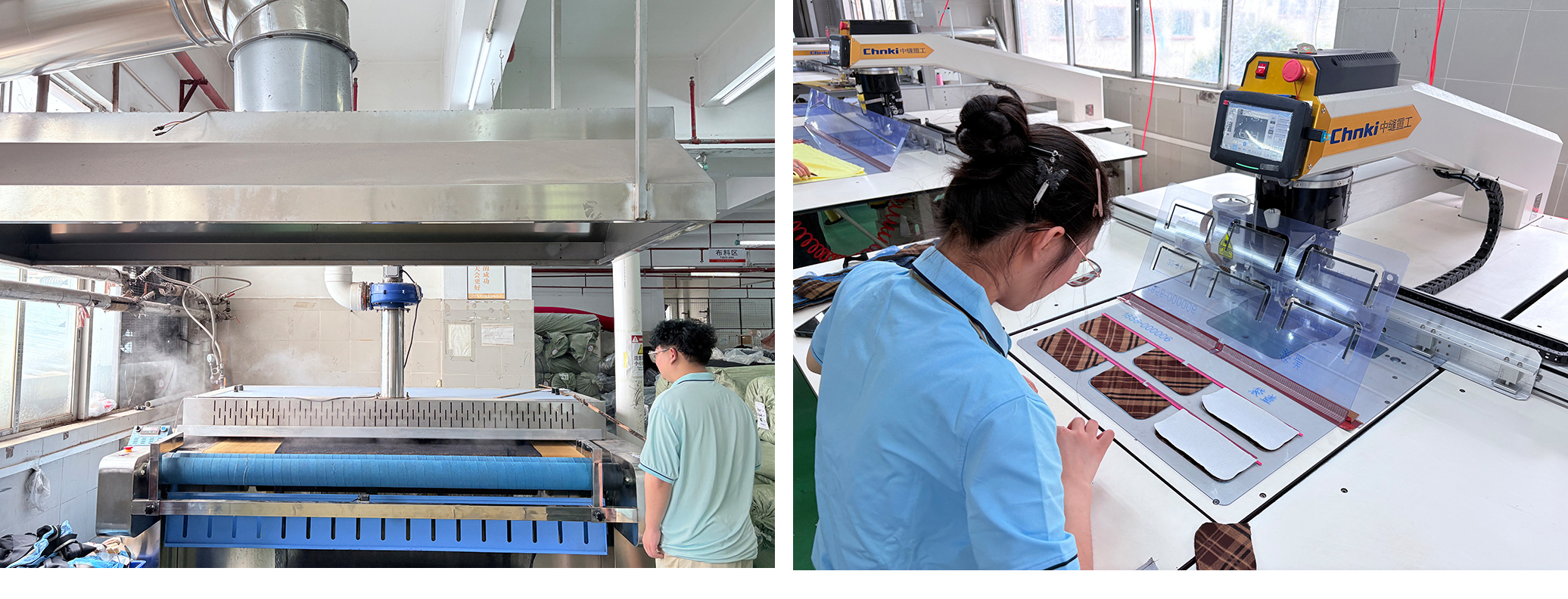 Fabric Pre-shrinking Workshop & Automatic Template Machine Workshop
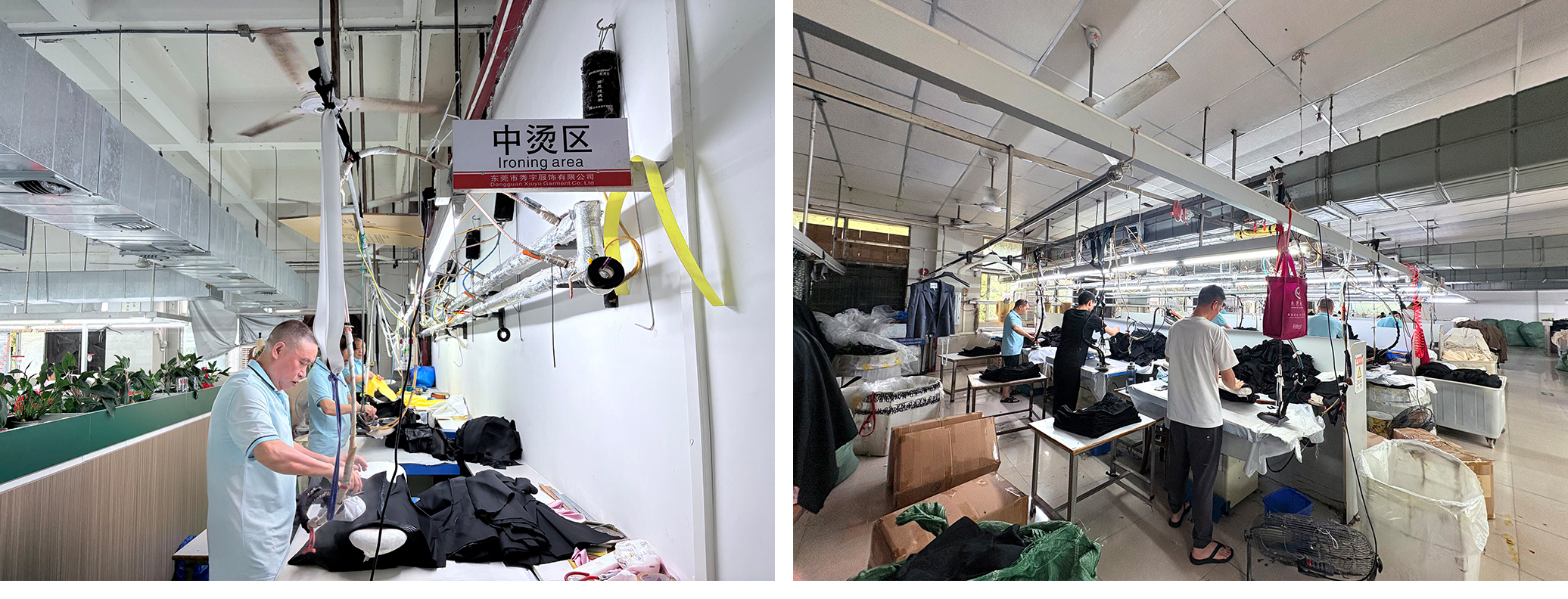 Finishing Workshop
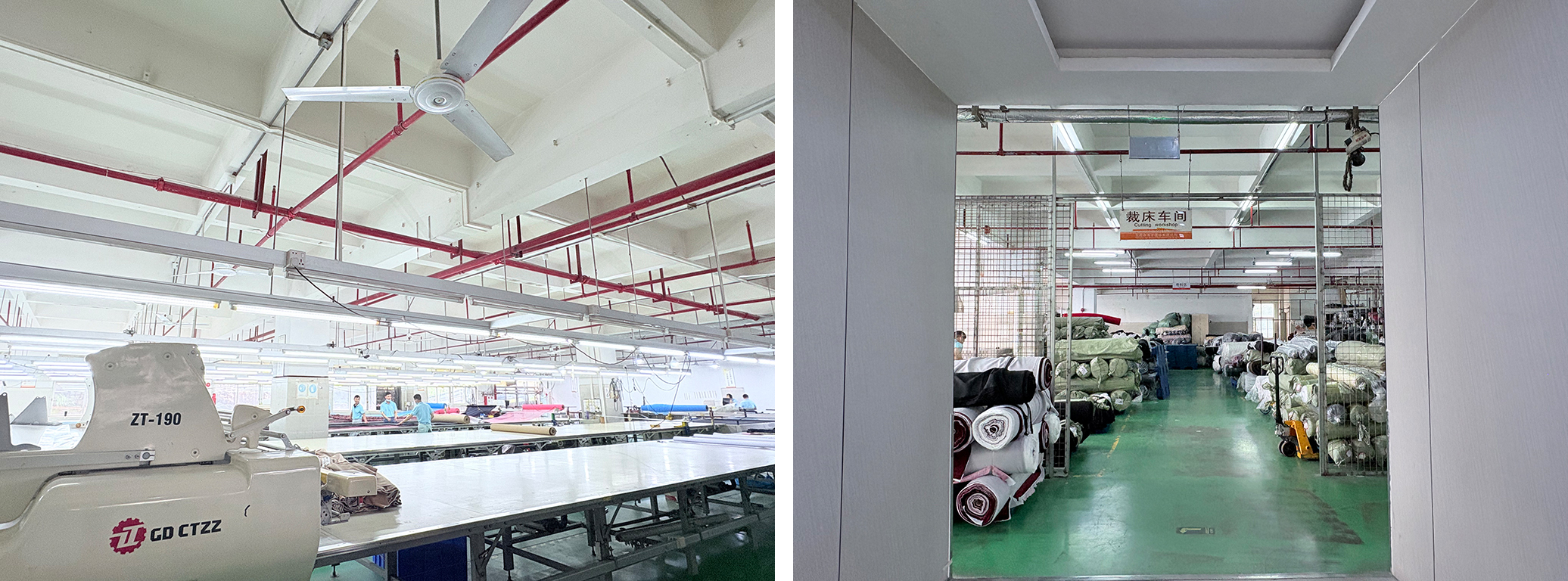
Cutting Room & Fabric warehouse
As a custom dress manufacturer, we handle the main production steps in-house, from pattern making and sampling through cutting, sewing, finishing, and final inspection. Our team works from your tech pack, sample, sketch, or reference and checks the details before the style moves into bulk production.
Keeping these stages with one production team makes it easier to deal with pattern changes, sample revisions, and construction issues before cutting starts. We can also arrange screen printing and custom embroidery when these details are part of the design.
Explore More Dress Manufacturing Options
If you are building a collection rather than ordering one satin evening dress, we can also develop related dress styles through the same production team.
- Halter Dress Manufacturer
- Off Shoulder Dress Manufacturer
- One Shoulder Dress Manufacturer
- Cocktail Dress Manufacturer
- Maxi Dress Manufacturer
Start Your Custom Satin Evening Dress Project
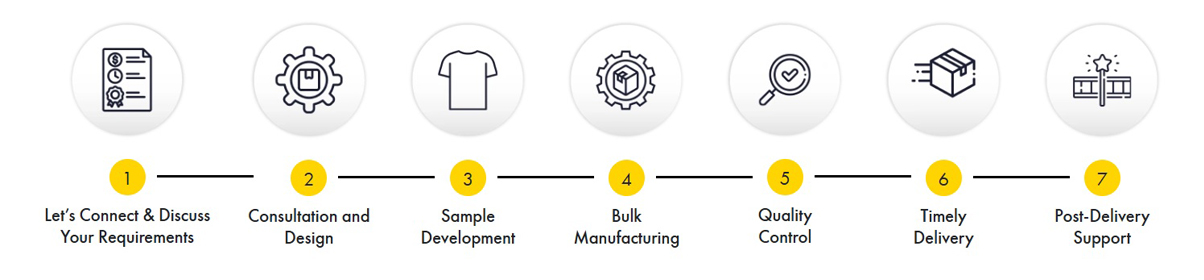
Send Your Design → Review → Sample → Approval → Bulk Production
Have a reference photo, sample or tech pack? Send it to us first. We’ll review the main construction and let you know the next step for sampling.
Yes. A product image is enough to start development, especially when you do not have a tech pack. We can assess the visible silhouette, neckline, skirt shape and details, then discuss fabric and measurements with you. Before sampling, we confirm the unclear construction points to avoid unnecessary revisions.
Yes. These details can be adjusted during sample development. For a high slit, we check the opening height and reinforcement. For an open back, we look at the surrounding seams and support. These areas are easier to correct during sampling than after bulk production has already started.
Our usual sample time is around 3–7 days after the design details and fabric are confirmed. Simple styles can be quicker, while bias cuts, complicated draping, lining or special finishing may take longer. If fabric needs to be sourced first, we will confirm the timing before starting.
Yes. We can add your woven labels, care labels, hangtags and other branding details during production. You can provide your own label specifications, or we can help arrange them. Packaging can also be prepared according to your requirements before the finished dresses are shipped.
Our MOQ usually starts from 50–100 pieces per style and color. The actual requirement can change when you use custom-dyed fabric, special materials or complicated construction. If you are a startup, give us your expected quantity and collection plan first so we can check the most workable option.
Yes. If you have a physical fabric swatch or a Pantone reference, we can use it as the color target when sourcing or developing the satin. For custom-dyed fabric, we normally confirm a lab dip or sample first, since the final shade can vary depending on the fabric composition and finish.
