
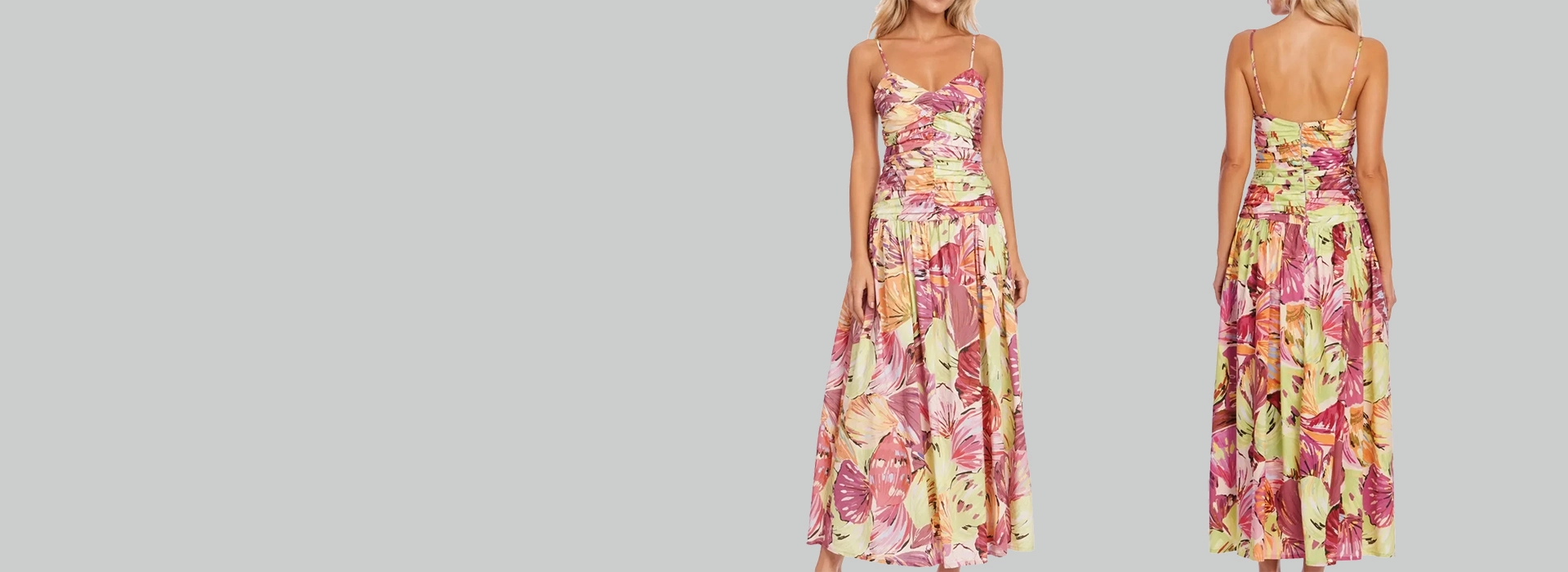
Our Printed Dress Manufacturing Services
Before production starts, our team reviews artwork, fabric performance and printing requirements together. The print method, fabric performance and garment construction need to be evaluated together before bulk production. During sampling, our team checks these details and confirms the production requirements.
Our printed dress manufacturing services include:
- Artwork review and print file checking
- Fabric sourcing support
- Print placement checking
- Pattern making
- Sample development
- Bulk cutting and sewing
- Quality inspection
- Private label packaging
Why Choose Xiuyu as Your Printed Dress Manufacturer?
For printed dresses, a lower quotation does not always mean a lower production cost. Fabric selection, printing accuracy and sample adjustments can affect the final result during bulk production.
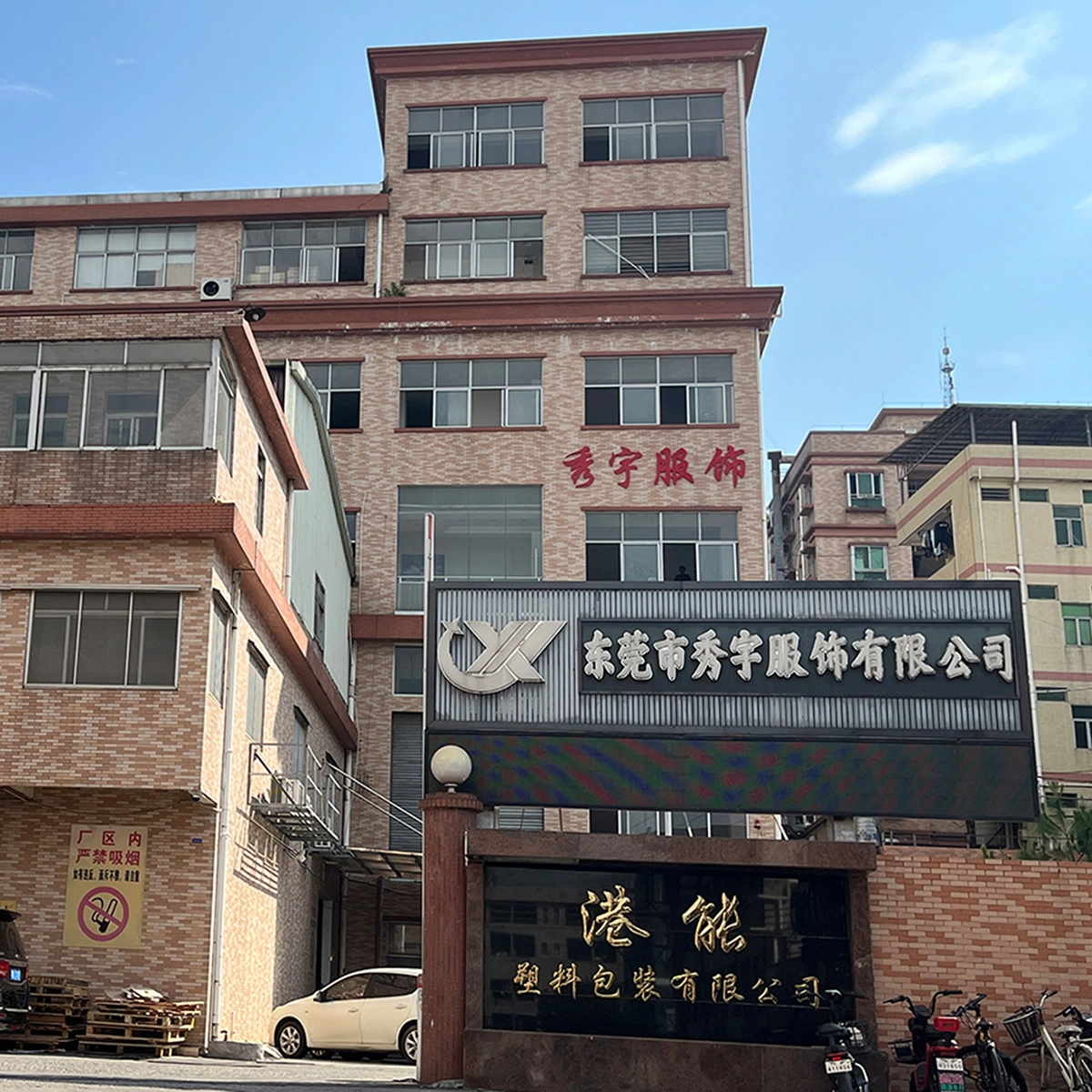
At Xiuyu Apparel, we have been manufacturing dresses since 2007, producing dresses for fashion brands through OEM, ODM and private label services.
Our production capabilities include:
- 18+ years of dress manufacturing experience
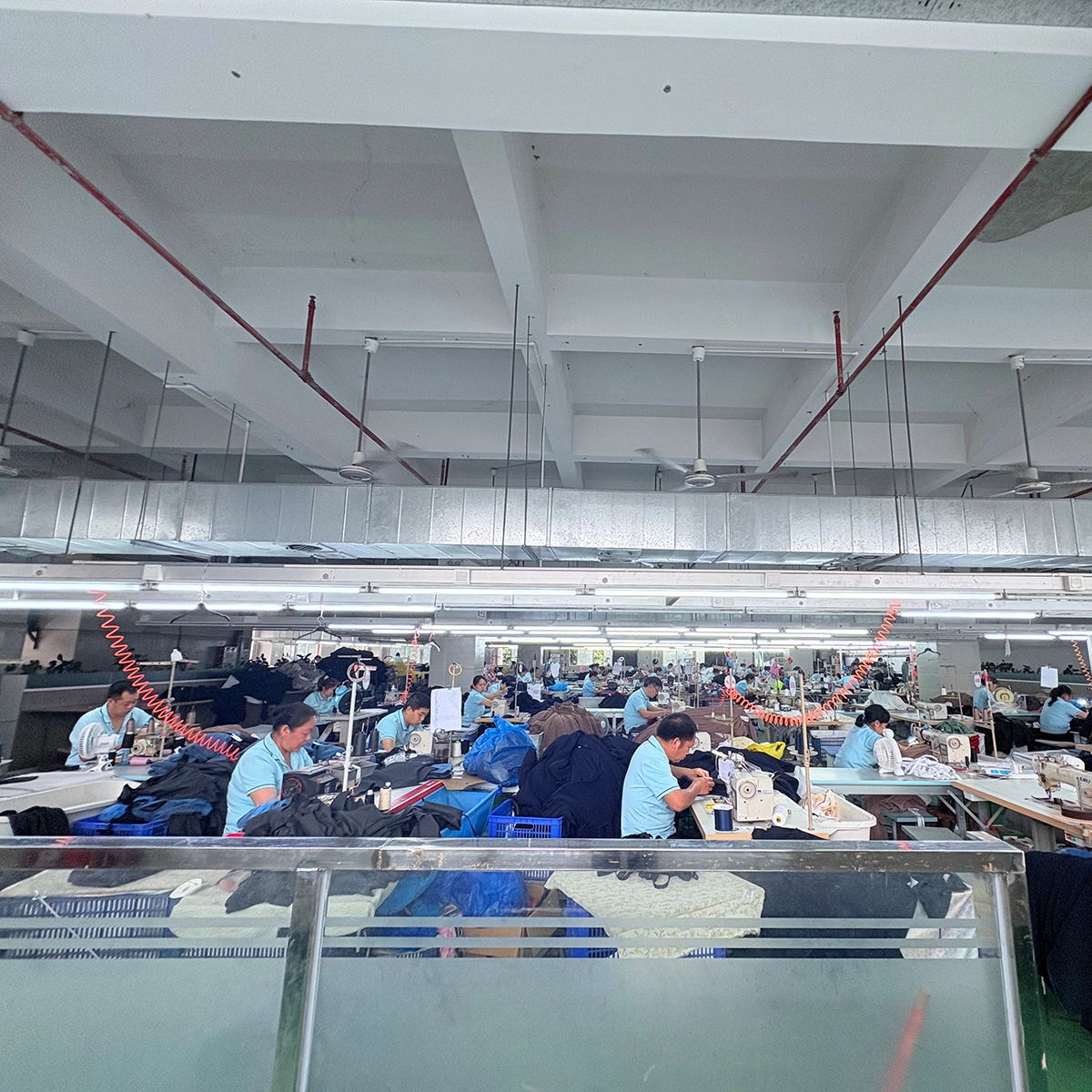
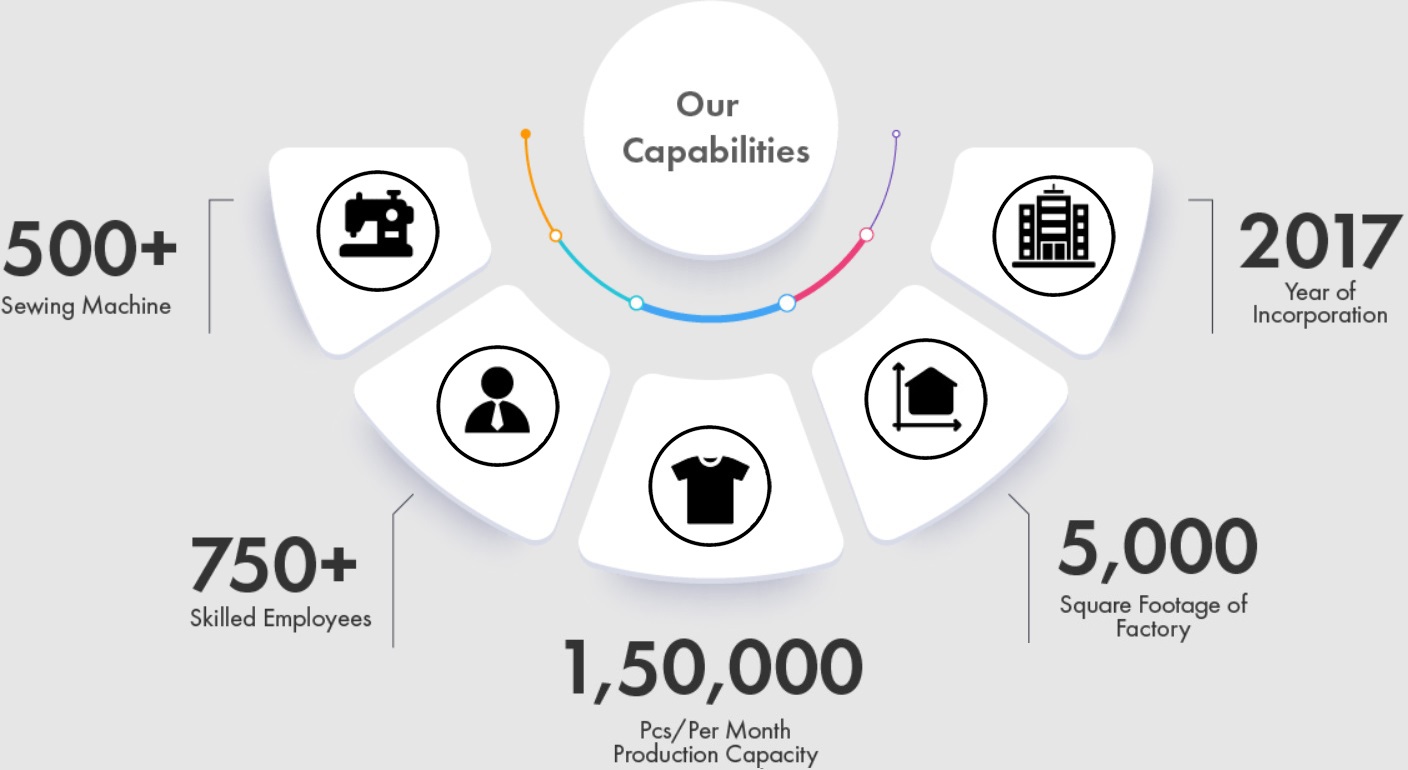
- 750+ workers
- 500+ sewing machines
- 5 automatic cutting lines
- 5,000㎡ factory
- 150,000+ pcs monthly production capacity
- Export experience to 40+ countries
- In-house pattern making and sample room
Our production team manages each stage from sampling to final packing, including specification confirmation, construction review and delivery preparation.
Custom Printed Dress Manufacturer for Fashion Brands
Compared with solid-color dresses, printed styles require additional control over artwork, fabric surface, print position and garment construction.
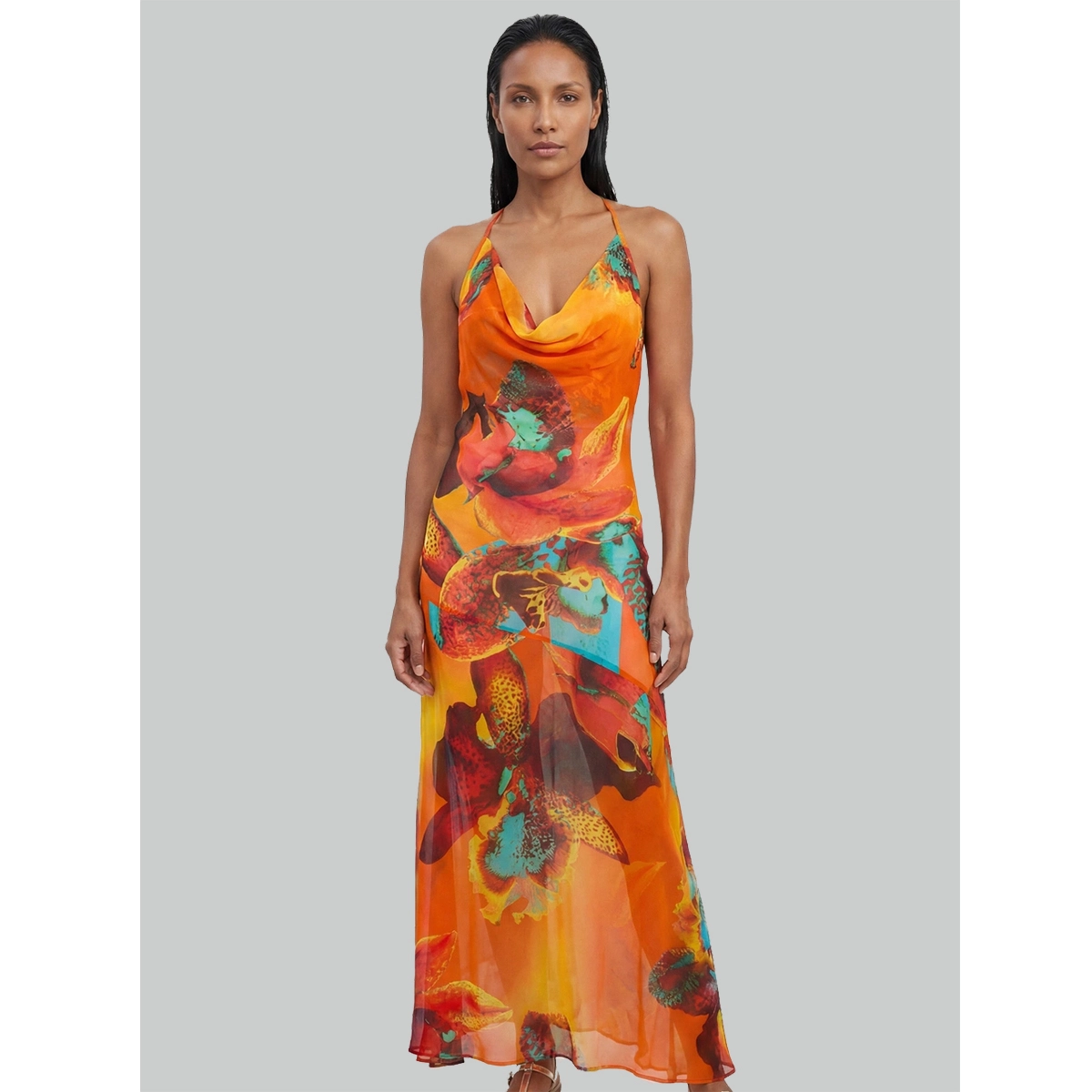
Artwork, fabric and printing methods need to be considered together before production. A design that looks suitable on screen may require adjustments after testing with the selected fabric. In actual production, the same artwork may look different on chiffon, rayon and cotton because each fabric absorbs ink differently.
At Xiuyu Apparel, we manufacture custom printed dresses for fashion startups, boutique brands, designers, retailers and private label companies. As an experienced dress manufacturer, we support projects from artwork review and fabric sourcing to sampling, bulk production and quality inspection.
From artwork review, fabric sourcing and sampling to bulk production and quality inspection, our team supports your printed dress project through each manufacturing stage.
With 18+ years of dress manufacturing experience, we handle pattern making, sample development, cutting, sewing, finishing and QC in-house.
Custom Printed Dress Printing Options
The suitable printing method depends on your artwork details, fabric selection, order quantity and the final print effect required.
We help you review suitable printing solutions before bulk production to reduce issues related to color difference, print clarity or fabric compatibility.
Digital Printing
Digital printing works well for floral patterns, watercolor effects, gradients and customized graphics. It is often selected for small to medium production runs because it allows easier artwork changes during development compared with some traditional printing methods.
Screen Printing
Screen printing is often used for designs with fewer colors and larger production quantities.
For larger quantities with confirmed artwork, screen printing can provide stable color results and is suitable for repeat production.
Placement Printing
Placement printing requires additional attention during pattern cutting.
Your artwork may need to match specific areas of the garment, such as:
- Front chest position
- Waist area
- Sleeve panels
- Skirt borders
Our production team checks print positioning before cutting to reduce alignment problems during sewing.
All-Over Printing
All-over printing creates a continuous pattern across the entire garment.
This option is commonly used for:
- Resort dresses
- Floral maxi dresses
- Summer collections
- Fashion-forward seasonal designs
During production, we consider pattern repeat, garment panels and sewing points to maintain a consistent appearance.
Custom Printed Dress Manufacturing Cost Factors
Printed dress quotations are usually based on fabric, printing requirements, construction details, order quantity and packaging. Before preparing a quotation, manufacturers review these details before quotation to estimate fabric usage, production steps and processing costs.
Fabric Selection
Fabric type, weight, print method and material sourcing affect the cost.
Printing Method
Digital printing, screen printing and placement printing require different production processes.
Design Complexity
Details such as:
- Pleats
- Ruffles
- Lining
- Multiple panels
- Special construction
can affect production time.
Order Quantity
Higher quantities usually improve production efficiency and reduce average unit cost.
Branding Requirements
Custom labels, hangtags and packaging are calculated according to your requirements.
Popular Printed Dress Styles We Manufacture
Different buyers choose printed dress styles based on their market positioning, season and sales channel. As a dress manufacturer, we produce various printed dress styles for fashion brands, boutiques and retailers.
Catalogue from Xiuyu Apparel
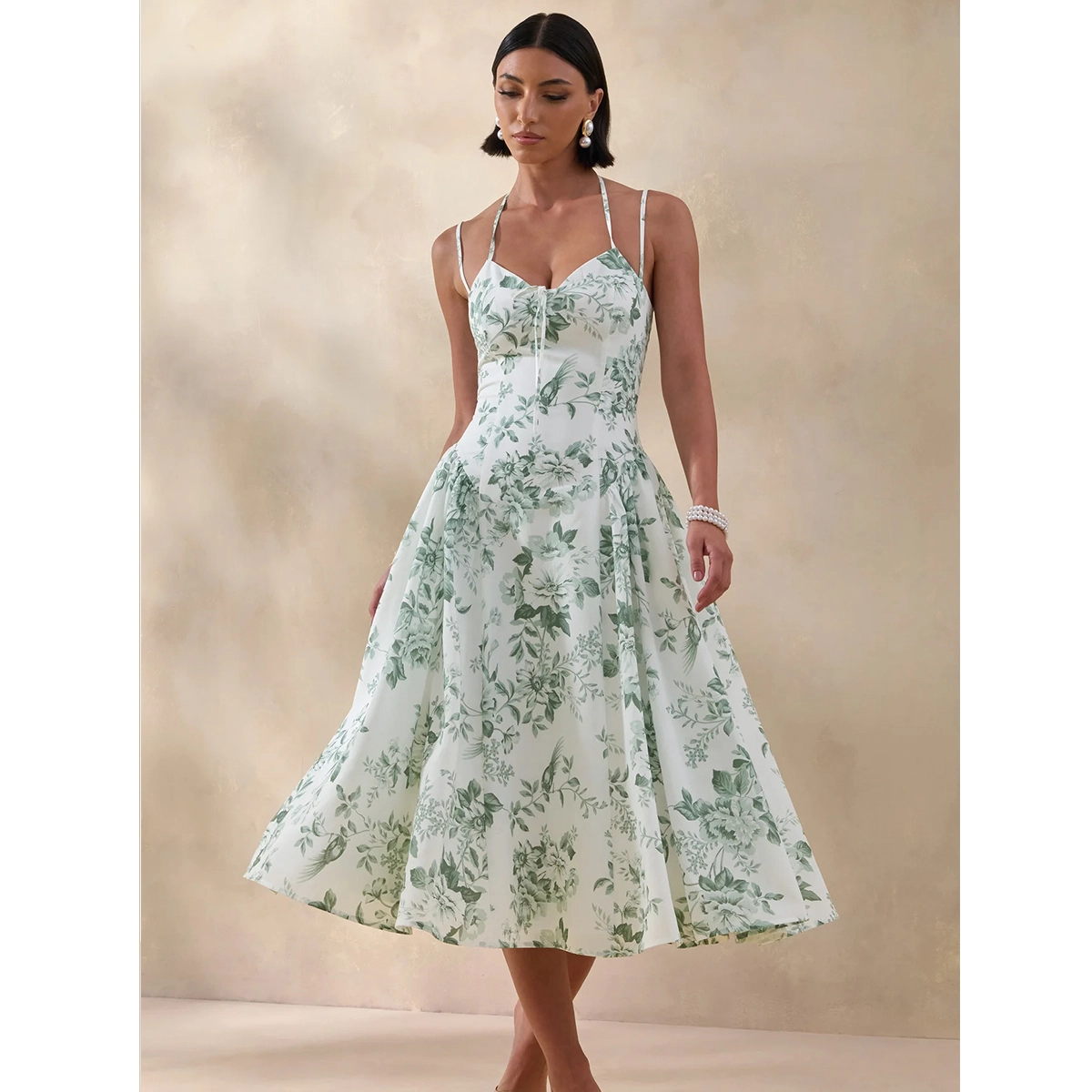
Floral Printed Dress
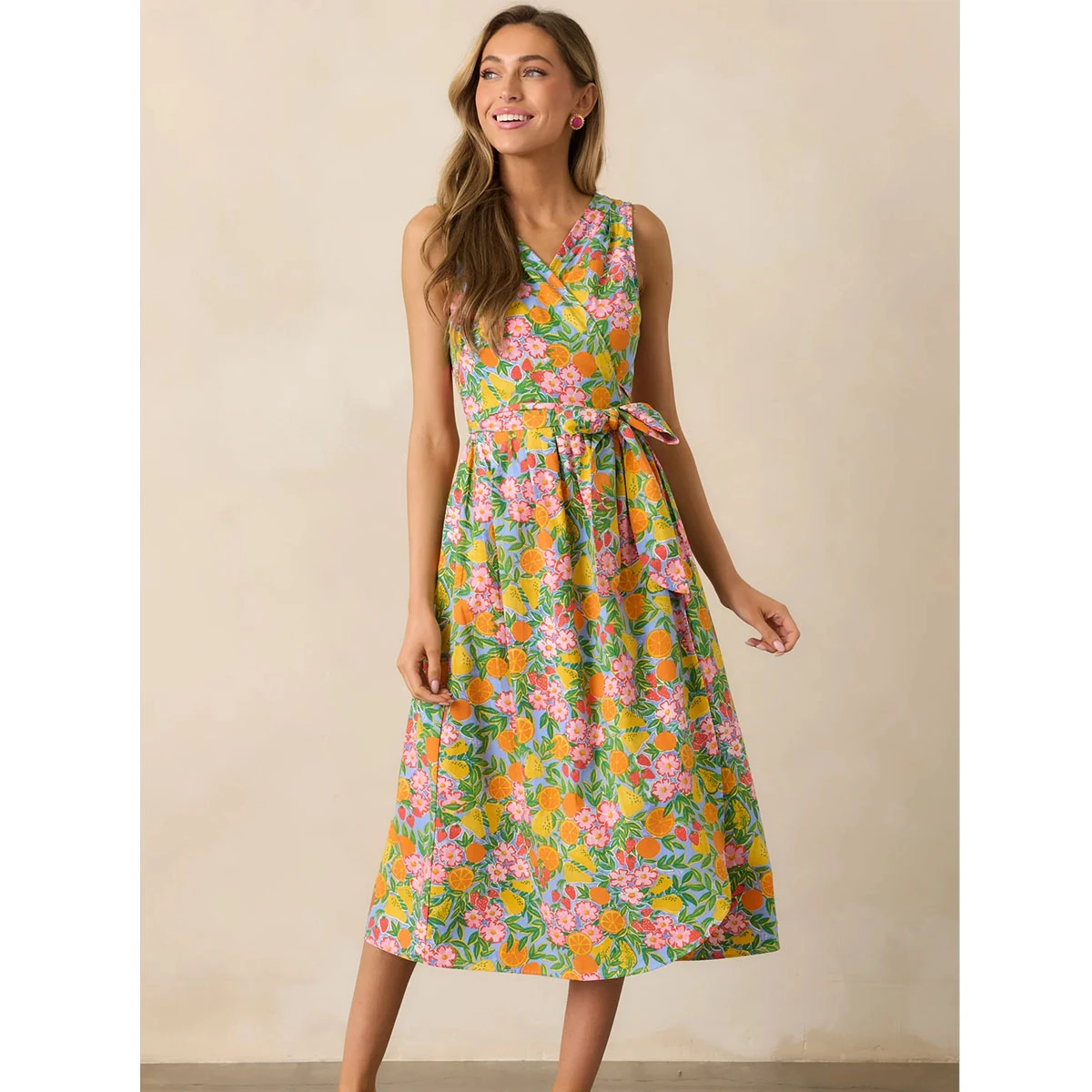
Floral prints are often selected by boutique brands looking for seasonal collections. During development, the main concerns are usually flower scale, color balance and how the print follows the dress shape.
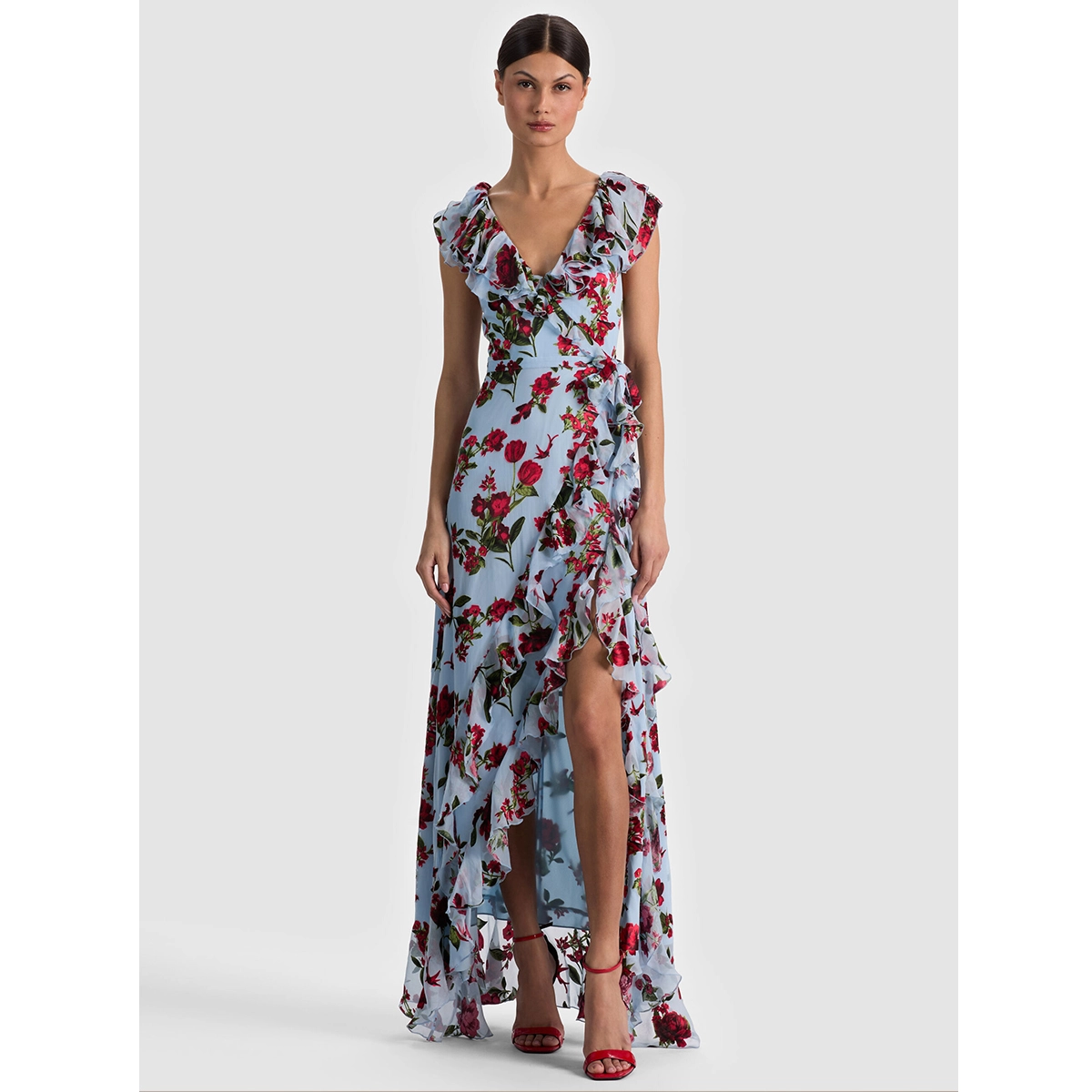
Printed Maxi Dress
Printed maxi dresses are often developed with lightweight fabrics and longer silhouettes. During sampling, we review fabric weight, lining structure, hem finishing and print alignment.
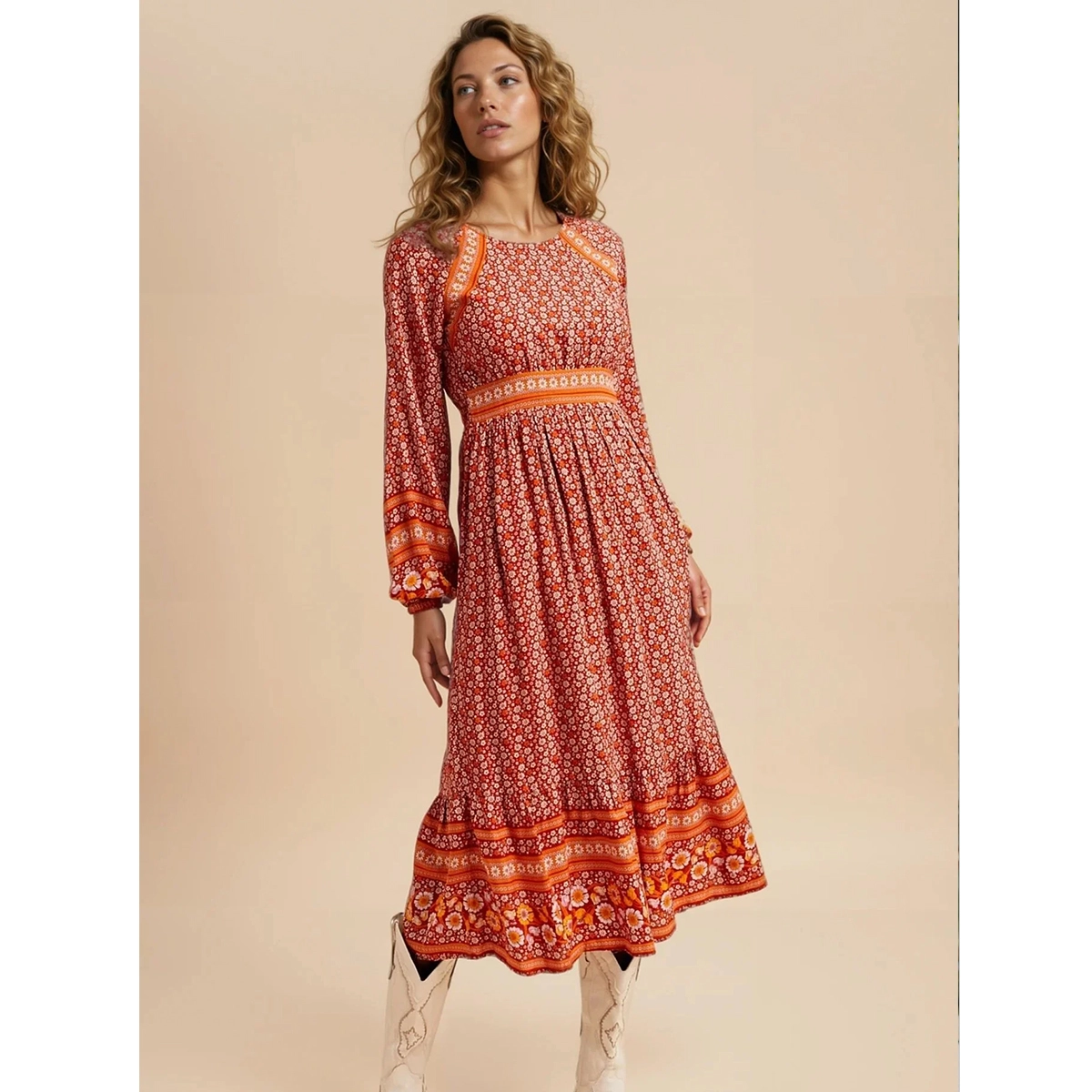
Printed Midi Dress
Printed midi dresses are popular for boutique and everyday fashion collections. For midi lengths, measurement accuracy and waist shaping are especially important because small fitting changes can affect the overall silhouette.
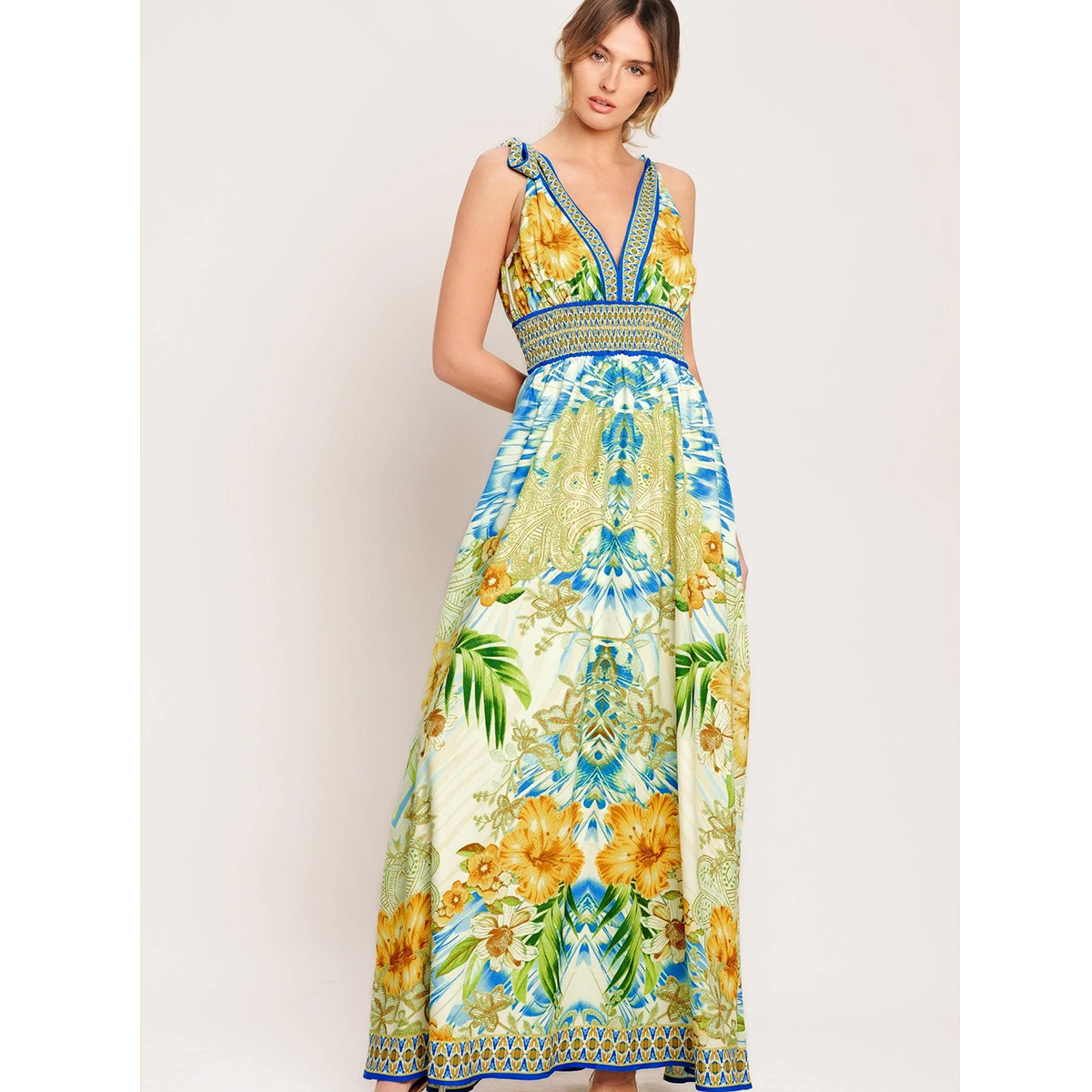
Resort Printed Dress
Resort printed dresses often use lightweight fabrics and relaxed silhouettes. During sampling, we review fabric drape, print placement and construction details to make sure the design works well before bulk production.
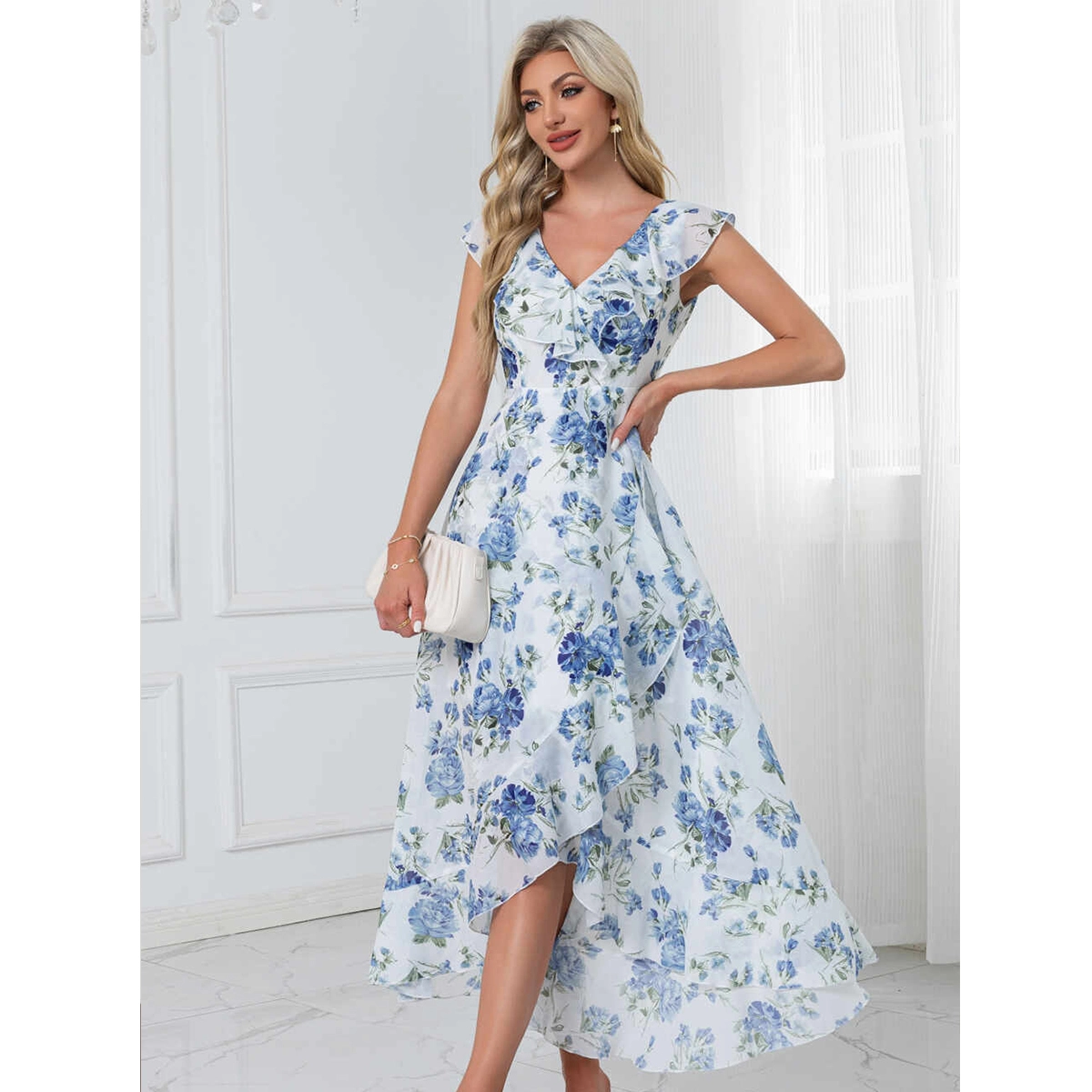
Chiffon Printed Dress
Chiffon printed dresses require careful handling during cutting and sewing. Our pattern and production teams check fabric transparency, shrinkage, lining structure and finishing details before moving into bulk manufacturing.
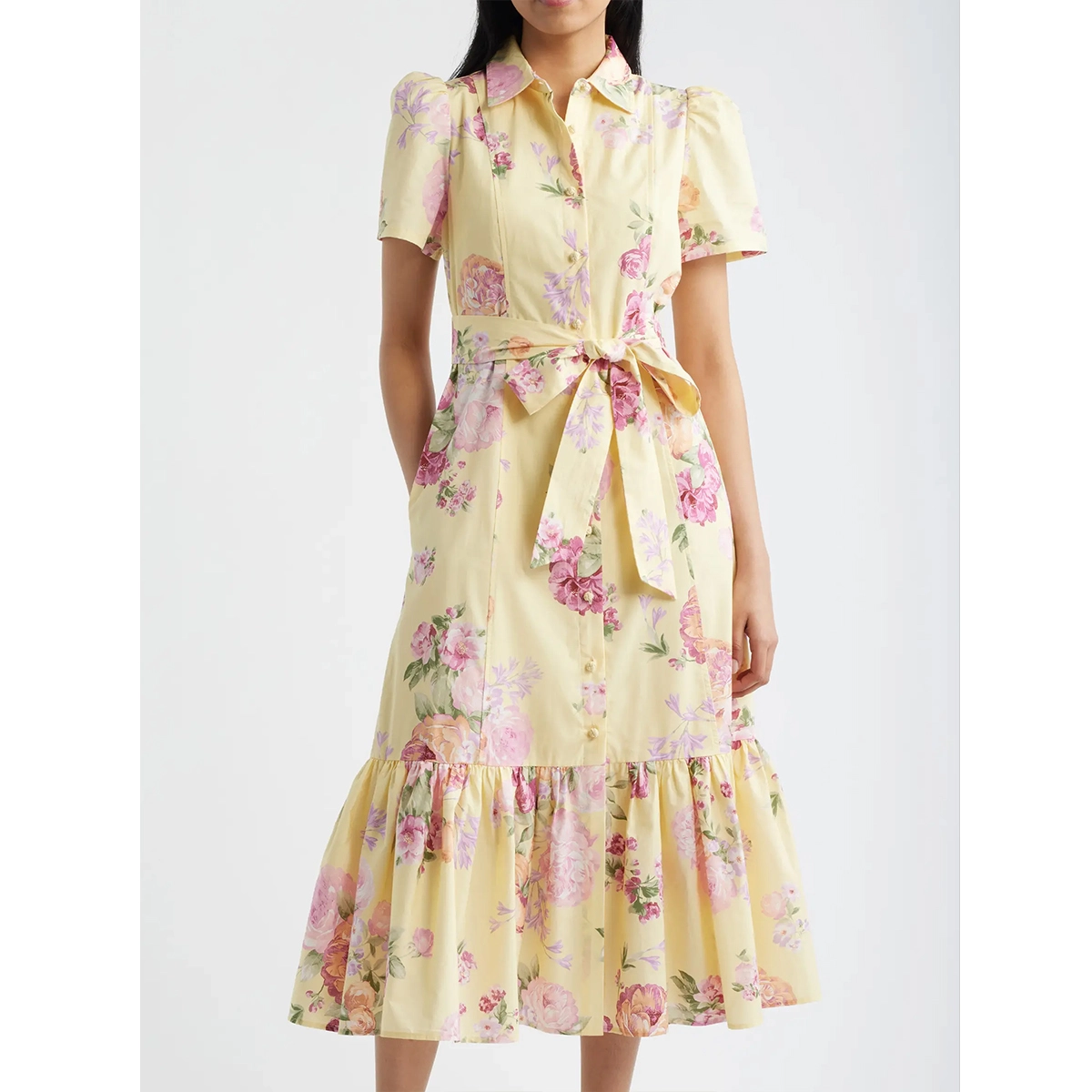
Cotton Printed Dress
Cotton printed dresses are widely used for casual and summer collections. Fabric shrinkage, washing performance and print durability are reviewed during development to reduce quality issues after production.
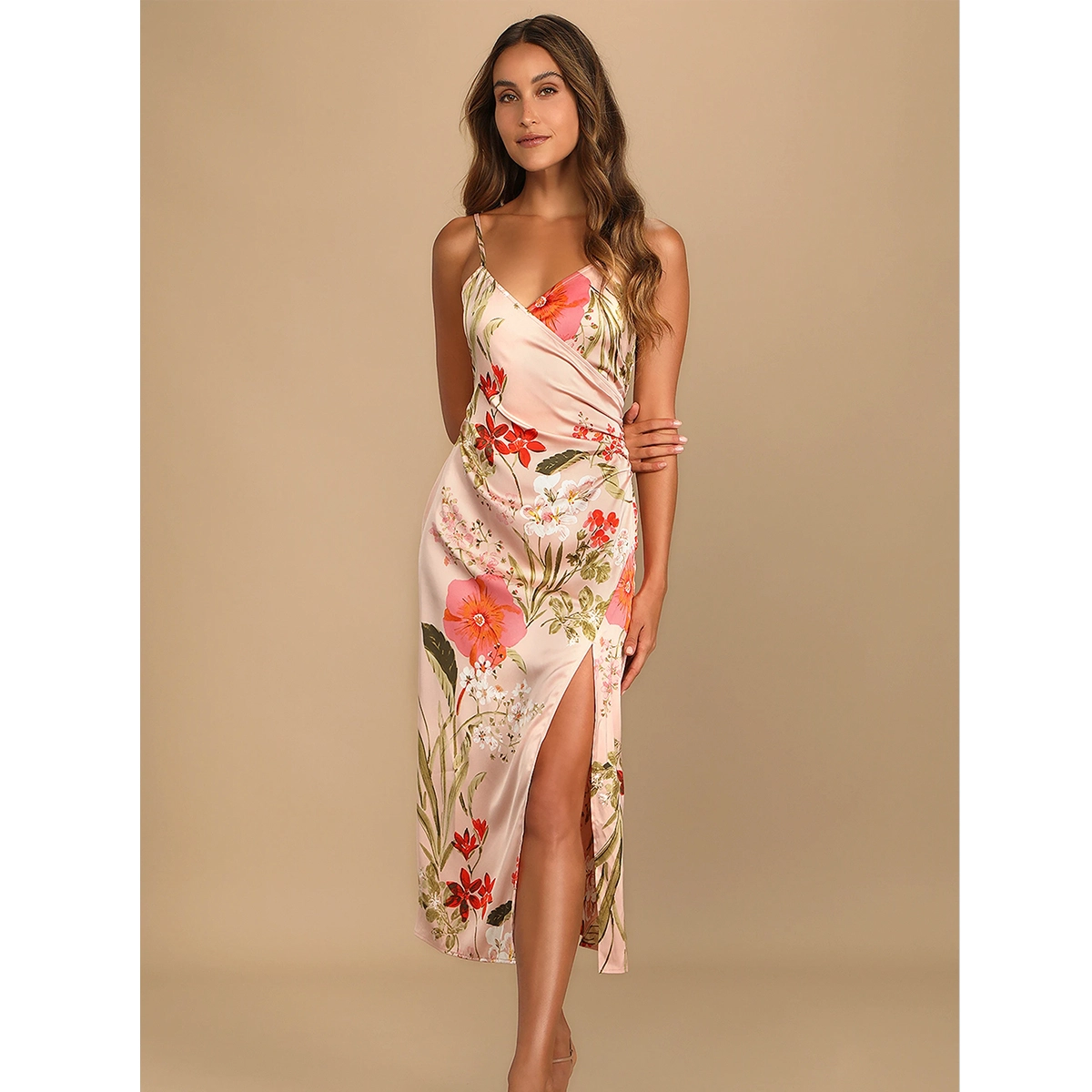
Satin Printed Dress
Satin printed dresses require attention to fabric surface, weight and cutting accuracy. The smooth texture can enhance print effects, but proper handling is needed to maintain the garment shape and finishing quality.
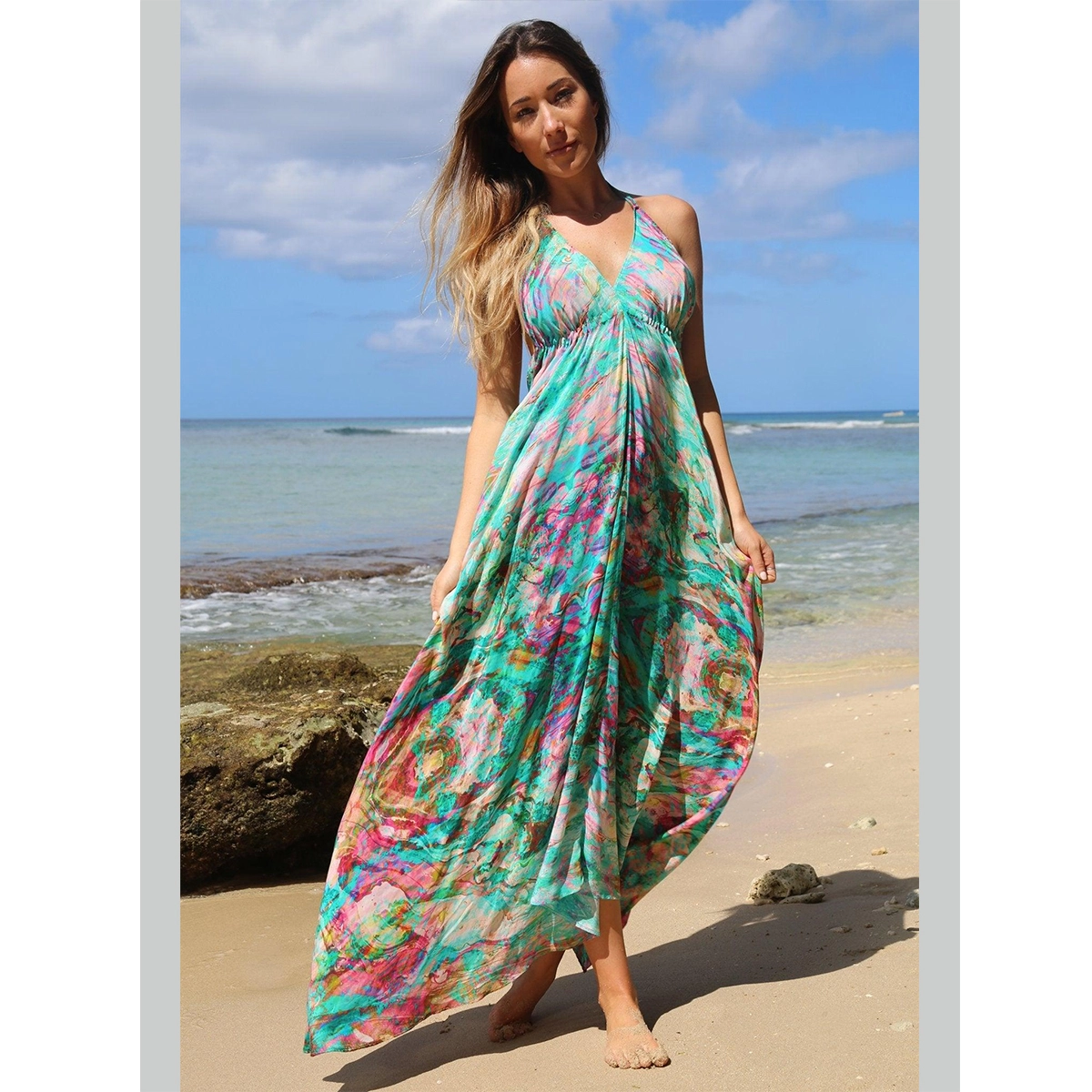
Silk Printed Dress
Silk printed dresses require closer control during sampling because fabric movement, print position and construction details can affect the final fit.
Quality Control During Printed Dress Production
Printed dresses require attention to both garment construction and print consistency.
During production, our QC team checks key points including:
Fabric Inspection
Before cutting, fabric quality is inspected to identify issues such as uneven printing, shade variation or fabric defects.
Print Quality Checking
Key inspection points include:
- Color consistency
- Print clarity
- Pattern placement
- Surface defects
Sewing Quality Inspection
The production team checks:
- Stitching quality
- Seam construction
- Measurement accuracy
- Finishing details
Final Inspection
Before packing, finished garments are inspected according to approved samples and production requirements.
These checks help keep bulk production consistent with the approved sample.
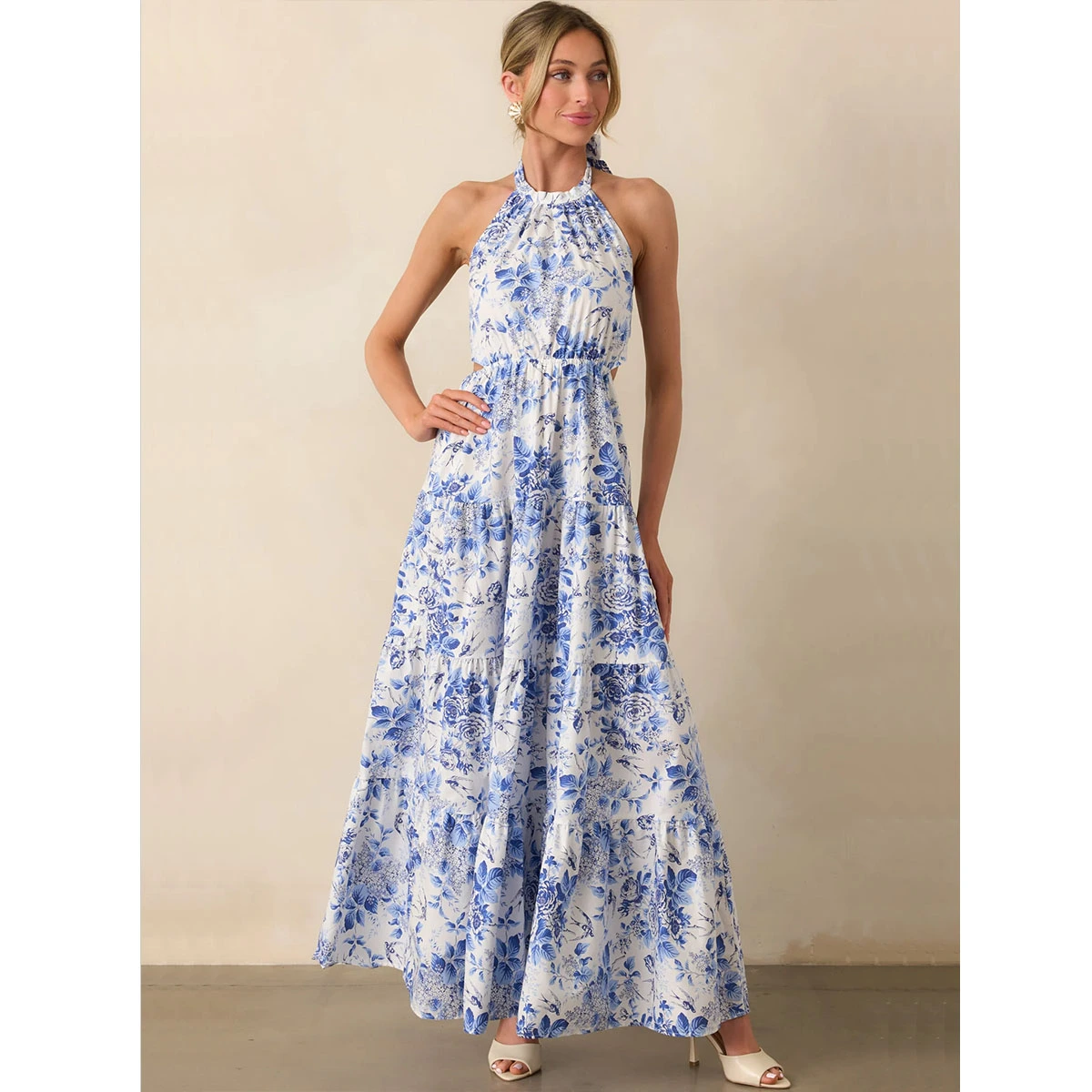
Printed Dress Sample Development
The approved sample becomes the production reference for your bulk order.
During sampling, your dress will be reviewed for:
- Fit
- Measurements
- Print position
- Fabric behavior
- Sewing details
- Finishing requirements
Our sample room includes:
- 15 pattern makers
- 35 sample sewers
This allows communication between your team and our pattern makers during fit and construction adjustments.
Private Label Printed Dress Manufacturing
For private label collections, production includes garment details as well as branding and packaging requirements.
You can customize your private label requirements, including:
- Woven labels
- Care labels
- Hangtags
- Packaging bags
- Barcode stickers
- Cartons
Whether you are developing your first printed dress collection or adding new styles to an existing product line, we can prepare labels, packaging and production details based on your requirements.
Our team can work from your tech pack, reference samples or existing product specifications to prepare production before bulk manufacturing.
Our Printed Dress Production Process
Artwork & Print Development Review
Before printing, our team checks your artwork details, including pattern repeat, print placement and color requirements.
For placement prints, such as border patterns or front-panel designs, we review how the artwork should align with the dress pattern pieces. This helps avoid situations where the print position changes after cutting.
If you only have a reference image or concept, our team can discuss suitable print methods and fabric options based on your target market and collection style.
Fabric Selection for Printed Dresses
The fabric choice affects how the print looks and how the finished dress fits.
The same print can look different on different fabrics. Fabric weight, surface texture and drape all affect the final appearance.
Chiffon Printed Dresses
Chiffon is commonly used for lightweight floral prints, vacation dresses and feminine silhouettes. If you are developing chiffon-based collections, you can also explore our chiffon dress manufacturing capabilities.
Cotton Printed Dresses
Cotton fabrics work well for casual collections, summer styles and everyday wear. For brands developing cotton-based collections, our cotton dress manufacturing service supports custom fabric selection, sampling and bulk production.
Rayon / Viscose Printed Dresses
Rayon and viscose provide soft drape and are often selected for resort wear, boho styles and relaxed-fit printed dresses.
Satin Printed Dresses
Satin creates a smoother surface with a different print appearance, suitable for elegant collections and evening designs. You can also check our satin dress manufacturer page for more satin dress production details.
From Sample Approval to Bulk Production
After fabric, artwork and construction details are confirmed, the approved sample moves into bulk production preparation.
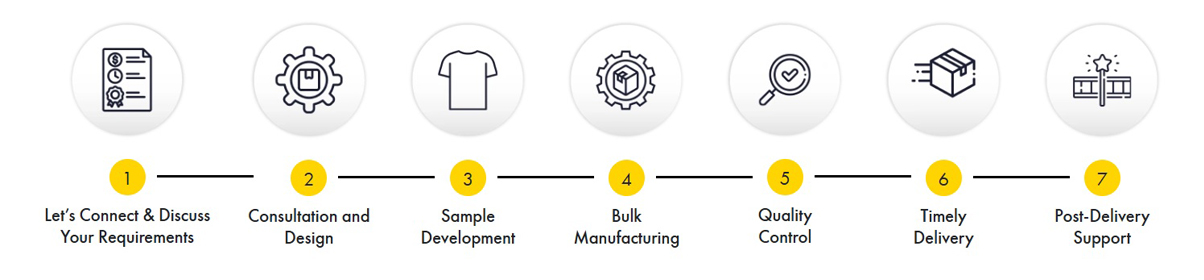
Our production process includes:
Pattern Making
↓
First Sample Development
↓
Fit Checking & Revision
↓
Print and Fabric Confirmation
↓
PP Sample Approval
↓
Bulk Cutting & Sewing
↓
Final Inspection & Packing
Before bulk production, we recommend confirming the PP sample because it allows you to check measurements, print placement, construction details and finishing quality.
This step helps avoid larger adjustments after production has started.
Related Dress Manufacturing Categories
For other dress silhouettes and fabrics, explore our dress manufacturer category and related manufacturing pages:
- A Line Dress Manufacturer
- Halter Dress Manufacturer
- Party Dress Manufacturer
- Prom Dress Manufacturer
- Evening Dress Manufacturer
What Affects Printed Dress Manufacturing Cost?
| Cost Factor | What Changes |
|---|---|
| Fabric | Fabric type, composition, weight, width, texture and sourcing cost |
| Printing Method | Digital printing, screen printing, rotary printing or other techniques that affect setup requirements and production costs |
| Print Artwork | Custom artwork development, color quantity, repeat patterns and print file preparation |
| Print Placement | Full-body prints, panel prints, border prints and specific placement requirements that affect cutting and sewing control |
| Color & Pattern Complexity | Number of colors, gradient effects, detailed patterns and color matching requirements |
| Garment Construction | Number of panels, seams, sewing operations and dress silhouette complexity |
| Design Details | Ruffles, pleats, ruching, tiers, embroidery, lace or other decorative elements |
| Lining & Finishing | Lining material, additional sewing steps, pressing and final garment finishing requirements |
| Quantity | Order volume affects fabric utilization, printing setup cost and production efficiency |
| Packaging | Custom labels, hangtags, polybags, cartons, boxes and other packaging requirements |
For an accurate quotation, send your printed dress design together with your target quantity, preferred fabric, print artwork, size range and packaging requirements. A product image alone may not provide enough details for a reliable manufacturing estimate, especially when the print method, fabric quality and production process are not confirmed.
Common Challenges When Developing Printed Dresses Overseas
Developing printed dresses overseas involves more than confirming artwork and selecting fabrics. Differences in fabric performance, printing process and production communication can affect the final result, especially when moving from sample development to bulk manufacturing.
Print Color Difference
Print color difference is one of the common concerns when developing printed dresses. The final color may vary due to fabric composition, printing method, color settings and production conditions.
Before bulk production, we review print samples and confirm color requirements to reduce differences between the approved sample and mass production.
Fabric Shrinkage
Lightweight and printed fabrics, such as chiffon, rayon and cotton blends, may require additional attention because shrinkage can affect garment measurements and print alignment.
During development, fabric behavior is checked before cutting when required. This helps maintain the correct size, shape and overall appearance after production.
Print Placement Errors
Placement prints require accurate coordination between artwork, pattern making and cutting.
For designs with borders, front panels or specific print positions, the pattern team reviews how the artwork aligns with each garment piece before bulk cutting to avoid placement issues during sewing.
Sampling Revisions
Printed dresses often require adjustments during sampling, especially for fit, fabric drape, print position and construction details.
Clear communication during the sample stage helps confirm the required changes before PP sample approval and reduces unexpected adjustments during bulk production.
MOQ Limitations
Small quantity orders can be challenging for printed dress production because printing setup, fabric sourcing and production preparation may involve additional costs.
At Xiuyu Apparel, our MOQ is usually 50–100 pcs per style/color. We help review suitable fabric and printing options based on your order quantity and collection requirements.

About Our Printed Dress Factory
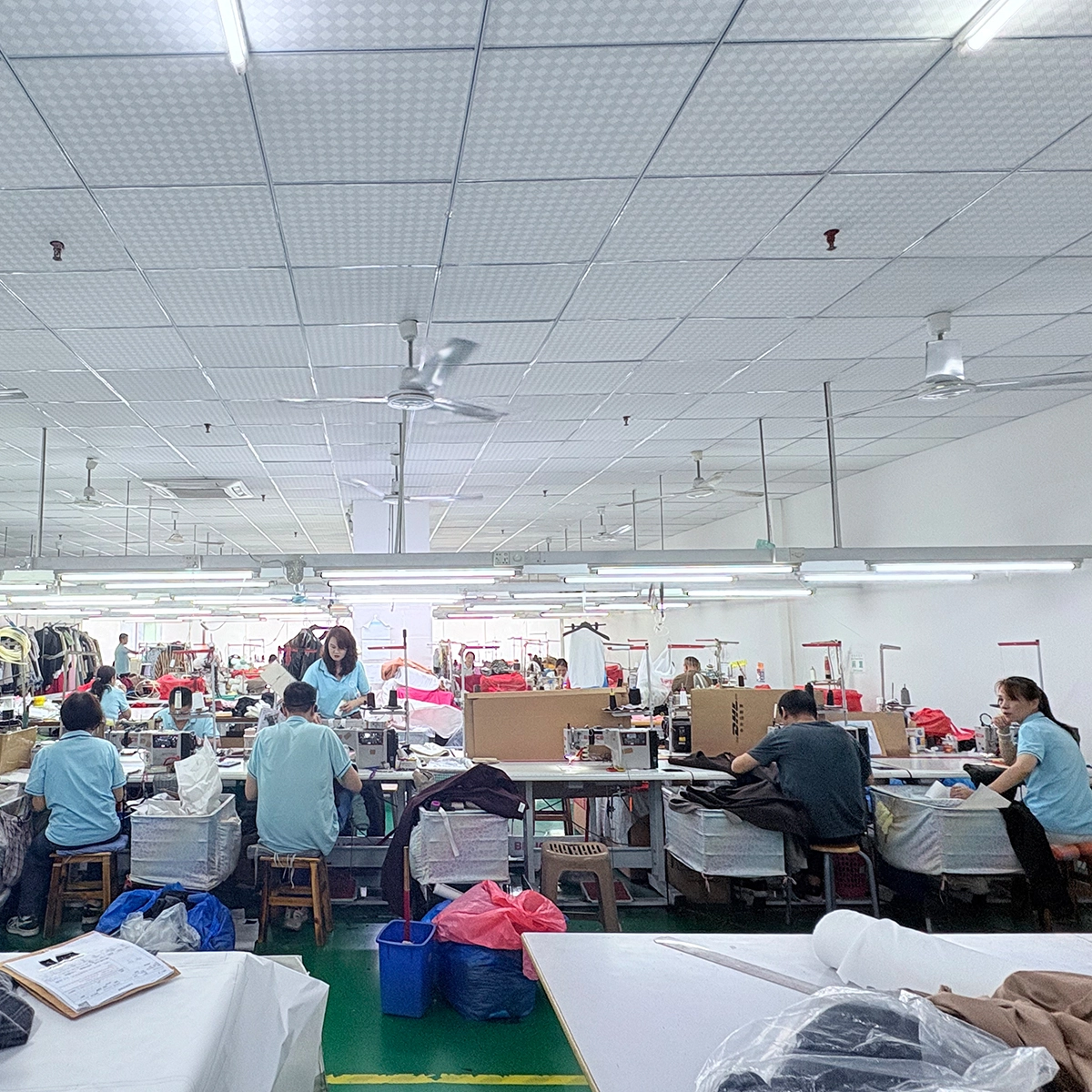
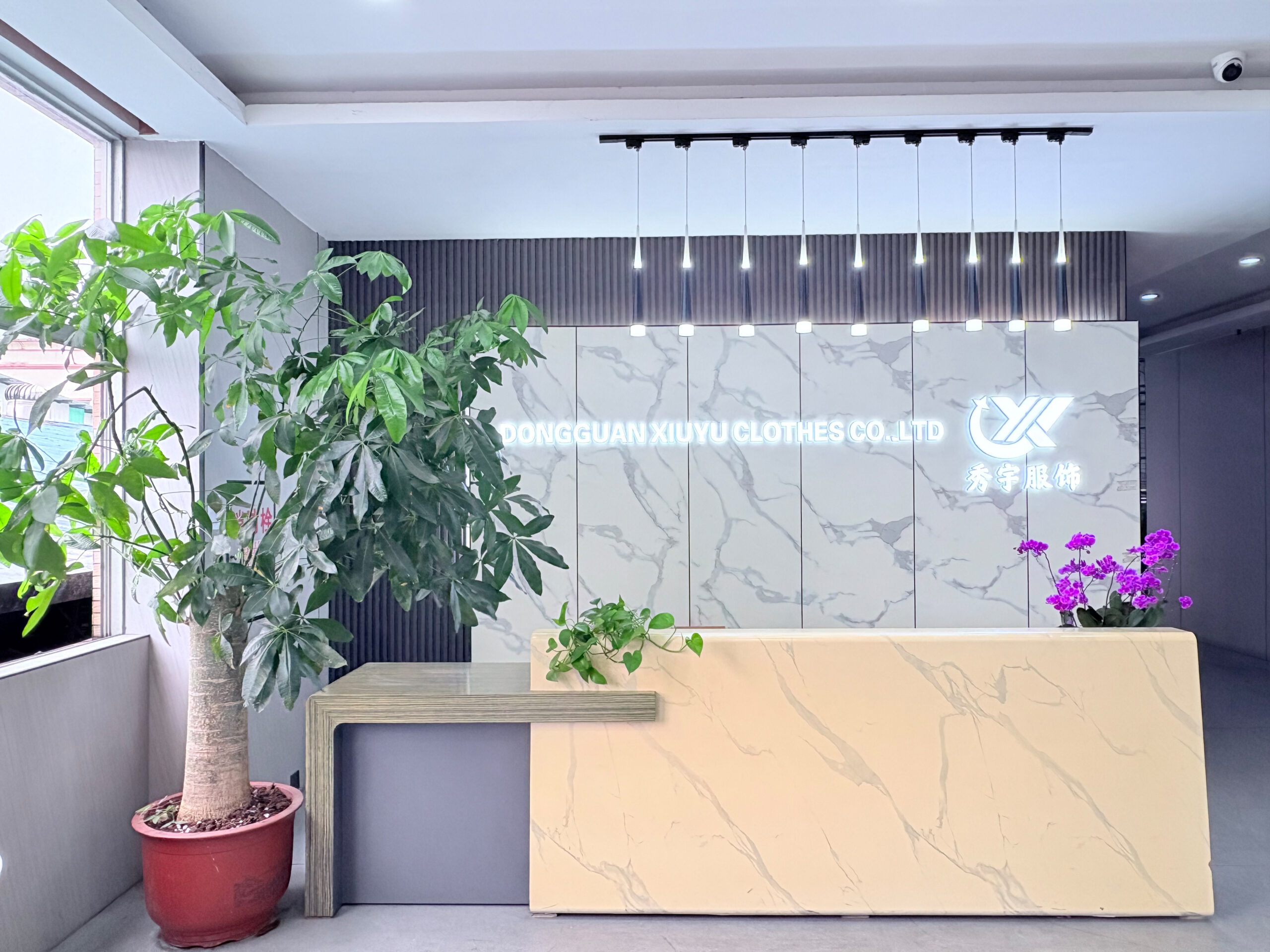
Xiuyu Apparel is a direct clothing manufacturer supporting fashion brands, designers, startups, retailers, wholesalers and private label companies. With in-house pattern making, sampling, cutting, sewing, QC and packing, our factory manages the complete dress production process.
For dress production, the main control points are fabric behavior, cutting direction, seam construction, lining, pressing, and bulk consistency. Our factory has around 750 skilled workers, 500+ sewing machines, 5 automatic cutting lines, and a monthly production capacity of approximately 150,000 pieces.
- How We Manufacture Dress Production
- Factory Picture
- Our Capabilities
- Our Manufacturing Services
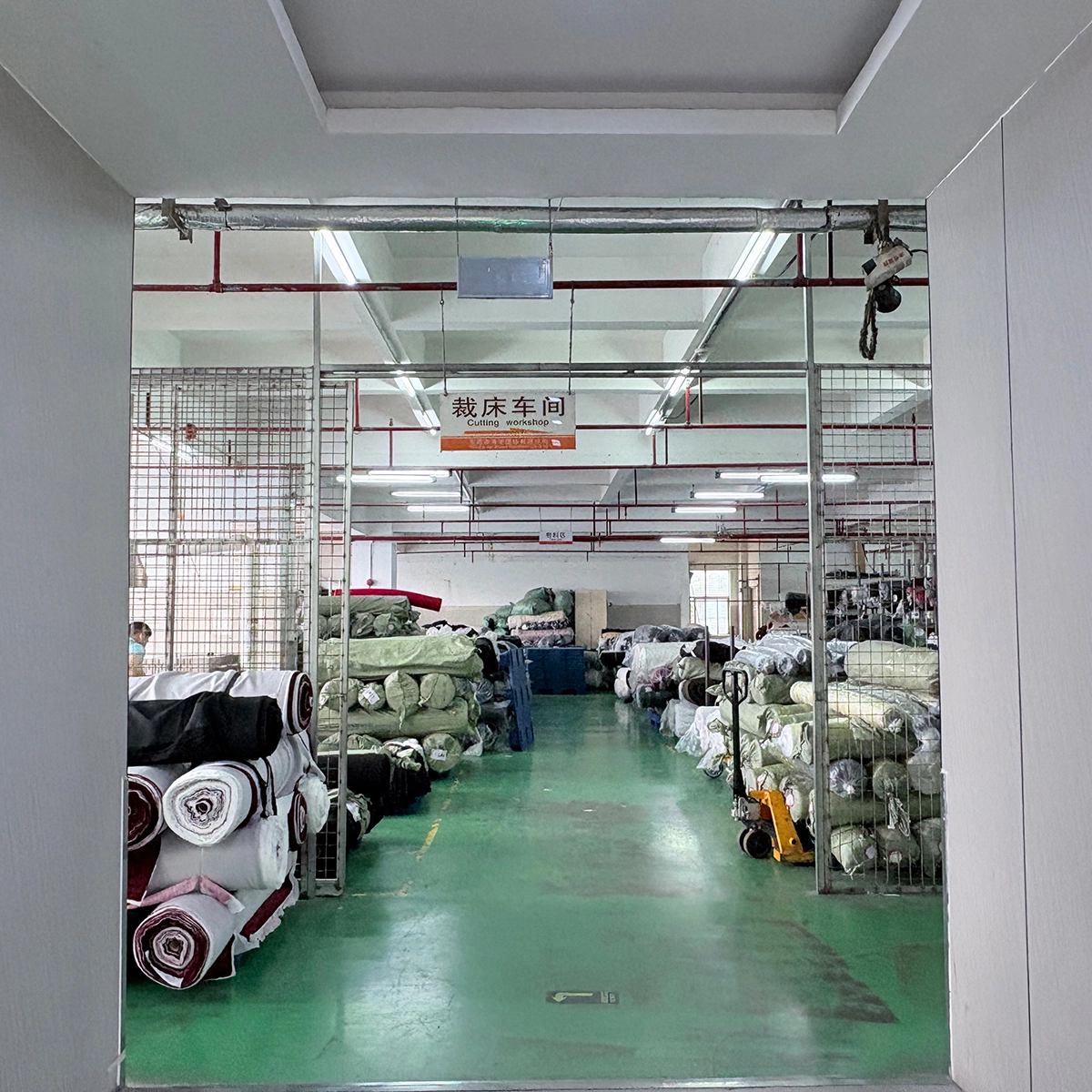
Fabric Warehouse
Fabric rolls are received and recorded by color, batch and quantity before production.
↓
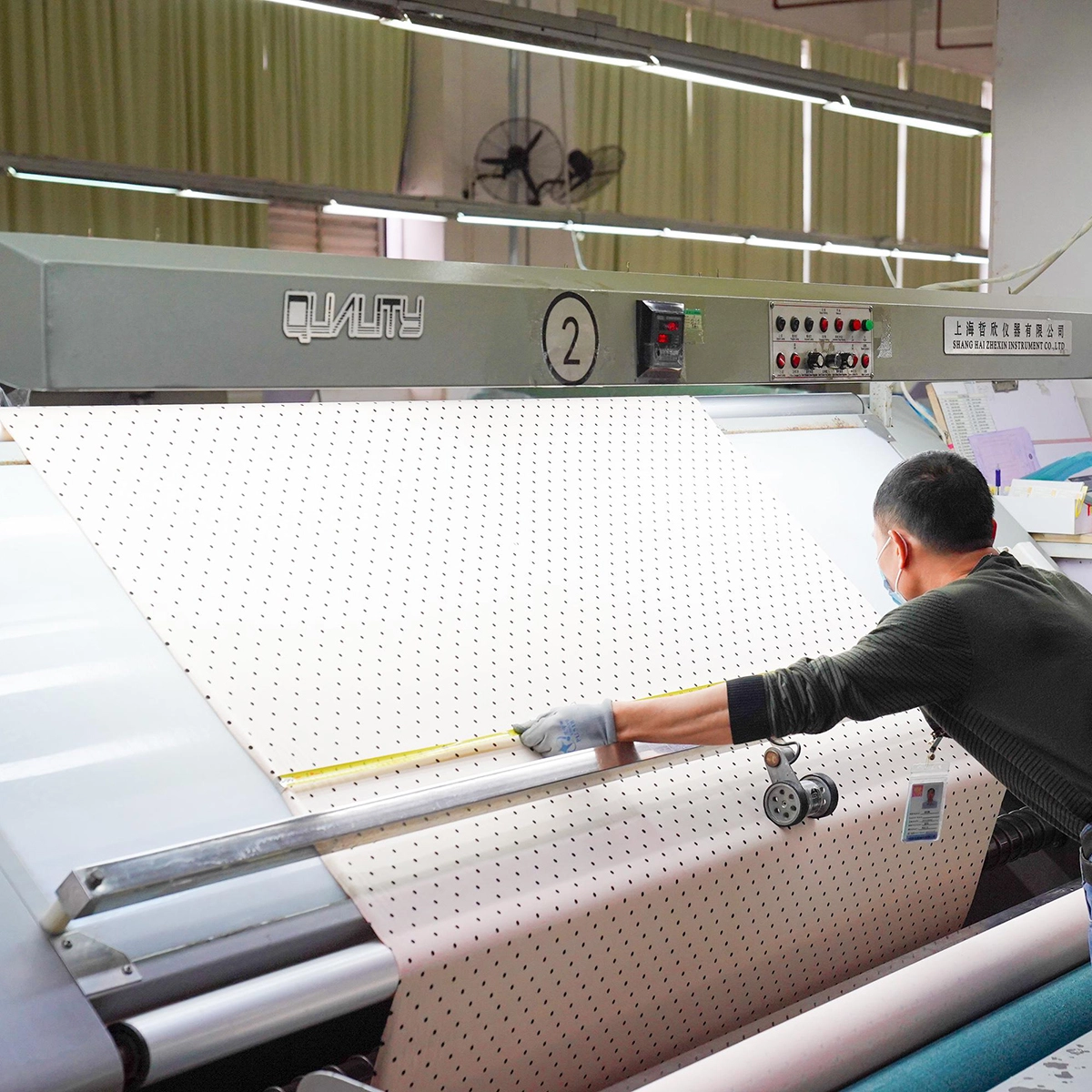
Fabric Inspection
QC checks fabric shade, visible defects, width and overall condition before it is released for cutting.
↓
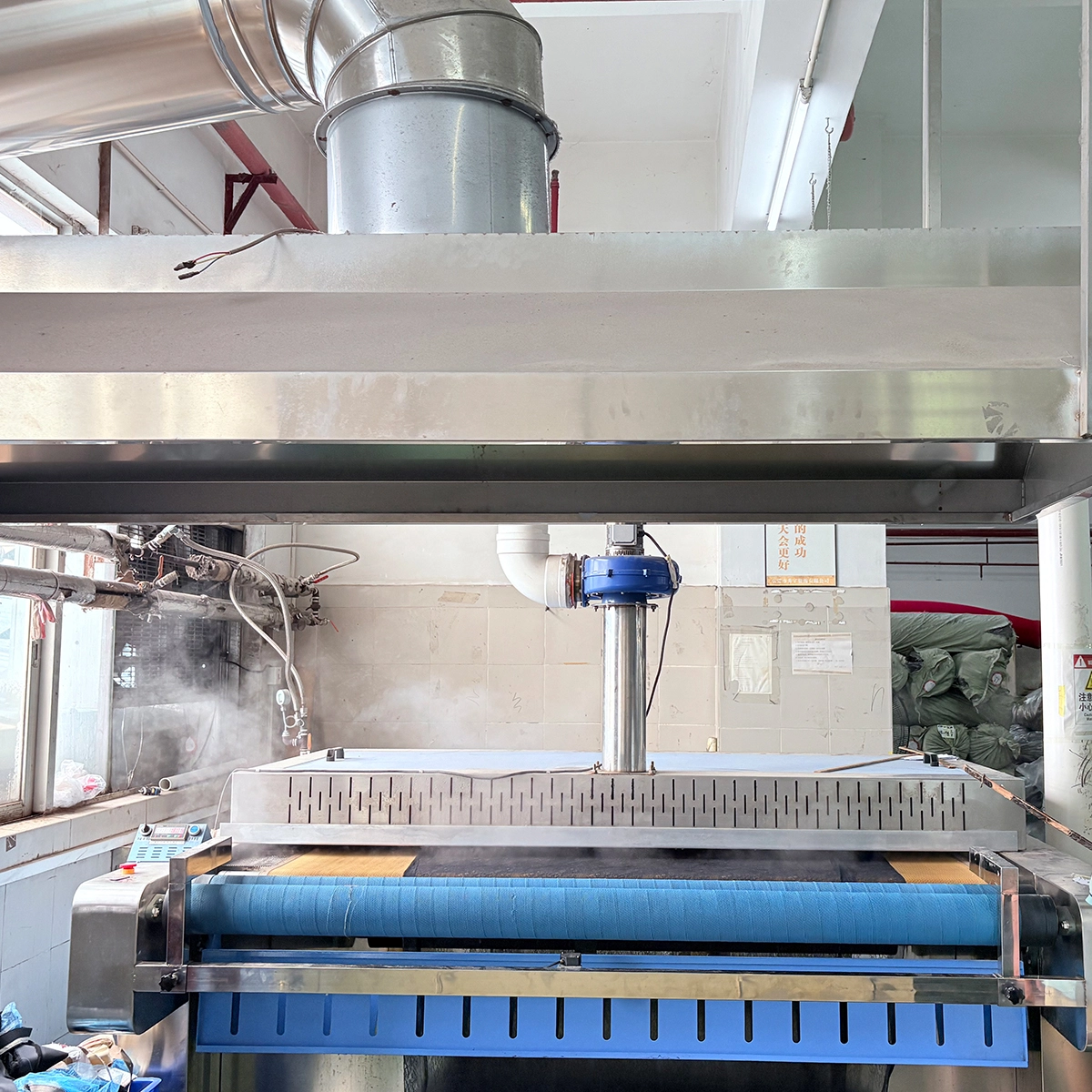
Fabric Pre-shrinking
Approved fabrics can be pre-shrunk before cutting when required. This helps control shrinkage and keep finished measurements more consistent.
↓
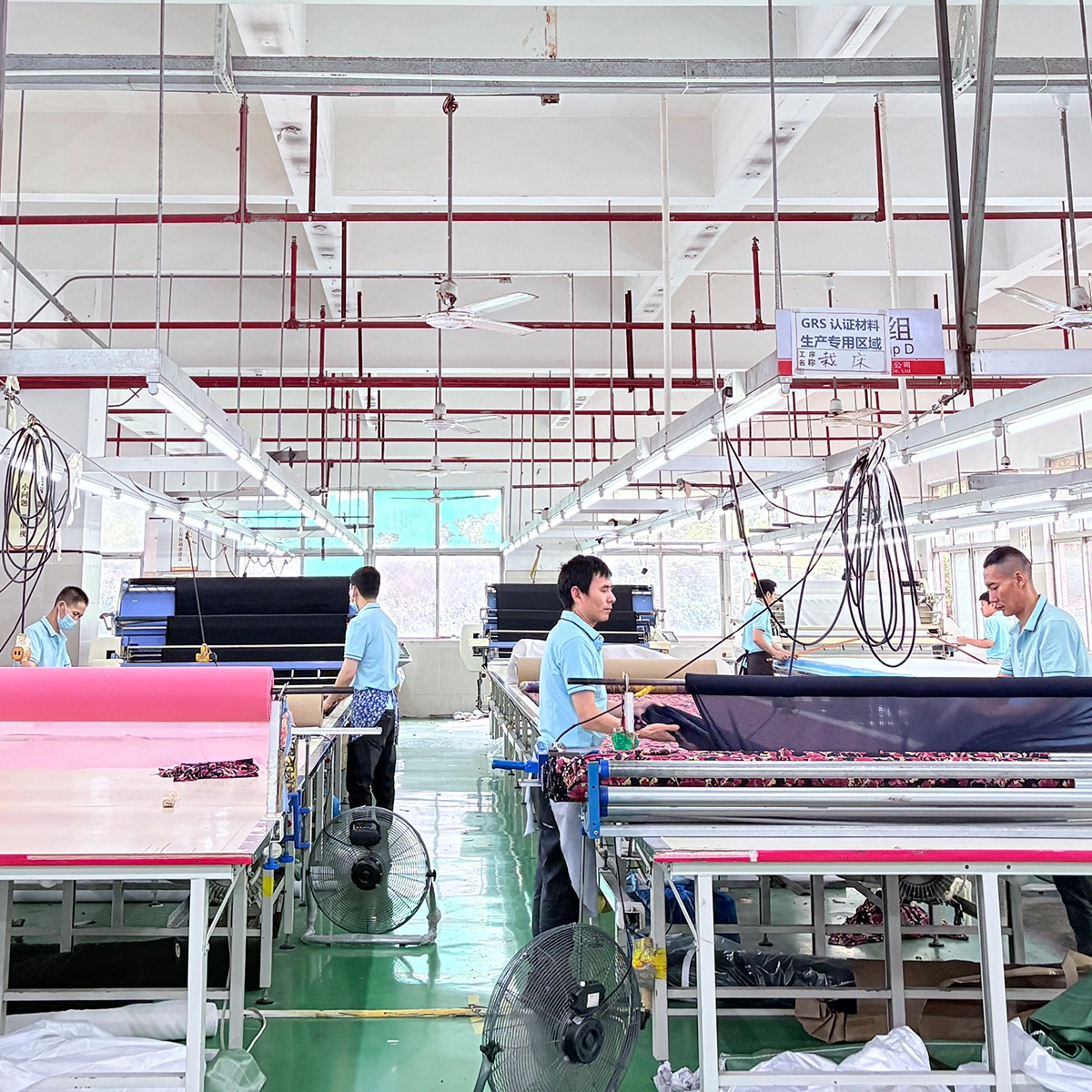
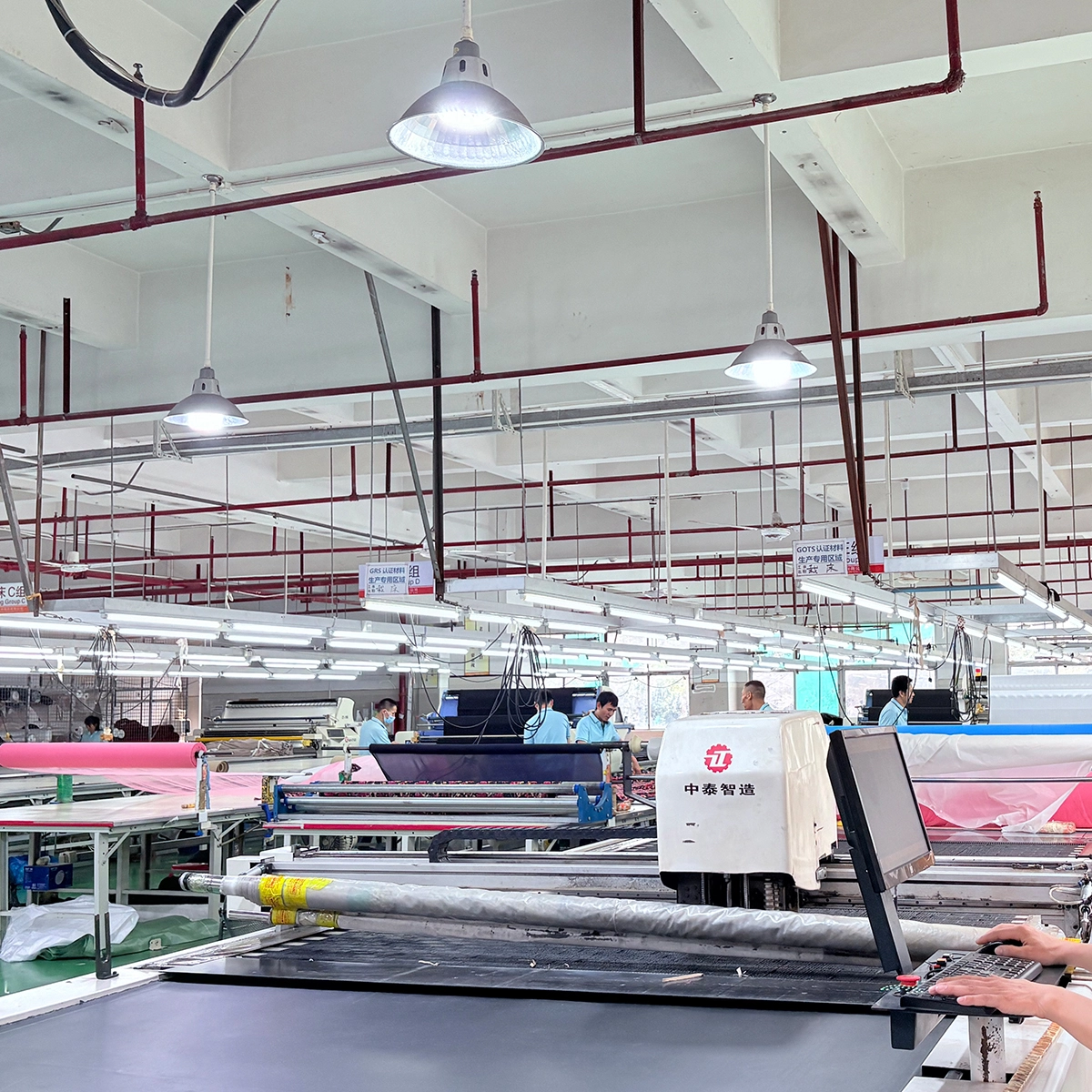
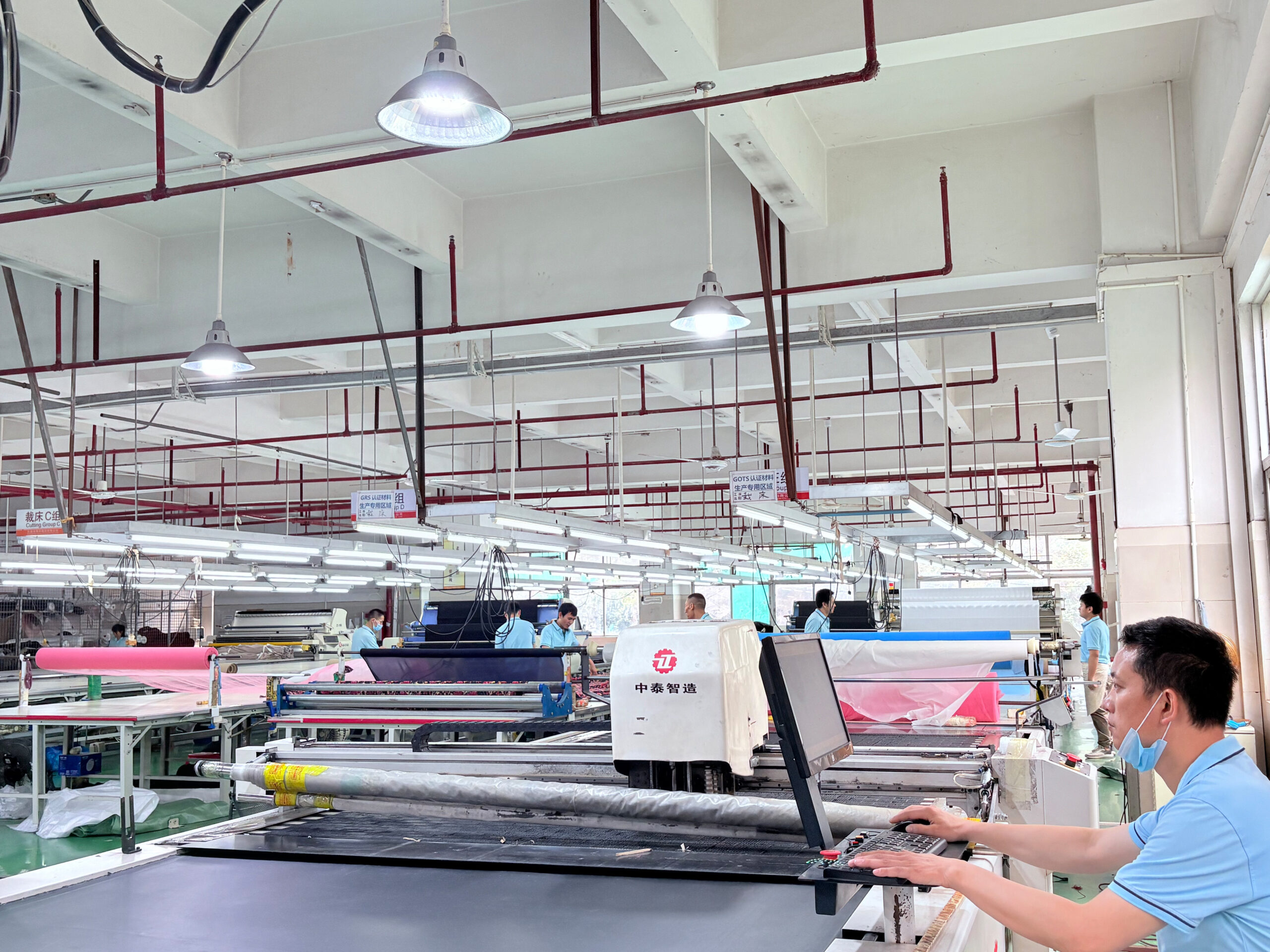
Automatic Cutting
For bulk orders, computerized cutting equipment is used according to the approved pattern and marker layout. Fabric width is checked before cutting to reduce cutting errors and unnecessary waste.
↓
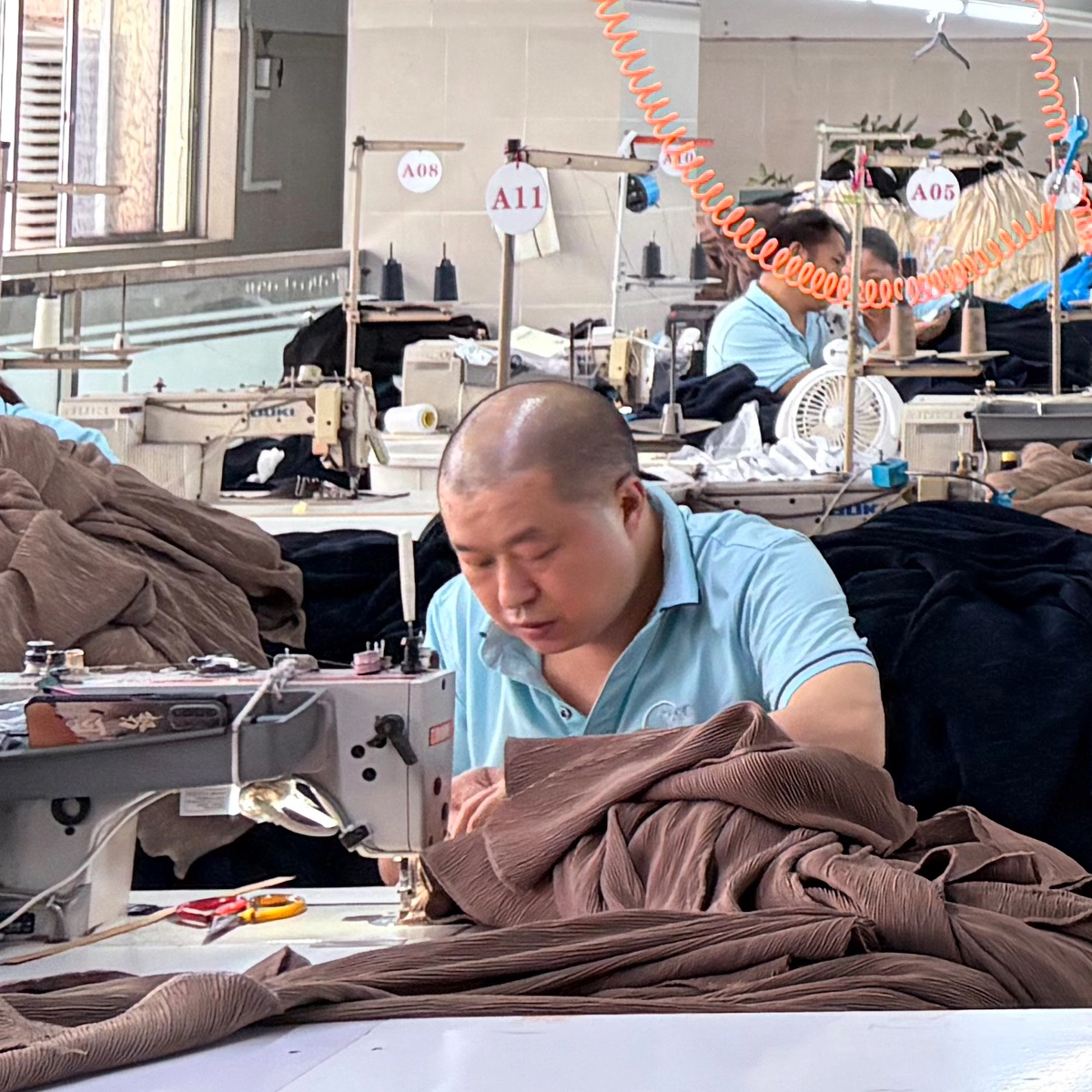
Bulk Production Sewing
Cut panels are assembled according to the approved sample and construction details. Operators check stitching, seams and garment shape during sewing.
↓
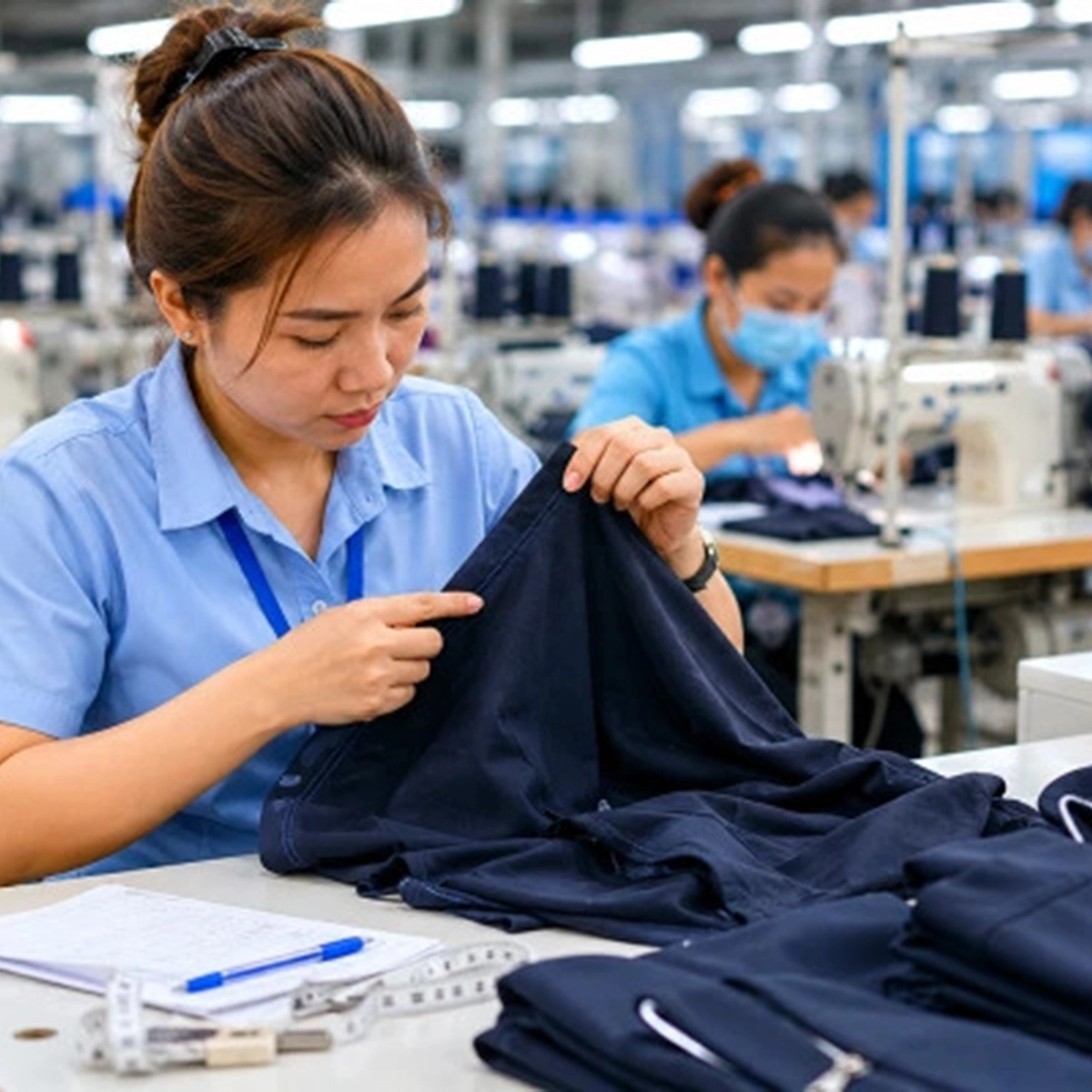
In-line Inspection
QC checks measurements, stitching and construction during production. Problems can be corrected at the production stage instead of waiting until final inspection.
↓
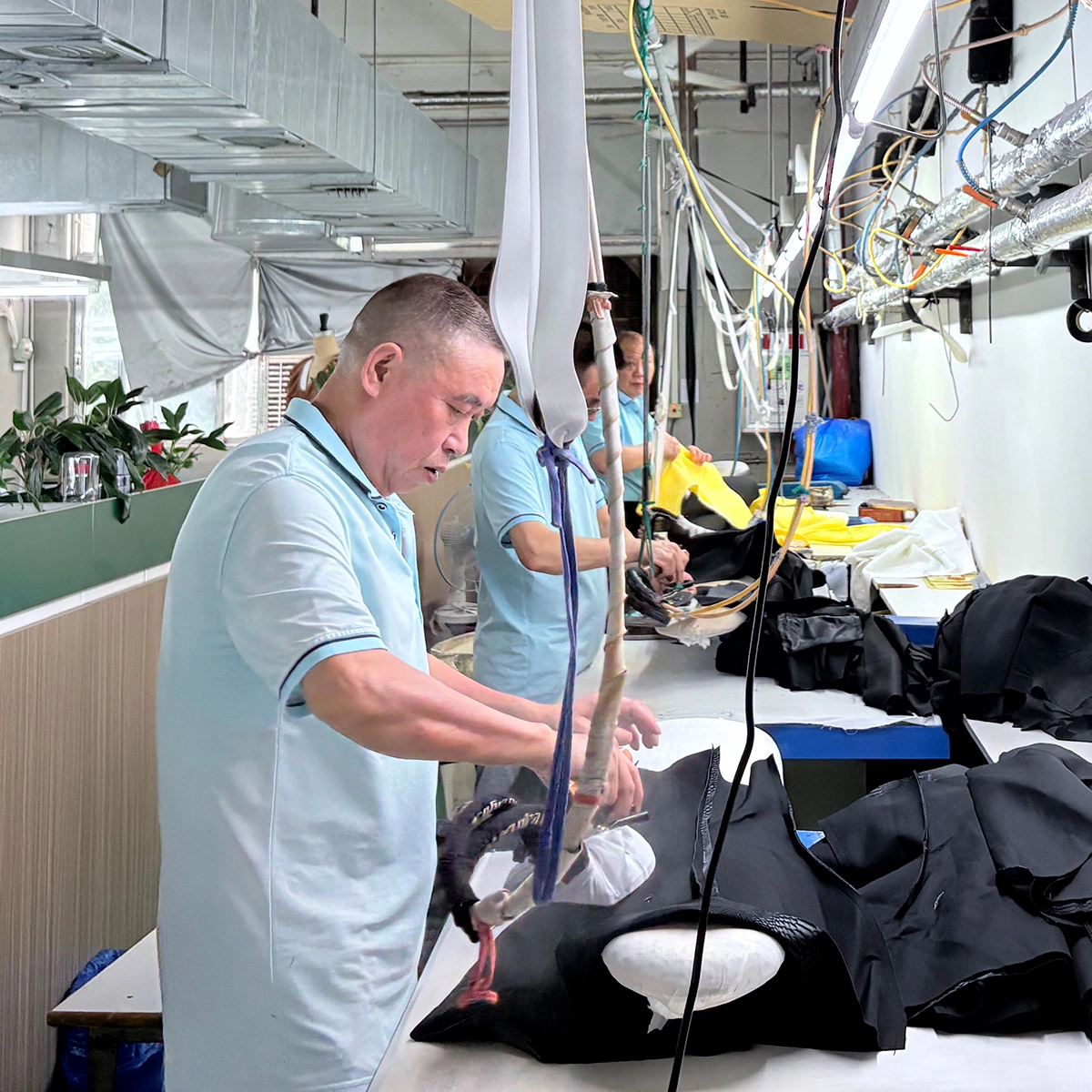
In-line Pressing
Garments are pressed during production to remove wrinkles and help maintain the correct shape before final finishing.
↓
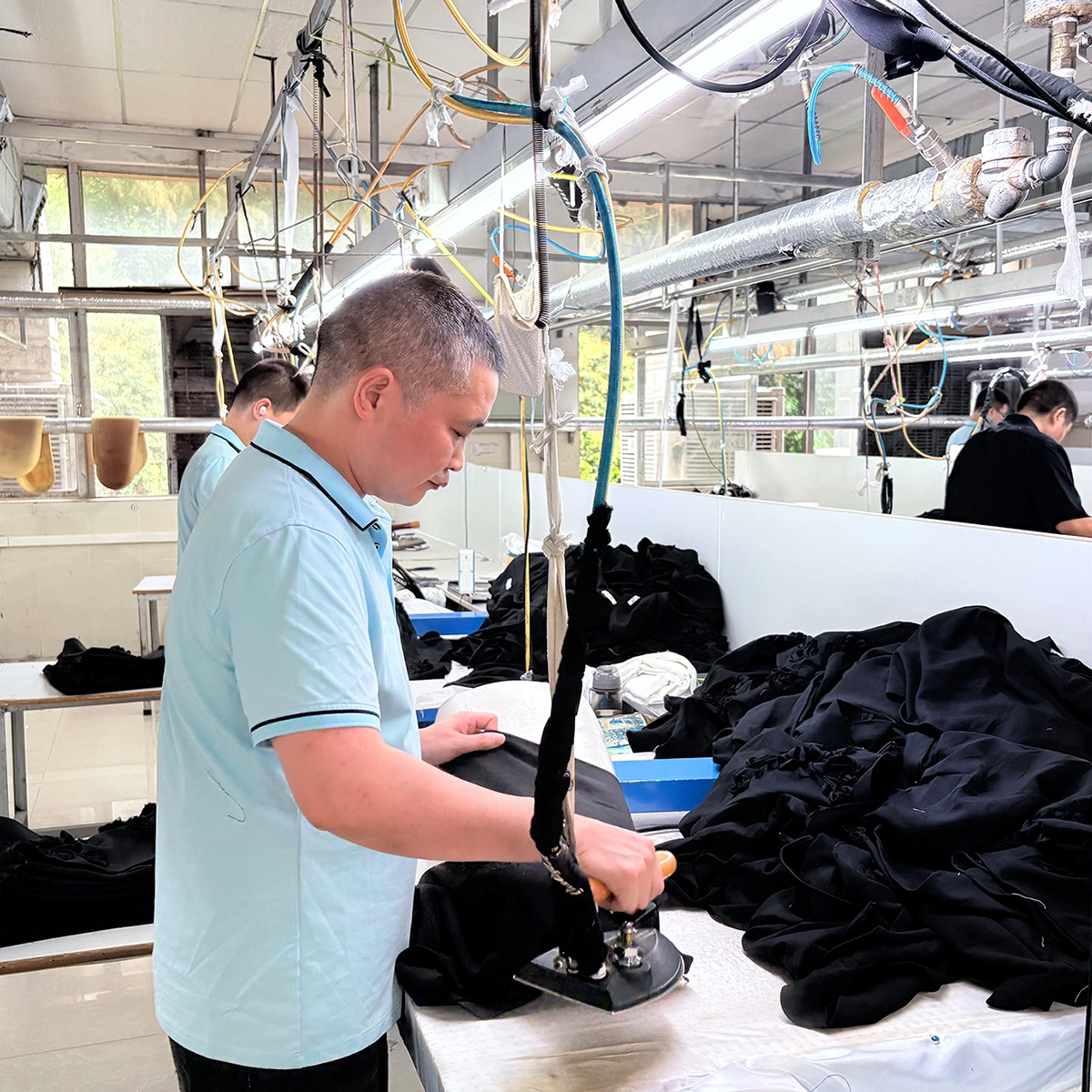
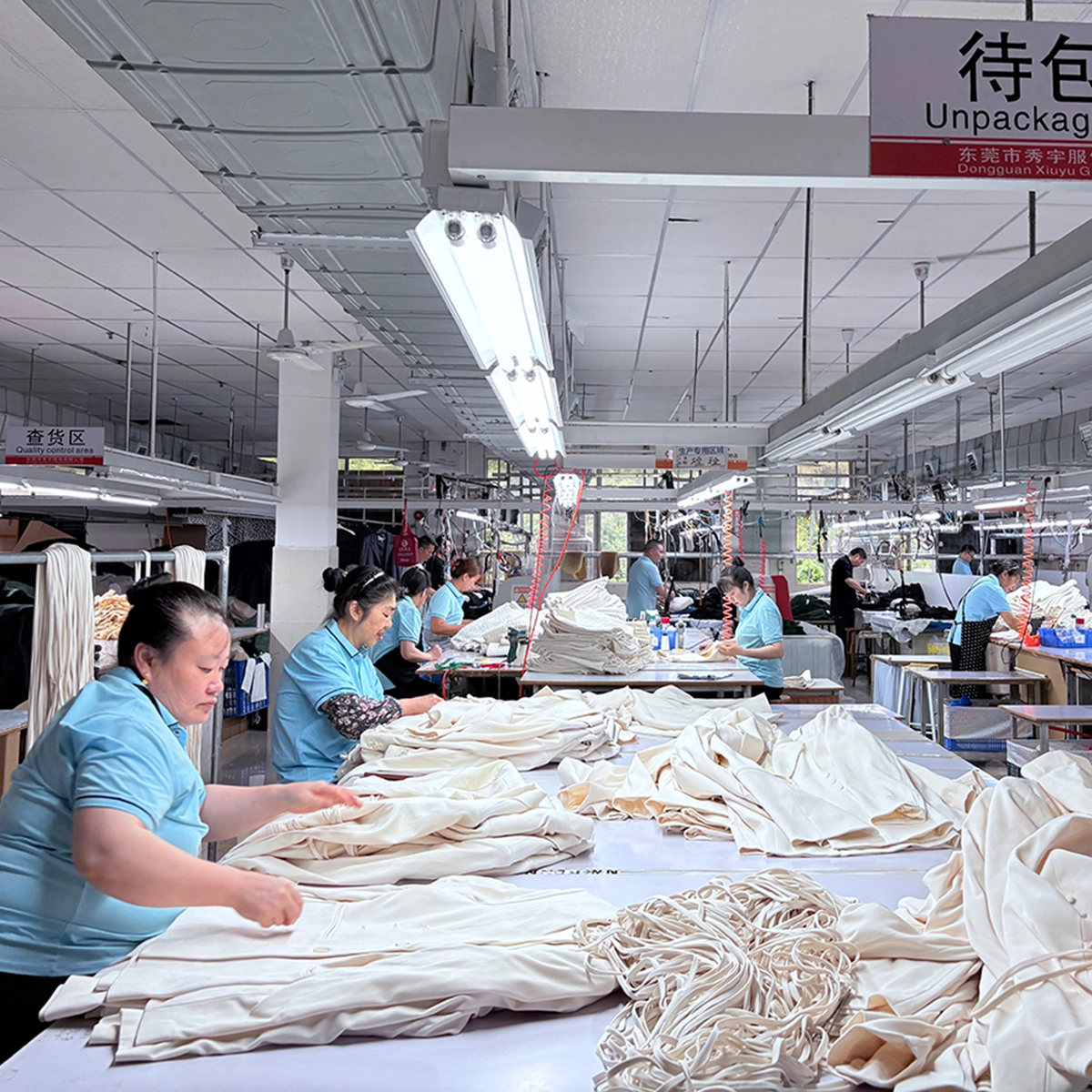
Final Pressing
After assembly, garments receive final pressing before inspection. The team checks the overall shape, seams and visible wrinkles.
↓
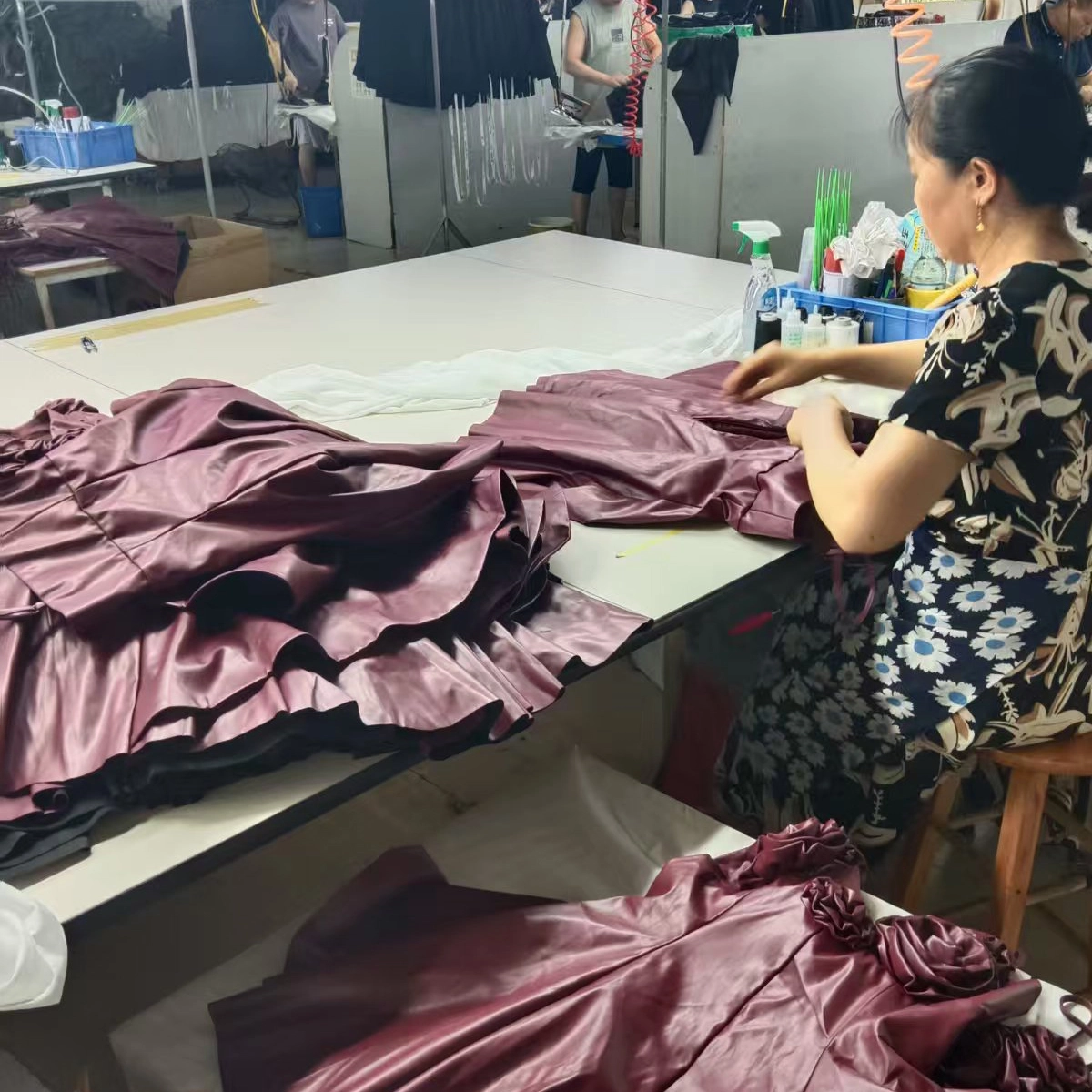
Final Inspection
Finished garments are checked for measurements, stitching, appearance, labels and packing requirements before release.
↓
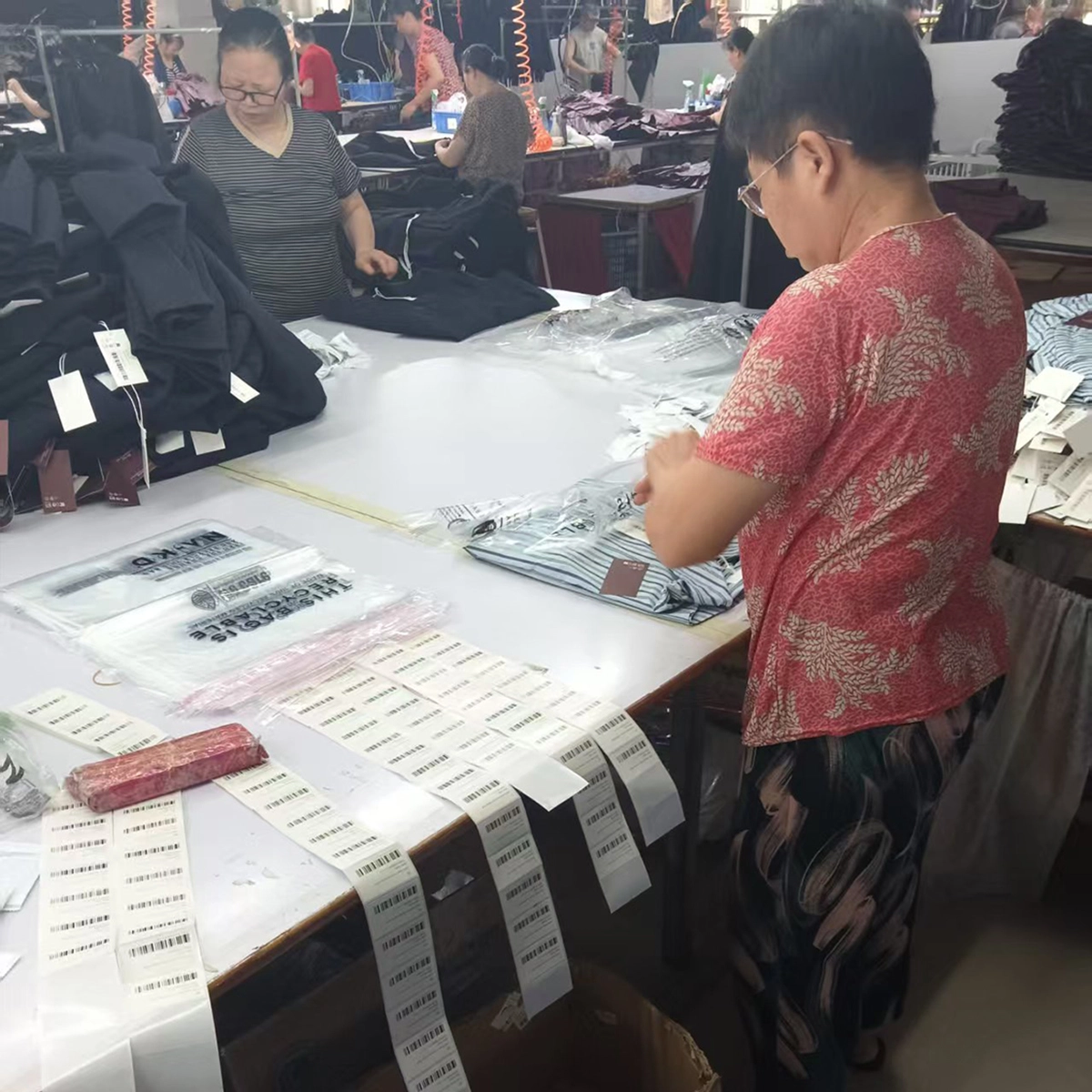
Garment Packing
Finished garments are folded and packed according to the order requirements. Labels, barcodes and packing details are checked before cartons are sealed.
↓
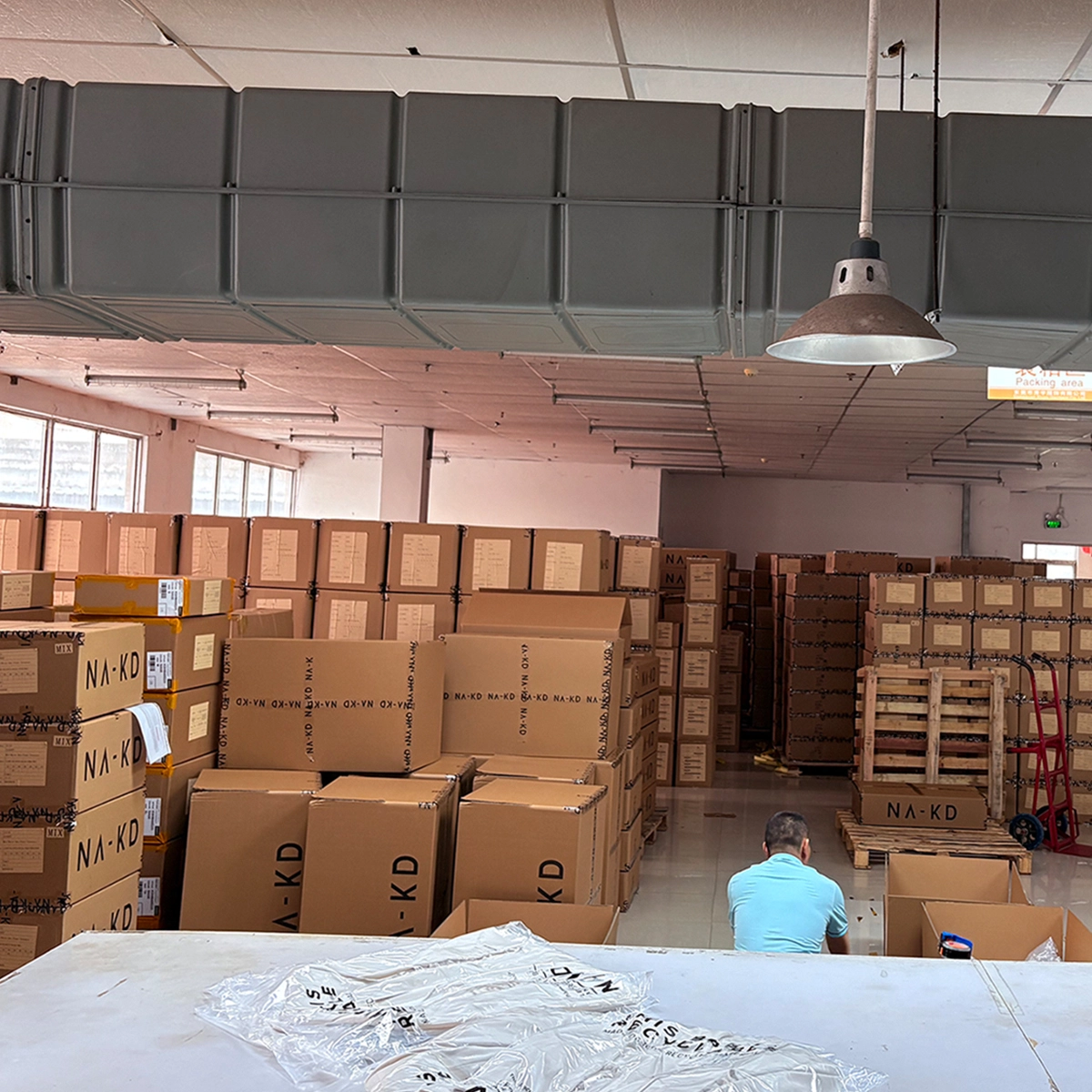
Finished Products
Finished garments are organized by style, color and size. Carton quantities and packing details are checked before shipment.
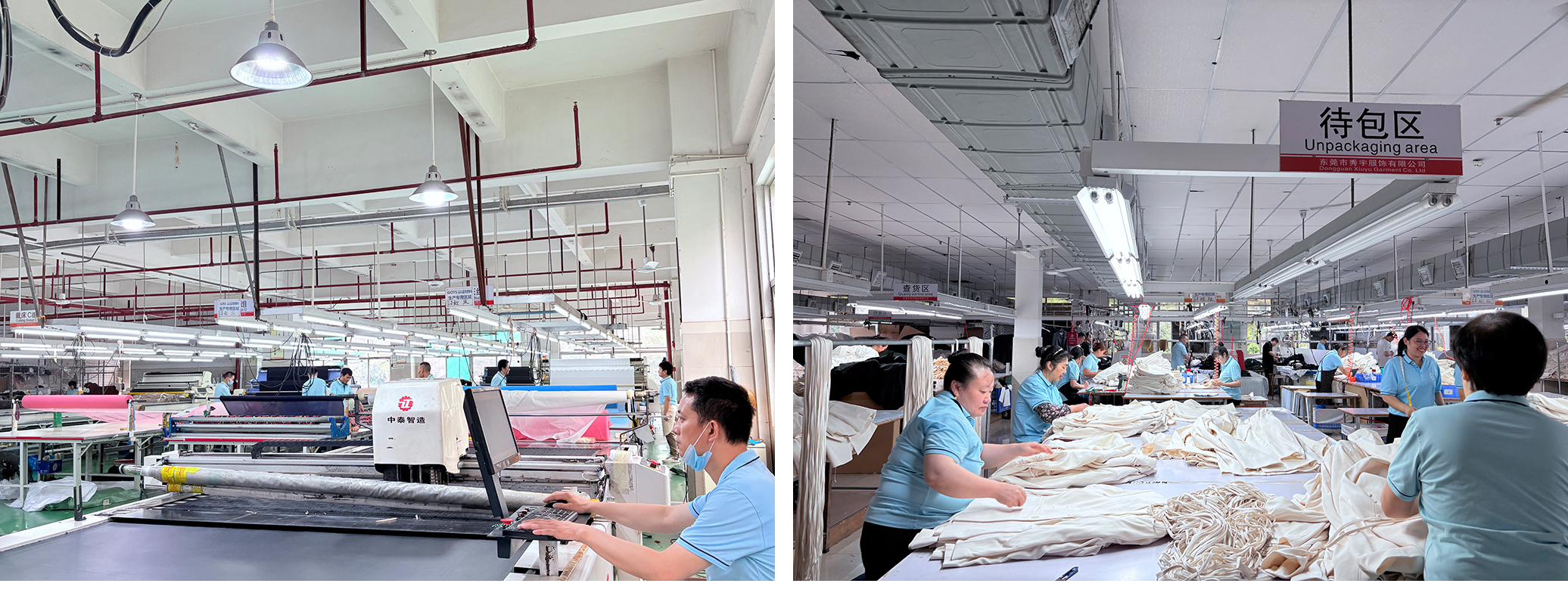 Cutting room & QC inspection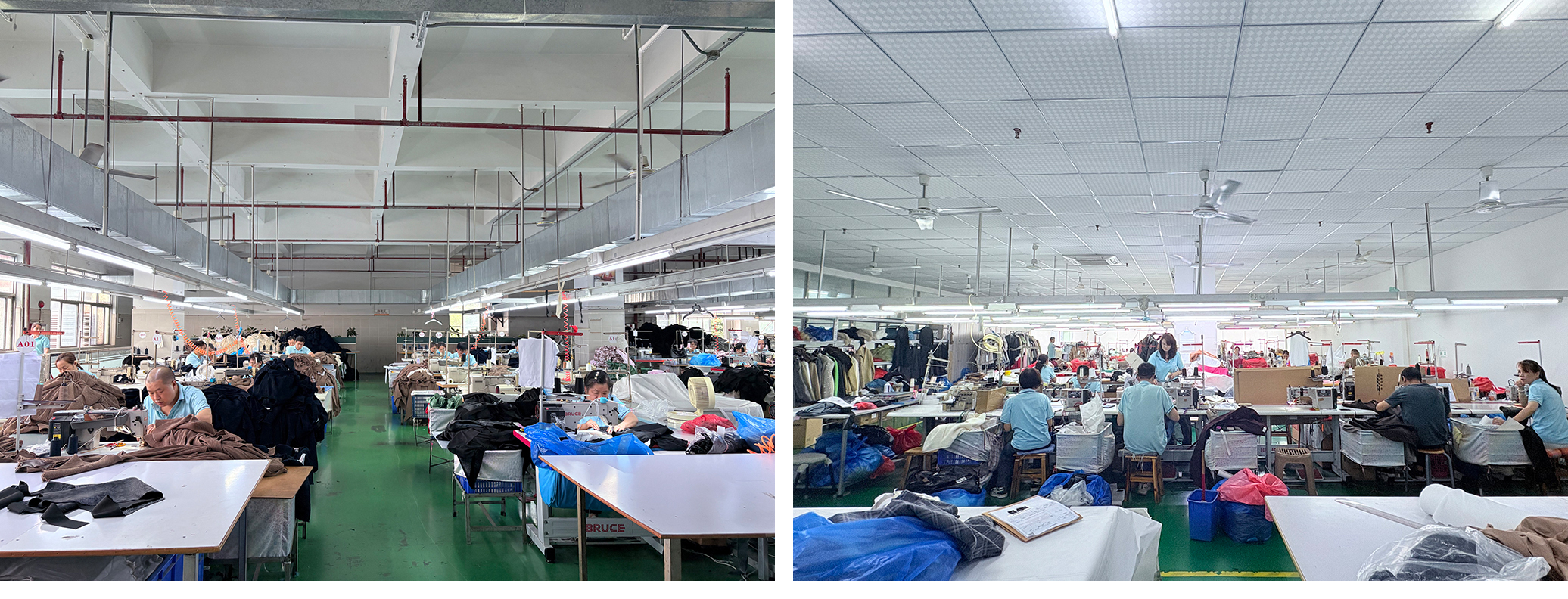
Sewing workshop
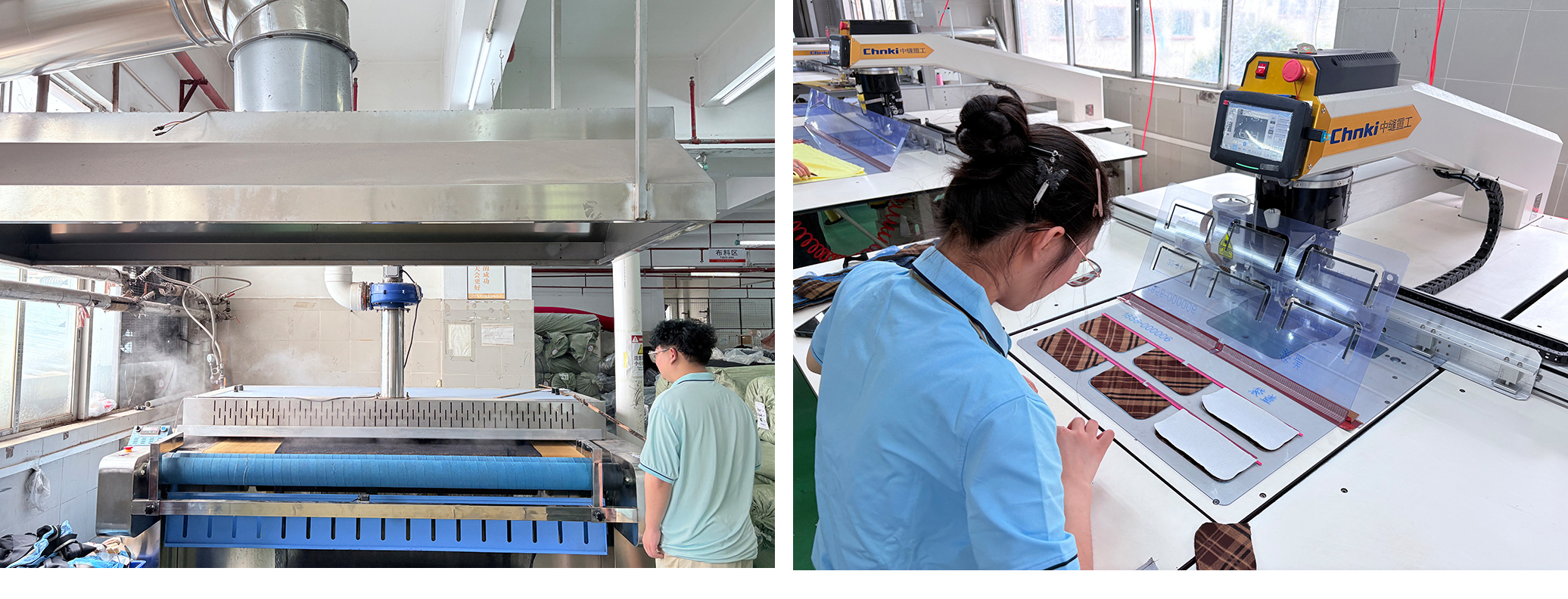 Fabric Pre-shrinking Workshop & Automatic Template Machine Workshop
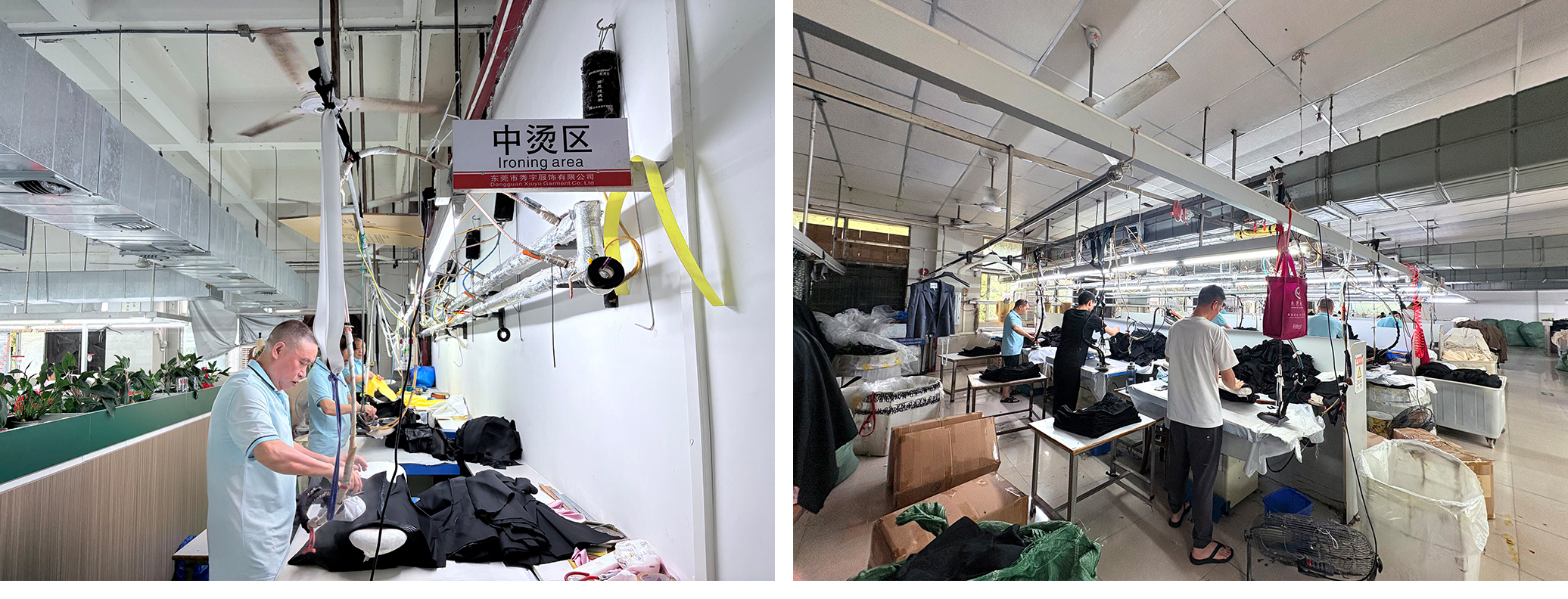 Finishing Workshop
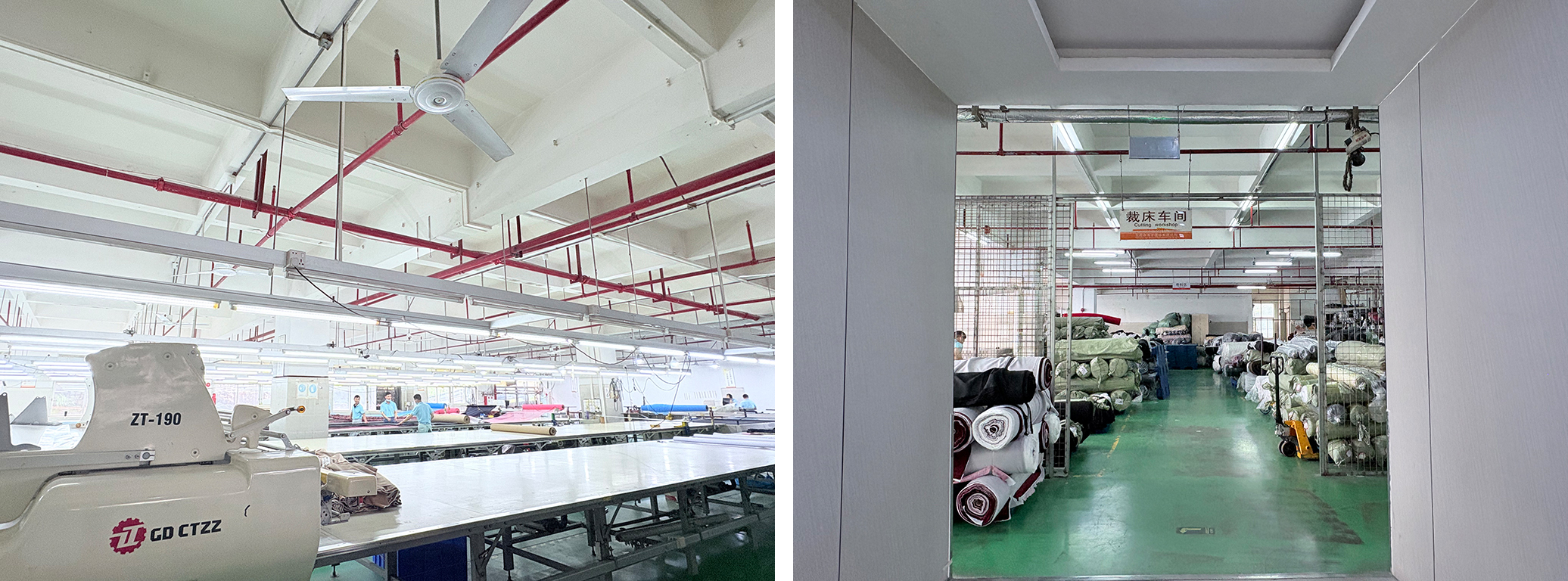
Cutting Room & Fabric warehouse
As a custom dress manufacturer, we handle the main production steps in-house, from pattern making and sampling through cutting, sewing, finishing, and final inspection. Our team works from your tech pack, sample, sketch, or reference and checks the details before the style moves into bulk production.
Keeping these stages with one production team makes it easier to deal with pattern changes, sample revisions, and construction issues before cutting starts. We can also arrange screen printing and custom embroidery when these details are part of the design.
Have a Printed Dress Project to Develop?
Send us your tech pack, sketch, reference photo, existing sample, or fabric requirement.
If you already know the target quantity, fabric, or delivery date, include those details with the design.
Still working on the design? Send the current version. We can review fabric choice, construction details and sampling requirements before making the first sample.
Send Your Printed Dress Details
Yes. You can send artwork files, tech packs, reference images or samples. Our team reviews print size, fabric compatibility and placement requirements before sampling to reduce production adjustments later.
It depends on your artwork, fabric and order quantity. Digital printing works well for detailed patterns, while screen printing is often suitable for simpler designs and larger production quantities.
Yes. We can work with your color references or Pantone requirements during development. Before bulk production, we confirm the approved sample and fabric details to reduce color differences between sampling and production.
Our MOQ is usually 50–100 pieces per style and color. The exact quantity depends on fabric availability, printing requirements and production planning. This allows new brands to test collections while maintaining practical manufacturing conditions.
Yes. We support private label services including woven labels, care labels, hangtags, packaging and barcode requirements. These details can be prepared together with your production order.
Before cutting, our team reviews print direction and placement according to the approved sample. For special designs such as border prints or panel prints, we check alignment during cutting and sewing.
Sample development usually takes 3–7 days. Bulk production normally takes around 25–30 days after PP sample approval and fabric confirmation.
