
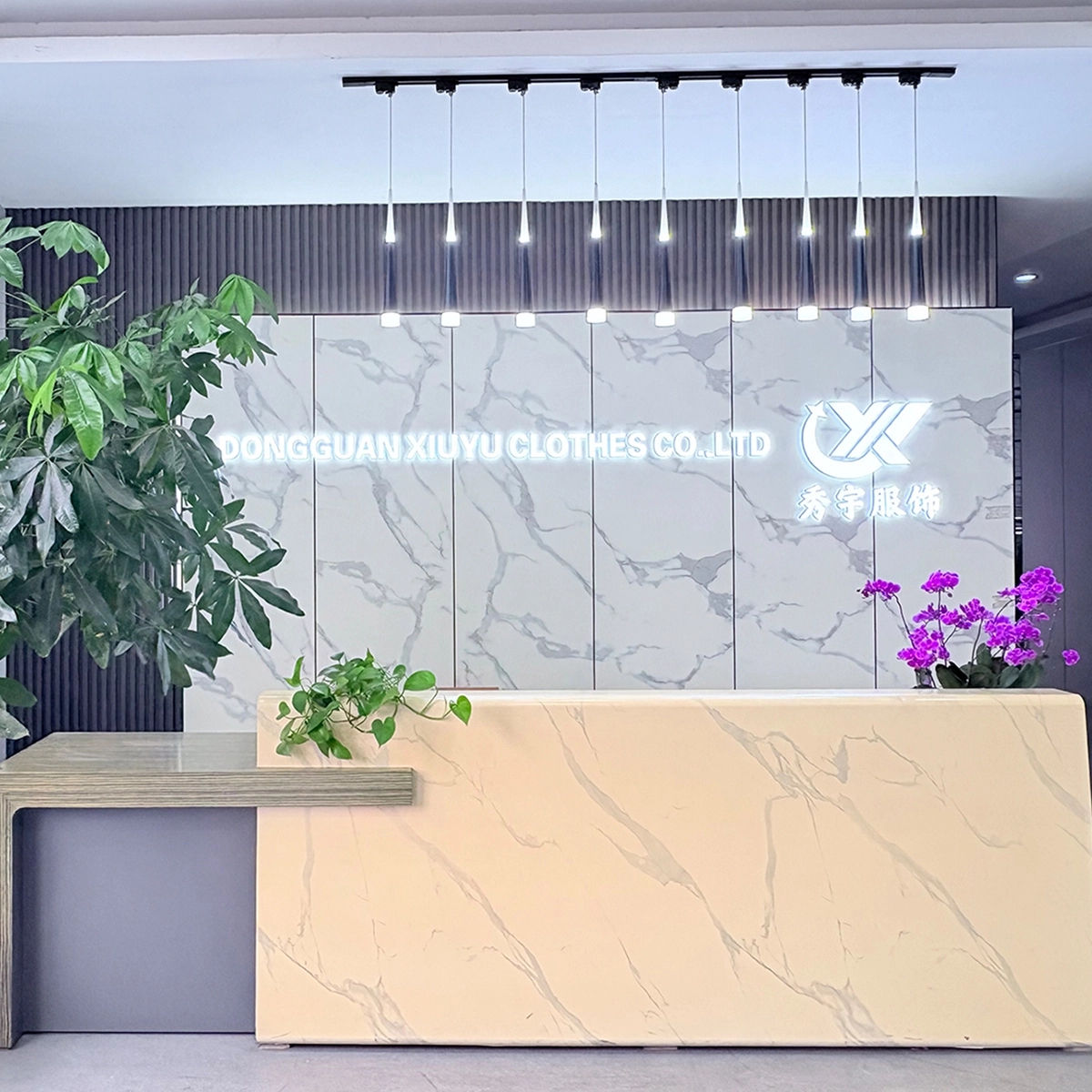
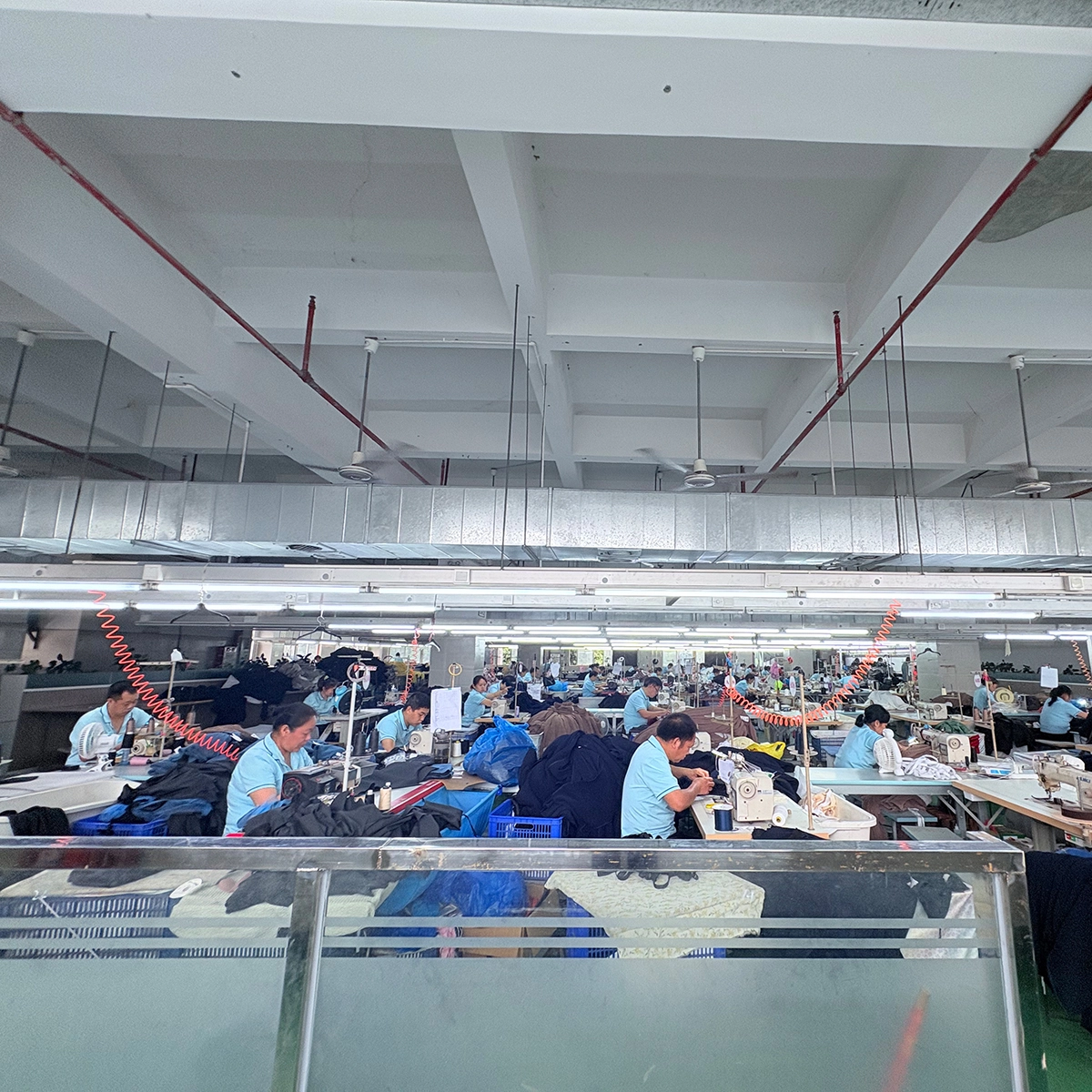
Our Draped Dress Manufacturing Capabilities
- Clothing Manufacturing Experience Since 2007
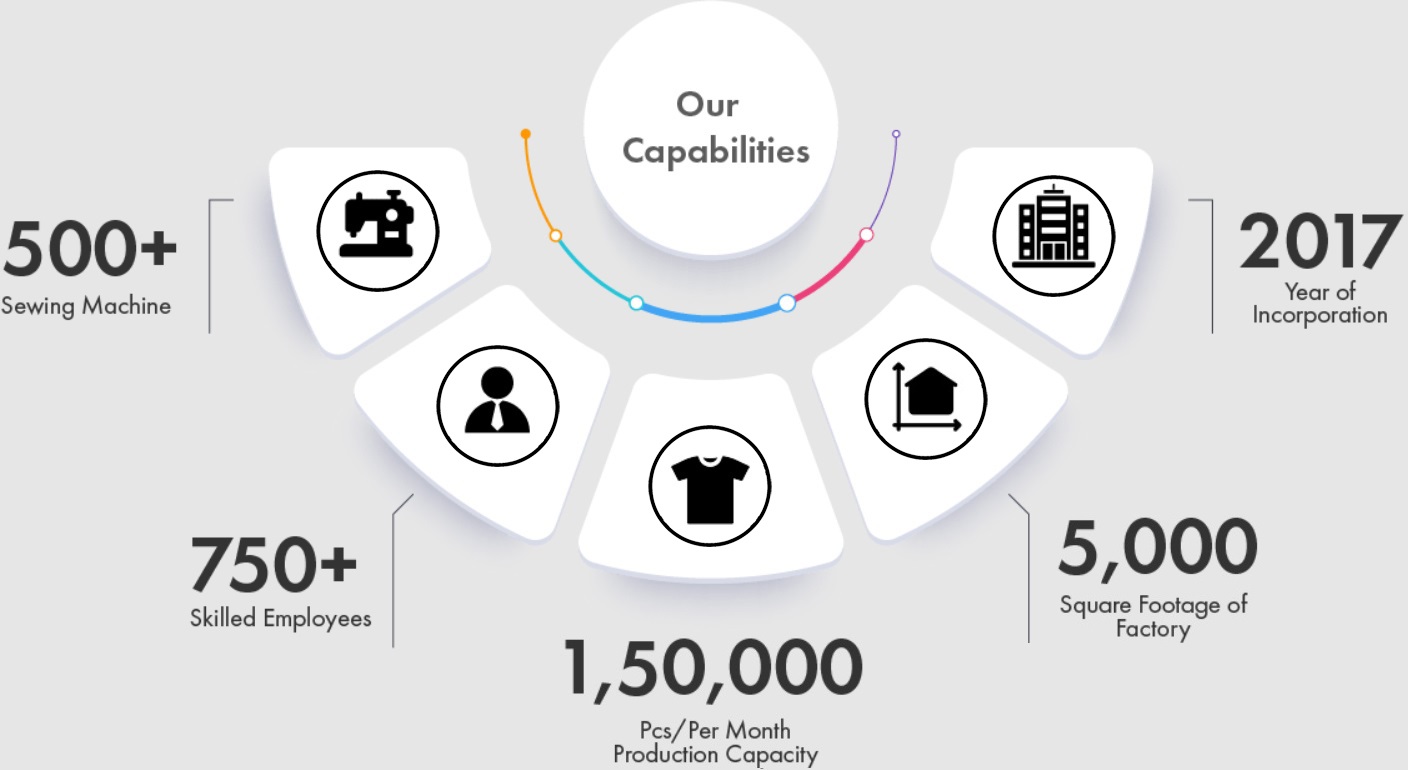
- 18+ Years of Manufacturing Experience
- 750+ Skilled Workers
- 500+ Sewing Machines
- 5 Automatic Cutting Lines
- 15 In-House Pattern Makers
- 35 Sample Sewers
- 150,000+ Pieces Monthly Production Capacity Across Product Categories
- Export Experience to 40+ Countries
A draped dress can look simple in a design sketch, but getting the folds to sit correctly on the finished garment takes careful pattern development. Fabric weight, gathering positions, and internal support all affect the final silhouette. As a draped dress manufacturer, we develop custom patterns and samples around your design, fabric choice, and fit requirements before bulk production.
Why Choose Xiuyu as Your Draped Dress Manufacturer?
Developing a draped dress for bulk production requires more than getting the first sample to look right. The pattern, fabric behavior, and sewing method need to work together across the full size range. Our in-house pattern and sample teams work through these details before the design moves to PP sample approval.
Our in-house pattern makers develop the pattern, while the sample room checks how the proposed construction works in the actual fabric. You can review the first sample and request changes to the gathering position, neckline, fit, or overall drape before approving the PP sample.
Our draped dress manufacturing services include:
- OEM and ODM dress production
- Custom pattern making and grading
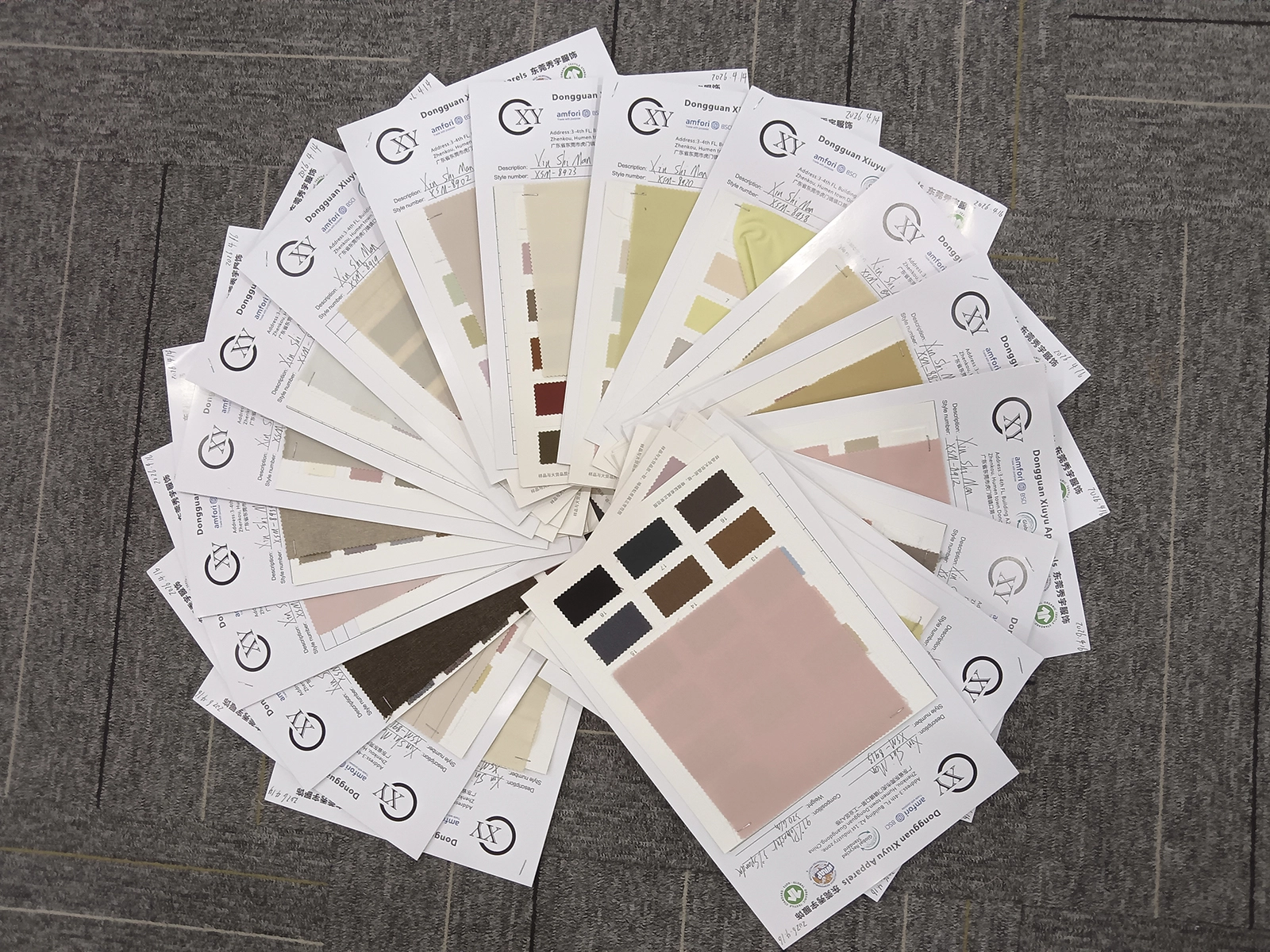
- Fabric sourcing and preparation
- Sample development and fit correction
- Custom fabric, colors, prints, and sizing
- Private label labels, hangtags, and packaging
- Bulk production and quality inspection
If you are starting a new label, a reference image or sketch is enough to begin a development discussion. You do not need a complete tech pack at the first inquiry stage. Brands with existing styles can send their patterns, measurement charts, and construction specifications for our team to review.
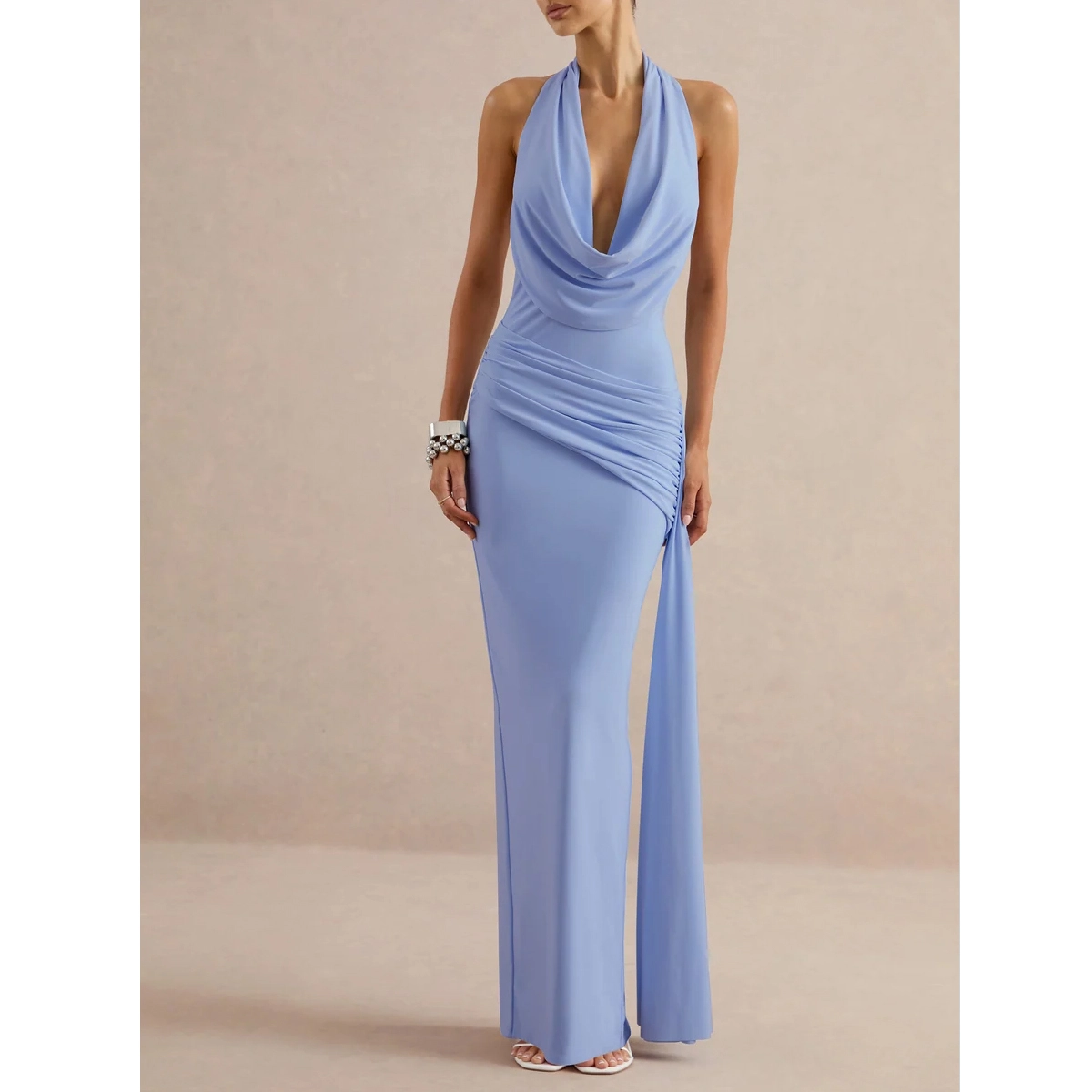
Custom Draped Dress Production for Fashion Brands
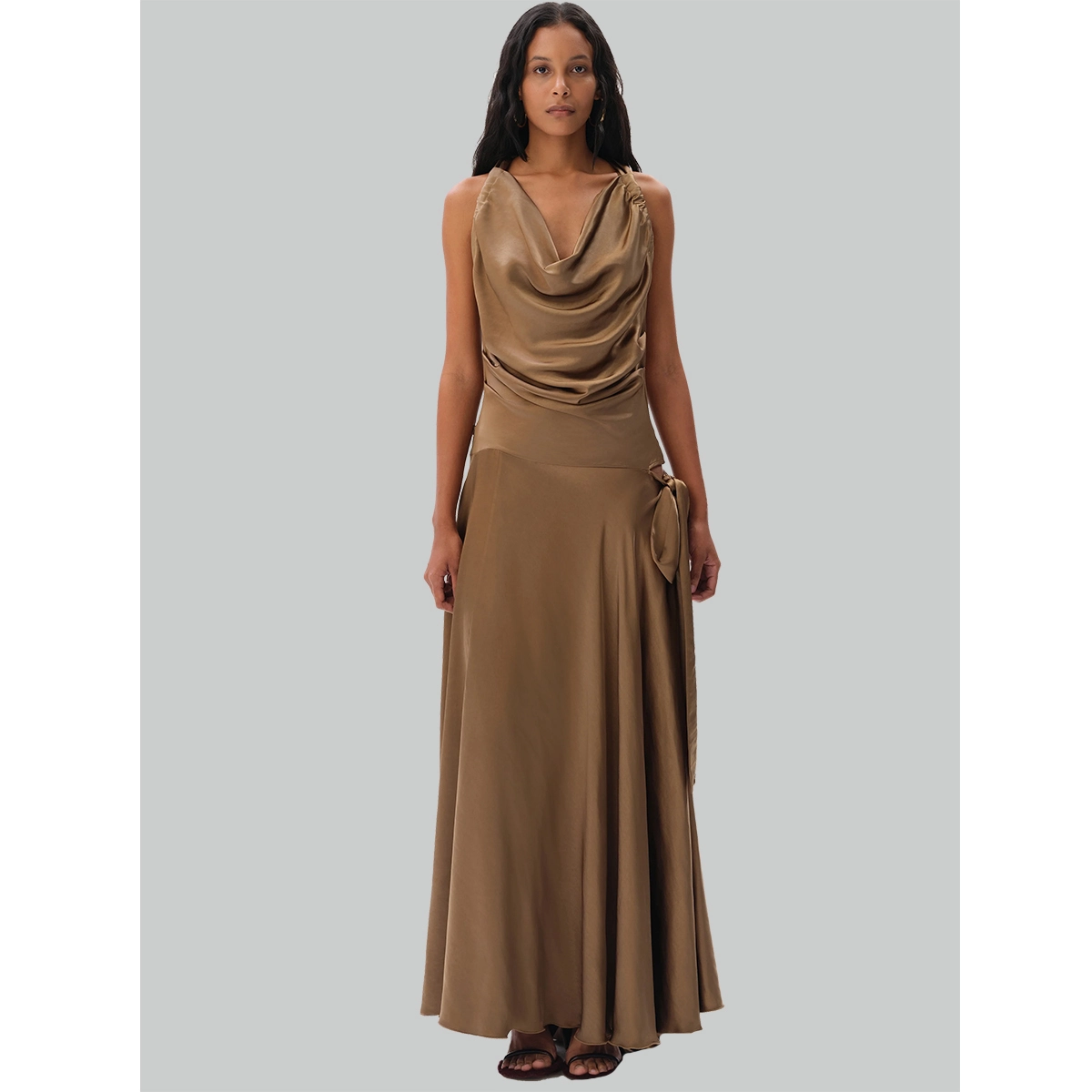
Draping can be concentrated around the bust, waist, hips, or skirt. Each placement calls for a different pattern arrangement, and the amount of extra fabric needs to be calculated before the sample is cut.
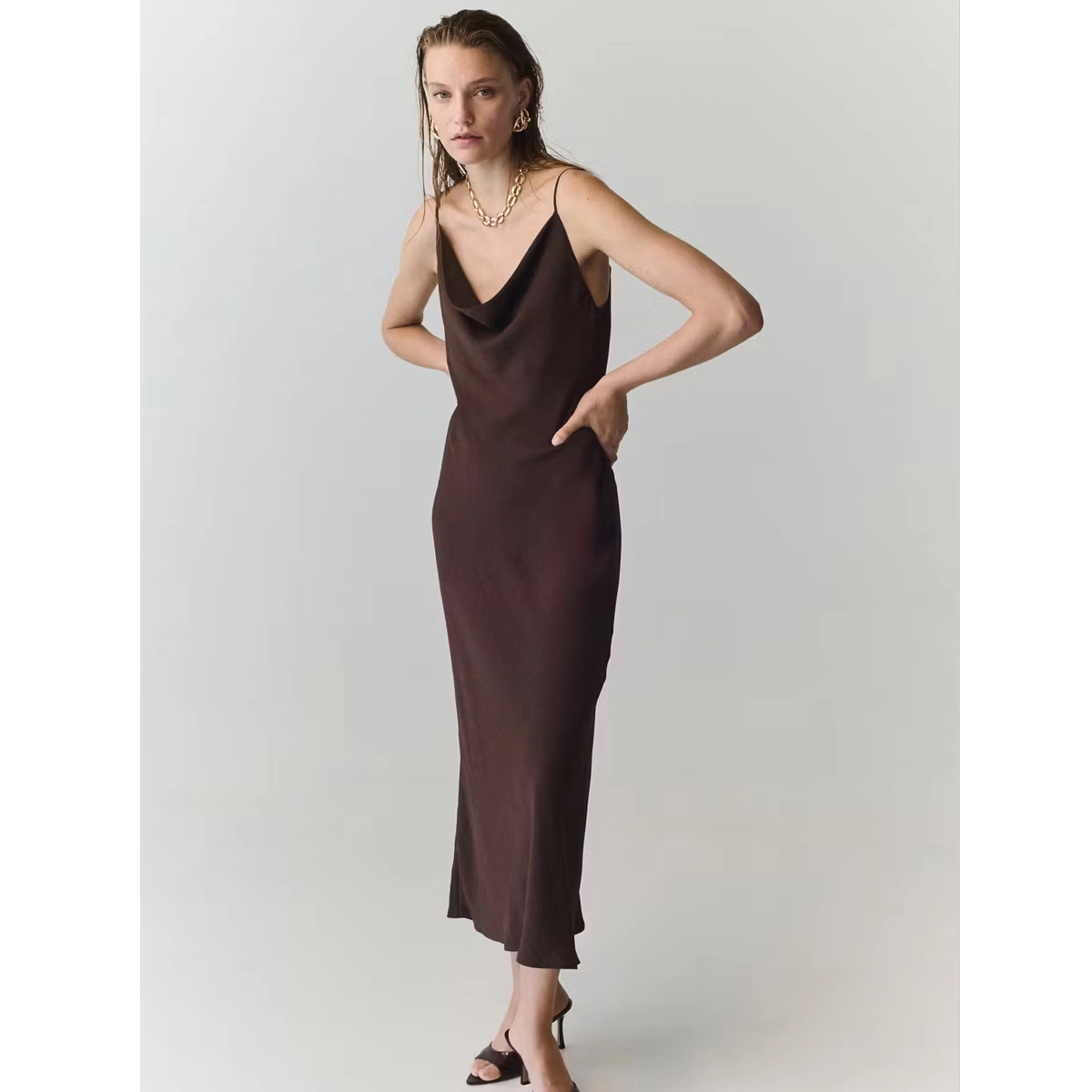
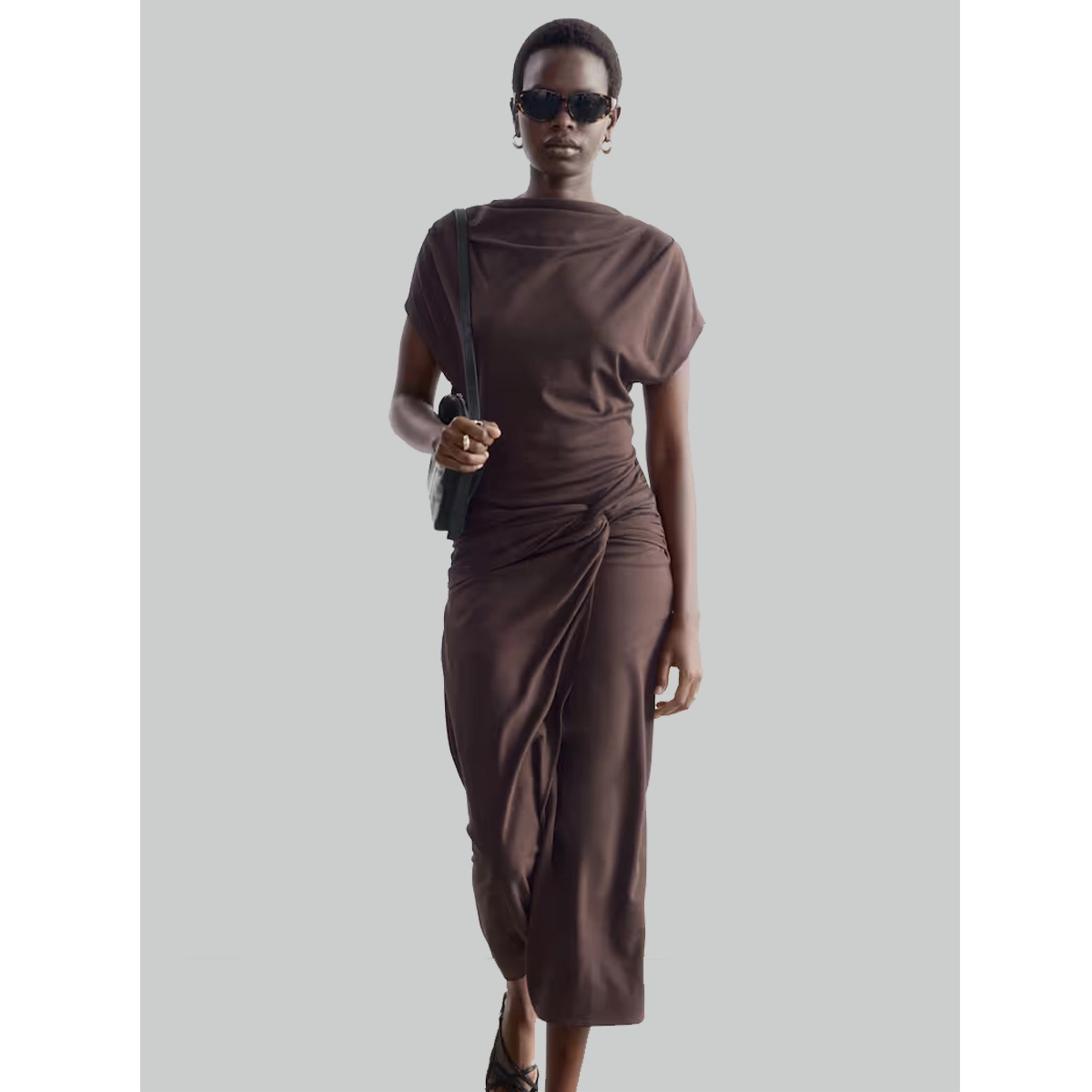
A front-draped bodice is patterned differently from a dress with gathers running across the hips. With fitted jersey styles, we check how much the fabric stretches and whether it returns to its original shape. For a satin maxi dress, fabric weight also affects how the skirt hangs and how much support the bodice needs.
We work with fashion startups, established labels, boutique owners, retailers, and wholesalers developing custom dress collections.
Send us your tech pack, sketch, reference photo, or an existing garment. We use these materials to check the silhouette, identify the main construction requirements, and determine what needs to be confirmed before making the first sample.
Draped Dress Manufacturing Specifications
| Item | Details |
|---|---|
| Product Type | Custom Draped Dresses |
| Service | OEM / ODM / Private Label |
| MOQ | 50–100 pcs per style/color |
| Sample Development | 3–7 days |
| Bulk Production | 25–30 days after PP sample approval and fabric confirmation |
| Custom Options | Fabric, color, print, size, lining, embroidery, labels, and packaging |
| Production Support | Pattern development, sample making, fit correction, bulk production, and final inspection |
| Reference Materials | Tech Pack, Sketch, Photo, Physical Sample |
Factory Certifications
Compliance and certification requirements can be discussed before production. If your brand has specific compliance or certification requirements, please share them before sampling. We can review the relevant documentation and confirm which requirements apply to the factory, fabric, or finished product.
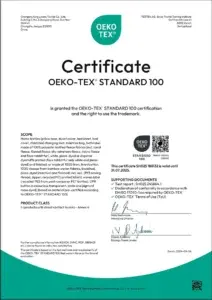 OEKO Certificate
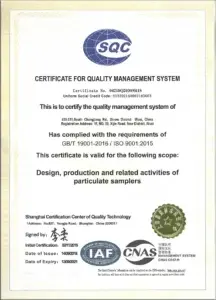 ISO9001 Certificate
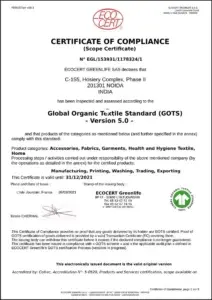 GOTS Certificate
What Our Customers Say About Working With Xiuyu Apparel
“We’ve been working with Xiuyu Apparel since 2020, and the experience has been very good from the start. The dress quality has been consistent, delivery is usually on schedule, and communication with the team is easy.
Whenever we have questions or need to make changes, they are patient and quick to respond. They also understand our requirements well, which makes the production process much easier for us.
We really appreciate the support over the years and are happy to continue working with Xiuyu Apparel. We look forward to working on more styles together.”

Matilda
(From Australia)
“We’ve had a very good experience working with Xiuyu Apparel. The products were made carefully, and the details and finishing were handled well. Everything was also packed properly for shipping.
The sales team is easy to communicate with and usually gets back to us quickly when we have questions or need to check something during production. They’ve been helpful throughout the whole process, from confirming the details to arranging the shipment.
We’re happy with the quality and service and would be glad to work with Xiuyu Apparel again. It has been a smooth experience for us.”
Elodie
(From France)
“Working with Xiuyu Apparel was a smooth experience from the beginning. Communication was easy, and they were quick to answer whenever I had a question or needed to confirm a detail. The order was shipped on time, and the quality of the silk was what I was looking for.
I also checked the silk quality myself and was satisfied with the result. The certification information was provided as well, which gave me more confidence in the materials. Overall, the whole process was straightforward, and I would be happy to work with them again.”

Charlotte
(From United Kingdom)
“We were very pleased with the finished products from Xiuyu Apparel. The sewing and finishing were clean, and the small details were handled well. We especially liked the color-matched zippers, which made the finished pieces look much cleaner and more polished.
The quality was better than we expected, and the team was easy to work with throughout the order. They responded quickly when we had questions and were willing to check the details with us during production. We’re happy with the result and would definitely consider working with Xiuyu Apparel again.”

Aroha
(From Netherlands)
Quality Control for Draped Dress Production
For draped dresses, checking measurements alone is not enough. A garment may pass the size check but still have folds in the wrong position, uneven gathers, or a hem that hangs differently from the approved sample.
Our inspection covers:
- Fabric shade, defects, and condition before cutting
- Pattern accuracy and finished measurements
- Position of gathers and fixed draping points
- Left-to-right balance on asymmetric designs
- Stitching around gathered and overlapping sections
- Neckline, shoulder, and lining construction
- Skirt length and hem balance
- Fabric appearance and final pressing
Our QC team uses approved samples, patterns, and production specifications as references during bulk manufacturing.
Jersey dresses can fit well during the first fitting but lose their shape after repeated stretching. We pay particular attention to recovery around the bust, waist, and hips before confirming the fabric for bulk production.
The approved sample is the reference for bulk production. Any changes to the draping position, seam construction, or finishing details need to be recorded in the production specifications. Sewing operators should not have to interpret design changes from a reference photo alone.
What Affects Draped Dress Manufacturing Cost?
A draped dress cannot be quoted accurately from its style name alone.
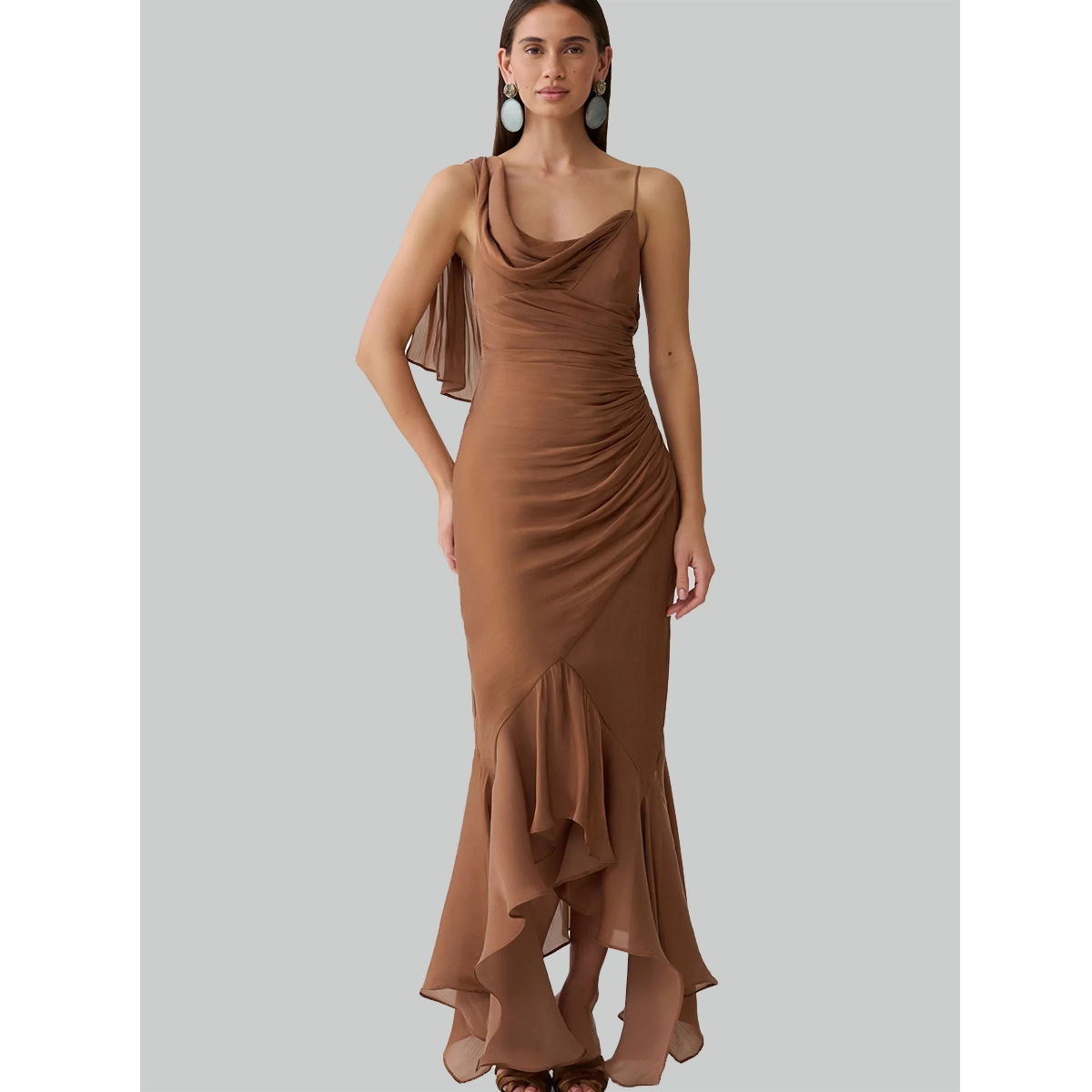
When we review a draped dress for quotation, we look at how much fabric is needed for the folds, how the panels are constructed, and how much sewing work is involved. A simple waist-gathered jersey dress and a satin evening dress with overlapping panels can have very different production costs, even when their finished lengths are similar.
Your quotation may include:
- Fabric type, composition, weight, and consumption
- Dress length and overall silhouette
- Number and position of draped sections
- Pattern complexity and fabric allowance
- Lining and internal support
- Neckline construction and closures
- Sewing methods and decorative details
- Custom sizing and grading
- Order quantity
- Labels, hangtags, and packaging
Consider two designs with the same dress length: one uses a single gathered section at the waist, while the other has several overlapping panels and a separately constructed lining. The second design generally involves more pattern adjustments and sewing operations, which can increase the unit cost.
Designs with multiple draped sections may need more than one round of sample correction. Send us the design reference and available fabric details so we can assess the construction work before quoting the order.
What to Prepare Before Requesting a Quotation
You can contact us even if your tech pack is not complete. A design image, preferred fabric, estimated quantity, and target delivery date are enough to start an initial discussion.
Before requesting a quotation, prepare the following information if available:
- Design: Tech pack, sketch, reference photos, or physical sample.
- Fabric: Composition, GSM, fabric swatch, or material reference.
- Color: Pantone code or color reference.
- Measurements: Size range and measurement chart.
- Quantity: Estimated pieces per style and color.
- Branding: Woven labels, care labels, hangtags, and packaging.
- Delivery: Target sample date and expected shipment date.
If you only have a reference image, send it with a short description of the design. Let us know which details are fixed, such as the neckline, length, or waist position, and which parts can still be adjusted. This helps our pattern team understand the design before preparing the first sample.
Draped Dress MOQ and Production Support
If you are launching a new dress collection, the first order is often a way to test the design, sizing, and customer response before planning a repeat order.
Our usual MOQ is 50–100 pieces per style and color for many custom dress projects. Orders involving special fabric dyeing, custom trims, or complicated construction may require a different minimum quantity. The final MOQ is confirmed after reviewing the design and material requirements.
Our MOQ and development services are suitable for:
- New fashion labels testing their first dress styles
- Independent designers developing seasonal collections
- Boutiques adding new dress silhouettes
- Retailers and wholesalers planning repeat orders
- Private label brands expanding their product ranges
If your order includes several colors and sizes, send us the estimated quantity for each option. This allows us to calculate fabric requirements and review how the order should be arranged for production.
Private Label Draped Dress Production
Private label production covers more than attaching your brand label to a finished dress. Label placement, care instructions, hangtags, barcodes, and packaging need to be confirmed before bulk production.
You can customize:
- Woven Labels
- Printed Labels
- Size Labels
- Care Labels
- Hangtags
- Barcodes
- Polybags
- Cartons
- Custom Packaging
Other garment details can also be developed, including Pantone colors, custom prints, lining, embroidery, appliqué, beading, sequins, decorative trims, and special closures.
Label placement should be checked on the sample, particularly on dresses with cowl necklines, one-shoulder designs, or exposed back details. A bulky label or poorly placed seam can interfere with the fabric folds. We can confirm the label position, lining, and internal finishing before PP sample approval.
Draped Dress Manufacturing Process
Each order moves through design review, pattern making, sampling, PP sample approval, bulk production, and final inspection. Construction details are confirmed during development so the production team can follow the approved specifications.
1. Design Review and Quotation
You can send your tech pack, sketch, reference garment, or product image.
Our team reviews:
- Dress silhouette and overall construction
- Draping position and design details
- Fabric composition and requirements
- Expected order quantity
- Size range and colorways
- Special finishing requirements
- Production difficulty
After reviewing the design and order details, we confirm the main production requirements and prepare the quotation.
2. Pattern Development
Once the design is confirmed, our pattern makers translate the reference into garment patterns, including the fabric allowance and construction needed for each draped section.
During pattern development, we establish:
- Fold direction and gathering positions
- Fabric allowance around each draped section
- Bust, waist, and hip proportions
- Neckline and shoulder measurements
- Skirt length and hem shape
- Construction details for the selected fabric
For a dress with diagonal folds across the bodice, the pattern may need extra fabric in specific areas and additional securing points to hold the folds in place. A dress with simple waist gathers uses a different pattern and sewing arrangement.
3. Sample Development
Our sample room creates the first sample based on the confirmed specifications.
On the first sample, you can check:
- Fit and finished measurements
- Fold placement and overall draped shape
- Fabric movement when worn
- Neckline and shoulder position
- Seams, lining, and internal finishing
If the folds look too full, the neckline shifts, or the skirt hangs differently from the reference, we can adjust the pattern or construction before the PP sample is approved.
4. Fit Correction and PP Sample Approval
After you review the first sample, we record your comments and make the agreed pattern or construction changes.
Common changes include reducing excess fullness, moving a gathering point, adjusting the neckline, or correcting the waist and hip measurements.
Once the PP sample is approved, it becomes the reference for bulk production.
5. Bulk Cutting and Production
After fabric confirmation and PP sample approval, bulk production begins.
Our production teams follow the approved specifications during:
- Fabric preparation and bulk cutting
- Panel matching according to the approved pattern
- Sewing and assembly
- Gathering and draped section construction
- In-line inspection
- Pressing and garment finishing
On styles with several draped panels, operators use the approved sample and pattern to position the folds and secure each section consistently.
6. Final Inspection and Packing
Before shipment, finished garments are inspected.
Final inspection covers:
- Finished measurements and size consistency
- Fold placement and garment balance
- Stitching and seam finishing
- Fabric appearance and pressing
- Labels, hangtags, and branding
- Folding and packing requirements
Finished garments are packed according to your confirmed specifications.
Fabrics for Custom Draped Dresses
Choosing fabric for a draped dress involves more than selecting a material with a soft hand feel. Satin, jersey, chiffon, and crepe all behave differently during cutting, sewing, and wear. The fabric weight, stretch, and ability to hold its shape need to suit the pattern.
| Fabric | Suitable For | Production Considerations |
|---|---|---|
| Satin | Evening and occasion dresses | Fabric slippage, surface marks, fold definition |
| Jersey | Fitted and bodycon draped dresses | Stretch recovery, seam strength, gathering control |
| Viscose | Casual and flowing dresses | Shrinkage, fabric stability, garment movement |
| Crepe | Formal and fitted draped dresses | Fabric weight, seam behavior, fold definition |
| Chiffon | Lightweight and layered designs | Transparency, lining, seam finishing |
| Polyester Blend | Commercial fashion collections | Drape, durability, fabric consistency |
| Silk | Premium occasionwear | Delicate handling, seam finishing, fabric movement |
| Georgette | Flowing and layered dresses | Fabric stability, transparency, hem finishing |
If you have already selected a fabric, send us its composition, GSM, or a physical swatch. If the material is still undecided, share your design reference and target price range. We can discuss suitable fabric options before sampling.
Chiffon styles often need lining to control transparency, while jersey dresses require sufficient recovery to avoid losing their fitted shape. Satin is more difficult to handle on the cutting table because the fabric can shift between layers. These differences are checked when preparing the first sample.
The sample gives you a chance to assess the fabric on the finished silhouette rather than relying only on a swatch or product photo.
Custom Draped Dress Styles We Manufacture
Draped details can be incorporated into mini, midi, and maxi dresses, from fitted bodices with gathered waists to loose skirts with asymmetric panels. The construction is developed around the silhouette and the position of the draping.
Our draped dress manufacturing covers:
- Draped Mini Dresses: Short styles with gathered fronts, twisted bodices, or folds around the waist and hips.
- Draped Midi Dresses: Mid-length dresses with side gathers, fitted bodices, or asymmetric skirt panels.
- Draped Maxi Dresses: Floor-length styles with flowing skirts and fabric folds arranged along the body.
- Asymmetric Draped Dresses: Designs with one-sided gathers, diagonal folds, or uneven skirt panels.
- One-Shoulder Draped Dresses: Dresses with fabric gathered around one shoulder or extending across the neckline.
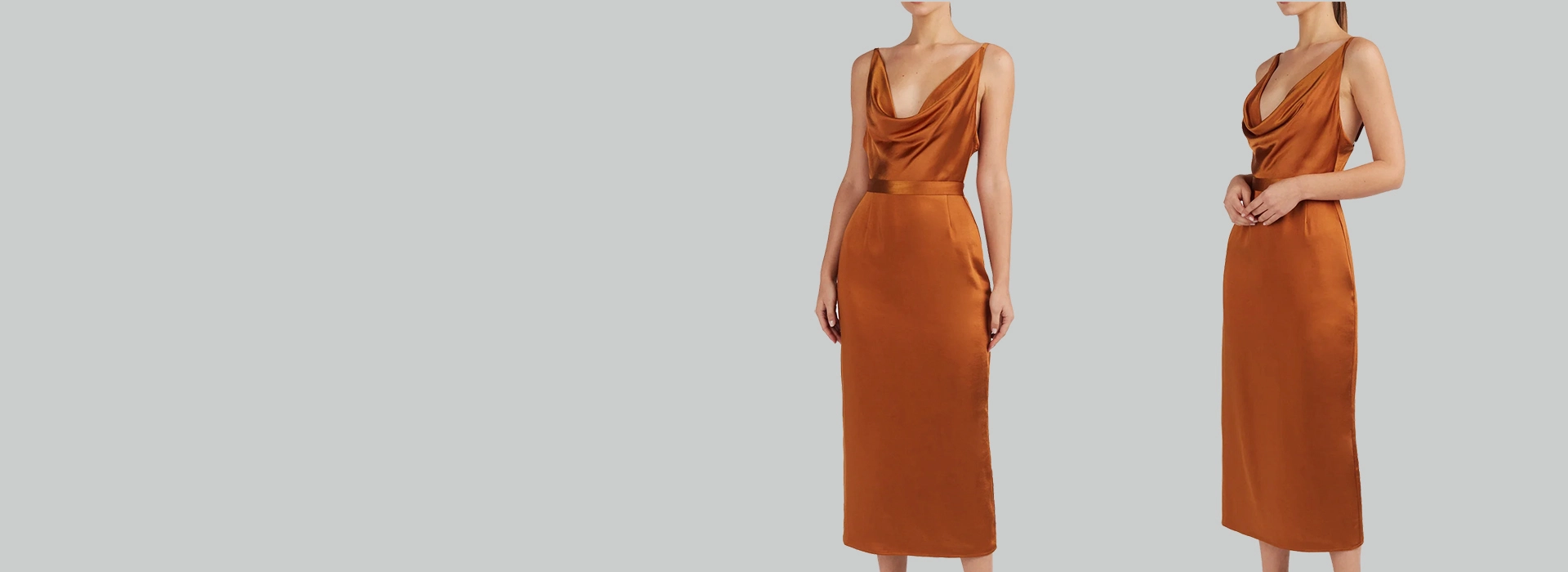
- Cowl Neck Draped Dresses: Styles with soft folds around the front or back neckline.
- Twist Front Dresses: Dresses with twisted fabric sections at the bust, waist, or front bodice.
For a design combining a one-shoulder neckline, gathered waist, and asymmetric skirt, please include both front and back views. Side views are also useful when the folds or overlapping panels are not fully visible in the main reference image.
Customization Options for Private Label Draped Dresses
A private label draped dress can be developed around your brand’s fabric, fit, color, and finishing requirements. Customization can cover the garment itself as well as the labels and packaging used for retail.
| Customization | Available Options |
|---|---|
| Fabric | Viscose, Satin, Jersey, Crepe, Chiffon, Velvet and other suitable materials |
| Color | Standard colors or Pantone color matching |
| Silhouette | Mini, Midi, Maxi, Bodycon, Fitted, or Relaxed |
| Draping Details | Waist gathers, side gathers, twist front, diagonal folds, asymmetric draping |
| Neckline | V-neck, cowl neck, one-shoulder, square neck, or strapless |
| Sleeves | Sleeveless, Short Sleeve, Long Sleeve or Custom |
| Size | XS–XXL or Custom Size Specifications |
| Lining | Polyester, Custom Lining or Other Suitable Materials |
| Branding | Woven Labels, Printed Labels, Care Labels and Hangtags |
| Finishing | Embroidery, Appliqué, Beading, Sequins and Other Details |
| Packaging | Custom Polybags, Barcode Labels, Boxes and Cartons |
Special trims, custom-dyed fabrics, and decorative accessories should be included in the first inquiry. Some materials need to be sourced or prepared separately, which can affect sample development and the bulk production schedule.
Common Draped Dress Production Issues Before Bulk Manufacturing
Some draped dress problems only become visible after the first sample is made. The following are the issues we recommend checking before PP sample approval.
Uneven Fold Distribution
Folds can become crowded around the bust or waist if too much fabric is concentrated in one area. During the first fitting, we check whether the gathers follow the reference design and whether the fullness is distributed evenly. The pattern can then be adjusted before PP approval.
Fabric Weight and Drape Mismatch
Heavy fabric can pull down a draped neckline or skirt, while very lightweight material may not hold the folds in place. This becomes more noticeable on long dresses and designs with several overlapping panels. If the original fabric needs to be replaced, the new material should be checked through sampling before bulk cutting.
Draped Neckline Shifting
One-shoulder and off-shoulder draped dresses can shift when the wearer raises their arms or moves. During fitting, we check the neckline position and shoulder support while the garment is being worn. If the neckline slips or the folds move out of place, the pattern or internal support may need adjustment.
Excessive Bulk Around the Waist or Hips
Too much fabric around the waist can make a fitted dress look bulky, while gathers placed too close to the hip seam may affect the garment’s shape. We check the gathering position and finished fit on the sample, then reduce or redistribute the fullness where necessary.
Hem Imbalance in Long Draped Dresses
Asymmetric panels and diagonal draping can cause the hem to hang unevenly, particularly when different sections carry different amounts of fabric. For long dresses, we check the hem after the garment has hung appropriately for the fabric, rather than relying only on measurements taken while it is laid flat.
Inconsistent Draping in Bulk Production
The first approved sample sets the reference for bulk manufacturing. If the gathering position, fold direction, or securing points are not clearly recorded, small differences can appear between garments. We use the approved sample and production specifications to check these details during in-line inspection.

About Our Draped Dress Factory
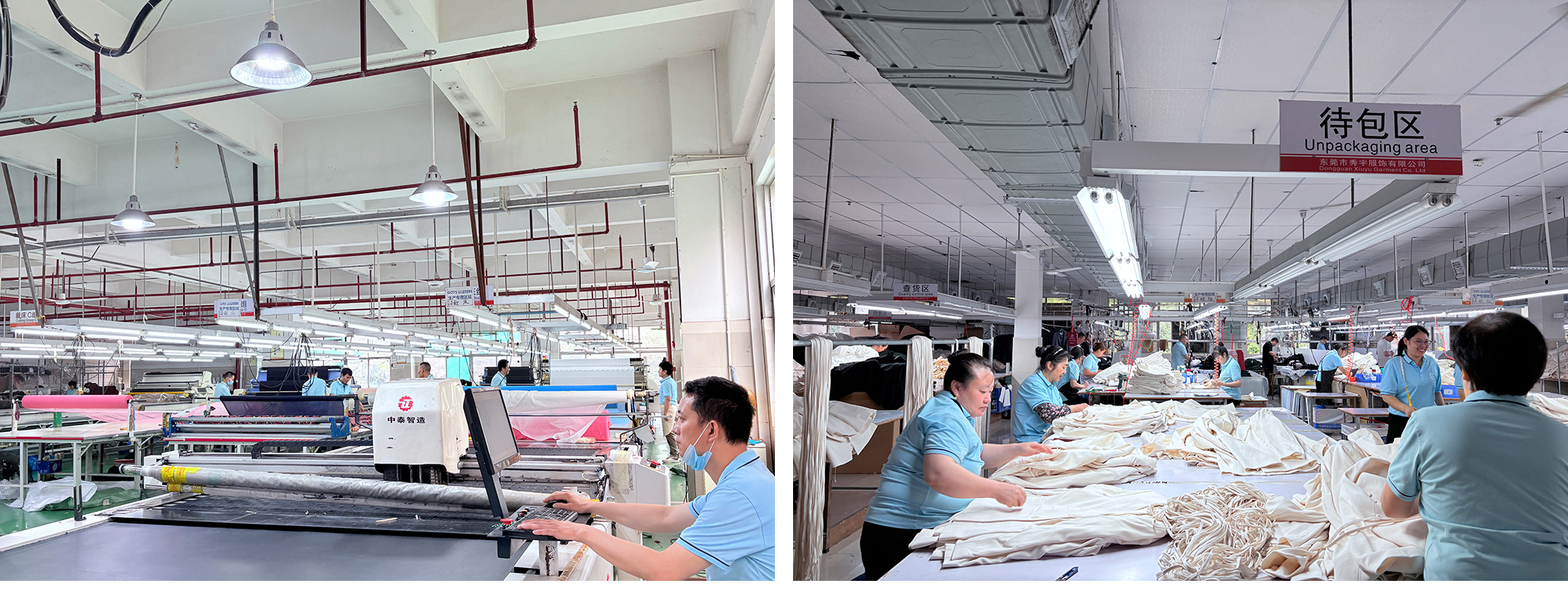
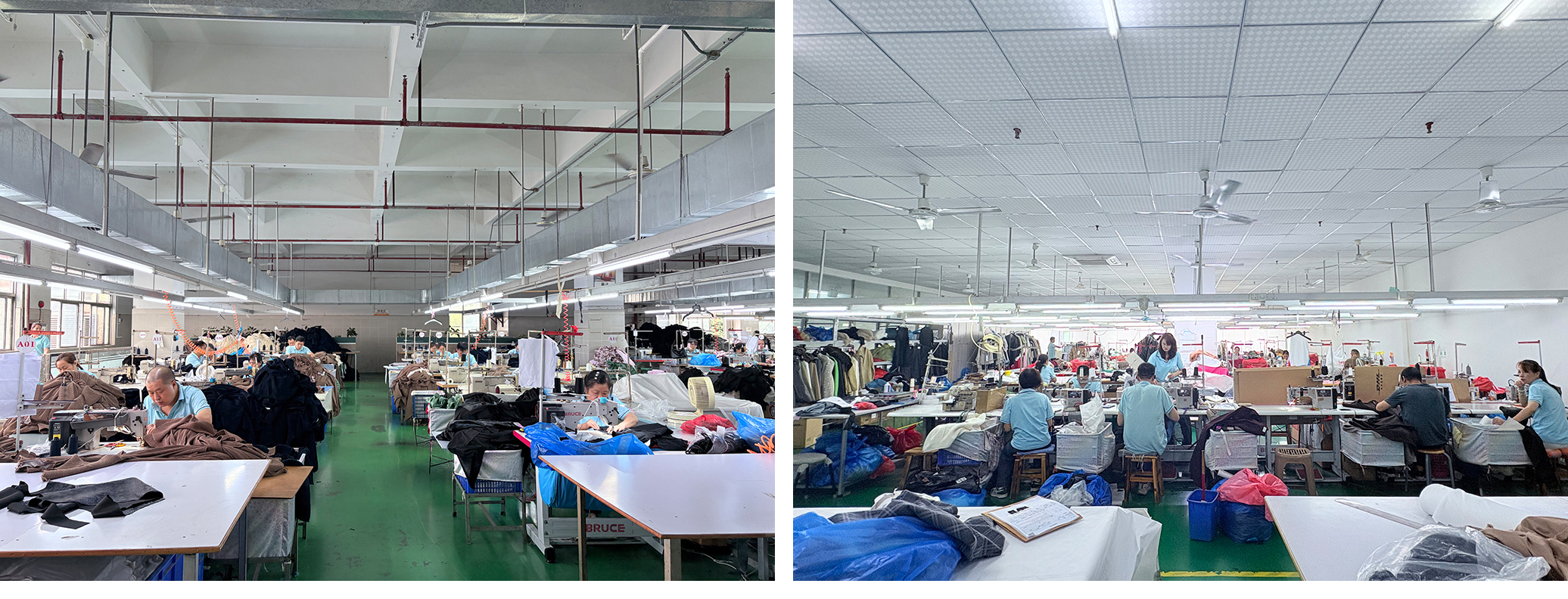
Our factory handles custom draped dress production, from fabric preparation and pattern development to sample making, bulk sewing, quality inspection, and packing.
- How We Manufacture Draped Dresses
- Our Manufacturing Capabilities
- Factory Picture
- One-Stop Dress Manufacturing Services
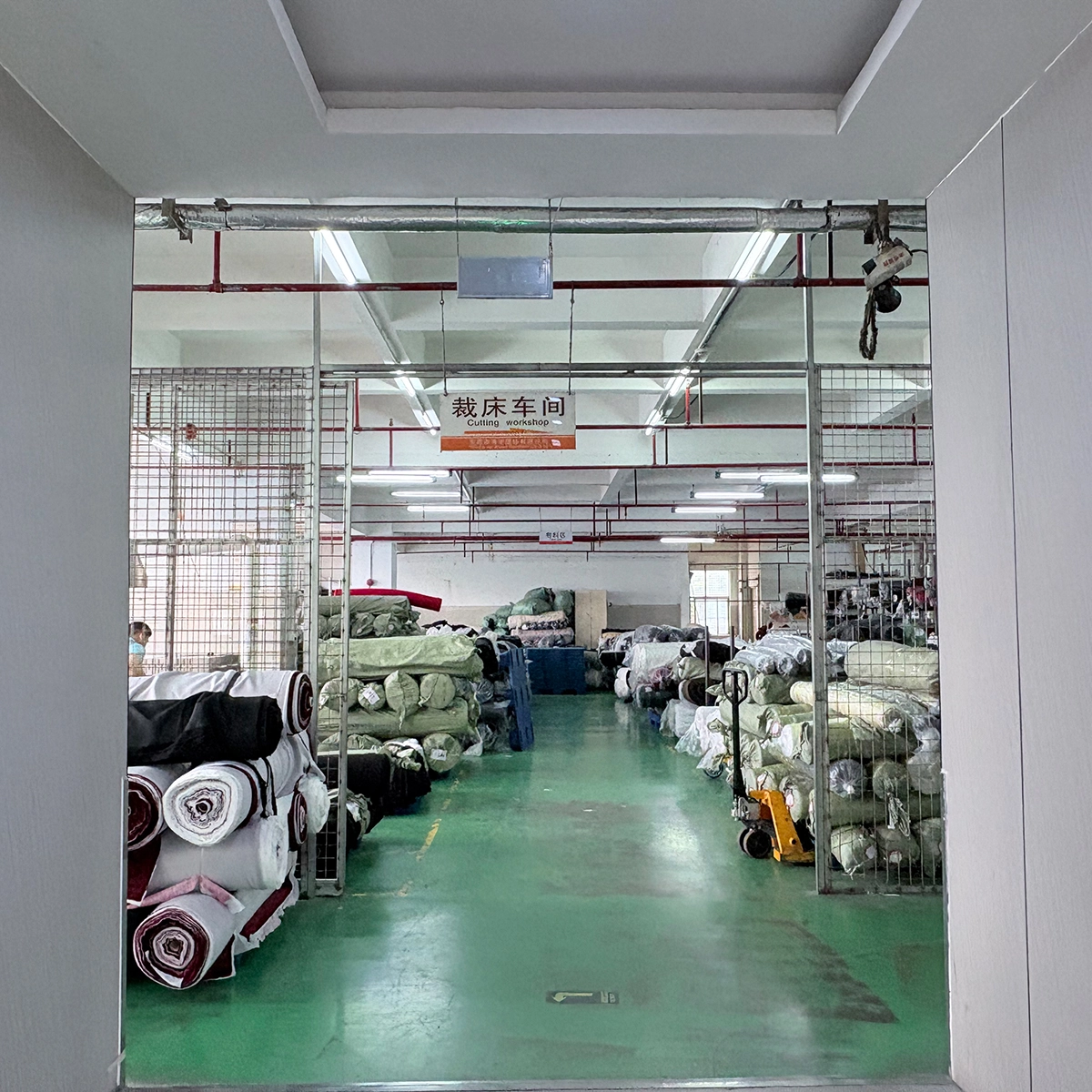
Fabric Warehouse
Fabric rolls are received and recorded by color, batch number, and quantity before entering production.
↓
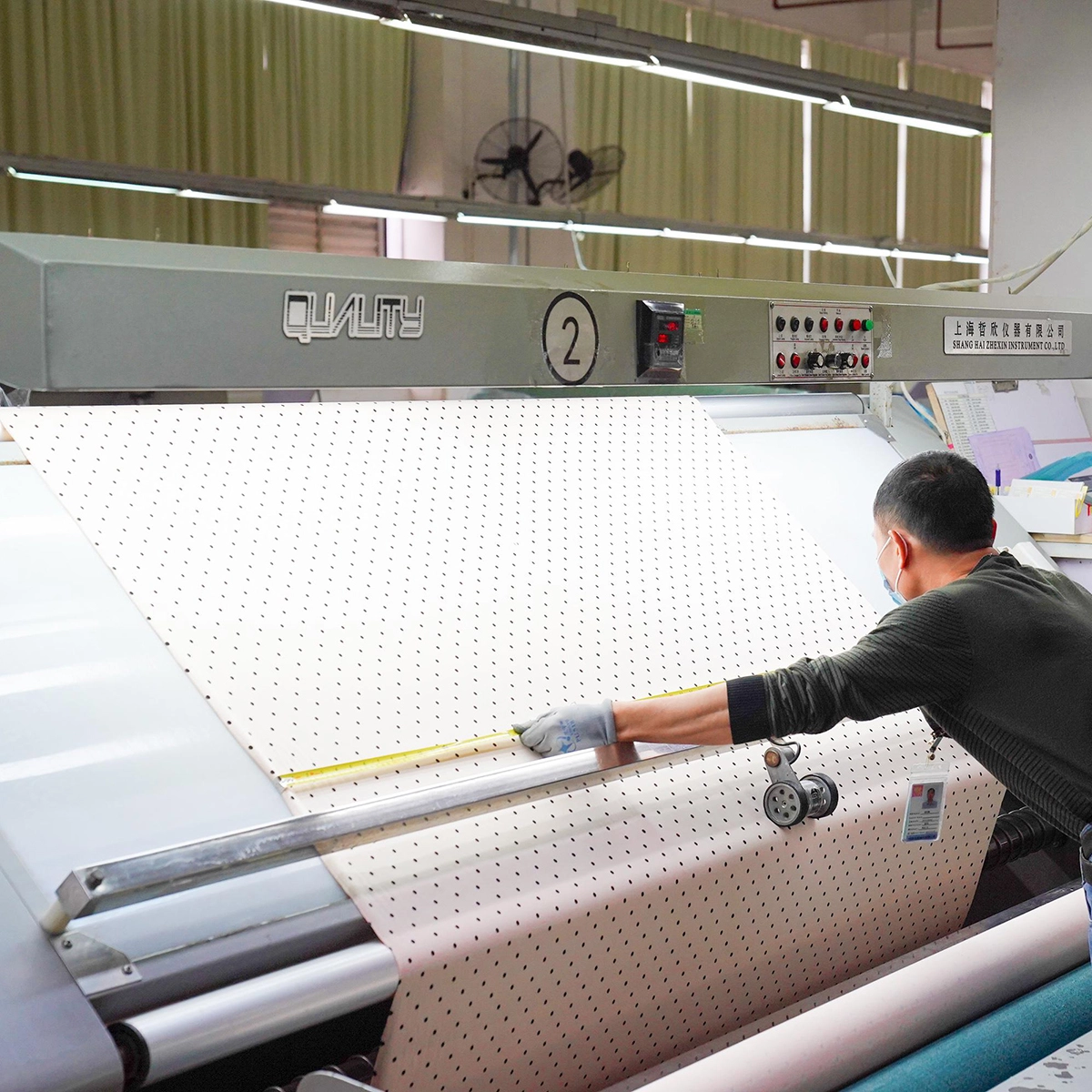
Fabric Inspection
QC checks fabric shade, width, visible defects, and overall condition before the material is released for cutting.
↓
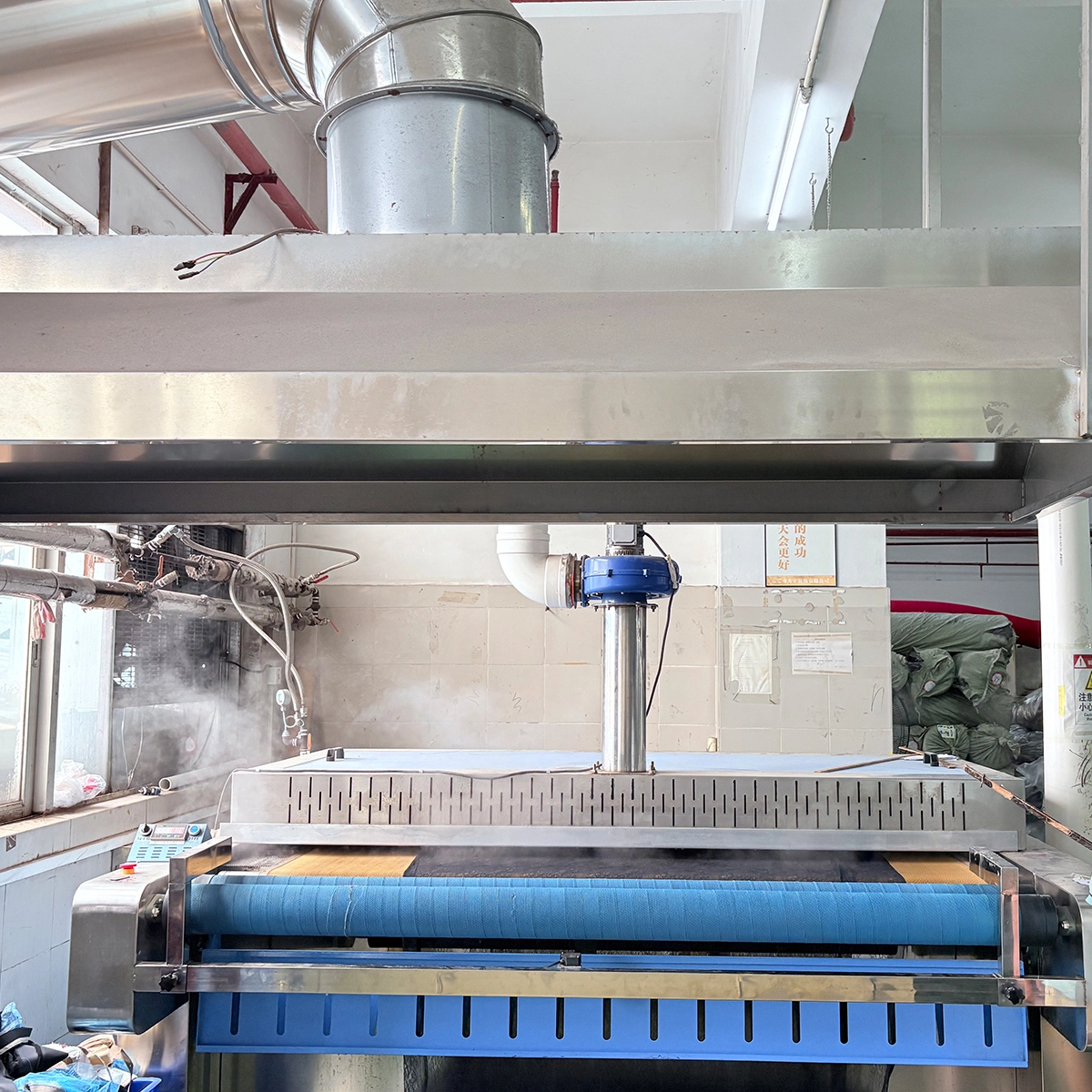
Fabric Pre-shrinking
When the fabric requires pre-shrinking, this process is completed before cutting to reduce dimensional changes in the finished garment.
↓
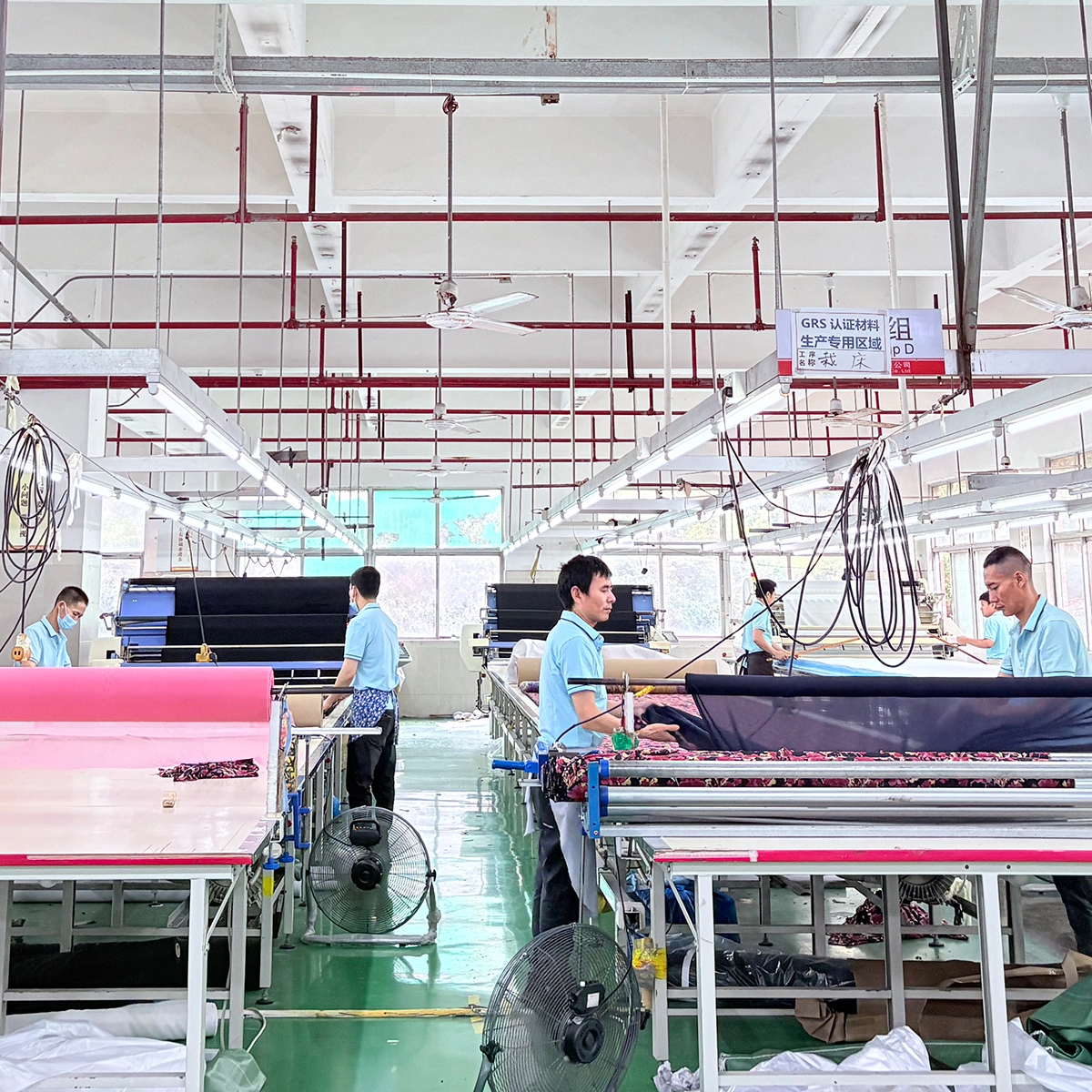
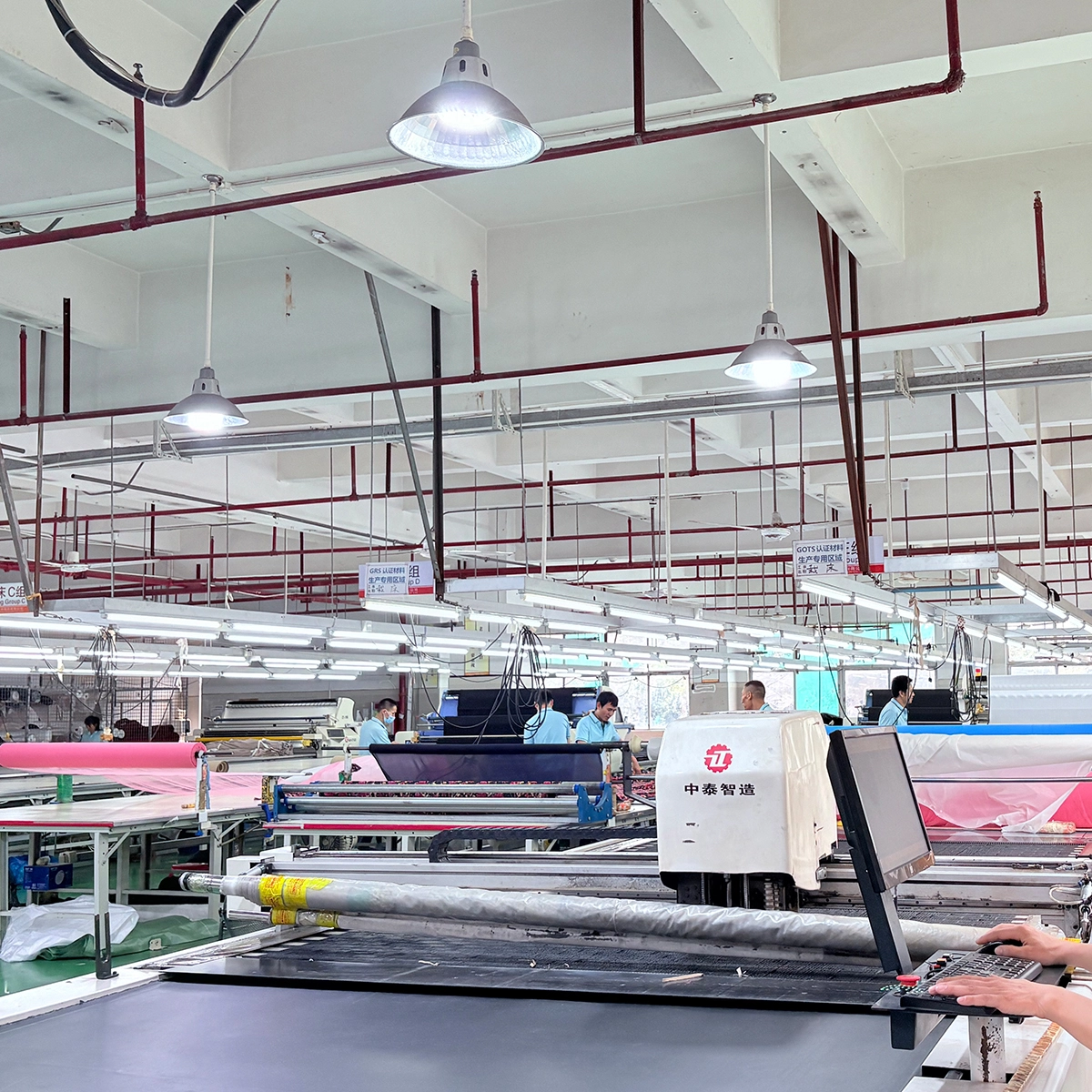
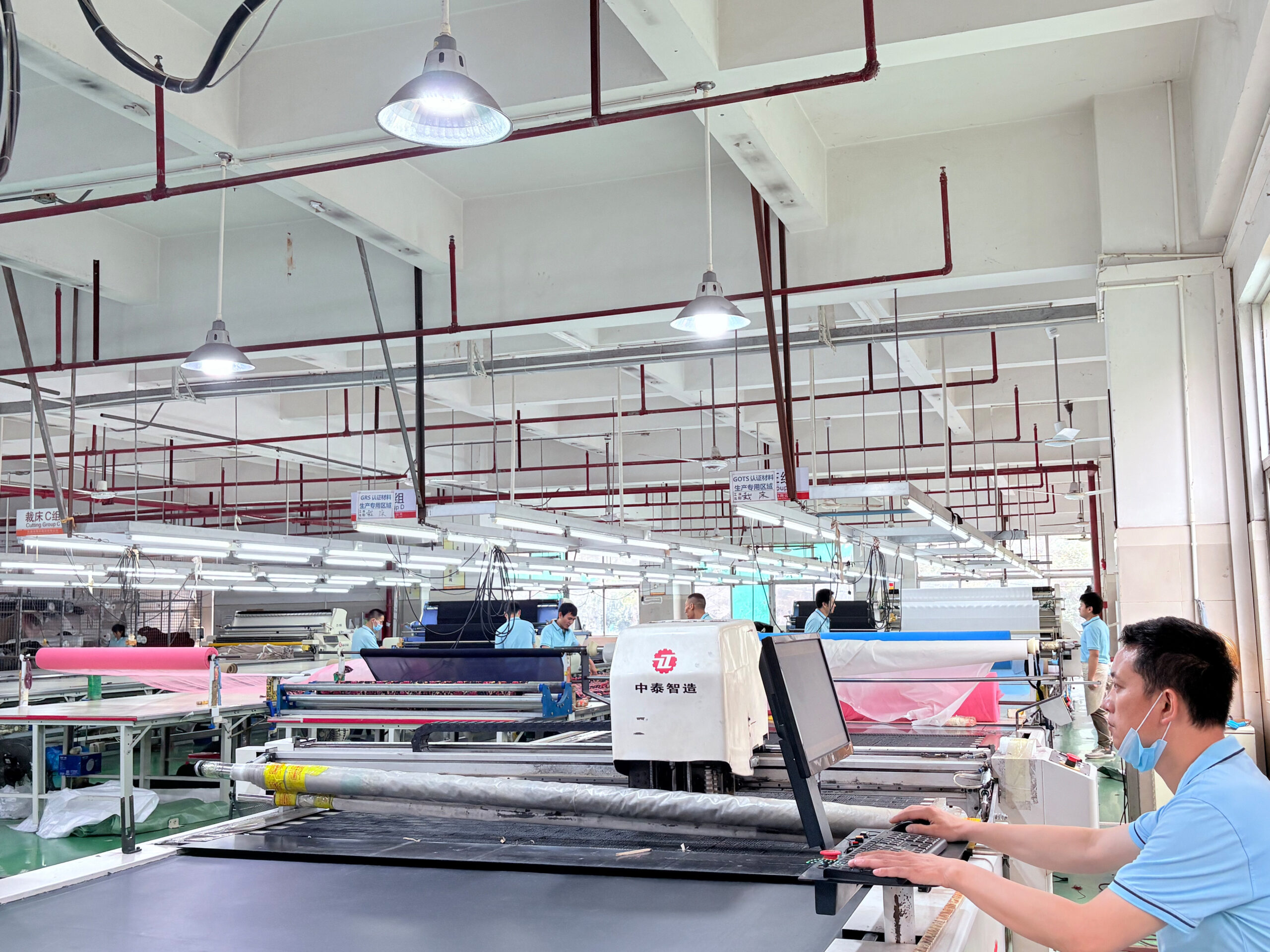
Automatic Cutting
For bulk orders, computerized cutting equipment follows the approved patterns and marker layout. Fabric width is checked before cutting so the panels match the planned measurements.
↓
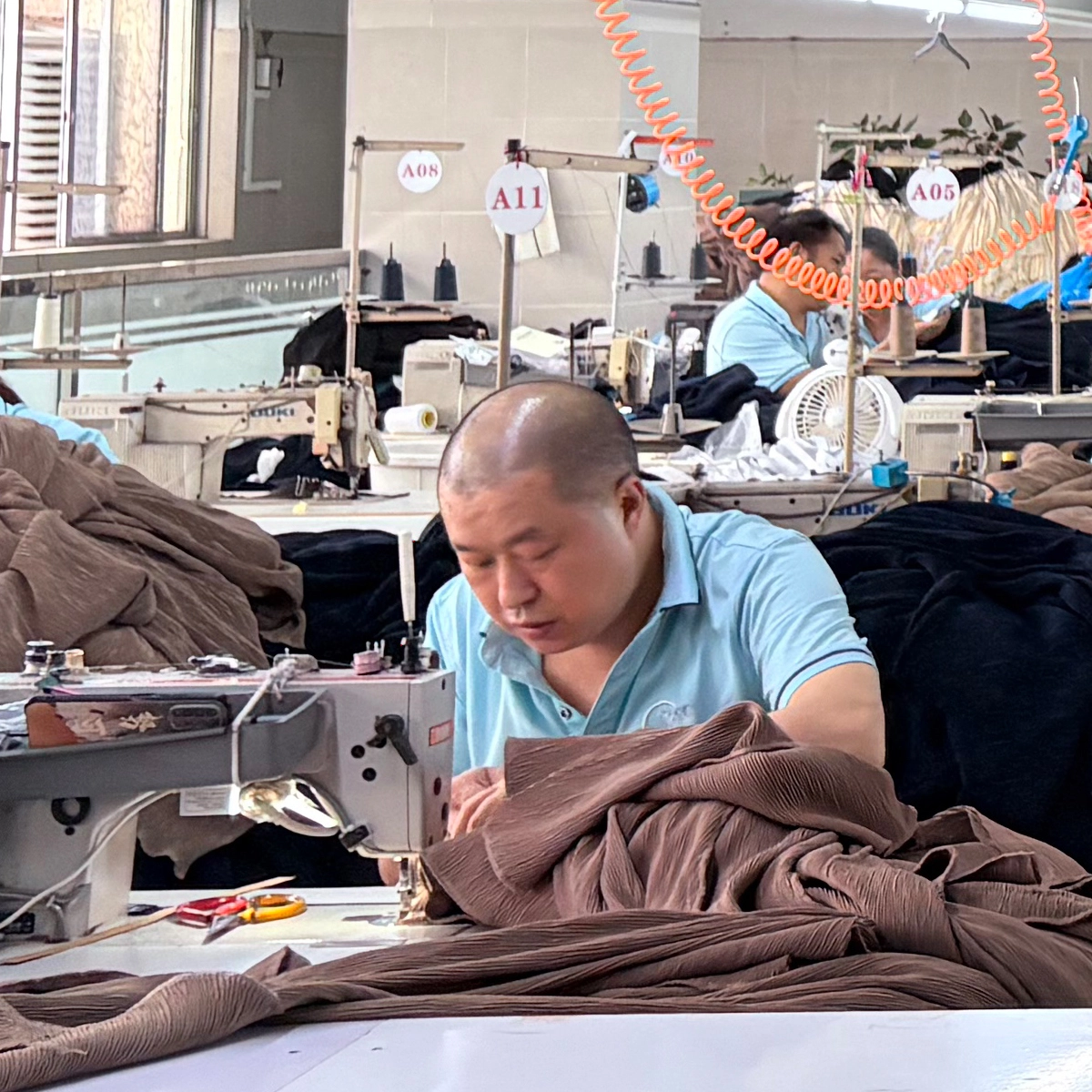
Bulk Production Sewing
Cut panels are assembled according to the approved sample and sewing specifications. Operators check seam alignment, stitching, and the position of gathered or draped sections as the garments move through the sewing line.
↓
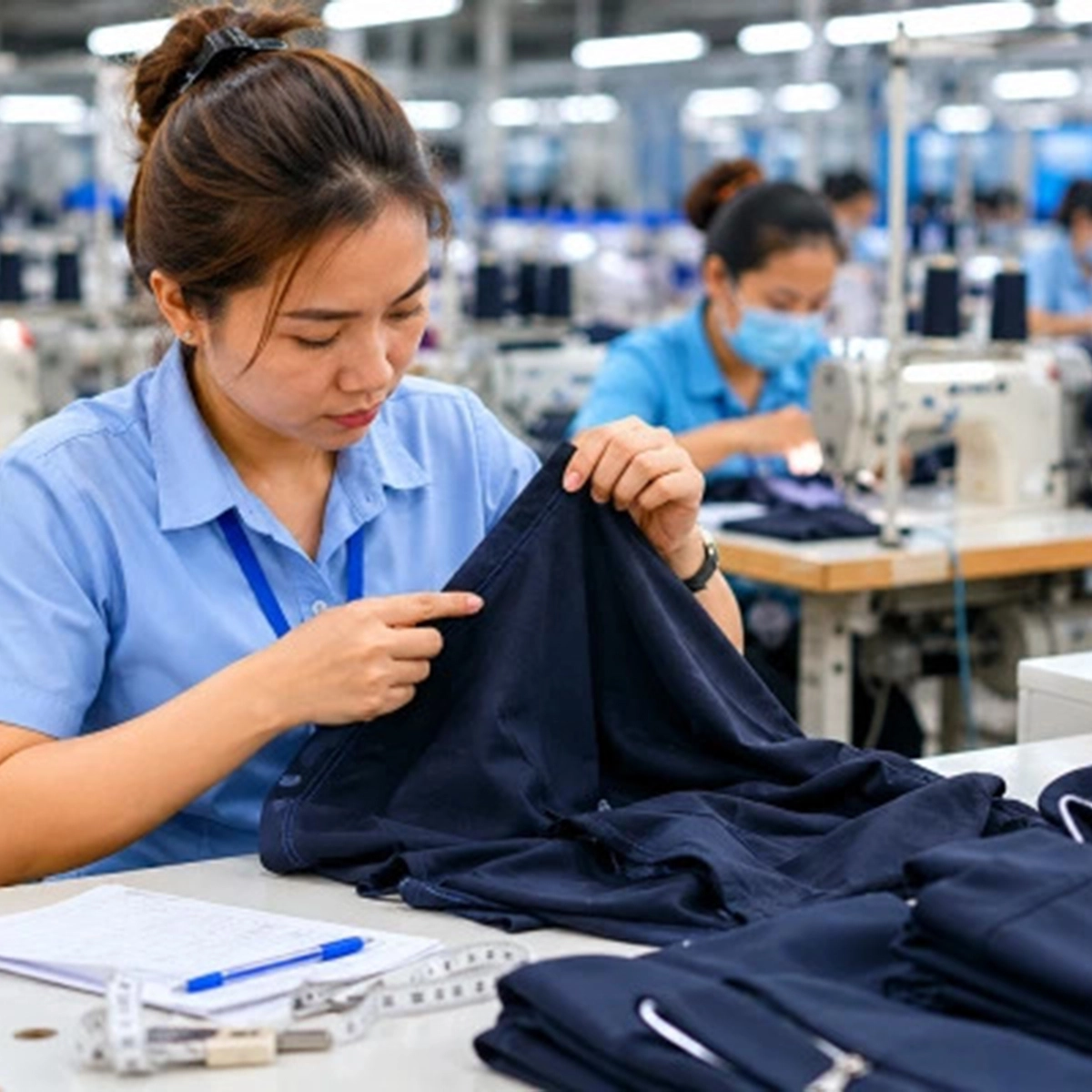
In-line Inspection
During sewing, QC checks measurements, seams, and construction details at different production stages. Any differences from the approved sample can be reported to the production team before the garments move further down the line.
↓
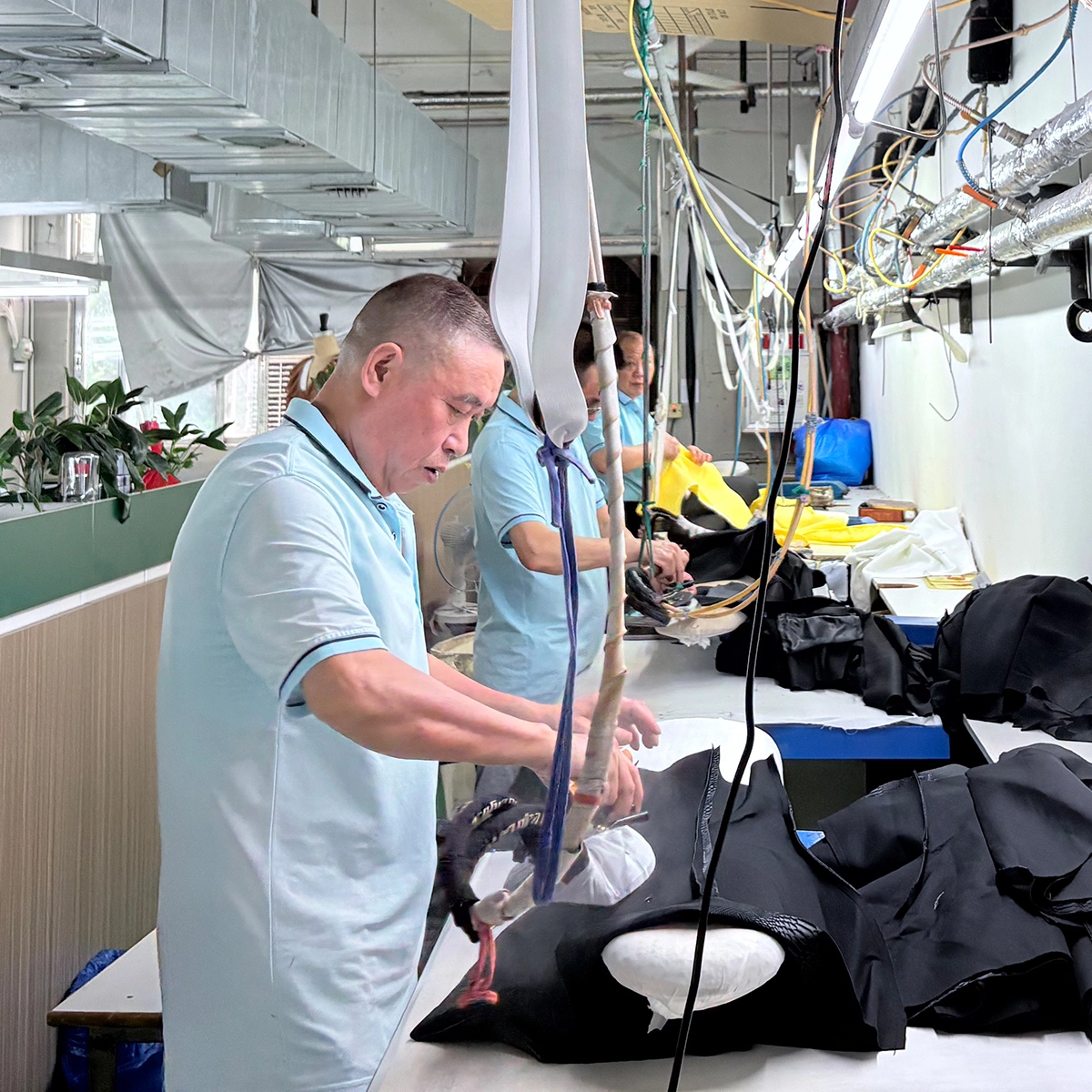
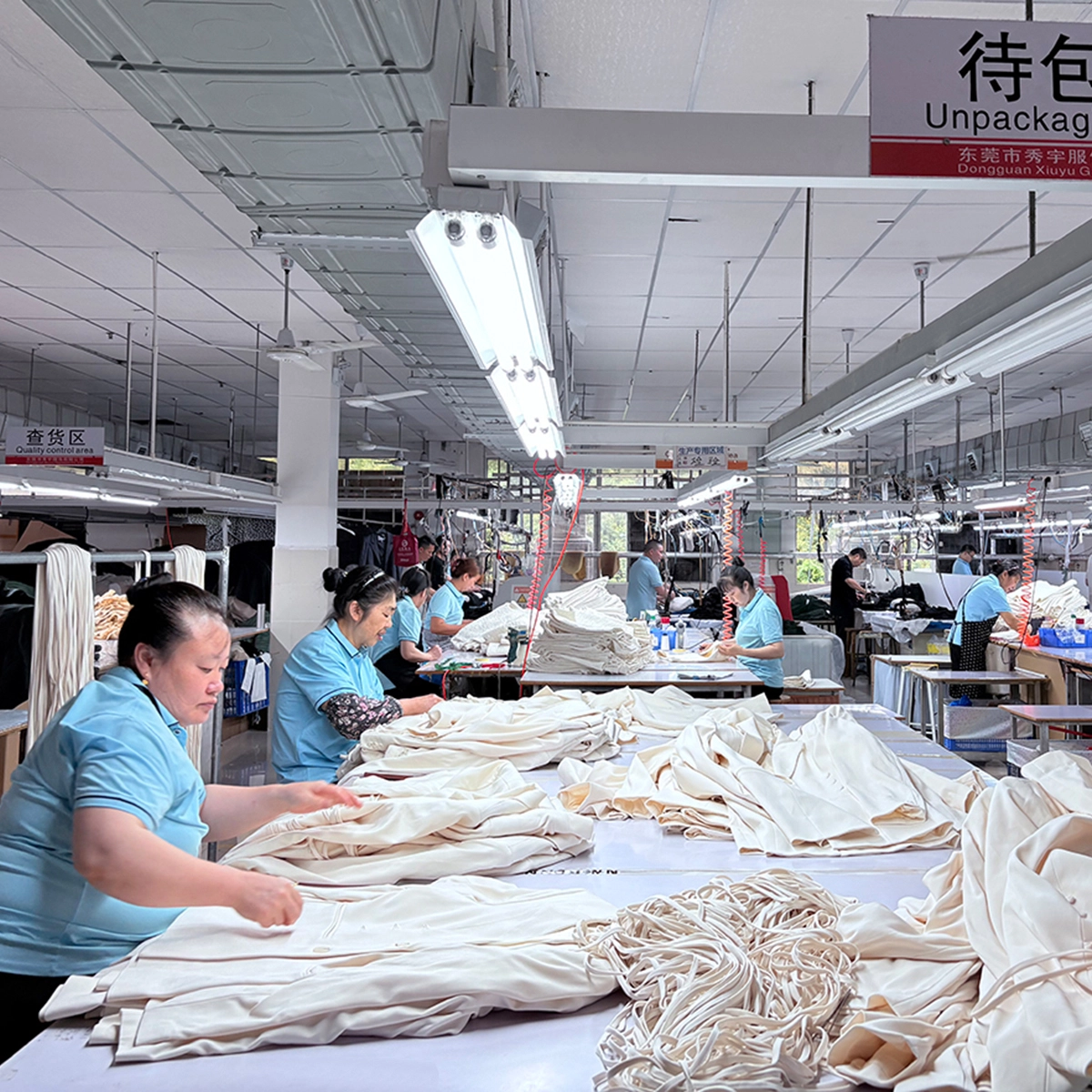
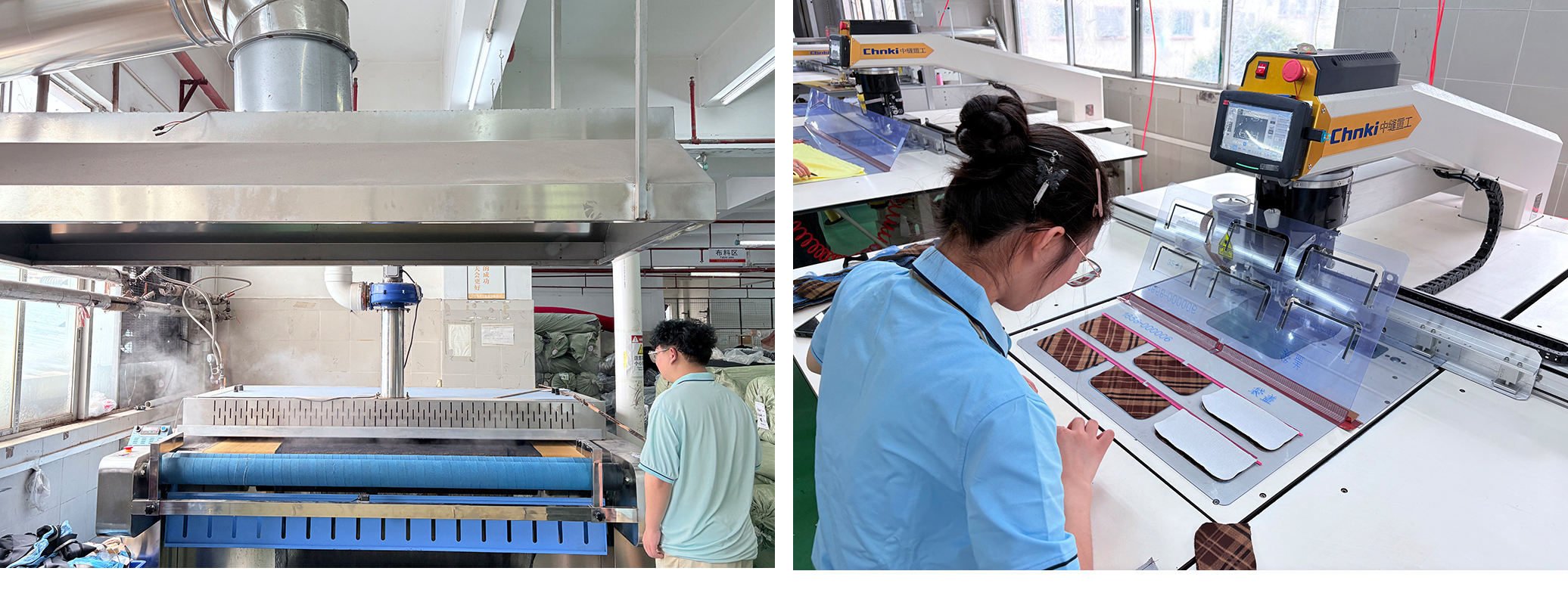
In-line Pressing
Garments are pressed at the required production stages to remove creases and keep the fabric and garment panels in the correct shape.
↓
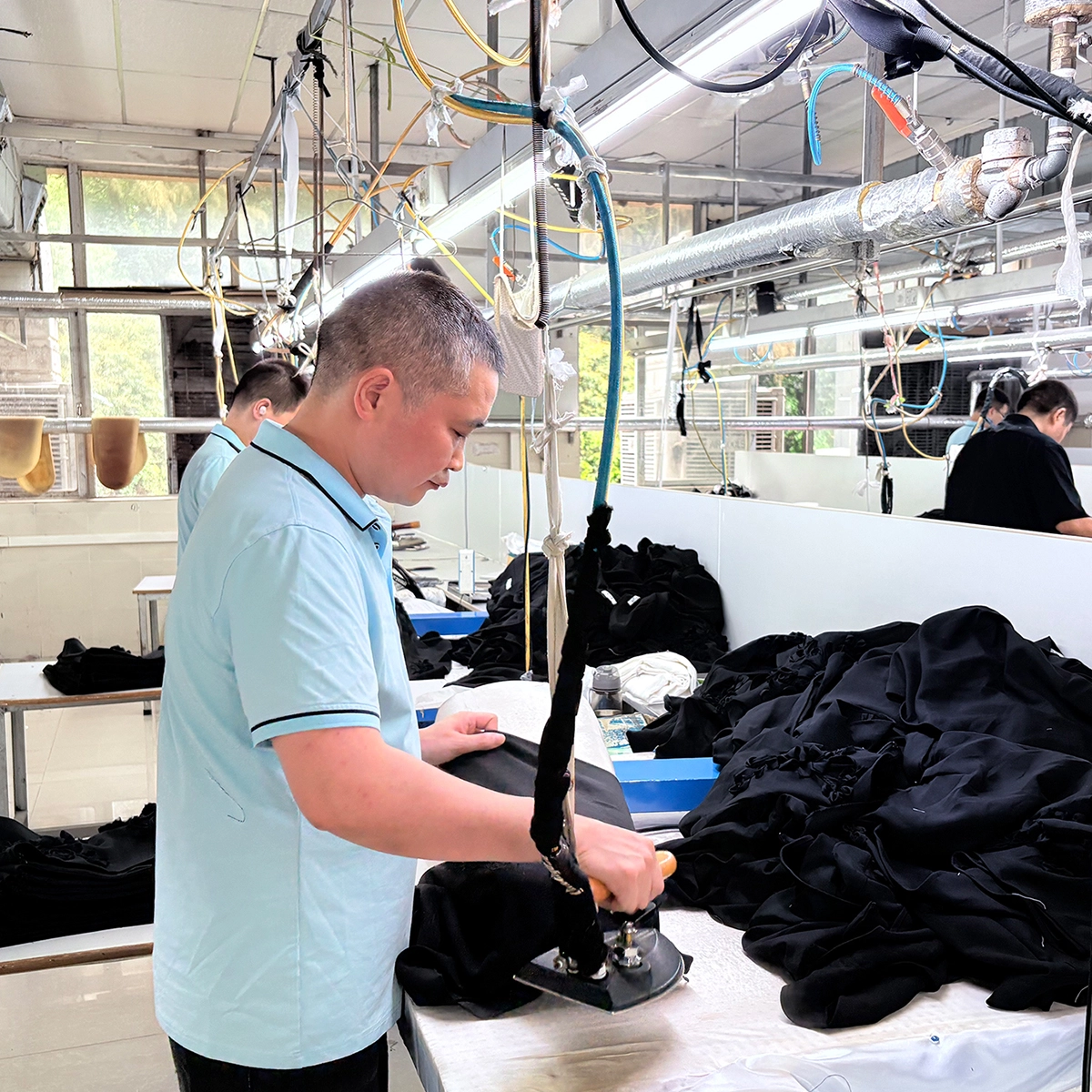
Final Pressing
After sewing is completed, garments receive final pressing. The team checks the finished shape, seam appearance, and visible creases before inspection.
↓
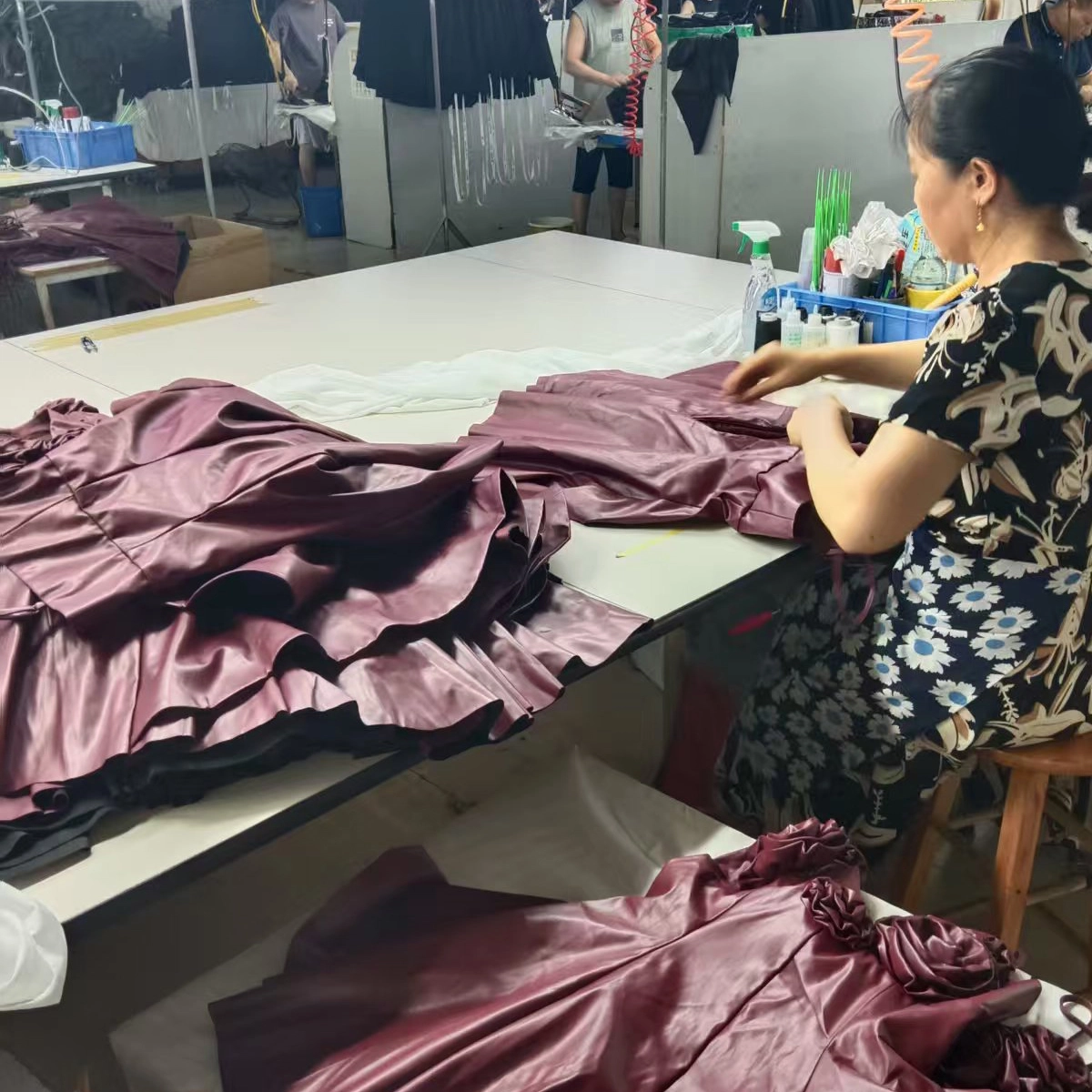
Final Inspection
Finished garments are checked for measurements, stitching, appearance, labels and packing requirements before release.
↓
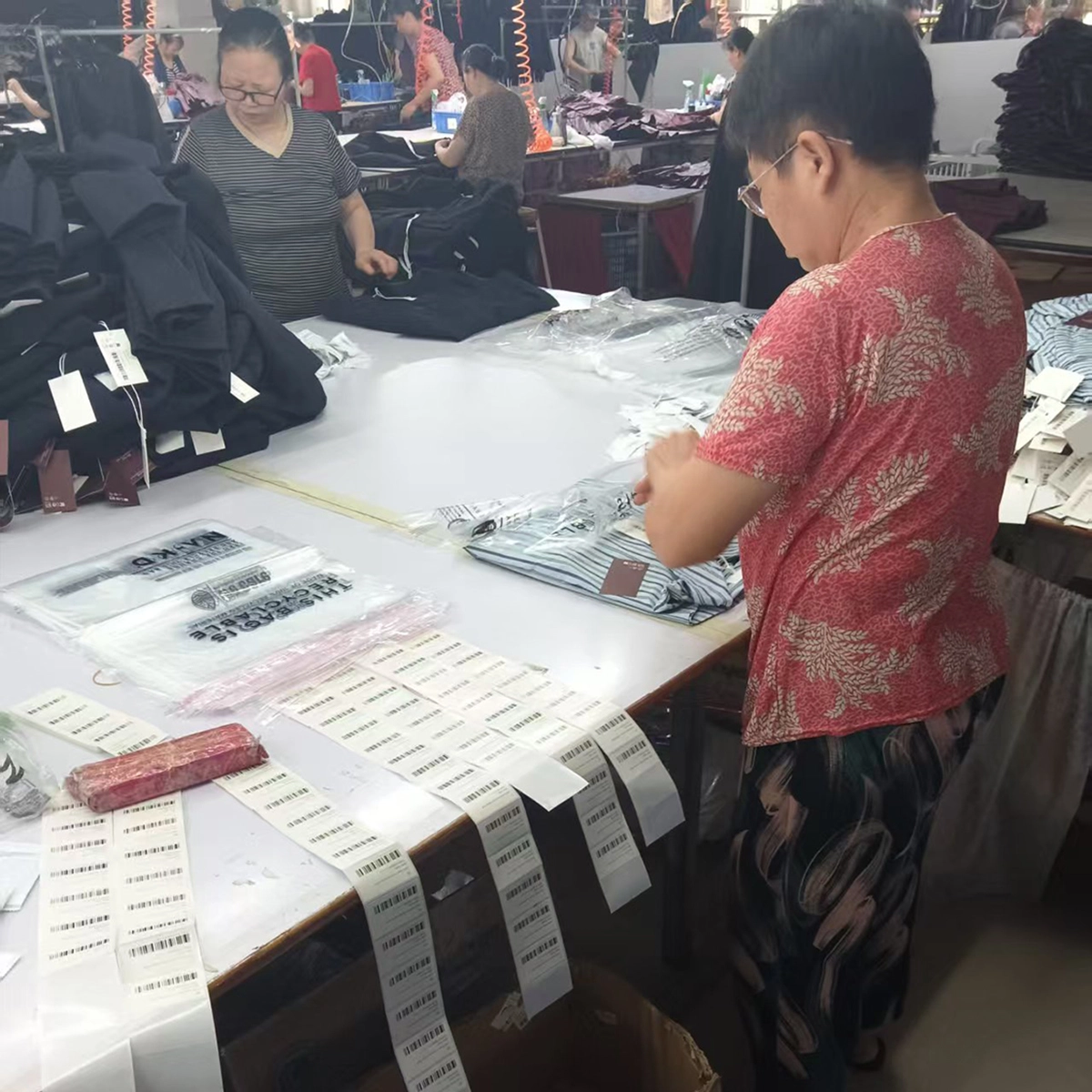
Garment Packing
Finished garments are folded and packed according to the order requirements. Labels, barcodes and packing details are checked before cartons are sealed.
↓
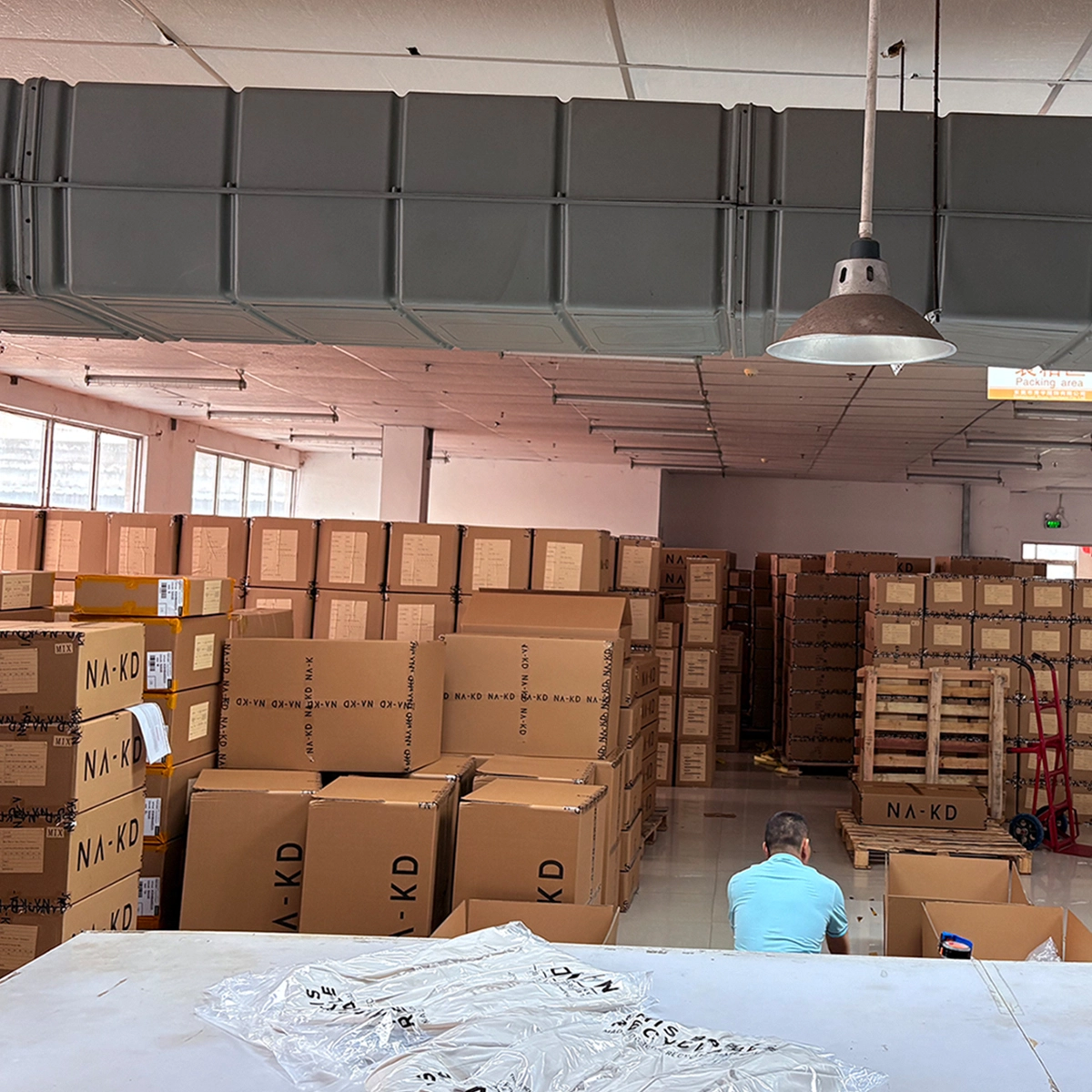
Finished Products
Finished garments are organized by style, color and size. Carton quantities and packing details are checked before shipment.
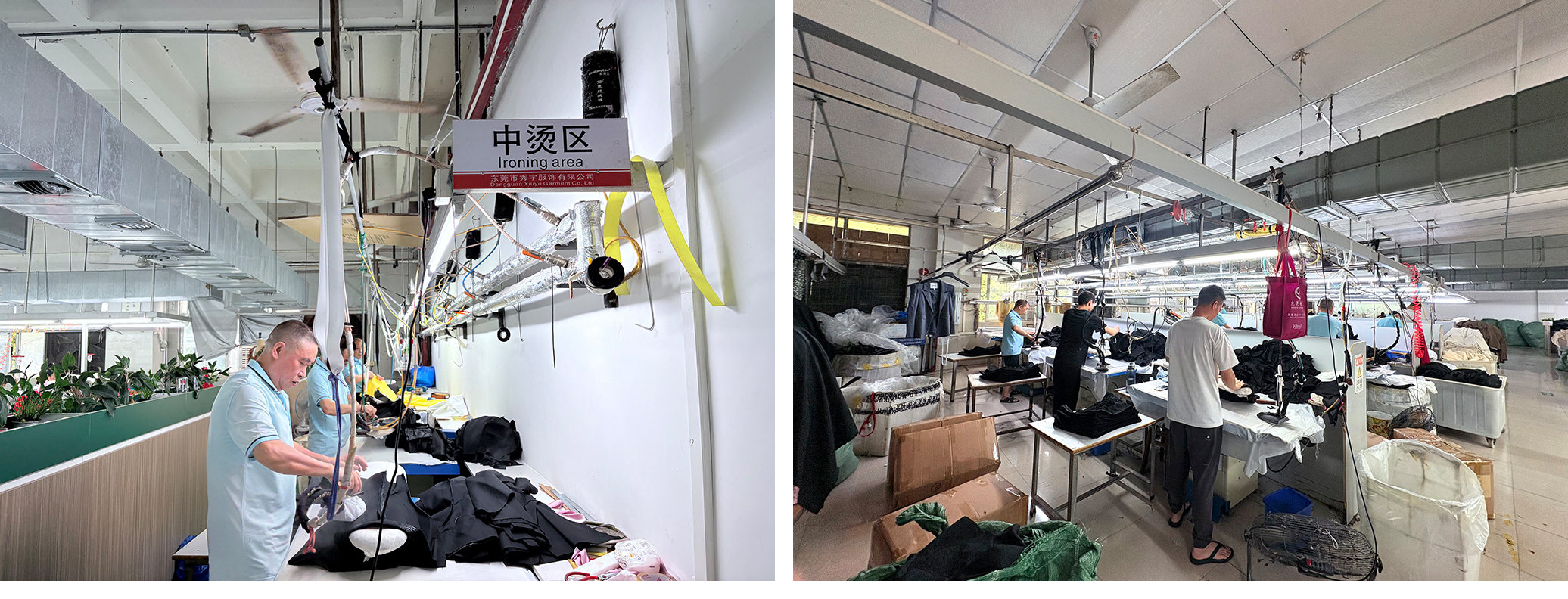
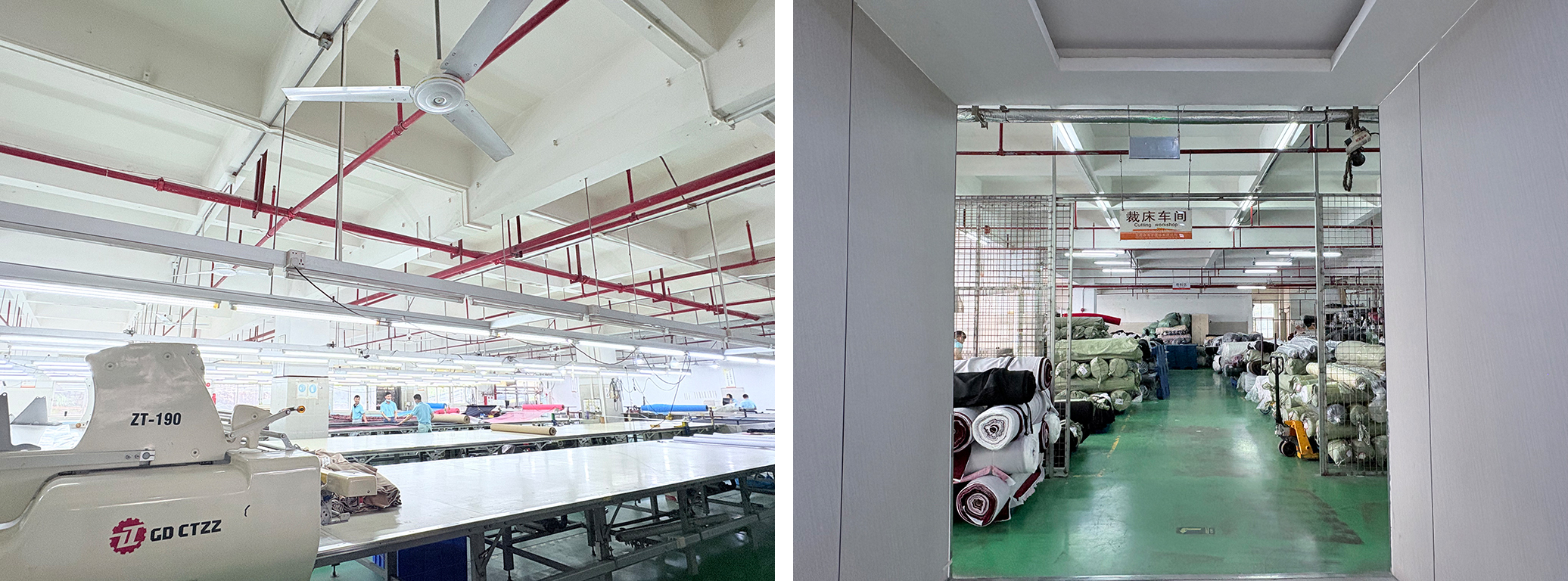
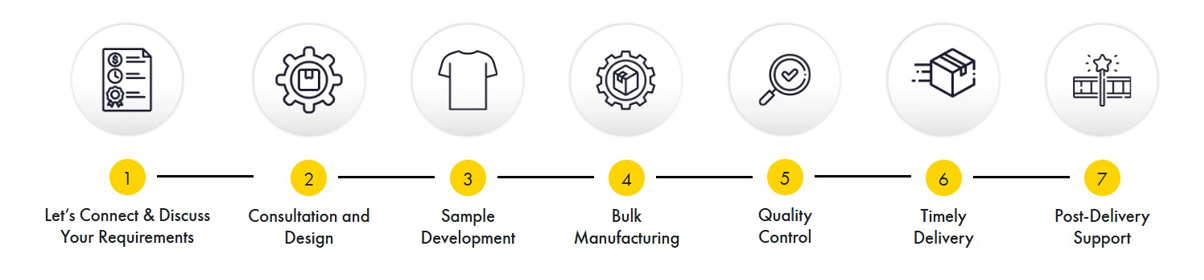
As a leading custom tiered dress manufacturer, we guide you through every stage from initial concept to bulk production. Our team of skilled clothing makers ensures that your designs are executed flawlessly, with consistent results.
We cover the entire production process from pattern making to sampling, ensuring every garment fully meets your quality standards.
Our production process saves your time and avoids delays. We also provide screen printing and custom embroidery to give your apparel a premium professional finish.
Related Dress Manufacturing Categories
If your collection includes other dress silhouettes alongside draped styles, we can also support the following manufacturing categories:
- Silk Dress Manufacturer
- Cocktail Dress Manufacturer
- Evening Dress Manufacturer
- Halter Dress Manufacturer
- Velvet Dress Manufacturer
For a wider range of dress styles and apparel production services, see our dress manufacturer and clothing manufacturer capabilities.
Develop Your Draped Dress Collection With a Clothing Manufacturer
Send us your draped dress sketch, tech pack, reference photos, or existing sample. If the design includes specific fold directions, waist gathers, asymmetric panels, or special neckline construction, include these details in your inquiry.
Include your estimated quantity, size range, and fabric preference when available. If you are still working on the design, a reference image is enough to begin. We can review the proposed construction and discuss pattern development before preparing the first sample.
Satin and viscose are suitable for flowing designs, while jersey works well for fitted styles that need stretch. Crepe and chiffon are also common options. The right fabric depends on the garment’s weight, silhouette, movement, and construction requirements.
Yes. You can provide a tech pack, sketch, product image, or physical garment. Our pattern team reviews the fold placement, fabric requirements, measurements, and construction before sampling. If certain details are unclear, we can discuss them with you first.
Yes. You can mark the areas that need more or less fullness on your reference image or sample. During development, we check the fabric allowance and gathering points, then adjust the pattern or construction if the folds do not match your intended design.
Our usual MOQ is 50–100 pieces per style and color. If you are planning several designs or colorways, send us the quantity breakdown. We can review the fabric requirements and production arrangement before confirming the order.
Sample development usually takes 3–7 days. Bulk production generally takes 25–30 days after PP sample approval and fabric confirmation. Complicated draping, special materials, and additional sample revisions may require more time.
Yes. You can specify your size range, colorways, and measurement chart. We can review the grading requirements and color references before sampling. For designs with concentrated folds, the draping proportions should also be checked across different sizes.
A reference photo or tech pack, estimated quantity, preferred fabric, size range, and color requirements are useful starting points. If you have a target price or delivery date, include those details too. We can review the project before preparing a quotation.
