
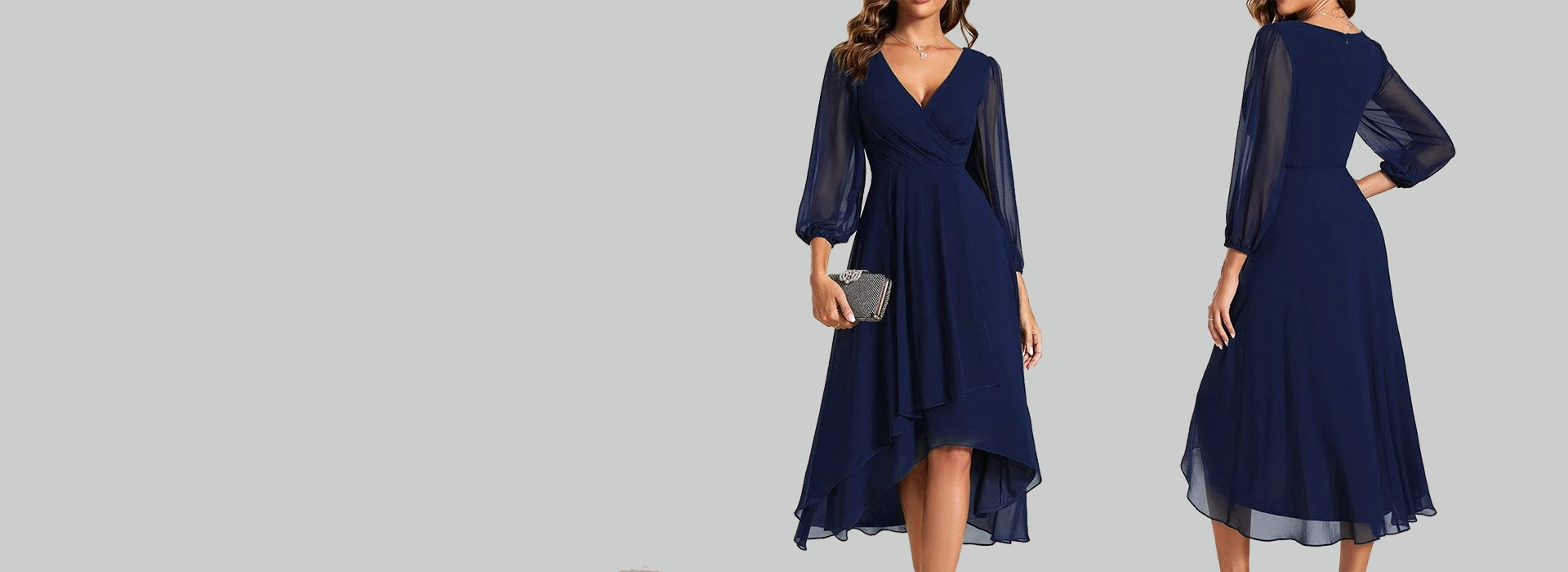
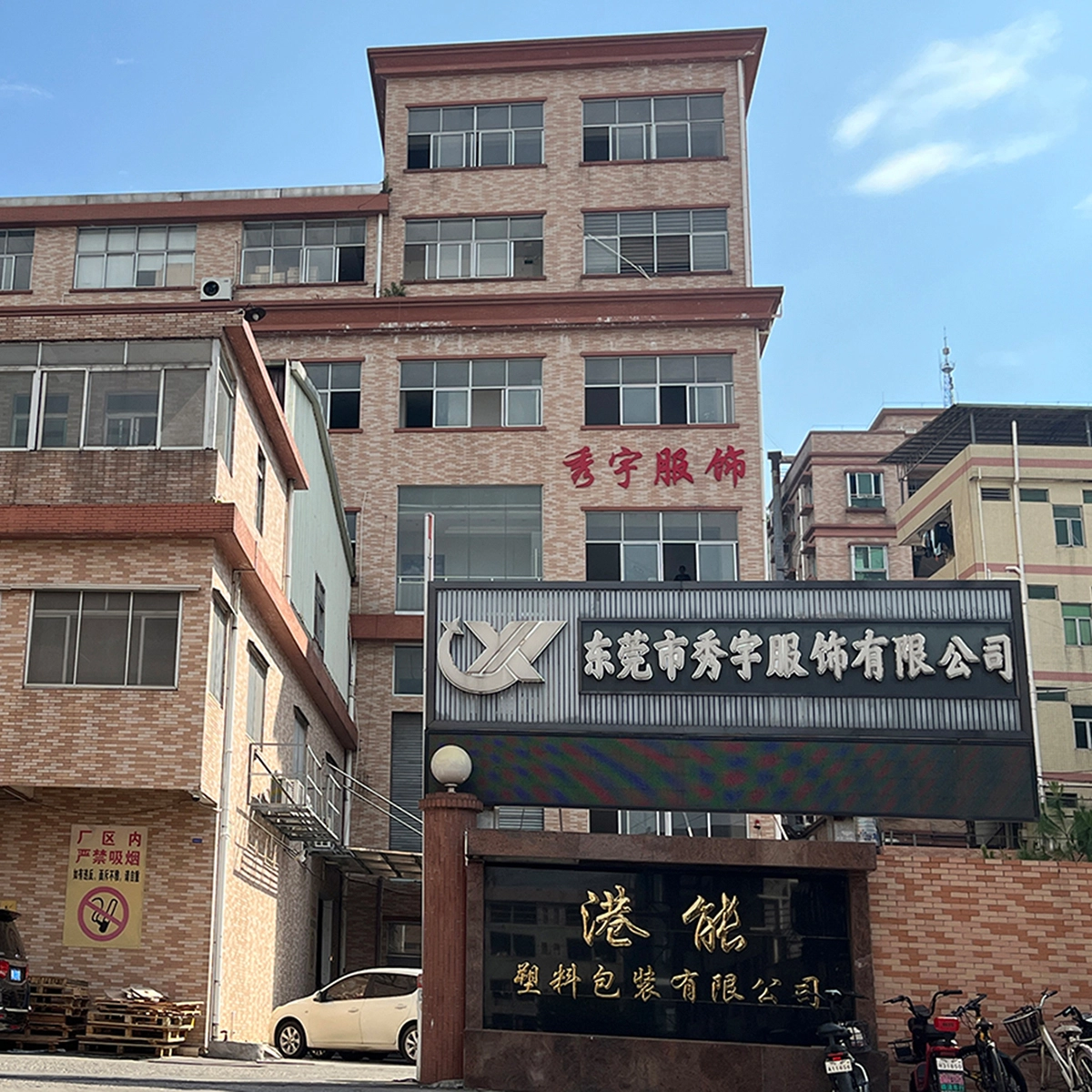
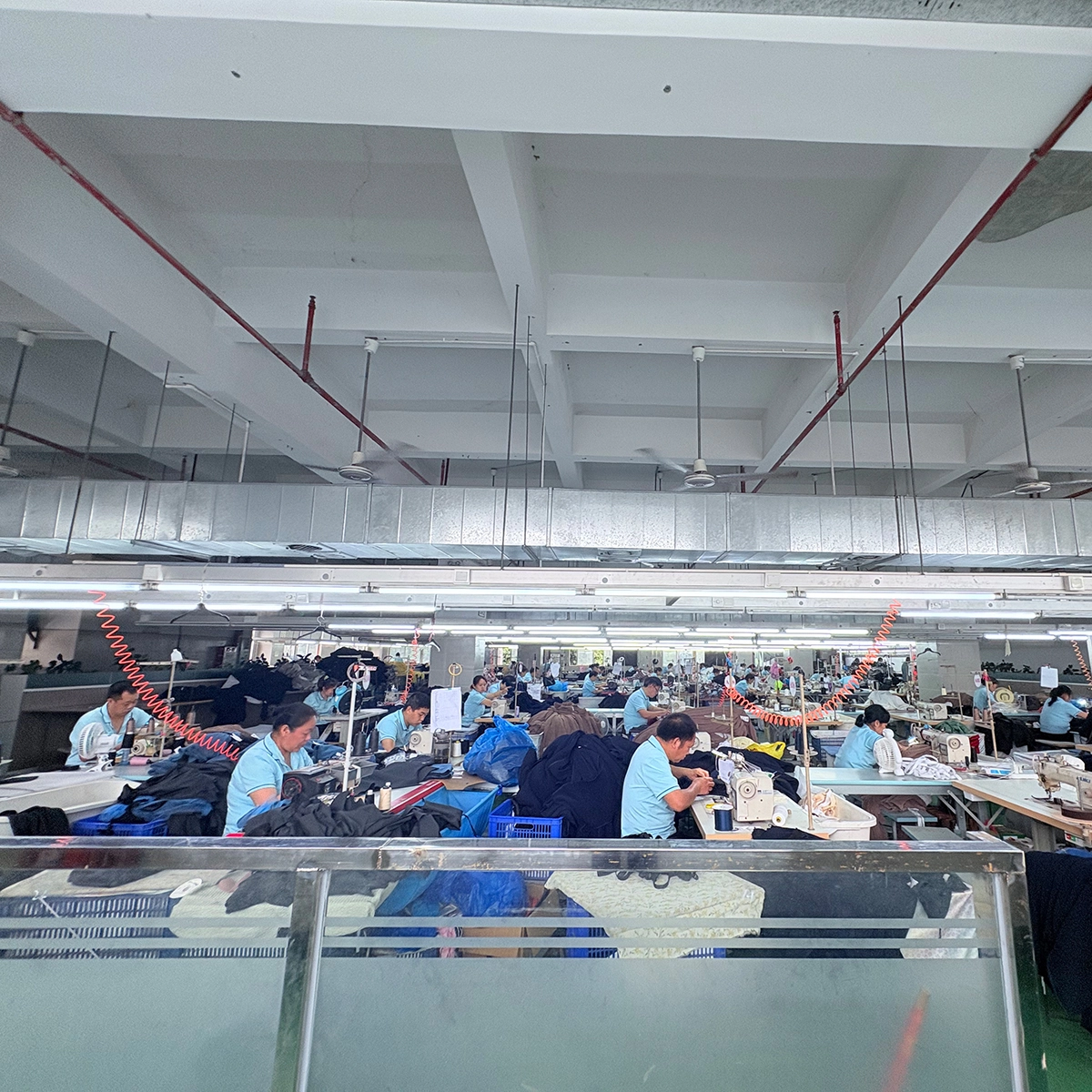
Our Asymmetric Hem Dress Manufacturing Capacity
Since 2007, Xiuyu Apparel has developed and produced custom dresses for fashion brands, designers and private label companies. For asymmetric styles, our pattern makers and sample sewers check the hem shape and measurements on the sample, including how the fabric falls around the shorter and longer sections.
Our factory capabilities include:
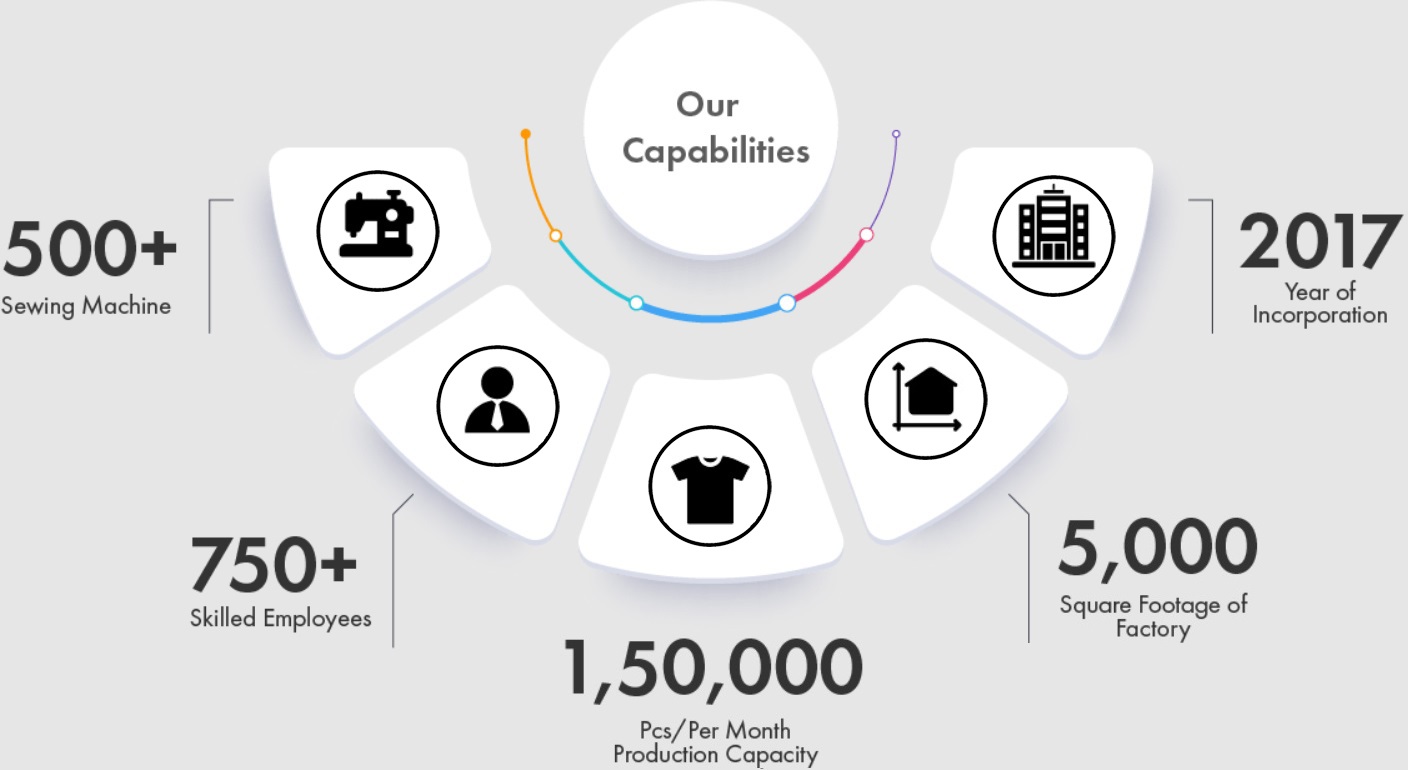
- 18+ years of apparel manufacturing experience
- 5,000㎡ production facility
- 750+ production workers
- 500+ sewing machines
- 5 automatic cutting lines
- 15 in-house pattern makers
- 35 sample sewers
- 150,000+ pieces/month production capacity across product categories
- Export experience serving customers in 40+ countries
Custom Asymmetric Hem Dress Manufacturing for Fashion Brands
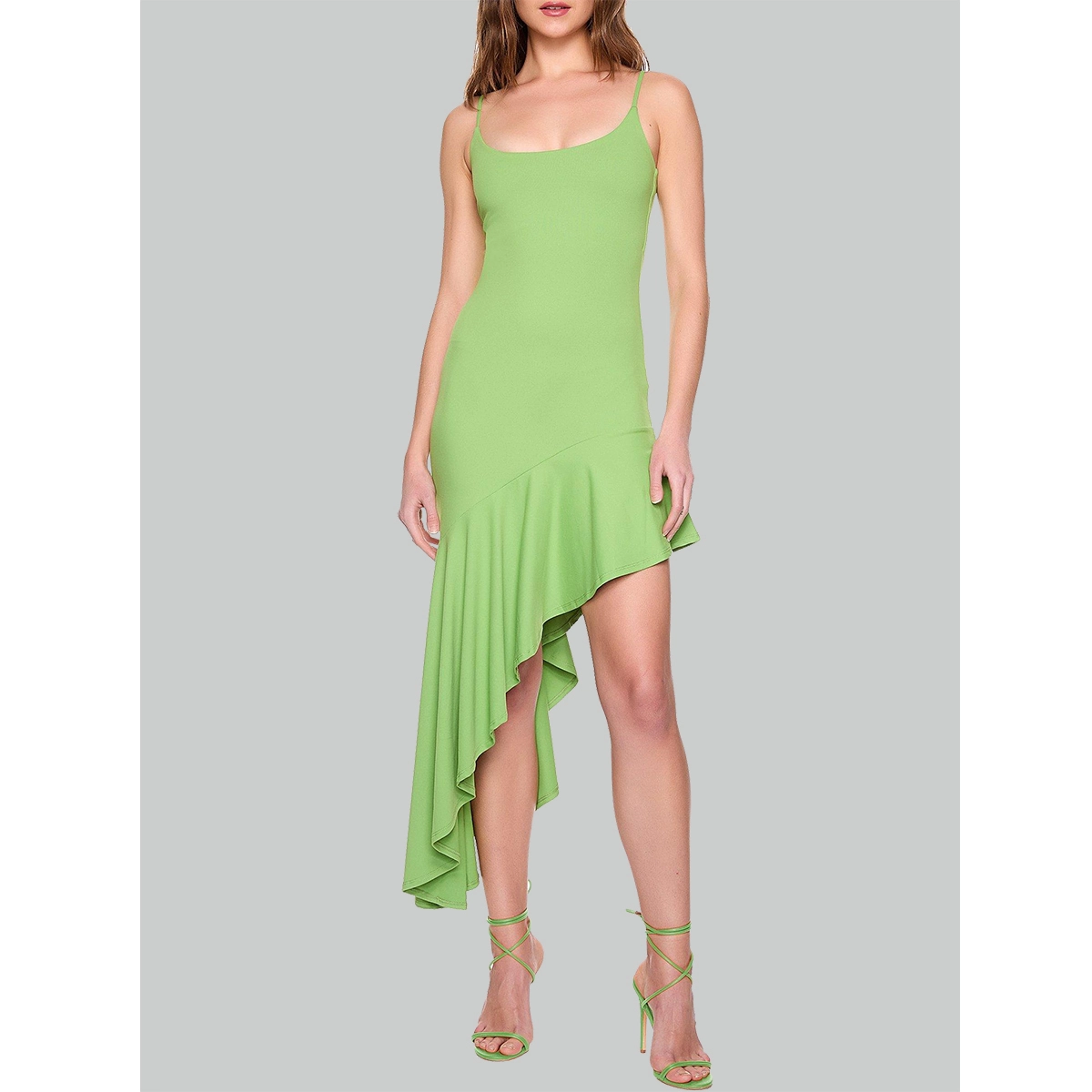
An asymmetric hem can be difficult to balance because the shorter and longer sections need to fall naturally around the body. On flowing or bias-cut dresses, fabric drape, grain direction and the transition at the side seams all influence the final shape.
We check these details during pattern development and sampling, then confirm the hem measurements and construction in the approved PP sample before bulk cutting.
We can develop your asymmetric hem dress from a sketch, tech pack or reference garment. You can specify the hemline, dress length, fabric, neckline and skirt construction, including the difference between the shorter and longer sections.
Pattern development and sampling are handled by our in-house teams. Once the PP sample is approved, cutting, sewing and QC follow the confirmed measurements and construction details.
Asymmetric Hem Dress Manufacturing Specifications
| Manufacturing Details | Production Support |
|---|---|
| MOQ | Usually 50–100 pcs per style/color |
| Sample Development | Usually 3–7 days |
| Bulk Production | Usually 25–30 days after PP sample approval and fabric confirmation |
| Manufacturing | OEM & ODM Available |
| Fabric | Custom Fabric Sourcing |
| Design | Custom Hemline, Length and Silhouette |
| Sizing | XS–XXL / Custom Size Charts |
| Private Label | Custom Labels, Hangtags and Packaging |
| Quality Control | Fabric Inspection, In-line QC and Final Inspection |
We confirm the MOQ, quotation and lead time after reviewing the dress design, fabric requirements, color breakdown and total order quantity.
What Our Customers Say
“We were very pleased with the finished products from Xiuyu Apparel. The sewing and finishing were clean, and the small details were handled well. We especially liked the color-matched zippers, which made the finished pieces look much cleaner and more polished.
The quality was better than we expected, and the team was easy to work with throughout the order. They responded quickly when we had questions and were willing to check the details with us during production. We’re happy with the result and would definitely consider working with Xiuyu Apparel again.”

Aroha
(From Netherlands)
“Working with Xiuyu Apparel was a smooth experience from the beginning. Communication was easy, and they were quick to answer whenever I had a question or needed to confirm a detail. The order was shipped on time, and the quality of the silk was what I was looking for.
I also checked the silk quality myself and was satisfied with the result. The certification information was provided as well, which gave me more confidence in the materials. Overall, the whole process was straightforward, and I would be happy to work with them again.”

Charlotte
(From United Kingdom)
“We’ve had a very good experience working with Xiuyu Apparel. The products were made carefully, and the details and finishing were handled well. Everything was also packed properly for shipping.
The sales team is easy to communicate with and usually gets back to us quickly when we have questions or need to check something during production. They’ve been helpful throughout the whole process, from confirming the details to arranging the shipment.
We’re happy with the quality and service and would be glad to work with Xiuyu Apparel again. It has been a smooth experience for us.”
Elodie
(From France)
“We’ve been working with Xiuyu Apparel since 2020, and the experience has been very good from the start. The dress quality has been consistent, delivery is usually on schedule, and communication with the team is easy.
Whenever we have questions or need to make changes, they are patient and quick to respond. They also understand our requirements well, which makes the production process much easier for us.
We really appreciate the support over the years and are happy to continue working with Xiuyu Apparel. We look forward to working on more styles together.”

Matilda
(From Australia)
MOQ & Production Support for Growing Fashion Brands
Whether you are testing a new silhouette or preparing a seasonal reorder, we can review the quantity, color breakdown and fabric requirements for your asymmetric hem dress project.
We work with fashion startups, independent designers, boutique brands, retailers and private label companies developing new dress styles or repeat orders.
For orders with multiple colorways, please include the quantity planned for each color. This helps us review fabric availability and cutting arrangements before confirming the order.
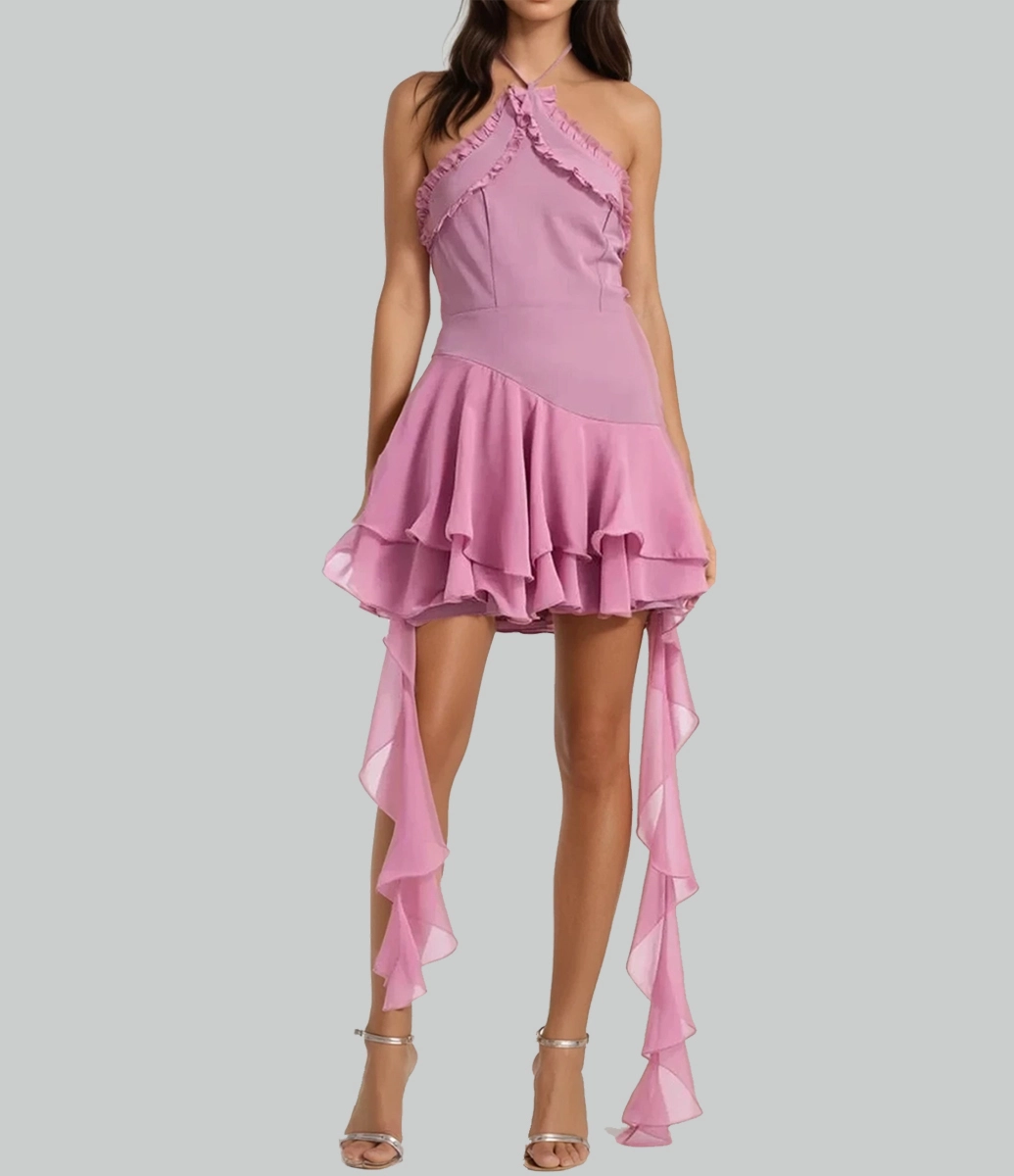
What Affects Asymmetric Hem Dress Manufacturing Cost?
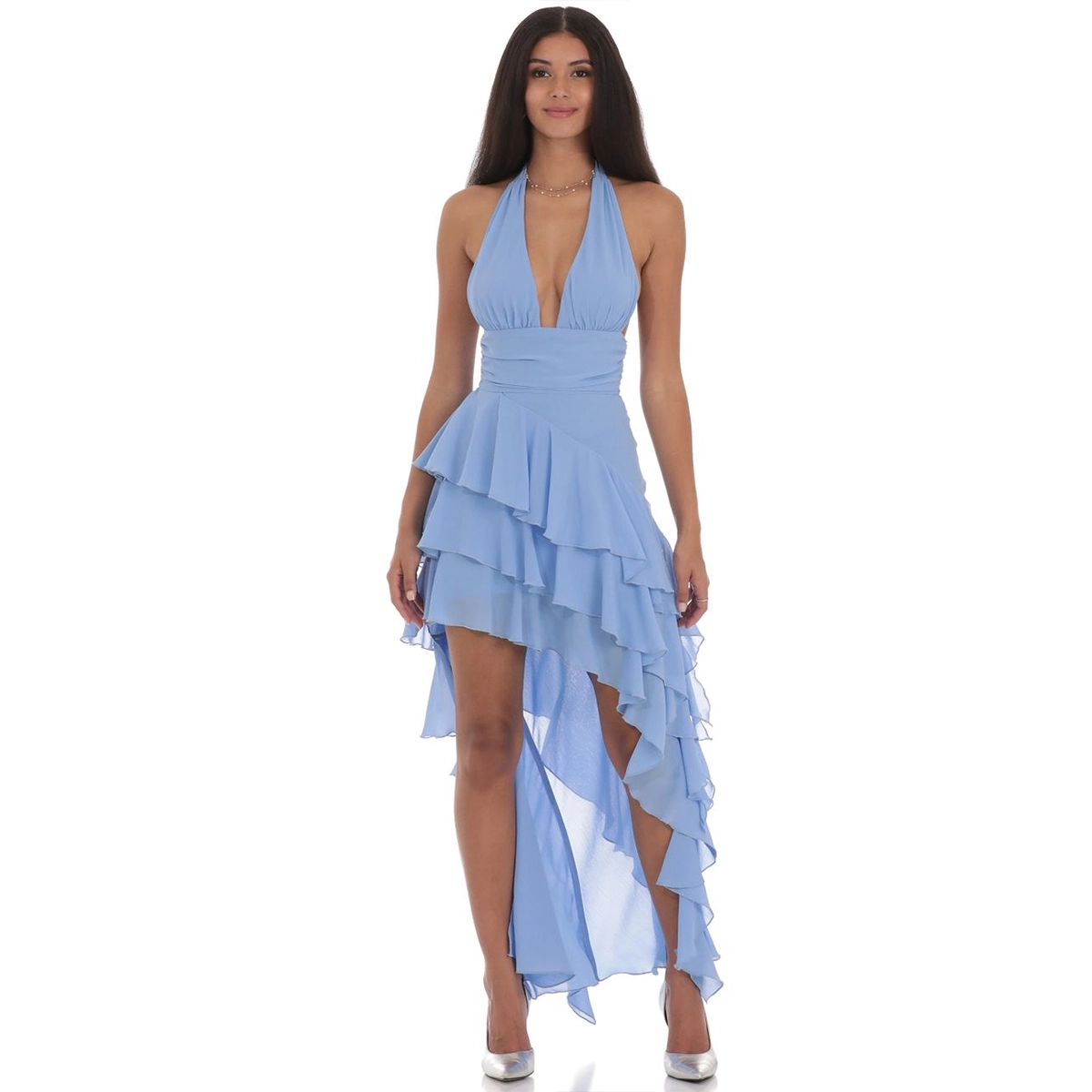
The cost of an asymmetric hem dress depends on more than the silhouette. Hem shape, fabric consumption and skirt construction all affect the quotation.
A simple diagonal hem usually requires less pattern work than a skirt with curved transitions, multiple panels or uneven layers. More complex designs may also use additional fabric and take longer to sew, which affects the quotation.
The main quotation factors include:
- Fabric type, weight and consumption
- Hemline shape and front-to-back length differences
- Pattern complexity and skirt panel construction
- Lining, inner layers and hem finishing
- Slits, gathers, draping or other design details
- Embroidery, appliqué or other embellishments
- Custom dyeing or printed fabric requirements
- Order quantity, labels and packaging
A flowing chiffon dress with a simple diagonal hem may require less pattern work than a layered satin design with several uneven skirt panels. The satin style also needs closer attention to panel balance, fabric handling and hem finishing during sampling.
Send us a sketch, tech pack or reference image so we can review the hem construction, estimate fabric consumption and prepare a quotation.
Quality Control During Asymmetric Hem Dress Production
For an asymmetric hem dress, checking the garment flat is not enough to assess the finished shape. We compare the shorter and longer hem sections with the approved measurements, then check how the skirt hangs when the dress is placed on a dress form or worn.
Checks are carried out at several stages of production:
- Fabric inspection: Check for visible defects, shade variation and fabric issues before cutting.
- Pattern and measurement checks: Verify the short and long hem points, front and back lengths, and side transitions against the approved pattern.
- In-line sewing inspection: Check panel matching, seam alignment, gathering and stitching while garments are still on the sewing line.
- Final garment inspection: Check hemline shape, skirt balance, finished measurements, workmanship and overall appearance before packing.
- Packing checks: Verify labels, folding methods, size identification and carton requirements against the order instructions.
If your brand has set measurement tolerances or specific inspection requirements, include them in the order specifications before production starts. Our QC team can then use the same approved criteria when checking finished garments.
Asymmetric Hem Dress Manufacturing Process
Before bulk production begins, we confirm the hem measurements, fabric, sewing details and approved sample. These specifications are used by the cutting, sewing and QC teams during production.
1. Design Review & Quotation
We review your reference images, tech pack, fabric requirements, quantity and construction details. If the hemline measurements or material specifications are incomplete, these can be identified before the quotation is finalized.
2. Pattern Development
Our pattern makers establish the short and long hem points, then shape the transition between them. For bias-cut skirts, the pattern layout also accounts for fabric direction and how the material may drop after cutting.
3. Sample Development
The sample room produces the first garment using the confirmed pattern and material specifications. Initial sampling usually takes 3–7 days; more complex construction or special fabric requirements may need additional time.
4. Sample Fitting & Corrections
During fitting, we compare the short and long hem sections with your reference, check the side transition and review how the skirt hangs on the body. Any changes to length, flare or panel shape are recorded for the next sample.
5. PP Sample Approval
The PP sample records the final measurements, fabric, trims and construction details approved for production. Bulk garments are then checked against this version rather than the original sketch alone.
6. Bulk Cutting & Sewing
After fabric confirmation and PP sample approval, the production team prepares the fabric, cuts the panels and assembles the garments. In-line checks help identify construction or measurement issues during sewing.
7. Final Inspection & Packing
Finished dresses are checked against the approved sample and specifications. Labels, hangtags, packing methods and carton details are also reviewed before shipment preparation.
Explore More Dress Manufacturing Options
If your collection includes different dress silhouettes, you can also explore our related manufacturing services.
- High Low Dress Manufacturer
- Ruffle Dress Manufacturer
- One Shoulder Dress Manufacturer
- Mini Dress Manufacturer
- Evening Dress Manufacturer
Each style has its own pattern, fabric and construction requirements. Our team can review your designs and discuss the production arrangements for your collection.
Fabric Options for Custom Asymmetric Hem Dresses
Fabric affects how an asymmetric skirt falls. Chiffon gives the hem a softer, flowing look, while crepe holds more shape. Jersey needs additional attention to stretch and recovery, especially when the skirt is fitted.
| Fabric | Suitable Dress Styles | Production Considerations |
|---|---|---|
| Chiffon | Tiered, Flowing | Lightweight cutting and narrow hem finishing |
| Satin | Draped, Evening | Surface handling and fabric drape |
| Crepe | Flared, Fitted | Skirt shape and hemline stability |
| Jersey | Ruched, Bodycon | Stretch, recovery and shrinkage |
| Rayon / Viscose | Casual, Flowing | Drape and dimensional stability |
| Polyester Blends | Various Silhouettes | Fabric weight and surface performance |
If you have selected a fabric, send us its composition, weight and color requirements. If you are still comparing options, let us know your target price and the desired look. We can check suitable fabrics for drape, weight and availability.
For lightweight or bias-cut fabrics, we pay particular attention to how the material hangs after cutting and sewing. This helps identify whether the original hem measurements need adjustment before the sample is approved.
Custom Asymmetric Hem Dress Manufacturing Options
You can customize the silhouette and garment details to match your brand collection.
| Customization Area | Available Options |
|---|---|
| Hemline | Diagonal, Curved, High Low, Uneven |
| Dress Length | Mini, Midi, Maxi |
| Neckline | V-Neck, Square Neck, Sweetheart, Cowl |
| Sleeves | Sleeveless, Short Sleeve, Long Sleeve, One Sleeve |
| Skirt Design | Draped, Ruched, Pleated, Tiered, Flared |
| Fabric | Chiffon, Satin, Crepe, Jersey, Rayon and More |
| Color | Pantone Color Matching |
| Size | XS–XXL / Custom Measurements |
| Embellishment | Embroidery, Appliqué, Beading, Sequins and Rhinestones |
| Branding | Custom Labels, Hangtags, Barcodes and Packaging |
A style can combine several details, such as a one-shoulder bodice with a ruched skirt or a tiered chiffon skirt with a high-low hem. During sampling, we check whether the added details affect the hem shape, fabric distribution or fit.
Inside Our Dress Manufacturing Factory
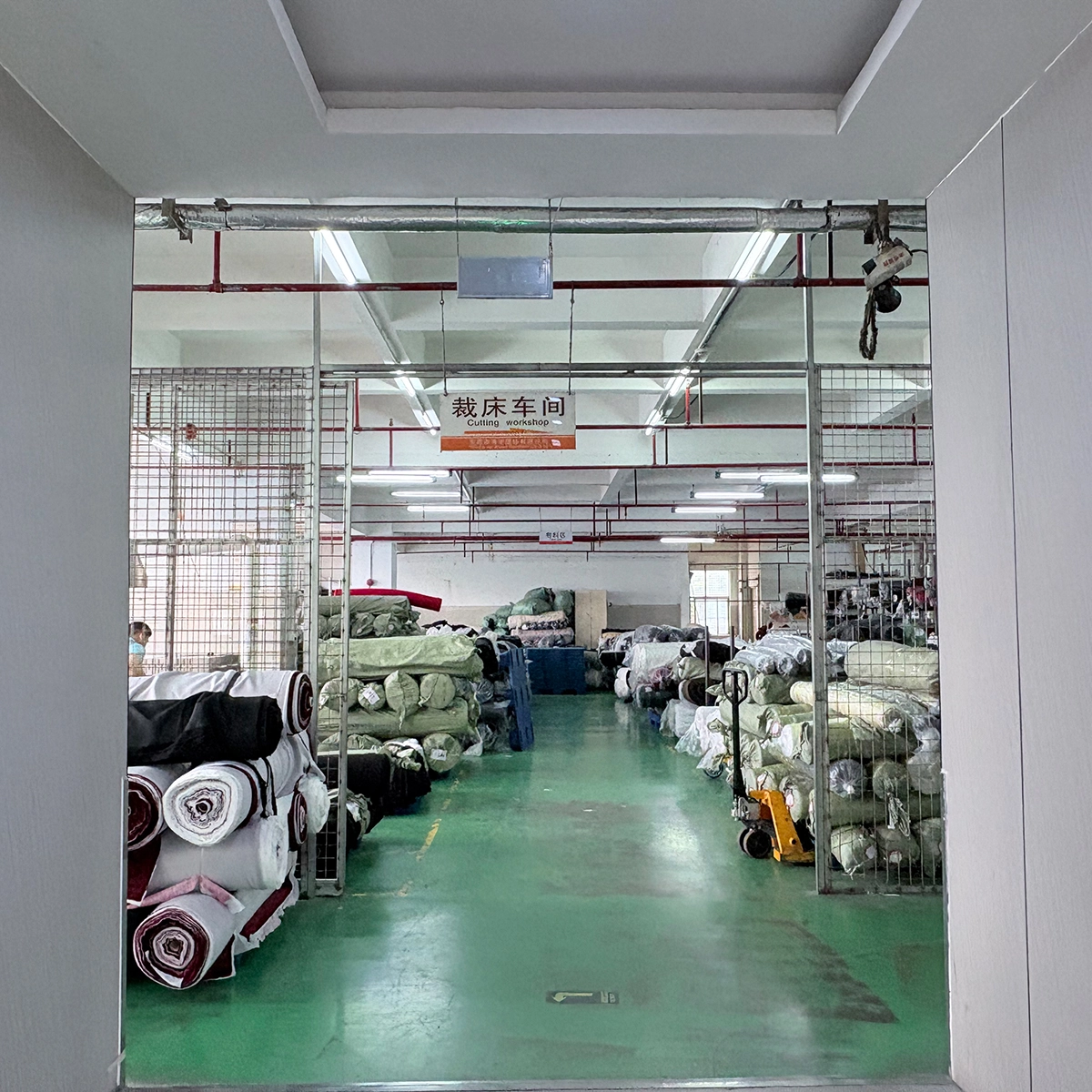
Fabric Warehouse
Fabric rolls are checked on arrival and recorded by batch before entering production.
↓
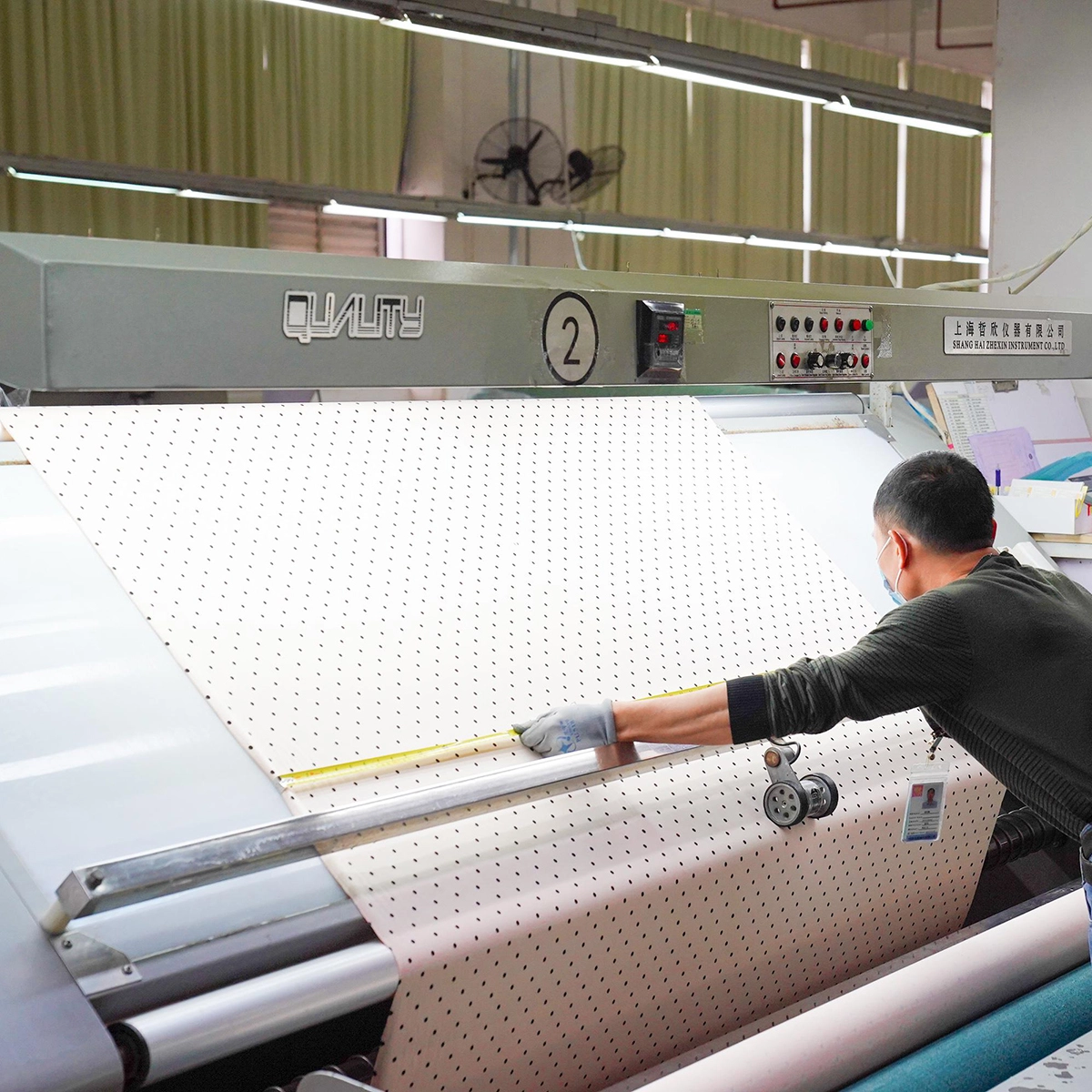
Fabric Inspection
Fabric is inspected using the Four-Point System for visible defects, shade variation and other fabric issues before cutting.
↓
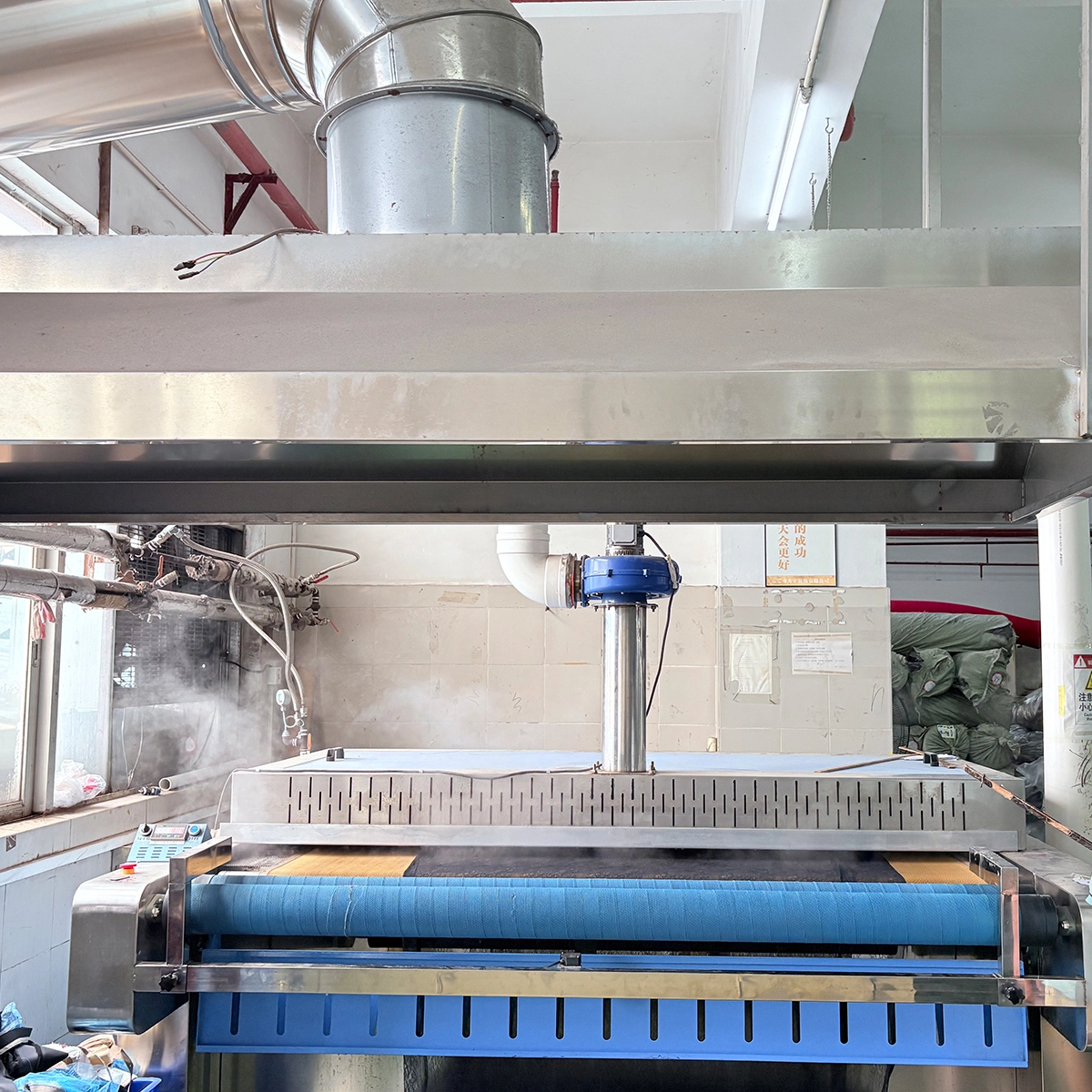
Fabric Pre-shrinking
Fabrics requiring shrinkage control are treated before cutting to reduce dimensional changes after garment production.
↓
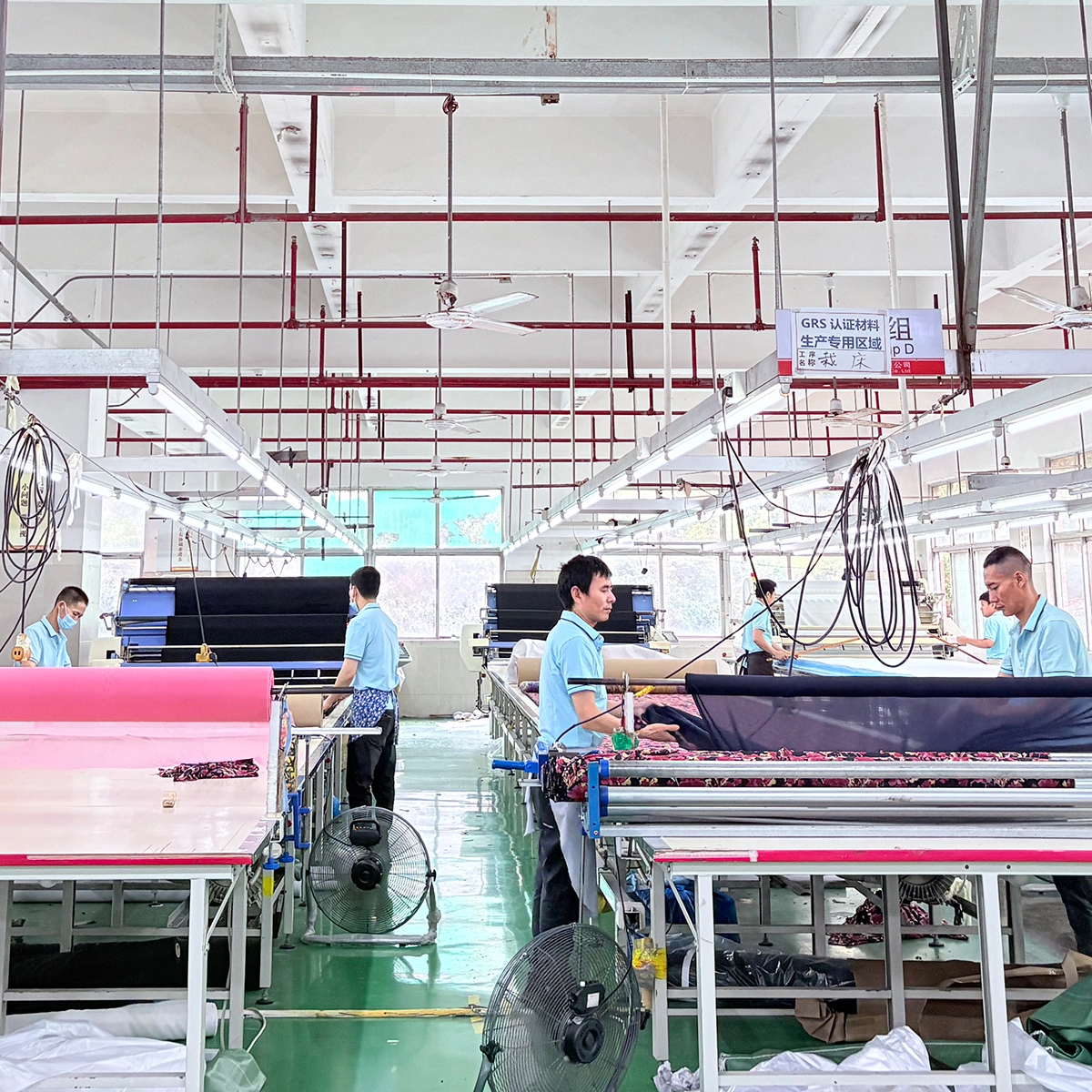
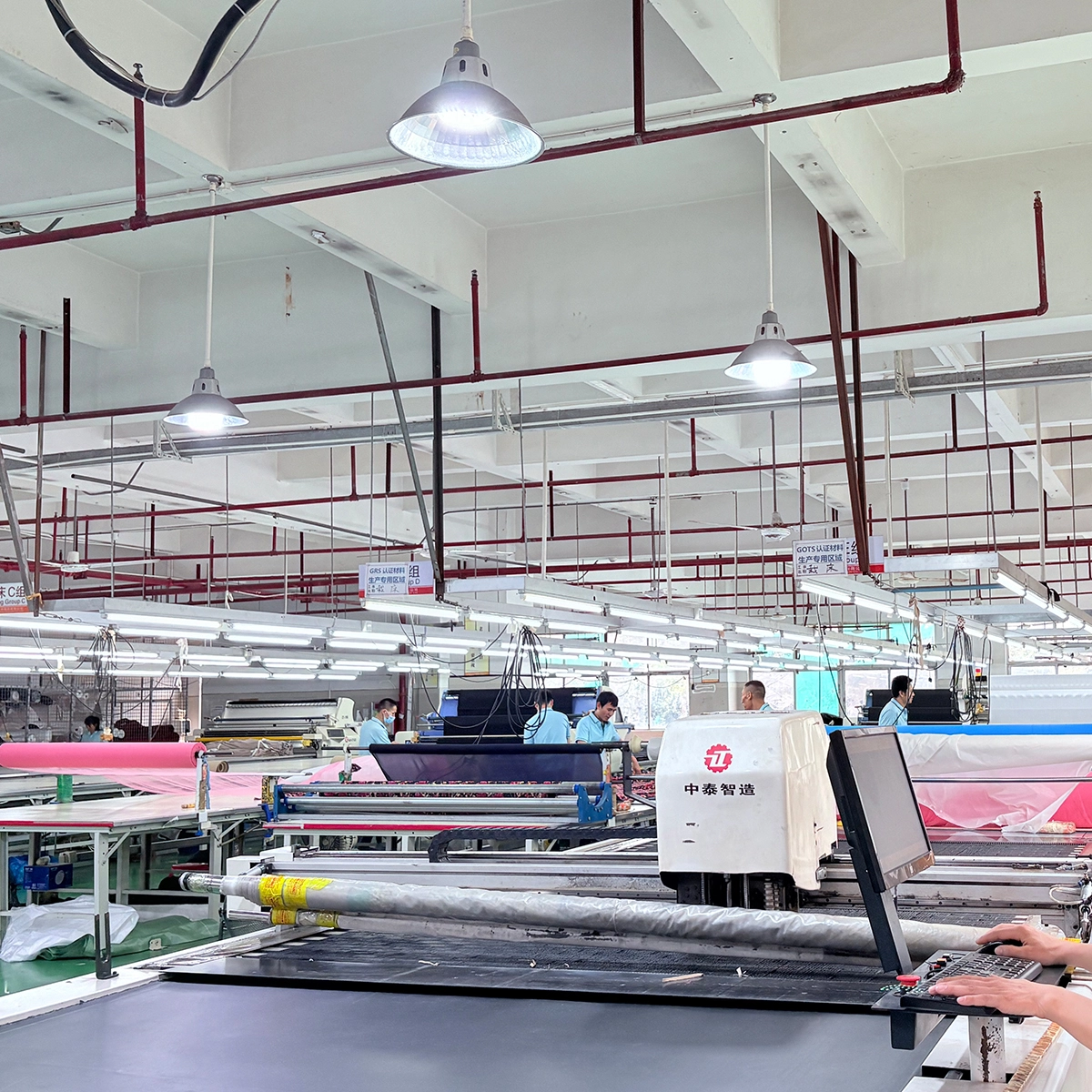
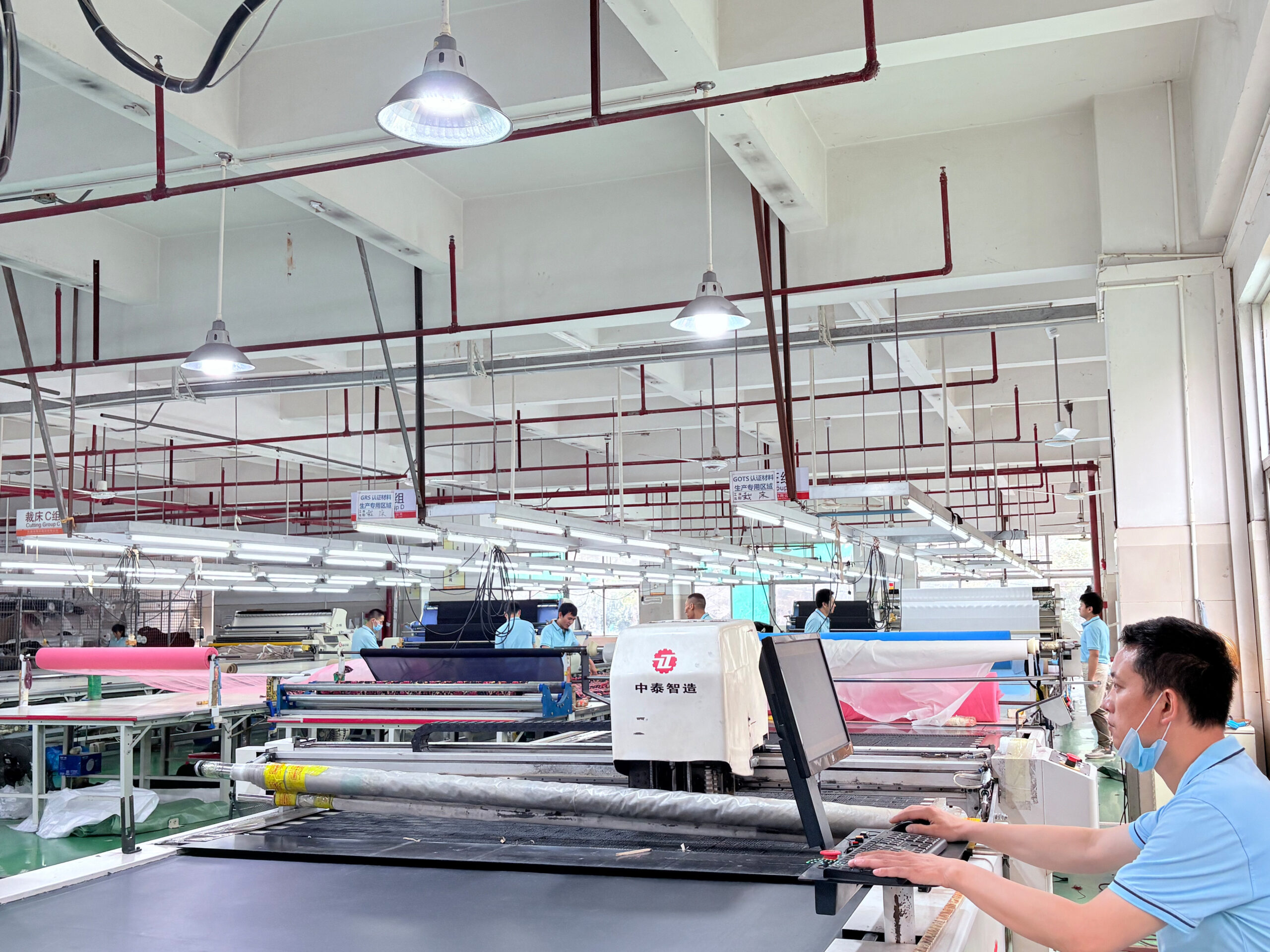
Pattern & Automatic Cutting
Cutting markers are prepared from the approved pattern and checked against fabric width, grain direction and order requirements before bulk cutting.
↓
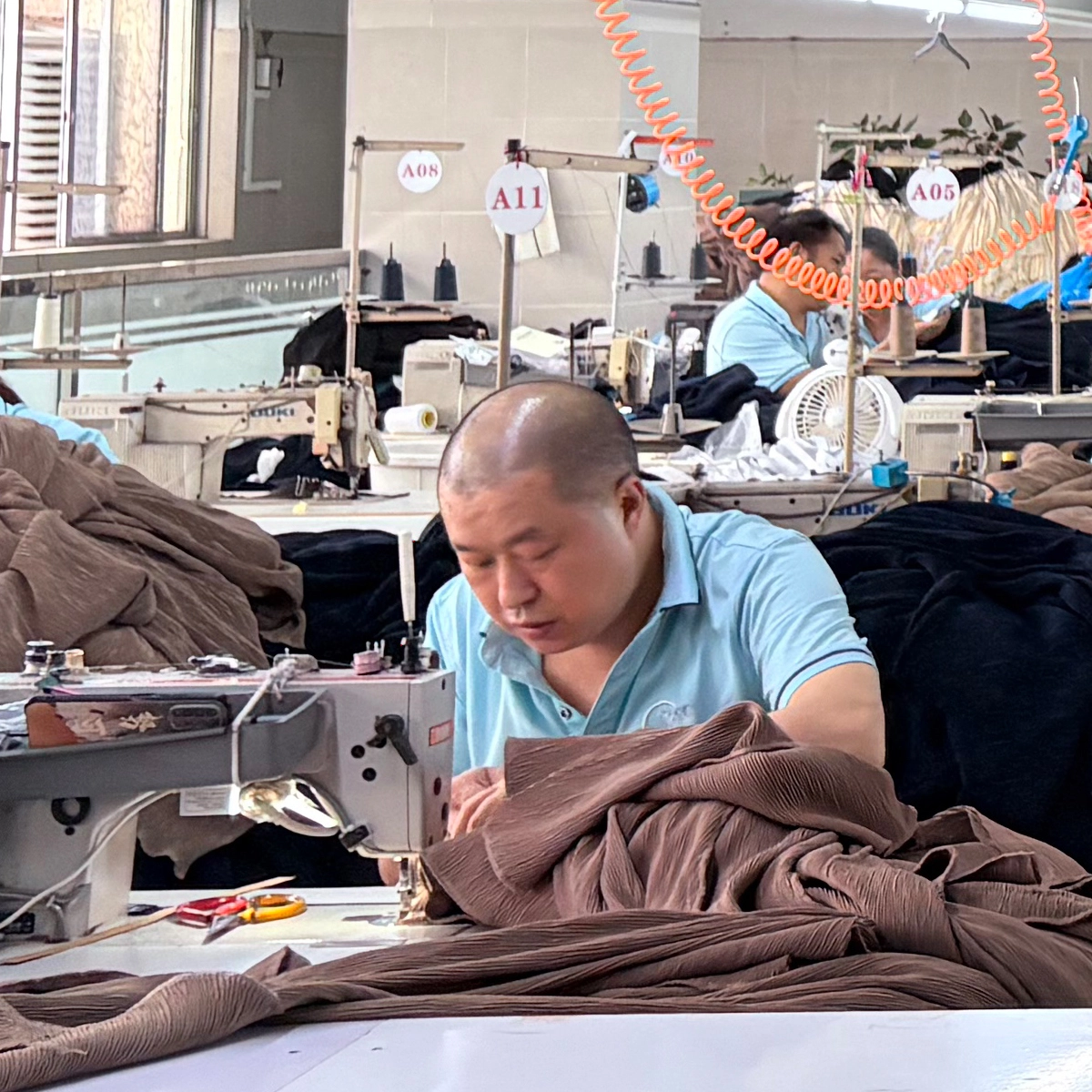
Bulk Production Sewing
Cut panels are assembled on the sewing floor according to the confirmed construction specifications.
↓
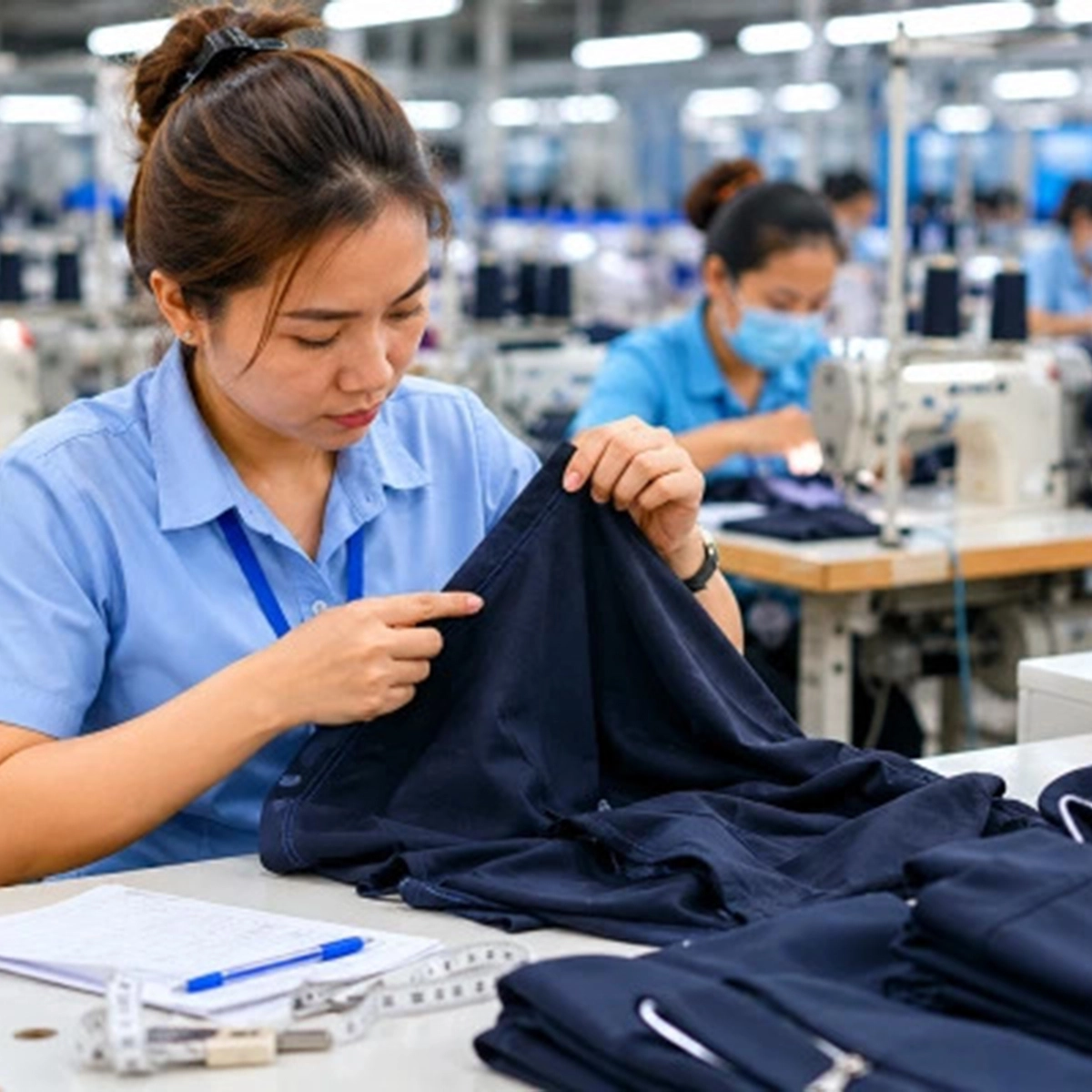
In-line Inspection
QC checks measurements, sewing and construction while production is running.
↓
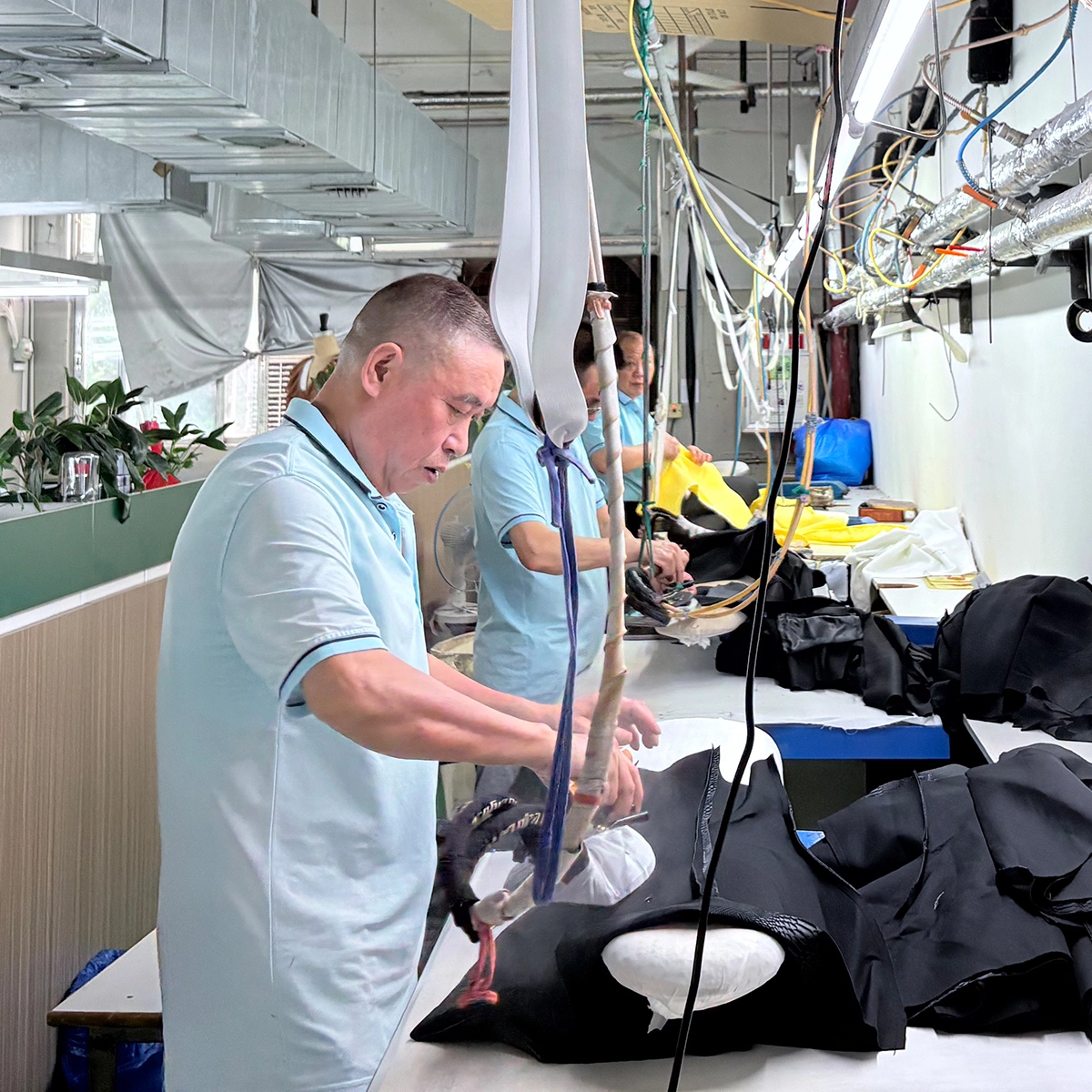
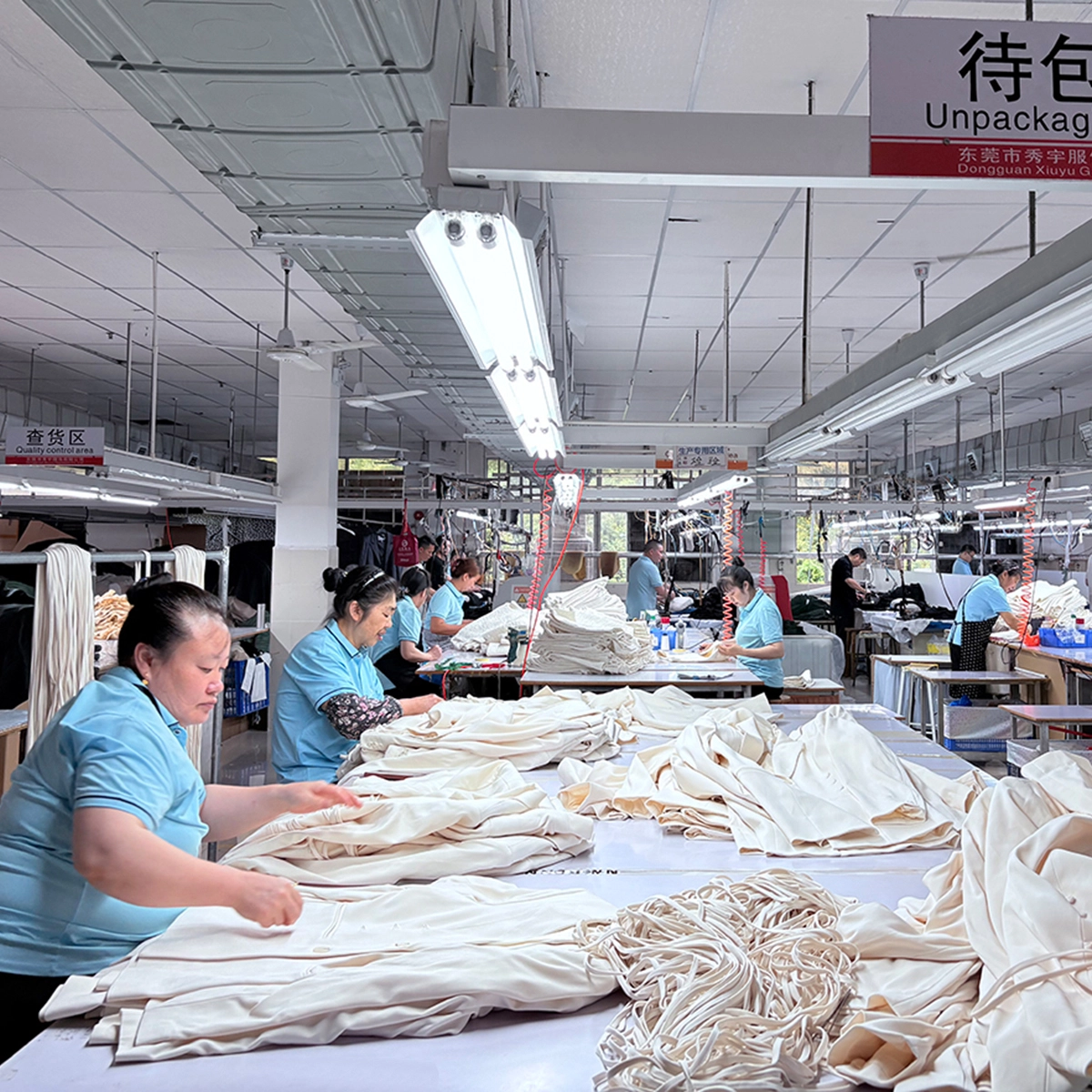
In-line Pressing
Garments are pressed and finished before final inspection. For embellished dresses, pressing requires extra attention because heat and pressure may affect beads, embroidery or other surface details.
↓
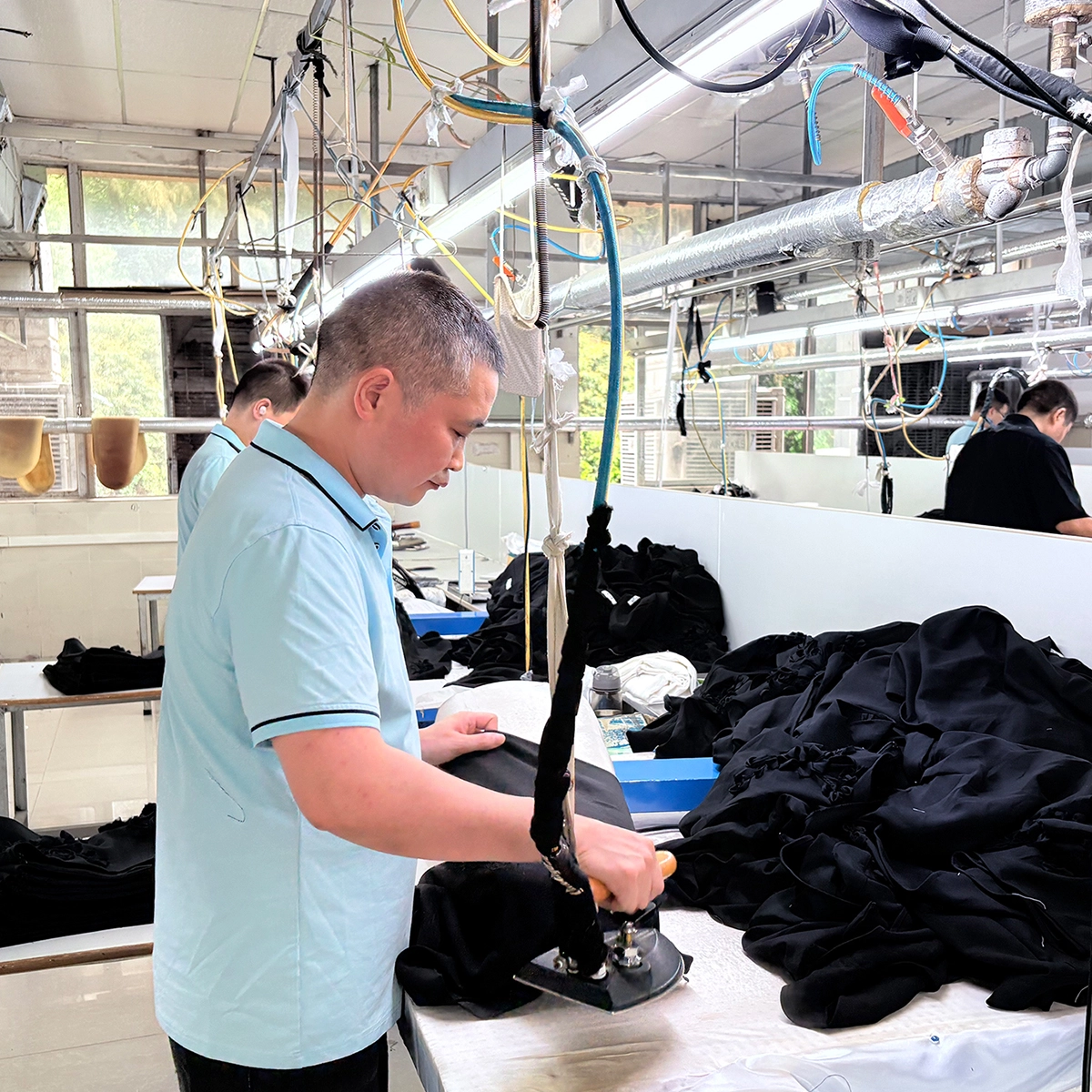
Final Pressing
Garments are pressed into their final shape before inspection and packing.
↓
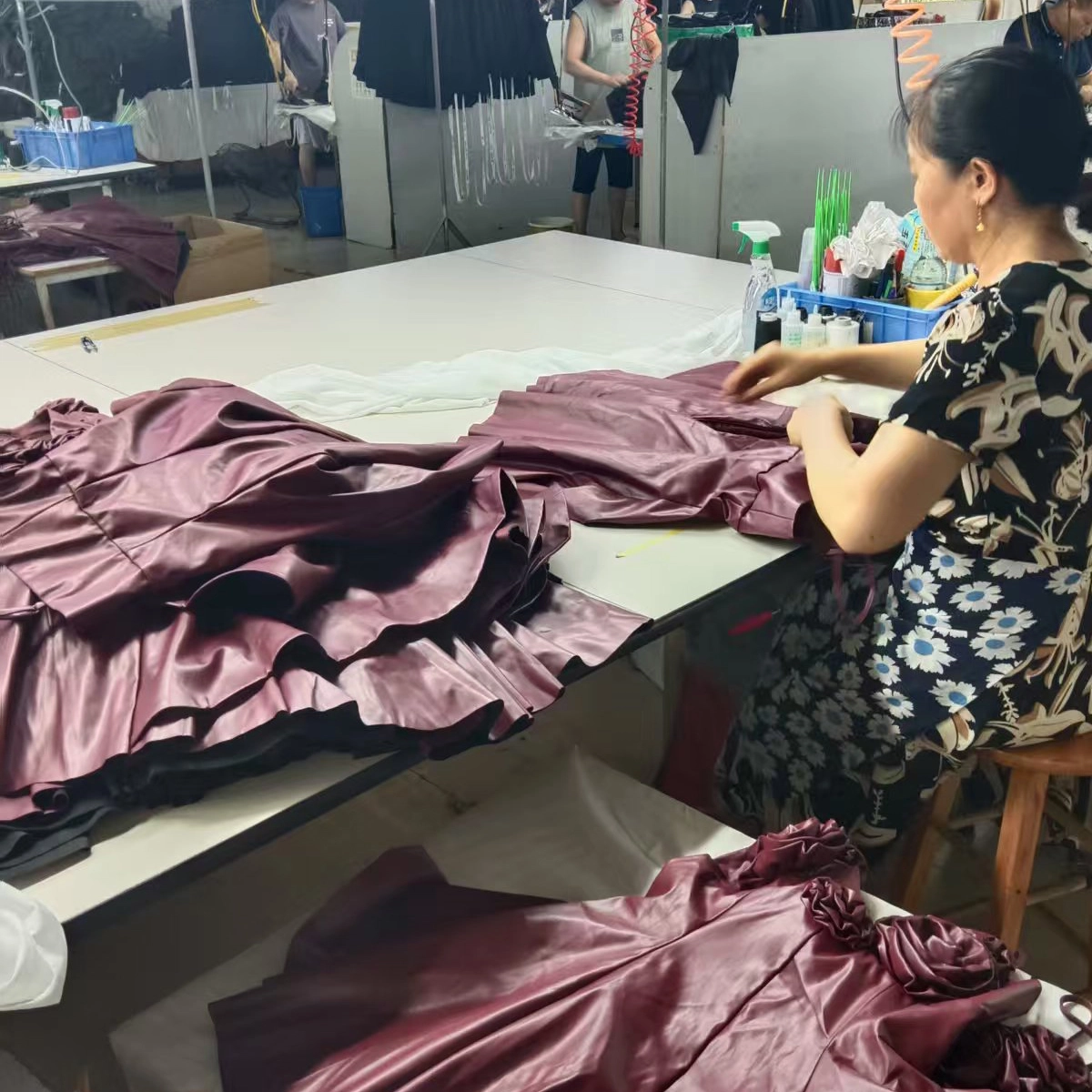
Final Inspection
Final inspection covers garment measurements, workmanship, labels and appearance against the approved specifications.
↓
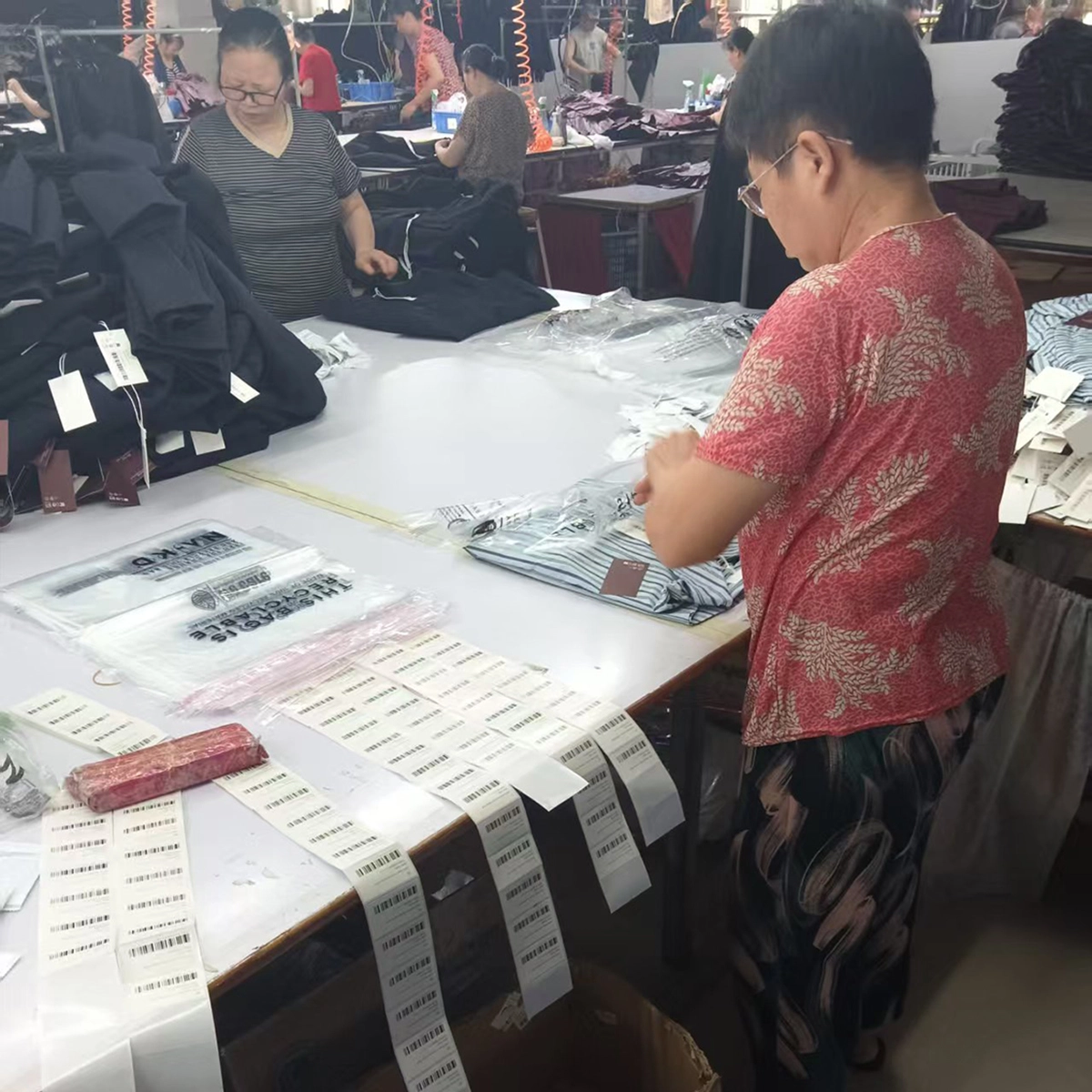
Garment Packing
Garments are folded and packed according to your order instructions. Labels, tags, barcodes and carton requirements are checked before shipment.
↓
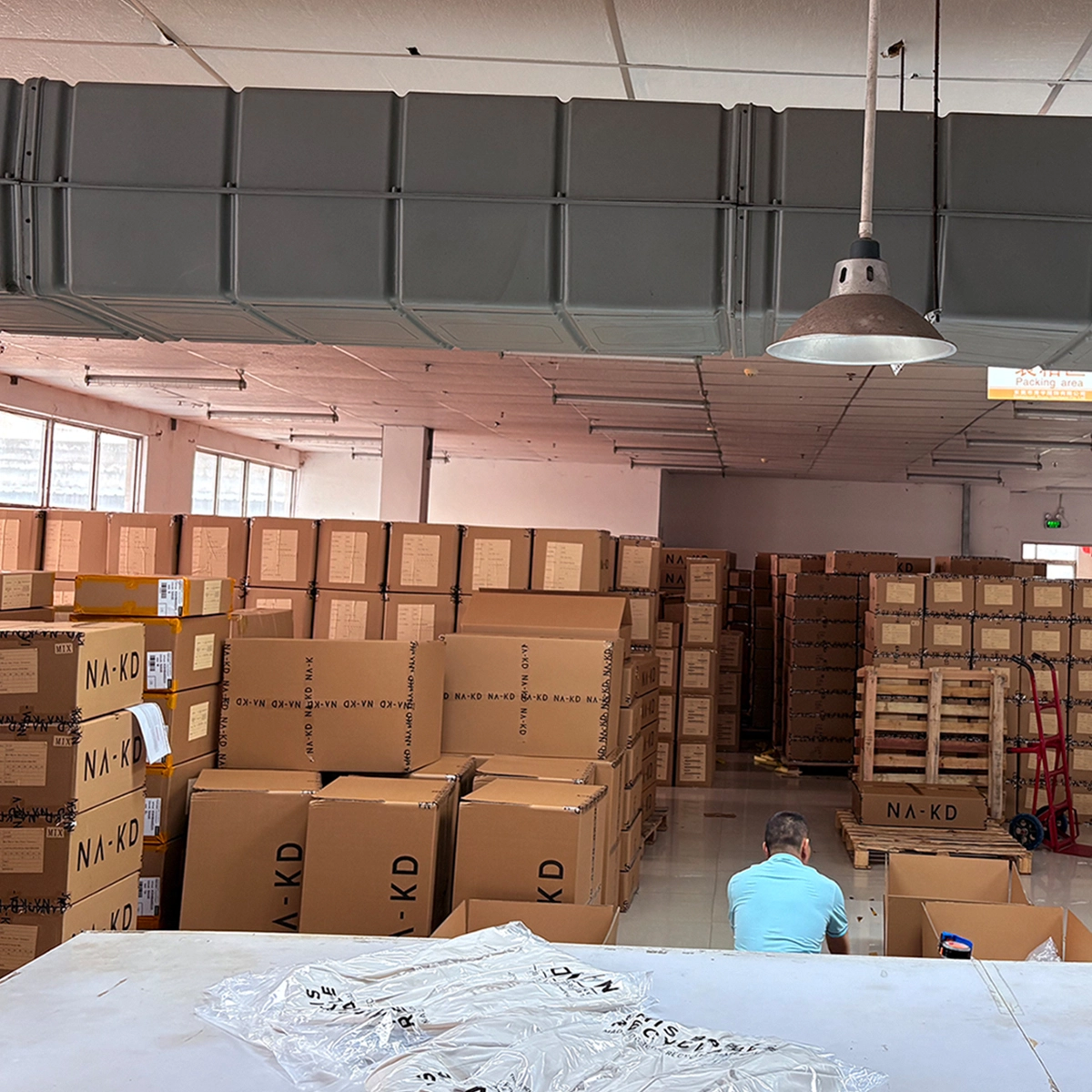
Finished Products
Finished garments are checked by style, color and size. Carton quantities, labels and packing details are verified before loading.

More About Our Dress Factory
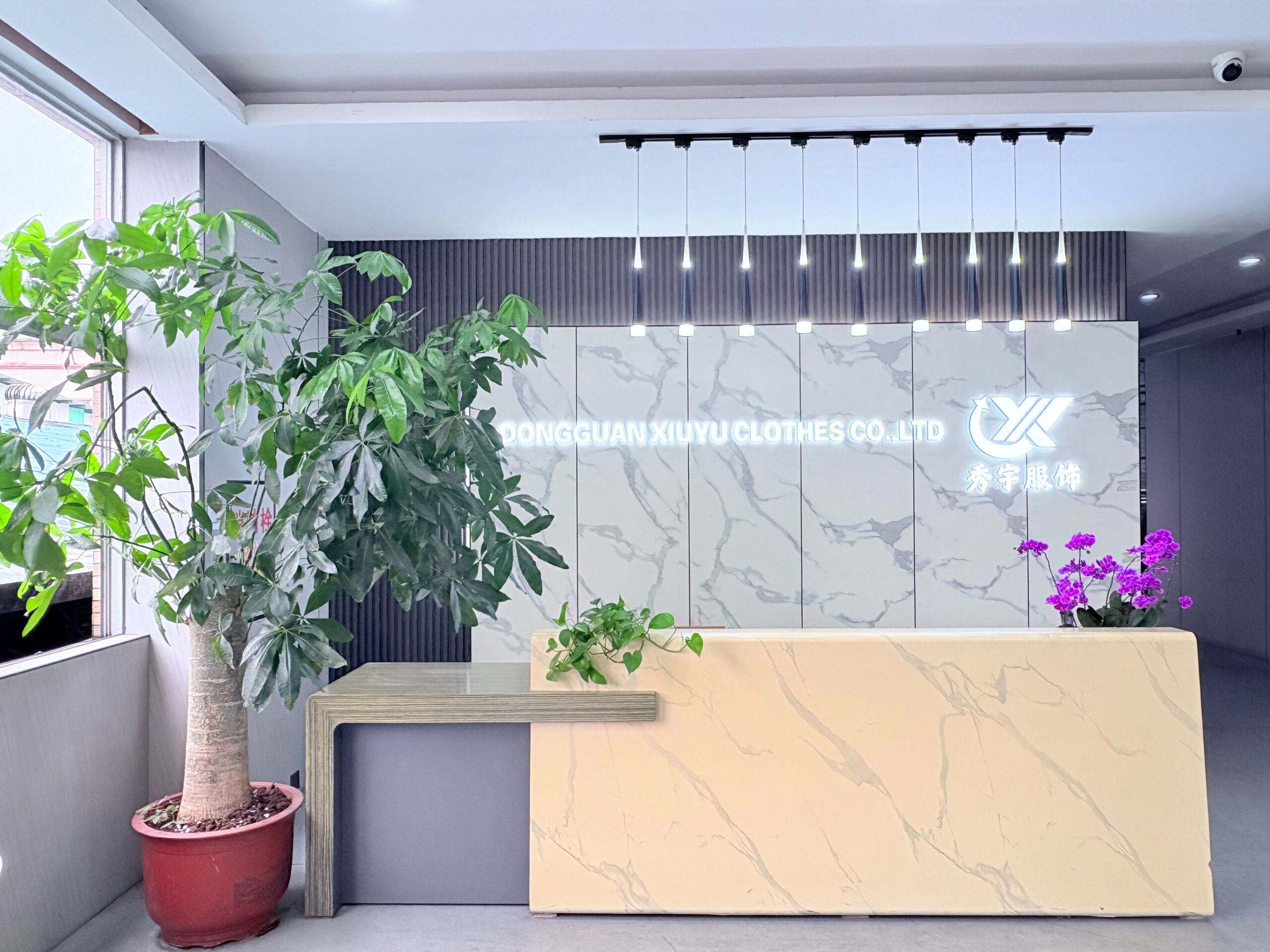
Xiuyu Apparel is a China-based dress manufacturer with in-house pattern making, sampling, fabric preparation, cutting, sewing, finishing and QC.
Our teams handle development and bulk production within the same factory, allowing the approved measurements and construction details to be followed through each stage.
- Factory Picture
- Our Capabilities
- One-Stop Services
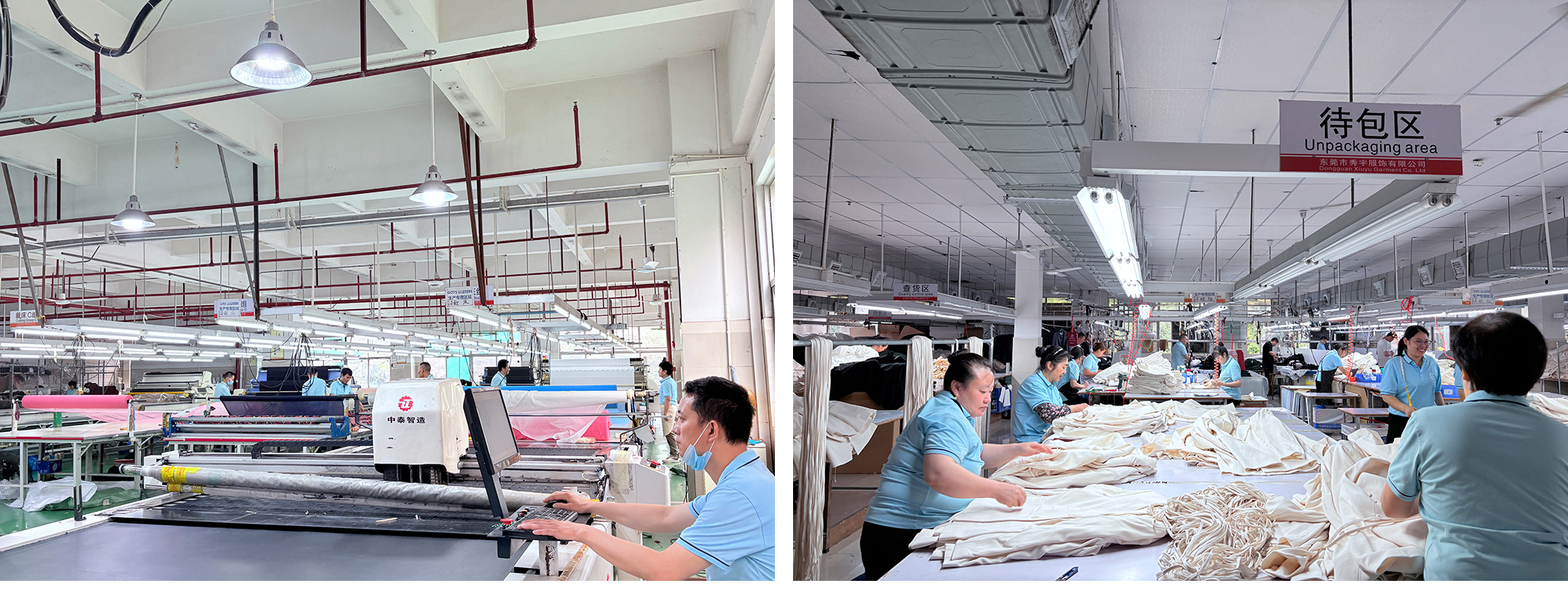 Cutting room & QC inspection
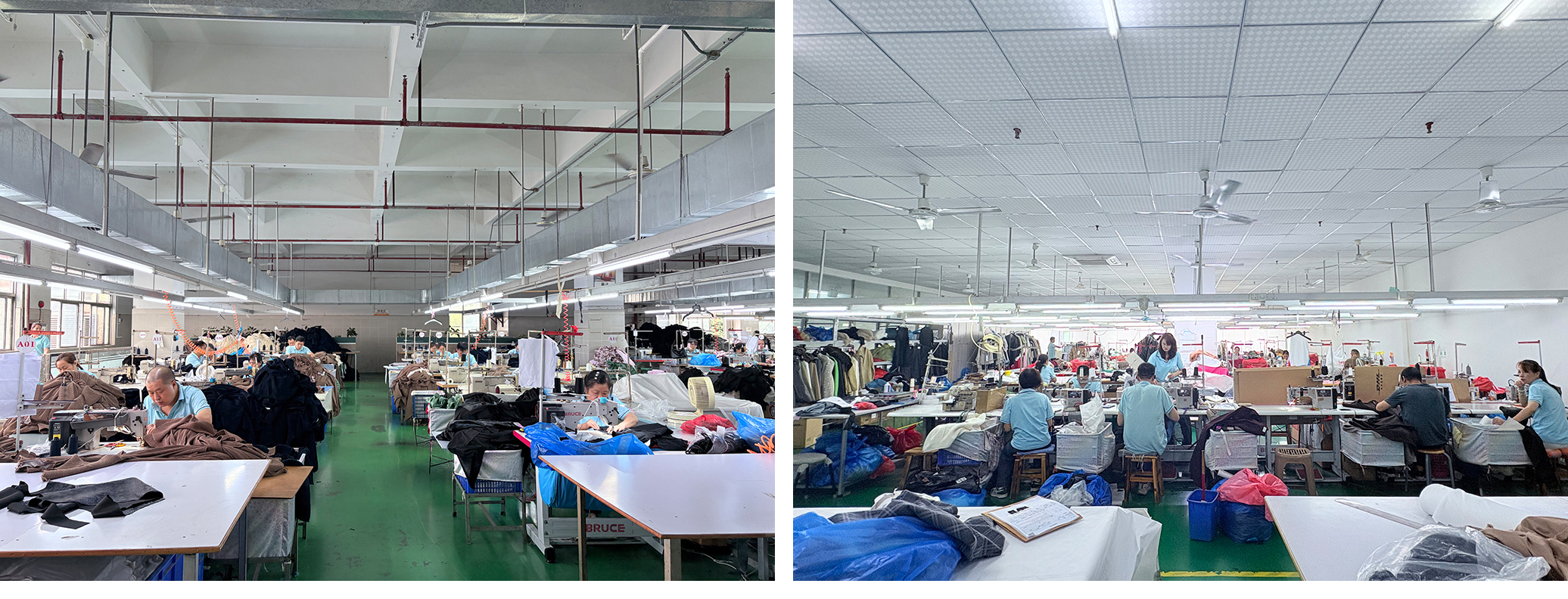
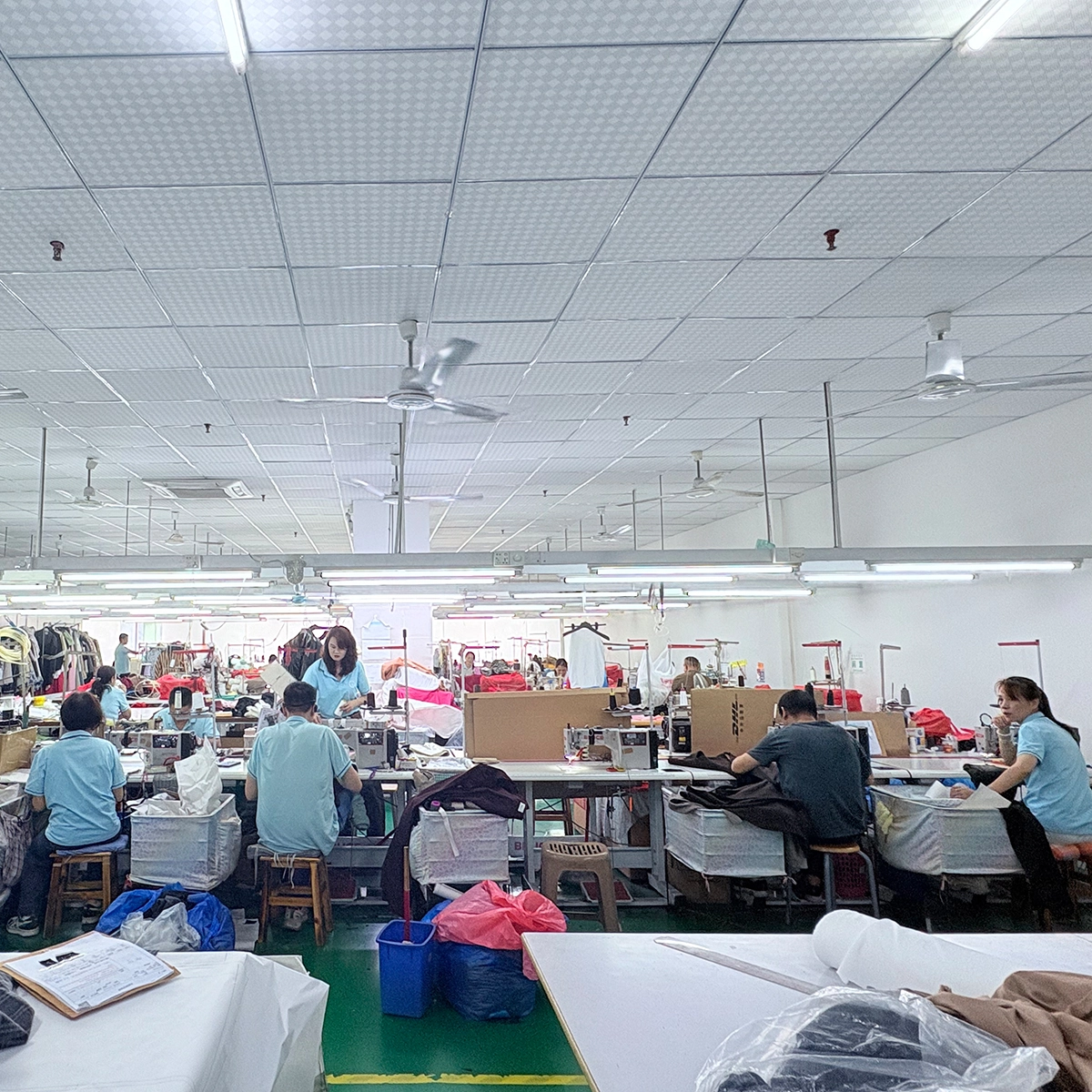
Sewing workshop
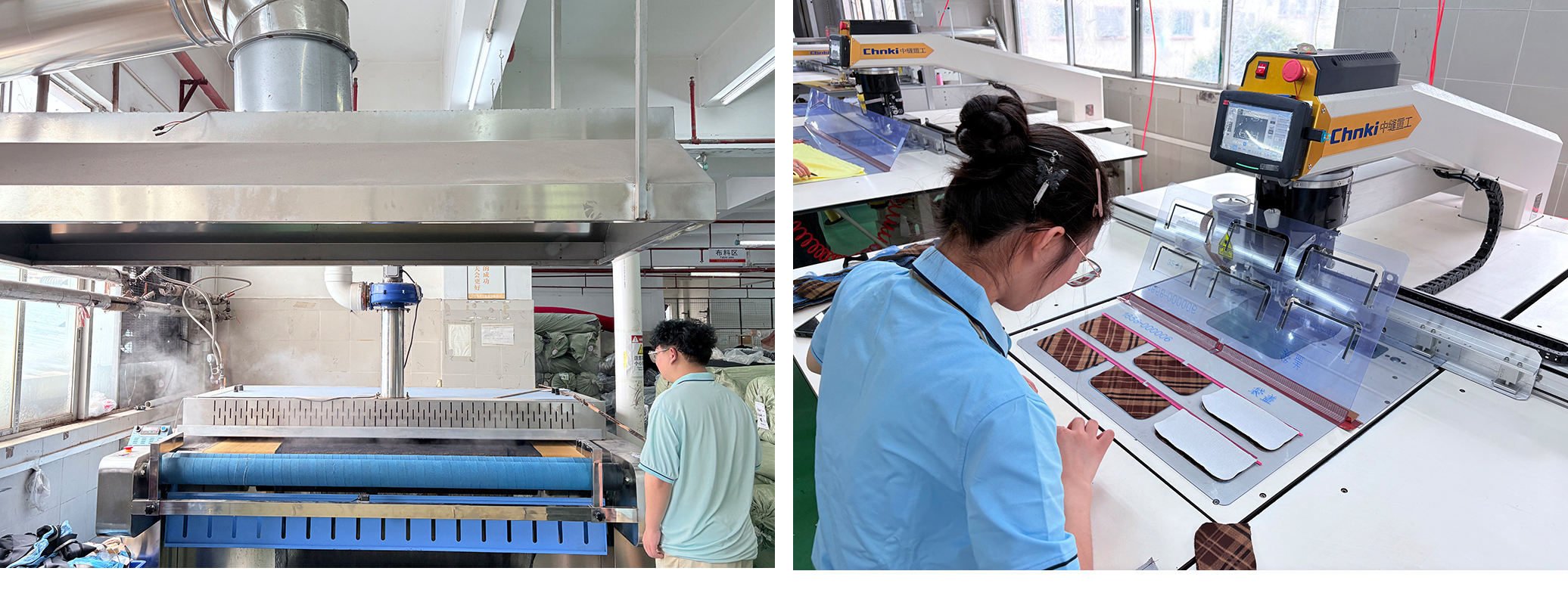 Fabric Pre-shrinking Workshop & Automatic Template Machine Workshop
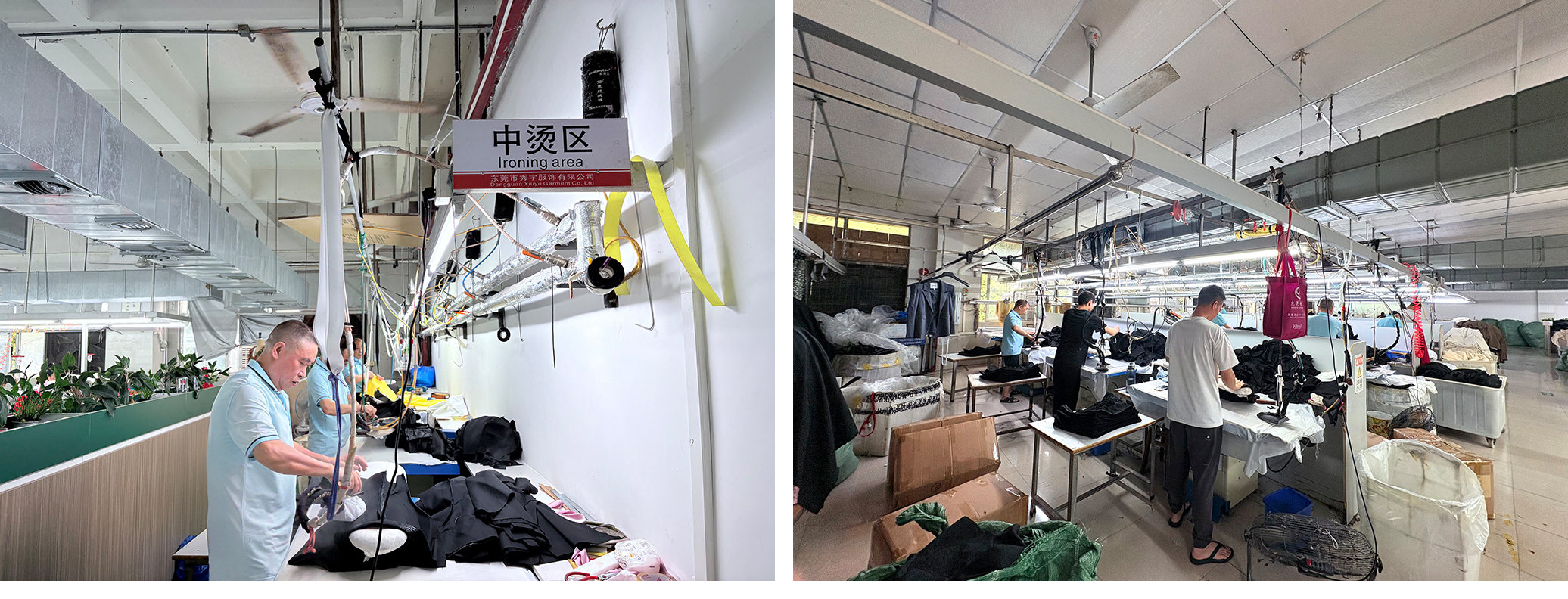 Finishing Workshop
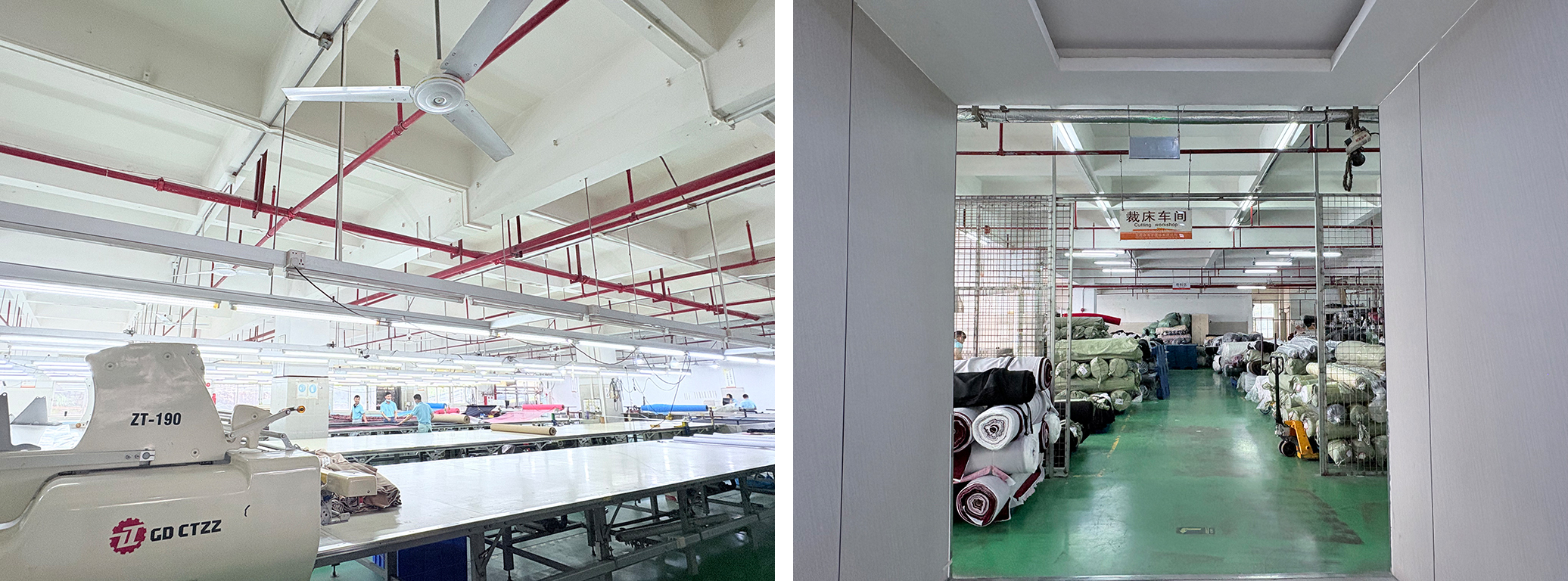
Cutting Room & Fabric warehouse
As a custom dress manufacturer, we handle the main production steps in-house, from pattern making and sampling through cutting, sewing, finishing, and final inspection. Our team works from your tech pack, sample, sketch, or reference and checks the details before the style moves into bulk production.
Keeping these stages with one production team makes it easier to deal with pattern changes, sample revisions, and construction issues before cutting starts. We can also arrange screen printing and custom embroidery when these details are part of the design.
Asymmetric Hem Dress Construction and Manufacturing
The short and long sections of an asymmetric skirt need to be considered together during pattern development. The pattern shape, fabric grain and sewing sequence all affect how the finished hem falls.
When you send us your design, our team reviews the following construction details before sampling.
Pattern Making for Uneven Hemlines
Our pattern makers mark the shortest and longest hem points, then shape the line between them. Front, back and side measurements are checked against the design, especially around the side seams where the hem changes direction.
For your design, the pattern may need adjustments to:
- Front and back skirt lengths
- Left and right hem measurements
- Side seam transitions
- Skirt fullness and flare
- Hemline shape and proportions
Our pattern makers use these measurements to establish the skirt shape before the sample is cut.
Hem Curve and Length Adjustment
The hemline may look correct on the cutting table but change once the dress is worn or placed on a dress form.
Hem measurements are taken at several points around the skirt, not just at the front and back. This is especially important for pronounced diagonal or curved designs, where the side transition can affect the overall balance.
If the hemline does not follow your reference image, we can adjust the pattern before confirming the production version.
Fabric Cutting and Panel Matching
On lightweight or bias-cut fabrics, the grain direction and panel placement can change how the skirt drops after sewing.
We review the fabric grain, pattern layout and panel measurements before bulk cutting. For printed fabrics or directional patterns, matching requirements may also affect fabric consumption and cutting arrangements.
Draping and Gathering
For side ruching, waist draping or gathered panels, we follow the approved sample for gathering position and fullness. Uneven gathers can pull the skirt to one side or change the intended hemline.
Hem Finishing and Quality Inspection
We choose the hem finish based on the fabric and the shape of the edge.
Available options include:
- Narrow rolled hem
- Baby hem
- Double-fold hem
- Blind hem
- Overlock finishing
A lightweight chiffon dress may require a different finish from a structured crepe dress. We review the edge treatment during sampling to make sure it suits the material without adding unnecessary bulk.
Common Asymmetric Hem Dress Production Problems We Check Before Bulk
Uneven Hem Length or Incorrect Asymmetry
If the short or long section is cut to the wrong length, the whole skirt can look different from the approved design. We check the hem measurements at the front, back and sides during sample fitting.
Uneven Hemline Transition
If the curve between the short and long sections is not shaped correctly, the hem may form an abrupt angle near the side seam. We check this transition on the sample before approving the pattern.
Fabric Drape Affecting the Hem Shape
Chiffon and georgette may drop more after hanging, while satin and crepe can hold a different shape. We check the sample after sewing to see whether the hem still matches the intended measurements.
Hem Twisting or Uneven Hanging
If the grain direction or panel balance is incorrect, the skirt may twist or pull toward one side. We check how the sample hangs around the body and adjust the pattern if the hem no longer follows the intended shape.
Side Seams and Skirt Proportion Issues
If the waist or hip fit is too tight, the skirt may pull across the body and change how the asymmetric hem sits. We check the side seams and fit together during sample fitting.
Hem Finishing Affecting the Final Appearance
Lightweight chiffon often works well with a narrow rolled hem, while heavier fabrics may need a different finish. We check whether the hem lies smoothly around the curve without making the edge too stiff.
Movement and Coverage Problems
During fitting, we check whether the shorter section provides enough coverage when the wearer sits or walks. The longer section should fall freely without catching around the legs or restricting movement.
Ready to Develop Your Asymmetric Hem Dress Collection?
Share your sketch, tech pack or reference garment with Xiuyu Apparel.
Our team can review the hemline, fabric, pattern requirements and production details for your custom dress project.
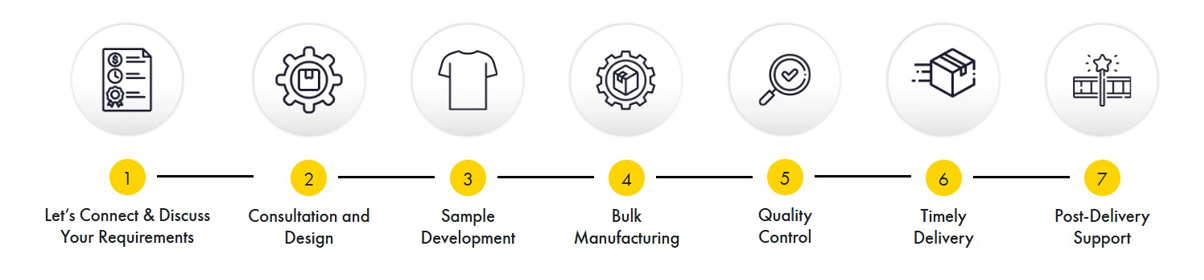
Send Your Design → Review the Details → Develop the Sample → Approve the PP Sample → Start Bulk Production
Talk to Our Asymmetric Hem Dress Manufacturing Team
Our usual MOQ starts at 50–100 pieces per style/color. Special fabrics, custom dyeing and complicated embellishments may affect the order quantity. If you are a new brand, send your planned styles and color breakdown so we can review the requirements.
Yes. You can provide your brand artwork and packaging specifications, including woven labels, size labels, hangtags, barcodes and polybags. We confirm the artwork, placement and packing details before production so the finished order follows your brand requirements.
Yes. You can send product photos, sketches or a physical sample. We first review the visible silhouette, hemline and construction details. Measurements that cannot be confirmed from the reference will need to be discussed before pattern development and sample making.
Your measurement chart should identify the shortest and longest hem points, along with front, back and side lengths where needed. Reference photos showing the front, side and back are also useful. This gives the pattern and production teams clearer points to follow.
Yes, but the pattern may need adjustment when the fabric changes. Satin, chiffon and jersey have different weight, stretch and drape. We recommend reviewing each material during development rather than assuming one approved pattern will produce the same result in every fabric.
