
Our Wrap Dress Manufacturing Capabilities
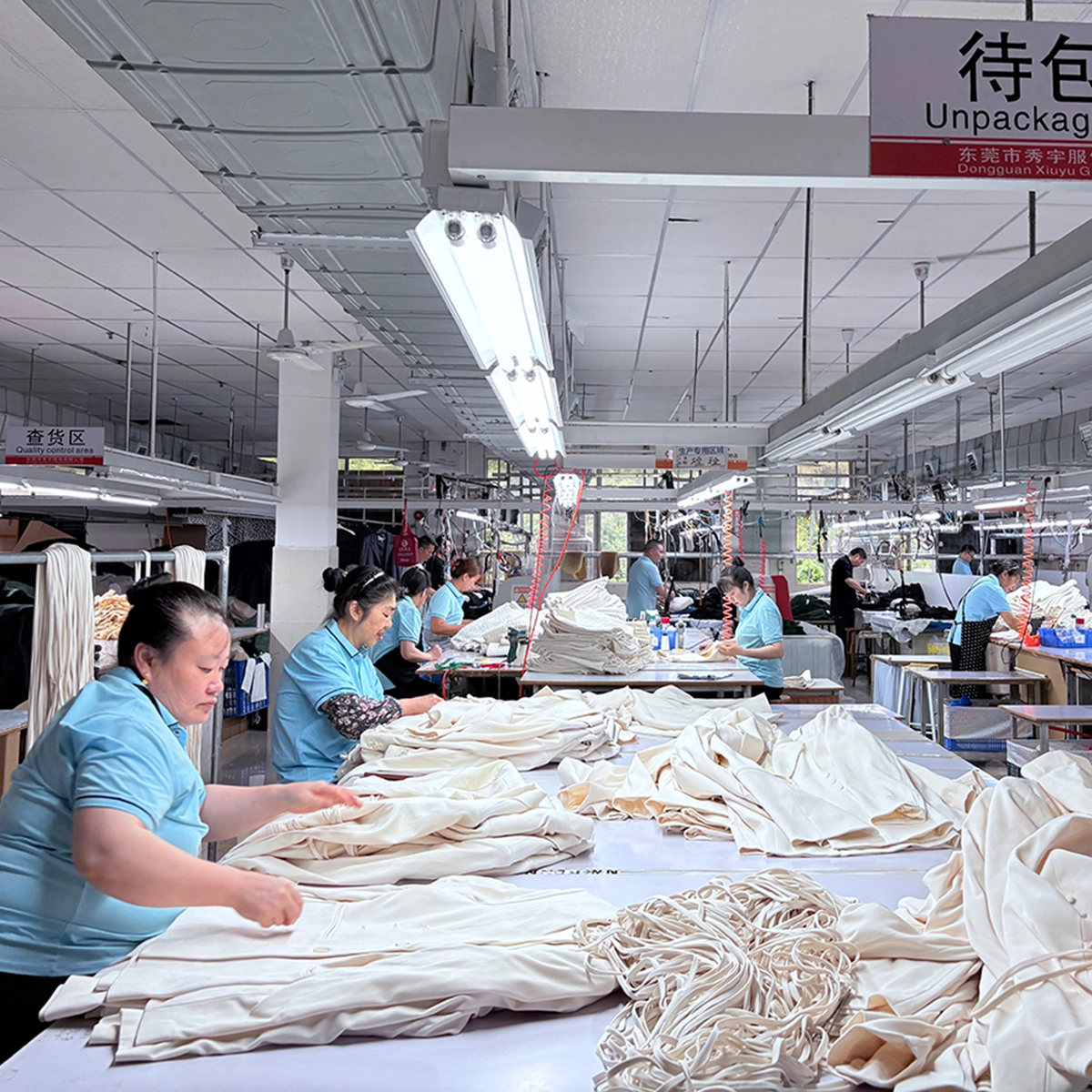
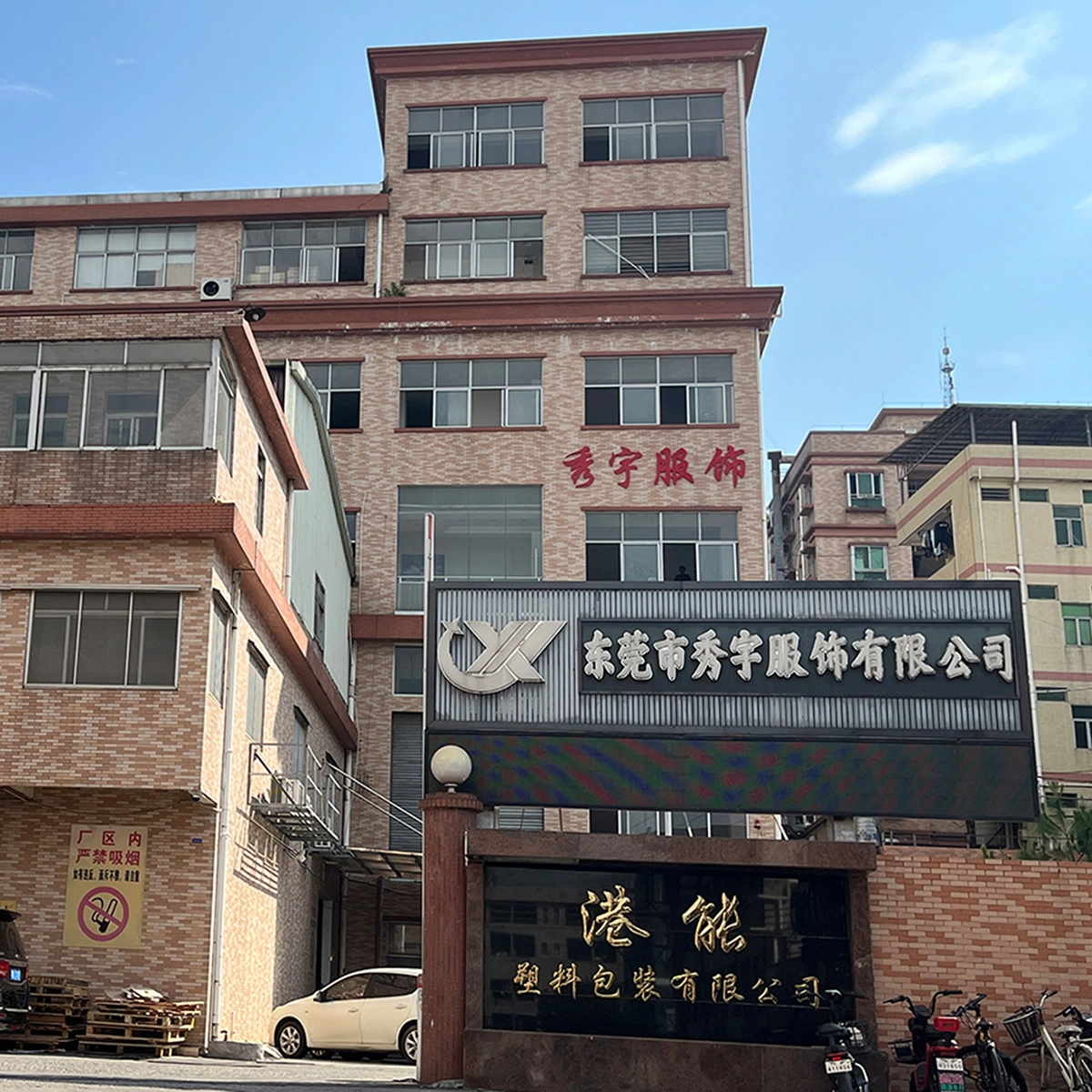
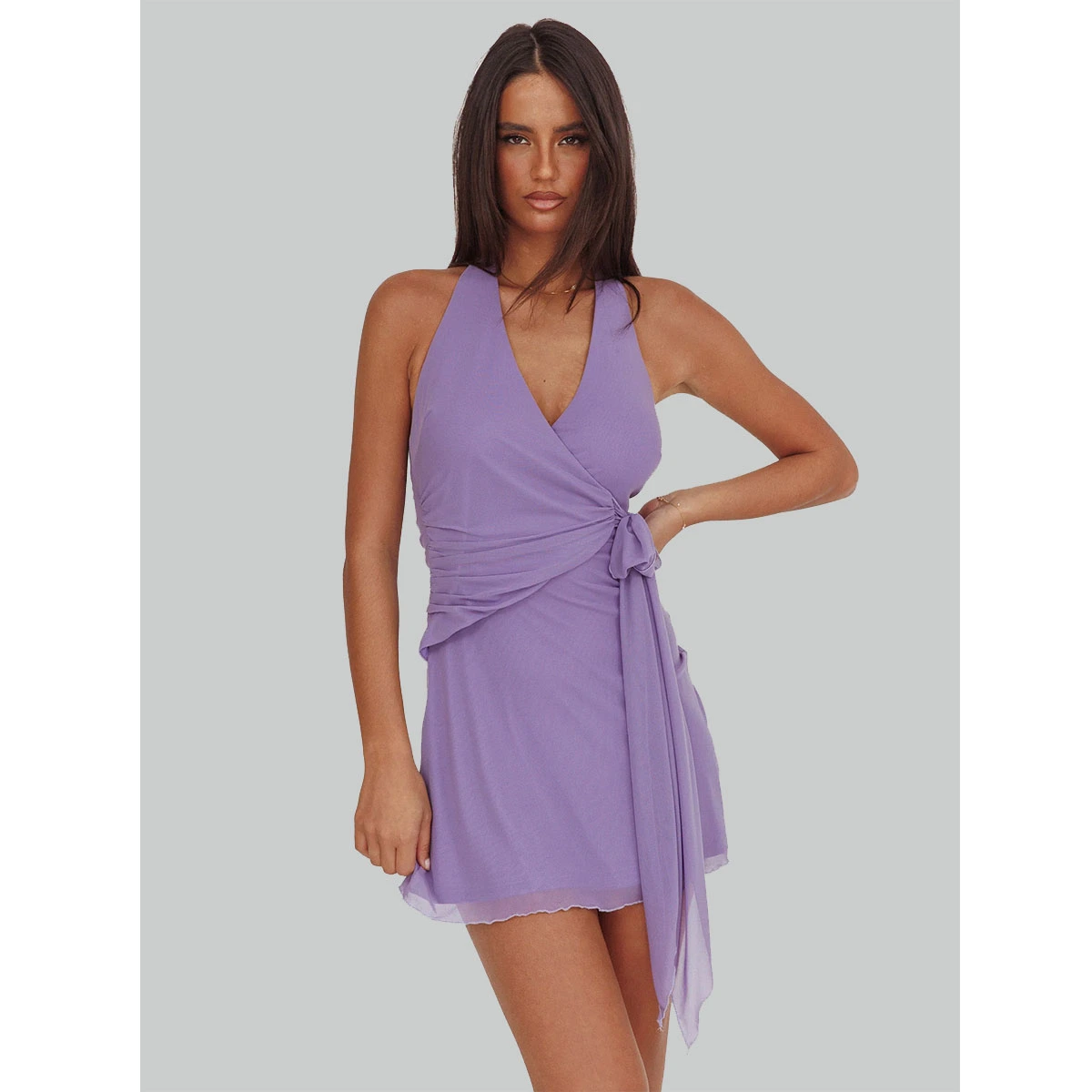
We manufacture custom wrap dresses for fashion brands, startups, retailers, wholesalers and private label companies. The development process covers pattern making, fabric sourcing, sampling and bulk production. For wrap dresses, the main fitting points are the front overlap, waist position, neckline, tie attachment and fabric behavior.
Our factory has:
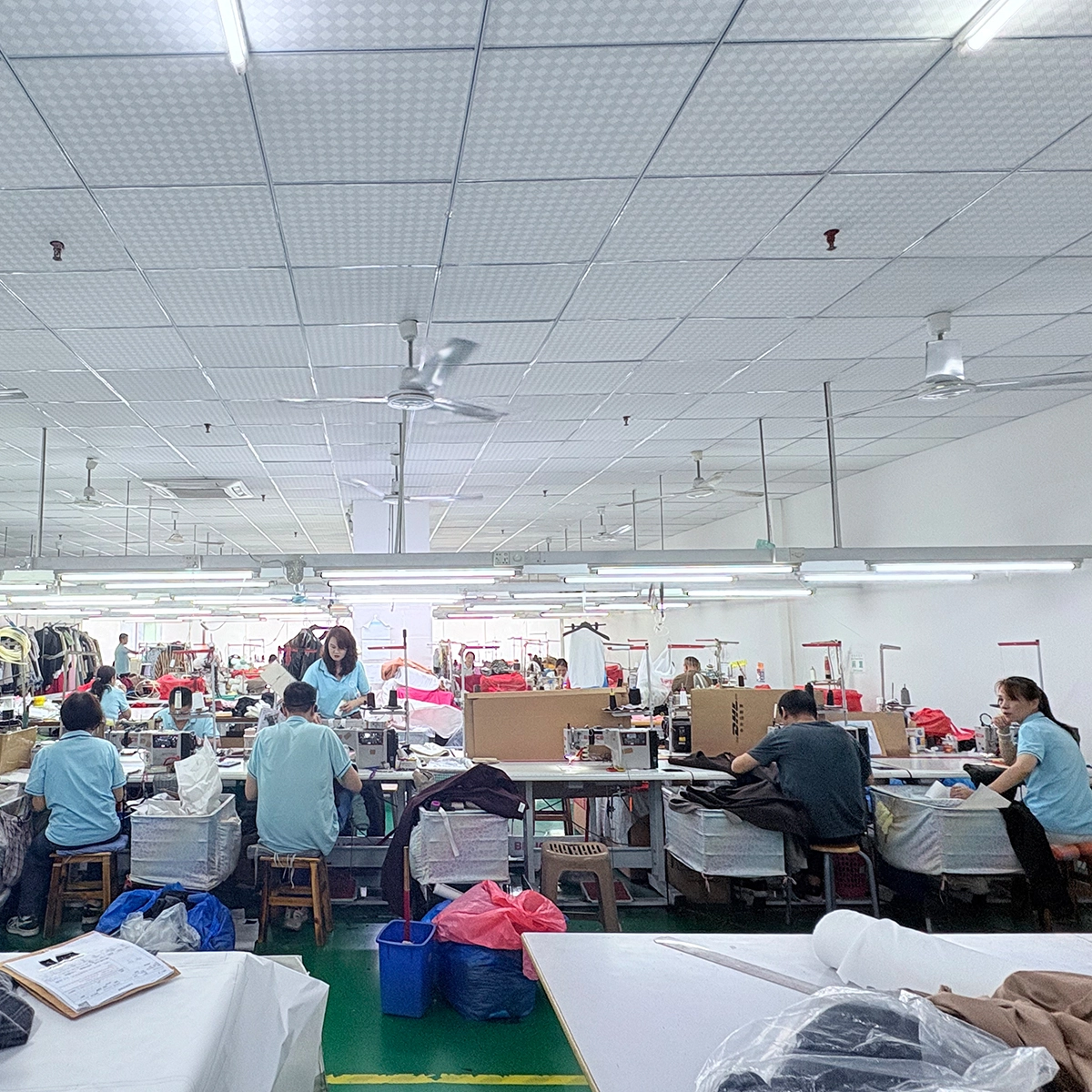
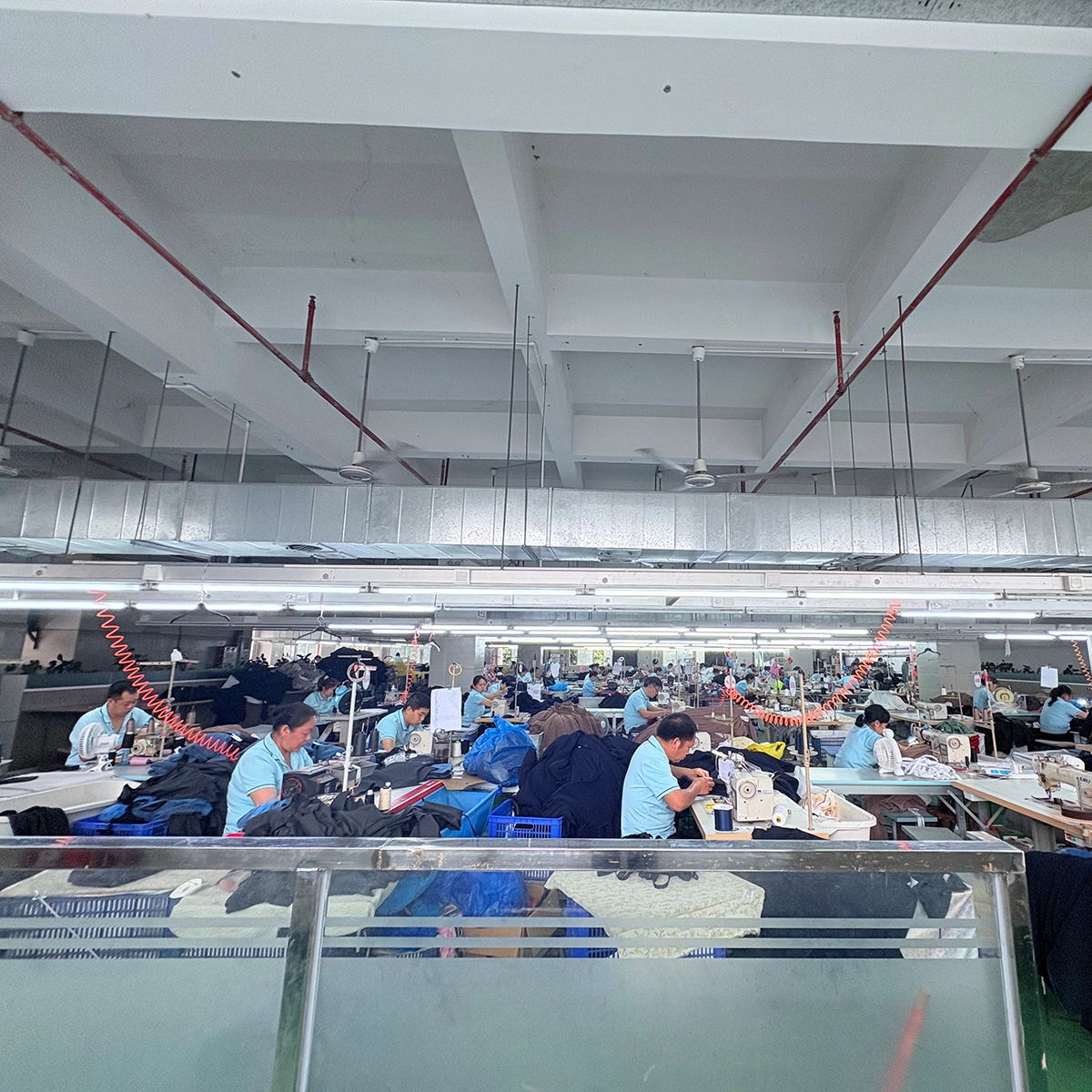
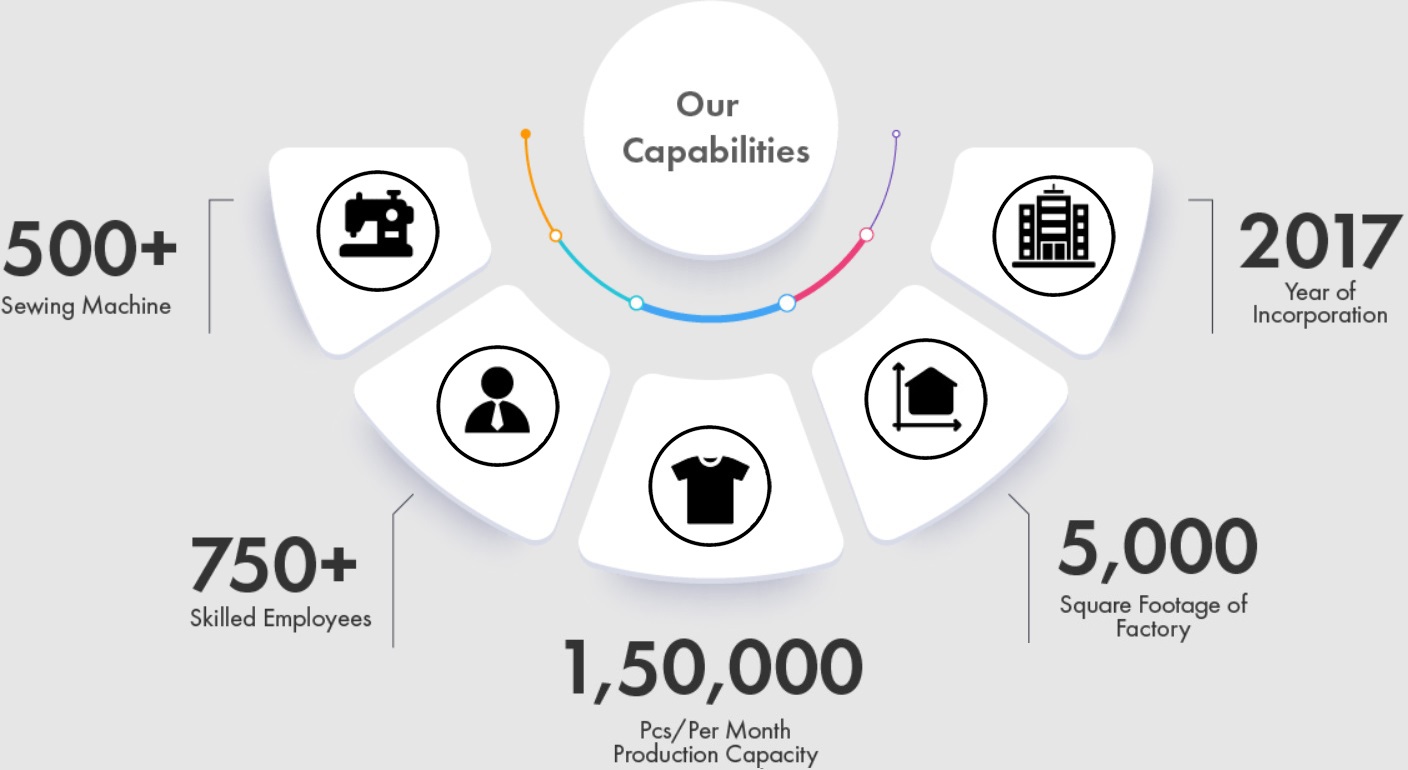
- 750+ production workers
- 500+ sewing machines
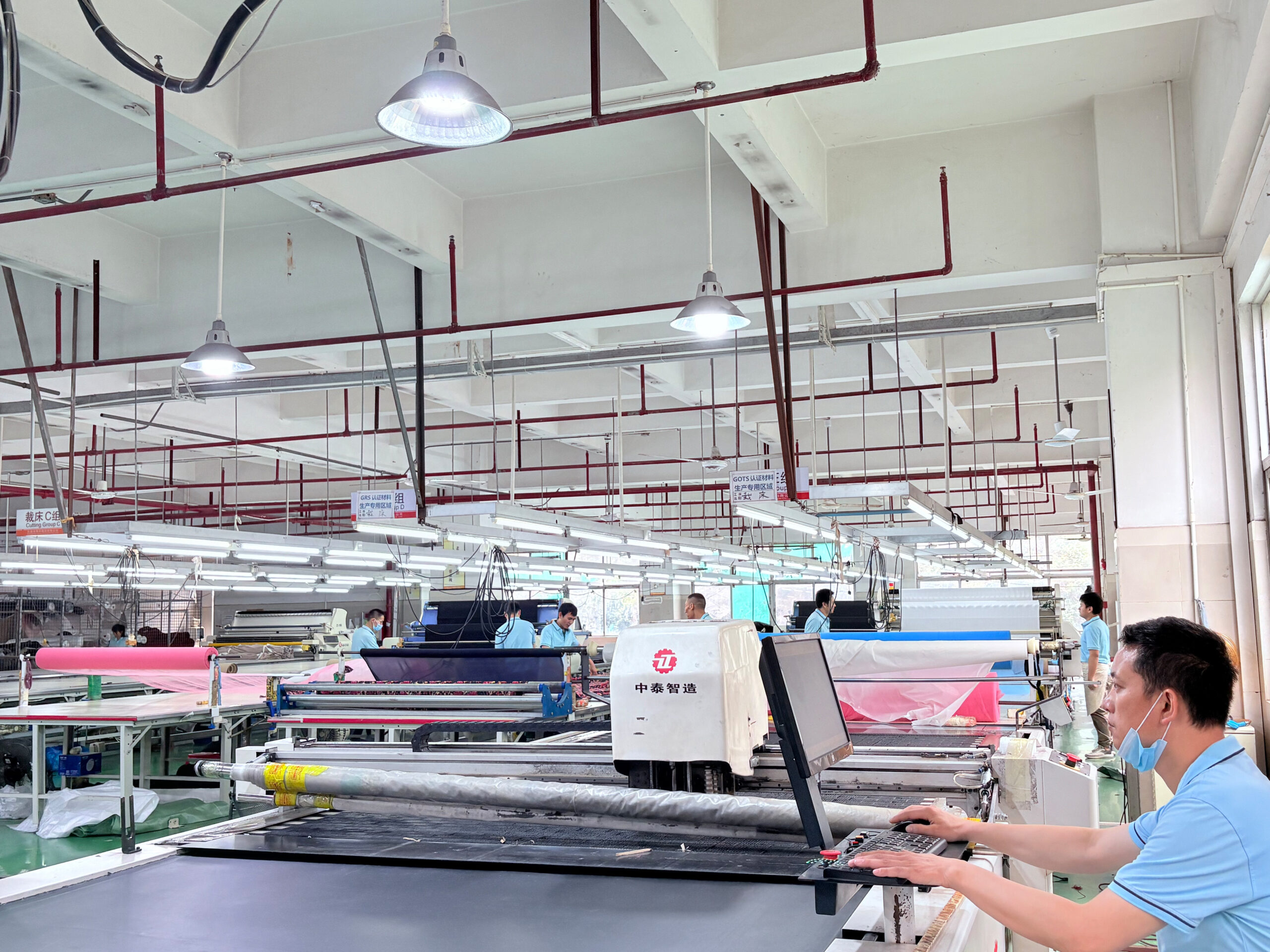
- 5 automatic cutting lines
- 5,000㎡ production facility
- 150,000+ pieces monthly production capacity
- Export experience serving customers in 40+ countries
Wrap Dress Production & Customization Options
A wrap dress can look simple on a sketch, but the front overlap, waist tie, neckline and fabric all affect the finished fit. These points are checked during sampling, along with wrap depth, waist position, lining, measurements and other construction details.
Your tech pack, sketch, reference garment or product photo can be used to start development. After the sample is approved, the confirmed measurements and construction details are passed to cutting and sewing for bulk production.
Product Specifications
| Item | Details |
|---|---|
| MOQ | 50–100 pcs per style per color |
| Sample Development Lead Time | 3–7 days |
| Bulk Production Lead Time | 25–30 days |
| Fabric Sourcing | Support |
| Custom Options | Fabric, Color, Size, Labels, Packaging & Design Details |
| Inline QC | Every Production Stage |
| Private Label | Yes — Logo, Label & Packaging Customization |
| Sustainable Fabrics | Available |
| Embroidery | Available |
| Custom Packaging | Available |
| Small Batch Production | Supported |
| OEM / ODM | Supported |
Popular Wrap Dress Styles We Can Customize
The styles below cover some of the wrap dress constructions we produce. Each can be developed around your design, fabric and fit requirements.
We can develop wrap dress styles from your design, reference sample or seasonal collection, with changes to the silhouette, fabric, embellishments and sizing. During development, the pattern and sample teams work through the construction details before the style moves into bulk production.
Catalogue from Xiuyu Apparel
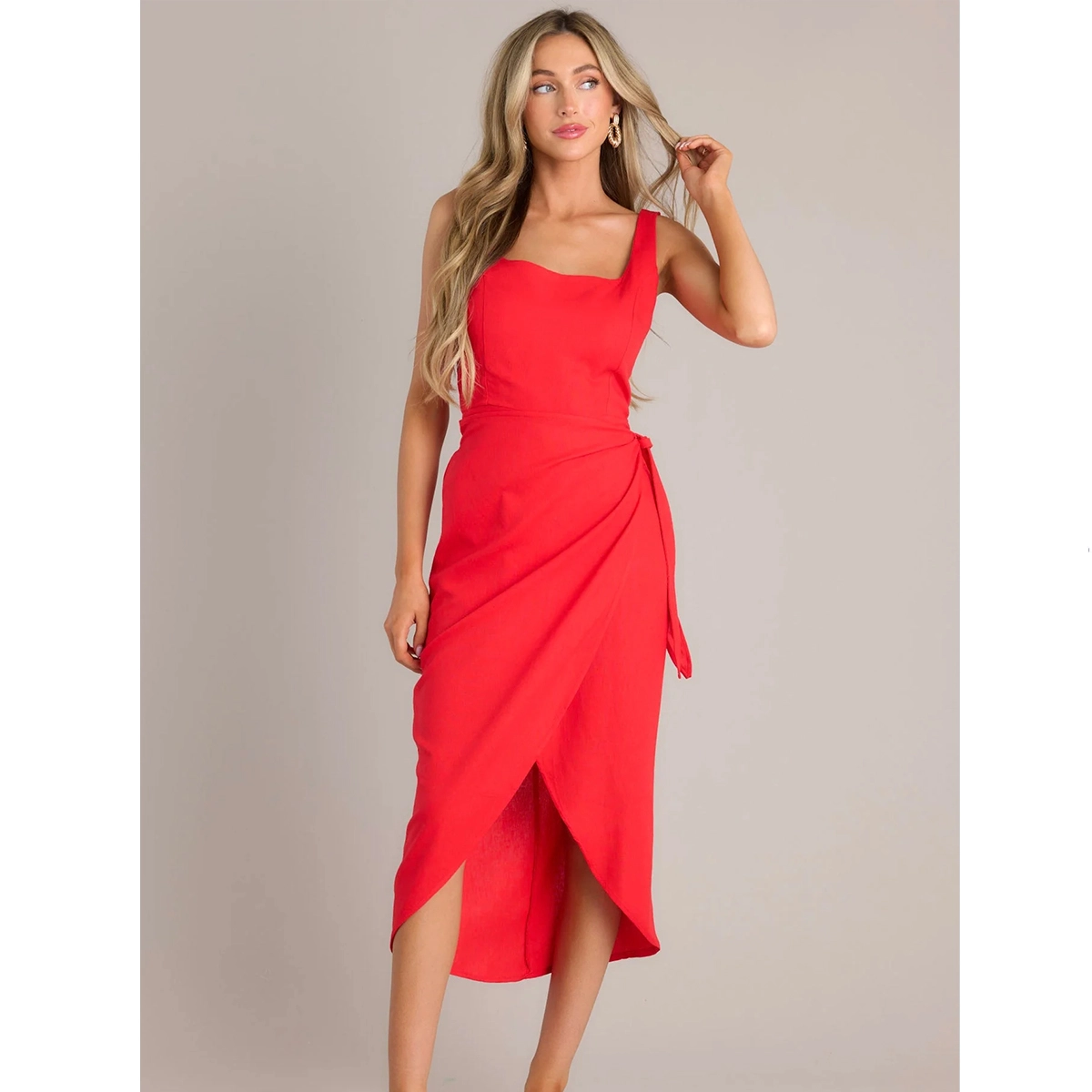
Midi Wrap Dress
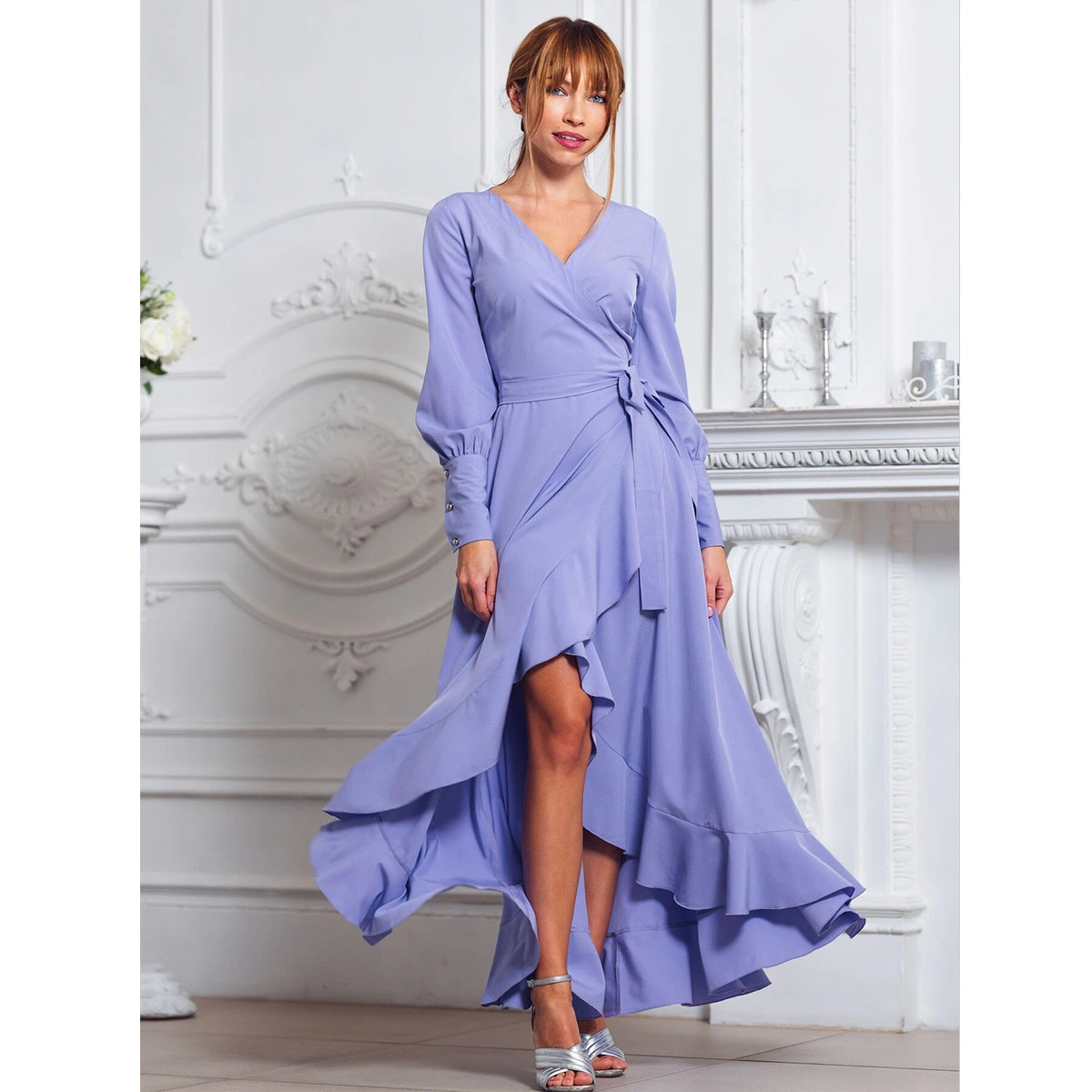
Midi length puts more focus on the waist and front opening. With lighter fabrics, we check the overlap and skirt opening on the sample to make sure the dress stays secure when walking or sitting.
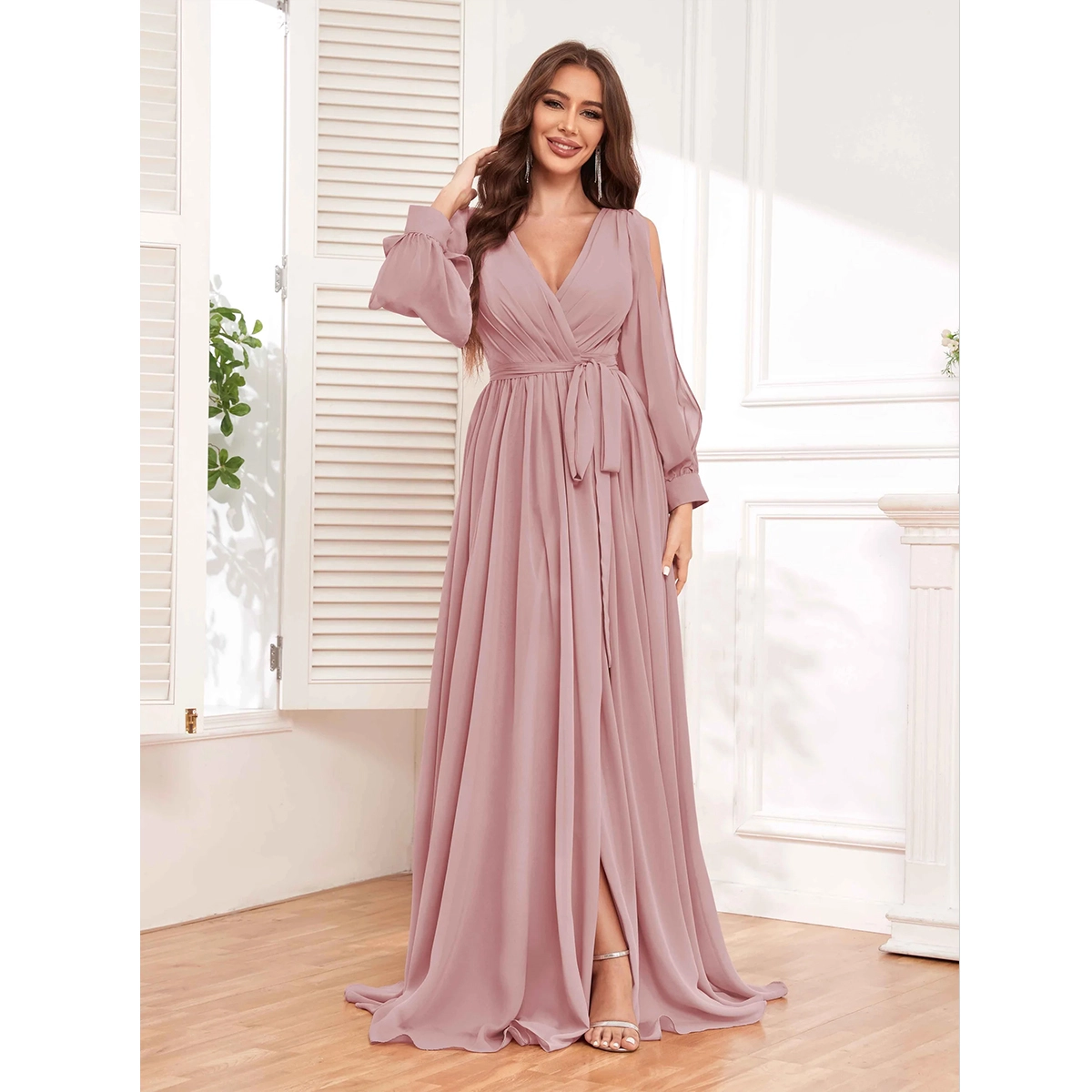
Maxi Wrap Dress
With a maxi wrap dress, the waist position affects the whole proportion. Finished skirt length and fabric fall are checked together, especially with soft or flowing fabrics.
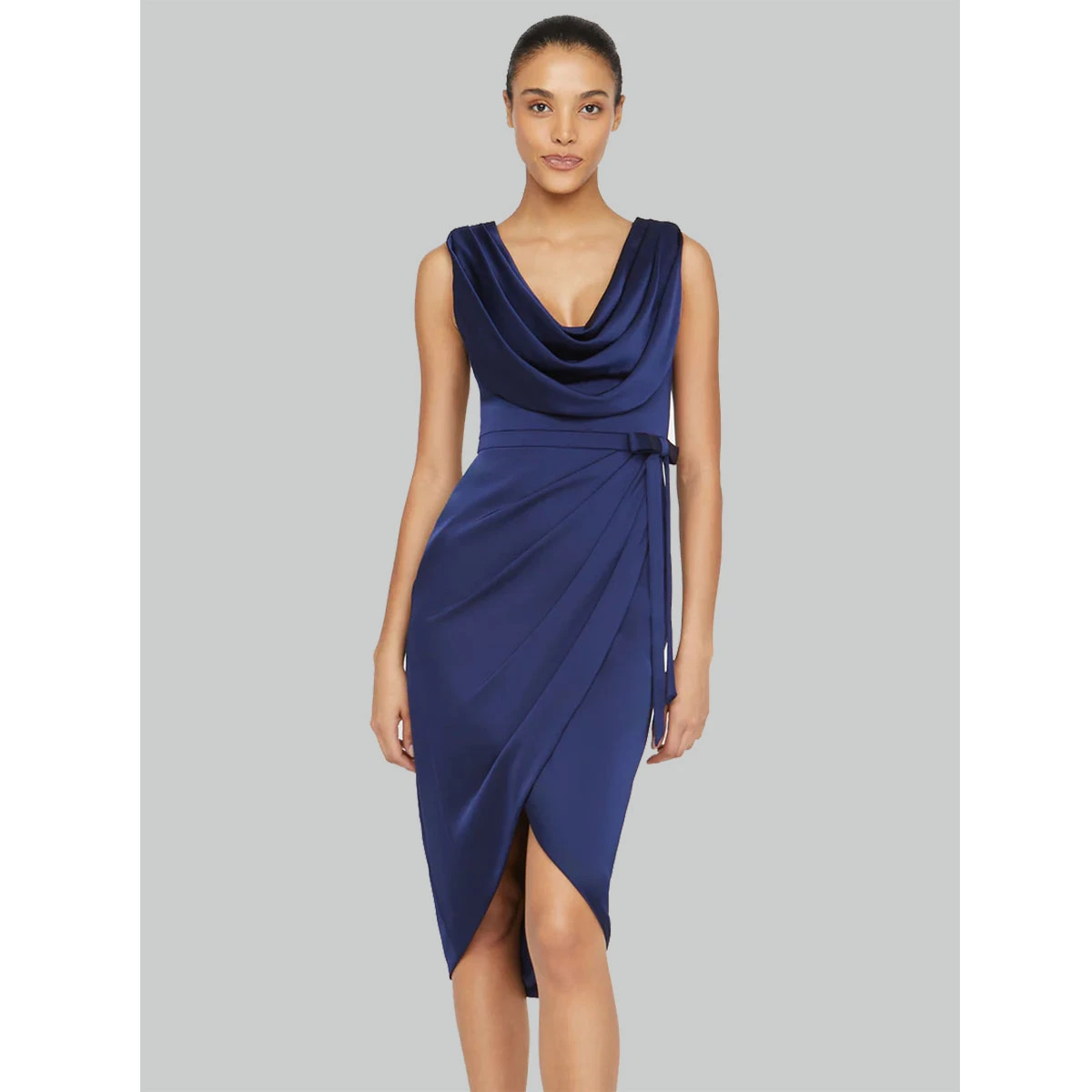
Satin Wrap Dress
Satin shows small production issues quickly. Seam puckering, pressing marks, grain direction and the position of the waist tie are checked on the sample before bulk cutting starts.
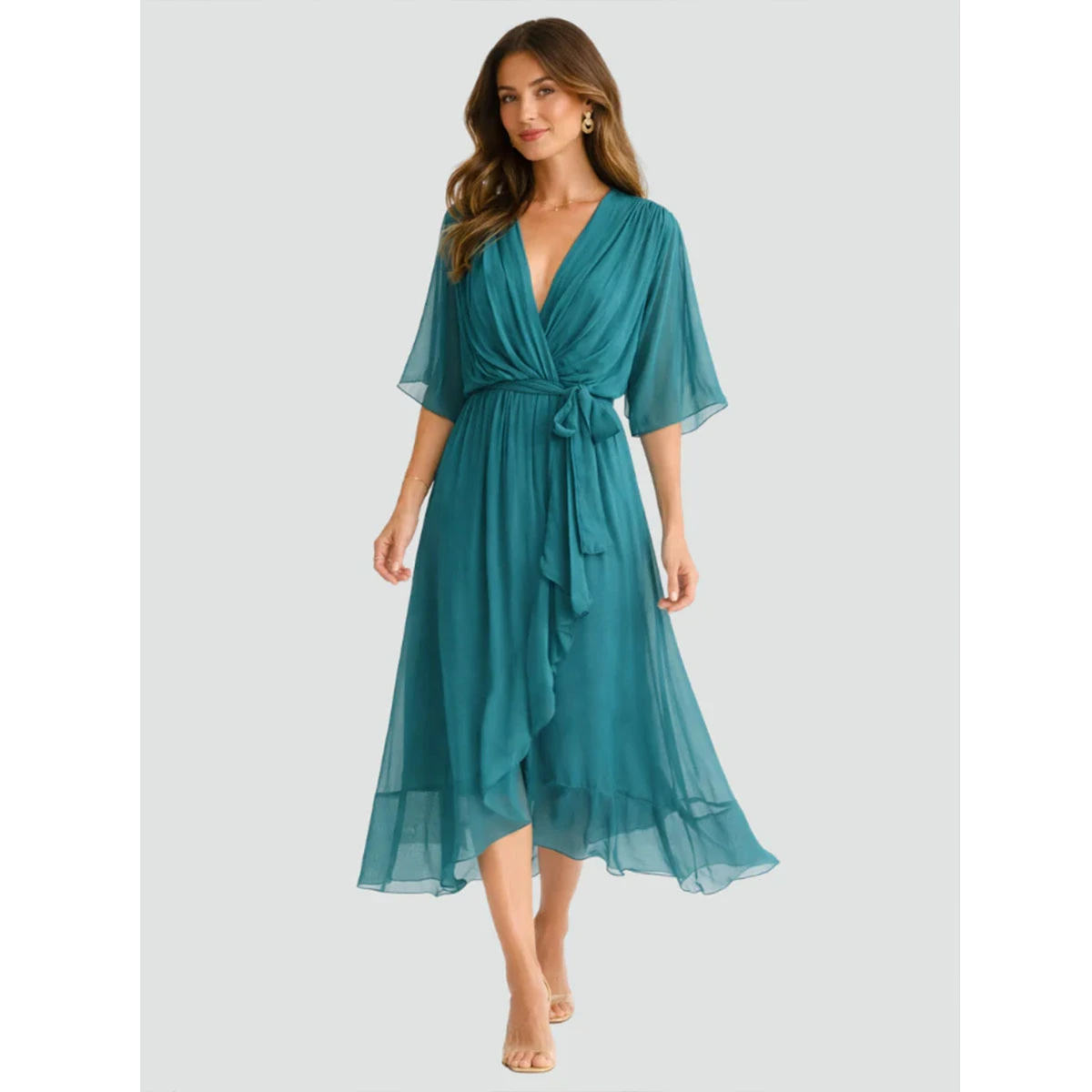
Chiffon Wrap Dres
Chiffon can shift during cutting and sewing, which can affect hems, gathering and the front overlap. These areas are checked on the sewn sample rather than relying on the pattern alone.
More Wrap Dress Styles We Manufacture
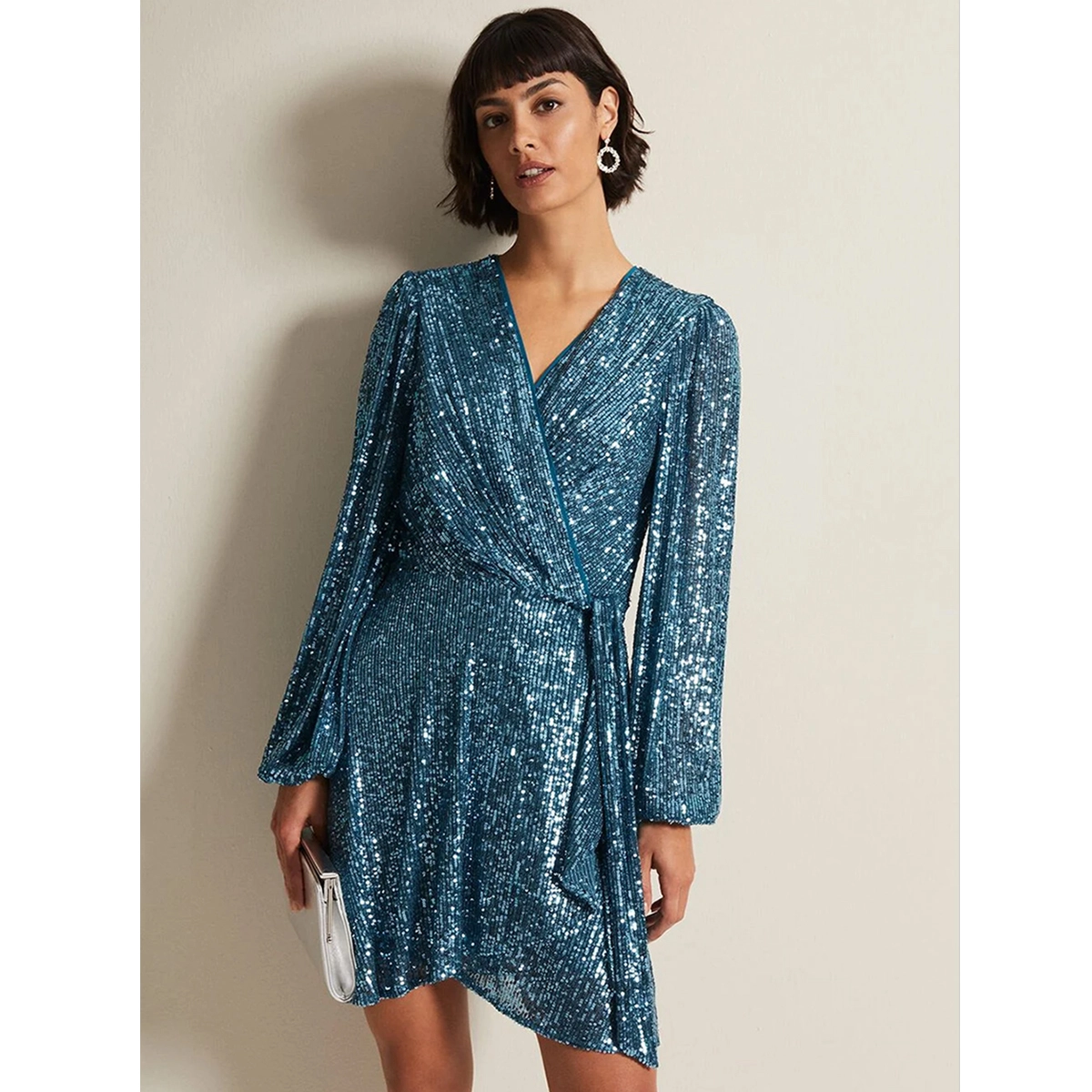
Sequin Wrap Dress
Sequin fabric needs attention around seams, the wrap front and closure points. Sequin direction, seam allowance and zipper placement are checked carefully to avoid thick or uneven areas in the finished garment.
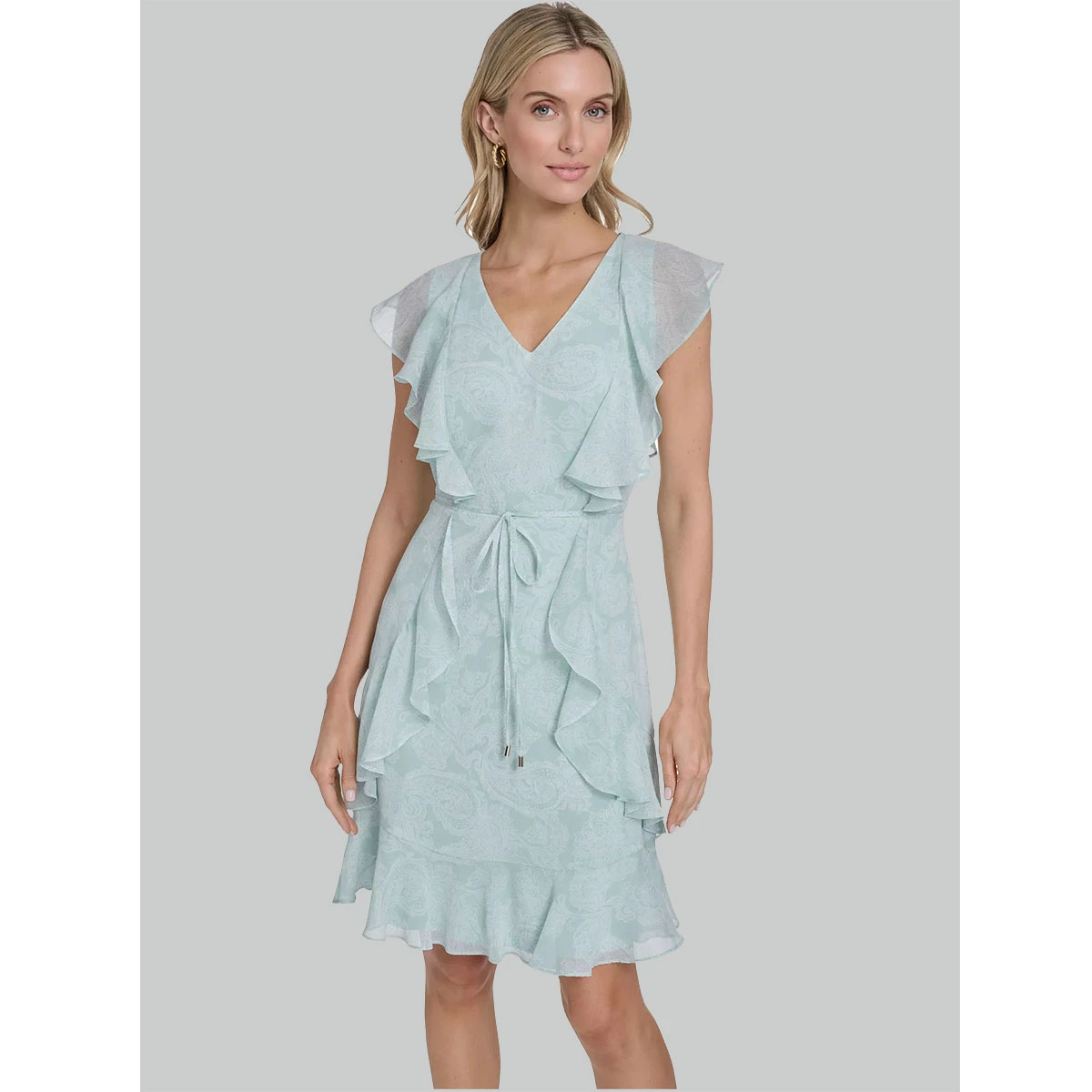
Ruffle Wrap Dress
Ruffles around the neckline, sleeves, waist or skirt change both fabric usage and sewing work. Their width and fullness are fixed during development so the finished dress keeps the required shape.
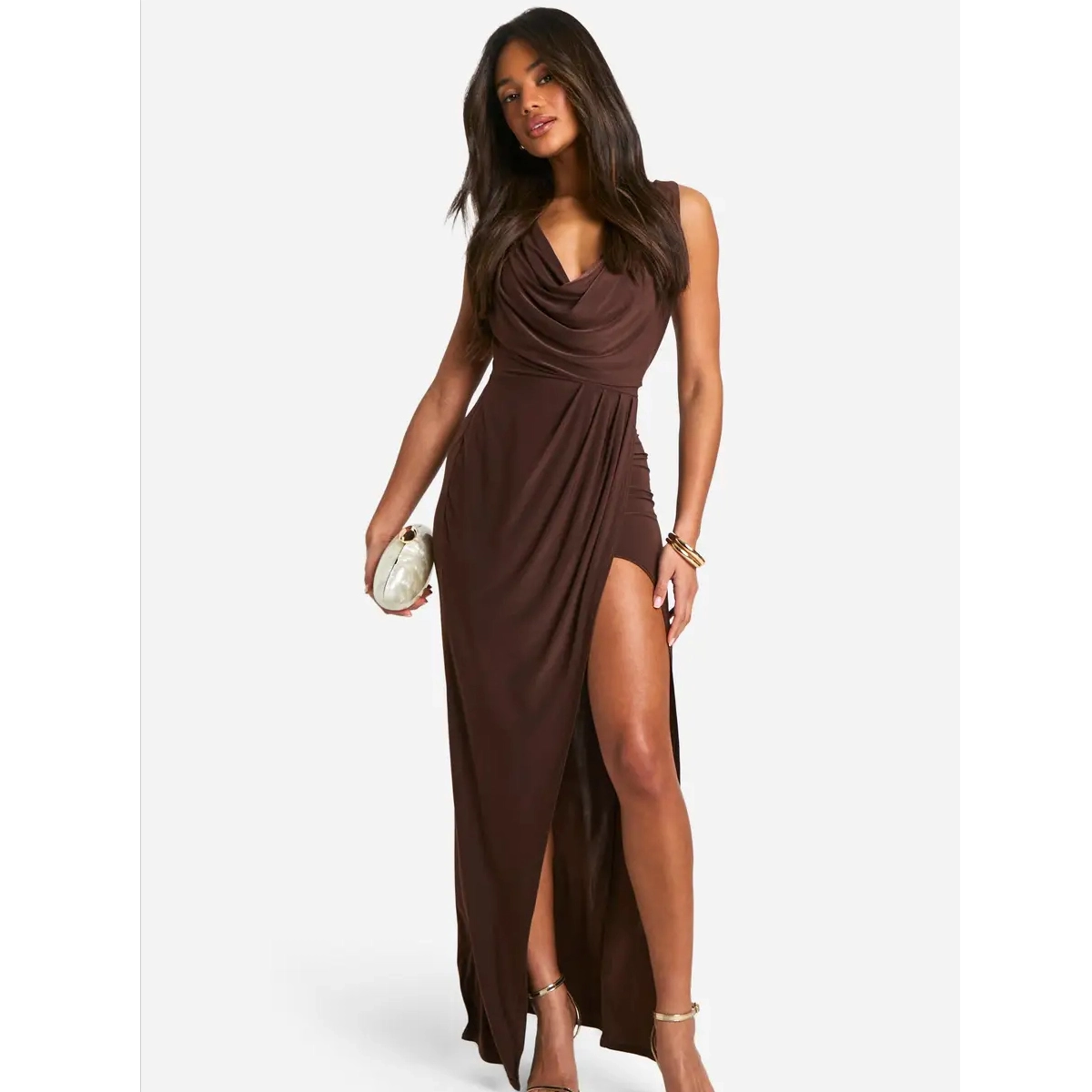
Ruched Wrap Dress
Ruching changes the shape around the waist, hip or skirt. Too much gathering can add unwanted bulk, so the amount of fullness is controlled when the sample is developed.
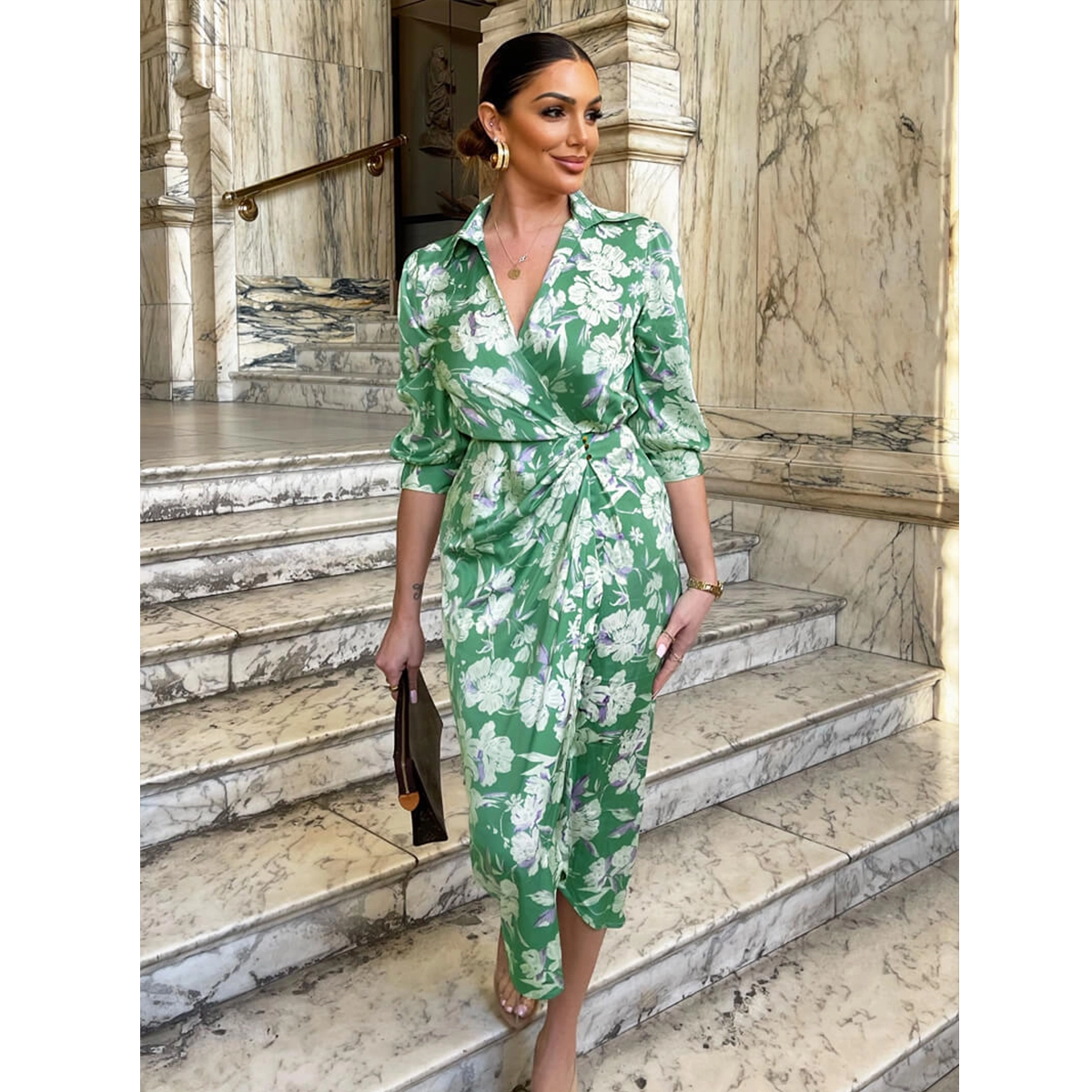
Floral Wrap Dress
Floral prints can be made on chiffon, polyester, rayon and other suitable fabrics. Larger prints may require careful cutting placement so important flowers do not fall awkwardly across the wrap front.
Factory Certifications
Our factory holds BSCI, GOTS, ISO 9001 and OEKO-TEX certifications.
Certification requirements can vary by product and buyer. We can provide the relevant documents when they are required for the order.
 OEKO Certificate
 ISO9001 Certificate
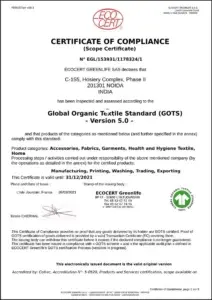 GOTS Certificate
What Our Customers Say
“We were very pleased with the finished products from Xiuyu Apparel. The sewing and finishing were clean, and the small details were handled well. We especially liked the color-matched zippers, which made the finished pieces look much cleaner and more polished.
The quality was better than we expected, and the team was easy to work with throughout the order. They responded quickly when we had questions and were willing to check the details with us during production. We’re happy with the result and would definitely consider working with Xiuyu Apparel again.”

Aroha
(From Netherlands)
“Working with Xiuyu Apparel was a smooth experience from the beginning. Communication was easy, and they were quick to answer whenever I had a question or needed to confirm a detail. The order was shipped on time, and the quality of the silk was what I was looking for.
I also checked the silk quality myself and was satisfied with the result. The certification information was provided as well, which gave me more confidence in the materials. Overall, the whole process was straightforward, and I would be happy to work with them again.”

Charlotte
(From United Kingdom)
“We’ve had a very good experience working with Xiuyu Apparel. The products were made carefully, and the details and finishing were handled well. Everything was also packed properly for shipping.
The sales team is easy to communicate with and usually gets back to us quickly when we have questions or need to check something during production. They’ve been helpful throughout the whole process, from confirming the details to arranging the shipment.
We’re happy with the quality and service and would be glad to work with Xiuyu Apparel again. It has been a smooth experience for us.”
Elodie
(From France)
“We’ve been working with Xiuyu Apparel since 2020, and the experience has been very good from the start. The dress quality has been consistent, delivery is usually on schedule, and communication with the team is easy.
Whenever we have questions or need to make changes, they are patient and quick to respond. They also understand our requirements well, which makes the production process much easier for us.
We really appreciate the support over the years and are happy to continue working with Xiuyu Apparel. We look forward to working on more styles together.”

Matilda
(From Australia)
From Wrap Dress Sampling to Bulk Production
For a single style or a larger seasonal collection, the approved sample becomes the production reference for cutting and sewing.
At Xiuyu Apparel, our sample room works with the pattern department before the approved style enters bulk production. Your measurements, construction details and approved sample are used as the reference for cutting and sewing.
If your collection also includes tops, skirts, sets or other apparel, our clothing manufacturer capabilities can cover those styles within the same production program. For brands developing a wider range of dresses, our dress manufacturer services can also be used across different silhouettes and fabrics.
Fabric Options for Custom Wrap Dresses
Fabric choice affects the way a wrap dress falls, its production cost and how much support the front construction needs.
Common options include:
- Polyester chiffon
- Silk chiffon
- Satin
- Silk blends
- Polyester crepe
- Viscose
- Rayon
- Stretch fabrics
- Lightweight woven fabrics
- Printed fabrics
If you have a fabric specification, include it with the tech pack. For fabric sourcing, we can work from the required weight, drape, stretch, color and hand feel.
For printed styles, print scale and direction should be reviewed before cutting. Large floral or directional prints may require additional fabric to keep the design positioned correctly across the front panels.
Quality Control for Wrap Dresses
Wrap dresses need quality checks at several points because some fitting issues are difficult to correct after the garment has been fully assembled.
Our QC process includes:
- Fabric inspection before cutting
- Measurement checking
- In-line sewing inspection
- Wrap-front alignment
- Waist-tie attachment checking
- Seam and stitching inspection
- Print or decoration placement
- Final garment inspection
- Packing inspection
Before shipment, finished garments are compared with the approved sample and confirmed production specifications.
How We Manufacture Wrap Dresses
We start each wrap dress with the approved design, measurements and construction details.
1. Tech Pack or Design Review
We review measurements, construction details, fabric requirements, trims and finishing instructions before pattern development.
2. Pattern Development
The initial pattern is developed from the approved measurements and construction details.
3. First Sample
The first sample is used to check proportion, fit and construction before further pattern corrections.
4. Fit Corrections
If the wrap front opens too much, the waist tie sits incorrectly or the neckline needs adjustment, the pattern can be revised before PP sample approval.
5. PP Sample Approval
Once the sample and specifications are approved, the production details are used as the reference for bulk manufacturing.
6. Fabric Inspection and Cutting
Fabric is checked before bulk cutting. Pattern placement and fabric direction are controlled from the approved production specifications.
7. Sewing and In-line QC
During sewing, key areas such as the wrap front, waist-tie attachment, neckline, seams and hem are checked during production.
8. Final Pressing and Inspection
After sewing, the garments go through final pressing and inspection before packing.
9. Packing and Shipment
Labels, hangtags, polybags and cartons can be prepared to match your private label requirements before shipment.
Common Wrap Dress Production Problems
A wrap dress should be checked while worn, not only while it is lying flat on the inspection table.
Front Overlap
If the overlap is too narrow, the front can open when the wearer walks or sits. If it is too wide, the front may add unnecessary bulk. The required overlap should be confirmed during fitting.
Bust Coverage
A deep V-neck needs enough control around the bust area. Gaping can come from the neckline shape, front overlap, fabric stretch or the relationship between the bust and waist measurements.
Waist Tie Position
The tie should sit according to your approved measurement rather than simply being placed where it looks right on a mannequin. Its position can affect the perceived waistline and overall proportion of the dress.
Skirt Opening
The lower front opening needs to be checked in movement. This is particularly important for shorter wrap dresses and lightweight fabrics.
Hem Shape
Bias-cut or lightweight fabrics can behave differently after hanging. The hem may need to be checked after the garment has settled before the final measurement is confirmed.
What Affects Wrap Dress Manufacturing Cost?
Two wrap dresses can look similar but require very different amounts of fabric and sewing work.
The quotation can change with:
- Fabric type and weight
- Fabric consumption
- Dress length
- Lining
- Pattern complexity
- Wrap construction
- Tie construction
- Printing
- Embroidery
- Ruching or gathering
- Special trims
- Custom dyeing
- Order quantity
- Labels and packaging
For example, a lined printed chiffon maxi wrap dress requires more fabric and sewing work than a short, unlined polyester wrap dress.
A quotation is easier to calculate when the expected quantity, fabric, size range, colors and branding requirements are provided with the design.
Inside Our Wrap Dress Manufacturing Factory
The workshop photos below show the main steps involved in our dress production, from fabric preparation and cutting to sewing, inspection, and packing.
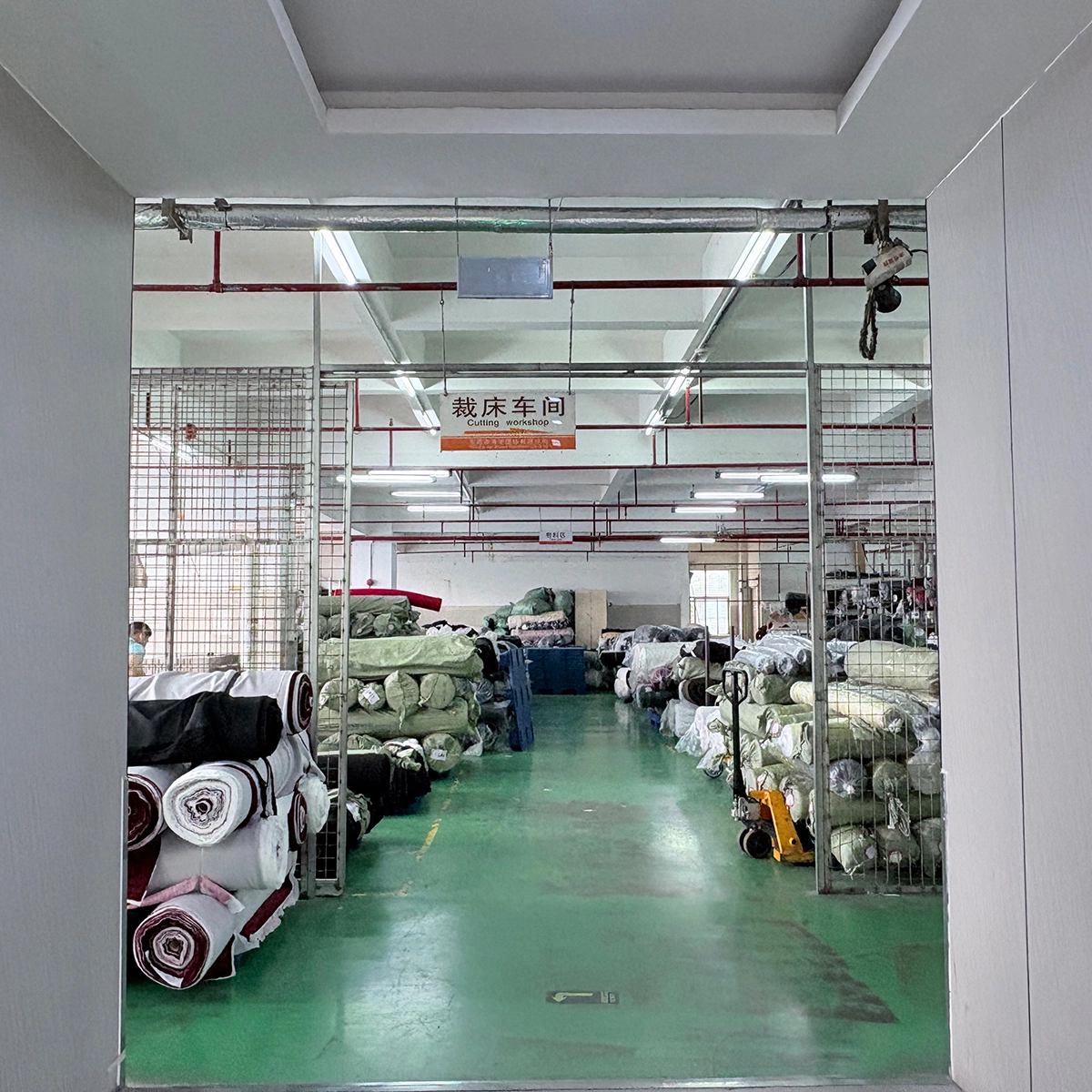
Fabric Warehouse
Each fabric roll is checked and recorded before cutting. Batch information is kept for production tracking, especially when the same style uses several colors or fabric lots.
↓
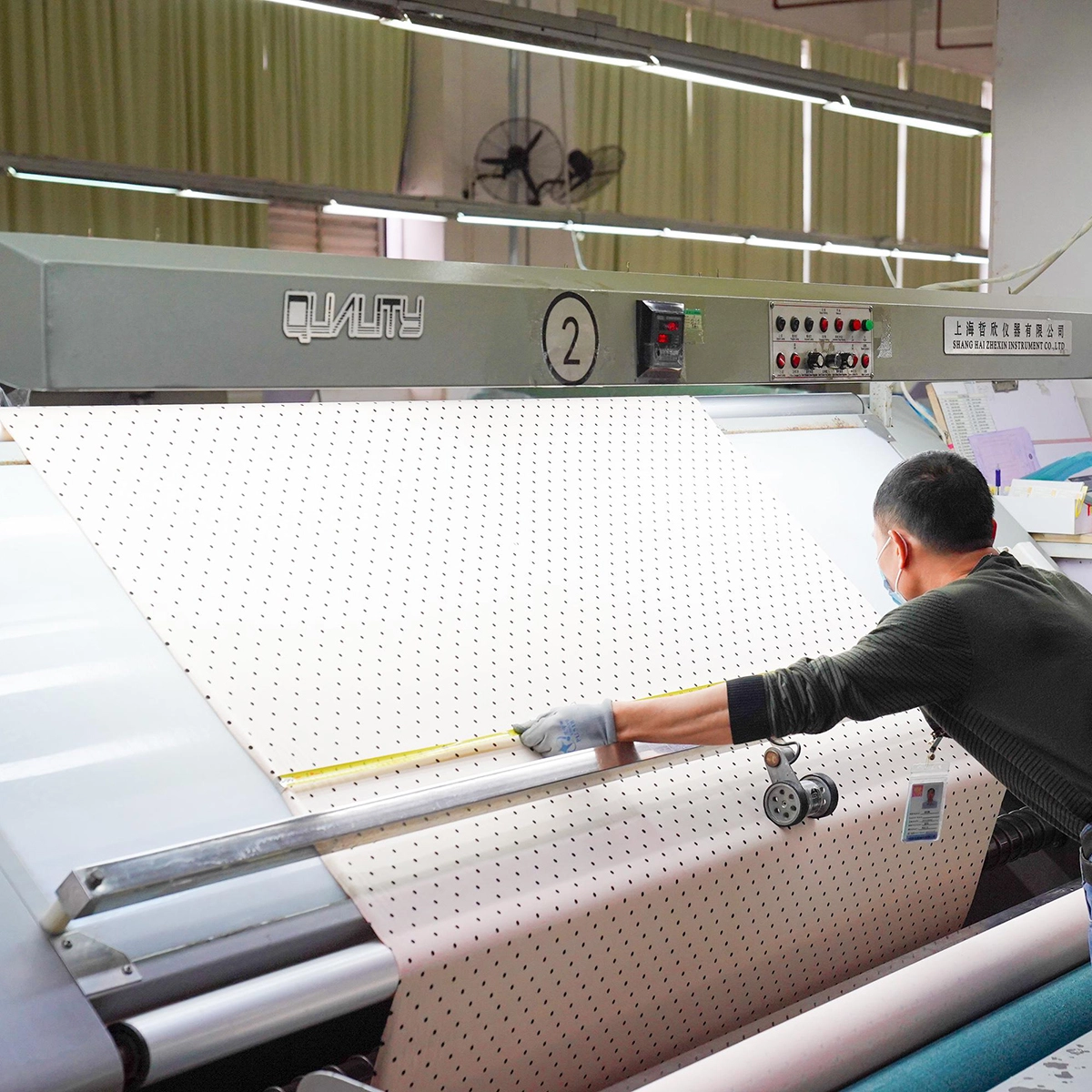
Fabric Inspection
Fabric rolls are inspected by our QC team using the Four-Point Fabric Inspection System. We check color differences, fabric condition, and visible defects before the material moves into production. This inspection is especially important for satin, silk, and other delicate fabrics, where small surface defects can affect the final appearance of the garment.
↓
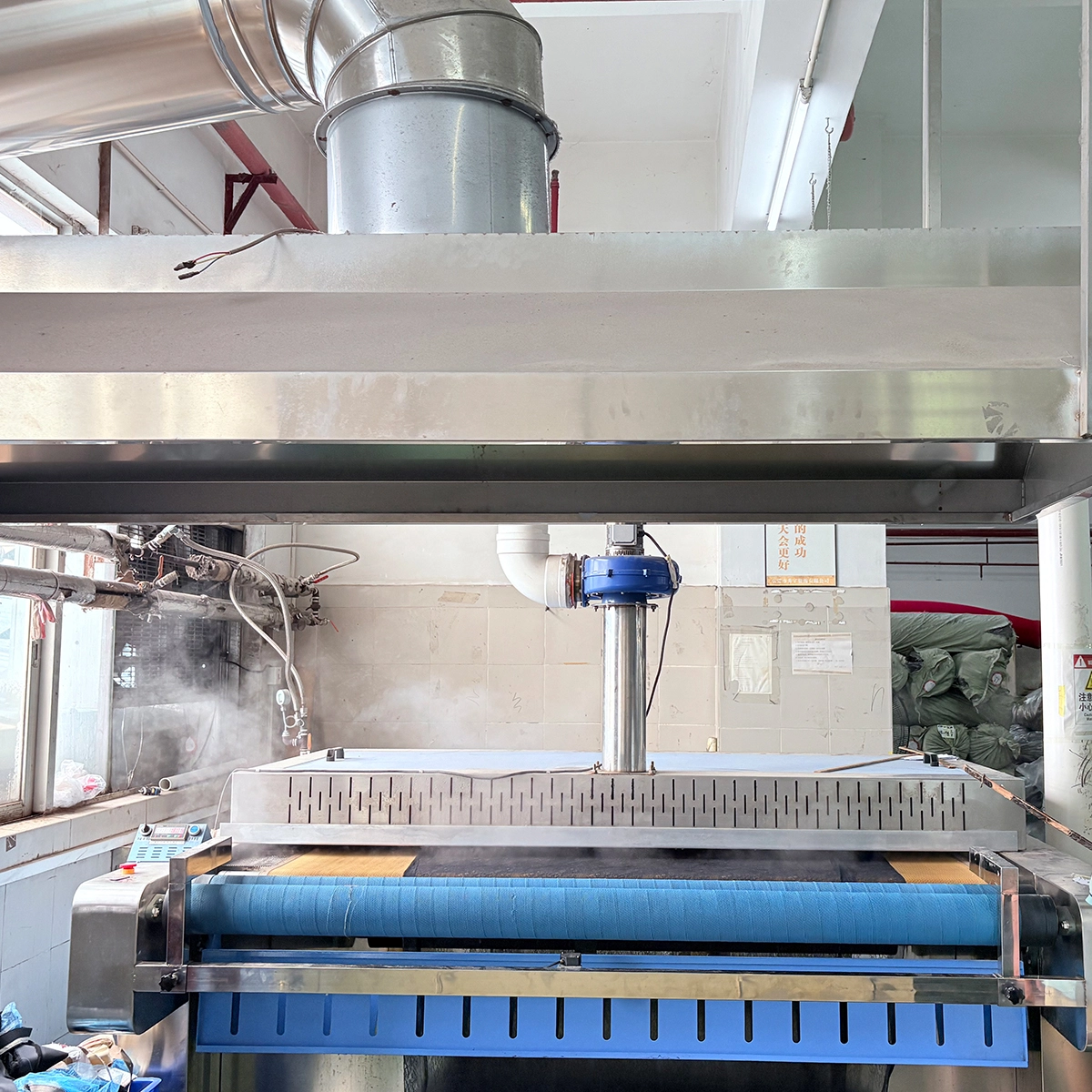
Fabric Pre-shrinking
After fabric inspection, approved materials go through a pre-shrinking process before cutting. This helps control fabric shrinkage during washing and keeps garment measurements more consistent throughout production.
↓
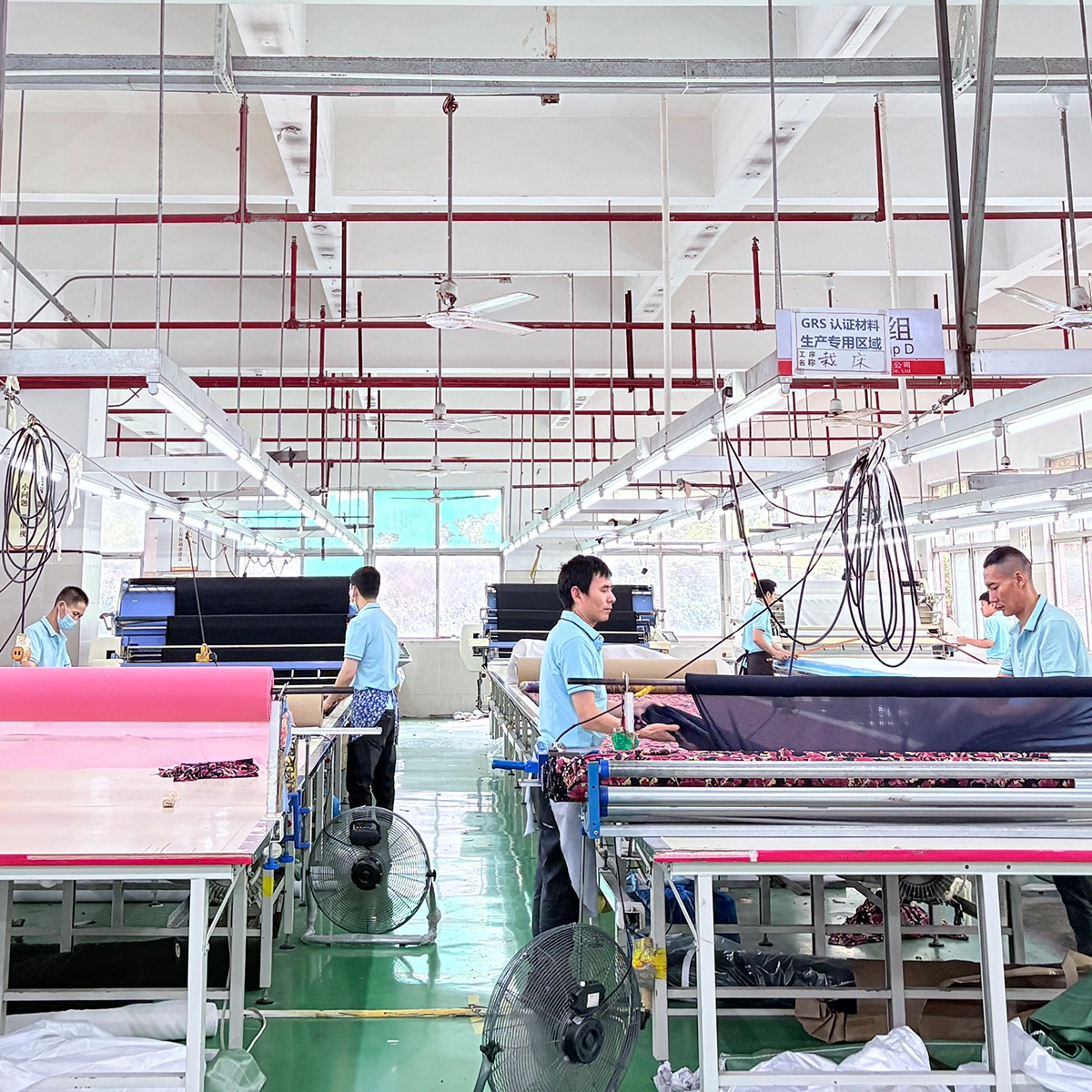
Automatic Cutting
Approved patterns are sent to the computerized cutting system before bulk cutting. Panel shapes and cutting markers are checked to keep the pieces consistent and reduce unnecessary fabric waste.
↓
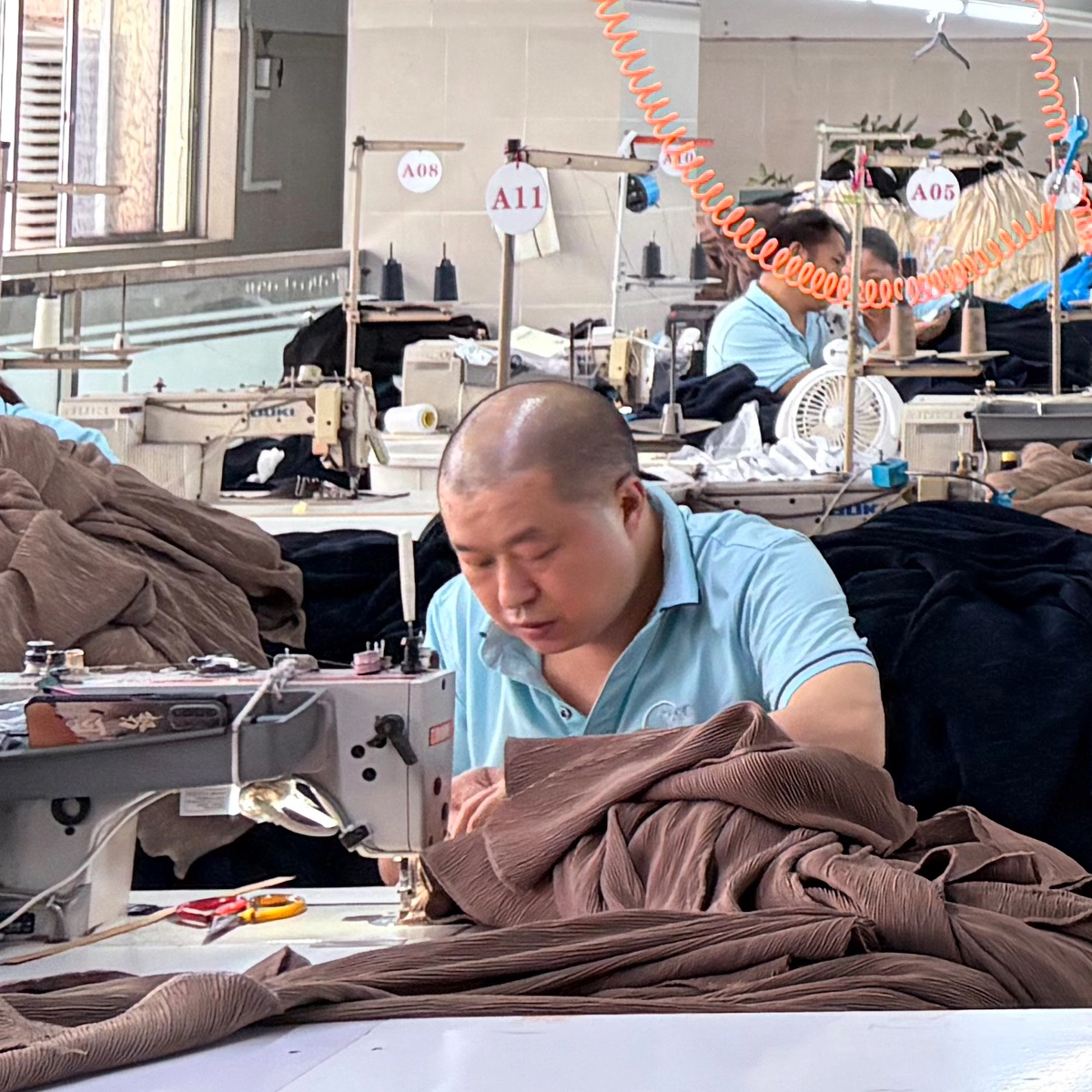
Bulk Production Sewing
After cutting, the panels are sewn by experienced operators according to the approved sample and construction details. Operators check the stitching, seams, and garment details during sewing to keep the quality consistent throughout bulk production.
↓
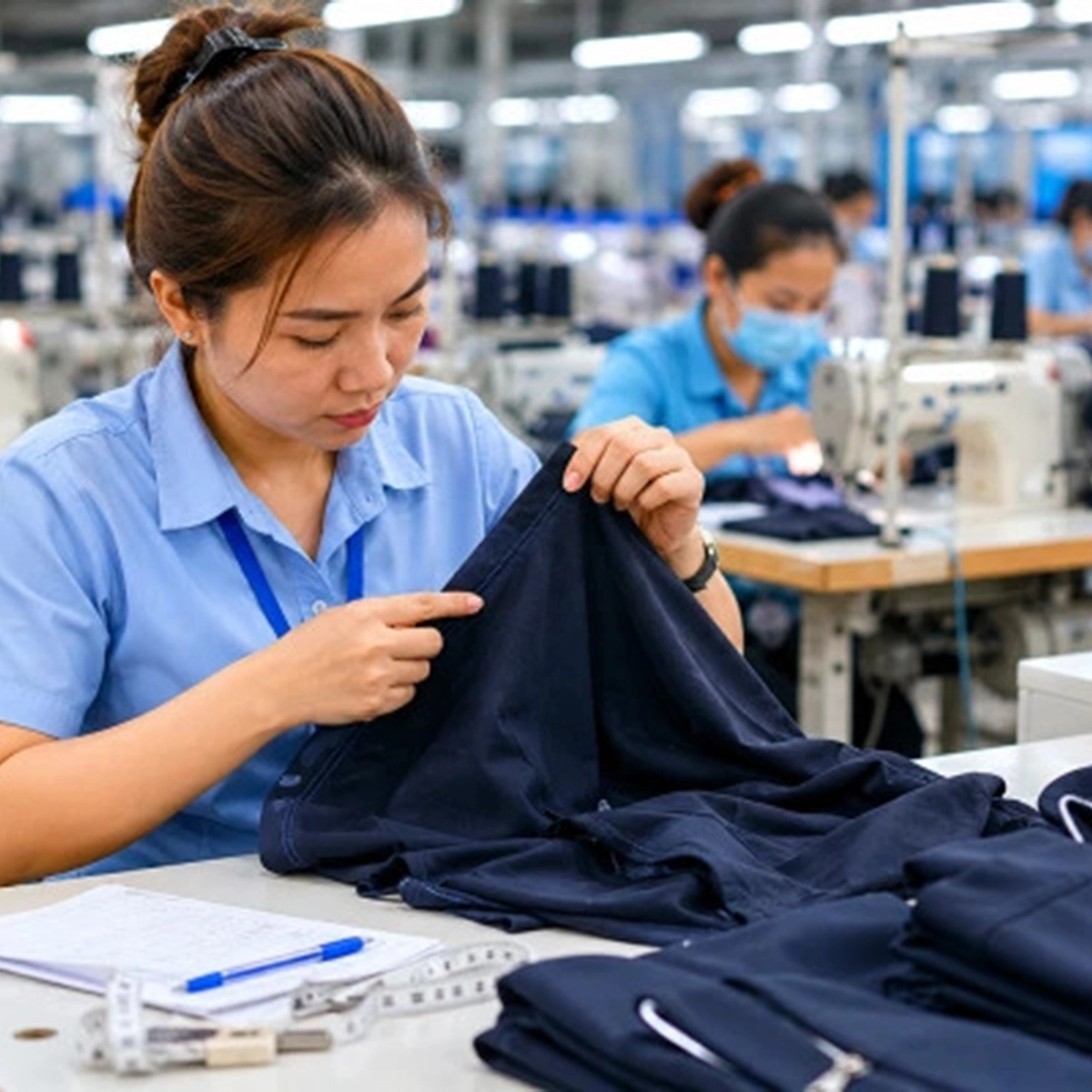
In-line Inspection
During production, our QC team checks sewing quality, measurements, and construction details during key steps. Any problems found are handled early to reduce rework and ensure consistent quality throughout production.
↓
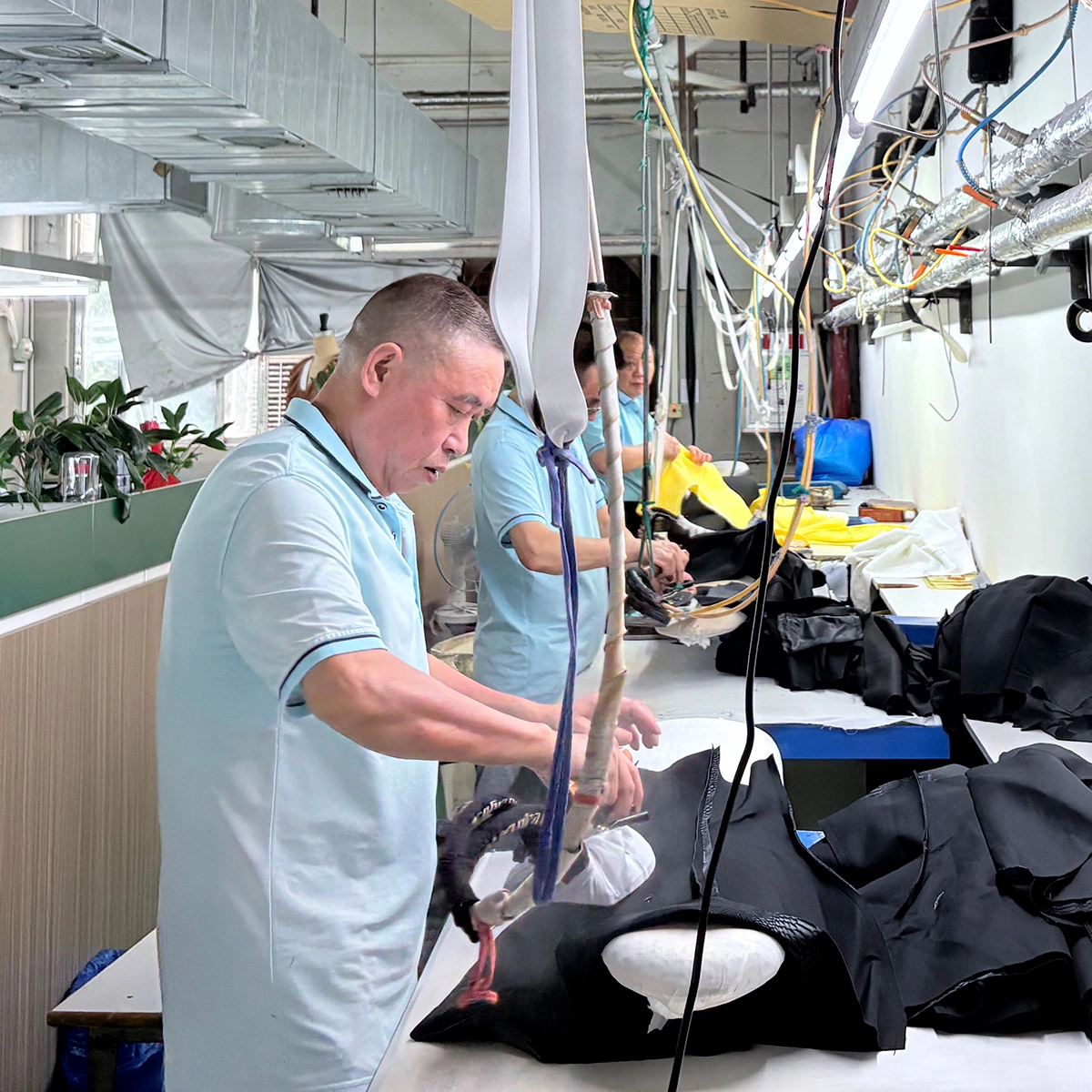
In-line Pressing
After sewing, garments are pressed during production to improve the shape, remove wrinkles, and ensure a neat finish before inspection. We review the pressing results and overall appearance to maintain consistent quality.
↓
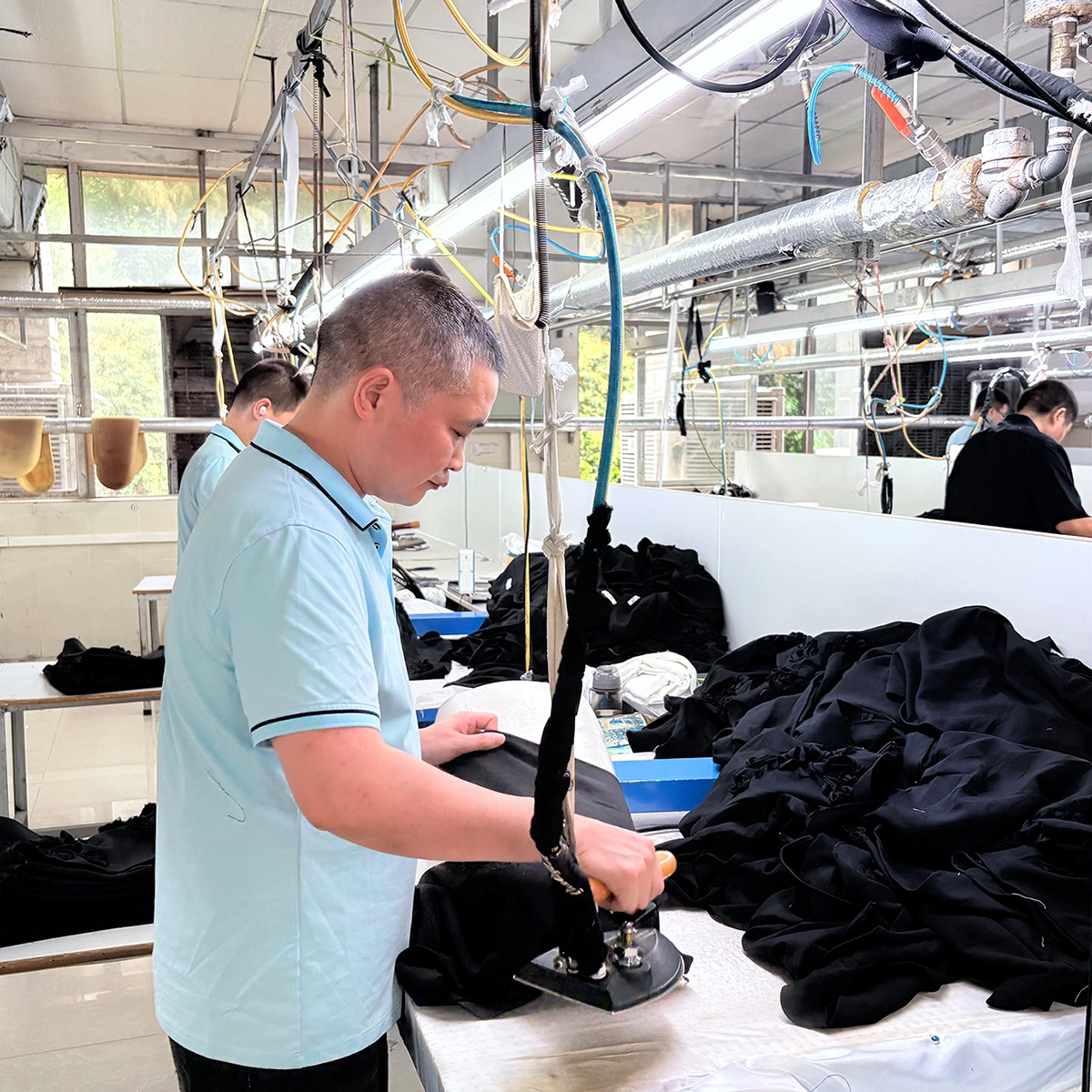
Final Pressing
Each garment receives final pressing before inspection. We check the shape, seams and overall finish before packing.
↓
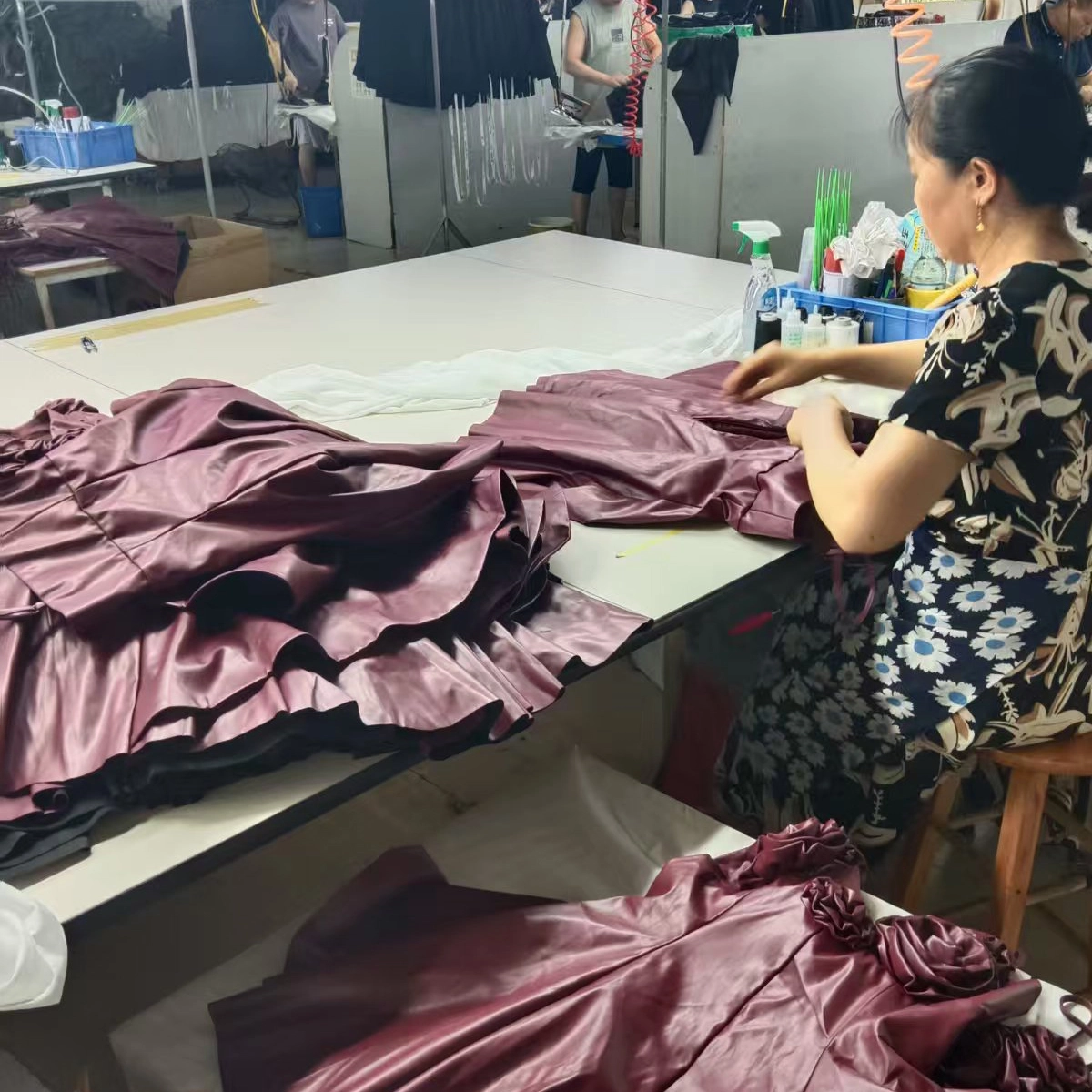
Final Inspection
Before loading, our QC team checks finished garments for measurements, stitching, appearance, labels, and packing condition. Once the inspection is completed, the cartons are ready for shipment.
↓
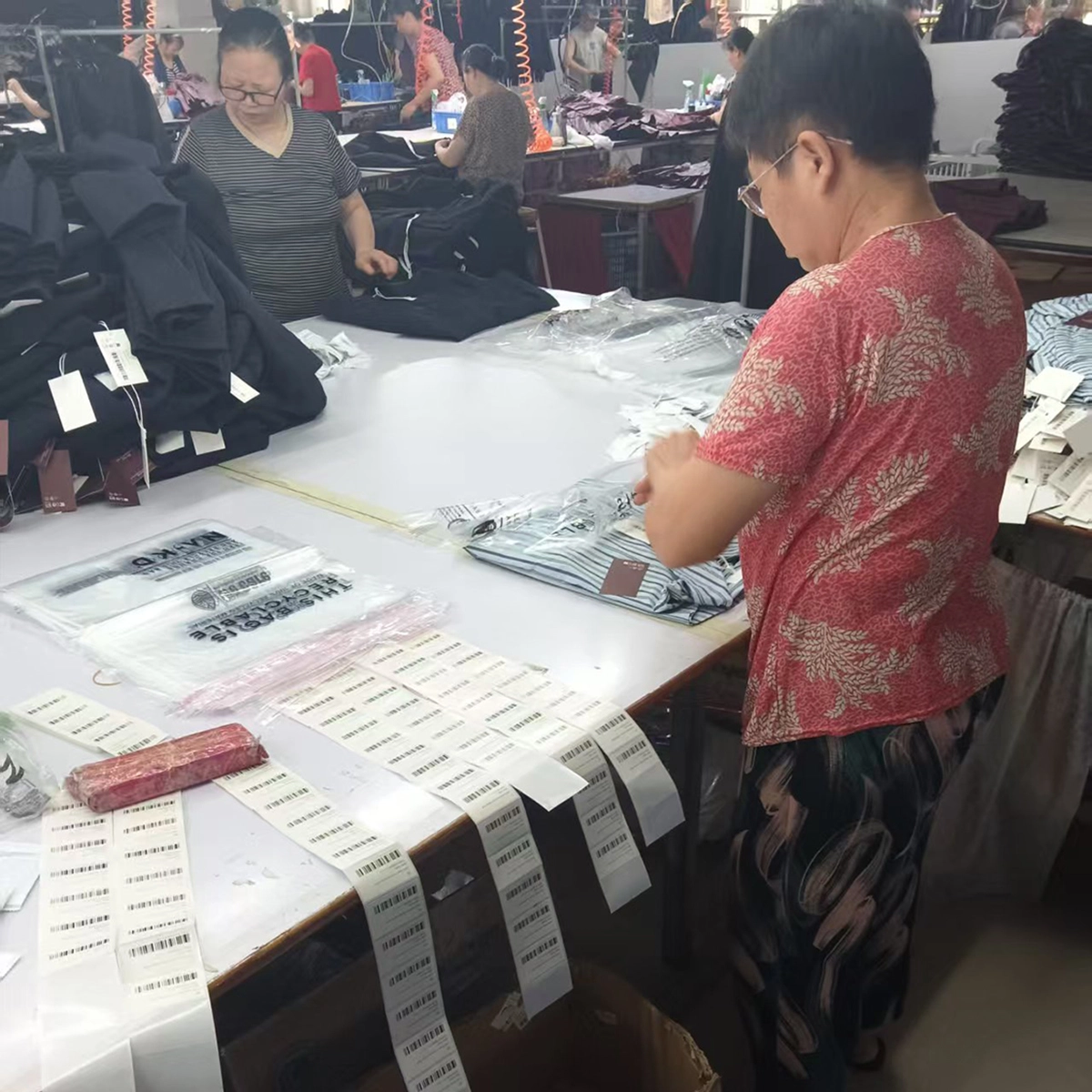
Garment Packing
After inspection, finished garments are folded and packed to the order specifications.
↓
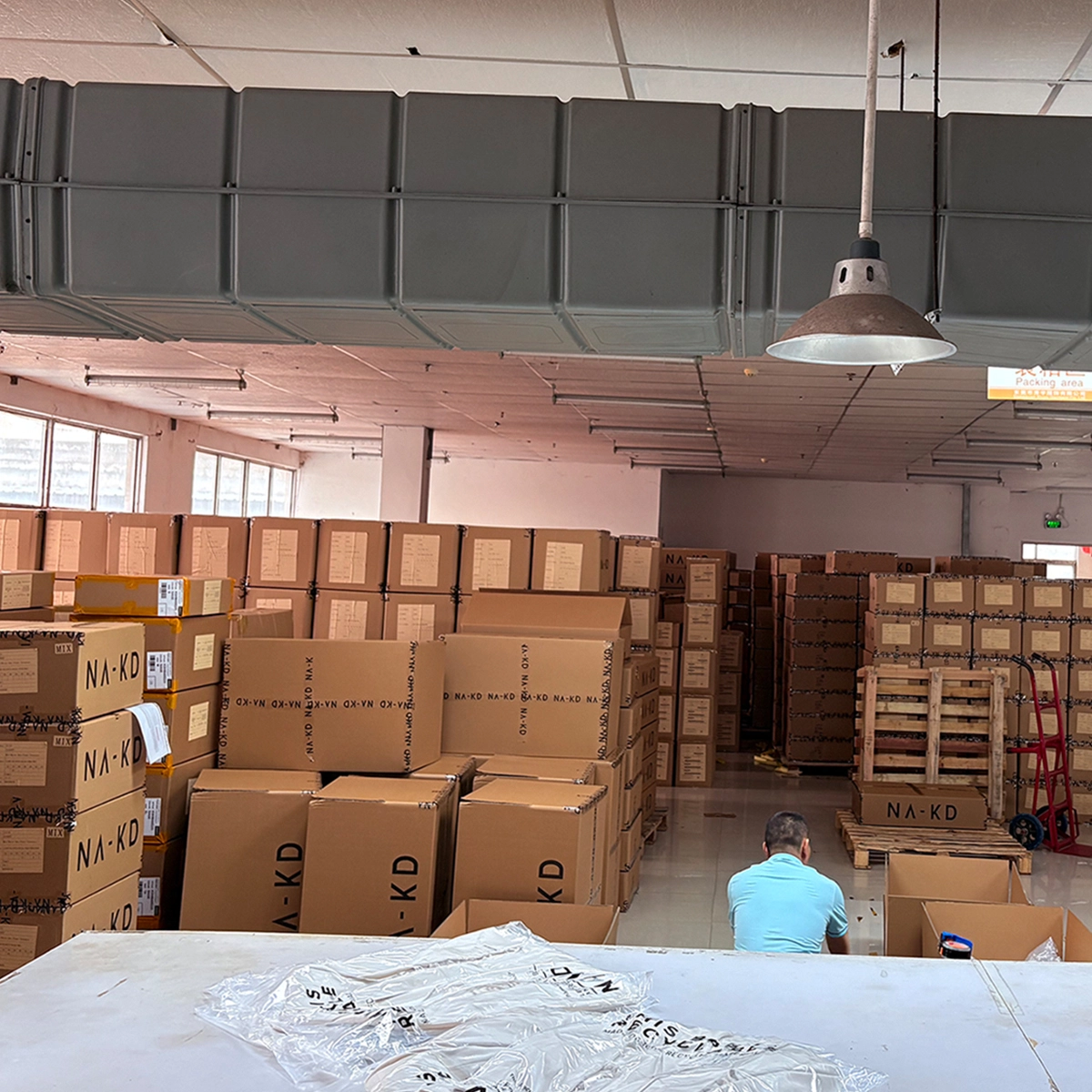
Finished Products
Finished garments are checked by style, color and size. Carton quantities, labels and packing details are verified before loading.
Wrap Dress Construction Details
A wrap dress can be sewn correctly and still fit poorly if the front overlap, waist tie or neckline is not developed correctly.
A front panel that looks correct on a flat table may open too much when the wearer moves. A waist tie positioned a few centimeters away from the intended point can change the proportion of the entire dress. Fabric choice can also change how the wrap front falls.
The overlap at the front controls coverage and affects the neckline.
Available construction details include:
- Overlap width
- Front opening
- V-neck depth
- Inside snap or button
- Front panel length
- Edge finishing
For softer fabrics, we also look at how the front panel falls after the waist is tied.
The waist tie determines how the wrap front closes and where the waist appears.
The tie can be developed with different:
- Tie width
- Tie length
- Tie position
- Side seam placement
- Belt attachment
- Self-fabric or separate tie
The attachment area may need reinforcement when the dress is made from lightweight fabric or when the tie is designed to pull the front panels firmly across the body.
Skirt options include:
- Fitted skirt
- Straight skirt
- A-line skirt
- Gathered skirt
- Pleated skirt
- Tiered skirt
- Flared skirt
- Asymmetric skirt
The skirt shape also affects fabric consumption, especially on midi and maxi wrap dresses.
A wrap neckline can be developed with a deeper V, moderate V or a more closed front.
The neckline and armhole are checked together during fitting because changing one area can affect the other, especially on sleeveless or fitted styles.

More About Our Company
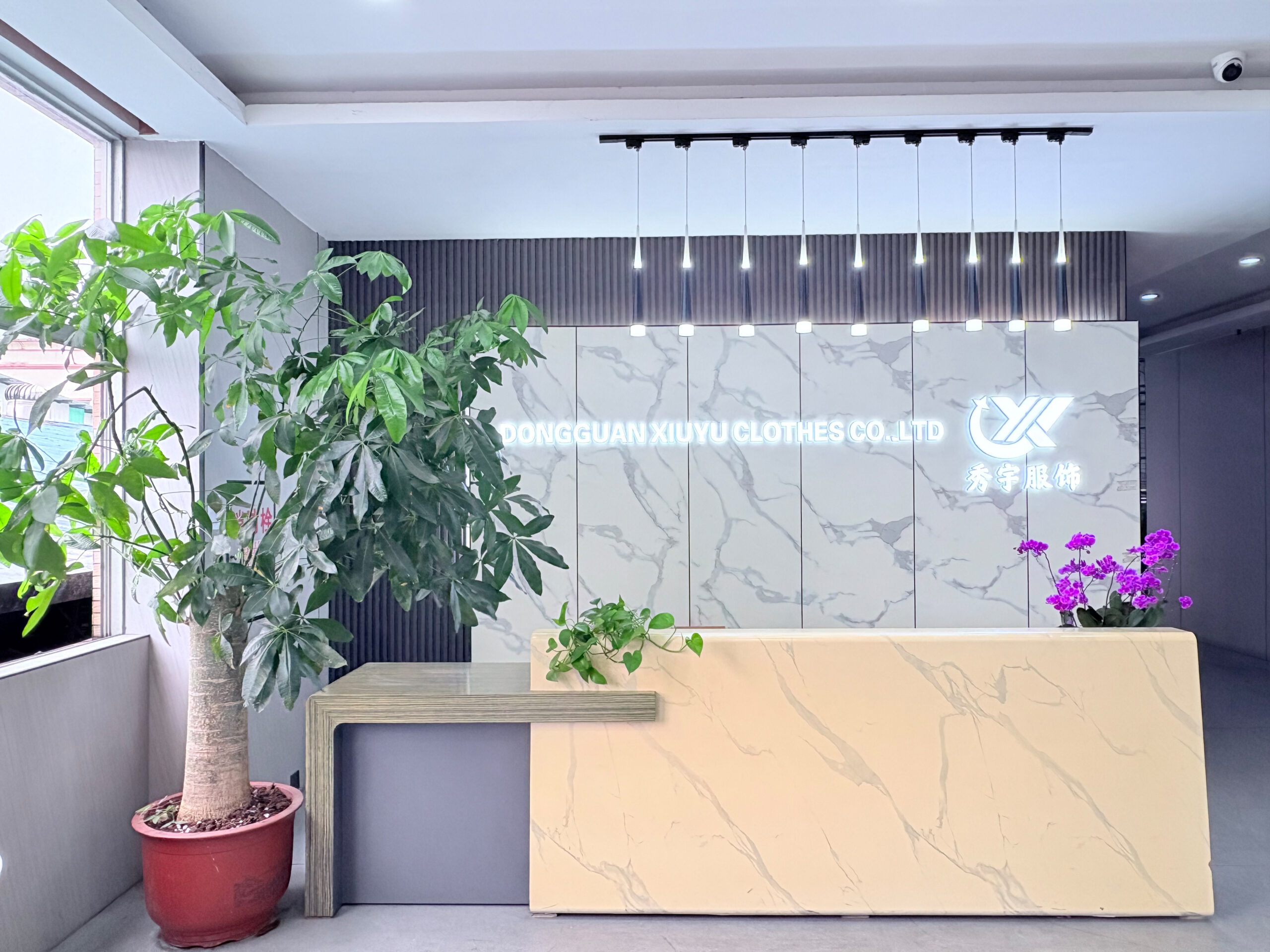
Xiuyu Apparel has been making dresses since 2007 and works with fashion brands, retailers, wholesalers and private label companies on OEM and ODM production.
- Factory Picture
- Our Capabilities
- One-Stop Services
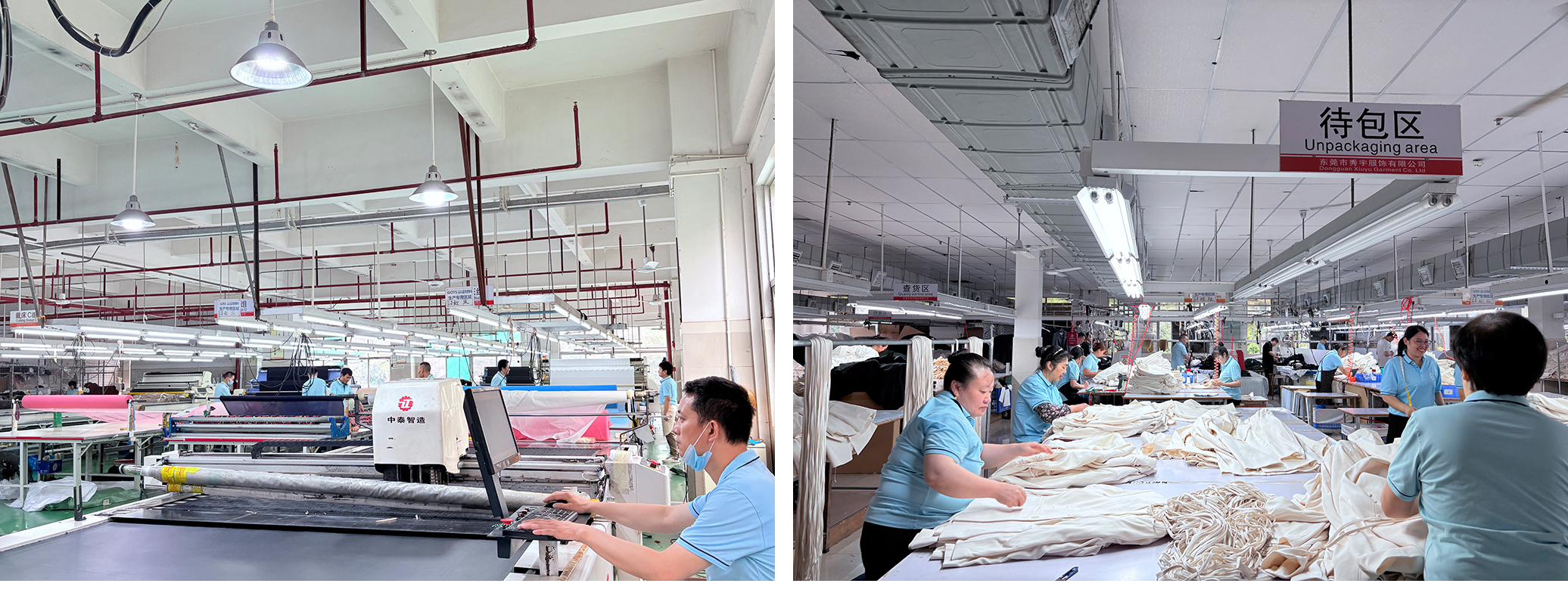 Cutting room & QC inspection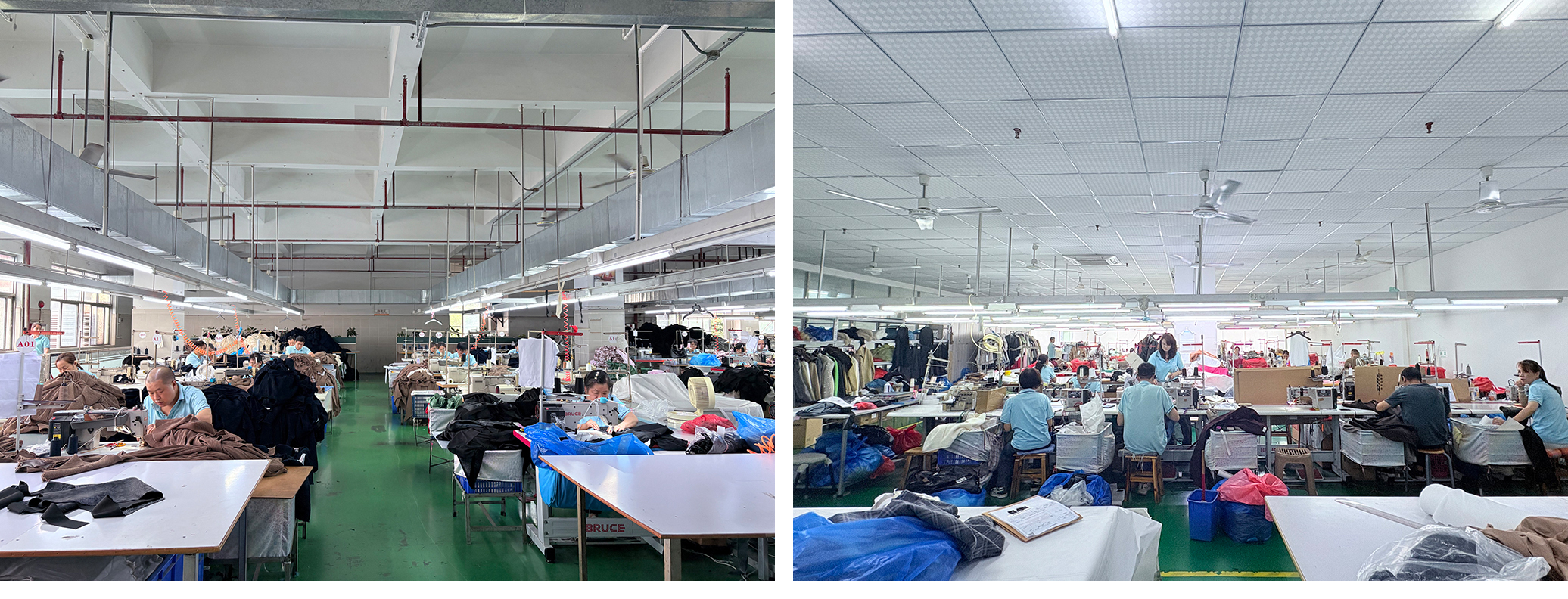
Sewing workshop
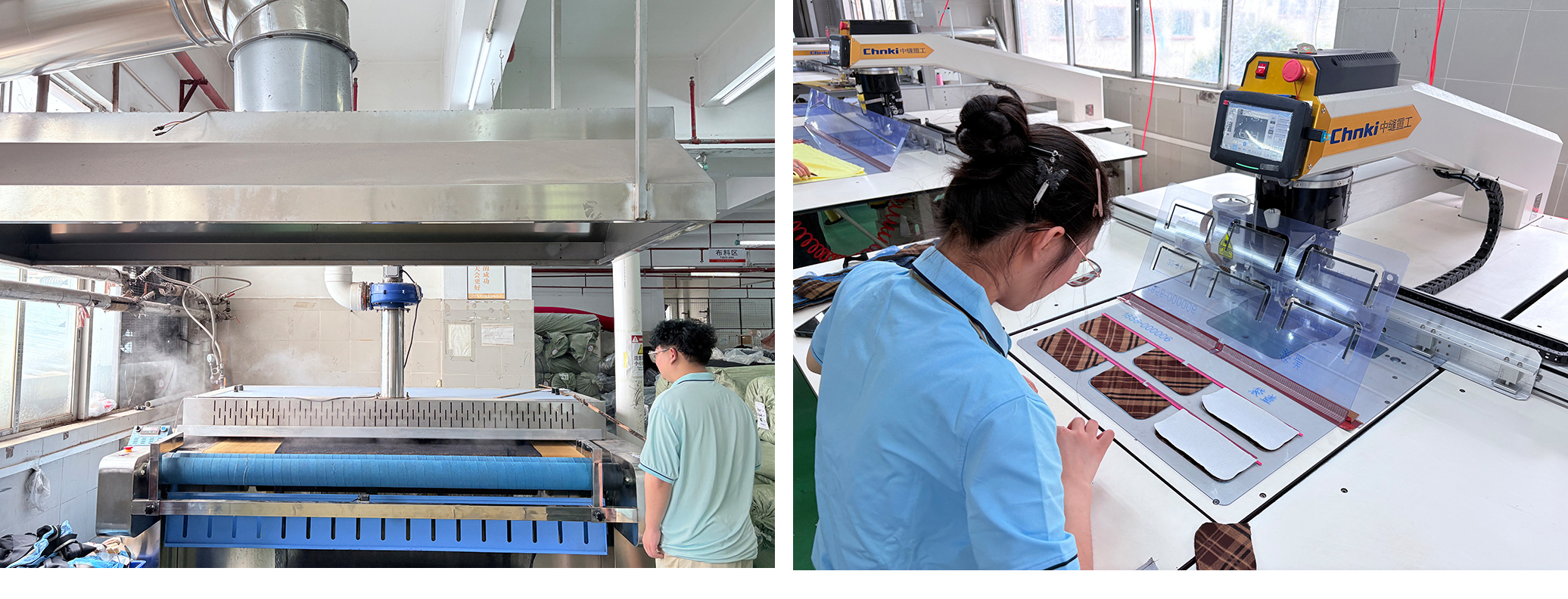 Fabric Pre-shrinking Workshop & Automatic Template Machine Workshop
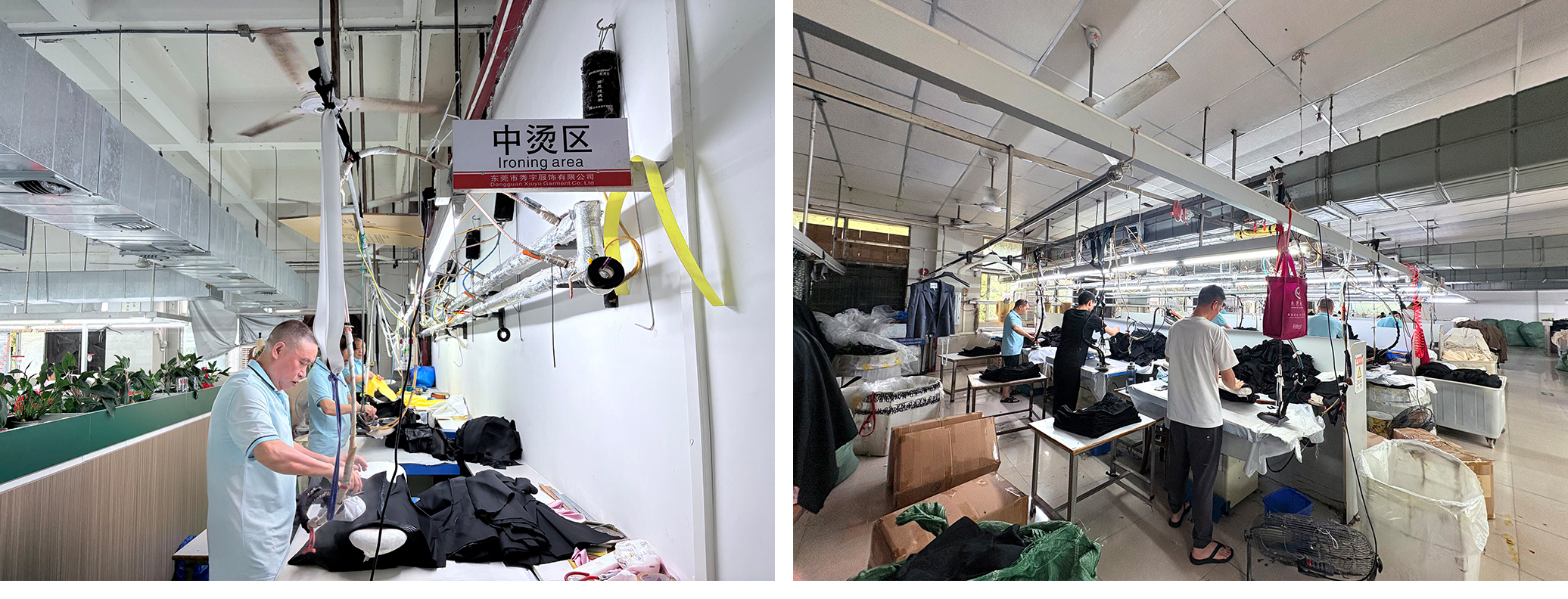 Finishing Workshop
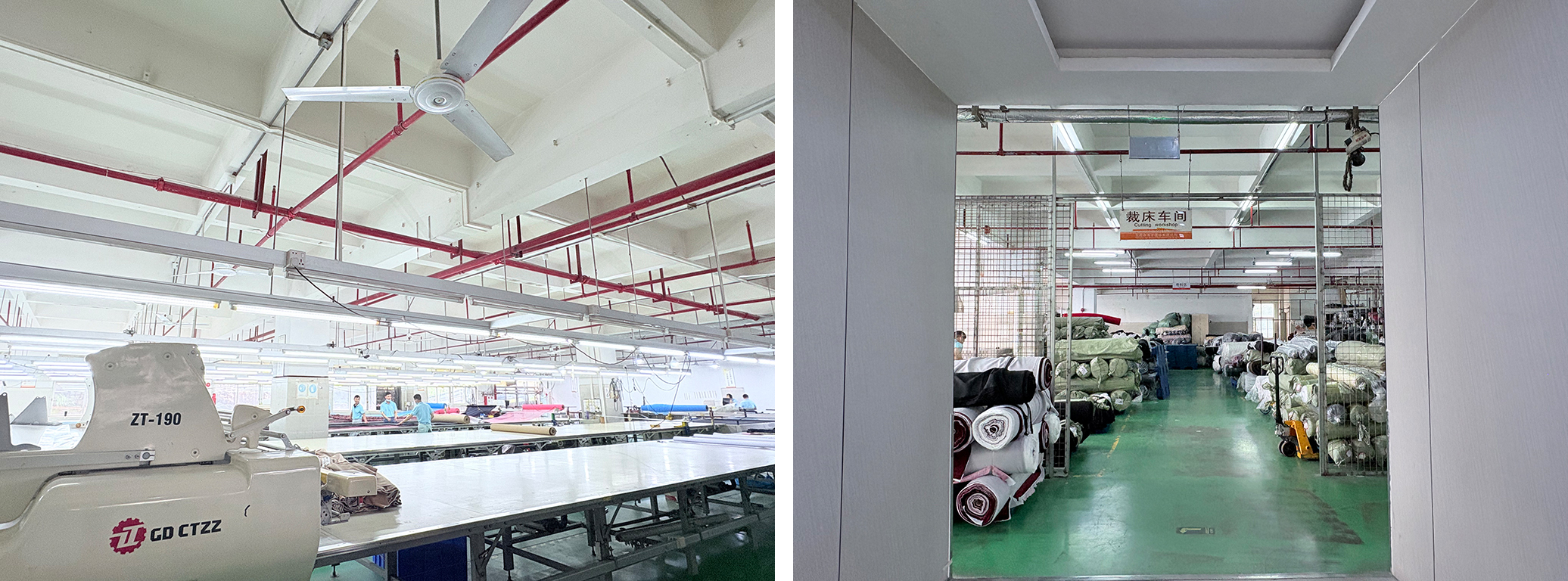
Cutting Room & Fabric warehouse
As a custom dress manufacturer, we handle the main production steps in-house, from pattern making and sampling through cutting, sewing, finishing, and final inspection. Our team works from your tech pack, sample, sketch, or reference and checks the details before the style moves into bulk production.
Keeping these stages with one production team makes it easier to deal with pattern changes, sample revisions, and construction issues before cutting starts. We can also arrange screen printing and custom embroidery when these details are part of the design.
More Wrap Dress Styles Available For OEM & ODM Production
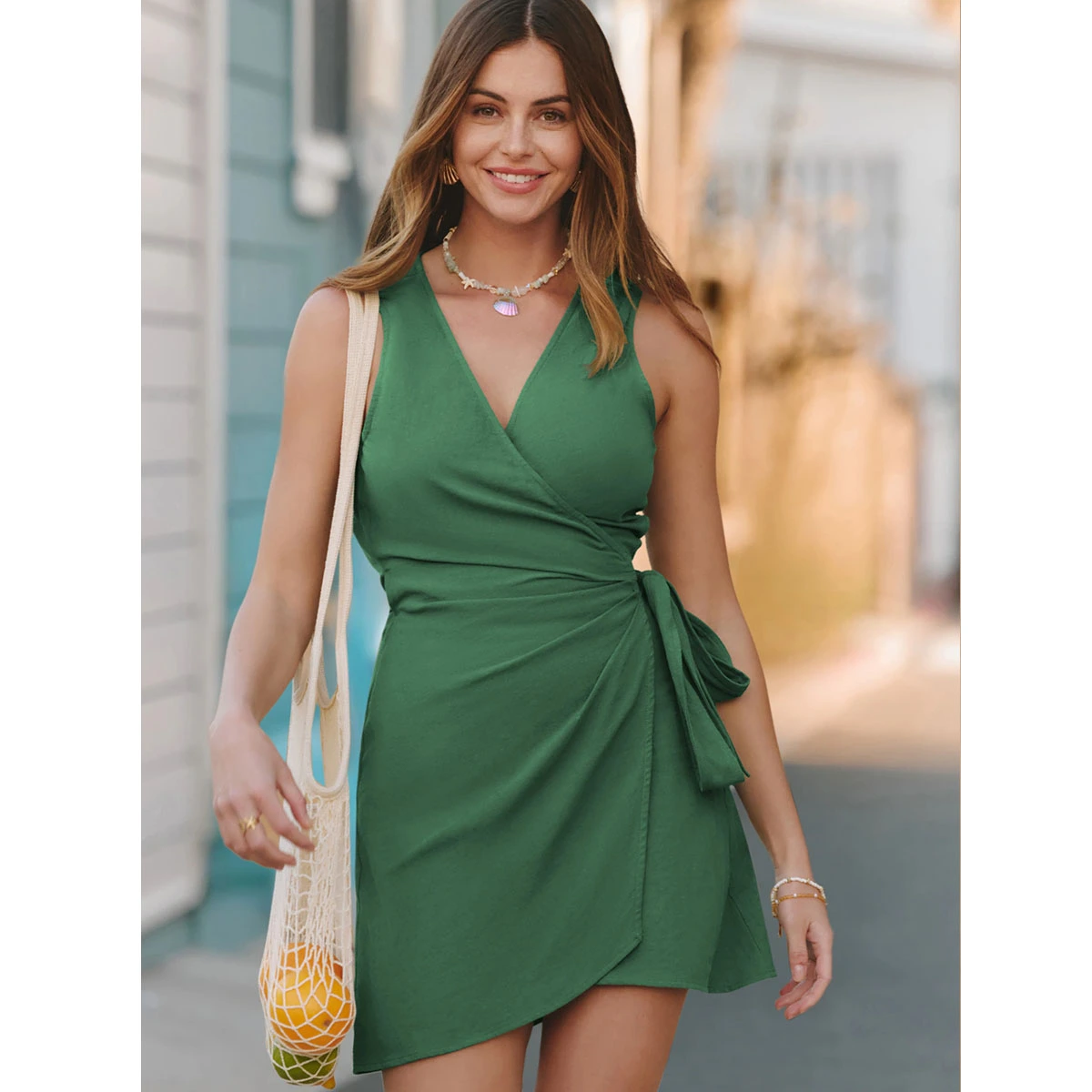
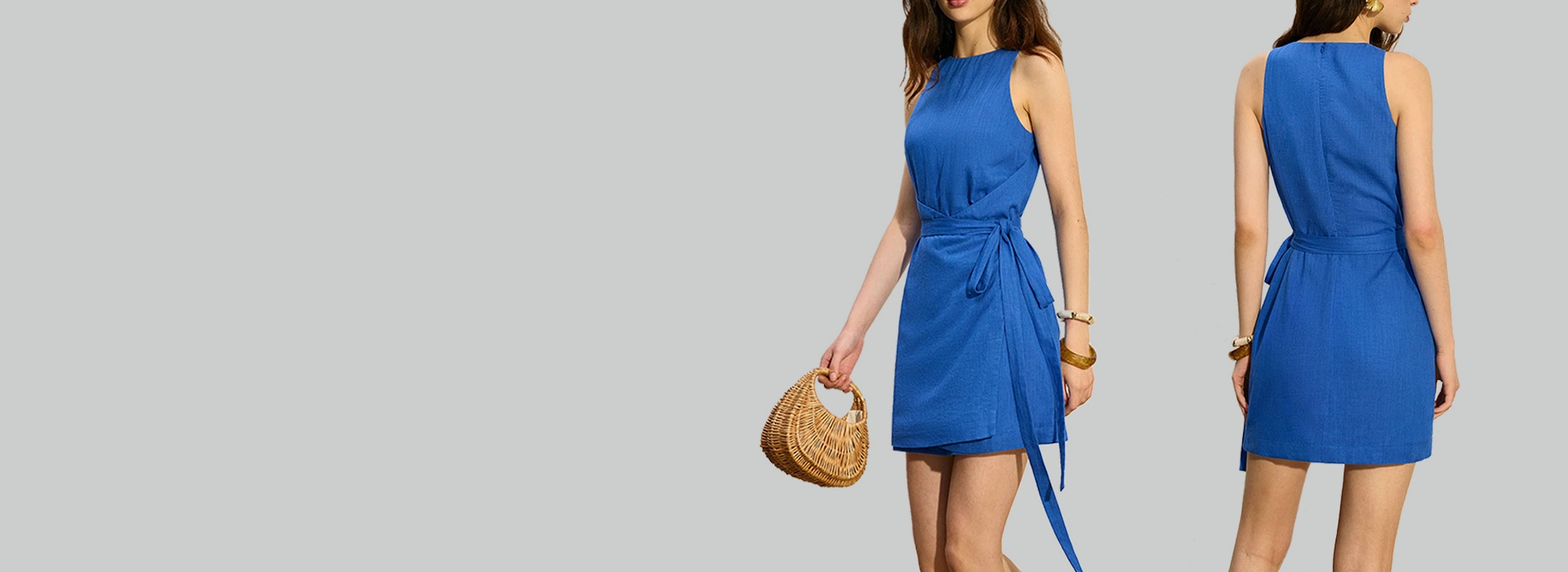
Wrap Mini Dress
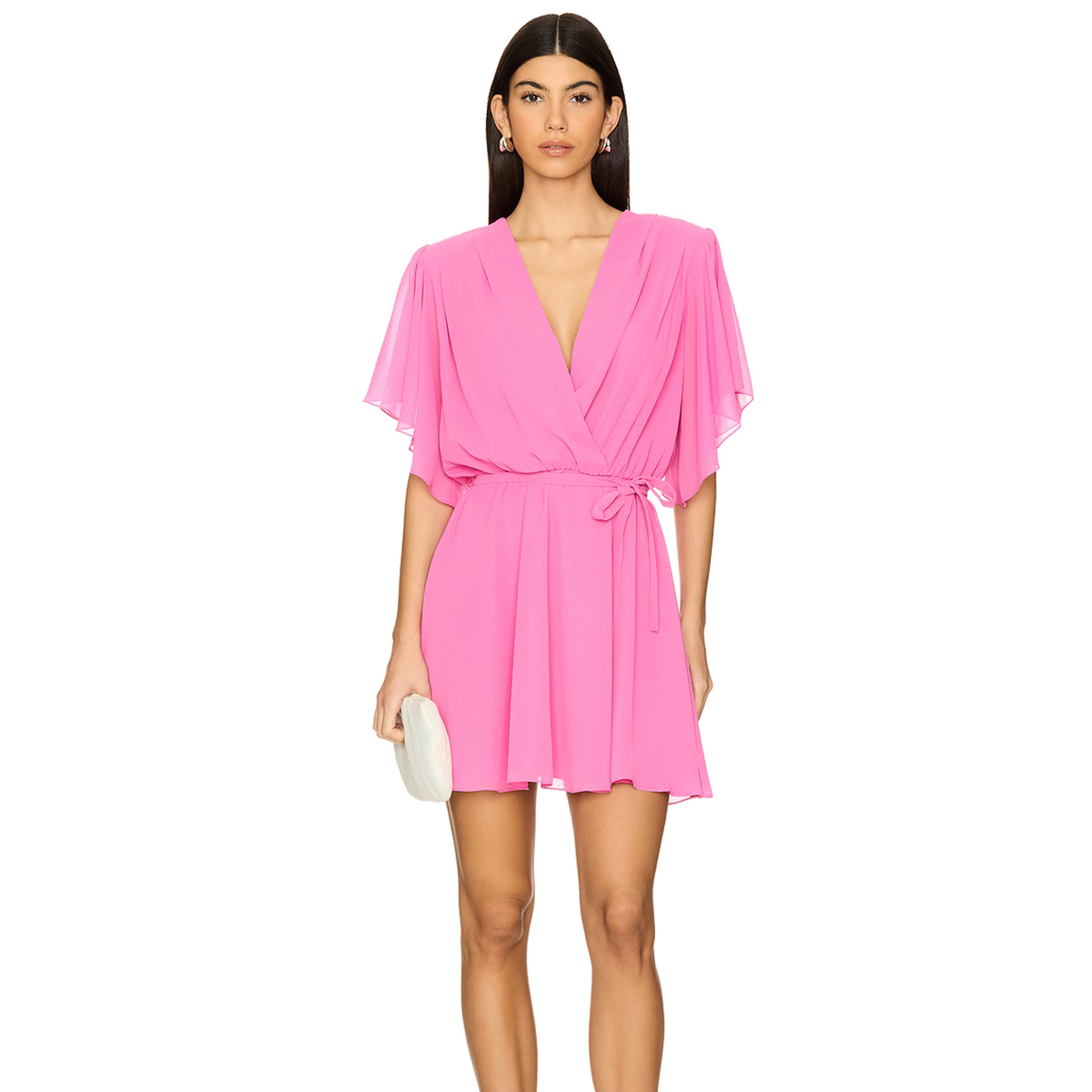
For wrap mini dresses, the waist position and front overlap need to be checked together. With a short skirt, there is less room to adjust the front opening, especially on fitted styles.
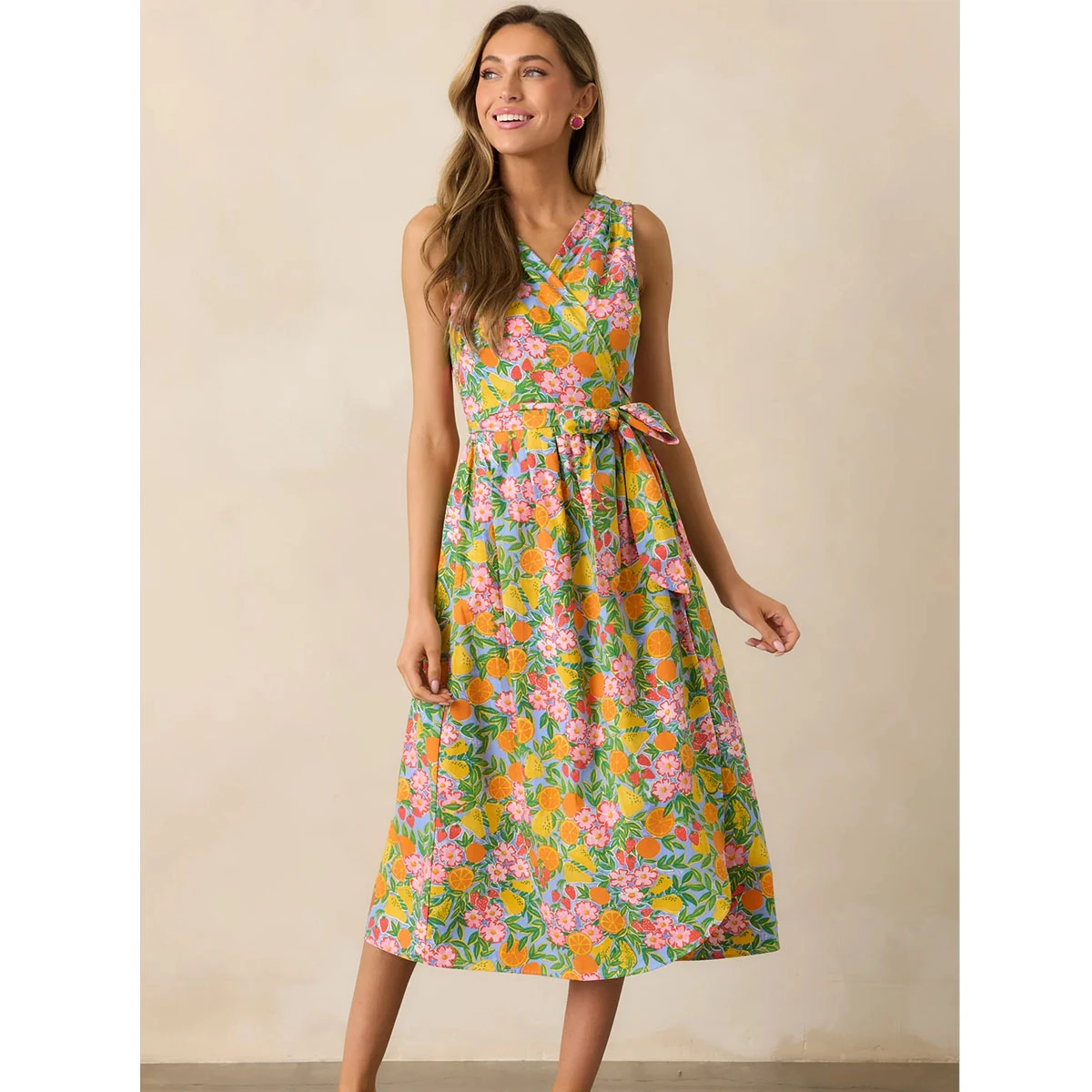
Printed Wrap Dress
Large or directional prints need to be planned before cutting, especially across the wrap front, waist and visible seams.
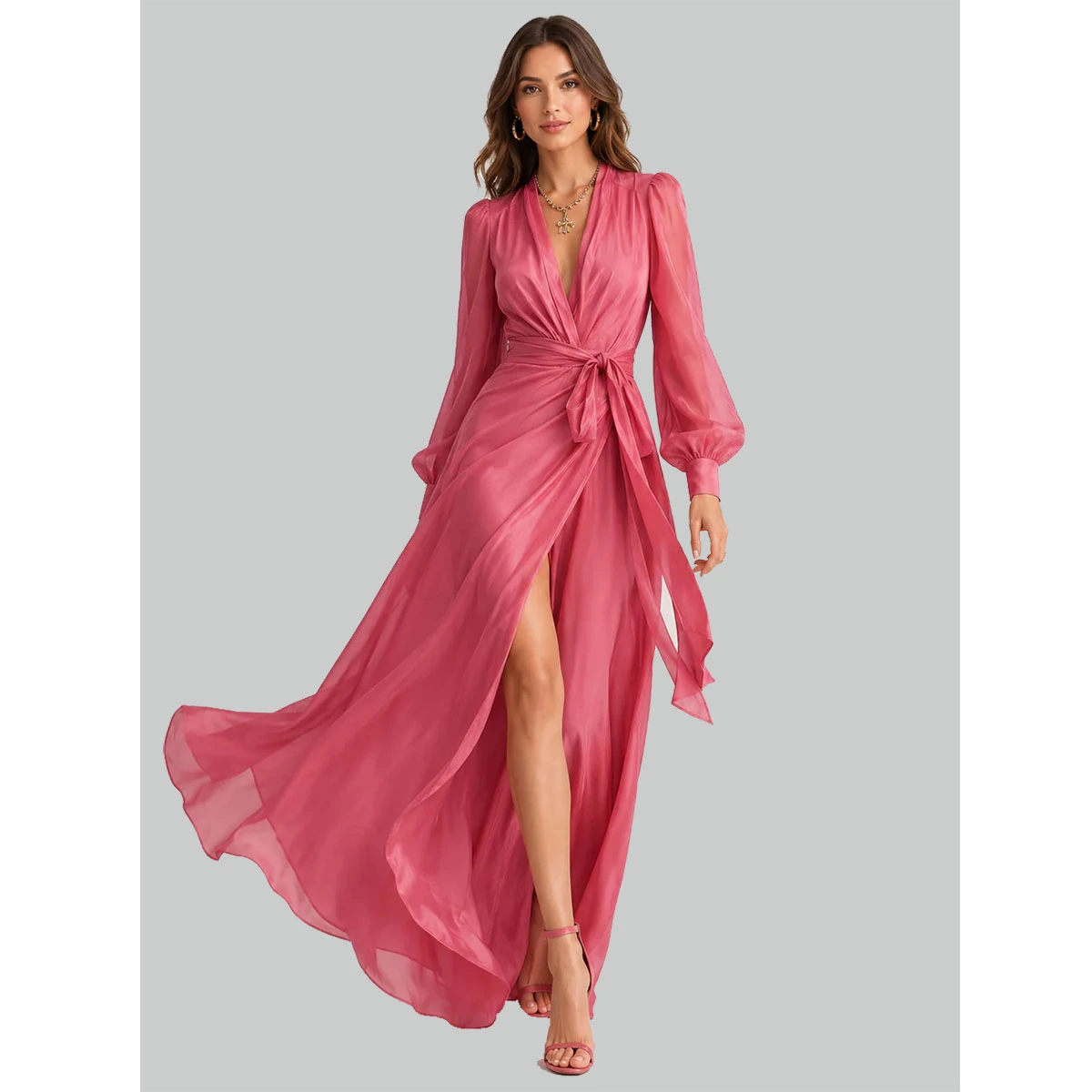
Long Sleeve Wrap Dress
Sleeve shape affects how the dress moves when worn. Armhole shape, sleeve width and sleeve movement need to be considered together, especially on fitted or fuller sleeves.
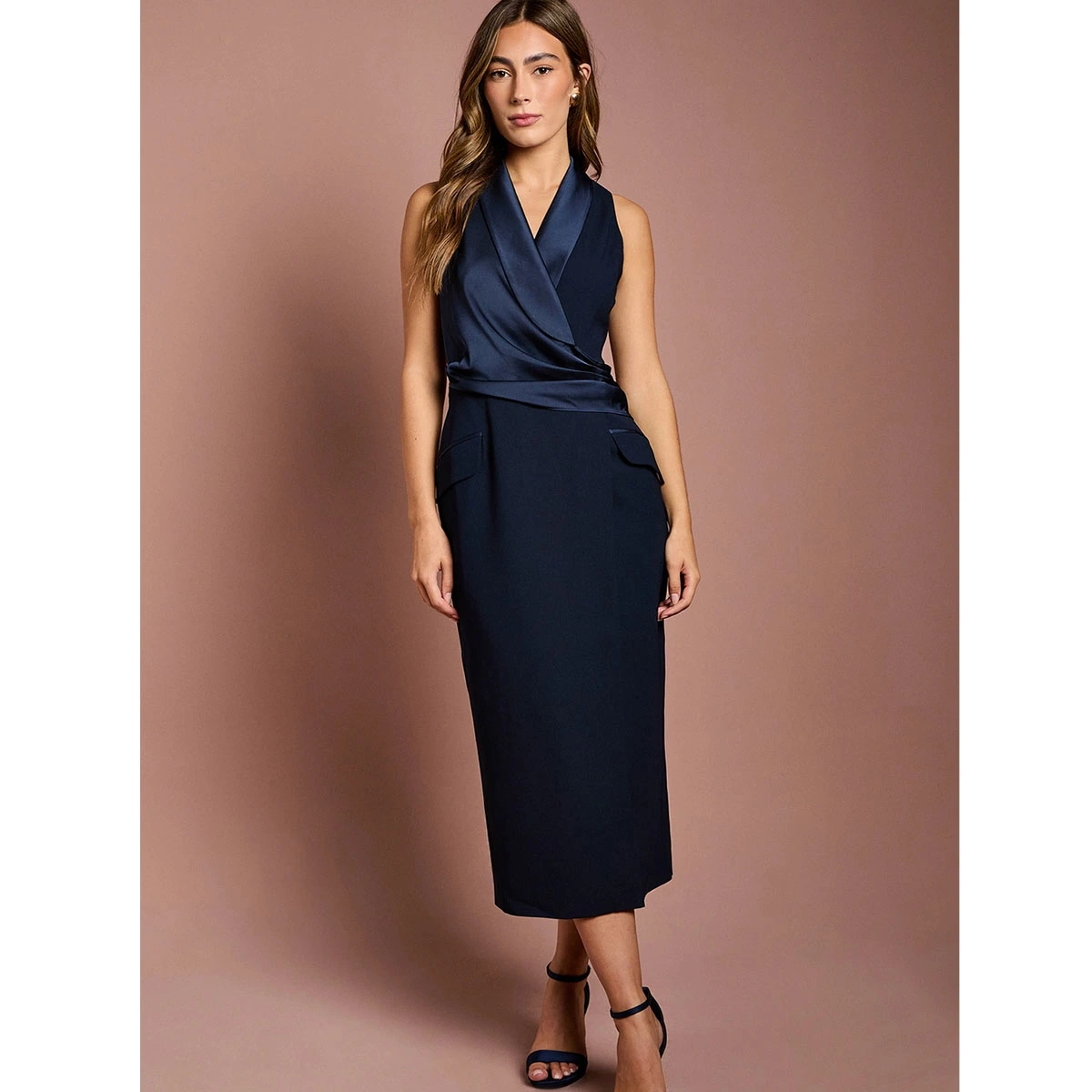
Sleeveless Wrap Dress
The armhole and neckline are checked together with the wrap front. Bust coverage becomes more important on deeper V-necks or styles with a narrow front overlap.
Explore More Dress Manufacturing Solutions
If you are developing a wider dress collection, you can also explore our other dress manufacturing categories.
- Cocktail Dress Manufacturer — Custom cocktail dress production for boutiques, retailers and fashion brands.
- Satin Dress Manufacturer — Satin dress development with fabric sourcing, pattern development and private label production.
- Halter Dress Manufacturer — Custom halter silhouettes with neckline and strap development.
- Formal Dress Manufacturer — OEM formal dress production for occasionwear collections.
- A-Line Dress Manufacturer — Custom A-line dress development across different fabrics and lengths.
As a clothing manufacturer, we can also support collections that combine several dress silhouettes rather than requiring you to source each style from a separate supplier.
Have a Wrap Dress Project to Develop?
Send us your tech pack, sketch, reference photo, or existing sample. We can check the fabric, construction, measurements, MOQ, and production requirements before sampling.
If you are still working out the details, that’s fine too. Send us what you have and we can go through the main production points with you first.
Our MOQ generally starts from 50–100 pieces per style/color. The actual quantity can be affected by fabric availability, color, construction, and special customization. If you are launching a smaller collection, send us the styles and quantities first so we can review the project rather than quoting from MOQ alone.
Yes. You can provide your own fabric specification, fabric swatch, or reference garment. If the fabric has not been selected, we can source options based on weight, drape, stretch, hand feel, color, and price target. The final fabric should be confirmed before the PP sample is approved.
Yes. You can add your own brand labels, size labels, care labels, hangtags, barcodes, polybags, and cartons to the production order. It is best to confirm the branding specifications before the PP sample is approved so the production team is working from the final requirements.
Sample development is generally 3–7 days after the required design information and materials are ready. If the first sample requires fitting changes, additional time is needed for pattern revision and another sample. The exact schedule is easier to confirm once the construction and fabric have been reviewed.
Yes. The front overlap can be developed from your measurements or reference sample. If coverage changes during fitting, you can mark the required adjustment on the sample. We can then revise the pattern before the PP sample is approved.
Yes. We can work with satin, chiffon, silk, jersey, velvet, lace and other suitable fabrics. The pattern and construction may need adjustment when the fabric changes because weight, stretch and drape can affect how the wrap front and skirt behave.
