
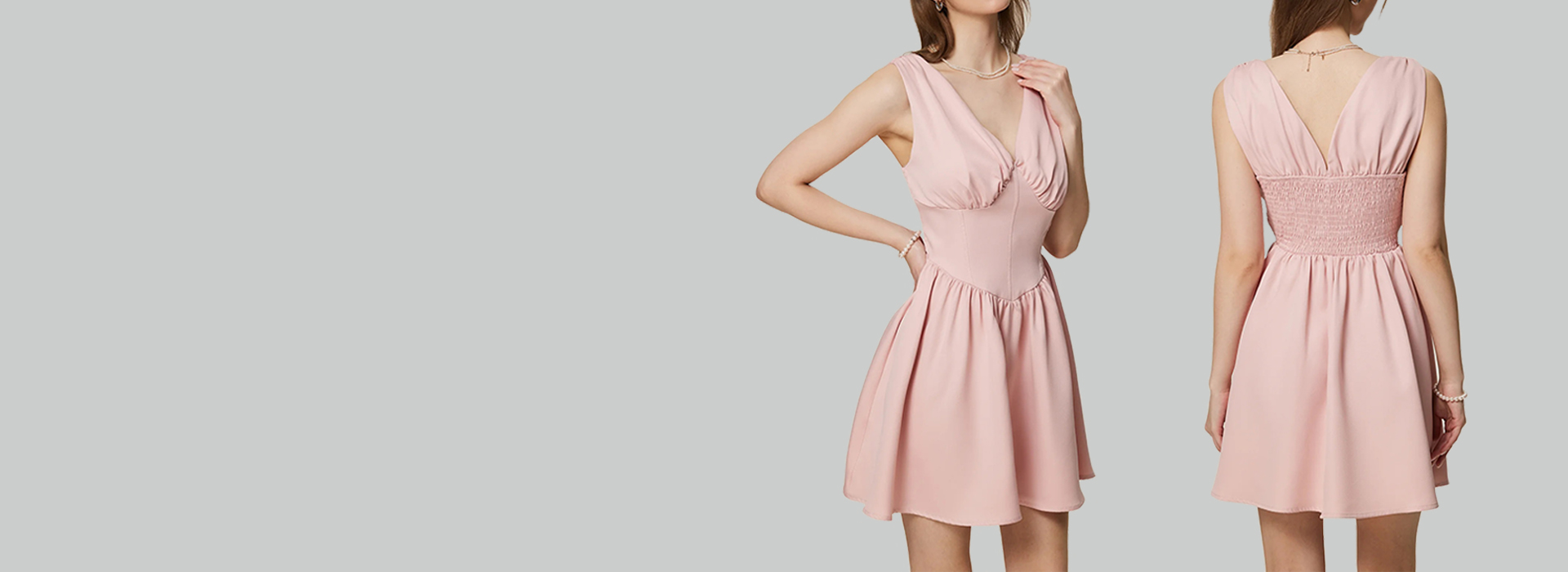
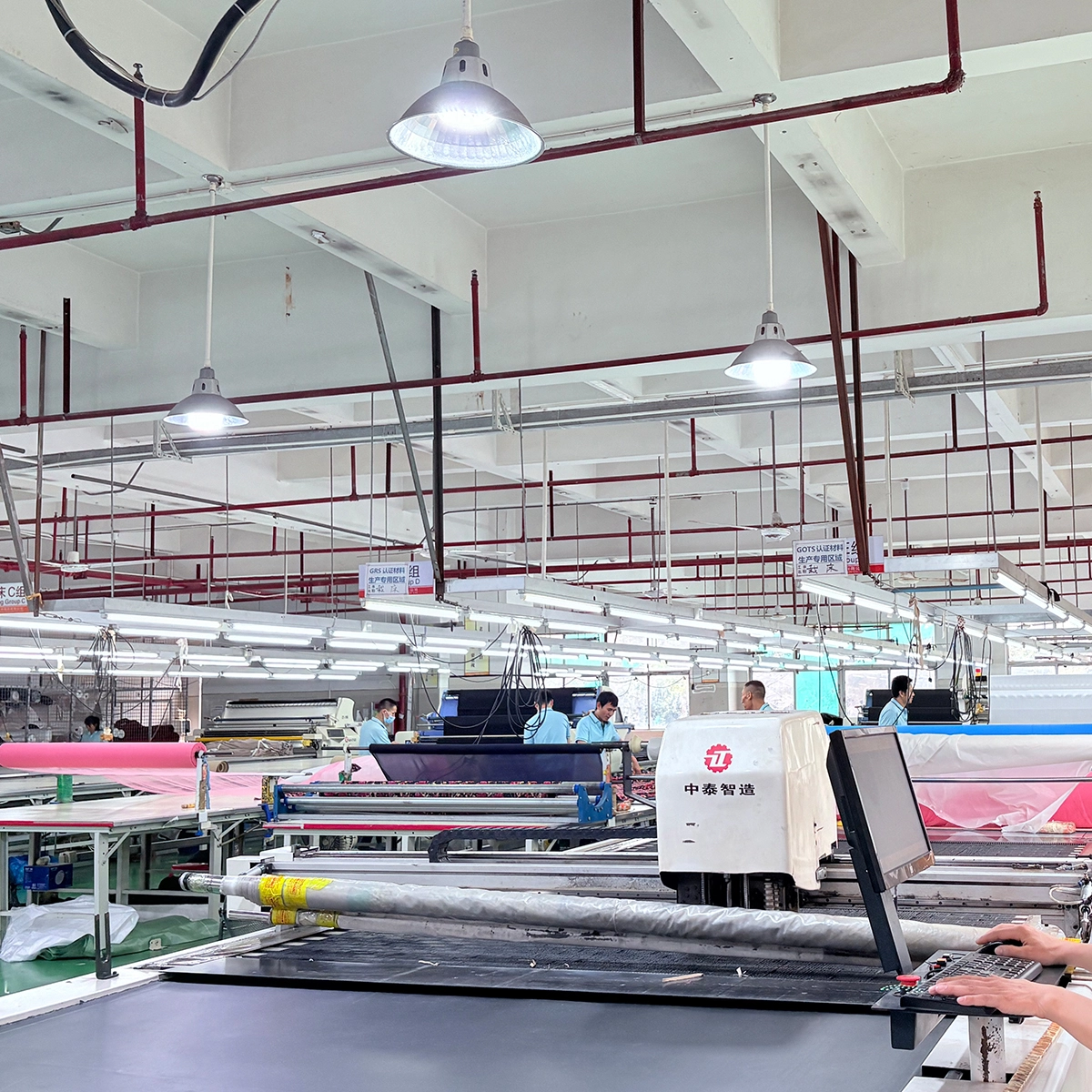
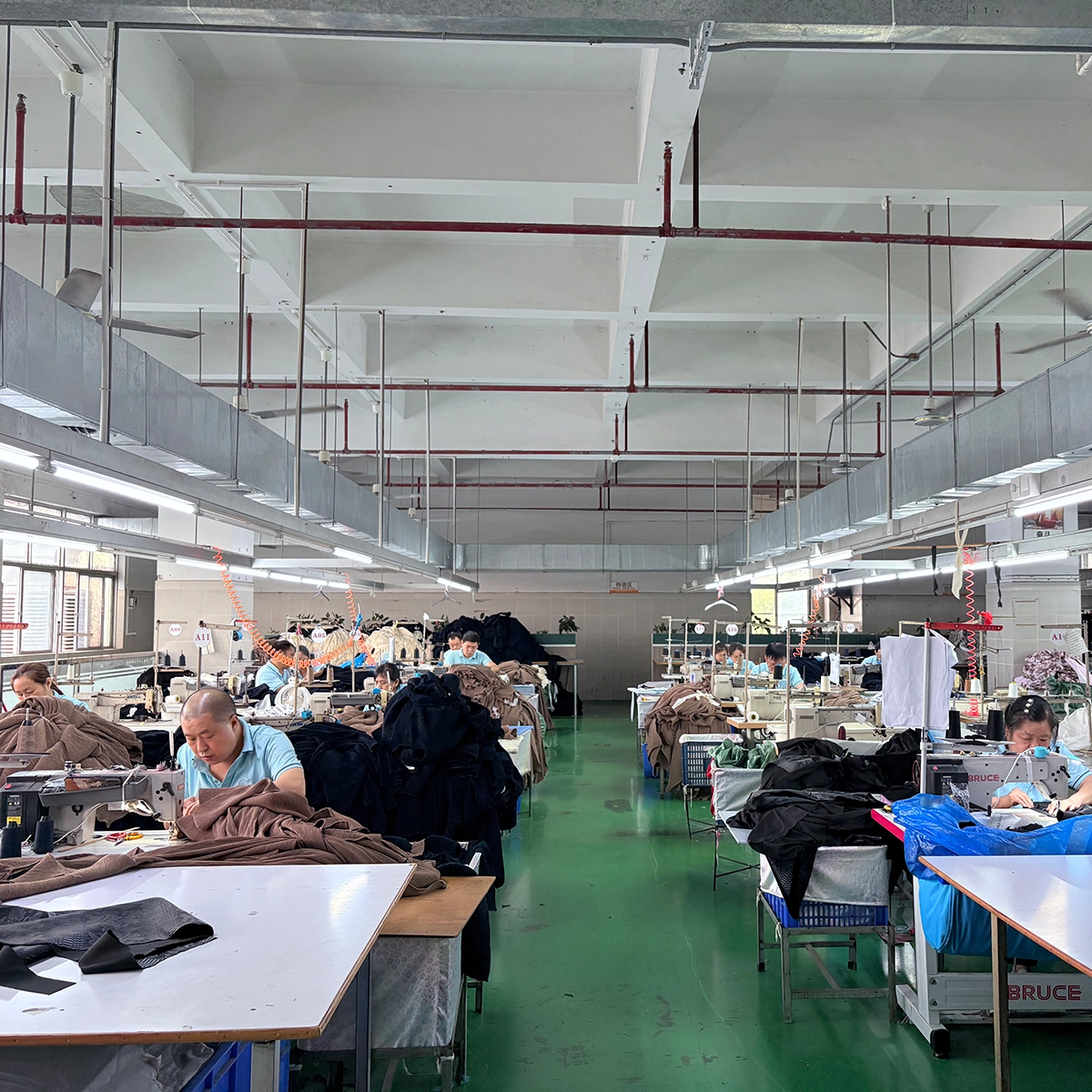
Our A-Line Dress Manufacturing Capabilities
With more than 18 years in dress manufacturing, we work with fashion brands, retailers and startups on custom A-line dress development and production.
Our production resources include:
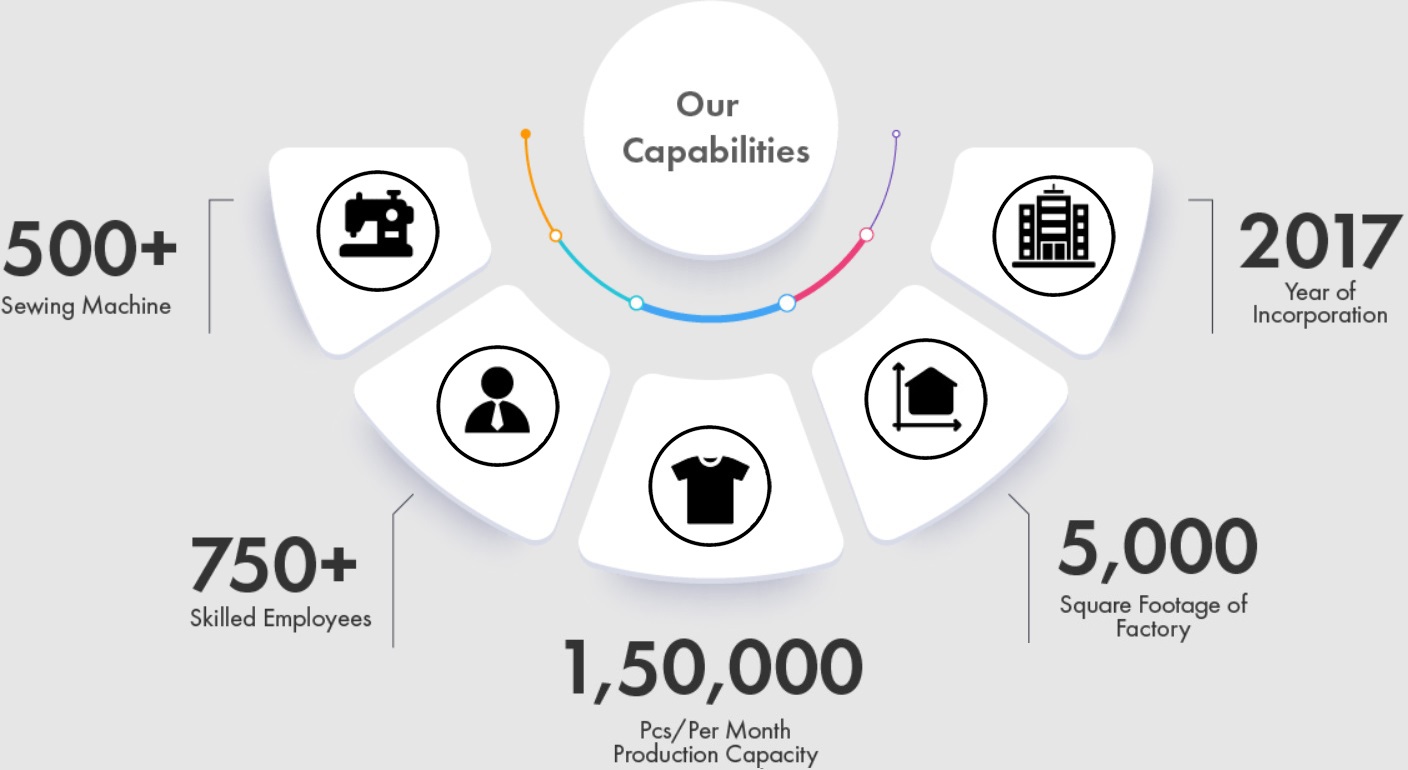
- 750+ workers
- 150,000 pcs/month production capacity
- 500+ sewing machines
- 5 automatic cutting lines
- Export experience to 40+ countries
We keep the approved sample, pattern and construction details with the production order. This gives the sewing and QC teams a clear reference when the style moves into bulk production or is reordered later.
Custom A-Line Dress Manufacturing for Your Brand
Some customers send a complete tech pack. Others start with a sketch, photos, or a reference garment.
What we do first depends on what you already have. With a tech pack, our team can check the measurements, construction, fabric, trims, labels, and finishing details before the sample is made.
If you only have a sketch or reference garment, we first look at the silhouette and construction. From there, we can discuss the fabric, waist position, skirt volume, closures, lining, and other details that need to be decided before sampling.
Depending on your design, we can manufacture A-line dresses with:
- Mini, midi, or maxi lengths
- Different neckline and sleeve designs
- Adjusted waist positions
- Narrow or fuller skirt flare
- Pleats, gathers, or ruffles
- Pockets
- Zippers, buttons, or other closures
- Lace, embroidery, sequins, and other embellishments
- Different lining options
- Custom colors and prints
- Custom size ranges and grading
- Woven labels and care labels
- Hangtags and branded packaging
If you are building a new label and need more than the garment itself, you can also see how our private label clothing manufacturer service works, including labels, packaging and other brand-specific requirements. That is normal, especially when you are developing the first sample. We can go through those open points before the sample is cut. It is much easier to change a construction detail at this stage than after bulk production has started.
Fabric selection can change the result quite a bit. A fabric may look right on a swatch but give the skirt a different amount of volume once it is cut into the pattern.
During sampling, we look at fabric weight, drape, structure and lining together. Any one of them can change the way the skirt finally falls.
Fabric Options for A-Line Dresses
Fabric changes the way an A-line skirt behaves.
A soft fabric may let the skirt fall closer to the body, while a firmer fabric can hold more of the flare. The pattern may be the same, but the finished dress can still look quite different.
If you already have a fabric specification, we can work from it. When the fabric has not been finalized, we look at the fabric together with the pattern and the intended fit and drape.
| Fabric | Common Use | What We Check |
|---|---|---|
| Silk | Premium A-line dresses | Drape, shrinkage, surface, seam behavior |
| Silk Satin | Luxury and occasion dresses | Slippage, pressing, seam puckering, zipper area |
| Polyester Satin | Commercial fashion dresses | Weight, drape, color consistency, production stability |
| Chiffon | Lightweight A-line dresses | Transparency, lining, cutting and sewing stability |
| Velvet | Autumn / winter dresses | Nap direction, cutting, pressing and surface appearance |
| Crepe | Occasion and elegant dresses | Weight, drape, seam behavior and shape retention |
| Cotton | Casual and day dresses | Shrinkage, hand feel, structure and wash behavior |
| Polyester Blends | Commercial collections | Cost, fabric performance and consistency between lots |
If you are asking us to source or check a fabric, our clothing manufacturer team can review the composition, GSM, width, color reference, lining requirement and target cost before sampling. A fabric swatch is also enough to begin the discussion when the final fabric has not yet been selected.
Before making the sample, we can flag fabric issues that may affect the construction or finished shape.
If you only have a swatch, send that instead. A small piece is often enough for us to start checking the weight, stretch, drape, and surface. A small swatch is enough for an initial check. We can look at weight, stretch, drape and surface first, then confirm how the fabric works once it is made into the A-line pattern.
Popular A-Line Dress Styles We Manufacture
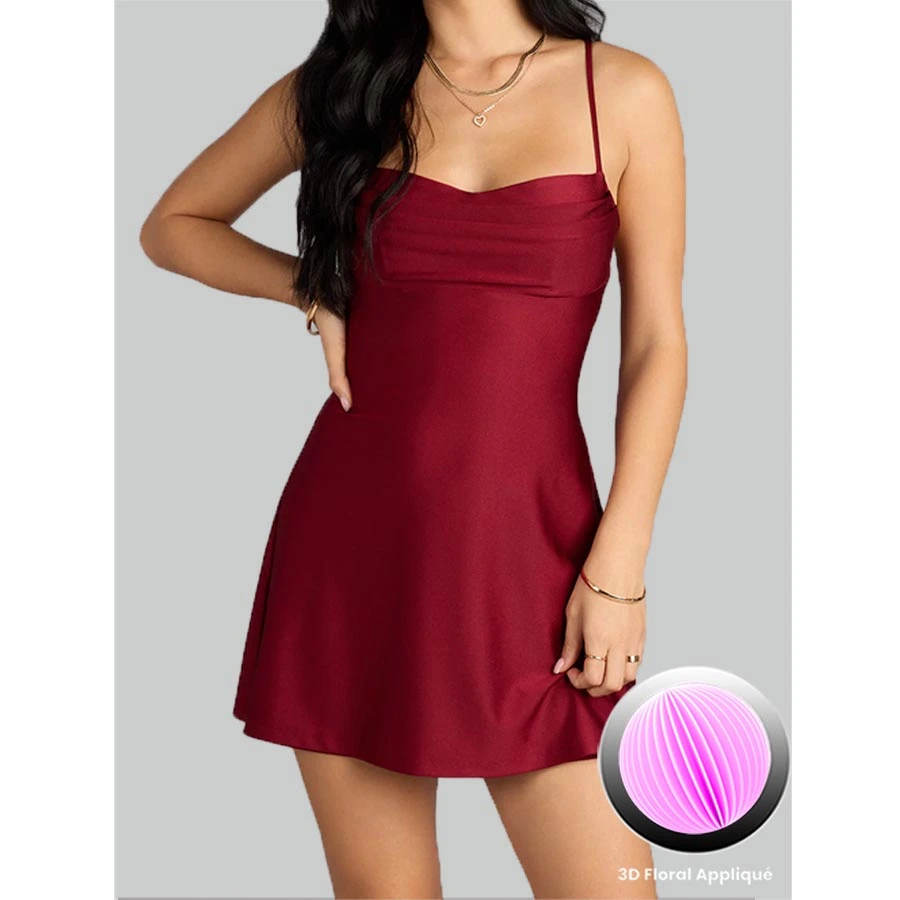
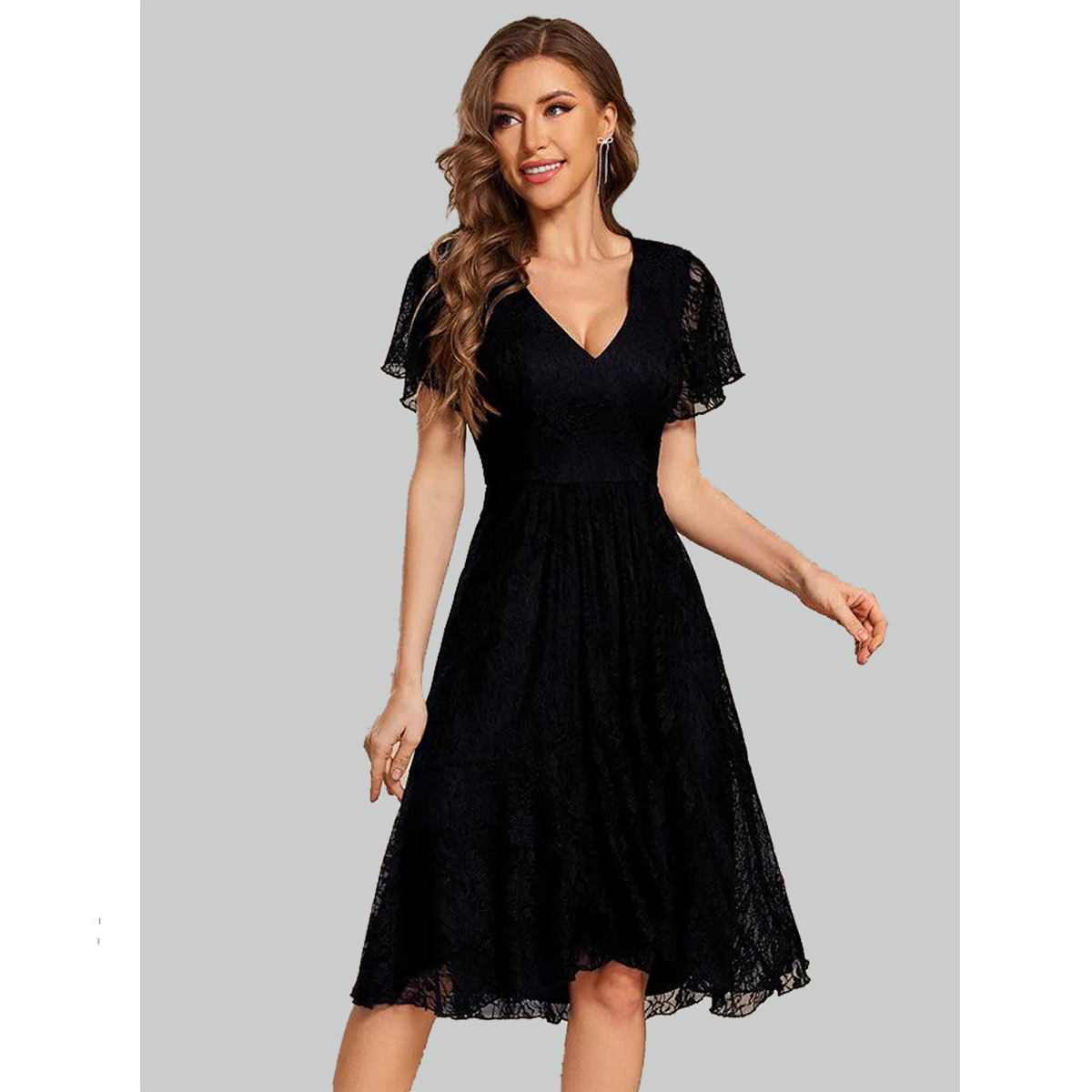
A-line dresses can look quite different depending on the fabric, length and pattern. We adjust the production method to the individual style instead of treating every A-line dress the same way.
Catalogue from Xiuyu Apparel
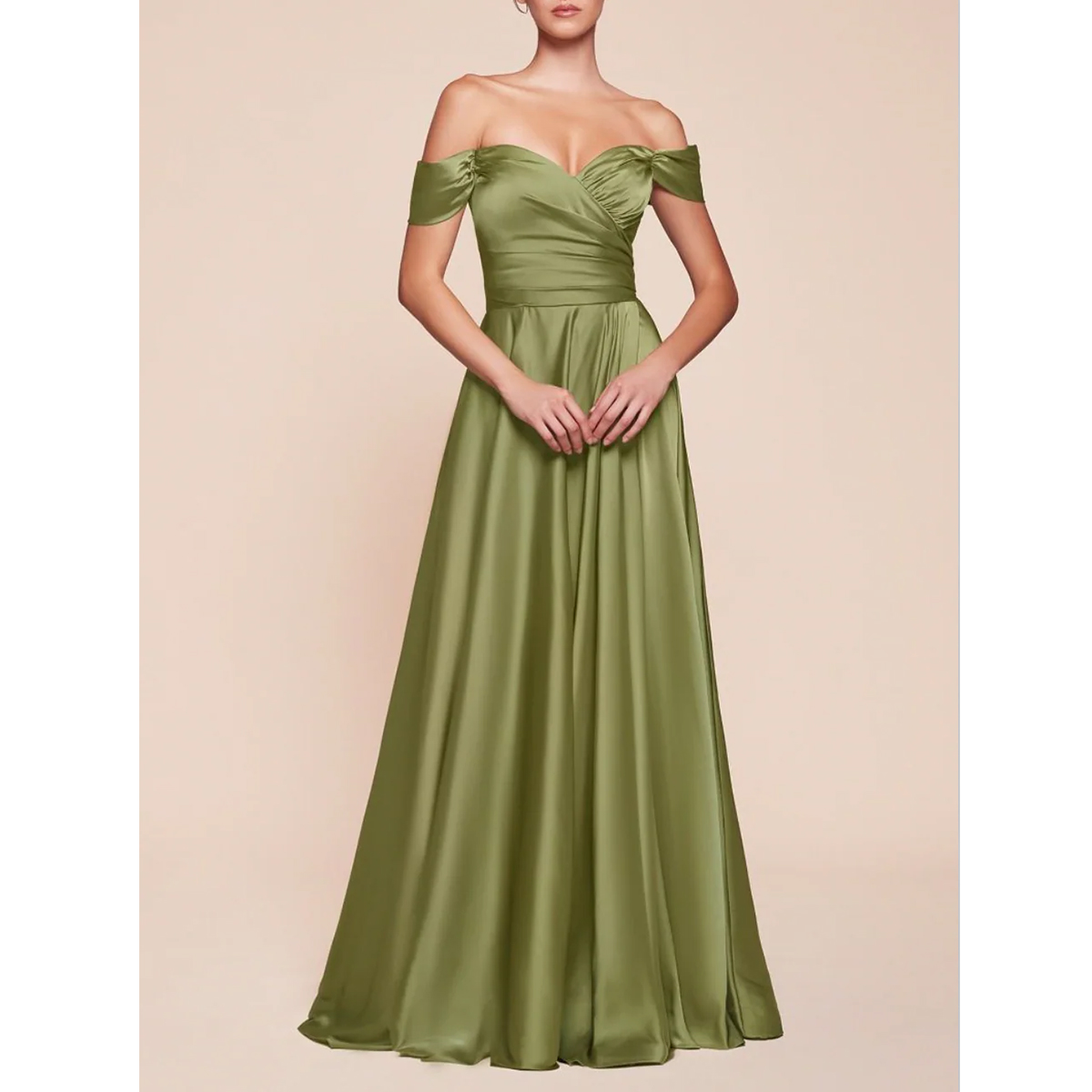
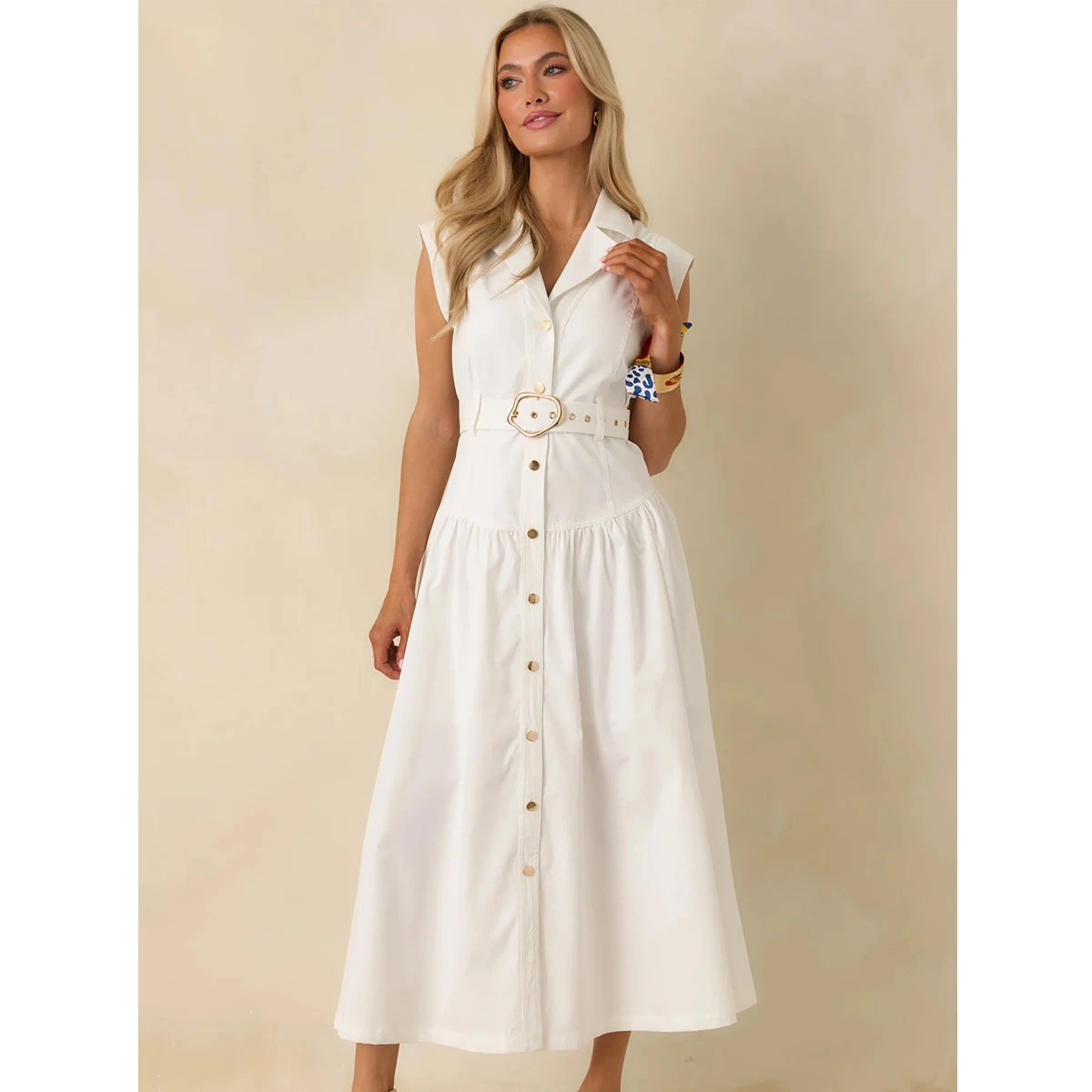
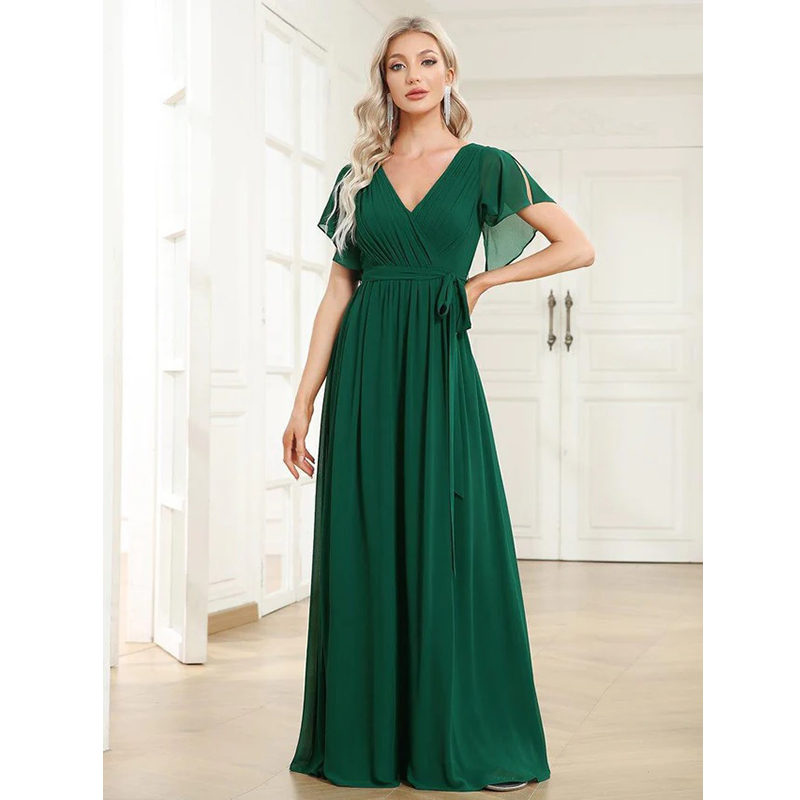
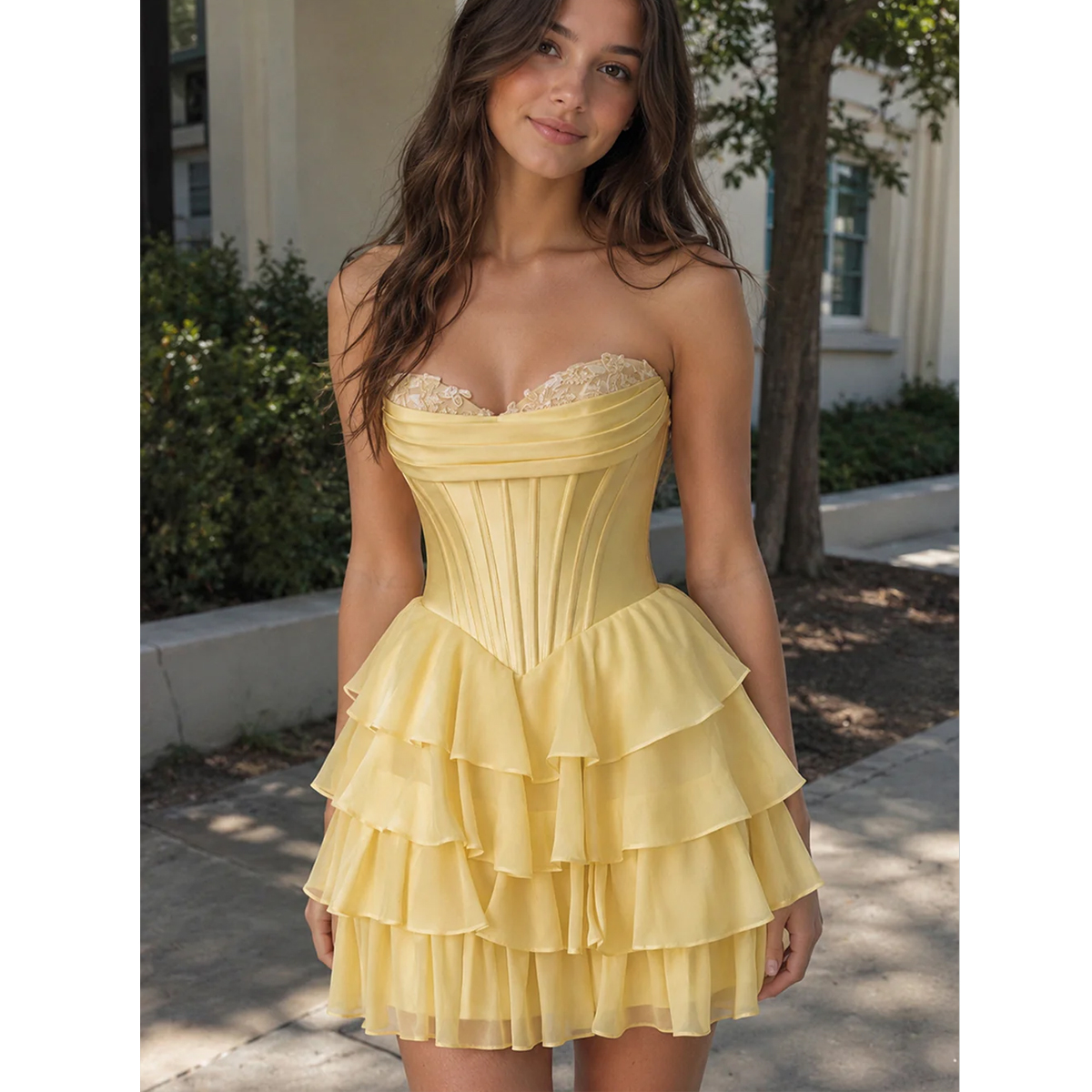
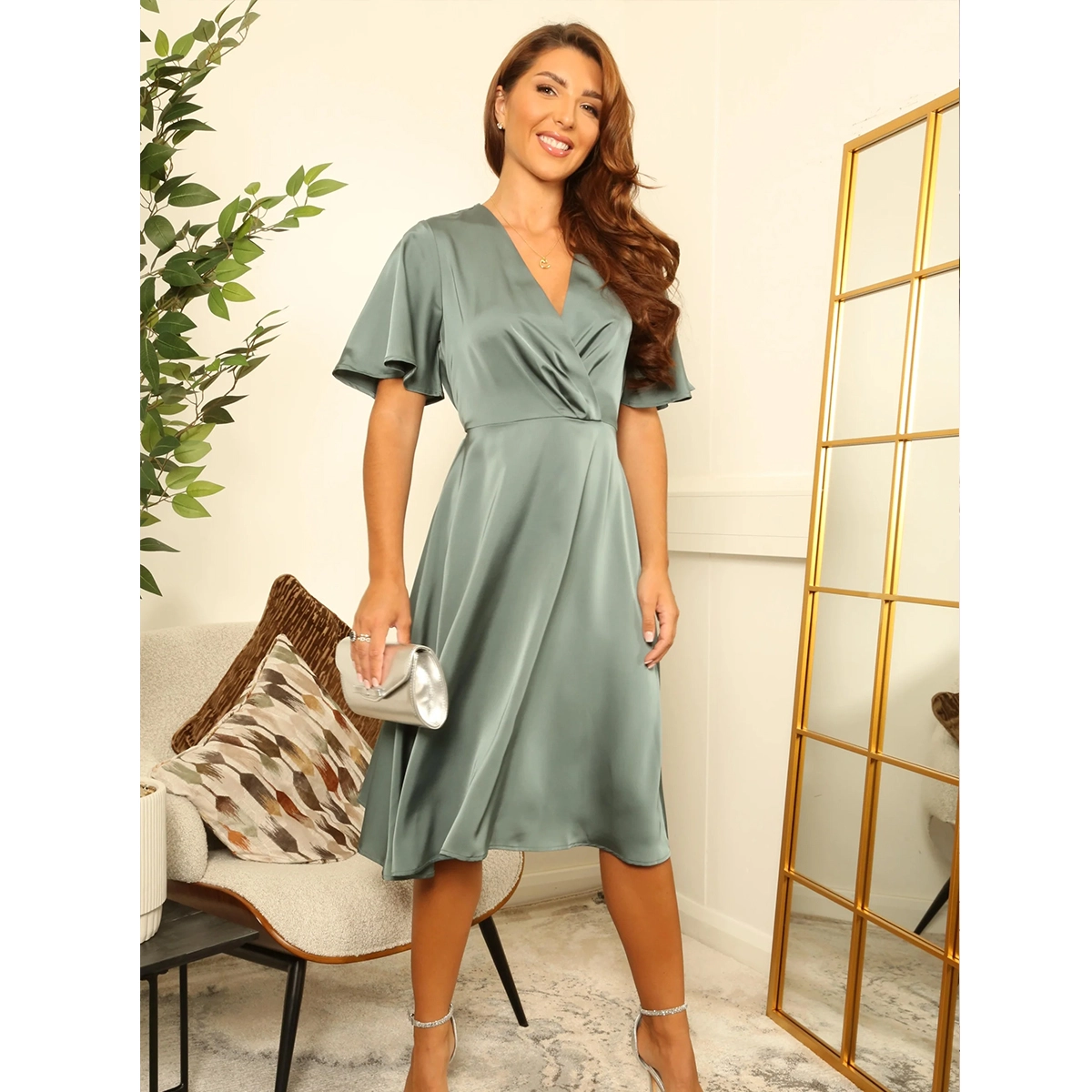
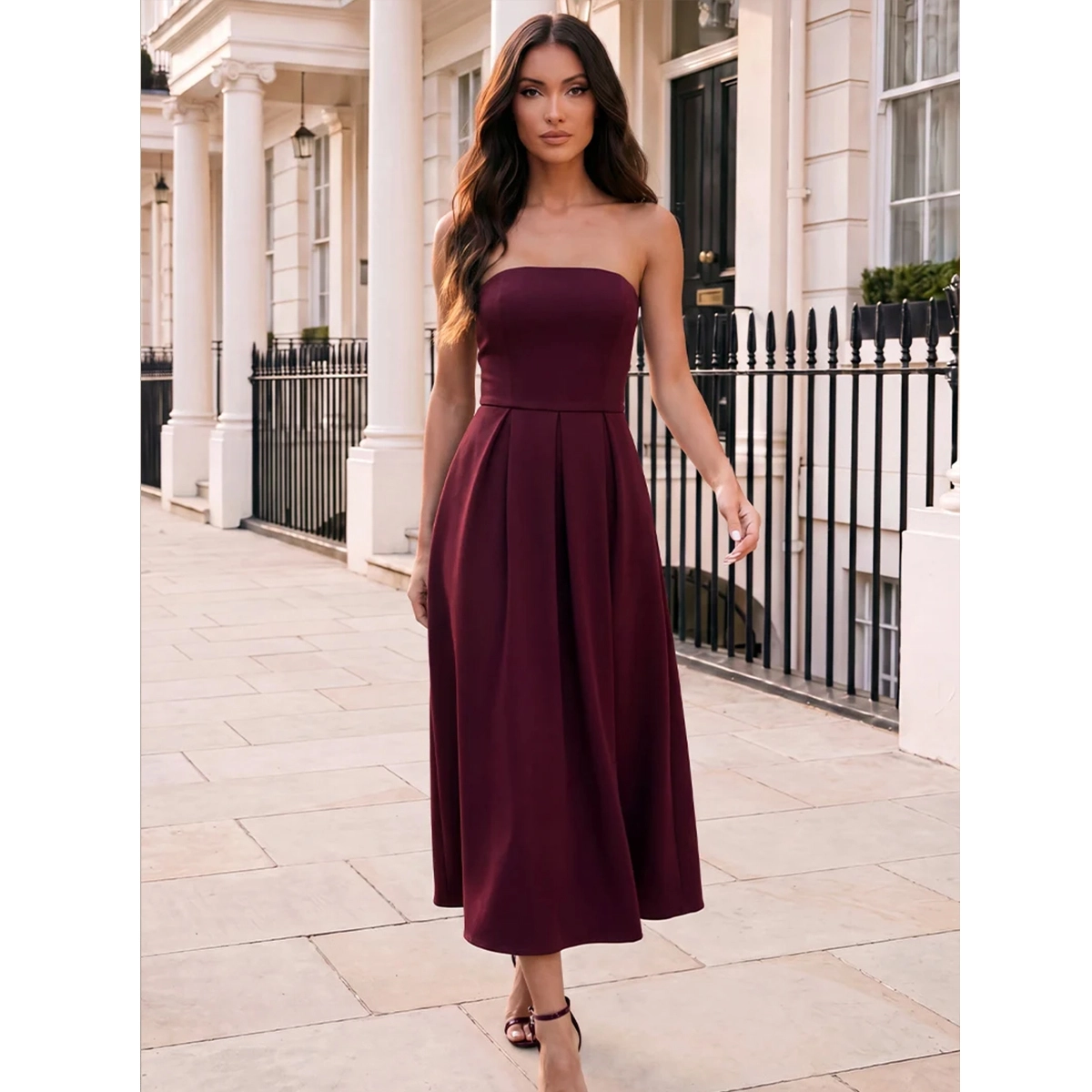
More A-Line Dress Styles We Manufacture
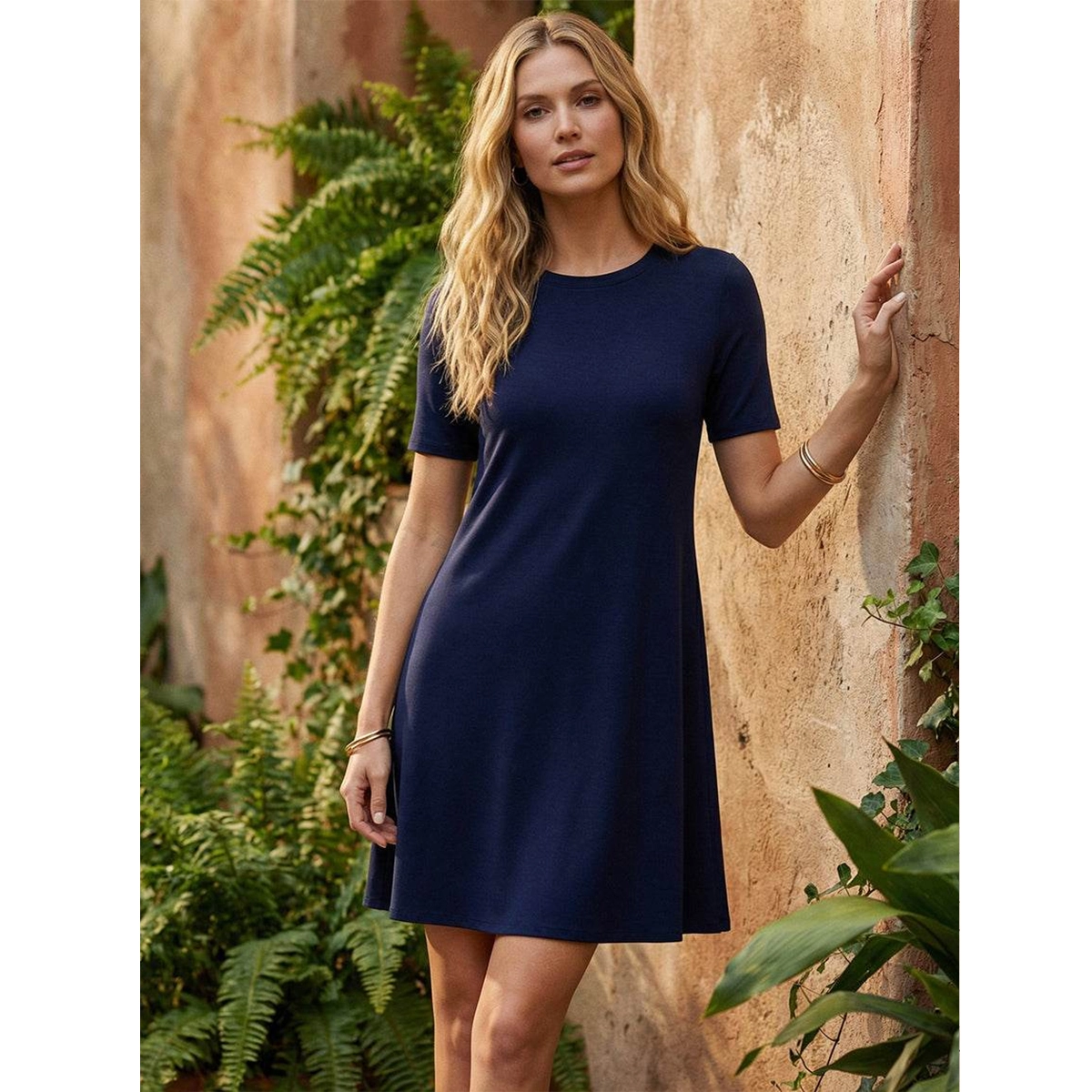
Casual A-Line Dress
Casual A-line dresses are usually made for repeated wear, so practical details can matter more than elaborate construction. Cotton, poplin, denim, jersey and rayon are common options. Pockets, washable fabrics and simple closures are often part of the original design brief rather than afterthoughts.
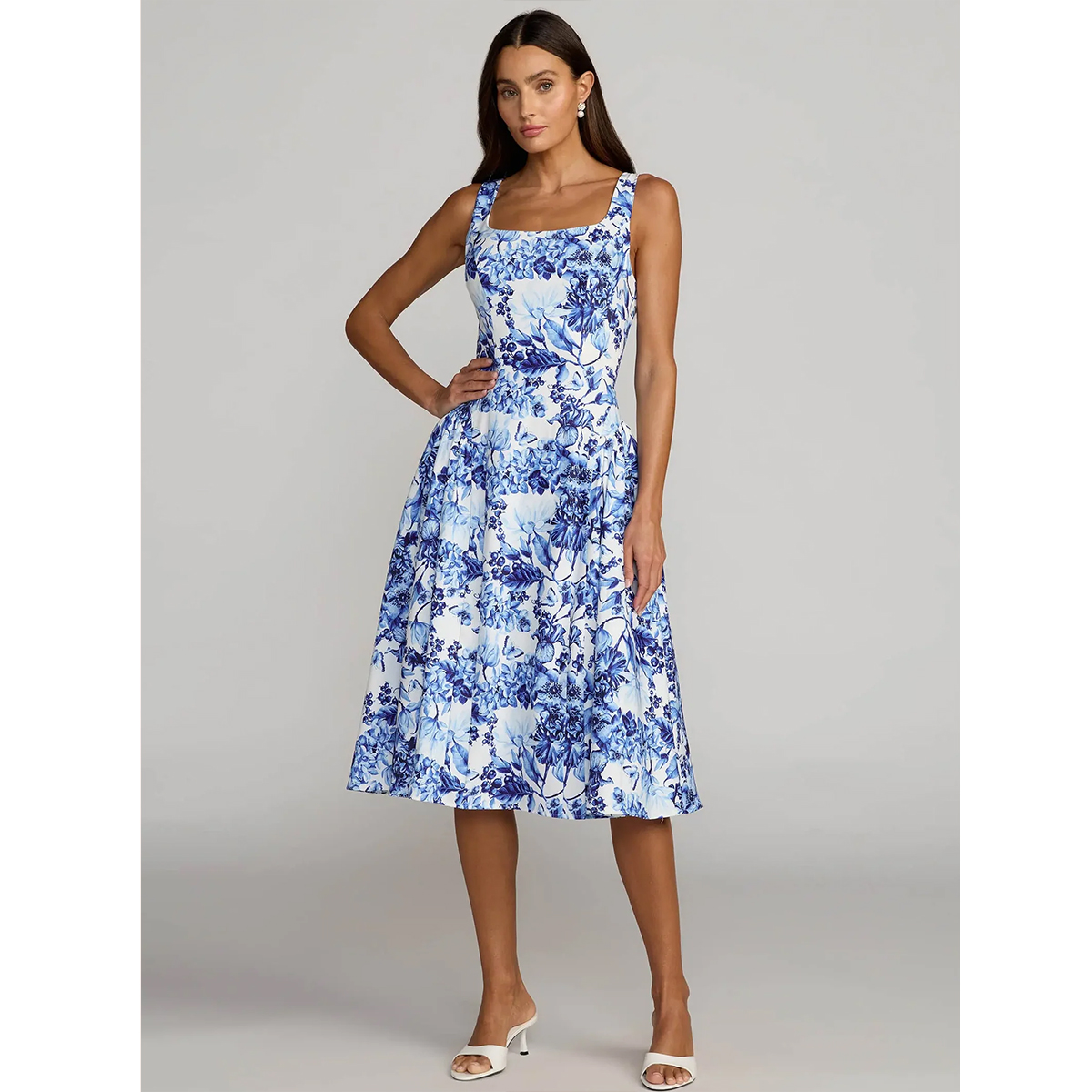
Floral A-Line Dress
Large floral prints can affect both the appearance and the fabric cost of an A-line dress. If the print has a clear direction or repeat, we look at the cutting layout before confirming the order. Sometimes the pattern pieces need to be turned or spaced differently to keep an important flower from being lost at a seam.
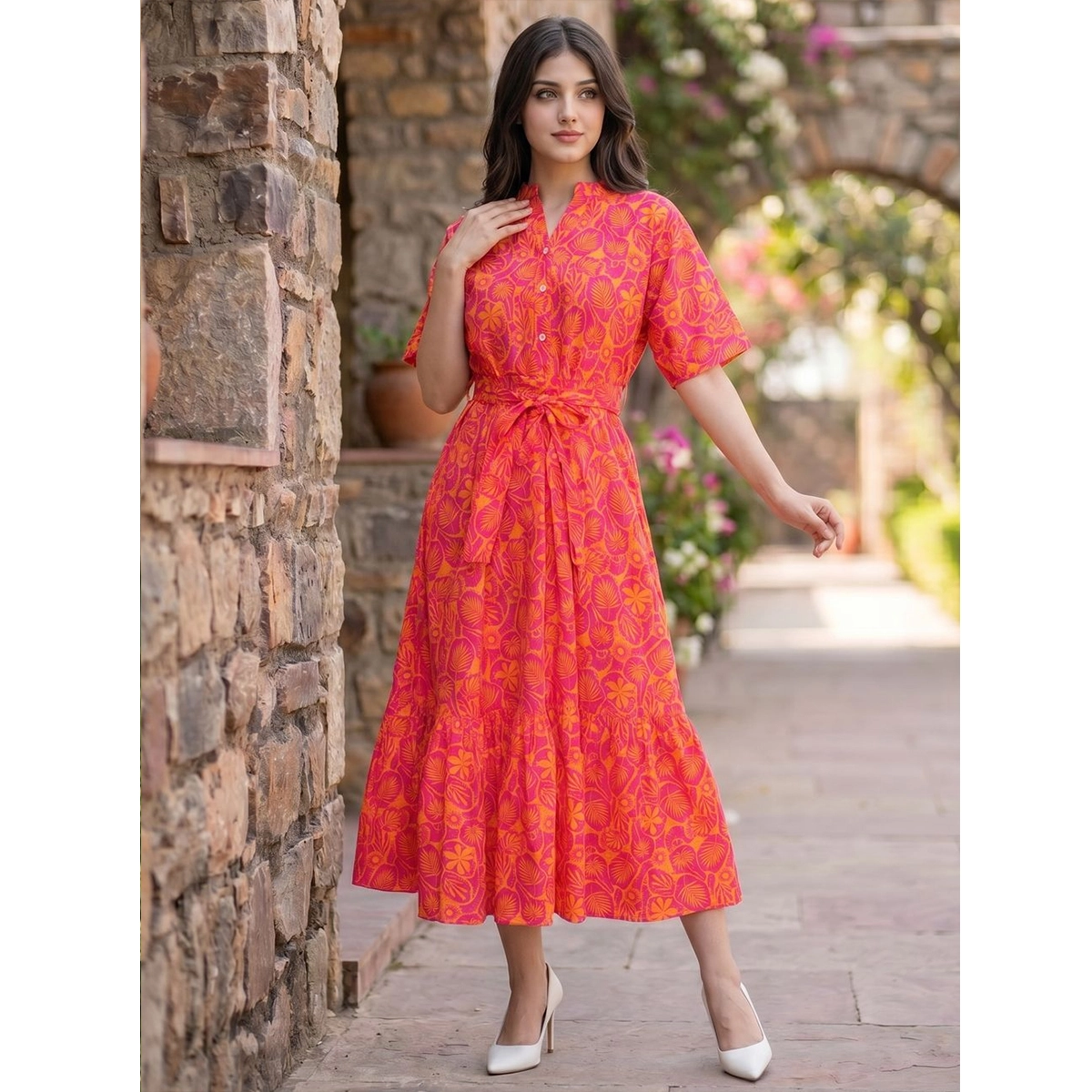
Printed A-Line Dress
Printed A-line dresses work well for seasonal and resort collections, but not every print behaves the same way in production. Small all-over prints are relatively forgiving. Stripes, directional artwork and large repeats take more fabric and more planning, particularly when the front and back panels are expected to line up.
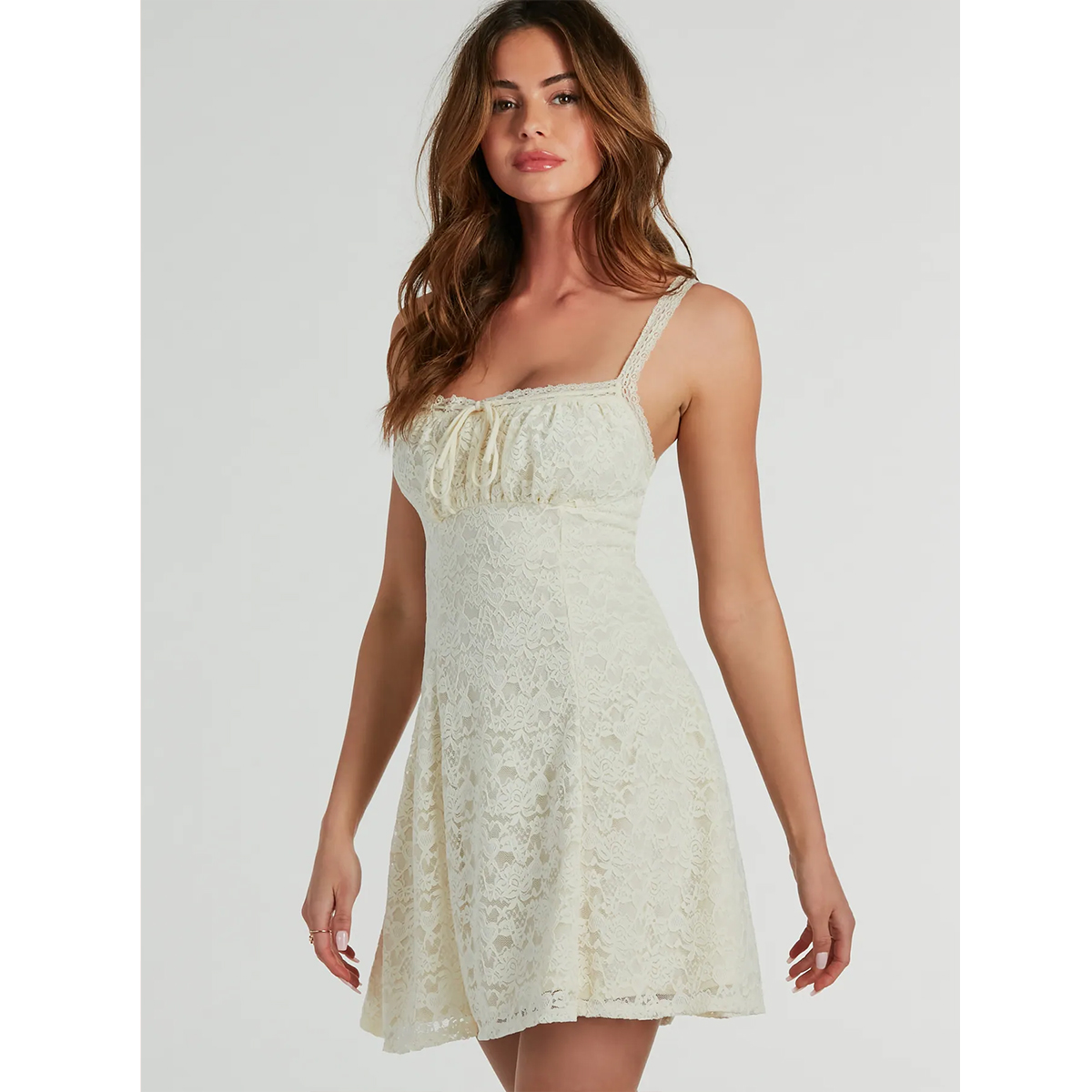
Lace A-Line Dress
Lace usually needs its own pattern and handling approach. The scalloped edge, repeat and lining determine where each piece can be cut. On a full lace dress, we may adjust seam positions to preserve the pattern instead of simply following the base pattern. The same applies when lace is used only on the bodice or sleeves.
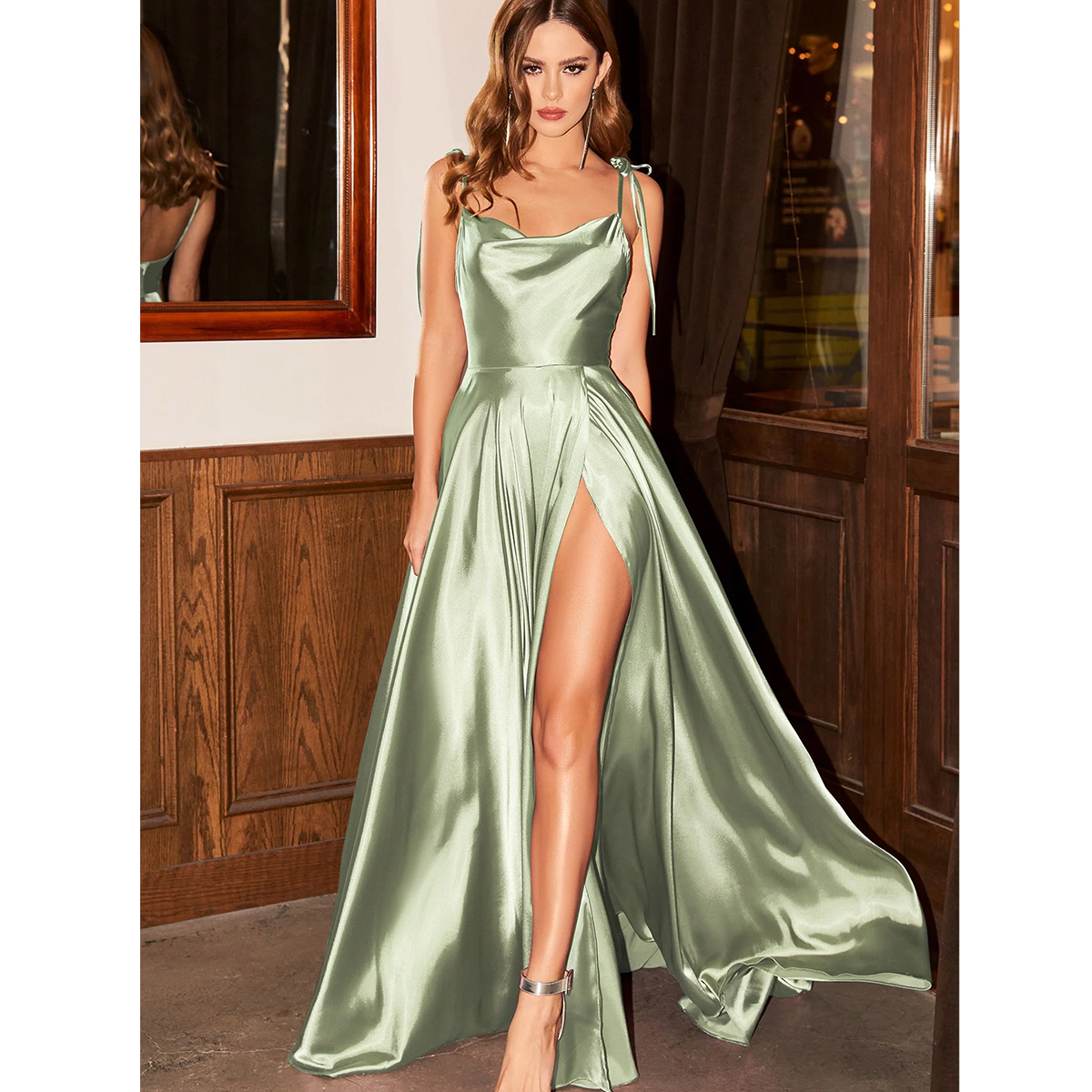
Satin A-Line Dress
Satin has a habit of showing every small construction problem. A slightly puckered zipper, uneven seam or pressing mark can become obvious under studio lighting. Grain direction is also important because satin can reflect light differently across the garment. Sampling is where these issues are usually easier and cheaper to correct.
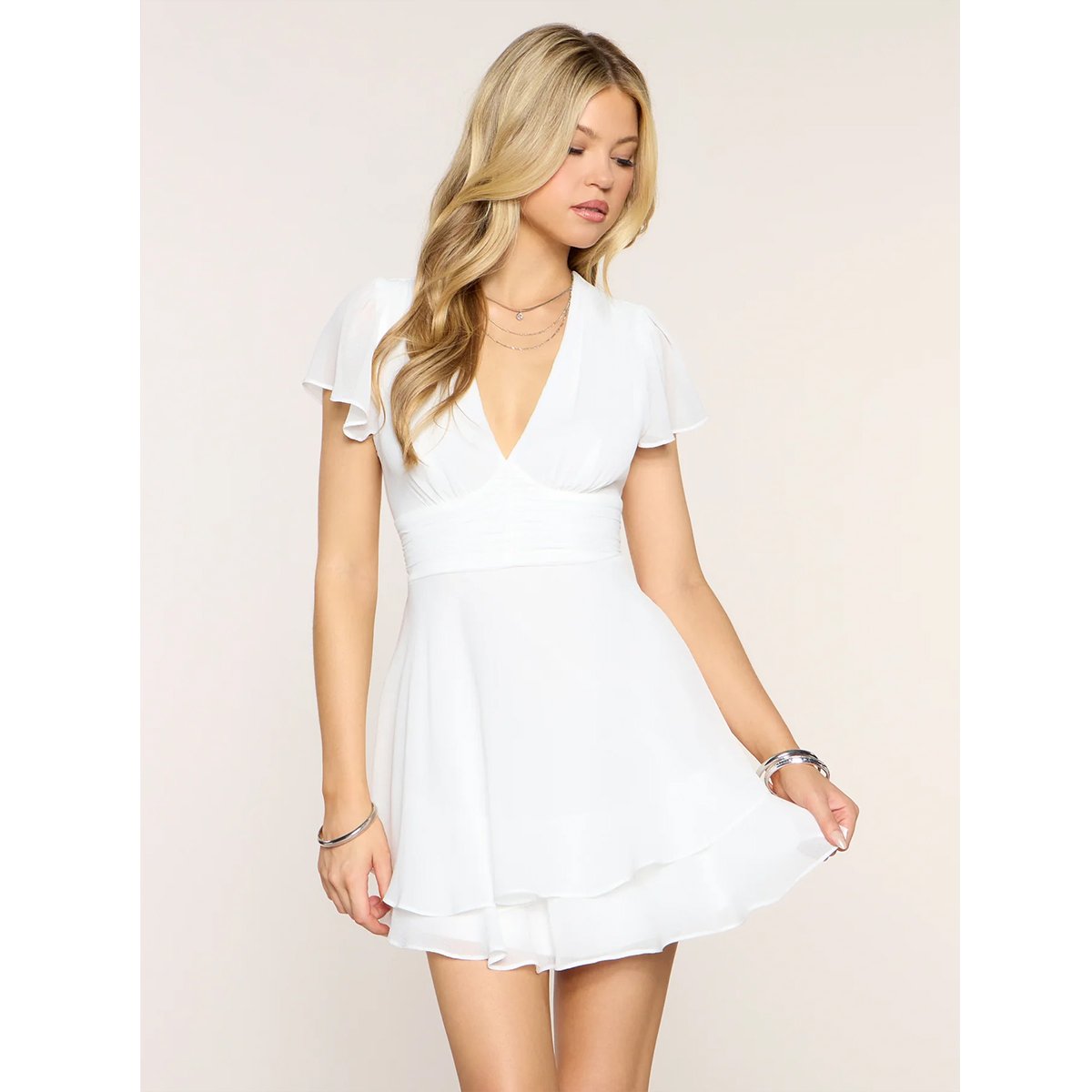
Chiffon A-Line Dress
Chiffon gives the skirt a soft, floating quality, but it is less forgiving during cutting and sewing. The fabric can shift between layers and the finished hem may change after it has hung for a while. For longer chiffon dresses, we usually allow the garment to settle before making the final hem adjustment.
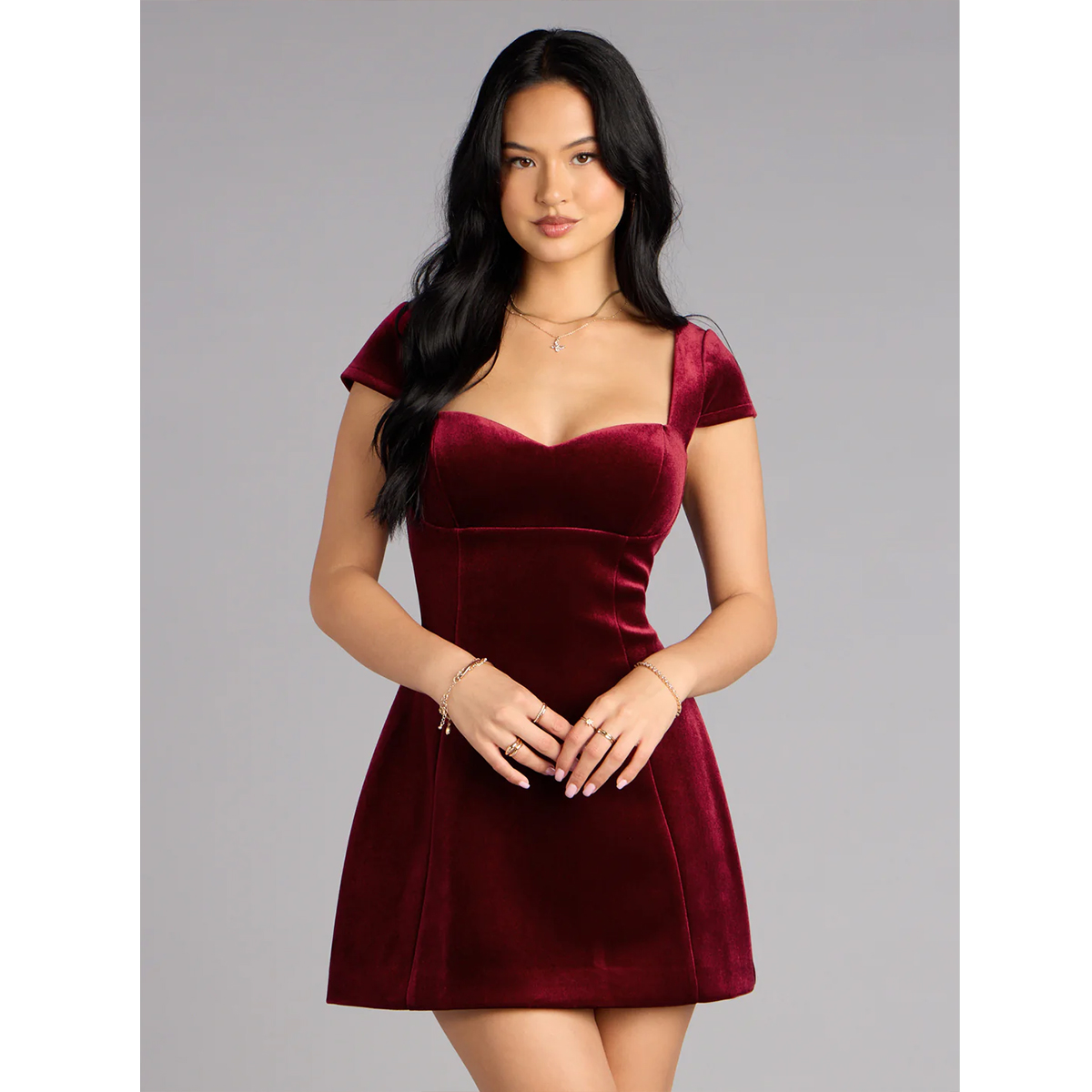
Velvet A-Line Dress
Velvet is heavier than many dress fabrics, and its pile direction changes the way the color looks. All panels therefore need to follow the same direction. Pressing also needs restraint because too much heat or pressure can flatten the pile. These details are easy to overlook when a sample looks fine from a distance.
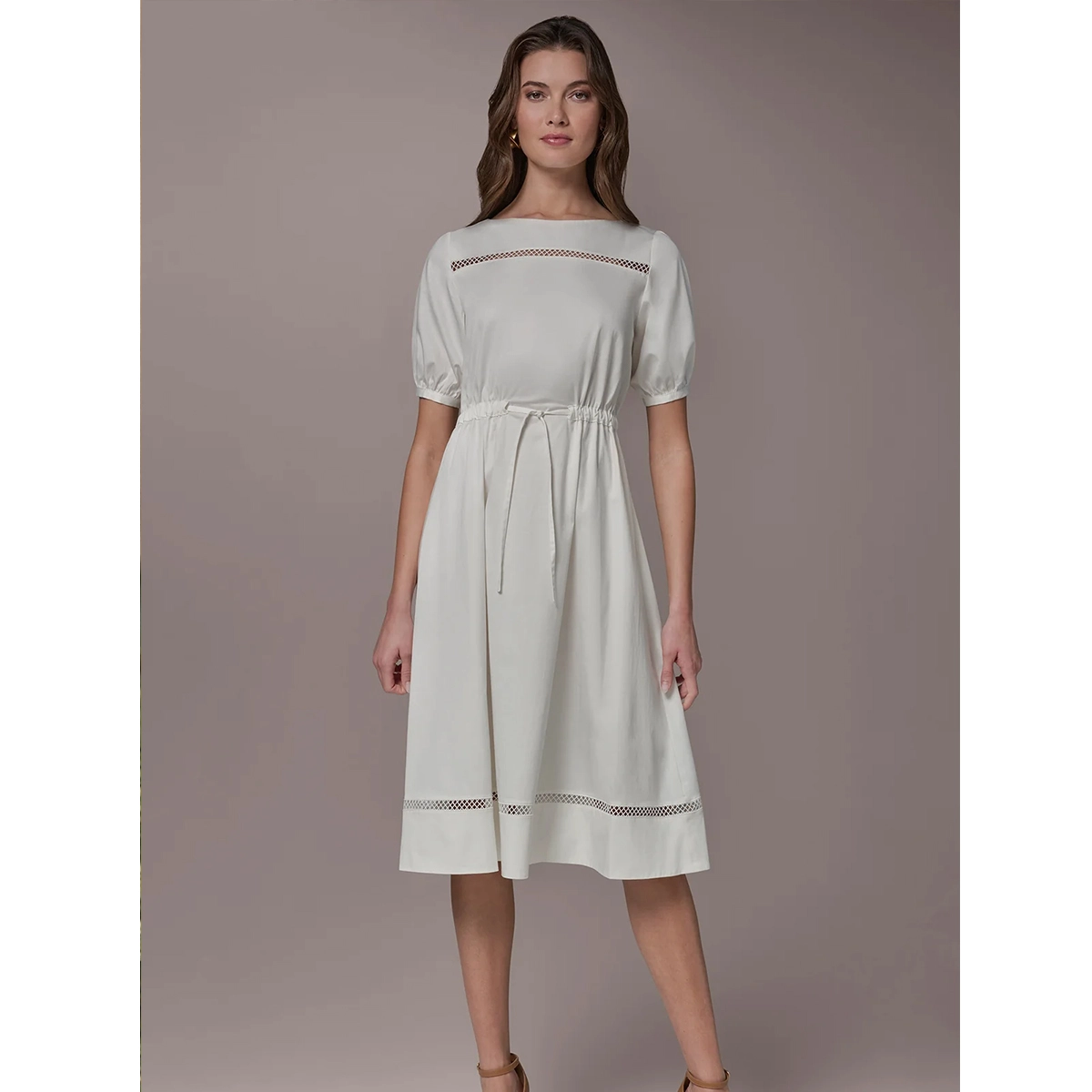
Cotton A-Line Dress
Cotton works across a wide range of A-line styles, from crisp poplin dresses to softer everyday pieces. The fabric itself often determines how much shape the skirt will hold. For washable styles, shrinkage and seam puckering are more important than they may appear on the first sample, so fabric testing is useful before grading.
Factory Certifications
Our factory holds BSCI, GOTS, ISO 9001 and OEKO-TEX certifications.
Certification requirements can vary by product and buyer. We can provide the relevant documents when they are required for the order.
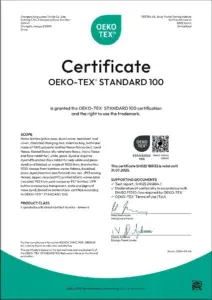 OEKO Certificate
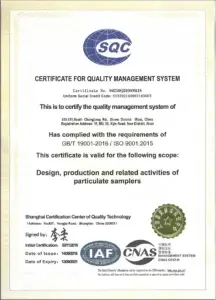 ISO9001 Certificate
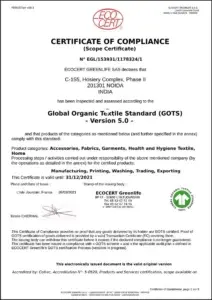 GOTS Certificate
A-Line Dress Customization Options
Changing one part of an A-line dress can affect another part of the construction.
For example, changing the fabric may alter the skirt volume. A new neckline can require a different bodice pattern, while embroidery or sequins may affect seam construction and fabric consumption.
We usually identify these points while developing the sample, before bulk production starts.
Depending on the style, we can add details such as:
- Pleats
- Ruffles
- Smocking
- Pintucks
- Embroidery
- Printing
- Lace
- Sequins
- Beading
- Buttons
- Pockets
- Bows
- Decorative trims
We can develop different neckline shapes, including:
- Round neck
- V-neck
- Square neck
- Sweetheart neckline
- Halter neck
- High neck
- Off-shoulder neckline
The neckline is connected to the bodice construction. A deeper V-neck, for example, may require different support from a round or high neckline.
Available sleeve options include:
- Sleeveless
- Short sleeve
- Long sleeve
- Puff sleeve
- Bell sleeve
- Ruffle sleeve
- Cap sleeve
Sleeve width, volume, and armhole shape need to match the bodice. This becomes more important with puff sleeves, heavier fabrics, or decorative fabrics that do not move like a soft woven material.
We can produce different A-line lengths, including:
- Mini A-line dresses
- Knee-length A-line dresses
- Midi A-line dresses
- Maxi A-line dresses
If you already have target measurements, you can send the finished length and other key measurements for your market. We can develop the pattern around those specifications rather than using a standard retail size.
Why Brands Use Our A-Line Dress Factory
A-line dresses are often ordered as part of a wider collection. In that case, sewing is only one part of the job. Fabric sourcing, sampling, labels, packaging and repeat production also need to stay coordinated.
We handle these steps within the same production system.
- Low MOQ: Some styles can start from around 50–100 pieces per style. MOQ depends on fabric, color, construction and order requirements.
- Sample Development: Samples can be developed from a tech pack, sketch, reference garment or photos.
- Fabric Sourcing: Your own fabric can be used, or we can source alternatives based on the construction and target cost.
- Private Label: Woven labels, care labels, hangtags, barcodes and branded packaging can be included.
- Production QC: Fabric is checked before cutting, garments are checked during sewing, and finished pieces are inspected before packing.
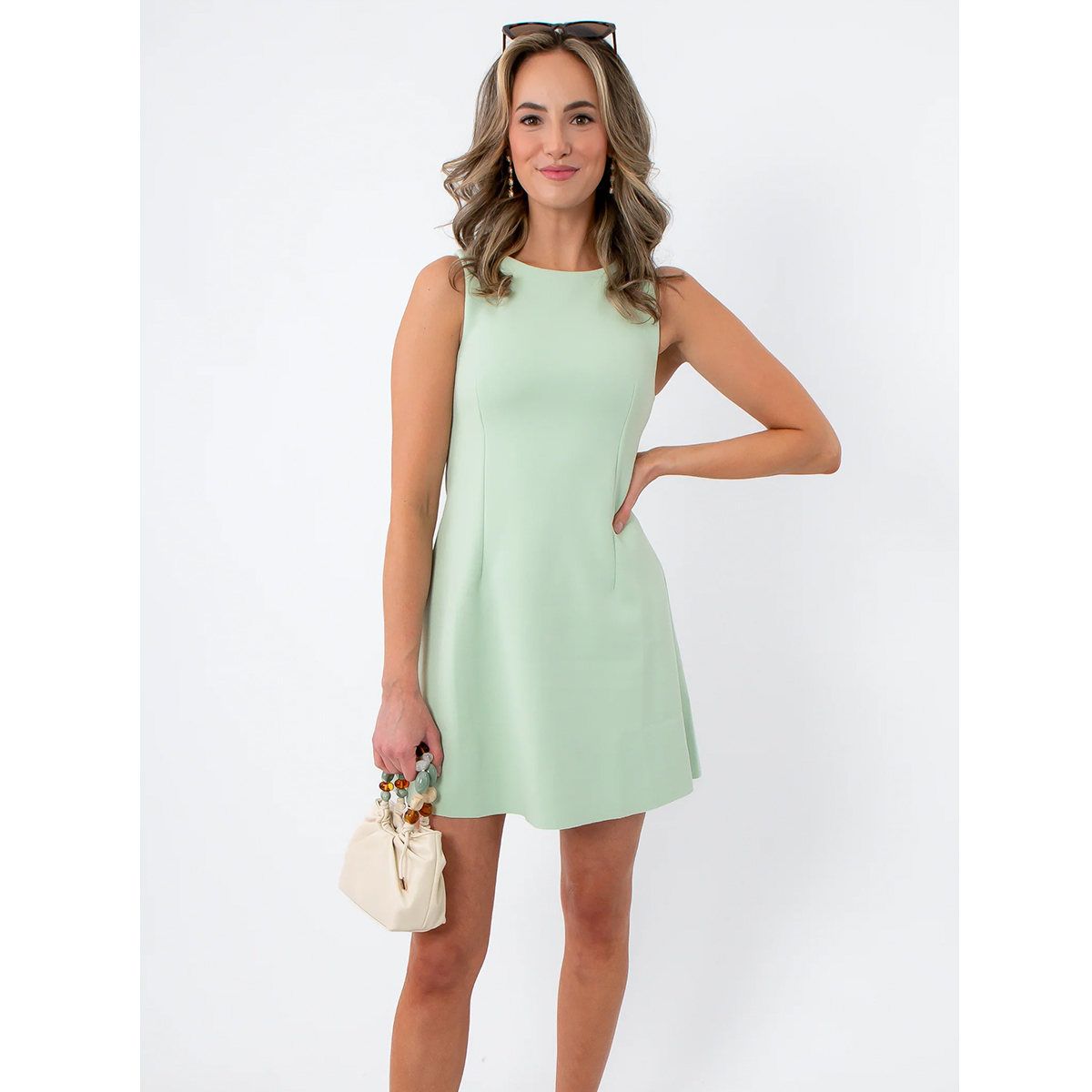
Private Label A-Line Dress Manufacturing
Your A-line dress can be produced with your own labels and packaging, so the finished order is ready for your brand rather than arriving as a plain garment.
Depending on your requirements, we can arrange:
- Woven neck labels
- Care labels
- Size labels
- Hangtags
- Printed labels
- Barcode labels
- Branded polybags
- Custom trims
- Custom packaging
If you already have label artwork, packaging files, or branding specifications, send them with your tech pack or sample details. We can check the size, placement, material, and production requirements before the order goes into bulk production.
For new brands, it is often easier to confirm the garment and branding details together. This helps avoid having the dress ready while labels, hangtags, or packaging are still being finalized.
Common A-Line Dress Manufacturing Problems We Check
A-line dresses can look quite different once the pattern is cut in the actual fabric. During sampling, we pay attention to the areas that most often change the shape or appearance of the finished garment.
The Skirt Does Not Have Enough Flare
Sometimes the measurements are correct, but the skirt still looks too straight.
In many cases, the issue is the pattern balance or not enough flare through the skirt. We compare the sample with the approved reference and adjust the pattern if the silhouette is not opening enough.
The Skirt Looks Too Heavy
A fuller A-line skirt can become quite bulky when the fabric has a lot of weight or when a heavy lining is added.
If the design is meant to move when worn, we check the fabric and lining together rather than looking at the outer fabric alone. A small change in fabric weight can make a noticeable difference to the skirt.
The Hem Looks Uneven
This can happen more easily with longer A-line dresses, especially when the fabric has more drape or needs time to relax after cutting and sewing.
We check the hem on the finished garment and allow the fabric to settle when necessary before making the final hem adjustment.
The Waist and Skirt Do Not Look Balanced
The waist, skirt flare, and dress length need to work together.
For example, increasing the skirt volume without changing the waist or overall proportions can make the dress look heavier than the original reference. We check the complete silhouette rather than adjusting one measurement on its own.
The Print Placement Changes the Look
A large floral, stripe, or directional print can change the appearance of an A-line dress depending on where the pattern pieces are cut.
For these styles, we check the print repeat and direction before cutting. If specific flowers or artwork need to line up across seams, this also needs to be considered when planning fabric consumption.
Related Dress Manufacturing Categories
Beyond a-line dresses, Xiuyu Apparel also develops and manufactures different types of occasionwear and fashion dresses for brands, retailers, and private label companies.
Explore our related dress manufacturing categories:
- Dress Manufacturer
- Corset Dress Manufacturer
- A Line Dress Manufacturer
- Halter Dress Manufacturer
- Chiffon Dress Manufacturer
- Formal Dress Manufacturer
These related categories allow you to develop different dress styles through the same OEM/ODM production system.
A-Line Dress Production Process at Our Factory
Once the sample and production details are approved, the order moves through several stages before the finished dresses are packed for shipment. We check the order at different stages because a problem found during cutting or sewing is easier to correct than one found after the garment is finished.
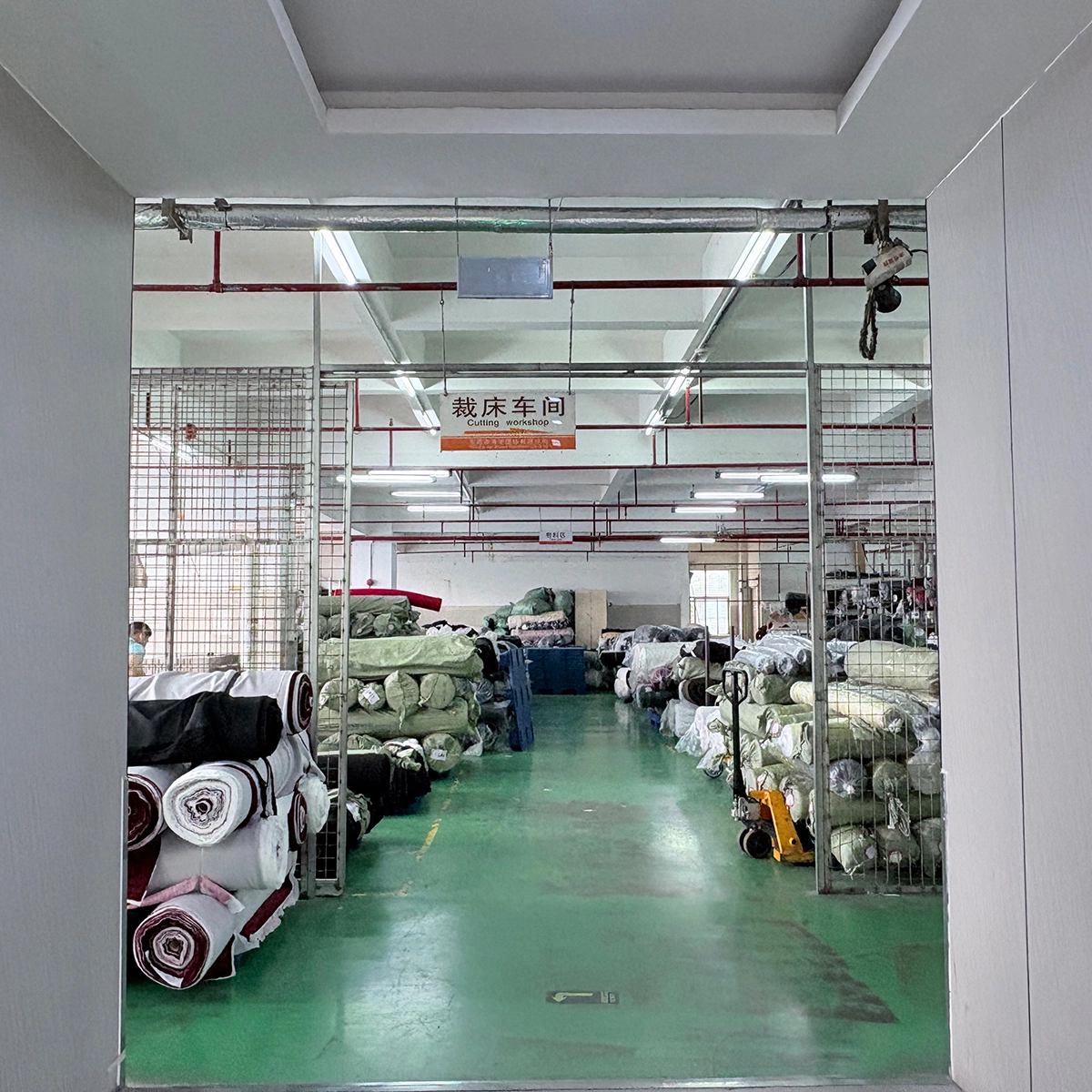
Fabric Warehouse
Fabric rolls are received and stored before production starts. We record the fabric information against the order so the cutting and production teams are working with the correct material, color, and quantity.
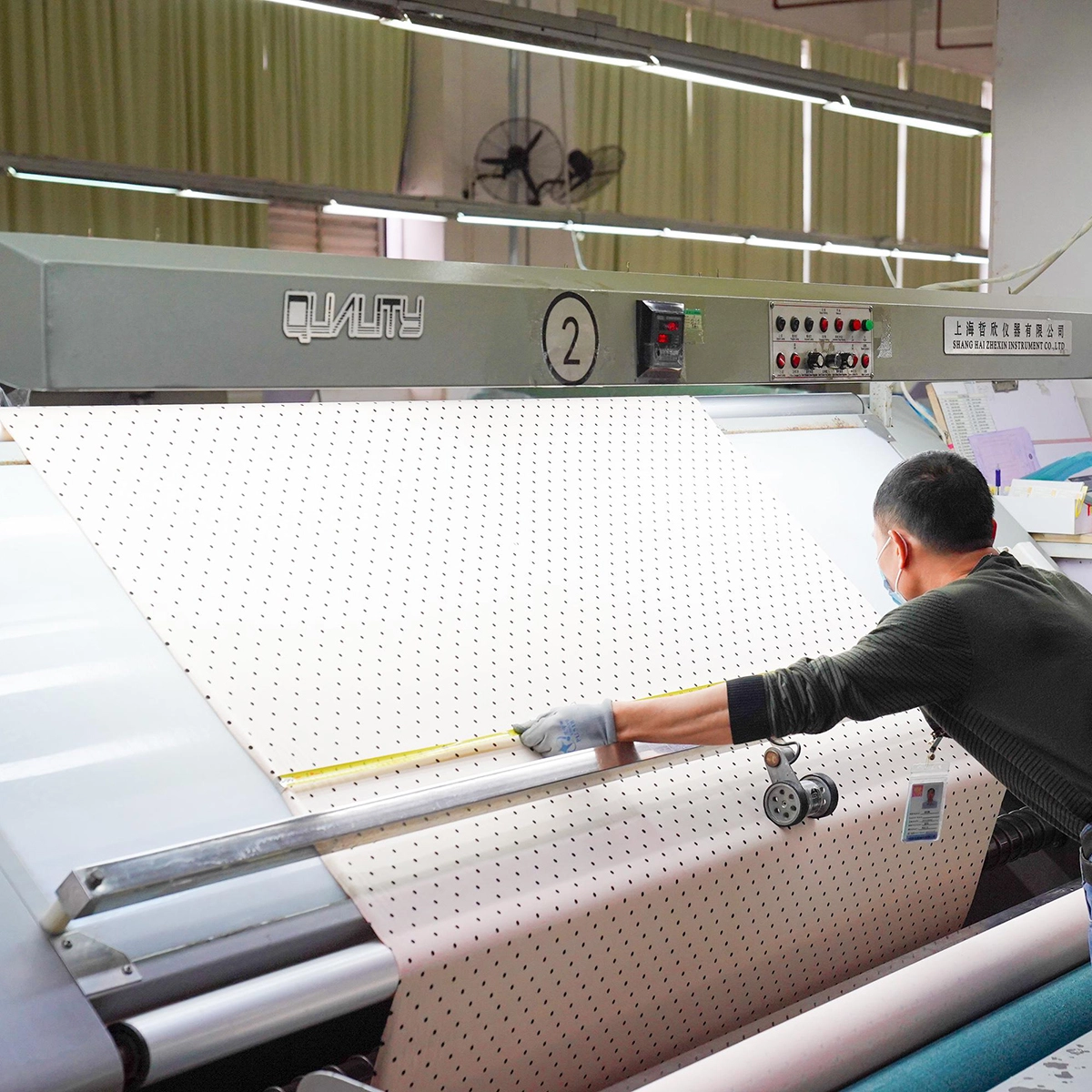
Fabric Inspection
Before cutting, the fabric is checked for visible defects, color differences, stains, weaving issues and other problems that could affect the finished dress.
For larger orders, this check is done before the fabric becomes cut panels, when replacing a defective section is much harder.
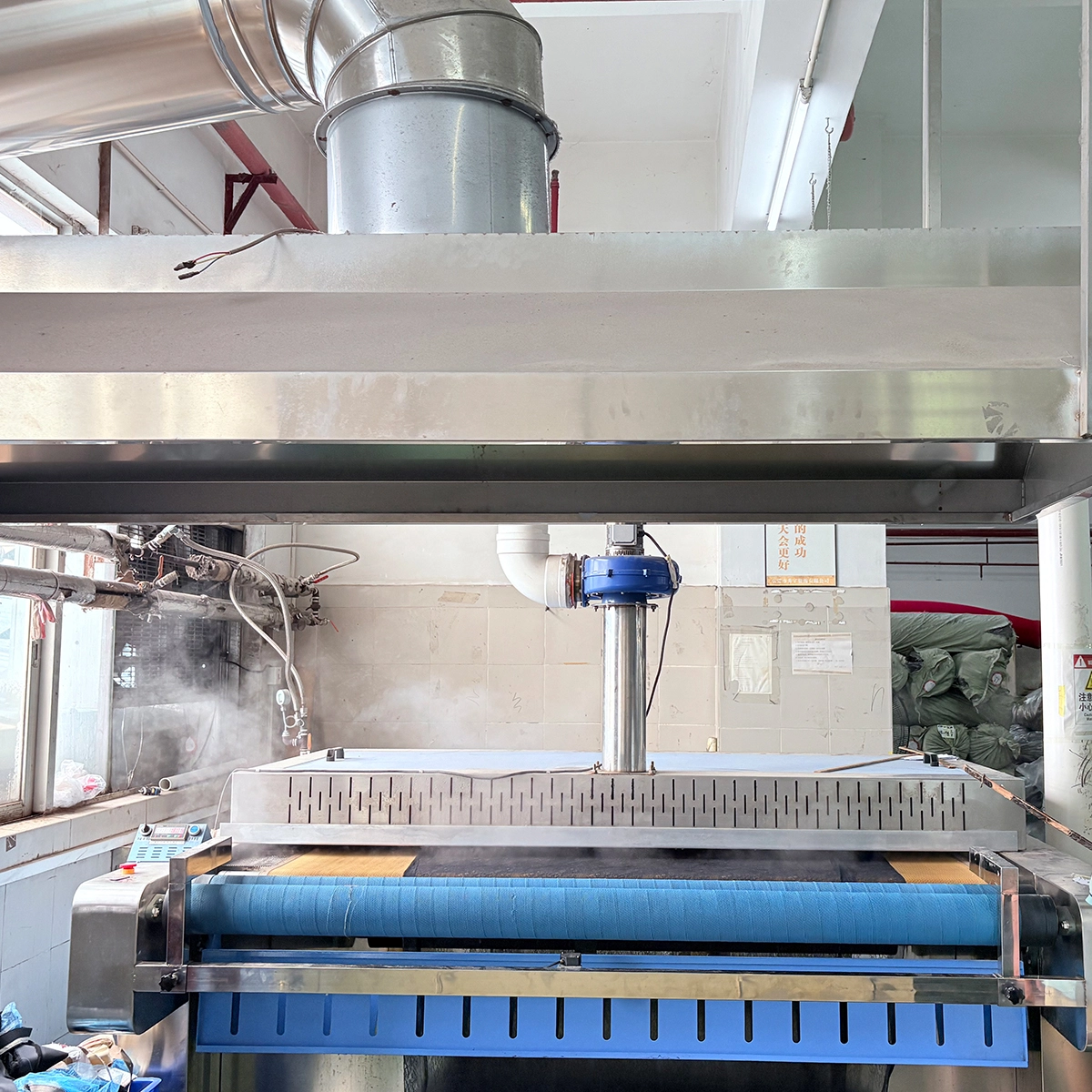
Fabric Pre-Shrinking
Not every fabric needs the same pre-shrinking treatment.
When shrinkage needs to be controlled, the fabric is processed before cutting rather than after the garment has been made. This is particularly important when the finished measurements need to stay close to the approved PP sample.
The treatment depends on the fabric type and its finishing requirements.
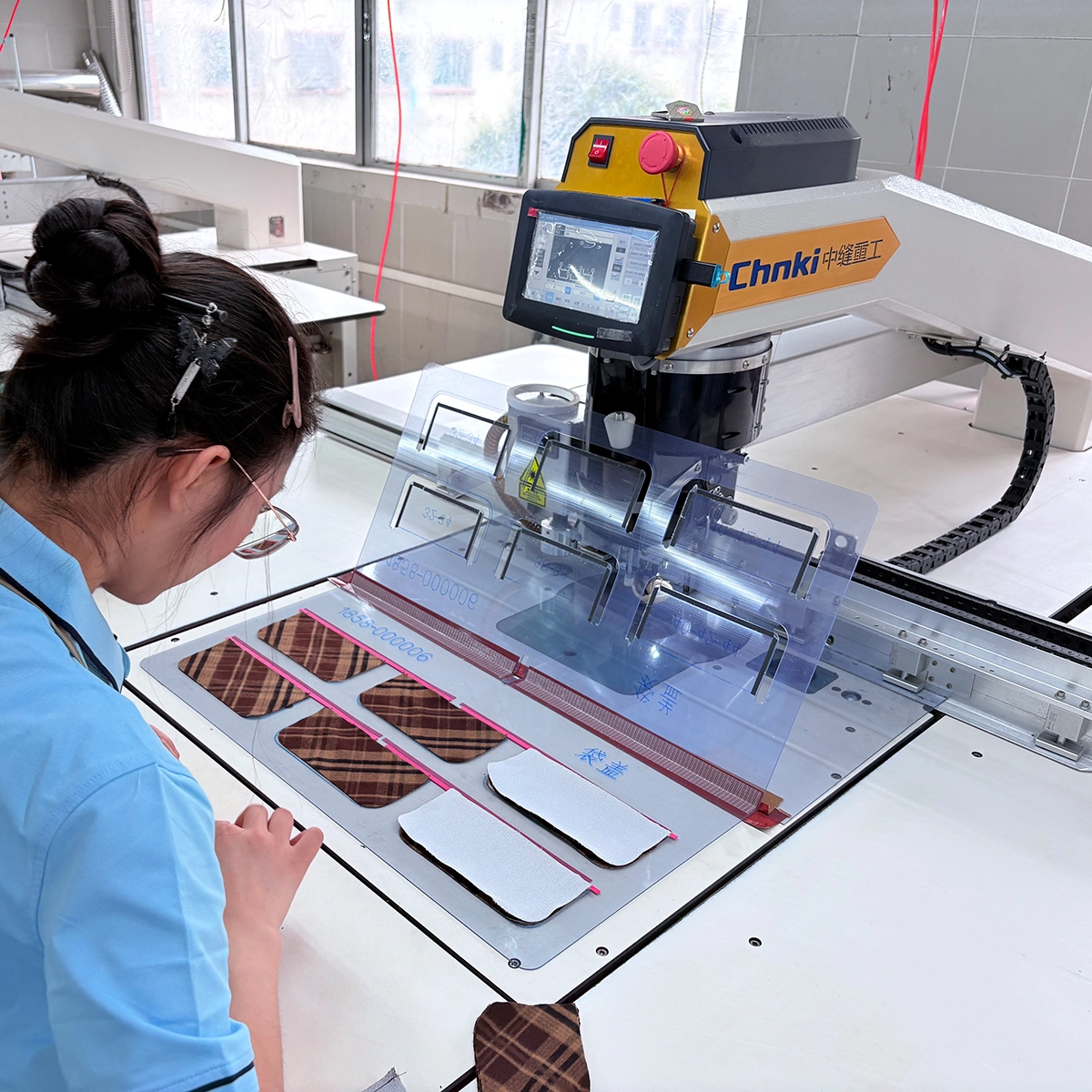
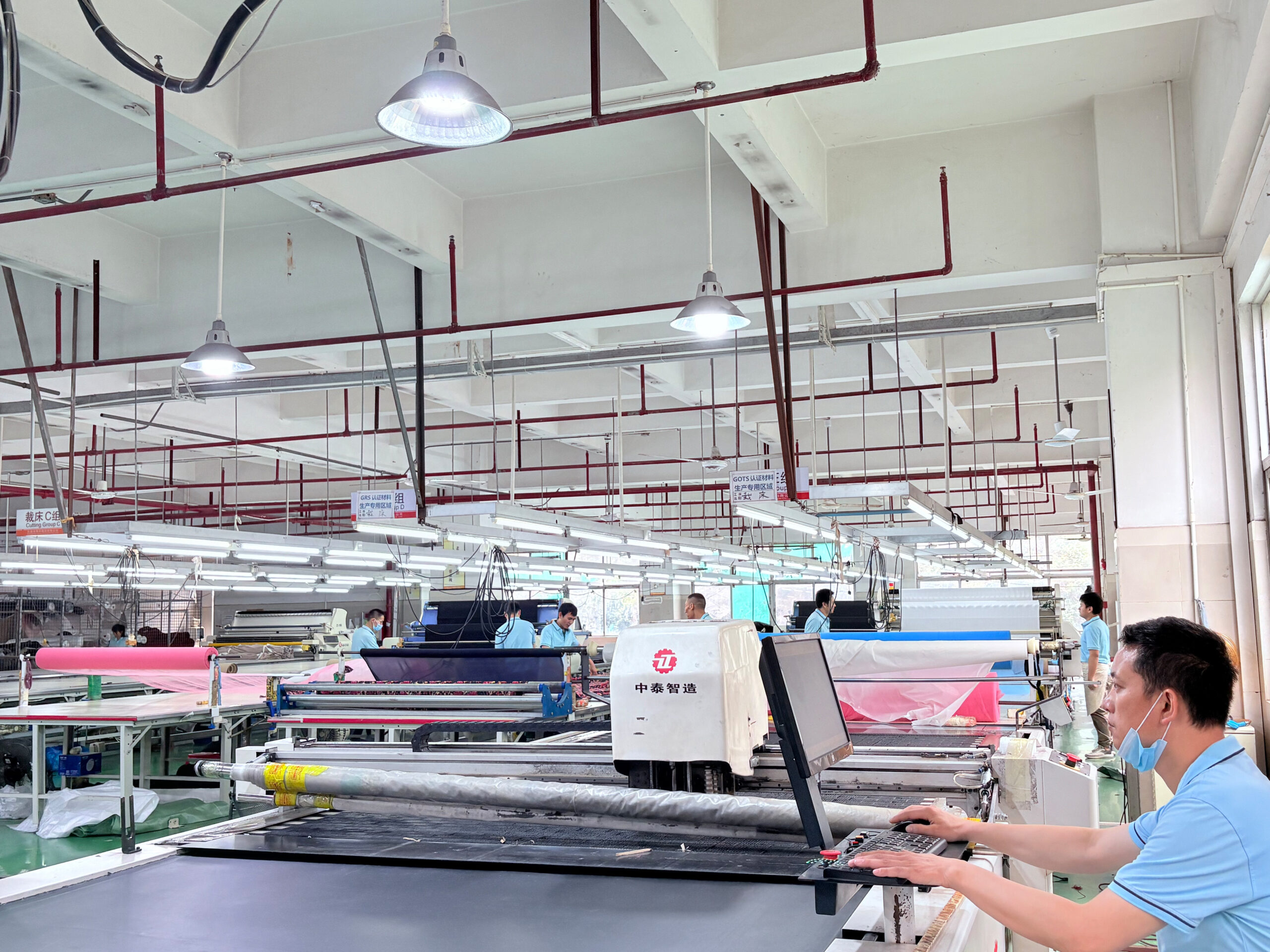
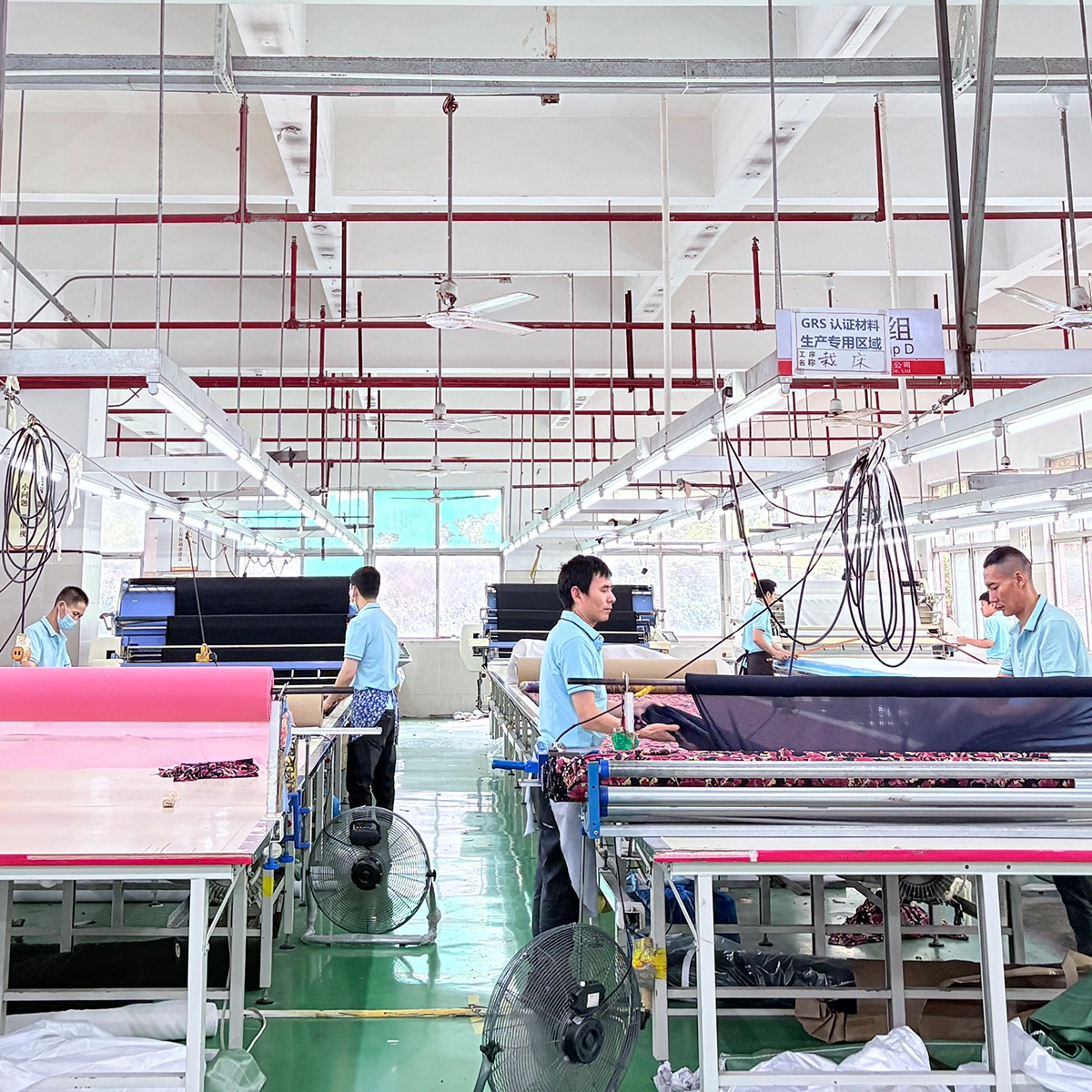
Automatic Cutting
After the production pattern is confirmed, the fabric is laid and cut according to the approved marker.
Automatic cutting helps keep the panels consistent from one size to another. With an A-line dress, the skirt flare also needs to be considered during marker planning because a wider hem can increase fabric consumption.
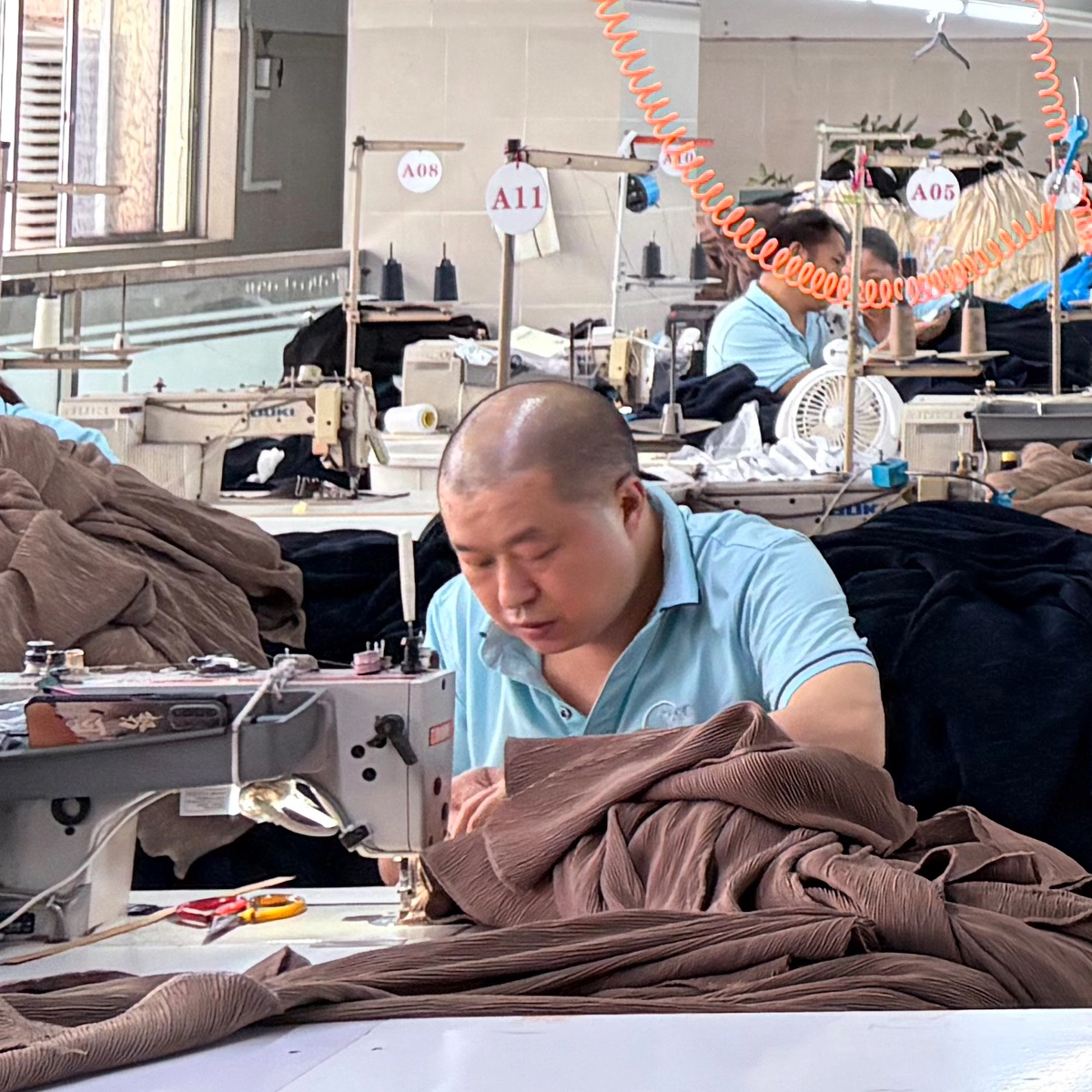
Sewing
The cut panels move to the sewing line according to the approved construction.
Operators follow the sample, pattern, and sewing specifications. Particular attention is given to areas such as the waist seam, neckline, armholes, sleeves, zipper, and skirt panels, where small construction differences can change the final appearance.
In-Line Inspection
QC checks the garments during sewing instead of waiting until everything has been completed.
Measurements, stitching, seam construction, and workmanship are checked at different stages. When an issue is found, the affected pieces can be corrected before the same problem continues through the rest of the order.
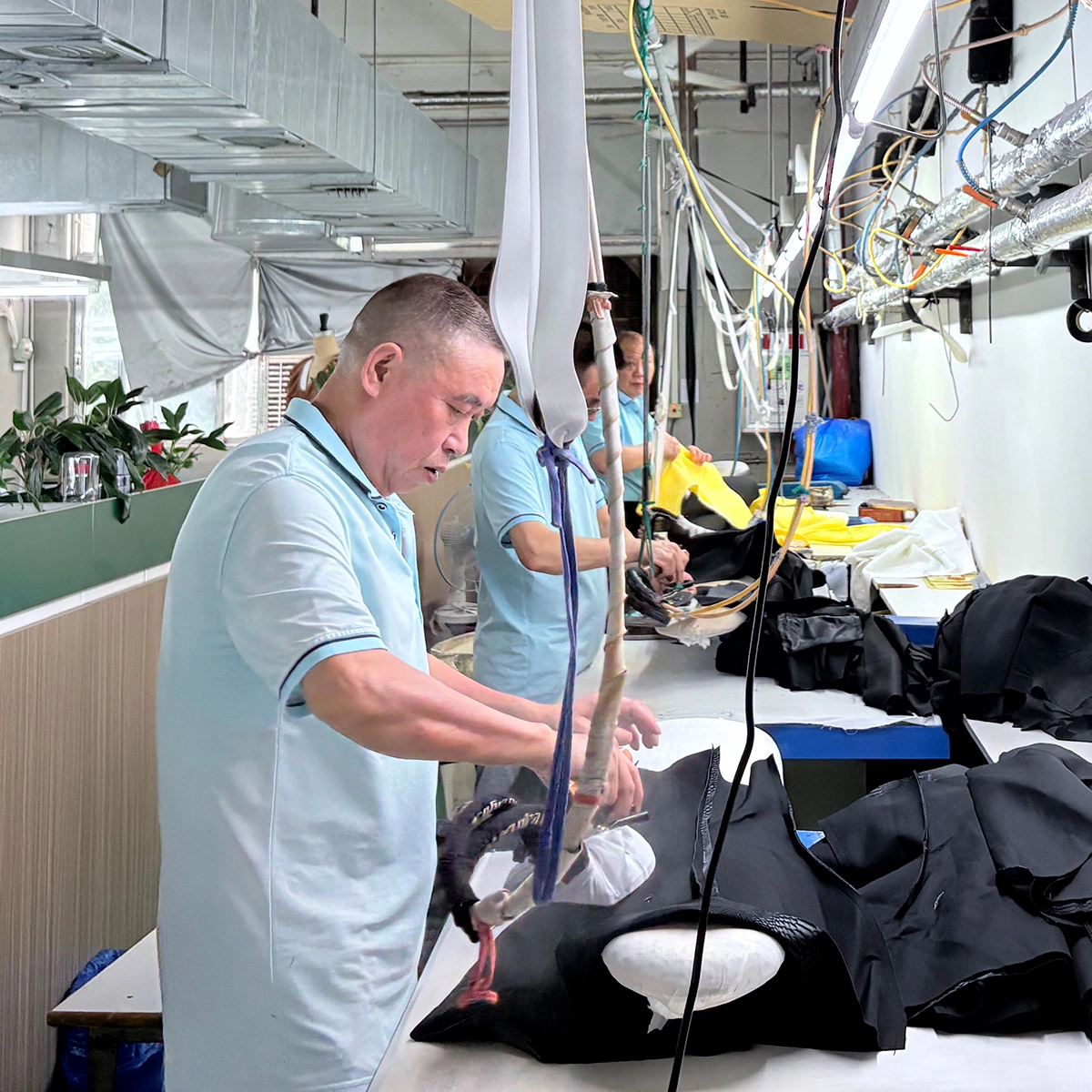
In-Line Pressing
Some pressing is done during production to shape the garment and open or flatten seams before the next operation.
The temperature, pressure, and pressing method depend on the fabric. This matters with materials such as satin, silk, velvet, and other fabrics that can show pressing marks or react badly to excessive heat.
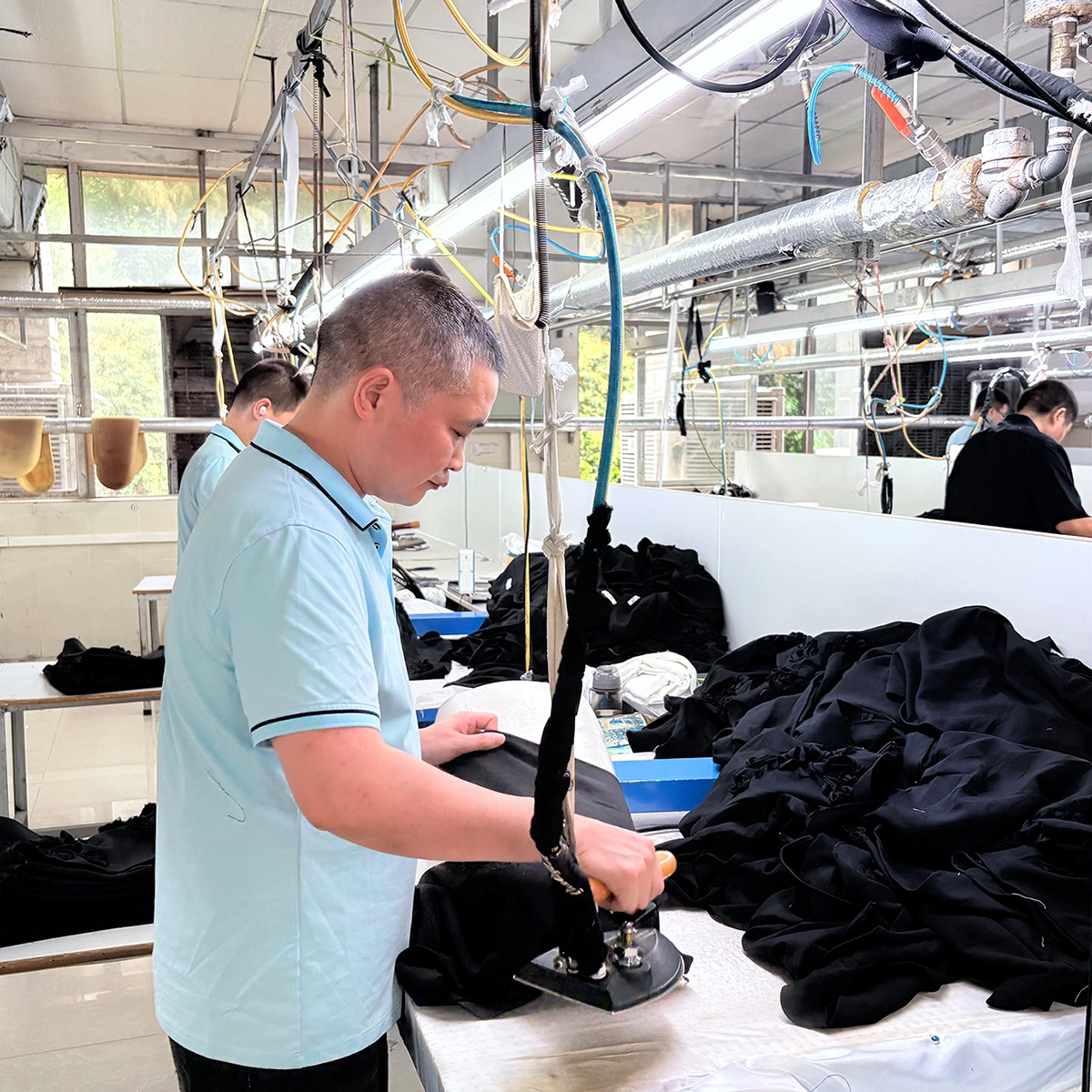
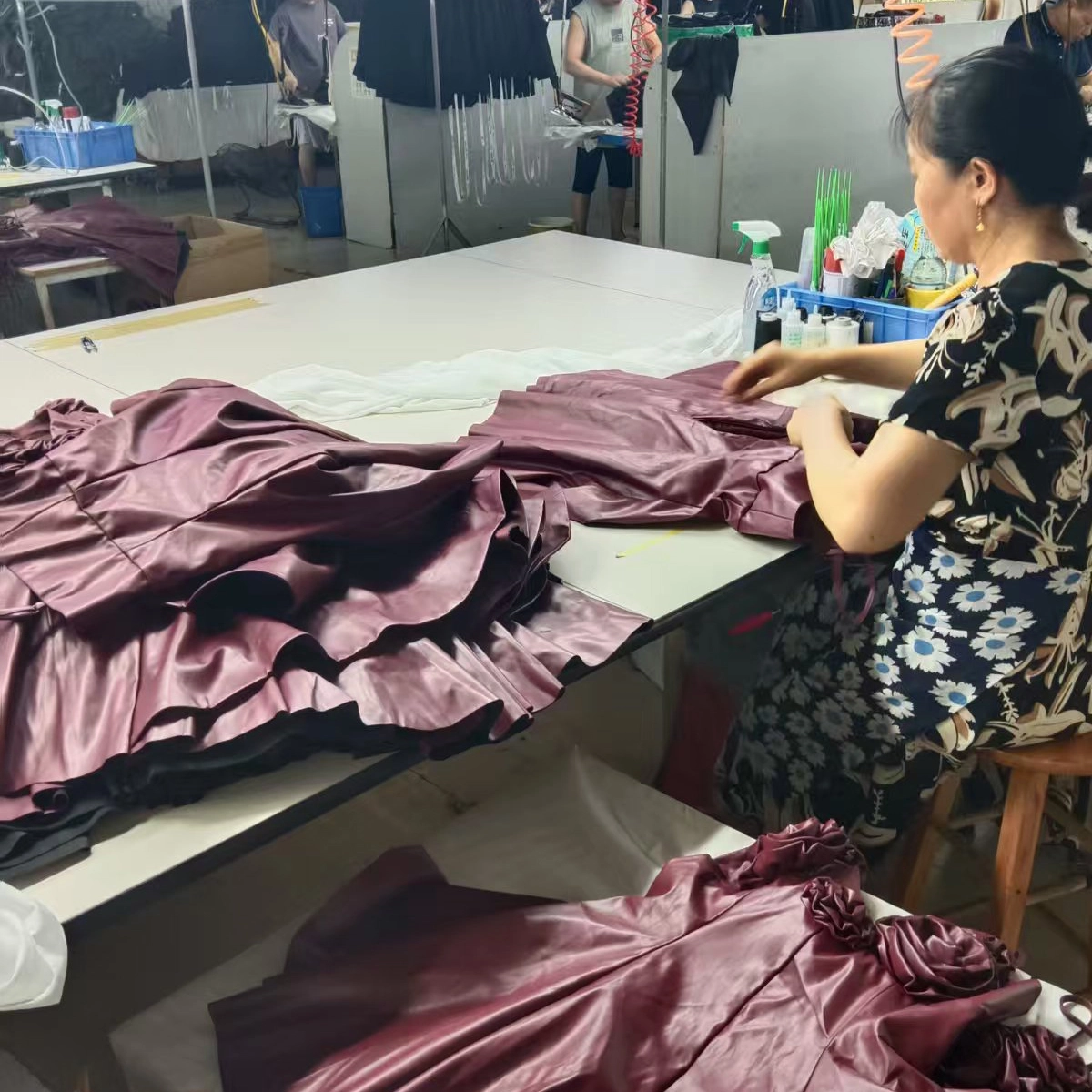
Final Pressing
After sewing and inspection, the finished dresses receive final pressing. We focus on the areas that affect the appearance most, including seams, neckline, sleeves, skirt, and hem.
The dress is then prepared for the final inspection.
Final Inspection
Before packing, finished garments are checked against the approved sample and production requirements.
The inspection covers measurements, overall appearance, stitching, construction, labels, finishing, and visible defects. Any pieces that do not meet the requirements are separated for correction before packing.
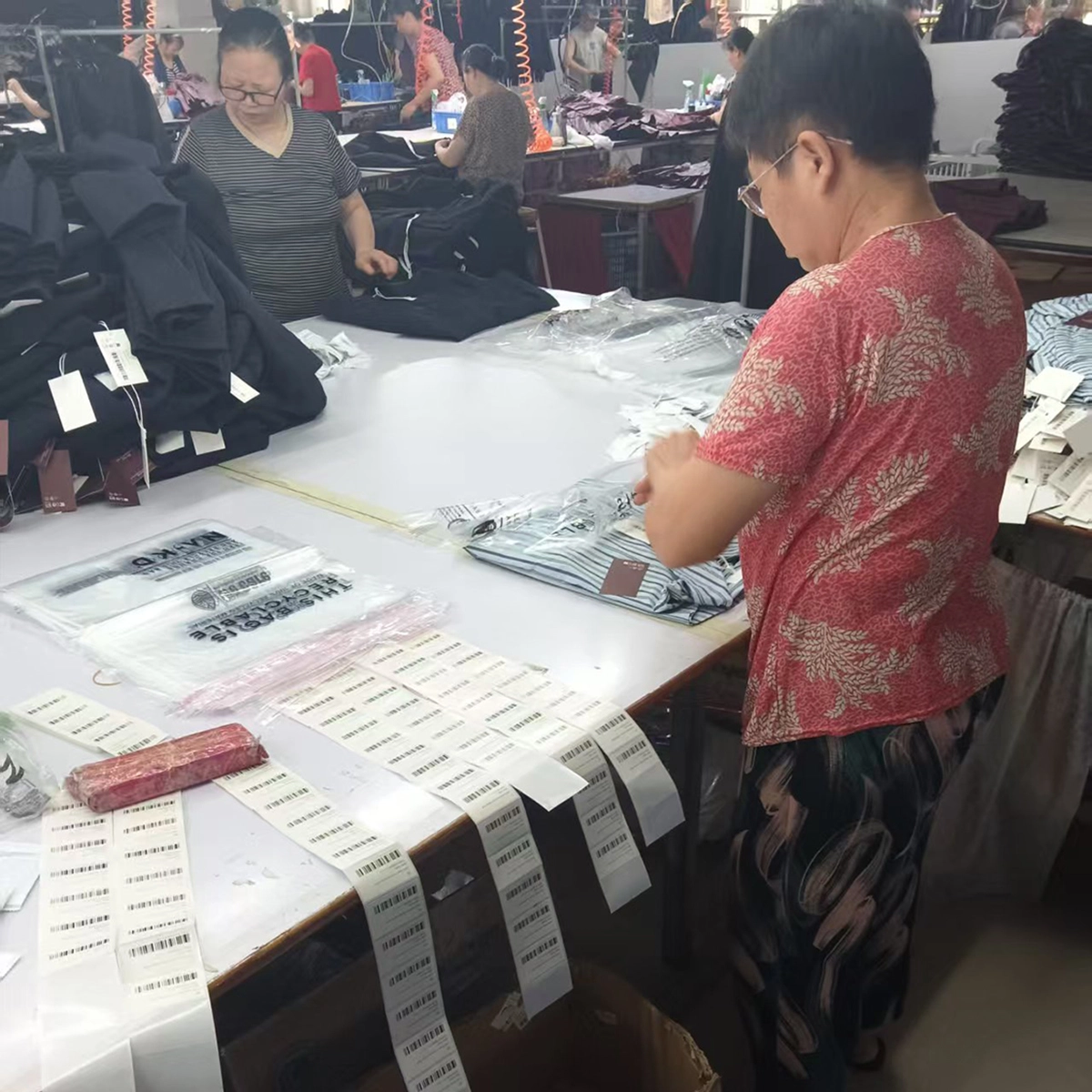
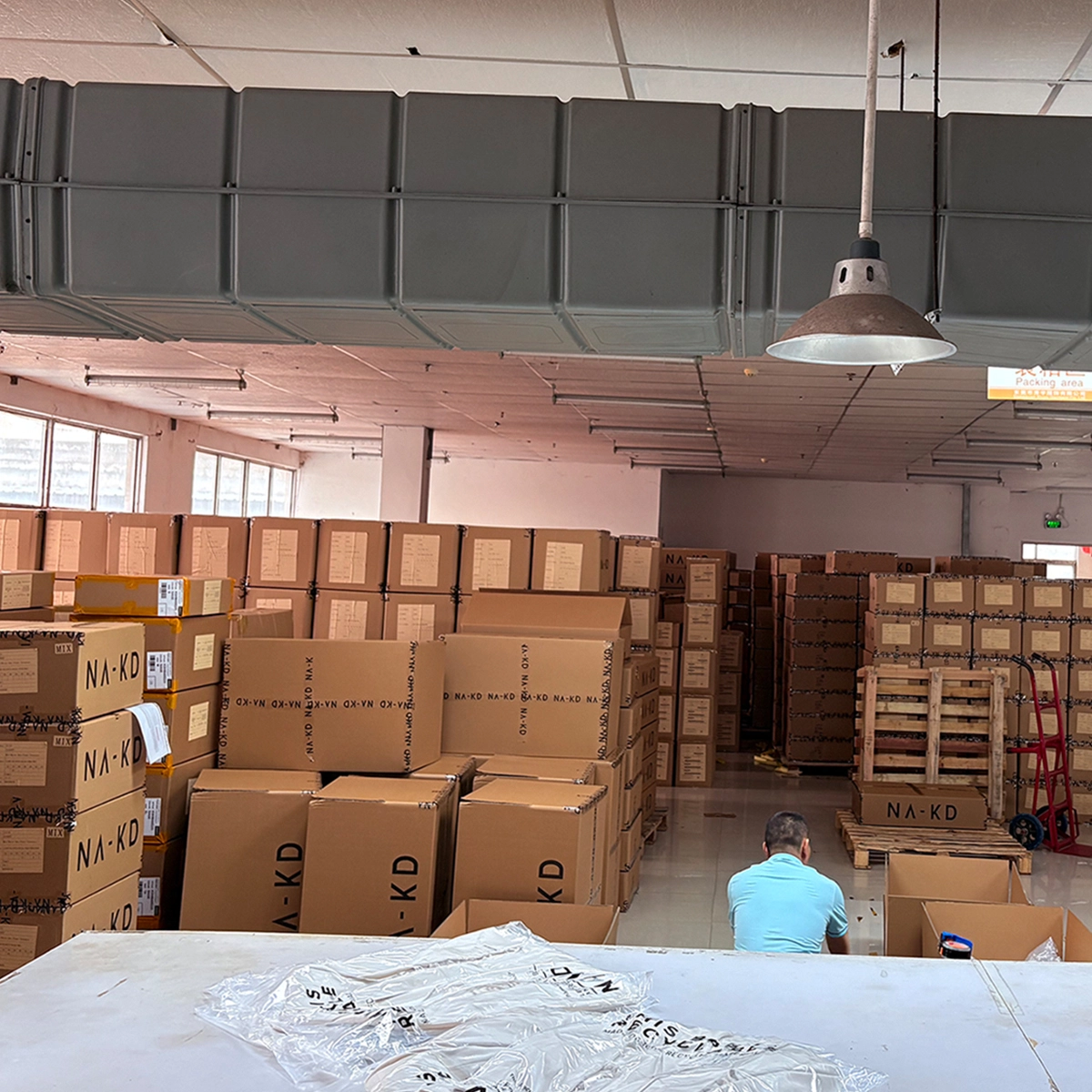
Packing & Shipment
After final inspection, the garments are packed according to the approved packing instructions.
For some A-line styles, especially longer or softer dresses, the folding method matters. Too much pressure can leave deep creases in the skirt, so the packing method is confirmed according to the fabric and garment construction.
A-Line Dress Manufacturing From Sample to Bulk
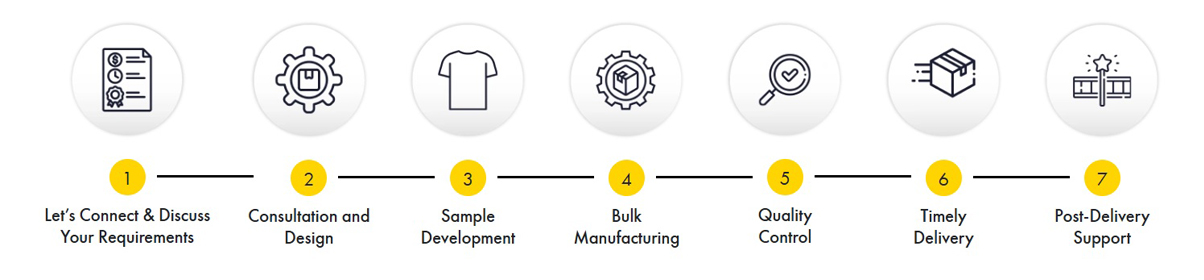
Once the design information is received, the development normally moves through design review, fabric selection, pattern development, sample making and PP approval.
Any fit or construction changes are easier to make before bulk fabric is cut.
If you have a tech pack, send it to us with the measurements, fabric details, trims, and construction information.
Before making the sample, we check the key measurements, seams, closures, lining, and other construction points.
This is especially useful for new brands.
You can provide your own fabric, send us a swatch, or ask us to source options.
For an A-line dress, we do not look at composition and GSM alone. Width, shrinkage, drape, transparency, surface finish, and recovery can all affect the way the skirt falls.
Two fabrics can have similar composition and GSM but behave differently once they are made into the dress.
The difference usually becomes obvious during sampling, when the fabric is carrying the actual skirt shape rather than sitting flat as a swatch.
The pattern has a lot to do with how an A-line dress finally looks.
The waist needs to sit in the right position, and the skirt needs enough flare to create the intended shape without adding too much fabric. We also check the balance between the front, back, and side seams.
Our pattern team develops the production pattern from your approved measurements, construction details, and sample requirements.
Once the pattern and fabric are ready, we make the first sample.
We start with the overall silhouette, then check fit and construction details.
- Overall silhouette
- Bust and waist fit
- Skirt flare and volume
- Neckline and shoulder position
- Fabric drape
- Lining movement
- Zipper installation
- Hem shape
- Finishing details
If the skirt looks too full, the waist sits differently than expected, or the fabric does not fall as planned, we can adjust the pattern and make another sample before PP approval.
After the PP sample is approved, we move into bulk production. The process normally includes fabric inspection, cutting, sewing, inline QC, pressing, final inspection, and packing.
The approved PP sample stays with the production team as a reference. During bulk production, we check the garment against the confirmed measurements and construction details rather than working from the original sketch alone.
How We Check an A-Line Dress During Sampling
An A-line dress may look simple, but the shape can change quite a bit once the pattern is made in the actual fabric. When we develop a sample, we look at the waist, skirt, fabric, lining, and hem together rather than checking each point separately.
The waist position affects the balance of the bodice and skirt, so we confirm it against the approved measurements during sampling.
You can specify a natural waist, raised waist, dropped waist, or another position. During sampling, we check the waist against the measurements and also look at how it sits on the actual garment.
The flare is one of the main things that gives an A-line dress its shape.
A smaller flare creates a straighter, cleaner look, while a wider flare gives the skirt more volume and movement. A fuller flare increases fabric consumption, particularly on longer styles.
If you have a reference dress, photos, or measurements for the skirt, send them with the design. They give our pattern team a better idea of the shape you are trying to achieve.
Fabric weight has a direct effect on how the skirt falls.
A lightweight fabric may give you a softer, more fluid shape, while a heavier fabric can hold more structure. Even fabrics with the same composition can behave differently because of GSM, finishing, weave, and hand feel.
The swatch gives us a starting point. The sample tells us much more.
The lining is part of the finished shape, not just an inside layer.
A stiff lining can make a soft outer fabric stand away from the body, while a loose or poorly matched lining can pull against the outer skirt. We check both layers together during sampling to make sure they move properly as one garment.
The hem needs a closer check as the dress gets longer.
On midi and maxi A-line dresses, the fabric can relax differently after cutting and sewing, particularly with softer or heavier materials. We check the hem on the completed garment and make adjustments if the final line is not even.

About Our A-Line Dress Factory
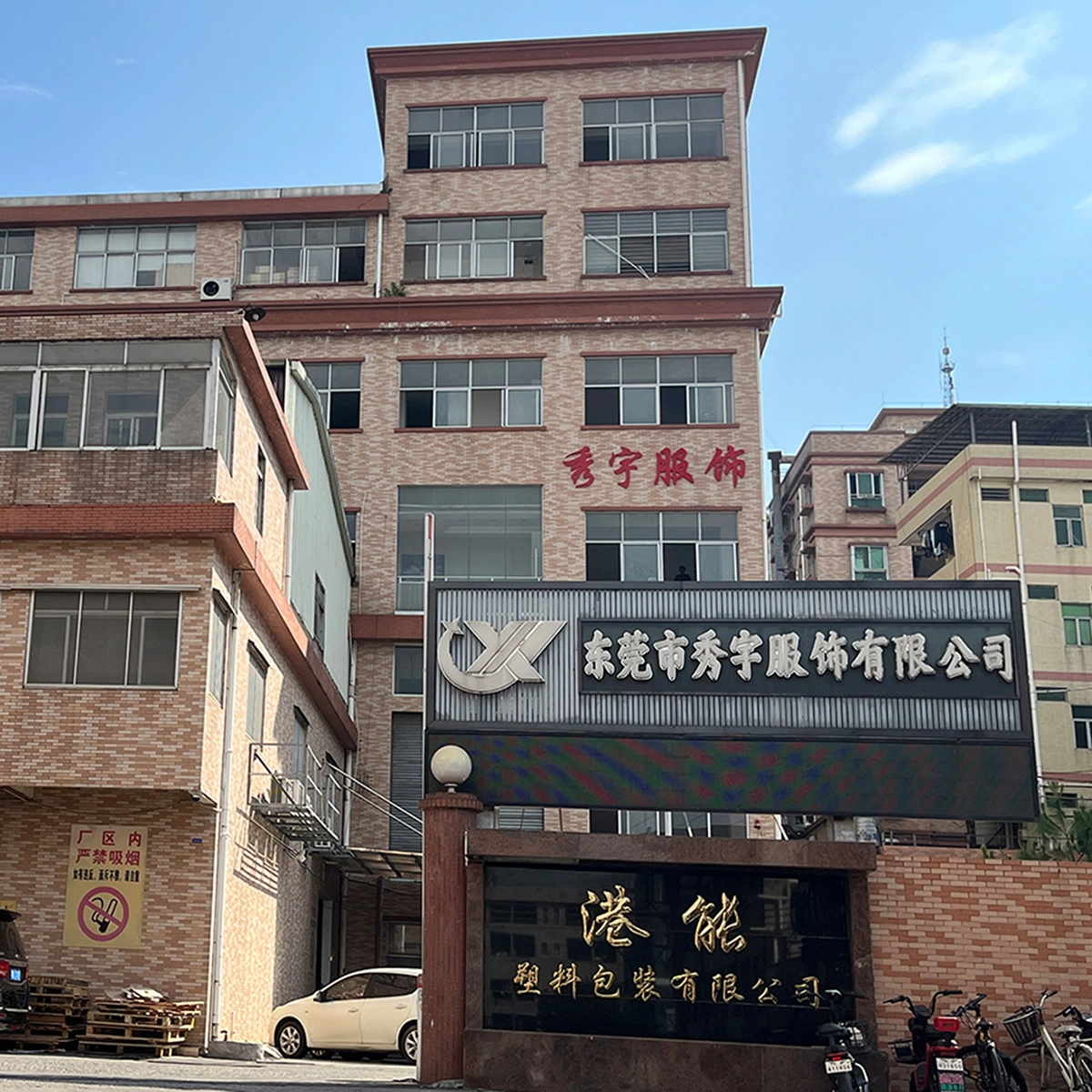
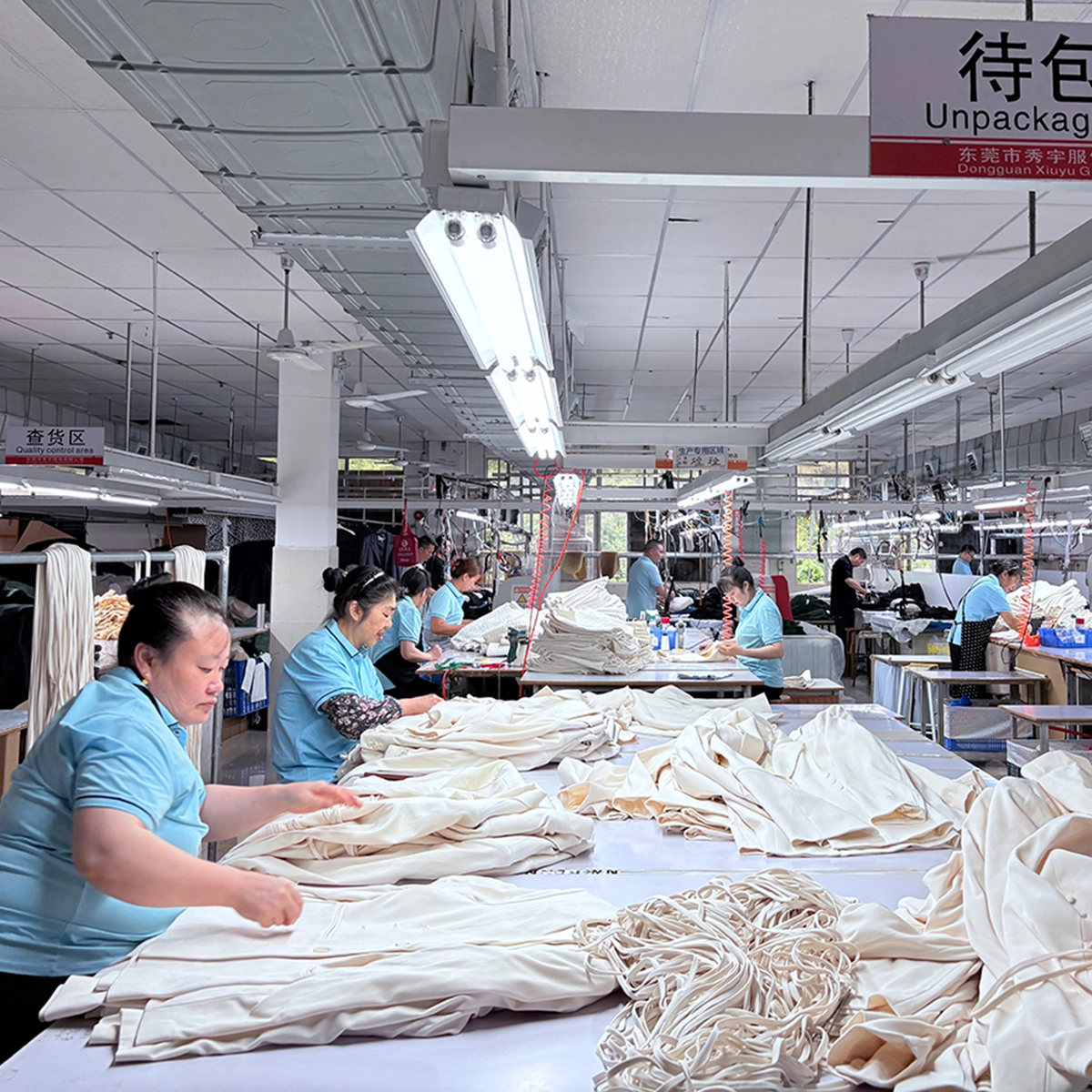
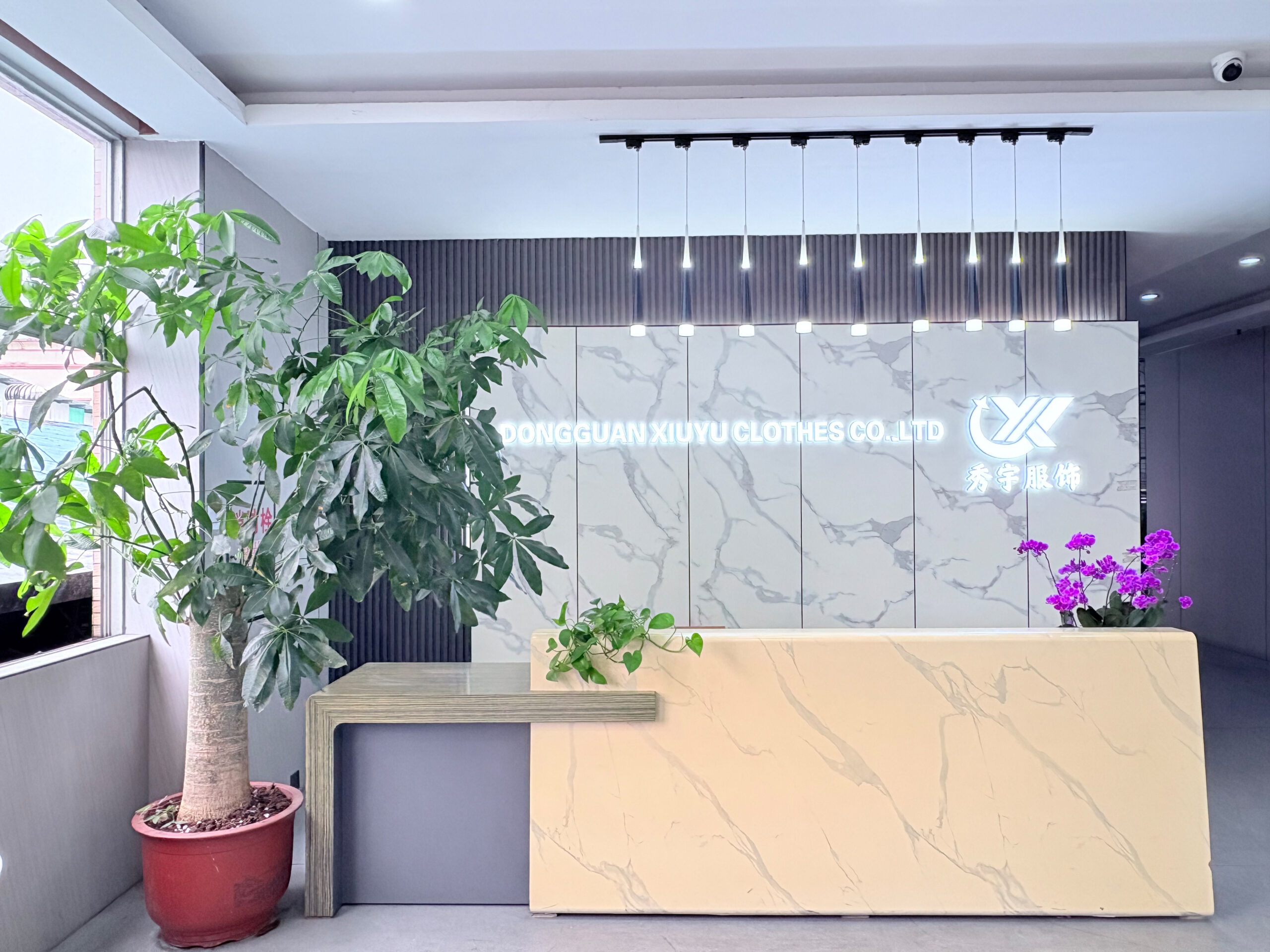
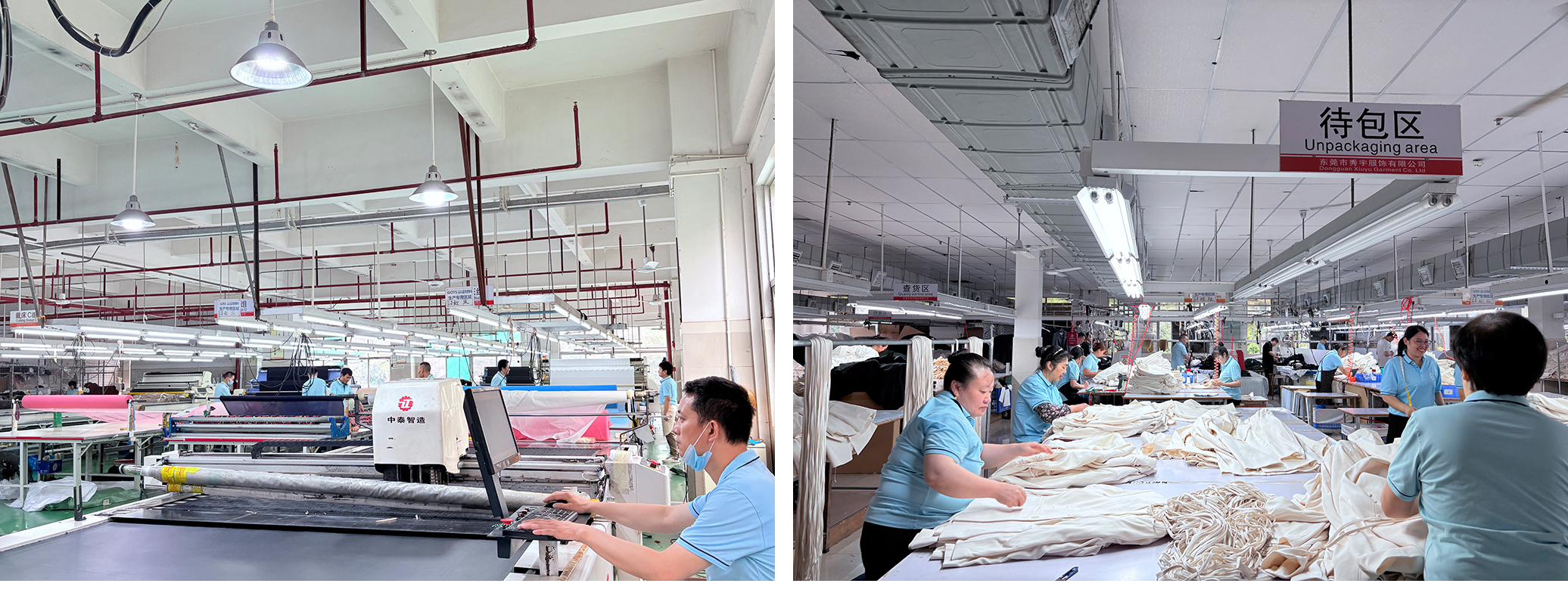
Xiuyu Apparel is a China-based dress manufacturer with in-house pattern development, cutting, sewing, finishing and QC.
Our team handles pattern making, fabric preparation, cutting, sewing, finishing and quality inspection. Keeping these stages together also makes it easier to carry the approved sample details into bulk production.
- Inside Our Production Floor
- Factory Picture
- Our Capabilities
- One-Stop Services
Fabric Warehouse
↓
Fabric Inspection
↓
Fabric Pre-shrinking
↓
Automatic Cutting
↓
Bulk Production Sewing
↓
In-line Pressing
↓
Final Pressing
↓
Final Inspection
↓
Garment Packing
↓
Finished Products
 Cutting room & QC inspection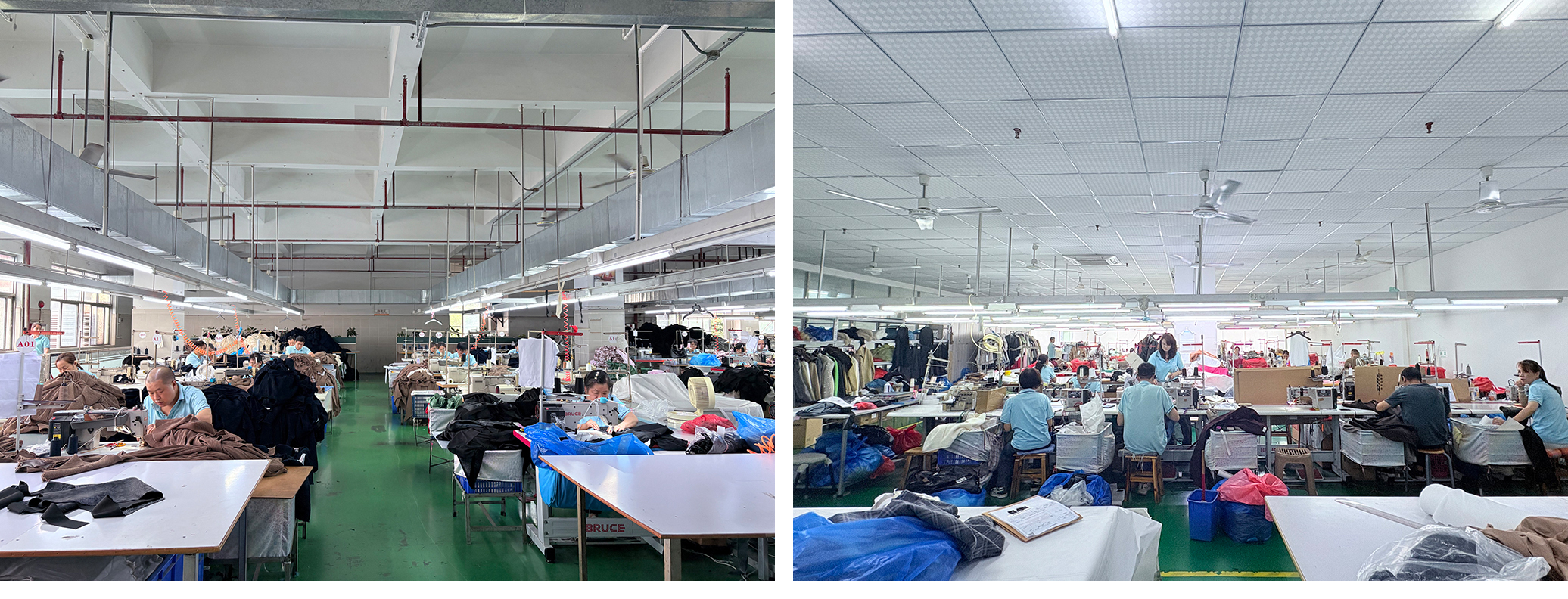
Sewing workshop
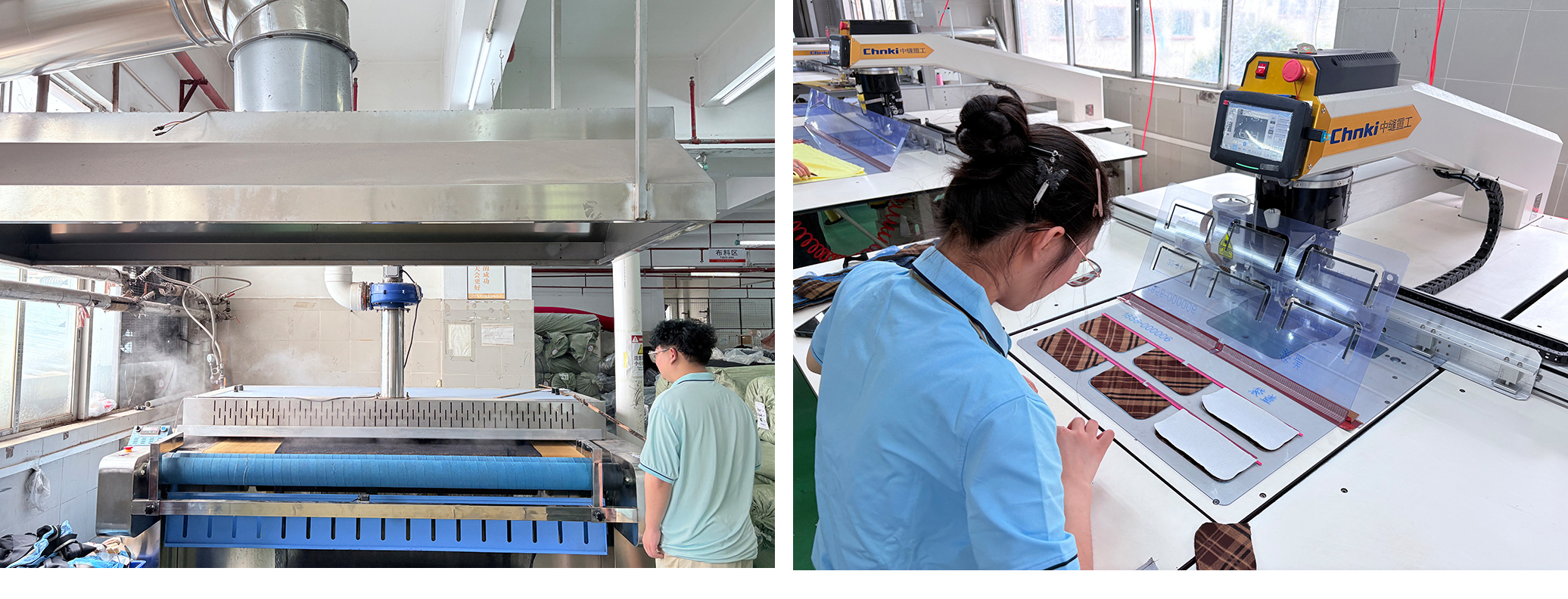 Fabric Pre-shrinking Workshop & Automatic Template Machine Workshop
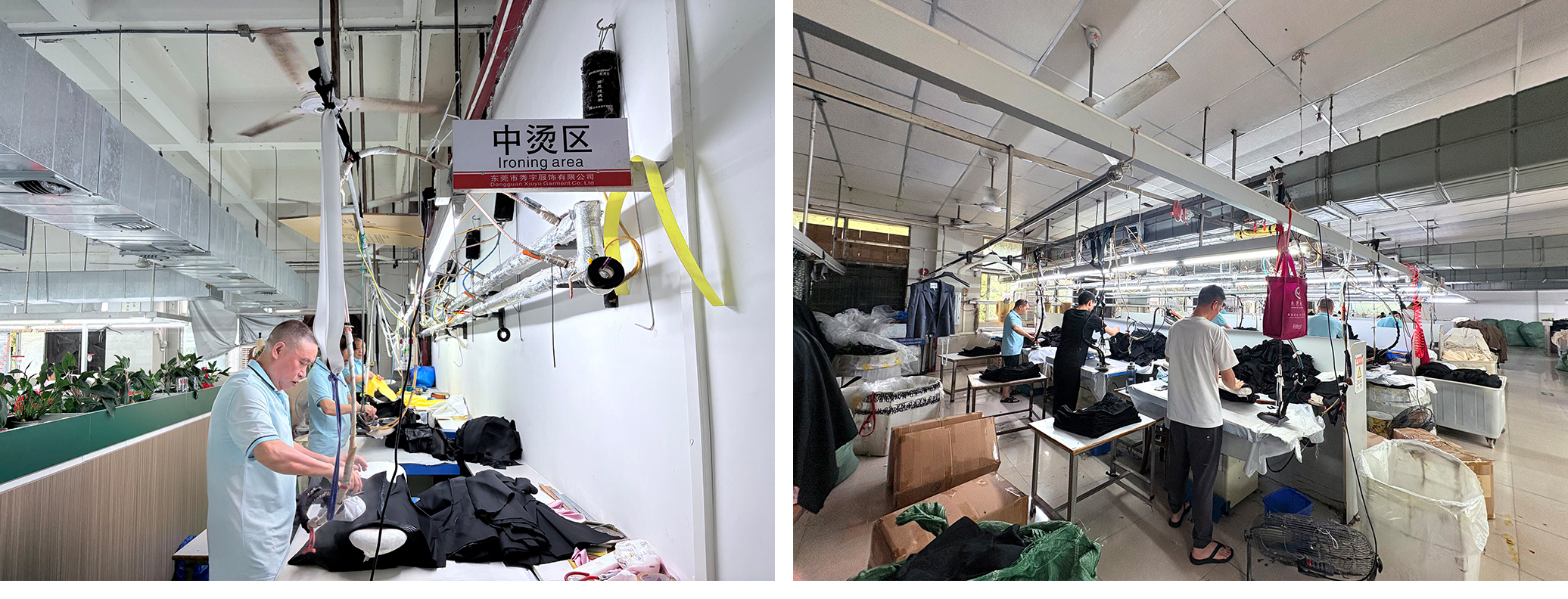 Finishing Workshop
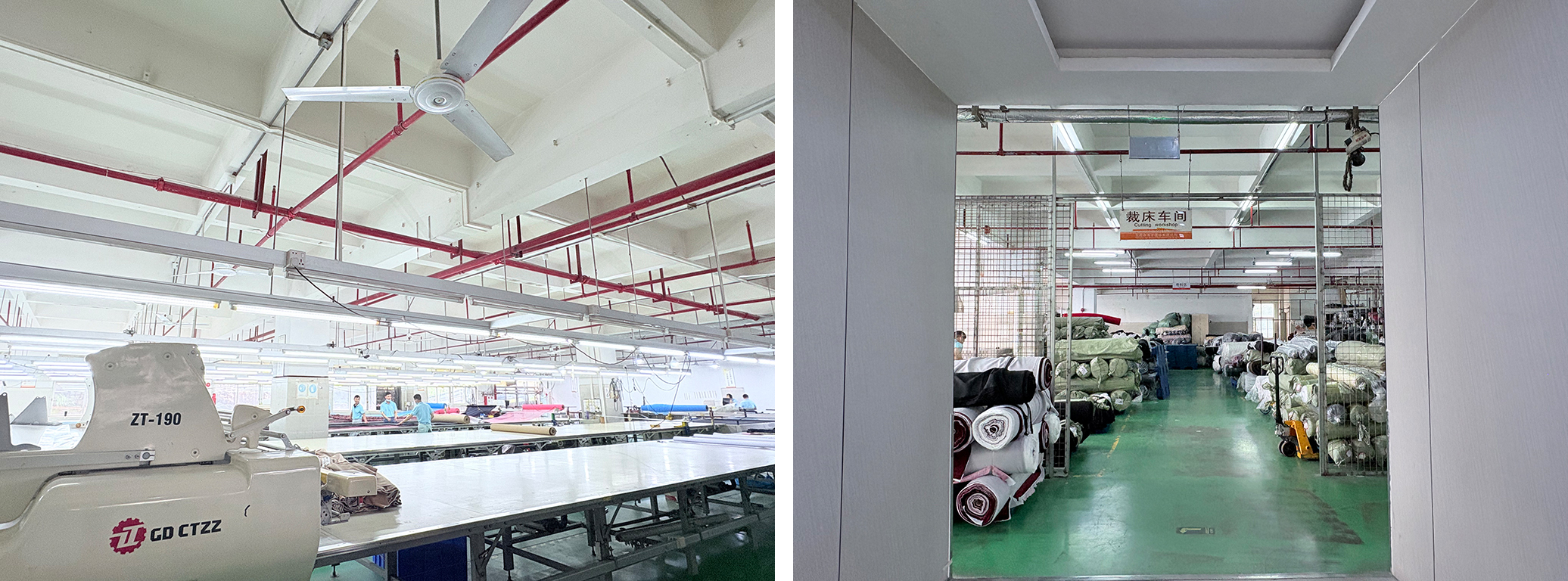
Cutting Room & Fabric warehouse
As a custom clothing manufacturer, we handle the main production steps in-house, from pattern making and sampling through cutting, sewing, finishing, and final inspection. Our team works from your tech pack, sample, sketch, or reference and checks the details before the style moves into bulk production.
Keeping these stages with one production team makes it easier to deal with pattern changes, sample revisions, and construction issues before cutting starts. We can also arrange screen printing and custom embroidery when these details are part of the design.
A-Line Dress Manufacturing Case Studies
Case Study: Graduation Mini Dress Collection
Market: Australia
Order quantity: 21,400 pieces
Style range: A-line mini dresses
Fabric: Lightweight woven fabrics and printed stylesThe collection was developed for a graduation-focused range, so the dresses needed to keep a clean A-line shape without making the short skirt look too stiff.
The first samples looked close to the approved sketches, but a few details changed once the fabrics were sewn. On some of the lighter styles, the skirt did not open quite enough. On white fabrics, the lining also affected the way the skirt fell.
We adjusted the skirt flare and checked the finished length again before moving into bulk cutting. For the lighter fabrics, the lining weight was also reviewed rather than using the same lining specification across every style.
The final production covered 21,400 pieces across the collection. Before bulk cutting, the approved samples were kept with the production information so the skirt proportions and measurements could be checked against the same reference throughout the order.
Case Study: Occasion Midi Dress Collection
Market: North America
Quantity: 58,600 pieces
Product: A-line midi dresses
Key details: Pleats, bows and invisible zippersThis order included several occasion midi dresses with pleated skirts and back bow details. The quantity was around 58,600 pieces, so small differences in construction could become much more noticeable once production moved into larger batches.
One of the areas we paid attention to was the invisible zipper. On early samples, the zipper area could show slight puckering after sewing, particularly where the fabric was lighter and the skirt had more movement.
The sewing process was adjusted and the zipper area was checked again on the revised samples. We also reviewed the pleat position and bow placement because both details needed to stay consistent with the approved sample.
For bulk production, the approved construction details were passed to the sewing team rather than relying only on the original tech pack. Color lots were also checked during production to keep the different batches as close as possible.
Factory note: With larger occasionwear orders, we normally pay more attention to small construction details that may not be obvious on a single sample but become visible across hundreds or thousands of pieces.
Case Study: Resort A-Line Maxi Collection
Market: Australia and North America
Program: Printed and linen-blend A-line maxi dresses
Total quantity: 26,800 pieces
Styles: 14This resort collection used several fabrics, including rayon, printed chiffon, cotton voile and linen blends. There were 14 styles in total, with two to four colors or prints developed for each style.
The longer skirts were the part we watched most closely.
Rayon and chiffon did not behave the same way after cutting. Some fabrics dropped more after sewing, which could change the finished skirt length. With printed fabrics, print direction and placement also had to be checked before cutting.
For the linen-blend styles, shrinkage was another point during development. We checked the fabric before bulk cutting and allowed for the expected change when confirming the final measurements.
The collection was eventually produced in 26,800 pieces.
Production notes
- Print direction was checked before cutting printed styles.
- Skirt length was confirmed after the fabric had gone through the relevant preparation process.
- Lighter chiffon styles were reviewed for lining and seam stability.
- Rayon styles were checked for shrinkage and finished length.
- Linen-blend fabrics were handled separately where their behavior differed from the other materials.
There was no single construction method used across all 14 styles. The fabric and finished sample determined the production approach for each group.
More A-Line Dress Styles Available For OEM & ODM Production
Linen A-Line Dress
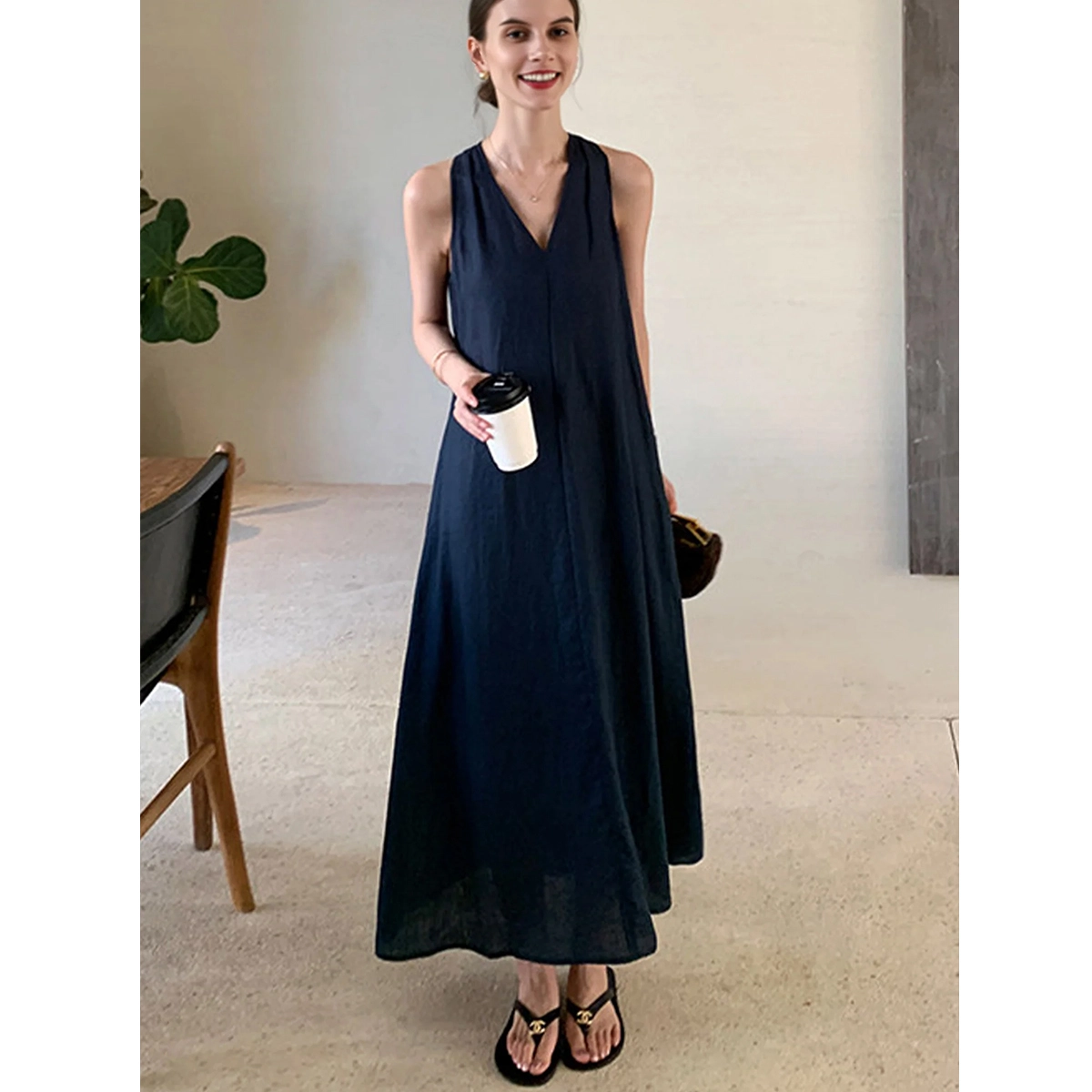
Linen and linen blends suit relaxed summer A-line dresses because the fabric already has a natural texture and movement. Trying to make the skirt too rigid usually works against the material. Shrinkage, usable width and slub variation also affect fabric consumption, so these are considered when the production pattern is prepared.
Off-Shoulder A-Line Dress
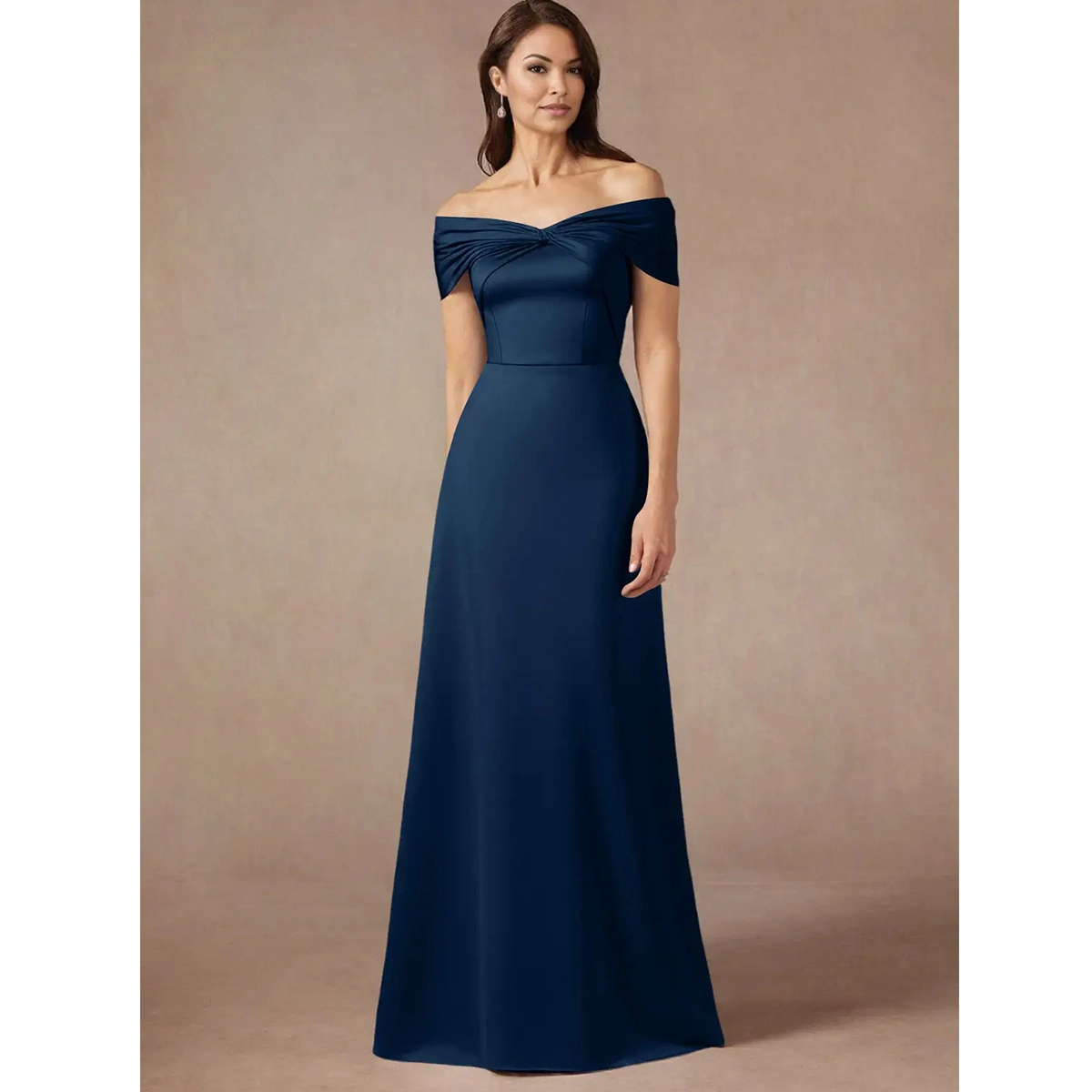
An off-shoulder neckline has to stay where it is supposed to without feeling restrictive. Elastic, internal tape or boning can be used depending on the design. The sleeve also needs to move freely. If the neckline is tight and the sleeve is too full, the garment can feel uncomfortable even when the measurements look correct.
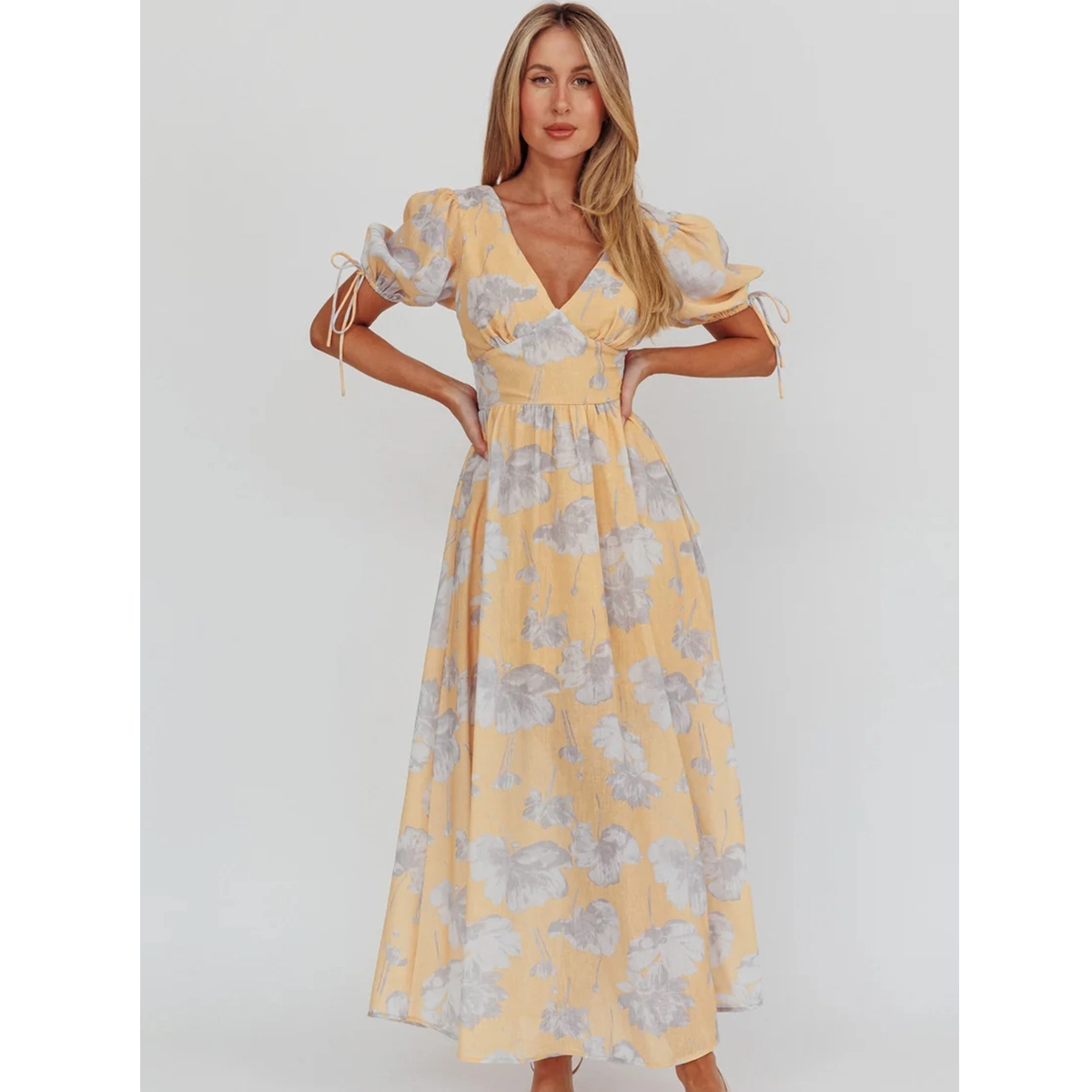
Puff Sleeve A-Line Dress
Puff sleeves change the balance of an A-line dress quite quickly. A little extra gathering can make the sleeve look fuller than expected, particularly in cotton or taffeta. We usually judge sleeve volume together with the skirt during fitting. The goal is to keep the upper and lower parts of the dress working as one shape.
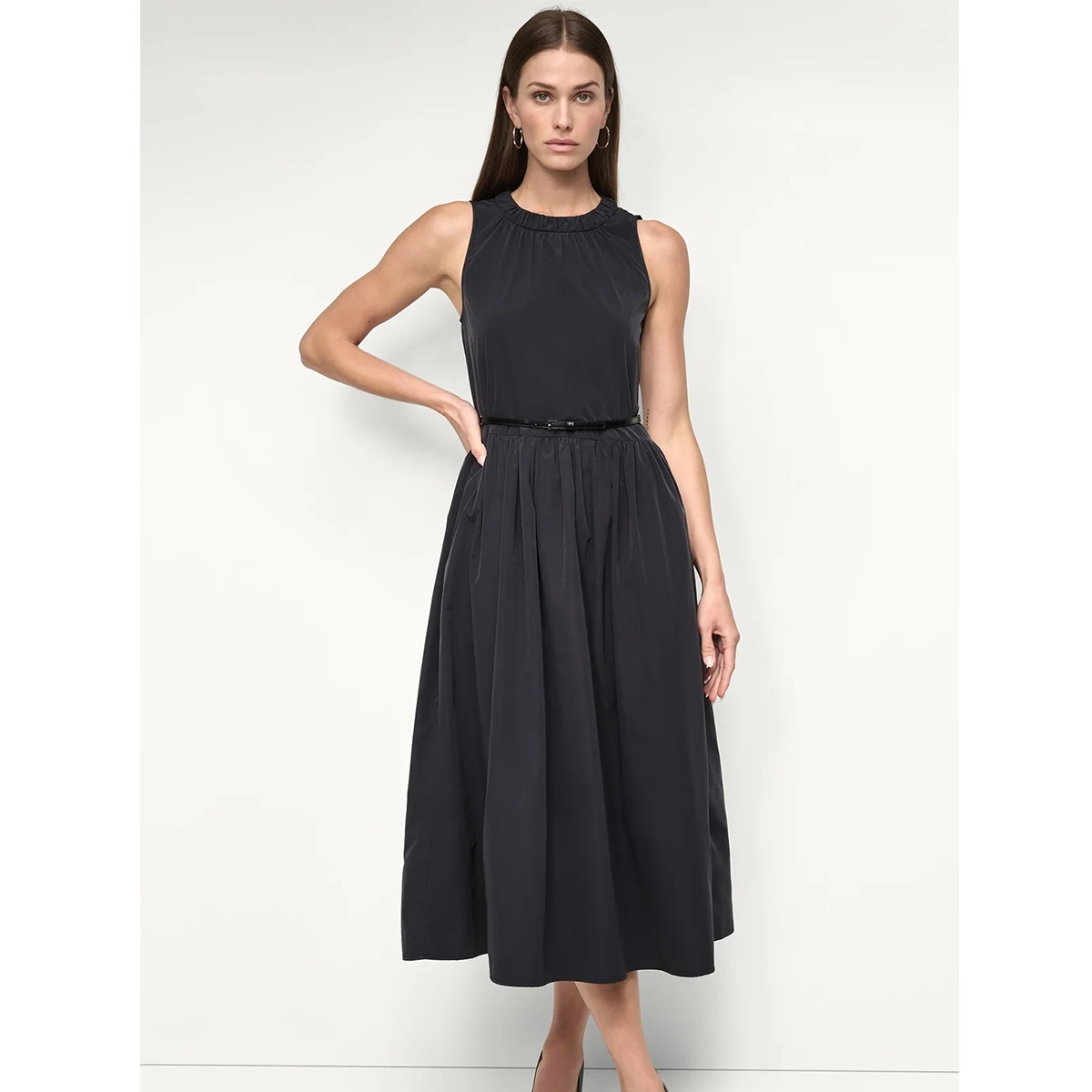
Sleeveless A-Line Dress
Sleeveless styles rely heavily on the shoulder and armhole shape. If the armhole is too deep, it can gape; too narrow and the dress becomes uncomfortable. Depending on the fabric, we may use a facing, binding or full lining to keep the edge clean and stable after repeated wear.
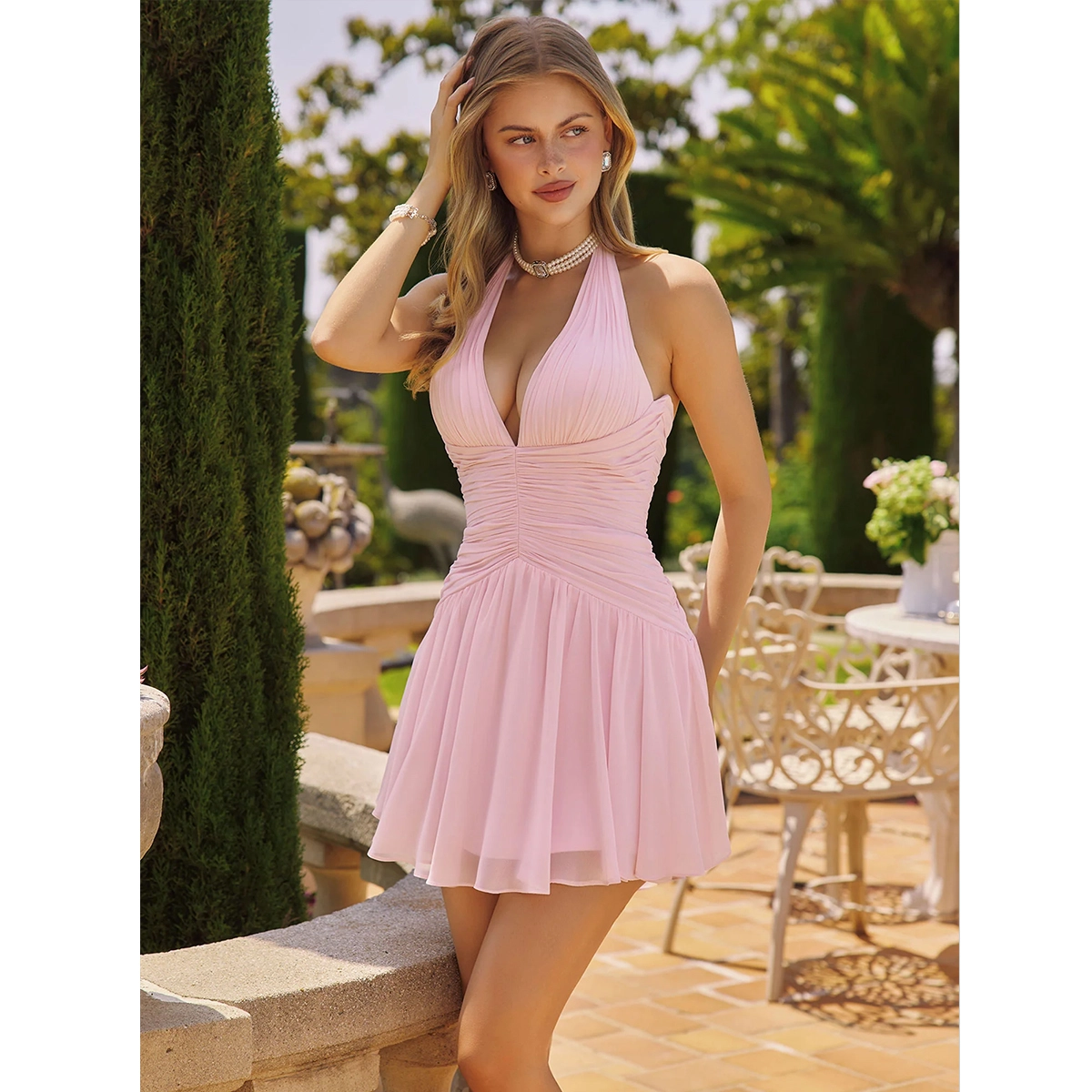
Halter A-Line Dress
Halter styles put more of the garment’s support on the neck and straps. Strap width and position affect comfort, while bust coverage needs to remain consistent as the size changes. Because the neckline already carries plenty of visual detail, the skirt is often kept relatively clean.
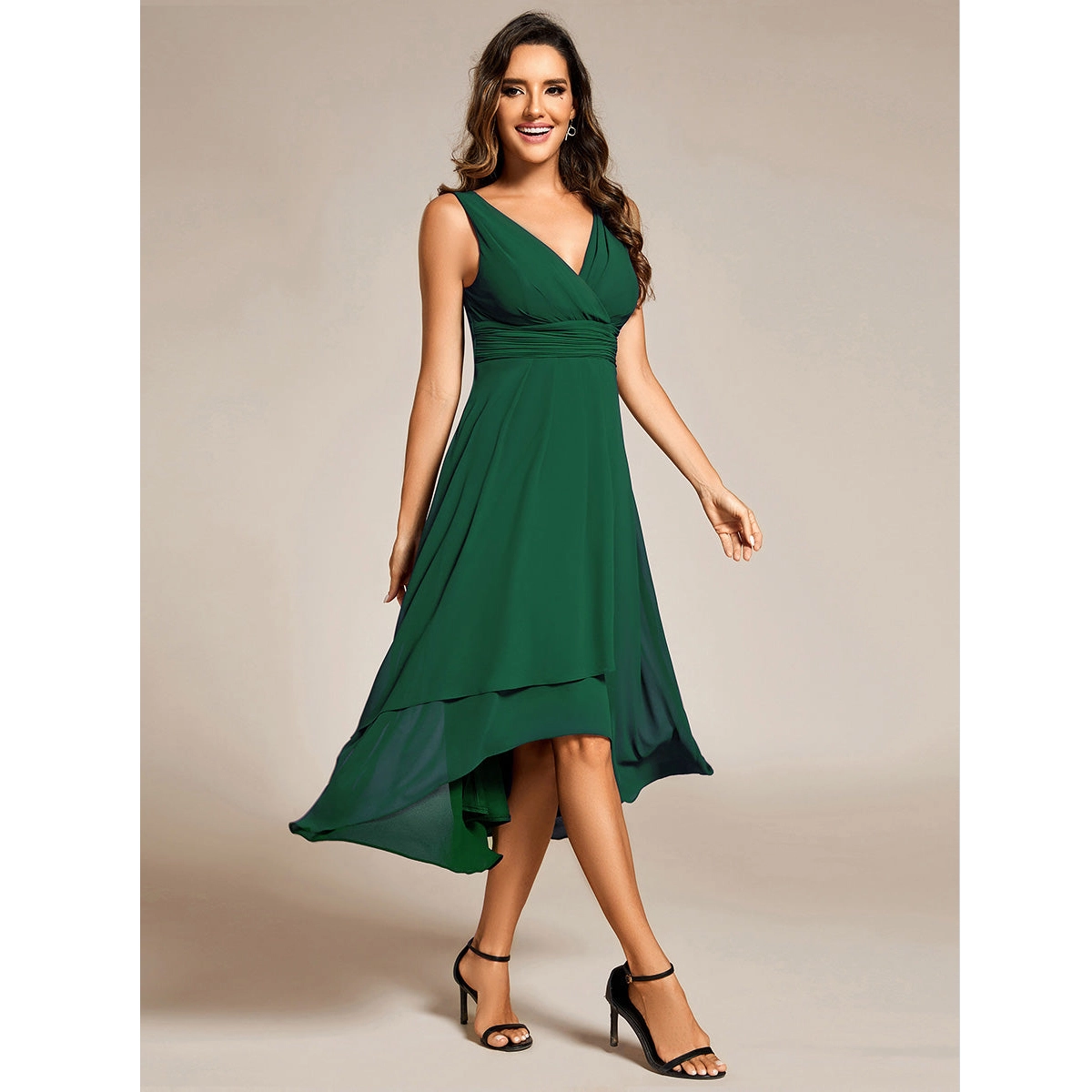
Asymmetric A-Line Dress
An asymmetric hem can look very different once the fabric is hanging on the body. Lightweight and fluid materials may settle unevenly, so the final hem is not always taken directly from the paper pattern. The intended difference in length is checked after the garment has relaxed.
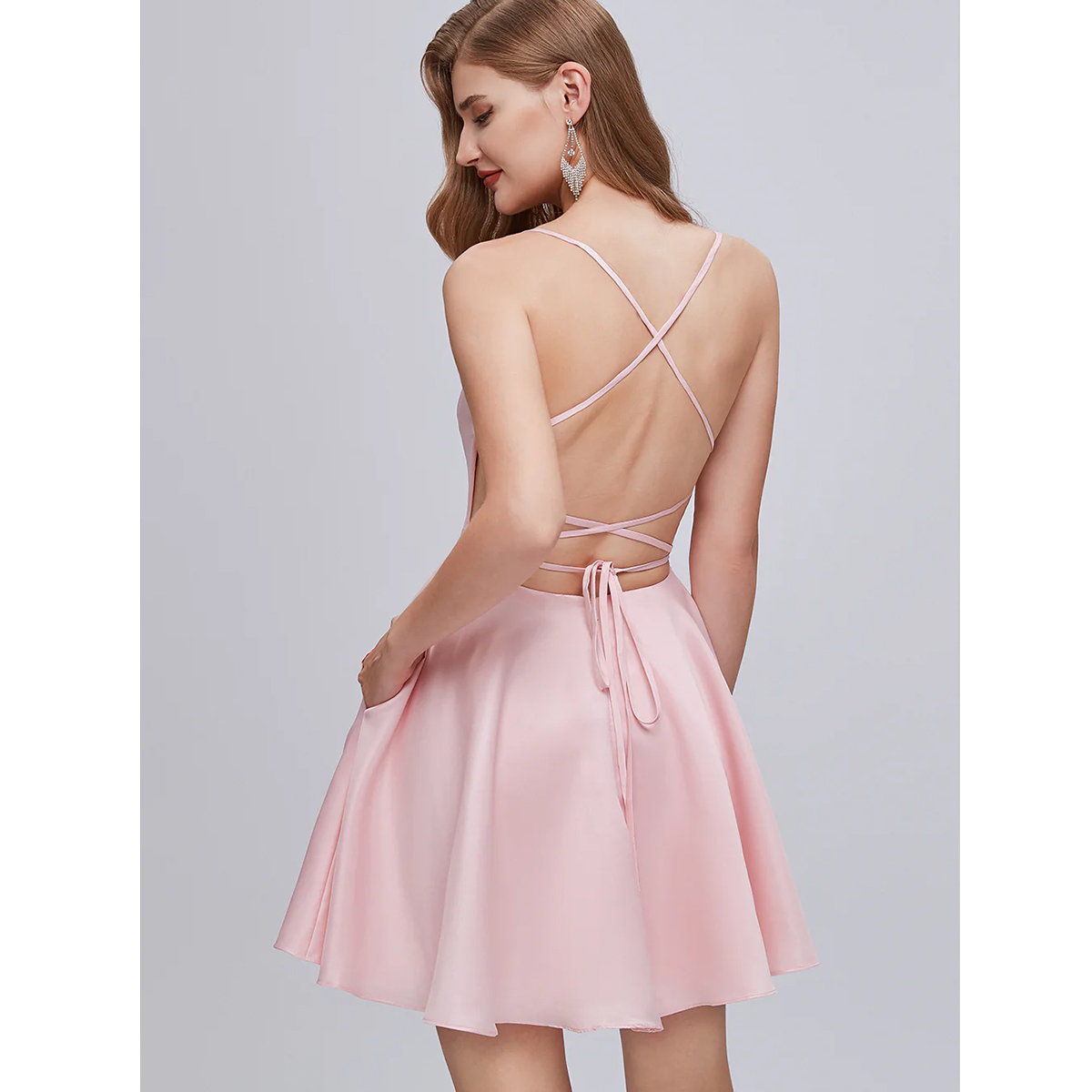
Backless A-Line Dress
The open back becomes the main construction point on this type of dress. The remaining shoulder, neckline and waist areas have to provide enough support without making the garment feel overly rigid. Closure position also matters, particularly when the back opening is low or extends close to the waist.
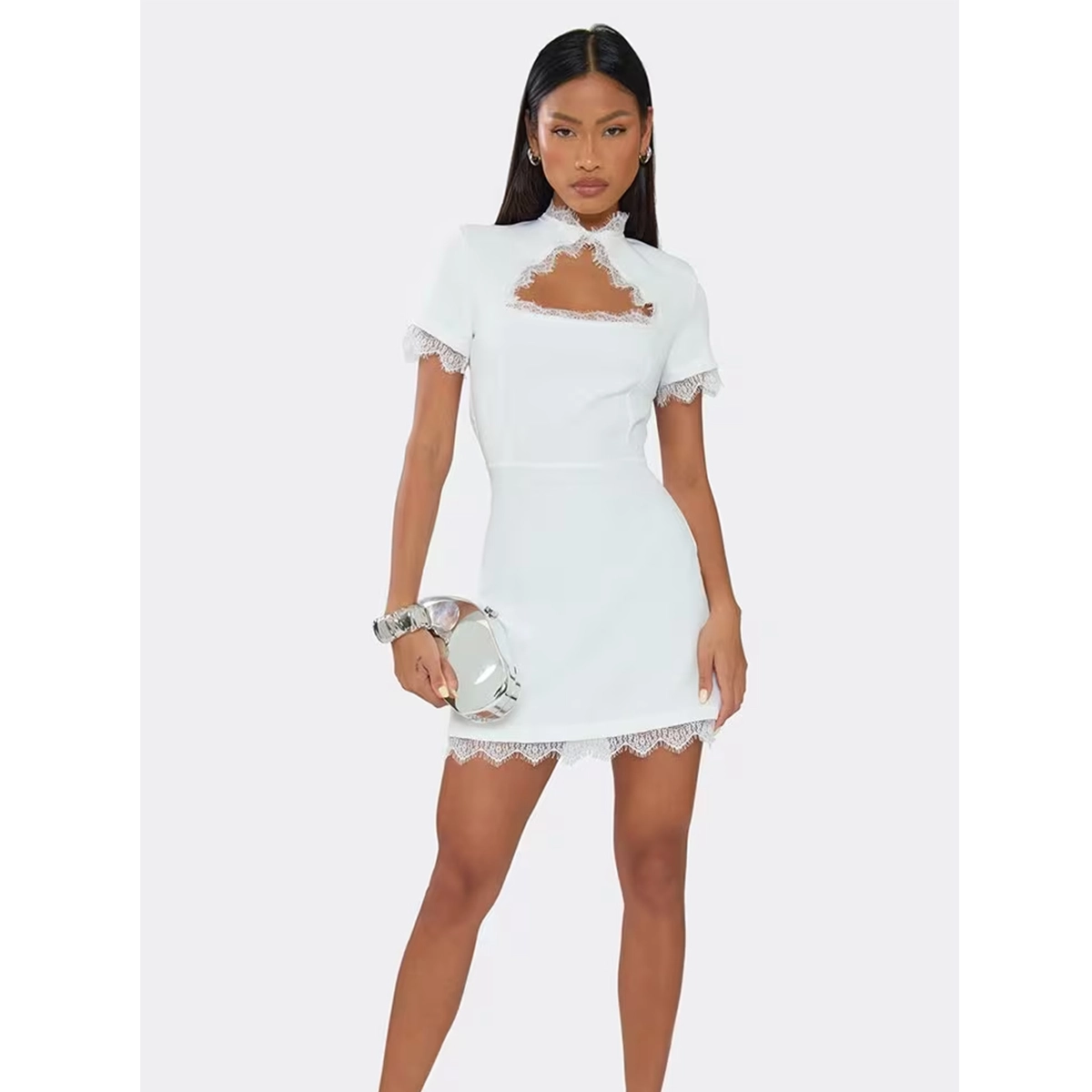
Cut-Out A-Line Dress
Cut-outs are usually placed where they can add interest without disturbing the basic skirt shape. The edges need to stay clean and stable, particularly on softer fabrics. We also check the position across the size range because a cut-out that looks balanced on a sample can shift noticeably after grading.
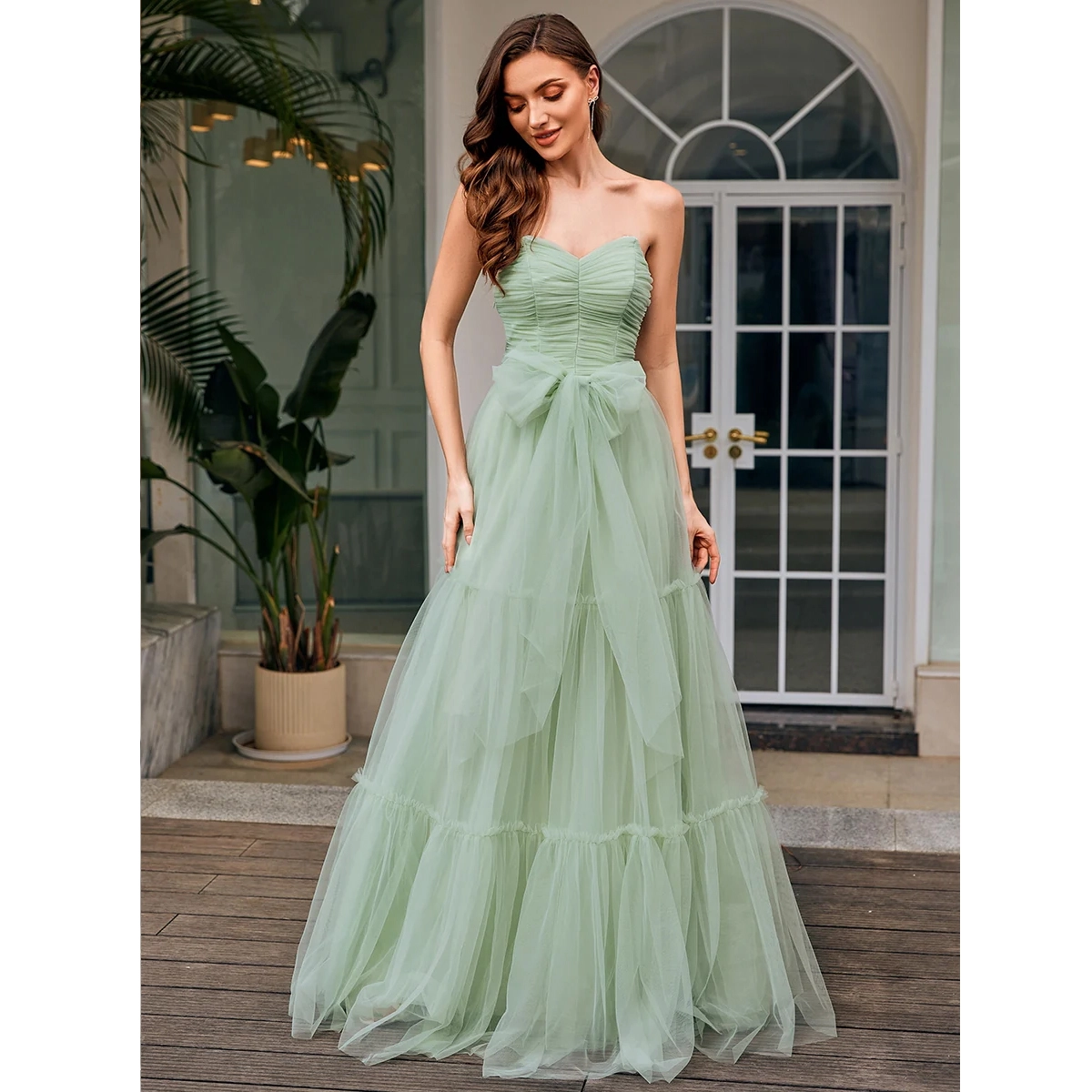
Tulle A-Line Dress
Tulle can be used as a light overlay or built into a much fuller skirt. The number of layers, gathering and lining length determine how much volume the finished dress has. Multiple layers also take longer to align during sewing, so keeping each layer at the intended length is important.
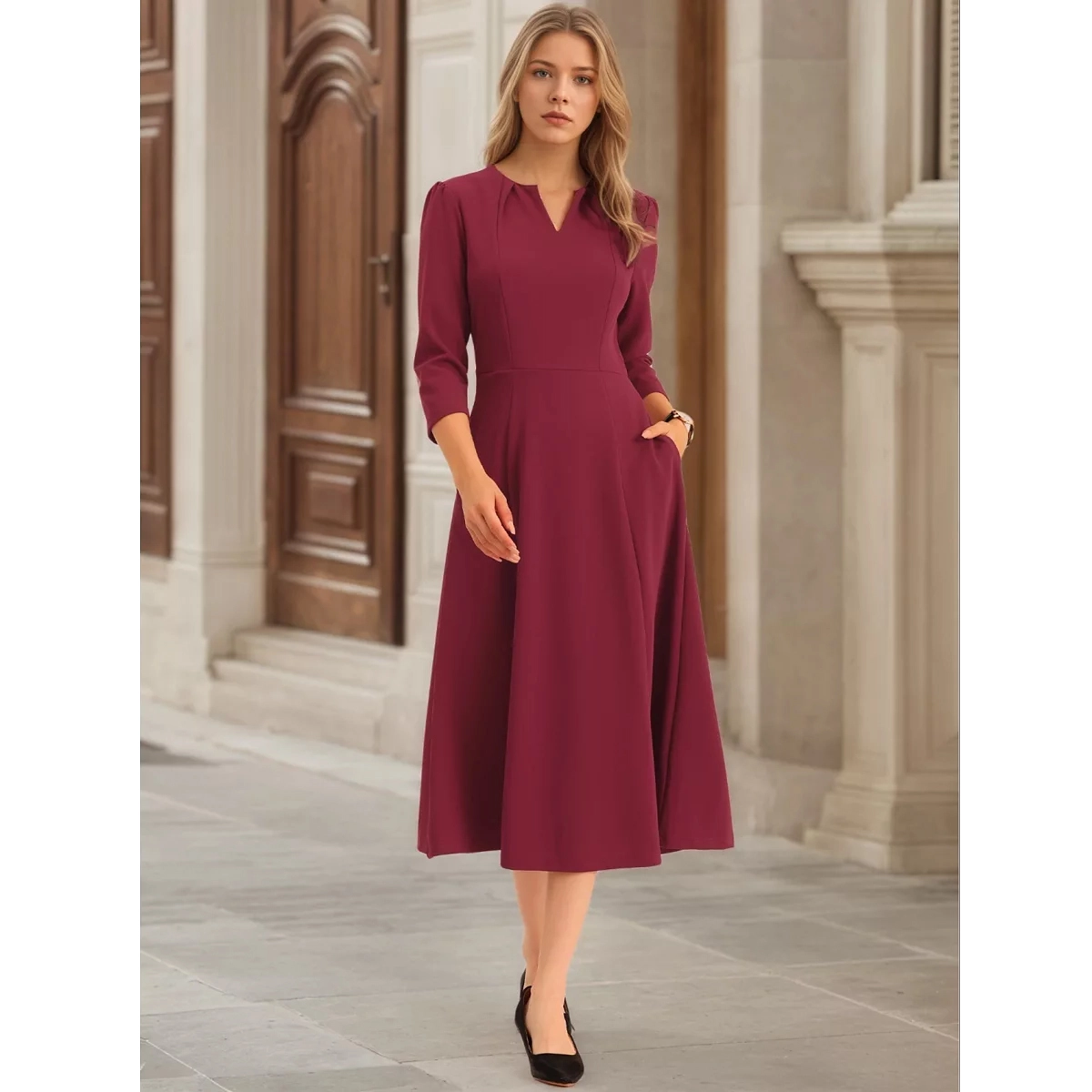
Office A-Line Dress
Office A-line dresses generally use a controlled amount of flare rather than a very full skirt. Crepe, ponte, suiting and other stable fabrics can hold the shape well. Length, armhole comfort and pocket placement are worth settling early, especially when the same style will be produced in several colors.
Explore More Dress Manufacturing Options
If you are developing several dress silhouettes for the same collection, you may also need different fabrics, fits and construction methods. Xiuyu Apparel manufactures a range of dress categories for fashion brands, retailers, wholesalers and private label customers.
Explore related manufacturing services:
- Dress Manufacturer — for broader custom dress development and production
- Silk Dress Manufacturer — for silk and silk-blend collections
- Mini Dress Manufacturer — for shorter fashion and occasion styles
- Maxi Dress Manufacturer — for long, flowing silhouettes
- Velvet Dress Manufacturer — for autumn and winter collections
- Slip Dress Manufacturer — for lightweight, close-to-body styles
- Cocktail Dress Manufacturer — for party and occasion collections
- Bodycon Dress Manufacturer — for fitted dress styles
Ready to Develop Your A-Line Dress Collection?
Send us your tech pack, sketch, reference sample, fabric swatch, or even an early-stage product idea.
You do not need to have every production detail finalized before contacting us.
Once we receive your information, we can review the A-line silhouette, fabric requirements, construction, quantity, branding, and delivery requirements and advise you on the next step.
Send Your Design → Review → Sample → PP Approval → Bulk Production
For most styles, our MOQ starts from around 50–100 pieces per style. It can be higher for certain fabrics, custom colors, complicated designs, or styles that require more production work.
If you’re launching a new brand or testing a new style, send us the design and the quantity you have in mind. We’ll check the details with our production team first and tell you what we can realistically run.
Yes. We can develop an A-line dress from a sketch, especially for early-stage designs. We’ll review the drawing, fabric idea, measurements, construction details, and finishing requirements. If some information is missing, our sample team will confirm the details with you before making the first sample.
There isn’t one fabric that works for every A-line dress. Cotton, linen, satin, crepe, chiffon, and wool blends can all work, depending on the shape you want. For a fuller skirt, we usually check the fabric’s weight, drape, and recovery before finalizing the pattern.
Sample development generally takes around 3–7 days after the design information, fabric, and required details are confirmed. More complicated styles may require additional time if there are special trims, embroidery, printing, or multiple fitting revisions. We confirm the expected timing after reviewing the actual project.
Yes. You can send us the fabric appearance, composition, weight, hand feel, target price, or reference garment you are working from. Our team can then review suitable options. Before bulk production, the selected fabric should be confirmed through sampling because the final fabric behavior can affect the A-line shape.
Yes, you can order the same A-line dress in several colors. We’ll check the fabric and color availability for each option before production. If the fabric needs custom dyeing, the MOQ may be different for each color, so we’ll confirm this before you place the bulk order.
