

Lace Slip Dress Manufacturing at Xiuyu Apparel
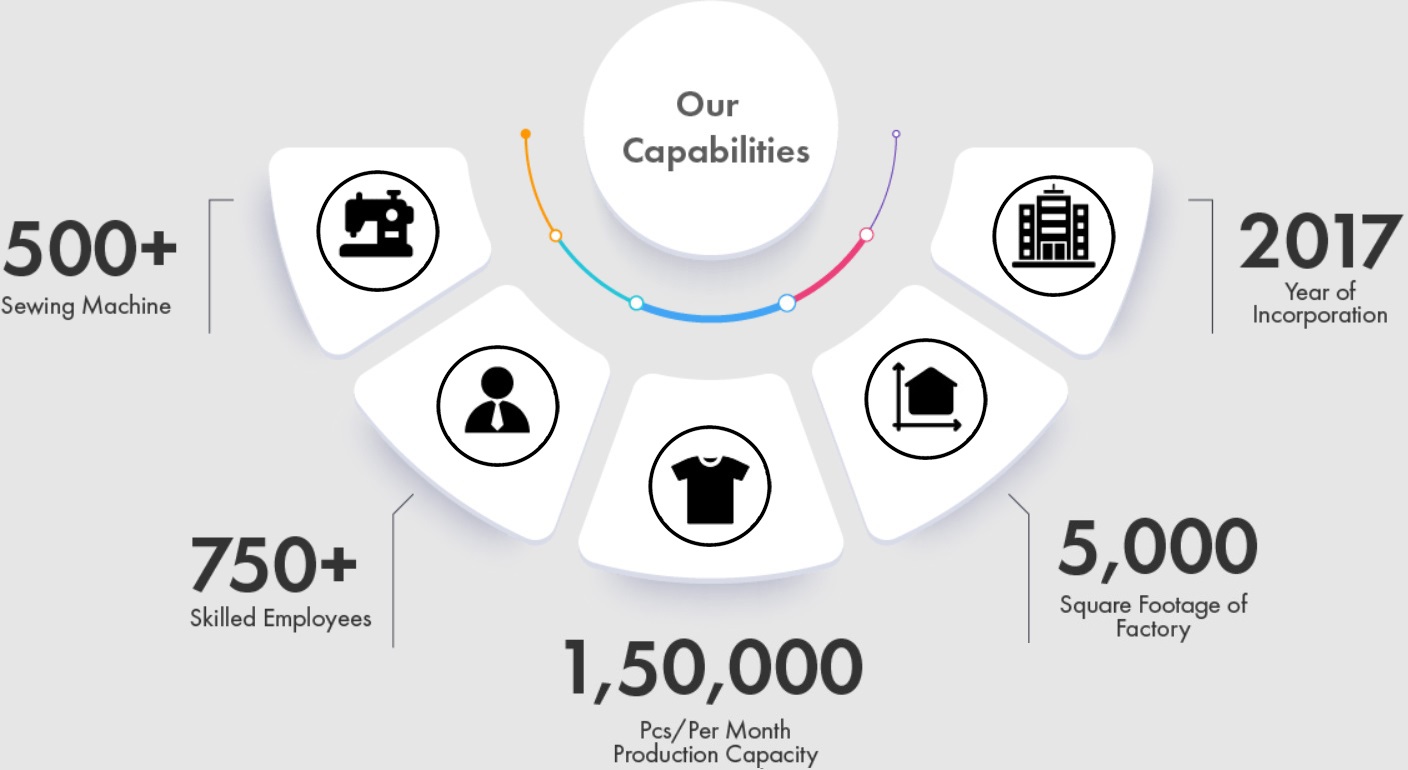
- 18+ Years of Clothing Manufacturing Experience
- 150,000+ Pieces Monthly Capacity
- 750+ Skilled Garment Workers
- 500+ Sewing Machines
- Low MOQ from 50–100 Pieces
- Private Label Support
- Fabric and Lace Sourcing
- In-Line Quality Inspection
- Final Inspection Before Shipment
As a clothing manufacturer specializing in custom dresses, we work with brands from product development through bulk production. For projects that need fabric sourcing, sampling and bulk production, the same team can stay involved through the different stages instead of handing the style to several suppliers.
Custom Lace Slip Dress Manufacturing For Your Brands
If you are developing a new lace slip dress, you do not need to have every detail worked out before coming to us. A reference photo, sketch, sample or tech pack is enough to start. We normally start by looking at the shape and construction, then work through the fabric, lace and finishing details with you.
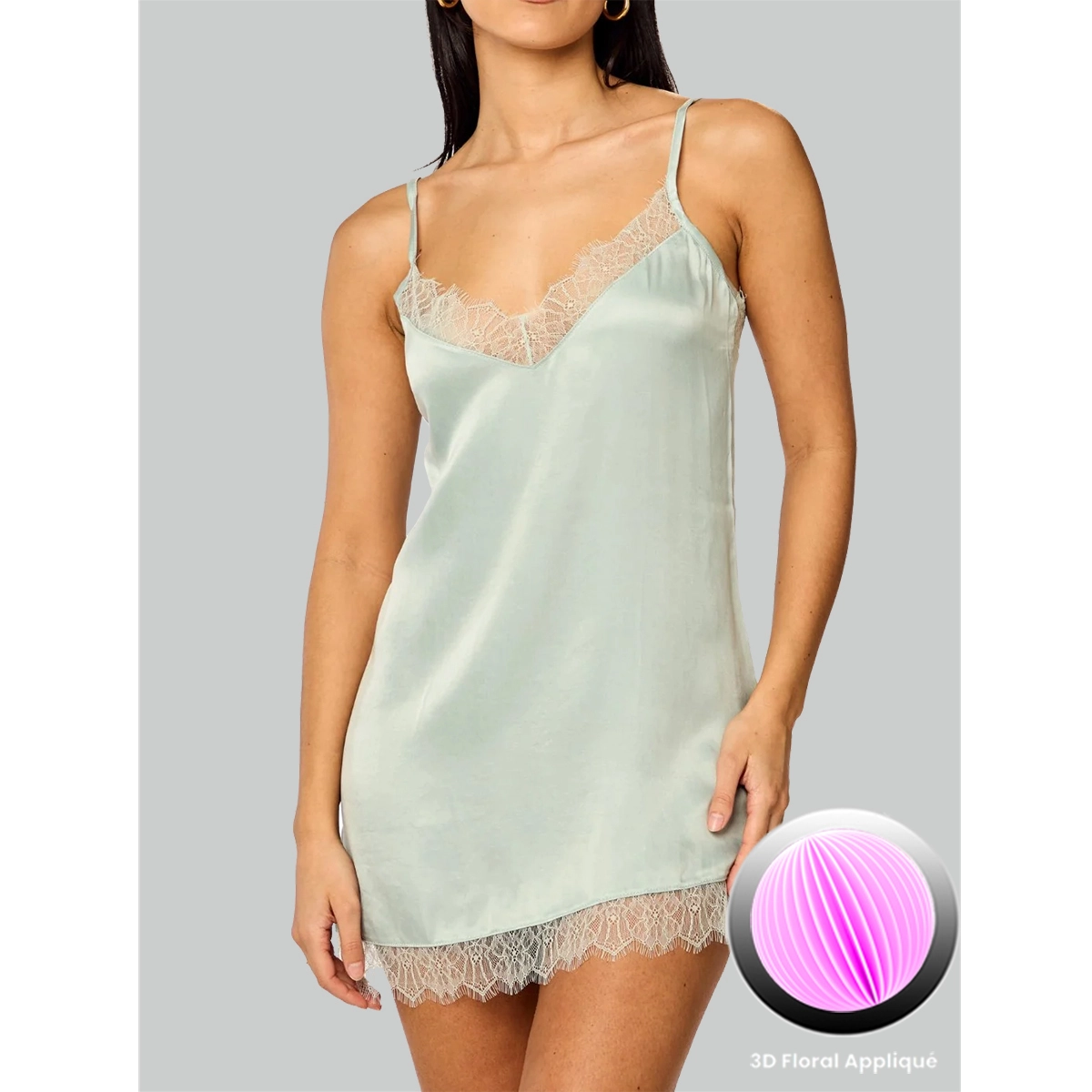
With lace styles, small details can affect the sample quite a bit. If the hem uses a scalloped lace edge, for example, we check the lace width and see whether the edge can be used as it is. For a bias-cut slip dress, we also pay attention to fabric usage, stretch and how the dress may drop after sewing.
At Xiuyu Apparel, we handle the process from fabric and lace sourcing through pattern making, sampling, fitting changes and bulk production. This allows us to deal with the development and production work as one dress manufacturer, rather than treating sampling and bulk production as separate jobs.
If you are developing several lace slip dress styles, we can build from the first approved pattern and keep the fit while changing the length, neckline, lace placement or fabric for the next style. This can reduce some of the pattern and fitting work on related styles.
Product Specifications
| Manufacturing Detail | Information |
|---|---|
| Style | Lace Slip Dress |
| Silhouette | Slip Dress / Bias Cut / A-Line / Fitted |
| Neckline | V-Neck / Cowl Neck / Straight Neck / Custom |
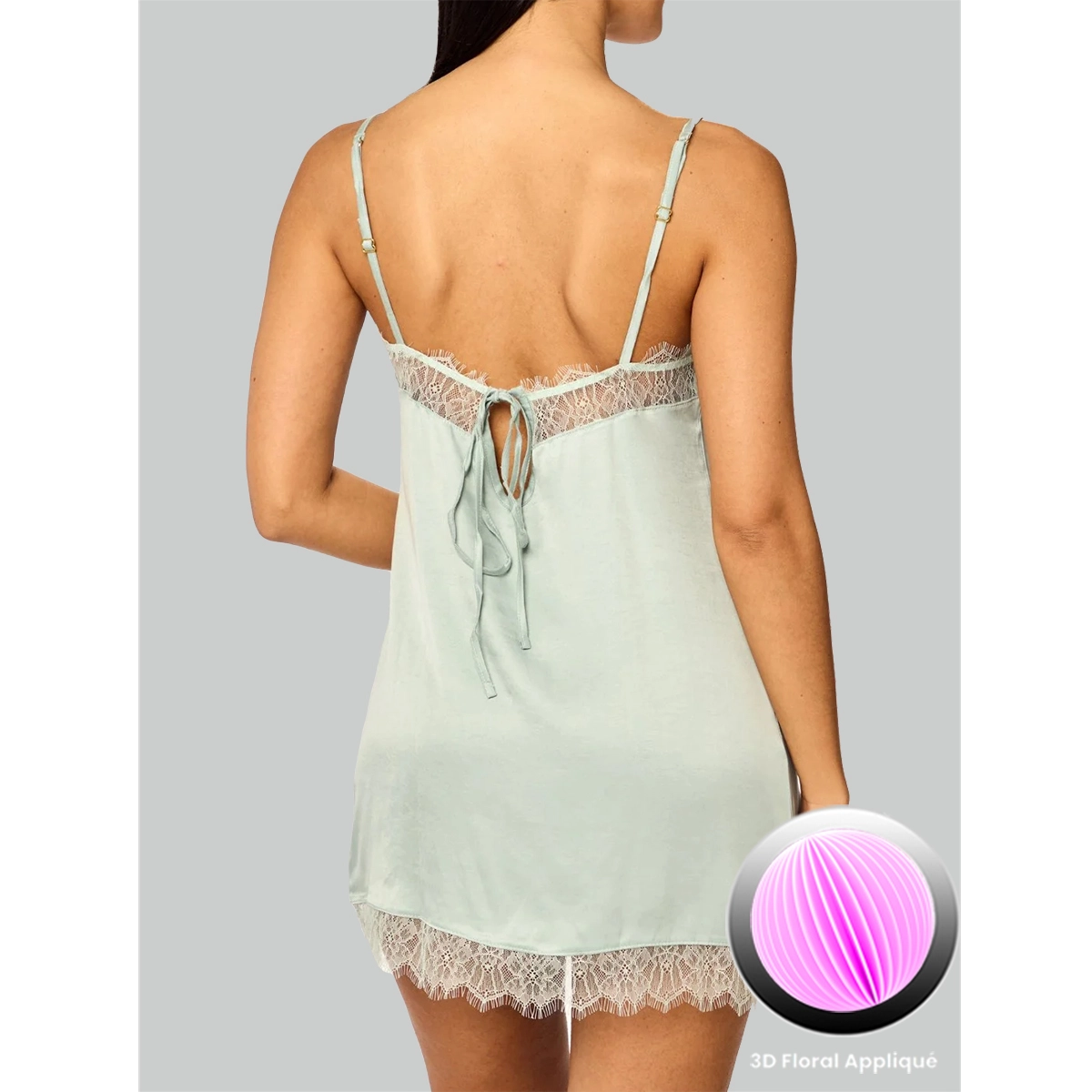
| Strap | Spaghetti Strap / Adjustable Strap / Custom |
| Fabric Options | Lace / Silk Satin / Satin / Chiffon / Custom Materials |
| Lace Options | Lace Trim / Floral Lace / Eyelash Lace / Stretch Lace / Custom Lace |
| Lining | Full / Partial / Short / Custom |
| Closure | Invisible Zipper / Side Zipper / Custom |
| Hem | Straight Hem / Lace Edge / Scalloped Lace Edge |
| Production | OEM / ODM / Private Label |
| MOQ | From 50–100 pcs per style/color |
| Sample Lead Time | 3–7 Days |
| Bulk Lead Time | 25–30 Days |
Lace Options for Your Slip Dress
When we source lace for a slip dress, we look at more than the appearance. The lace also needs to work with the pattern, fit and sewing method.
For a light evening slip dress, a fine Chantilly lace may be suitable. For a closer fit, stretch lace can make fitting easier. If you want the lace itself to form the hem, a scalloped edge can often be used instead of adding a separate trim.
| Lace Type | Typical Use |
|---|---|
| Chantilly Lace | Lightweight overlays and delicate bodice details |
| Floral Lace | Bodice panels, overlays and decorative sections |
| Stretch Lace | Fitted and body-skimming slip dresses |
| Eyelash Lace | Neckline, straps and hem details |
| Scalloped Lace | Neckline and decorative hems |
| Guipure Lace | Structured decorative panels |
| Lace Trim | Straps, neckline, side panels and hems |
The lace pattern itself also needs to be considered. With a large floral repeat, we may need to position the main motif at the center front, back or hem instead of cutting through it with a seam.
Before cutting, we check the usable width, repeat and edge. If the lace has a lot of unusable space between motifs, the consumption can be higher than expected. That is something we prefer to check before confirming the sample and quotation.
Quality Control for Lace Slip Dresses
Quality checking starts during sewing, not only when the finished dresses reach final inspection.
With lace slip dresses, some problems are easy to spot once the garment is hanging on a person, but harder to notice on a flat piece of fabric. Our production and QC teams pay particular attention to the areas that can change the look or fit of the dress.
These normally include:
- Lace placement and pattern repeat
- Strap attachment
- Neckline shape
- Seam appearance
- Fabric and lace defects
- Lining length
- Hem finish
- Loose threads
- Finished measurements
- Pressing marks
Satin needs careful handling because puckering, needle marks or pressing marks can show clearly on the surface. With lace, a small shift in the motif or an uneven edge can also be noticeable once the panels are joined.
For bulk production, we use the approved sample and confirmed measurements as the reference. If the bulk garment starts to differ from the approved version, the issue is easier to correct while production is still running than after the whole order has been finished.
How We Manufacture Lace Slip Dresses
1. Design Review Before Sampling
You can send us a tech pack, sketch, reference garment or even a clear product photo to start.
We normally check the main construction before making the pattern, including the neckline, straps, lace placement, lining, closure, hem and overall shape.
If we see something that may cause trouble during sewing, we raise it at this stage. It is much easier to change a measurement or construction detail before the sample is cut.
2. Lace and Fabric Sourcing
If you already have a lace or fabric in mind, we can work from your specification or nominated supplier.
If not, we can help source options based on the look and feel you want, along with fabric weight and target cost. With lace, we normally check the width, stretch, repeat, decorative edge, weight and transparency before recommending it for the dress.
A lace may look right on a fabric card but behave differently once it is cut into panels, especially around the neckline and hem.
3. Pattern Development
After the fabric, lace and measurements are confirmed, we make the pattern for the first sample.
Bias-cut slip dresses need extra attention because the garment can drop or change slightly after sewing. We check the neckline, strap position and side seams to make sure the dress sits correctly on the body.
The first pattern is usually adjusted after fitting. We would rather correct the pattern at sample stage than carry a fitting problem into bulk production.
4. Sample Making
The first sample is where we can see how the lace and fabric actually work together.
You can check the fit, lace placement, drape, lining length, straps, neckline, hem, zipper and measurements. We also look at these points from the production side, because something that looks fine on a flat pattern may need adjustment once the dress is sewn.
Our usual sample lead time is around 3–7 days once the main materials and specifications are confirmed.
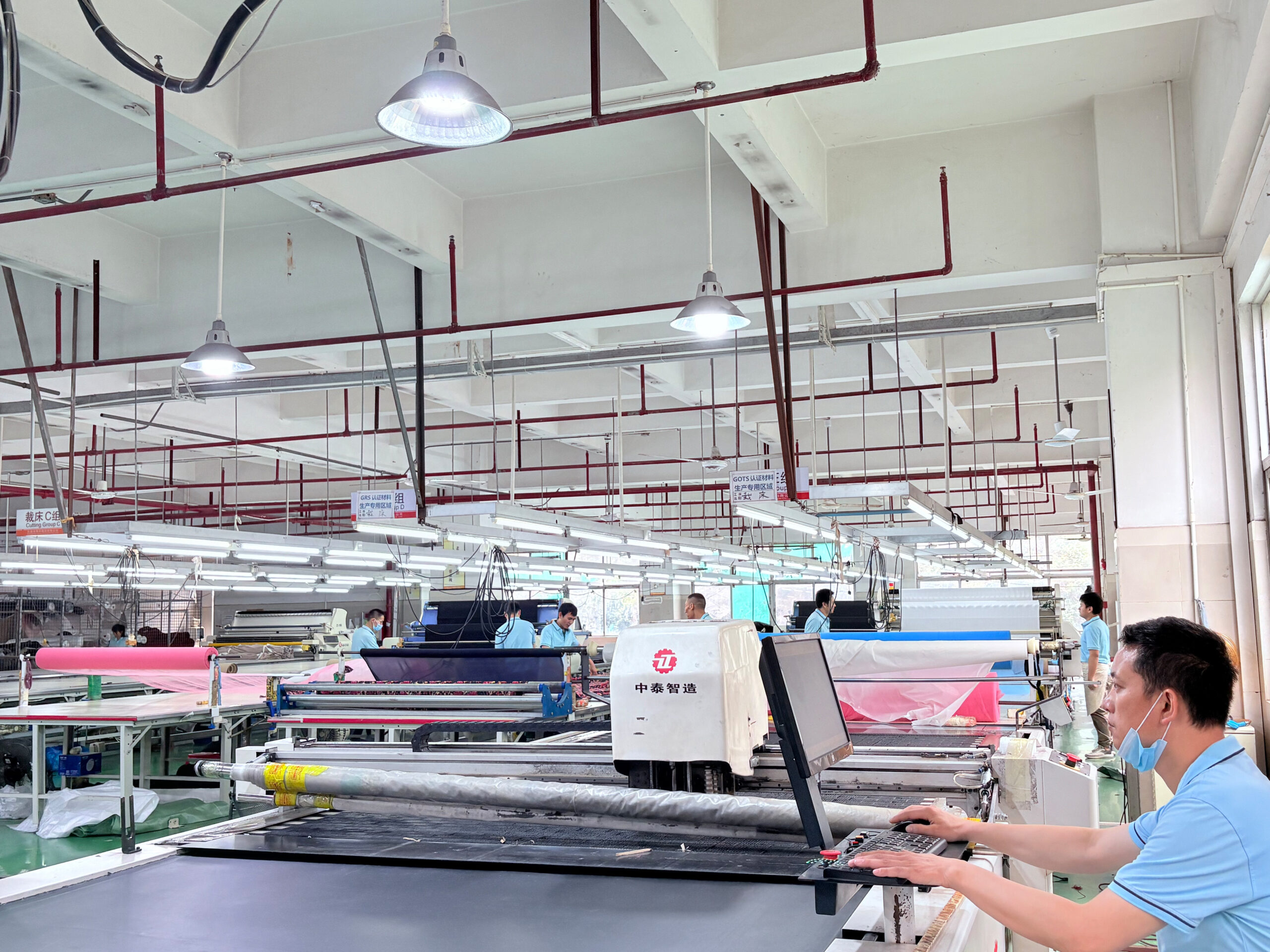
5. Cutting and Bulk Sewing
Once the sample is approved, the style can move into bulk production.
Lace needs careful cutting, particularly when it has a directional floral pattern, a scalloped edge or a design that needs to match between panels. The cutting team checks the layout before fabric is spread and cut.
During sewing, we pay close attention to the neckline, straps, side seams and zipper area. On delicate satin or silk bases, too much tension can leave puckering that becomes more noticeable after pressing.
6. In-Line Quality Inspection
We do not wait until the garments are finished to check the workmanship.
The QC team checks the style while it is running, with particular attention to the construction points confirmed during sampling.
If a problem is found, the production team can stop and correct it before the same issue continues through the rest of the order.
Production Considerations for Lace Slip Dresses
Lace slip dresses can look simple, but a few details can make a noticeable difference once the garment is cut and sewn. These are some of the points we normally check during development.
Lace Placement and Pattern Matching
Lace cannot always be laid out and cut in the same way as a plain fabric.
With floral or directional lace, we check where the main motifs will fall on the front, back, neckline and side seams. If the lace has a decorative edge, we also look at whether that edge can be kept intact instead of being cut away at the seam.
Large motifs can leave more unused space in the cutting layout, which may increase lace consumption.
Lace Edge and Hem Construction
A scalloped or eyelash edge often becomes part of the finished design, so we do not treat it like an ordinary fabric hem.
Before cutting the sample, we check how much of the edge will remain after sewing. If the pattern takes too much away from the decorative edge, the hem can end up looking quite different from the reference.
Lining Length and Transparency
The lining needs to work with the lace rather than simply follow a fixed length.
On a sheer lace slip dress, a full lining can hide more of the lace than intended. A shorter lining gives more transparency, but the lining still needs to sit properly and finish cleanly when the dress moves.
We normally check the lining length on the sample. The right length can change depending on the lace pattern, hem and overall shape of the dress.
Bias-Cut Construction
Bias cutting is common for slip dresses because it gives the fabric a softer fall around the body.
It also means the garment needs more time to settle. Some fabrics will drop after hanging, and the finished measurements can change slightly from the first sewn sample.
For this reason, we check the sample after it has had time to hang before confirming the final measurements for bulk production.
Straps and Neckline
Thin straps may look like a small detail, but they carry part of the garment’s weight and affect how the neckline sits.
We check the strap width, attachment position and seam allowance during sampling. On very lightweight fabrics, a strap that is too narrow or poorly supported can pull the neckline out of shape.
Adjustable straps need the same check because changing the strap length can alter the neckline position on the body.
Zipper and Seam Behavior
For styles with an invisible zipper, we check the zipper after it has been sewn into the lace and base fabric.
Lightweight satin, silk or lace can react differently around the zipper area. A zipper may look flat before pressing but show slight puckering after sewing and pressing.
That is why we judge the zipper as part of the finished garment, not as a separate trim.
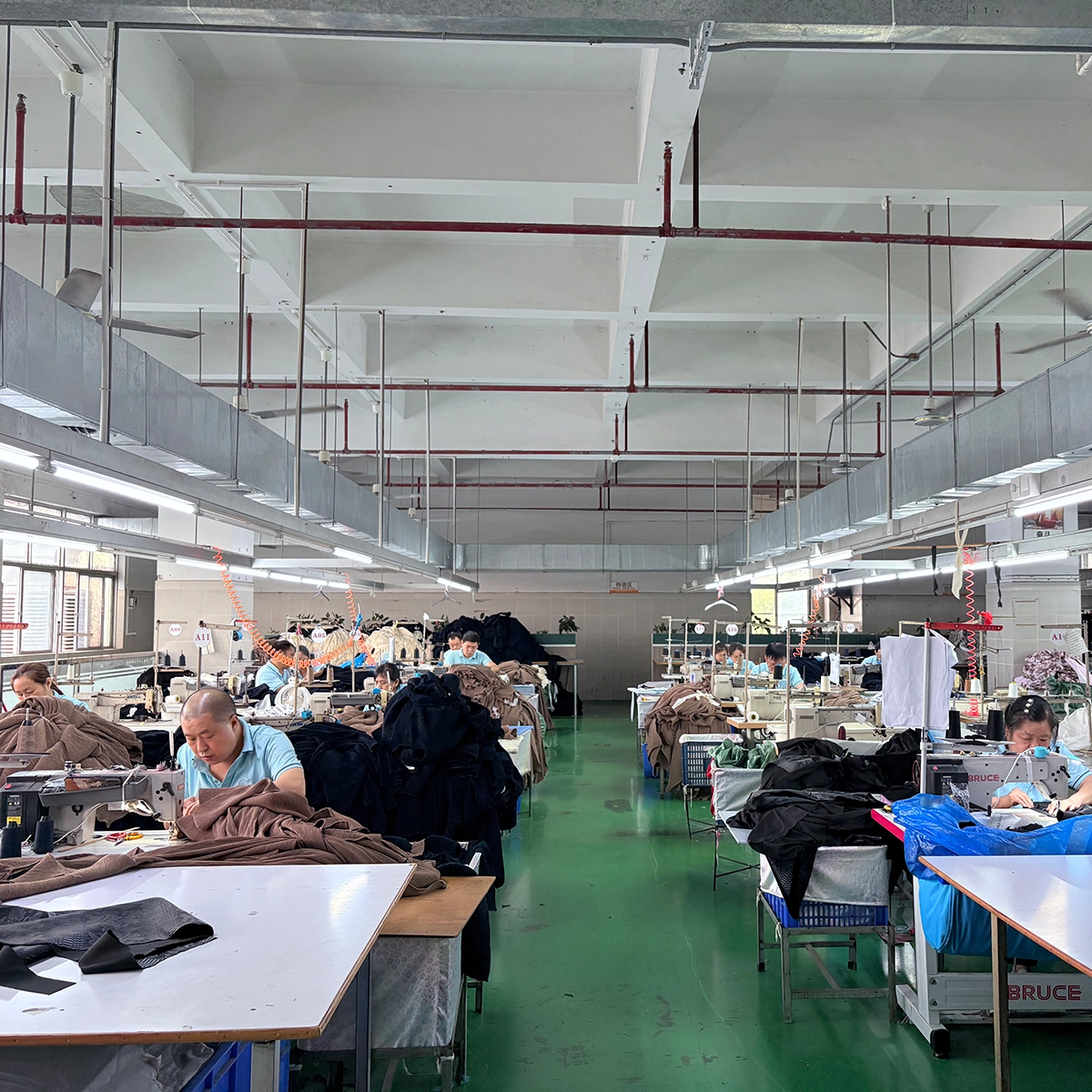
Inside Our Dress Manufacturing Factory
The following shows the main factory-floor stages once materials are ready for production.
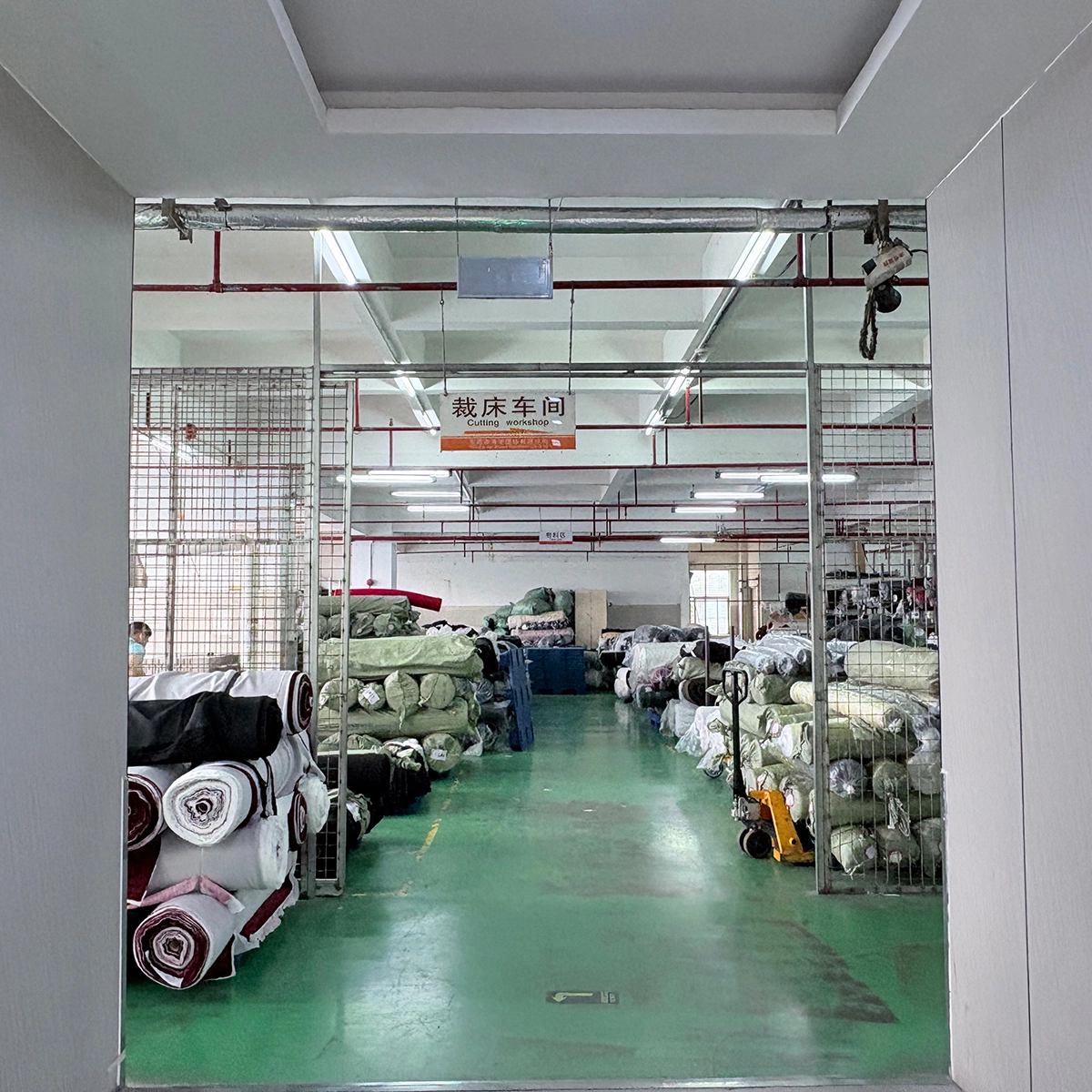
Fabric Warehouse
↓
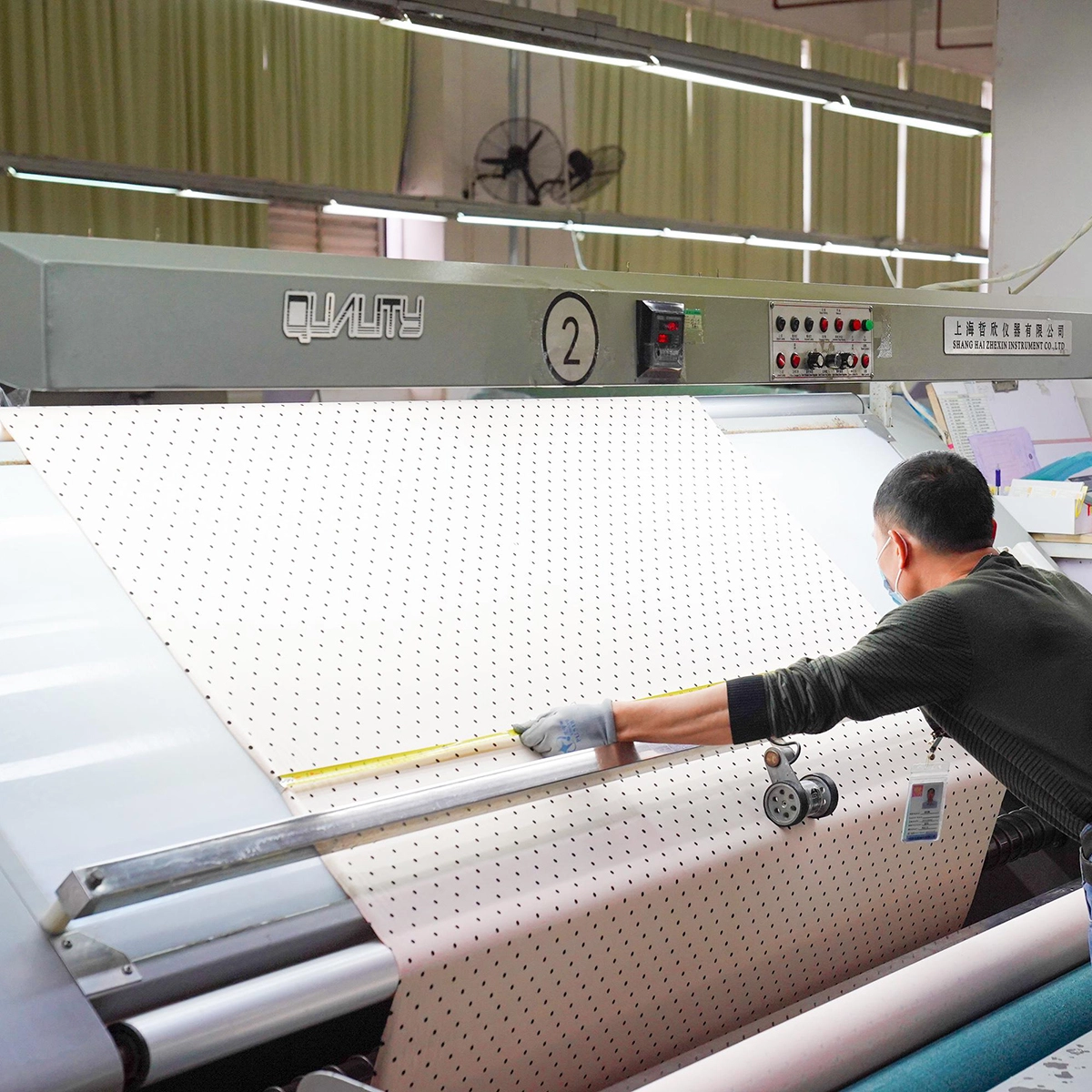
Fabric Inspection
↓
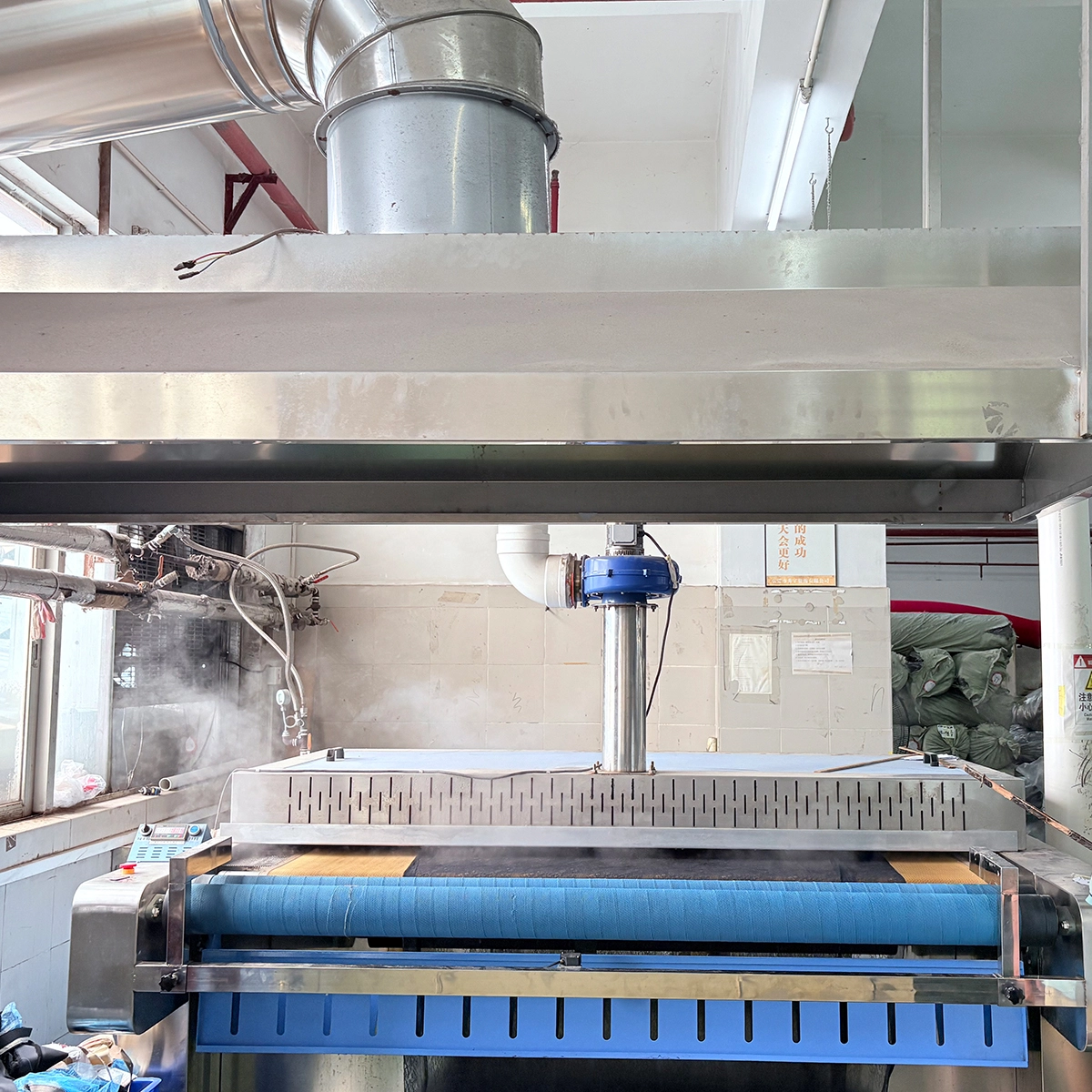
Fabric Pre-shrinking
↓
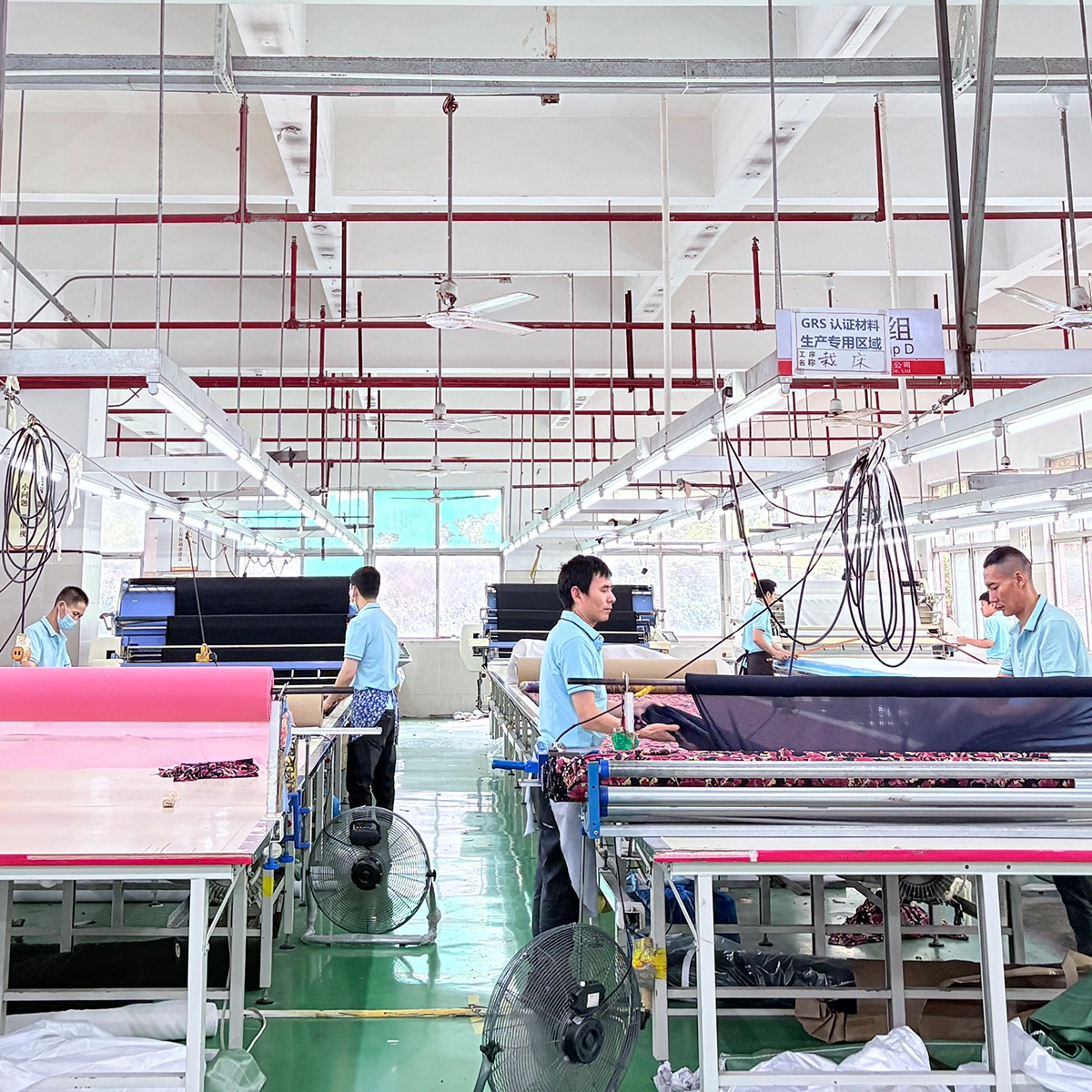
Cutting
↓
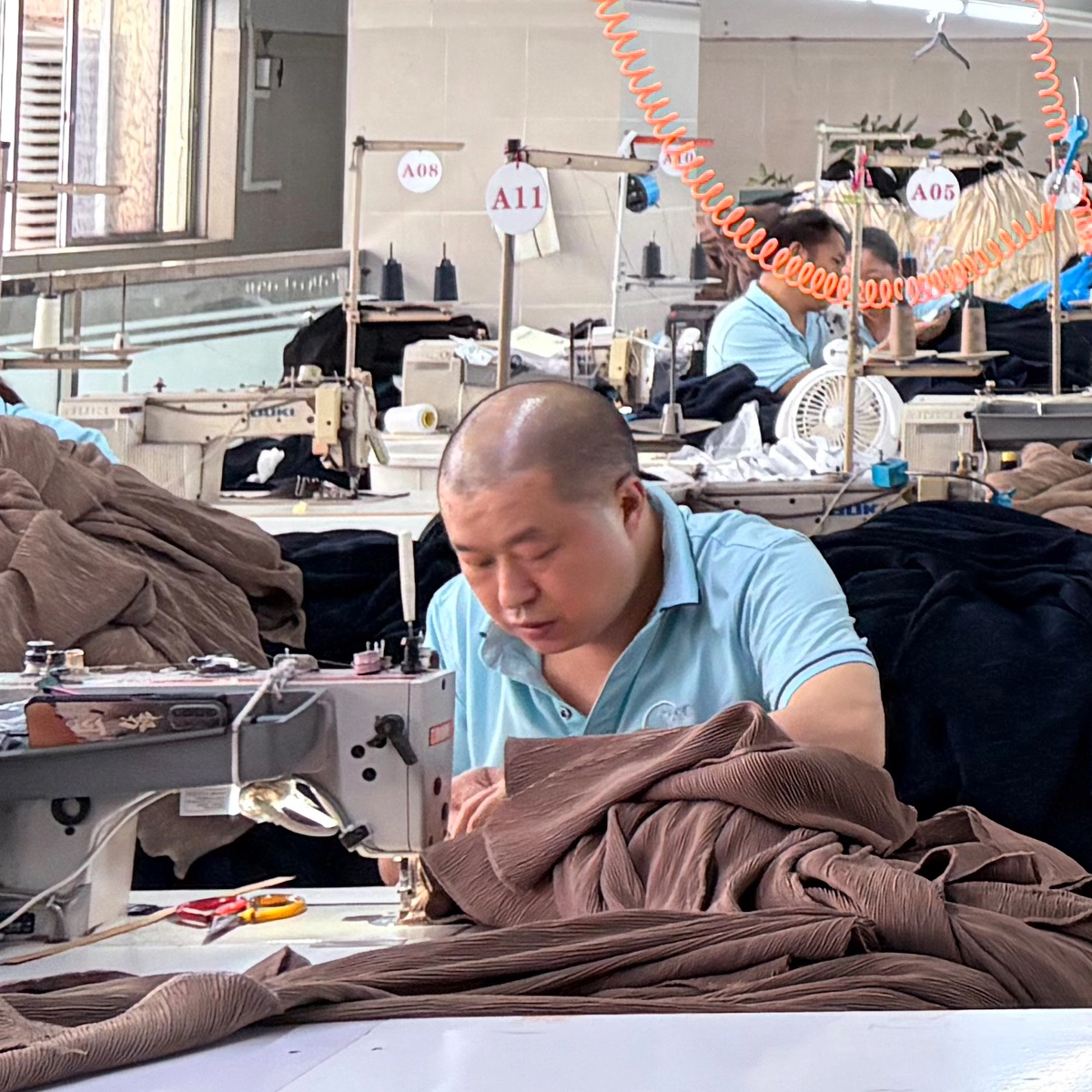
Sewing Workshop
↓
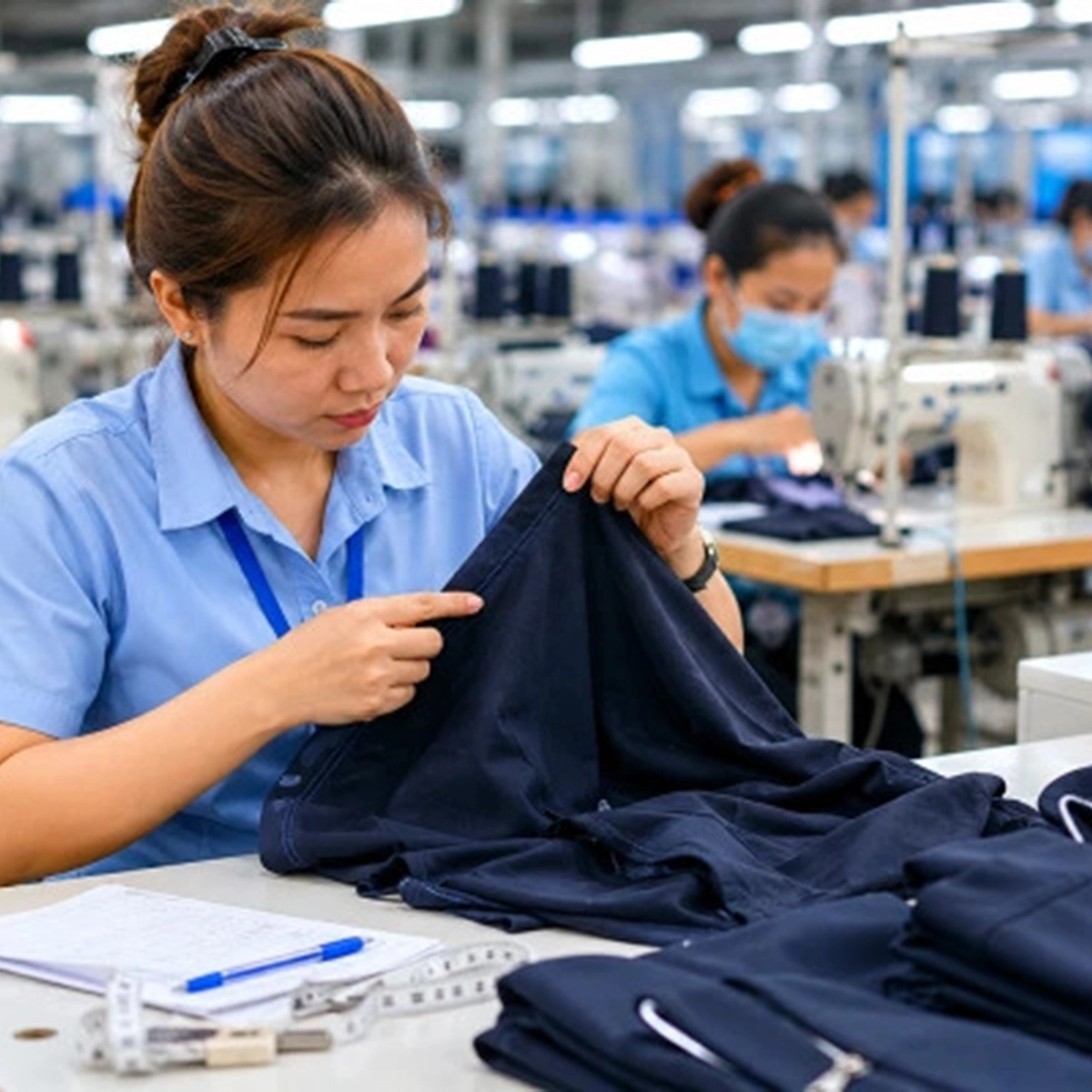
In-line Inspection
↓
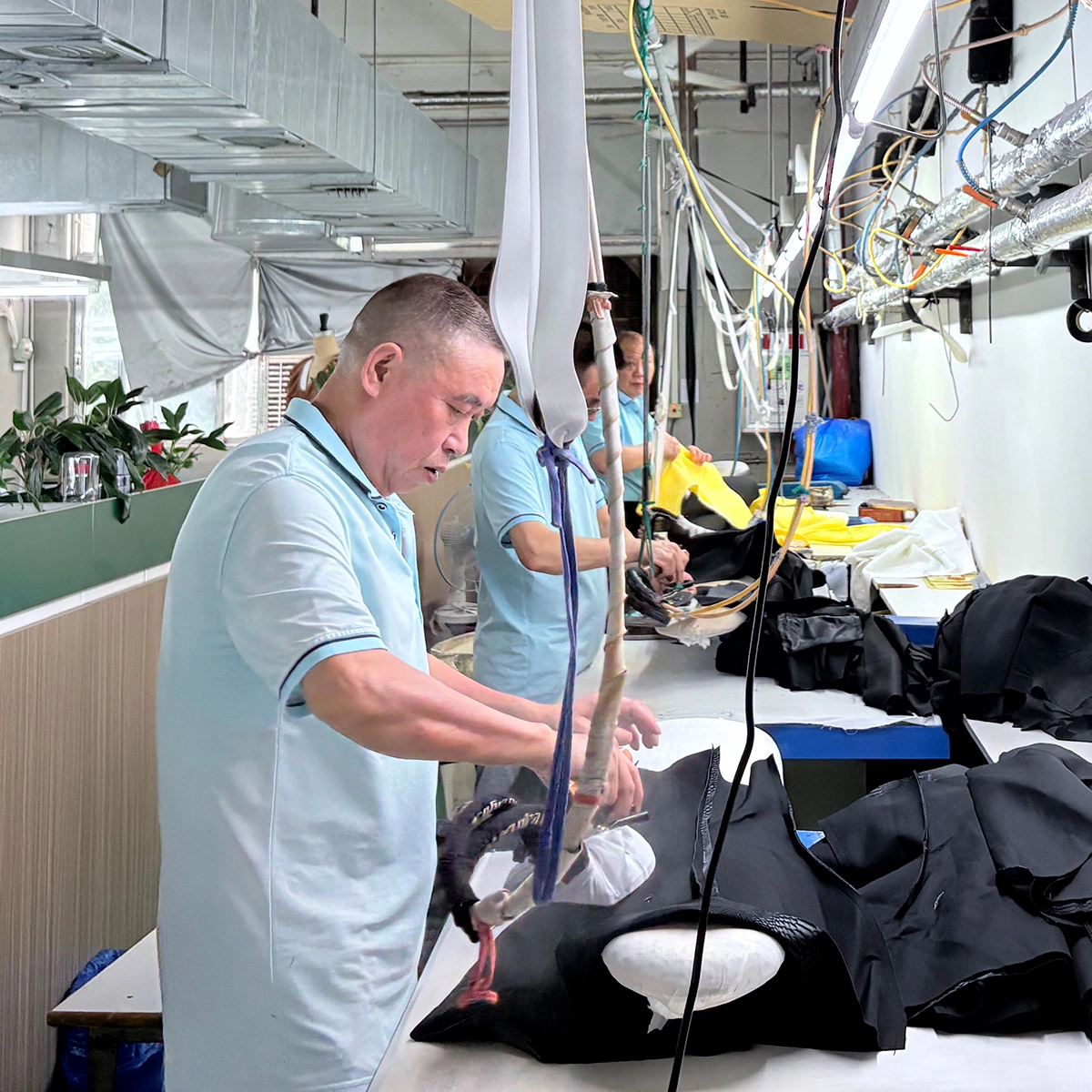
In-line Pressing
↓
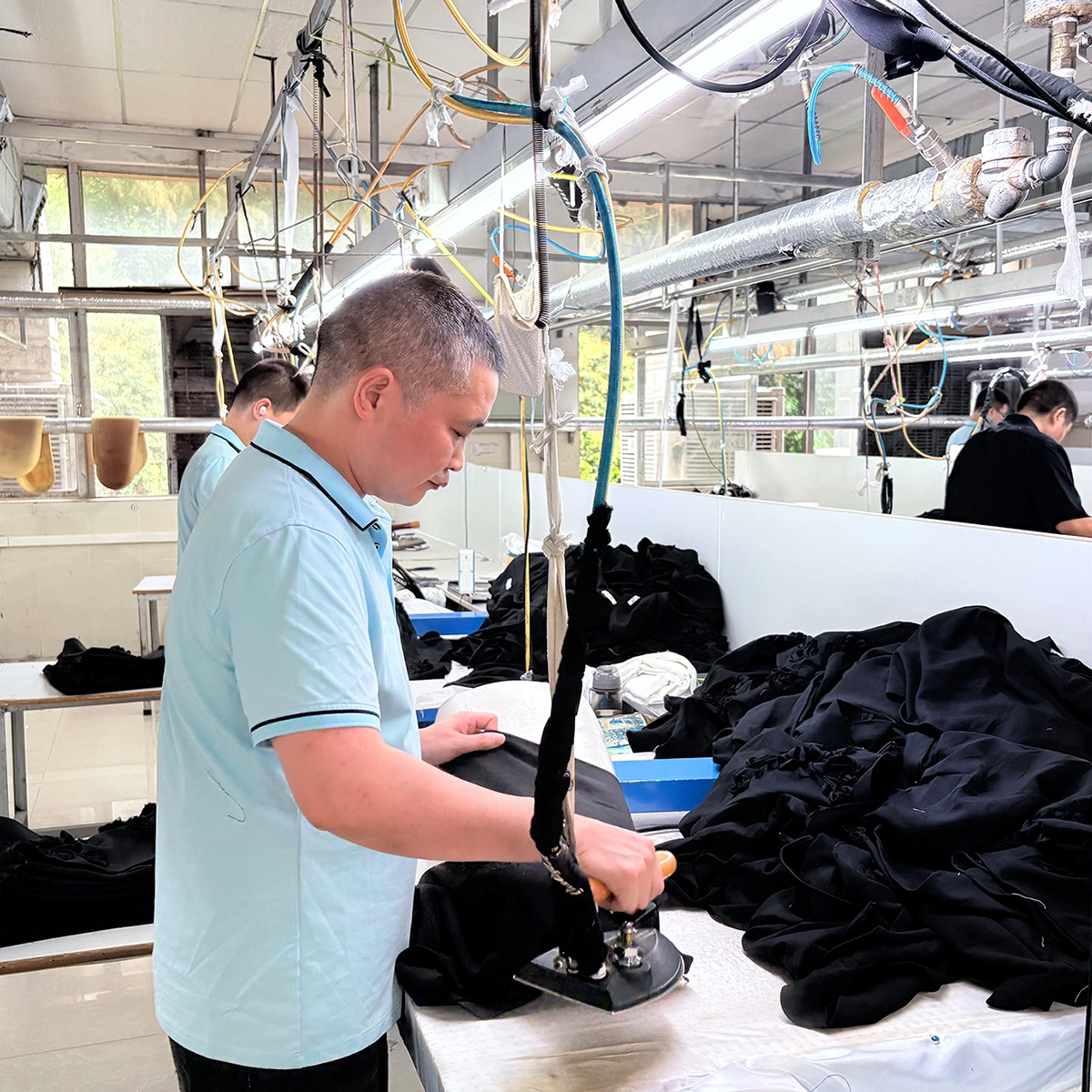
Final Pressing
↓
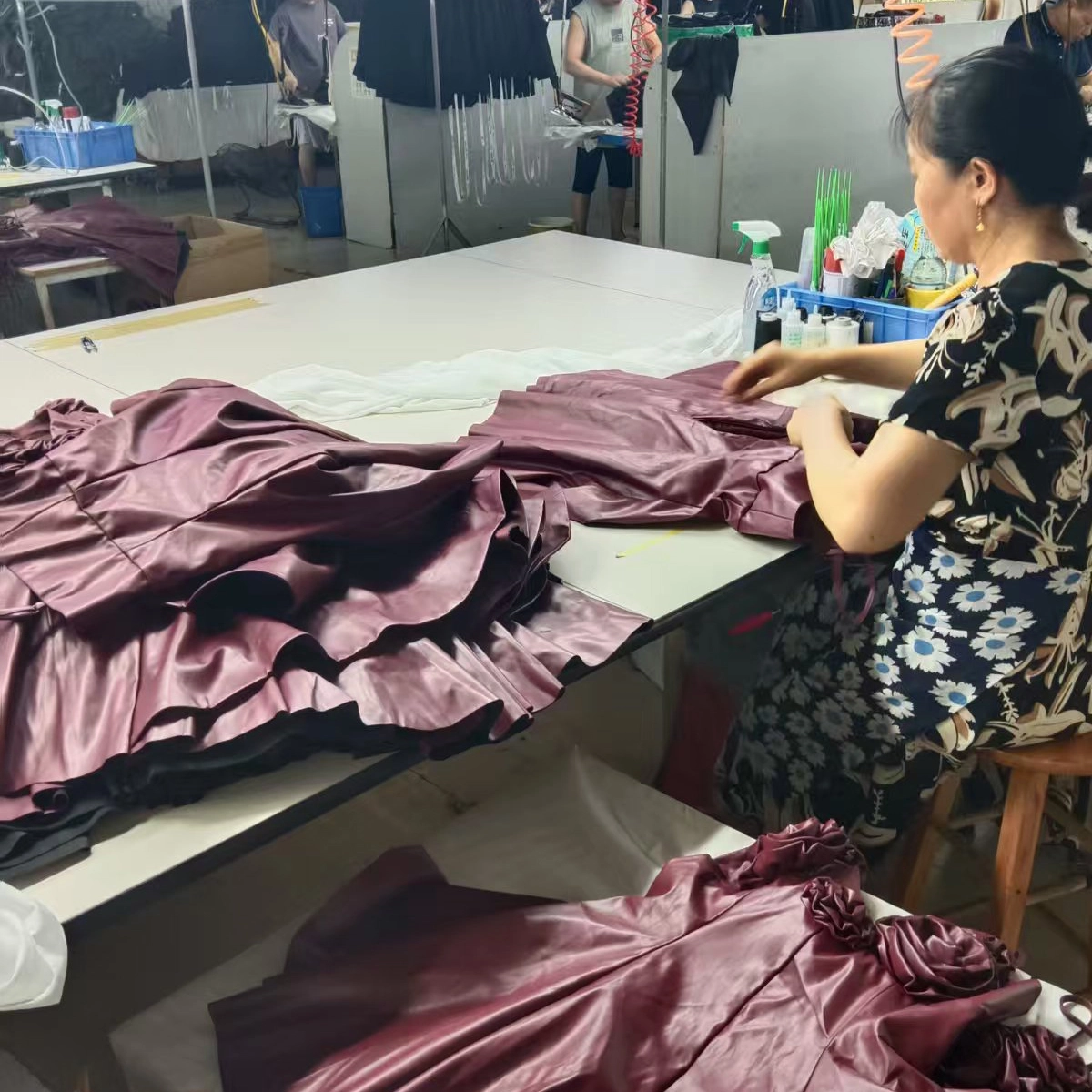
Final Inspection
↓
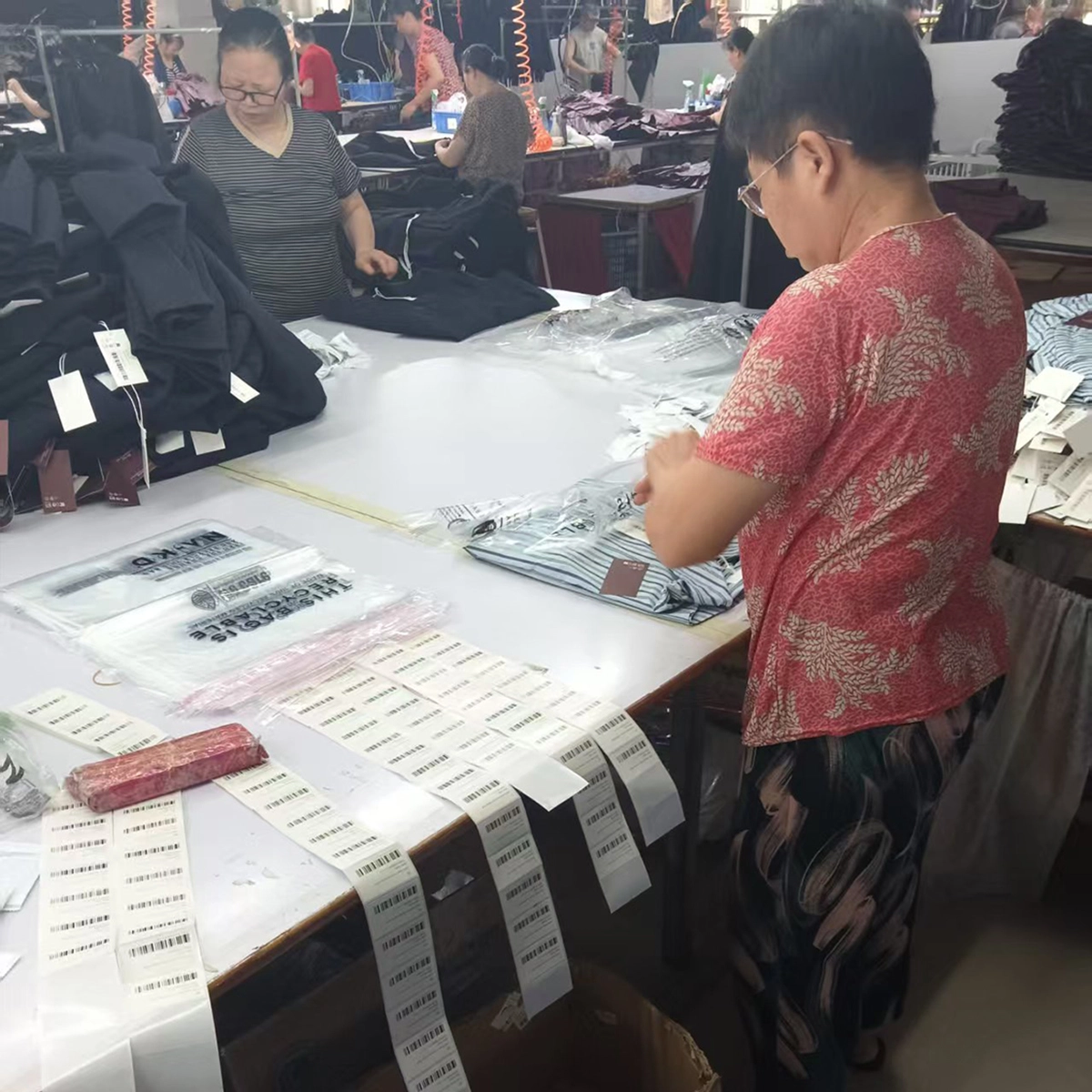
Garment Packing
↓
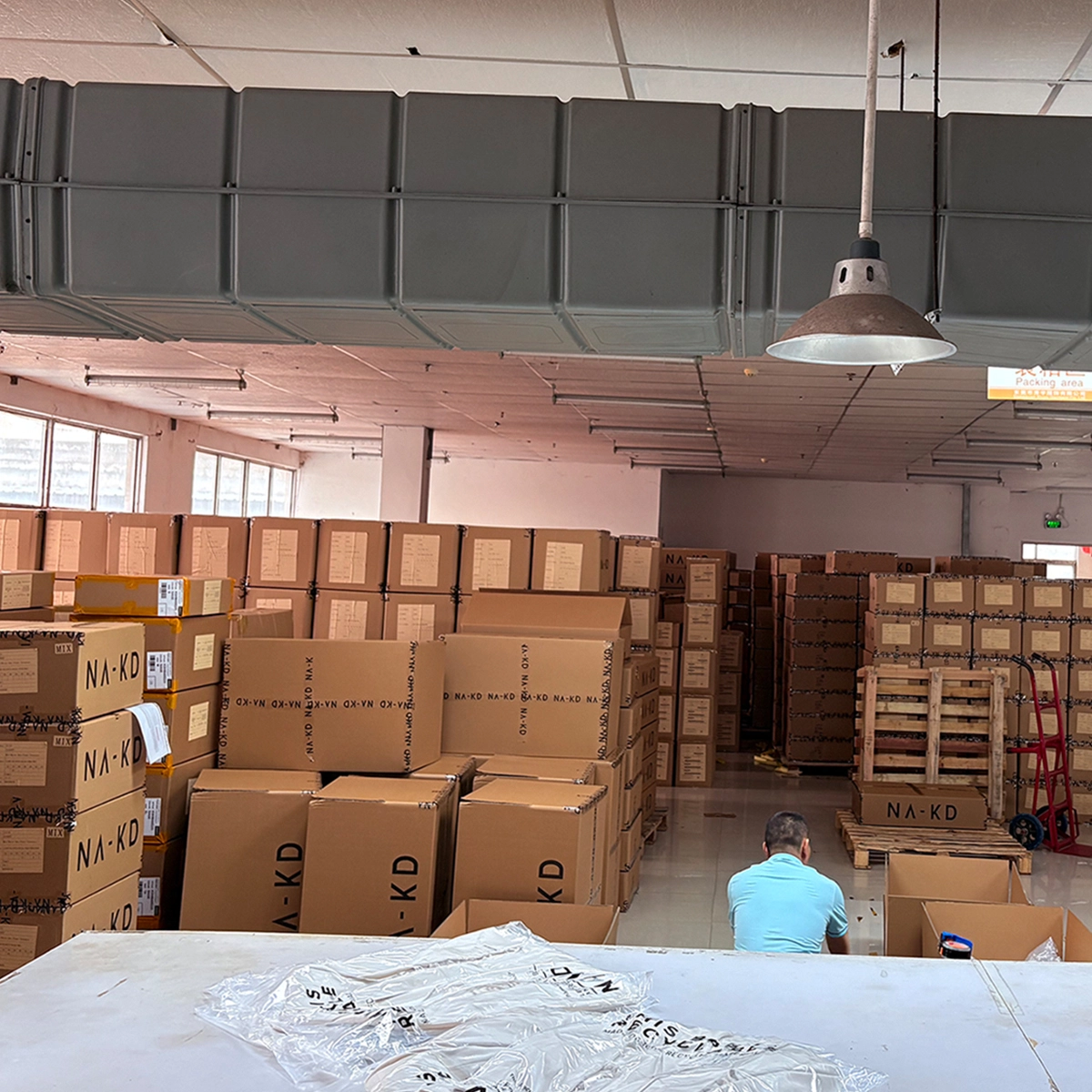
Finished Products
What Affects the Cost of a Lace Slip Dress?
When we quote a lace slip dress, we look at the whole garment rather than the silhouette on its own. Two dresses can look almost the same in a photo but have quite different costs once the lace, fabric, lining and sewing details are confirmed.
Lace is often one of the bigger cost differences between two similar styles. We check the lace material, width, pattern, edge and weight before calculating the fabric requirement.
A wide scalloped lace, for example, may not be used in the same way as a narrow lace trim. The pattern layout can also leave more unused material.
The base fabric also changes the quotation. Silk satin, polyester satin, chiffon and other fabrics have different prices and behave differently during cutting and sewing.
If you have a target price, it helps to tell us early. We can then look for a workable combination of fabric, lace and construction instead of developing a sample that is already over budget.
Fabric usage is not always obvious from the finished dress.
A bias-cut slip dress normally needs more fabric because the pieces cannot always be packed together as tightly as they can on a straight grain. Directional lace can use more material for the same reason when the motifs need to face the same way.
The lining choice is another part of the quotation. Full lining, partial lining and shorter lining lengths require different amounts of material and sewing work.
For lace slip dresses, we also check whether the lining needs to stop above the lace hem or follow a particular section of the outer layer.
Small construction details can add sewing time even when the dress itself looks simple.
An invisible zipper, lace matching, special strap construction, French seams, extra panels or carefully positioned lace edges all require additional handling. We normally check these points when reviewing the sample rather than estimating everything from the product photo.
Order quantity also affects the final unit price. Pattern work, cutting preparation and production setup are spread across the order, so a small run and a larger bulk order will not always have the same cost per piece.
When comparing factory quotations, we recommend using the same fabric, lace, lining, measurements, construction and packaging requirements. Otherwise, a lower quotation may simply be based on a different specification.

About Xiuyu Apparel
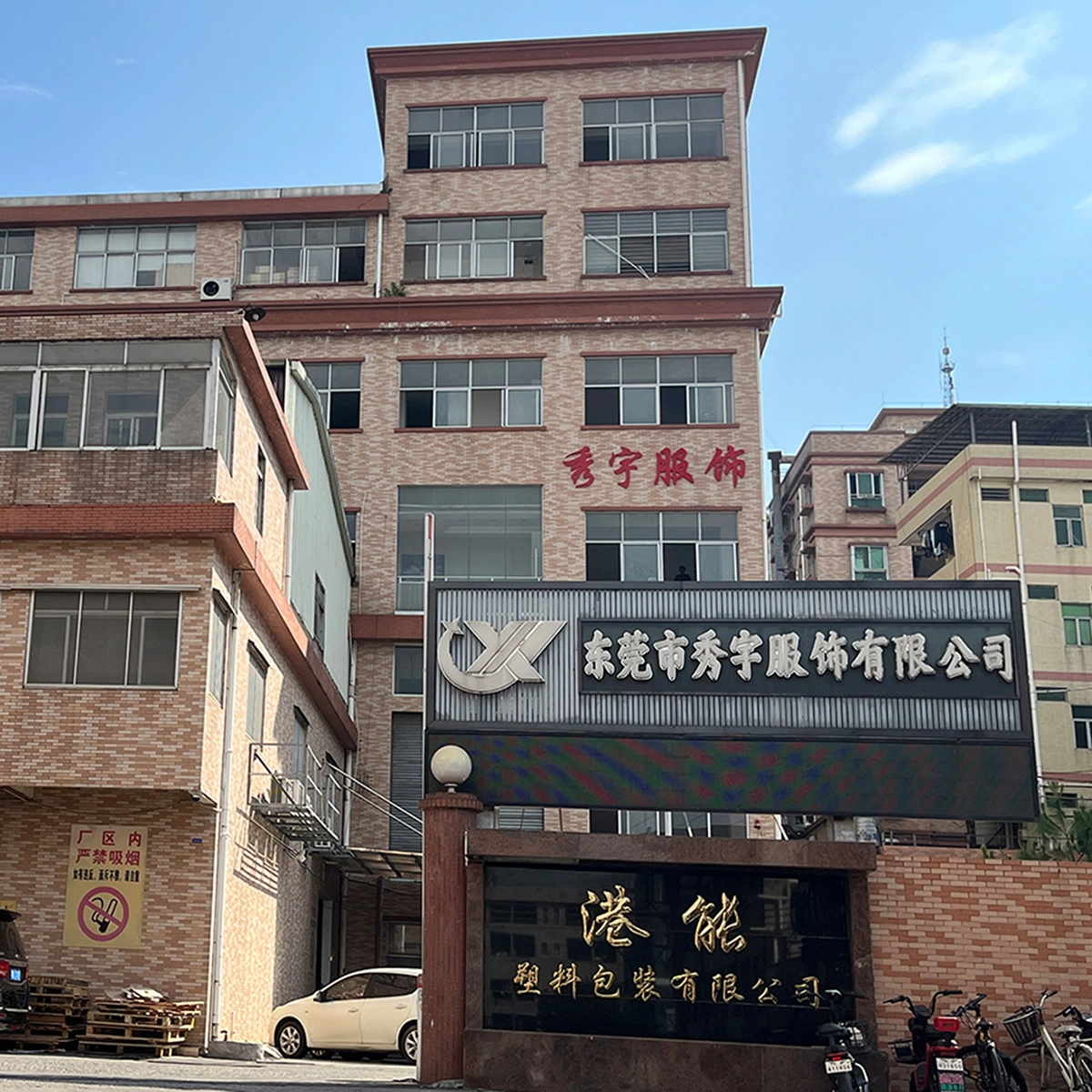
Xiuyu Apparel works with fashion brands, designers, retailers, wholesalers and private label companies on custom dresses and small-to-bulk production orders.
We have been making dresses for more than 18 years. Our team handles the main production work in-house, including pattern making, fabric and trim sourcing, sample development, cutting, sewing, inspection, finishing and packing.
- Factory Picture
- Our Capabilities
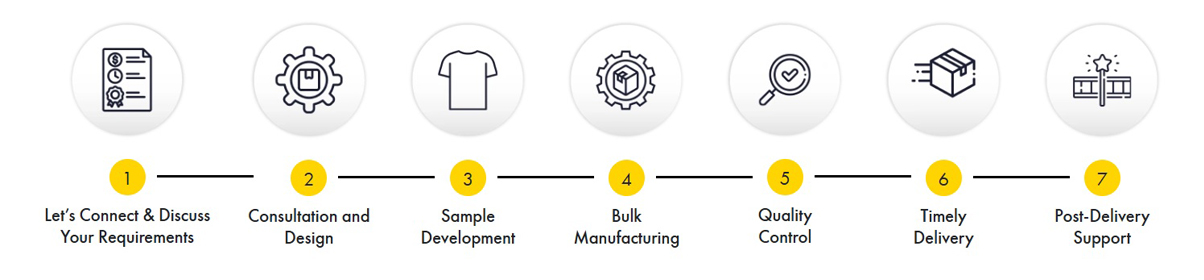
- One-Stop Services
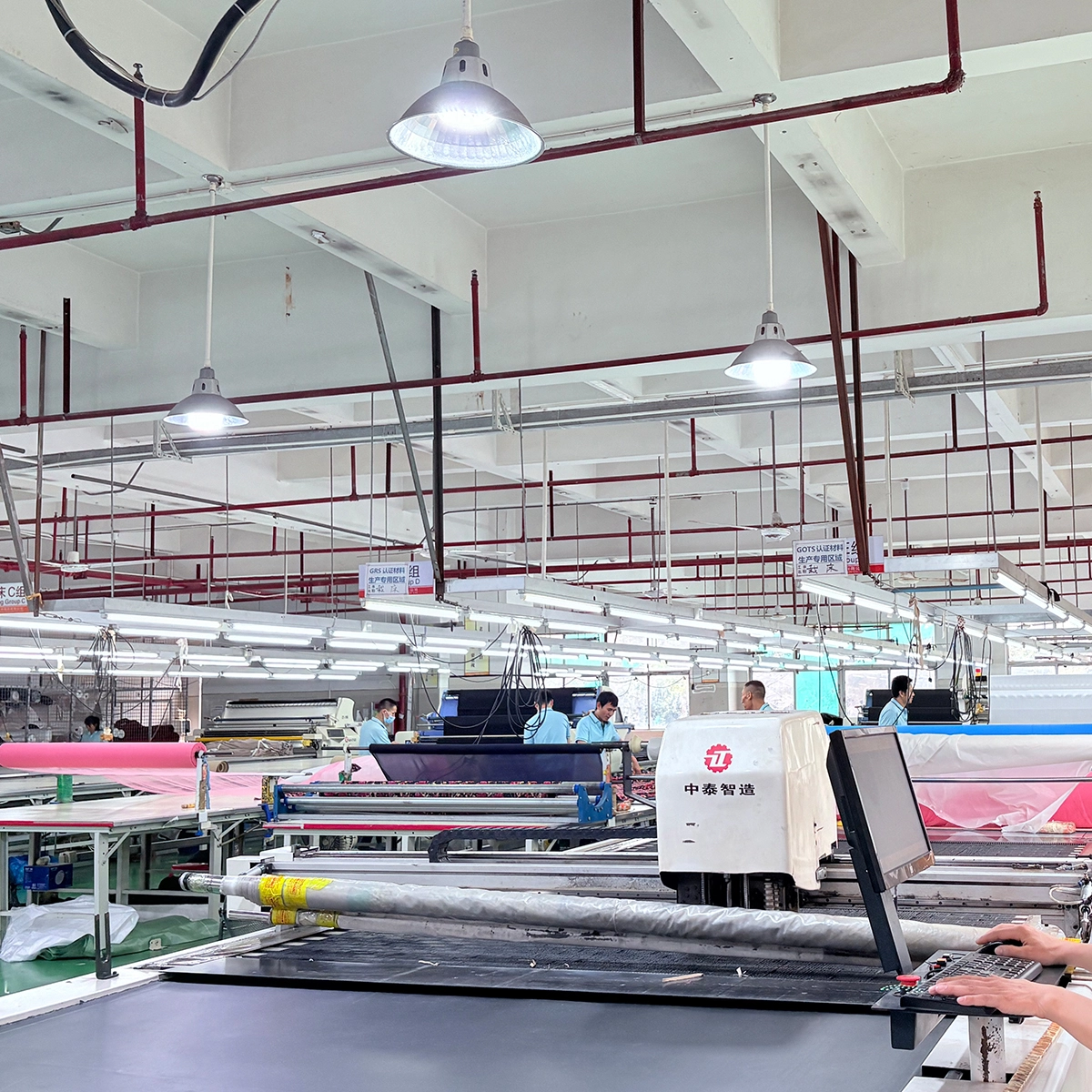
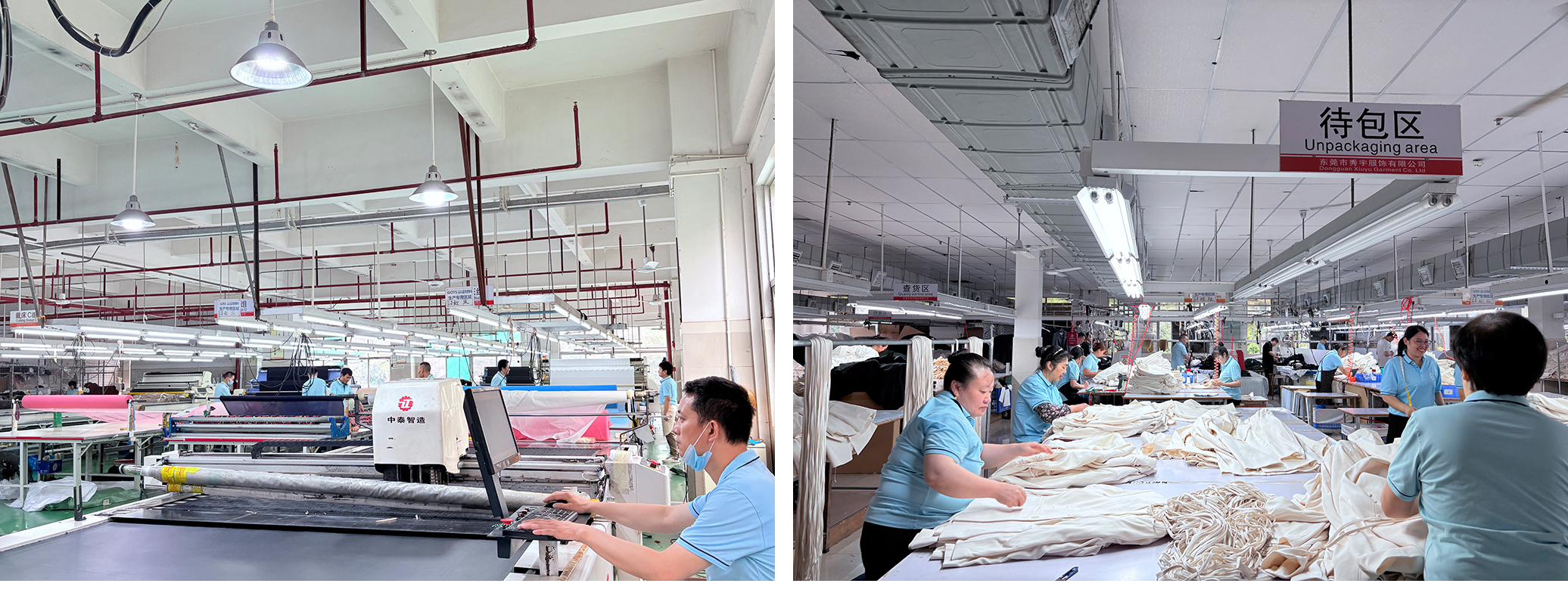 Cutting room & QC inspection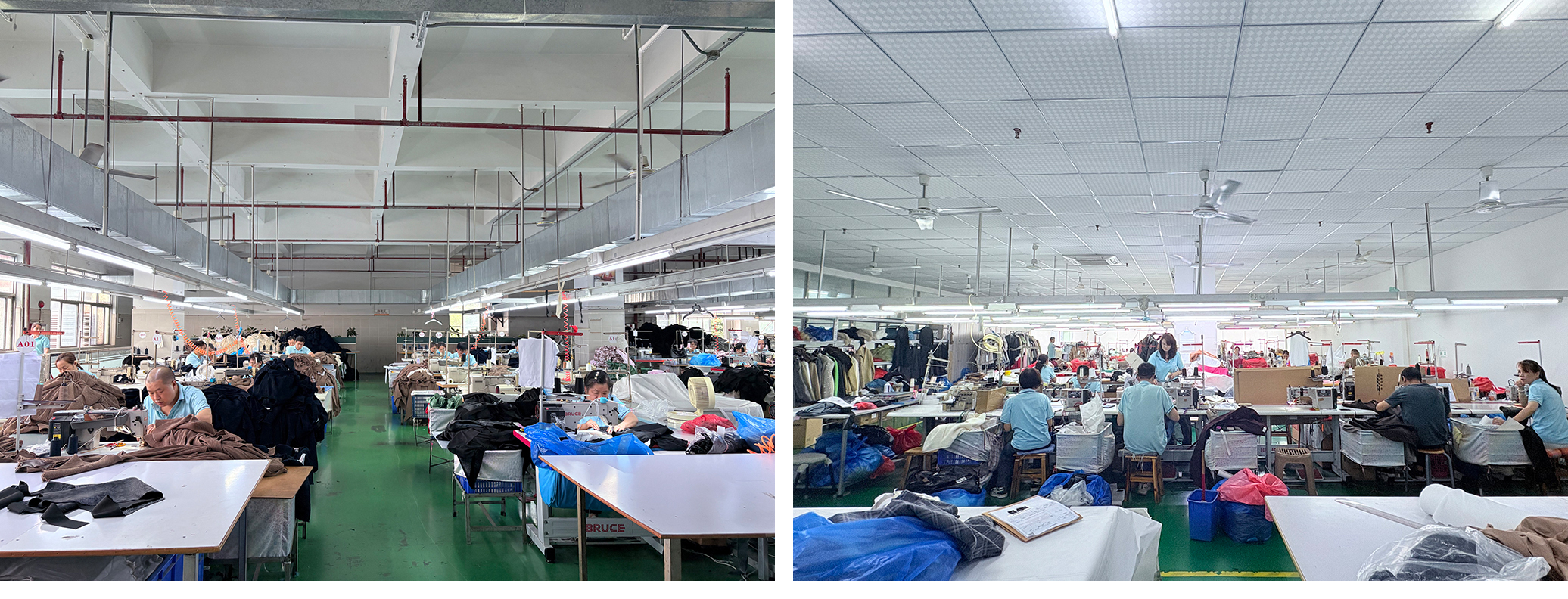
Sewing workshop
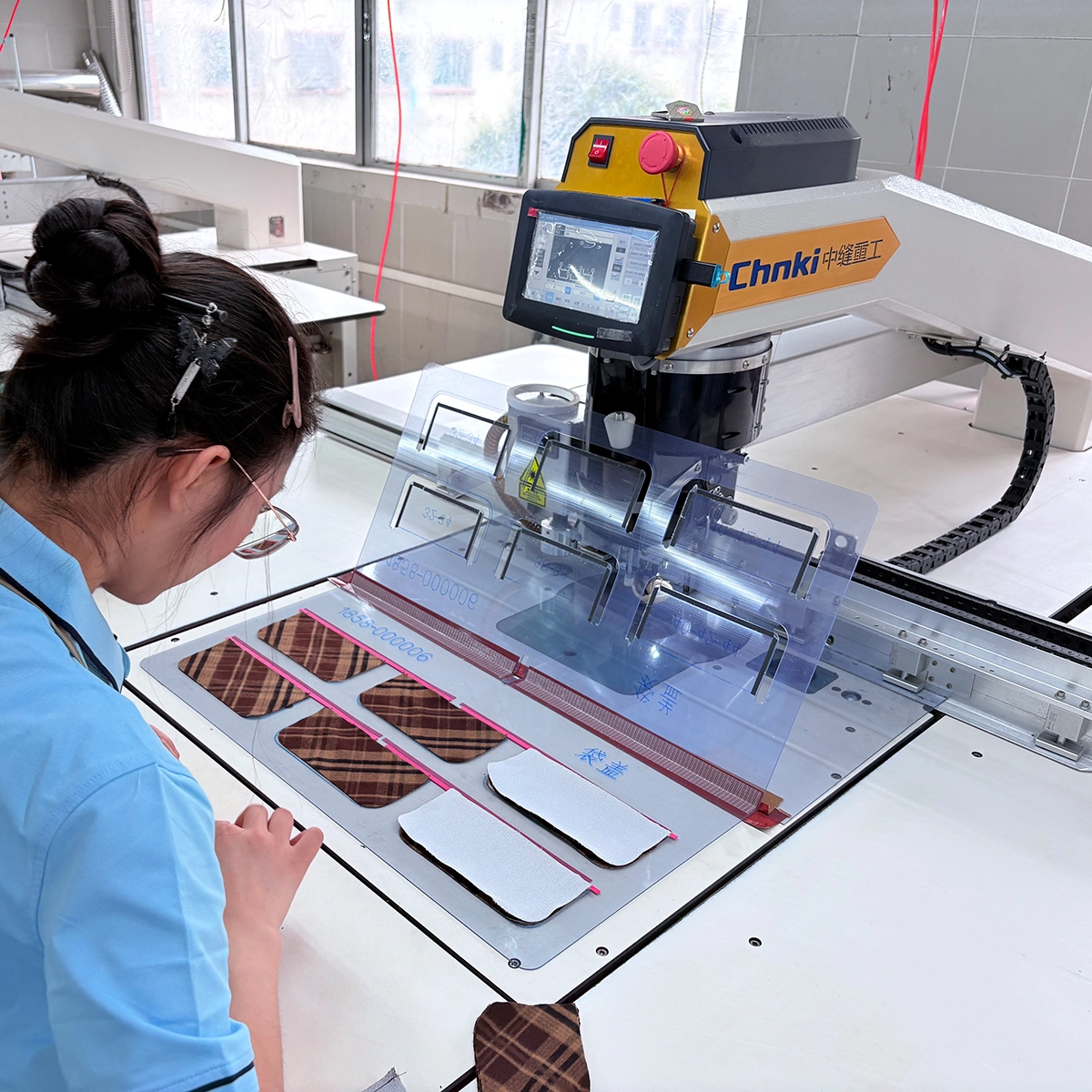
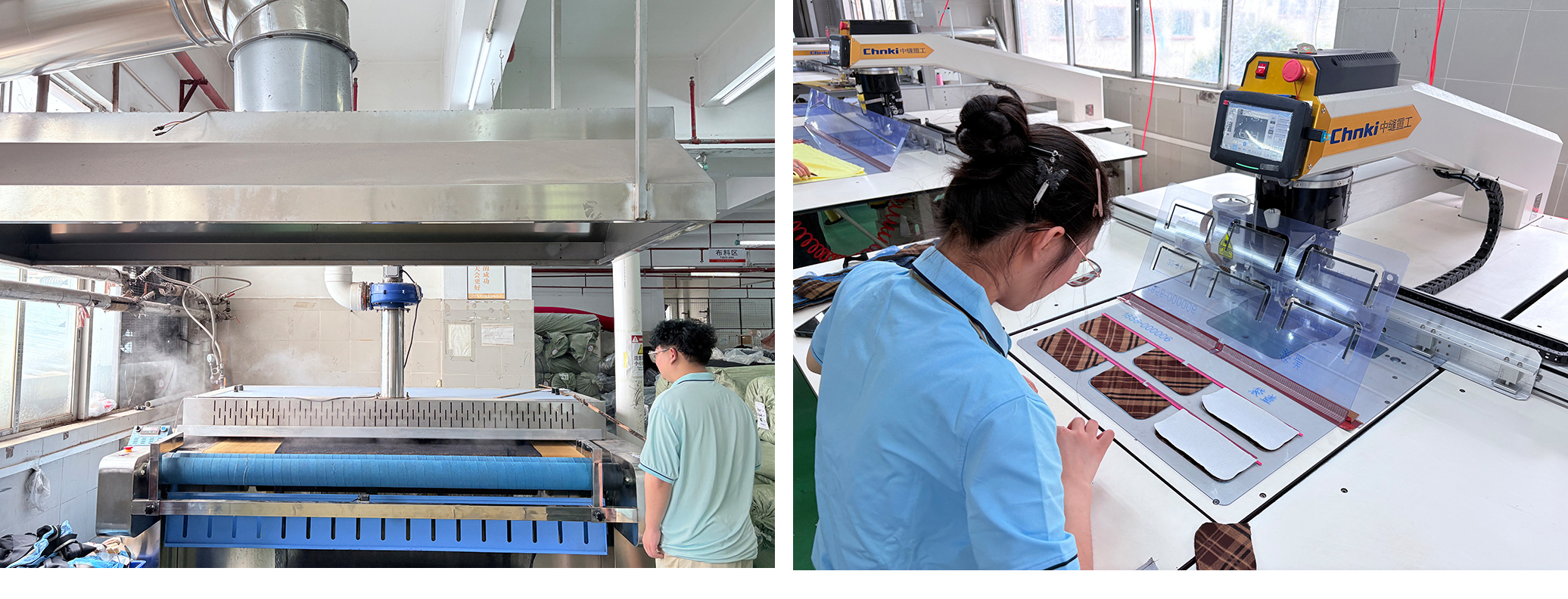 Fabric Pre-shrinking Workshop & Automatic Template Machine Workshop
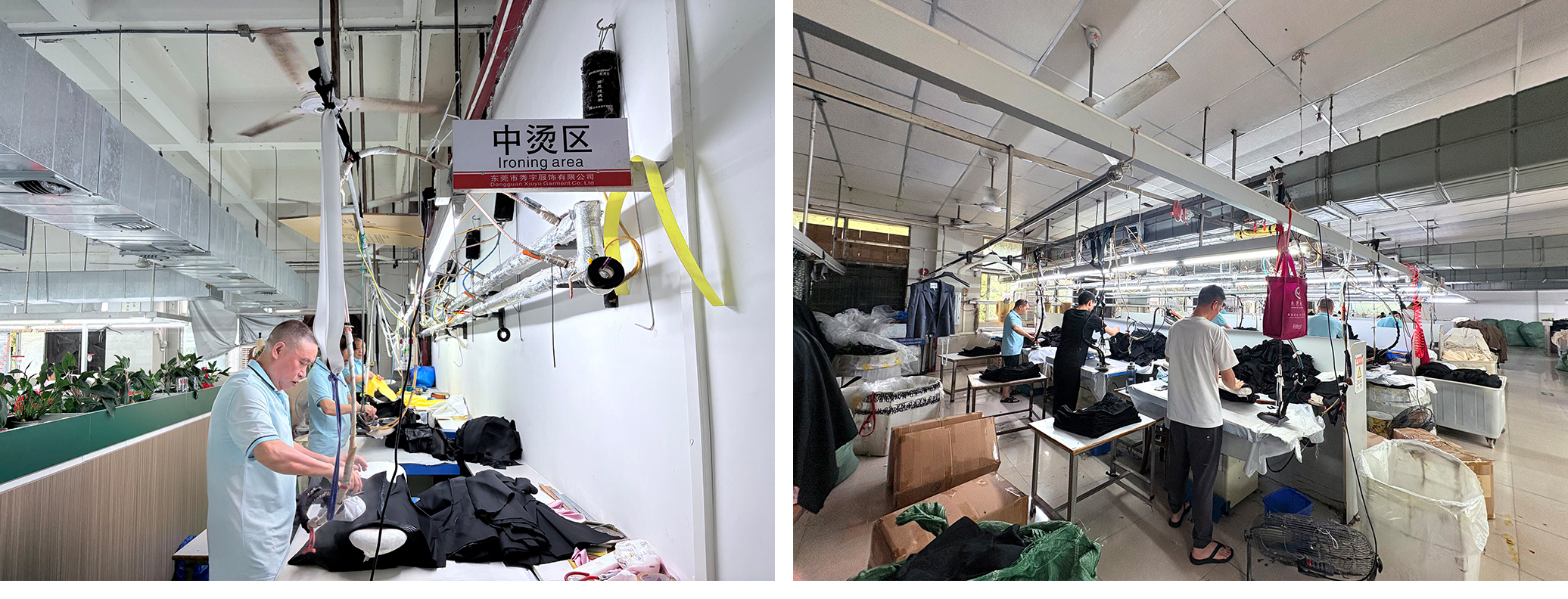 Finishing Workshop
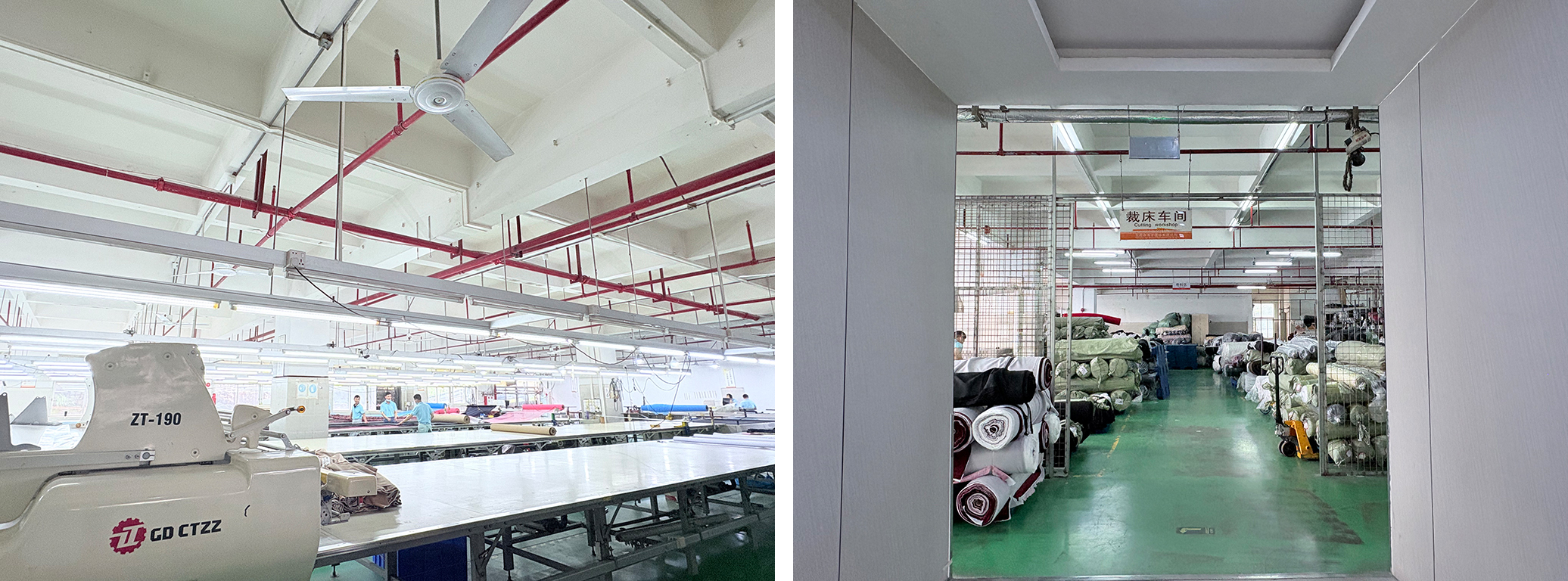
Cutting Room & Fabric warehouse
As a custom dress manufacturer, we handle the main production steps in-house, from pattern making and sampling through cutting, sewing, finishing, and final inspection. Our team works from your tech pack, sample, sketch, or reference and checks the details before the style moves into bulk production.
Keeping these stages with one production team makes it easier to deal with pattern changes, sample revisions, and construction issues before cutting starts. We can also arrange screen printing and custom embroidery when these details are part of the design.
Explore More Dress Manufacturing Options
If you are building a collection rather than ordering one lace slip dress, we can also develop related dress styles through the same production team.
- Slip Dress Manufacturer
- Lace Dress Manufacturer
- Satin Dress Manufacturer
- Midi Dress Manufacturer
- Evening Dress Manufacturer
- Cocktail Dress Manufacturer
Start Your Custom Lace Slip Dress Project
Send Your Design → Review → Sample → Approval → Bulk Production
Have a reference photo, sample or tech pack? Send it to us first. We’ll review the main construction and let you know the next step for sampling.
Yes. Send us the reference photo, and our pattern team will check the neckline, lace placement, straps, fit, and construction before sampling. If some details are unclear from the photo, we’ll confirm them with you before cutting fabric rather than making assumptions.
Yes. Silk satin can be combined with lace for premium slip dress collections. Because silk satin is smooth and can show marks more easily, the sewing and pressing process needs additional care. The final fabric and lace combination should be approved on the sample before bulk production.
We usually decide the lining length after checking the lace pattern, hem shape, and how transparent the outer layer is. It does not always need to match the lace exactly. During sampling, we check the hem from the outside and adjust the lining if it shows too much or hangs unevenly.
Our MOQ depends on the lace, color, and whether you use stock fabric or develop a custom one. For private label orders, we can usually discuss around 50–100 pieces per style or color for suitable fabrics. We confirm the workable quantity after checking your materials and construction.
Yes. You can provide your own label specifications, or discuss label and packaging options during development. It is better to confirm label position, size and attachment method before bulk production so the branding details are consistent across the finished garments.
Sampling typically takes around 3–7 days, while bulk production is generally around 25–30 days after the production details are confirmed. Material availability, lace sourcing, order quantity and sample revisions can affect the final schedule.