

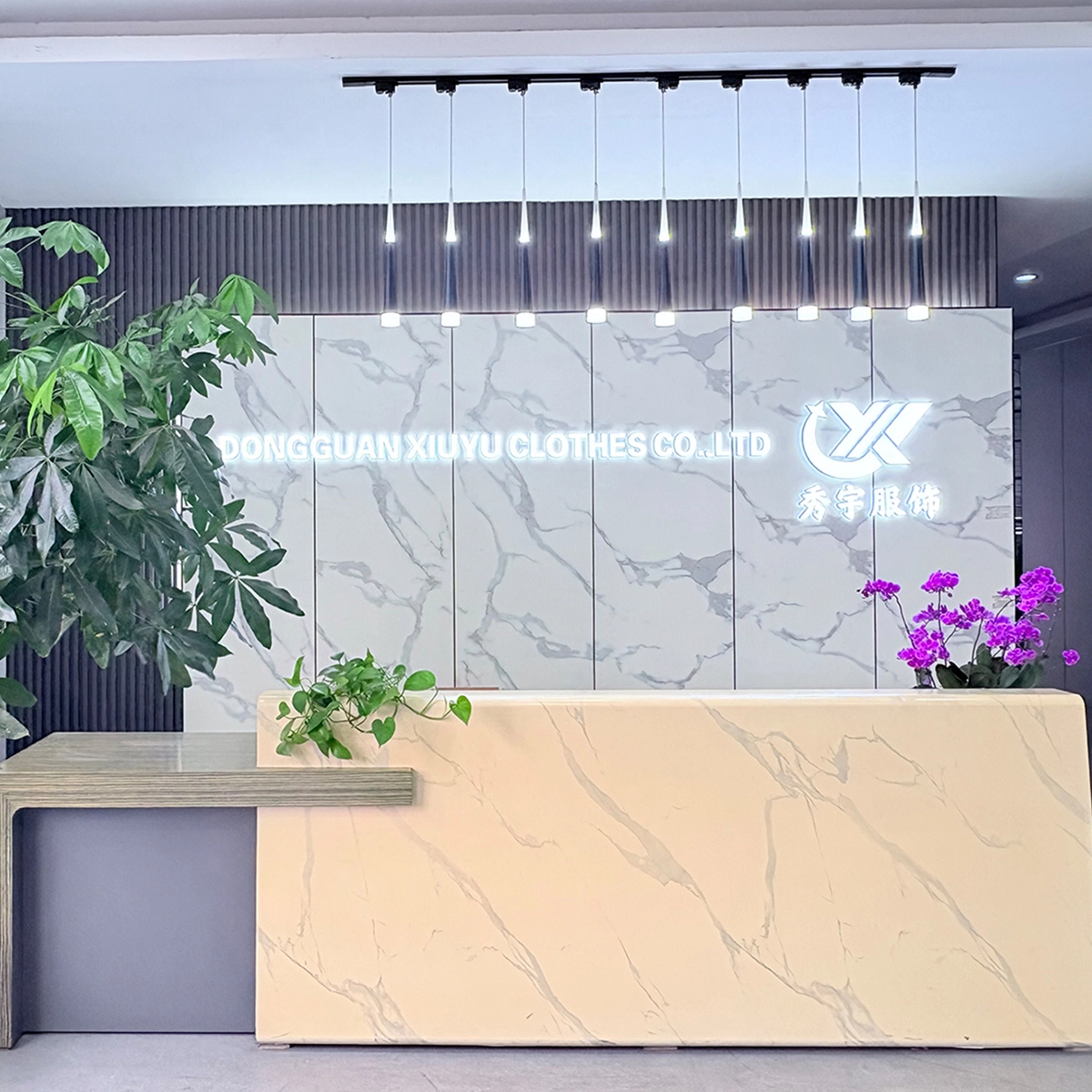
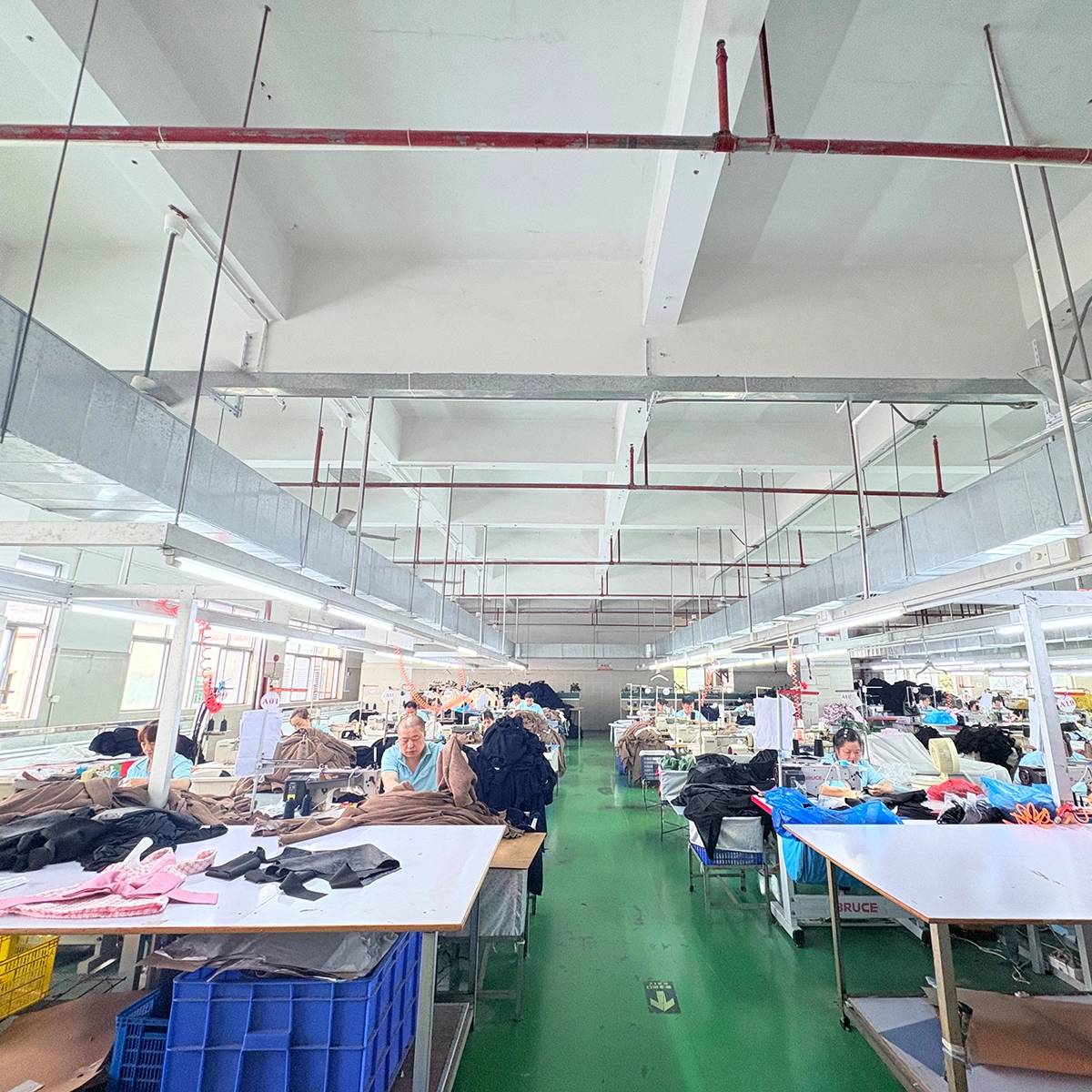
Our Lace Mini Dress Manufacturing Capabilities
We develop custom lace mini dresses for fashion brands, wholesalers and private label collections. As an experienced lace dress manufacturer, Xiuyu Apparel supports different lace dress styles from mini dresses to evening and occasion designs. Send us a tech pack, reference sample or product photo, and our team can review the lace, pattern placement, lining and construction before sampling.
- 25–30 Days For Bulk Production
- MOQ Starts From 50–100 Pcs Per Style/Color
- In-House Pattern Making
- Sample Development In 3–7 Days
- Production follow-up from sample to bulk
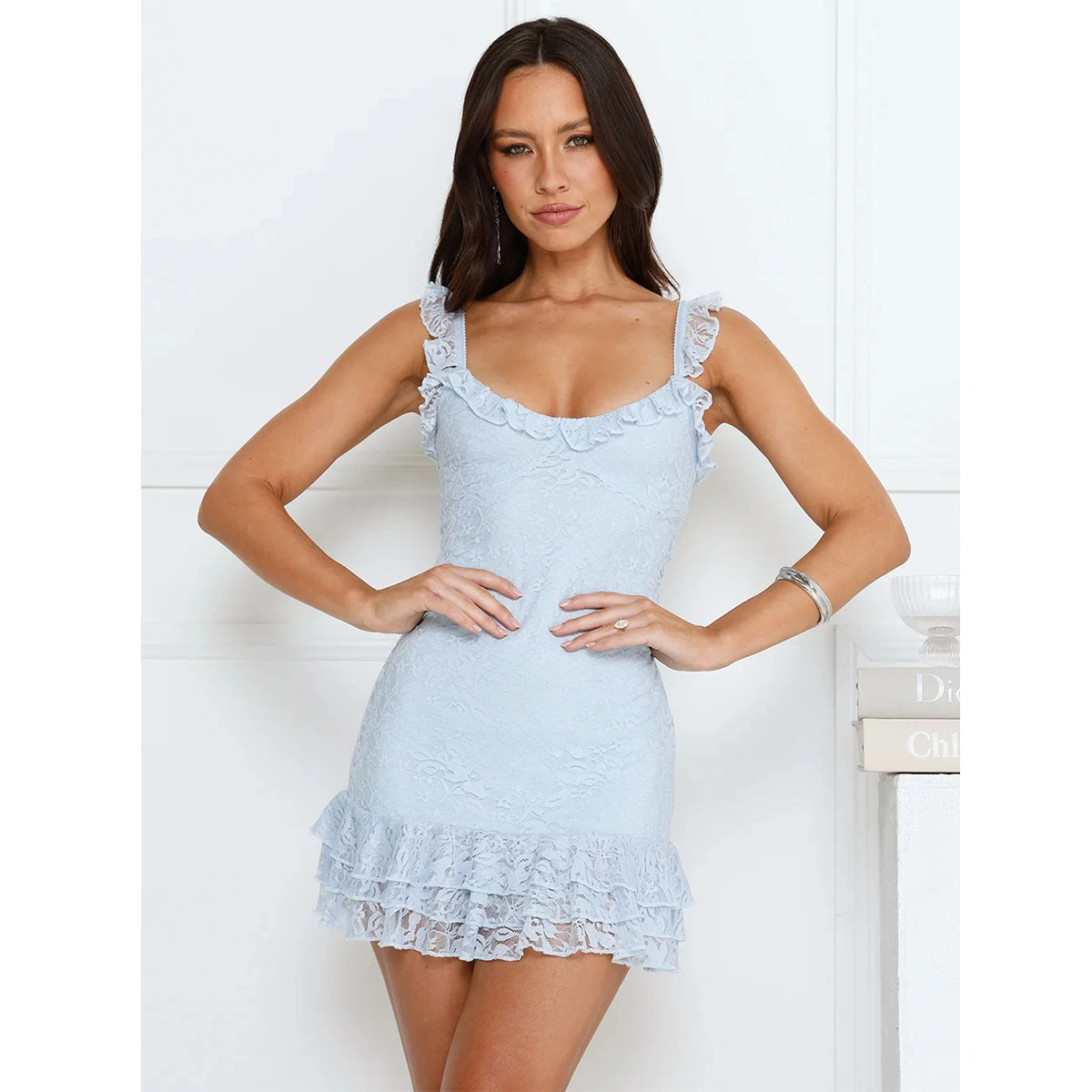
Lace Mini Dress Styles We Manufacture
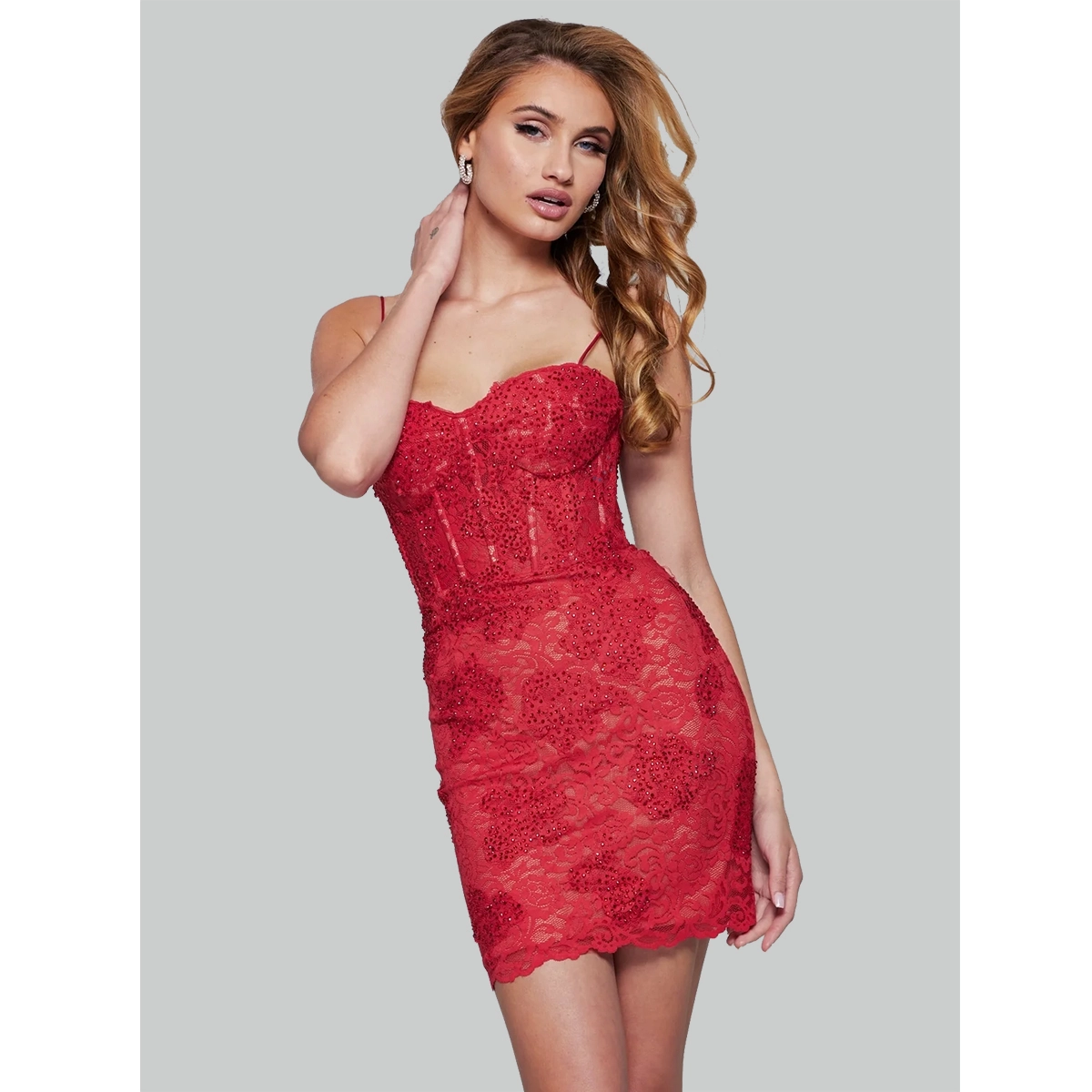
Lace Bodycon Mini Dress
For fitted styles, lace stretch and recovery need to be considered when developing the pattern. A lace that looks suitable on the roll can behave differently after cutting and sewing, particularly around the waist, hips and seams.
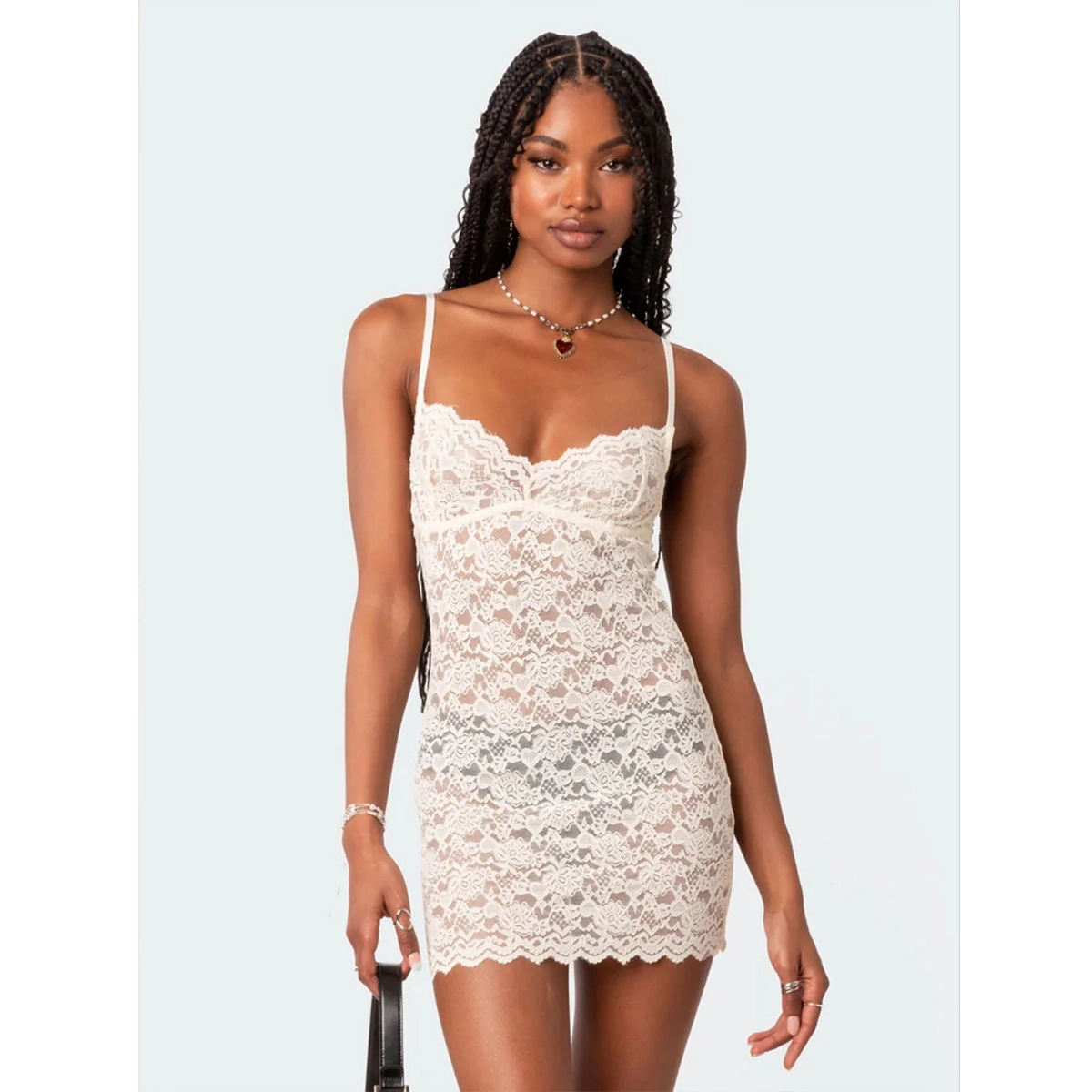
Lace Slip Mini Dress
Necklines, straps and lining are key points on lace slip dresses. Depending on the design, some sections may remain sheer while others require more coverage. Lace and lining are usually developed together during sampling.
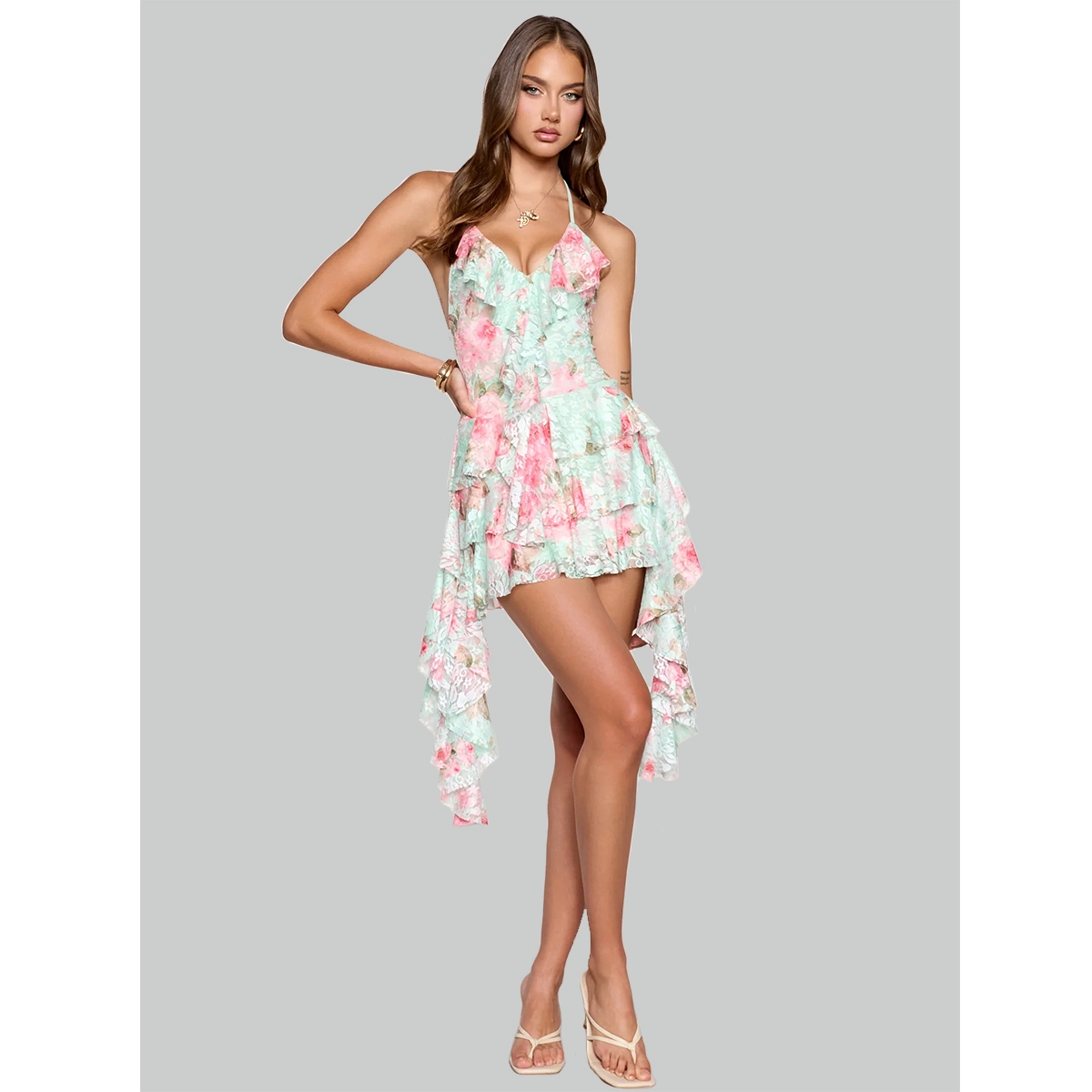
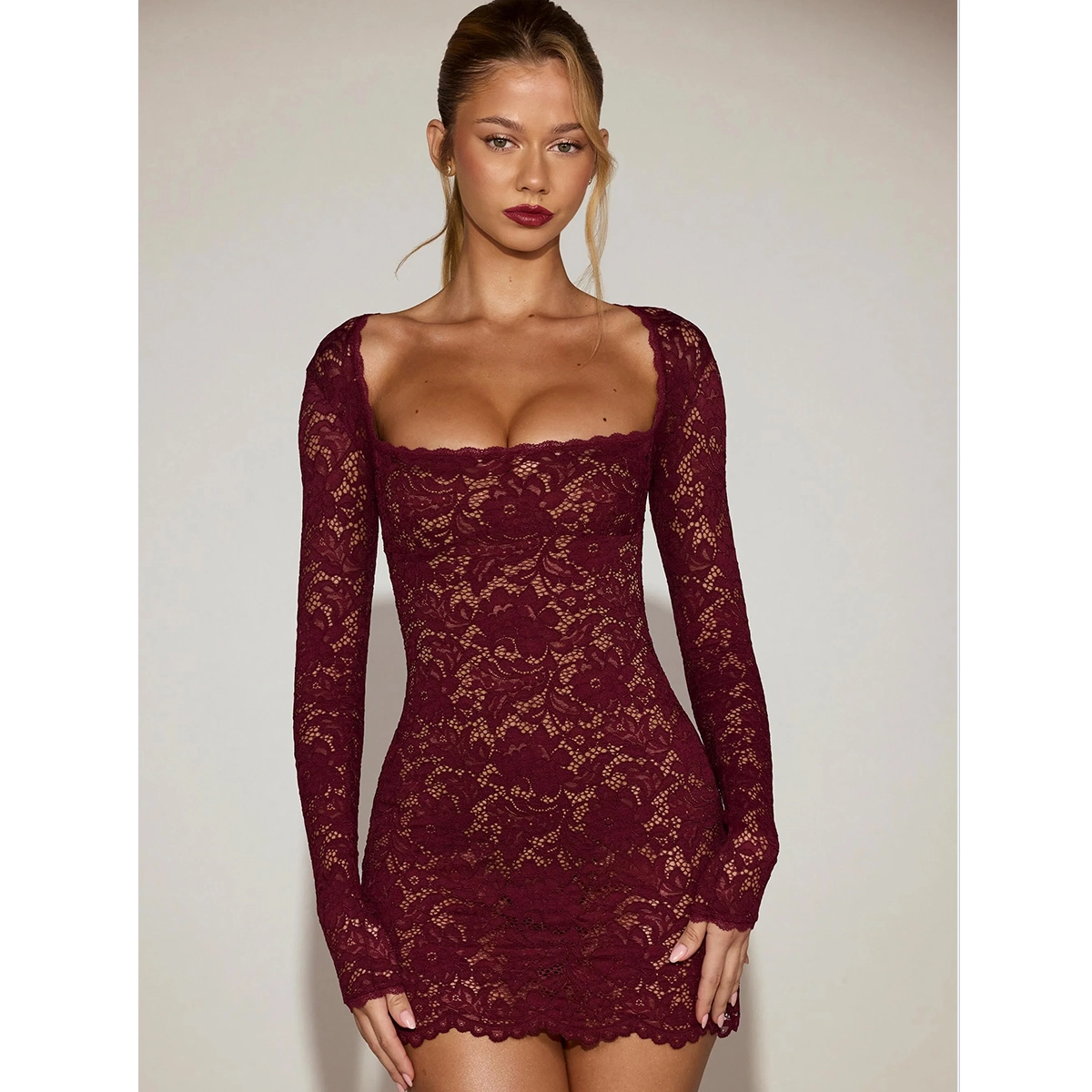
Lace Long Sleeve Mini Dress
Sleeve length and armhole construction affect both fit and movement. For lace with limited stretch, the sleeve opening and cuff need enough room without changing the intended shape.
Lace A-Line Mini Dress
The skirt shape and lace repeat need to work together. Large or directional motifs can increase fabric consumption because the pattern pieces may need to be positioned across the repeat.
Usable lace width is checked before cutting so the layout can be planned around the actual fabric.
Lace Party Mini Dress
Party styles can combine lace with sequins, beads, satin, mesh or other trims. When several materials are used together, seam bulk and handling become more important during sewing.
These construction details are normally confirmed at sample stage.
Lace Cocktail Mini Dress
Cocktail mini dresses often require clean finishing around the neckline, hem, lining and closure. If you already have a target price, the construction and material choices can be reviewed before sampling.
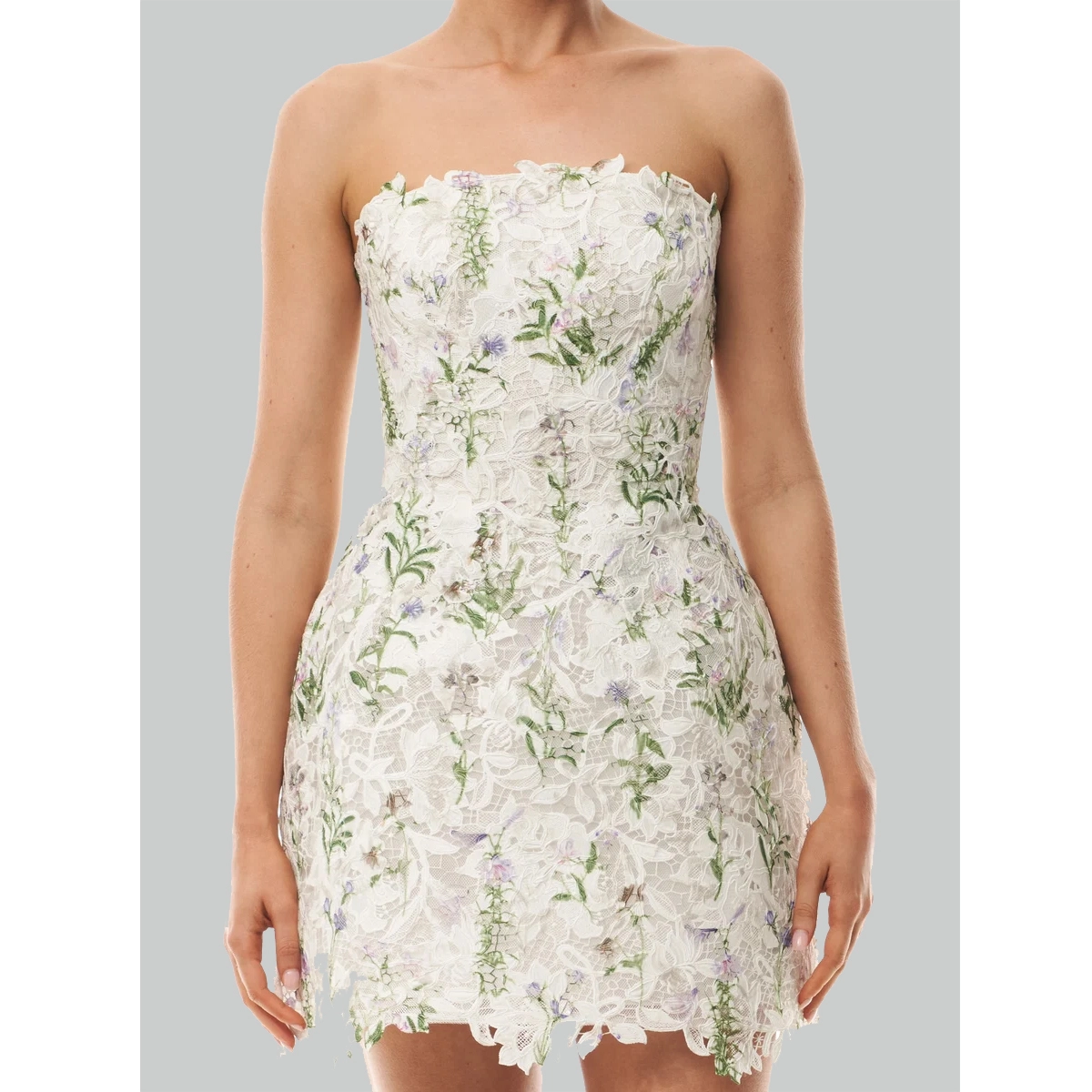
Floral Lace Mini Dress
Large floral repeats need careful placement across visible panels. Depending on the lace design, the front, back and skirt panels may need to be matched so the main motifs remain balanced.
Lace Off Shoulder Mini Dress
Off-shoulder styles need enough support around the neckline to stay in place. Lace edges, elastic and internal support can all affect the final fit and are normally confirmed during sample development.
Lace Mini Dress Production & Customization Options
We work with fashion brands, wholesalers and private label companies from pattern development and fabric sourcing through sampling, bulk production, labels and packaging. As a clothing manufacturer, we can handle these stages within the same production workflow.
For smaller launches, MOQ is usually around 50–100 pieces per style and color, depending on the lace, construction and order requirements.
Private label services include custom labels, hang tags, packaging and other branding details required for your collection.
| Item | Details |
| Sample Lead Time | 3–7 Days |
| Bulk Production Lead Time | 25–30 Days |
| MOQ | 50-100 pcs per color per style |
| OEM & ODM | Supported |
| Inline QC | Every Production Stage |
| Final Inspection | 100% Before Shipment |
| Private Label | Supported |
| Lace Fabric Sourcing & Customized | Available |
Lace Fabric Options for Mini Dresses
The lace affects the appearance, hand feel, stretch, coverage and cost of the finished dress.
Common options include floral lace, stretch lace, embroidered lace, scalloped lace, guipure and lightweight decorative lace.
If you already have a fabric supplier, you can send us the fabric information or a swatch. If not, we can source options according to the required finish, fabric weight and target price.
| Lace Type | Common Applications |
|---|---|
| Floral Lace | Feminine and seasonal collections |
| Stretch Lace | Bodycon and fitted mini dresses |
| Embroidered Lace | Premium and occasion styles |
| Scalloped Lace | Hem, sleeve and neckline details |
| Guipure Lace | Structured fashion designs |
| Lightweight Lace | Slip and layered mini dresses |
Lace Mini Dress Production Process
- Lace Inspection
Fabric width, color, surface condition, stretch and decorative edges are checked before cutting. - Pattern & Placement
The pattern is checked against the lace repeat and usable width. Scalloped borders and important motifs are positioned according to the approved sample. - Cutting
Cutting follows the approved pattern and lace layout. Border lace requires extra attention because the decorative edge cannot be treated like a standard seam allowance. - Sewing & Lining
Lace panels are assembled according to the approved sample, including lining, straps, closures and other construction details. - In-Line QC
Measurements and key construction points are checked during sewing so problems can be corrected before final inspection. - Final Inspection
Finished dresses are checked for measurements, appearance, stitching, labels and packing requirements before shipment.
Common Lace Mini Dress Production Issues
Lace Pattern Misalignment
Strong floral or geometric repeats can make the front and back look unbalanced if the placement is not planned before cutting.
Uneven Scalloped Edge
Scalloped lace edges need to be positioned carefully during pattern making and cutting so the finished hem or neckline follows the intended design.
Excessive Stretch
Stretch lace can change shape during sewing and fitting. Pattern allowance and fabric recovery need to be considered, particularly on fitted styles.
Transparency Problems
The same lace can look quite different depending on the lining color and fabric. Coverage is normally confirmed during sampling.
Snagging During Sewing
Some delicate lace fabrics are more sensitive to handling than ordinary woven fabrics. Sewing settings, seam construction and handling methods need to suit the fabric.
Our Lace Mini Dress Manufacturing Experience
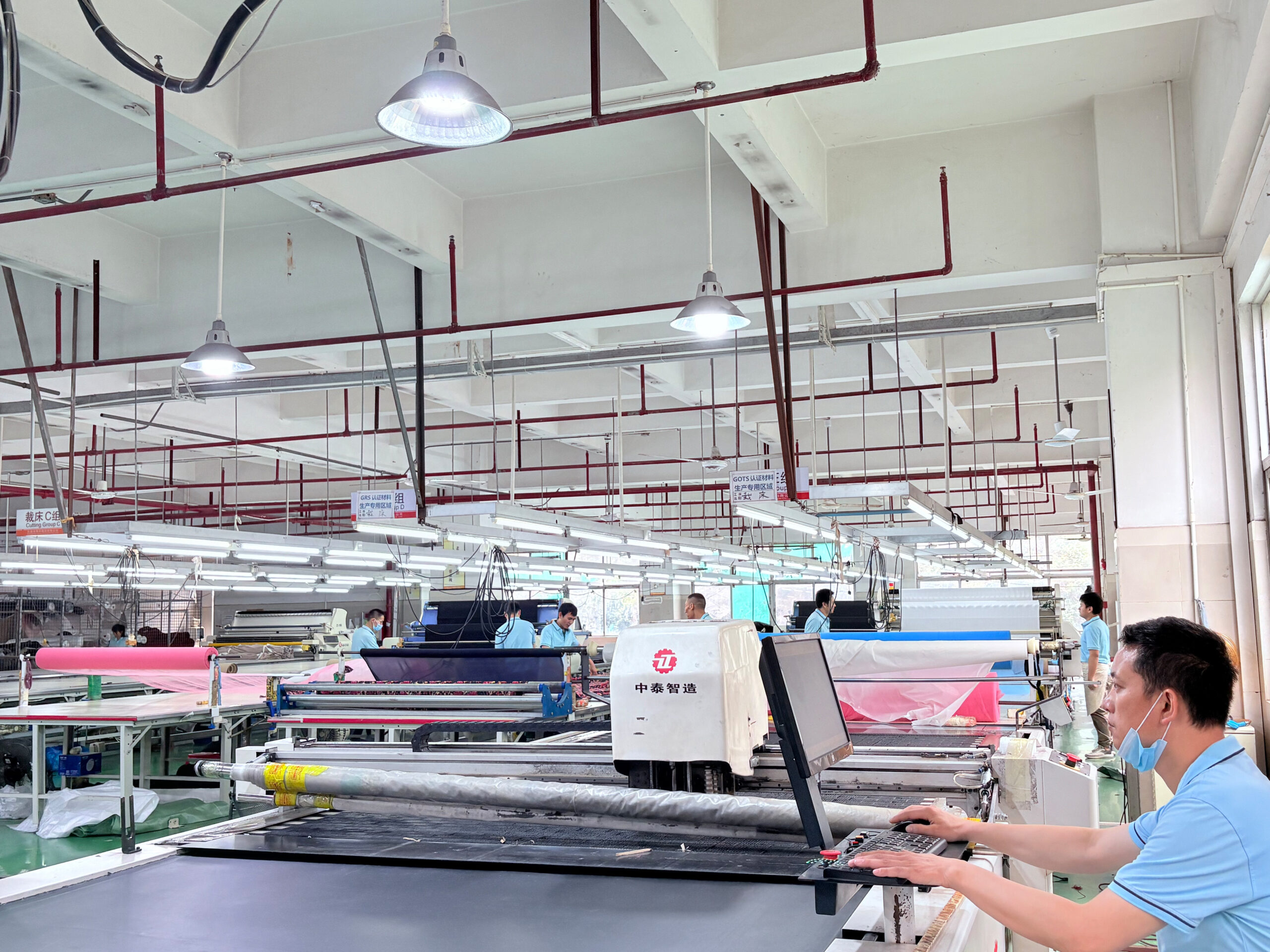
With 18+ years of dress manufacturing experience, our team works from tech packs, samples, sketches and product photos. Pattern making, fabric sourcing, sampling and bulk production are handled within the same production workflow.
At Xiuyu Apparel, fit, sizing, color, fabric and construction are adjusted according to the requirements of each order. Our wider dress manufacturing capabilities also cover other dress categories, from mini and lace styles to silk, velvet and maxi dresses.
Two lace mini dresses can look similar in photos but have different factory costs. The main differences usually come from the lace, fabric consumption, lining, construction and order quantity.
Common cost factors include:
- Lace Type
- Lace Width
- Fabric Consumption
- Pattern Repeat
- Stretch
- Lining
- Scalloped Edge
- Pattern Complexity
- Zippers and Closures
- Embroidery
- Beading or Sequins
- Appliqué
- Order Quantity
- Labels and Packaging
If you have a target cost, send it together with your design and expected quantity. We can review the material and construction before sampling and identify the main cost drivers.
What We Check Before Approving a Lace Mini Dress Sample
Sample approval covers more than the overall appearance. Measurements, lace placement, lining coverage and construction should also match the approved requirements.
Typical sample checks include:
- Lace Pattern Placement
- Front and Back Matching
- Finished Measurements
- Transparency
- Lining Coverage
- Lace Edge Position
- Stretch Recovery
- Seam Appearance
- Zipper Installation
- Strap Position
- Hem Finish
- Overall Pressing
Changes are easier to make before bulk cutting, so these points are checked during sample development.
Why Choose Xiuyu Apparel for Lace Mini Dress Manufacturing?
Experience Handling Delicate Lace Fabrics
Lace mini dress production requires careful handling from fabric cutting to final sewing. Our team has worked with various lace fabrics, including embroidered lace, Chantilly lace, stretch lace, and lace mesh. During production, we pay attention to lace pattern alignment, cutting layout, seam allowance, and edge finishing to make sure the details of your design are properly presented in the finished garment.
Custom Lining and Transparency Control
Lace fabrics often need different lining structures depending on the design style and market requirements. We can help you select suitable lining fabrics, adjust coverage areas, and control the transparency effect before production starts. For each style, we confirm details such as lining position, fabric combination, and sewing method during sample development to avoid changes during bulk production.
Flexible MOQ for Growing Fashion Brands
Many new brands need to test designs before placing larger orders. We support flexible MOQ options for startups, boutique brands, and private label customers, allowing you to develop lace mini dress collections with lower initial quantities. Our team can also assist with fabric selection, sampling, and production planning based on your order requirements.
Custom Labels and Brand Packaging
We support full private label production, including custom woven labels, care labels, hangtags, and packaging requirements. Once your branding details are confirmed, our team follows your specifications throughout sampling and bulk production, helping ensure every finished piece matches your brand presentation.
Stable Bulk Production and Quality Control
For lace mini dresses, small details can affect the final appearance. Before bulk production, we check the approved sample, measurements, materials, and workmanship standards with your team. During manufacturing, our QC staff inspect key areas such as lace placement, stitching quality, lining attachment, and finishing details to keep production consistent from the first piece to the last shipment.

More About Our Company
- How We Manufacture Dresses
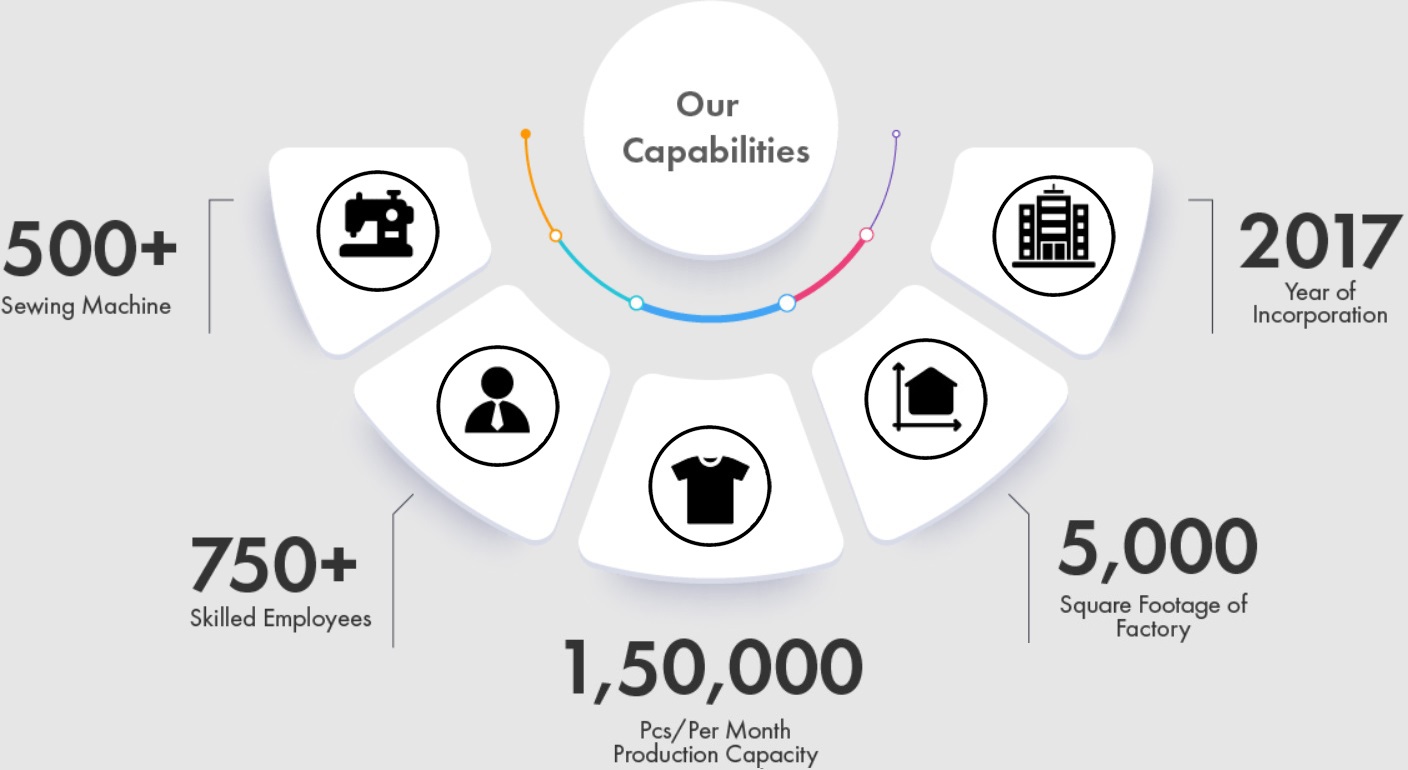
- Our Capabilities
- Factory Picture
- One-Stop Services
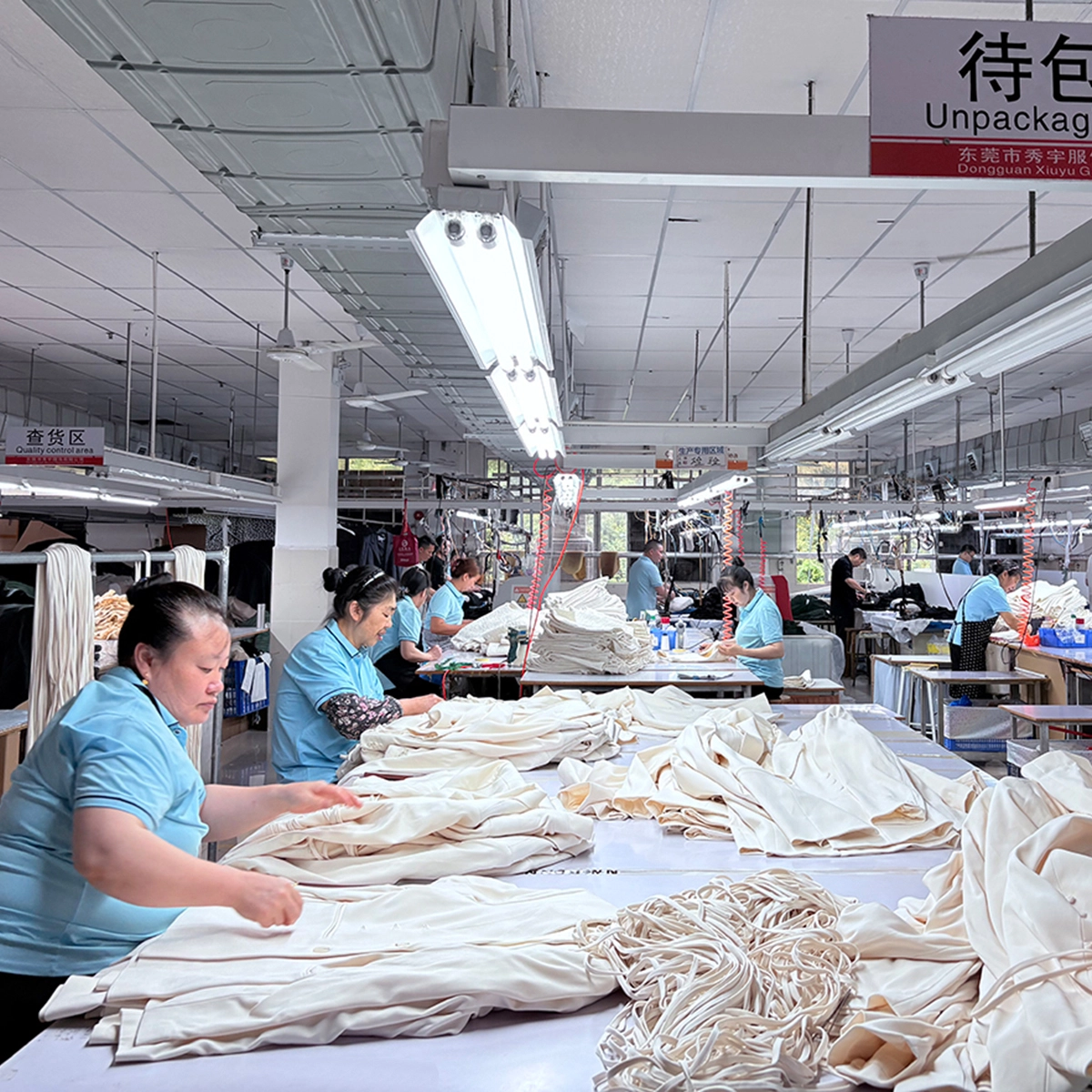
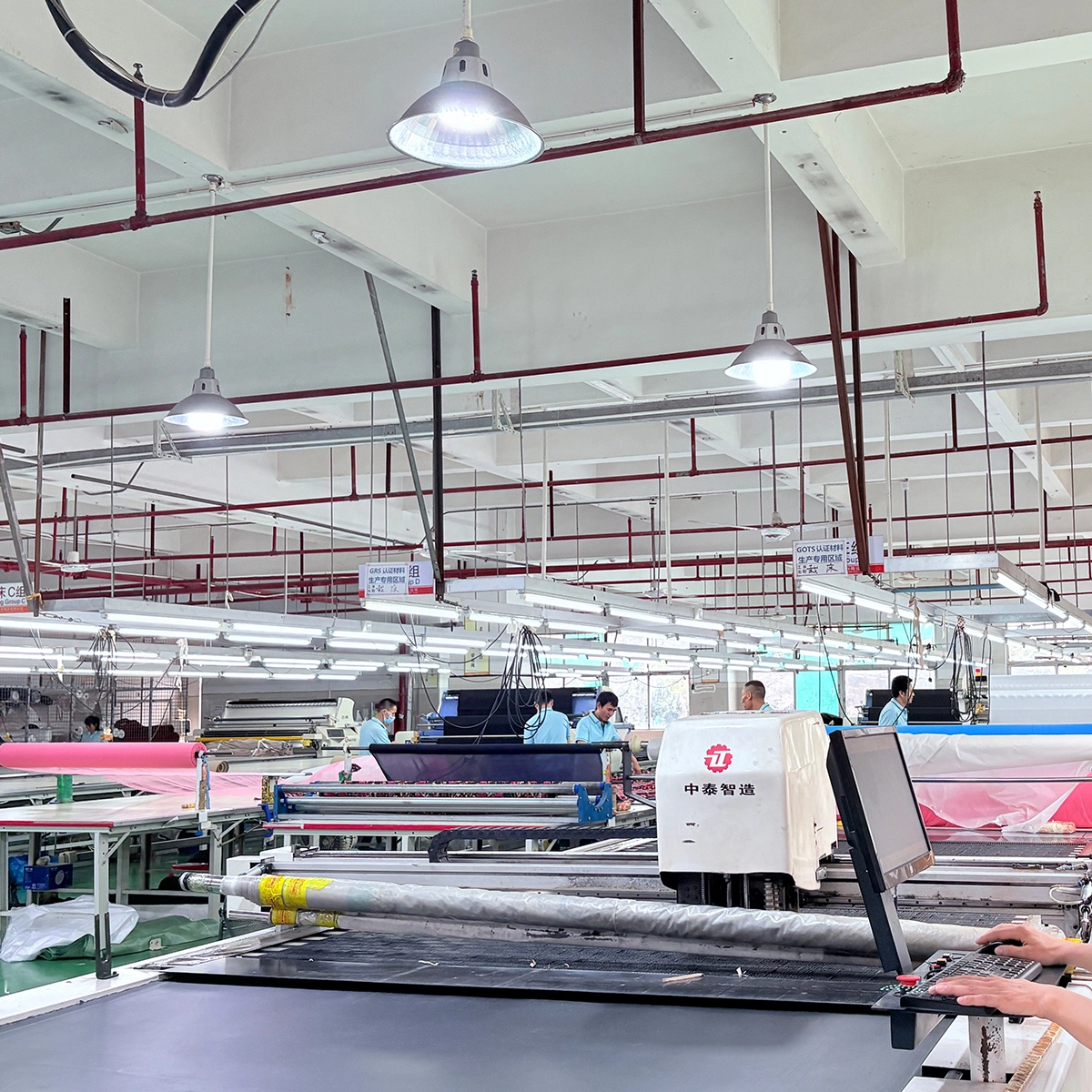
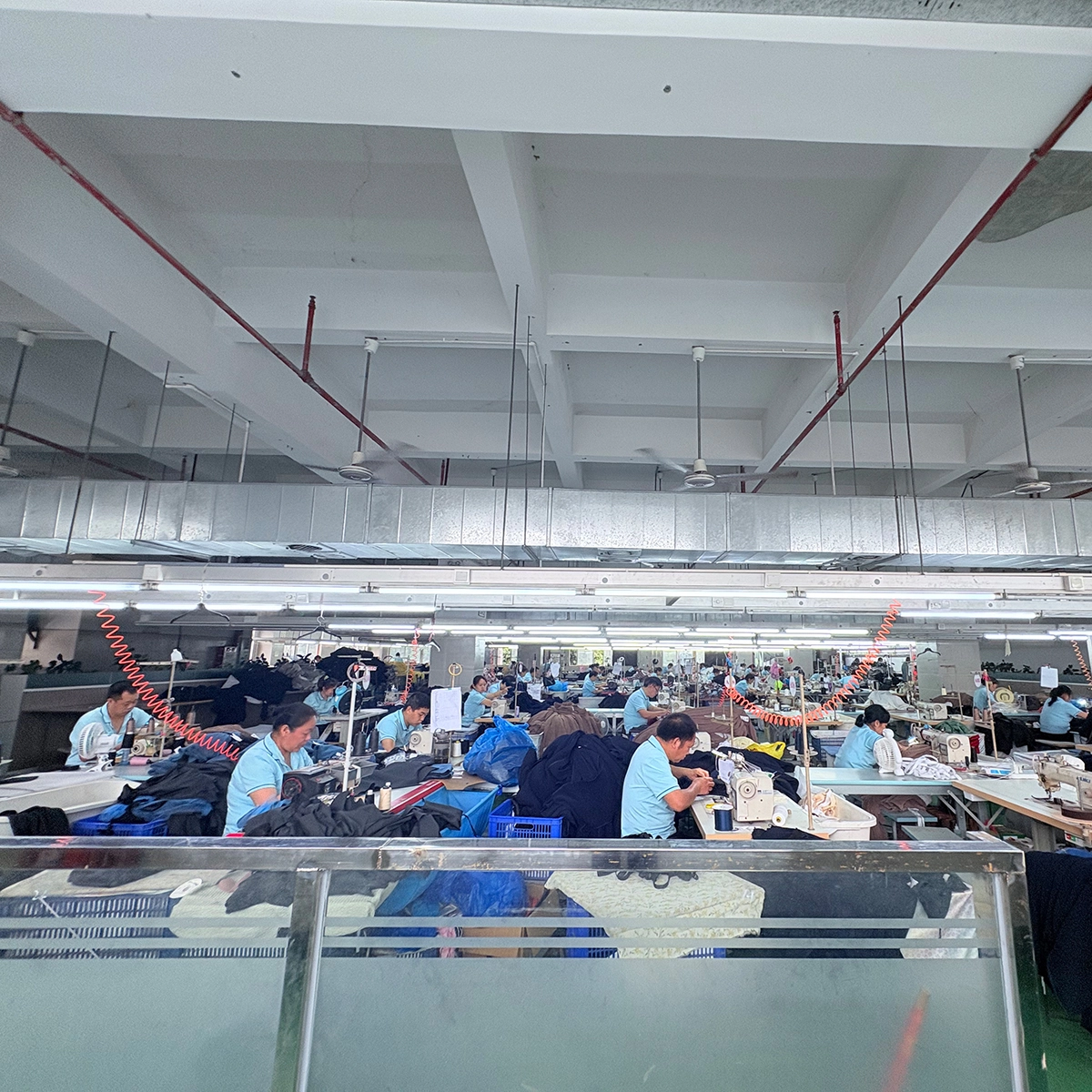
The workshop follows each order from incoming fabric through cutting, sewing, inspection, pressing, packing and loading.
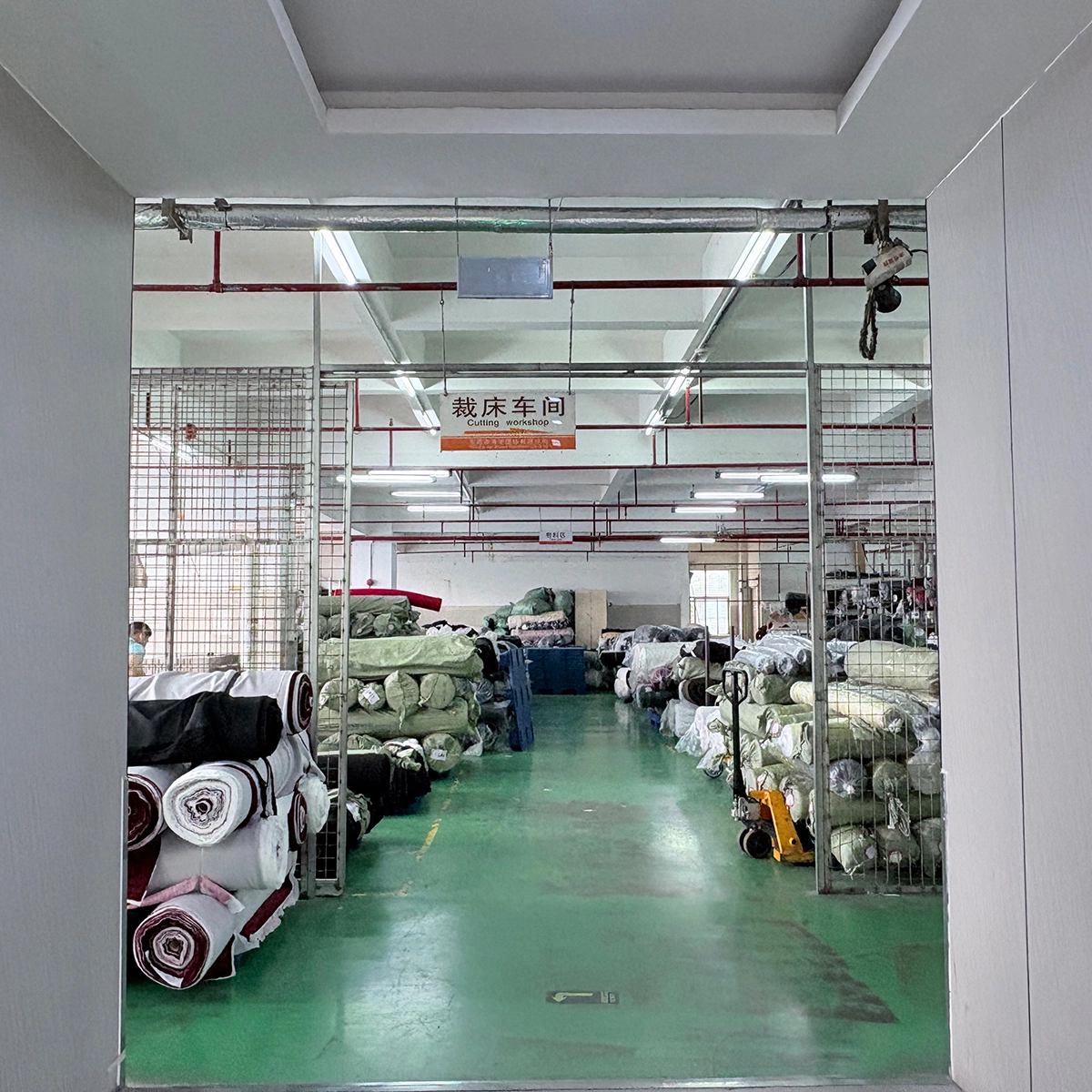
Fabric Warehouse
Fabric rolls are labeled and stored by material and batch before being released for production.
↓
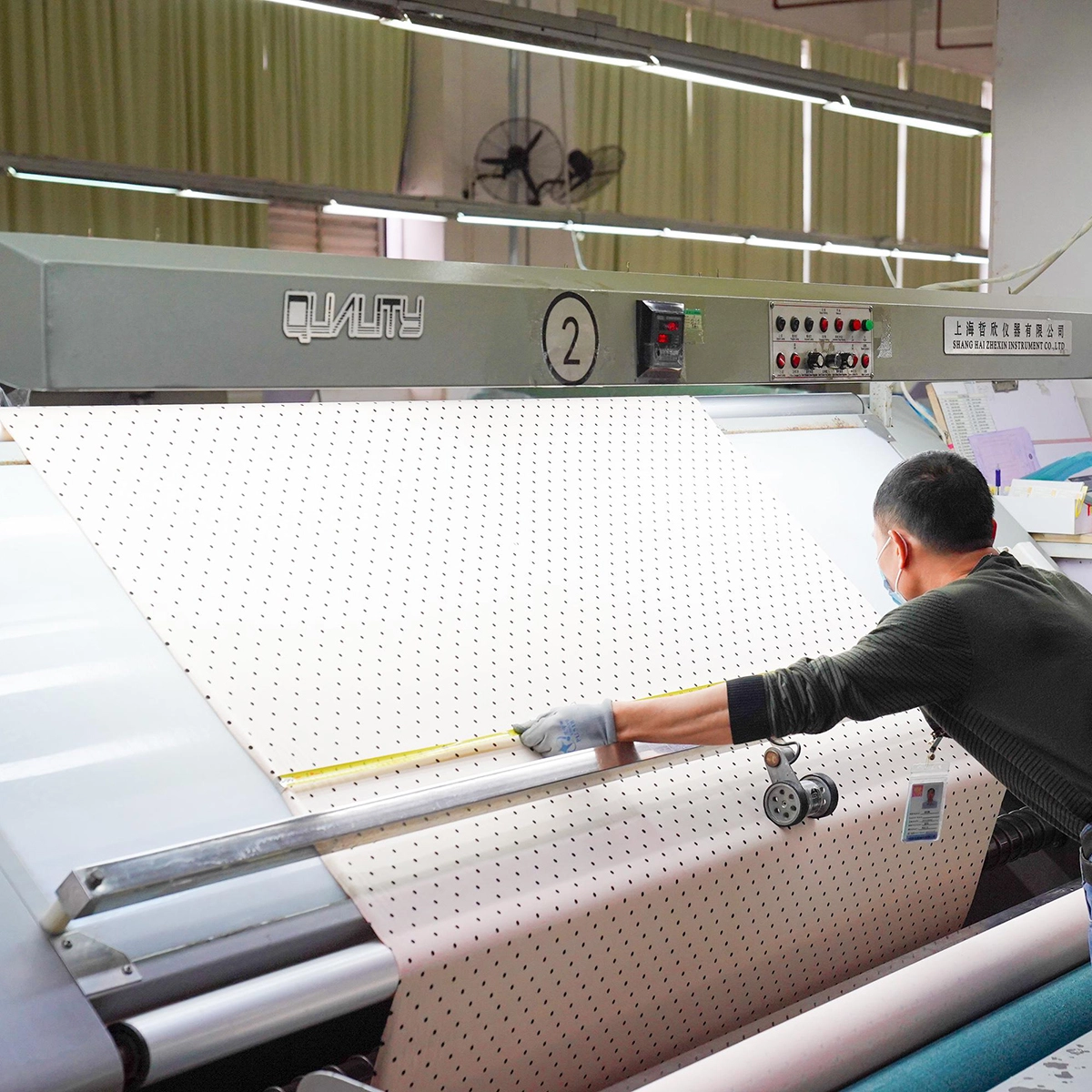
Fabric Inspection
Fabric is checked for color, width, quantity and visible defects before cutting.
↓
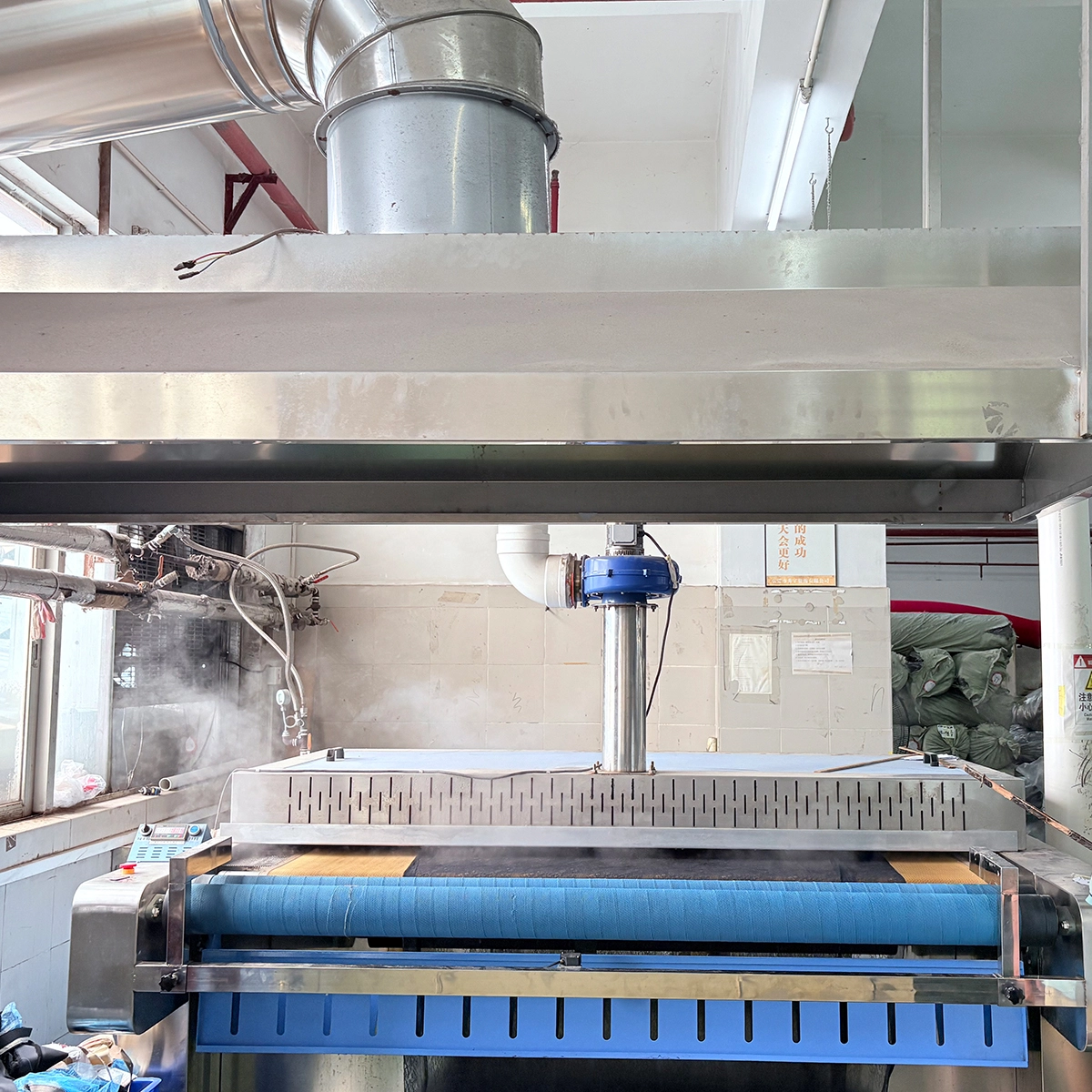
Fabric Pre-shrinking
Where required, fabric is pre-shrunk or stabilized before cutting to reduce dimensional changes during later processing.
↓
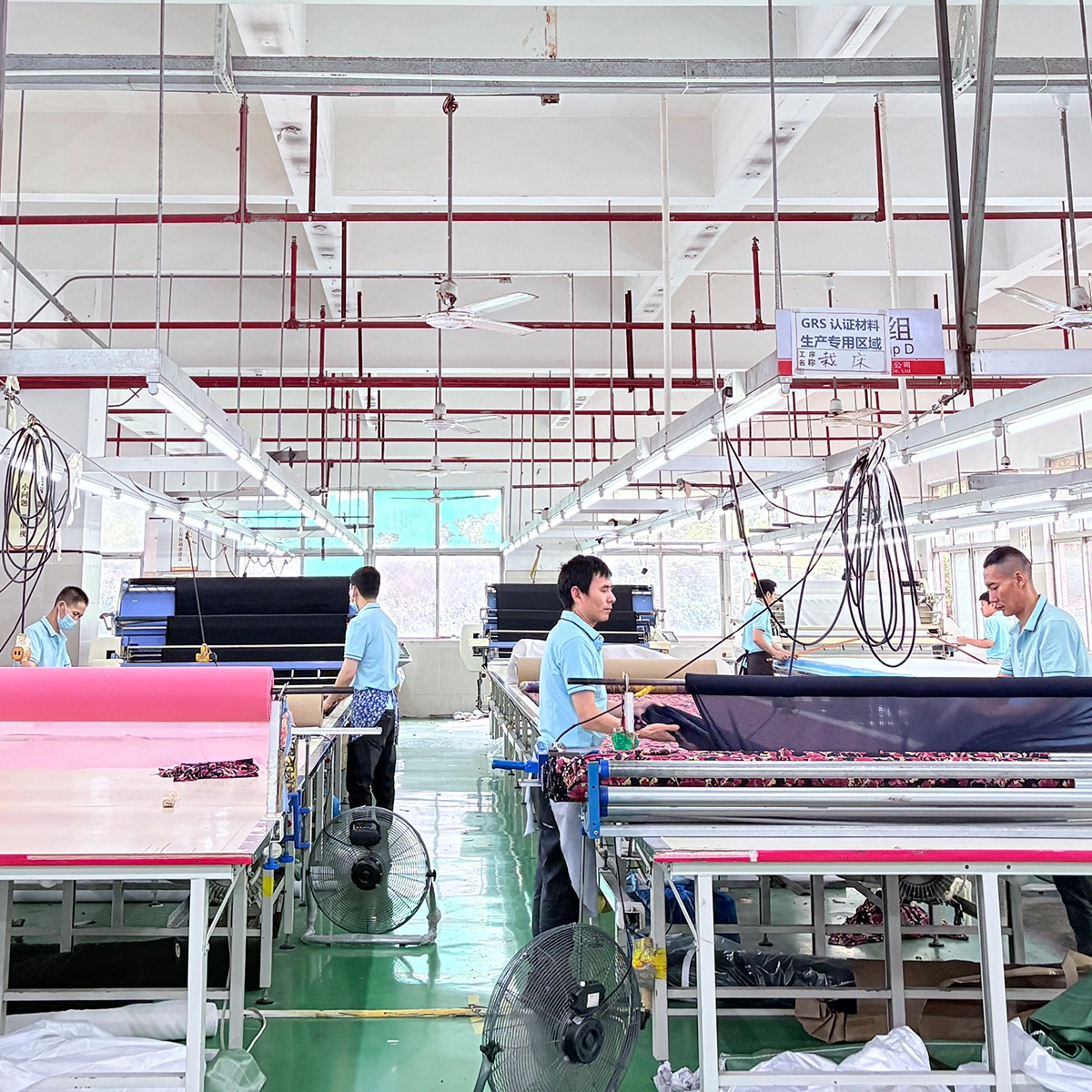
Cutting
Lace placement is checked against the approved pattern, especially for scalloped edges and large repeats.
↓
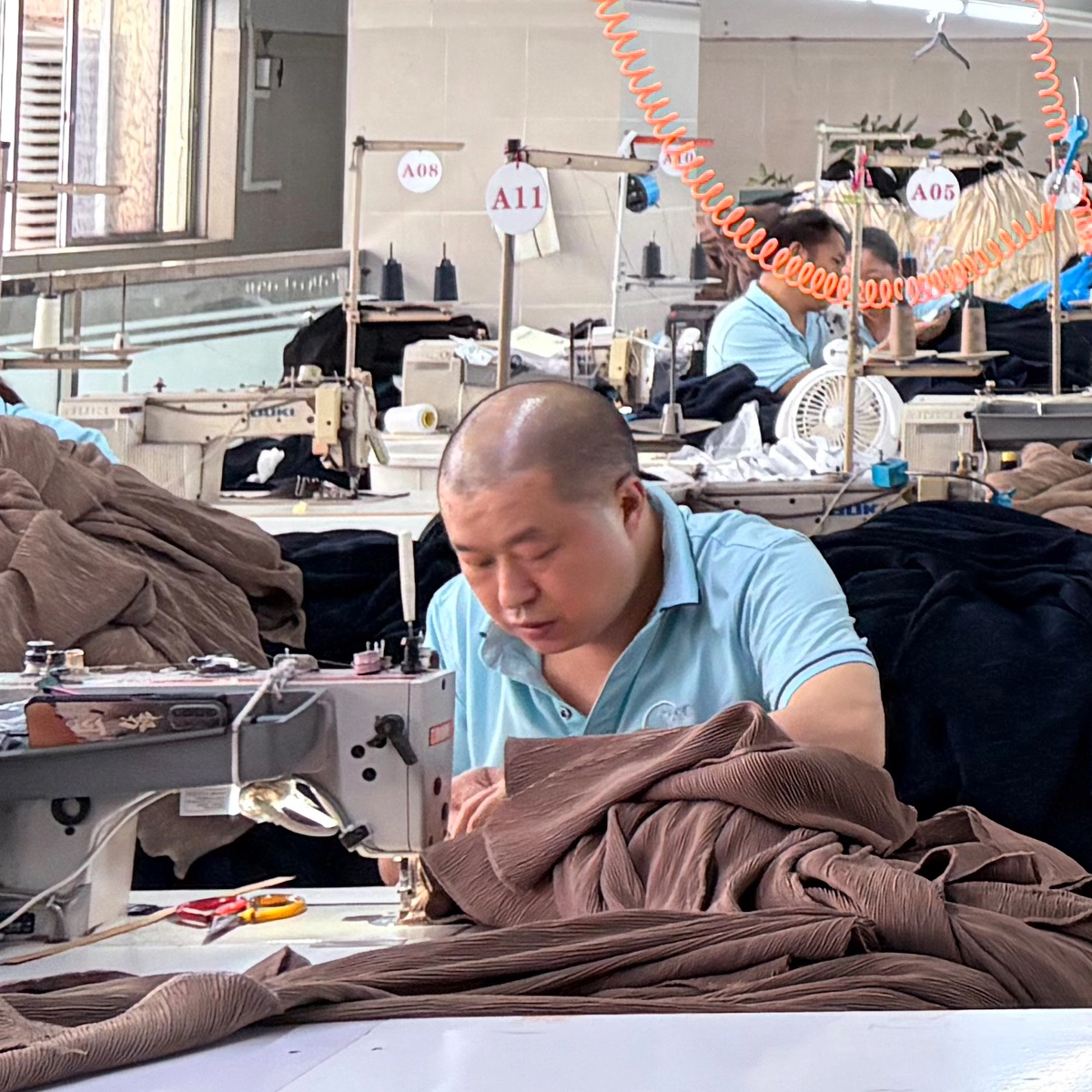
Bulk production Sewing
Cut panels are assembled according to the approved sample, with key construction points checked during production.
↓
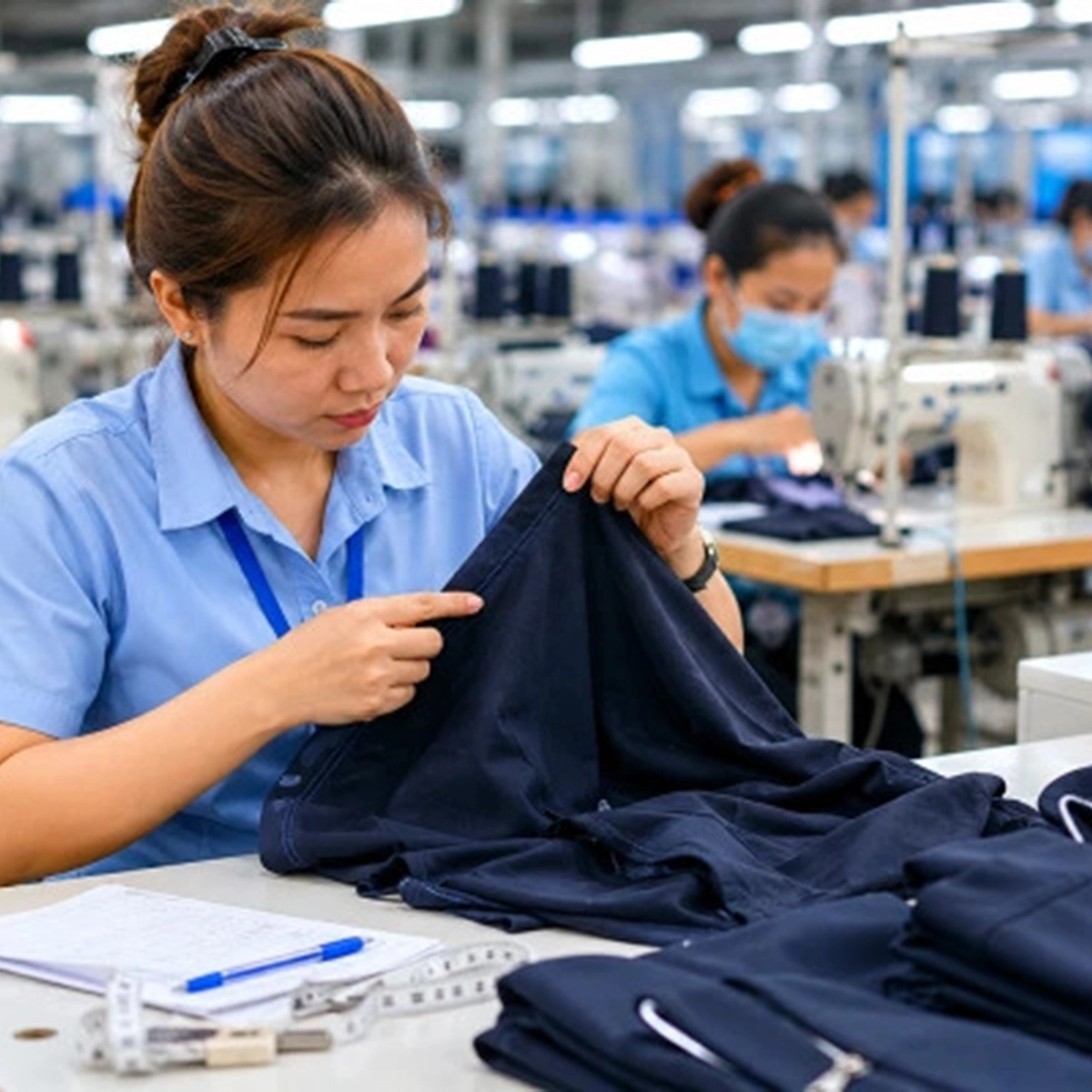
In-line Inspection
QC checks selected measurements and construction points during sewing, including areas such as necklines, armholes, waist seams and zippers where required.
↓
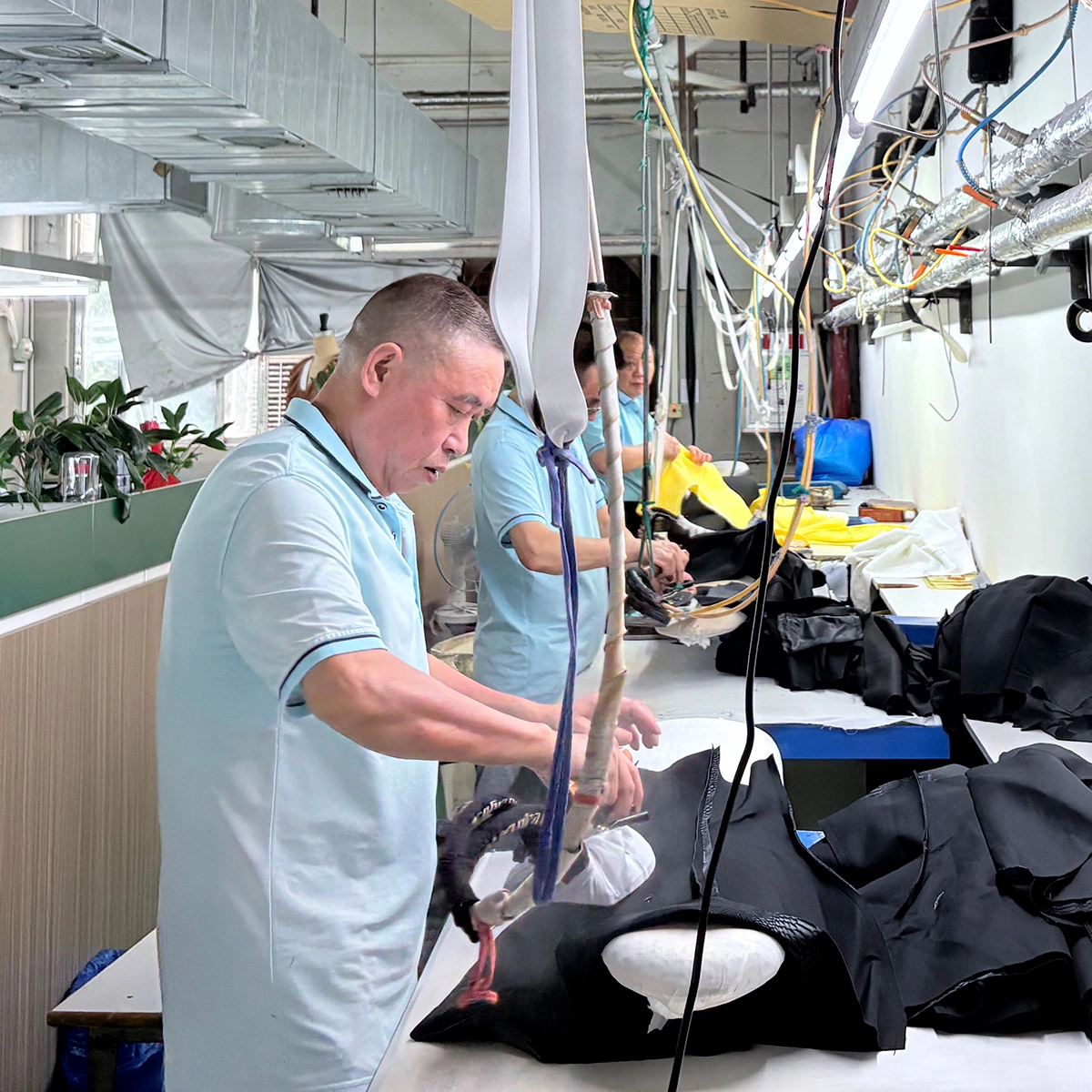
In-line Pressing
Garments are pressed during production where required to control shape and remove wrinkles from completed sewing operations.
↓
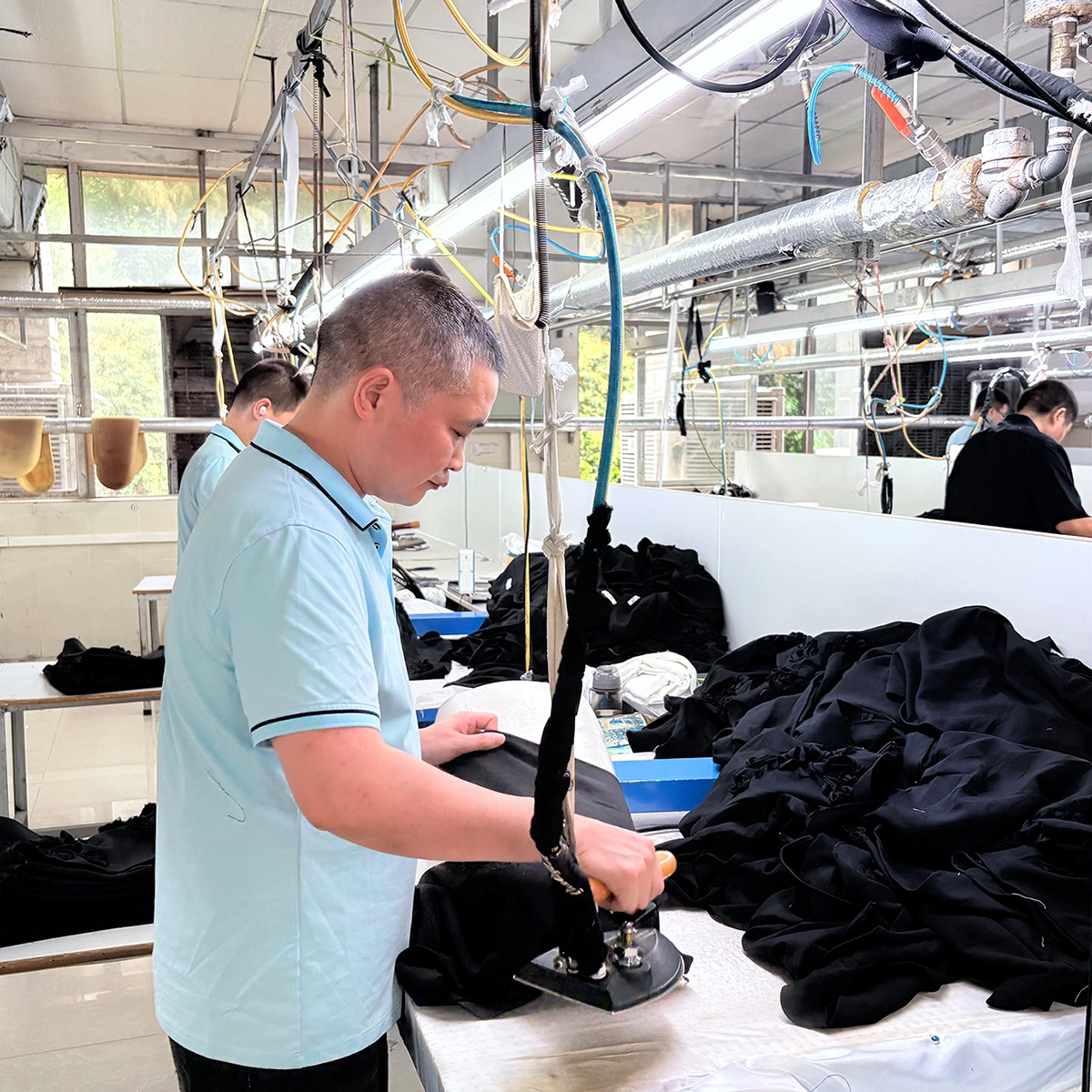
Final Pressing
Before packing, finished garments are pressed and checked for overall appearance, seam condition, shape and finishing details.
↓
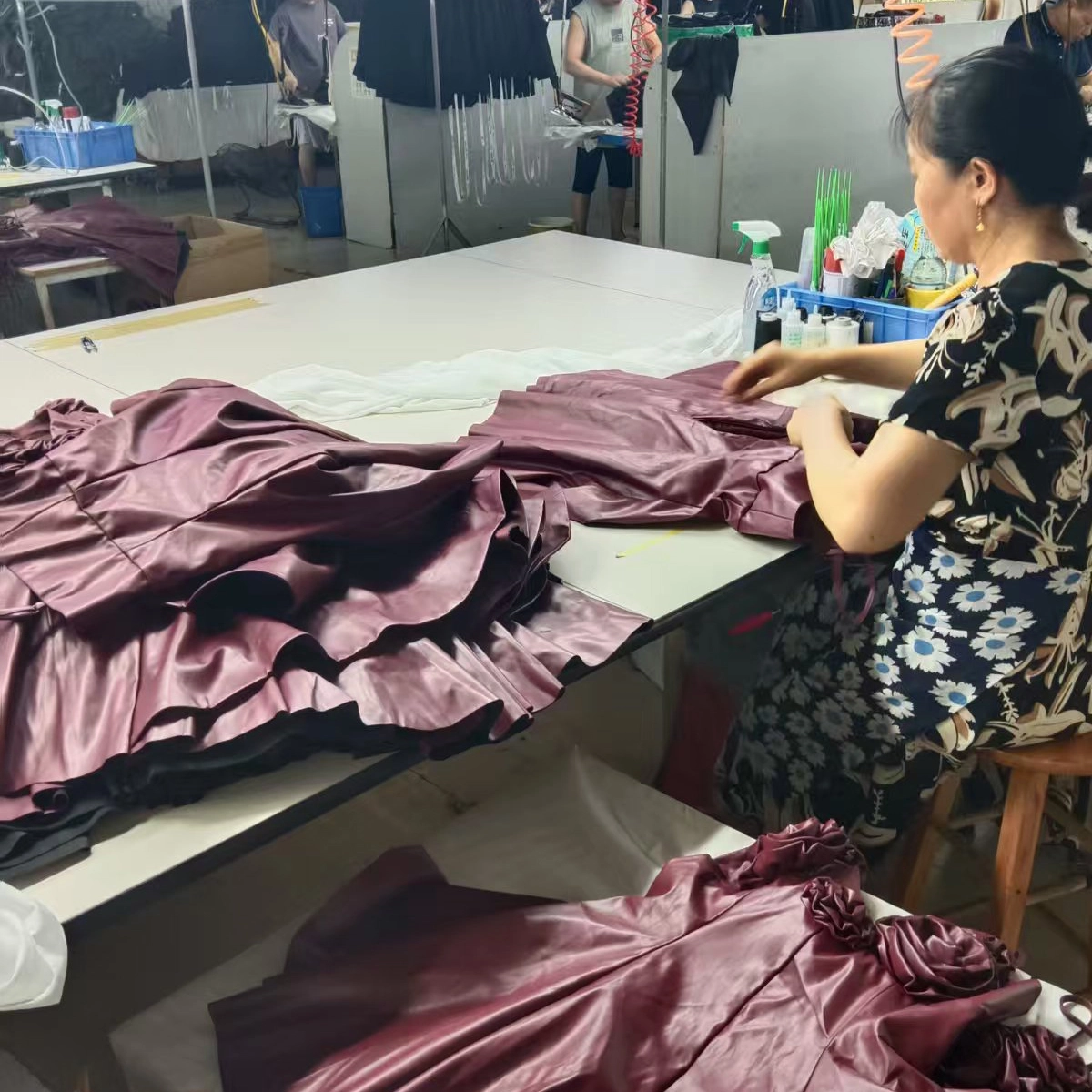
Final Inspection
Finished dresses are checked against the approved sample and production specifications. Measurements, stitching, appearance, labels and trims are inspected before shipment approval.
↓
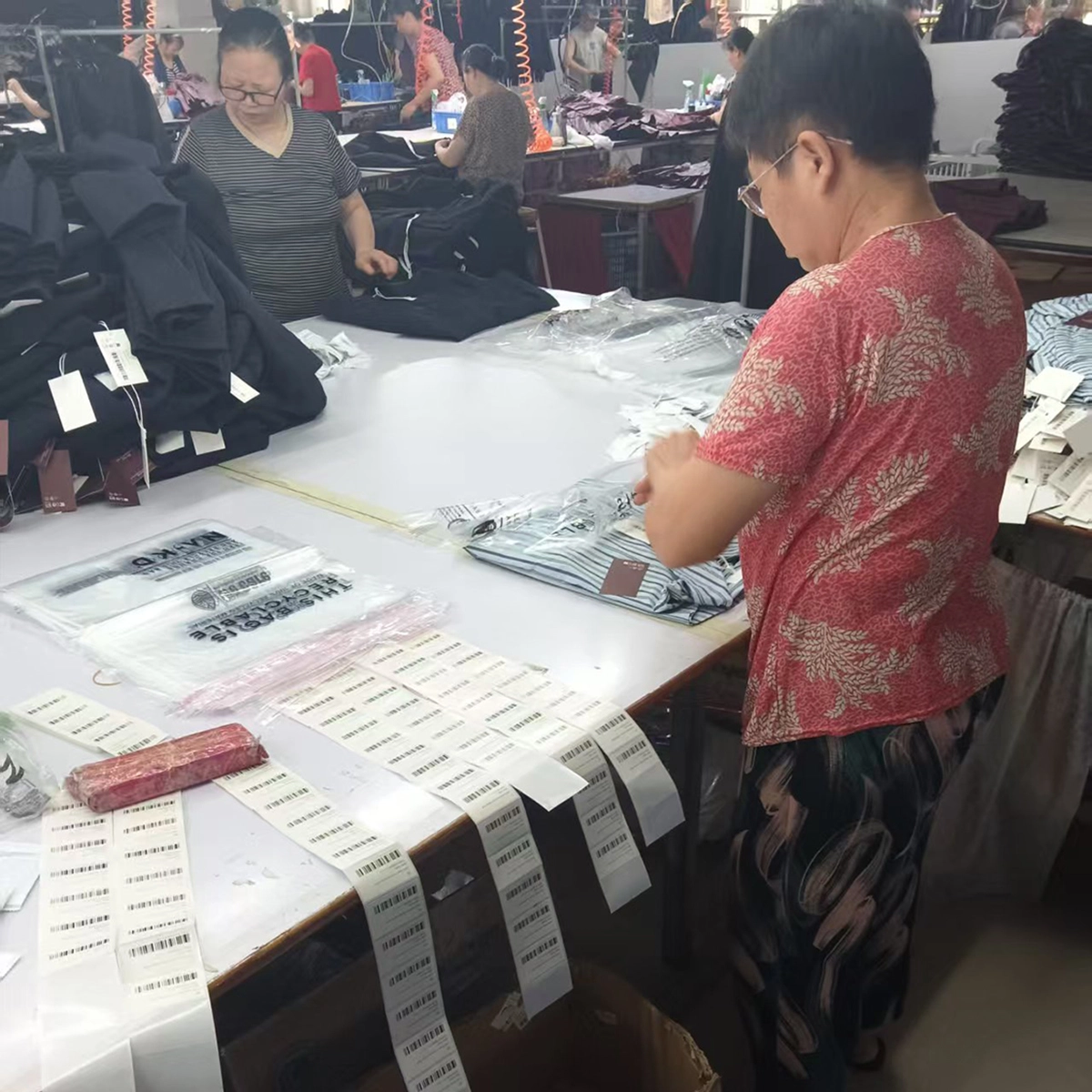
Garment Packing
Approved garments are folded and packed according to the customer’s requirements. Labels, barcodes, polybags and carton markings are checked during packing.
↓
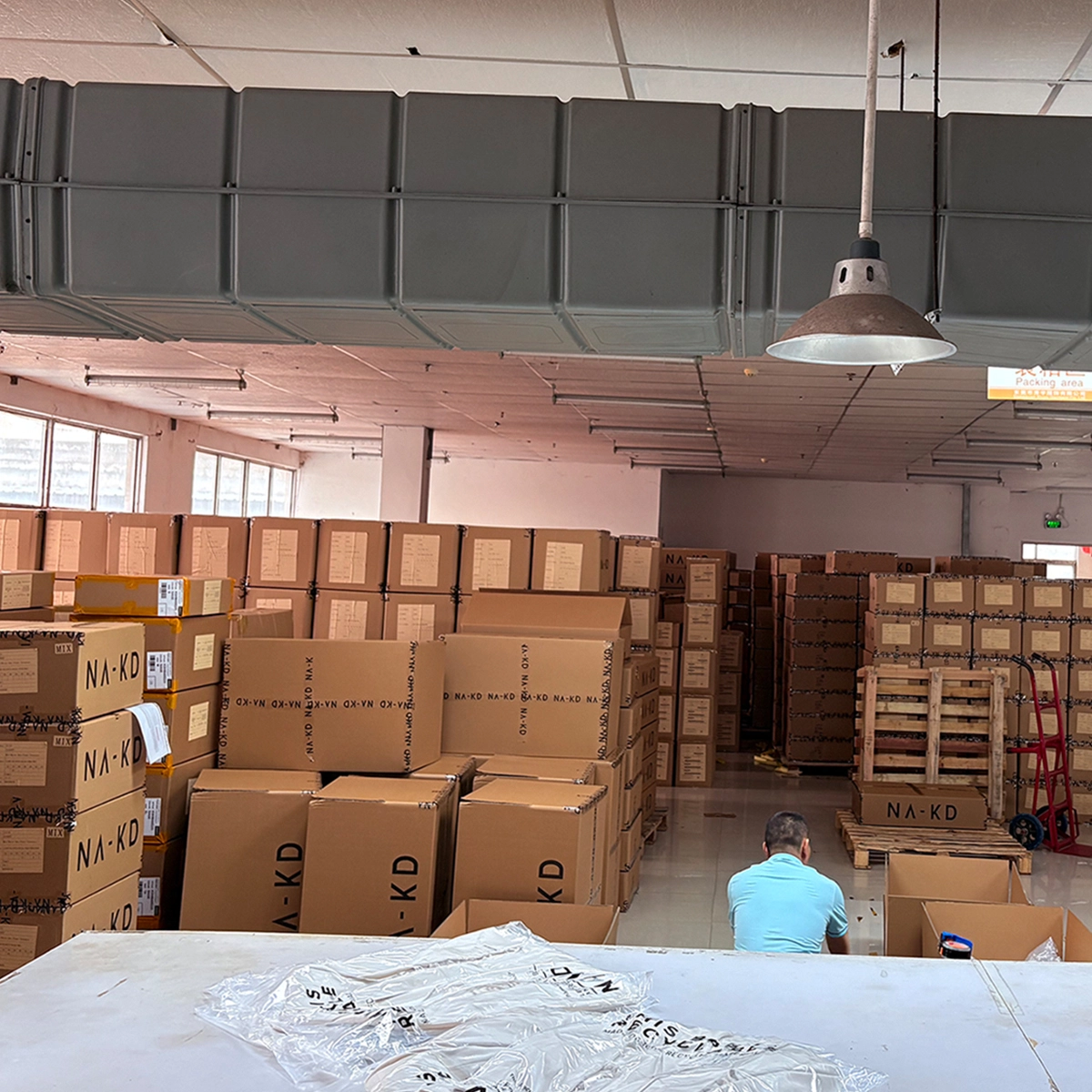
Finished Products
Finished garments are grouped by style, color and size. Carton quantities and packing information are checked against the order.
↓
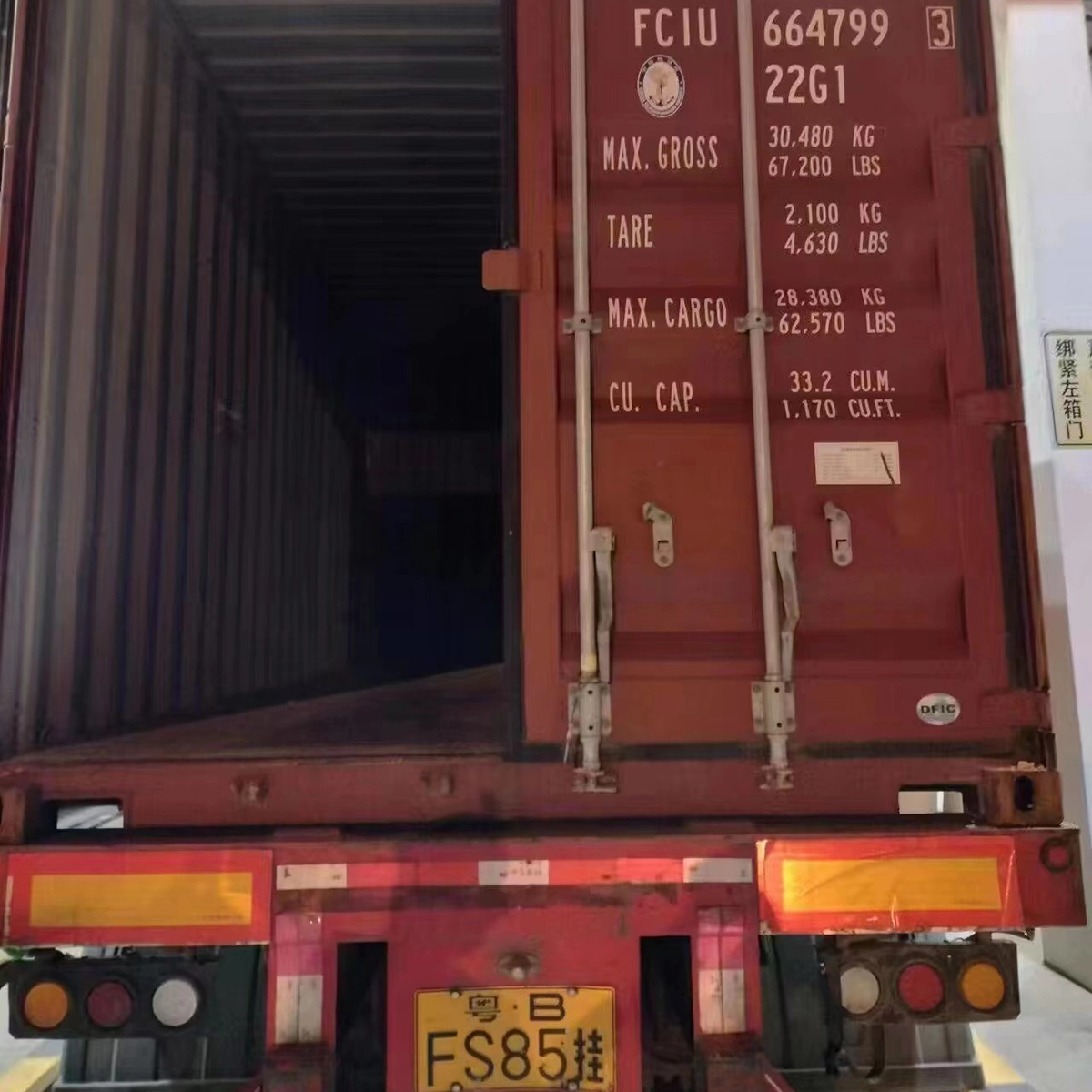
Container Loading
Cartons are loaded according to the shipping plan and checked for correct quantity and arrangement before shipment.
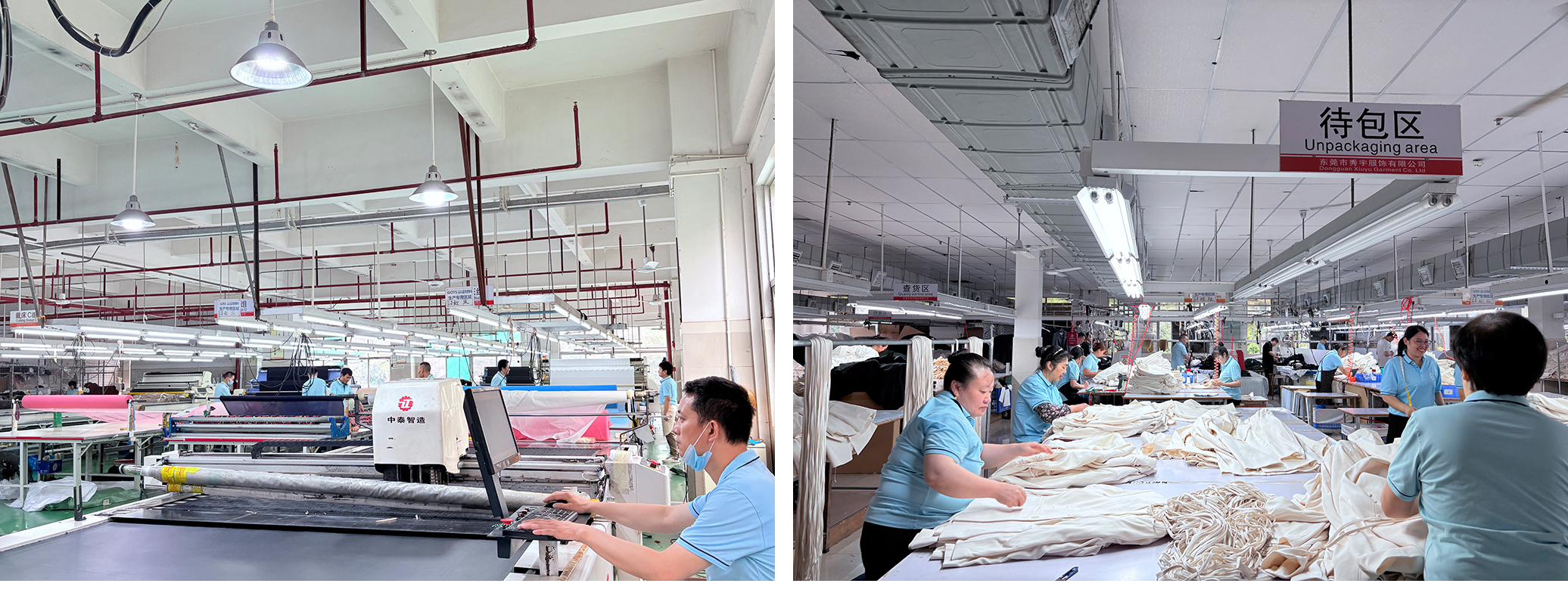 Cutting room & QC inspection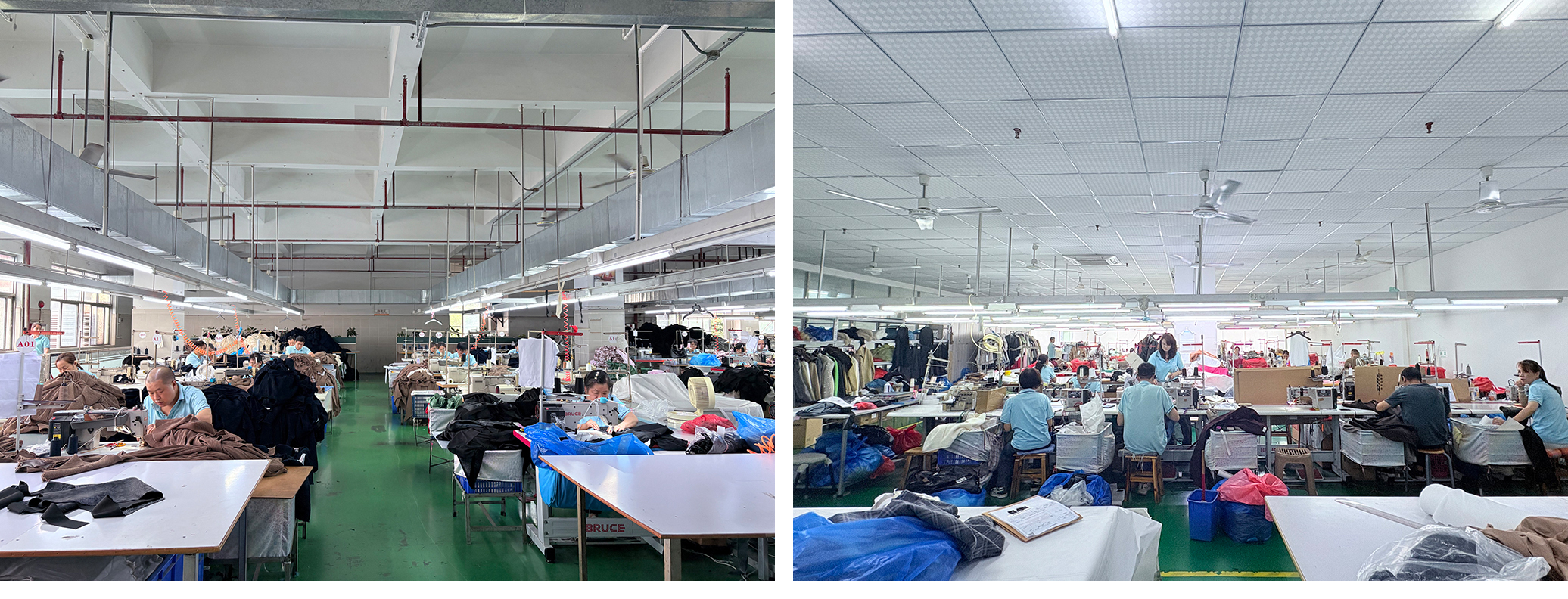
Sewing workshop
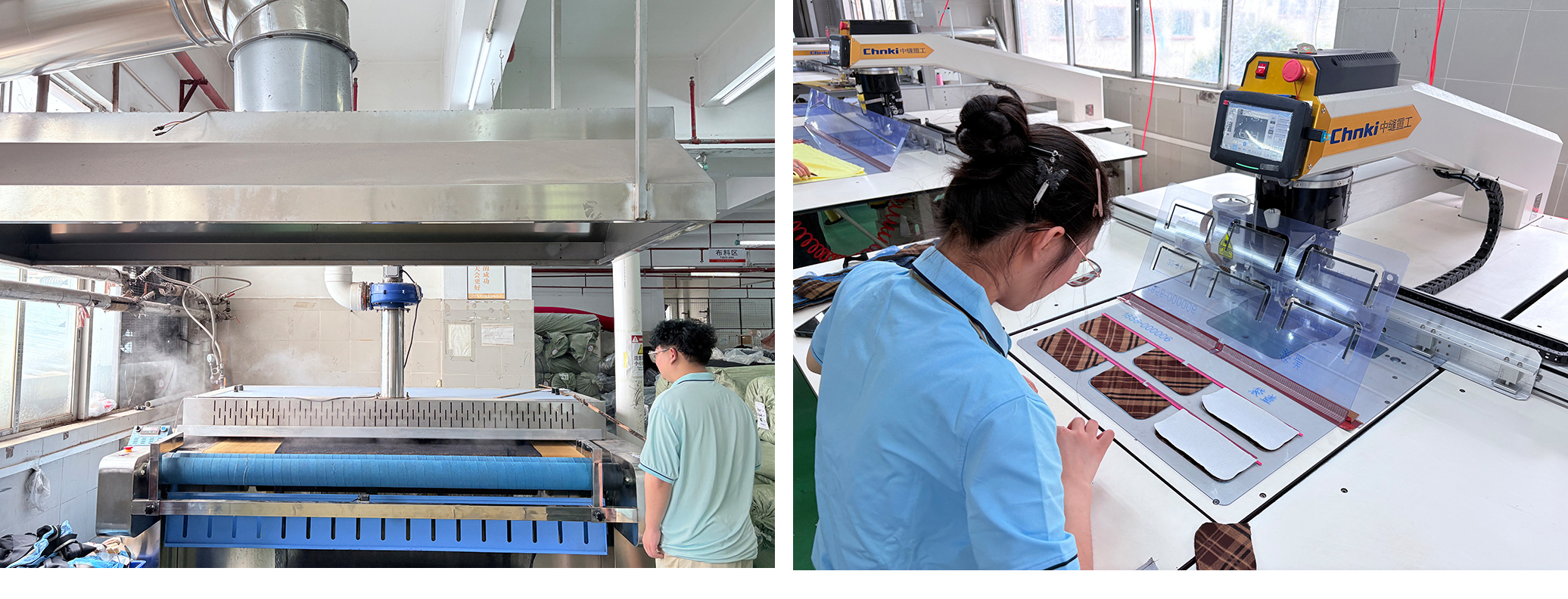 Fabric Pre-shrinking Workshop & Automatic Template Machine Workshop
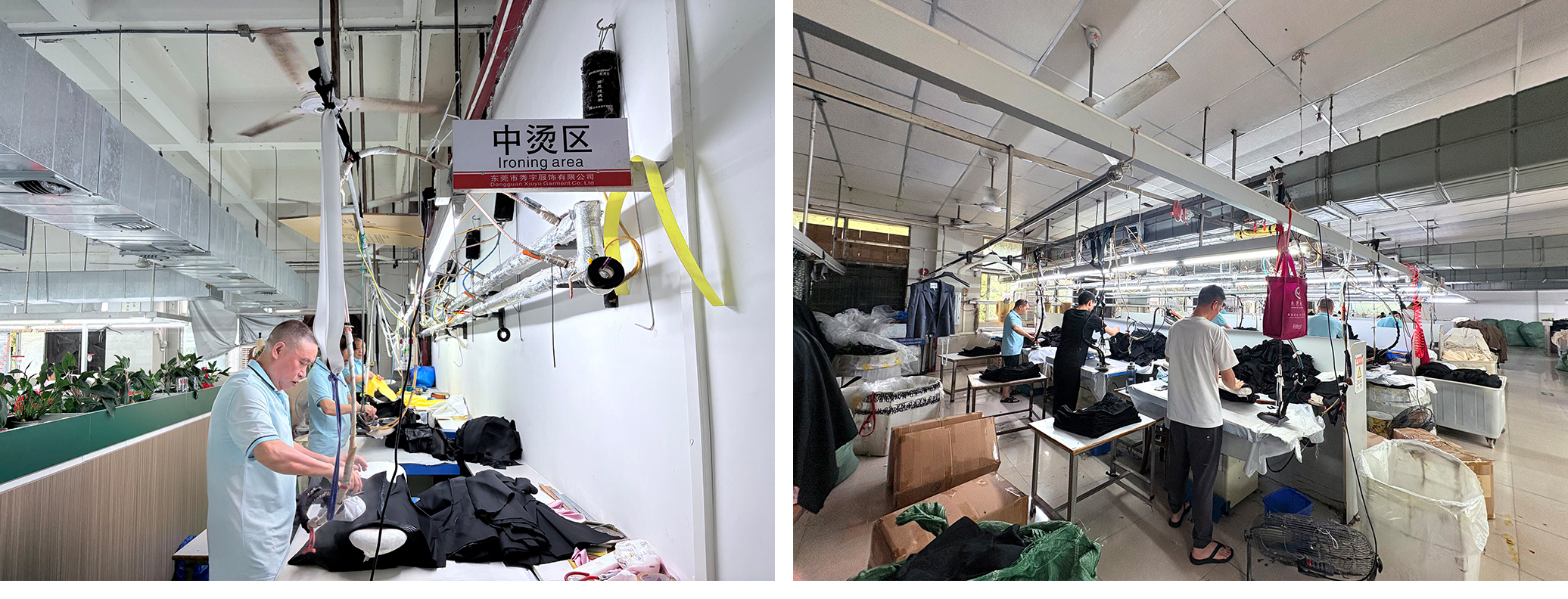 Finishing Workshop
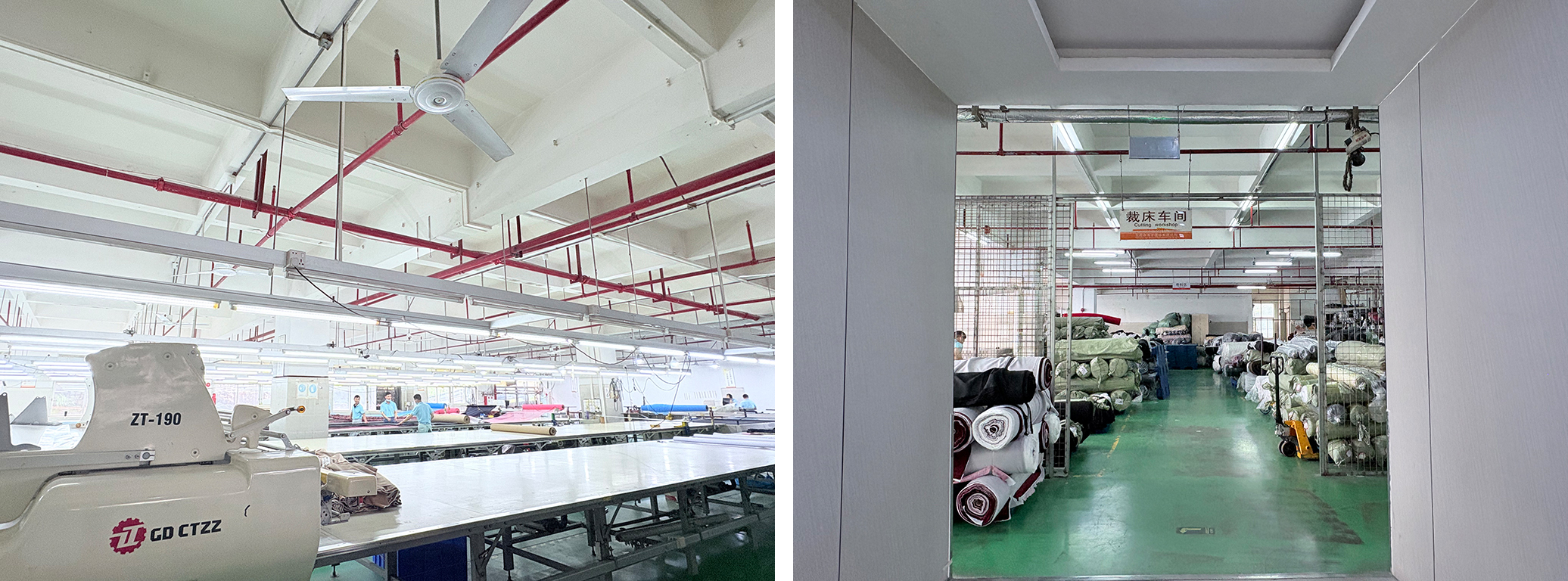
Cutting Room & Fabric warehouse
As a custom dress manufacturer, we handle the main production steps in-house, from pattern making and sampling through cutting, sewing, finishing, and final inspection. Our team works from your tech pack, sample, sketch, or reference and checks the details before the style moves into bulk production.
Keeping these stages with one production team makes it easier to deal with pattern changes, sample revisions, and construction issues before cutting starts. We can also arrange screen printing and custom embroidery when these details are part of the design.
Explore More Lace Dress Manufacturing
- Lace Dress Manufacturer
- Mini Dress Manufacturer
- Lace Maxi Dress Manufacturer
- Lace Evening Dress Manufacturer
- Lace Wedding Dress Manufacturer
Start Your Custom Lace Mini Dress Project
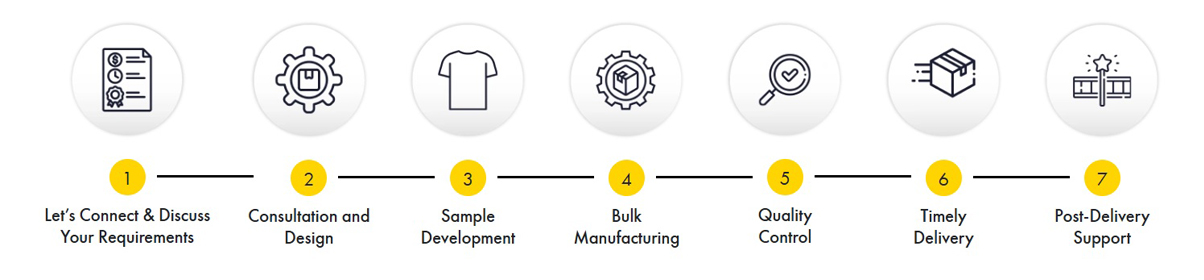
Send Your Design → Review Lace & Construction → Develop Sample → Approve Sample → Start Bulk Production
If you already have a design, send the file or product photo first. You do not need to finalize every fabric and construction detail before contacting the factory. Those details can be worked out during the development and sampling stage.
Yes. A clear product photo is enough to start the development process. Our pattern team can review the silhouette, lace placement, neckline, length and construction details, then discuss suitable fabrics and workmanship before making the first sample. Front, back and detail photos are helpful when available.
Bulk production usually takes around 25–30 days after the sample, fabric, size set and production details are approved. The actual lead time depends on the order quantity, lace availability and workmanship. We’ll confirm the production schedule before starting the bulk order.
Yes. Lace placement can be worked out during pattern making so the main motifs line up across seams, the center front, back and key panels where needed. For scalloped or patterned lace, we also check the repeat and cutting layout before bulk production.
Yes. We can add your woven labels, care labels, size labels and hang tags to the lace mini dresses. Custom packaging is also available if needed. Label placement, artwork and packaging details are confirmed during sampling before we move into bulk production.